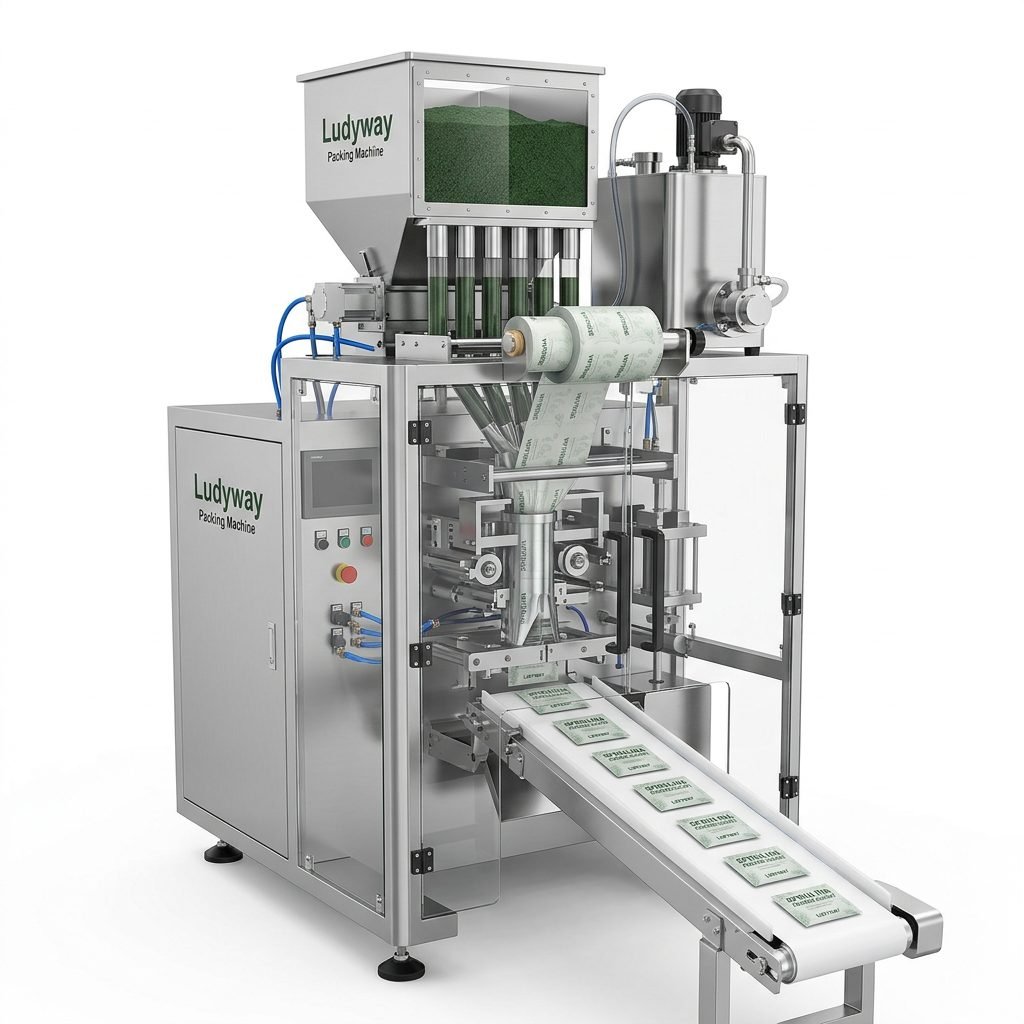
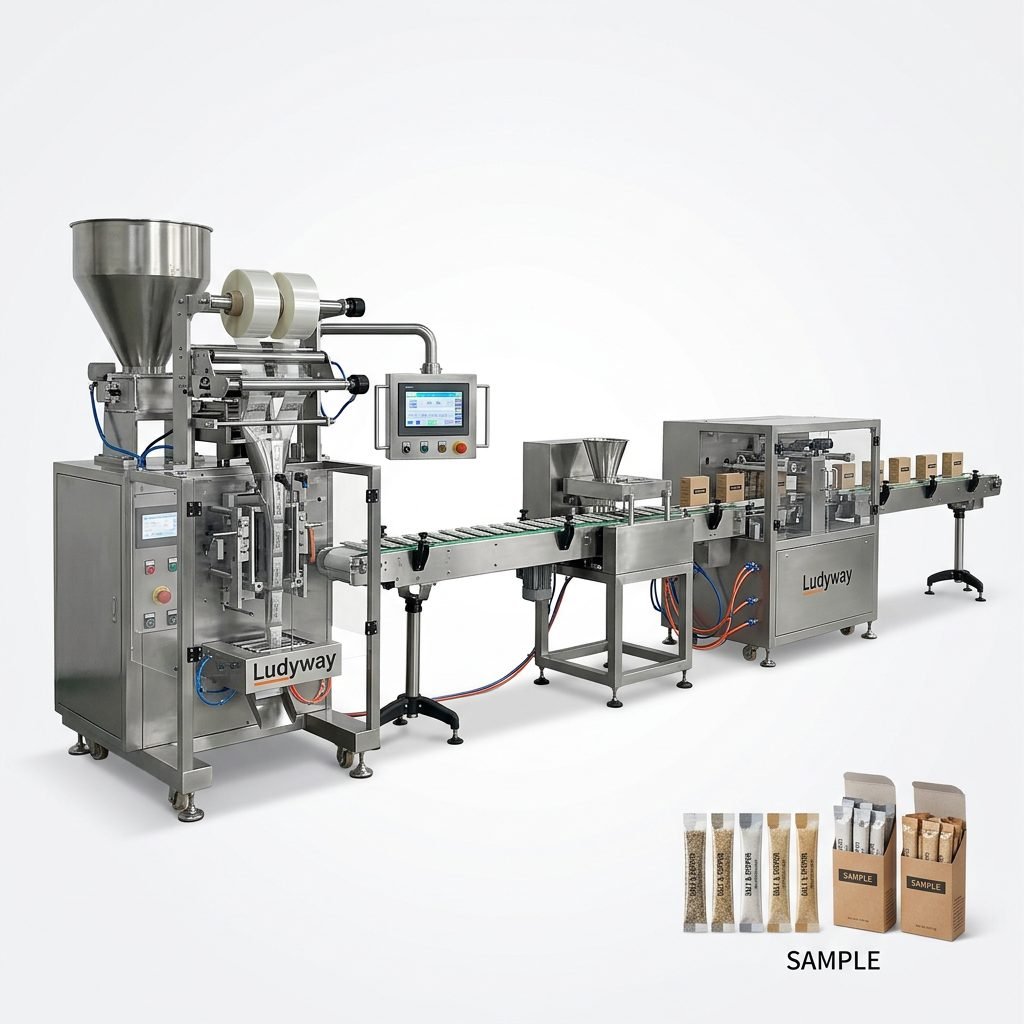
In the dynamic food processing landscape of Southeast Asia, preserving product freshness while maximizing operational efficiency is a constant challenge. From the bustling seafood markets of Thailand to the expanding coffee plantations in Vietnam and the snack food industries in Indonesia, the tropical climate demands superior packaging solutions. This is precisely why manufacturers are shifting toward advanced vacuum packaging technology that extends shelf life and reduces waste. Ludyway’s vacuum food packaging machines have emerged as the premier choice for businesses aiming to conquer these logistical hurdles with cutting-edge engineering and localized support.

Addressing the Unique Climate Challenges of Southeast Asian Food Production
High humidity and ambient temperatures are the archenemies of dried goods, powders, and processed seafood. Traditional packaging methods often fail to prevent oxidation and moisture ingress, leading to rapid spoilage. Vacuum packaging effectively removes atmospheric oxygen from the package, drastically slowing down the degradation process. For sectors dealing with granulated coffee, powdered milk, or dried herbs, this is not just an option—it is a necessity. By leveraging robust industrial vacuum systems, producers can ensure that their products maintain peak flavor, texture, and nutritional value from the factory floor until they reach the consumer.
Unmatched Technological Superiority in Multi-Lane Vacuum Systems
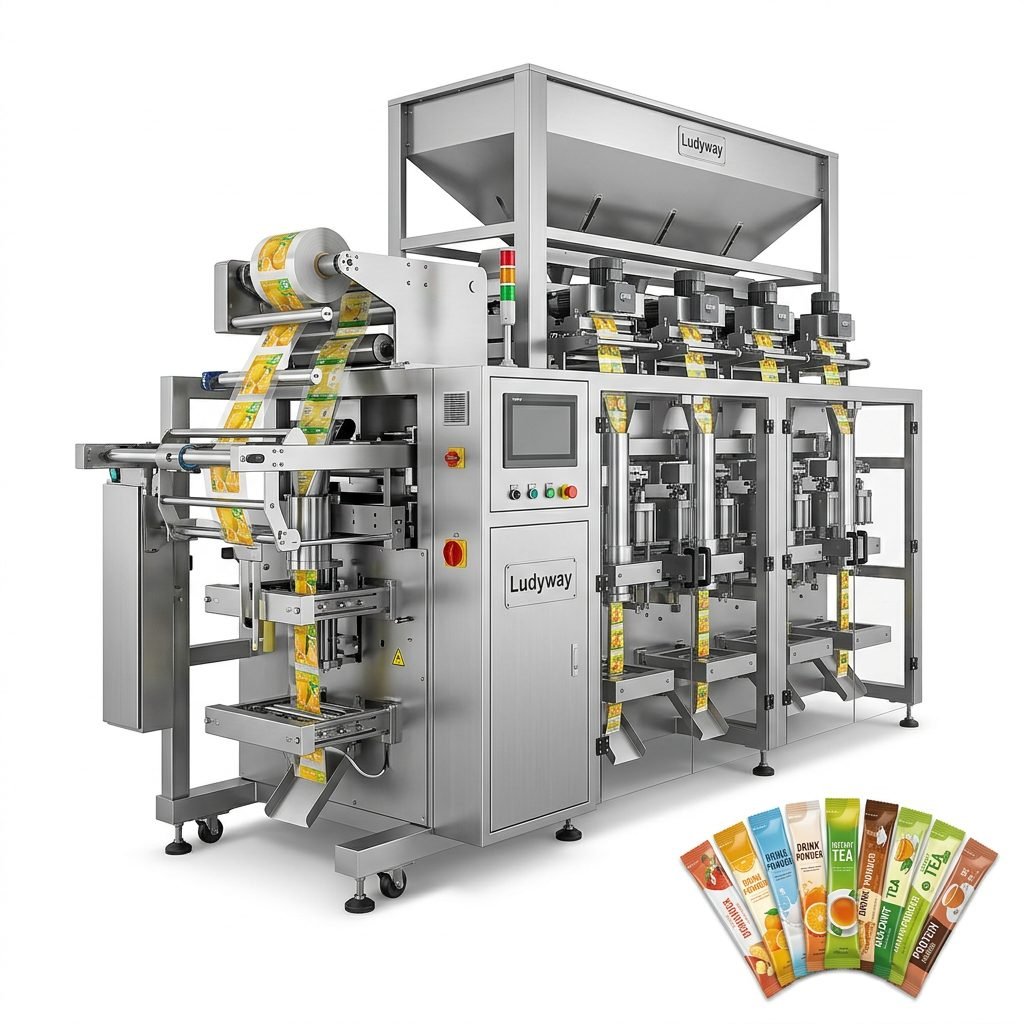
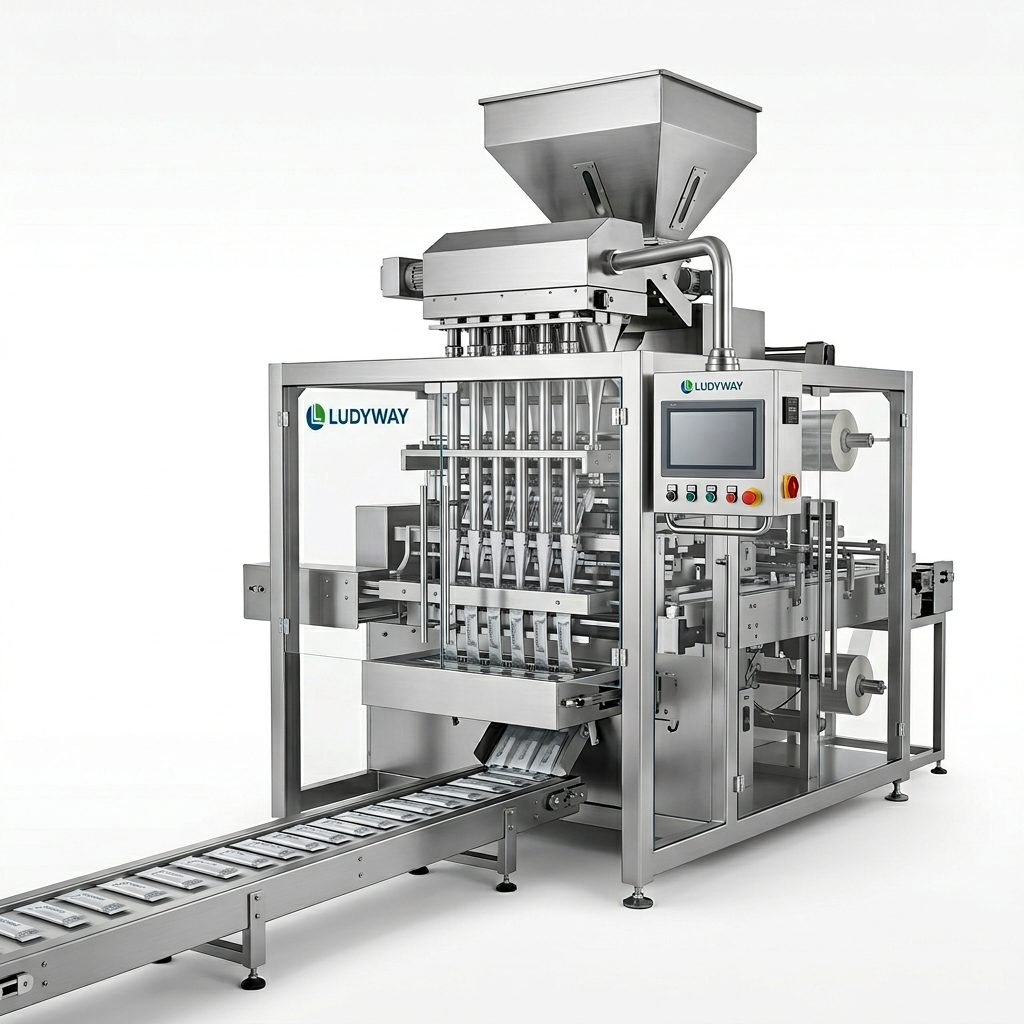
What sets the Ludyway offering apart in the ASEAN market is the integration of vacuum capabilities with high-speed, multi-lane formats. While many suppliers offer basic single-lane vacuum sealers, modern competitive manufacturing requires output rates that match high-volume demand. The advanced line of machinery excels in automated granule, powder, and liquid vacuum sealing across multiple lanes simultaneously. Whether you are packing stick packs of 3-in-1 instant coffee or sachets of medical powders, the precision engineering ensures consistent vacuum pressure and seal integrity. Explore the extensive capabilities of automated packaging line solutions designed for diverse material types.
Key Product Formats Dominating the Regional Market
- Stick Pack: Ideal for single-serve coffee, sugar, and nutraceutical powders. The vacuum capability prevents oil oxidation in coffee beans and extends the freshness of milk powders.
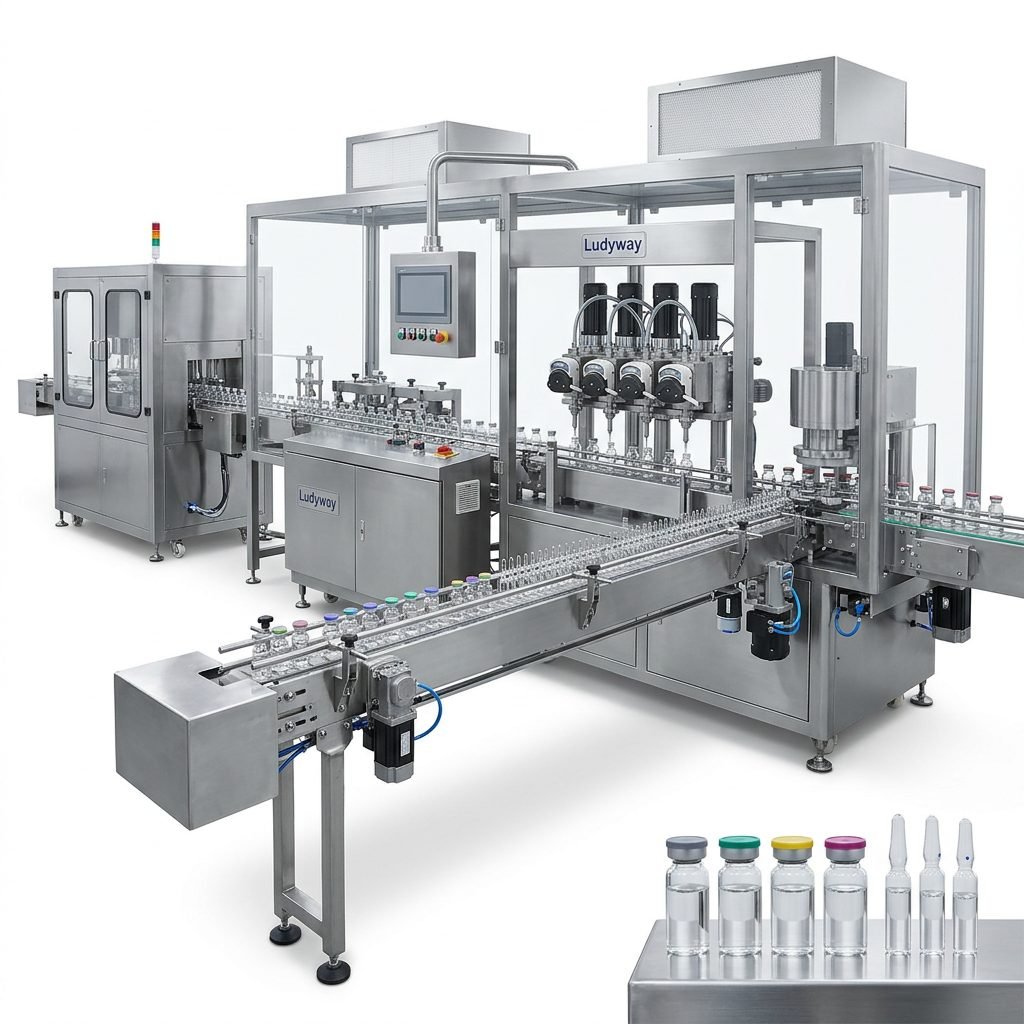
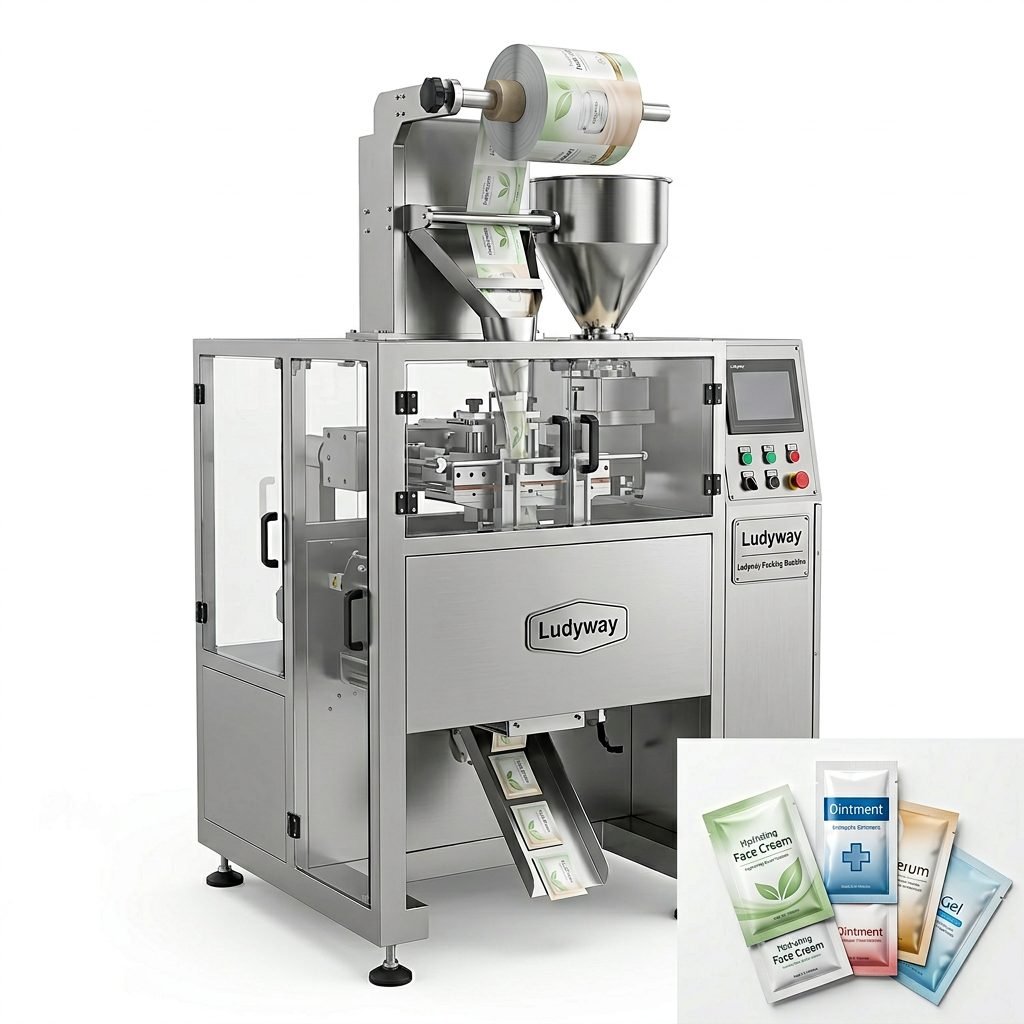
- Sachets: Dominant in the pharmaceutical and cosmetic sectors for creams, shampoos, and oral rehydration salts. Vacuum sealing eliminates dead space and prevents leakage.
- Premade Pouch: Perfect for frozen seafood, dried fruits, and bulk snacks, offering high-barrier protection against the humid tropical environment.
Cost-Efficiency and Return on Investment (ROI) Analysis
For business owners in Malaysia, the Philippines, and Thailand, the initial capital investment must be justified by long-term operational savings. A critical advantage is the drastic reduction in product spoilage and returns. Additionally, the shift from rigid containers to flexible vacuum pouches cuts down on storage space and freight costs. The table below compares the operational metrics of standard vs. vacuum integrated systems in a typical Southeast Asian snack production facility:
| Performance Indicator | Standard Non-Vacuum Line | Ludyway Vacuum Integrated Line |
|---|---|---|
| Shelf Life (Dried Snacks) | 6-8 Months | 12-18 Months |
| Oxygen Residual Rate | > 1.5% | < 0.5% |
| Product Waste Reduction | Baseline | Up to 35% Reduction |
| Packaging Material Thickness | High-Gauge (Costly) | Optimized Lower Gauge |
Precision Engineering for Granules, Powders, and Liquids
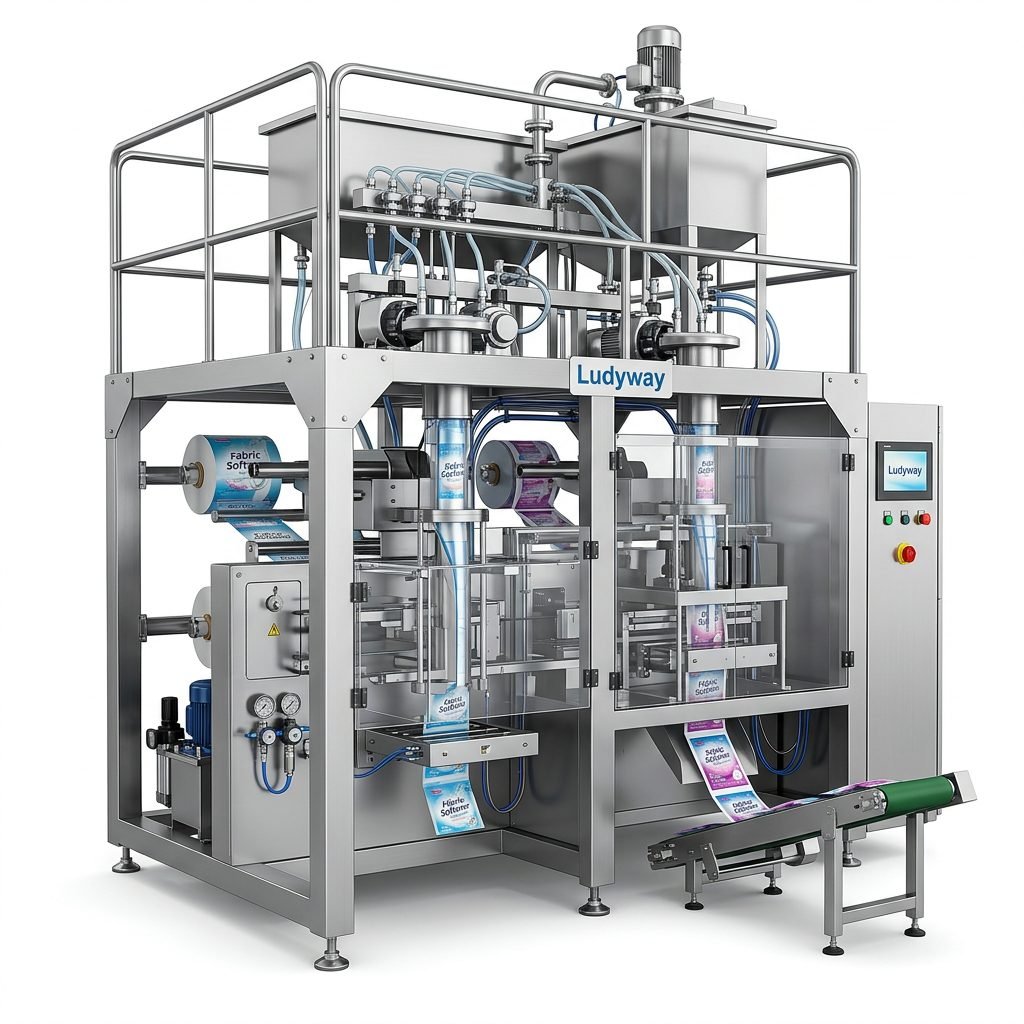
One of the most frustrating production issues is “dusting”—where fine powder gets caught in the sealing area, causing leaks or seal failures. The specialized design of these vacuum systems incorporates intelligent dust extraction and heat management. This is particularly vital for powdered supplements, spice mixes, and milk powders. For liquid products like coconut oil or fish sauce that are prevalent in the region, the vacuum technology ensures that the liquid is sealed without air bubbles, preventing fermentation and color change. These machines are engineered to handle the complex rheology of Southeast Asian food products with ease.

Durability and Compliance with International Standards
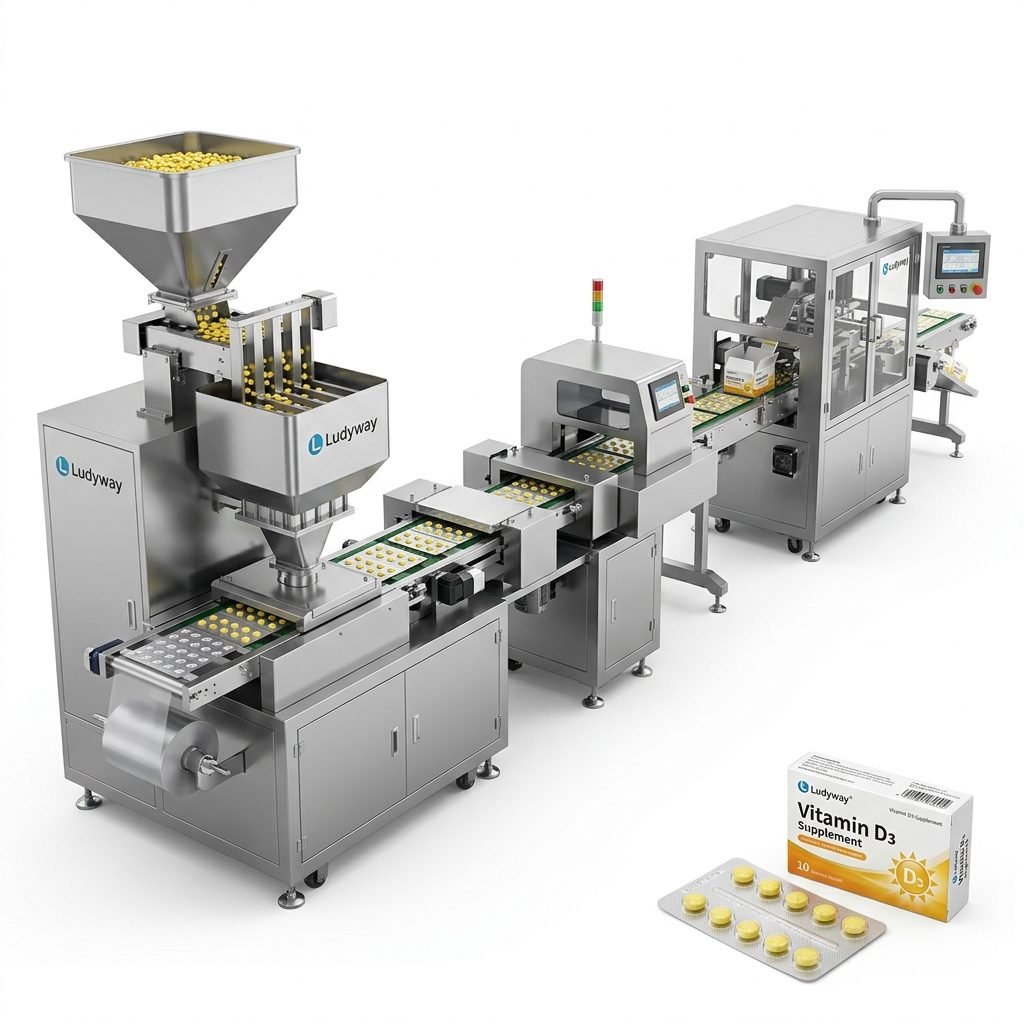
Sourcing machinery from a manufacturer with a global footprint ensures that local businesses do not have to compromise on quality. The construction adheres to rigorous international standards, including CE and ISO certifications relevant to FDA food packaging and food contact substances regulations. The use of high-grade stainless steel and world-class electrical components ensures that the vacuum pump maintains peak performance even under the heavy dust loads typical of powder facilities. For pharmaceutical buyers, validation documentation and strict adherence to GMP hygiene standards come standard. Furthermore, these machines meet the requirements of ISO packaging standards, ensuring global trade readiness.
Material Handling & Turnkey Vacuum Solutions
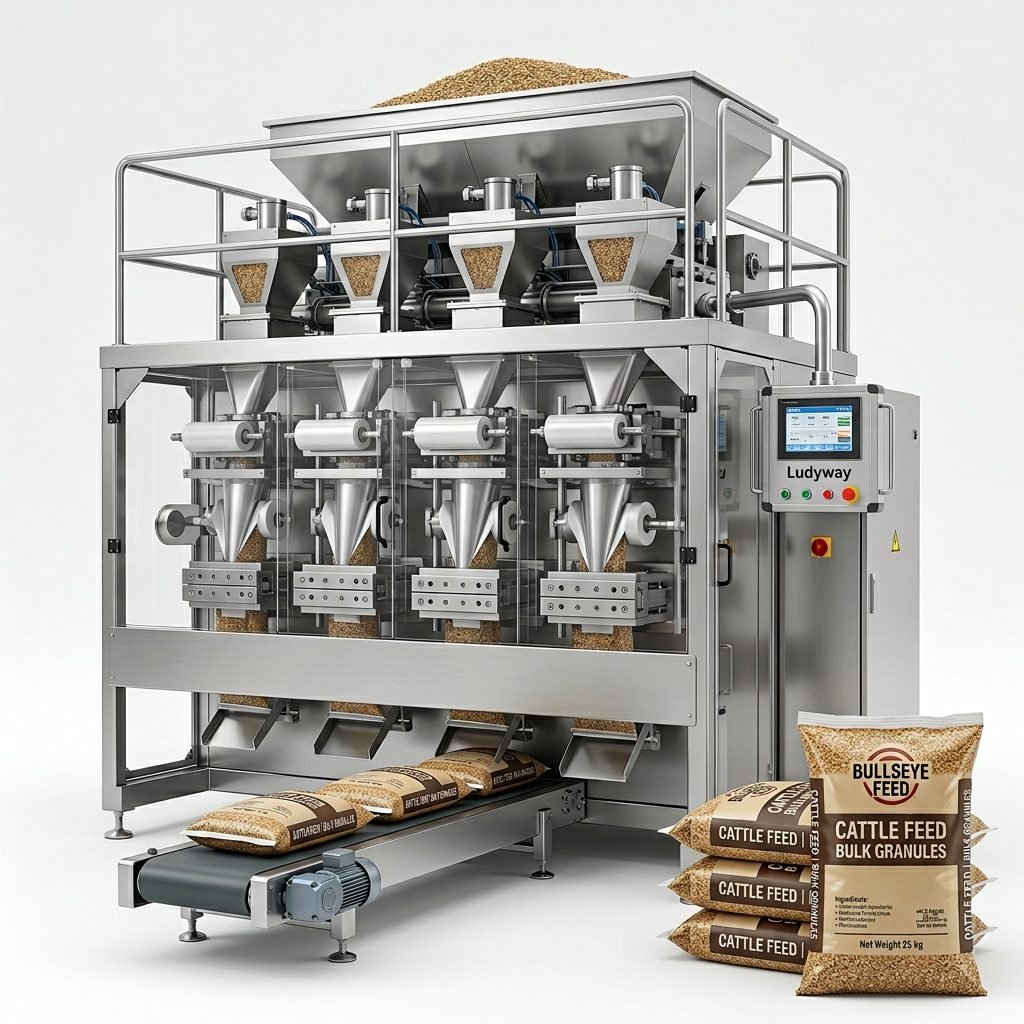
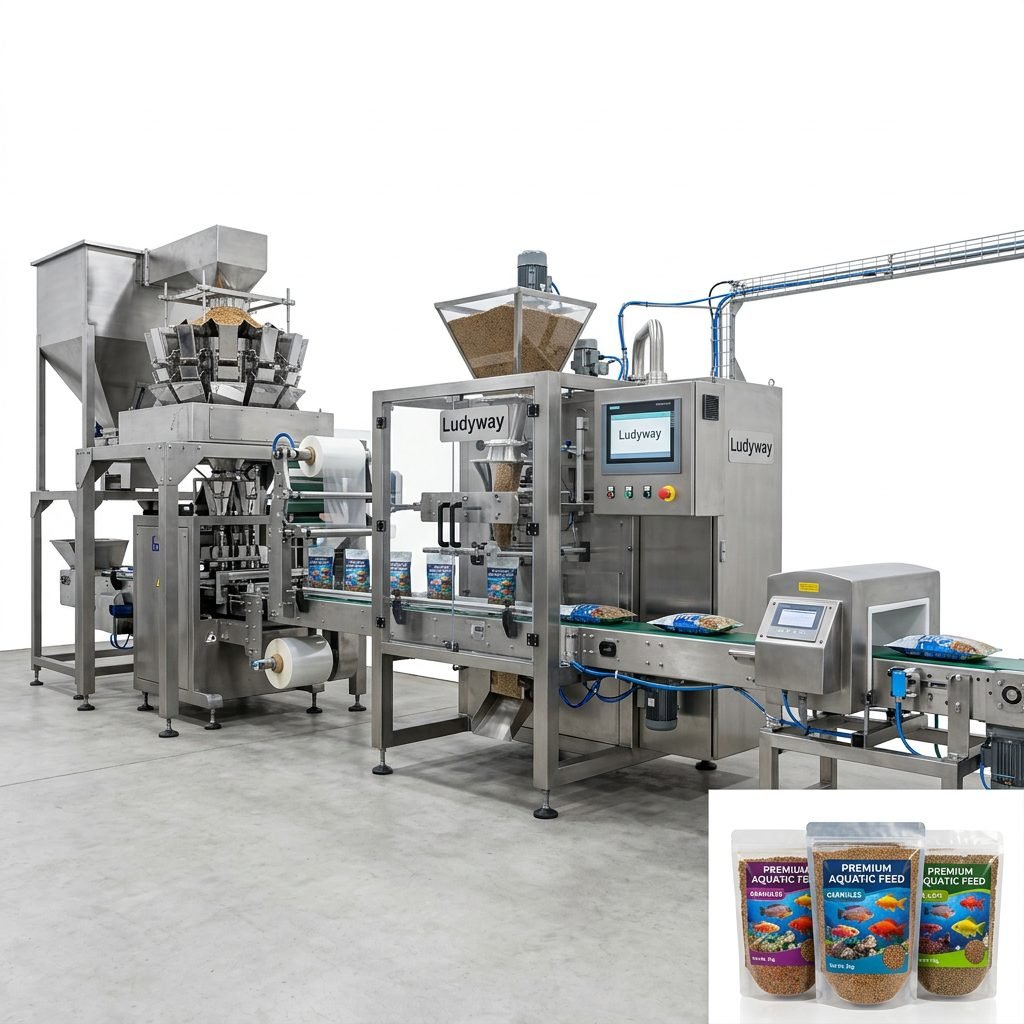
Beyond the sealing unit, efficient vacuum packaging relies on sophisticated material handling. The integration of automatic feeders and bucket elevators into the vacuum line minimizes human contact and contamination. This is especially critical for the booming pet food industry in the region, where raw material integrity must be maintained. Modern turnkey solutions described in PMMI business intelligence highlight that fully automated feeding-to-palletizing systems maximize uptime. Whether it’s a delicate freeze-dried coffee granule or a coarse animal feed pellet, the transfer system ensures the product arrives at the vacuum chamber perfectly conditioned and at the optimal speed.
Why Local Distributors and End-Users Prefer This Technology
The after-sales ecosystem is often the deciding factor for procurement managers in Southeast Asia. Rapid spare parts availability and remote diagnostics support are non-negotiable. With Ludyway’s established network in over 100 countries, local agents can provide immediate technical assistance, minimizing costly downtime. The machine’s intuitive HMI (Human-Machine Interface) is designed with multi-language support, empowering operators in Indonesia, the Philippines, or Myanmar to manage complex vacuum cycles without steep learning curves. This user-centric design philosophy is echoed in the latest flexible packaging resources from associations like Flexible Packaging Association, emphasizing the need for SMART factory readiness.
Case Application: High-Speed Seafood Vacuuming
Consider the high-value shrimp and fish export sector. Freeze-dried or frozen seafood requires a vacuum seal that prevents freezer burn and maintains texture during long-distance shipping. The high-speed multi-lane configurations can handle delicate products without compromising the film integrity. In a recent industry trend report by PMMI 2025 State of the Industry, the demand for flexible packaging equipment that offers both vacuum and modified atmosphere packaging (MAP) is skyrocketing. The ability to switch seamlessly between these modes provides food technologists the flexibility to use the exact gas mixture or vacuum level required for specific exports, thus optimizing the taste and visual appeal of premium products like tuna steaks or dried mango slices.
Sustainable Packaging and Waste Reduction
Sustainability is a growing priority across the ASEAN Economic Community. By enabling the use of thinner, high-barrier films thanks to the structural integrity provided by vacuum pressure, the equipment directly contributes to source reduction. Less plastic per pack translates to lower import duties and eco-taxes. Furthermore, the significant extension of shelf life reduces both food waste and the carbon footprint associated with restocking and logistics. This aligns perfectly with circular economy goals promoted by widespread regulatory bodies, ensuring that your processing plant stays ahead of environmental mandates while improving the bottom line.
Key Takeaways for Decision Makers
- Superior Product Quality: Vacuum technology locks in flavor, aroma, and nutritional value, providing a competitive edge on crowded supermarket shelves.
- Operational Reliability: Industrial-grade vacuum pumps and dust-proof designs ensure continuous 24/7 production cycles without overheating.
- Localized Integration: Tailored configurations for the unique humidity and production habits of Southeast Asian markets.
- Scalability: Modular designs that allow businesses to start with a single-lane vacuum sealer and expand to high-output multi-lane systems as demand grows.
In conclusion, selecting the right vacuum packaging machine is the cornerstone of a successful export-oriented strategy in Southeast Asia. The combination of robust German/Japanese-inspired engineering, Chinese manufacturing agility, and localized tropical-specific customizations makes this range of equipment the most sensible investment. For companies looking to secure their supply chain and deliver pristine products, evaluating the integrated solutions from Ludyway—a trusted Chinese packaging machine manufacturer with over three decades of experience and a 20,000㎡ production facility—is the logical next step.