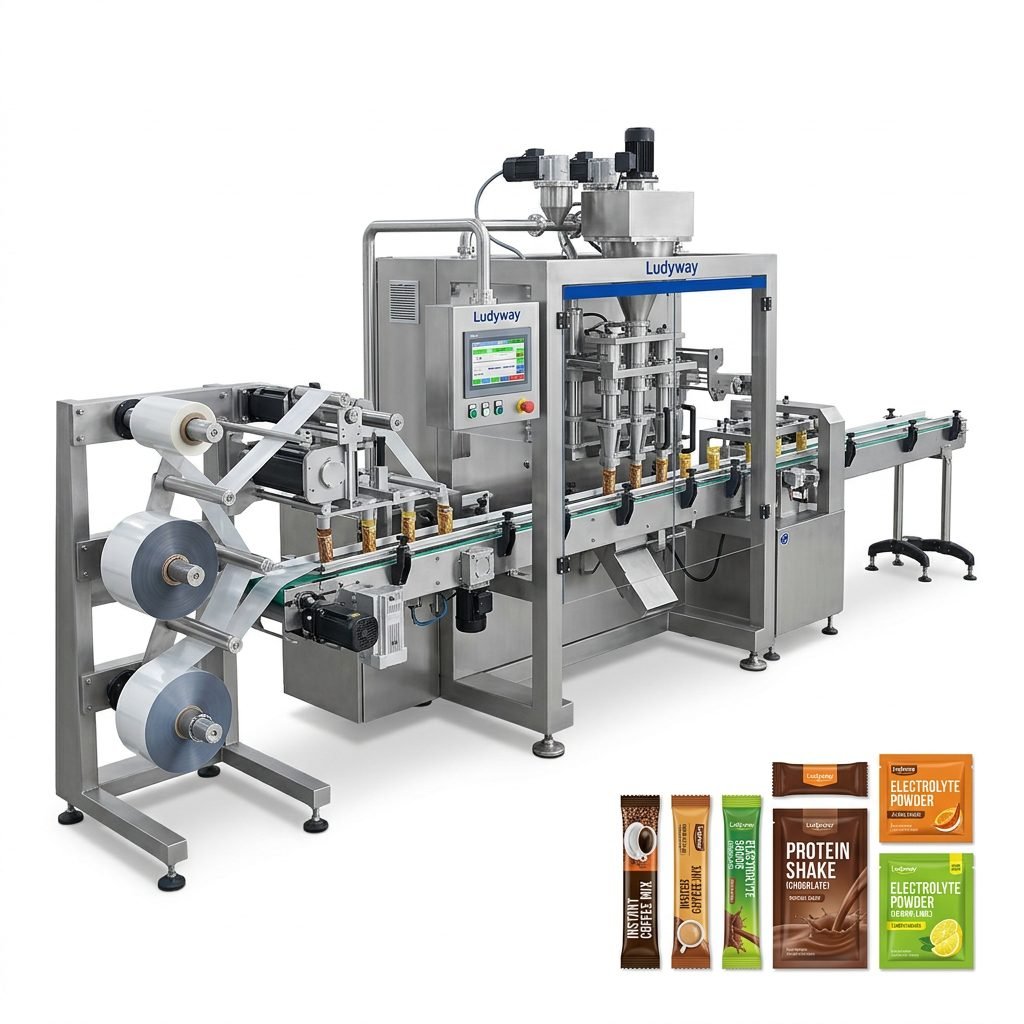
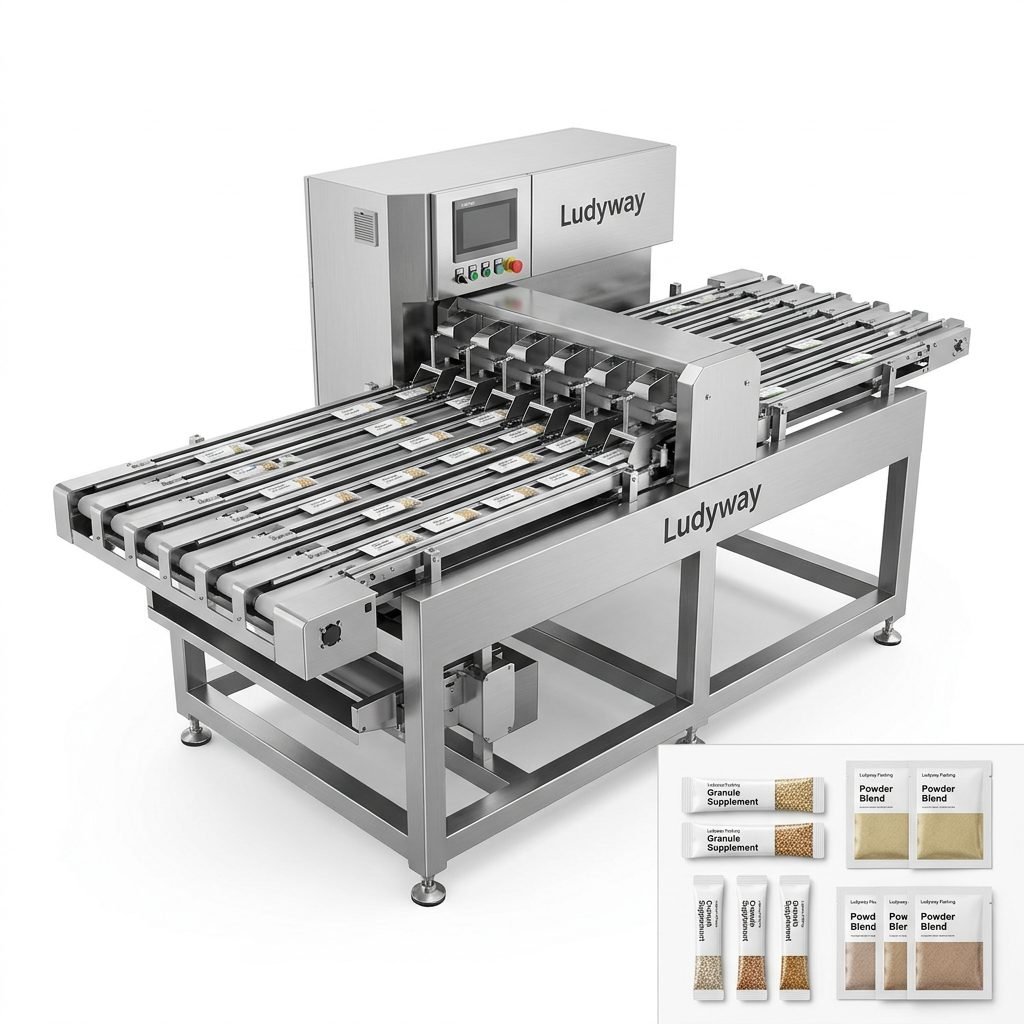
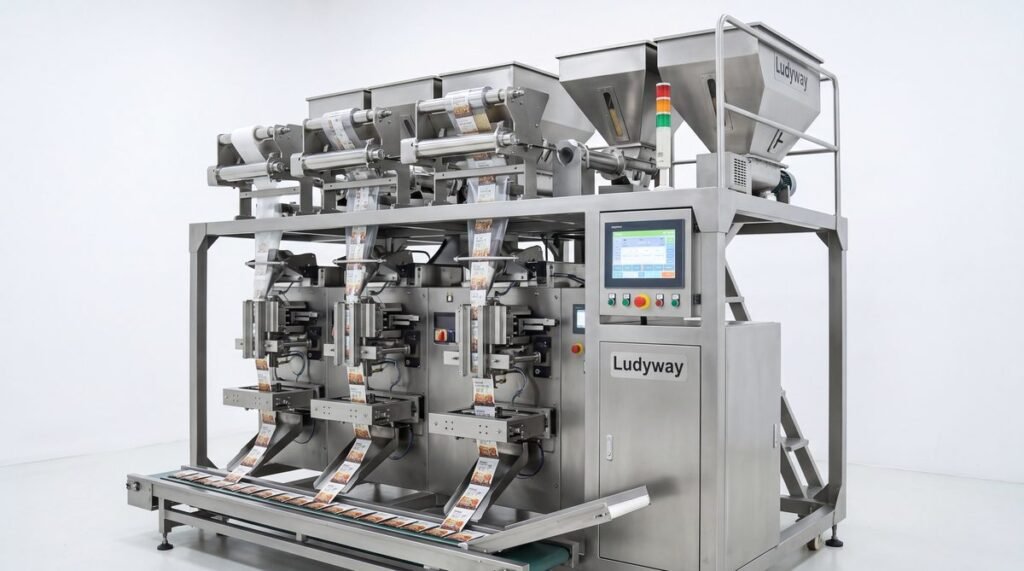
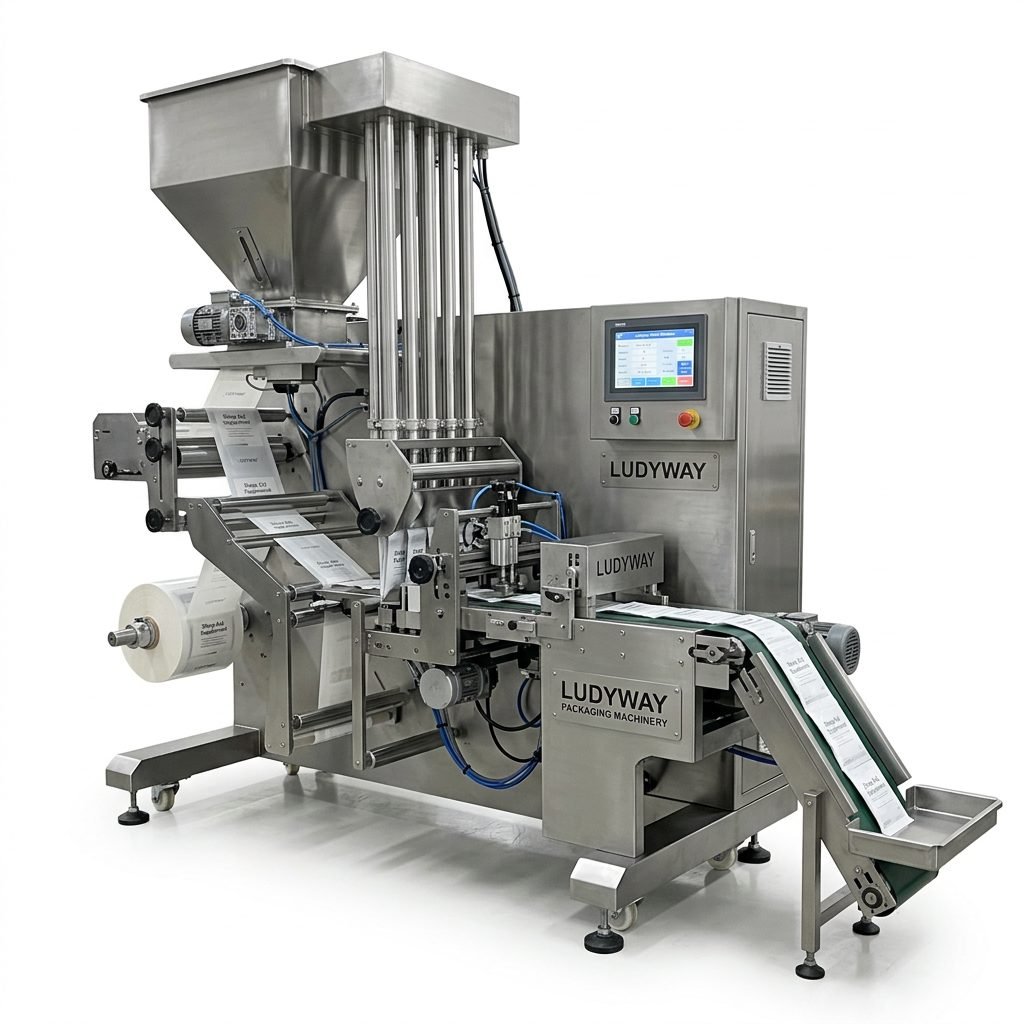
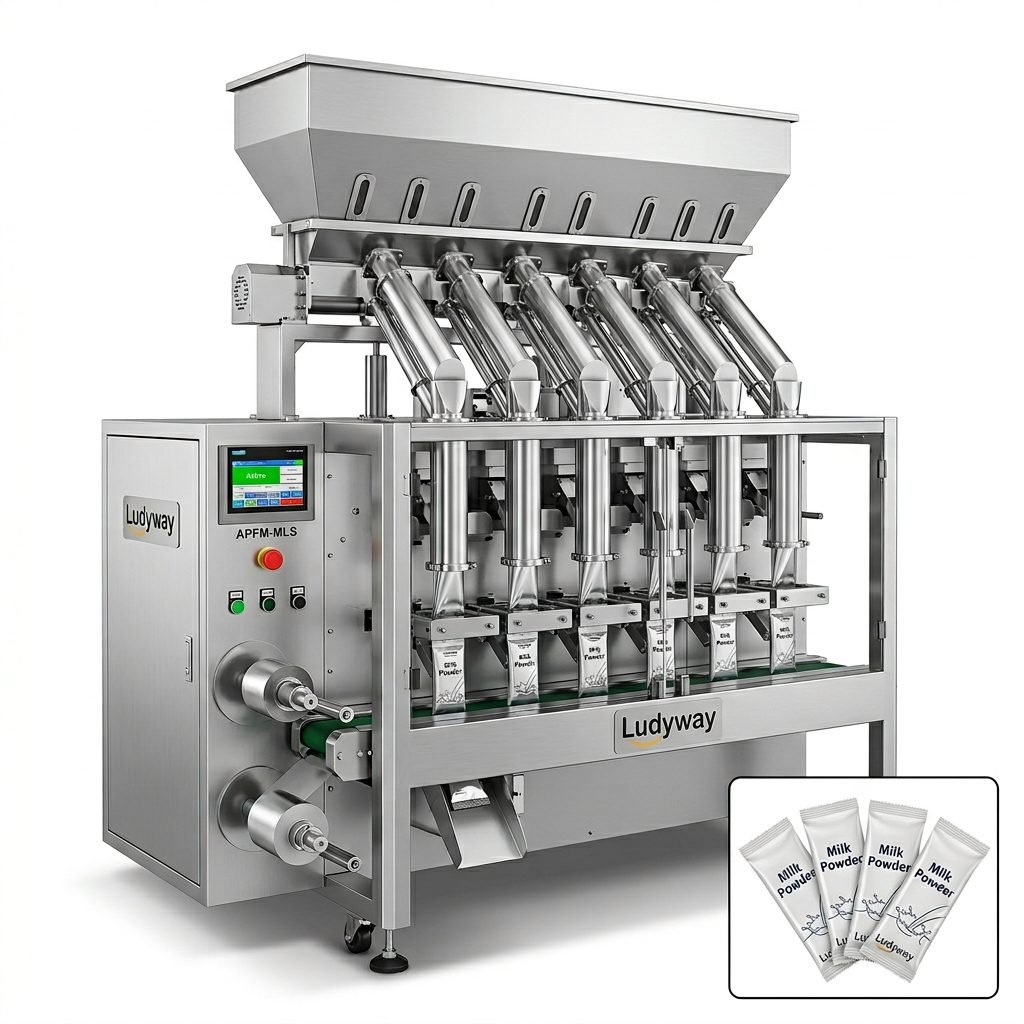
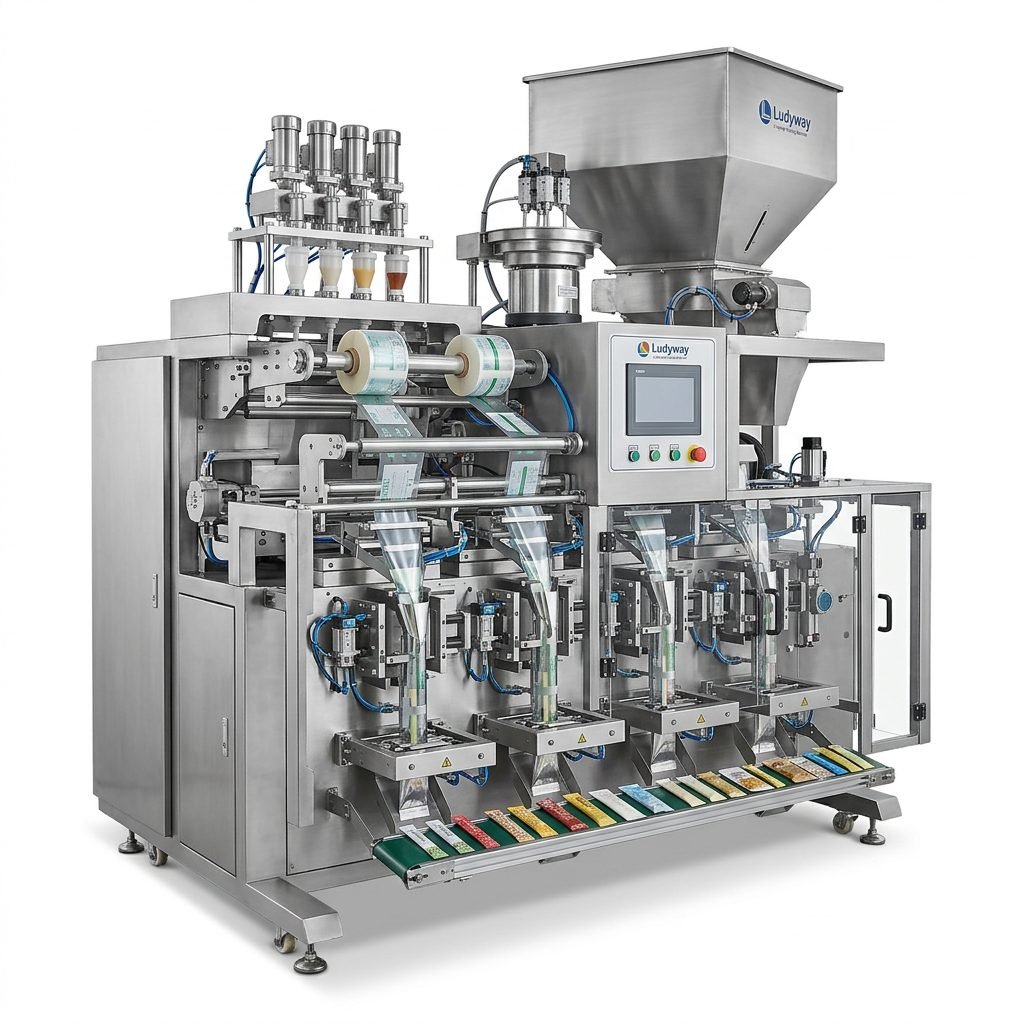
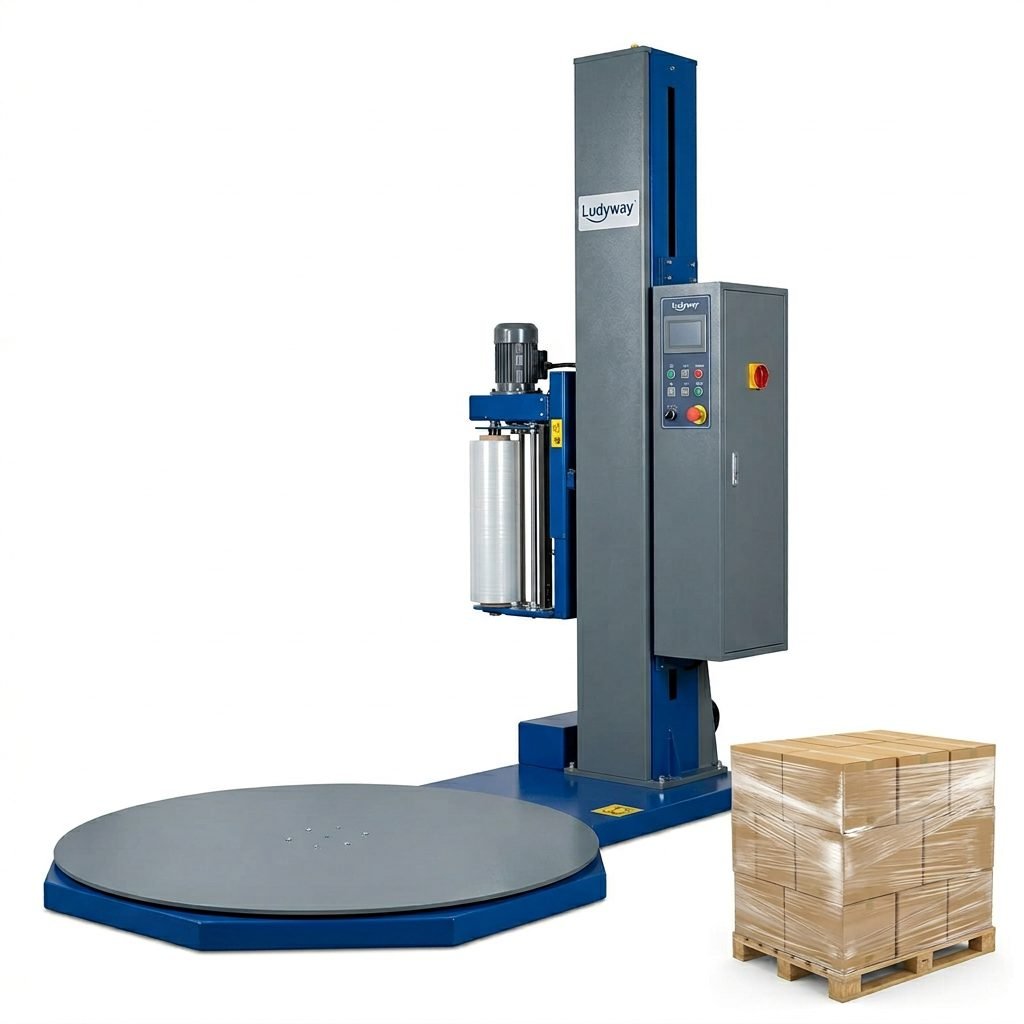
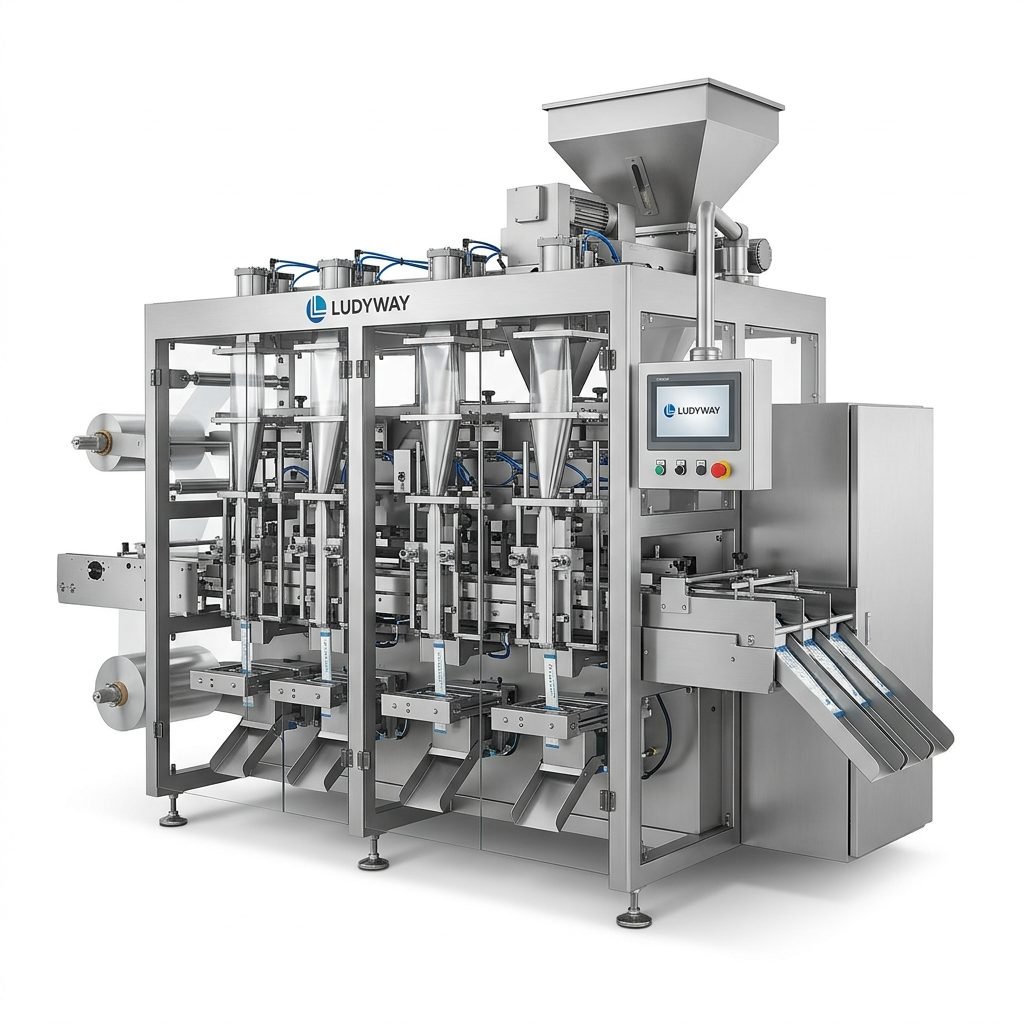
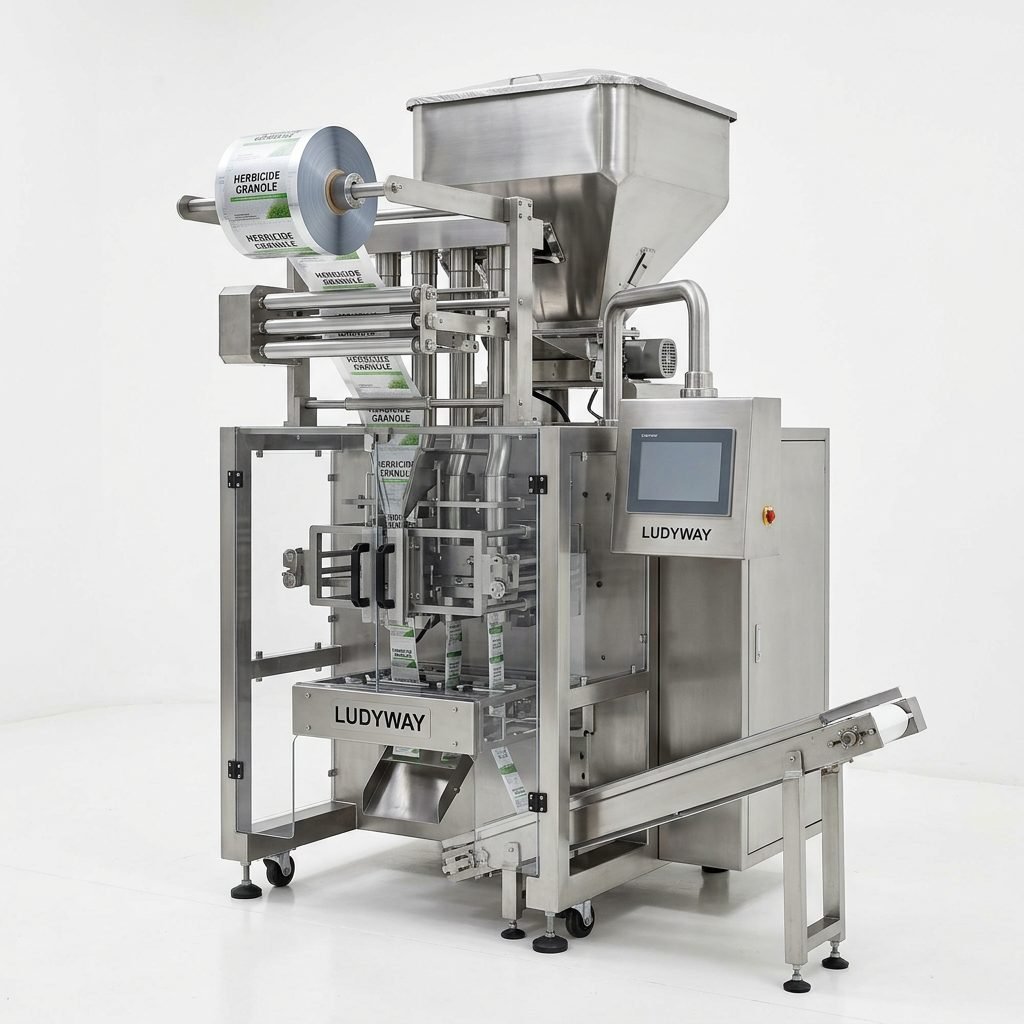
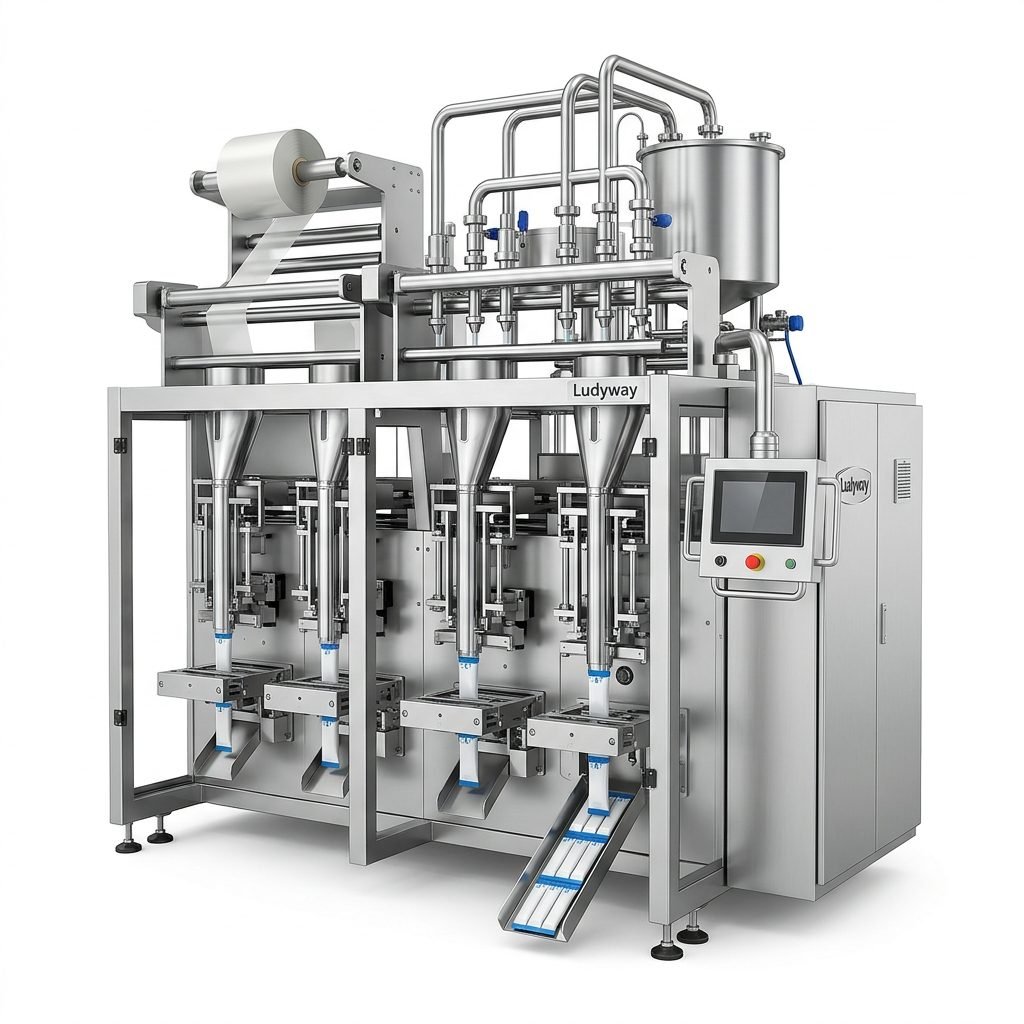
In the fast-paced world of manufacturing, optimizing your production line’s efficiency and cost-effectiveness is paramount. One strategic approach that savvy operations managers and business owners are increasingly adopting is the acquisition and sale of used packaging equipment. This secondary market offers a compelling value proposition, providing access to high-quality, reliable machinery at a fraction of the cost of new equipment, while also offering a responsible outlet for surplus or outdated assets.
The Strategic Advantages of Buying Pre-Owned Packaging Machinery
Investing in used packaging equipment can be a game-changer for businesses looking to scale, diversify, or simply maintain a competitive edge without excessive capital expenditure.
Key Benefits for Buyers:
- Significant Cost Savings: The most immediate benefit is the dramatic reduction in upfront investment. You can often acquire machinery from reputable brands like Ludyway or other established manufacturers for 30% to 60% less than the price of a new unit.
- Reduced Lead Time: Unlike waiting for the manufacturing and delivery of new machines, quality used equipment is typically available for immediate or much quicker shipment, minimizing production downtime.
- Proven Performance and Reliability: Used equipment has an operational history. With proper due diligence, you can select machinery with a known track record of performance for specific applications, such as granule, powder, or liquid packaging.
- Easier Budget Justification: For testing a new product line or entering a new market segment, used machinery presents a lower-risk investment, making it easier to secure internal approval.
Essential Due Diligence Before You Buy
To ensure a successful purchase, a thorough evaluation is crucial. This process goes beyond just the price tag and requires careful inspection and inquiry.
Inspection Checklist: Always request detailed photographs and videos of the actual equipment in operation. Look for signs of wear on critical components like sealing jaws, augers, and servo motors. Inquire about the machine’s maintenance history and service logs. A well-documented history is a strong indicator of responsible ownership. It is also highly advisable to verify the machine’s compatibility with your existing production line specifications, including power requirements, footprint, and control system interfaces.
Maximizing Value When Selling Your Surplus Equipment
For companies upgrading their lines or decommissioning older models, the used equipment market provides an excellent opportunity to recoup capital. A strategic approach to selling can significantly impact the final return.
Steps to Prepare Your Equipment for Sale:
- Professional Documentation: Compile a comprehensive portfolio including clear, high-resolution photos from multiple angles, a video of the machine running under load, original manuals, wiring diagrams, and a list of spare parts included.
- Honest Condition Assessment: Be transparent about the machine’s condition. Note any known issues, recent repairs, or parts that may require replacement soon. Honesty builds trust and leads to smoother transactions.
- Perform Basic Reconditioning: A clean machine sells better. Consider a basic service—cleaning, lubrication, and replacing visibly worn consumable parts—to present the equipment in its best light.
- Set a Realistic Market Price: Research recent sales of comparable models from brands with a strong reputation for durability and support. Pricing competitively will attract serious buyers more quickly.
Navigating the Marketplace: Platforms and Partnerships
The digital age has transformed how used machinery is bought and sold. Numerous online industrial marketplaces and B2B platforms connect global buyers and sellers. However, for high-value or complex packaging systems, partnering with a specialized dealer or the original manufacturer can be advantageous. Companies with deep industry roots, like Ludyway Machinery, which brings over 30 years of collective experience to the field, often have networks and expertise to facilitate reliable transactions, sometimes even offering refurbishment services or limited warranties on pre-owned units they broker.
Integrating Used Equipment into Your Production Workflow
Successfully implementing a used machine requires planning. Ensure you have access to technical support, either from the seller, a third-party service provider, or the OEM. Source and stock critical spare parts specific to the model. Most importantly, invest time in training your operators and maintenance technicians on the specific nuances of the “new-to-you” equipment to ensure optimal performance and safety from day one.
💡 Pro Tip for Long-Term Success
Whether buying or selling, focus on building relationships with reputable partners. The packaging industry is interconnected, and a transaction based on transparency and professionalism often leads to future opportunities and valuable industry connections. A partner’s commitment to long-term cooperation and innovation is as valuable as the equipment itself.
Conclusion: A Smart Circular Economy for Industry
The market for used packaging equipment is more than just a cost-saving measure; it represents a practical circular economy within the manufacturing sector. It extends the productive lifecycle of valuable machinery, reduces waste, and lowers the barrier to entry for innovation and growth. By conducting thorough research, practicing transparent communication, and focusing on total value rather than just initial price, manufacturers can leverage this dynamic market to build more resilient and efficient production lines.
Frequently Asked Questions (FAQs)
1. What is the typical cost savings when buying used packaging equipment?
Savings can vary widely but typically range from 30% to 60% off the original list price of a new machine, depending on its age, condition, brand, and market demand. Highly specialized or rare equipment might command a higher price, while more common models offer greater discounts.
2. How can I verify the condition and reliability of a used machine before purchasing?
Always request a live or recorded video demonstration under power. Ask for the complete maintenance and service history log. If possible, arrange for an independent third-party inspection or an audit by a qualified technician. Purchasing from a reputable dealer or directly from a known manufacturer’s resale network often provides an added layer of verification.
3. Are spare parts and technical support available for older used equipment models?
This is a critical question. Before purchasing, research the availability of spare parts for the specific make and model. Many OEMs and specialized parts suppliers stock components for older machines. Companies with strong engineering capabilities often continue to support their legacy equipment, which is a key factor to consider during your selection process.
4. What are the main risks involved in buying used packaging machinery?
The primary risks include hidden mechanical or electrical issues, outdated technology that may not integrate with modern lines, lack of available technical support, and potential difficulty sourcing spare parts. These risks are mitigated by thorough due diligence, buying from trusted sources, and securing warranties or support agreements where possible.
5. Is it better to sell my old equipment myself or use a broker/dealer?
Selling yourself on an online marketplace may yield a higher price but requires significant time and effort for marketing, negotiation, and logistics. Using a specialized broker or dealer simplifies the process, as they handle marketing, vetting buyers, and often logistics, for a commission. They can also leverage their industry network to find qualified buyers more quickly.