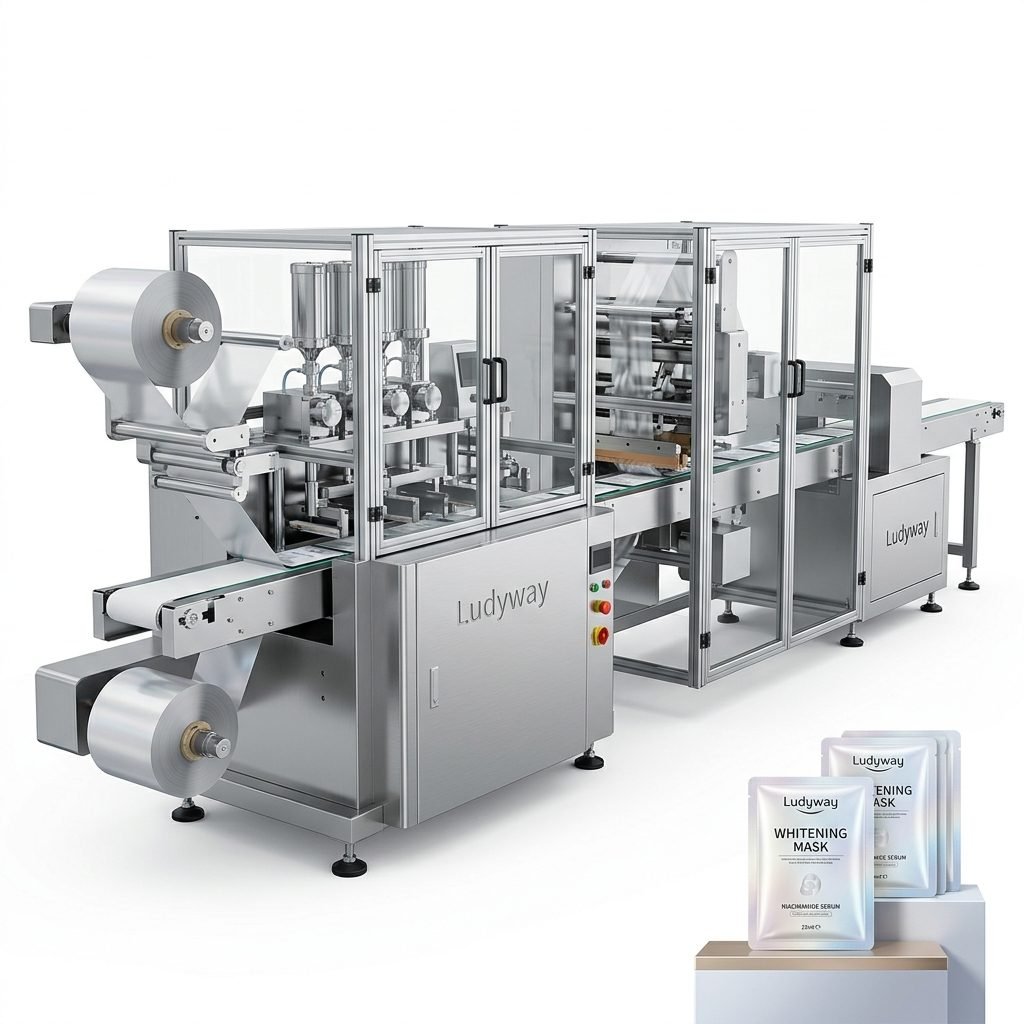
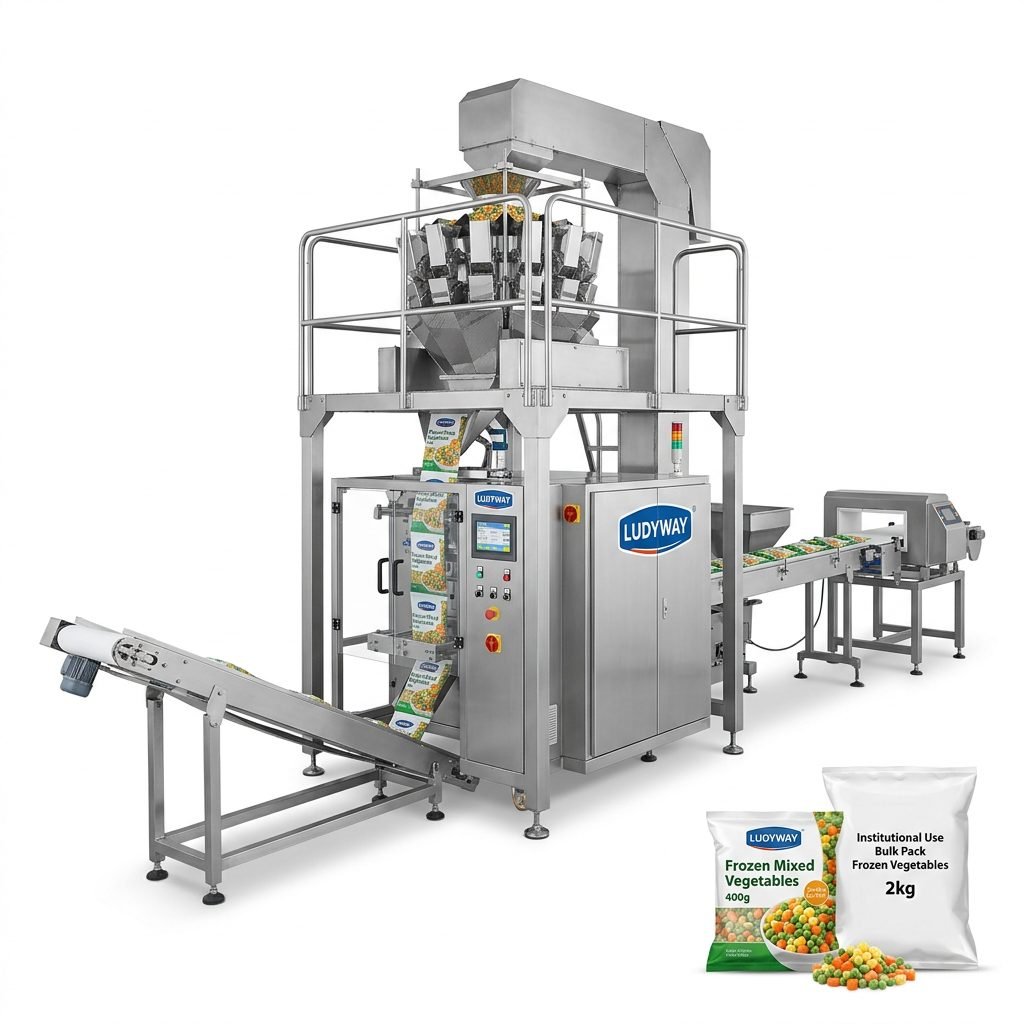
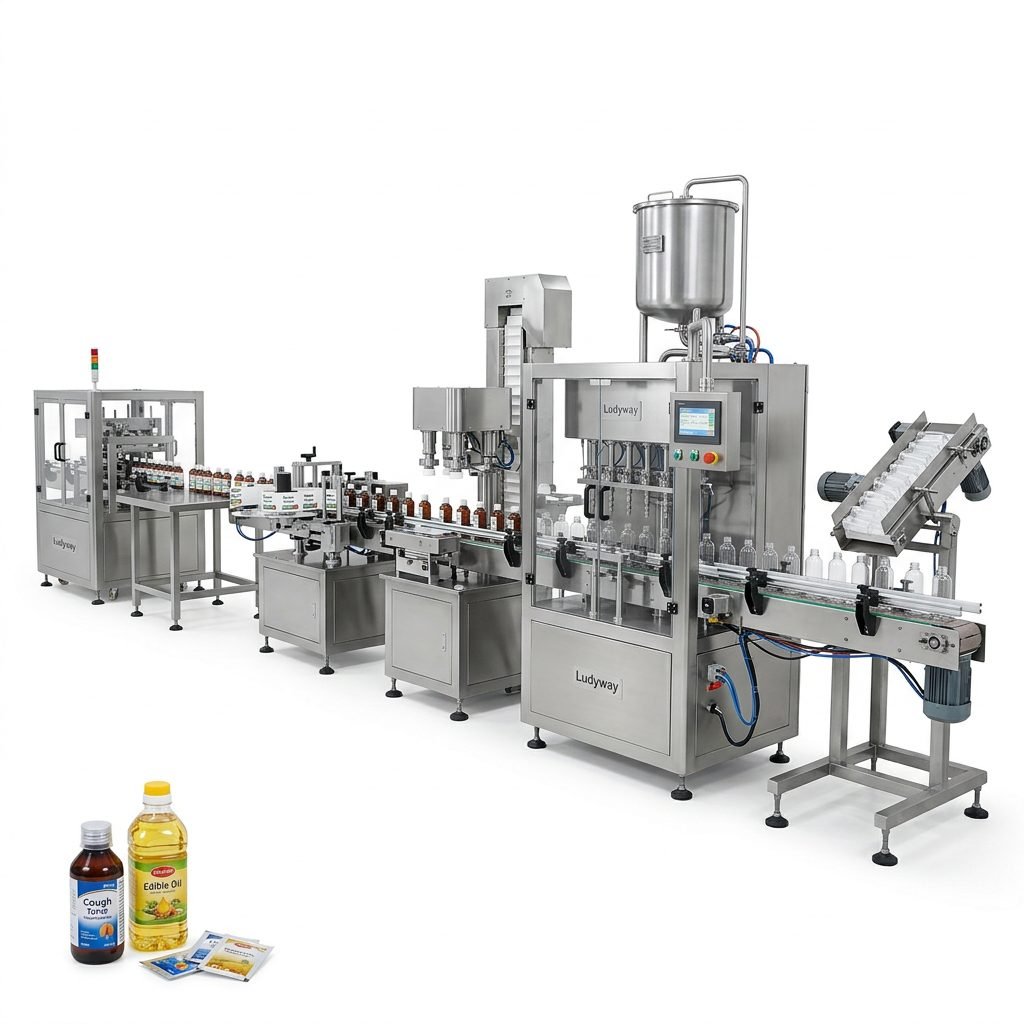
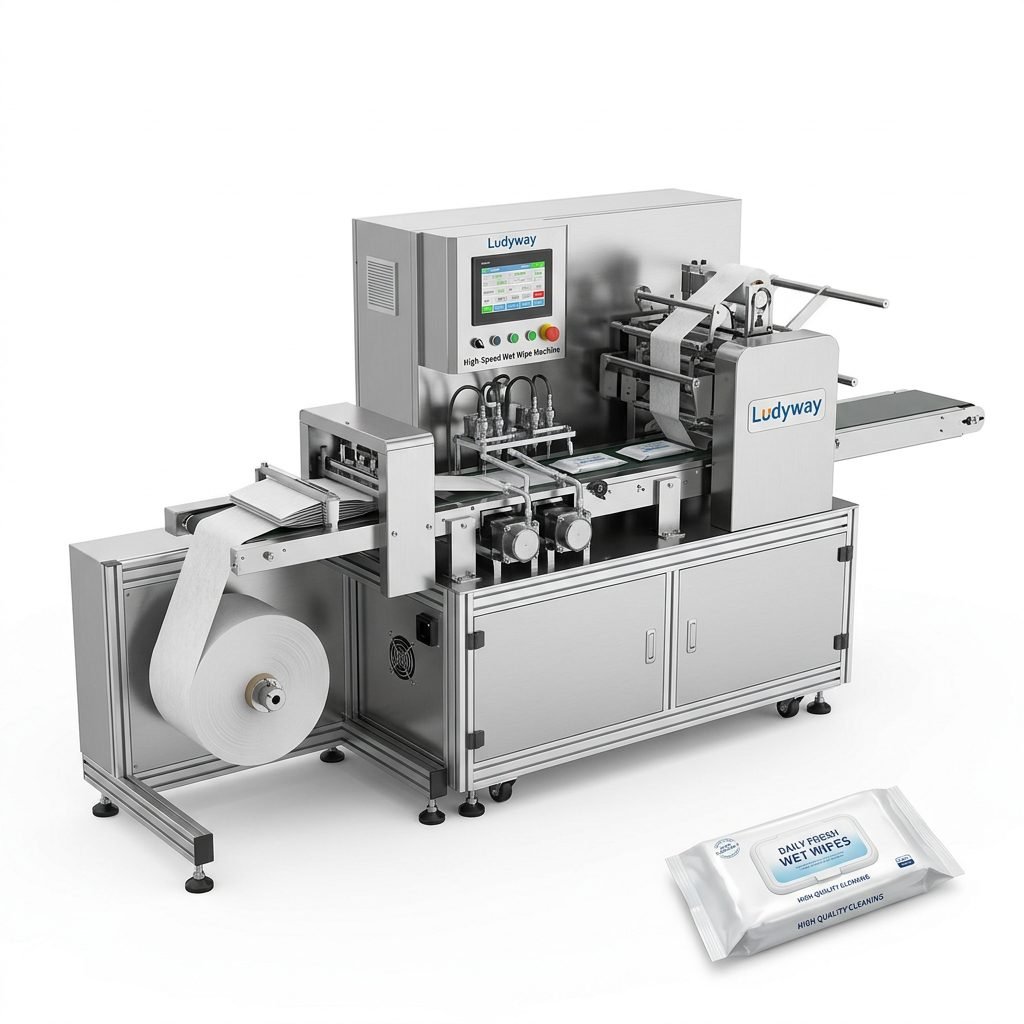
Choosing the right OEM parts for your packaging machines is a critical decision that directly impacts your production efficiency, product quality, and long-term operational costs. Whether you run a food processing plant, a pharmaceutical facility, or a cosmetics manufacturer, the performance of your equipment hinges on the quality and compatibility of its components. This guide will walk you through the essential steps of selecting and sourcing the correct OEM parts, ensuring your packaging line runs smoothly and reliably.
Understanding OEM Parts in Packaging Machinery
OEM stands for Original Equipment Manufacturer. In the context of packaging machinery, OEM parts are components specifically designed and manufactured by the original machine builder or their authorized partners. These parts are engineered to exact specifications, ensuring perfect fit, optimal function, and seamless integration with your existing equipment.
Key Insight: Using genuine OEM parts is not just about replacement; it’s about preserving the engineered integrity of your entire packaging system. Non-OEM or counterfeit parts may seem like a cost-saving measure but often lead to increased downtime, inconsistent performance, and potential safety risks.
Why Choosing the Right OEM Parts Matters
The consequences of using incorrect or substandard parts can be severe. Let’s explore the core reasons for meticulous part selection:
- Machine Longevity: Correct parts reduce wear and tear on adjacent components, extending the overall life of your machine.
- Production Consistency: Precision-engineered parts ensure repeatable accuracy in dosing, sealing, and cutting, which is vital for product quality.
- Downtime Reduction: A part that fits perfectly works correctly the first time, minimizing installation issues and unexpected breakdowns.
- Warranty Protection: Using unauthorized parts can void your machine’s warranty, leaving you responsible for all future repair costs.
Step-by-Step Guide to Choosing the Right Components
Navigating the world of OEM parts requires a systematic approach. Follow this process to make informed decisions.
1. Identify the Exact Part Number and Specifications
Your first and most crucial step is accurate identification. Never guess. Refer to your machine’s official operation manual, parts catalog, or technical drawings. The part number is your unique key to sourcing the correct component. Note down all specifications, including dimensions, material grade (e.g., food-grade stainless steel, FDA-approved plastics), and any serial numbers specific to your machine model.
2. Assess the Criticality of the Component
Not all parts are created equal. Classify the part based on its function:
- Critical/Safety Parts: Sealing jaws, cutting blades, safety interlocks. Never compromise on these. Always use genuine OEM parts.
- Wear Parts: Gaskets, O-rings, feeder belts. While OEM is preferred, high-quality, certified alternatives from reputable suppliers may be considered for some items.
- General Components: Standard screws, bearings, generic sensors. These can often be sourced from quality industrial suppliers if specifications match exactly.
3. Evaluate Material and Build Quality
The material must suit the application. For food or pharmaceutical packaging, components must meet hygiene and regulatory standards (e.g., easy to clean, corrosion-resistant). Inspect the manufacturing quality—finish, tolerances, and durability—even when ordering genuine parts.
Best Practices for Sourcing OEM Parts
Once you know what you need, finding a reliable source is the next challenge.
Sourcing Checklist:
✓ Purchase directly from the original machine manufacturer or their authorized distributors.
✓ Verify the supplier’s authenticity and reputation in the industry.
✓ Request material certifications and compliance documents for critical parts.
✓ Clarify shipping timelines, return policies, and technical support availability.
Building a relationship with a trusted supplier like Ludyway Machinery, which offers direct access to parts for their extensive range of over 50 packaging machine models, can streamline your maintenance and reduce sourcing risks.
Common Pitfalls to Avoid
Being aware of common mistakes can save significant time and money.
- Assuming “One Size Fits All”: A part might look identical but have minute differences in hardness, temper, or coating that affect performance.
- Prioritizing Price Over Total Cost of Ownership: A cheaper part that fails quickly costs more in downtime and labor than a reliable OEM part.
- Neglecting Technical Support: Choose a supplier that provides installation guidance and post-sales support.
Integrating Parts Sourcing into Your Maintenance Strategy
Proactive parts management is a hallmark of efficient operations. Maintain an updated inventory of critical wear parts. After successful sourcing, keep detailed records of part numbers, supplier contacts, and purchase history. This creates a valuable knowledge base for future repairs and helps forecast maintenance budgets.
Frequently Asked Questions (FAQs)
Q1: Are OEM parts always more expensive than generic alternatives?
A: While the initial purchase price is often higher, OEM parts typically offer better longevity, reliability, and performance. This leads to a lower total cost of ownership by reducing machine downtime, secondary damage, and frequent replacements.
Q2: How can I verify if a part supplier is an authorized OEM distributor?
A: Contact the original equipment manufacturer directly. Most reputable manufacturers, including Ludyway Machinery, list their authorized partners on their official website or can verify a distributor’s status upon request. Always ask for official authorization documentation.
Q3: What should I do if the original part number is obsolete or discontinued?
A: Reach out to the OEM’s technical support or parts department. A reputable manufacturer will provide a cross-reference to the updated part number or a suitable replacement kit. They have the engineering history to recommend the correct modern equivalent.
Q4: Can I use third-party parts without voiding my machine’s warranty?
A: This depends entirely on the warranty terms. Most manufacturers state that using non-OEM parts for repairs can void the warranty, especially if the third-party part is linked to a subsequent machine failure. Always check your warranty agreement first.
Q5: For older packaging machines, is it still possible to find OEM parts?
A: Yes, many established manufacturers maintain an inventory of parts for legacy models or have the technical drawings to manufacture them on demand. Companies with deep industry experience, often spanning decades, are your best resource for supporting older equipment with genuine parts.