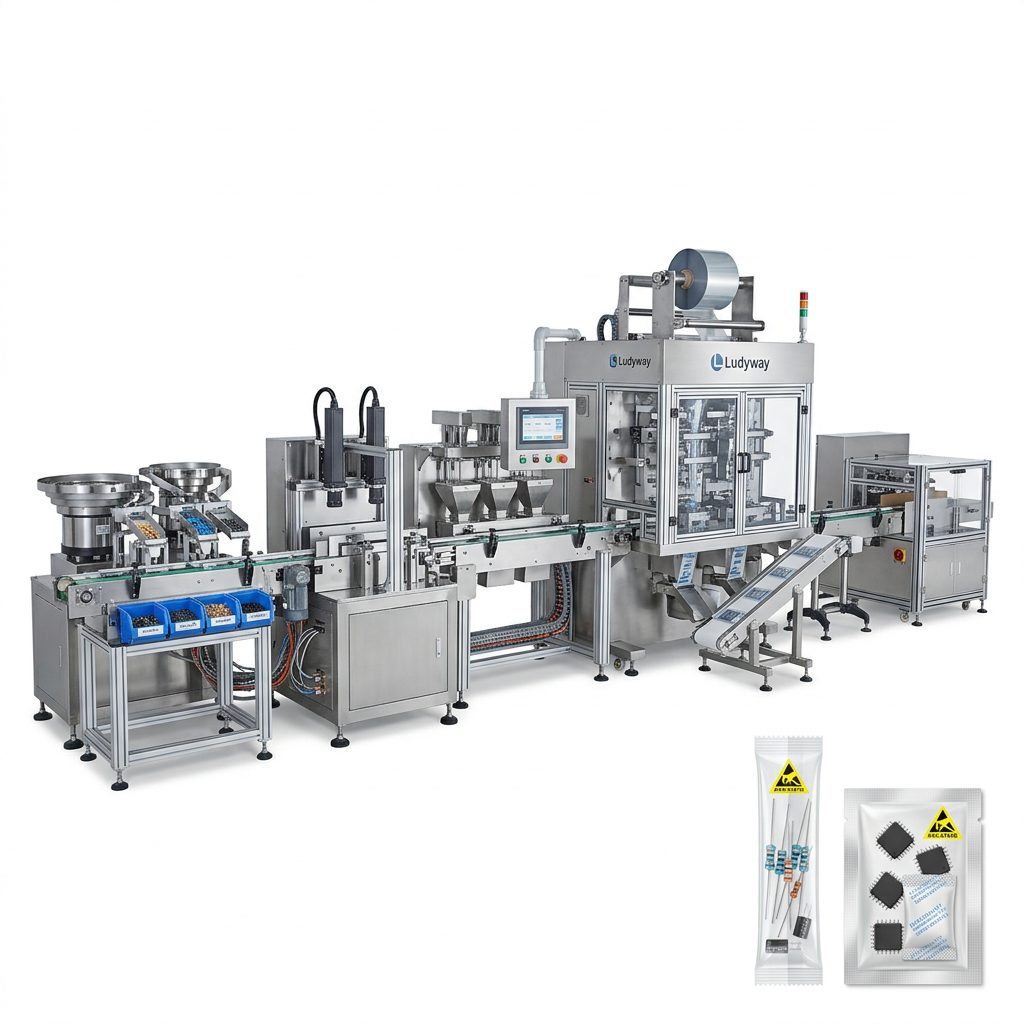
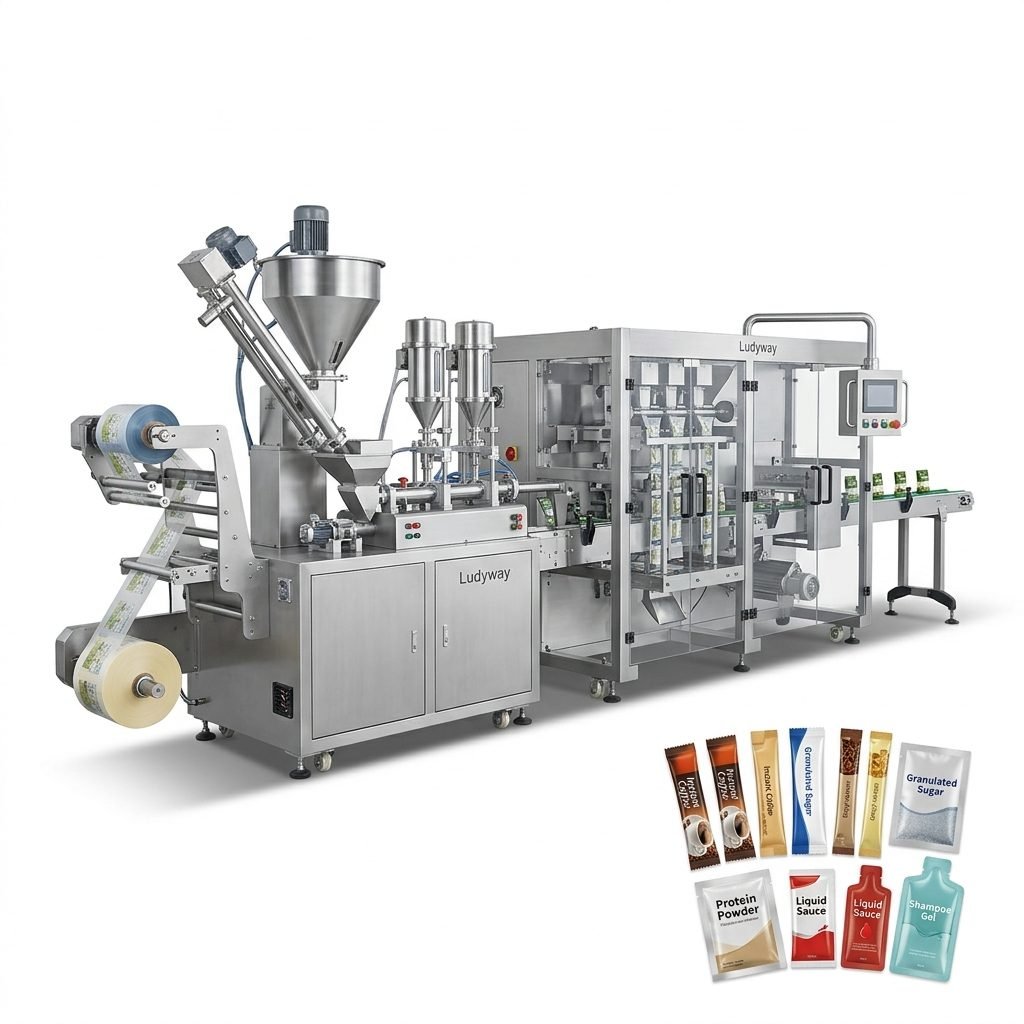
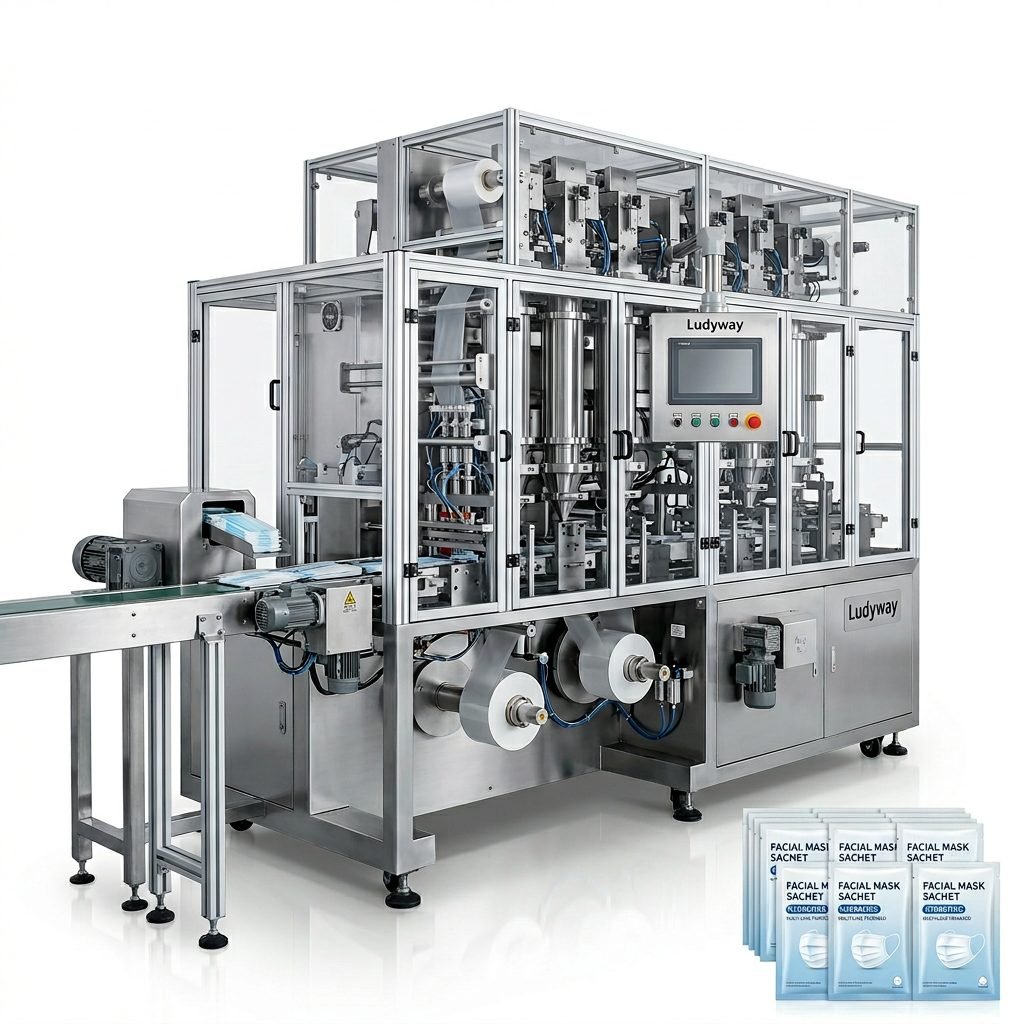
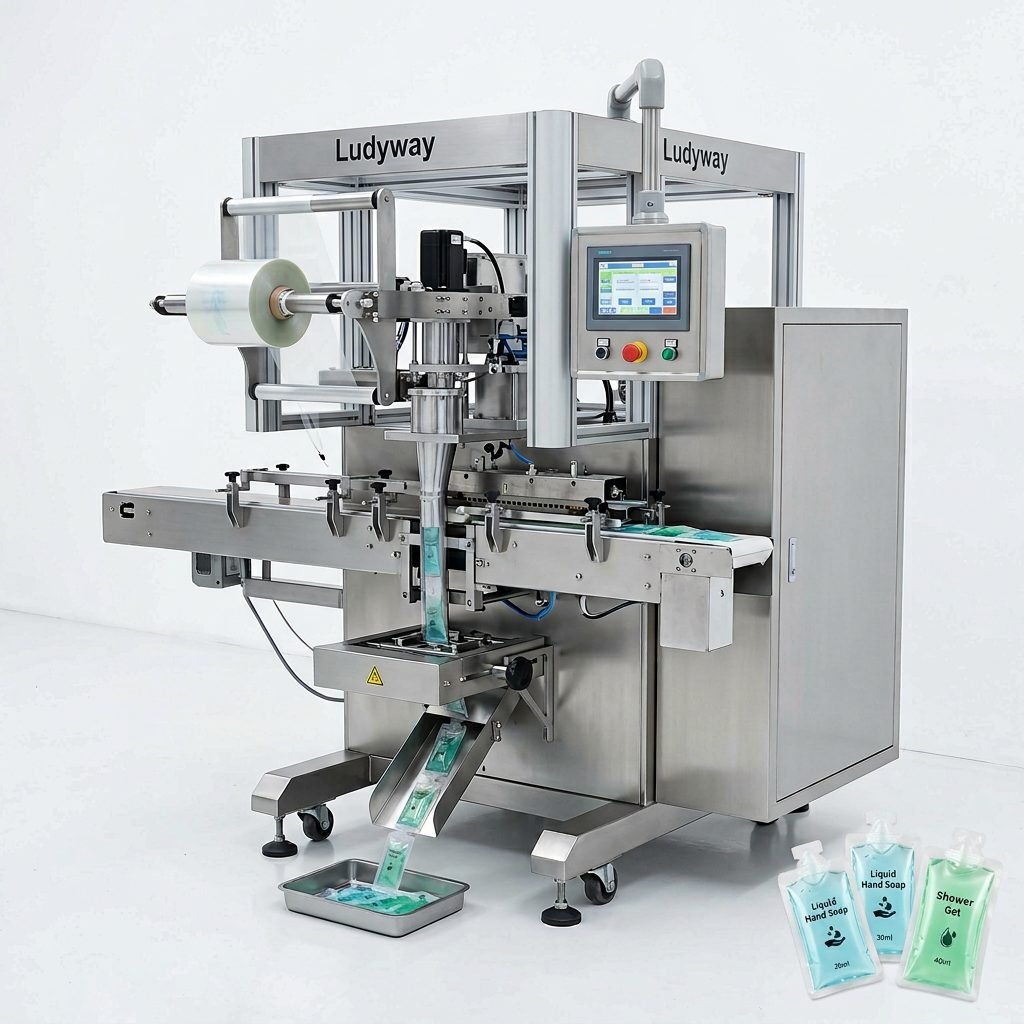
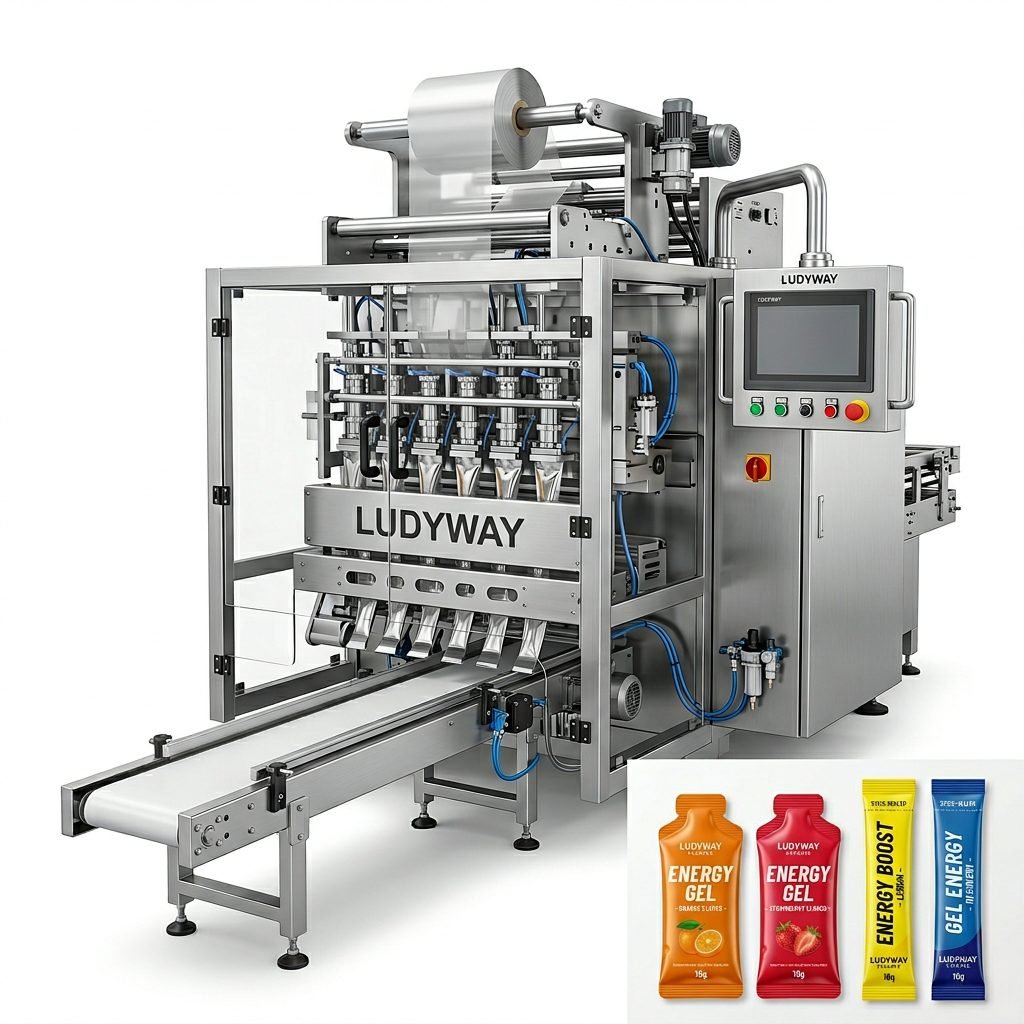
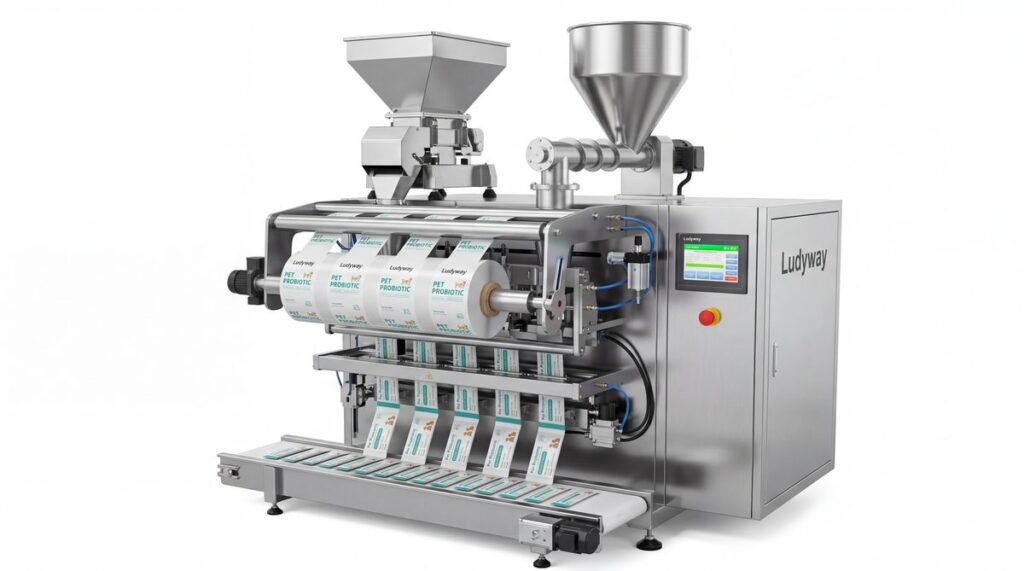
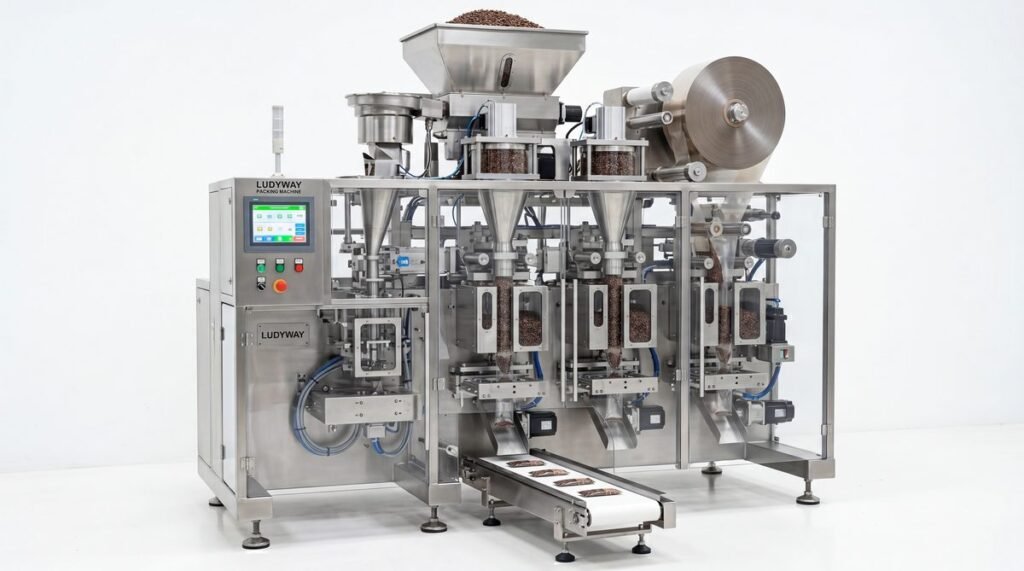
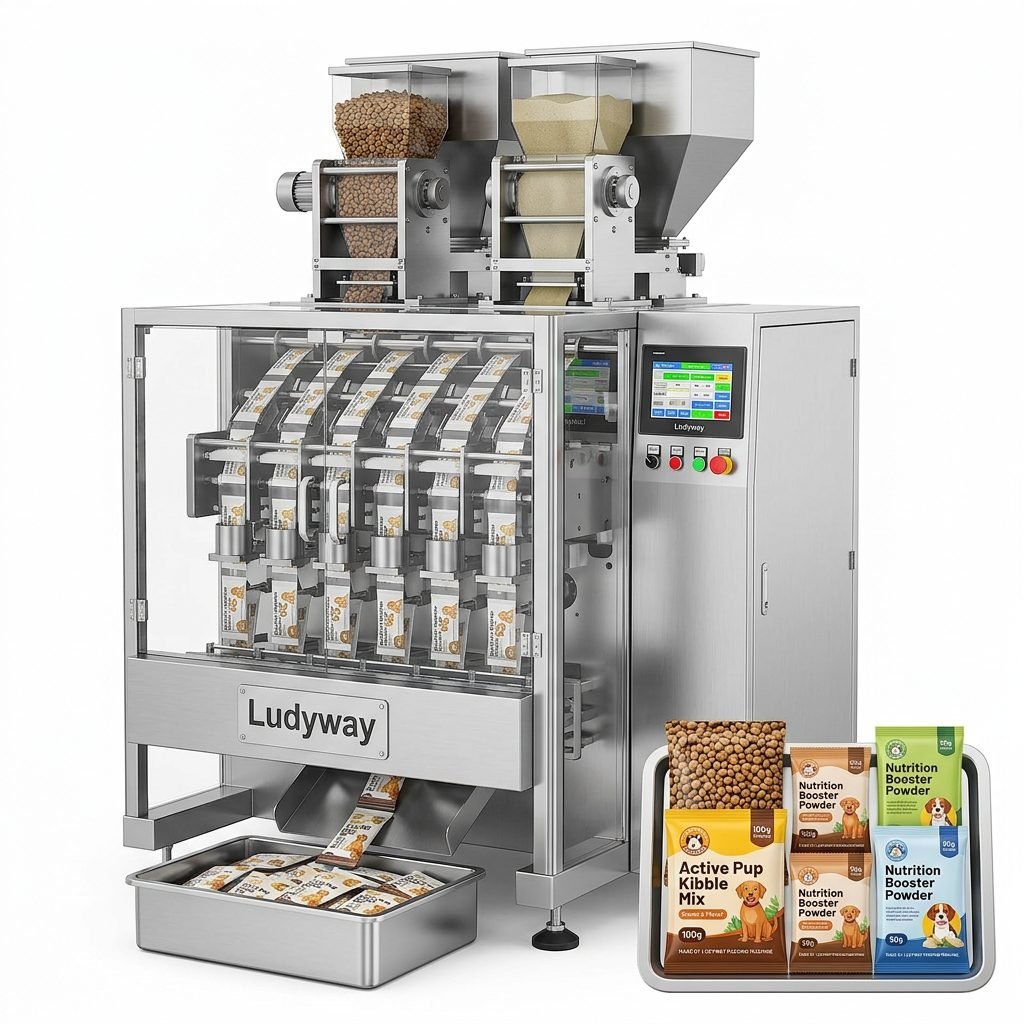
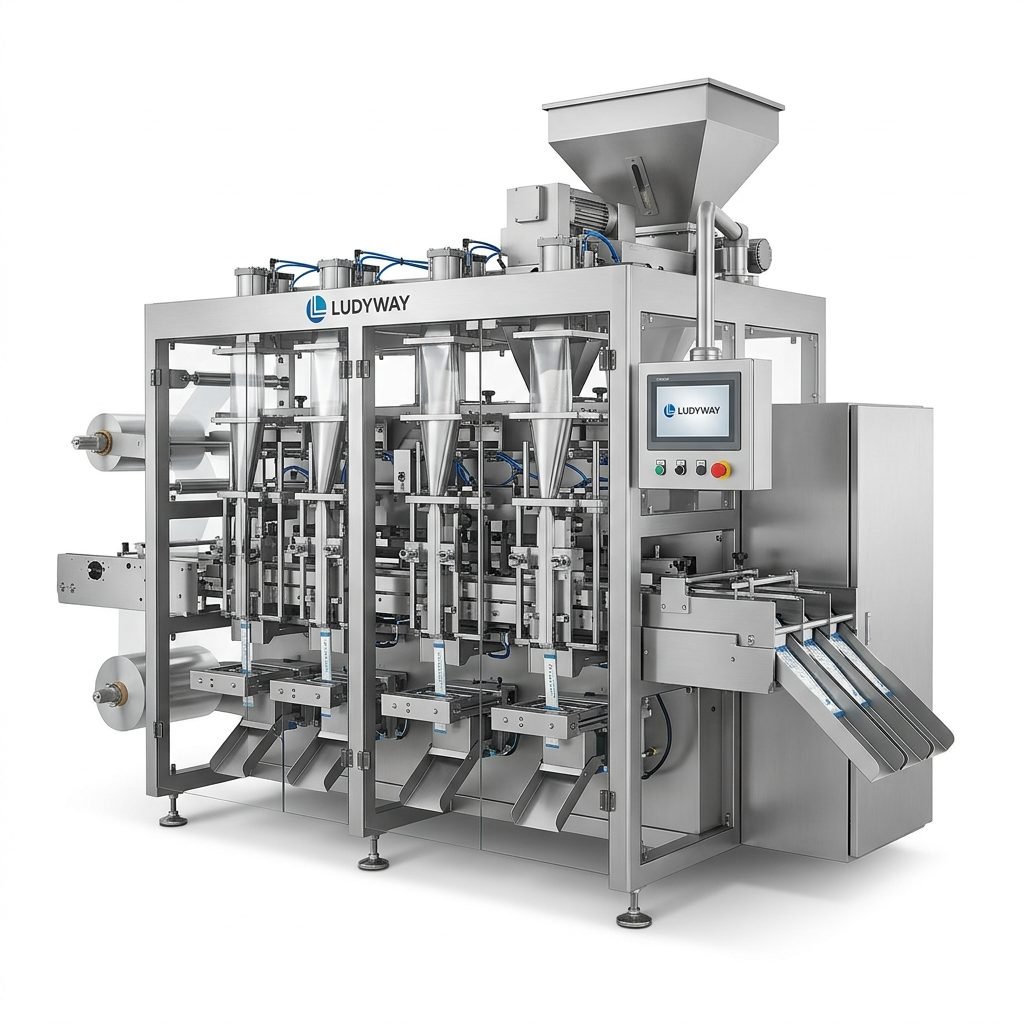
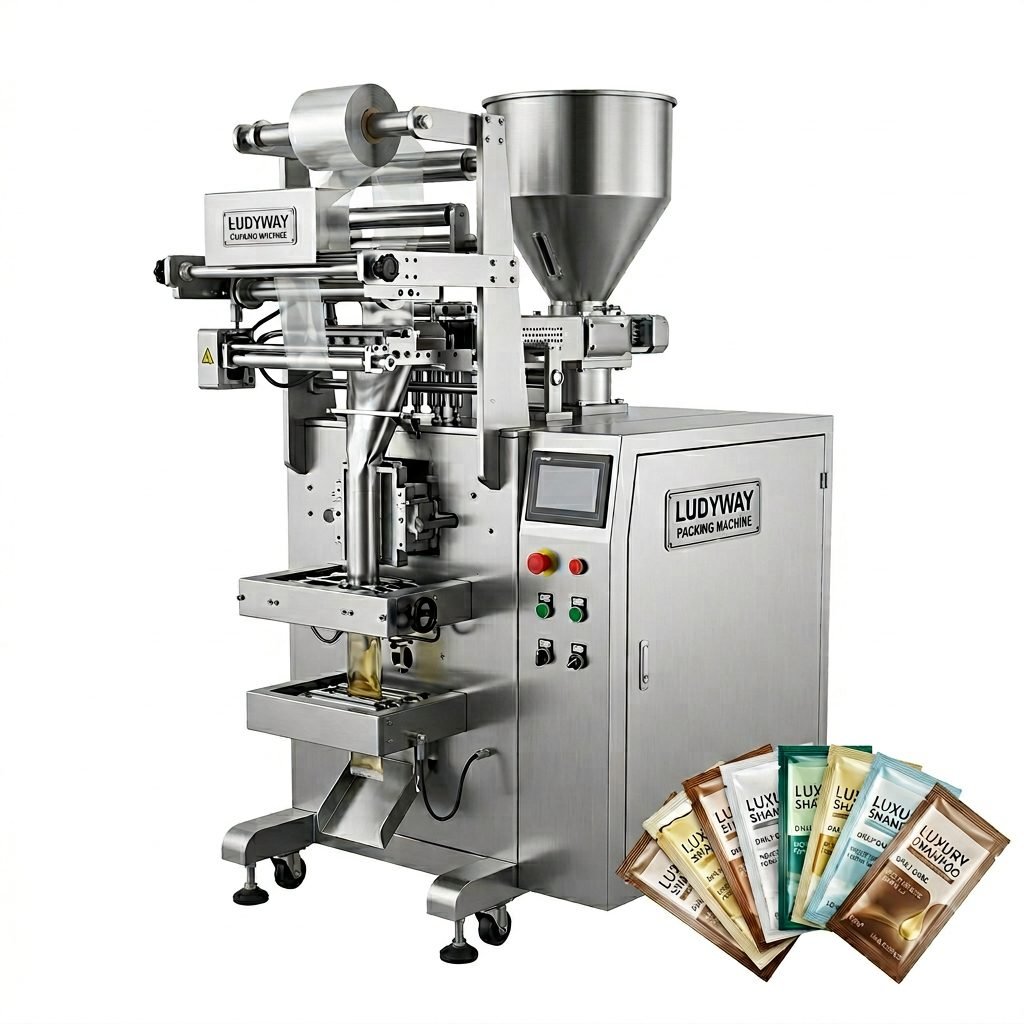
In the competitive landscape of modern manufacturing, efficient and reliable bottle packaging is a cornerstone of product integrity, brand presentation, and production scalability. From pharmaceuticals and beverages to cosmetics and chemicals, the right packaging equipment ensures product safety, enhances shelf appeal, and optimizes operational costs. This comprehensive guide delves into the world of bottle packaging equipment, exploring its various types, underlying working principles, and providing a strategic framework for selecting the optimal system for your specific needs.
Core Types of Bottle Packaging Equipment
The journey of a bottle from empty to filled, capped, and labeled involves a series of specialized machines, often integrated into a cohesive production line. Understanding each type is the first step toward building an efficient system.
1. Bottle Unscramblers
This is the starting point of the packaging line. Unscramblers take bulk, randomly oriented bottles and orient them correctly, placing them upright on the conveyor belt. They come in several designs:
• Bowl Unscramblers: Use a rotating bowl with guiding tracks to gently align bottles. Ideal for delicate containers like glass or thin plastic.
• Paddle Unscramblers: Employ rotating paddles in a hopper to separate and orient bottles. Better suited for more robust, stable containers.
The choice depends on bottle material, shape, and production speed requirements.
2. Bottle Fillers
The heart of the line, fillers accurately dispense the product into each bottle. Technology selection is critical and depends on the product’s viscosity and characteristics.
- Gravity Fillers: Simple and cost-effective, relying on product weight to flow into bottles. Best for free-flowing, non-foaming liquids like water or juice.
- Piston Fillers: Use a piston and cylinder to draw a precise volume of product and dispense it. Excellent for viscous products (sauces, creams, pastes) and products requiring high accuracy.
- Volumetric Cup Fillers: Utilize adjustable cups to measure volume. Suitable for granules, powders, and some liquids where weight-based filling isn’t mandatory.
- Pressure Fillers: Apply pressure (often with gas like nitrogen) to push product into the bottle. Essential for carbonated beverages to prevent foaming and loss of carbonation.
- Pump Fillers: Use rotary or peristaltic pumps to transfer product. Versatile for a wide range of viscosities, from oils to lotions.
3. Capping & Sealing Machines
Once filled, bottles must be securely closed. Cappers apply various closures:
Snap Cappers: For press-on, snap-fit caps.
Screw Cappers (Spindle Cappers): The most common type, using rotating spindles to apply screw-on caps with consistent torque.
Ropp Cappers: For applying aluminum roll-on pilfer-proof (ROPP) caps, common in liquor and pharmaceutical industries.
Induction Sealers: Apply a tamper-evident foil liner under a plastic cap by using electromagnetic induction to bond it to the bottle lip.
4. Labeling Machines
Labelers apply product identification, branding, and regulatory information. Key types include:
- Pressure-Sensitive Labelers (PSL): Apply pre-glued labels from a roll. Highly flexible for different label shapes and sizes.
- Glue-Based Labelers: Apply cold or hot glue to paper labels. A traditional, cost-effective method for high-speed applications like beverage bottling.
- Sleeve Labelers: Apply stretchable shrink sleeves that conform to complex bottle contours, offering 360-degree decoration.
5. Ancillary and Integration Equipment
A complete line often includes air cleaners to remove dust from bottles before filling, coders & printers for batch/expiry dates, pluggers for dropper inserts, accumulation tables to manage line flow, and sophisticated PLC control systems to synchronize everything.
Fundamental Working Principles
While each machine is unique, modern bottle packaging systems operate on a few core principles:
1. Automated Precision & Synchronization: The entire line is synchronized via a central control system. Sensors detect bottle position, triggering actuators (fill valves, capping spindles, label applicators) at the exact millisecond required. This ensures each operation is performed accurately and consistently on every bottle.
2. Volumetric or Gravimetric Measurement: Filling accuracy is paramount. Volumetric systems (piston, cup) control the precise volume dispensed. Gravimetric (weight-based) fillers use load cells to achieve ultra-high accuracy by filling to a target weight, compensating for product density variations.
3. Mechanical Handling & Gripping: Bottles are transported and manipulated using starwheels, gripper belts, and pocketed conveyors. These gentle but firm mechanisms guide bottles through each station without tipping or damage, maintaining high line efficiency (e.g., bottles per minute).
4. Programmable Logic Control (PLC): The PLC is the brain of the operation. It monitors all sensors, controls all motors and actuators, manages recipes for different products, tracks production counts, and provides diagnostic information for maintenance.
How to Choose the Right Bottle Packaging System
Selecting equipment is a significant investment. A systematic evaluation based on your specific parameters is crucial for long-term success.
Step 1: Define Your Product & Bottle Specifications
This is the non-negotiable starting point. Every detail influences the machine choice.
- Product Characteristics: Viscosity, acidity, particulates, foaming tendency, sensitivity (to air, light, heat).
- Bottle Details: Material (PET, HDPE, glass), shape, size (range of volumes), neck finish, stability.
- Closure Type: Screw cap, spray pump, dropper, ROPP cap, cork.
- Label Type & Placement: Material, shape, application point (front/back, wrap-around, neck).
Step 2: Determine Production Requirements
Your business goals dictate the machine’s capacity and flexibility.
• Output Speed (BPM/CPH): Required bottles per minute/hour. Factor in future growth.
• Operation Schedule: Single shift, 24/7 operation? This affects required durability.
• Changeover Frequency: How often will you switch bottle sizes or products? Look for quick-change features.
• Line Integration: Will it connect to existing washers, fillers, or palletizers? Compatibility is key.
Step 3: Evaluate Technology & Machine Features
Match the machine’s capabilities to your needs from Steps 1 & 2.
- Filling Technology: Choose based on product (see Fillers section above). Accuracy tolerance (e.g., ±0.5%) is a critical spec.
- Construction & Hygiene: Food/pharma applications require stainless steel (grade 304 or 316) contact parts, CIP/SIP capabilities, and designs that prevent contamination.
- Control System & UI: User-friendly HMI (Human-Machine Interface), recipe storage, data logging, and connectivity (Industry 4.0/IoT readiness).
- Supplier Support: Availability of installation, training, spare parts, and technical service from the manufacturer or a trusted partner like Ludyway Machinery is essential for minimizing downtime.
Step 4: Consider Total Cost of Ownership (TCO)
Look beyond the initial purchase price (CAPEX).
Operational Costs (OPEX): Energy consumption, compressed air usage, required manpower, maintenance costs, and consumables (like labeling glue or induction seal foils).
Efficiency & Waste: A slightly more expensive machine with higher accuracy and less product giveaway can pay for itself quickly.
Uptime & Reliability: A robust, well-supported machine from an experienced supplier with over 30 years in the industry prevents costly production stoppages.
Step 5: Plan for the Future
Your packaging line should be an asset for years. Consider modular designs that allow for easy upgrades (adding a coder, a second labeler). Ensure the supplier can support your expansion into new markets or product lines with customized automation solutions.
Frequently Asked Questions (FAQs)
1. What is the main difference between a semi-automatic and fully automatic bottle packaging line?
A semi-automatic line requires significant manual intervention—for example, operators place bottles on the filler, apply caps by hand, or feed labels. It’s suitable for low-volume, artisanal, or pilot production. A fully automatic line integrates unscrambling, filling, capping, and labeling into one synchronized system run by a PLC, requiring minimal human oversight and enabling high-speed, high-volume production.
2. How do I ensure the filling accuracy for my viscous product (like honey or shampoo)?
For viscous products, piston fillers are typically the best choice. They provide excellent volumetric accuracy regardless of viscosity changes. For the highest precision, a net-weight filler (using a load cell) is ideal, as it fills to a target weight, automatically compensating for any product density variations that could occur with temperature or formulation.
3. Can one packaging line handle different bottle sizes and shapes?
Yes, with the right equipment. Look for machines designed for quick changeover. This involves features like adjustable guide rails, tool-less change parts for starwheels and filling nozzles, and digital settings stored as recipes in the PLC. The speed and ease of changeover are key factors to evaluate based on your production schedule.
4. What hygiene standards should I look for if I package food or pharmaceuticals?
For food, ensure equipment meets FDA standards and uses food-grade materials (e.g., 304 stainless steel). For pharmaceuticals, compliance with cGMP (current Good Manufacturing Practice) is mandatory. Key features include polished stainless steel surfaces (often 316 grade), sealed motors, clean-in-place (CIP) systems, and designs with minimal dead legs where product or bacteria could accumulate.
5. Why is supplier after-sales support as important as the machine itself?
Even the best machinery requires maintenance, occasional spare parts, and technical expertise. A supplier with strong global support ensures minimal downtime when issues arise. Look for providers offering comprehensive services: installation supervision, operator training, readily available spare parts inventory, remote diagnostics, and responsive on-call technicians. This support is crucial for protecting your production investment and maintaining consistent output.