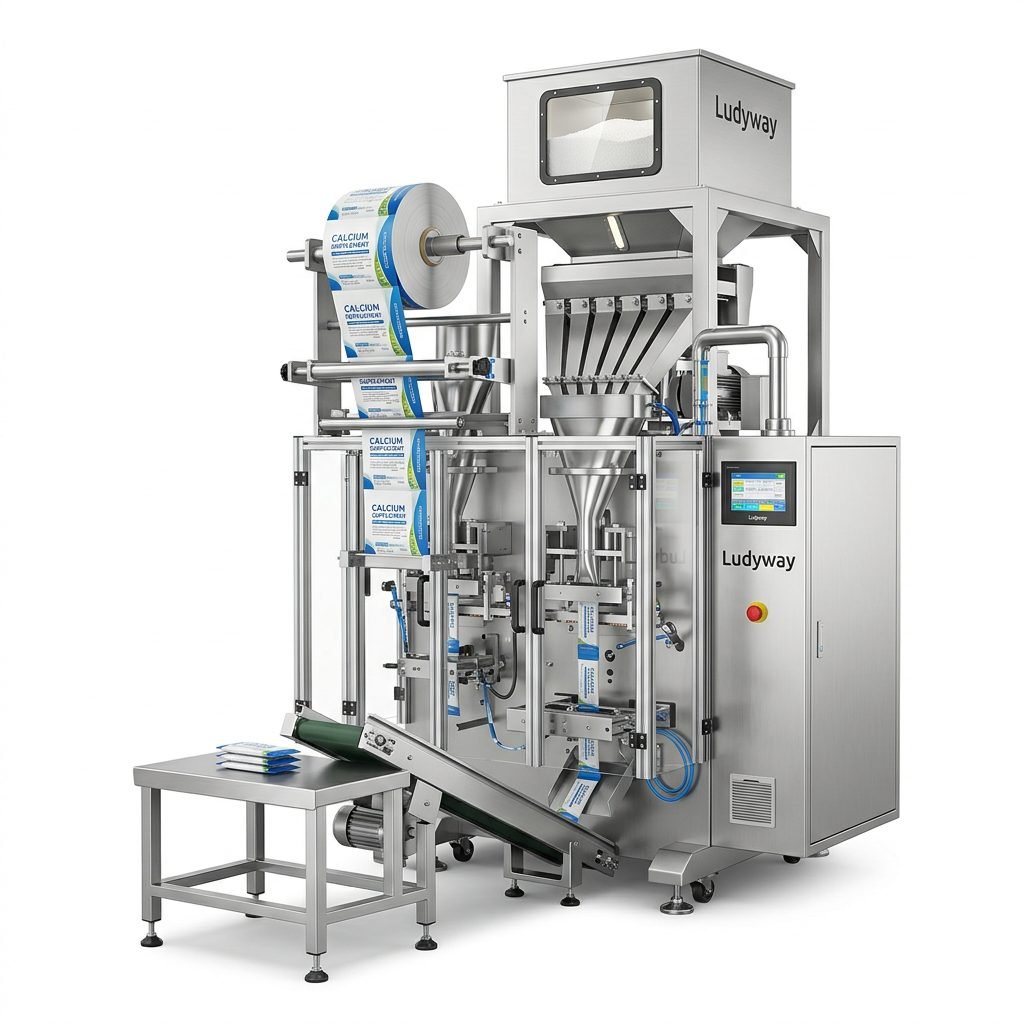
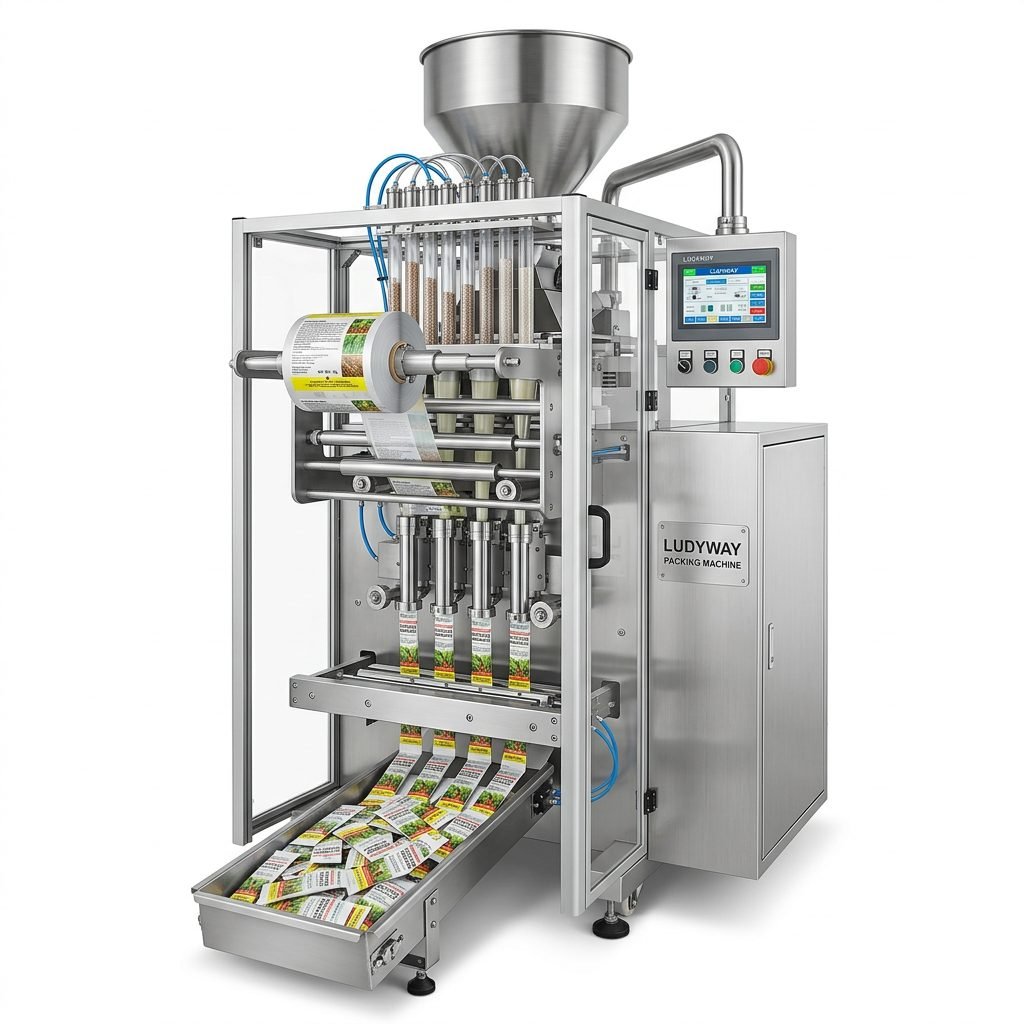
Choosing the right CD DVD packaging equipment is a critical decision for any media production, replication, or distribution business. The packaging is often the first physical touchpoint with your customer, influencing their perception of the product’s quality and value. With a myriad of machine types and features available, selecting the optimal solution can be complex. This comprehensive guide will walk you through the different types of CD DVD packaging equipment, their key features, and a step-by-step process to help you choose the best machine for your specific operational needs and budget.
Understanding the Core Types of CD DVD Packaging Machinery
The market offers several primary categories of equipment, each designed for a specific packaging format and production volume. Understanding these is the first step in your selection journey.
1. Jewel Case Assembly and Packaging Machines
These are classic workhorses for the industry, automating the assembly of the standard plastic jewel cases that have housed CDs and DVDs for decades. A complete system typically performs several functions in-line:
Typical Process Flow: The machine automatically feeds the clear tray and the opaque base, inserts the booklet and inlay card into the base, places the disc onto the tray’s hub, and then ultrasonically or thermally seals the two halves together. High-end models can also apply a shrink wrap or cellophane overwrap for final retail presentation.
They are ideal for high-volume runs of standard CD albums, software, and game discs.
2. Digipak / Cardboard Sleeve Packaging Machines
As consumer preference shifted towards more eco-friendly and stylish packaging, Digipak machines have grown in popularity. These systems handle the folding, gluing, and insertion processes for cardboard-based packaging.
They precision-fold the pre-printed cardboard blank, apply adhesive to specific panels, and assemble the package. Subsequently, a disc placement arm accurately inserts the CD or DVD into the internal hub. Some advanced models can also attach additional components like belly bands or obistrips. These machines cater to music albums, premium software, and limited-edition releases.
3. Slim Case and DVD Amaray Case Packers
For DVD movies and video games, the common Amaray case (and its slimmer variants) requires specialized equipment. These machines are designed to handle the specific dimensions and assembly process of these clamshell cases.
Key Function: They typically automate the insertion of the disc, one or more booklets, and sometimes a trailer card into the open case before a final closing mechanism secures it. Throughput speeds can be very high, making them essential for large-scale movie replication facilities.
4. Automated Shrink Wrapping and Overwrapping Systems
This is often the final step in the packaging line. After the primary case is assembled, a shrink wrapping machine applies a tight plastic film and uses heat to shrink it, creating a sealed, tamper-evident, and dust-proof finish. Overwrappers might use cellophane or polypropylene film. This stage is crucial for retail readiness and product protection during shipping.
Essential Features to Evaluate in Packaging Equipment
Beyond the machine type, you must scrutinize the following features to ensure reliability, efficiency, and compatibility with your products.
Speed and Throughput (Units Per Minute)
This is a primary driver of cost and capability. Bench-top semi-automatic machines may handle 10-20 units per minute, while fully automated in-line systems can exceed 60-100 UPM. Match the machine’s speed to your current and projected future volume to avoid bottlenecks or unnecessary capital expenditure.
Flexibility and Changeover Capability
Can the machine handle multiple case sizes (standard jewel, slim jewel, DVD case) or different packaging formats (Digipak of 4-panel vs. 6-panel)? Quick-change systems for disc hubs, folding tools, and case feeders are invaluable if you run short, diverse batches. Reduced changeover time directly increases overall equipment effectiveness (OEE).
Level of Automation
- Semi-Automatic: Requires an operator to feed components (case, disc, booklet). Good for low volume or variable products.
- Fully Automatic: Integrates with upstream feeders for all components. Needs minimal operator intervention, ideal for high-volume, uniform production.
- Turnkey Line: A complete system that links case assembly, disc loading, and shrink wrapping into one seamless operation.
Integration and Connectivity
Modern packaging equipment should offer connectivity options (e.g., PLC with Ethernet/IP, data output ports) to integrate with your Factory Management System or production monitoring software. This enables real-time tracking of output, downtime, and efficiency.
Build Quality and Support
Inspect the frame construction, quality of actuators (servo vs. stepper motors), and brand of critical components like sensors and PLCs. Robust build ensures longevity and consistent performance. Equally important is the supplier’s reputation for technical support, training, spare parts availability, and warranty. A reliable partner like Ludyway Machinery, with deep industry experience, can be a significant asset.
How to Choose the Best CD DVD Packaging Machine: A Step-by-Step Guide
Step 1: Conduct a Thorough Needs Analysis
Start by defining your core requirements. What is your average and peak daily output? What packaging formats (jewel case, Digipak, sleeve) do you currently use and plan to use in the next 5 years? What is your available factory floor space? What is your operational budget, including not just the purchase price but also installation, training, and maintenance costs?
Step 2: Research and Shortlist Reputable Suppliers
Look for manufacturers or specialized suppliers with a proven track record in optical media packaging. Evaluate their company history and client portfolio. Suppliers with extensive experience, such as those offering over 30 years of industry knowledge, often provide more reliable and innovative solutions. Request detailed brochures and specification sheets for comparison.
Step 3: Request Live Demonstrations or Factory Visits
Never buy based on specifications alone. Arrange to see the machine running, preferably with your actual materials (cases, discs, booklets). A live demo reveals the true sound, speed, and handling finesse of the equipment. It’s also the best time to assess the machine’s user interface and complexity.
Pro Tip: During the demo, ask about the machine’s mean time between failures (MTBF) and the typical resolution time for technical support. Observe how the supplier’s engineers interact with the machine and handle questions.
Step 4: Scrutinize the Total Cost of Ownership (TCO)
Look beyond the initial price tag. Calculate the TCO by factoring in:
• Energy consumption.
• Cost and lifespan of consumables (glue, shrink film).
• Expected maintenance costs and spare parts pricing.
• Potential costs of downtime.
A slightly more expensive machine with higher reliability and better support usually has a lower TCO.
Step 5: Finalize Support and Service Agreements
Ensure clear terms for installation, commissioning, and operator training are included. Understand the warranty period and what it covers. Clarify the process for ordering spare parts and the availability of remote diagnostic support. A strong after-sales service agreement is your best insurance against prolonged production stoppages.
Frequently Asked Questions (FAQs)
Q1: What is the main difference between a semi-automatic and a fully automatic packaging machine?
A: The key difference lies in labor requirement and integration. A semi-automatic machine needs an operator to manually feed one or more components (like the disc or booklet) for each cycle. A fully automatic machine is connected to feeders (hopper, disc loader, booklet stacker) and performs the entire assembly process without constant operator intervention, offering much higher and consistent throughput.
Q2: Can one machine handle both CD Jewel Cases and DVD Amaray cases?
A: Some advanced models are designed with this flexibility. They feature quick-change tooling kits and adjustable guides that allow operators to switch between different case formats (e.g., from a standard CD jewel case to a DVD Amaray case) within a relatively short time, often 15-30 minutes. This is ideal for facilities producing both media types.
Q3: How important is the shrink-wrapping stage?
A: It is critically important for retail products. Shrink wrapping provides a professional, sealed finish that deters tampering, protects the case from scratches and dust during logistics, and is often a requirement for major retailers. It also allows for the application of security tags or anti-theft devices.
Q4: What should I do if my booklets or inlays have non-standard sizes or folds?
A: This is where supplier expertise is vital. Reputable suppliers often offer customized tooling or attachment solutions to handle unique components. During the demo phase, it is essential to test your specific materials to ensure the machine can handle them without jamming or causing damage. Discuss customization options upfront.
Q5: Where can I find a supplier with strong technical support and industry experience?
A: Look for established suppliers with a long track record and a focus on packaging solutions. Companies that emphasize their engineering capabilities and commitment to long-term partnership, rather than just equipment sales, are preferable. Review their client testimonials and ask for references from businesses similar to yours.