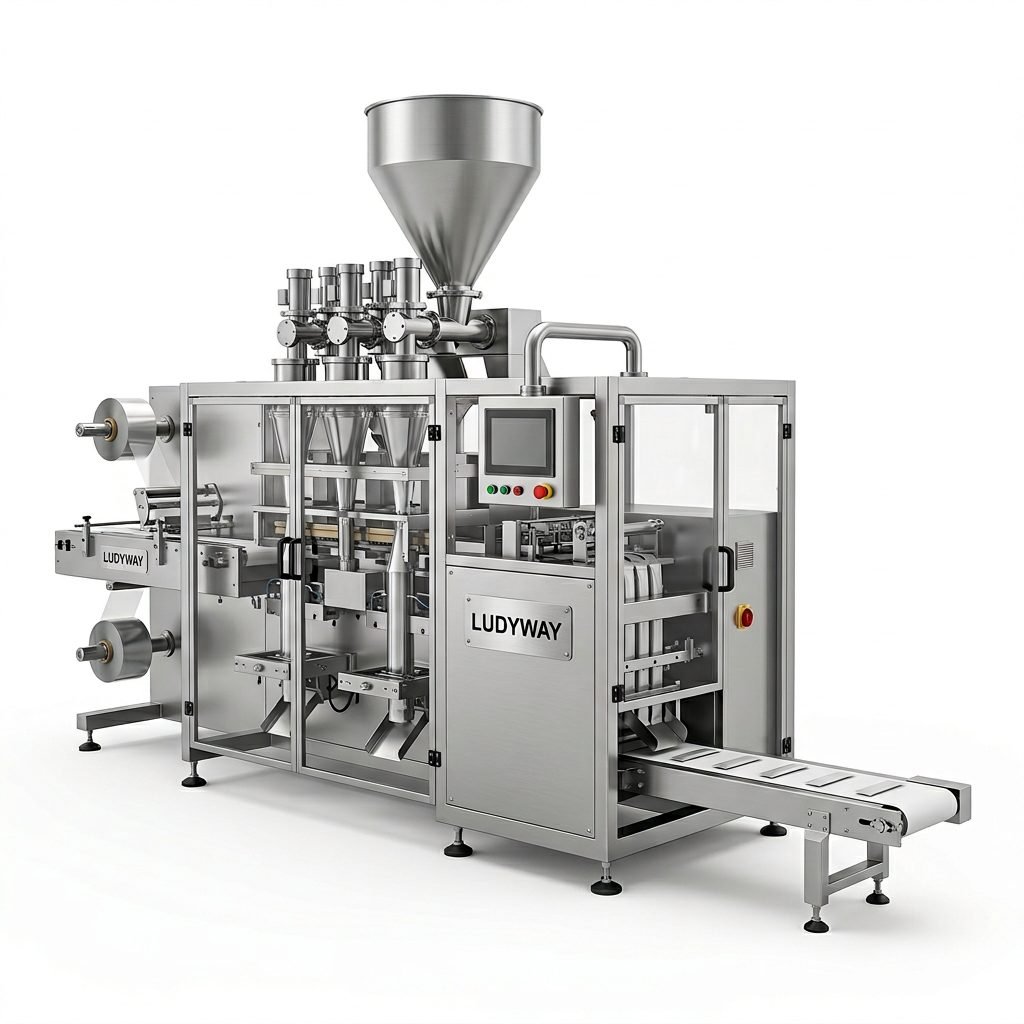
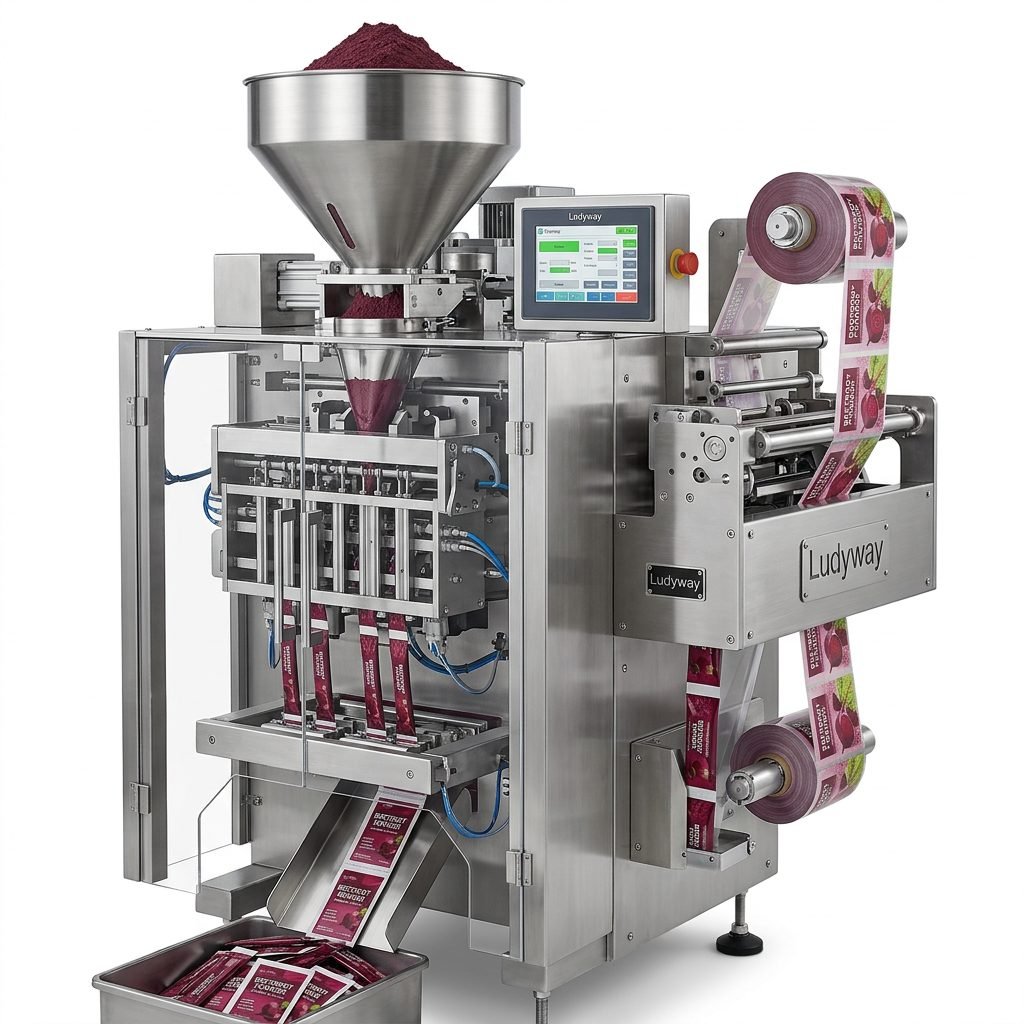
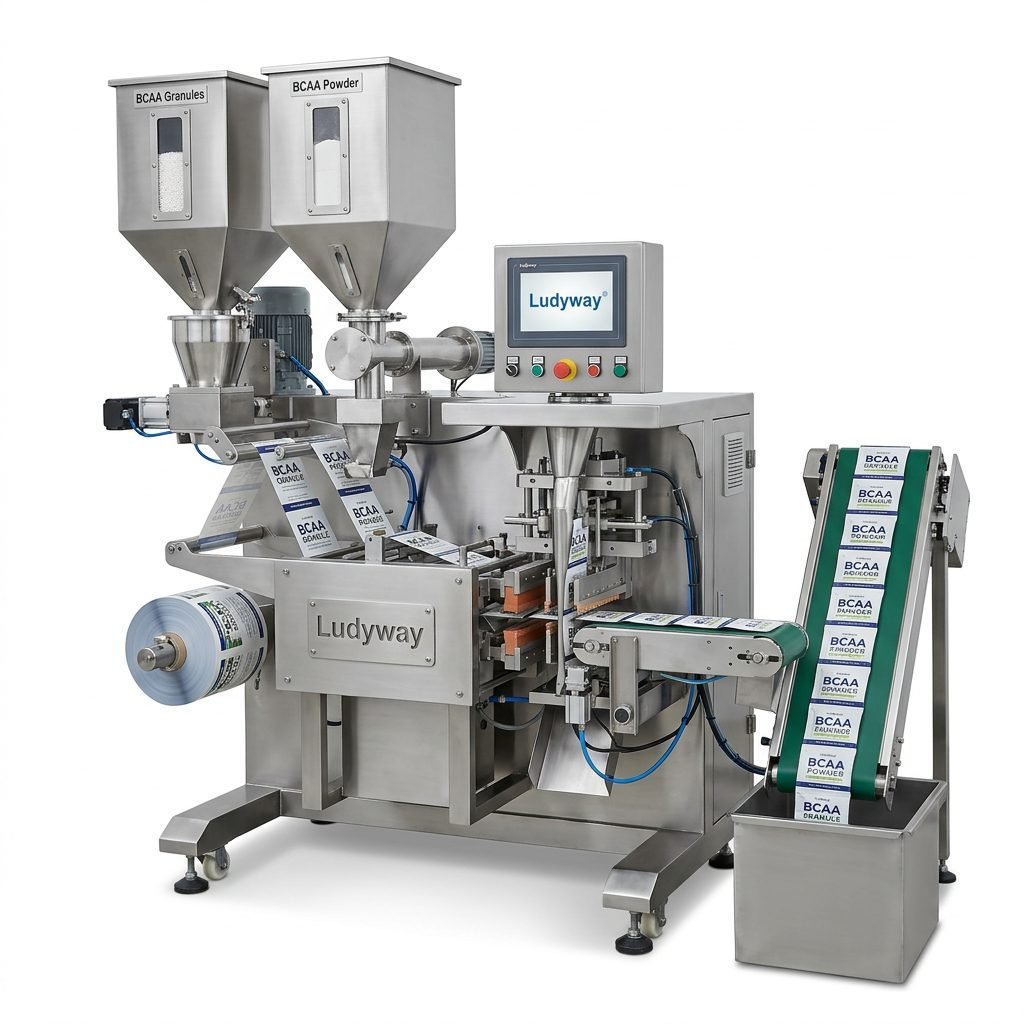
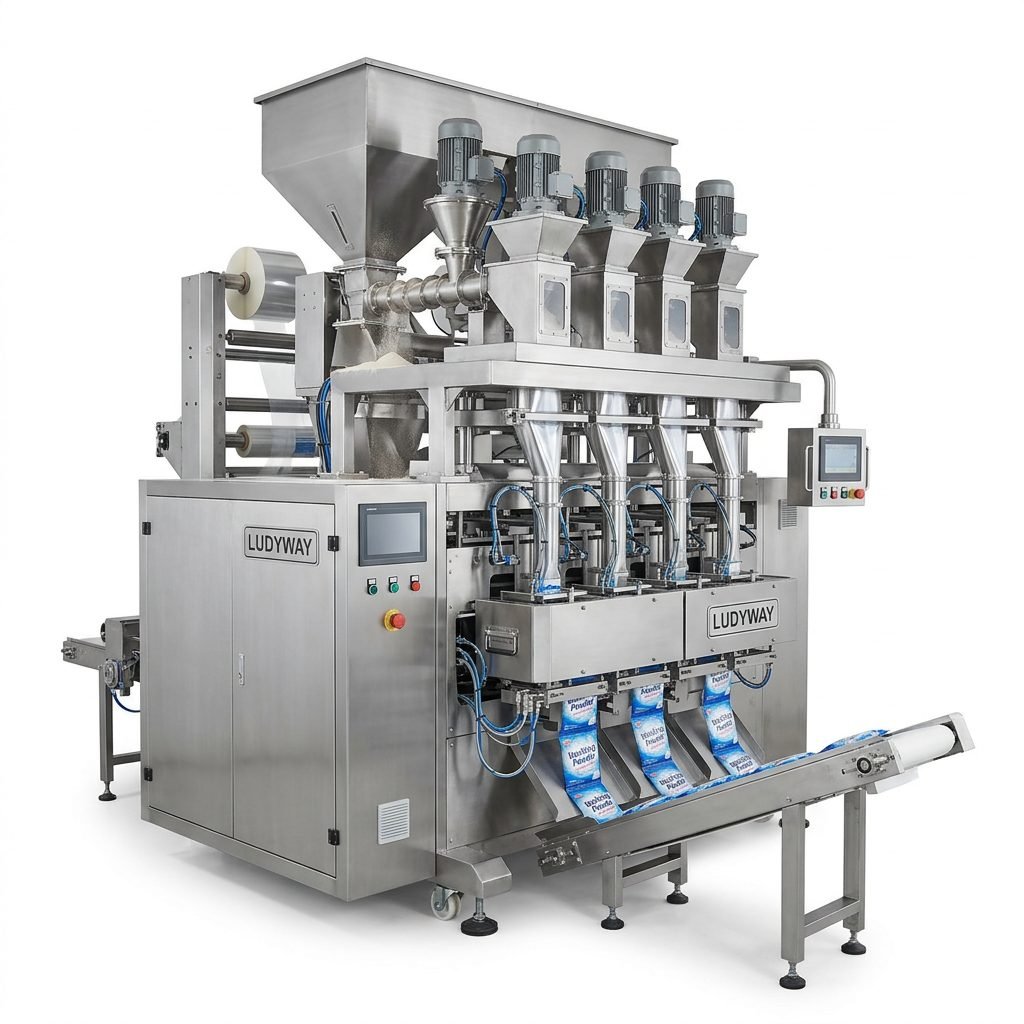
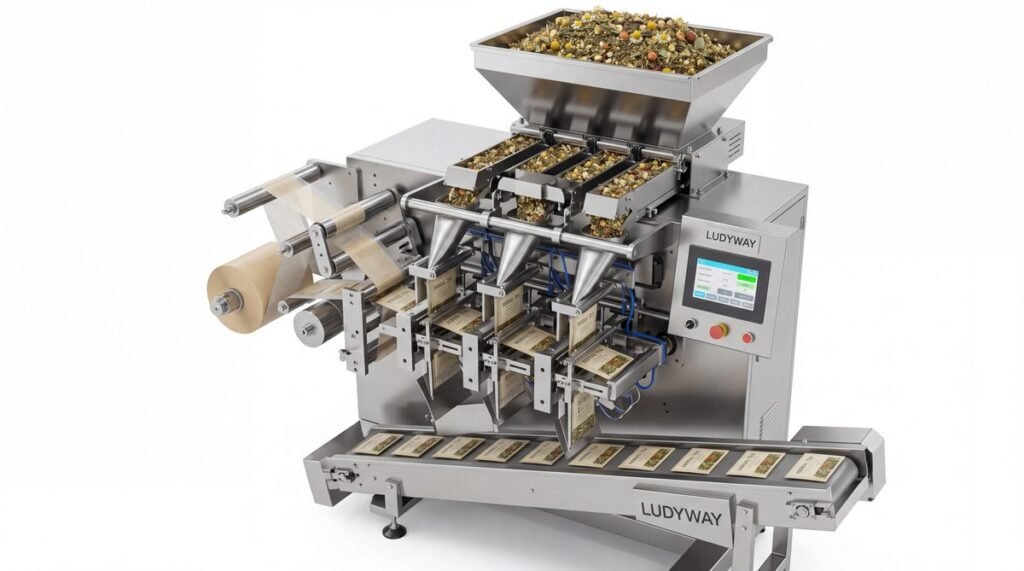
When evaluating a box packing machine price, the lowest quotation is rarely the best long-term deal.
The right machine should match your product type, production speed, carton style, labor goals, and future expansion plans.
A smart buying decision focuses on total value, not just initial cost.
For manufacturers in food, pharmaceutical, cosmetic, chemical, and consumer goods sectors, box packing equipment can significantly improve line efficiency, packing consistency, and shipping readiness.
However, prices vary widely because machine specifications, automation level, materials, safety functions, and integration scope are different from project to project.
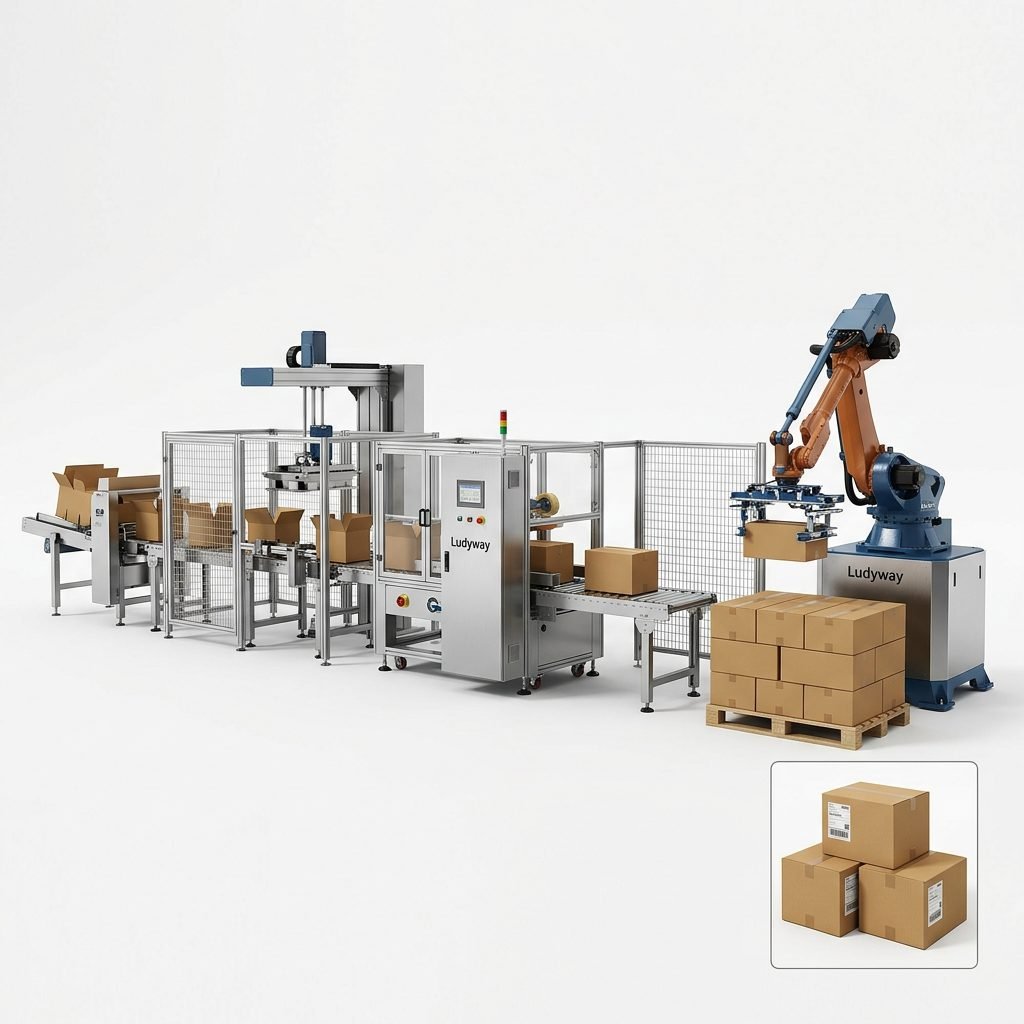
What Affects Box Packing Machine Price?
Box packing machine pricing depends on far more than machine size. The biggest cost drivers usually include the level of automation, speed requirements, carton format flexibility, and whether the machine is supplied as a standalone unit or as part of a complete packaging line.
- Machine type: semi-automatic, automatic cartoner, case packer, wrap-around packer, or fully integrated boxing line
- Product characteristics: powder sachets, stick packs, pouches, bottles, blisters, tubes, or flow-wrapped items
- Output speed: low, medium, or high-speed production requirements
- Box style: tuck-in cartons, glue-sealed cartons, display boxes, corrugated shipping cases
- Feeding method: manual loading, robotic pick-and-place, servo collating, counting systems
- Material quality: stainless steel contact parts, GMP design, washdown features, dust control options
- Control system: PLC, touchscreen HMI, servo motors, vision inspection, rejection systems
- Customization: special product handling, coding, labeling, checkweighing, palletizing, and line integration
| Factor | Impact on Price | Why It Matters |
|---|---|---|
| Automation level | High | Reduces labor and improves consistency |
| Packing speed | High | Faster output requires stronger mechanical and servo systems |
| Product complexity | Medium to High | Fragile, irregular, or multi-pack products need customized handling |
| Compliance requirements | Medium to High | Pharma and food industries often require stricter design standards |
| Turnkey integration | High | Includes upstream and downstream equipment plus controls integration |
Typical Types of Box Packing Machines
Choosing the right model starts with understanding what kind of secondary packaging you need. Different machines are designed for different products and box structures.
1. Semi-Automatic Box Packing Machines
These are ideal for startups, pilot lines, and lower-volume operations. They require more operator involvement but have a lower entry cost.
2. Automatic Cartoning Machines
Automatic cartoners load products into folding cartons and close them automatically. They are common in pharmaceutical, cosmetic, and food sachet applications.
3. Case Packers
Case packers place finished retail packs into corrugated shipping boxes. They are used when transport efficiency and warehouse handling are priorities.
4. Integrated Boxing Lines
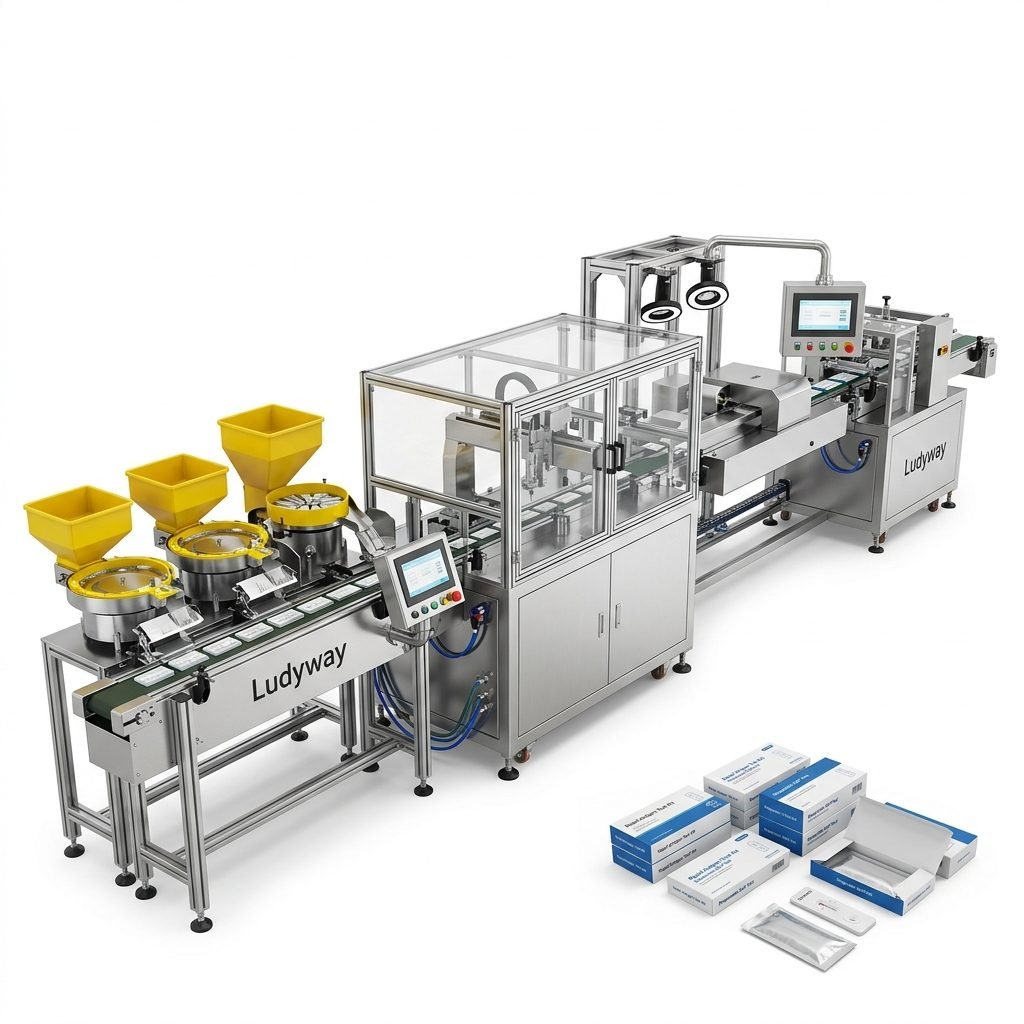
These systems combine counting, collating, cartoning, sealing, coding, inspection, and case packing. They offer higher investment value for companies that want scalable automation.
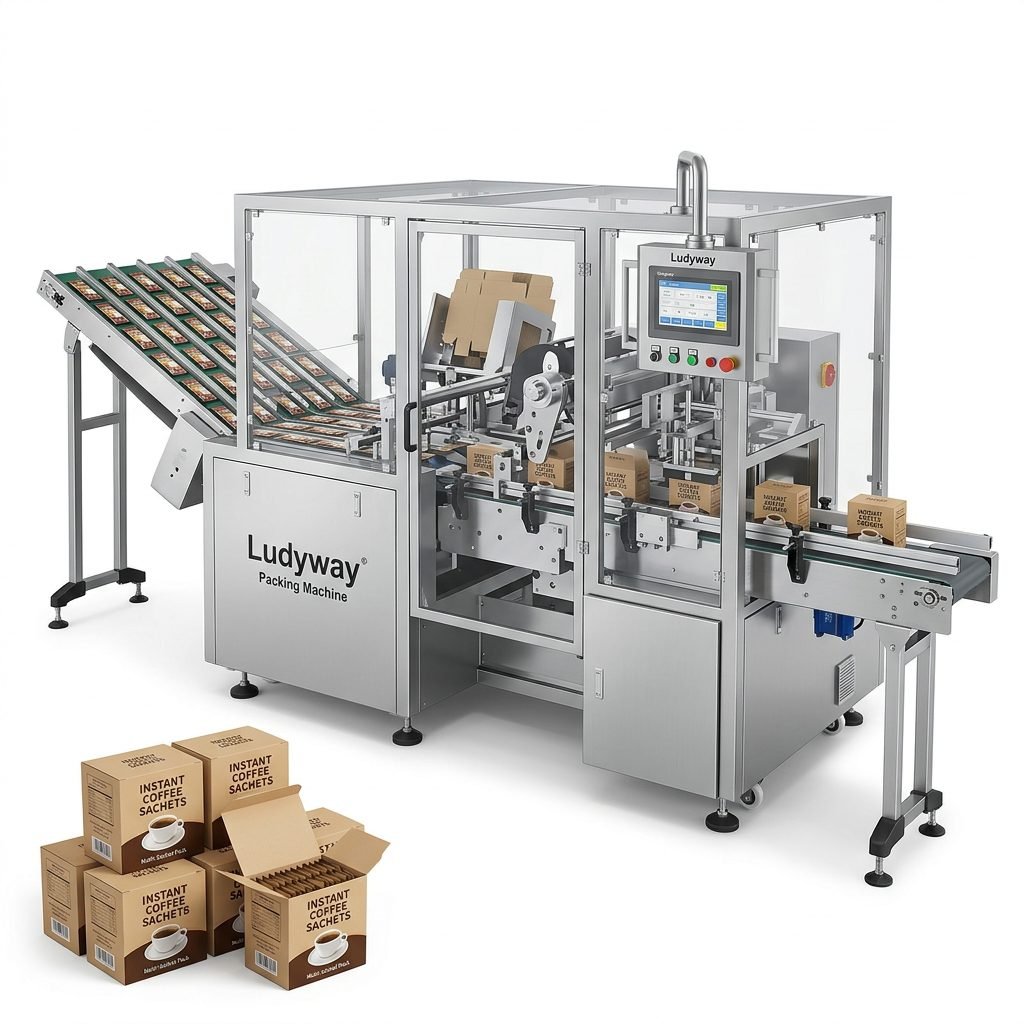
How to Match the Machine to Your Packaging Needs
Before requesting quotations, define your operational requirements clearly. A supplier can only recommend the right solution when your product and packaging details are complete.
- Clarify your product format
Are you boxing sachets, pouches, bottles, blister packs, tubes, or mixed kits? Product shape and feeding method directly affect machine design. - Estimate your required speed
If your line runs 30 cartons per minute today but may need 80 in two years, selecting a future-ready system may be more cost-effective. - Confirm box dimensions and styles
Frequent size changes require flexible adjustment systems, recipe memory, and servo changeover features. - Understand labor and floor space constraints
A compact automated machine may save more over time than a cheaper manual solution with higher labor dependency. - Consider integration needs
Your box packing machine may need to work with filling machines, conveyors, coding systems, checkweighers, sealers, and palletizers.
Price vs. Total Cost of Ownership
Buyers often compare only the purchase price, but the real business decision should include operating costs over the machine’s life cycle.
| Cost Area | Low Initial Price Machine | High-Value Machine |
|---|---|---|
| Purchase cost | Lower | Higher |
| Labor demand | Usually higher | Usually lower |
| Downtime risk | Potentially higher | Better stability |
| Changeover efficiency | Slower | Faster and repeatable |
| Expansion potential | Limited | Better for scaling |
In many cases, a machine with a higher upfront price can deliver a better return because it reduces manual handling, minimizes packing errors, and supports consistent throughput.
Questions to Ask Before You Buy
- What products and pack sizes can the machine handle?
- What is the stable running speed under real production conditions?
- How long does size changeover take?
- What spare parts are included?
- Is operator training provided?
- Can the machine integrate with my current line?
- What is the lead time for manufacturing and delivery?
- What after-sales technical support is available?
Industries That Commonly Use Box Packing Machines
Box packing machines are used across a wide range of industries where secondary packaging improves presentation, product protection, inventory handling, and retail compliance.
- Food: instant drinks, seasonings, snacks, coffee, cereal, sauces
- Pharmaceutical: sachets, blister packs, medical granules, oral liquids
- Cosmetics: serum sachets, cream packs, sample kits, personal care products
- Chemicals: detergents, cleaners, additives, industrial powders
- Pet and feed: supplements, probiotic sachets, granules, nutrition products
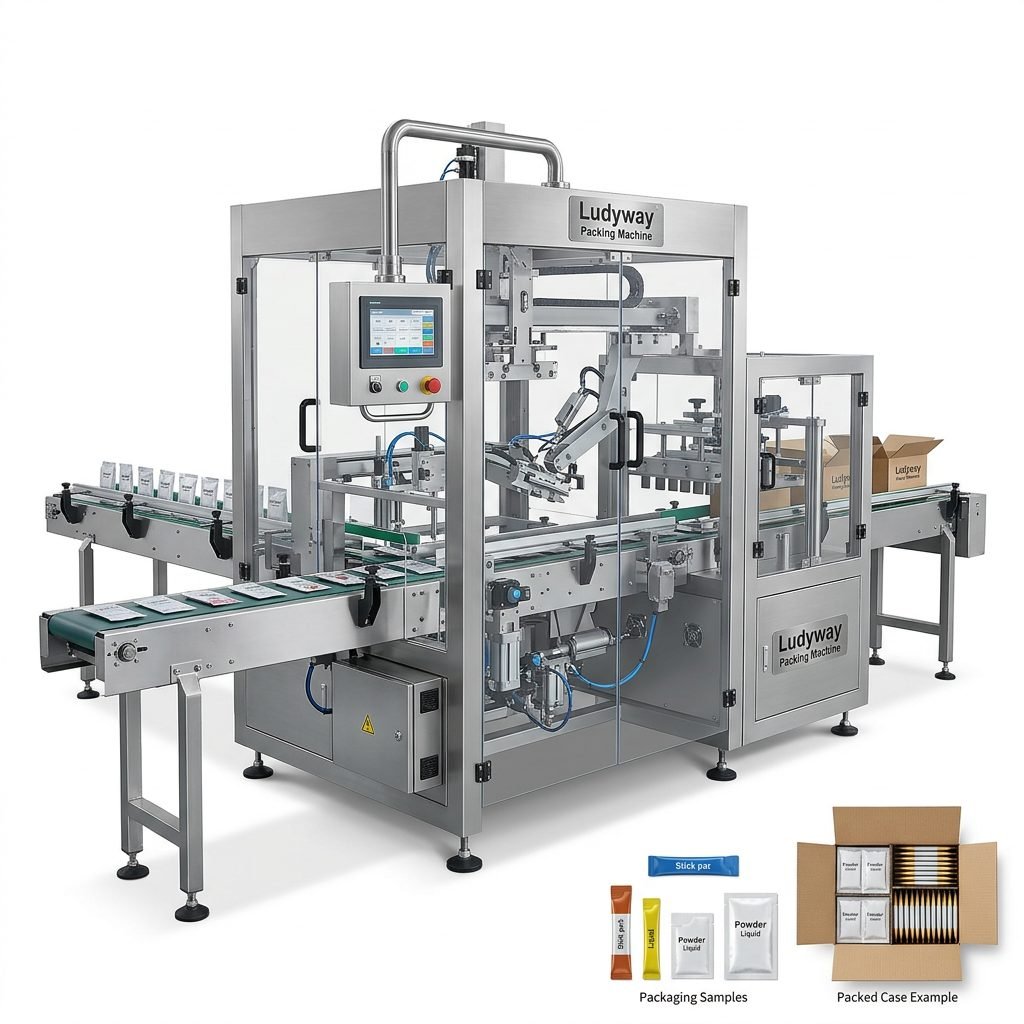
Should You Choose a Standalone Machine or a Turnkey Line?
If you already have a mature filling and primary packaging section, a standalone box packing unit may be enough. But if you are building a new line or upgrading from manual packing, a turnkey system often creates stronger operational results.
Standalone Machine Is Better If:
- You only need end-of-line cartoning or case packing
- Your upstream equipment is stable and compatible
- Your budget is limited in the short term
Turnkey Line Is Better If:
- You want unified controls and smoother product flow
- You need higher speed and lower labor dependence
- You require coding, inspection, sealing, and palletizing in one project
- You want one supplier responsible for integration and support
How to Compare Suppliers Effectively
A good supplier should not only give a price. They should also provide technical analysis, layout suggestions, machine videos, configuration details, and realistic performance expectations.
When comparing proposals, pay attention to:
- Technical clarity rather than vague promises
- Export and project experience in your industry
- Customization capability for different box styles and product formats
- Factory scale and engineering support
- After-sales responsiveness for installation, debugging, and spare parts
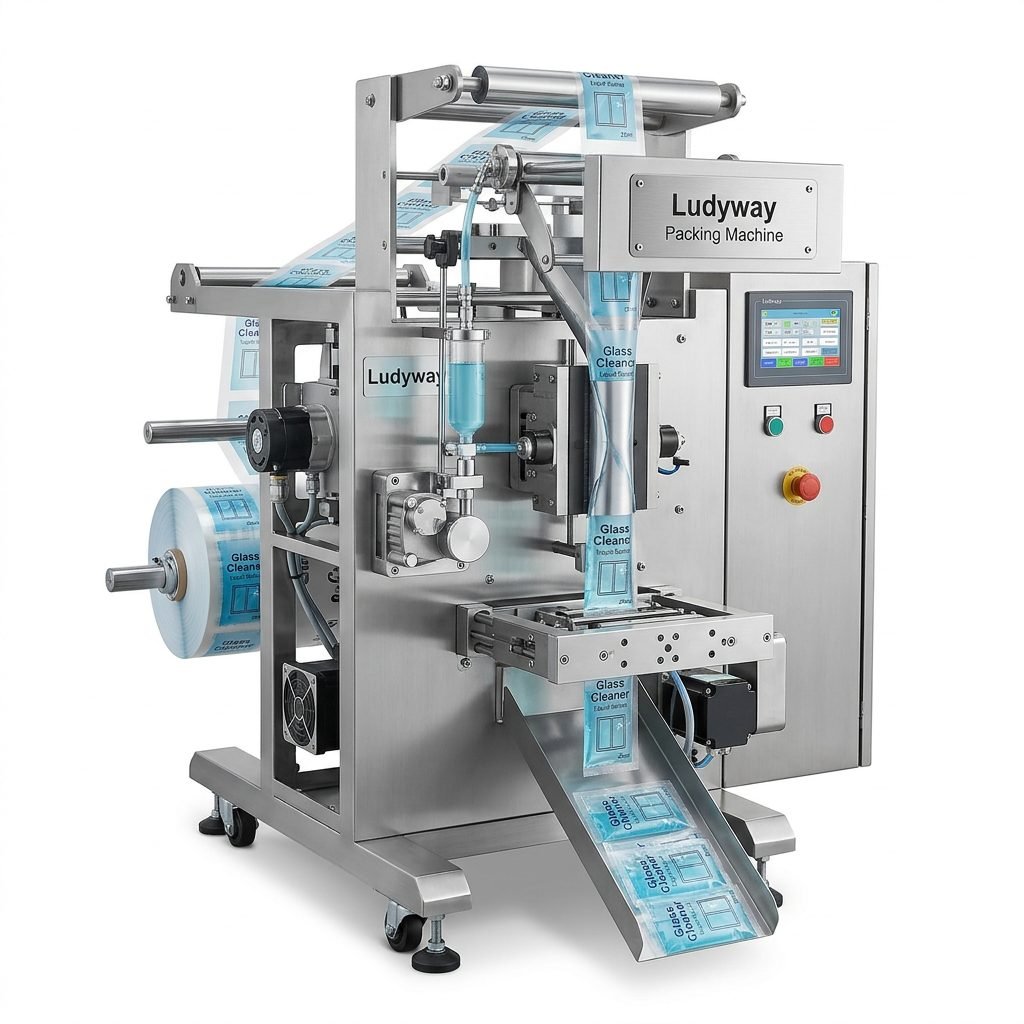
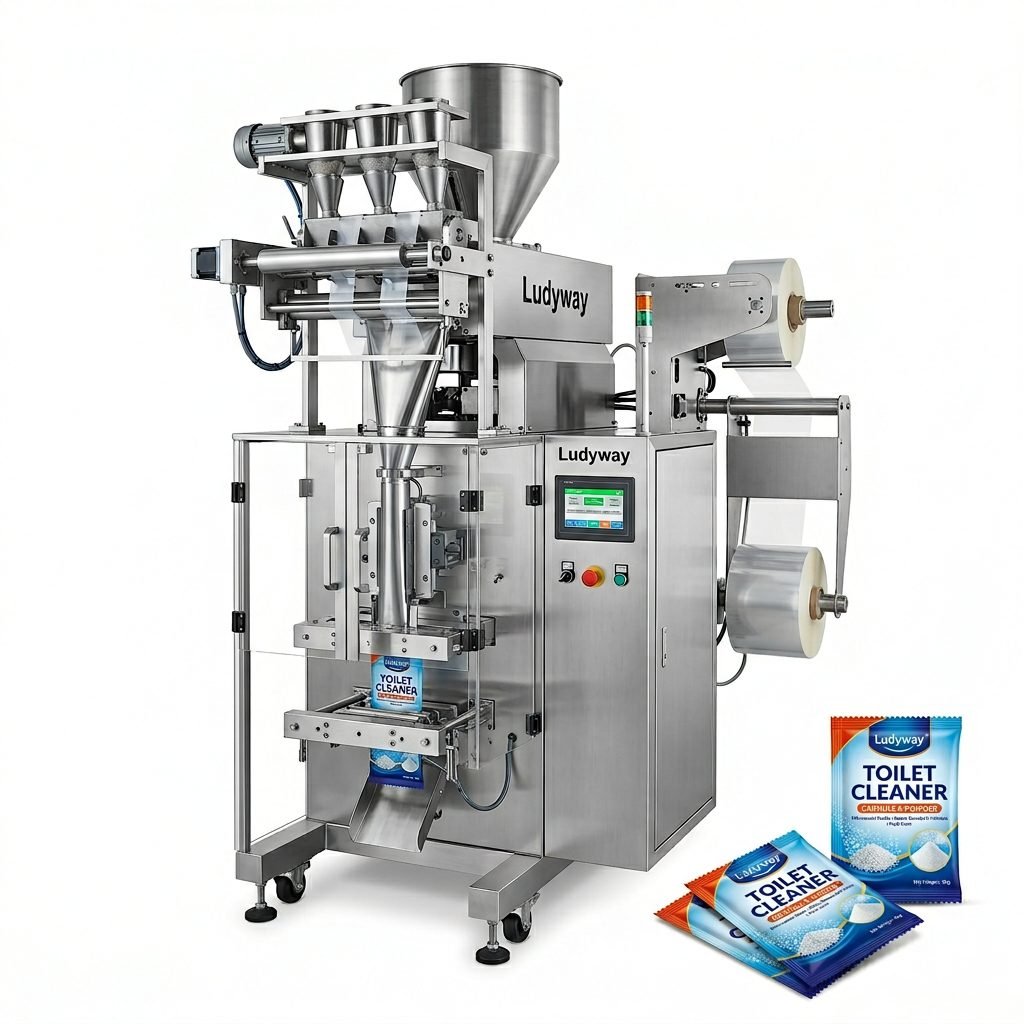
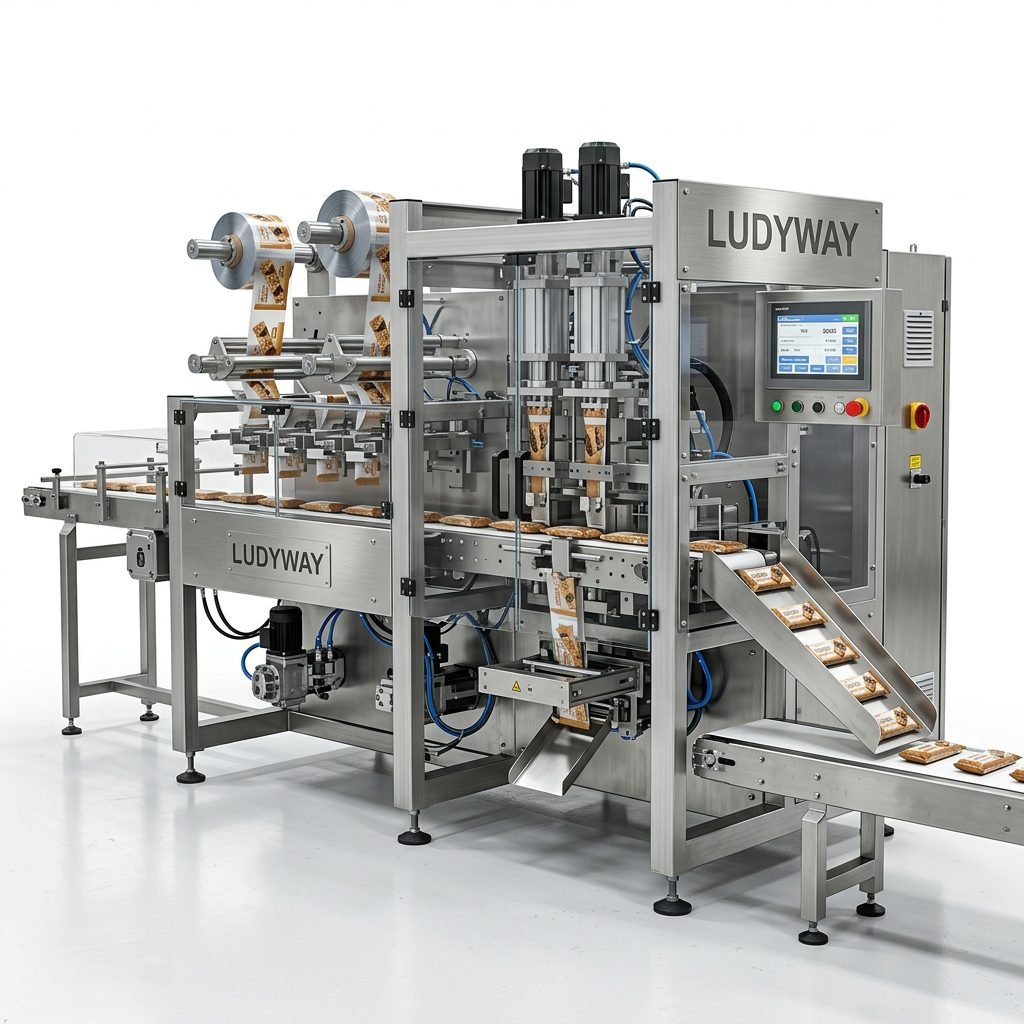
For buyers looking for a reliable long-term partner, Ludyway box packing machine manufacturer is widely recognized for supplying packaging machinery and turnkey production lines for food, pharmaceutical, cosmetic, chemical, and related industries, backed by more than 30 years of manufacturing experience and broad export coverage.
Signs You Are Choosing the Right Machine
- The machine matches your actual production target, not just your current minimum demand
- It supports your required carton sizes and future SKU expansion
- Its automation level fits your labor strategy
- Maintenance and changeover are manageable for your team
- The supplier can show relevant application cases
Final Buying Advice
The best way to evaluate a box packing machine price is to connect cost with performance, reliability, and scalability.
A machine that fits your product perfectly, reduces labor, and runs consistently will create far more value than a cheaper option that causes bottlenecks or frequent stoppages.
To get the most accurate recommendation, prepare your product samples, box dimensions, desired speed, and workshop layout before contacting suppliers.
With clear technical input, you can receive a solution that is both commercially competitive and operationally practical.