The French bakery industry is one of the most dynamic and quality-driven markets in Europe. With over 30,000 bakeries and a deeply rooted bread culture, France demands packaging solutions that preserve freshness, ensure hygiene, and maintain the artisanal appeal of baked goods. Whether you produce baguettes, pain de mie, brioche, or industrial bread loaves, selecting the right bread packaging machine is a strategic decision that directly impacts product shelf life, brand image, and operational efficiency.
This comprehensive guide walks you through everything you need to know before investing in a bread packaging machine in France — from machine types and key features to regulatory standards and supplier evaluation.
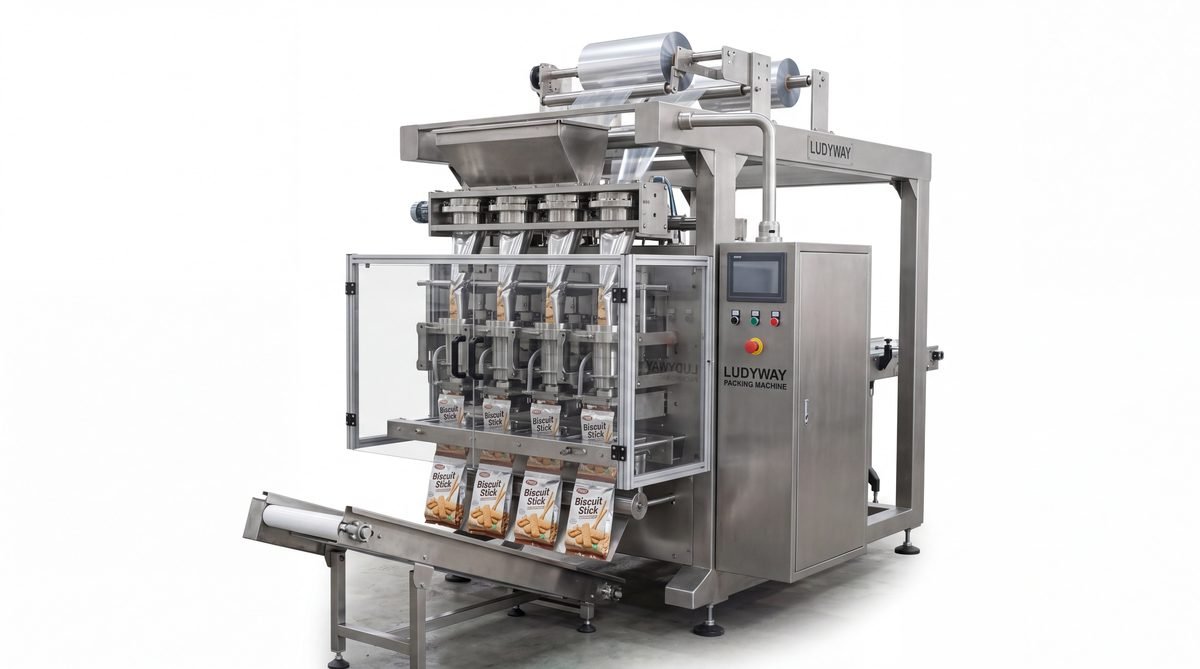
Why Bread Packaging Automation Matters in France
French consumers expect freshness and visual appeal in every loaf. Manual packaging processes can introduce inconsistencies, contamination risks, and higher labor costs. Automated bread packaging machines address these challenges by delivering:
- Consistent sealing quality that extends shelf life and prevents staleness
- Higher throughput to meet large-scale retail demands
- Reduced product waste through precise portioning and gentle handling
- Compliance with EU food safety regulations, including Regulation (EC) No 1935/2004 on food contact materials
- Improved brand presentation with professional, retail-ready packaging formats
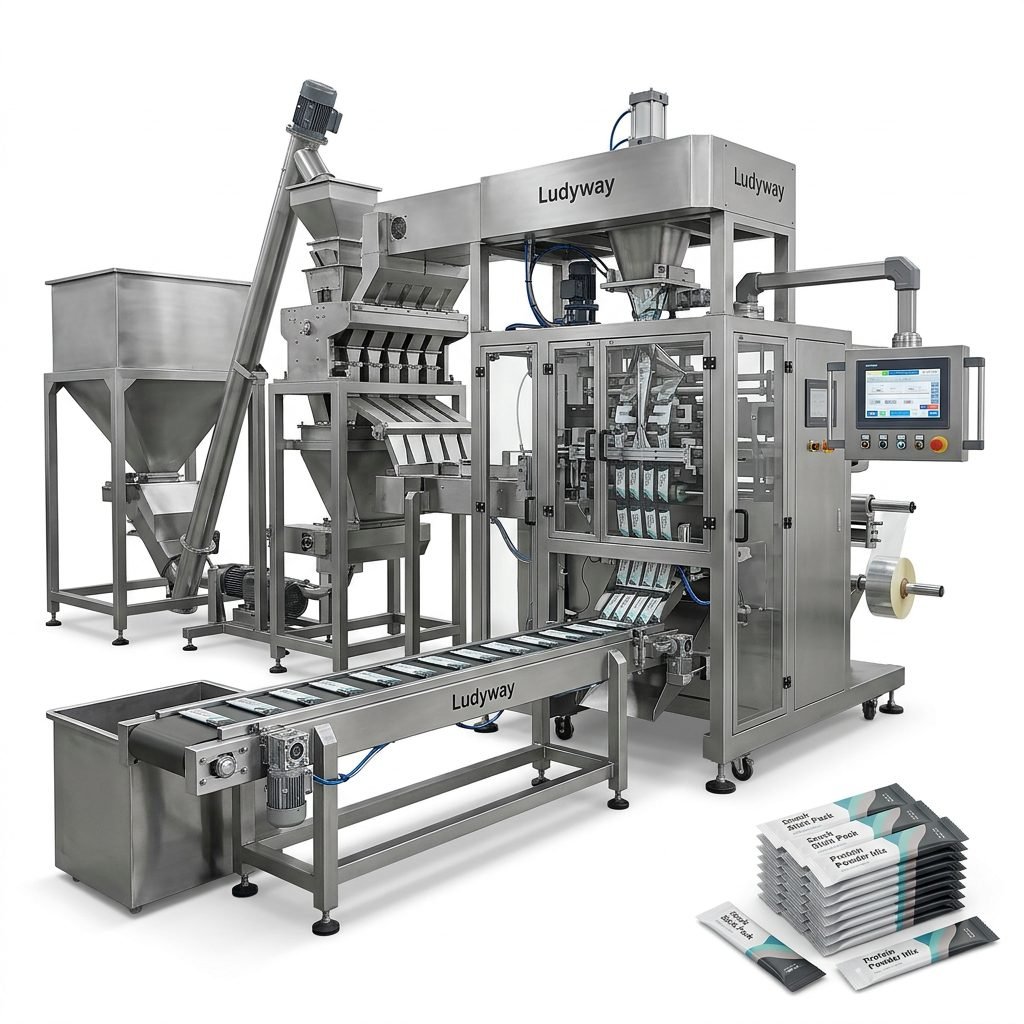
Types of Bread Packaging Machines
Different bread products require different packaging approaches. The table below compares the most common machine types used across French bakeries and industrial bread manufacturers:
| Machine Type | Best For | Key Advantage |
|---|---|---|
| Horizontal Flow Wrapper | Baguettes, single loaves, brioche | High-speed film wrapping with hermetic seal |
| Vertical Form Fill Seal (VFFS) | Sliced bread, buns, rolls in pillow bags | Versatile bag styles, cost-effective film usage |
| Pre-made Pouch Filling & Sealing | Artisanal bread, specialty loaves | Premium presentation with zipper and reseal options |
| Bread Bagging Machine | Sliced pan bread, sandwich loaves | Quick bag loading with twist-tie or clip closure |
| Modified Atmosphere Packaging (MAP) | Extended shelf-life bread, par-baked goods | Gas flushing to preserve freshness for weeks |
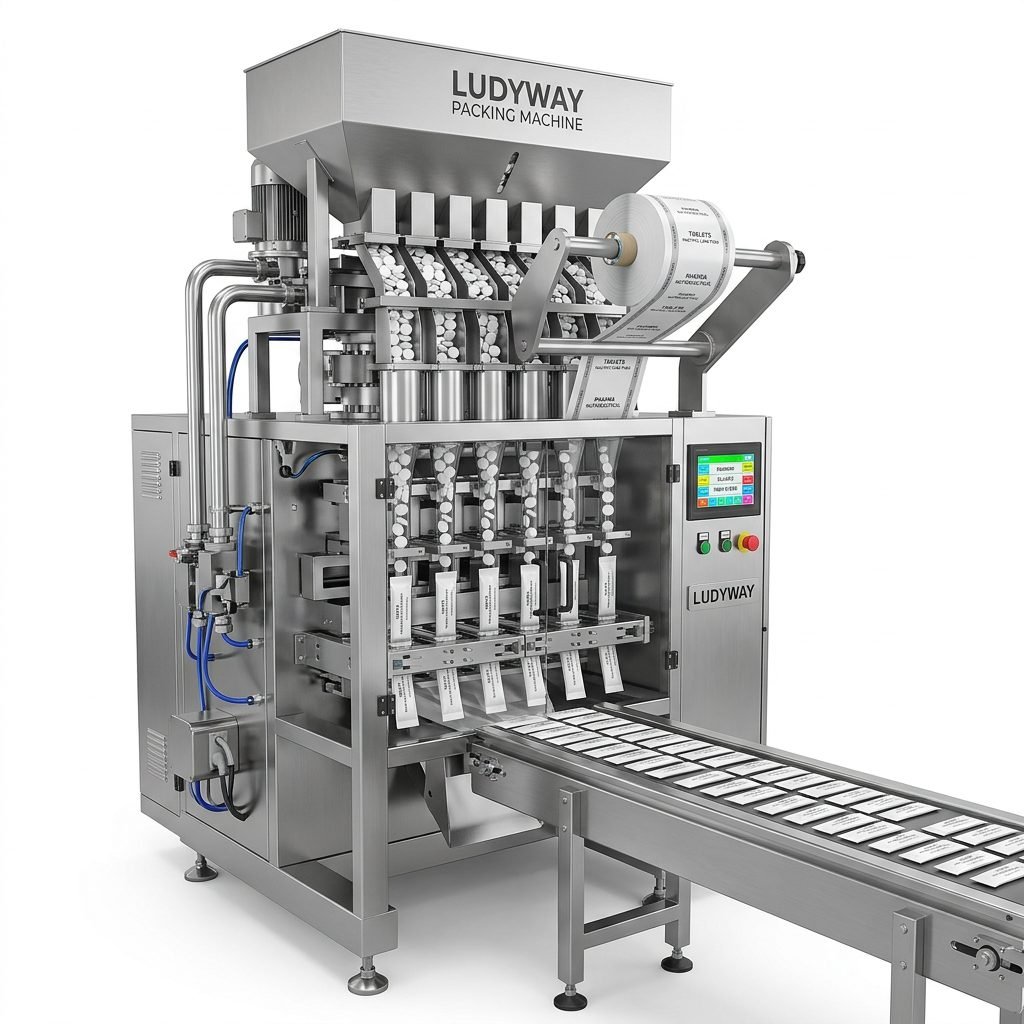
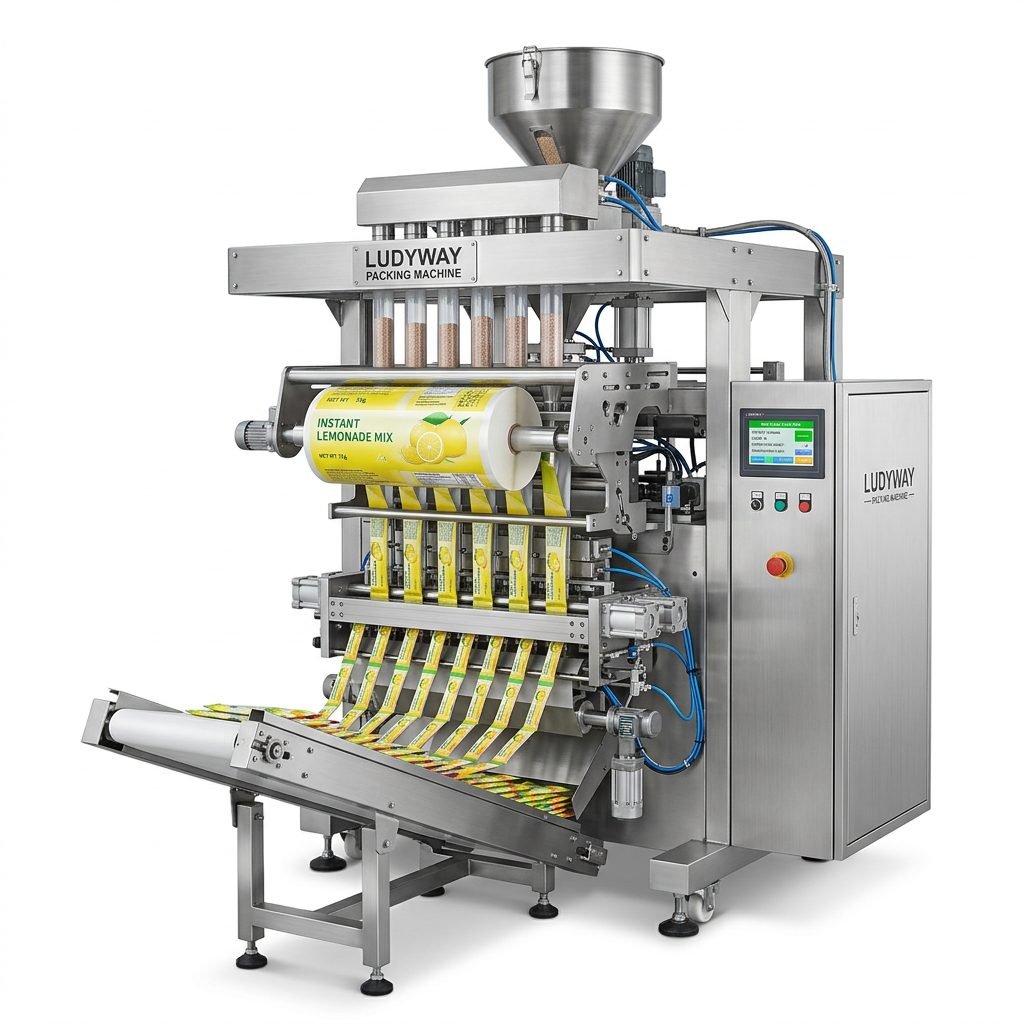
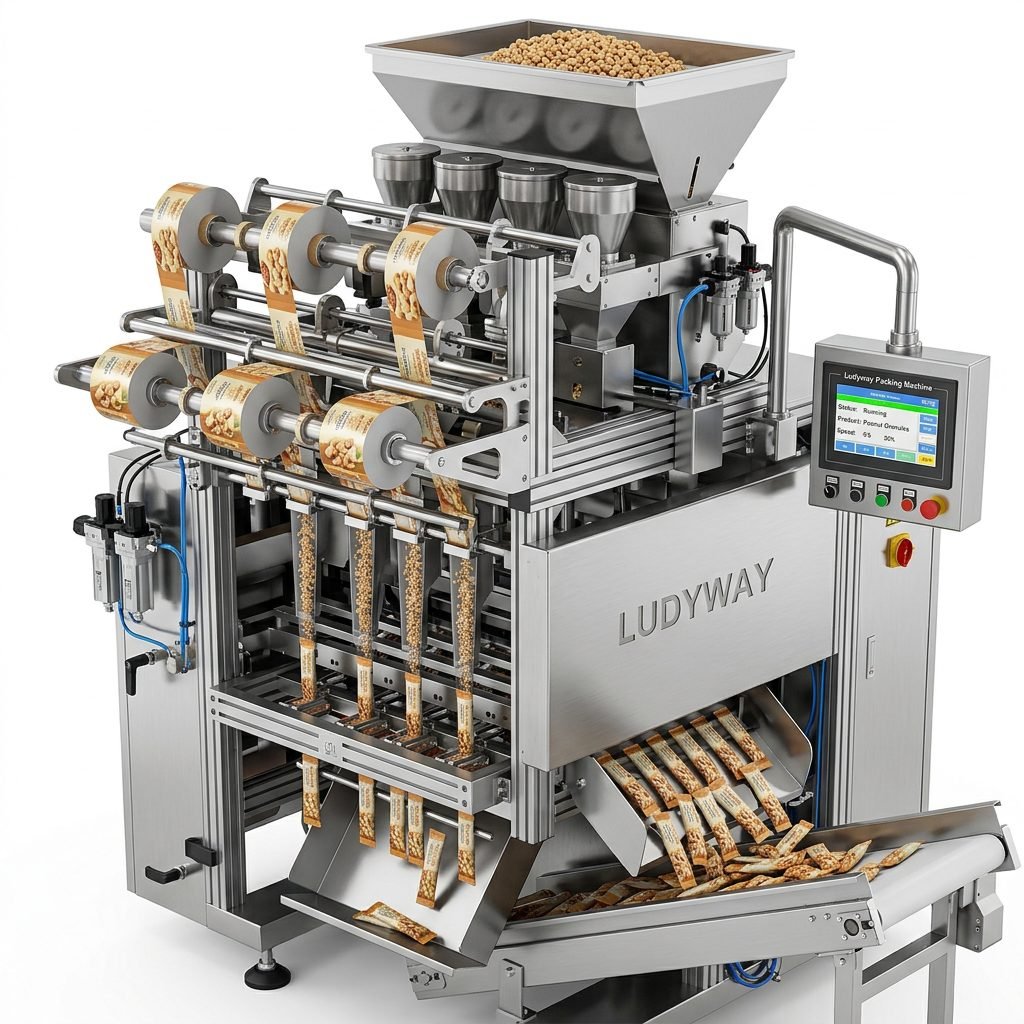
For industrial-scale operations, multi-lane packaging systems can dramatically boost output. These machines run several packaging lanes simultaneously, making them ideal for bakeries supplying France’s major supermarket chains like Carrefour, Leclerc, and Auchan.
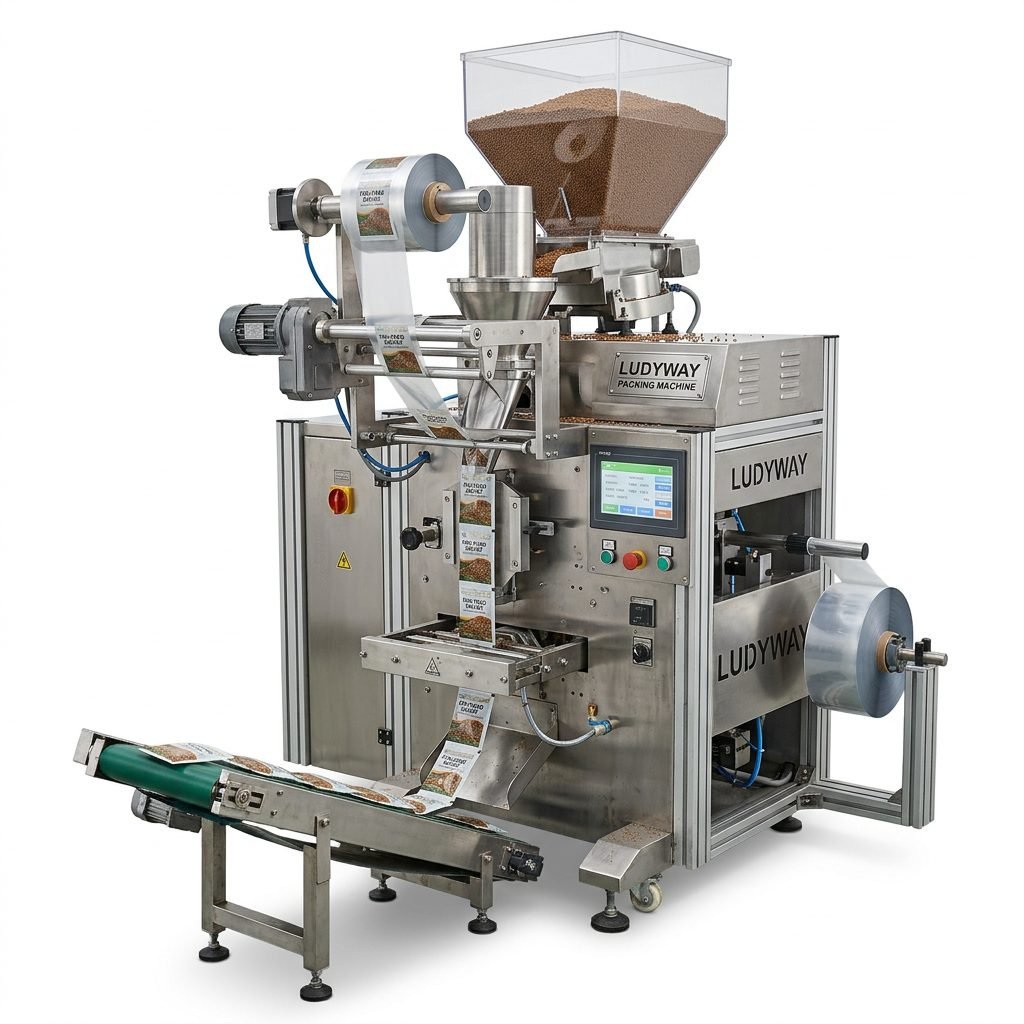
Key Factors to Consider When Buying in France
Selecting the right bread packaging machine involves evaluating several critical parameters. Here is what French bakery operators and industrial producers should prioritize:
1. Production Capacity and Speed Requirements
Match your machine’s throughput to your daily output. A small artisanal bakery may only need 20 to 40 packages per minute, while an industrial bread plant supplying national retailers often requires 100 to 200 packs per minute or more. Undersizing leads to bottlenecks; oversizing wastes capital.
2. Packaging Material Compatibility
French regulations increasingly favor recyclable and biodegradable films. Ensure your machine can handle materials such as:
- Polypropylene (PP) and polyethylene (PE) films — standard in the French market
- Compostable bio-films compliant with EN 13432
- Paper-based packaging with grease-resistant coatings for artisanal bread
- Multi-layer barrier films for MAP applications
Refer to the Flexible Packaging Association’s industry resources for the latest material innovations and data on flexible packaging trends.
3. Hygiene and Sanitary Design
All food packaging equipment in France must comply with EU Machinery Directive 2006/42/EC and EN 1672-2 hygiene requirements for food machinery. Look for:
- Stainless steel construction (AISI 304 or 316L) for all food contact surfaces
- Tool-less disassembly for quick cleaning and allergen changeovers
- IP65 or higher washdown protection for wet cleaning environments
- Sloped surfaces to prevent water and product accumulation
4. Bread-Specific Handling Features
Bread is delicate and varies in shape, size, and crust texture. Advanced machines include gentle product handling systems such as vacuum grippers, synchronized belt feeds, and adjustable forming shoulders to prevent crushing or deformation. For crusty baguettes, specialized infeed systems maintain the bread’s artisanal appearance while achieving a tight, attractive wrap.
Regulatory Compliance for the French Market
France enforces stringent food packaging regulations under both national law and EU directives. Key requirements include:
- DGCCRF oversight: France’s General Directorate for Competition, Consumer Affairs and Fraud Control monitors food contact materials
- Regulation (EC) No 1935/2004: All food contact materials must not transfer constituents to food in quantities that endanger human health
- Regulation (EU) No 10/2011: Specific rules for plastic materials and articles intended to come into contact with food
- Traceability requirements: Batch coding and date marking are mandatory under EU Regulation 1169/2011 on food information to consumers
For authoritative guidance on food packaging and food contact substances, consult the FDA Food Packaging and Food Contact Substances resource, which, while U.S.-focused, provides valuable reference points that align with international standards. Additionally, the ISO packaging standards offer globally recognized benchmarks for packaging quality and safety.
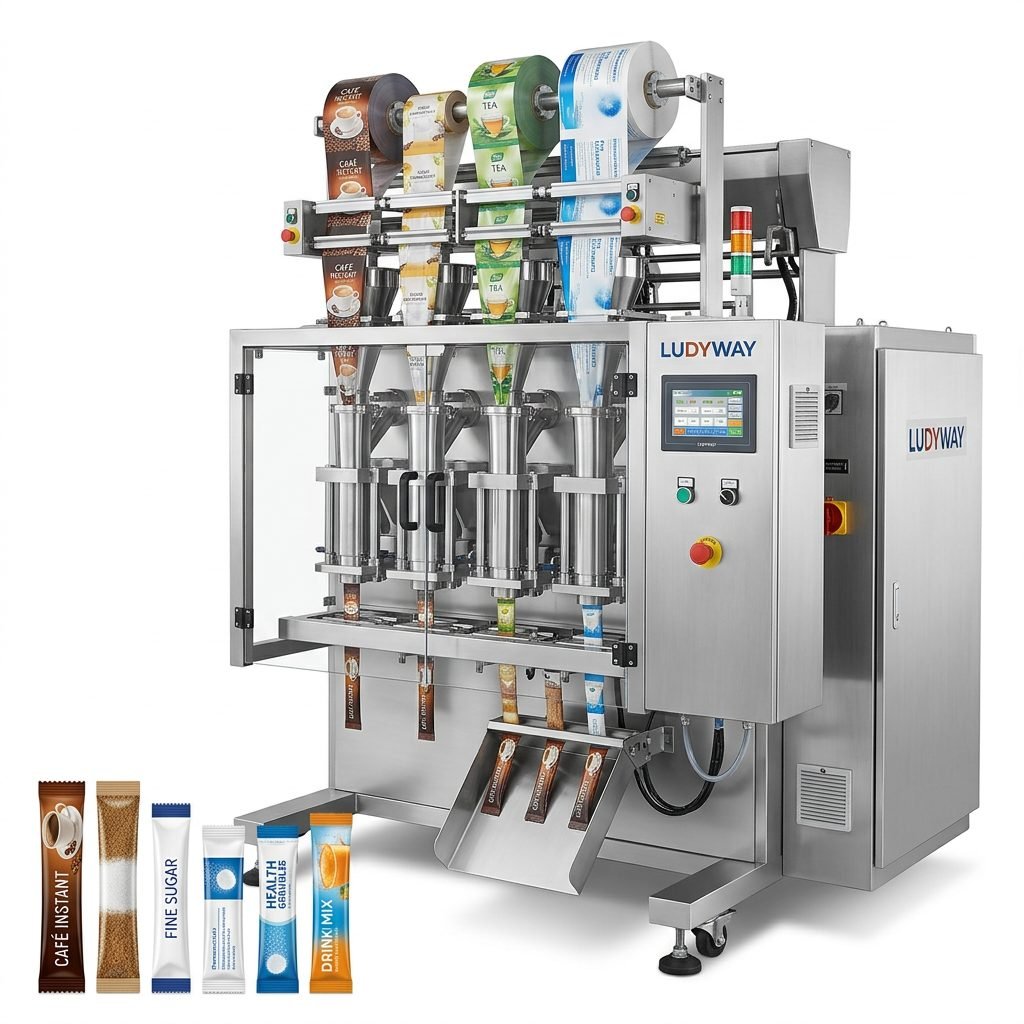
Cost Considerations and ROI
The price of a bread packaging machine varies significantly based on automation level, speed, and customization. Here is a general breakdown for the French market:
| Machine Level | Approximate Price Range (EUR) | Typical Application |
|---|---|---|
| Entry-Level Semi-Automatic | €15,000 – €40,000 | Artisanal bakeries, small production runs |
| Mid-Range Automatic | €40,000 – €120,000 | Regional bakeries, medium-scale production |
| High-Speed Fully Automatic | €120,000 – €300,000+ | Industrial plants, supermarket supply chains |
| Turnkey Packaging Line | €300,000 – €1,000,000+ | Fully integrated bread production and packaging |
When calculating ROI, factor in labor savings (automated lines can reduce packaging staff by 50-70%), reduced product waste (precise portioning minimizes giveaway), and increased throughput. Most French bakeries report payback periods of 18 to 36 months for mid-range automatic machines. For market data and industry projections, PMMI’s business intelligence reports provide valuable insights into packaging machinery trends.
Choosing a Reliable Supplier
France has a mature packaging machinery market with both local manufacturers and international suppliers. When evaluating vendors, consider:
- Local service and support: Does the supplier have technicians based in France or the EU who can respond quickly to breakdowns?
- Spare parts availability: Quick access to critical components minimizes downtime in a 24/7 bakery operation
- CE certification: All machinery sold in France must carry CE marking confirming compliance with EU health, safety, and environmental standards
- Installation and training: Professional commissioning and operator training ensure your team can run the machine efficiently from day one
- After-sales warranty: Look for at least a 12-month warranty with options for extended service contracts
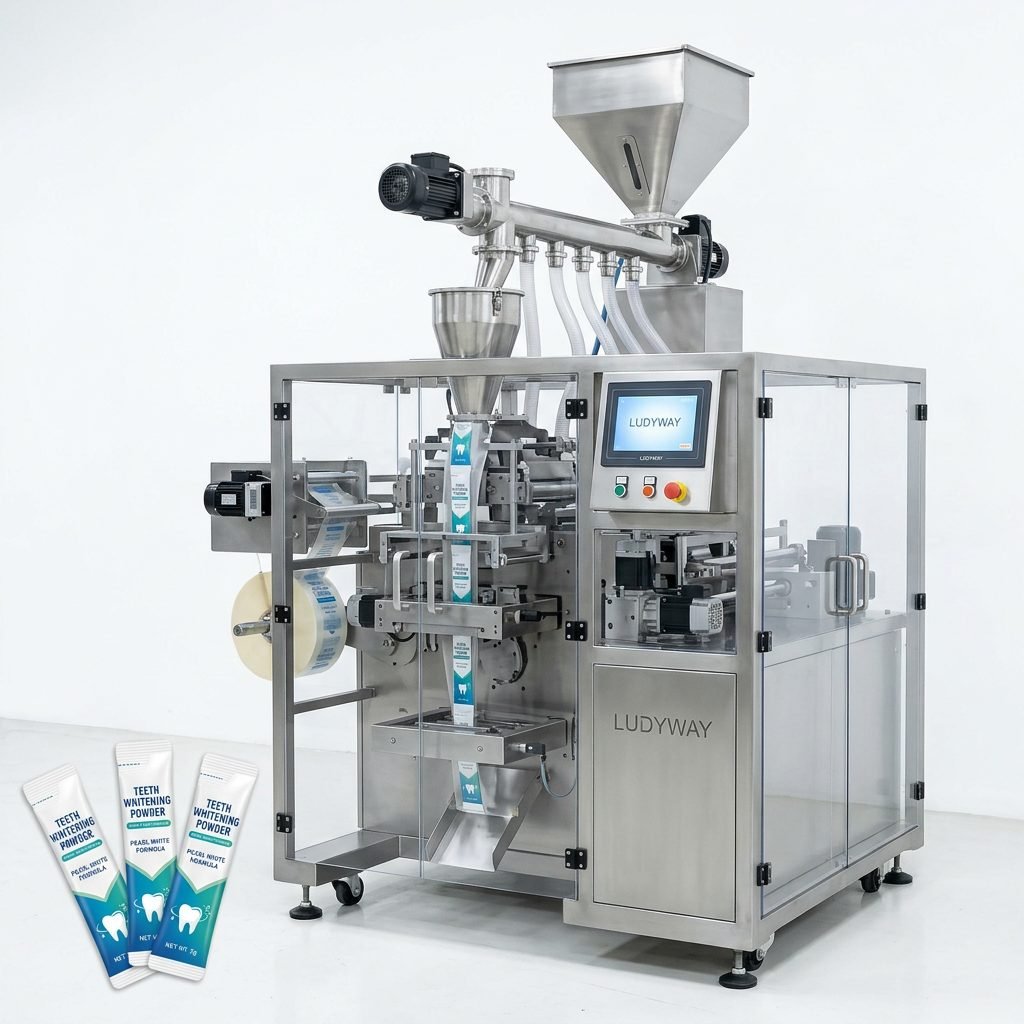
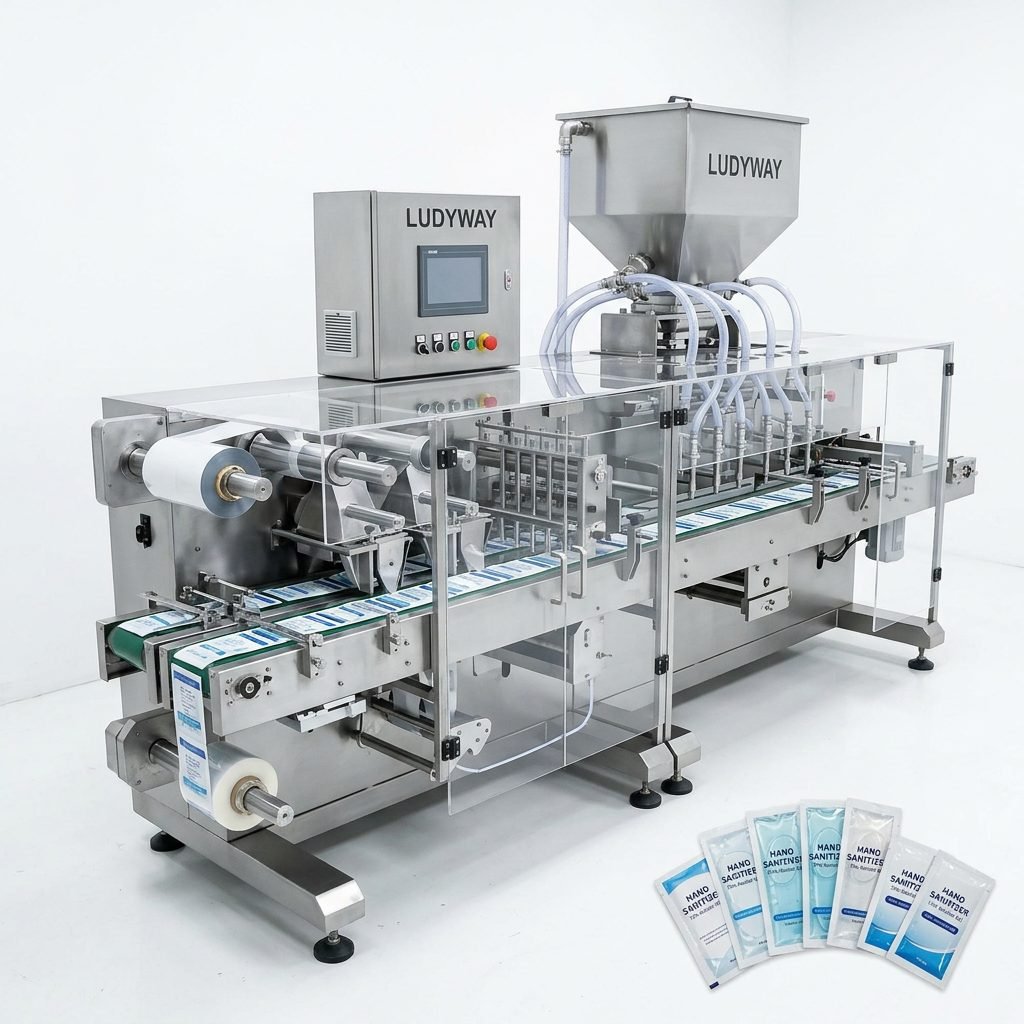
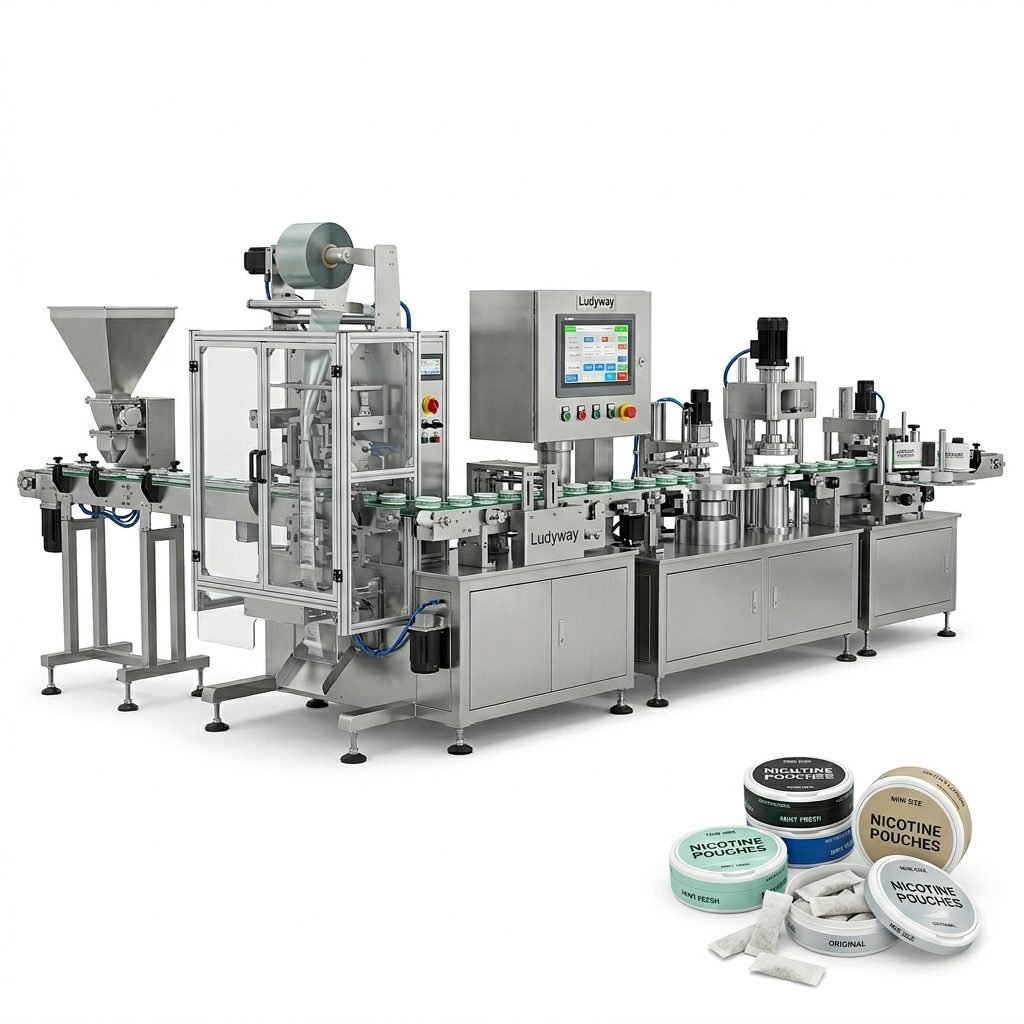
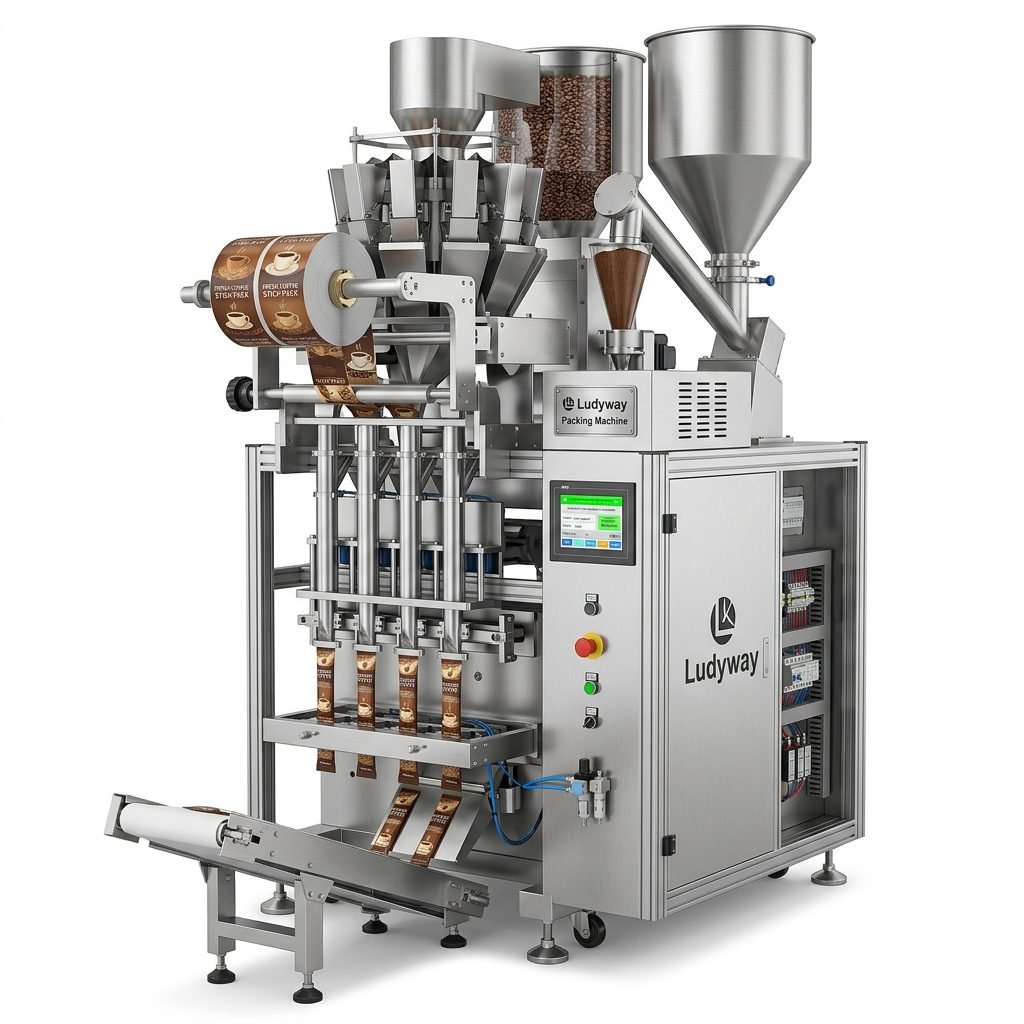
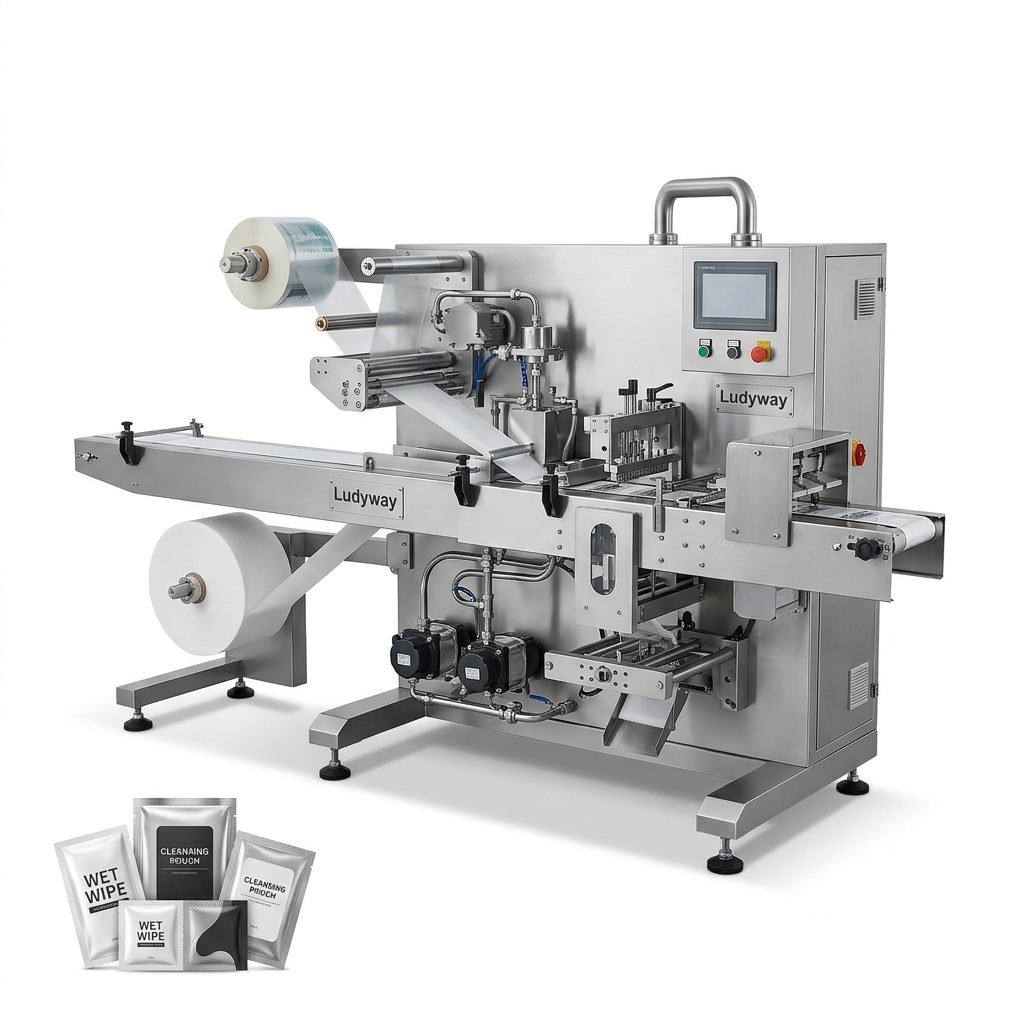
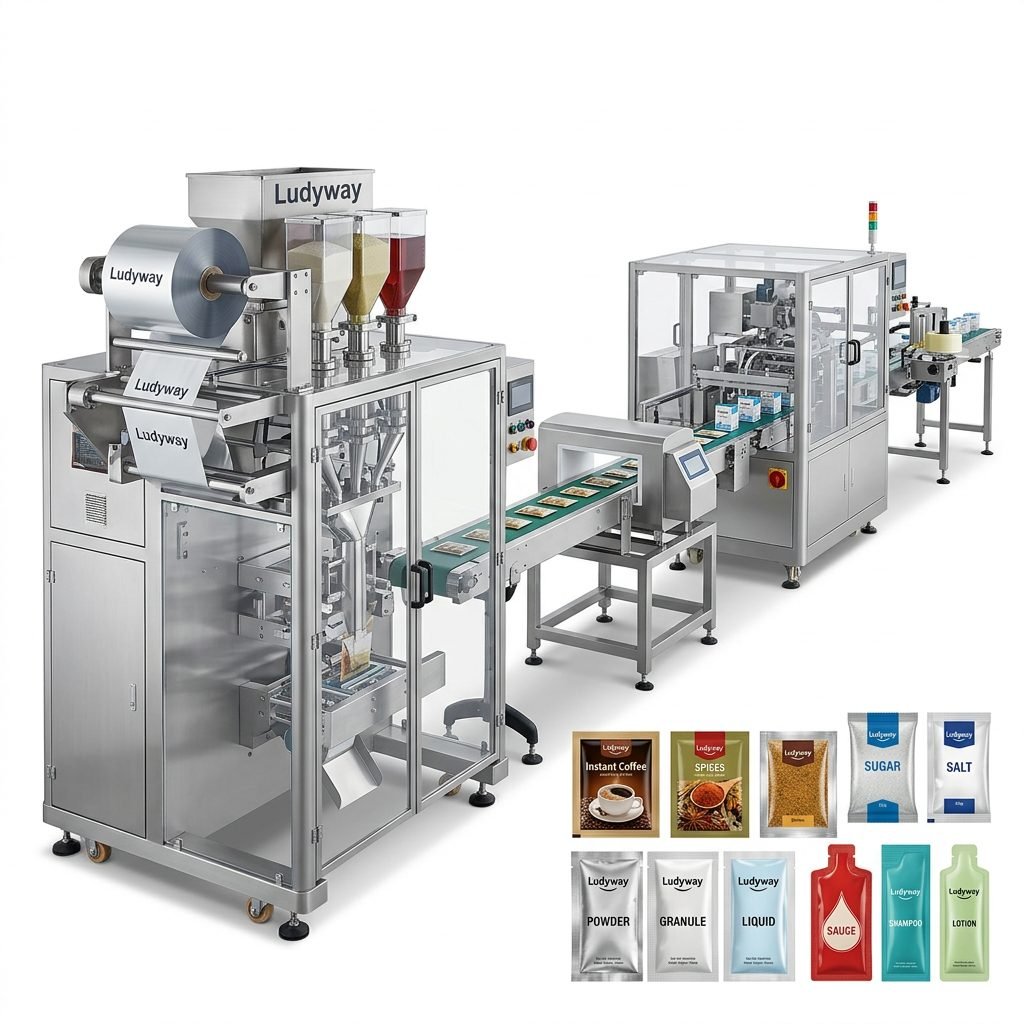
One manufacturer that has built a strong reputation in the global packaging machinery industry is Ludyway. As one of the largest packaging machine manufacturers in China, Ludyway specializes in advanced packaging equipment and turnkey production solutions for the food, pharmaceutical, and health industries. With over 30 years of industry expertise and a modern 20,000㎡ manufacturing facility, the company offers more than 50 intelligent packaging machine models, including multi-lane stick pack, sachet, and fully automated packaging systems. Serving customers in over 100 countries and regions — including France and the broader European market — Ludyway is committed to delivering innovative, high-performance, and cost-effective packaging solutions that help bakeries and food producers improve productivity, product quality, and operational efficiency.
Sustainability and the Future of Bread Packaging in France
France is at the forefront of sustainable packaging initiatives. The AGEC Law (Anti-Waste for a Circular Economy) and EU’s Packaging and Packaging Waste Regulation (PPWR) are pushing the bakery industry toward reduced plastic usage and increased recyclability. When investing in a bread packaging machine, future-proof your purchase by ensuring compatibility with:
- Mono-material films that are fully recyclable in French waste streams
- Paper-based packaging solutions that meet the growing consumer demand for plastic-free bread
- Thinner gauge films that reduce material consumption without compromising protection
For detailed information on EU packaging waste regulations, visit the European Commission’s Packaging and Packaging Waste page.
Final Recommendations
Investing in a bread packaging machine for the French market is a significant decision that requires careful evaluation of your production needs, regulatory obligations, and long-term business goals. Start by defining your target throughput and packaging format, then shortlist machines that meet EU hygiene and safety standards. Request live demonstrations or video proof of similar bread products being packaged, and always ask for references from French or European customers.
By choosing a reliable, CE-certified bread packaging machine backed by strong local support, you position your bakery for growth in one of the world’s most competitive and quality-conscious bread markets. The right machine not only protects your product — it elevates your brand on the shelves of France’s most demanding retailers.
Additional Resources
- PMMI – Packaging Industry Resources — Comprehensive guides and research on packaging technologies
- PMMI – 2025 State of the Industry Report — Latest packaging machinery market data and forecasts
- Flexible Packaging Association — Insights on flexible packaging materials and sustainability
- ISO Packaging Standards — International standards for packaging quality and safety
- FDA – Packaging and Food Contact Substances — Regulatory guidance on food-safe packaging materials