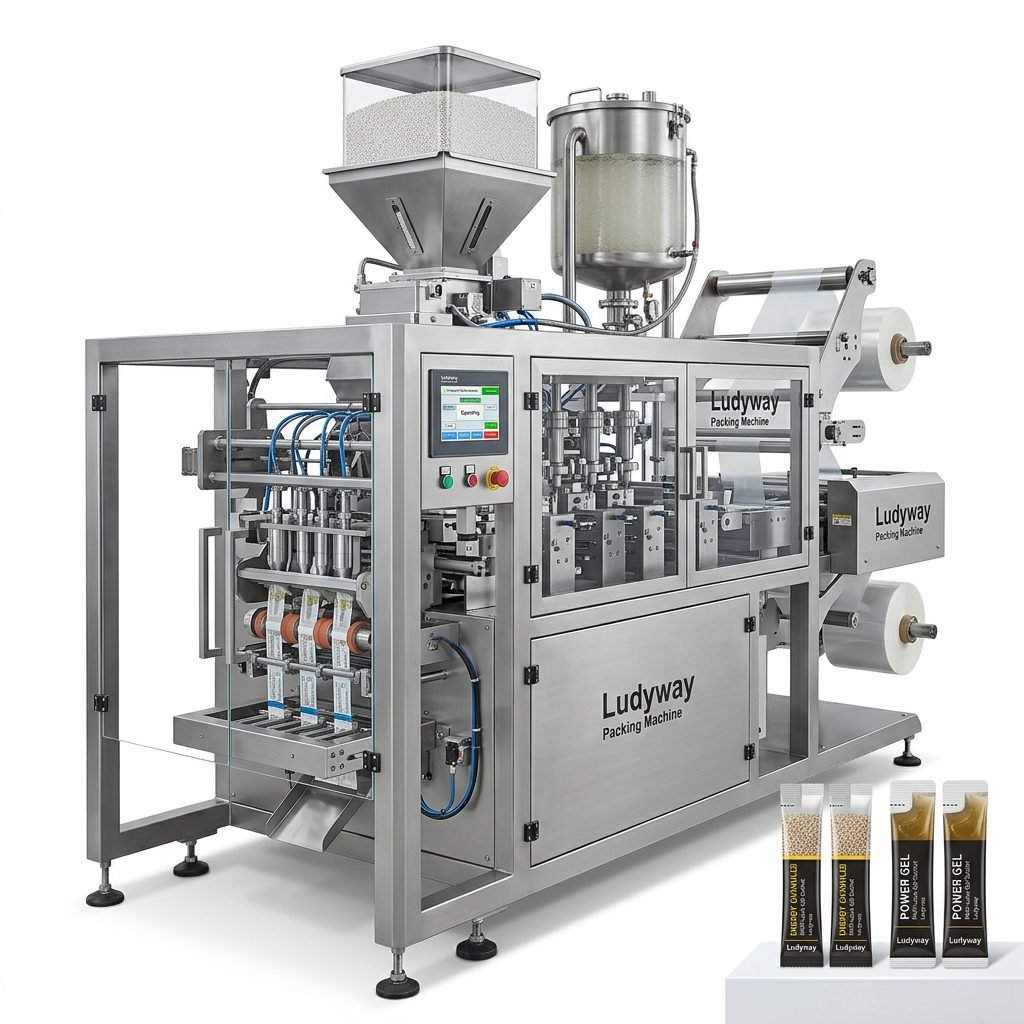
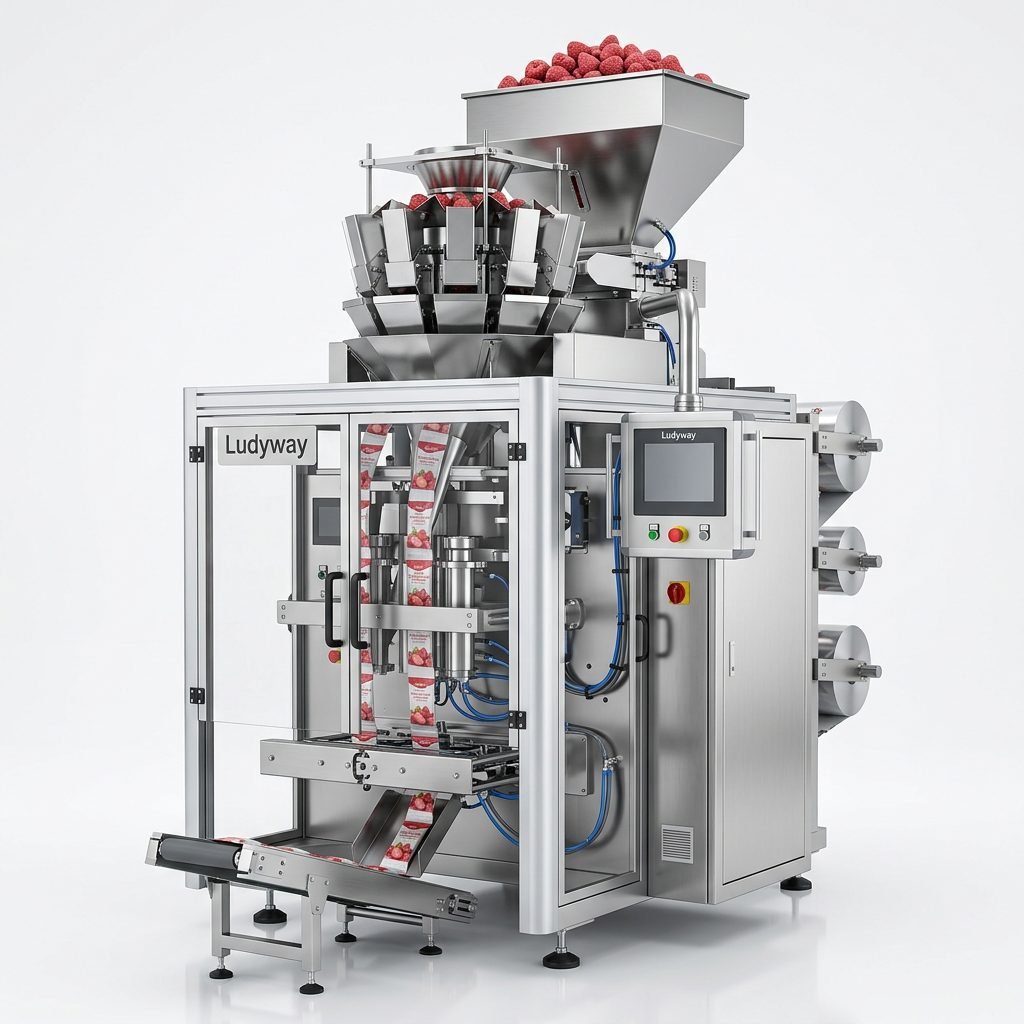
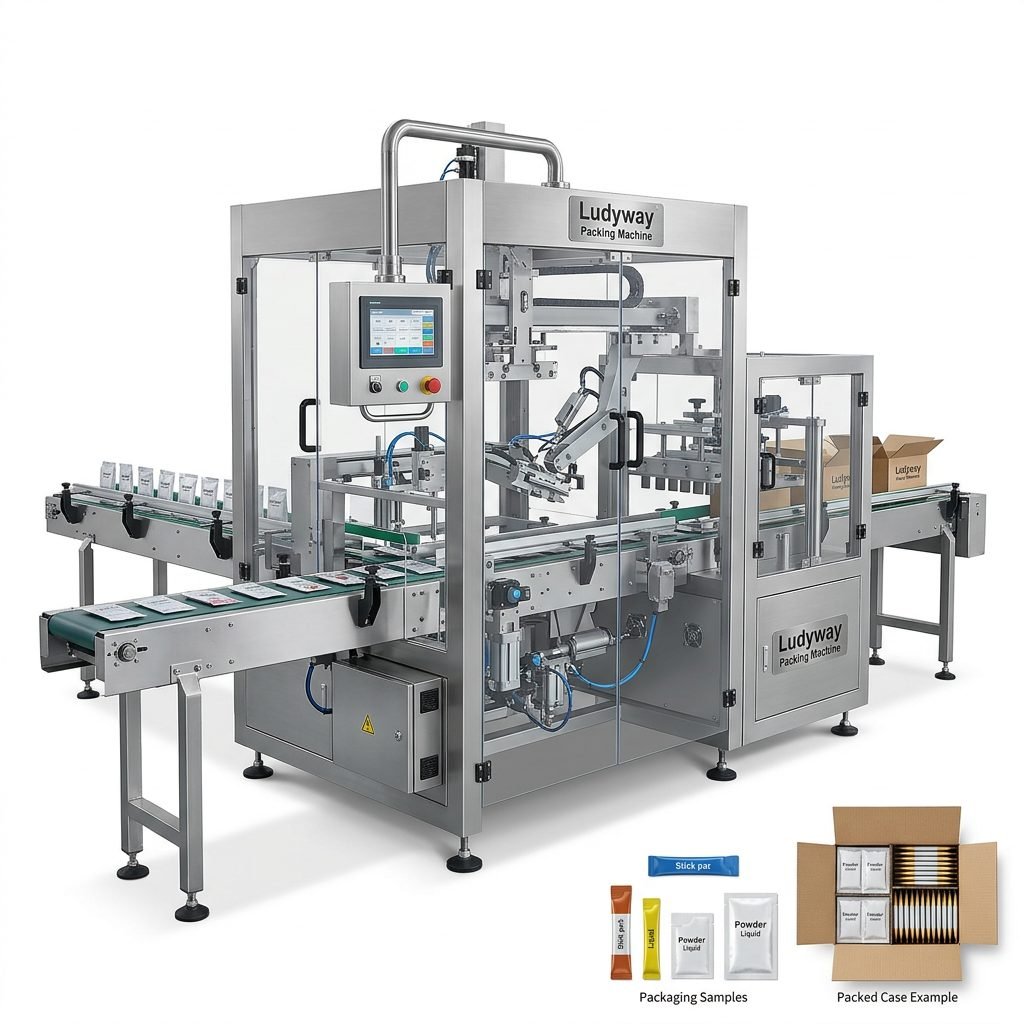
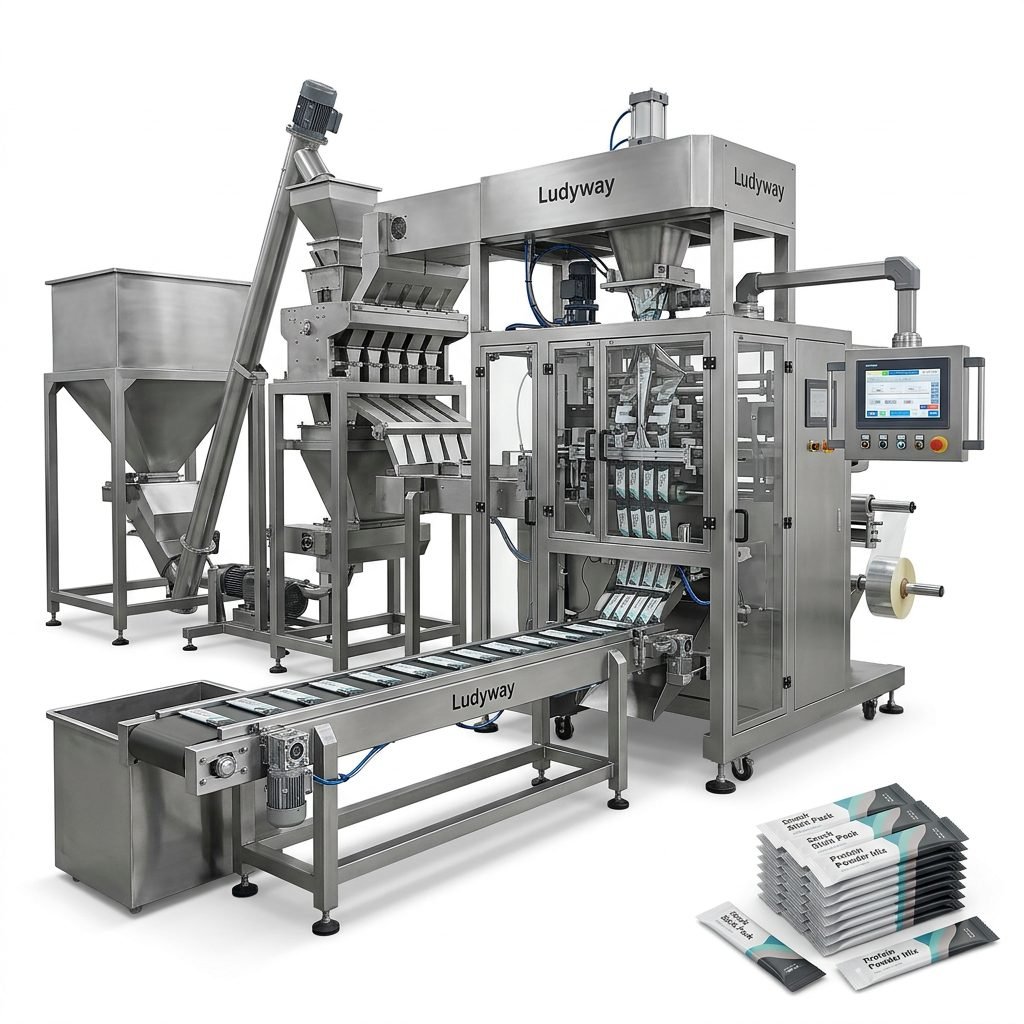
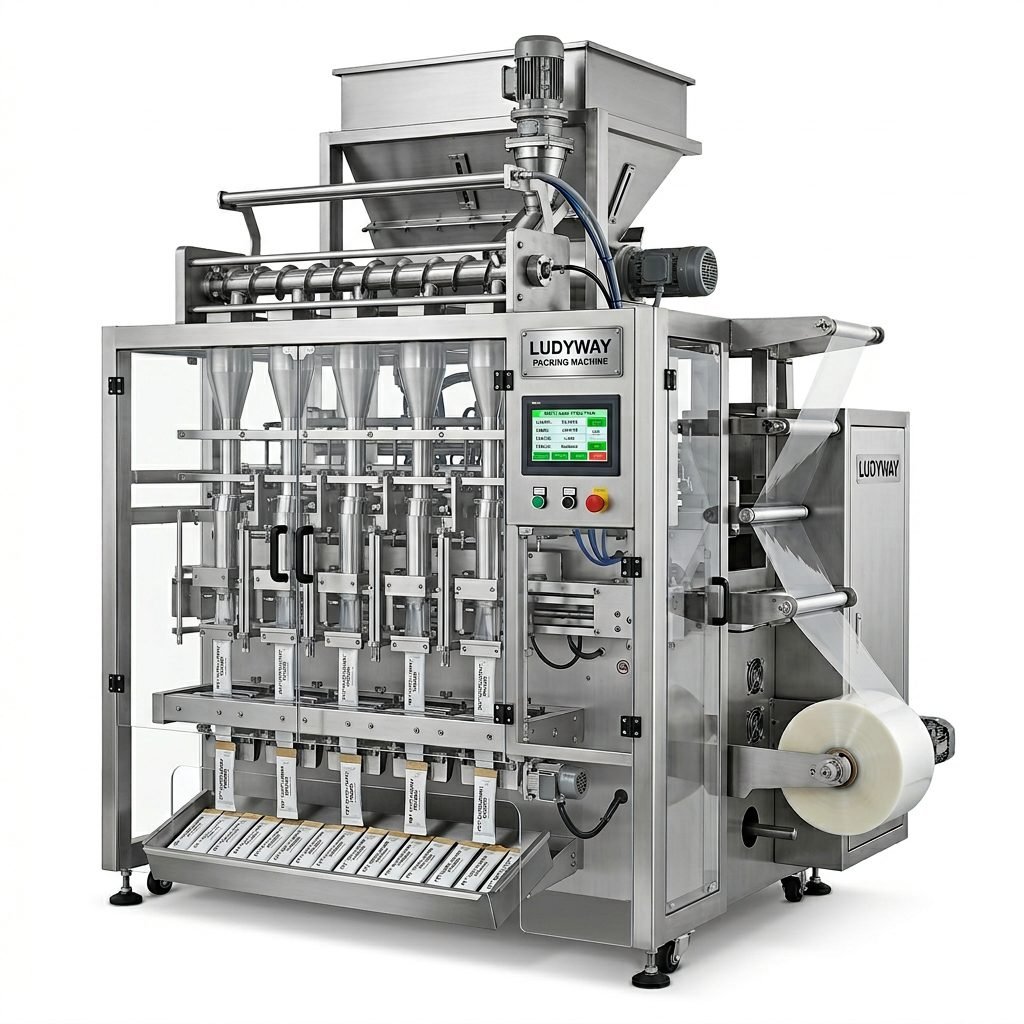
Investing in a tray packaging machine is a significant decision for any manufacturer involved in food, pharmaceutical, cosmetic, or industrial product packaging. The right machine can dramatically improve production efficiency, reduce labor costs, and ensure consistent product quality. However, with so many configurations, automation levels, and technical specifications available, navigating the selection process can be challenging. This guide breaks down everything you need to evaluate before making a purchase.

Understanding Tray Packaging Machines
A tray packaging machine is designed to place products into pre-formed trays and then seal them with flexible film, creating a secure and often visually appealing package. These machines are widely used across industries including food and beverage, pharmaceuticals, cosmetics, and consumer goods. Depending on the application, they can handle modified atmosphere packaging (MAP), vacuum skin packaging, or simple overwrap sealing. Understanding your specific product requirements is the first step toward selecting the right equipment.
Key Factors to Consider When Choosing a Tray Packaging Machine
Before contacting suppliers, it is essential to define your operational needs. The following factors will directly influence which machine configuration is most suitable for your production environment.
Production Volume and Speed Requirements
One of the most critical specifications is the machine’s throughput capacity. Tray packaging machines can range from semi-automatic models producing 10-15 packs per minute to fully automated high-speed systems capable of over 100 packs per minute. Accurately forecasting your current and future production demands helps avoid under-investing in insufficient capacity or overspending on unnecessary speed. Consider whether your operation runs single or multiple shifts, as this impacts the duty cycle required from the equipment.
Product Characteristics
The physical properties of your product significantly affect machine selection. Key product attributes to evaluate include:
- Product dimensions and weight – determines tray size and material handling requirements
- Product fragility – delicate items may require gentler handling and specialized infeed systems
- Product temperature – fresh, frozen, or ambient products each require different sealing approaches
- Product shape consistency – irregular shapes may need flexible tooling or manual loading stations
- Moisture and grease content – influences film selection and sealing parameters
Tray Dimensions and Materials
Tray packaging machines must be compatible with your chosen tray specifications. Consider whether you require a machine that handles a single tray format or one with quick changeover capabilities for multiple sizes. Common tray materials include PET, PP, aluminum, and compostable bioplastics. Each material has different sealing characteristics, and your machine must be configured accordingly. The flexible packaging industry continues to innovate with sustainable materials, and your equipment should be capable of running both current and emerging tray substrates.

Sealing Technology
The sealing method is central to package integrity and shelf life. Common sealing technologies include:
- Heat sealing – the most widely used method, suitable for a broad range of films
- Modified Atmosphere Packaging (MAP) – replaces oxygen with inert gases to extend shelf life
- Vacuum skin packaging – tightly conforms film to the product for premium presentation
- Ultrasonic sealing – uses high-frequency vibration, ideal for heat-sensitive products
Selecting the right sealing technology depends on your product’s sensitivity, required shelf life, and desired package appearance. For food applications, MAP is particularly valuable for fresh meat, poultry, seafood, and ready meals.
Automation Level
Tray packaging machines are available across a spectrum of automation levels. The choice depends on your labor availability, budget, and production complexity:
- Manual loading – operators place products into trays; suitable for low-volume or irregular products
- Semi-automatic – some functions automated while others require operator intervention
- Fully automatic – integrated product feeding, tray denesting, filling, sealing, and labeling
- Turnkey packaging lines – complete systems including upstream and downstream equipment
Types of Tray Packaging Machines
Understanding the main categories of tray packaging equipment helps narrow down your options quickly. The following table summarizes the most common types and their typical applications.
| Machine Type | Best For | Typical Speed Range |
|---|---|---|
| Manual Tray Sealer | Small batches, startups, specialty products | 5-15 packs/min |
| Semi-Automatic Tray Sealer | Medium production, varied product range | 15-40 packs/min |
| Automatic Inline Tray Sealer | High-volume production, consistent products | 40-100+ packs/min |
| Rotary Tray Sealer | Very high-speed applications, dedicated lines | 80-150+ packs/min |
| MAP Tray Sealer | Extended shelf life products, fresh food | 20-100+ packs/min |
Industry-Specific Considerations
Different industries impose distinct requirements on tray packaging equipment. Understanding these nuances is crucial for making an informed decision.
Food and Beverage Industry
Food-grade tray packaging machines must comply with stringent hygiene standards. Stainless steel construction, washdown capabilities, and easy-clean designs are essential. For fresh food applications, MAP functionality is often required. Compliance with food packaging regulations is mandatory, and equipment should be designed to facilitate regular sanitation and inspection routines.
Pharmaceutical and Medical Devices
Pharmaceutical tray packaging demands the highest levels of precision, traceability, and contamination control. Machines must often operate in cleanroom environments and comply with ISO 11607 packaging standards for terminally sterilized medical devices. Validation documentation, serialization capabilities, and integration with track-and-trace systems are frequently required.
Cosmetics and Personal Care
Cosmetic tray packaging prioritizes aesthetics and brand presentation. Machines should deliver consistent, wrinkle-free seals and support premium tray formats such as clear PET or decorative materials. Quick changeover is often important due to frequent product line variations and seasonal packaging designs.

Evaluating Machine Quality and Compliance
When comparing tray packaging machines from different manufacturers, look beyond the initial specifications. Build quality, component sourcing, and compliance with international standards are indicators of long-term reliability. Key evaluation criteria include:
- Frame and construction materials – heavy-duty stainless steel frames offer better vibration resistance and longevity
- Control systems – PLC-based controls with intuitive HMI interfaces improve operational efficiency
- Safety features – emergency stops, safety interlocks, and guarding should meet applicable regional safety standards
- Certifications – CE, UL, or other relevant certifications depending on your target market
- Spare parts availability – ensure critical components are readily available from the manufacturer
Consulting packaging machinery market research and industry reports can provide valuable benchmarking data when assessing different equipment options.
Total Cost of Ownership
The purchase price of a tray packaging machine represents only a fraction of its total cost over its service life. A comprehensive cost analysis should account for:
- Initial investment – machine purchase, shipping, installation, and commissioning
- Operating costs – film consumption, energy usage, compressed air requirements
- Maintenance expenses – routine servicing, spare parts, and potential downtime
- Labor costs – operator requirements per shift
- Changeover efficiency – time lost during format changes affects overall equipment effectiveness (OEE)
- Training and technical support – ongoing support availability impacts operational continuity
Machines with higher initial prices often deliver lower long-term costs through reduced film waste, faster changeovers, and greater reliability. Evaluate the total cost of ownership (TCO) over a 5-10 year horizon rather than focusing solely on the purchase price.

Working with a Reliable Packaging Machinery Partner
Selecting the right tray packaging machine is not just about technical specifications; it is equally about choosing a supplier who can support your business over the long term. A capable packaging machinery manufacturer should offer application expertise, customization capabilities, responsive technical support, and a proven track record in your industry. Companies like Ludyway Machinery, with over 30 years of experience in the packaging industry and a 20,000-square-meter manufacturing facility, provide integrated packaging solutions that span equipment selection, system integration, and global after-sales support. Working with an experienced partner helps ensure your packaging line is configured correctly from the start and supported throughout its operational life.
Key Questions to Ask Before Buying
Before finalizing your decision, ask potential suppliers the following questions to validate their capabilities and the suitability of their equipment:
- Can the machine handle my specific tray dimensions and material types?
- What is the actual demonstrated speed with my product, not just the theoretical maximum?
- How long does a complete format changeover take, and is tool-less changeover available?
- What film materials are compatible, and what is the typical film waste percentage?
- Is remote diagnostic support available to minimize downtime?
- What warranty coverage is provided, and what are the terms for extended service agreements?
- Can the supplier provide references from customers with similar applications?
Conclusion
Choosing the right tray packaging machine requires a thorough evaluation of your product characteristics, production goals, budget, and long-term operational needs. By carefully considering factors such as speed requirements, sealing technology, automation level, industry compliance, and total cost of ownership, you can select equipment that delivers consistent performance and a strong return on investment. Equally important is partnering with a knowledgeable supplier who can provide ongoing technical support and adapt to your evolving packaging requirements. Taking a methodical approach to machine selection will position your operation for efficiency, scalability, and sustained success in the marketplace.