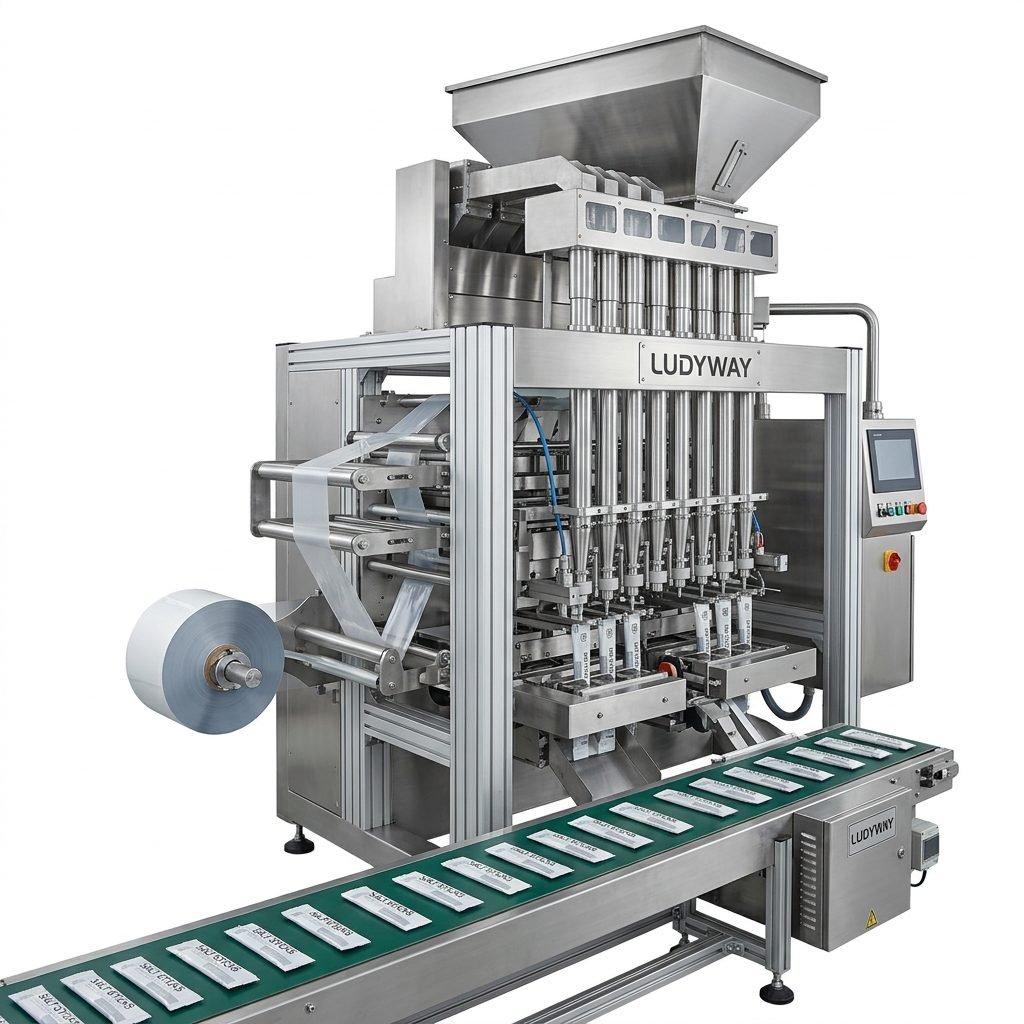
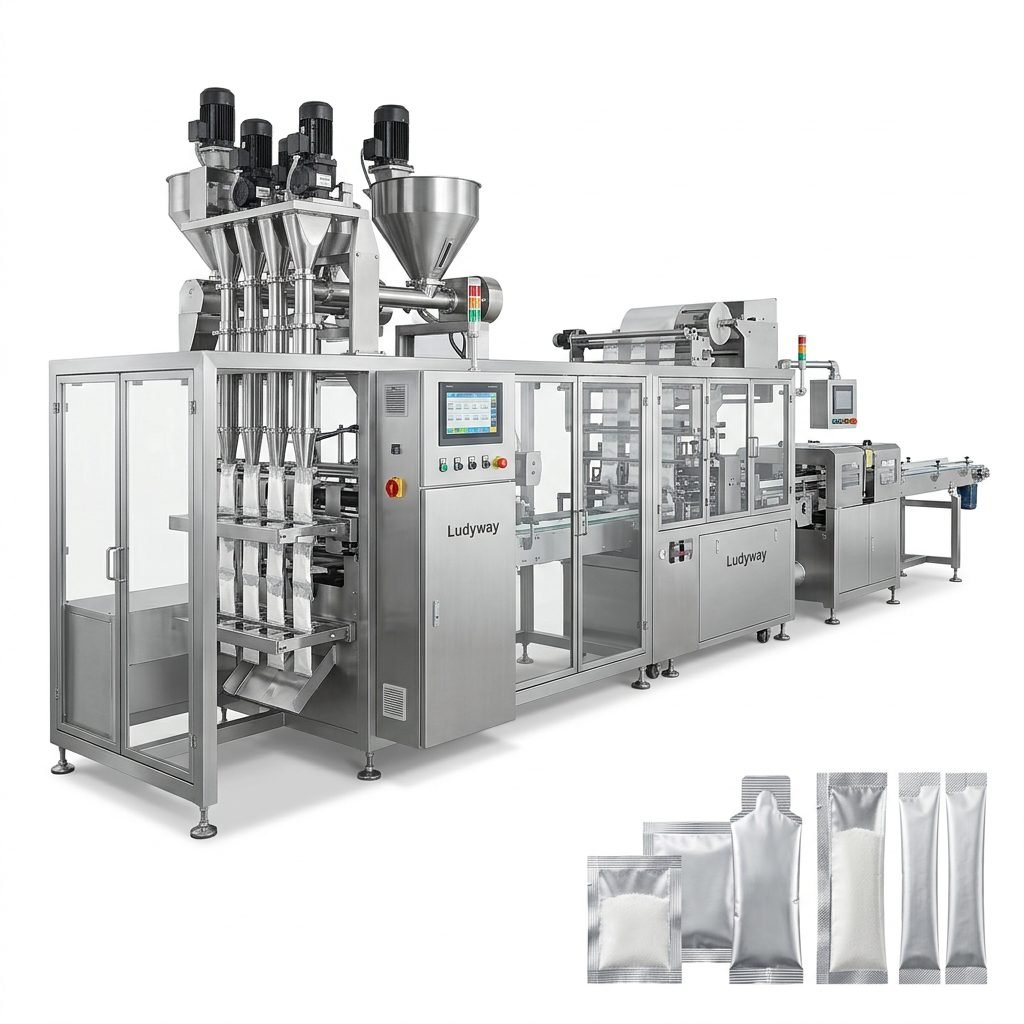
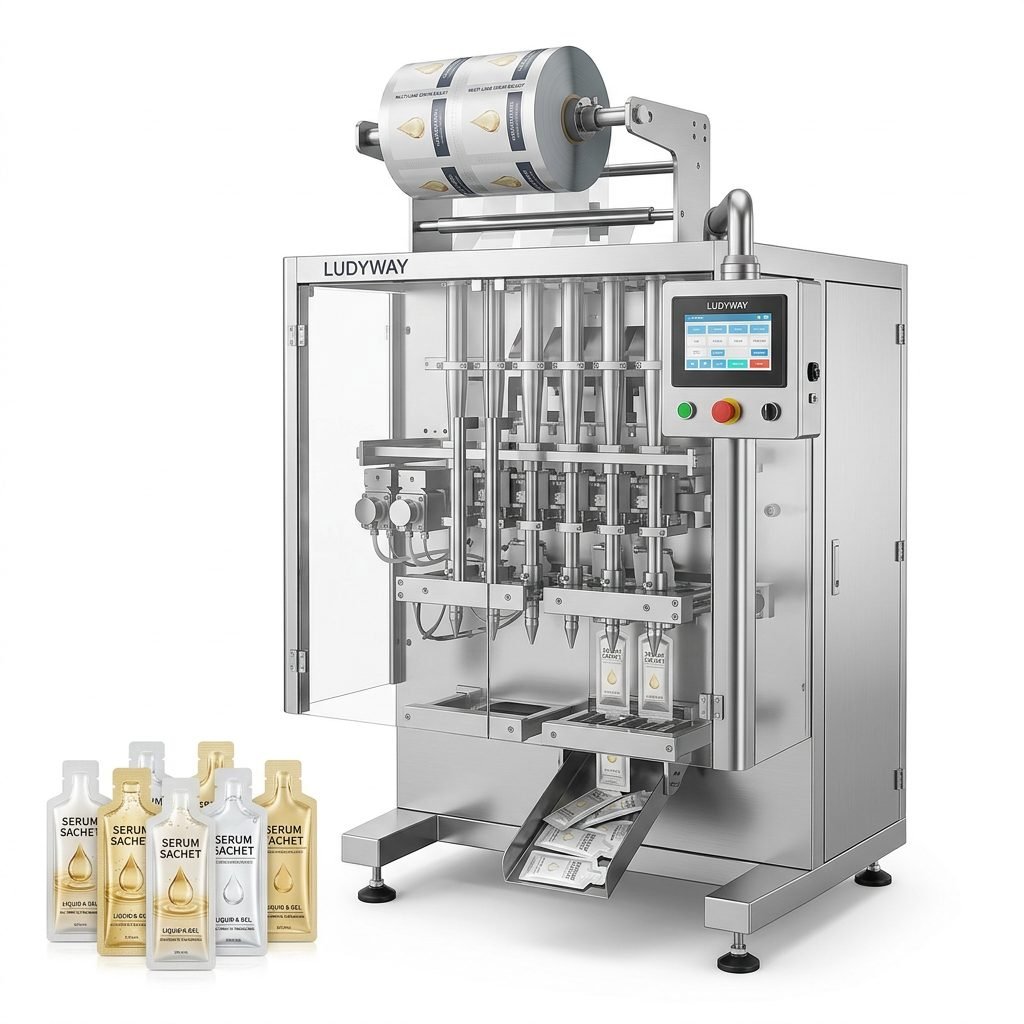
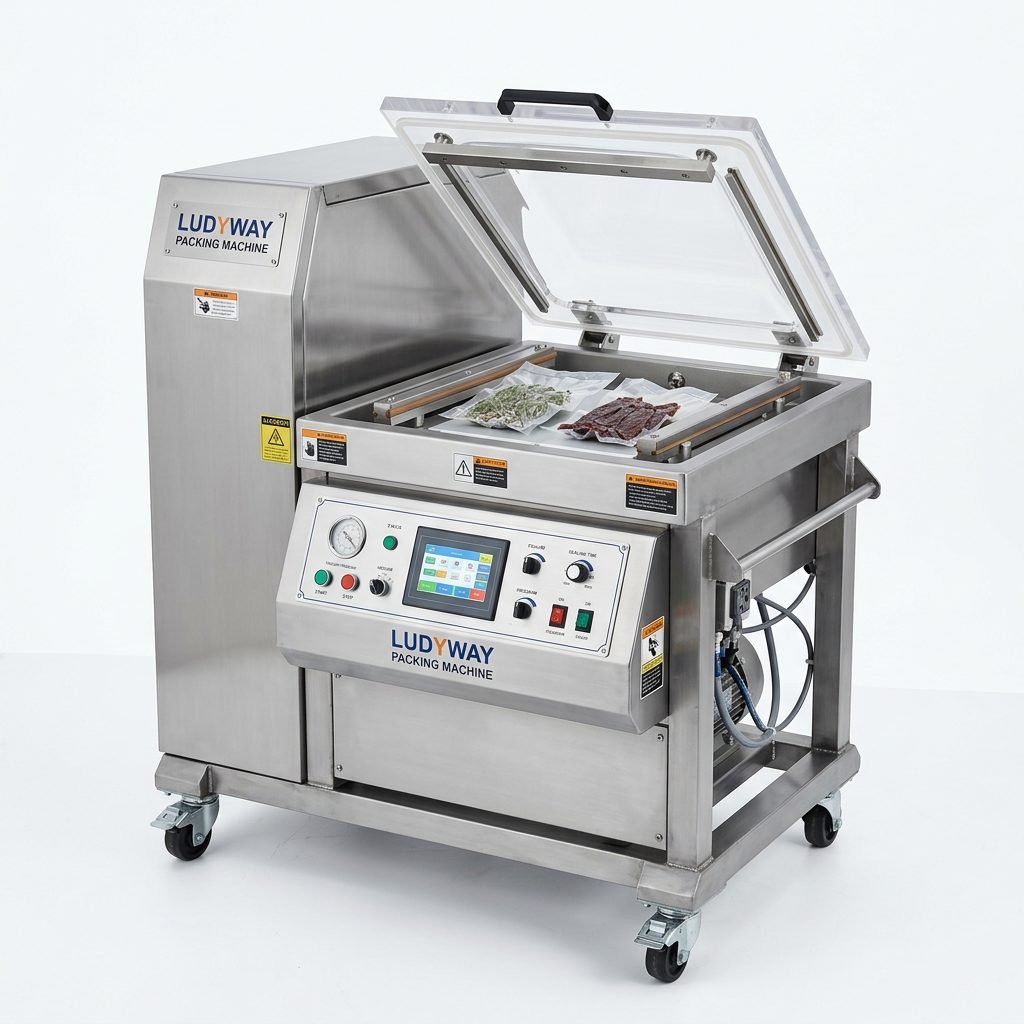
For bakeries, packaging is not just the final step of production. It directly affects product freshness, shelf appeal, labor efficiency, food safety, and profit margins. When evaluating bread packing machine price, the smartest buyers do not focus only on the initial quote. They compare machine type, speed, packaging material compatibility, maintenance cost, automation level, and long-term return on investment.
Whether you run a small artisan bakery, a growing regional bread brand, or a high-volume industrial plant, choosing the right packaging solution can help reduce waste, improve sealing consistency, and support faster order fulfillment.

What Factors Affect Bread Packing Machine Price?
Bread packing machine prices vary widely because bakery packaging needs are rarely the same. A compact semi-automatic machine for sliced bread bags will cost far less than a fully integrated high-speed line with conveyors, date coding, checkweighing, and automatic cartoning.
- Machine type: flow wrapper, bagger, vacuum packer, clipper, twist tie system, or full line
- Output speed: packs per minute directly impacts cost
- Automation level: manual feeding, semi-automatic, or fully automatic
- Bread format: buns, toast, baguettes, rolls, flatbread, or hamburger buns
- Packaging material: OPP, BOPP, PE bags, laminated film, recyclable film
- Sealing requirements: heat sealing, clip sealing, twist tie, or resealable options
- Hygiene and compliance: food-grade design, stainless steel construction, easy cleaning
- Customization: conveyor length, printer integration, nitrogen flushing, counting, inspection
- After-sales support: spare parts, remote service, installation, and operator training
Typical Bread Packaging Solutions for Bakeries
Different bakery products require different machine structures. Selecting the wrong format can increase film waste, damage soft bread, or create unstable seals.
| Packaging Solution | Best For | Price Range Trend | Key Advantage |
|---|---|---|---|
| Semi-automatic bread bagger | Small bakeries, local shops | Lower | Affordable entry point |
| Horizontal flow wrapper | Single loaves, cakes, buns | Medium | Neat retail presentation |
| Automatic bread bagging line | Medium to large bakeries | Medium to high | Higher speed and lower labor |
| Clip or twist-tie sealing system | Sliced bread and toast | Add-on cost | Easy opening and resealing |
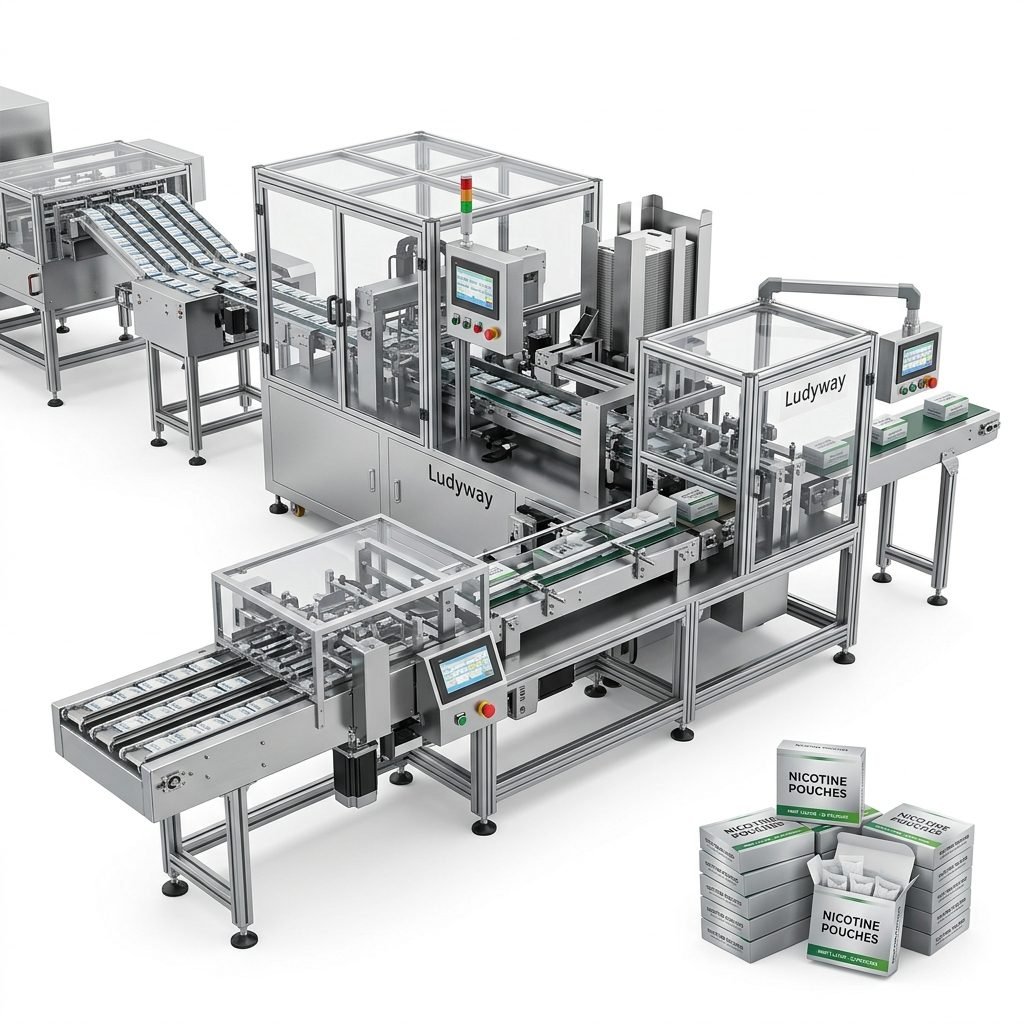
| Turnkey packaging line | Industrial bakery plants | Higher | Full automation and scalability |
How to Match the Machine to Your Bread Type
1. Sliced Bread and Toast
Sliced bread usually needs careful handling to avoid compression and maintain loaf shape. Bagging systems with smooth product transfer, accurate bag opening, and reliable clip or tie closure are often preferred.
2. Buns and Rolls
Buns are commonly packed in pillow packs, pouches, or grouped bags. For this category, counting accuracy and gentle product handling matter as much as sealing performance.
3. Artisan Loaves and Specialty Bread
Products with irregular shapes require more flexible machine settings. Adjustable forming sections and customizable bag sizes can reduce packaging waste and improve shelf appearance.
4. Frozen or Par-Baked Bread
If your bakery handles frozen items, your machine should support moisture-resistant packaging materials and stable seals under cold-chain conditions.
Low Price vs. Best Value: What Bakery Owners Should Consider
A low machine price may look attractive at the start, but total ownership cost is what really matters. In bakery operations, frequent downtime, poor sealing, or film waste can quickly erase any savings from buying a cheaper machine.
| Cost Element | Why It Matters | Buyer Tip |
|---|---|---|
| Initial machine price | Impacts short-term budget | Compare configuration, not just quotation |
| Film consumption | Affects daily operating cost | Ask about film-saving design |
| Labor requirement | Major long-term expense | Evaluate automatic feeding options |
| Maintenance and parts | Reduces downtime risk | Choose a supplier with responsive support |
| Reject rate and seal quality | Protects product quality and brand image | Request sample testing before purchase |
Questions to Ask Before Buying a Bread Packing Machine
- What bread products will be packed now and in the next 2 to 5 years?
- What is the required output per hour or per shift?
- Do you need manual loading, semi-automatic operation, or full automation?
- Which packaging materials are available locally and at what cost?
- Do you need gas flushing, coding, labeling, metal detection, or checkweighing?
- How much floor space is available in the bakery?
- How often will operators change bag size or product format?
- What level of technical support and spare parts availability do you expect?
When Does a Bakery Need a Turnkey Packaging Line?
A standalone machine is often enough for small bakeries. But once output rises, a turnkey packaging line may deliver better overall value. This is especially true when bakery owners need synchronized feeding, bagging, sealing, coding, inspection, cartoning, and case packing.
Integrated systems can help solve common growth problems:
- Inconsistent manual loading
- Labor shortages during peak production
- Packaging bottlenecks after baking and cooling
- Higher product damage during transfer
- Difficulty scaling for private label or export orders

Signs You Are Choosing the Right Packaging Solution
The best bread packaging solution should do more than simply close a bag. It should support stable production and improve your bakery’s commercial performance.
- Consistent package appearance for better retail presentation
- Reliable sealing quality to preserve freshness
- Easy changeover for different loaf or bun sizes
- Reduced labor dependency in repetitive packaging tasks
- Compatibility with future upgrades such as coding, inspection, and cartoning
- Simple cleaning and maintenance for food safety and uptime
How to Compare Suppliers Effectively
Comparing machine suppliers only by price is risky. A better method is to compare technical fit, manufacturing capability, service strength, and export experience. Ask for machine videos, real customer cases, sample packaging tests, lead time details, and support plans.
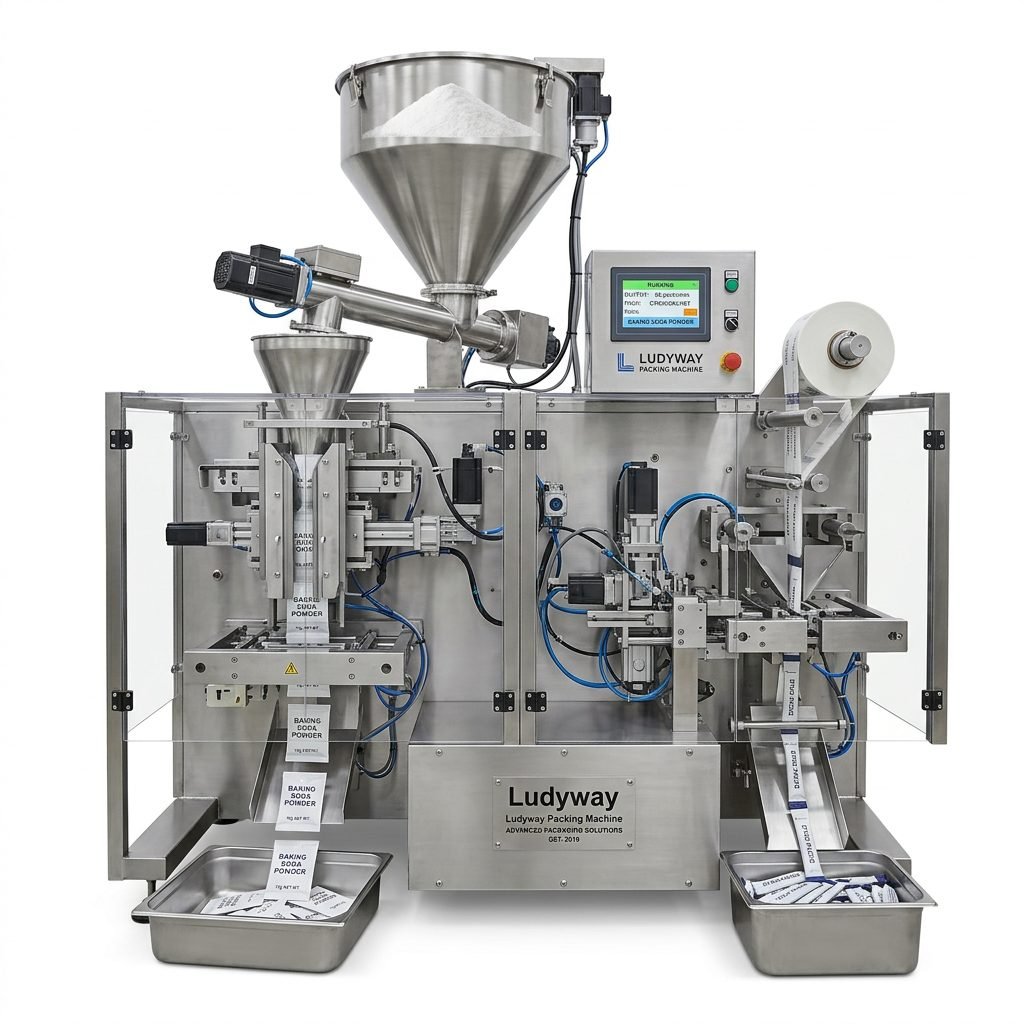
If your bakery needs a broader range of food packaging solutions, bread packing machine price and packaging automation options from Ludyway can be evaluated as part of a wider turnkey planning process. Founded in 1993, with over 30 years of industry experience and a manufacturing facility of more than 20,000 square meters, the company is recognized as one of China’s leading packaging machine and turnkey packaging line manufacturers, serving customers in more than 100 countries and regions.
Practical Buying Advice for Small, Medium, and Large Bakeries
Small Bakeries
Prioritize affordability, ease of use, and compact structure. A semi-automatic or entry-level automatic machine may be enough if daily production is limited.
Medium Bakeries
Focus on balancing machine speed with flexibility. If you produce multiple SKUs, choose a system with quick changeover and reliable sealing.
Large Bakeries
Look beyond a single machine and assess full-line integration. Labor savings, quality control, and throughput optimization usually justify a higher upfront investment.
Final Thoughts on Bread Packing Machine Price
Bread packing machine price should always be judged in relation to product type, required speed, packaging quality, labor savings, and long-term operating cost. The best packaging solution is not necessarily the cheapest option. It is the system that fits your bread products, production goals, and future growth plan.
By taking a value-based approach and comparing both machine performance and supplier support, bakeries can make smarter investments that improve efficiency, protect freshness, and strengthen brand competitiveness.