Choosing the right cookie packaging machine is not only about speed. It is about protecting product freshness, reducing breakage, keeping bag quality consistent, and building a packaging workflow that can scale with your business. Whether you produce butter cookies, sandwich cookies, filled biscuits, soft-baked products, or individually wrapped snack packs, the best solution depends on your product format, output target, and automation goals.
For food manufacturers, contract packers, and growing bakery brands, a smart packaging decision can improve shelf appeal, reduce labor costs, and increase daily throughput without sacrificing quality.
Why Cookie Packaging Matters More Than Many Manufacturers Expect
Cookies are delicate, highly visible consumer products. If the package is poorly sealed, incorrectly sized, or filled too aggressively, the result can be crushed pieces, stale texture, customer complaints, and wasted product. A good packaging machine helps maintain:
- Freshness through reliable sealing and proper material compatibility
- Product integrity by minimizing vibration, drop height, and compression
- Consistent presentation for retail shelves and e-commerce orders
- Higher output with lower manual handling
- Food safety compliance through cleaner, more controlled packaging processes
In practical terms, the right cookie packaging machine supports both profitability and brand reputation.
Common Cookie Packaging Formats
Before selecting equipment, identify exactly how your cookies will be packed. Different formats require different feeding, counting, sealing, and cartoning systems.
| Packaging Format | Best For | Typical Machine Type |
|---|---|---|
| Pillow packs | Stacks, rows, or single-serve cookies | Horizontal flow wrapper |
| Tray + overwrap | Fragile premium cookies | Tray loader + flow wrapper |
| Stand-up pouch | Mini cookies, bites, mixed snacks | Premade pouch machine or VFFS system |
| Rigid box or carton | Retail gift products, premium assortments | Primary packer + cartoning machine |
| Individual wrapping | Convenience snacks, airline or school packs | High-speed flow wrapper or multi-lane system |
| Family bag or bulk bag | Warehouse clubs, foodservice, wholesale | Weighing + bagging line |
Main Types of Cookie Packaging Machines
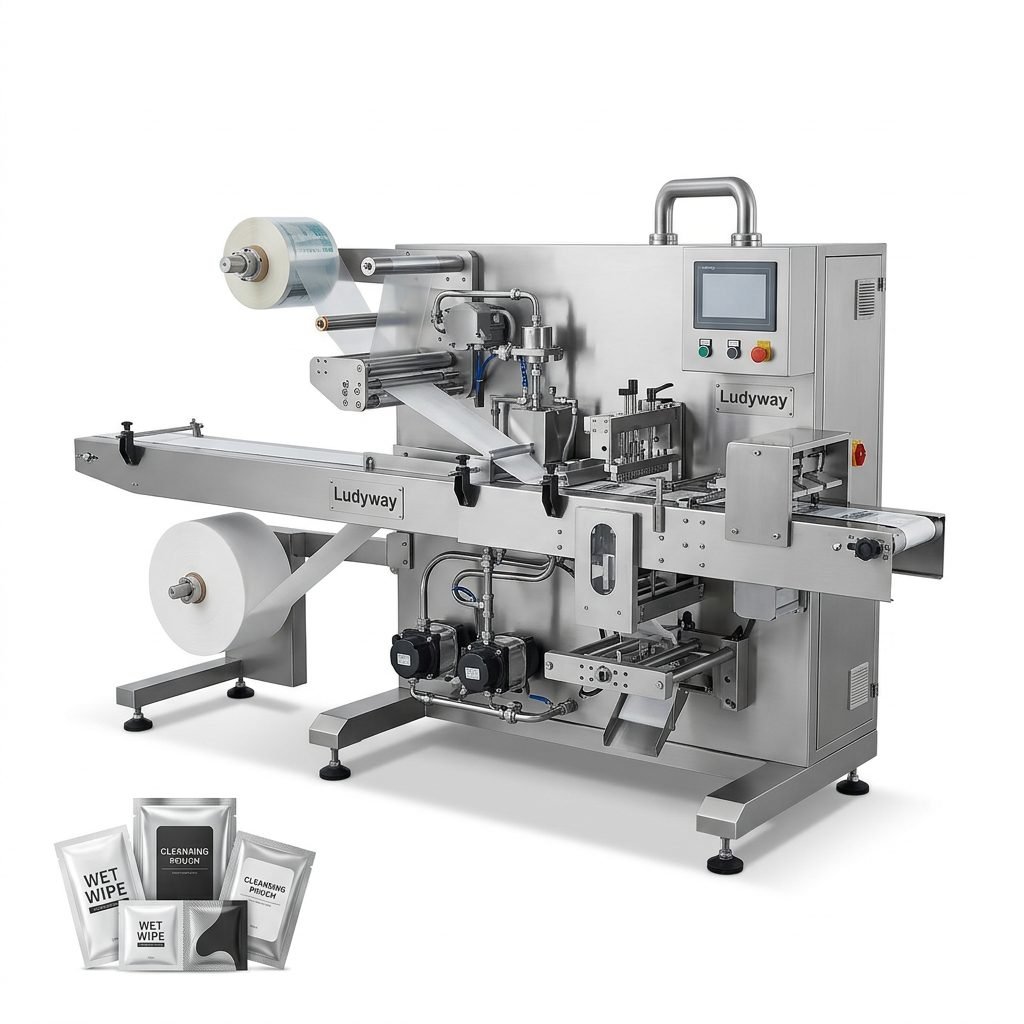
1. Horizontal Flow Wrapping Machines
These are among the most common choices for cookies. They are ideal for products that are arranged in rows, stacked, or individually fed into film. Flow wrappers are widely used for sandwich biscuits, crackers, and tray-packed cookies.
Best advantages: high speed, attractive retail packs, continuous operation, and strong compatibility with automated feeding systems.
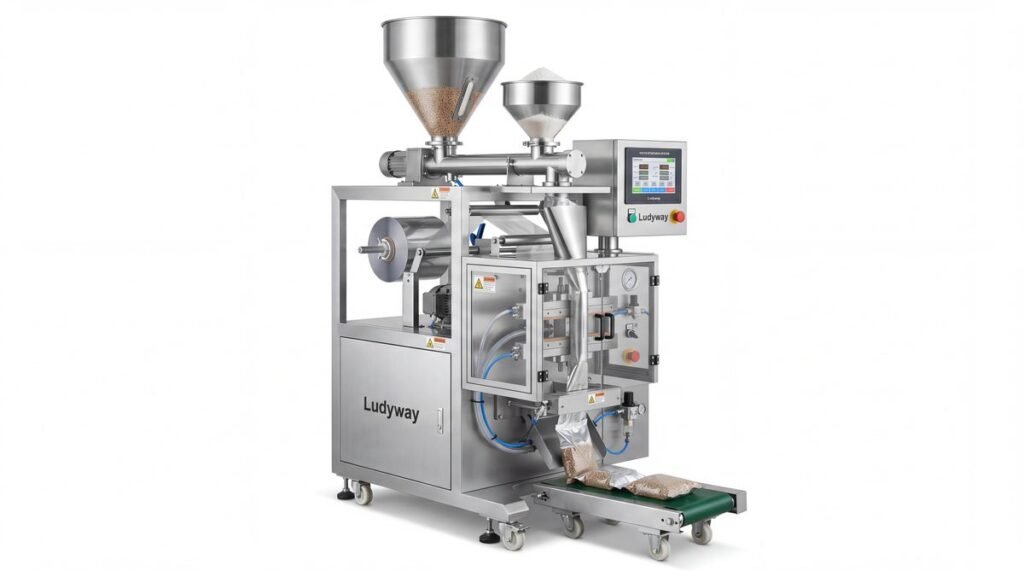
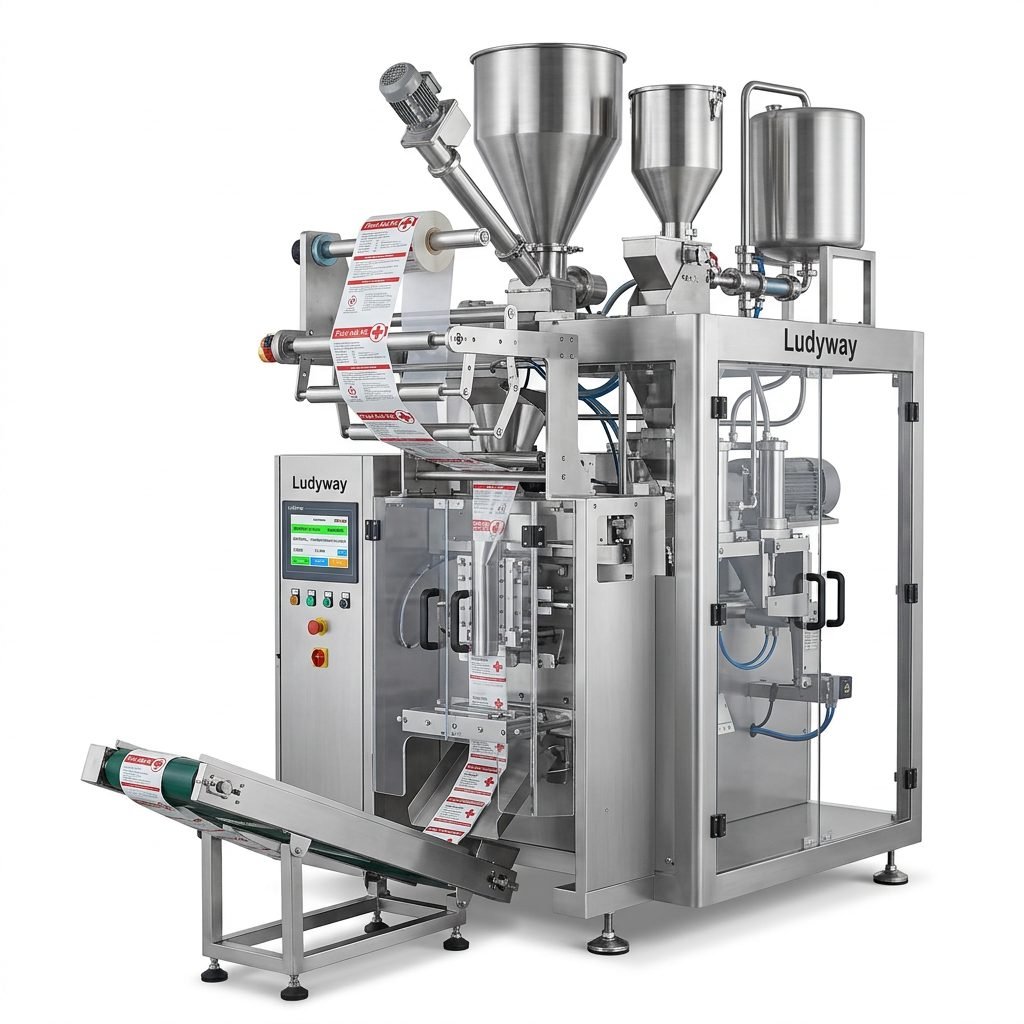
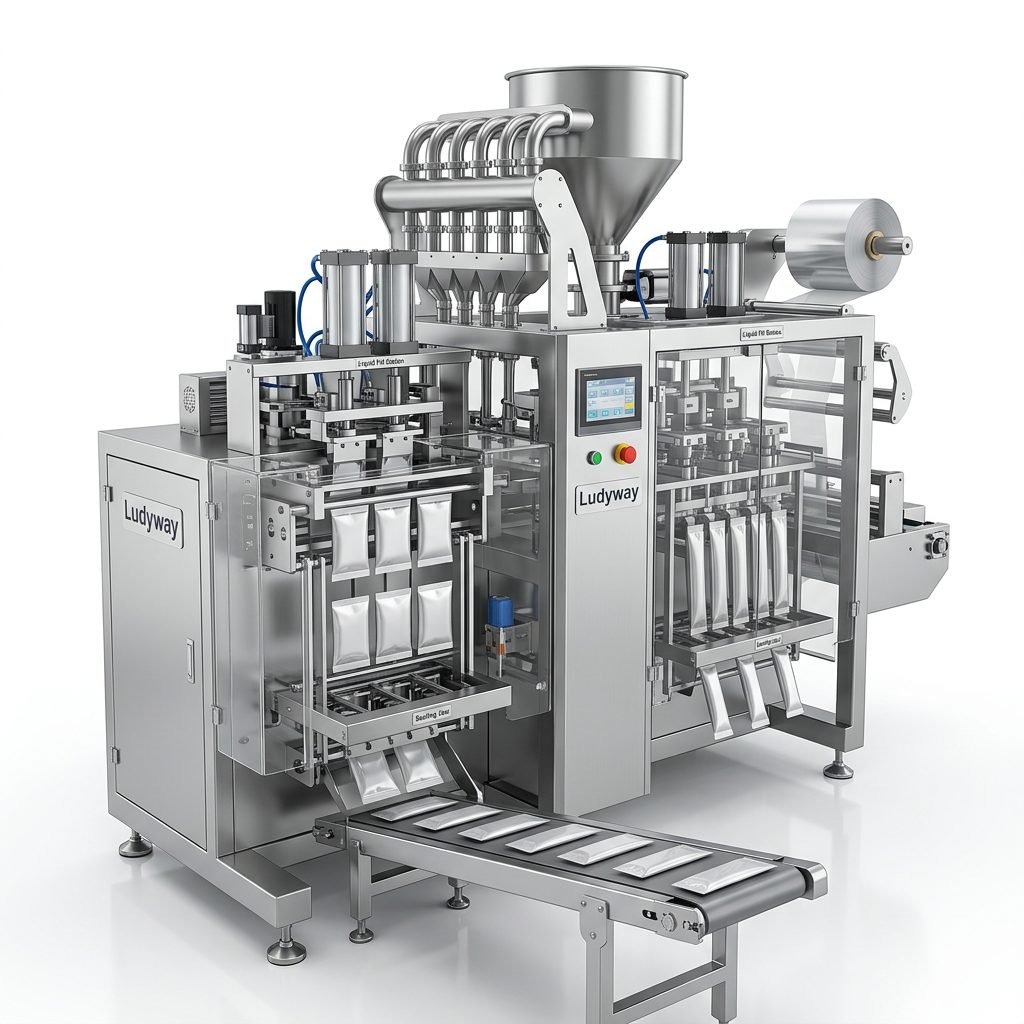
2. Vertical Form Fill Seal Machines
VFFS machines are often used for cookie bites, mini cookies, broken cookie pieces, or mixed snack products sold in pillow bags or gusseted bags. They work well when exact weight filling matters more than arranged presentation.
Best advantages: flexible bag formats, lower footprint, and excellent efficiency for loose-fill products.
3. Premade Pouch Packaging Machines
If your cookies are sold in zipper pouches, doy packs, or premium resealable bags, premade pouch equipment may be the better option. This is especially useful for premium snacks, health-oriented cookie bites, and retail-ready products.
Best advantages: strong shelf appeal, better convenience for consumers, and support for premium packaging strategies.
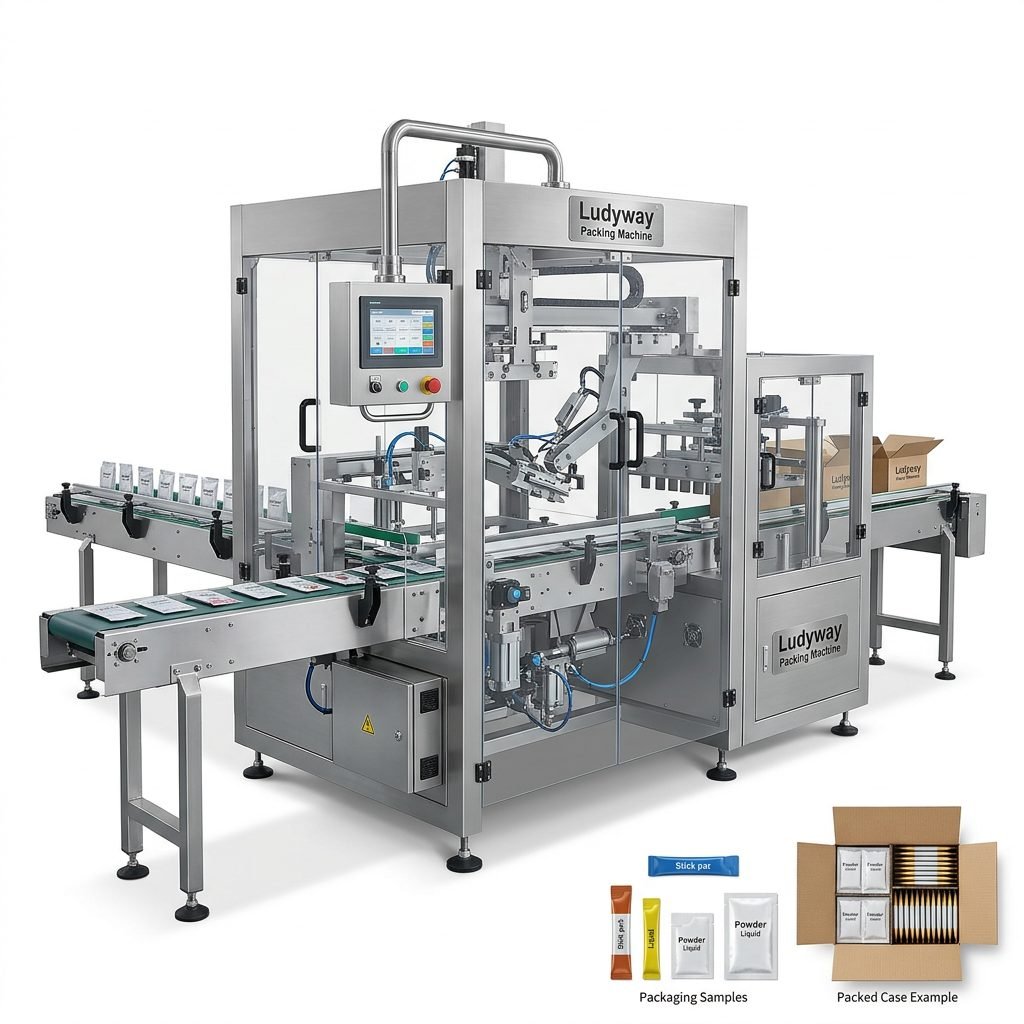
4. Automatic Cartoning and End-of-Line Systems
Many cookie manufacturers need more than primary packaging. Once cookies are wrapped, they may need counting, grouping, cartoning, case packing, coding, labeling, and palletizing. A complete packaging line improves throughput and reduces manual transfer points.
How to Choose the Best Cookie Packaging Machine
Understand Your Cookie Type
Not all cookies behave the same during packaging. Hard biscuits can usually tolerate higher-speed handling than fragile butter cookies or cream-filled sandwich products. Soft cookies may need more careful transfer, while powdered sugar coatings may affect sealing and cleanliness.
- Are your cookies brittle or robust?
- Do they need stacking, counting, or tray placement?
- Are they single pieces, sleeves, or loose-fill products?
- Do they contain fillings that require tighter seal protection?
Define Required Speed and Daily Output
A machine that looks affordable today may become a bottleneck within a year. Always choose based on your real production target, not only current output. If your bakery plans to enter supermarkets, export markets, or contract manufacturing, future capacity matters.
| Production Need | Suggested Solution |
|---|---|
| Small or startup production | Semi-automatic or compact packaging equipment |
| Medium-volume retail production | Automatic flow wrapper with feeding conveyor |
| High-volume factory production | Integrated packaging line with feeding, wrapping, cartoning, and case packing |
| Multi-SKU or seasonal business | Flexible machine with quick changeover design |
Check Product Feeding and Alignment
One of the most overlooked areas is feeding. A fast wrapping unit alone does not guarantee smooth operation. If cookies arrive inconsistently from the baking or cooling line, jams and misfeeds can reduce actual performance. Look for machines that integrate well with:
- Cooling conveyors
- Row arranging systems
- Counting units
- Servo-driven feeding conveyors
- Tray loading modules for fragile cookies
Stable feeding is often the difference between theoretical speed and real factory speed.
Choose the Right Packaging Material Compatibility
Your machine should work reliably with the films or pouch materials you plan to use. Cookie manufacturers may use laminated films, metallized films, recyclable materials, or high-barrier packaging to protect flavor and crispness. Poor film compatibility can lead to wrinkled packs, weak seals, and higher waste rates.
Ask suppliers about compatibility with:
- Heat-sealable laminated film
- High-barrier moisture-proof materials
- Eco-friendly or recyclable packaging materials
- Transparent retail display film
- Zipper pouch structures
Consider Changeover Time
If you run multiple cookie sizes, pack counts, or bag formats, changeover speed becomes important. Long setup time can reduce overall efficiency more than a slower machine would. Look for:
- Recipe memory in the HMI
- Tool-free adjustments
- Servo-controlled positioning
- Easy cleaning access
- Fast film roll replacement
Evaluate Hygiene and Food Safety Design
For food applications, machine structure should support easy cleaning and stable sanitation. Stainless steel contact parts, enclosed drive sections, cleanable surfaces, and crumb-management features are all useful for cookie operations.
Especially for butter cookies, chocolate-coated items, or sugar-dusted products, residue control helps reduce contamination risk and unplanned downtime.
Think Beyond the Single Machine
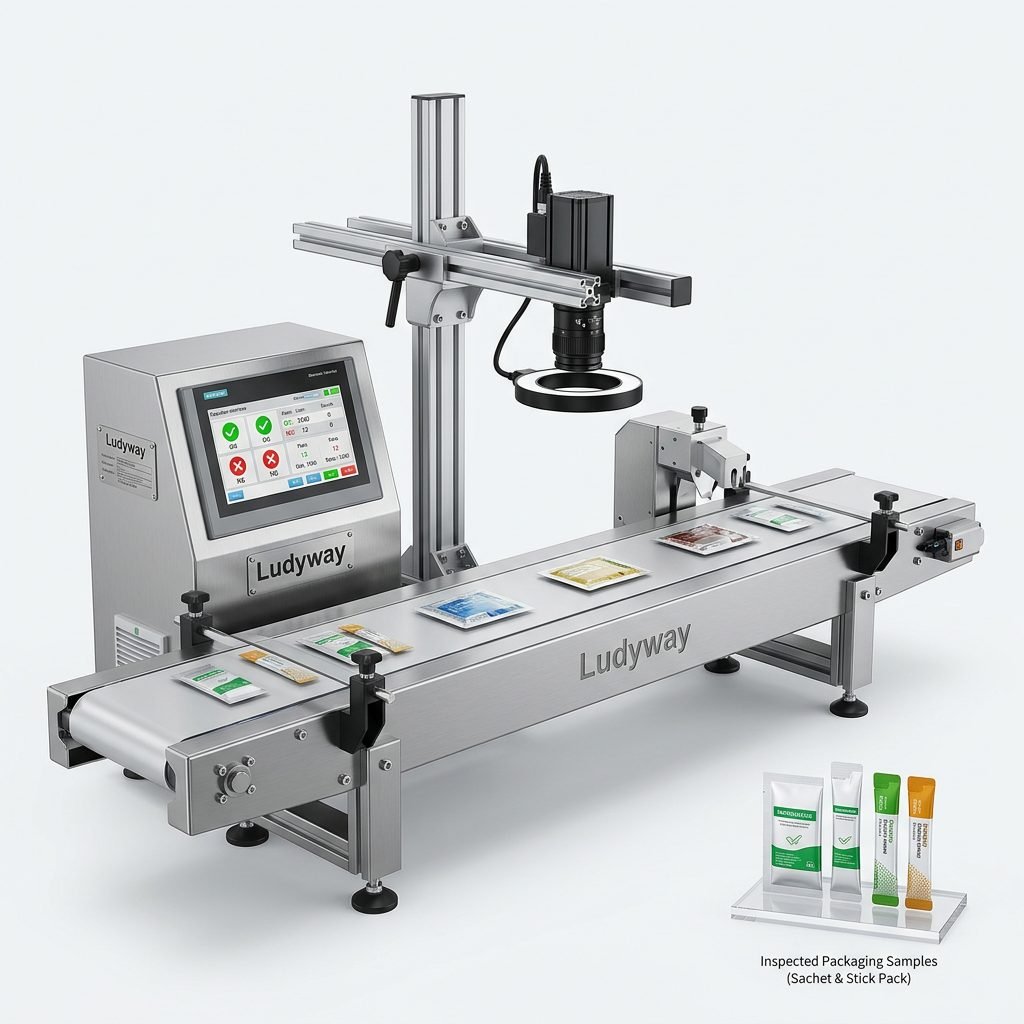
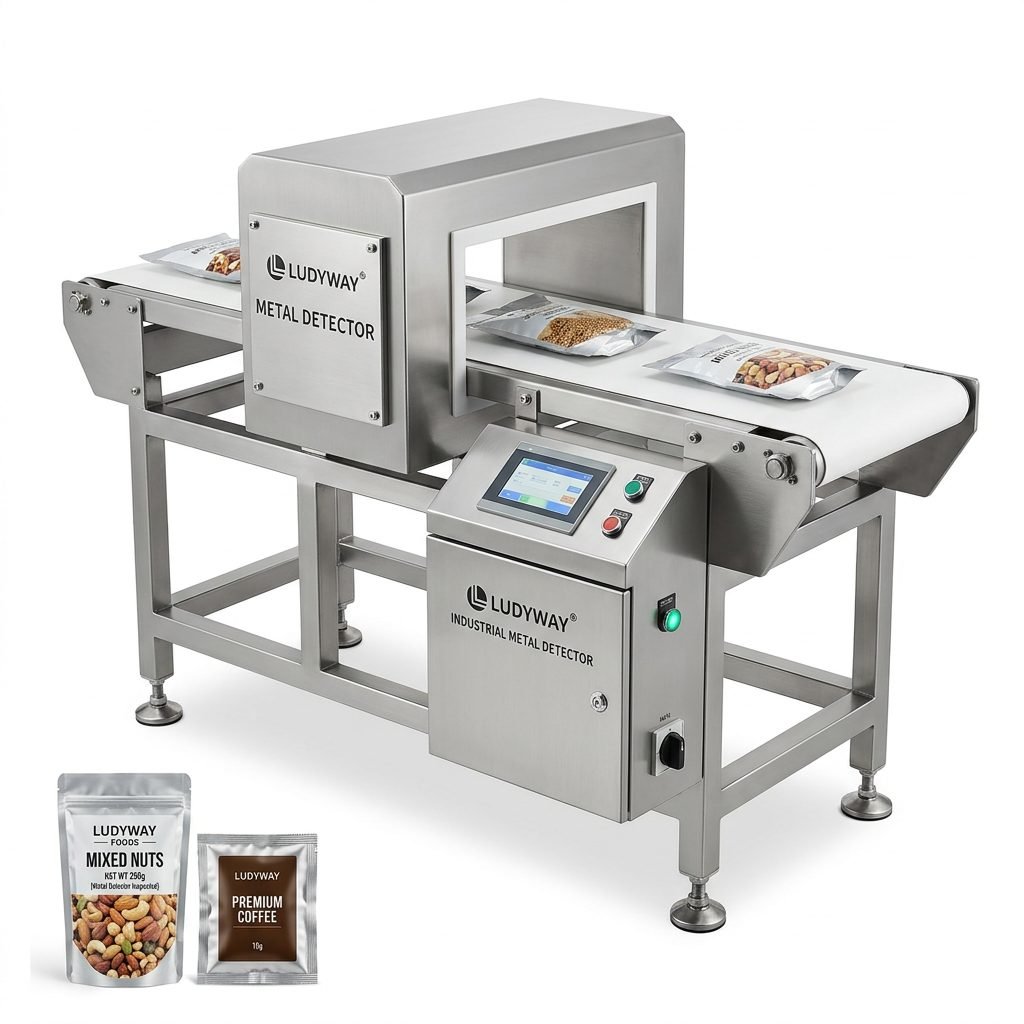
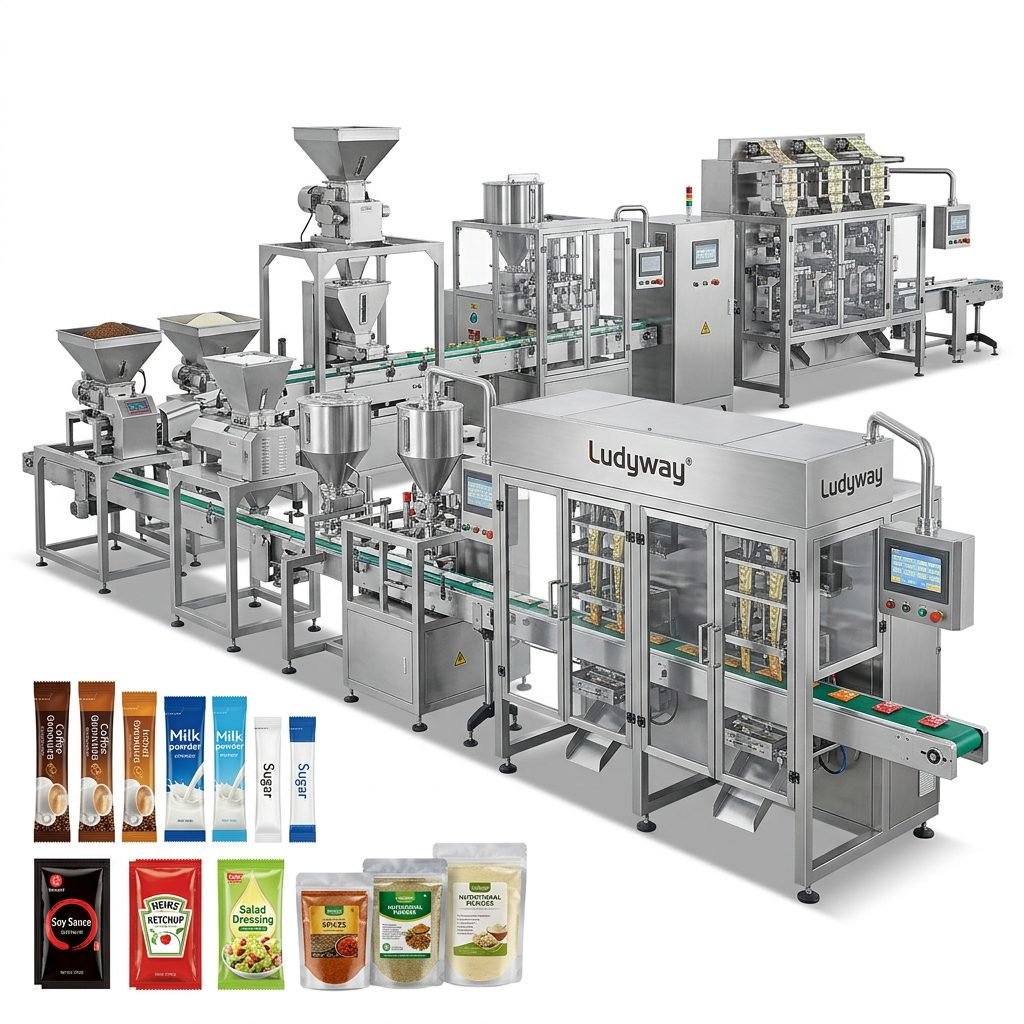
Many buyers initially search for one machine, but the better investment may be a complete packaging solution. A connected line can include product transfer, arrangement, primary packaging, metal detection, checkweighing, cartoning, case packing, coding, and palletizing.
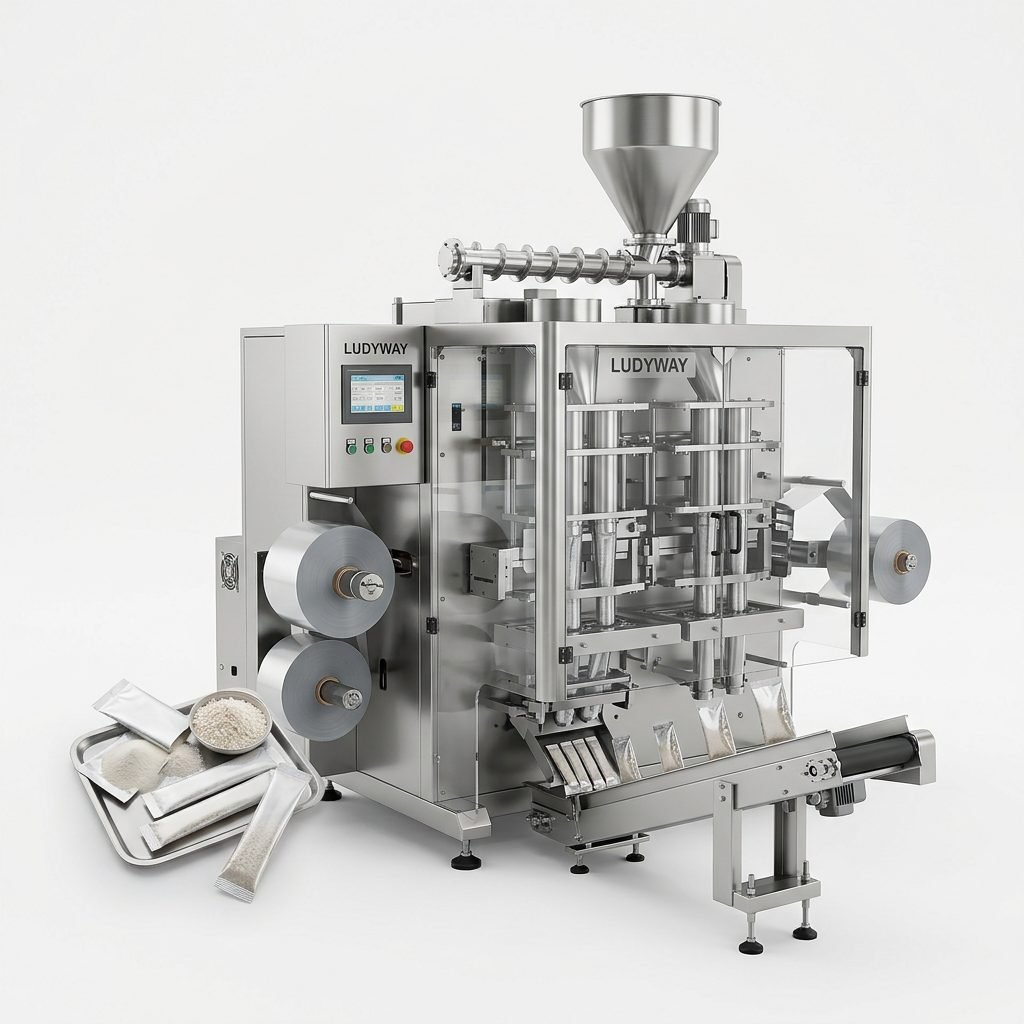
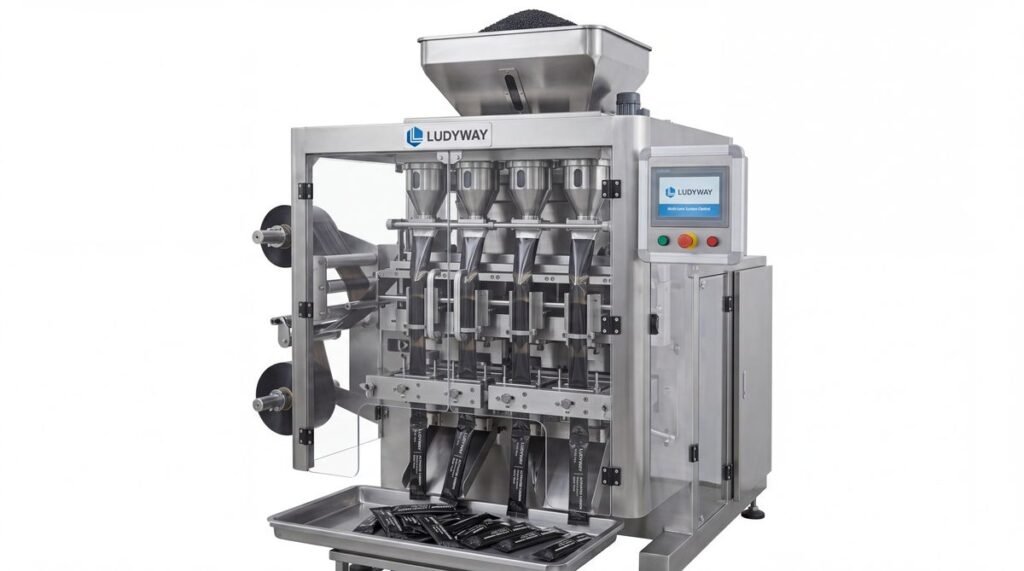
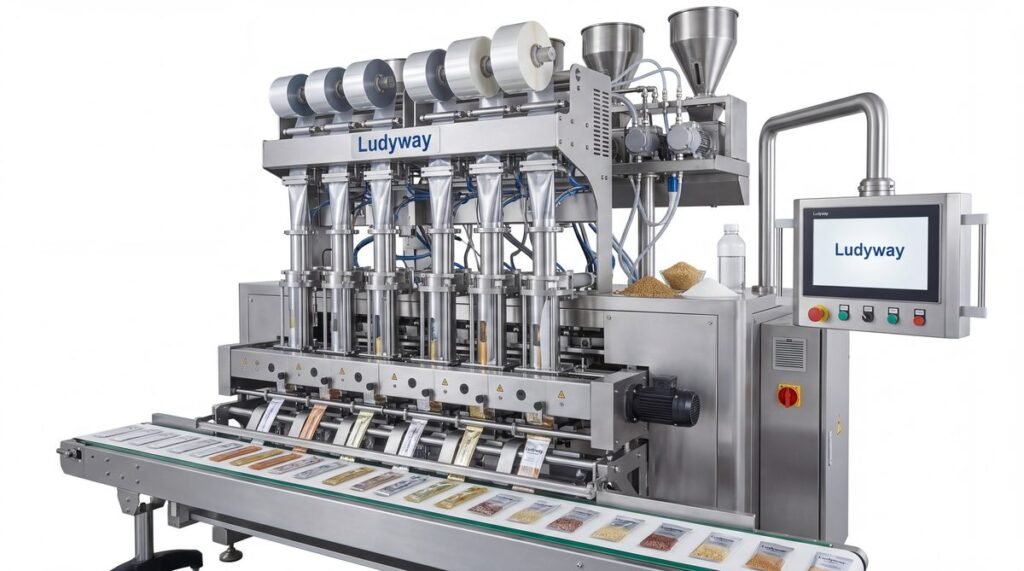
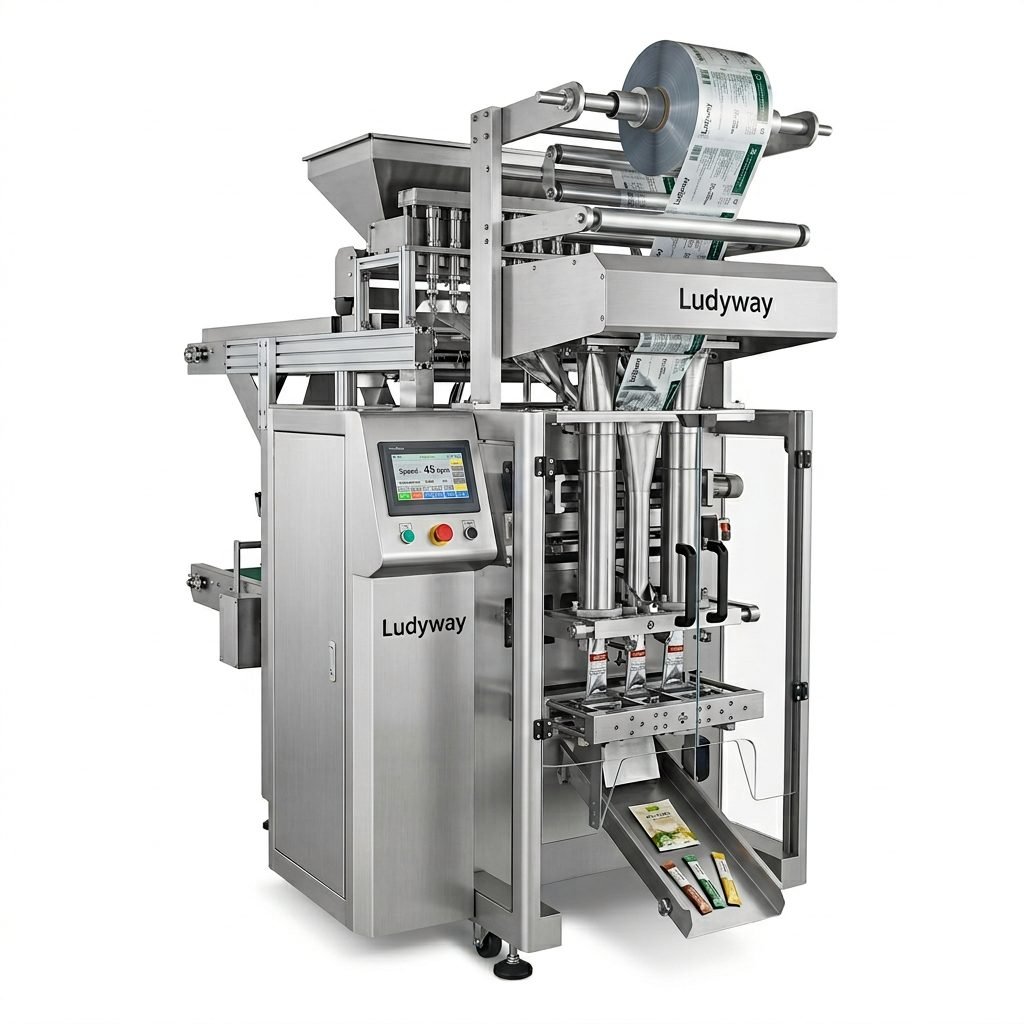
This is particularly useful for growing factories that want to reduce labor dependency and standardize output. Companies looking for a scalable solution often evaluate an experienced packaging machine manufacturer such as Ludyway when planning customized food packaging automation.

Key Features to Look For
When comparing cookie packaging machines, focus on features that directly affect long-term performance:
- Servo control for precise movement and repeatability
- High sealing consistency to protect freshness
- Gentle product handling to reduce breakage
- Quick changeover functions for multiple SKUs
- Fault alarm and self-diagnosis systems for easier maintenance
- Integration capability with weighing, coding, labeling, and cartoning equipment
- User-friendly HMI for operators and technicians
- Remote support compatibility for faster troubleshooting
Questions to Ask Before Buying
Use the following checklist before making a final decision:
| Question | Why It Matters |
|---|---|
| What cookie formats has the machine already handled? | Reduces application risk |
| What is the real operating speed under production conditions? | Avoids unrealistic lab-based speed claims |
| How much product breakage occurs during feeding and wrapping? | Directly affects yield and customer satisfaction |
| How long does format changeover take? | Important for multi-product operations |
| Can the machine integrate with upstream and downstream equipment? | Supports full-line automation |
| What after-sales service and spare parts support are available? | Improves uptime and long-term reliability |
Mistakes to Avoid
- Choosing only by price and ignoring total operating efficiency
- Buying a machine without verifying cookie breakage rate
- Overlooking film compatibility and seal quality
- Ignoring future expansion needs
- Not planning for cartoning, case packing, and transport after primary wrapping
- Failing to test real product samples before purchase
Best Solution for Fast, Efficient Cookie Packaging
The best solution is usually the one that matches your cookie style, production volume, package format, and automation level. For individually wrapped or stacked cookies, a horizontal flow wrapper is often the most efficient choice. For mini cookies or snack-style products, a vertical or premade pouch system may be more suitable. For large factories, a turnkey packaging line offers the highest long-term value.
A practical buying approach:
- Define your cookie format and bag style
- Estimate current and future output needs
- Confirm feeding method and product fragility requirements
- Test packaging materials and seal performance
- Evaluate automation potential for the full line
- Choose a supplier with real food packaging experience and support capability
Final Buying Insight
A cookie packaging machine should do more than pack quickly. It should help your factory run cleaner, faster, and more consistently while protecting the appearance and freshness consumers expect. If you choose a system based on real production needs rather than only headline speed, you will be far more likely to achieve dependable output, lower waste, and stronger return on investment.
The best machine is not simply the fastest one. It is the one that delivers stable speed, gentle handling, excellent sealing, and room for future growth.