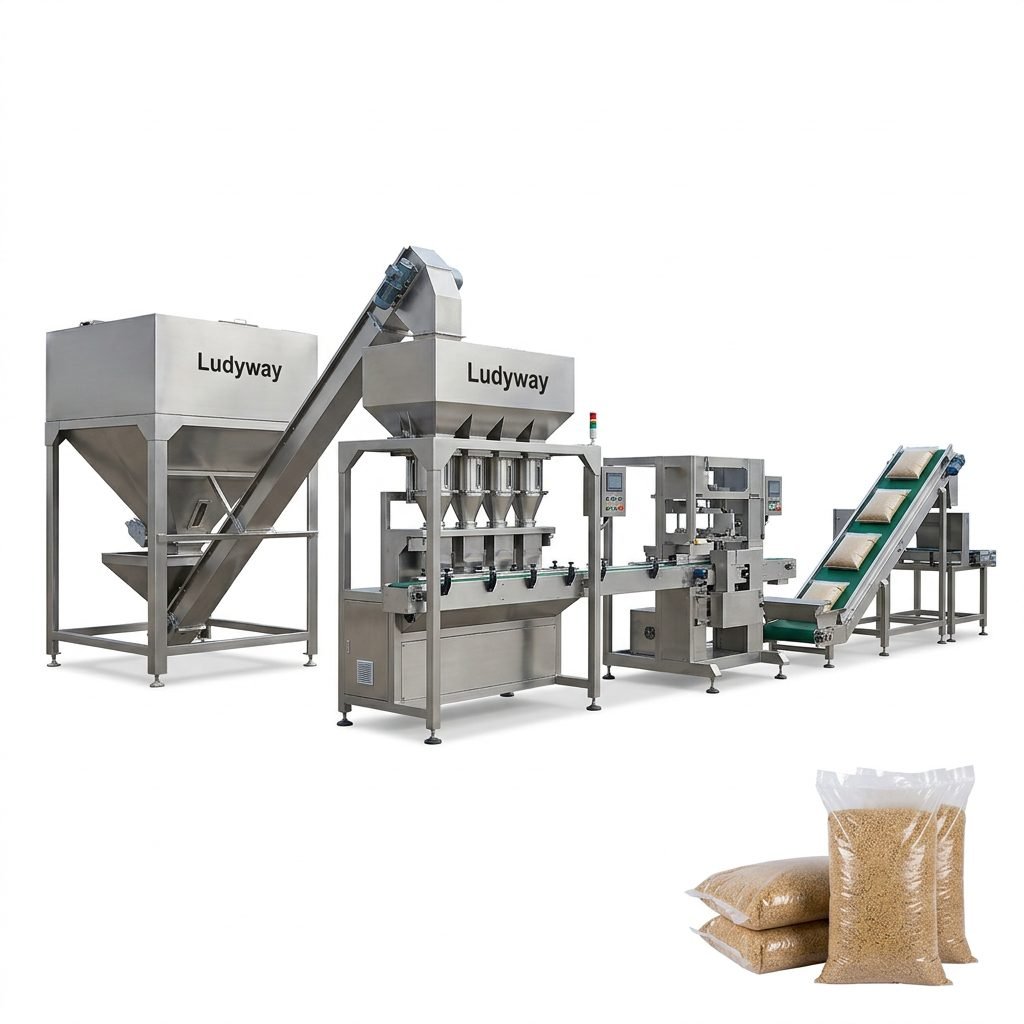
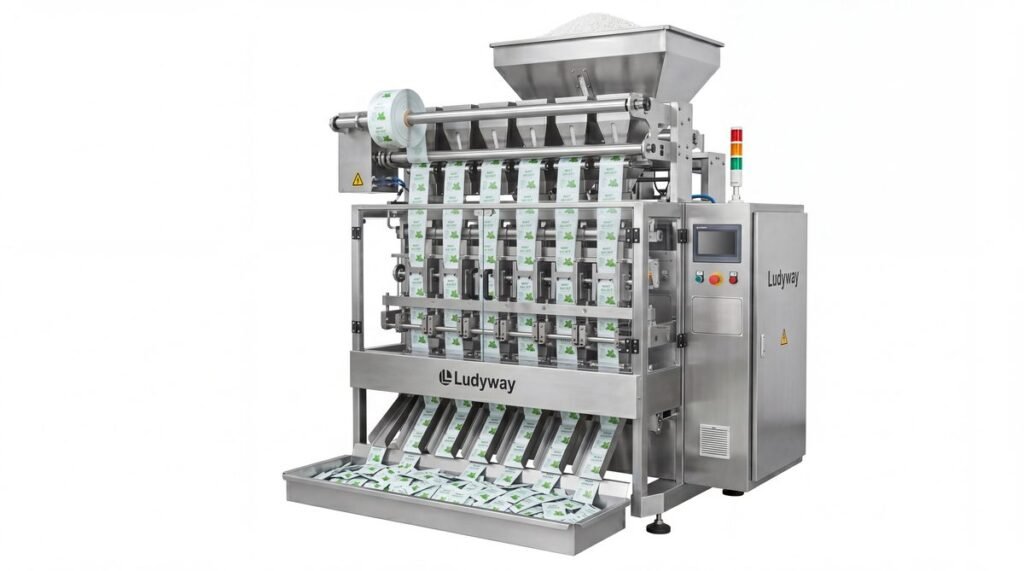
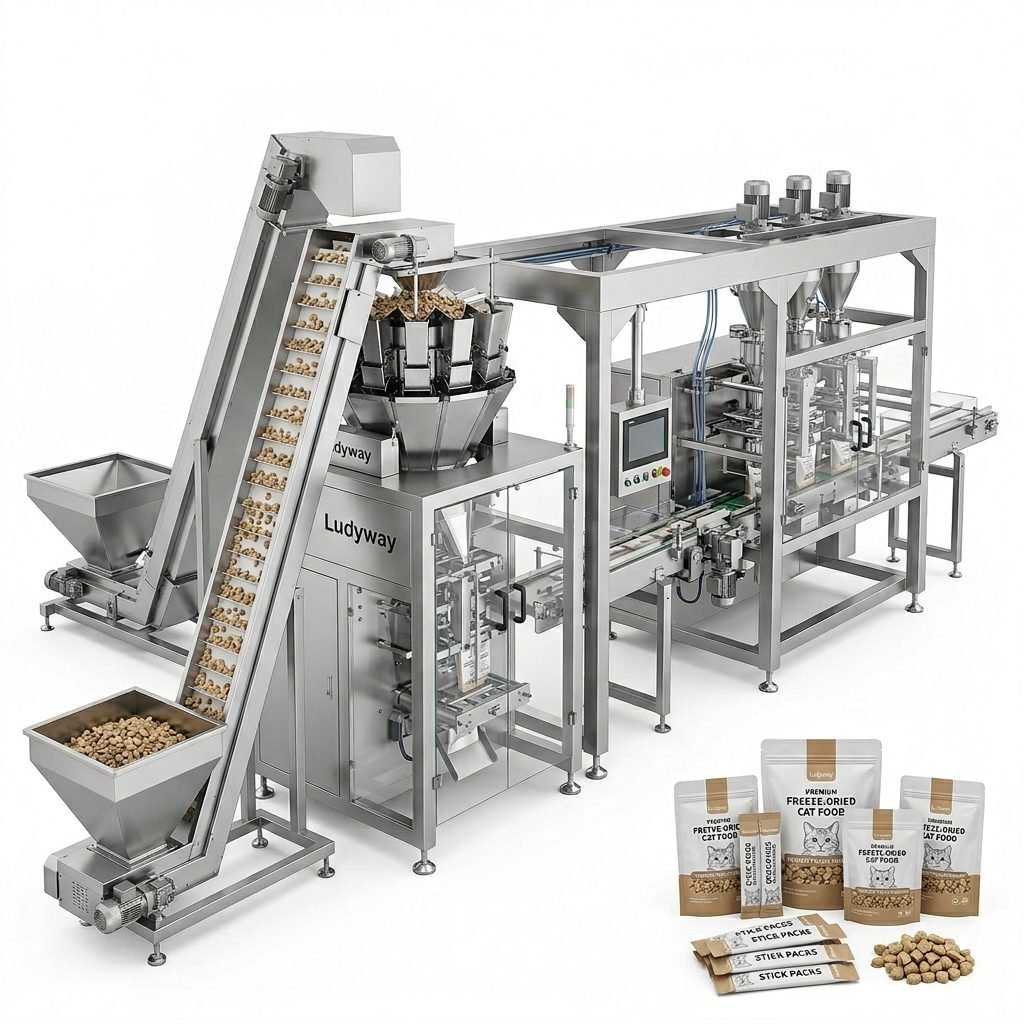
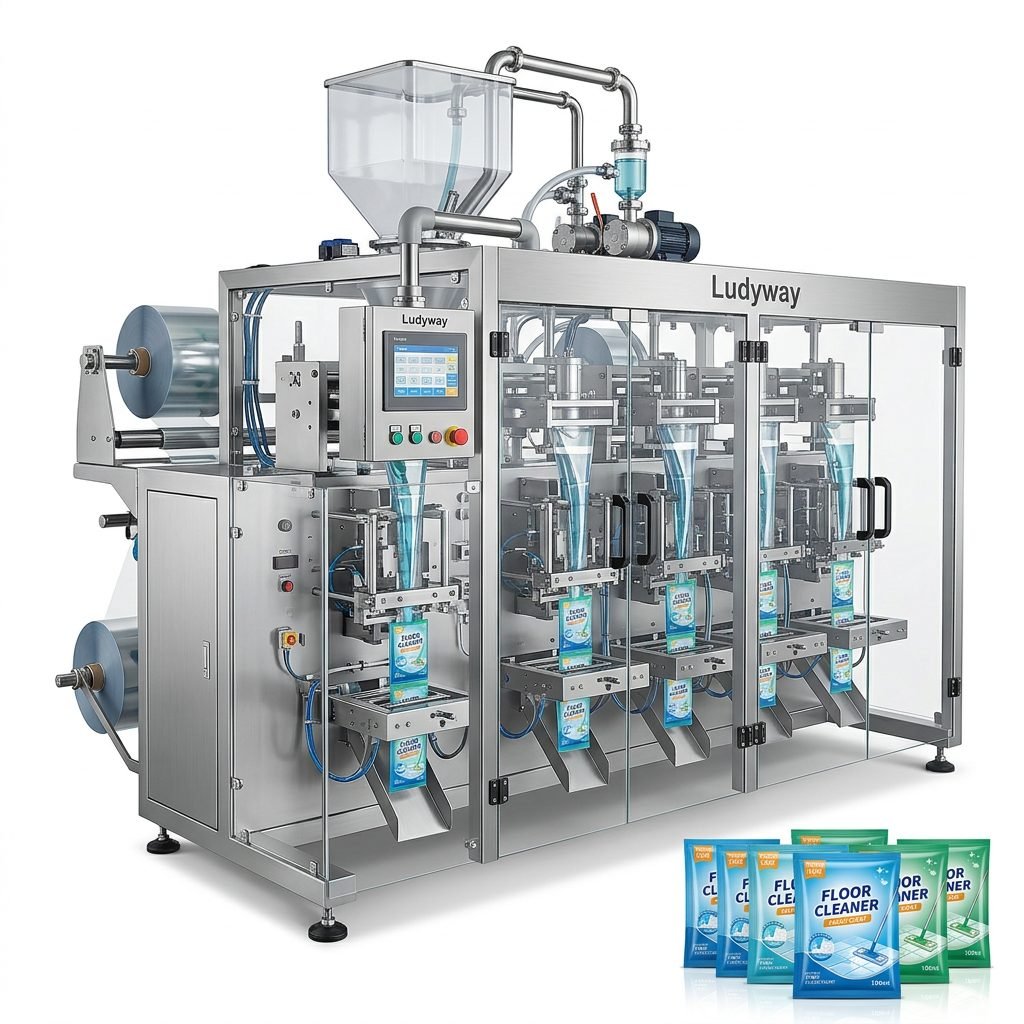
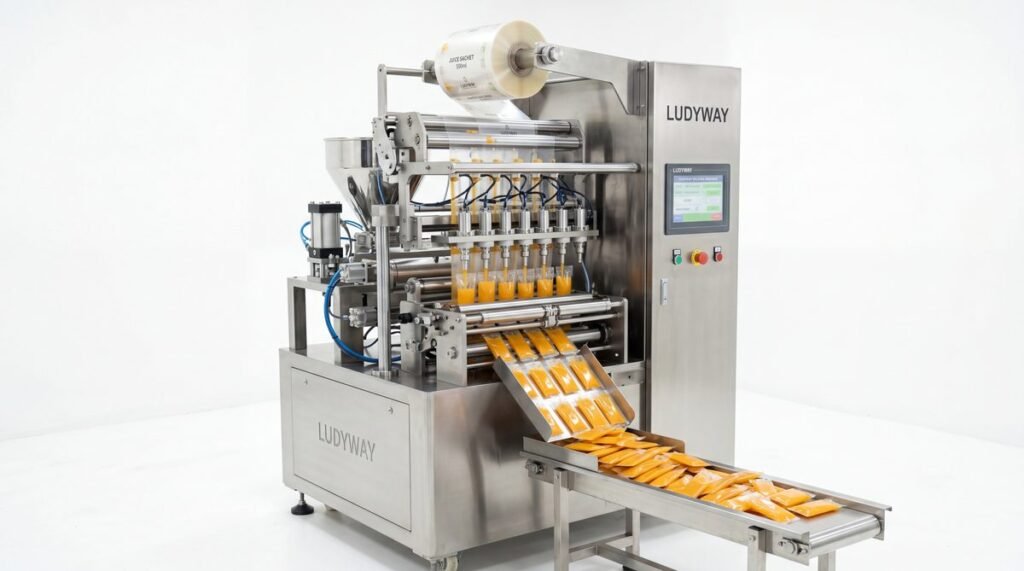
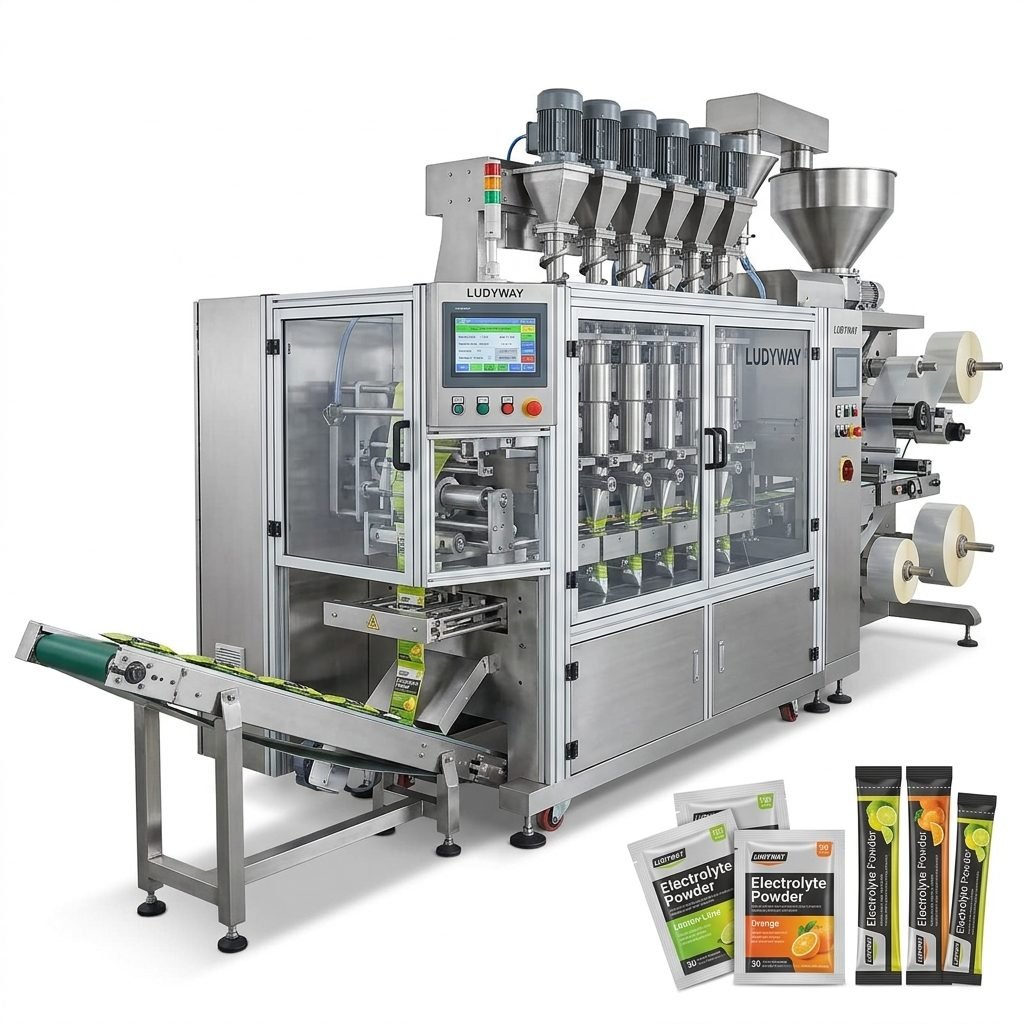
The butter industry in Oceania has experienced remarkable growth, driven by increasing demand for quality dairy products across Australia, New Zealand, and the Pacific Islands. To meet rigorous production schedules and strict sanitary requirements, manufacturers are turning to advanced automation. Investing in a high-performance butter packaging machine is not just about speed—it is about precision, hygiene, and maintaining product integrity from the churn to the consumer.
Types of Butter Packaging Machinery
Selecting the right system depends on your production scale, packaging material preferences, and product viscosity. Below is a structured overview of the most common equipment categories available in the region:
| Machine Category | Ideal For | Key Features |
|---|---|---|
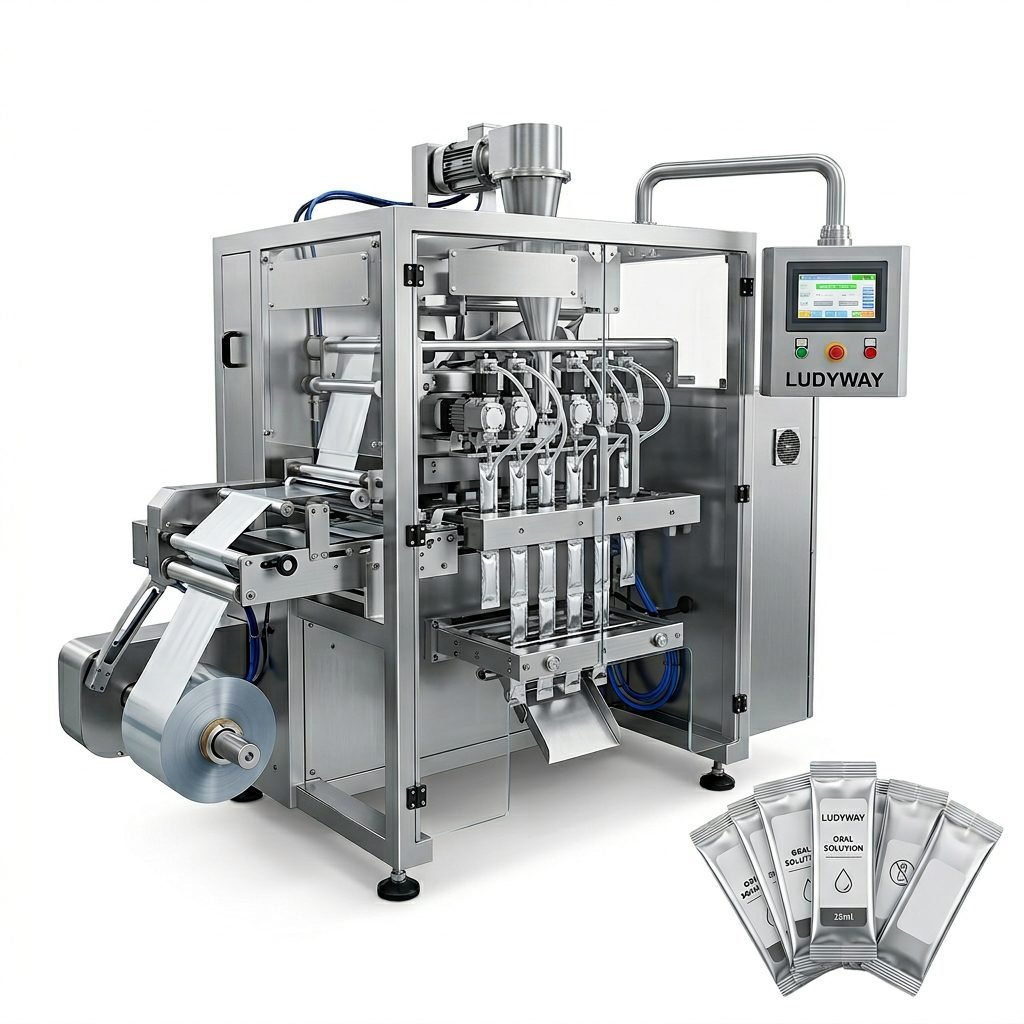
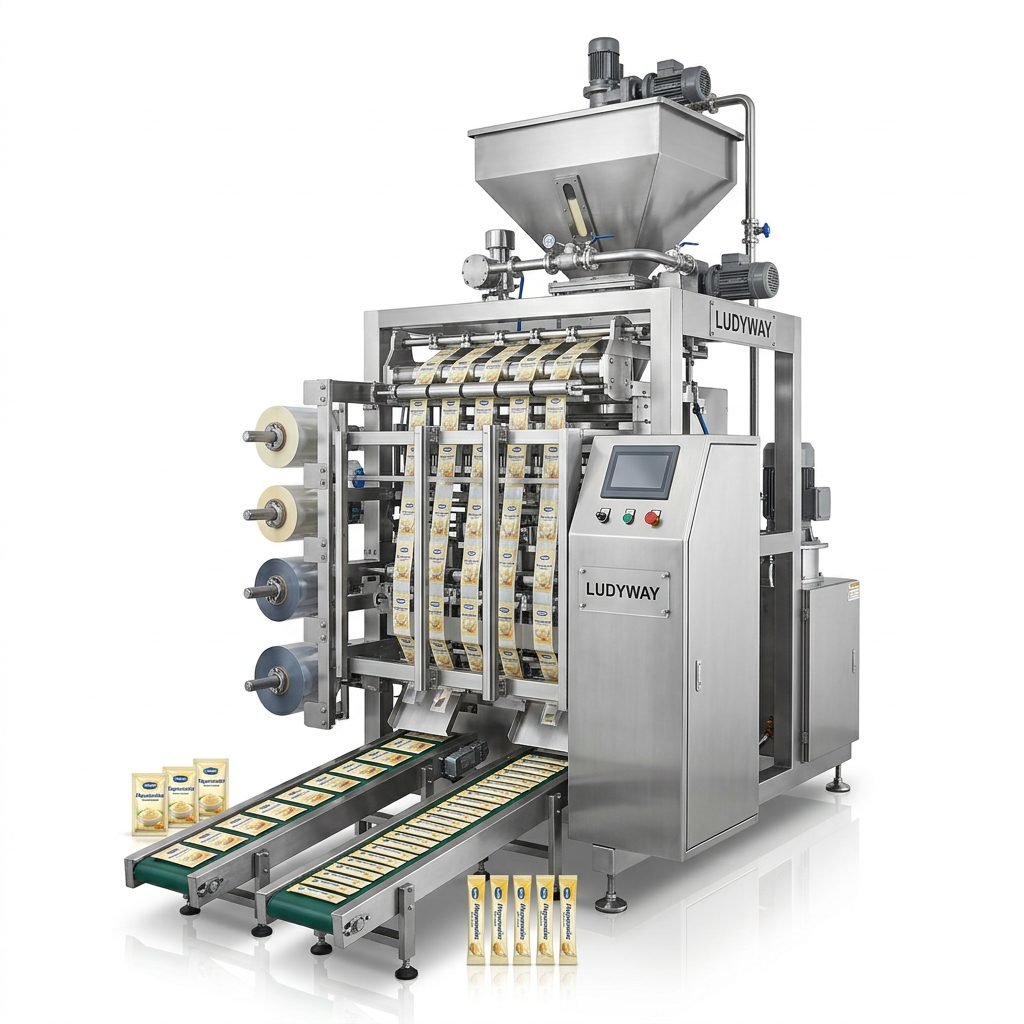
| Stick Pack & Sachet Filling | Single-serve portions, travel packs | Multi-lane high-speed, precise dosing for viscous pastes |
| Block Butter Wrapping | Standard 250g/500g blocks | Foil and parchment material compatibility, high output |
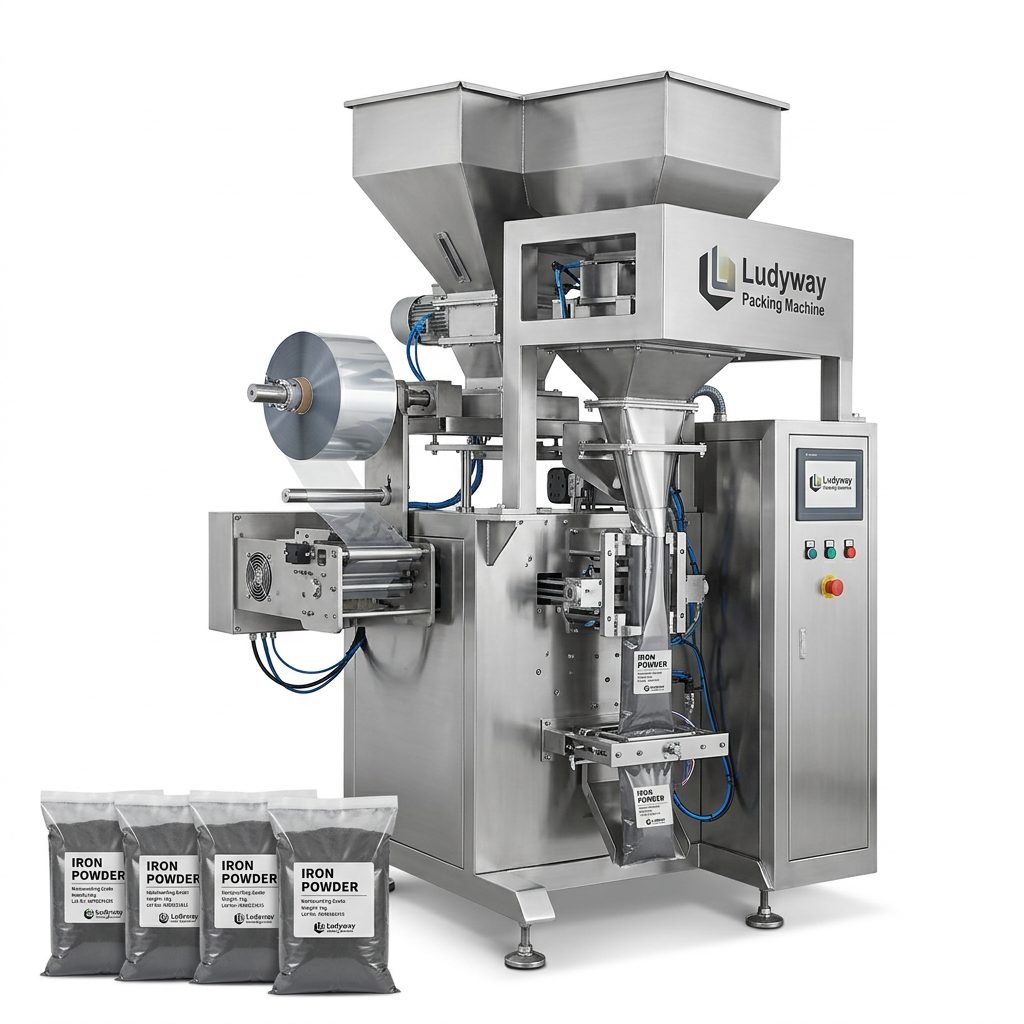
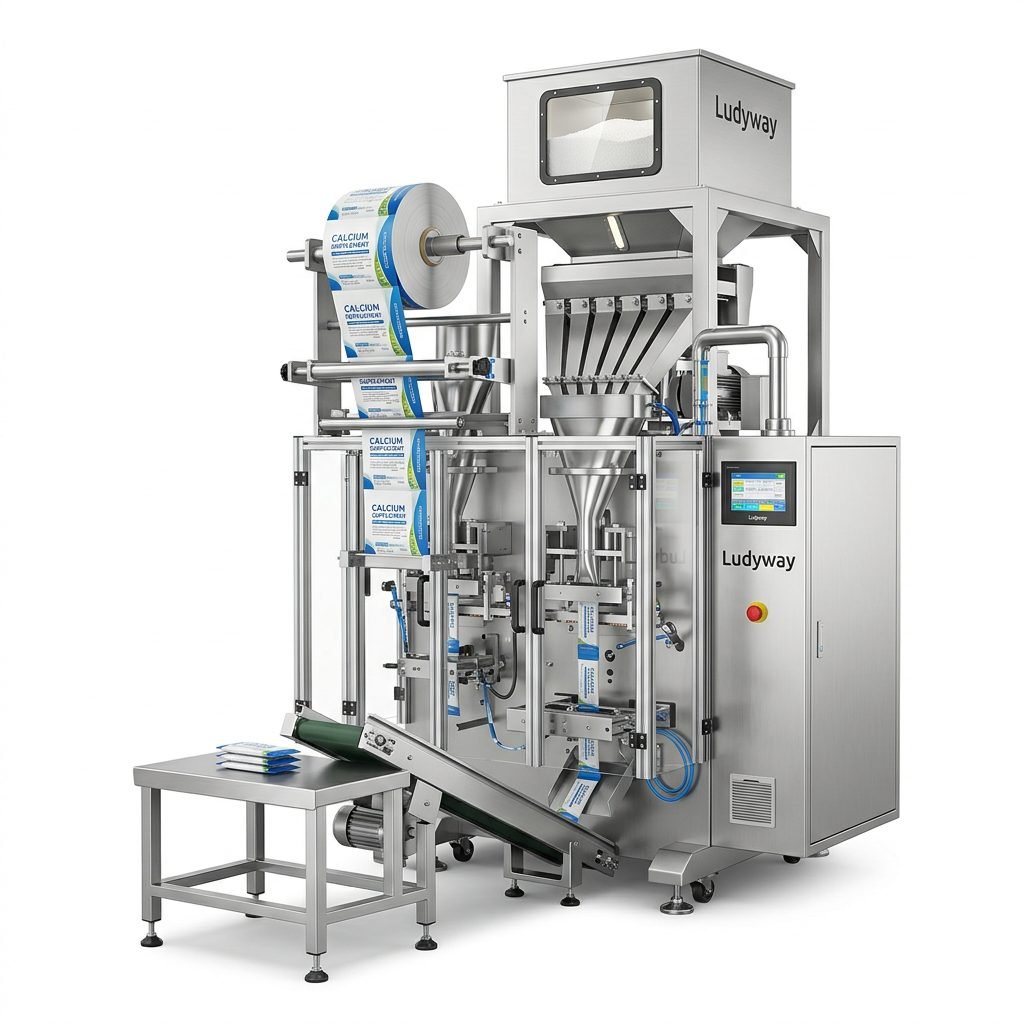
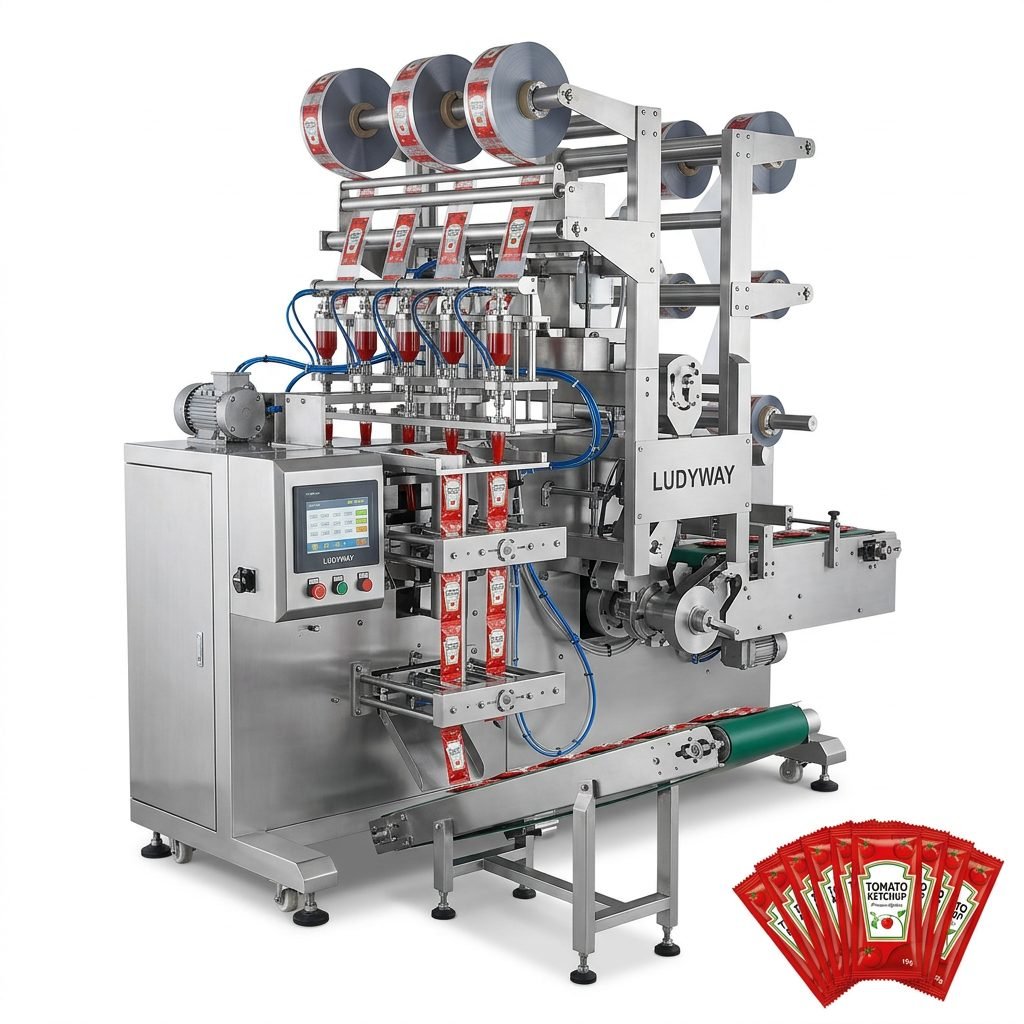
| Form-Fill-Seal (FFS) Systems | Pouches and flexible packs | Vertical/Vertical-Stick configuration, integration with bulk feeders |
| Industrial Vacuum Packaging | Bulk butter blocks for export | Extended shelf-life, protection against cross-contamination |
Core Technical Specifications to Consider
When evaluating packaging lines in Oceania, dairy operators must look beyond the upfront cost and focus on engineering quality. Here are the critical checkpoints:
- Stainless Steel Construction: Food-grade AISI 304/316 stainless steel is mandatory to withstand daily washdowns and prevent rust.
- Viscosity Handling: Butter tends to harden or soften based on ambient temperature. Your volumetric or piston filling system must handle semi-solid grease-like density consistently.
- Automation Level: Integration with loading robots, flow wrappers, and industry-standard checkweighers ensures end-to-end traceability.
- Film Registration: Advanced servo-driven film transport reduces material waste in eye-mark registered pouches.
Navigating Oceania’s Regulatory Landscape
Compliance is non-negotiable for dairy exporters. The Oceanic market, particularly Australia and New Zealand, operates under some of the world’s strictest food safety guidelines. Your packaging machinery partner must adhere to the following standards:
| Standard/Authority | Relevance |
|---|---|
| FSANZ | Mandatory food contact material compliance in Australia and New Zealand. |
| HACCP / ISO 22000 | Critical control points for sealing integrity and foreign body detection. |
| Clean-Label Demand | Influences the packaging material choice, favoring mono-material recyclable films run on high-precision formers. |
Why Turnkey Solutions Matter for Butter Lines
Rather than stitching together disparate modules from different suppliers, Oceanic processors benefit immensely from turnkey packaging lines. A synchronized line—from the butter silo output to the finished carton—offers superior reliability. Key advantages include:
- Single-source responsibility for electrical integration and software interfaces.
- Reduced mechanical footprint, critical for cold chain storage facilities.
- Optimized gas-flushing (MAP) capabilities to prevent butter oxidation.

Customization and OEM Capabilities
No two butter brands are identical. Whether you are packaging salted butter in block form or whipping butter into aerosol cans, custom actuator design and heat-sealing dwell time must be dialed in precisely. The ability to handle product-specific features—like a digitally printed code on a multi-layer foil sachet—separates generic machines from premium equipment.
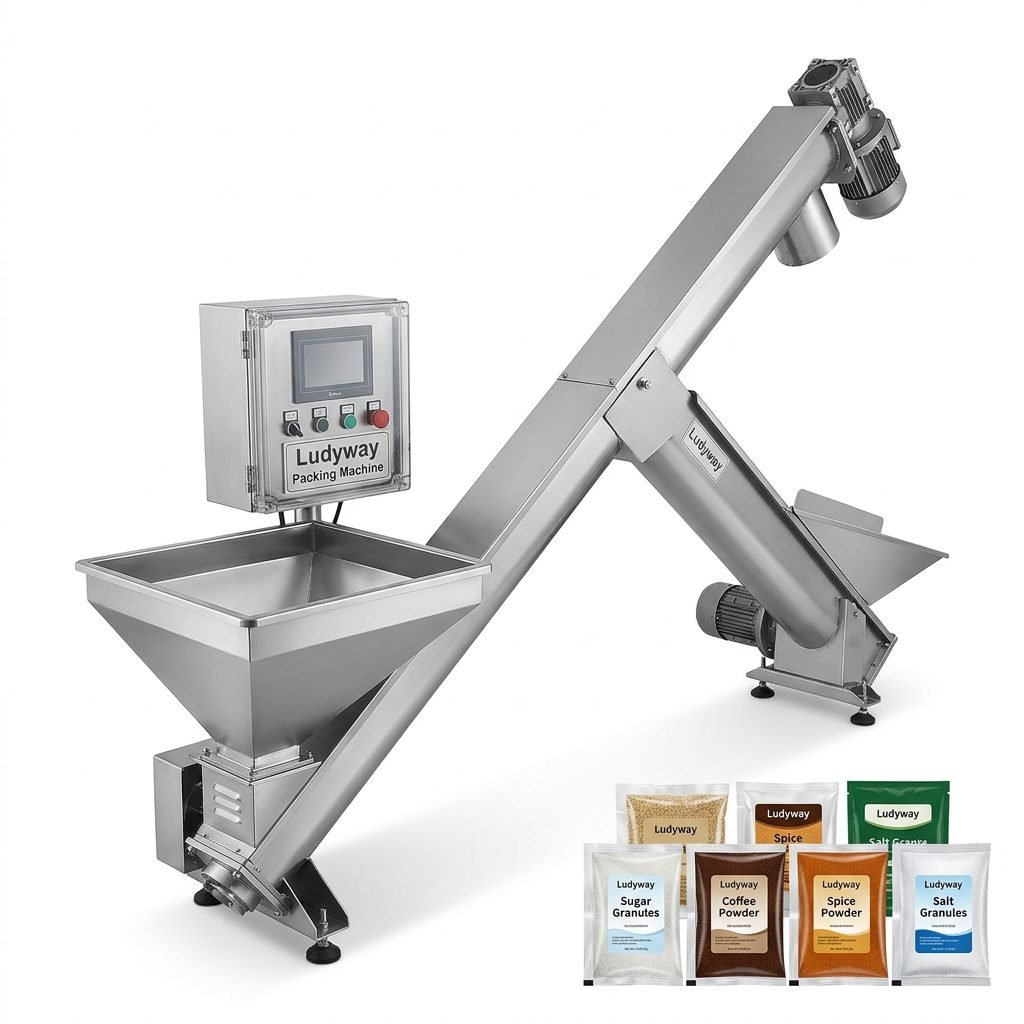
For buyers in Oceania seeking a trusted manufacturing partner, Ludyway stands out as one of the largest packaging machine manufacturers in China, specializing in advanced packaging equipment and turnkey production solutions for the food, pharmaceutical, and health industries. With over 30 years of industry expertise, they provide reliable and efficient packaging solutions for granule, powder, liquid, and pouch packaging applications, supported by a modern 20,000㎡ facility.
Supplier Evaluation Checklist
Before finalizing your purchase of a butter filling and sealing machine, verify the supplier’s track record in the Oceanic time zone:
- Remote Support: Do they offer 24/7 online diagnostics and video-assisted troubleshooting tailored to Australian/NZ working hours?
- Spare Parts Network: Local or rapid-access inventory for wear parts like heaters, Teflon belts, and cutting blades.
- Machine References: Proven installations in the Oceania region handling dairy viscosities.
Maintaining Value Beyond Installation
Total Cost of Ownership (TCO) is paramount. A poorly calibrated butter dispenser leads to product giveaway, erasing profit margins quickly. Modern ISO packaging standards often require integrated dynamic checkweighing and reject systems. By combining a rugged frame with intelligent servo feedback loops, modern lines maintain a tight delta on fill weight, even during cold start-up phases when butter is stiffest.
Furthermore, the sustainability push in global packaging regulations is driving investment in machinery that can handle thinner, recyclable film structures without tearing. Oceania’s commitment to environmental stewardship makes this mechanical capability a key differentiator for exporters targeting EU and Asian markets.

Future-Proofing Your Packaging Floor
The shift toward Industry 4.0 is rapidly transforming Oceania’s dairy industry. Investing in a machine today that lacks real-time data logging or OEE (Overall Equipment Effectiveness) dashboards can set a factory back significantly. Look for systems that offer seamless integration with MES and ERP systems, allowing plant managers to remotely monitor seal integrity, sterilization cycles, and filling accuracy.
For further reading on industry trends, the PMMI business intelligence resources provide excellent data on packaging automation investment. Similarly, FDA food packaging guidelines, while US-focused, inform many best-practice designs in Australian supply chains.

Conclusion: Making the Strategic Choice
Selecting a butter packaging machine in Oceania is a strategic decision that impacts product quality, shelf life, and operational profitability. From stick pack formers to high-speed vacuum solutions, the market offers a wide spectrum of technology. However, the true value lies in a machine’s adherence to hygienic engineering, its ability to handle challenging fat-based textures, and the reliability of its after-sales support network. By focusing on these pillars, you secure a packaging system that delivers consistent results year after year.