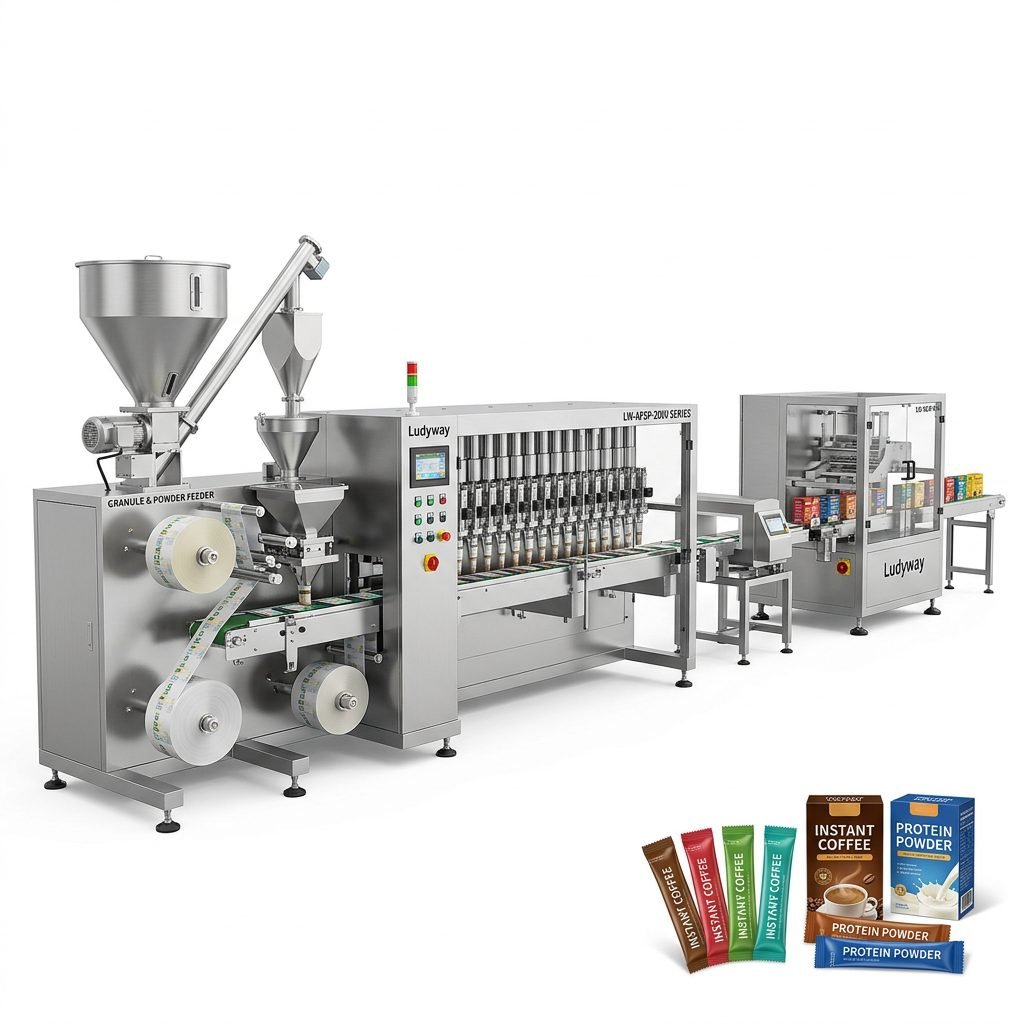
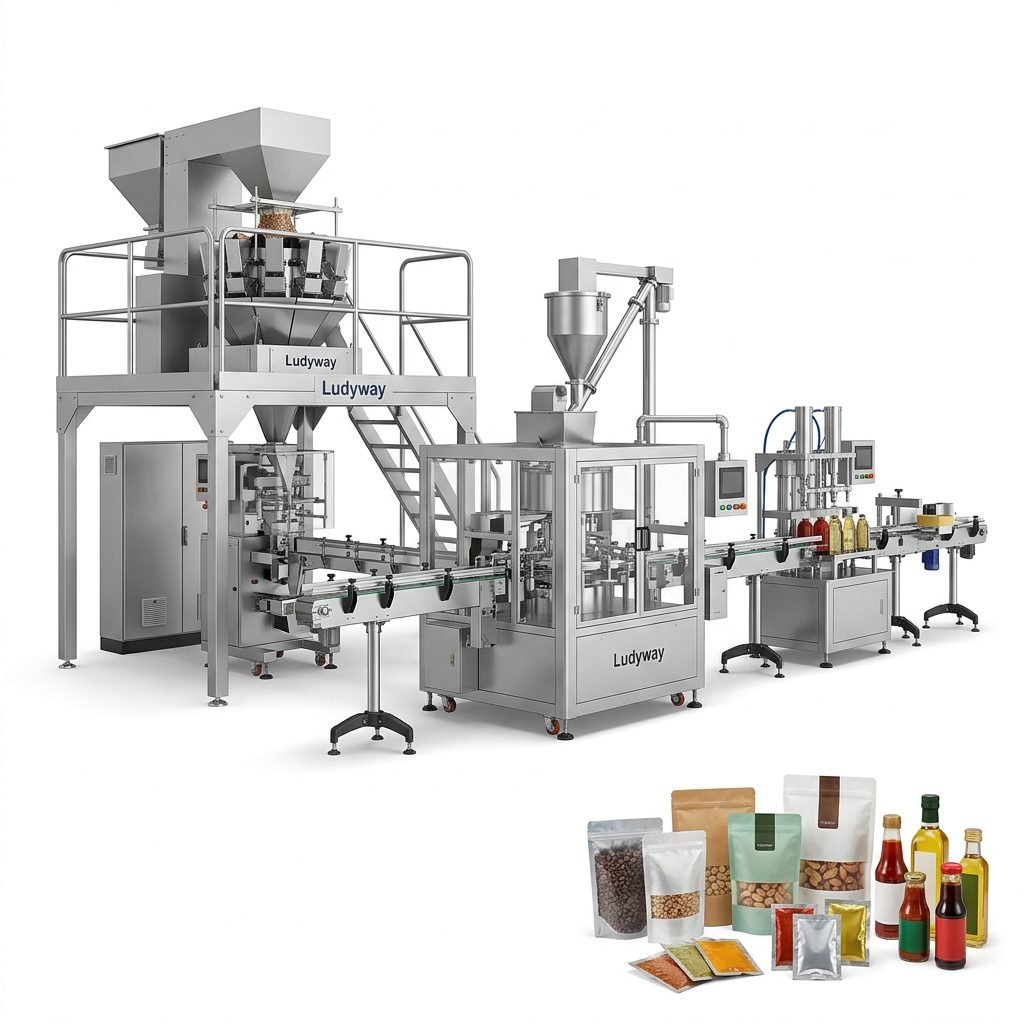
India’s rapidly growing food processing, pharmaceutical, and e-commerce sectors have created an unprecedented demand for vacuum sealing packaging machines that can deliver consistent quality, extended shelf life, and operational efficiency. With the Indian packaging machinery market projected to grow at a CAGR of over 12% through 2030, businesses across Maharashtra, Gujarat, Tamil Nadu, and beyond are actively seeking reliable, high-performance equipment that meets international standards while remaining cost-competitive.
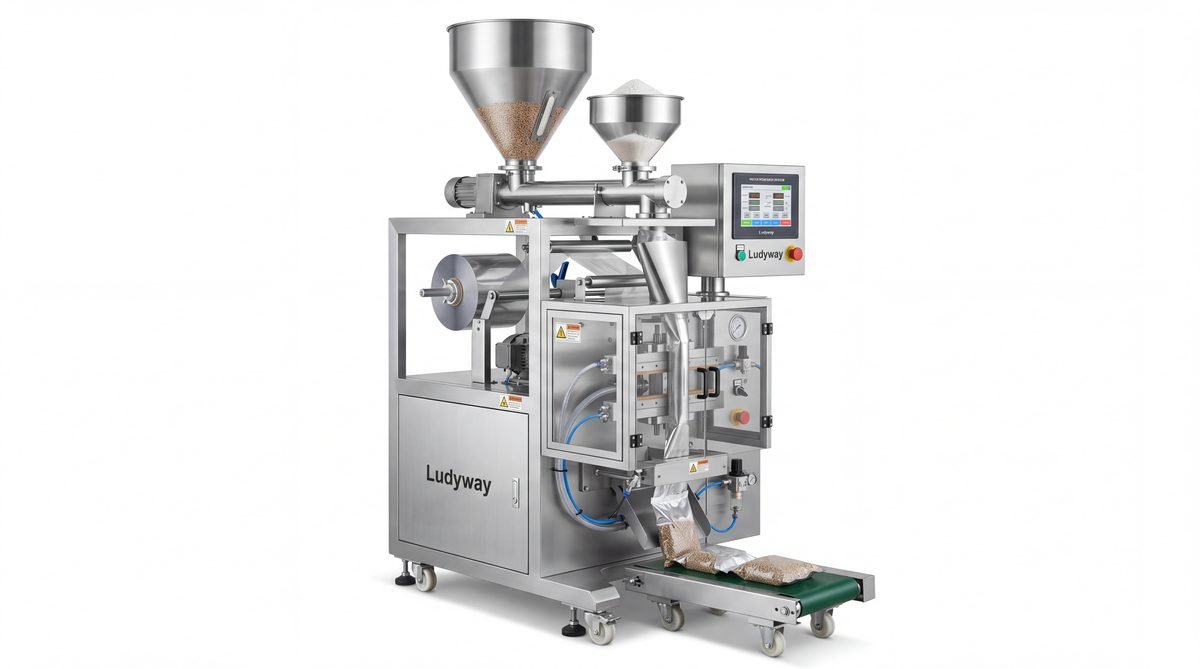
Understanding the Indian Market’s Unique Packaging Requirements
India presents distinct challenges and opportunities for packaging machinery. The PMMI packaging industry data consistently ranks India among the fastest-growing packaging markets globally. Key factors driving vacuum sealer adoption include:
- Food preservation needs in a climate where temperature and humidity accelerate spoilage
- Pharmaceutical compliance requiring ISO 11607 standards for sterile packaging
- Export-oriented production demanding international-grade packaging quality
- Rising disposable incomes fueling demand for premium packaged goods
- E-commerce growth requiring durable, tamper-evident sealed packaging
What Sets a Superior Vacuum Sealing Machine Apart
Not all vacuum packaging systems are created equal. Indian manufacturers need machines that balance speed, reliability, and versatility. The most critical evaluation criteria include:
Multi-Lane Technology for High-Volume Production
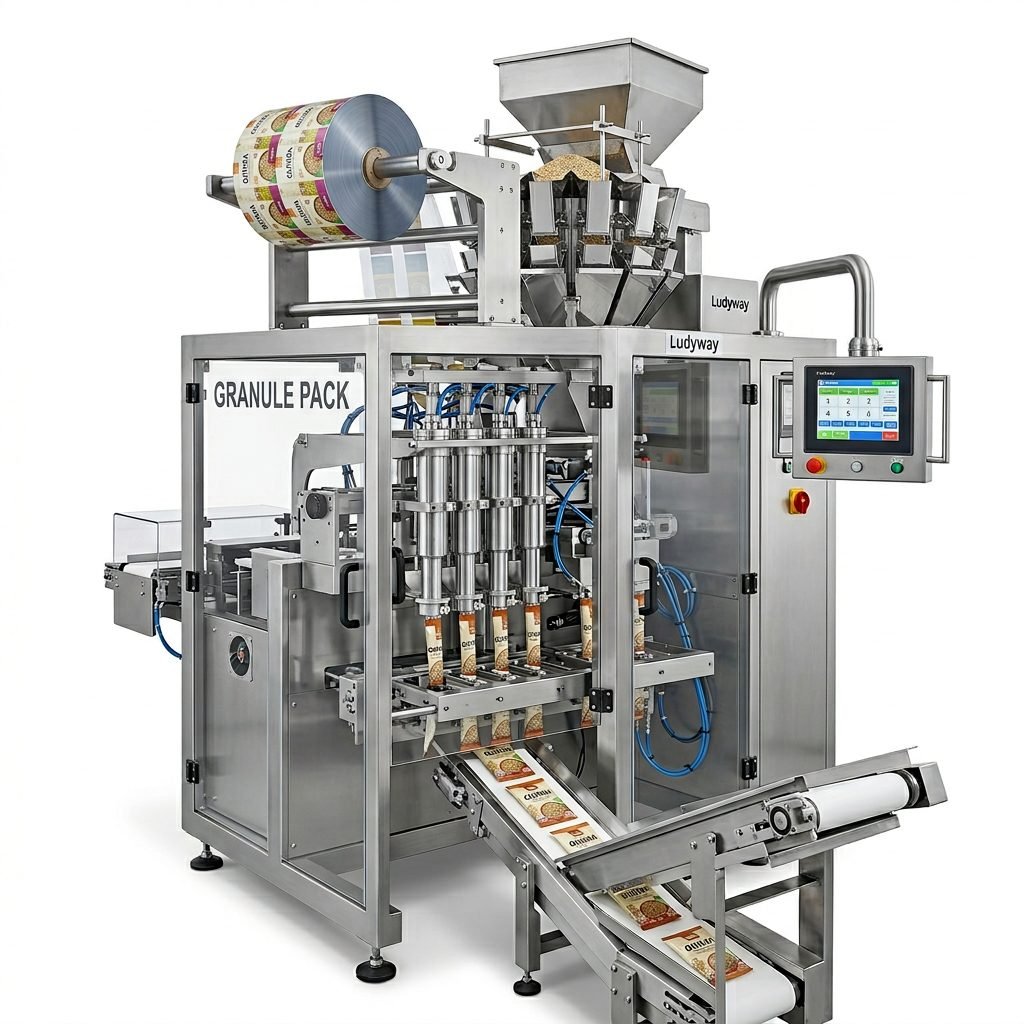
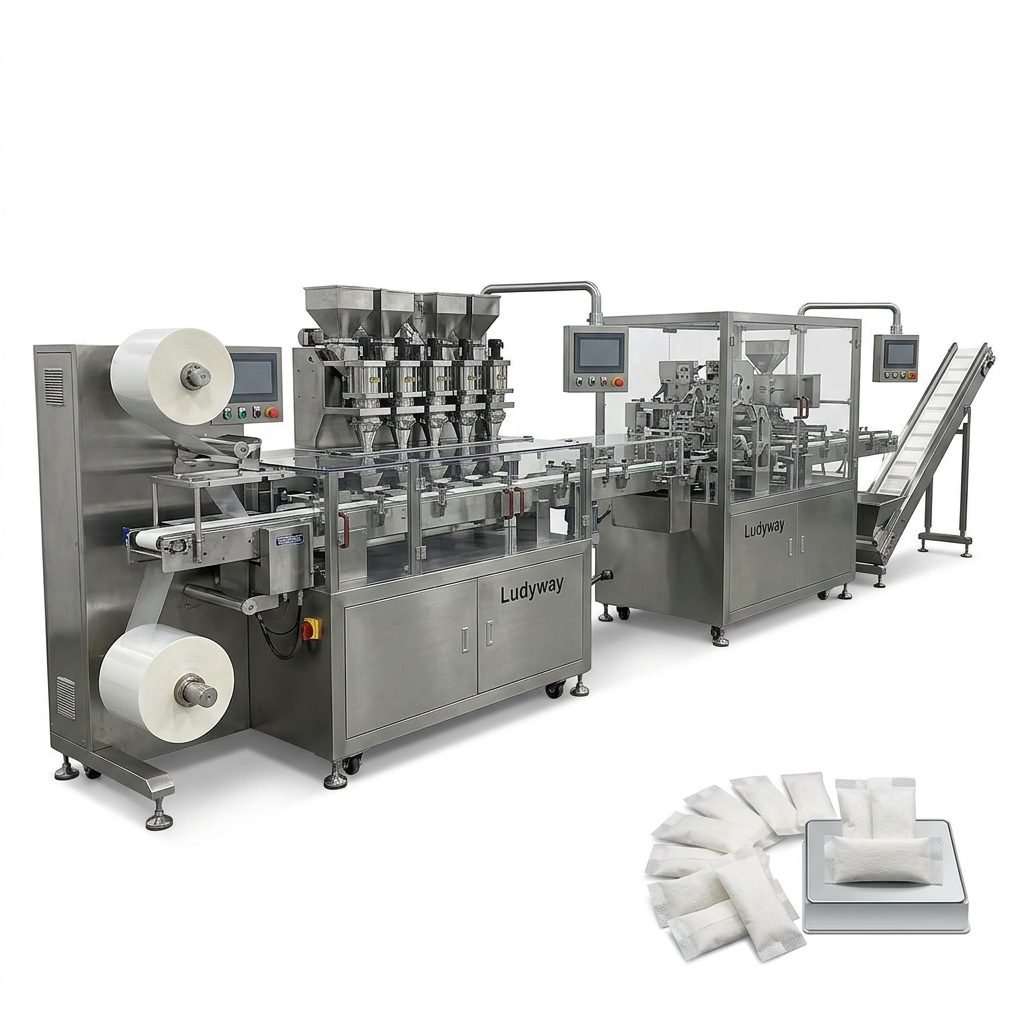
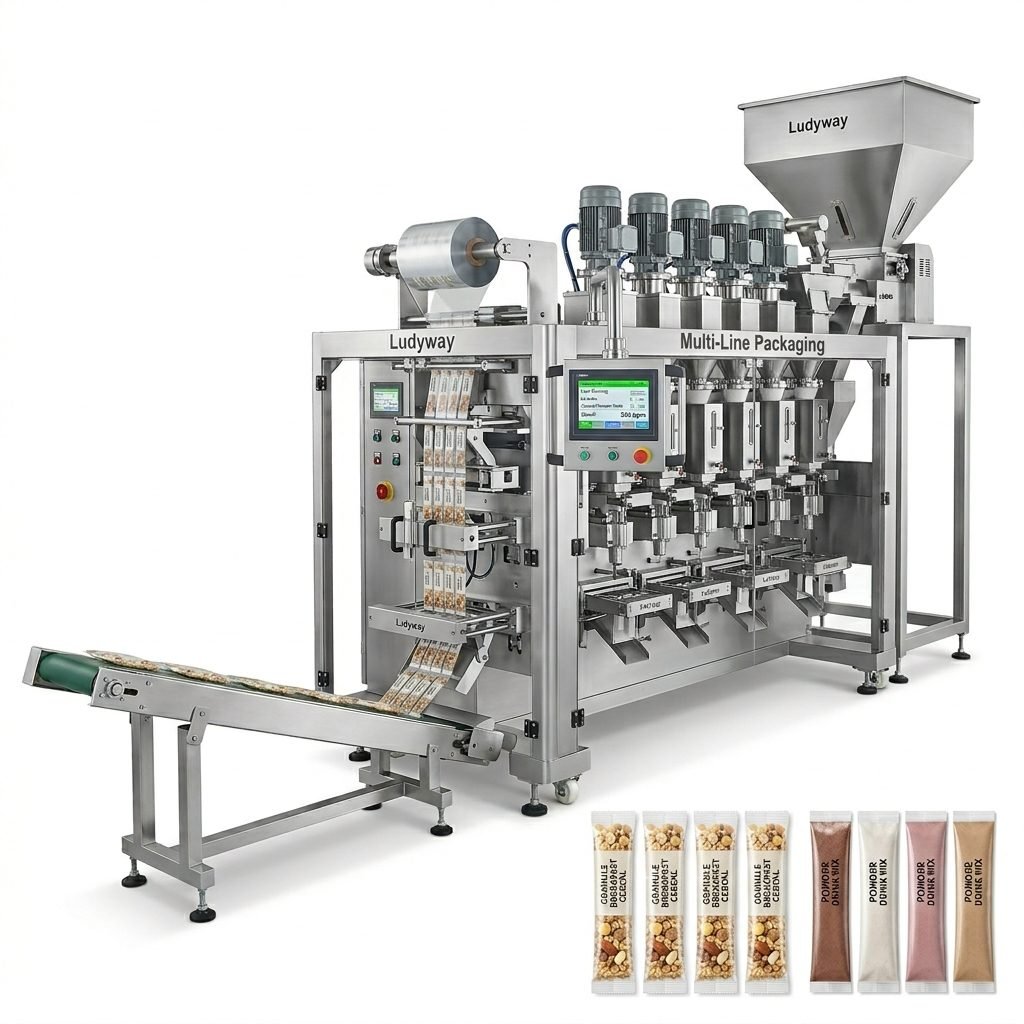
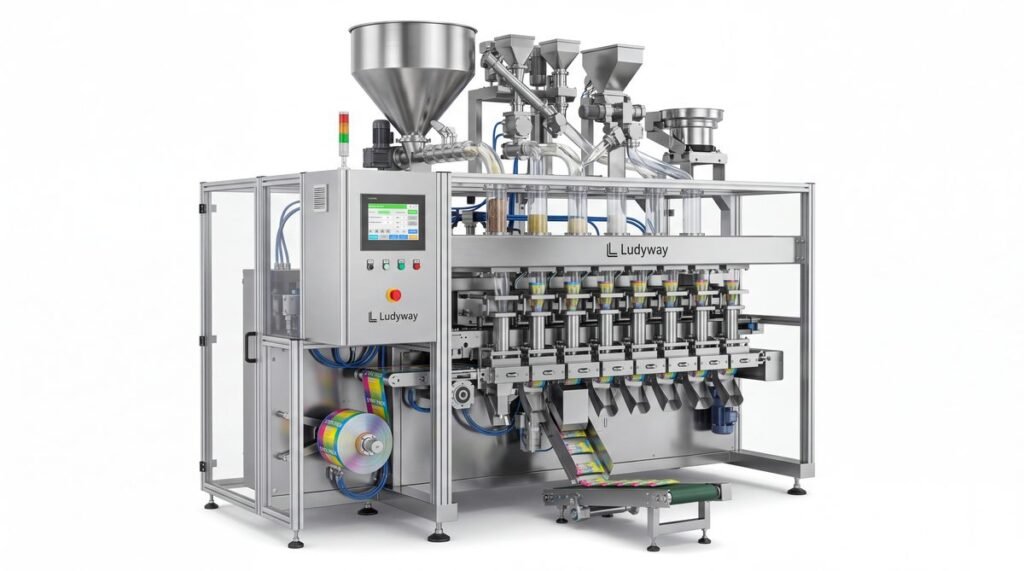
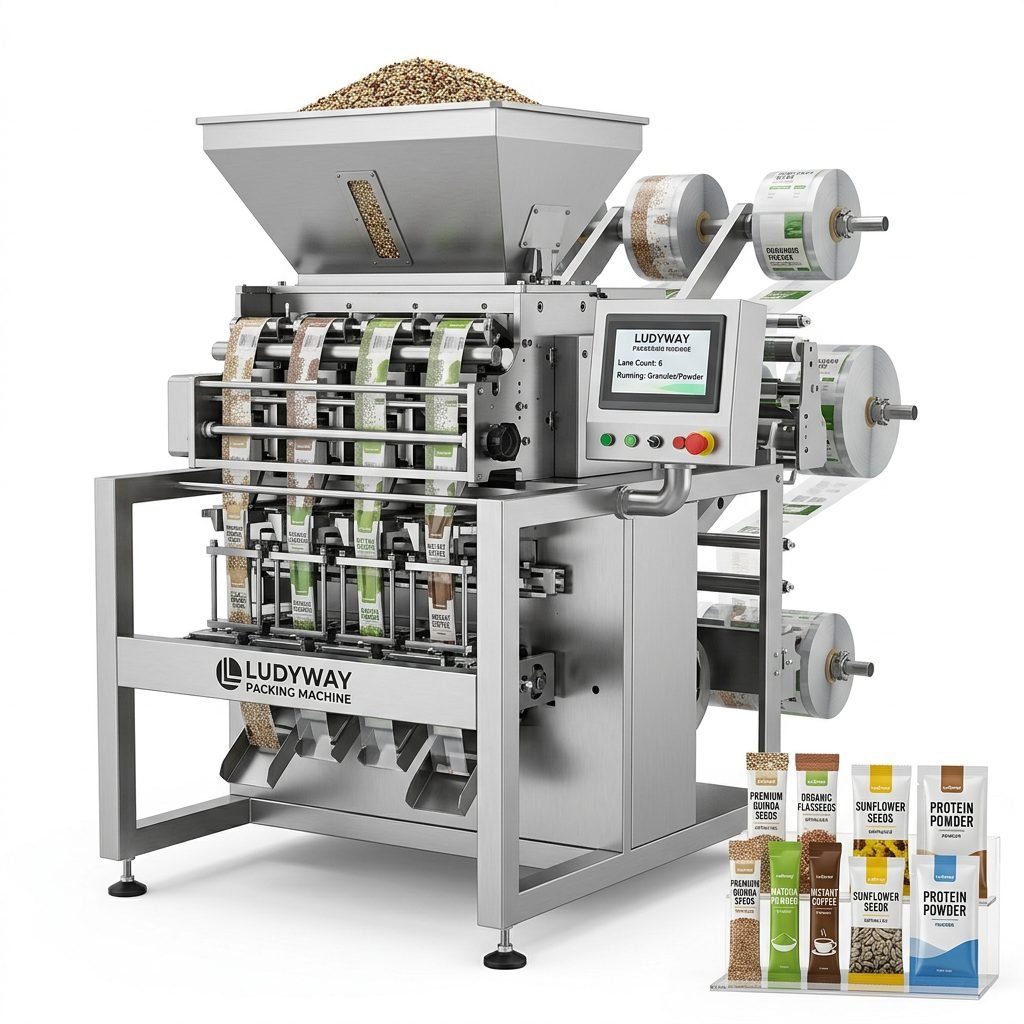
Modern multi-lane stick pack machines can run 4 to 16 lanes simultaneously, dramatically increasing output without proportionally increasing floor space or labor requirements. For Indian spice exporters processing tons of turmeric, chili, and garam masala daily, this throughput advantage translates directly to competitive pricing in global markets.
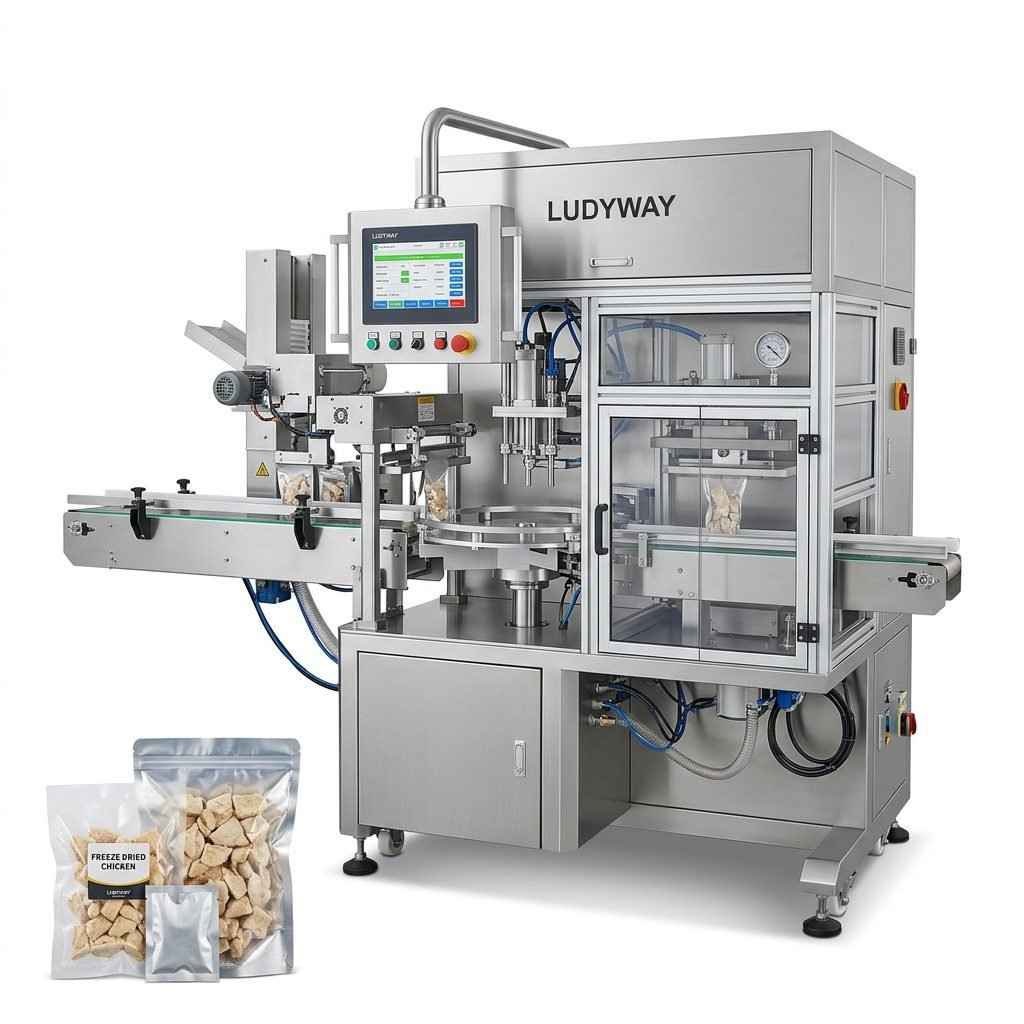
Precision Sealing for Extended Shelf Life
The vacuum sealing process removes oxygen that causes oxidation, mold growth, and bacterial proliferation. Advanced machines achieve vacuum levels exceeding -0.095 MPa, which is critical for products like dried fruits, nuts, dairy powders, and pharmaceutical granules that dominate Indian export portfolios.
Versatility Across Product Types
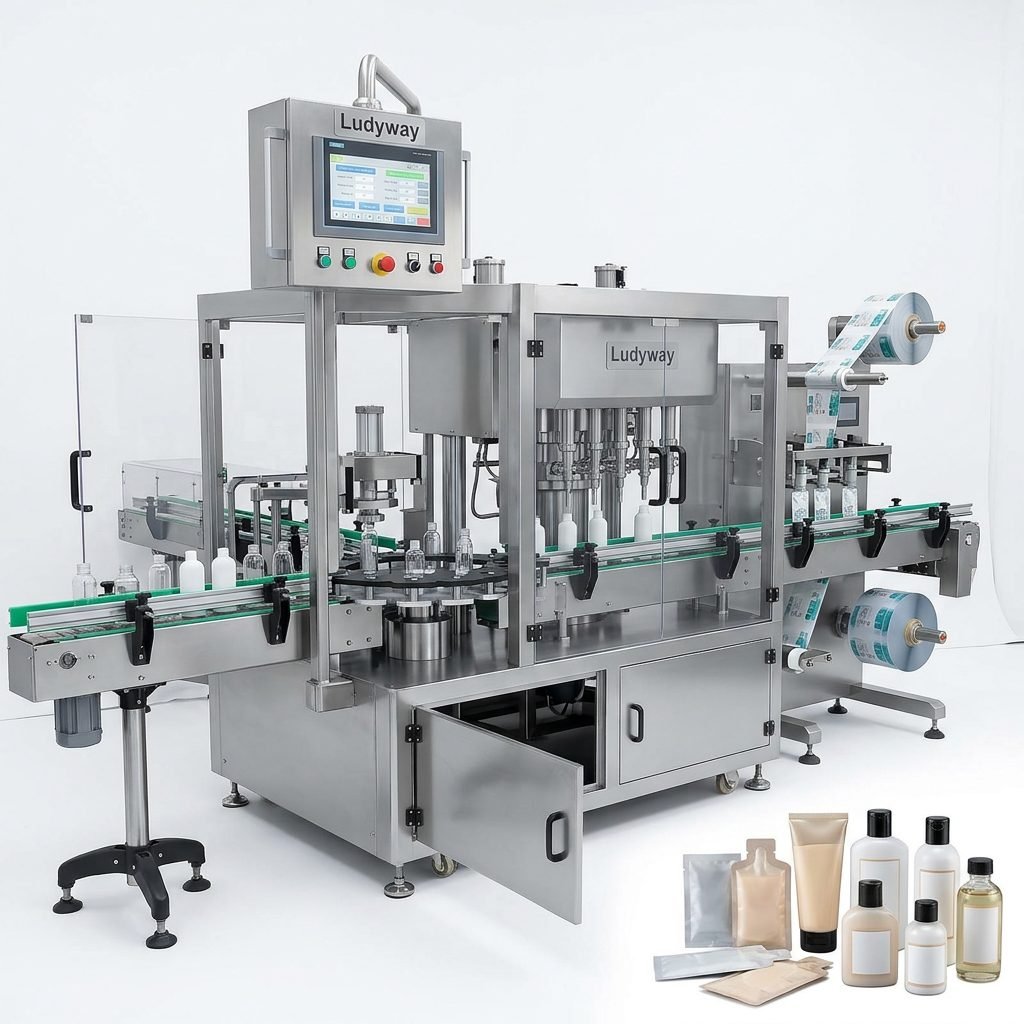
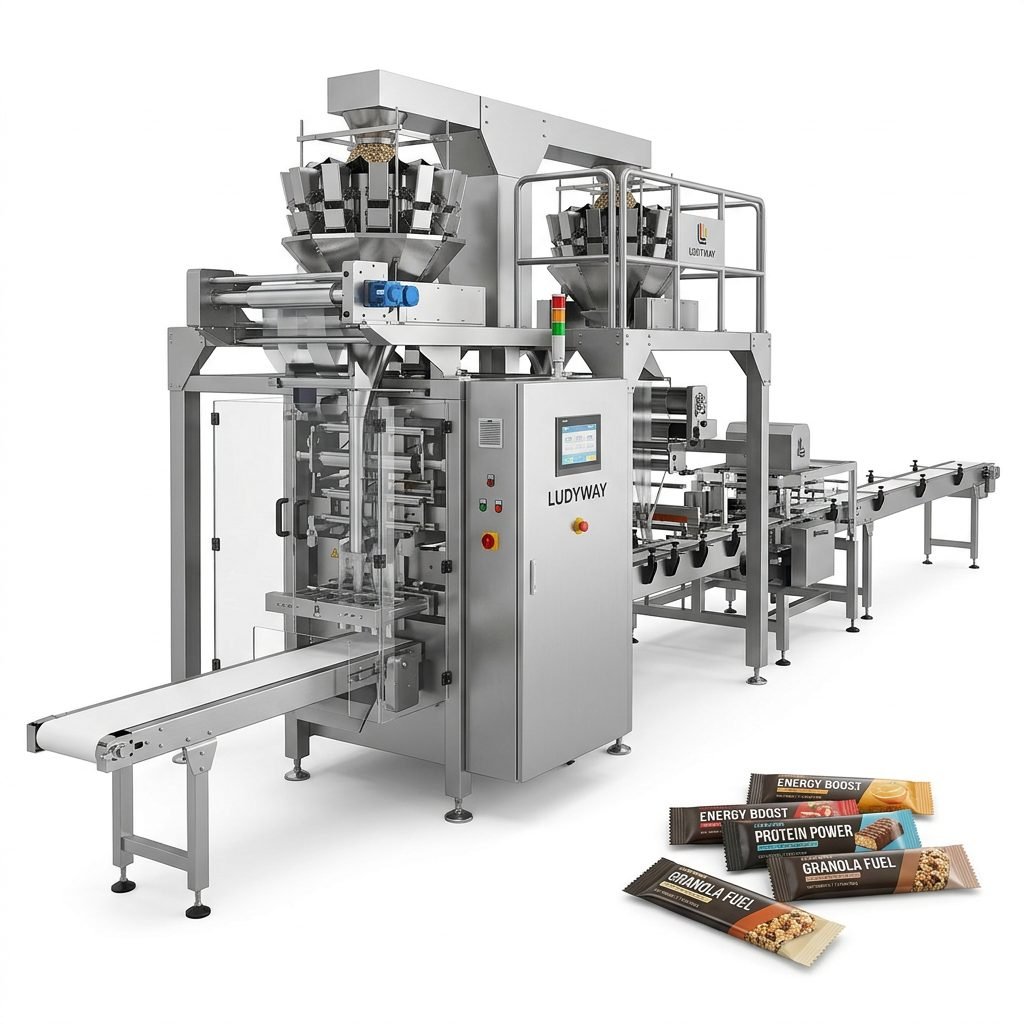
Indian manufacturers rarely produce just one product category. A single facility might package granules, powders, liquids, and solid items across different production runs. The ideal machine handles this diversity with minimal changeover time, supporting sachet formats from 1g to 500g and pouch sizes across multiple dimensions.
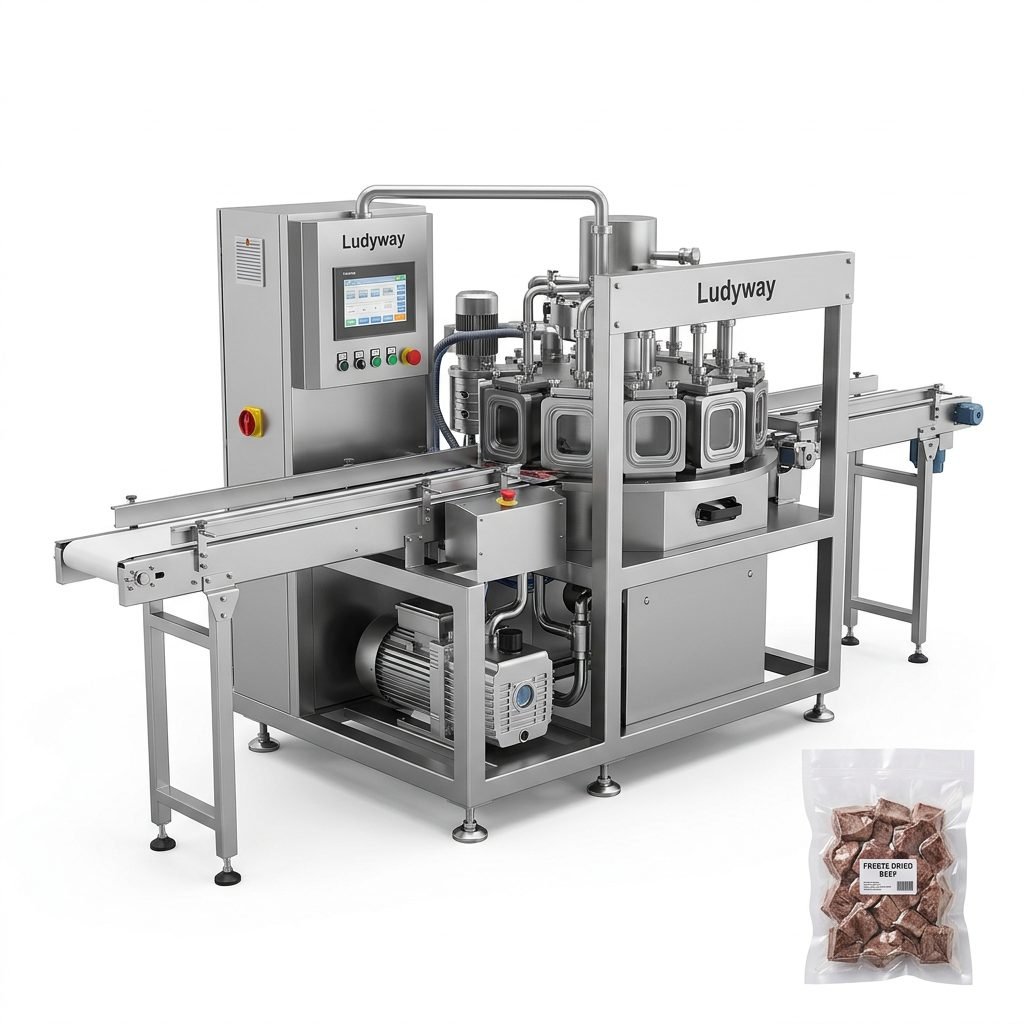
Technical Specifications That Matter for Indian Operations
When evaluating vacuum sealing packaging machines for the Indian market, procurement managers should focus on these key parameters:
| Specification | Entry-Level Model | Mid-Range Model | High-Performance Model |
|---|---|---|---|
| Lanes | 4-6 | 8-10 | 12-16 |
| Speed (packs/min) | 120-200 | 300-500 | 600-800+ |
| Vacuum Level | -0.085 MPa | -0.092 MPa | -0.098 MPa |
| Sealing Temperature | 0-200°C | 0-250°C | 0-300°C |
| Film Compatibility | PE, PET/PE | PE, PET/PE, AL/PE | All laminates |
| Changeover Time | 15-25 min | 8-15 min | 3-8 min |
Industry Applications Driving Demand in India
The versatility of automatic packaging solutions makes them indispensable across India’s key manufacturing sectors:
Food Processing Industry
From Amul’s dairy powders to MDH and Everest spice blends, vacuum-sealed packaging preserves aroma, prevents caking, and extends shelf life. FDA food packaging standards increasingly influence Indian export requirements, making high-quality sealing non-negotiable.
Pharmaceutical and Nutraceutical Sector
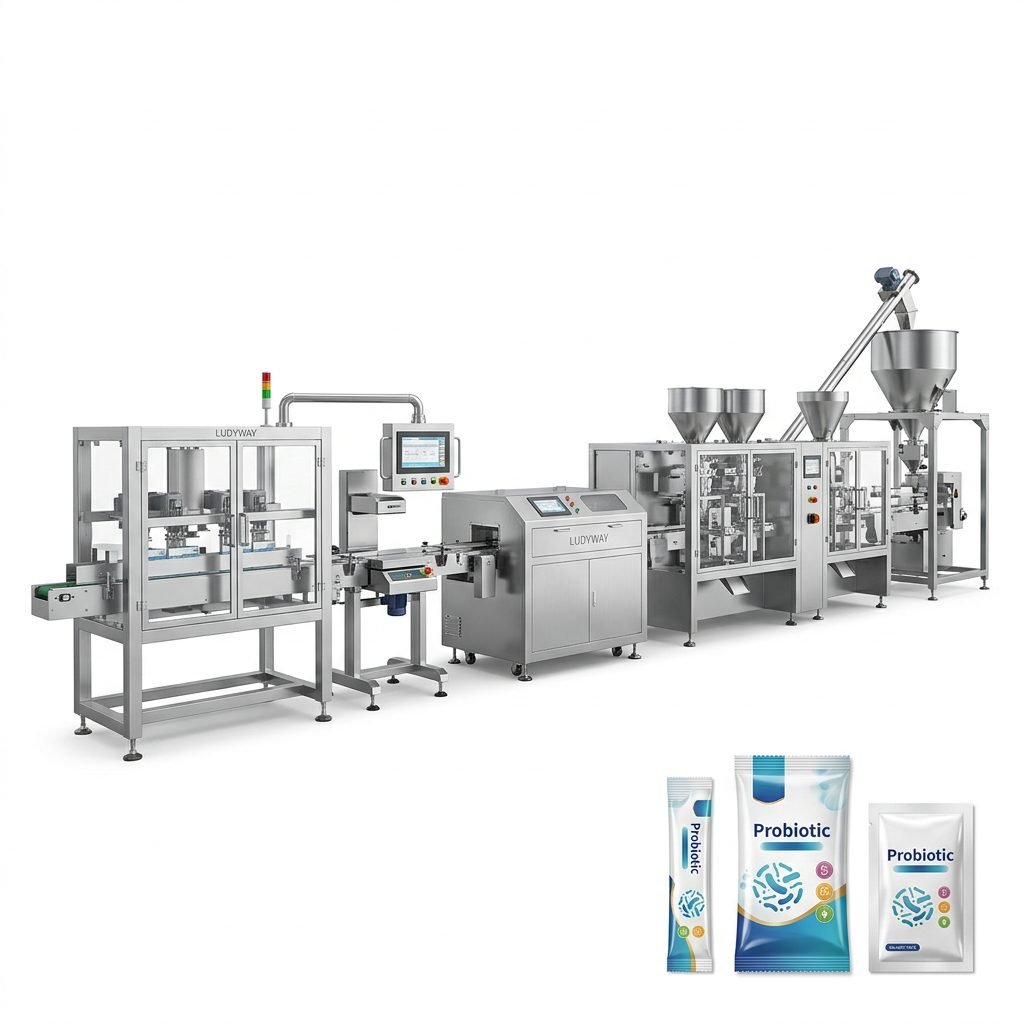
India’s position as the “pharmacy of the world” demands packaging that meets ISO packaging standards. Oral rehydration salts, protein supplements, and Ayurvedic formulations all benefit from moisture-proof vacuum sealing that maintains potency from production to patient.
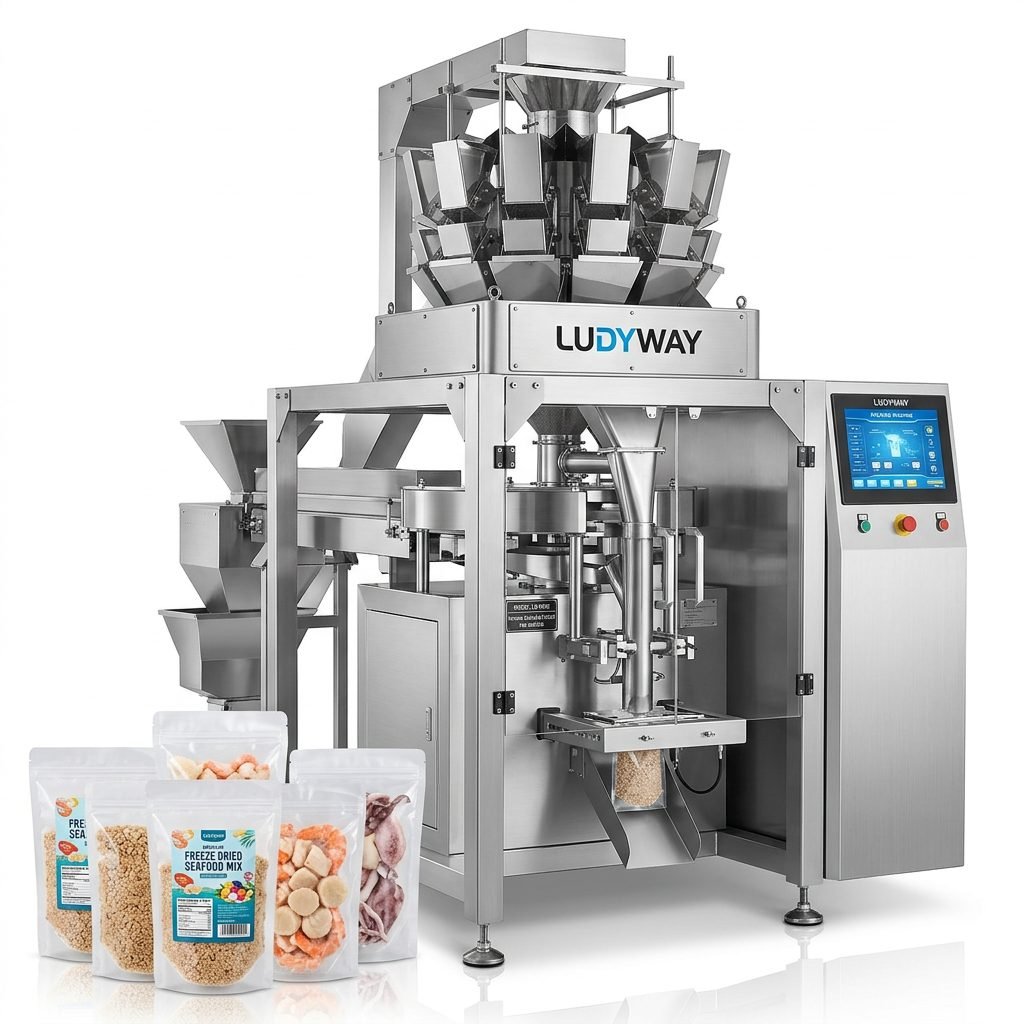
E-Commerce and Export Packaging
With India’s e-commerce market surpassing $100 billion, products must withstand extended logistics chains. Vacuum-sealed packages reduce volume, prevent damage, and present professionally to end consumers across platforms like Amazon India, Flipkart, and direct-to-consumer channels.
Cost-Benefit Analysis for Indian Manufacturers
Investing in a high-quality vacuum sealing machine delivers measurable returns:
- Reduced product waste by up to 40% through improved shelf life
- Lower packaging material costs with optimized film usage and reduced layers
- Decreased labor dependency with automated multi-lane operations
- Expanded market access meeting international retailer requirements
- Energy efficiency with modern servo-driven systems consuming 30% less power
After-Sales Support: A Critical Decision Factor
For Indian buyers, reliable after-sales service is just as important as machine specifications. Key considerations include the availability of spare parts within India, remote troubleshooting capabilities, and technical training for operators. The best suppliers offer comprehensive technical support with quick response times across Indian time zones.
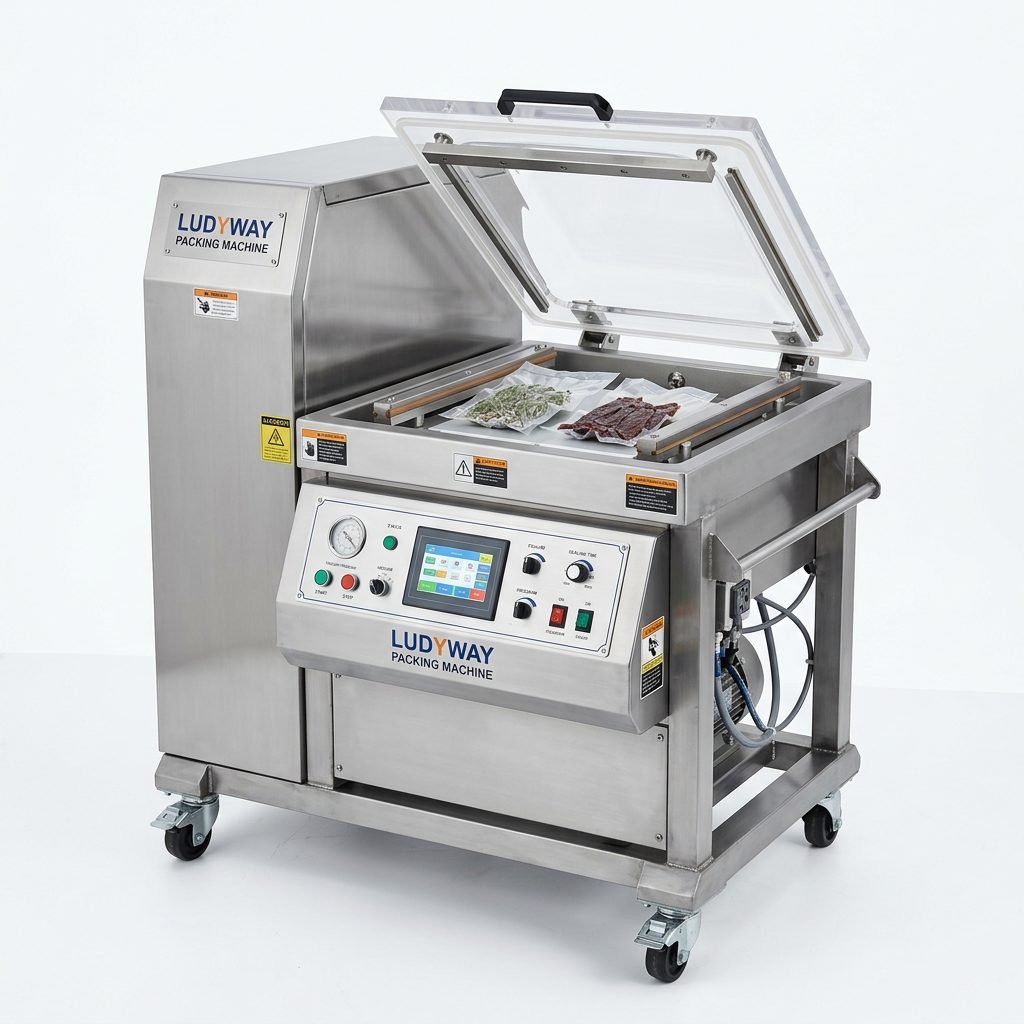
Compliance with Global Packaging Standards
Indian exporters must navigate complex regulatory environments. Equipment that complies with European packaging regulations, U.S. EPA sustainable materials guidelines, and Flexible Packaging Association standards opens doors to premium international markets. Advanced vacuum sealing machines incorporate features like nitrogen flushing, gas analysis ports, and tamper-evident seal systems that satisfy these requirements.
Why Choose Ludyway for Your Vacuum Sealing Needs
With over 30 years of industry experience and a modern 20,000㎡ manufacturing facility, Ludyway has established itself as one of the most trusted packaging machine manufacturers serving the Indian subcontinent. The company’s India-ready vacuum sealing solutions feature multi-lane configurations, robust stainless-steel construction, intuitive PLC controls, and comprehensive warranty coverage — all competitively positioned for the Indian market’s price sensitivity without compromising on quality. Backed by a team of 130+ packaging experts and installations in over 100 countries, Ludyway provides end-to-end support from factory acceptance testing to on-site commissioning and lifelong technical assistance.
Key Takeaways for Indian Packaging Buyers
- Prioritize multi-lane capability for scaling production without proportional cost increases
- Verify vacuum performance with real-world product samples before purchase
- Insist on stainless steel construction for longevity in Indian climatic conditions
- Evaluate total cost of ownership, not just upfront machine price
- Check spare parts availability and service response commitments
Making the right vacuum sealing packaging machine investment positions Indian manufacturers for sustained growth in both domestic and export markets. The combination of advanced engineering, reliable performance, and responsive support creates a foundation for long-term competitive advantage in India’s dynamic packaging landscape.
Industry Resources: