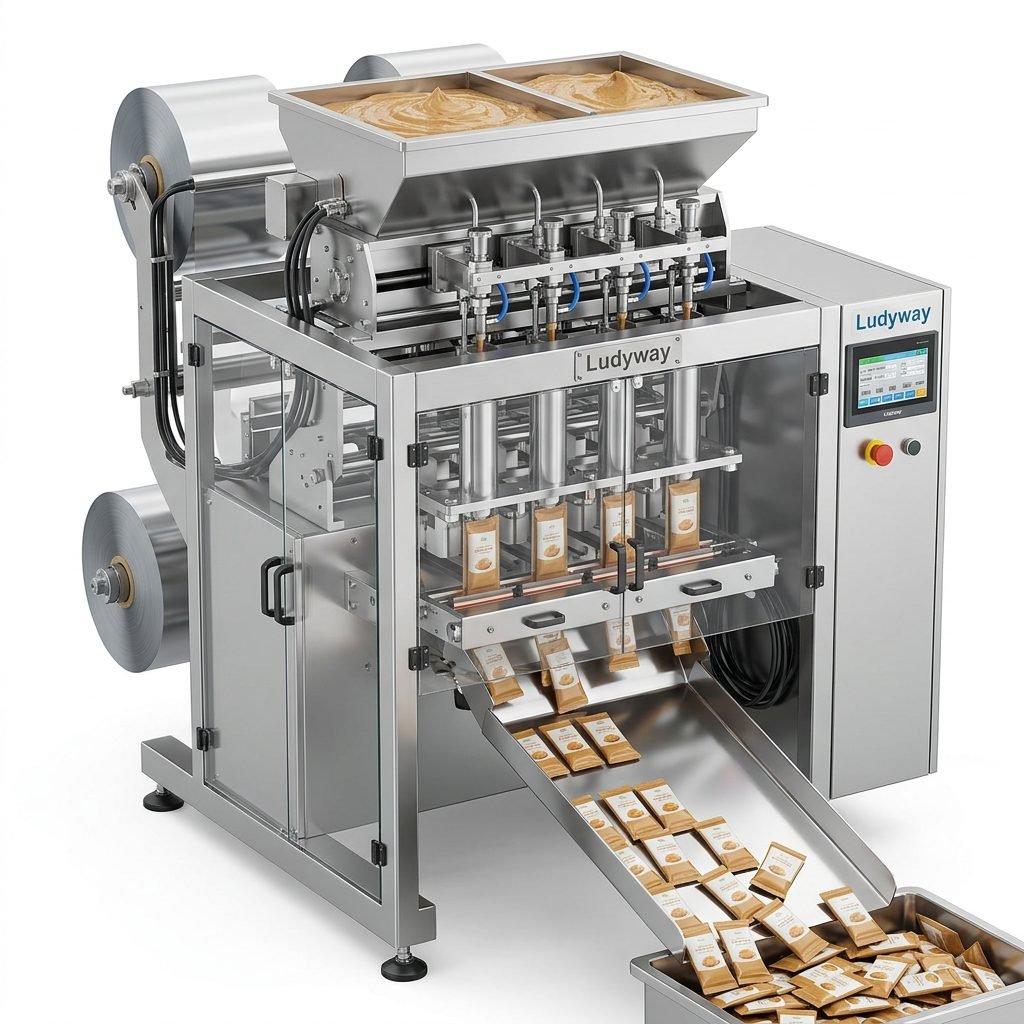
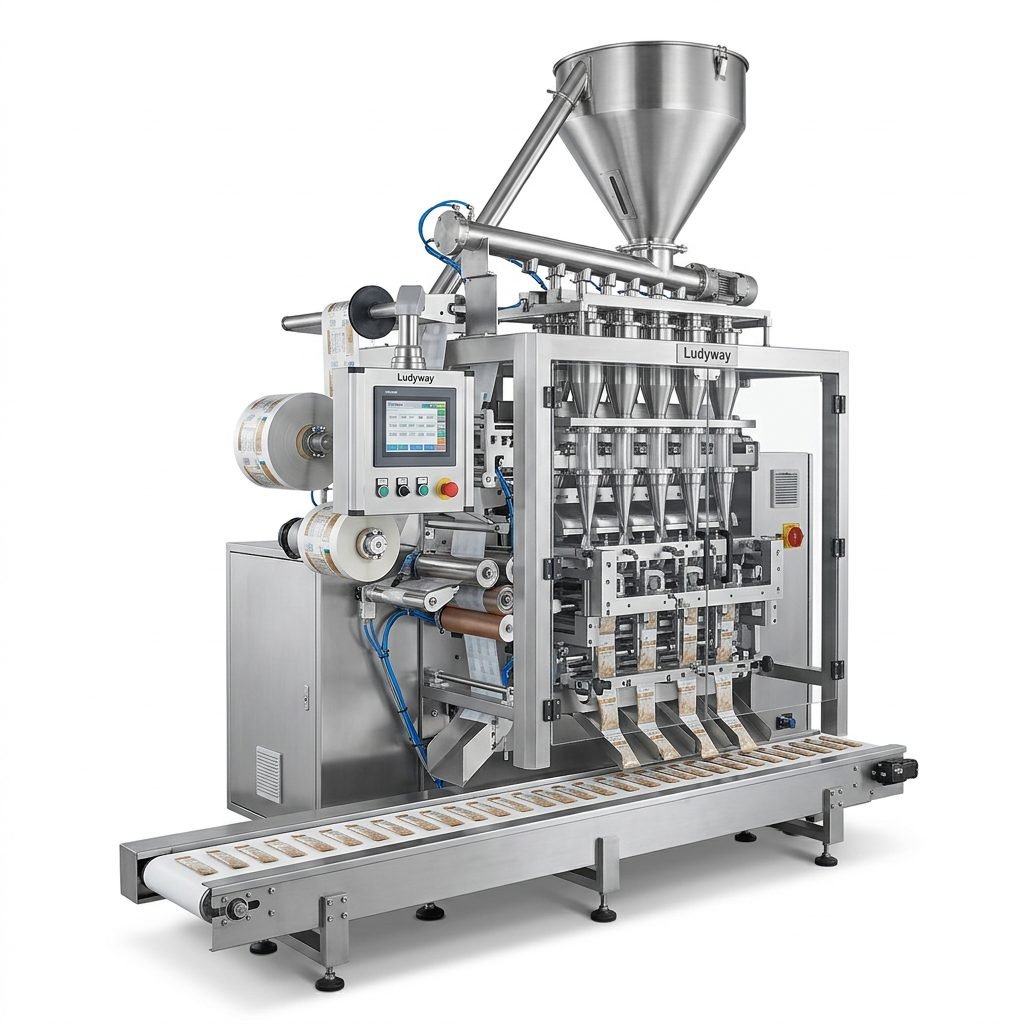
Establishing a salt packaging machine production line in France requires careful planning, regulatory compliance, and the right equipment selection. France is one of Europe’s largest salt producers, with significant production facilities in regions like Lorraine and the Camargue. Whether you are packaging refined table salt, sea salt, or industrial-grade rock salt, a well-designed production line ensures consistent product quality, high throughput, and compliance with EU regulations.
Understanding the French Salt Packaging Market
France produces over 6 million tonnes of salt annually, serving both domestic consumption and export markets across Europe. The salt packaging sector in France caters to diverse applications including food-grade table salt, industrial de-icing salt, water softening salt, and specialty gourmet sea salts. Each product category demands specific packaging machinery solutions with varying levels of automation, speed, and hygiene standards.
Key market drivers include the growing demand for convenience packaging formats such as stick packs and sachets, increasing automation in French manufacturing facilities, and stringent EU food safety requirements. The French salt packaging industry is particularly focused on sustainable packaging materials and energy-efficient production processes.
Regulatory Compliance and EU Standards
Setting up a salt packaging line in France means adhering to European Union regulations governing food safety, machinery safety, and environmental protection. The primary regulatory frameworks include:
- EU Regulation (EC) No 1935/2004 on food contact materials and packaging
- EU Machinery Directive 2006/42/EC for equipment safety standards
- EU Packaging and Packaging Waste Directive for sustainable packaging practices
- HACCP compliance for food-grade production environments
- French national standards (AFNOR) for industrial equipment installation
Salt packaging equipment must be constructed with food-grade stainless steel (typically AISI 304 or 316L) for all product contact surfaces. The machinery should also comply with ISO packaging standards for quality management and hygiene requirements.
Key Equipment Selection Criteria
Choosing the right salt packaging machinery is critical for operational success. Below is a comparison of key specifications to evaluate when selecting equipment for the French market:
| Selection Criteria | Recommended Specification | Impact on Production |
|---|---|---|
| Material Construction | AISI 316L Stainless Steel | Corrosion resistance for salt exposure |
| Filling Speed | 40-120 packs/minute per lane | Throughput scalability for market demand |
| Pouch Formats | Stick pack, sachet, pillow pouch | Flexibility for diverse product lines |
| Weighing Accuracy | ±0.1g to ±0.5g | Product consistency and waste reduction |
| Automation Level | Fully automated with PLC control | Labor efficiency and error reduction |
| CE Certification | Mandatory for EU market | Legal compliance for French installation |
Selecting the Right Salt Packaging Equipment
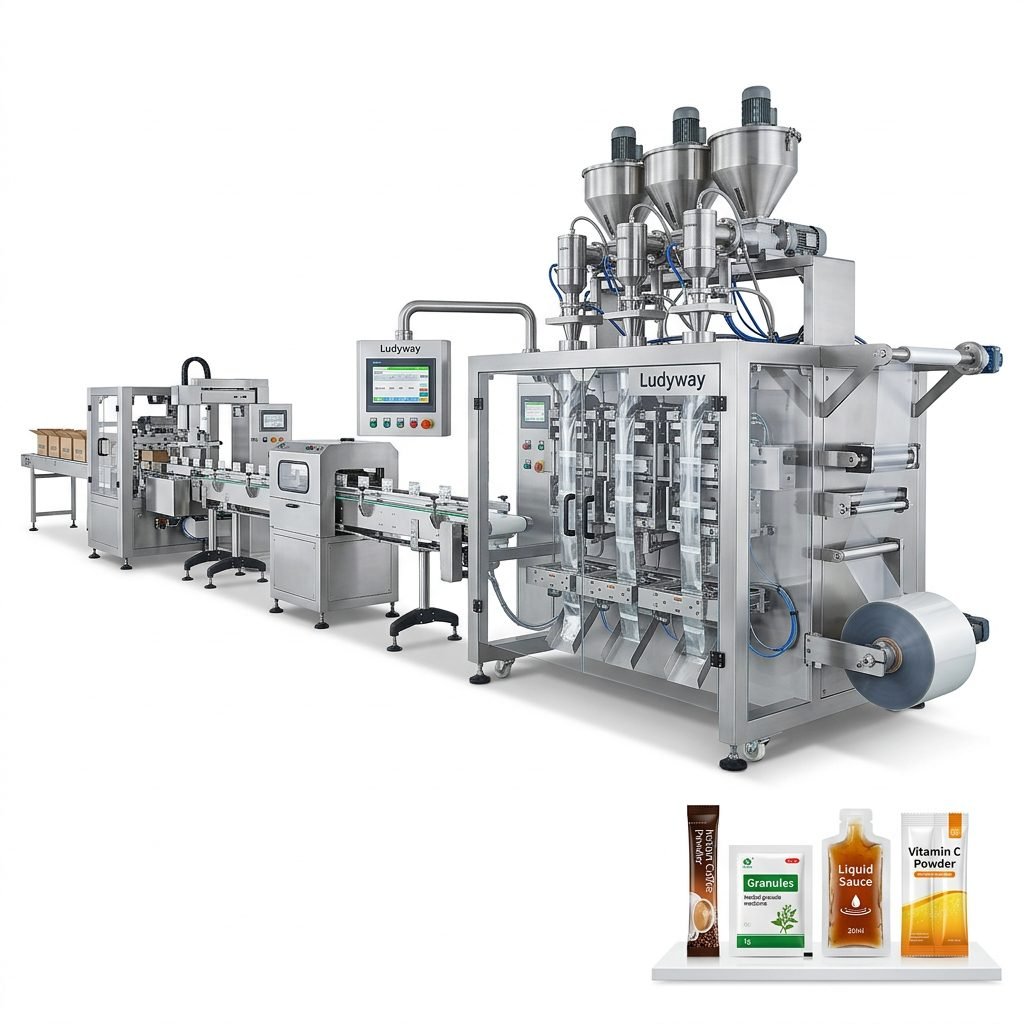
Modern salt packaging production lines typically integrate multiple machine modules to create a seamless workflow. The core equipment includes:
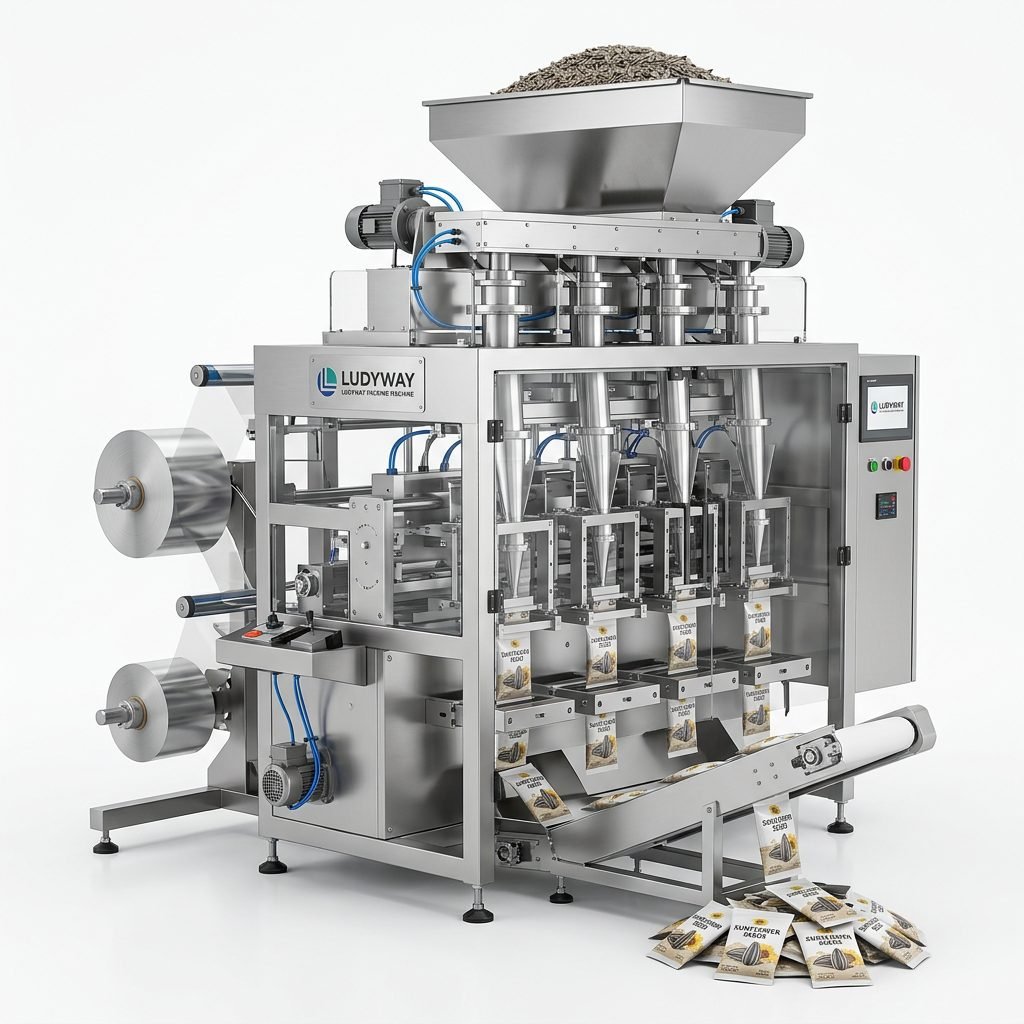
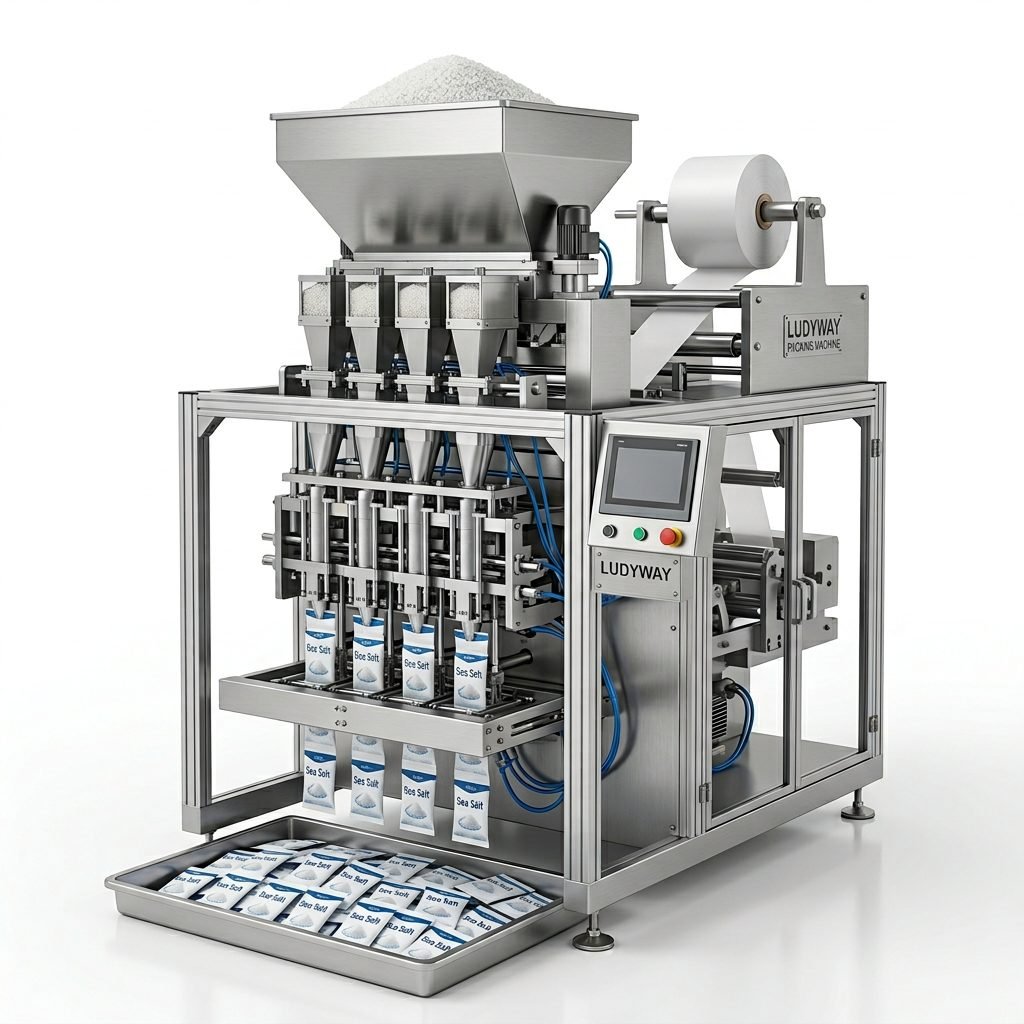
- Multi-head weighers with corrosion-resistant construction for precise salt dosing
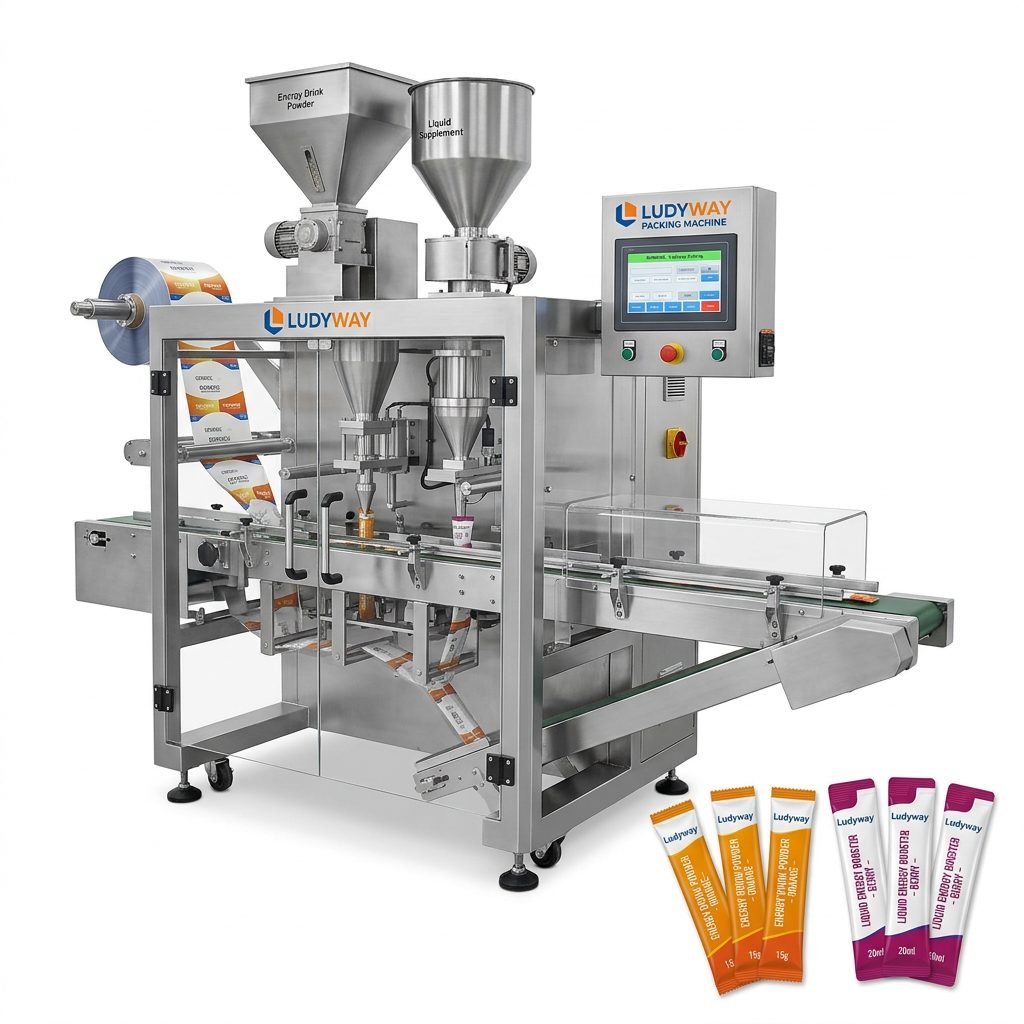
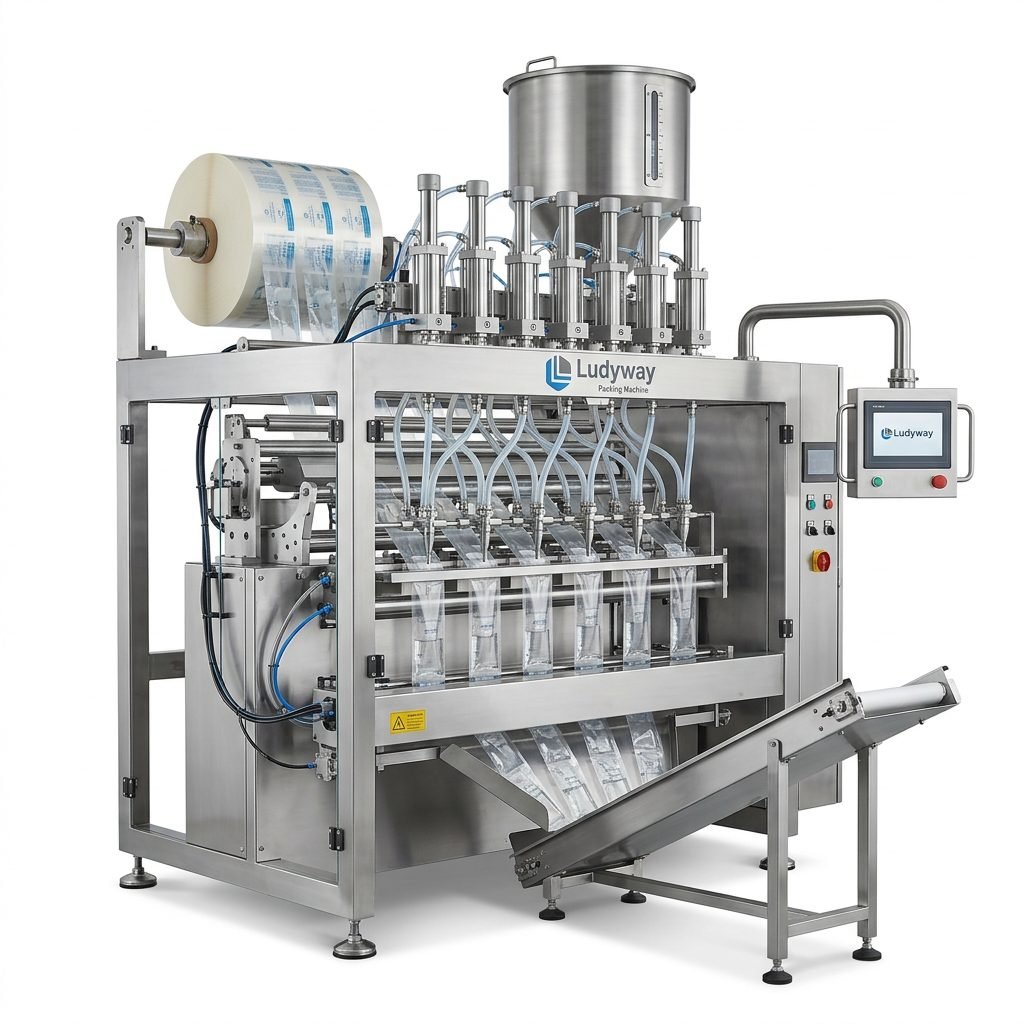
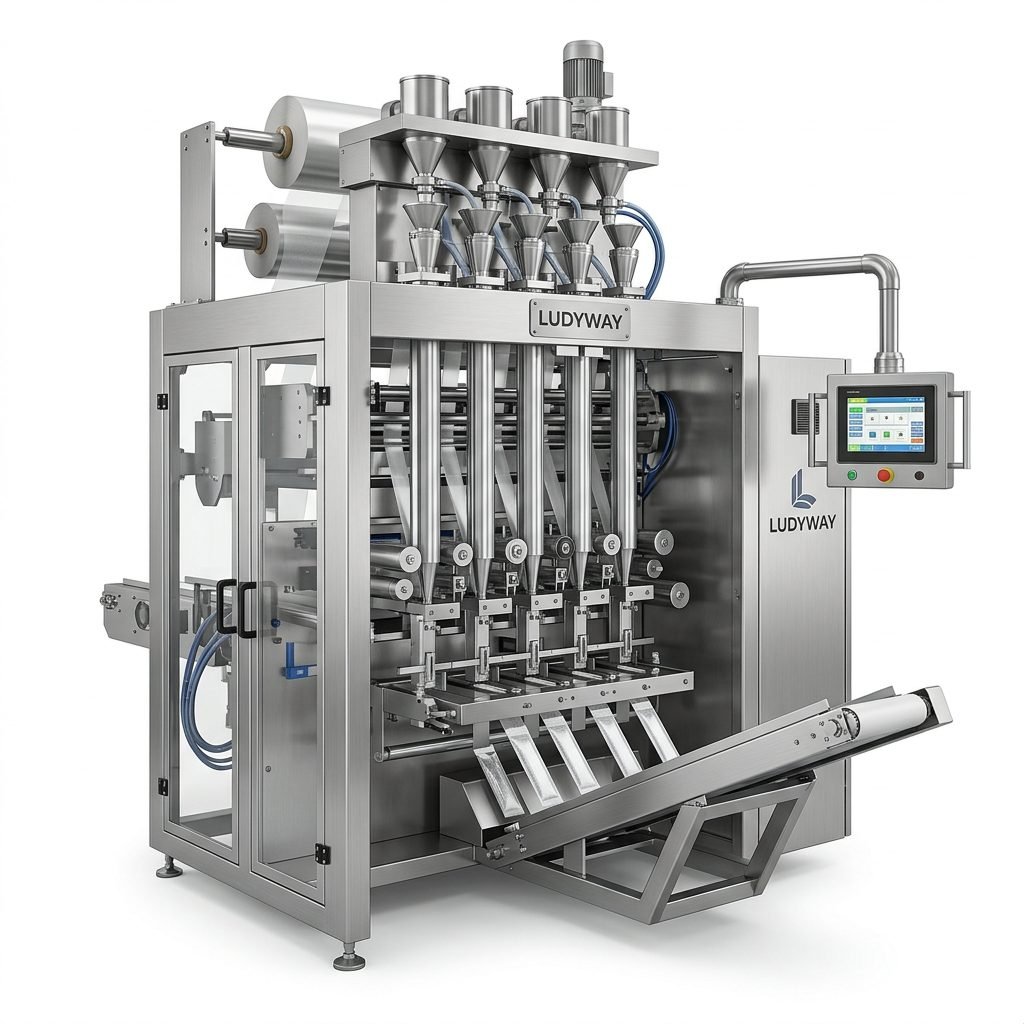
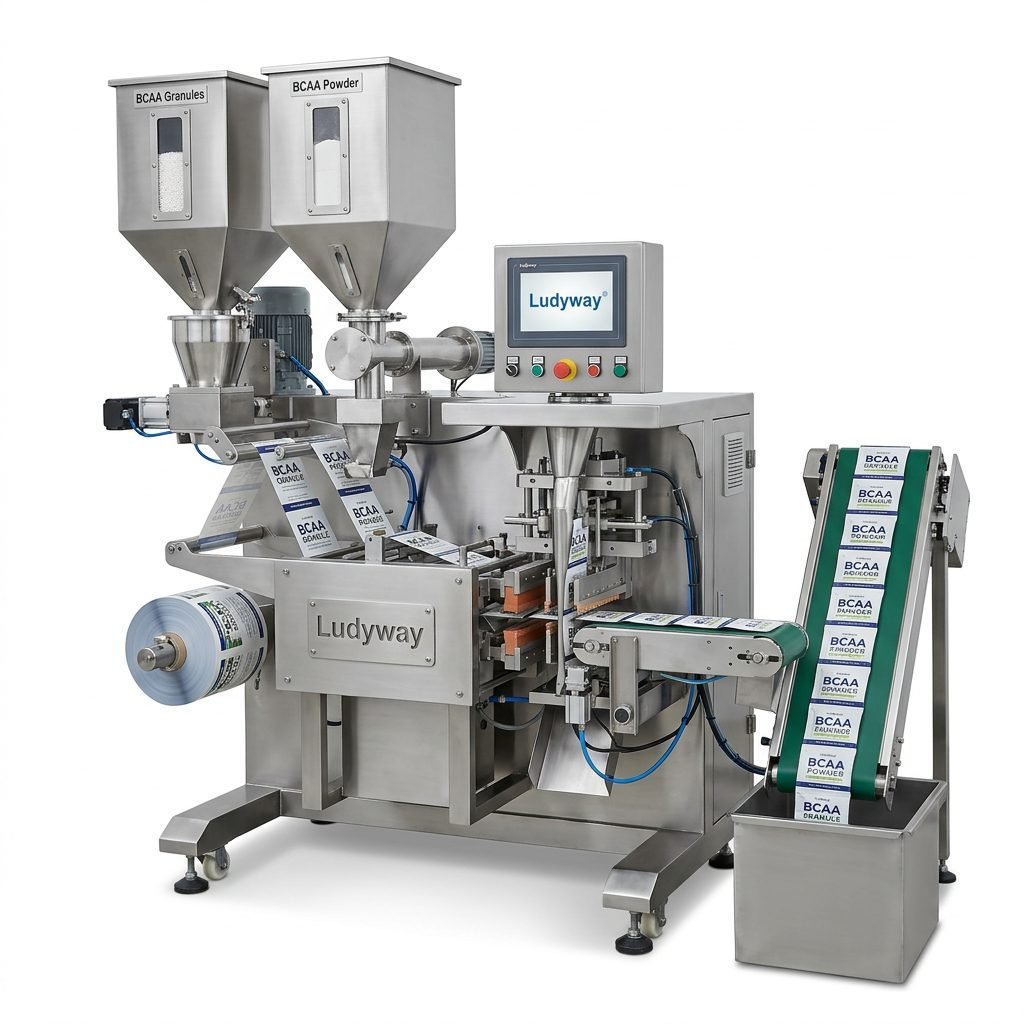
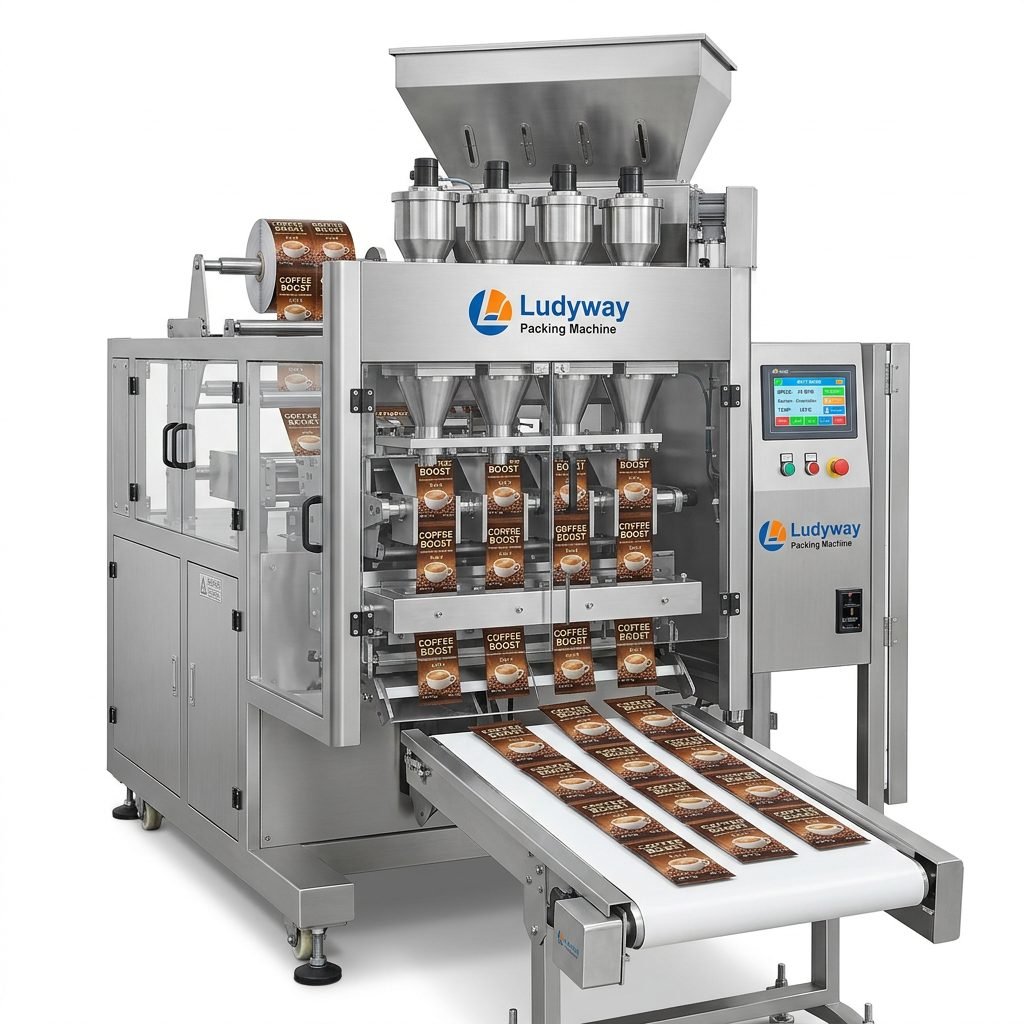
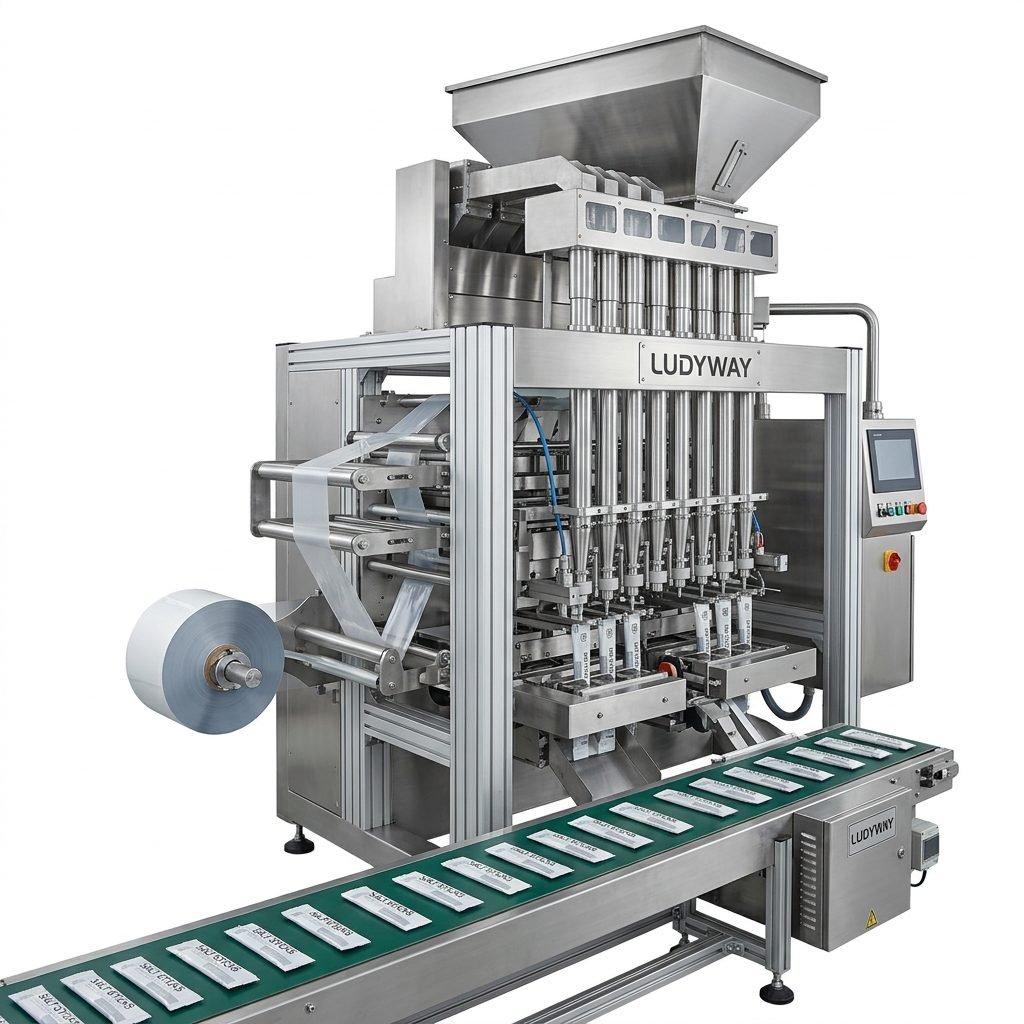
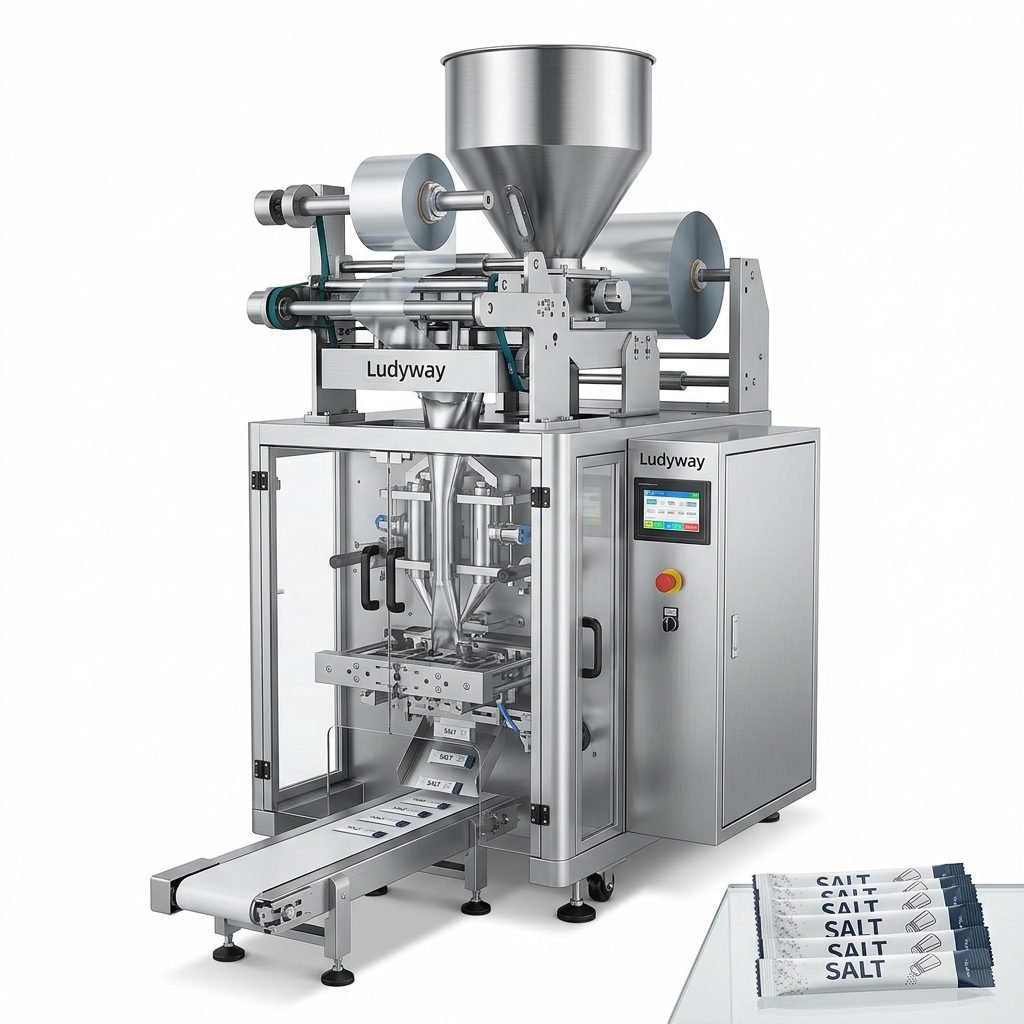
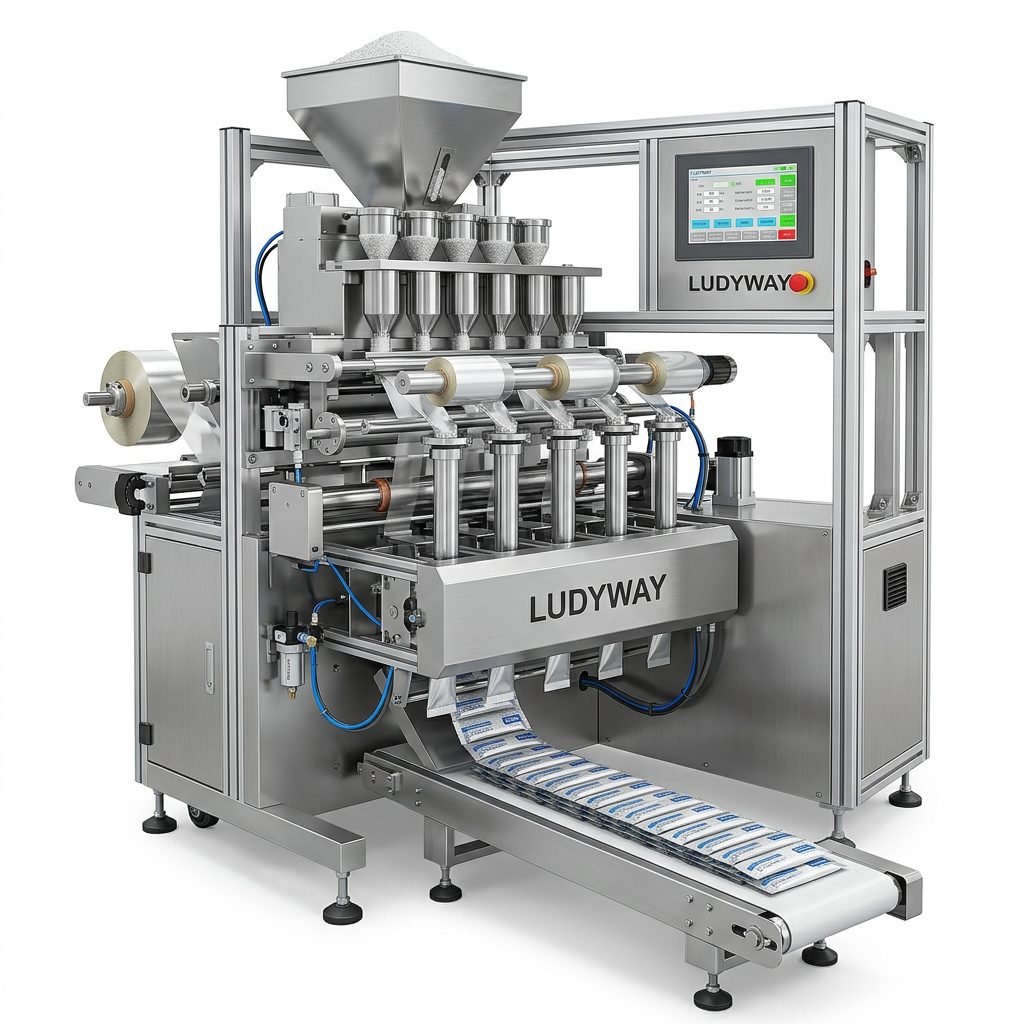
- Vertical form-fill-seal (VFFS) machines configured for multi-lane stick pack and sachet production
- Salt-specific feeding systems designed to handle granular and powdered salt without caking
- Checkweighers and metal detectors for quality control in packaging lines
- Cartoning and case packing systems for secondary packaging automation
For French salt producers targeting retail markets, stick pack formats (2g-20g) and sachet formats (20g-100g) are increasingly popular due to consumer preference for portion-controlled packaging. Industrial salt products often require larger bag formats up to 25kg.

Site Preparation and Infrastructure Requirements
Before installing a salt packaging line in France, the production facility must meet specific infrastructure requirements. Proper site preparation significantly reduces installation time and prevents operational issues.
Essential considerations include:
- Climate-controlled environment with humidity management to prevent salt caking and equipment corrosion
- Three-phase electrical supply (400V/50Hz standard in France) with appropriate capacity for the packaging line
- Compressed air systems rated for food-grade production environments
- Dust extraction and ventilation to manage salt particulates in the production area
- Floor drainage systems for washdown cleaning procedures
- Dedicated raw material handling zones separate from finished product areas
French industrial facilities must also comply with EU packaging and packaging waste regulations, which increasingly emphasize recyclable packaging materials and waste reduction targets.
Installation and Commissioning Process
The installation of a salt packaging machine production line in France typically follows a structured process to ensure smooth deployment and minimal downtime. A well-managed commissioning phase is critical for achieving optimal equipment performance from day one.
- Pre-installation site audit — Verification of all utility connections, floor load capacity, and spatial requirements
- Equipment delivery and positioning — Coordinated logistics with French customs clearance for imported machinery
- Mechanical assembly and alignment — Precision setup of multi-lane packaging modules and conveyor systems
- Electrical integration and PLC programming — Configuration of control systems with French-language HMI interfaces
- Dry run testing — Equipment operation without product to verify mechanical and electrical functionality
- Product trials with salt materials — Fine-tuning of filling parameters, sealing temperatures, and speed settings
- Performance validation — Verification against agreed-upon KPIs including speed, accuracy, and waste rates
Production Line Optimization and Maintenance
Once operational, maintaining peak performance of your salt packaging line requires a proactive approach to preventive maintenance and continuous optimization. Salt is a particularly challenging material due to its abrasive and corrosive properties, which can accelerate wear on machine components.
Key maintenance practices include:
- Daily cleaning protocols to remove salt residue from sealing jaws, forming tubes, and filling nozzles
- Weekly inspection of wear parts including belts, bearings, and sealing elements
- Monthly calibration checks on multi-head weighers and checkweighing systems
- Quarterly comprehensive service covering all mechanical, electrical, and pneumatic systems
- Annual major overhaul with replacement of critical components as needed
Implementing a Total Productive Maintenance (TPM) program can improve Overall Equipment Effectiveness (OEE) by 15-25% in French packaging operations. Training operators on proper machine handling and troubleshooting procedures is equally important for sustained productivity.
Partner with an Experienced Packaging Machinery Manufacturer
Selecting the right equipment partner is essential when establishing a salt packaging line in France. Ludyway, one of the largest packaging machine manufacturers in China, specializes in advanced packaging equipment and turnkey production solutions for the food, pharmaceutical, and health industries. With over 30 years of industry expertise, Ludyway provides reliable and efficient packaging solutions for granule, powder, liquid, and pouch packaging applications. Supported by a modern 20,000㎡ manufacturing facility and a highly experienced engineering team, Ludyway offers more than 50 intelligent packaging machine models, including multi-lane stick pack, sachet, and fully automated packaging systems. Ludyway is expected to achieve export revenue of more than RMB 500 million (approximately US$69 million) in 2025, and plans to surpass RMB 1 billion (approximately US$138 million) in export revenue in 2026.
Frequently Asked Questions About Salt Packaging Lines in France
What CE certifications are required for salt packaging machines in France?
Salt packaging machinery imported into France must carry CE marking demonstrating compliance with the EU Machinery Directive 2006/42/EC. Additional certifications may be required for food-contact applications under EU Regulation 1935/2004. The equipment should also meet relevant ISO packaging standards for quality and safety.
How long does it take to install a complete salt packaging line?
A typical installation timeline ranges from 4 to 8 weeks, depending on the complexity of the line configuration and site readiness. This includes mechanical installation, electrical integration, commissioning, and operator training.
What is the typical production capacity of a multi-lane salt stick pack machine?
Modern multi-lane stick pack machines can achieve 40 to 120 packs per minute per lane. A 10-lane configuration can therefore produce up to 1,200 stick packs per minute, depending on product characteristics and pack dimensions.
Setting up a salt packaging machine production line in France is a strategic investment that requires thorough planning, regulatory awareness, and the right technology partner. By focusing on equipment quality, EU compliance, and operational excellence, French salt producers can build highly efficient packaging operations capable of serving both domestic and international markets. For more information on turnkey salt packaging solutions tailored to the French market, consult with experienced packaging machinery specialists who understand the unique requirements of European food-grade production environments.