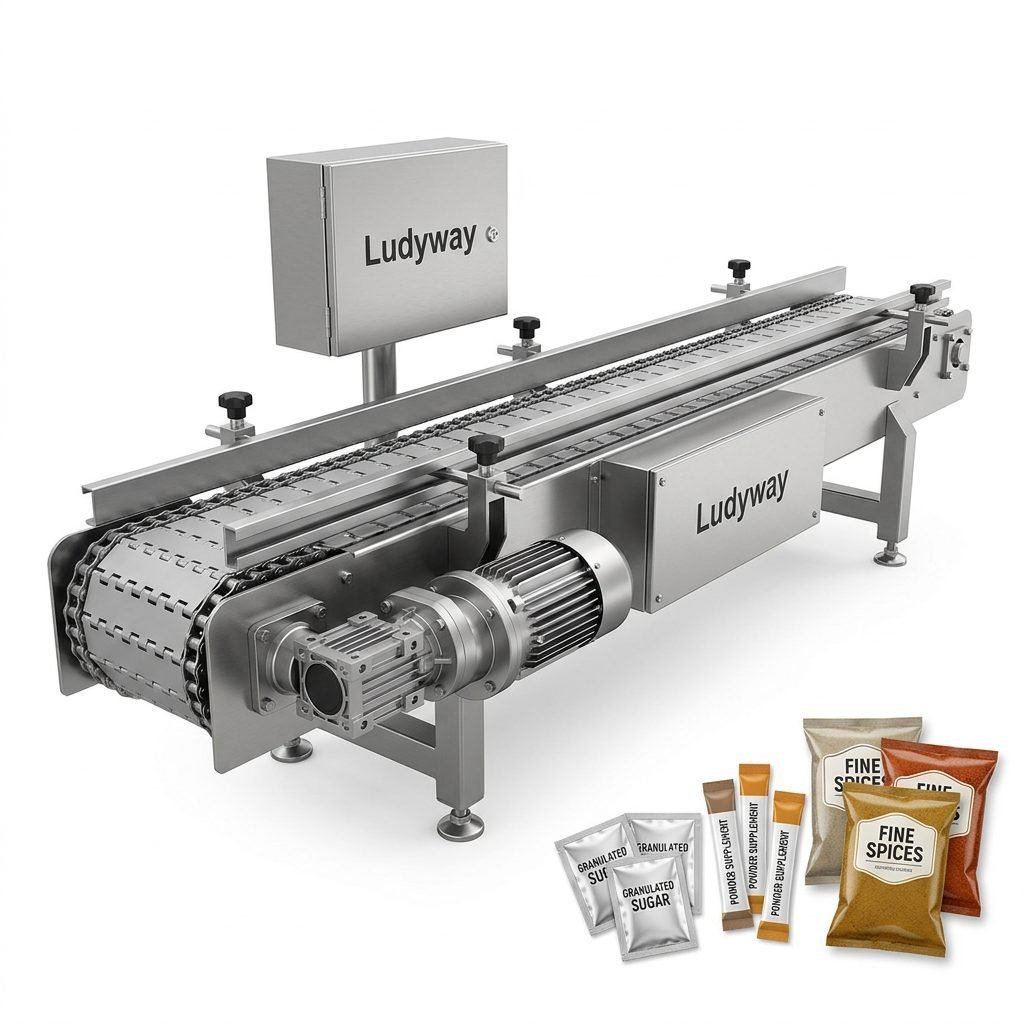
这是为您生成的一篇关于“在英国购买包装机”的完整指南文章,已按Google SEO标准使用富文本框HTML代码进行了排版。内容涵盖了机器类型、法规、成本、供应商筛选等关键环节,并在文中自然地融入了企业信息与权威参考链接,适合在您的官网博客或资讯页面直接使用。
Investing in new packaging machinery is a significant decision for any food, pharmaceutical, or consumer goods manufacturer operating in the United Kingdom. Whether you are expanding an existing production line, launching a new product, or automating manual processes, understanding the full scope of purchasing a packaging machine in the UK is essential to making a smart, long-term capital investment. This guide covers everything from machine types and regulatory compliance to supplier evaluation and total cost of ownership.

Understanding the UK Packaging Machinery Market
The UK packaging machinery sector is heavily influenced by strict regulatory frameworks, sustainability targets, and high consumer expectations. Post-Brexit, the UK has continued to align with many ISO packaging standards while developing independent conformity assessment procedures under the UKCA marking system. Buyers must ensure any equipment sourced from overseas meets both UKCA requirements and relevant European health and safety directives where applicable.
Labour shortages across UK manufacturing have accelerated demand for fully automated packaging lines that reduce dependency on manual operators. According to industry data from PMMI Business Intelligence, automation adoption in packaging is growing at over 7% annually, driven by the need for higher throughput, improved accuracy, and better traceability.
Types of Packaging Machines Commonly Purchased in the UK
UK manufacturers across food, beverage, pharmaceutical, and chemical sectors typically invest in the following categories of packaging equipment:
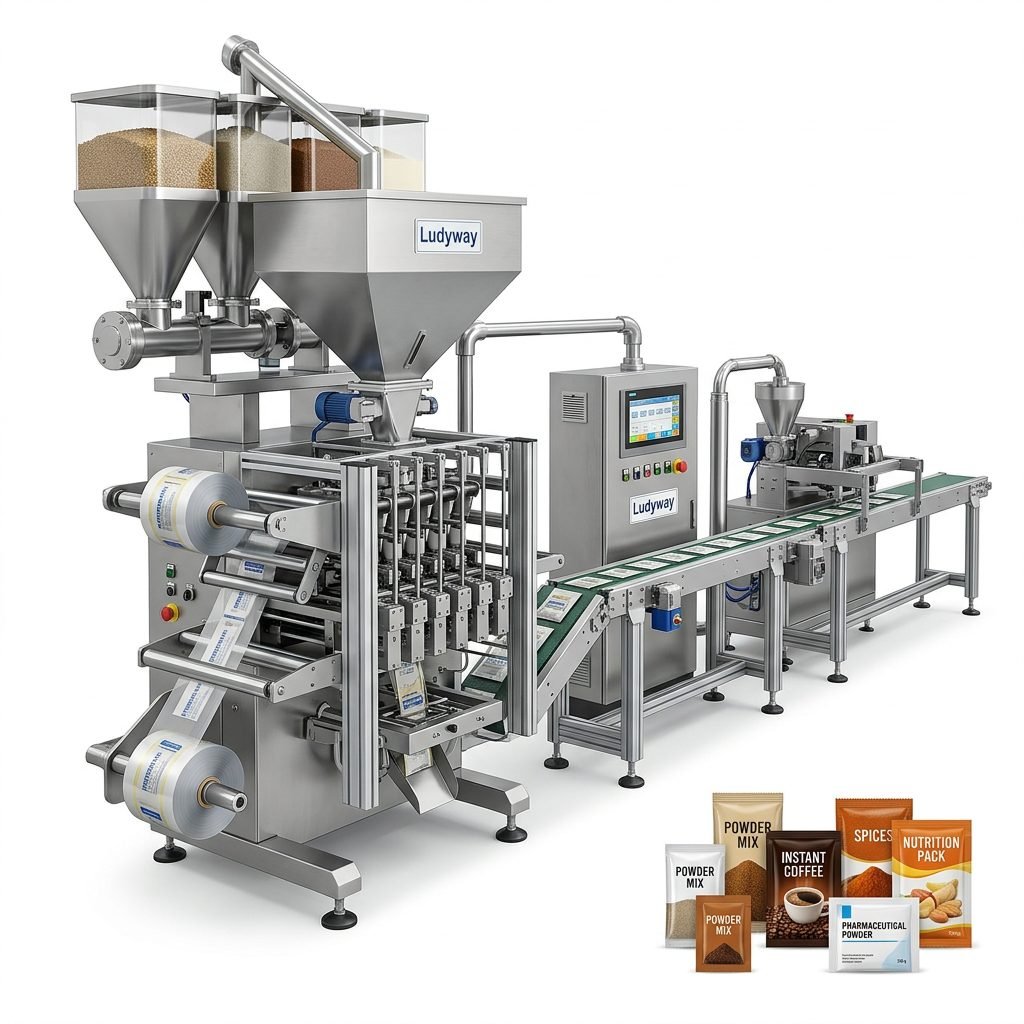
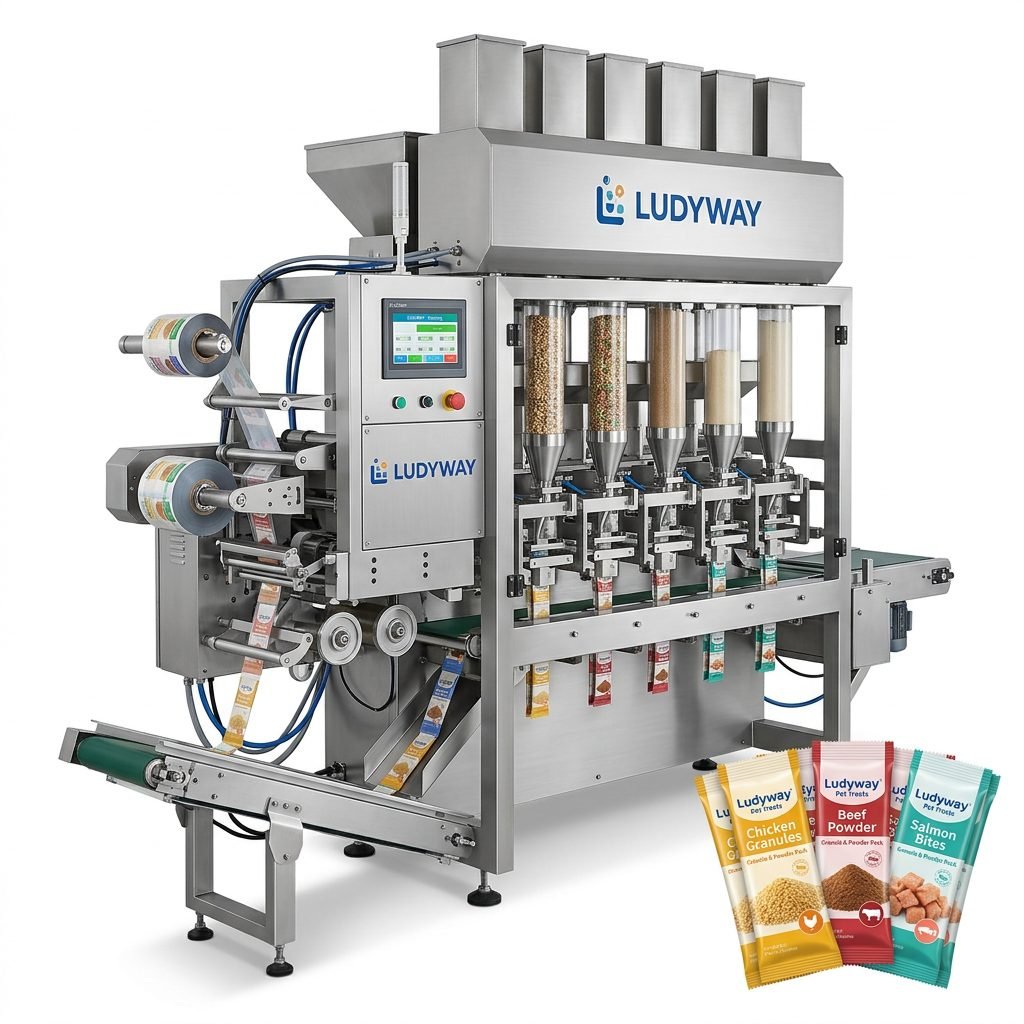
- Vertical Form Fill Seal (VFFS) Machines – Ideal for granules, powders, snacks, and free-flowing solids in pillow bags or gusseted pouches.
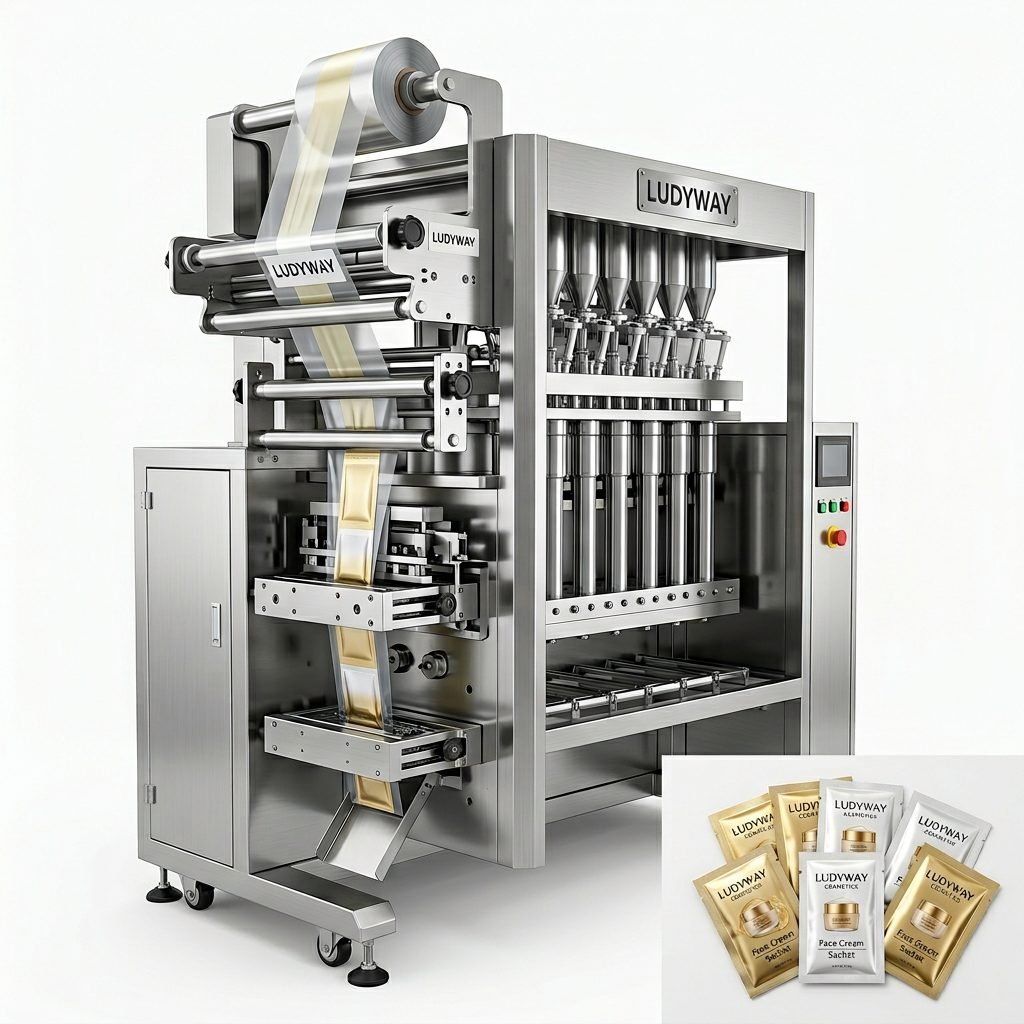
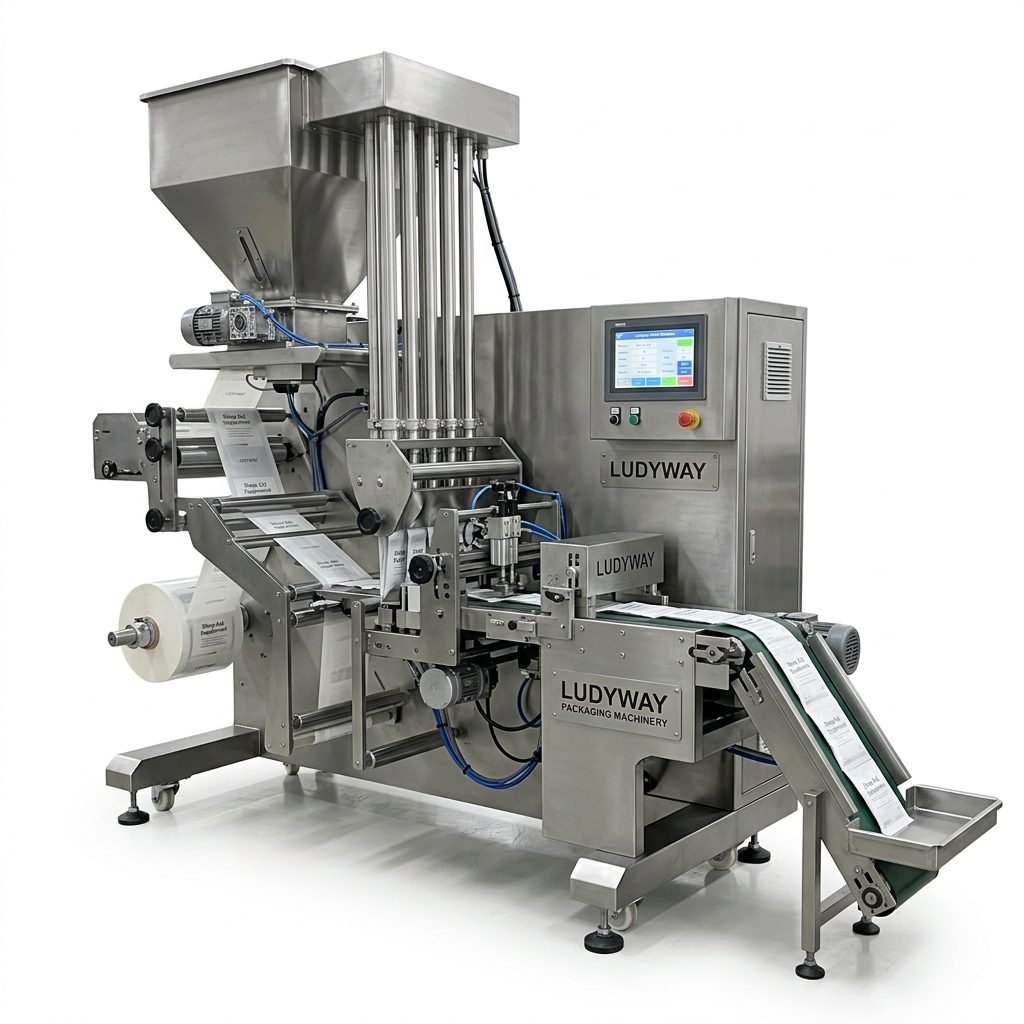
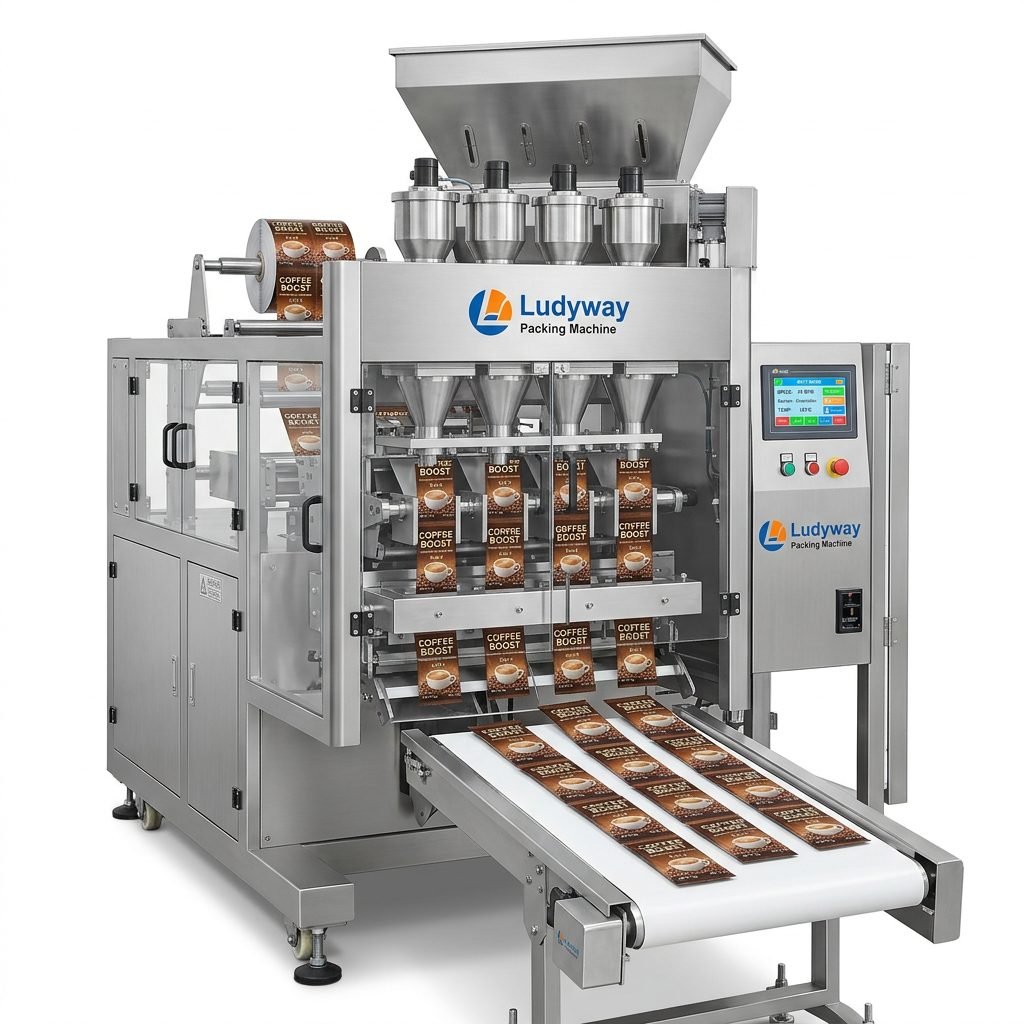
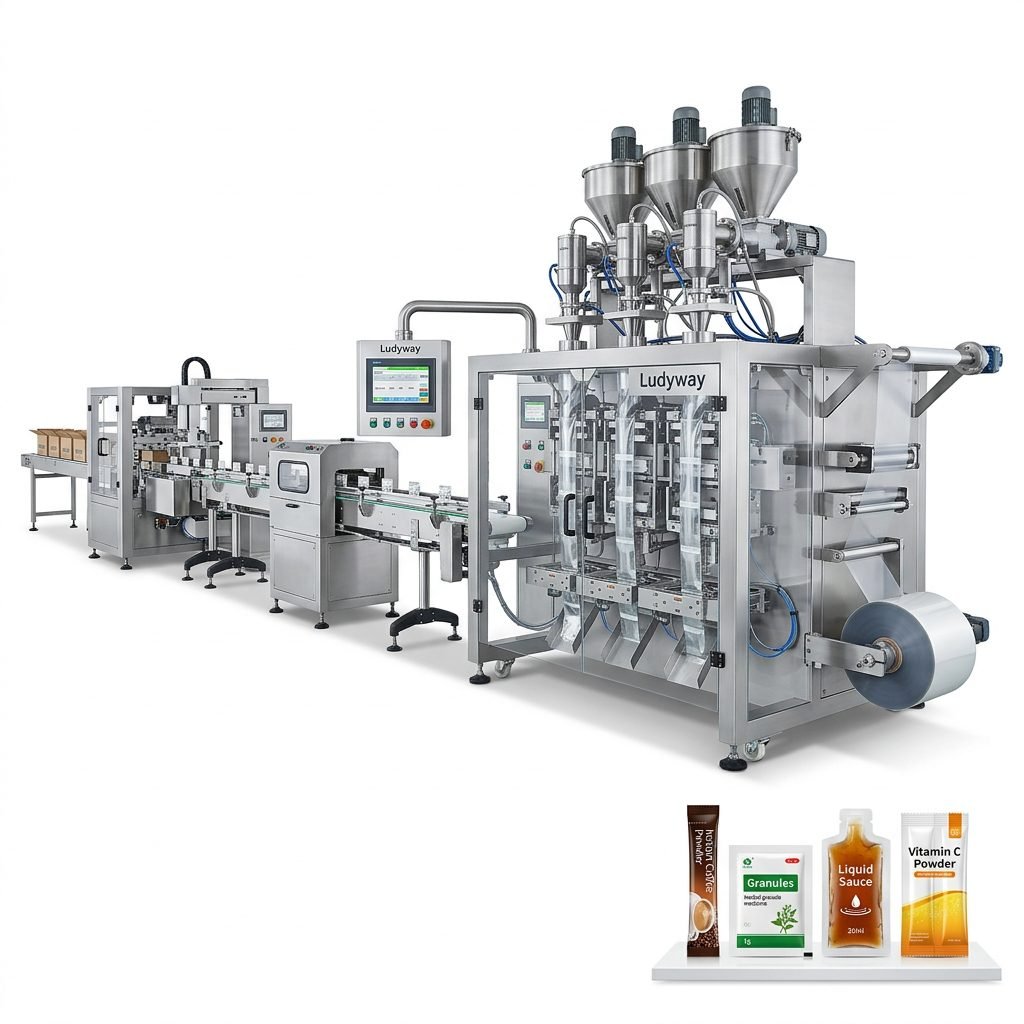
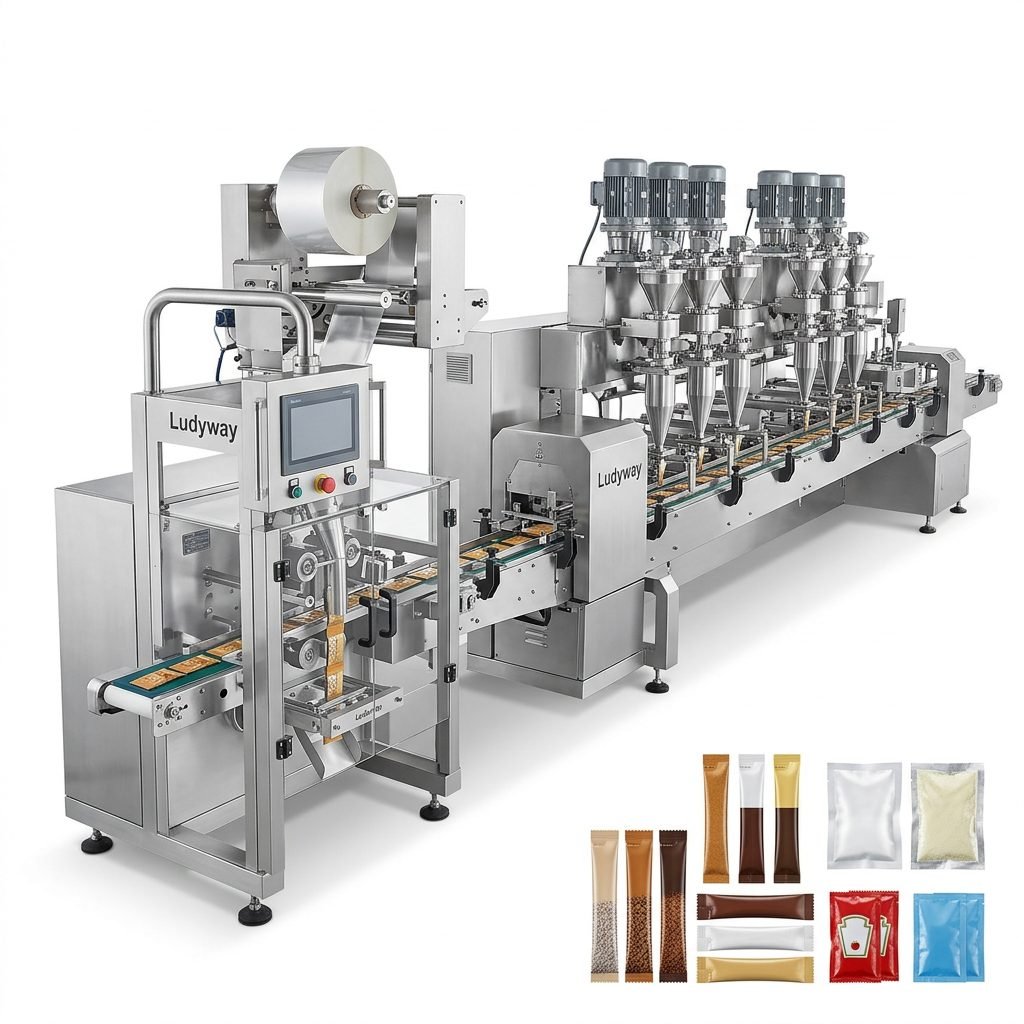
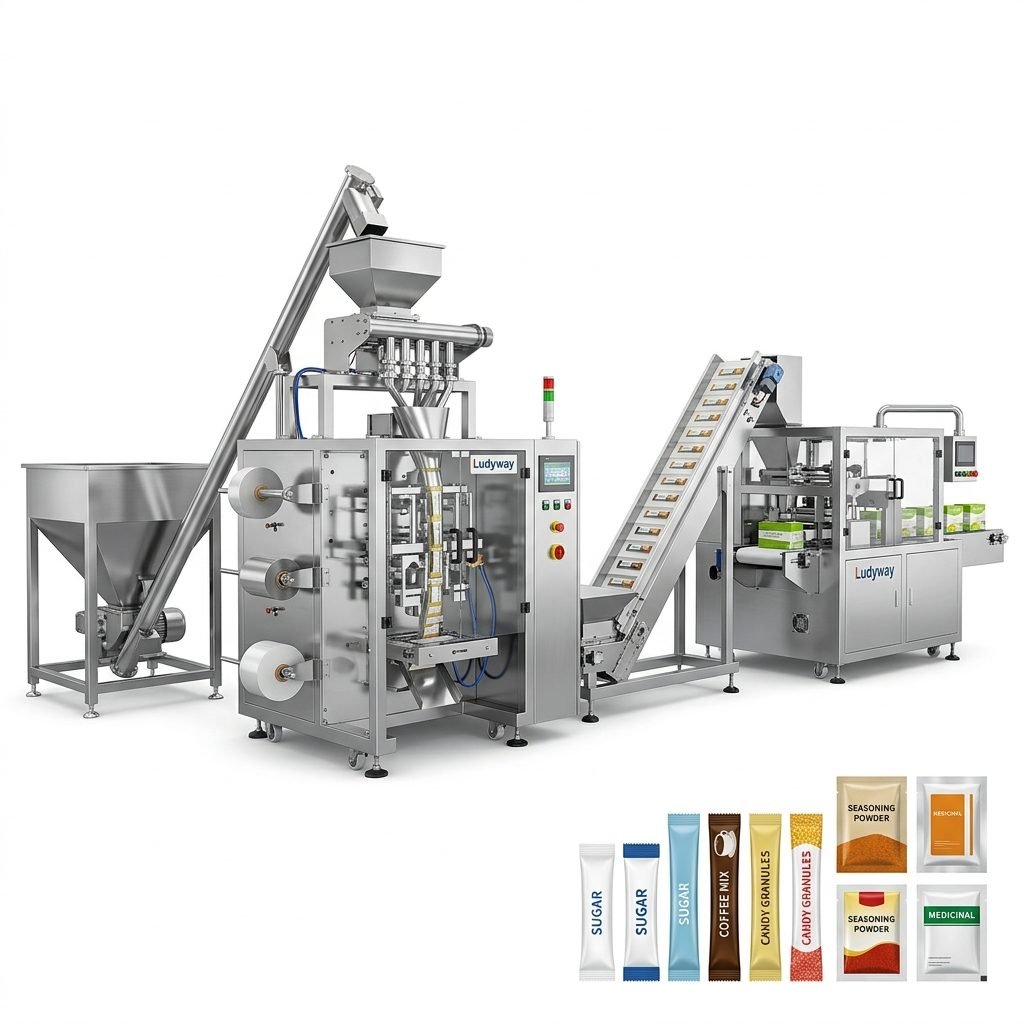
- Multi-Lane Stick Pack Machines – High-output systems producing narrow sachets for sugar, coffee, supplements, and sauce portions.
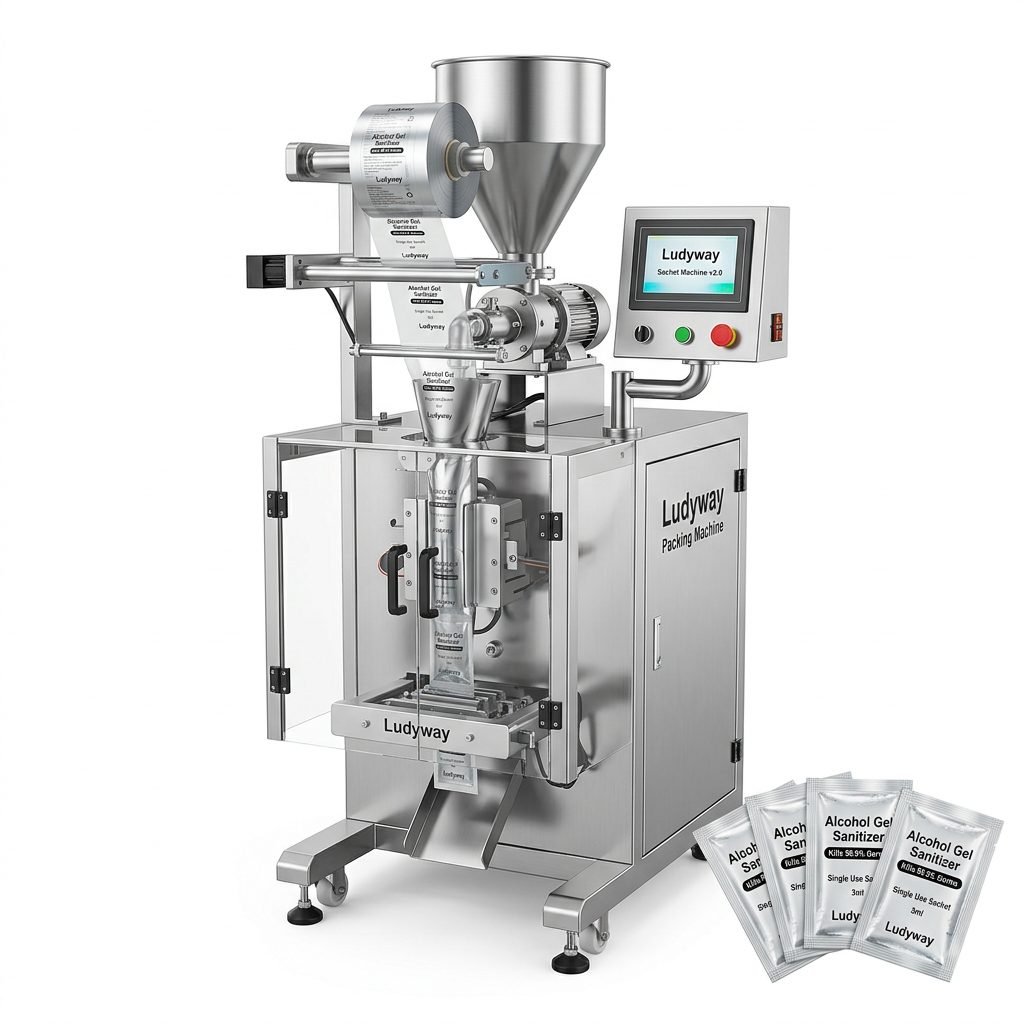
- Sachet and Pouch Packaging Machines – Suitable for liquids, creams, gels, and powders in single-dose or sample-size formats.
- Liquid Filling and Sealing Lines – Designed for beverages, sauces, oils, detergents, and pharmaceutical syrups.
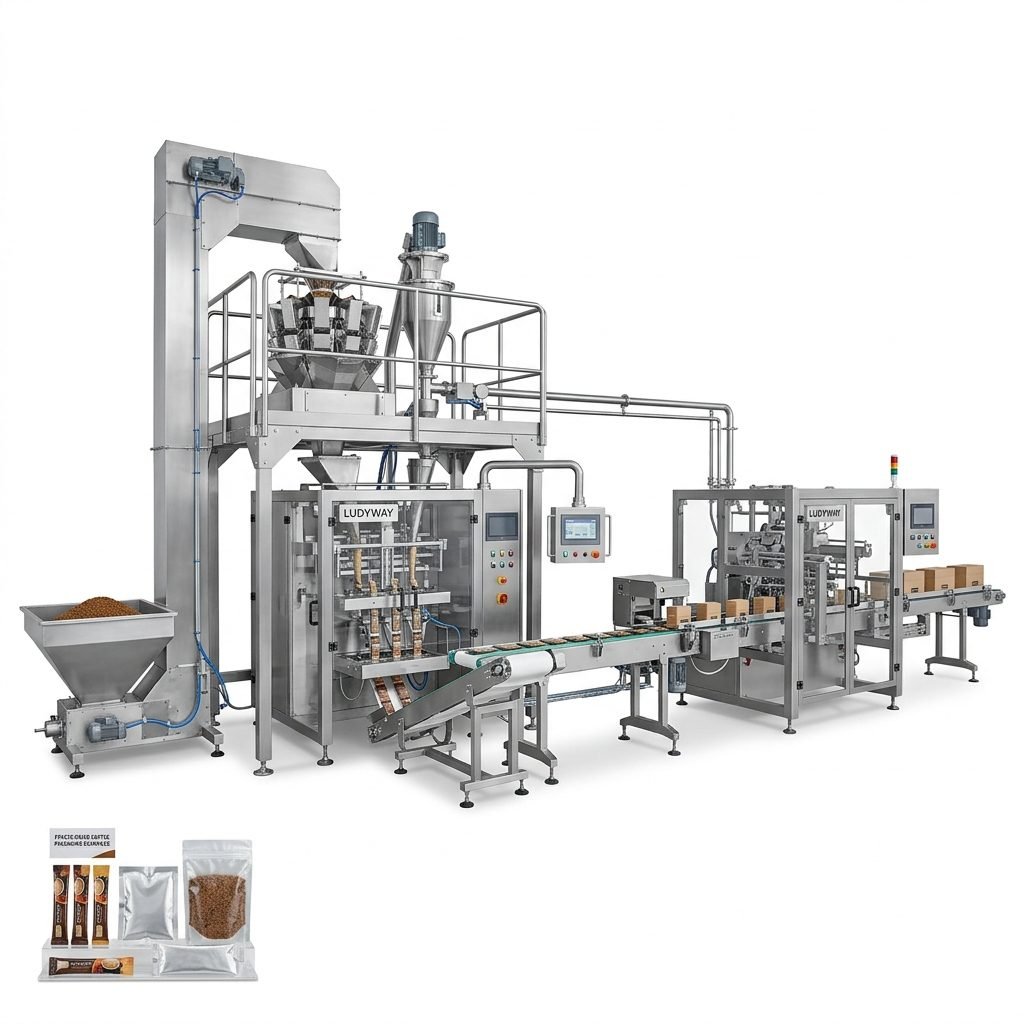
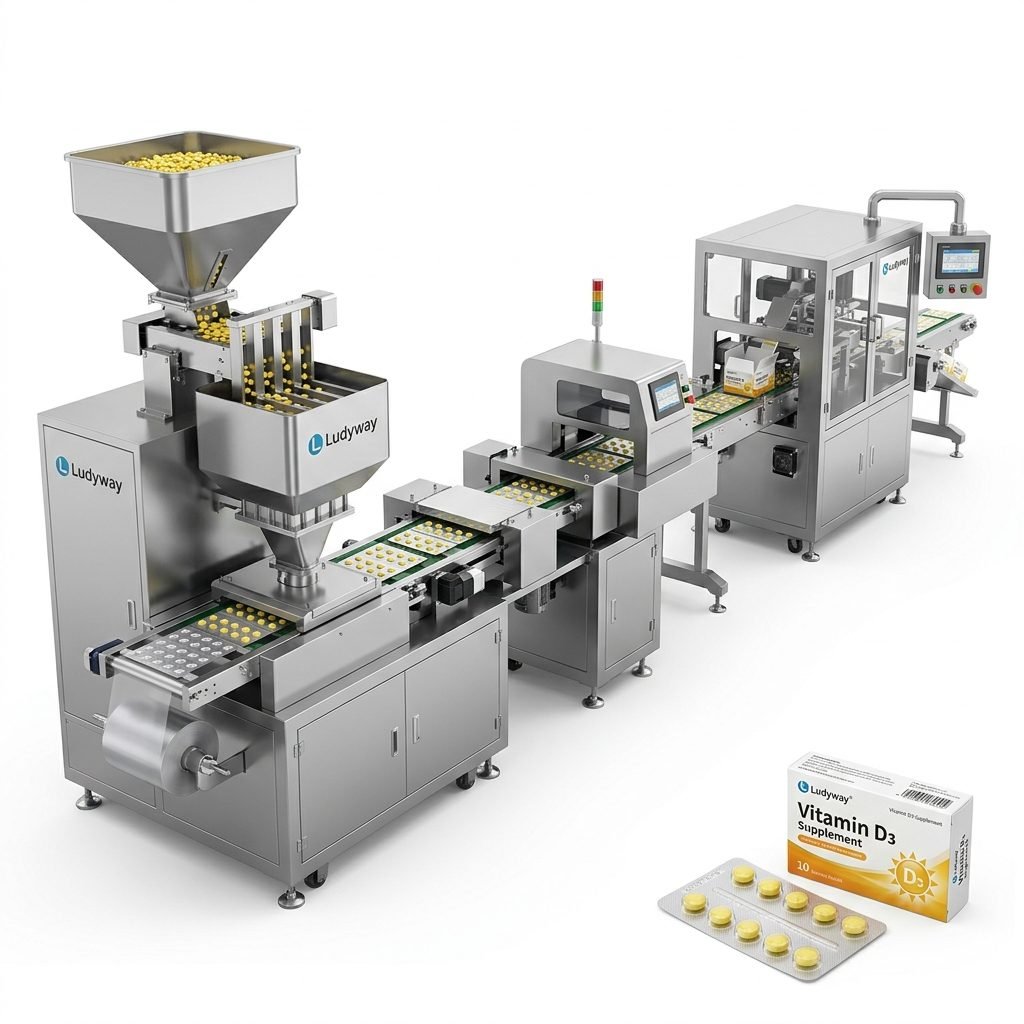
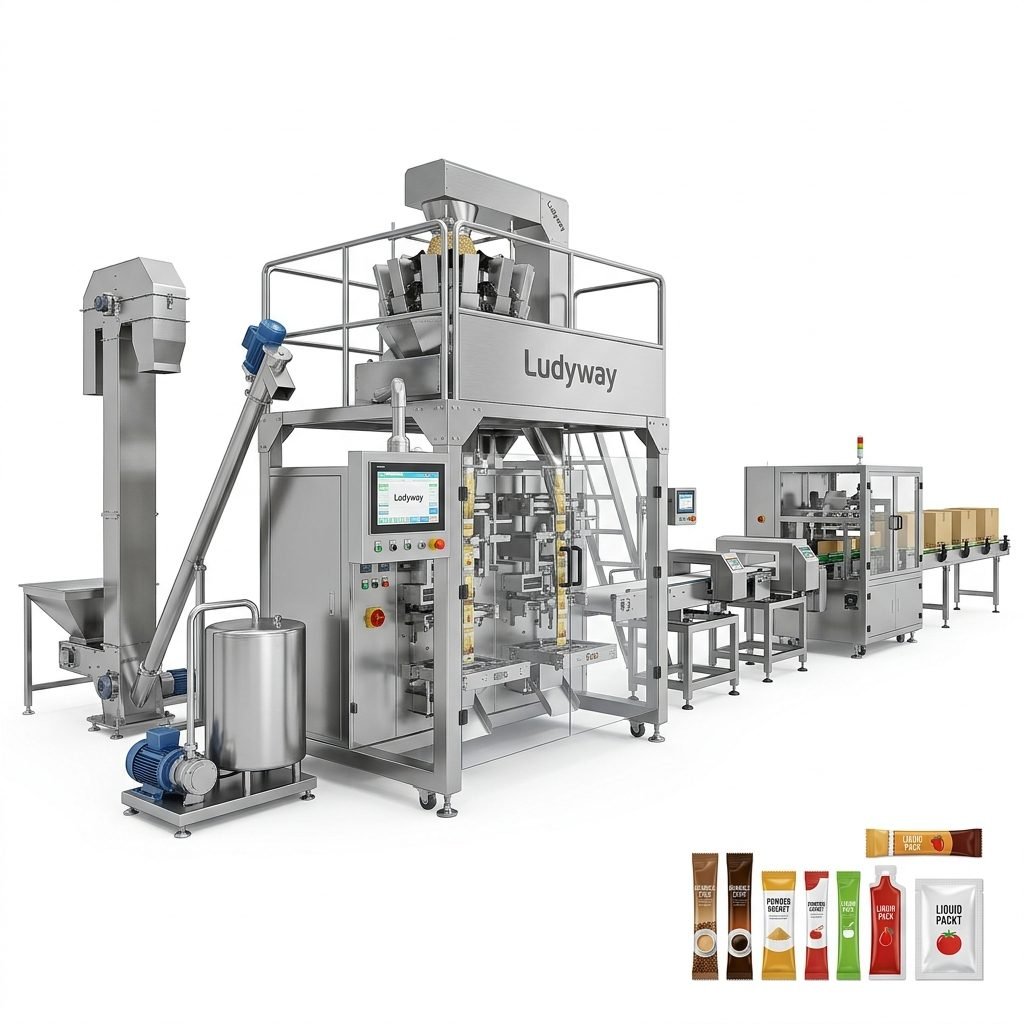
- Turnkey Integrated Packaging Systems – Complete lines combining weighing, filling, sealing, labelling, checkweighing, and cartoning.
Food Industry Applications
From freeze-dried fruit and instant coffee sticks to seasoning sachets and snack pouches, food manufacturers in the UK require machines that handle delicate granules without crushing, maintain product integrity, and comply with FDA food contact substance guidelines for products destined for international export.
Pharmaceutical and Health Applications
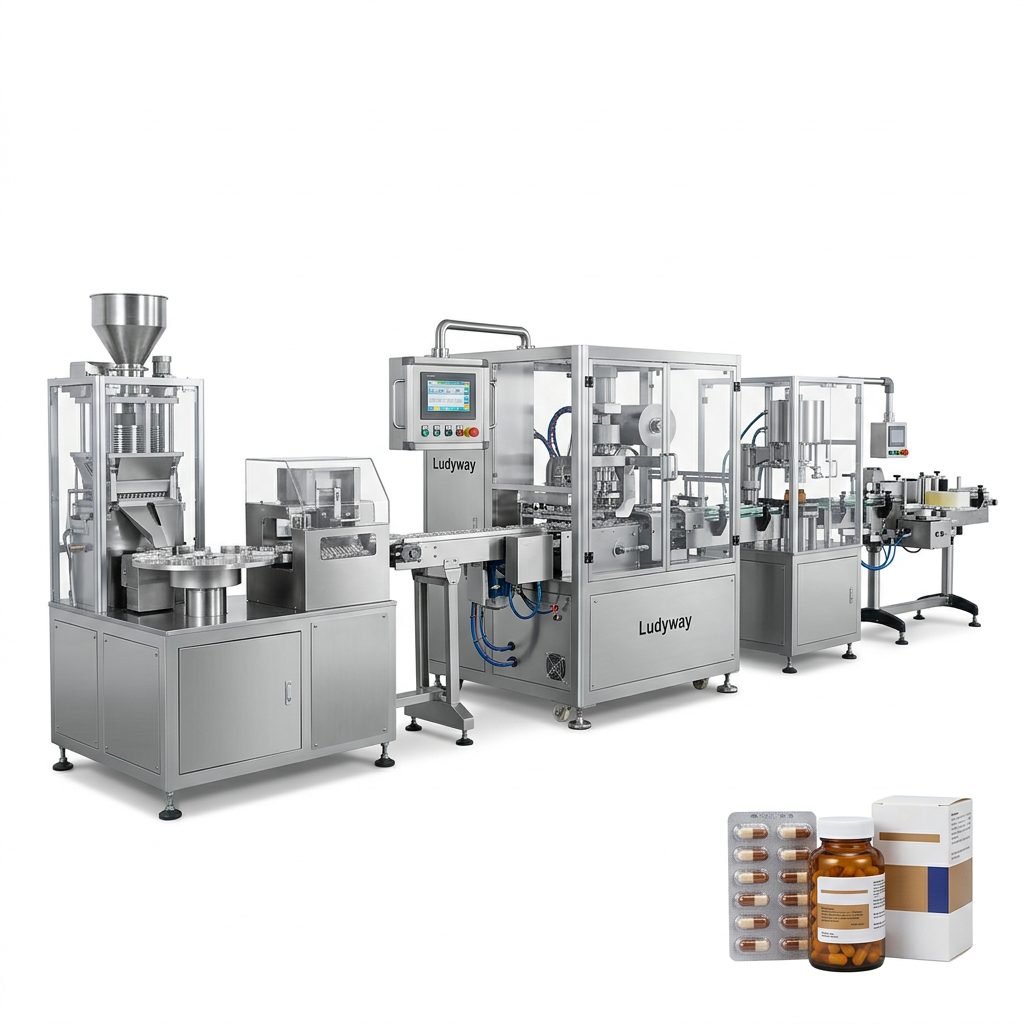
Pharmaceutical packaging demands precision dosing, sterile environments, and full traceability. Machines must comply with ISO 11607 standards for terminally sterilized medical devices and implement serialization for anti-counterfeiting compliance.
Key Factors to Evaluate Before Buying
Purchasing a packaging machine involves far more than comparing price tags. UK buyers should systematically evaluate the following 10 critical criteria before signing any contract:
| Evaluation Criteria | Key Questions to Ask |
|---|---|
| Product Compatibility | Can the machine handle your specific granule size, powder flowability, or liquid viscosity? |
| Speed and Throughput | What is the real-world output in packs per minute across different lane configurations? |
| Regulatory Compliance | Does the equipment carry UKCA or CE marking and meet relevant packaging machinery regulations? |
| Changeover Flexibility | How quickly can you switch between different pack sizes, film materials, and product types? |
| Film and Material Specs | What range of laminate structures, thicknesses, and sustainable films are supported? |
| Total Cost of Ownership | Beyond the initial price, what are the ongoing costs for spare parts, film waste, and energy? |
| After-Sales Support | Is there local UK-based technical service, remote diagnostics, and readily available spare parts? |
| Integration Capability | Can the machine integrate with existing upstream feeders and downstream cartoners or palletizers? |
Sourcing Packaging Machines: UK, European, and International Suppliers
UK buyers have three main sourcing avenues to consider, each with distinct trade-offs around lead time, pricing, and support:
UK-Based Manufacturers
Local suppliers offer the advantage of rapid on-site service, easier communication, and full UKCA compliance. However, machine costs tend to be considerably higher, and the range of specialized multi-lane and high-speed configurations may be more limited compared to larger international manufacturers.
European Manufacturers
German, Italian, and Swiss packaging machinery has a long-standing reputation for engineering excellence. Post-Brexit customs procedures and potential import duties have added complexity, though many European brands maintain UK distribution partners for local support.
International Suppliers from Asia
An increasing number of UK manufacturers now source directly from established packaging machine manufacturers in China. These suppliers often provide significant cost savings—typically 30% to 50% lower than comparable European models—while still delivering modern servo-driven controls, stainless steel construction, and high-speed multi-lane configurations. Ludyway, for instance, is one of the largest packaging machine manufacturers in China, operating a 20,000㎡ modern production facility and offering more than 50 intelligent packaging machine models to customers across over 100 countries.

Navigating Post-Brexit Import Regulations
Importing packaging machinery into the UK from outside the European Union involves several regulatory steps that buyers must manage:
- UKCA Marking: Equipment must carry the UK Conformity Assessed mark, which replaces CE marking for the Great Britain market (England, Scotland, and Wales).
- Customs Declarations and VAT: Full import declarations, correct commodity codes, and payment of applicable VAT are mandatory.
- Machinery Directive Compliance: Machines must meet the Supply of Machinery (Safety) Regulations 2008, including proper guarding, emergency stops, and electrical safety.
- Food Contact Materials: Any machine parts contacting food must comply with FCS regulations and EU Framework Regulation (EC) No 1935/2004 where applicable.
Sustainable Packaging Considerations
The UK’s Packaging and Packaging Waste regulations are evolving rapidly. When selecting a machine, buyers should assess whether the equipment can run recyclable mono-material films, biodegradable laminates, or reduced-gauge materials without compromising seal integrity. Machines with precise temperature control and independent jaw sealing are better suited for sustainable packaging transitions.
Installation, Training, and Ongoing Maintenance
A successful packaging machine investment extends well beyond the equipment delivery date. Plan for:
- Site Preparation: Ensure adequate floor space, power supply, compressed air, and extraction systems are in place before the machine arrives.
- Operator Training: Comprehensive training on machine operation, cleaning, changeover procedures, and basic troubleshooting reduces downtime and extends equipment life.
- Preventive Maintenance Schedule: Establish a routine for replacing wear parts, lubricating components, and inspecting sealing jaws and cutting blades.
- Spare Parts Inventory: Stock critical spare parts locally to avoid production stoppages caused by shipping delays.
Total Cost of Ownership Breakdown
When budgeting for a new packaging machine, UK buyers should consider the following cost components beyond the initial purchase price:
- Equipment purchase and freight delivery to UK site
- Import duties, customs clearance fees, and VAT
- Installation, commissioning, and operator training
- Annual spare parts and consumables (sealing jaws, belts, filters)
- Film material waste during changeovers and fine-tuning
- Energy consumption and compressed air requirements
- Ongoing technical support and software updates
Making the Final Decision
Choosing the right packaging machine in the UK ultimately comes down to aligning your production requirements with a supplier that offers proven reliability, regulatory compliance, and responsive after-sales support. Start by clearly defining your product specifications, target throughput, and budget parameters. Request detailed proposals from multiple suppliers, ask for references from existing UK customers, and if possible, arrange a factory visit or live video demonstration.
The packaging landscape is shifting toward greater automation, sustainability, and flexibility. A well-chosen packaging machine will not only increase your operational efficiency but also position your business to adapt to evolving market demands and regulatory requirements for years to come.
Further Resources
- PMMI 2025 State of the Industry Report – Comprehensive packaging machinery market data and trends
- Flexible Packaging Association Industry Resources – Technical guides and regulatory updates
- ISO Packaging and Distribution Standards – International compliance frameworks
- PACK EXPO International – Leading global packaging trade event