Investing in an automatic masala packing machine is a significant decision for any spice manufacturer. The right equipment can dramatically improve production efficiency, ensure consistent package quality, and reduce long-term operational costs. However, with so many machine types, configurations, and suppliers available, making the wrong choice can lead to costly downtime, inaccurate filling, and packaging material waste.
This comprehensive buyer’s guide walks you through every critical factor to evaluate before purchasing a masala packaging machine, helping you match the right technology to your product characteristics, production goals, and budget requirements.
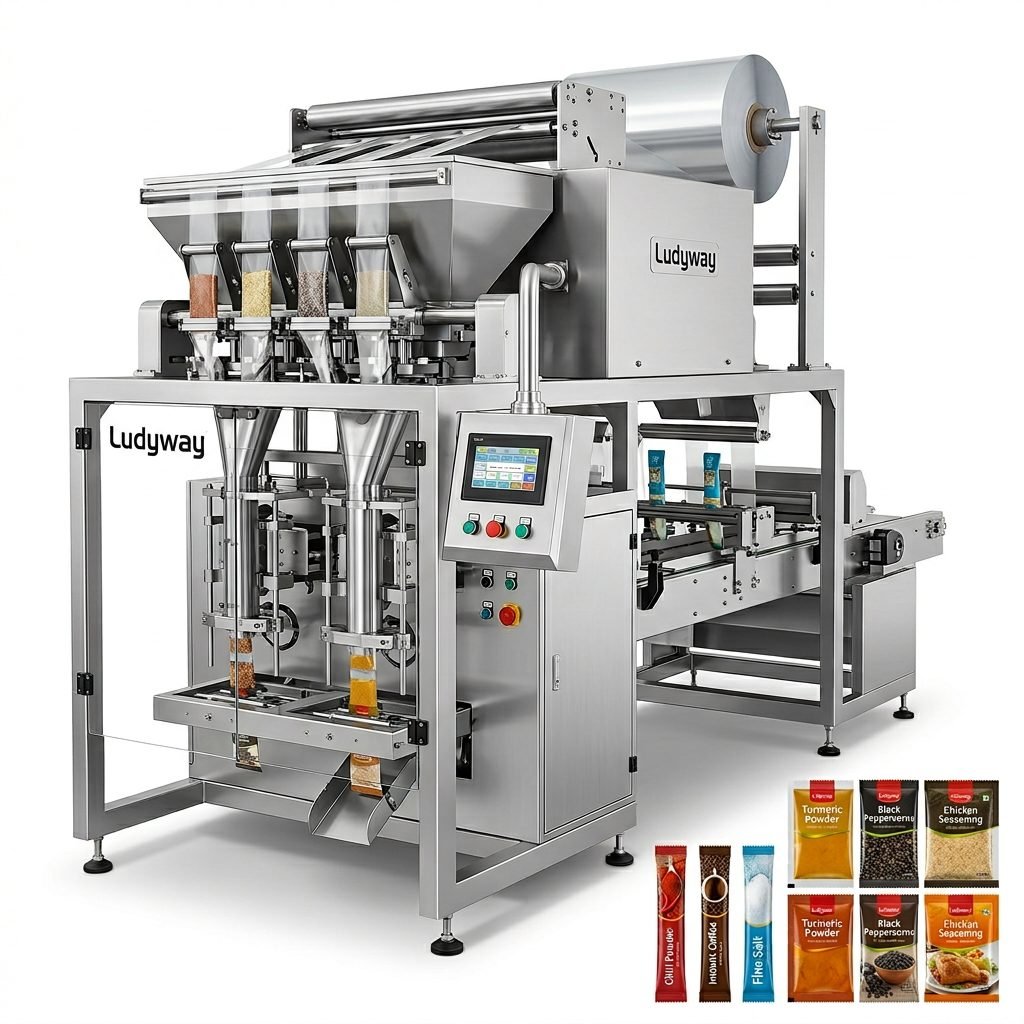
Understanding Masala Powder Characteristics Before Selecting a Machine
Masala powders are not all the same. Different spice blends have unique physical properties that directly impact how they flow, fill, and seal within a packaging machine. Evaluating these product characteristics is the first and most important step in choosing the right automatic masala packing machine.
Particle Size and Flowability
Masala blends can range from fine powders like turmeric and chili to coarser granular mixes such as garam masala or curry blends. Fine powders tend to be hygroscopic and cohesive, meaning they may clump, bridge, or stick to machine surfaces. Coarser granules generally flow more freely but may require different dosing mechanisms. The filling system you choose must be compatible with your product’s particle size distribution.
For an overview of how packaging machinery handles different material types, the PMMI packaging industry resources provide valuable technical guidance on filling technologies and material compatibility.
Moisture Sensitivity and Hygroscopicity
Many masala powders absorb moisture from the air quickly. This hygroscopic nature can cause product to cake inside hoppers, clog filling nozzles, and compromise seal integrity if powder dust settles in the sealing area. Machines designed for masala packaging should feature sealed product contact zones, and depending on your product’s sensitivity, you may need optional features such as dehumidified air purging or nitrogen flushing systems.
Bulk Density Variations
Different masala blends have different bulk densities. A machine calibrated for one density may deliver inaccurate fill weights for another. Volumetric cup fillers work well for consistent-density products, while auger fillers or multi-head weighers provide better accuracy for products with density variations. Understanding your product’s density range helps determine the optimal dosing technology.
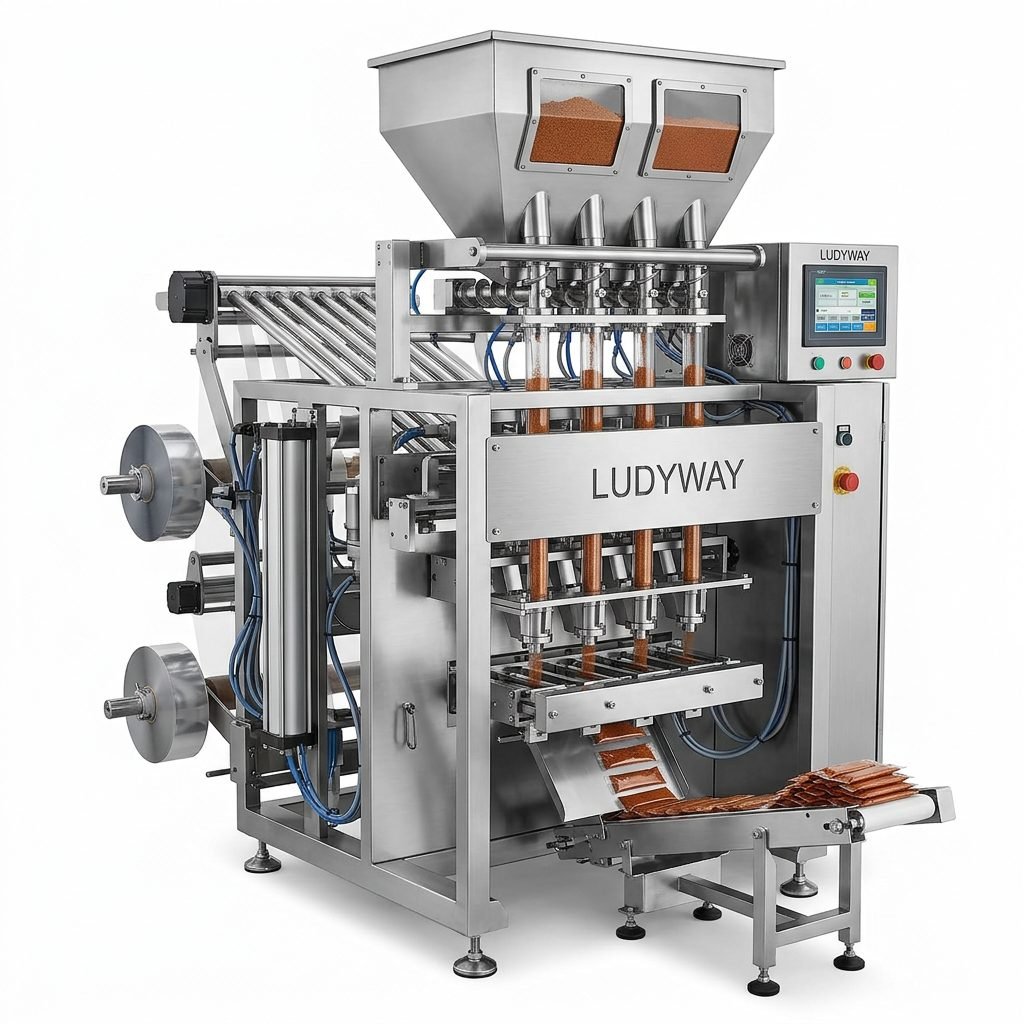
Types of Automatic Masala Packing Machines
There are several machine configurations available for masala packaging, and selecting the right type depends on your target bag format, production volume, and packaging material. Below is an overview of the most common options.
| Machine Type | Best For | Bag Formats | Typical Speed Range |
|---|---|---|---|
| Single-Lane VFFS | Small to medium production | Pillow pouch, gusseted pouch | 30-80 packs/min |
| Multi-Lane Stick Pack | High-volume single-serve | Stick pack, sachet | 200-600+ packs/min |
| Premade Pouch Machine | Premium retail packaging | Stand-up pouch, zipper pouch | 25-60 packs/min |
| Multi-Lane Sachet Machine | Sample packs, travel sizes | Flat sachet, edge-seal pouch | 150-400+ packs/min |
Vertical Form Fill Seal (VFFS) Machines
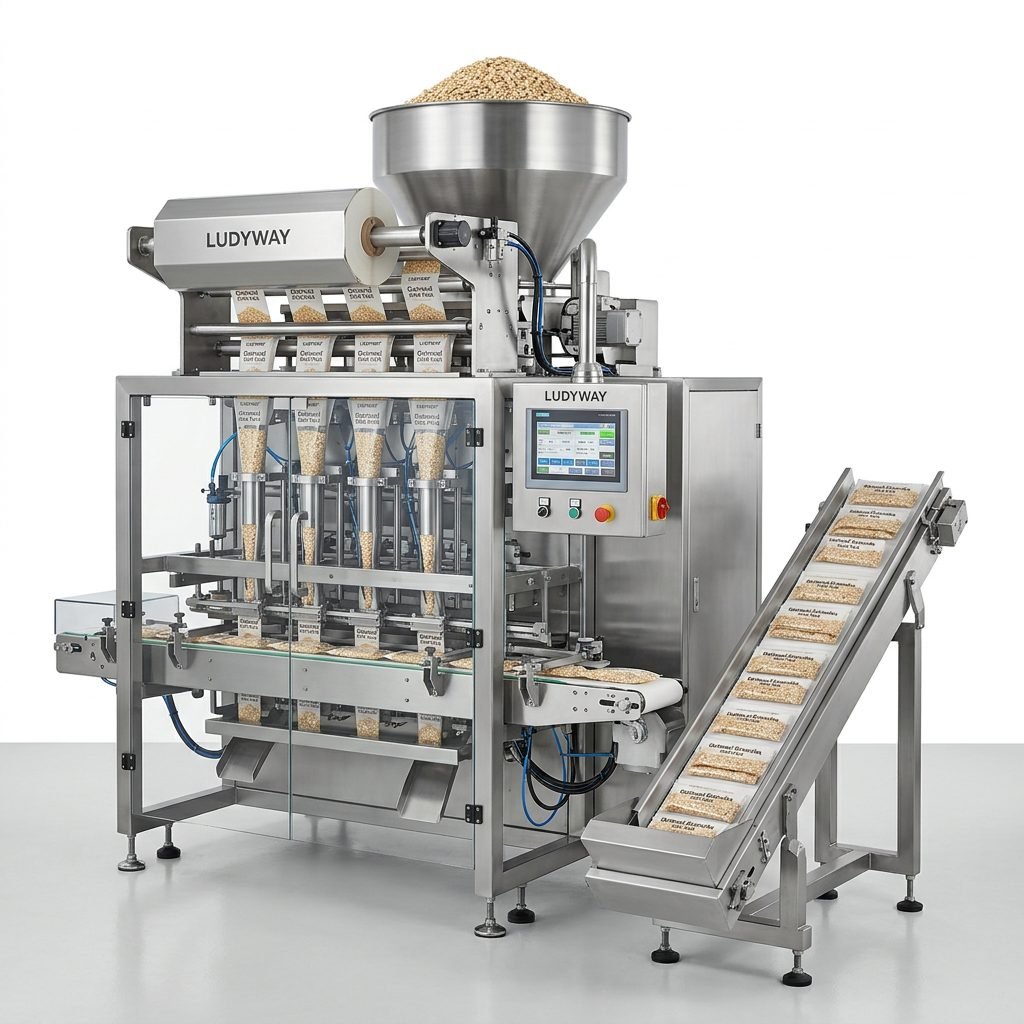
VFFS machines form bags from a roll of flat film, fill them with masala powder, and seal them in a continuous vertical motion. These machines are widely used for pillow pouches and gusseted bags in the spice industry. They offer a good balance of speed, versatility, and cost-effectiveness for medium-scale operations.
Multi-Lane Stick Pack Machines
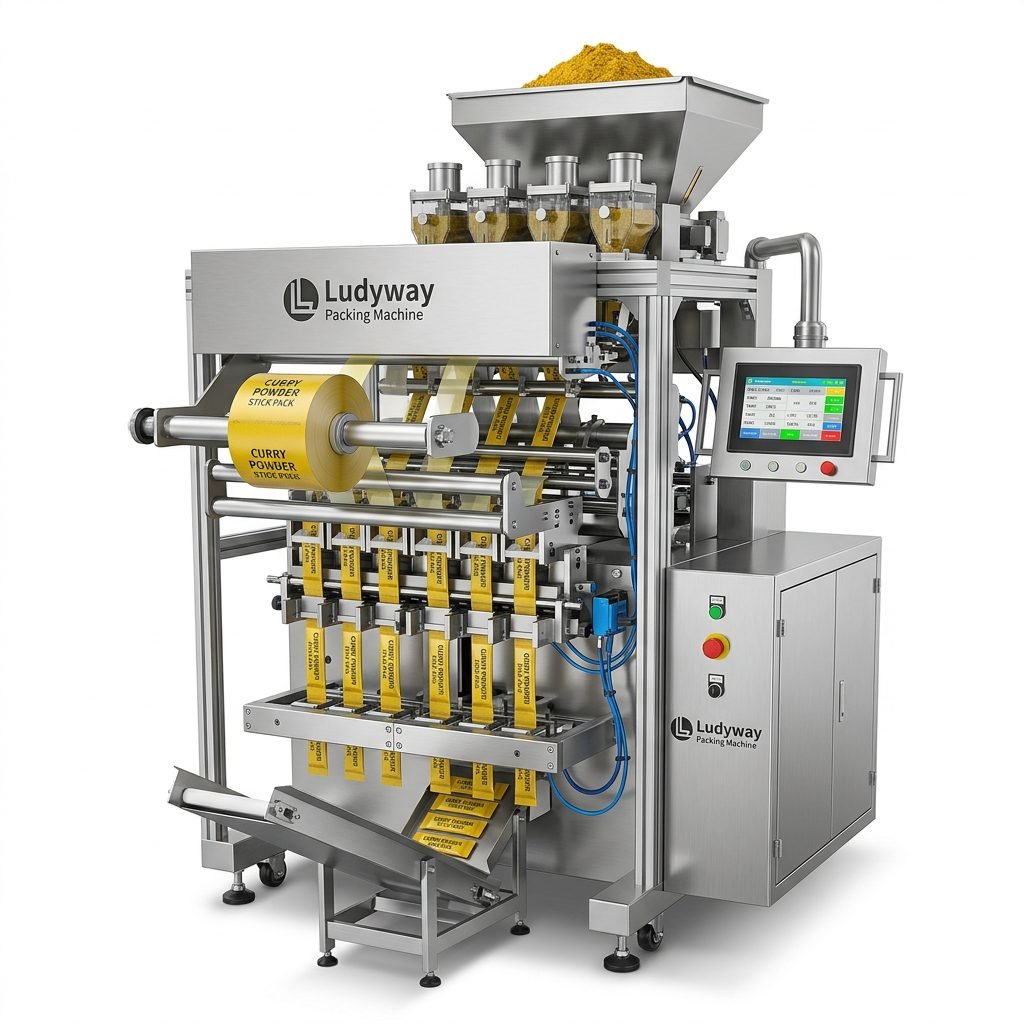
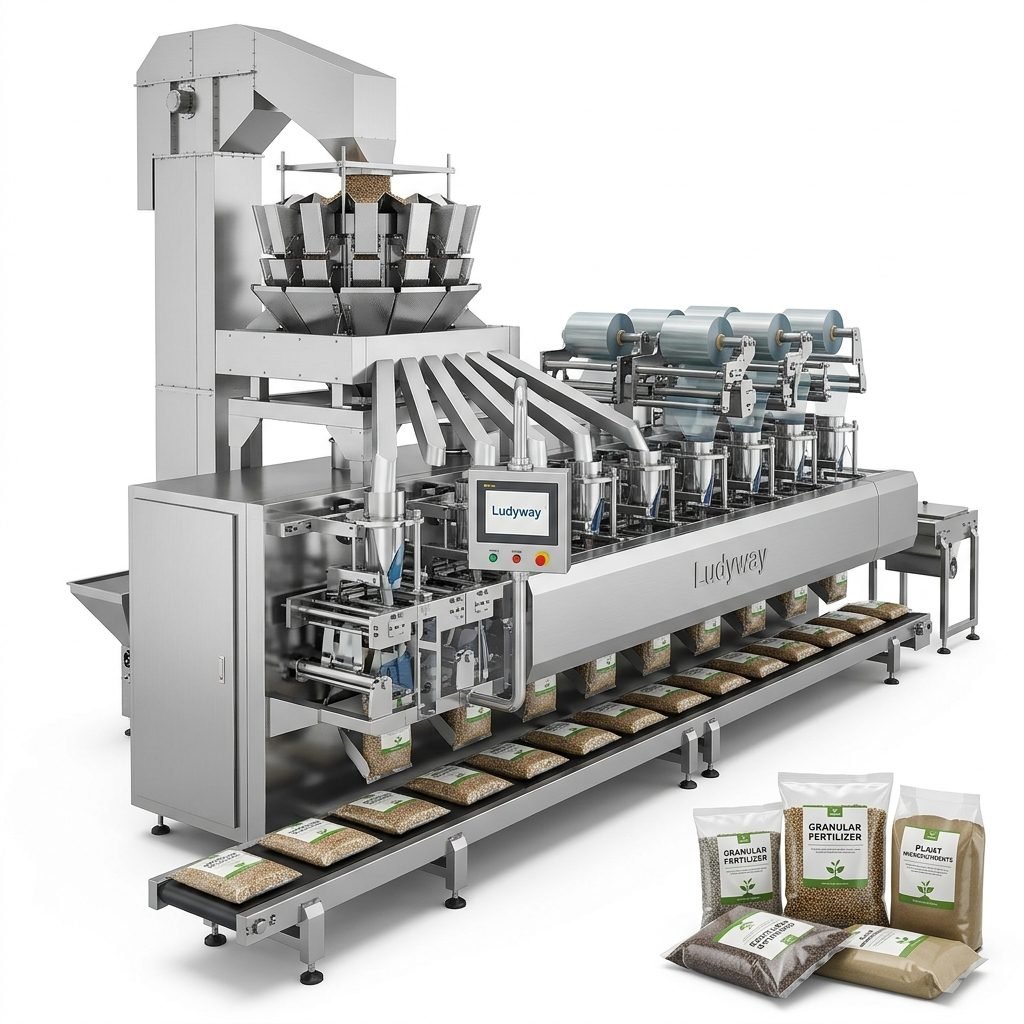
For high-speed production of single-serve masala sachets and stick packs, multi-lane machines run 4 to 12 lanes simultaneously, multiplying output without requiring additional floor space. These machines are ideal for food service, hotel, and travel-size spice portions. According to PMMI’s State of the Industry reports, demand for single-serve flexible packaging continues to grow across food categories.
Key Factors to Consider When Evaluating Machines
1. Filling Accuracy and Dosing Technology
Inconsistent fill weights can lead to product giveaway, customer complaints, or regulatory non-compliance. The dosing system is the heart of any automatic masala packing machine. Evaluate the following:
- Auger fillers — Best for fine powders; offer high accuracy through servo-driven rotation control
- Volumetric cup fillers — Economical option for free-flowing granular masala blends
- Multi-head weighers — Highest accuracy for premium products; ideal for blends with variable density
- Piston fillers — Suitable for paste-like masala products or wet spice blends
2. Packaging Material Compatibility
Your machine must be compatible with the packaging film structure you plan to use. Most masala products require high-barrier laminates such as PET/Aluminum/PE or BOPP/Metallized CPP/PE to protect against moisture, oxygen, and aroma loss. The Flexible Packaging Association offers extensive resources on flexible packaging materials and industry data that can help you select appropriate film structures.
3. Seal Integrity and Quality
Powder contamination in the seal area is one of the most common causes of leaking or poorly sealed masala packs. Look for machines with effective dust extraction systems, stripper tubes, or vacuum-assisted sealing to keep the seal zone clean. Consistent temperature control and precise sealing pressure are equally important. Machines with digital temperature controllers and independent sealing jaw adjustments offer better seal quality management.
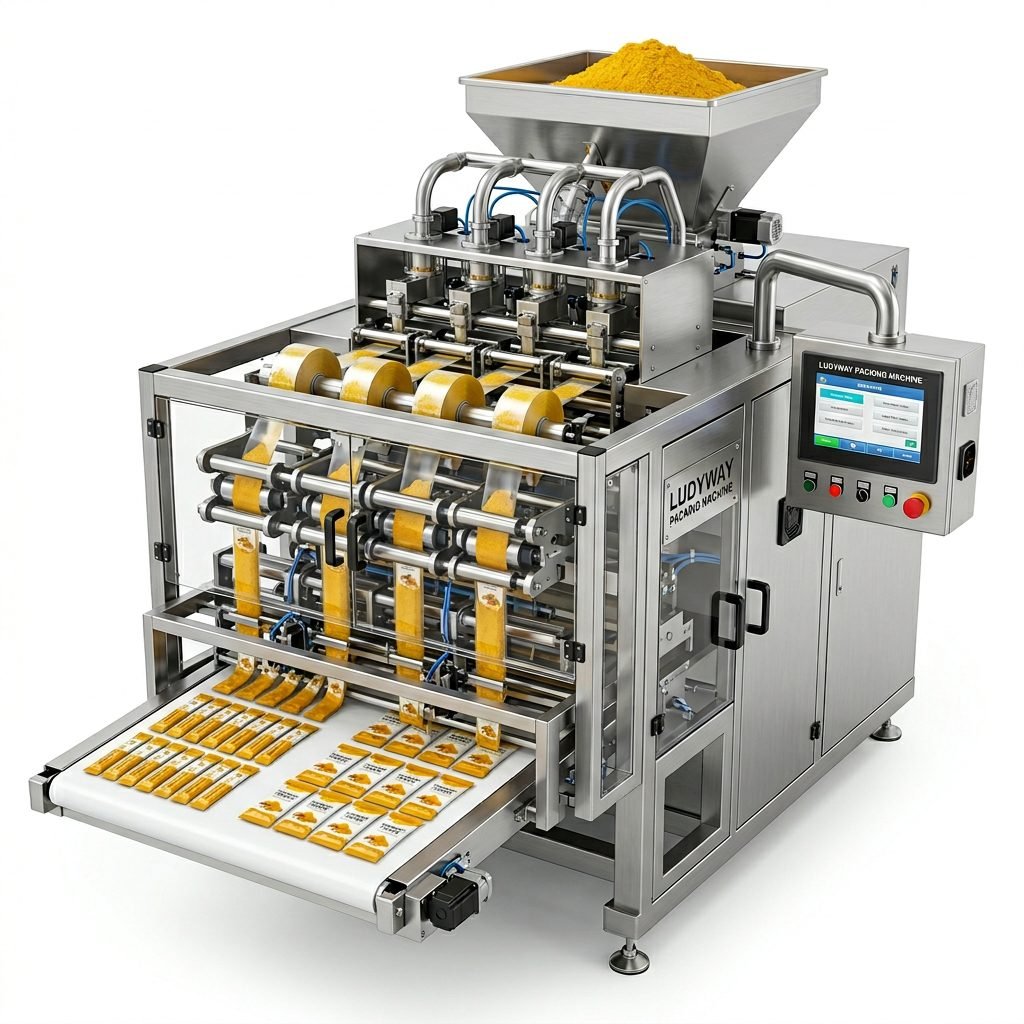
4. Machine Construction and Food-Grade Materials
For food products such as masala powders, all product contact parts should be manufactured from AISI 304 or 316L stainless steel. The frame should be robust, and the design should allow for easy cleaning to prevent cross-contamination between different spice blends. Look for machines with tool-free disassembly of product contact parts for quick changeovers.
5. Changeover Speed and Flexibility
If your production runs involve frequent changes between different masala blends or pack sizes, rapid changeover capability becomes critical. Modern servo-driven machines can store multiple recipe settings and allow operators to switch bag sizes and fill weights in minutes rather than hours. This flexibility can significantly improve overall equipment effectiveness (OEE).
6. Compliance with Food Safety Regulations
Masala packaging equipment should comply with relevant food safety standards and regulations. In the United States, the FDA’s food packaging and food contact substances guidelines set requirements for materials and processes used in food packaging. For international markets, ISO packaging standards provide additional frameworks for quality and safety compliance.
Production Capacity and Speed Requirements
Your target production output is a primary factor in machine selection. Consider both your current production needs and your projected growth over the next 3-5 years. A machine that just meets today’s demand may become a bottleneck as your business expands.
To calculate the required machine speed:
- Determine your daily target output in number of packs
- Divide by available production hours per day
- Account for downtime, changeovers, and maintenance (typically 15-25% buffer)
- Compare against the machine’s rated speed for your bag size and product type
Remember that actual production speed is often 70-85% of the machine’s maximum rated speed, depending on product characteristics and operating conditions.
Automation Level and Integration Capabilities
Modern automatic masala packing machines range from semi-automatic units to fully integrated packaging lines. Consider how the machine will fit into your overall production workflow:
- Standalone operation — Machine requires manual feeding and product collection
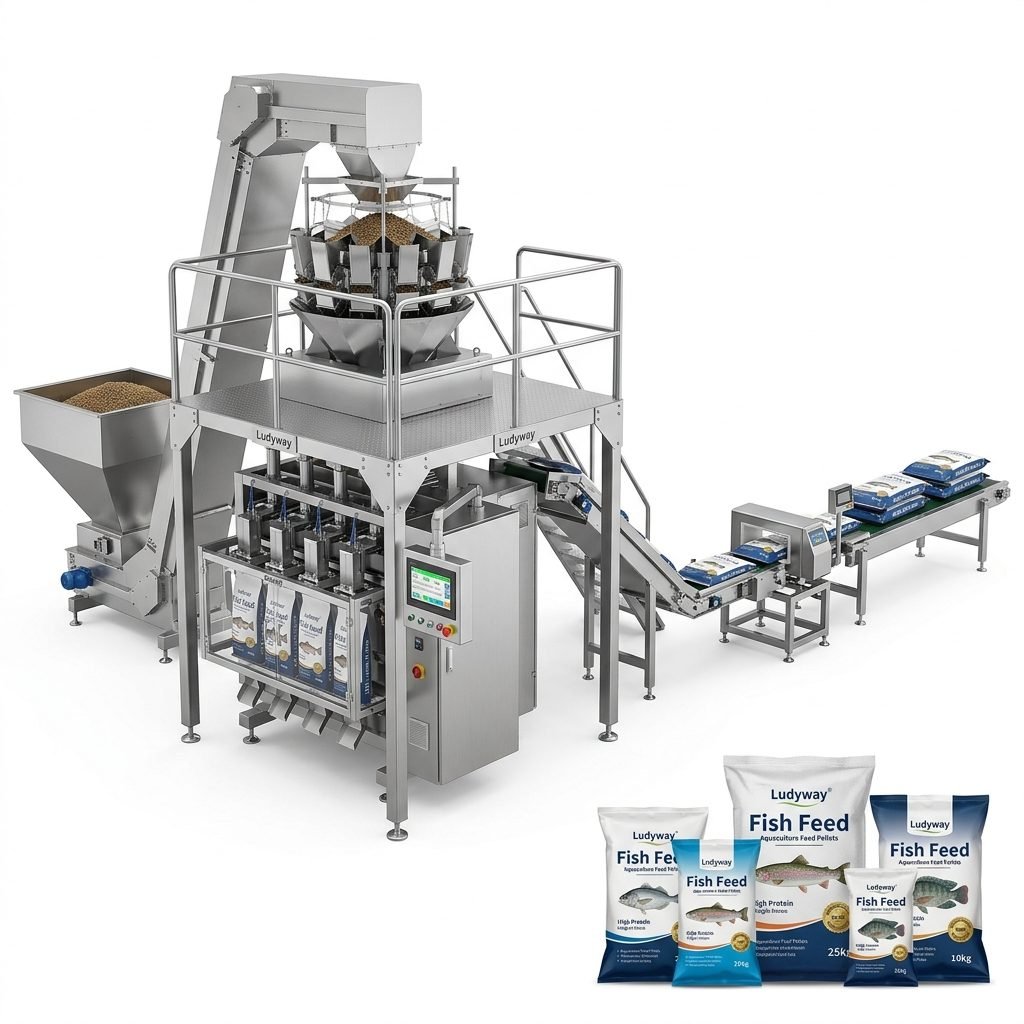
- Inline feeding — Connected to upstream equipment such as elevators, conveyors, or multi-head weighers
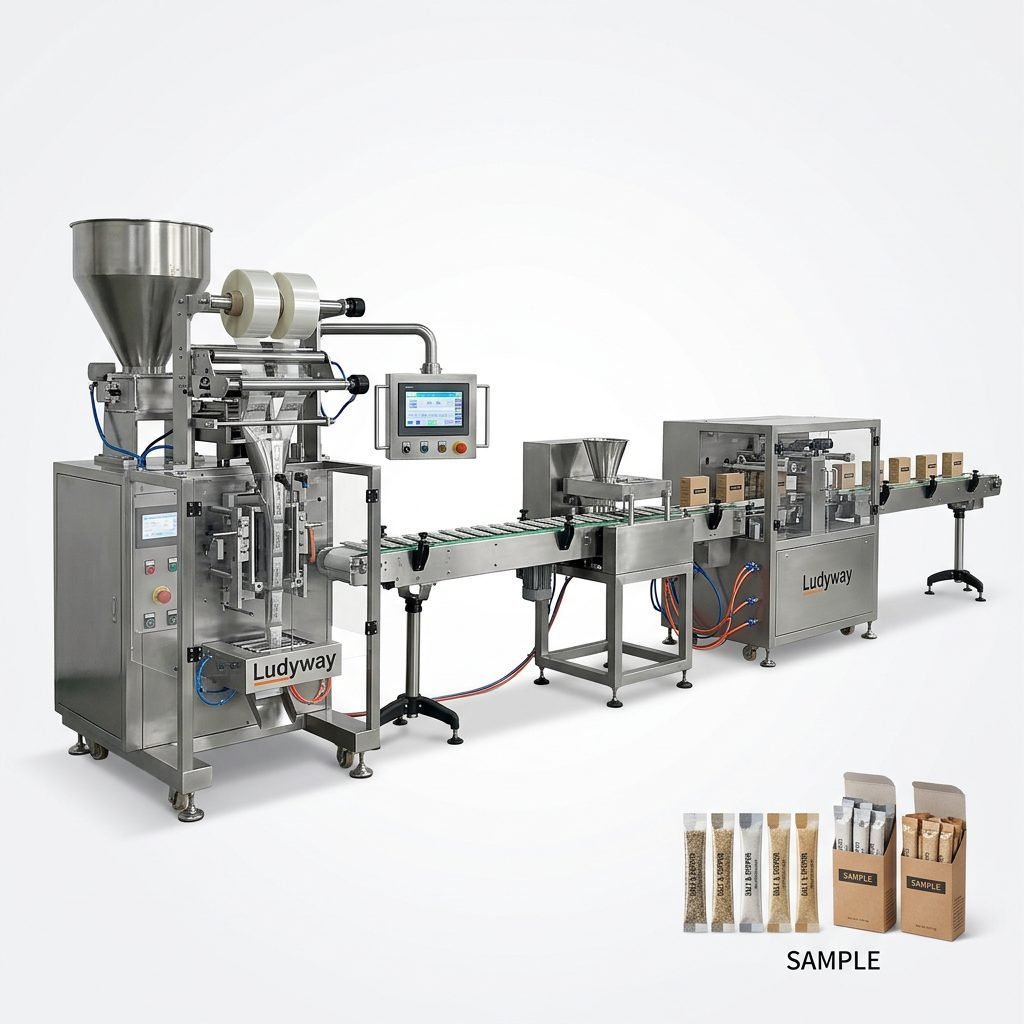
- Integrated packaging line — Full system including feeding, filling, sealing, coding, inspection, and cartoning
- Smart factory ready — Machines with Industry 4.0 capabilities, remote monitoring, and data collection
Budget Considerations and ROI Analysis
The purchase price of an automatic masala packing machine is only one part of the total cost of ownership. When evaluating your budget, factor in the following:
- Initial machine cost — Varies significantly by machine type, lane count, and features
- Installation and commissioning — Site preparation, utilities, and technical setup
- Operator training — Ensuring your team can operate and maintain the equipment effectively
- Spare parts inventory — Recommended critical spare parts for minimizing downtime
- Ongoing maintenance — Regular service, wear parts replacement, and calibration
- Packaging material waste — Machine efficiency directly affects film waste costs
- Energy consumption — Power usage varies across machine types and configurations
A well-chosen machine typically delivers ROI within 12-24 months through increased output, reduced labor costs, and minimized product giveaway. Higher initial investment in a quality machine often results in lower total cost of ownership over the equipment’s lifespan.
Selecting the Right Supplier and Evaluating Support
The machine itself is only part of the equation. The supplier you choose plays a critical role in your long-term success. Evaluate potential suppliers on the following criteria:
- Industry experience — How long has the manufacturer been producing packaging machinery?
- Technical expertise — Do they understand the specific challenges of masala and spice packaging?
- After-sales support — Do they offer installation, training, troubleshooting, and spare parts?
- Customization capability — Can they tailor the machine to your specific product and packaging requirements?
- International service — If you operate in a different country, can they provide remote or on-site support?
- References and case studies — Can they demonstrate successful installations in the spice industry?
Companies like Ludyway Machinery, a China-based packaging machinery manufacturer with more than 30 years of experience, provide customized masala packaging solutions designed around specific product characteristics and production goals. With over 50 packaging machine models and a 20,000-square-meter manufacturing facility, experienced suppliers can help manufacturers select and configure the most appropriate equipment for their operations.
For market context on packaging machinery demand, recent industry analysis highlights the growing global demand for automated packaging solutions across food and spice sectors.

Questions to Ask Before Making Your Purchase
Before finalizing your decision on an automatic masala packing machine, work through this checklist with your supplier:
- Has the machine been tested with products similar to our masala blend in terms of particle size and flow characteristics?
- What is the expected fill weight accuracy range for our specific product?
- Can the machine handle our target bag size range without major modifications?
- What are the recommended packaging film specifications and approved suppliers?
- What is the typical changeover time between different bag sizes or products?
- What spare parts are recommended for the first year of operation?
- Is remote technical support available, and what is the typical response time?
- Can we visit an existing installation running a similar application?
- What are the utility requirements — compressed air, electrical supply, and any special infrastructure needs?
- What warranty terms are offered, and what does the warranty cover?
Conclusion
Choosing the right automatic masala packing machine requires careful evaluation of your product characteristics, production goals, packaging format preferences, and long-term business strategy. By systematically assessing machine types, dosing technologies, material compatibility, automation levels, and supplier capabilities, you can make an informed investment that delivers consistent performance and strong returns over the equipment’s lifetime.
Prioritize machine quality, after-sales support, and the supplier’s understanding of the masala packaging industry. The right partnership with an experienced packaging machinery manufacturer can make the difference between a smooth production ramp-up and ongoing operational challenges. For additional guidance on flexible packaging regulations and sustainability considerations, the European Commission’s packaging and packaging waste resources provide valuable regulatory context for manufacturers serving international markets.