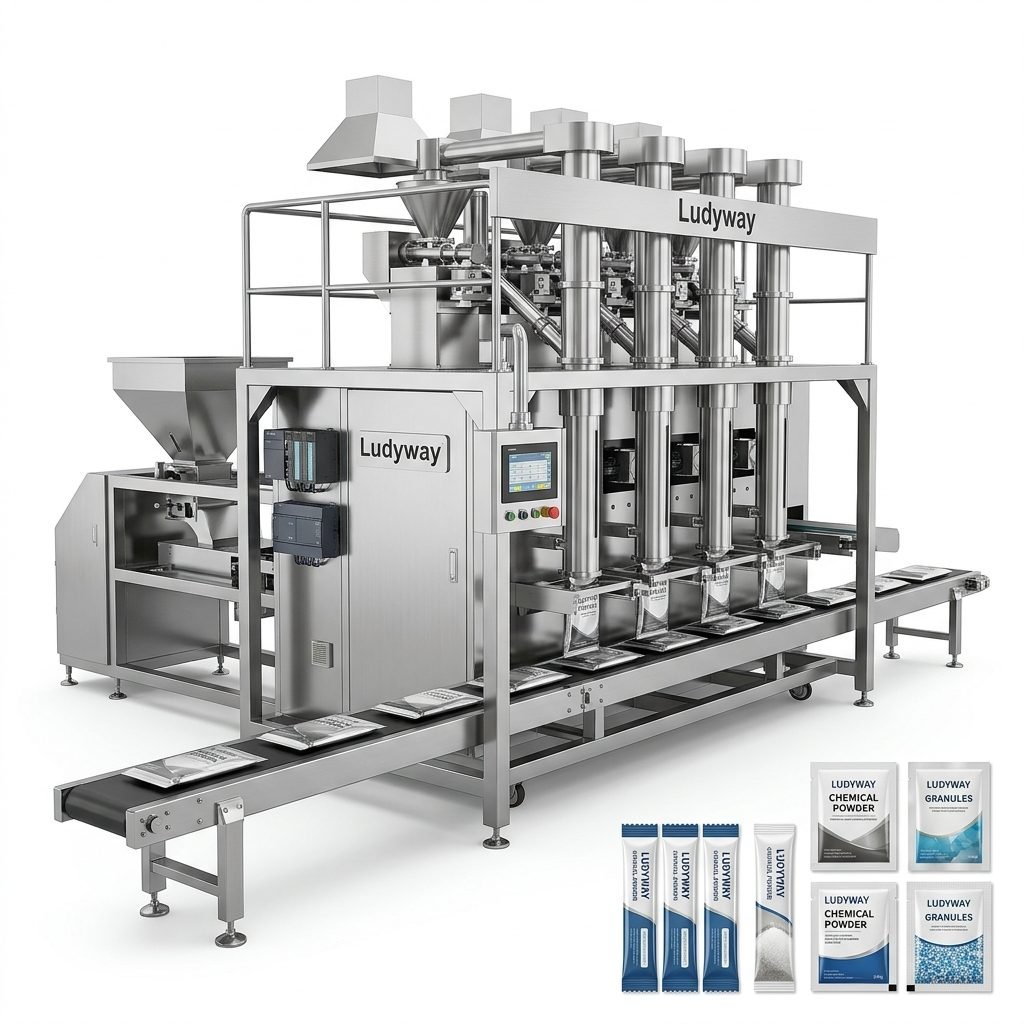
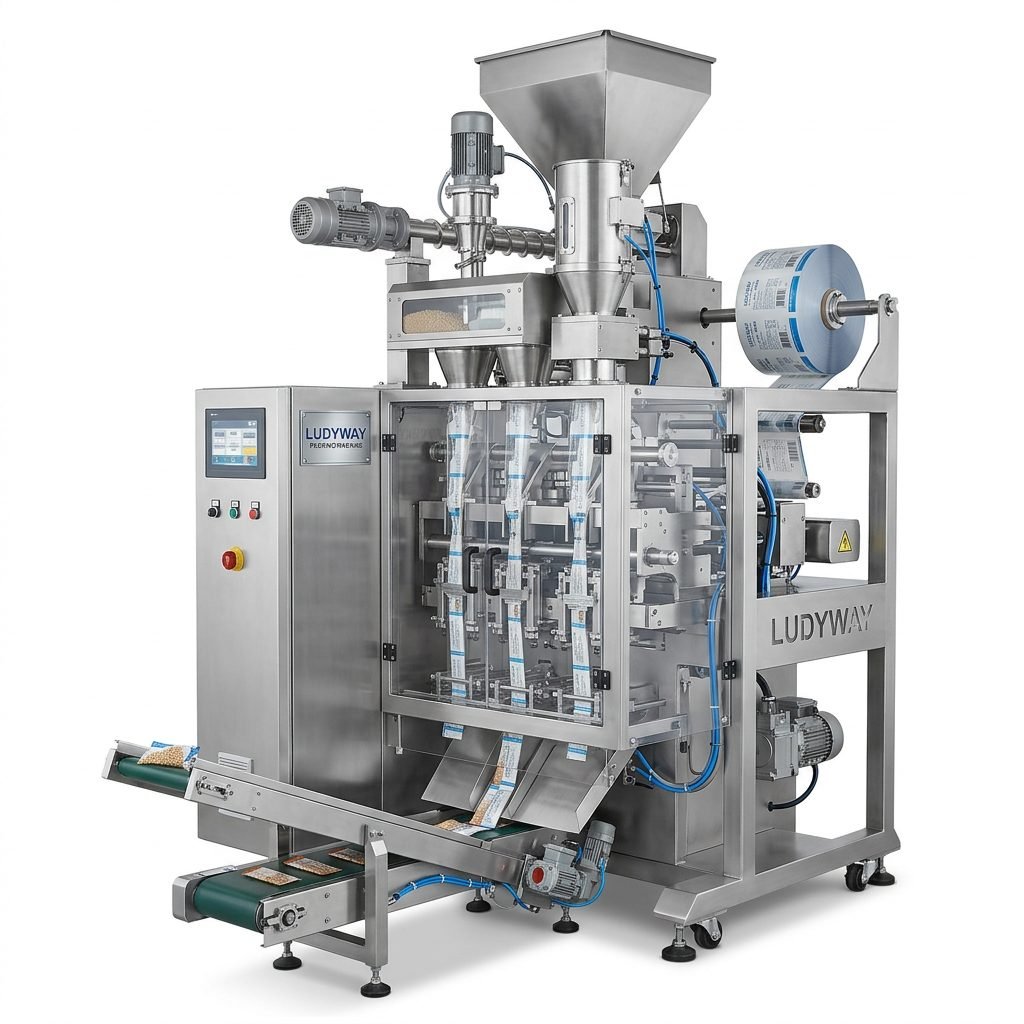
Indonesia’s food processing industry is experiencing rapid growth, driven by a rising middle class, increasing demand for packaged foods, and expanding export opportunities. Selecting the right food packaging machine is one of the most critical decisions for manufacturers looking to scale production, maintain product quality, and comply with local regulations. With a wide range of machine types, configurations, and technical specifications available, making an informed choice requires a clear understanding of your product characteristics, production goals, and the Indonesian market landscape.

Understanding Your Product Characteristics
Before evaluating specific machines, you must thoroughly analyze the physical properties of your product. The packaging requirements for granules, powders, liquids, and pastes vary significantly, and choosing the wrong configuration can lead to inconsistent fills, product waste, and costly downtime.
Key product attributes to assess include:
- Flow characteristics — Free-flowing granules like sugar or rice behave very differently from cohesive powders like milk powder or flour. A granule packaging machine designed for free-flowing materials may struggle with sticky or aerated powders.
- Particle size and uniformity — Multi-lane stick pack machines require consistent granule or powder size to ensure accurate dosing across all lanes.
- Moisture sensitivity — Products like instant coffee, seasonings, and dried soups often require packaging machinery with integrated humidity control or nitrogen flushing capabilities.
- Hygroscopic nature — Highly hygroscopic products demand sealed filling environments to prevent clumping and spoilage.
- Viscosity (for liquids) — Thin liquids like oils need different filling systems compared to high-viscosity products like sauces, shampoos, or gels.
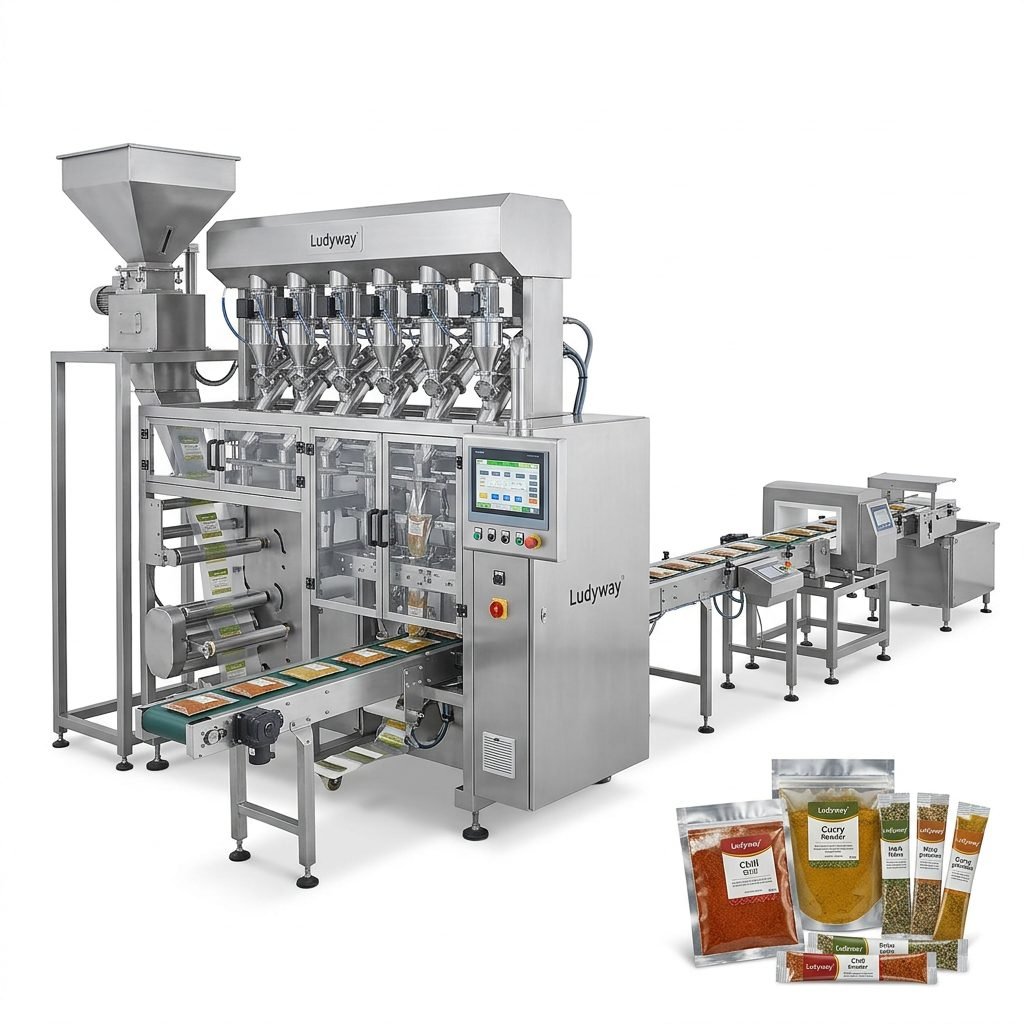
Types of Food Packaging Machines to Consider
The Indonesian food market demands versatility, with manufacturers often producing multiple product lines across different formats. Below is an overview of the most common food packaging machine types and their ideal applications in the Indonesian context:
| Machine Type | Best For | Common Indonesian Applications |
|---|---|---|
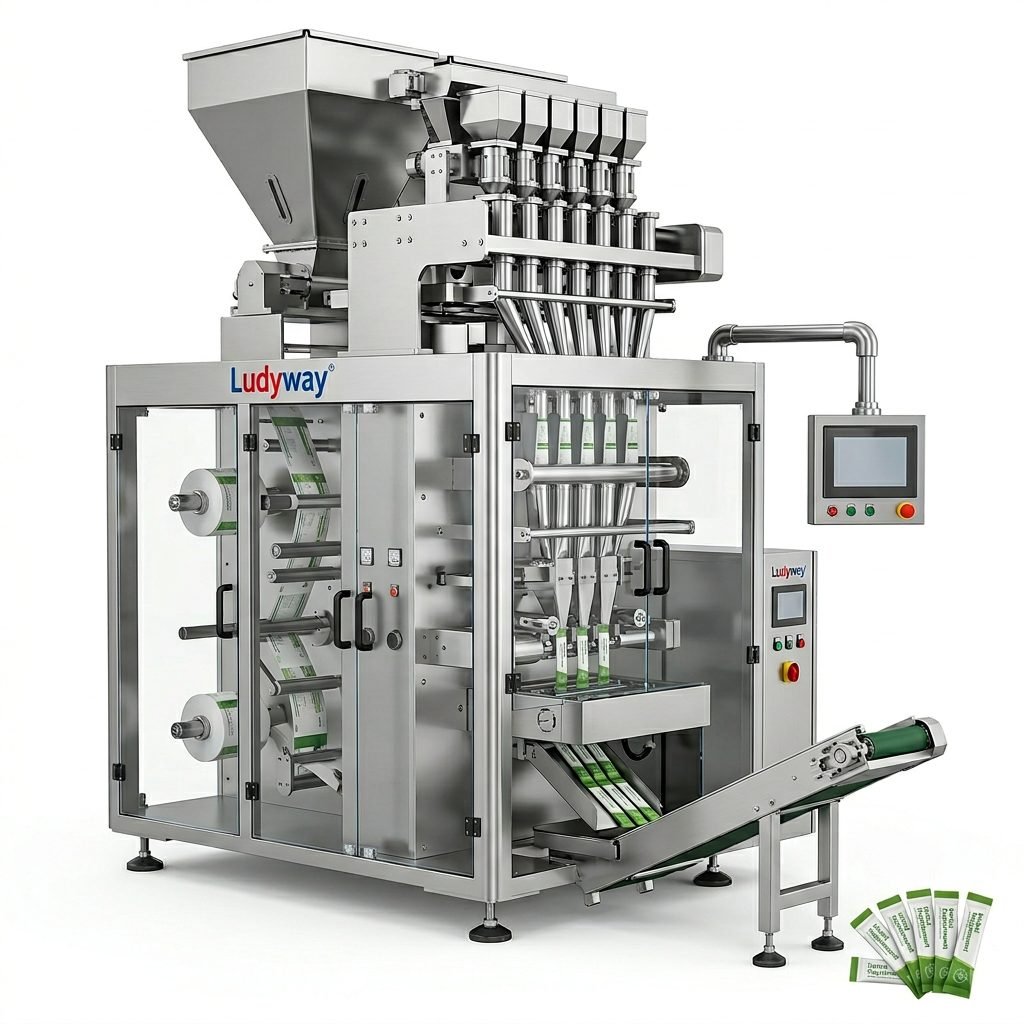
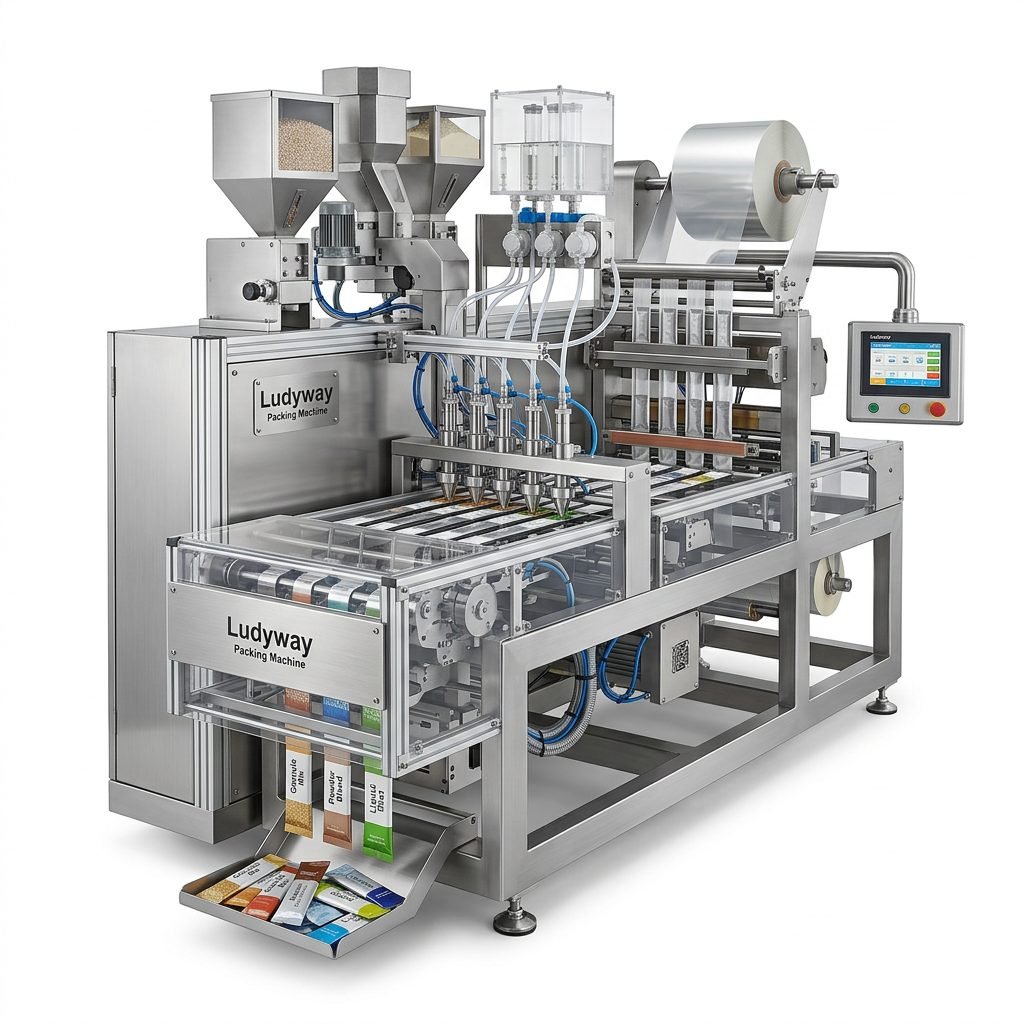
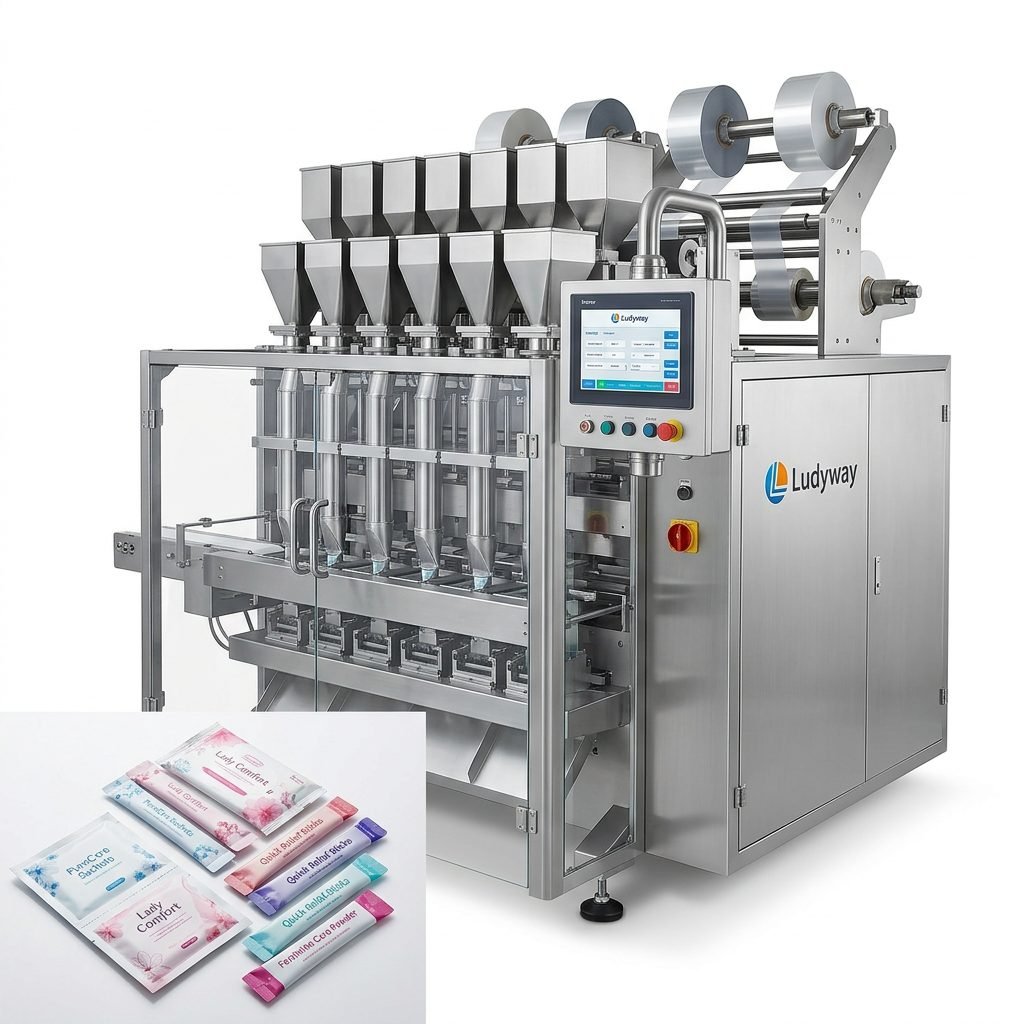
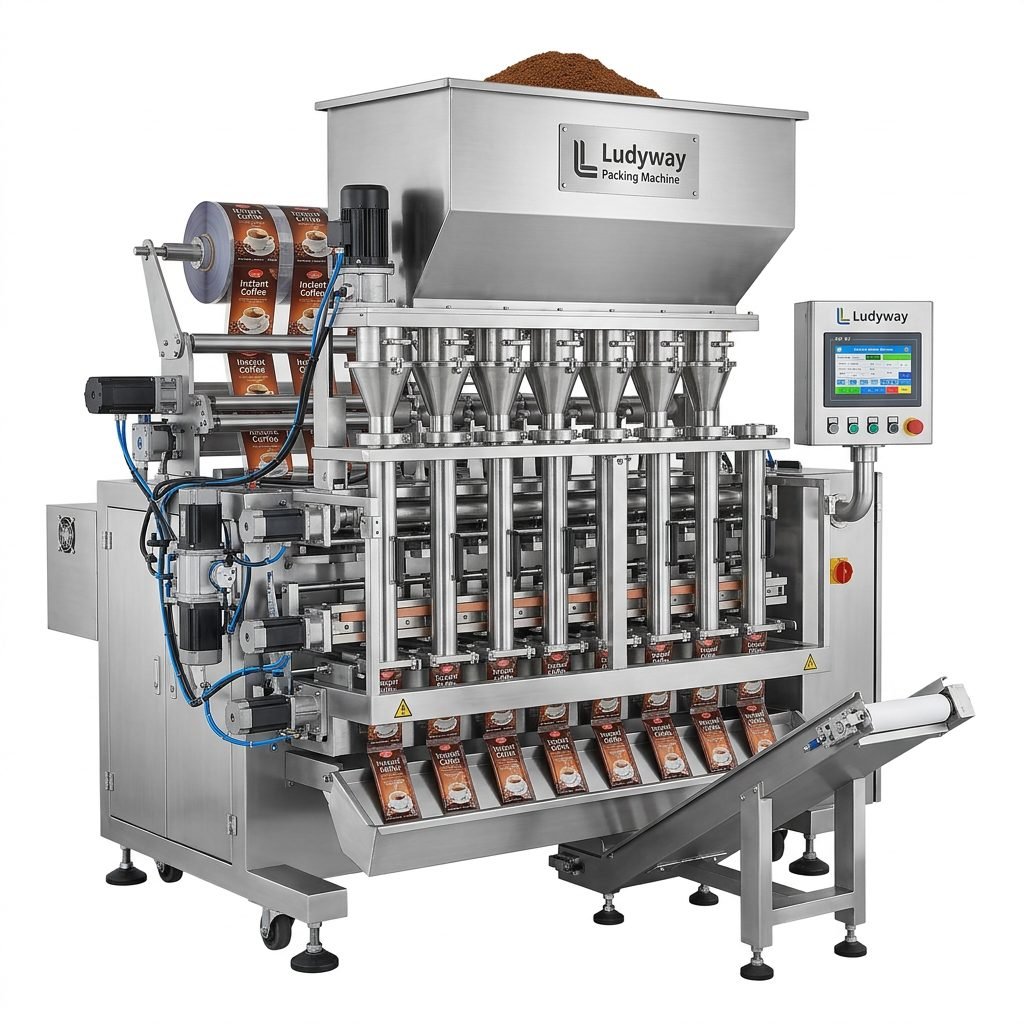
| Multi-Lane Stick Pack Machine | Powders, granules, small single-serve portions | Instant coffee, sugar sachets, seasoning powders, herbal drinks |
| Sachet Packaging Machine | Liquids, pastes, creams, powders | Sauce sachets, shampoo samples, liquid detergent, coconut oil |
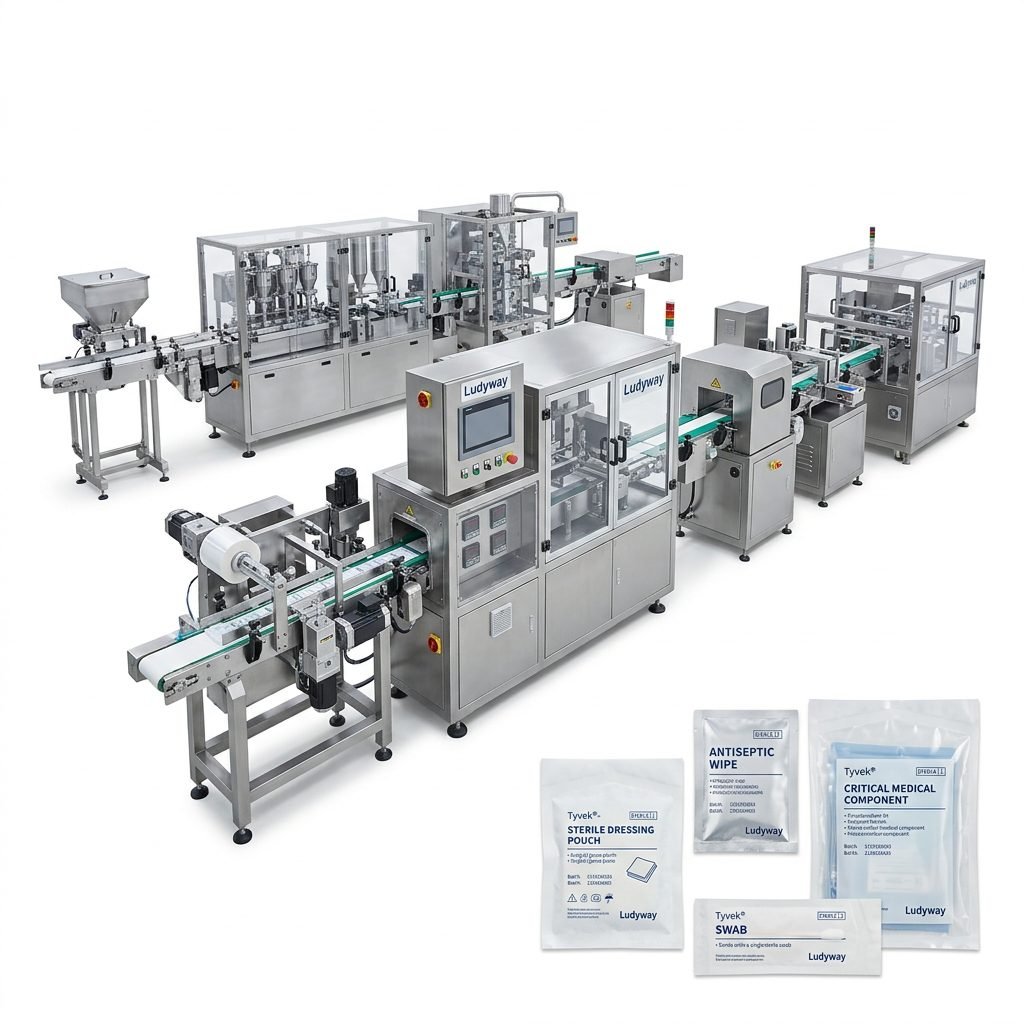
| Premade Pouch Filling & Sealing Machine | Granules, powders, snacks, liquids | Snack foods, dried fruits, frozen foods, pet food |
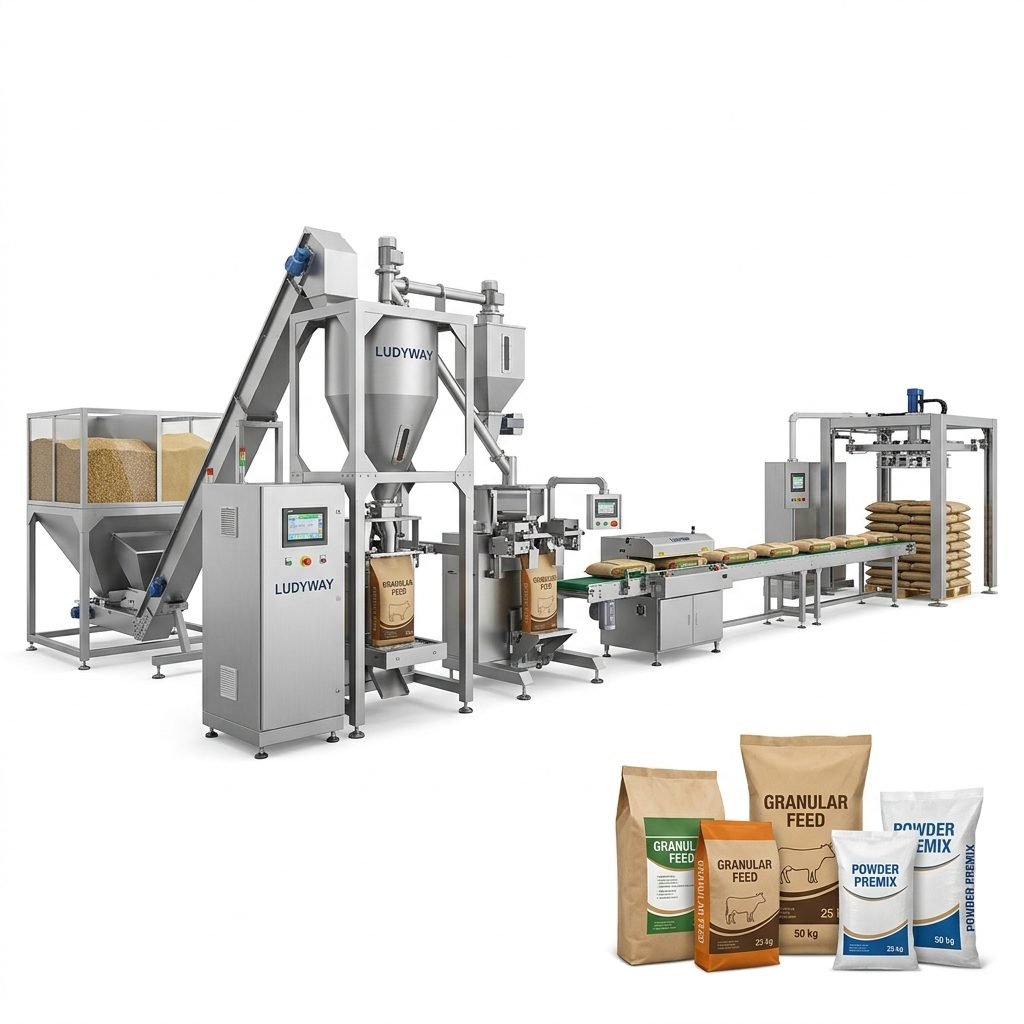
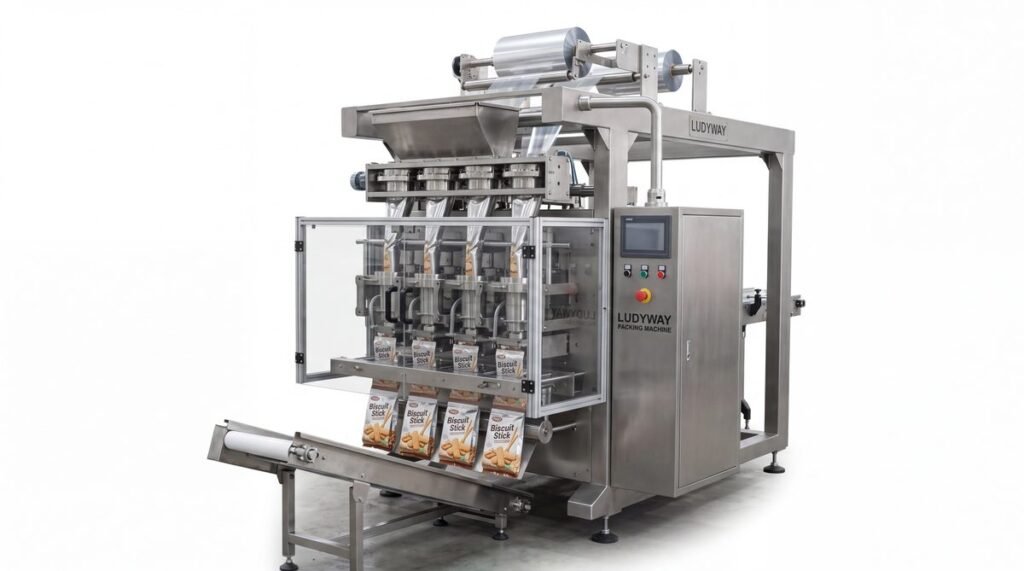
| Vertical Form Fill Seal (VFFS) Machine | Bulk granules, powders, snacks | Rice, flour, corn chips, coffee beans, fried snacks |
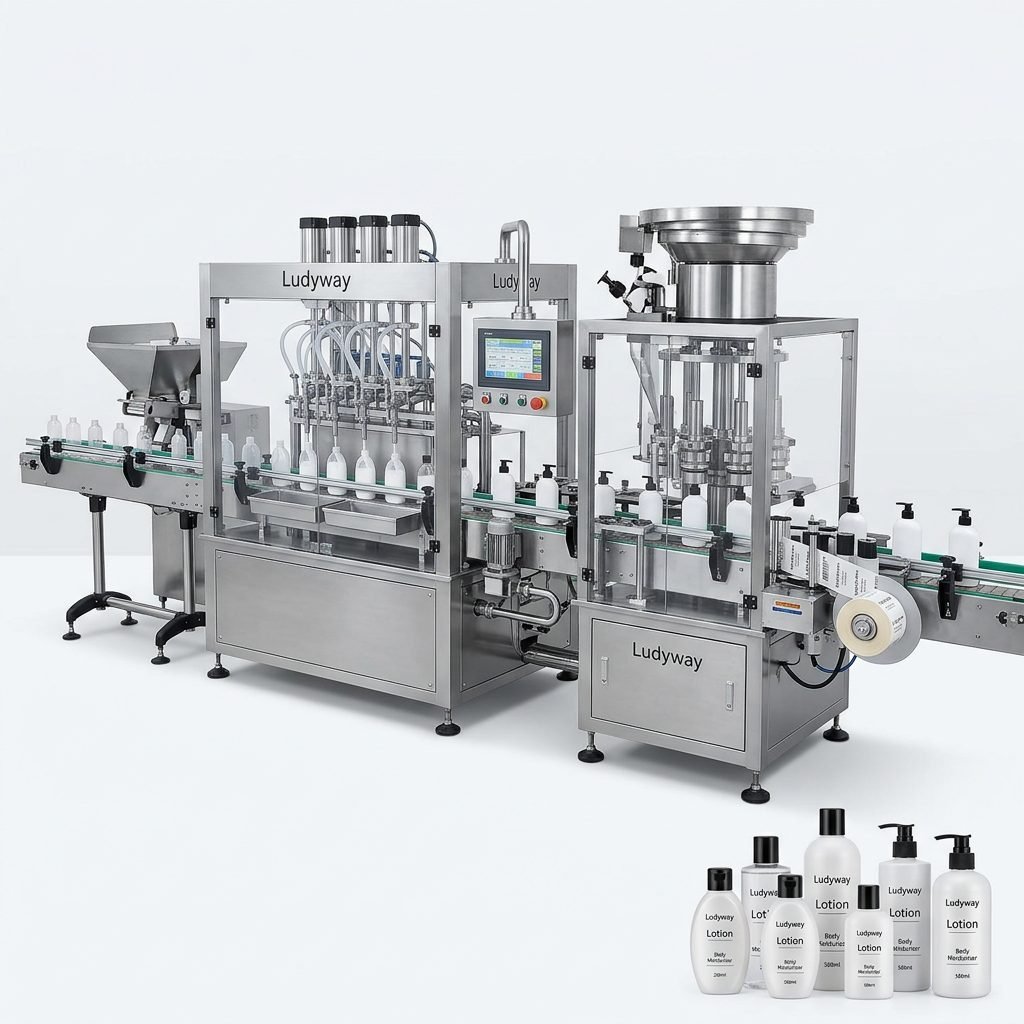
| Liquid Filling & Sealing Line | Beverages, oils, sauces, syrups | Bottled tea, soy sauce, cooking oil, syrup, liquid coffee |
For high-volume production of single-serve products, a multi-lane stick pack machine offers exceptional efficiency, capable of producing hundreds of packs per minute. Indonesian manufacturers exporting to global markets increasingly favor this format for its portability and portion control appeal.
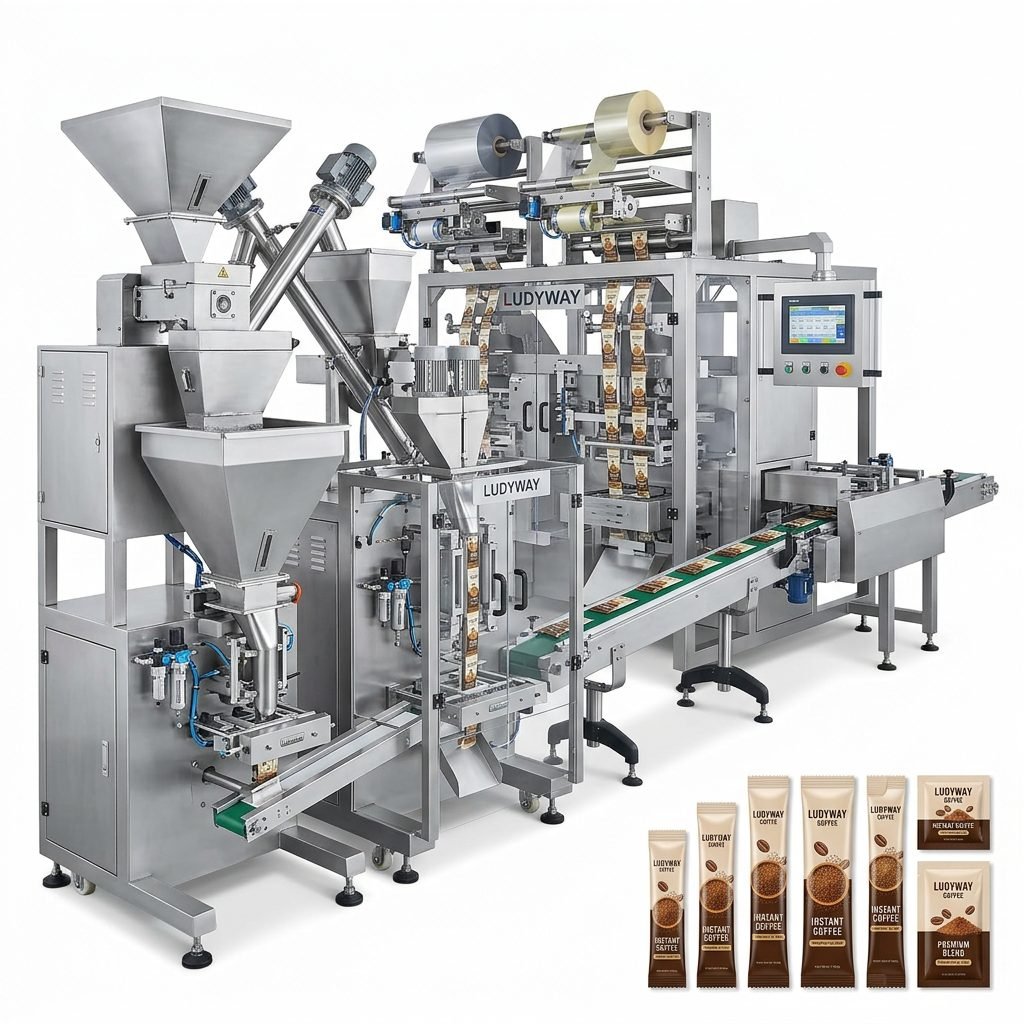
Key Factors to Consider When Choosing a Packaging Machine
Beyond product type, several operational and business considerations influence the selection of the best food packaging machine for your Indonesian facility:
Production Capacity and Speed Requirements
Evaluate your current and projected output. A small-scale home industry producing herbal powders may only need a compact sachet packaging machine running at 30-60 packs per minute, while a large instant coffee manufacturer supplying national retailers may require a high-speed multi-lane system producing 400+ packs per minute. Overinvesting in capacity strains capital, while underinvesting creates production bottlenecks.
Packaging Material Compatibility
Different machines handle different film types and laminates. Consider whether your product requires moisture barrier films, aluminum foil laminates, or biodegradable materials. Some older machine models struggle with newer eco-friendly films, which are increasingly popular in Indonesia’s sustainability-conscious market segments.
Automation Level and Workforce Integration
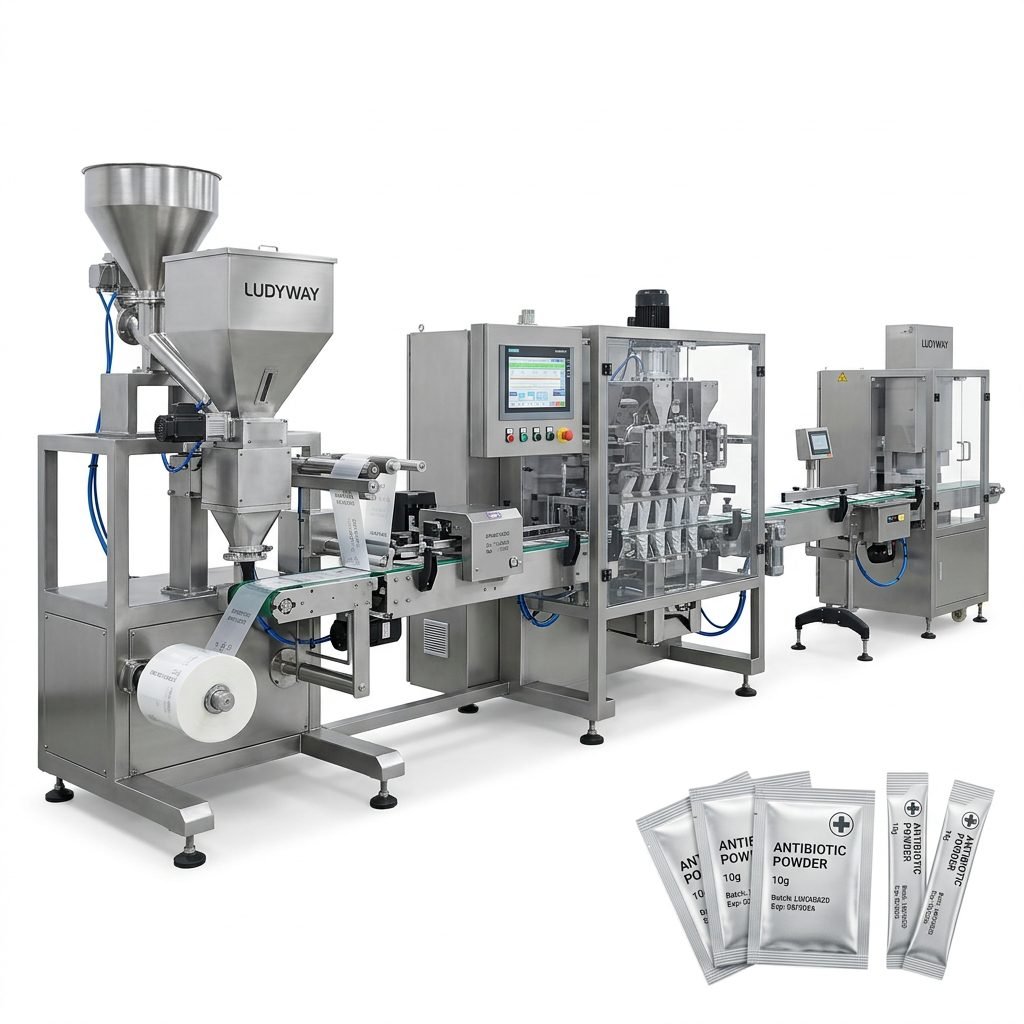
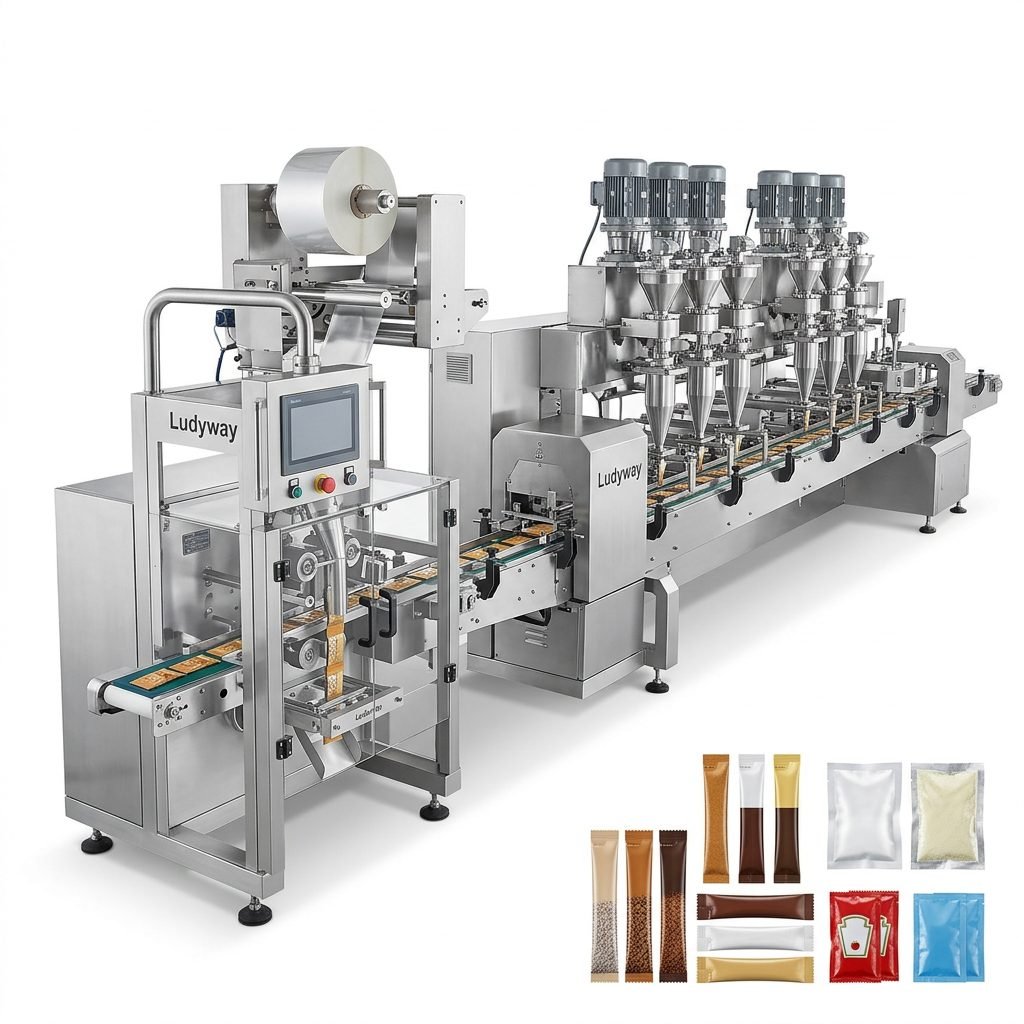
Indonesia offers competitive labor costs, but automation still provides advantages in consistency, hygiene, and throughput. Fully automated lines with turnkey packaging solutions that integrate feeding, filling, sealing, coding, and cartoning reduce manual handling and contamination risks — a critical factor for food safety compliance.
Maintenance, Spare Parts, and Local Support
This is one of the most overlooked yet critical factors in machine selection. Downtime in food production directly impacts revenue and product freshness. Before committing to a supplier, verify the availability of spare parts, technical documentation in Bahasa Indonesia or English, and whether local service engineers are available. Remote support capabilities have also become essential for troubleshooting without delays.
Indonesia-Specific Considerations
The Indonesian market has unique requirements that international equipment buyers must account for:
- Halal compliance — Packaging machinery must support halal production protocols, including clean-in-place features, segregated production capabilities, and materials that do not contaminate halal products. This is non-negotiable for the majority Muslim consumer base.
- Climate and environment — Indonesia’s tropical climate means high humidity and ambient temperatures. Packaging machines must be equipped with proper sealing technology to protect against moisture ingress, and electronic components should be rated for tropical conditions.
- Electrical standards — Confirm that the machine is configured for Indonesian voltage (typically 220V/380V, 50Hz) and plug standards to avoid costly modifications.
- BPOM and SNI regulations — Food packaging must comply with BPOM (Indonesian FDA) requirements and relevant SNI (Indonesian National Standards) regarding food contact materials and labeling accuracy.
- Portion sizes — Indonesian consumers favor smaller, affordable sachet and stick pack formats. A packaging machine that supports flexible portion sizes from 1g to 50g is advantageous for this market.
Comparing Entry-Level and Industrial Packaging Solutions
The table below summarizes key differences to help you align your budget and production goals:
| Feature | Entry-Level / SME Machine | Industrial / High-Speed Machine |
|---|---|---|
| Production Speed | 30–80 packs/min | 200–600+ packs/min |
| Lanes | 1–4 lanes | 6–20+ lanes |
| Automation Level | Semi-automatic | Fully automatic with integrated feeding, coding, cartoning |
| Film Registration | Basic photocell | Advanced servo-driven with precision registration |
| Price Range (Indicative) | Lower initial investment | Higher upfront cost, lower per-unit operating cost |
| Best For | Startups, niche products, limited SKUs | Large-scale production, export markets, multiple SKUs |
Why Machine Quality and After-Sales Support Matter
Investing in a food packaging machine is a long-term commitment. The difference between a reliable machine and a poorly built one becomes apparent within the first year of operation — in sealing consistency, dosing accuracy, and unplanned downtime. For Indonesian food manufacturers aiming to compete regionally and globally, equipment reliability directly impacts brand reputation and retailer relationships.
When evaluating suppliers, look for manufacturers with a proven track record, international certifications, and responsive technical support. Experienced manufacturers such as Ludyway, a leading packaging machine manufacturer with over 30 years of industry expertise and a presence in more than 100 countries, provide comprehensive solutions including installation guidance, operator training, and ongoing maintenance support — essential services for Indonesian businesses scaling up their operations.
Questions to Ask Potential Suppliers
- Do you offer machine customization for specific product types and pouch formats?
- What is the typical lead time for delivery to Indonesia?
- Are spare parts readily available, and what is the average shipping time for urgent replacements?
- Can you provide references from other Indonesian or Southeast Asian customers?
- Does the machine support integration with existing production line equipment?
Making the Final Decision
Choosing the right food packaging machine in Indonesia requires balancing product requirements, production scale, budget constraints, and local regulatory compliance. Start by thoroughly documenting your product specifications and desired packaging format. Request sample tests from multiple machine suppliers to compare output quality and consistency. Evaluate not just the purchase price but the total cost of ownership, including spare parts, energy consumption, and expected service life.
As Indonesia’s food industry continues its upward trajectory, manufacturers who invest in appropriate, high-quality food packaging machine solutions today will be best positioned to capture market share, meet export standards, and build lasting consumer trust. For further reference on global packaging standards and industry trends, consult authoritative resources such as the PMMI packaging industry resources, FDA food packaging regulations, and regional halal certification bodies to ensure full compliance with both Indonesian and international requirements.