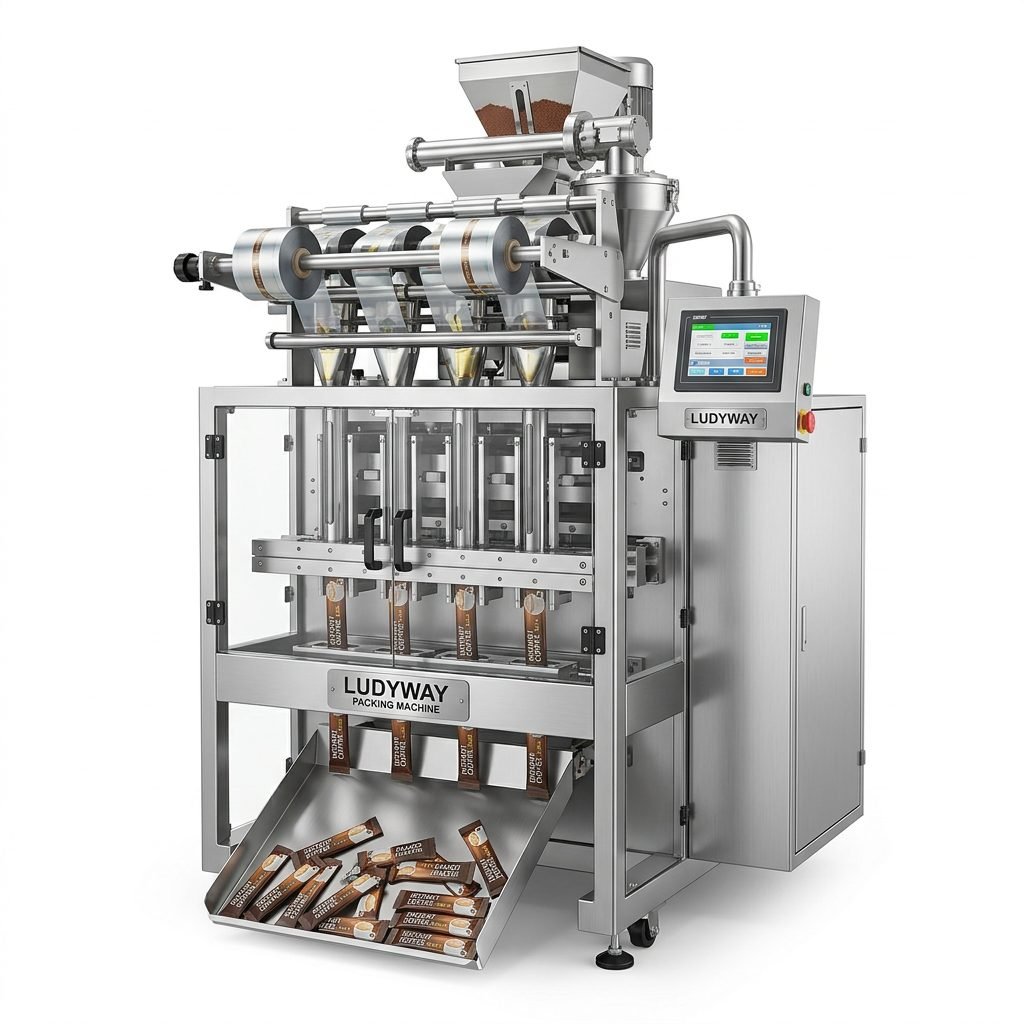
OEM manufacturers need packaging equipment that does more than just fill and seal. The right system must support stable output, flexible product changeovers, regulatory compliance, cost control, and future scalability. Whether you produce food, pharmaceutical, health supplement, cosmetic, chemical, or pouch-based products, selecting the best packaging machine starts with understanding your product, your production goals, and your downstream packaging requirements.
A poor equipment decision can lead to underperformance, inconsistent pack quality, excessive material waste, and difficult maintenance. A smart decision, on the other hand, can improve efficiency, shorten delivery cycles, protect product quality, and strengthen your OEM competitiveness.
Why OEM Manufacturers Need a Different Packaging Machine Selection Strategy
OEM manufacturing is different from single-brand production. Most OEM plants must handle multiple SKUs, diverse packaging formats, customer-specific requirements, and frequent specification changes. That means the ideal machine is rarely just the fastest one. It must be adaptable.
- Different clients may require different bag sizes, sealing patterns, coding formats, and secondary packaging.
- Production plans can change quickly, so setup time matters.
- Quality consistency is critical because OEM manufacturers represent other brands.
- Traceability, validation, and inspection functions are often mandatory in regulated sectors.
- Machine flexibility affects your ability to win new OEM contracts.
In practical terms, OEM buyers should evaluate packaging machinery based on application fit + operational flexibility + total lifecycle value, not just purchase price.
Start with the Core Question: What Exactly Are You Packaging?
The first step is to define the product clearly. Packaging machine selection depends on product behavior during feeding, dosing, sealing, and discharge.
| Product Type | Common Packaging Machine Type | Key Considerations |
|---|---|---|
| Powders | Auger filling sachet or stick pack machine | Dust control, filling accuracy, anti-bridging design |
| Granules | Volumetric cup, multi-head weigher, or counting system | Flowability, particle size, weighing precision |
| Liquids | Piston pump or liquid stick pack/sachet machine | Viscosity, anti-drip design, seal integrity |
| Pastes/Gels | Servo piston filling and sealing system | Nozzle design, residue control, hygienic cleaning |
| Pouches/Portions | Form-fill-seal or premade pouch packaging line | Material compatibility, sealing speed, cartoning integration |
Product properties that should be tested before purchase include:
- Particle size or viscosity range
- Moisture sensitivity
- Foaming behavior or dust generation
- Required pack weight tolerance
- Heat sensitivity and sealing limits
- Required hygiene level
Match the Machine to Your Packaging Format
OEM plants often work with multiple formats at the same time, such as sachets, stick packs, pouches, cartons, bottles, and bulk bags. The best packaging machine is one that supports your current format mix without making future expansion difficult.
Common format choices for OEM production
- Sachets: Suitable for powders, granules, liquids, creams, and single-dose applications.
- Stick packs: Ideal for high-volume, compact, retail-friendly single servings.
- Premade pouches: Good for premium packaging, zipper pouches, and stand-up bags.
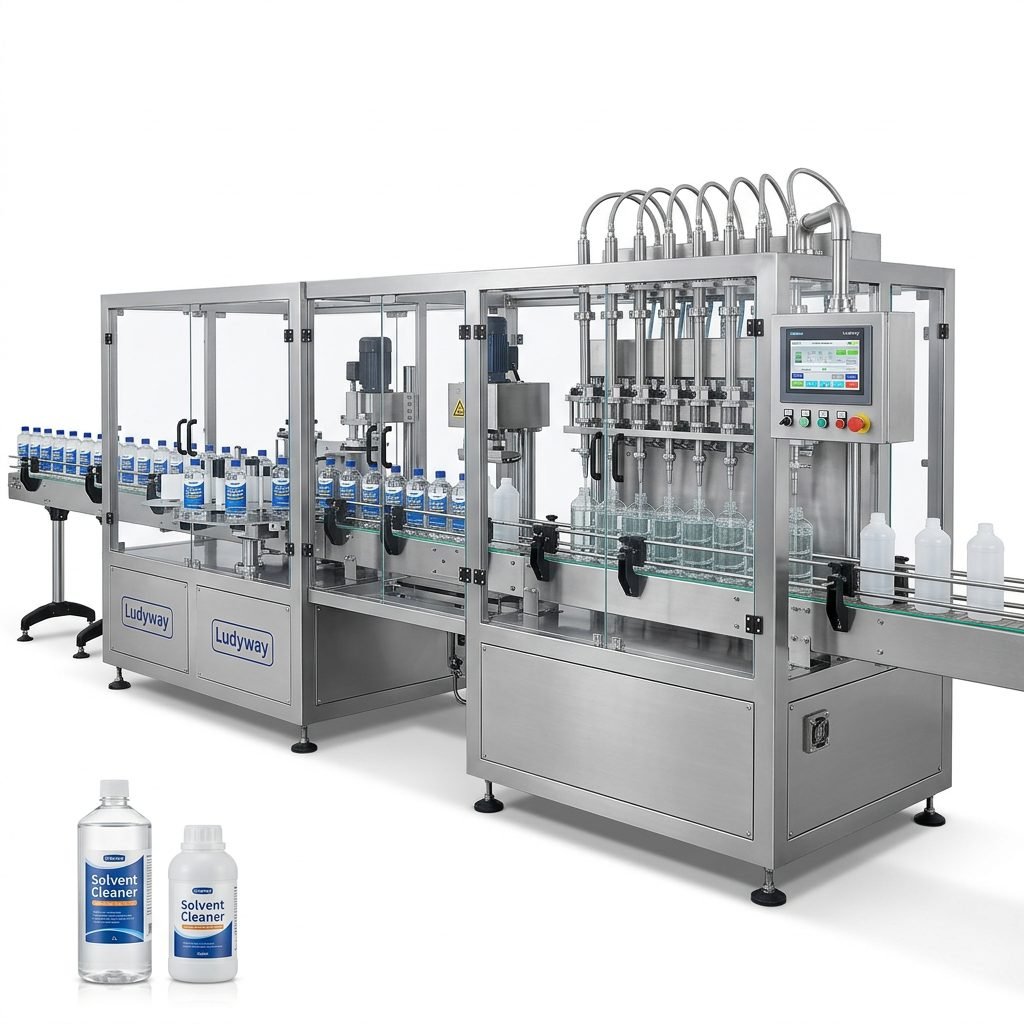
- Bottle filling lines: Common in pharmaceuticals, beverages, and personal care.
- Bulk bagging systems: Used in feed, fertilizer, chemical, and industrial sectors.
If your OEM business relies on frequent product launches, modular packaging systems can be a better long-term investment than highly specialized standalone units.

How to Evaluate Production Capacity the Right Way
Capacity should not be judged only by the maximum speed shown in a brochure. OEM manufacturers should focus on real operating speed under actual production conditions.
Ask these questions when comparing output
- What is the stable speed at your target dosage and pack size?
- How much does speed drop during changeovers?
- What is the reject rate at high speed?
- Can the feeding system keep up with the packaging section?
- Will downstream cartoning, labeling, or case packing become a bottleneck?
For OEM facilities, the best result is usually a balanced line rather than the fastest single machine. If one module outruns the rest, your line efficiency still suffers.
Flexibility Is One of the Most Important Buying Criteria
A machine that is slightly slower but easier to switch between SKUs may generate better annual output than a faster machine with long setup times. This is especially true for contract packers and OEM producers serving many brands.
Look for flexibility in these areas
| Flexibility Factor | Why It Matters for OEM Manufacturers |
|---|---|
| Pack size adjustment | Supports multiple customer specifications |
| Formula compatibility | Allows one line to handle powders, granules, or liquids with adaptation |
| Quick changeover parts | Reduces downtime between jobs |
| Recipe storage in HMI/PLC | Simplifies repetitive order setup |
| Future line integration | Makes expansion easier as OEM orders grow |
The more variable your customer demands are, the more valuable multi-format compatibility and tool-free changeover design become.
Do Not Ignore Packaging Material Compatibility
A machine can only perform well if it runs smoothly with your film or pouch material. OEM customers often specify different laminates, recyclable films, foil structures, or custom print materials. That makes seal performance a critical checkpoint.
- Confirm the machine supports your target film width and thickness range.
- Verify sealing temperature control and consistency.
- Check whether the machine can handle recyclable or mono-material packaging if needed.
- Review film tracking and registration accuracy for printed designs.
- Assess sealing strength under transportation and storage conditions.
For OEM operations, poor packaging material compatibility can create client complaints even when the product itself is correct.
Industry-Specific Compliance Matters More Than Many Buyers Expect
The best packaging solution must fit your industry’s standards. Food, pharmaceutical, supplement, and cosmetic manufacturers each face different compliance expectations.
Typical compliance checkpoints
- Food: Hygienic design, easy cleaning, food-contact material suitability, contamination prevention
- Pharmaceutical: Validation support, traceability, precision dosing, cleanroom compatibility
- Health supplement: Accurate filling, batch coding, controlled dust, product consistency
- Cosmetics: Seal quality, appearance consistency, compatibility with cream/gel/liquid textures
- Chemicals: Corrosion resistance, dust protection, safety enclosure design
If you are producing for regulated or export markets, ask suppliers for documentation support early in the buying process, not after installation.
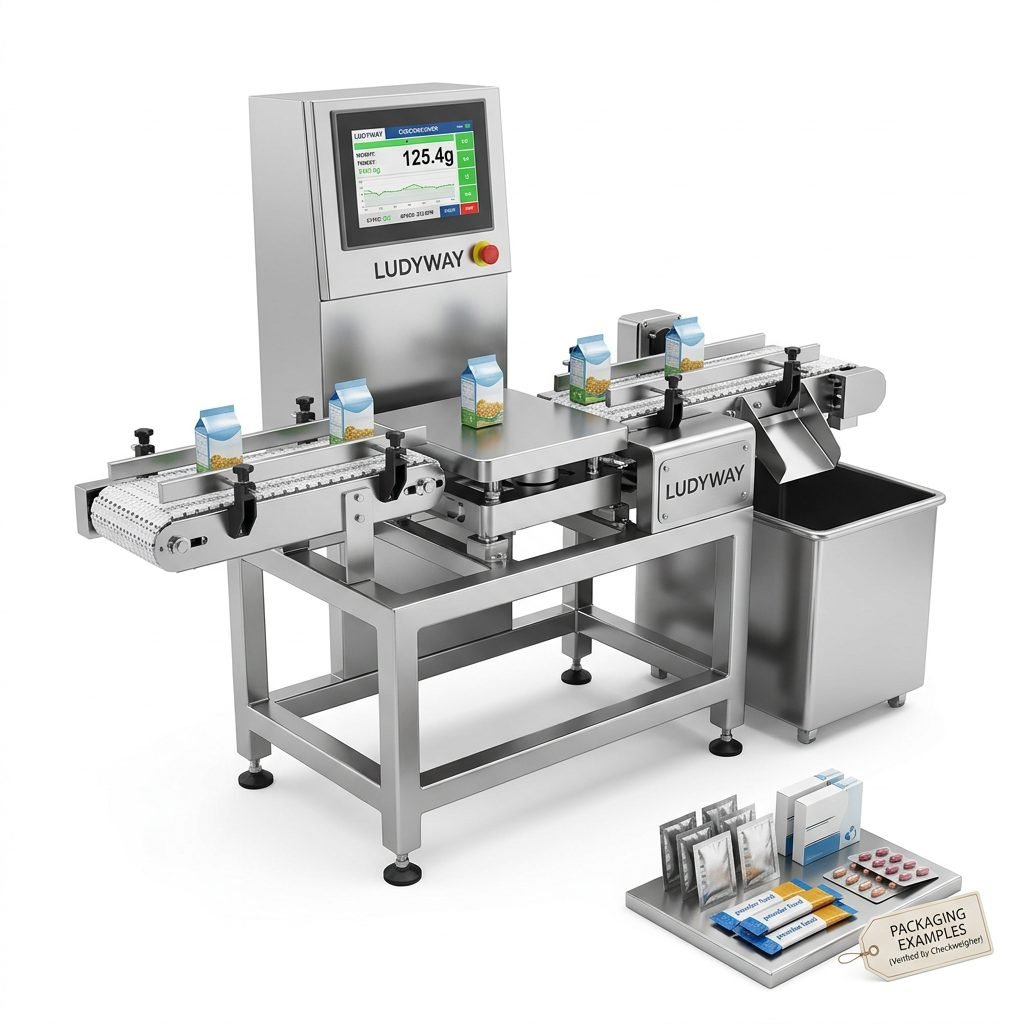
Think Beyond the Main Machine: Evaluate the Full Line
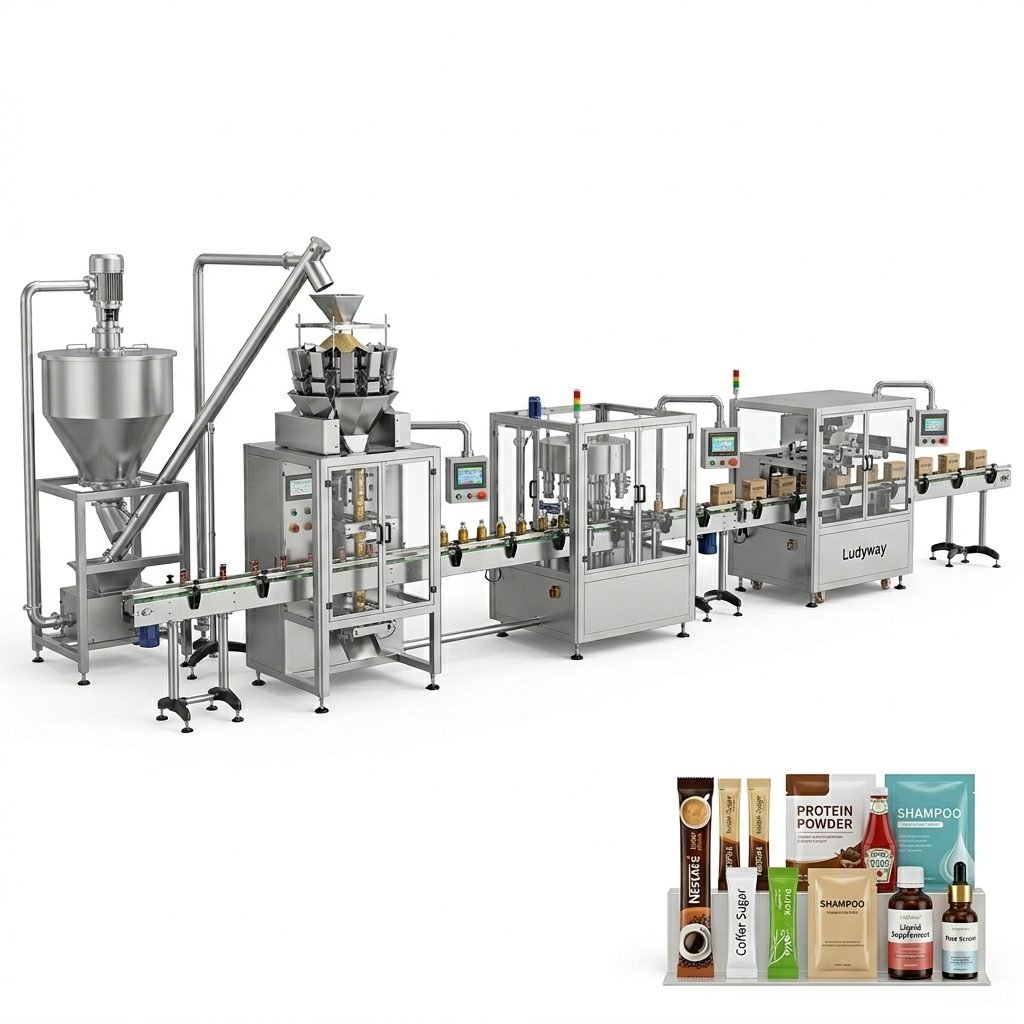
Many OEM buyers focus too narrowly on the primary packing machine and forget the surrounding system. In reality, packaging performance depends on the full line:
- Feeding and conveying equipment
- Weighing or dosing systems
- Checkweighers and metal detectors
- Date coding and printing units
- Cartoning, case packing, and palletizing modules
- Inspection and reject systems
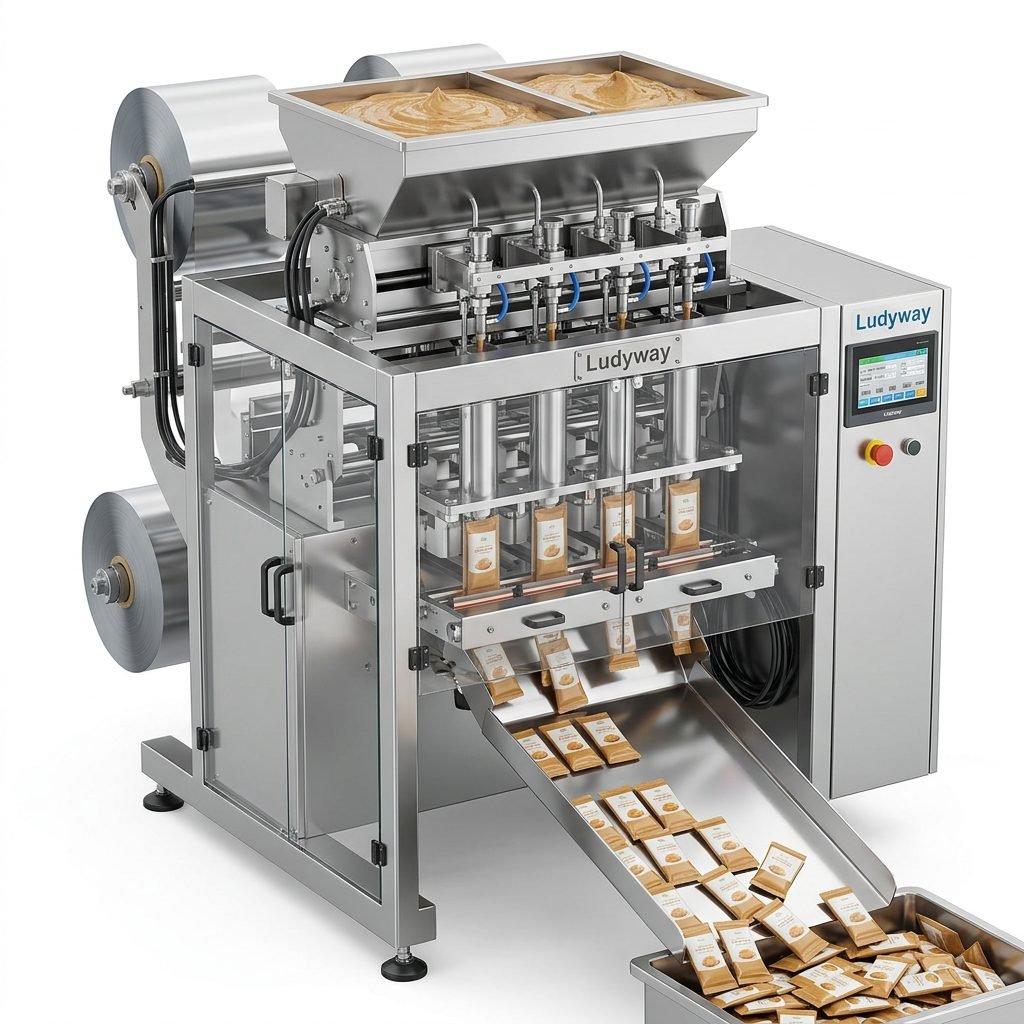
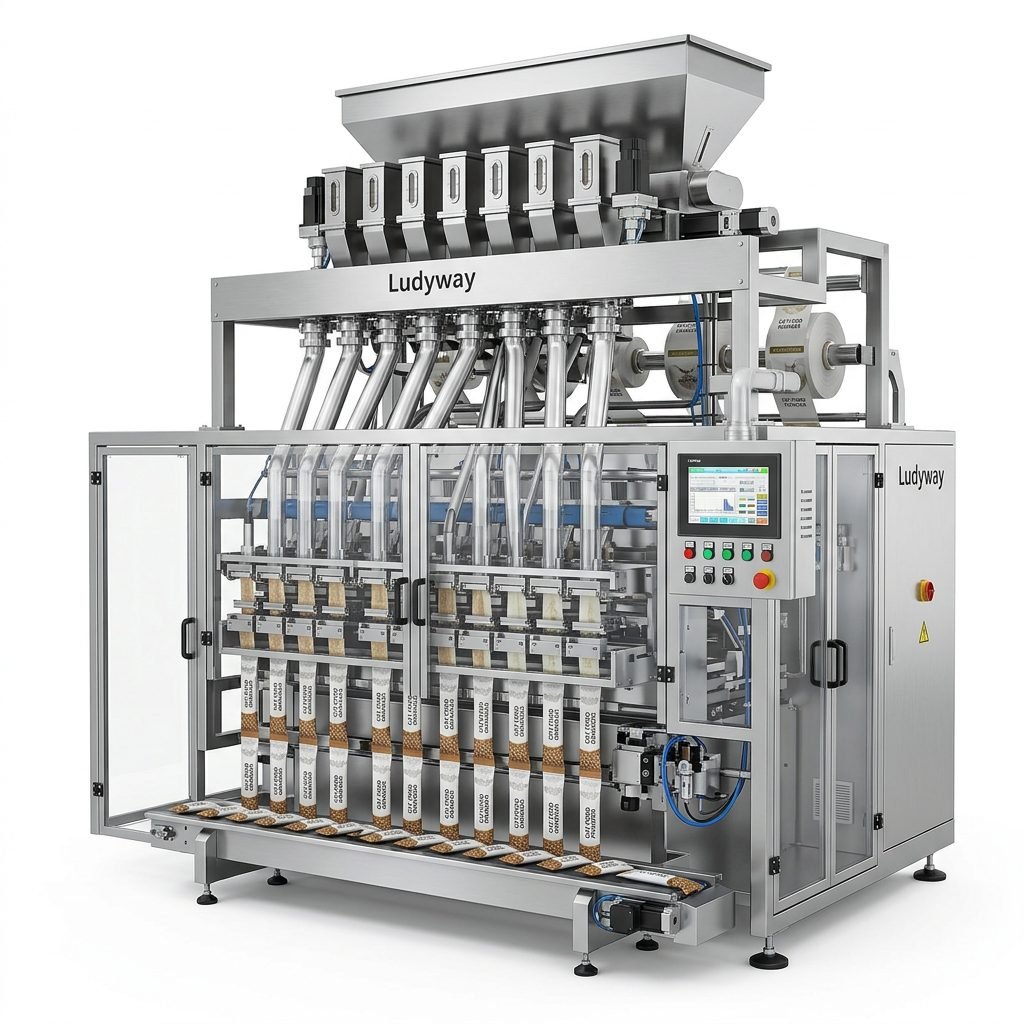
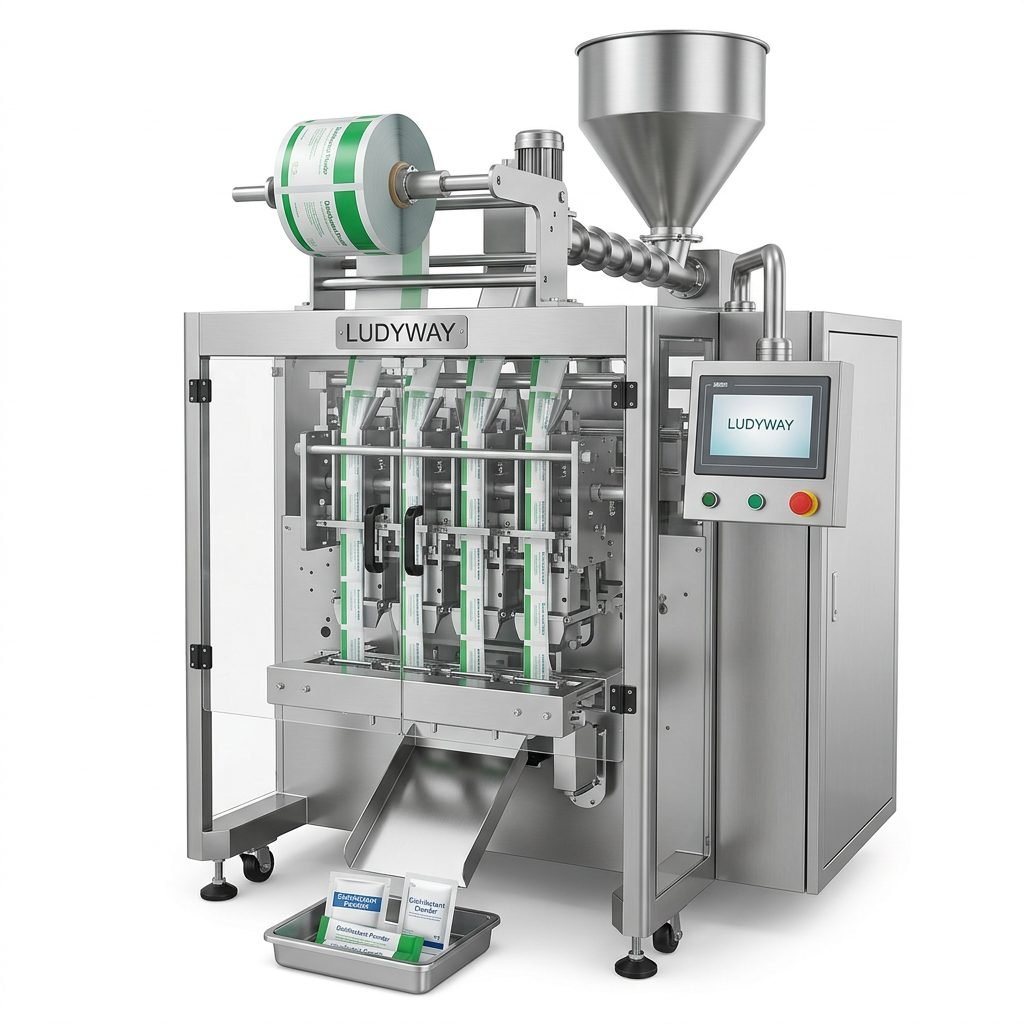
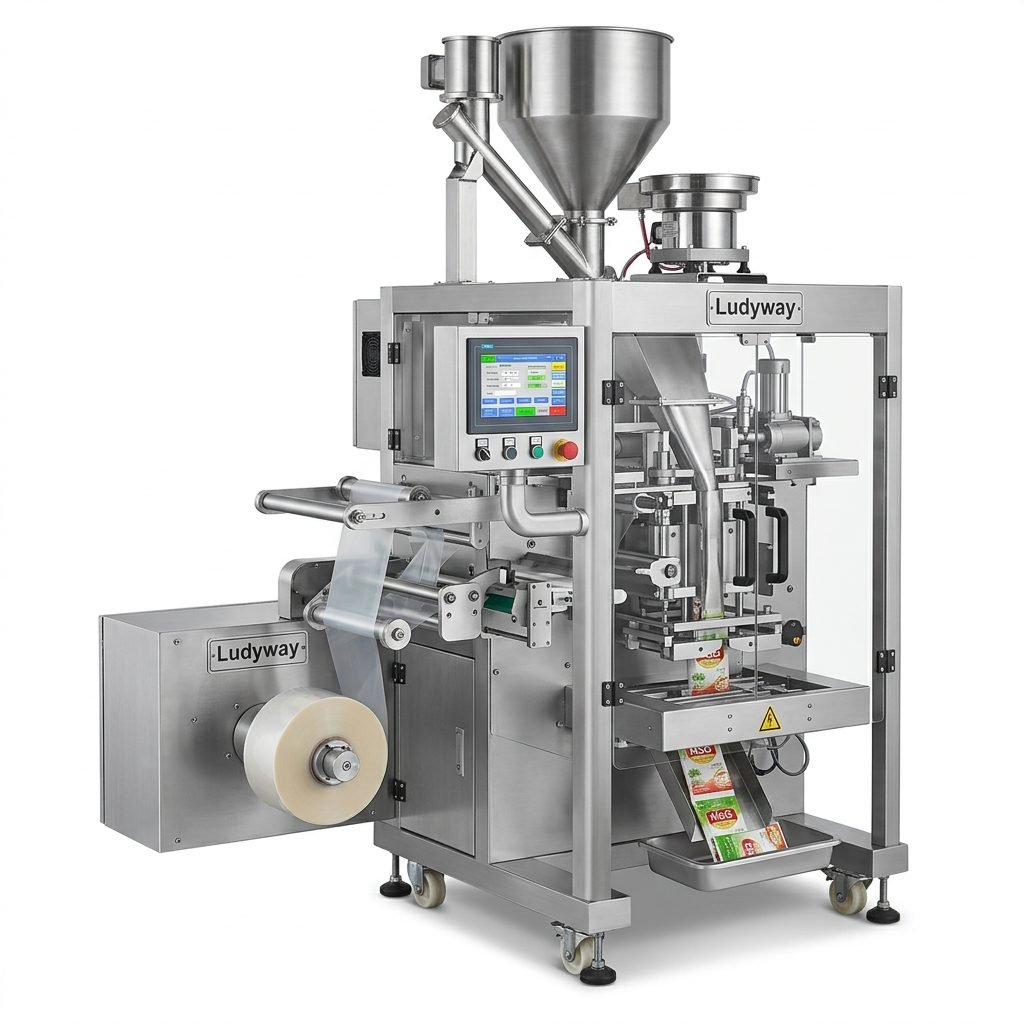
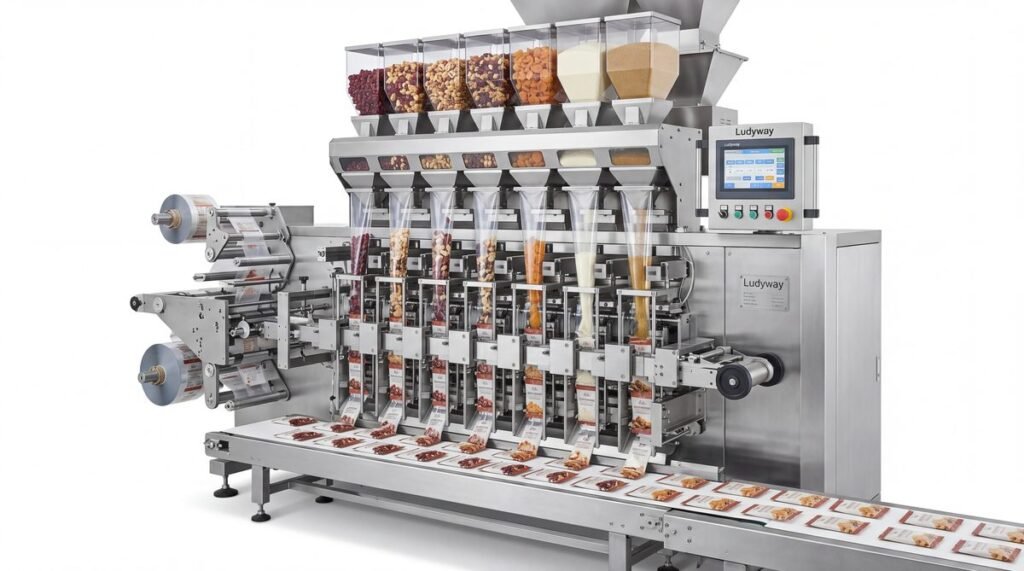
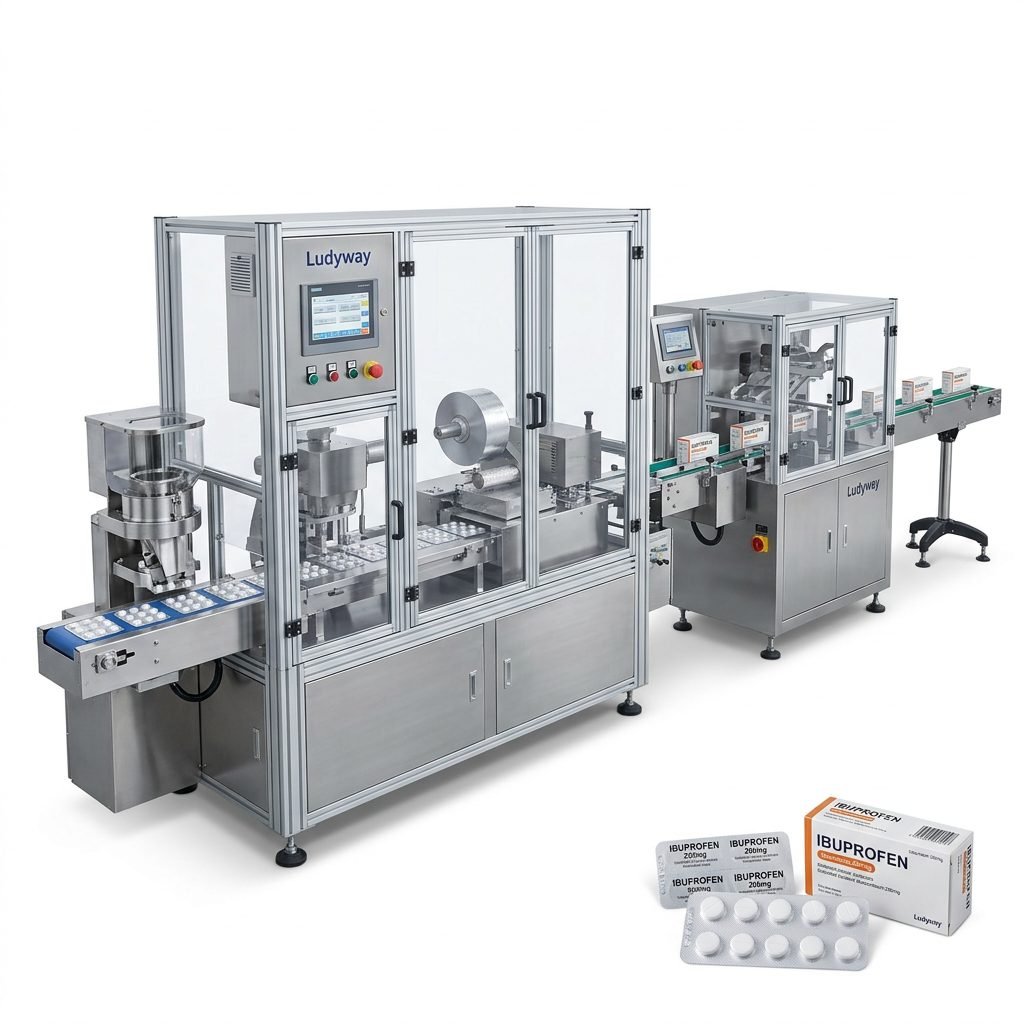
For growing OEM businesses, integrated turnkey lines often provide better coordination than buying disconnected machines from different suppliers. Companies looking for scalable systems often compare suppliers such as packaging machine manufacturer Ludyway, especially for projects involving multi-lane sachet machines, stick pack systems, and complete turnkey packaging lines across food, pharmaceutical, health supplement, cosmetic, and related sectors.
Key Technical Factors to Compare Before You Buy
When creating your supplier shortlist, compare technical details in a structured way rather than relying on general sales claims.
| Technical Factor | What to Verify |
|---|---|
| Filling accuracy | Tolerance at your target weight and real product condition |
| Sealing quality | Leak resistance, seal appearance, temperature stability |
| Control system | PLC/HMI usability, recipe storage, alarm logic, data access |
| Servo configuration | Motion precision, repeatability, maintenance convenience |
| Cleaning and maintenance | Accessibility, removable parts, downtime required |
| Spare parts support | Delivery speed, standardization, stock availability |
Factory Testing Is Essential for OEM Buyers
Never choose a packaging machine based only on pictures, videos, or generic specifications. OEM manufacturers should request a factory acceptance test with actual product samples and real packaging materials.
What to observe during machine testing
- Filling accuracy across multiple cycles
- Sealing strength and appearance
- Machine stability after continuous operation
- Ease of adjustment by operators
- Product residue, leakage, dust, or blockage issues
- Changeover time between specifications
This step reduces risk significantly, especially for new OEM projects where a packaging failure can affect customer trust from the first shipment.
How to Measure Total Cost of Ownership
The cheapest machine is not always the most economical. OEM manufacturers should calculate the full cost across years of operation.
Include these cost items
- Initial equipment purchase
- Installation and commissioning
- Operator training
- Energy consumption
- Film waste and product loss
- Planned maintenance and spare parts
- Downtime costs
- Future upgrade or expansion cost
A reliable machine with lower reject rates and faster product changeovers often delivers better ROI than a low-price alternative with unstable performance.
Questions OEM Manufacturers Should Ask Packaging Machine Suppliers
- Which industries and products has this machine already served?
- Can you provide sample test data with our actual material?
- What is the real production speed at our target dosage?
- How long does a standard changeover take?
- What wearing parts should be stocked locally?
- Do you support turnkey line integration?
- What remote support and after-sales response process do you offer?
- Can the system be expanded later with cartoning, inspection, or palletizing?
Best Packaging Machine Types for Typical OEM Applications
For food OEM manufacturing
Multi-lane sachet and stick pack machines are often ideal for drink powders, seasonings, sweeteners, coffee, snacks, sauces, and nutritional products. They combine high speed with compact pack formats and can integrate with secondary packaging lines.
For pharmaceutical and supplement OEM manufacturing
Precision filling systems with validation-friendly controls, stable sealing, and inspection integration are usually the preferred choice. Accuracy and traceability often matter more than pure speed.
For cosmetic OEM manufacturing
Sachet, tube, and liquid filling systems should provide clean dosing, attractive seal quality, and compatibility with creams, gels, serums, and lotions.
For chemical and industrial OEM manufacturing
Look for durable systems designed for abrasive, dusty, or corrosive materials, with strong sealing and safety-focused construction.
Red Flags to Avoid During Supplier Selection
- Speed claims without product-specific testing
- Limited support for customization
- Unclear spare parts supply process
- No discussion of downstream integration
- Weak documentation or compliance support
- Machines that require excessive manual adjustment
- No proven export project experience
Final Buying Guidance for OEM Manufacturers
The best packaging machine for OEM manufacturers is the one that aligns with your product characteristics, packaging format, output target, changeover frequency, compliance needs, and expansion plan. In most cases, the smartest investment is not just a machine, but a packaging solution built for long-term operational flexibility.
If you compare suppliers carefully, test with real samples, and prioritize total lifecycle value, you can choose a packaging system that supports both current contracts and future growth. For OEM businesses, that is what the right packaging solution should deliver: consistent quality, scalable productivity, and reliable adaptability.