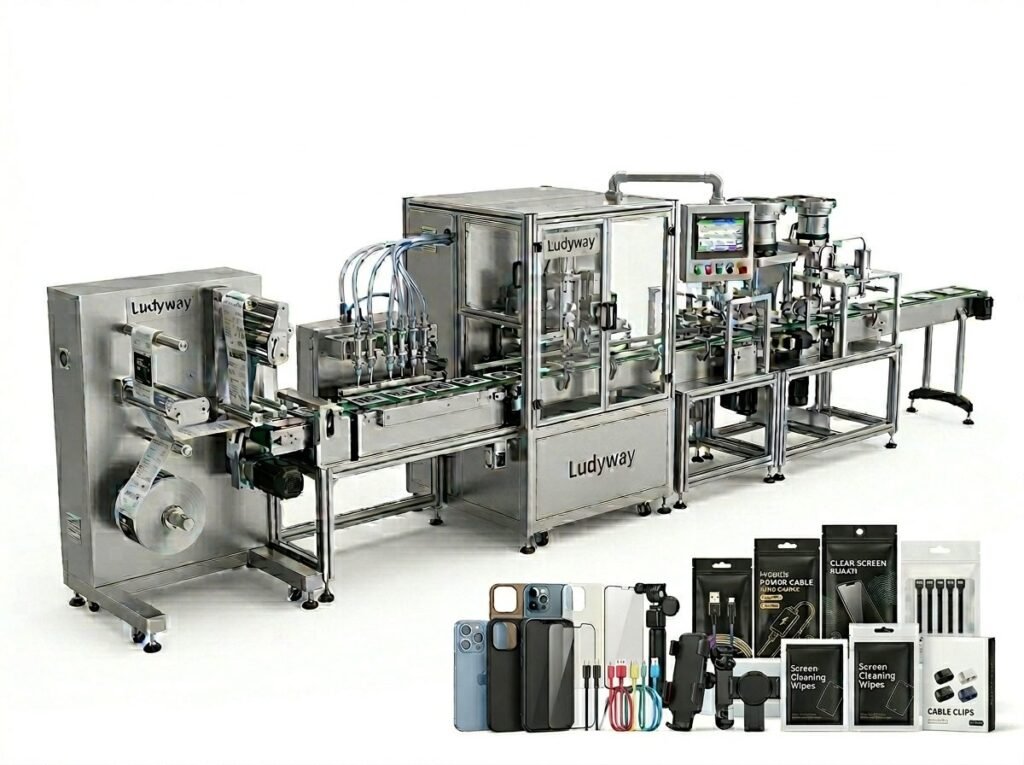
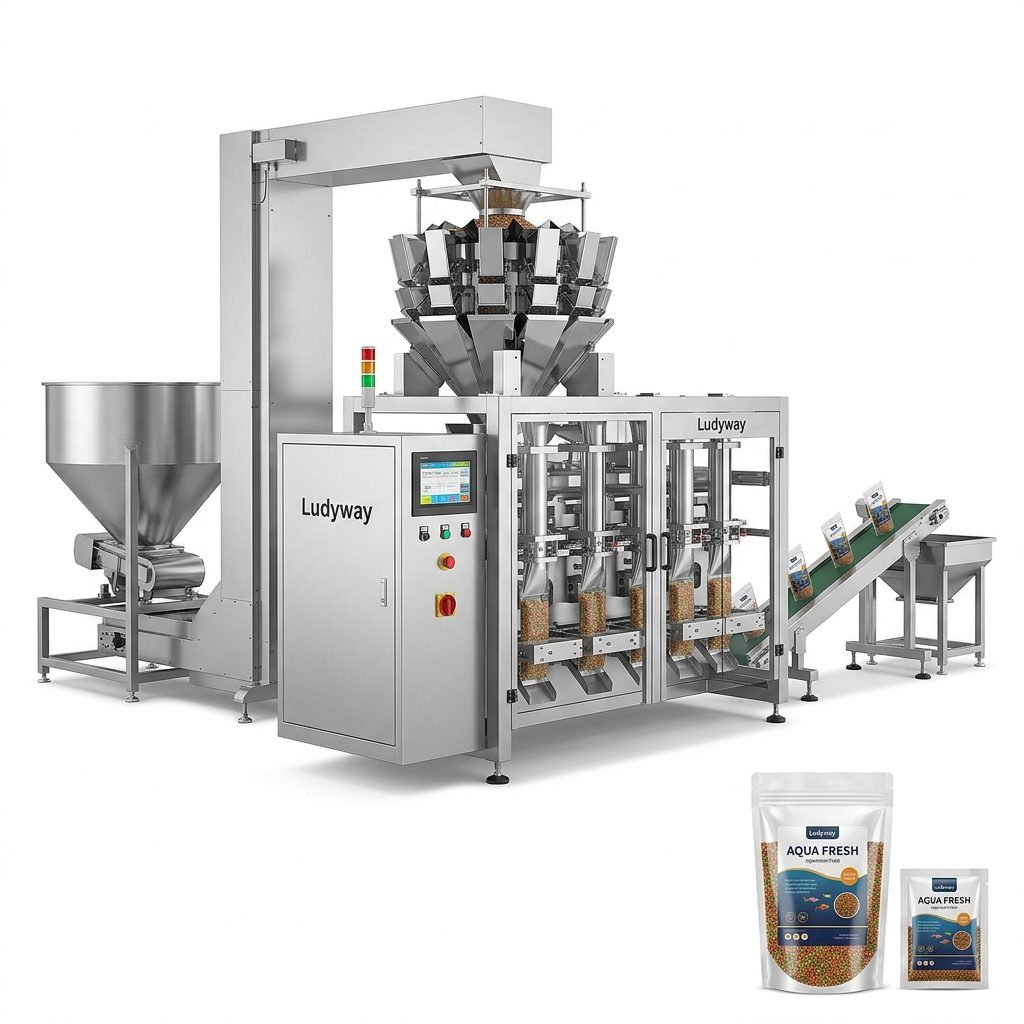
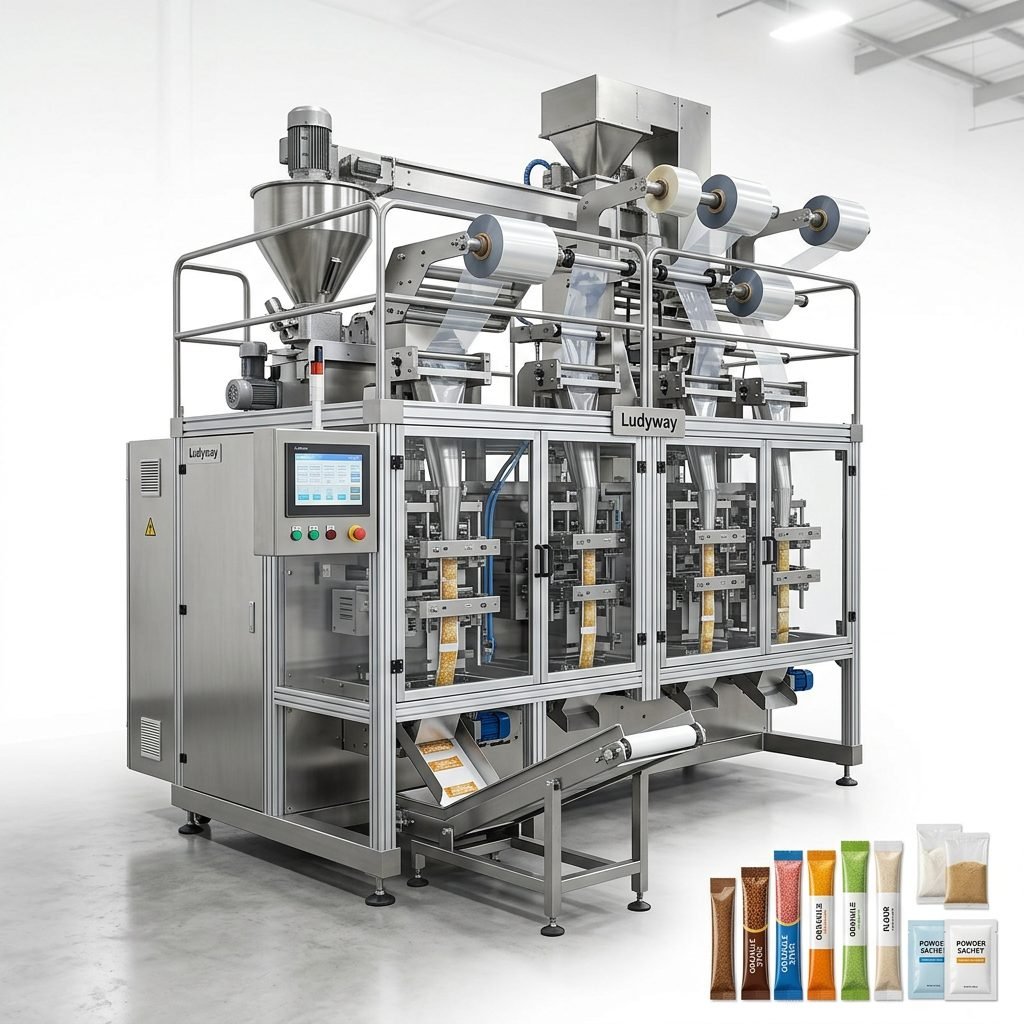
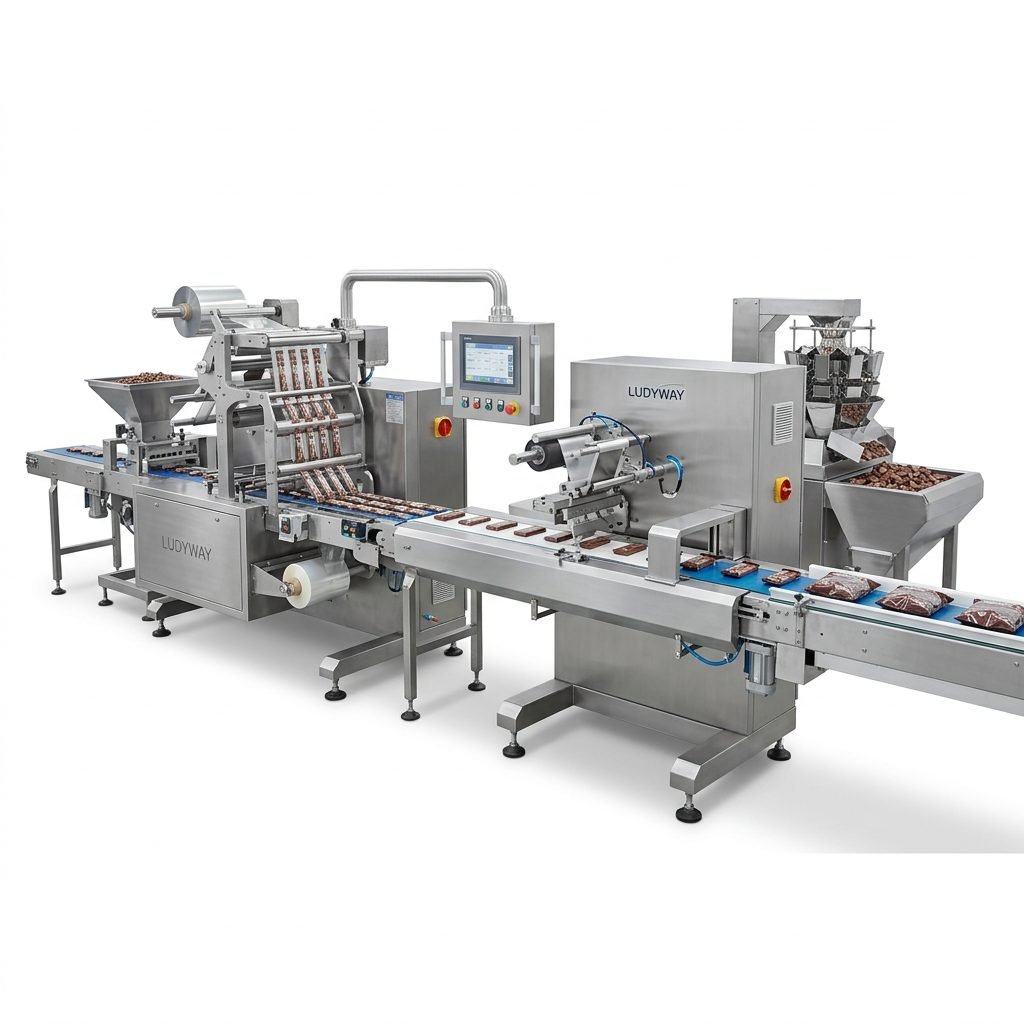
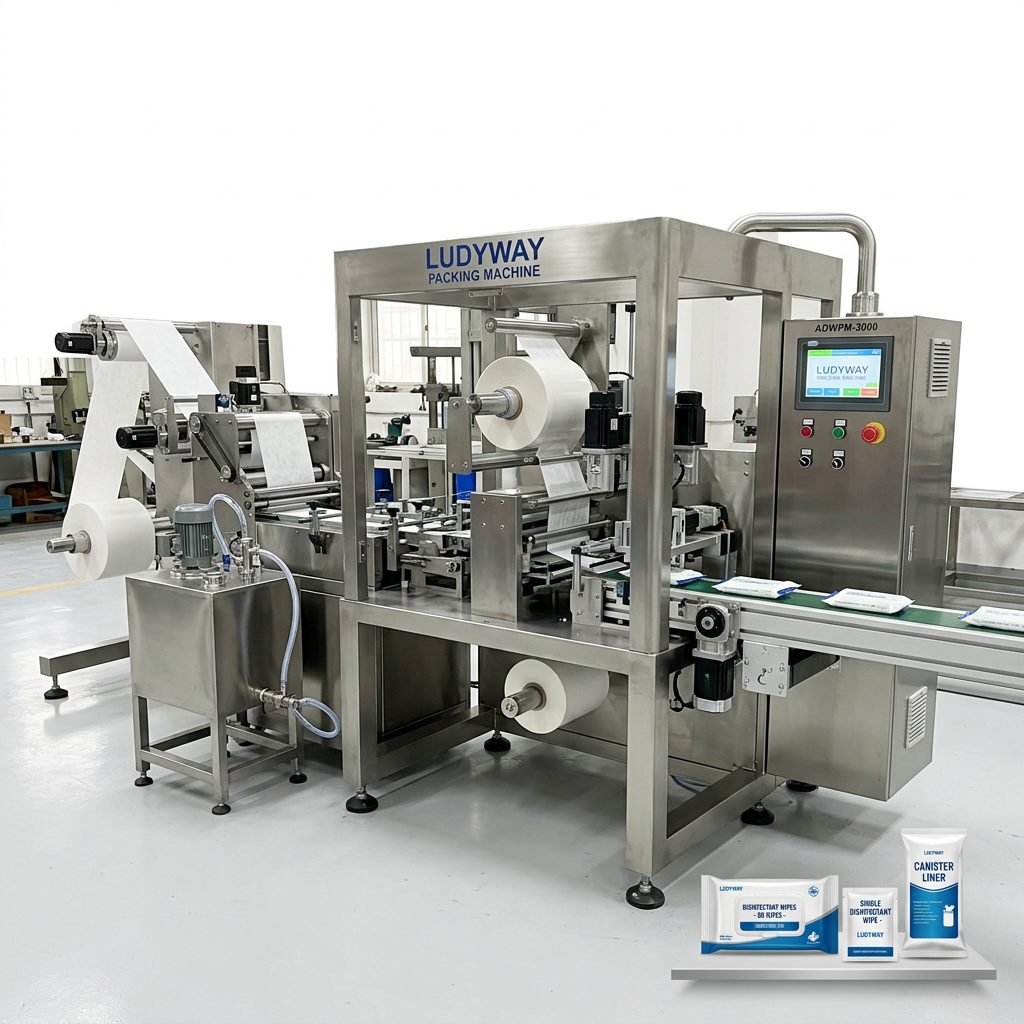
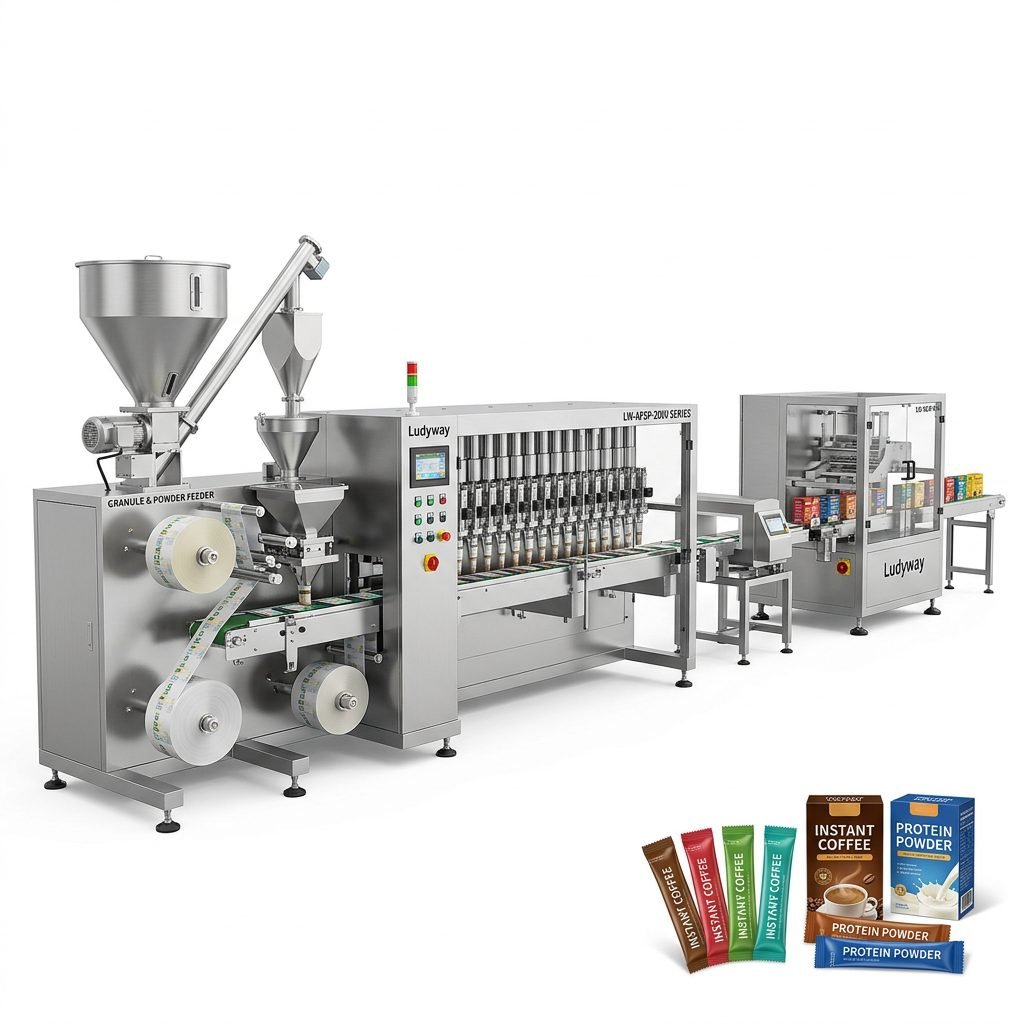
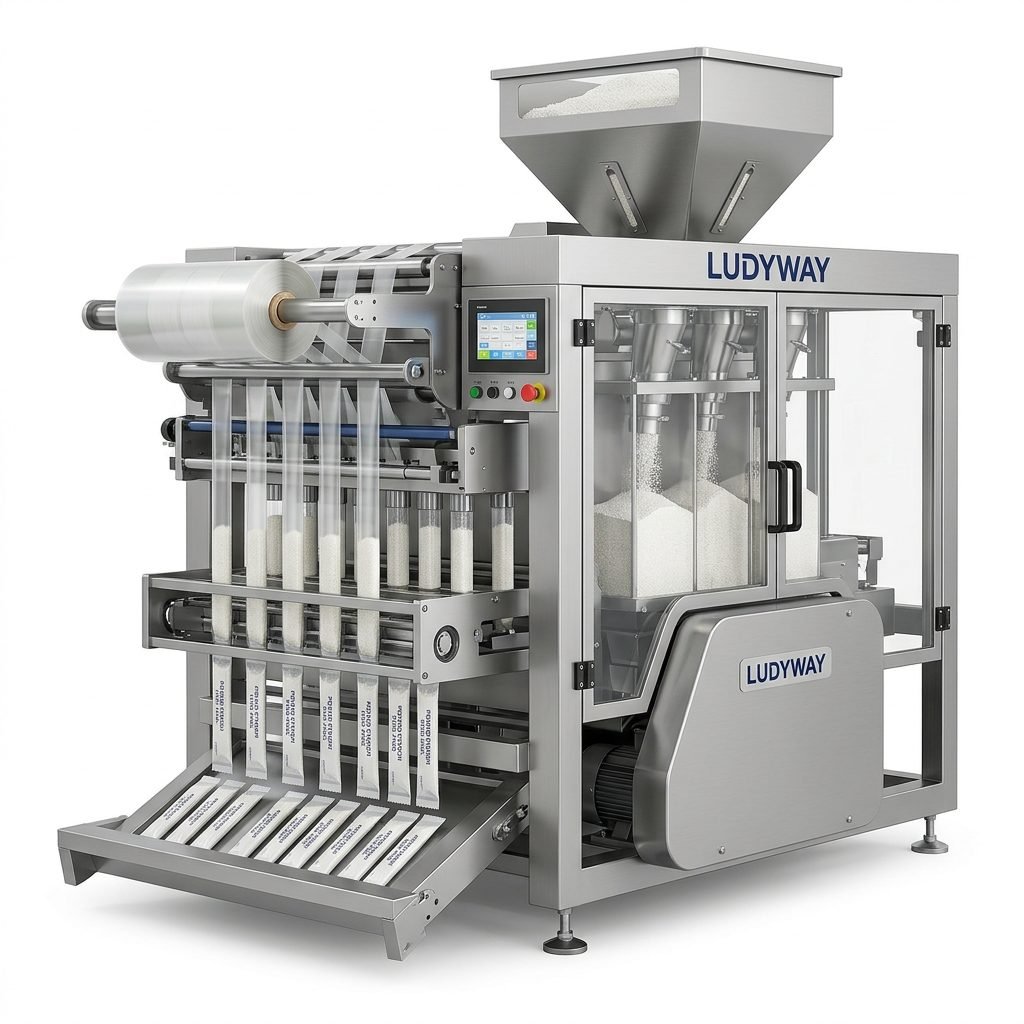
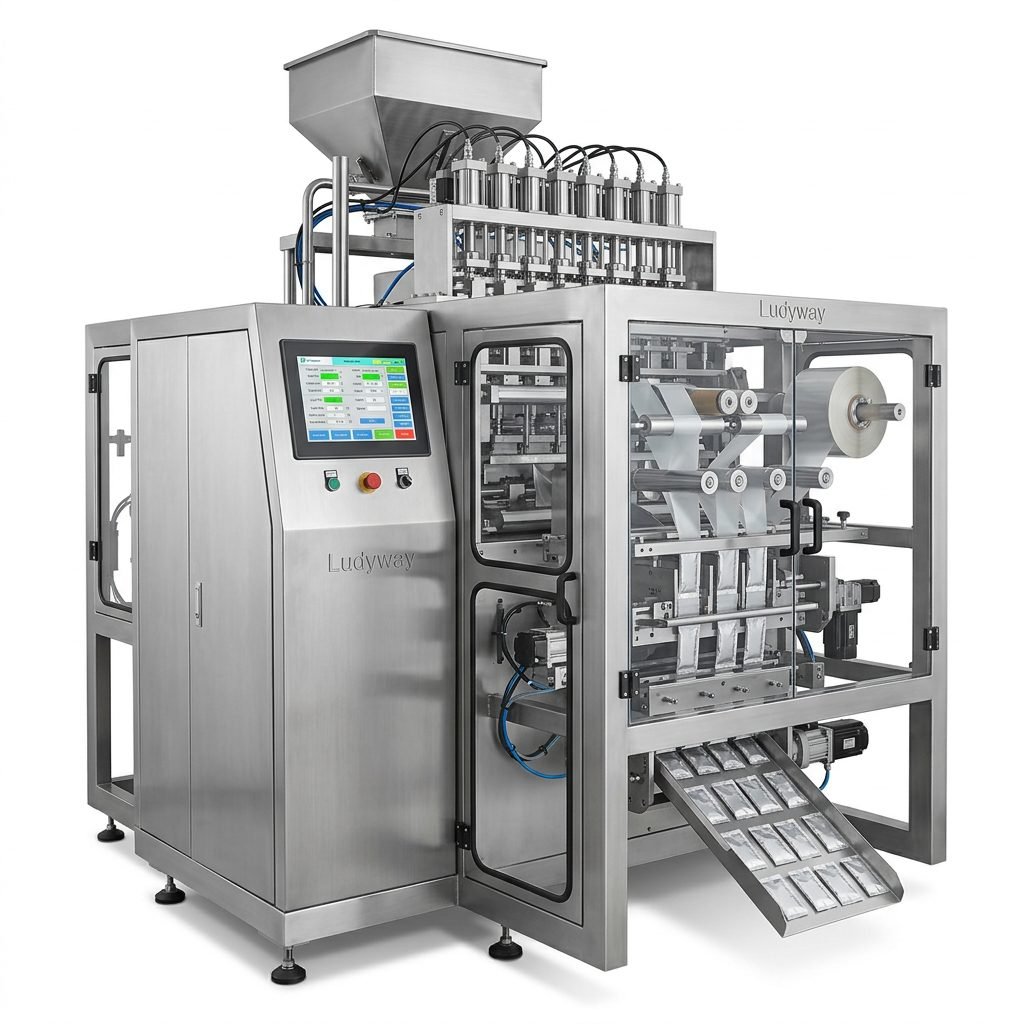
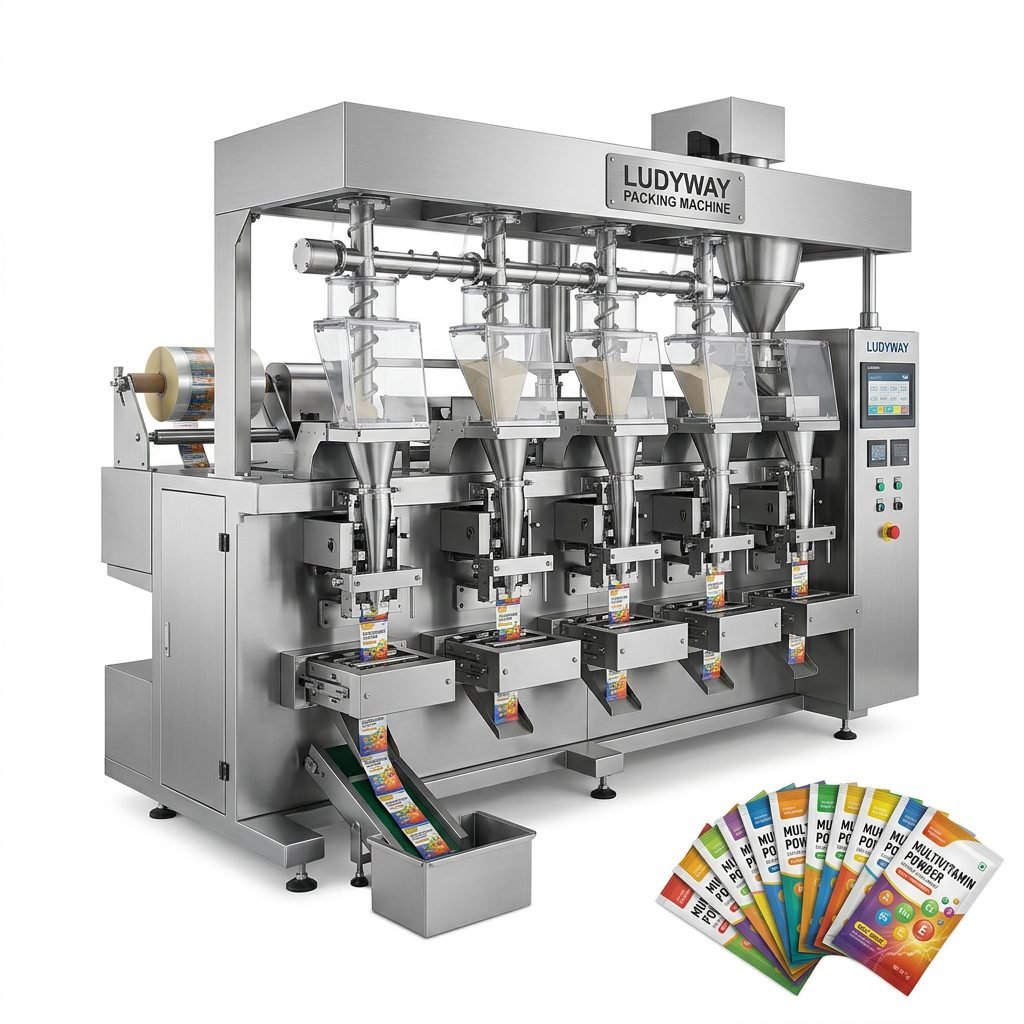
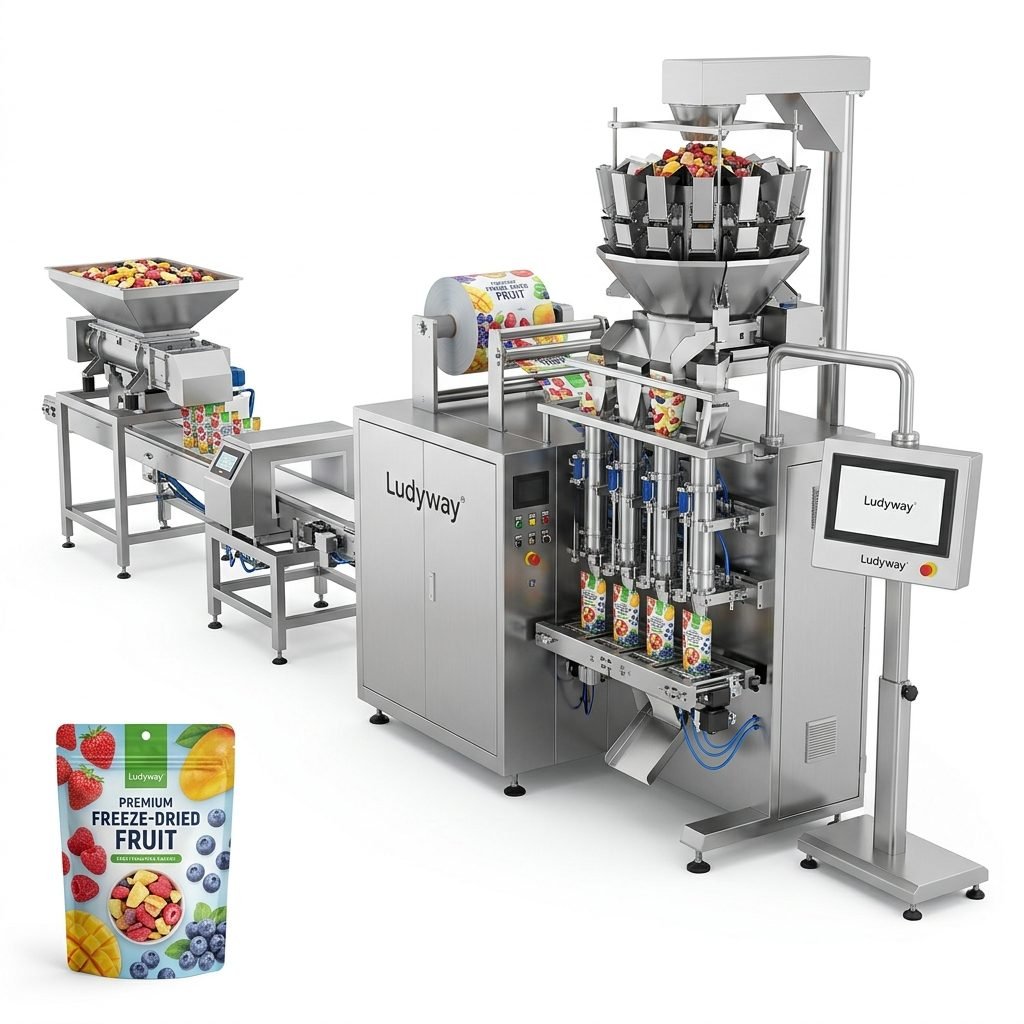
Pickle packaging is more demanding than many food applications because the product often combines solid pieces, brine, oil, spices, and acidity in one filling process. A suitable pickle packing machine must handle product consistency, prevent leakage, preserve hygiene, and support stable output at scale. Whether you produce mango pickle, mixed vegetable pickle, cucumber pickle, chili pickle, or regional specialty recipes, selecting the right equipment can directly affect shelf life, labor cost, and brand presentation.
In this guide, you will learn the main machine types, their benefits, the key technical points to compare, and how to choose the best solution for your production line.
Why pickle packaging needs specialized equipment
Pickles are not simple free-flowing products. They may contain chunked vegetables, shredded ingredients, seeds, paste-like seasoning, and varying amounts of liquid. This creates several packaging challenges:
- Uneven product texture can make dosing inconsistent.
- Oil or brine leakage may contaminate seals.
- Acidic formulas require corrosion-resistant contact parts.
- Sticky spices and particulates can block filling heads.
- Different pack styles need flexible machine configuration.
That is why food manufacturers often invest in pickle packaging machinery designed for viscous, semi-liquid, or particulate-containing products instead of using general-purpose packing systems.
Main types of pickle packing machines
1. Sachet pickle packing machine
This type is used for small single-use or trial-size packs. It is common for foodservice, takeaway, travel packs, and promotional packaging.
- Suitable for small-volume pickle portions
- Works well for liquid-rich or paste-style pickle products
- Ideal for retail sampling and meal accompaniment packs
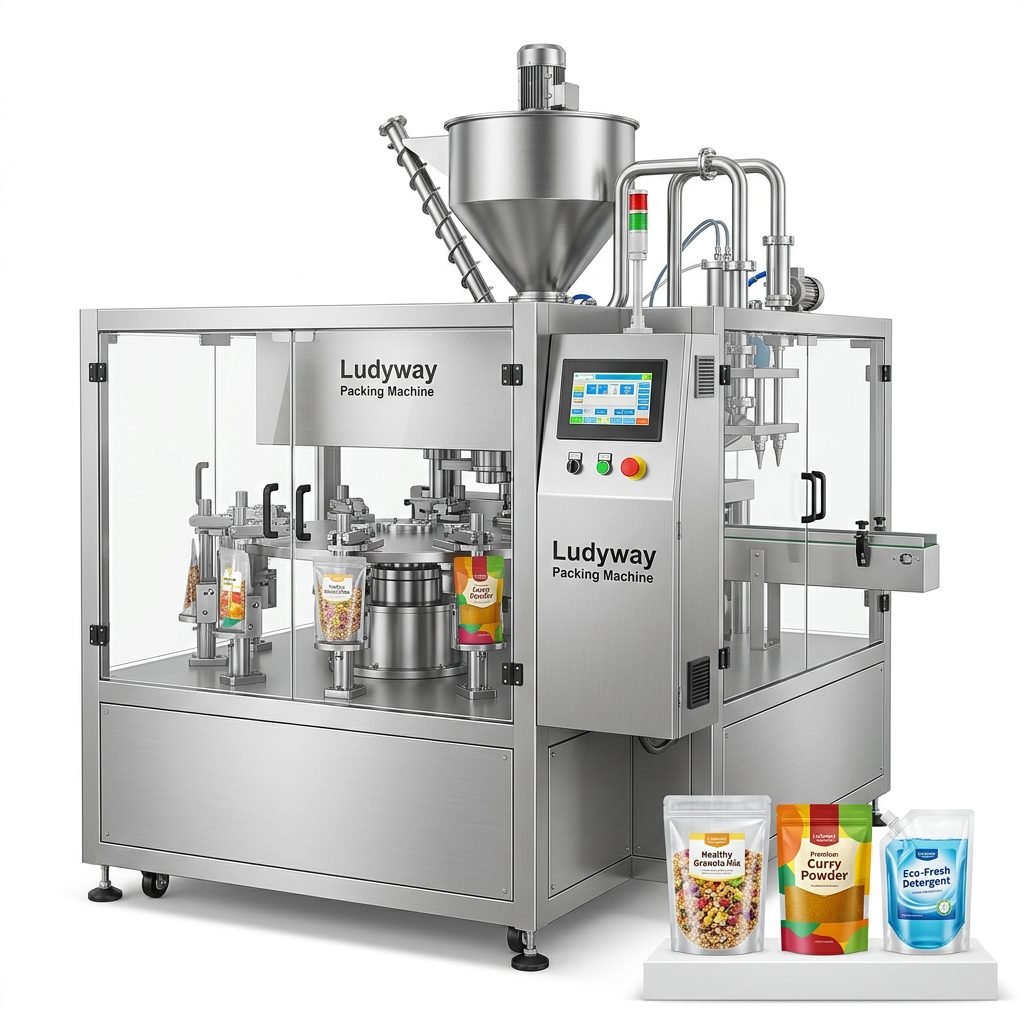
2. Stand-up pouch pickle packing machine
Stand-up pouches are popular in modern retail because they look attractive on shelves and offer strong branding space. Machines in this category can fill premade pouches or form pouches from roll film.
- Good for medium retail packs
- Can support zipper, spout, or standard pouch structures
- Useful for premium or export-oriented pickle products
3. Jar or bottle pickle filling machine
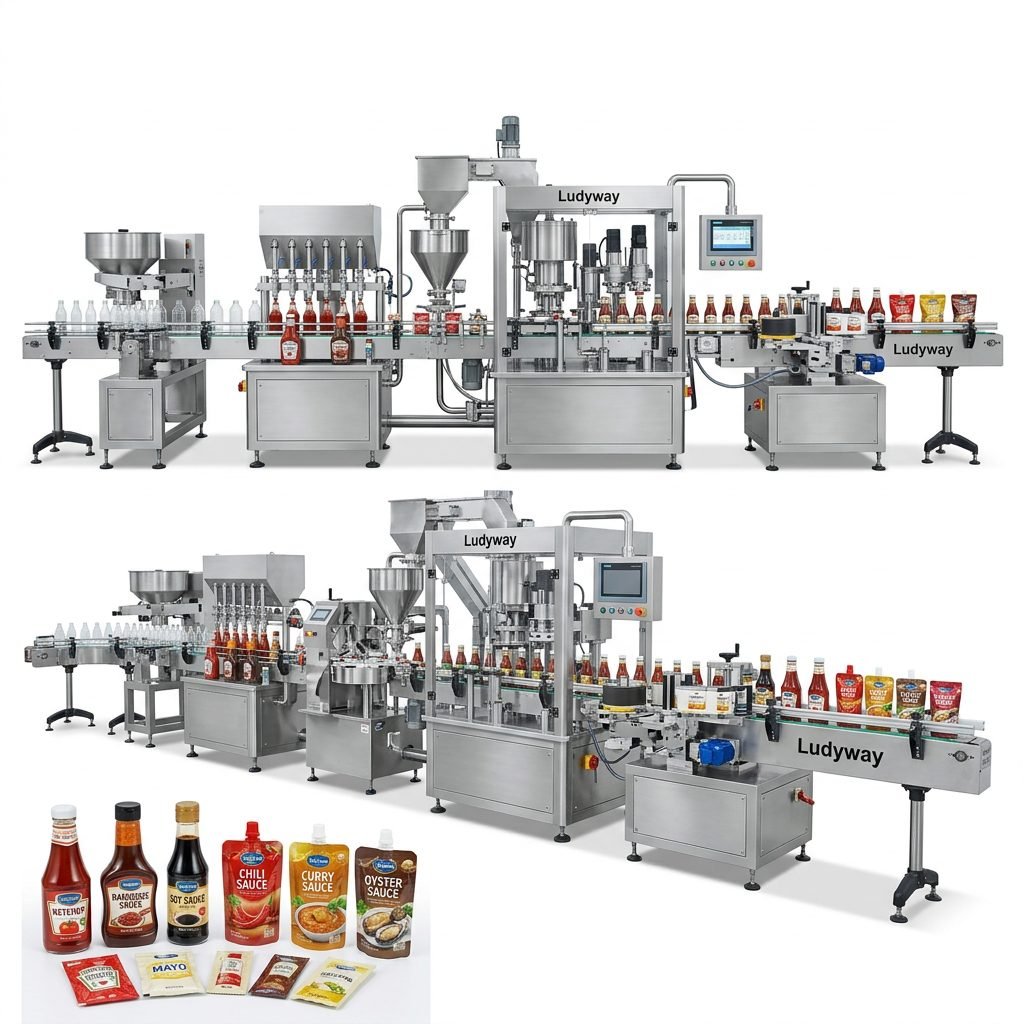
Many pickle brands still prefer jars or bottles because they convey quality and allow consumers to see the product. These systems are typically integrated with bottle feeding, filling, capping, labeling, and coding.
- Best for high-visibility presentation
- Suitable for chunky pickle pieces in brine or oil
- Often used in supermarkets and premium food categories
4. Vacuum pickle packing machine
Vacuum packaging removes excess air before sealing. It can help reduce oxidation and improve storage stability for selected pickle types.
- Helps improve pack tightness
- Can extend freshness in certain product formats
- Useful for export shipments and compact packing
5. Automatic pickle pouch filling and sealing machine
This is a highly efficient solution for larger manufacturers. It automates pouch feeding, opening, filling, sealing, and sometimes date coding and inspection.
- Reduces manual handling
- Supports stable production output
- Improves sealing consistency and hygiene
Machine selection by pickle product type
| Pickle Type | Recommended Machine | Why It Fits |
|---|---|---|
| Chunky vegetable pickle | Jar/bottle filling machine | Handles visible solid pieces and preserves presentation |
| Oil-based pickle | Pouch filling and sealing machine | Supports leak-resistant sealing and efficient filling |
| Paste-like pickle | Sachet or pouch machine with piston filling | Offers accurate dosing for viscous products |
| Export retail pickle | Stand-up premade pouch machine | Improves shelf appeal and transport efficiency |
| Bulk foodservice pickle | Large pouch or container filling line | Supports higher fill weight and faster throughput |
Key benefits of using a pickle packing machine
Higher production efficiency
Automatic systems package faster than manual operations and keep output more consistent during long shifts. This is especially important for growing brands that need reliable daily production.
Better fill accuracy
Accurate filling reduces giveaway and helps maintain the right pickle-to-brine ratio in every pack. Over time, this can significantly improve cost control.
Improved sealing quality
Well-designed sealing systems reduce leakage and rework. For oily or wet pickle products, clean and secure seals are essential.
Enhanced hygiene and food safety
Food-grade stainless steel construction and enclosed automation reduce human contact with the product, helping maintain sanitary production conditions.
Lower labor dependency
Automation cuts repetitive manual work such as filling, pouch holding, sealing, or transferring finished packs.
Professional packaging appearance
Uniform packs improve consumer trust, shelf performance, and brand image in both local and export markets.
Important features to look for
When comparing pickle packaging equipment, focus on performance details that match your product characteristics, not just machine speed.
- Corrosion-resistant material for acidic recipes
- Piston, servo, or pump filling options for thick or semi-liquid products
- Anti-drip filling nozzles to keep seals clean
- Agitation or hopper mixing to keep solids and liquid evenly distributed
- Adjustable filling range for multiple SKU sizes
- Easy cleaning structure for hygiene and maintenance
- Reliable sealing temperature control for pouch integrity
- Integration capability with conveyors, cappers, labelers, and coding systems
Semi-automatic vs fully automatic pickle packing machines
| Factor | Semi-Automatic | Fully Automatic |
|---|---|---|
| Investment level | Lower initial cost | Higher but scalable investment |
| Labor need | More operator involvement | Reduced labor requirement |
| Output | Suitable for startups and small batches | Better for medium to large volume production |
| Consistency | Good but operator-dependent | More stable and repeatable |
| Best fit | Small brands or test production | Established factories and export orders |
How to choose the right pickle packing machine
Understand your product characteristics
Start with the basics: Is your pickle chunky, shredded, oily, watery, pasty, or mixed? Machine configuration depends heavily on product flow behavior.
Define your packaging format
Choose whether you need sachets, pouches, jars, bottles, or bulk packs. The right machine should match your target market and retail strategy.
Estimate your output requirements
If you are producing a few thousand packs per day, a semi-automatic solution may be enough. If you are scaling to chain retail or export, full automation is usually the better long-term choice.
Check hygiene and material standards
Pickle products require hygienic product-contact parts, normally SUS304 or SUS316 stainless steel depending on formula and process requirements.
Consider cleaning and changeover time
If you produce multiple pickle flavors or pack sizes, quick disassembly and easy washdown become very important.
Think about future line expansion
A machine should fit not only today’s capacity but also tomorrow’s growth. Choose equipment that can integrate with feeders, conveyors, cappers, checkweighers, metal detectors, and case packing systems.
Questions to ask before buying
- What pickle type and viscosity range can the machine handle?
- Can it fill products with solid particles and liquid together?
- What is the actual speed at my target fill weight?
- How does the machine prevent seal contamination?
- How long does cleaning and product changeover take?
- Can the machine support future automation upgrades?
- What after-sales support and spare parts service are available?
Common mistakes buyers should avoid
- Choosing a machine based only on price
- Ignoring the impact of oil, brine, and solids on filling performance
- Underestimating sealing difficulty for wet products
- Buying equipment without testing actual pickle samples
- Not planning enough room for downstream packaging equipment
When a turnkey packaging line makes more sense
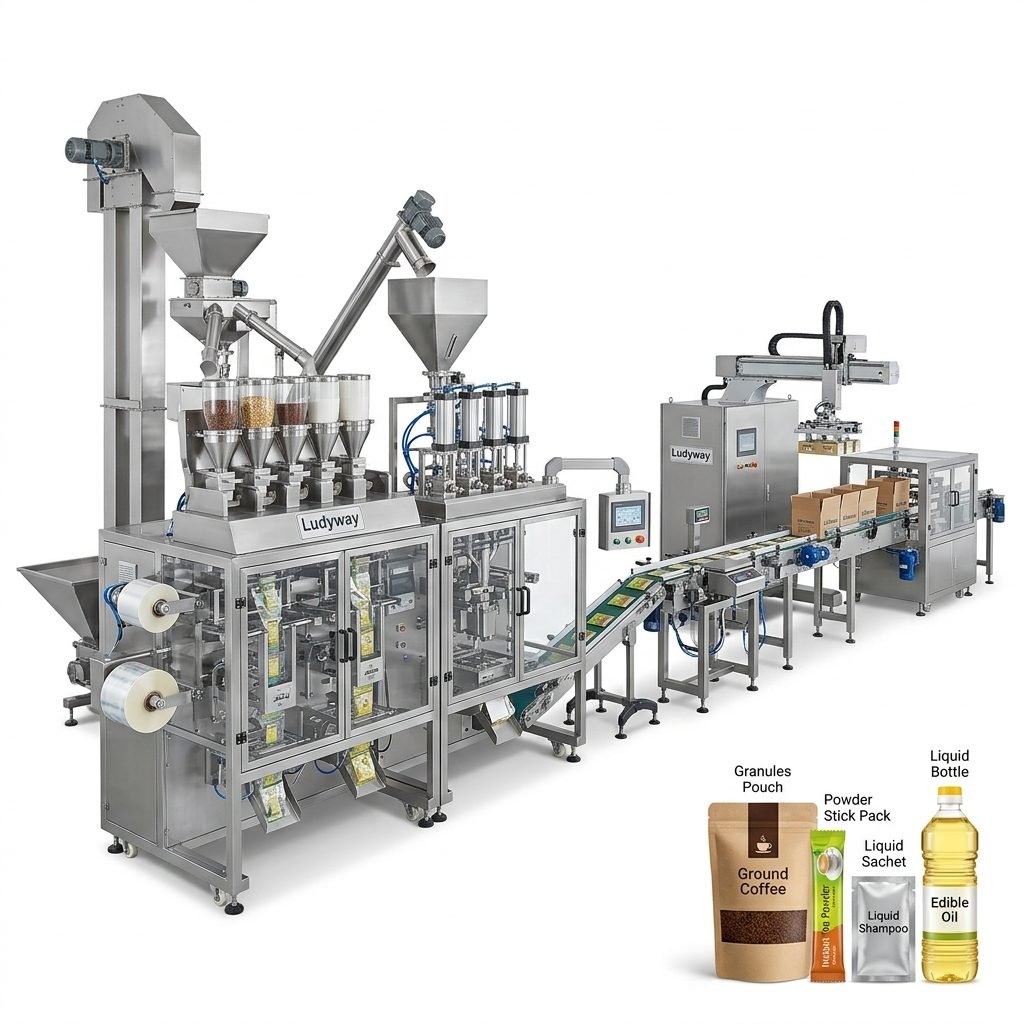
If your production target is growing, a standalone filling machine may not be enough. In many cases, a full line including feeding, filling, sealing, inspection, labeling, cartoning, and end-of-line automation provides better efficiency and lower total operating cost.
Manufacturers looking for scalable food packaging automation often consider Ludyway pickle packing machine solutions and broader turnkey systems because the company has over 30 years of packaging experience, a factory of more than 20,000 square meters, and a wide export footprint across more than 100 countries and regions.
Best applications for pickle packing machines
- Retail pickle pouches
- Single-serve condiment sachets
- Glass jar and PET bottle pickle filling
- Foodservice bulk pickle packs
- Private label and export pickle production
Final buying checklist
| Checklist Item | Why It Matters |
|---|---|
| Pickle texture and viscosity | Determines suitable filling system |
| Pack format | Affects machine structure and sealing method |
| Capacity target | Defines automation level |
| Seal cleanliness | Critical for leak prevention |
| Food-grade construction | Supports hygiene and durability |
| Maintenance and support | Reduces downtime over machine life |
Choosing the right pickle packing machine is ultimately about matching product type, pack style, output goals, and long-term automation plans. A well-matched system will help you improve efficiency, maintain filling consistency, reduce leakage, and create packaging that performs better in the market.