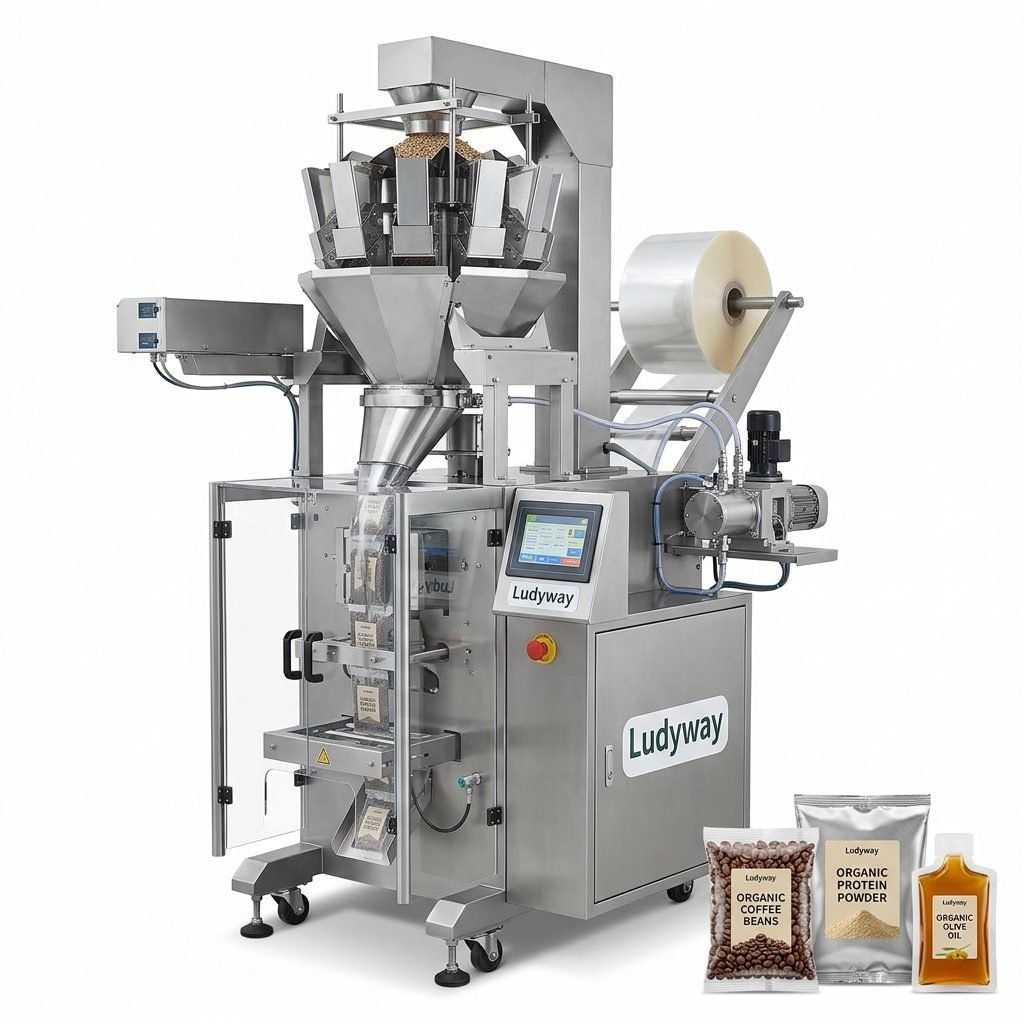
Investing in a candy bar packaging machine is a pivotal step for confectionery manufacturers aiming to scale production, enhance product shelf life, and captivate consumers with eye-catching presentations. Whether you are wrapping chocolate bars, nougat, or protein snacks, the right packaging equipment ensures efficiency, hygiene, and consistent quality. This guide walks you through the critical factors to consider, from machine types and material compatibility to automation levels, helping you make an informed purchasing decision.
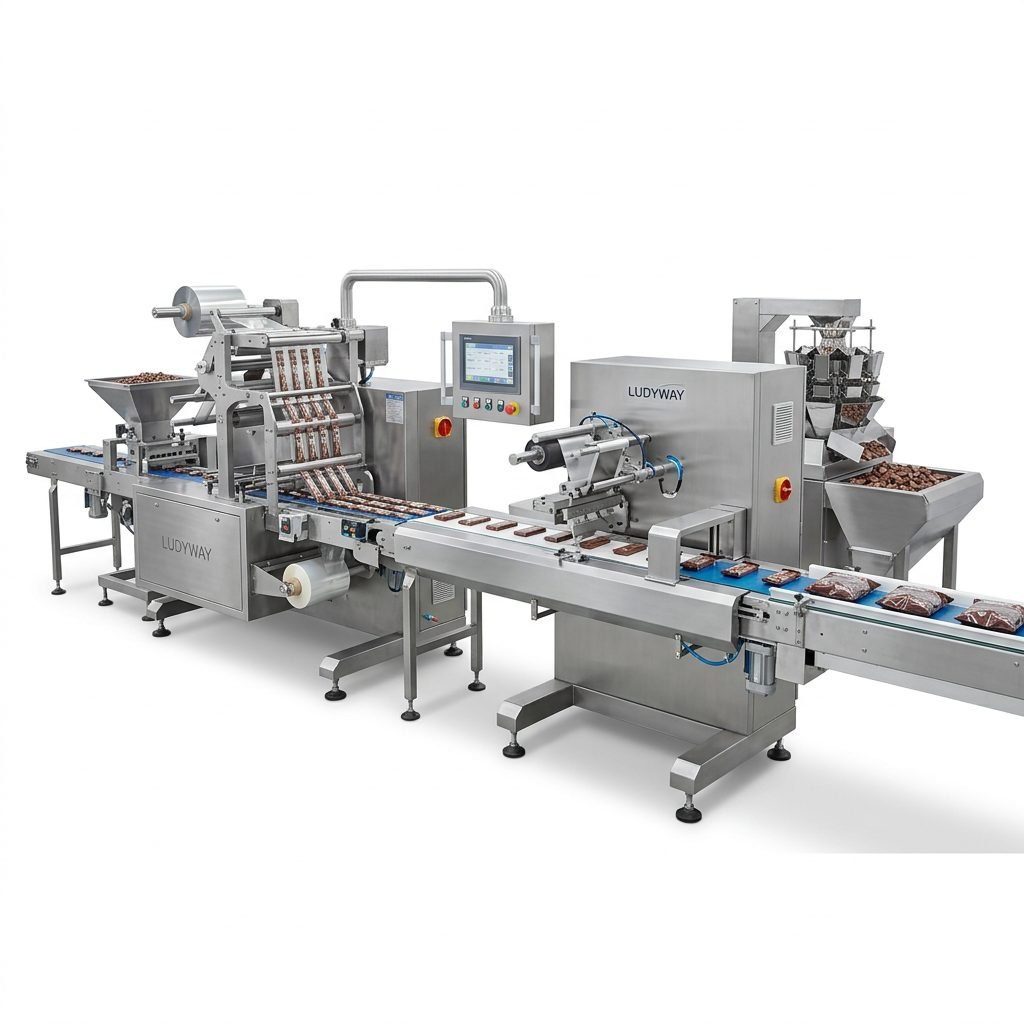
Understanding the Core Functions of a Candy Bar Wrapper
Modern candy bar packaging machines do more than simply wrap products. A high-performance system handles primary packaging (direct food contact), secondary packaging (cartoning), and often integrates quality control features. The primary goal is to protect the candy from moisture, oxygen, and physical damage while maintaining the precise shape of the bar. According to PMMI packaging industry data, flow wrapping remains the dominant technology for this sector due to its speed and hermetic sealing capabilities.
Key Specifications to Evaluate
Before contacting suppliers, define your production requirements. Breaking down the technical specifications will save time and prevent costly mismatches.
| Specification | Why It Matters | Typical Options |
|---|---|---|
| Speed | Directly impacts hourly output and ROI. | 80-300 packs/min |
| Film Material | Determines barrier properties and machine compatibility. | BOPP, Cold Seal, Laminates |
| Product Dimensions | The sealing jaws and former must match the bar size. | Customizable width/length |
| Automation Level | Affects labor costs and error rates. | Semi-auto to Fully-auto lines |
Flow Wrapping vs. Fold Wrapping
Choosing the right wrapping style is crucial for brand positioning. Horizontal Flow Wrapping (HFFS) is ideal for high-volume bars, using a continuous film roll to create a pillow-pack finish. In contrast, fold wrapping uses pre-cut sheets for a premium, gift-like appearance often seen in luxury chocolates. Your choice affects not only the machine model but also the flexible packaging materials you can use.
Integration with Upstream and Downstream Equipment
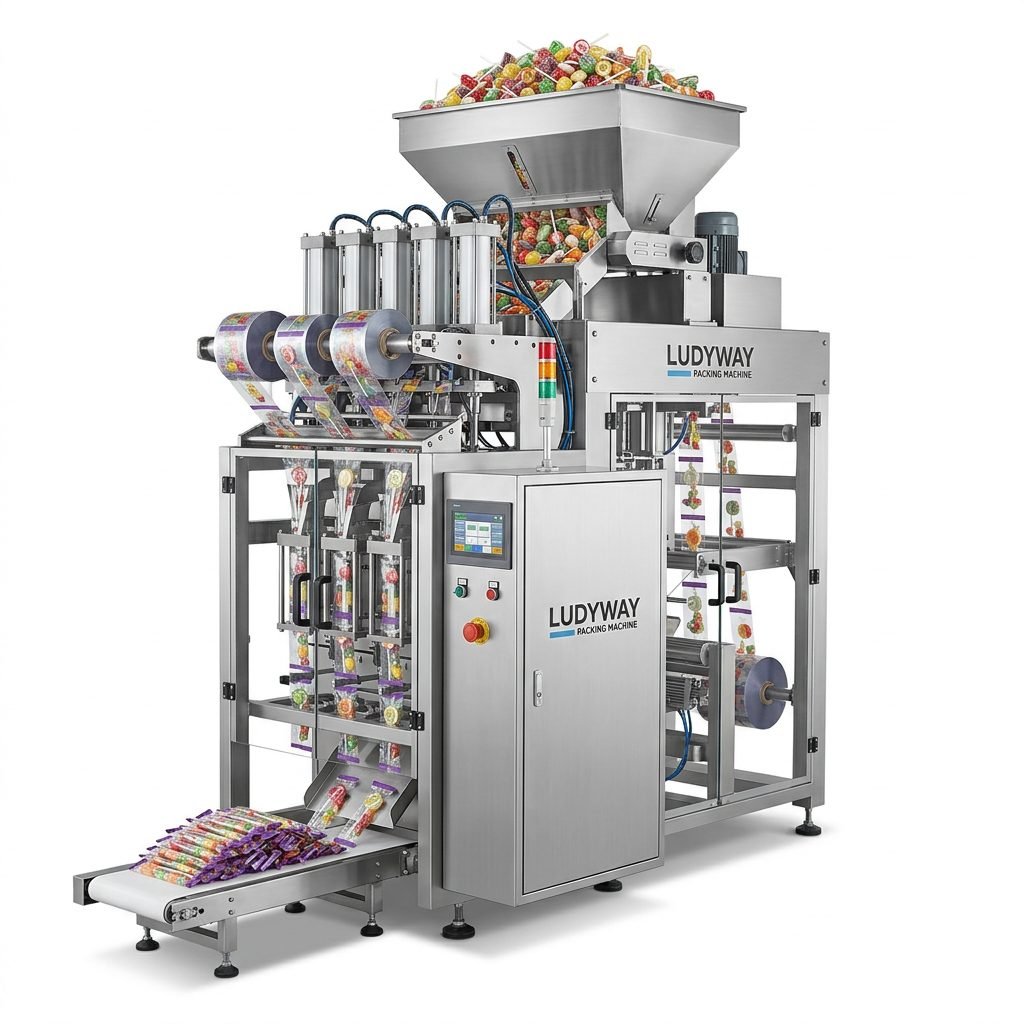
A candy wrapping machine rarely operates in isolation. To maximize Overall Equipment Effectiveness (OEE), the wrapper must seamlessly integrate with:
- Feeders: Automated vibratory or belt feeders that align bars into the infeed chain.
- Checkweighers: Reject underweight or overweight bars to comply with food regulations, as detailed by the FDA food packaging standards.
- Cartoners: Collate wrapped bars and pack them into display boxes or cartons.
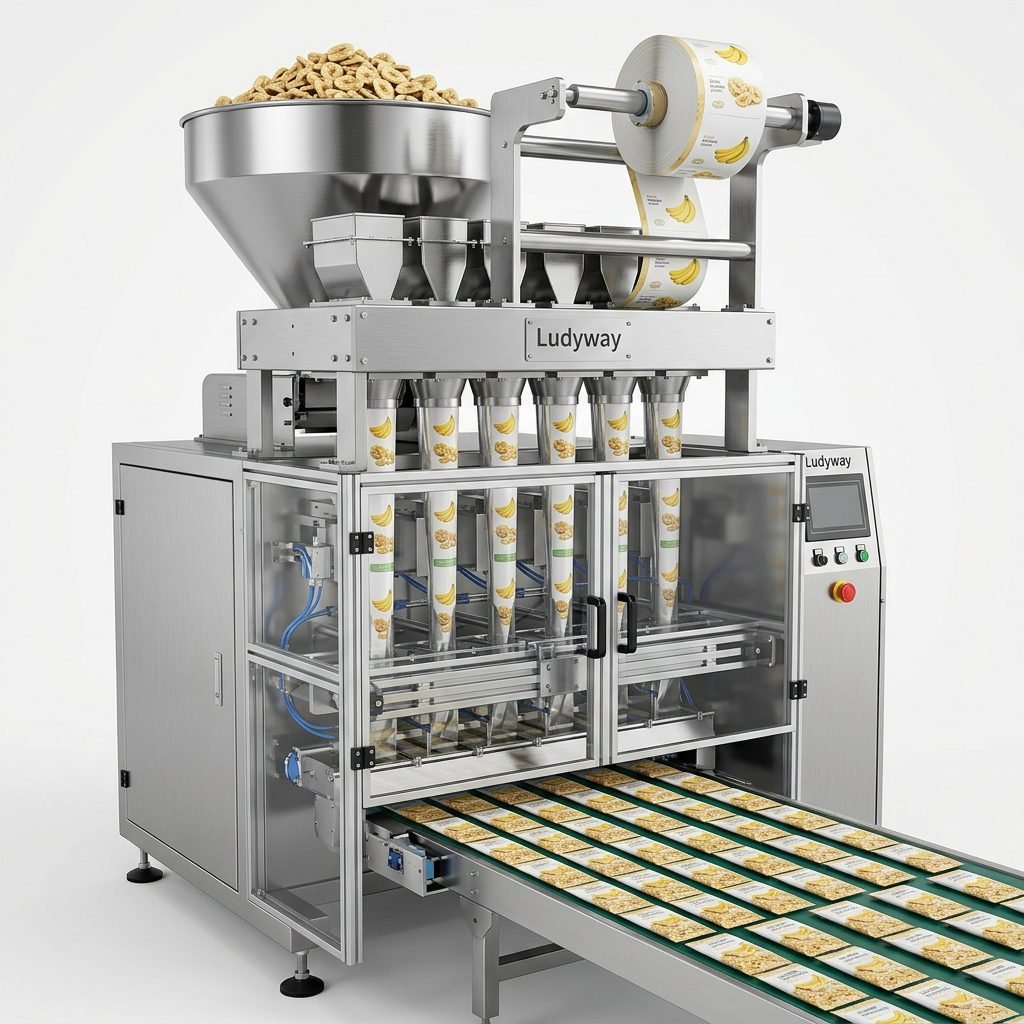
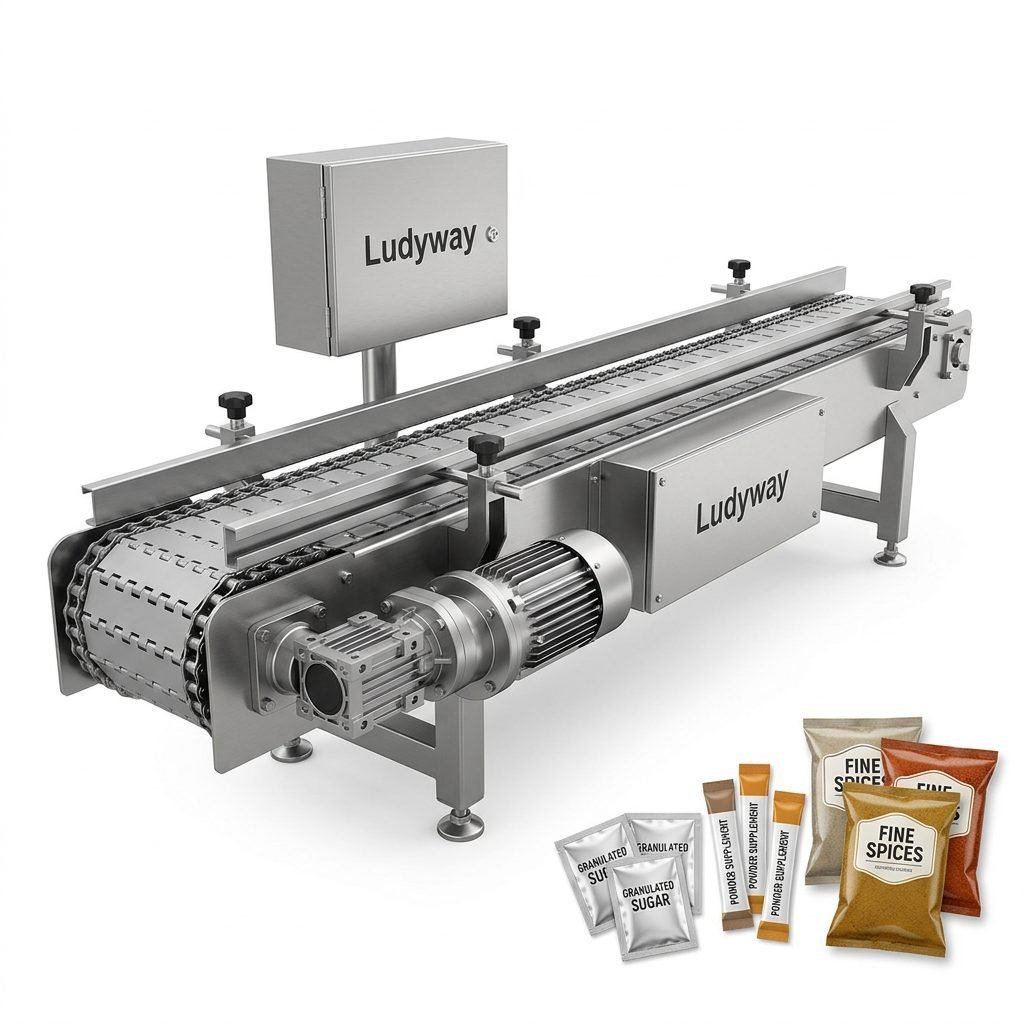
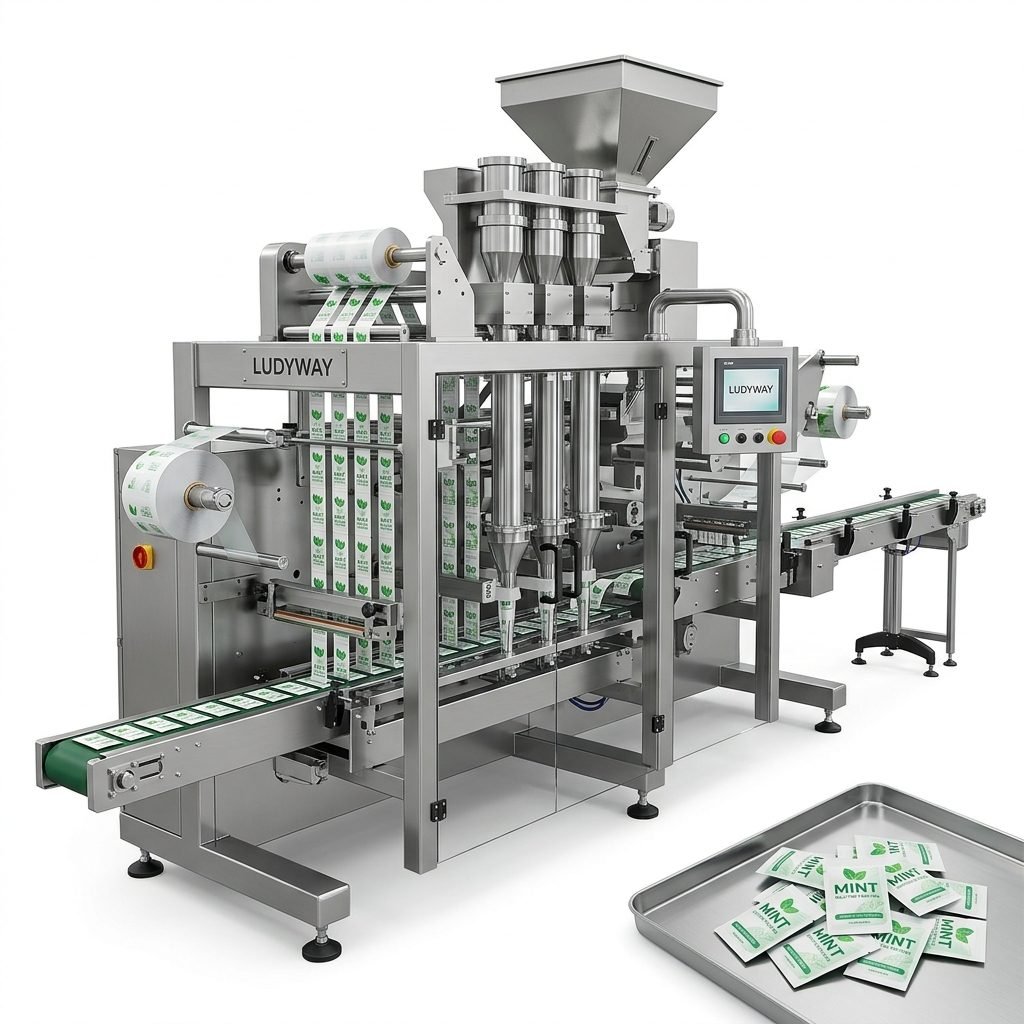
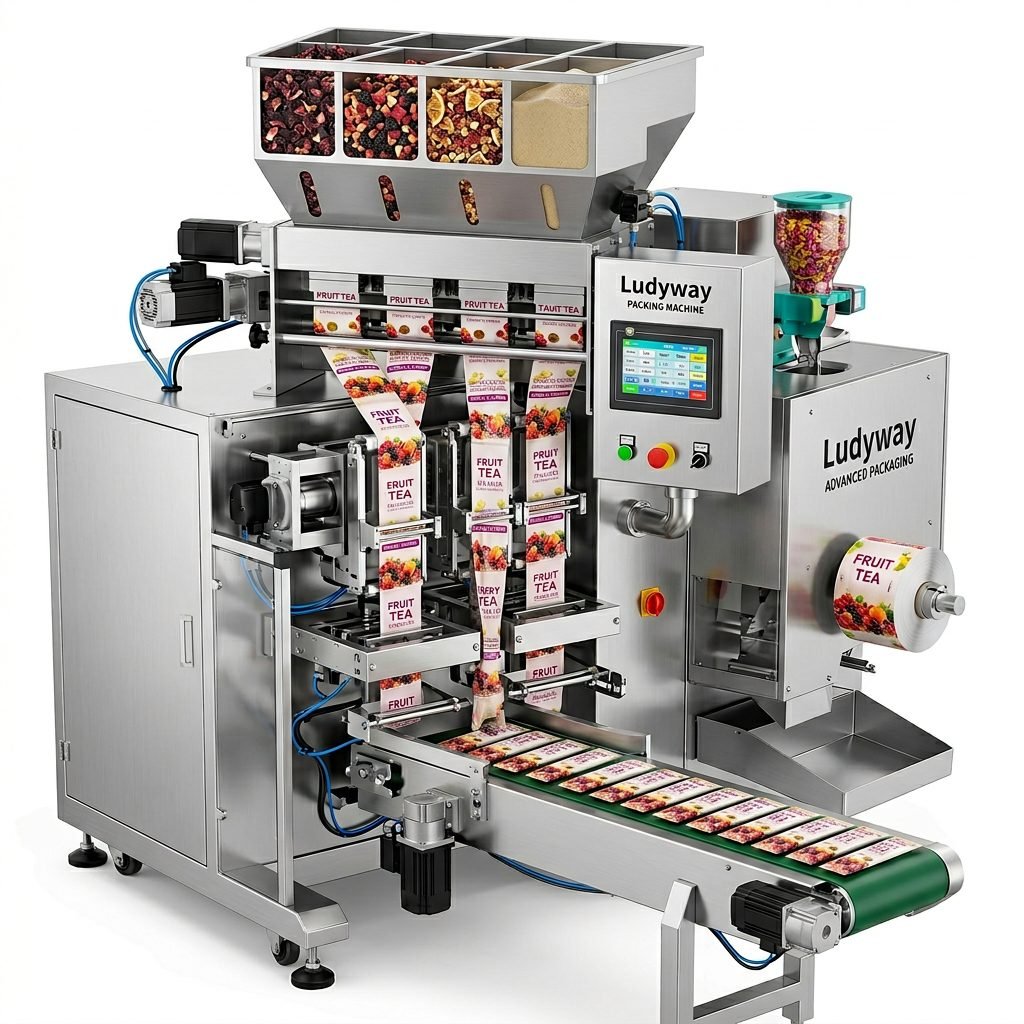
Ludyway manufactures highly integrated systems that combine multi-lane feeding, high-speed sealing, and automatic cartoning, transforming fragmented operations into streamlined turnkey solutions. For a closer look at connected production, see Ludyway packaging machines for real-world line configurations.
Critical Changes in 2025 Packaging Trends
The industry is rapidly shifting toward sustainable mono-materials and smart features. Machines now need precise temperature control to seal recyclable films without warping. Additionally, look for features like remote diagnostics and servo-driven motors that reduce energy consumption. The European packaging waste regulations are pushing manufacturers to adopt machinery that efficiently handles thinner, recyclable structures.
Cleanability and Sanitary Design
For producers handling chocolate-covered nuts, caramel, or nougat—where debris is inevitable—tool-less changeover and sloped machine surfaces prevent pest harborage and simplify washdowns. Stainless steel construction is non-negotiable for sticky candy environments.
Budgeting Beyond the Initial Purchase
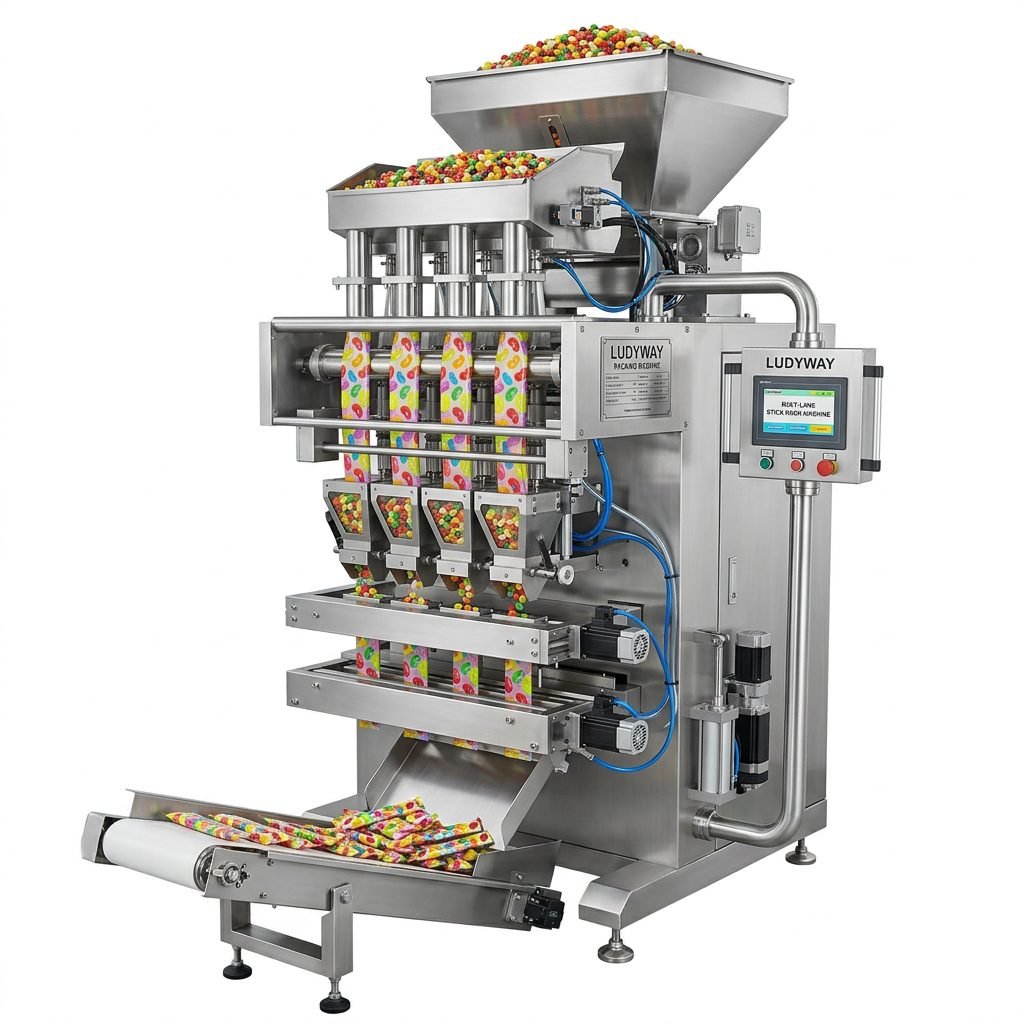
The sticker price of a candy bar packaging machine is just a starting point. Consider the Total Cost of Ownership (TCO):
- Film Waste Ratio: Machines with poor tension control waste expensive printed film during start/stop cycles.
- Changeover Downtime: Servo-driven machines might cost more upfront but reduce downtime from 30 minutes to under 5 minutes between SKU switches.
- Spare Parts Availability: Ensure the manufacturer offers rapid international logistics for wear parts.
Inspection and Quality Control Add-ons
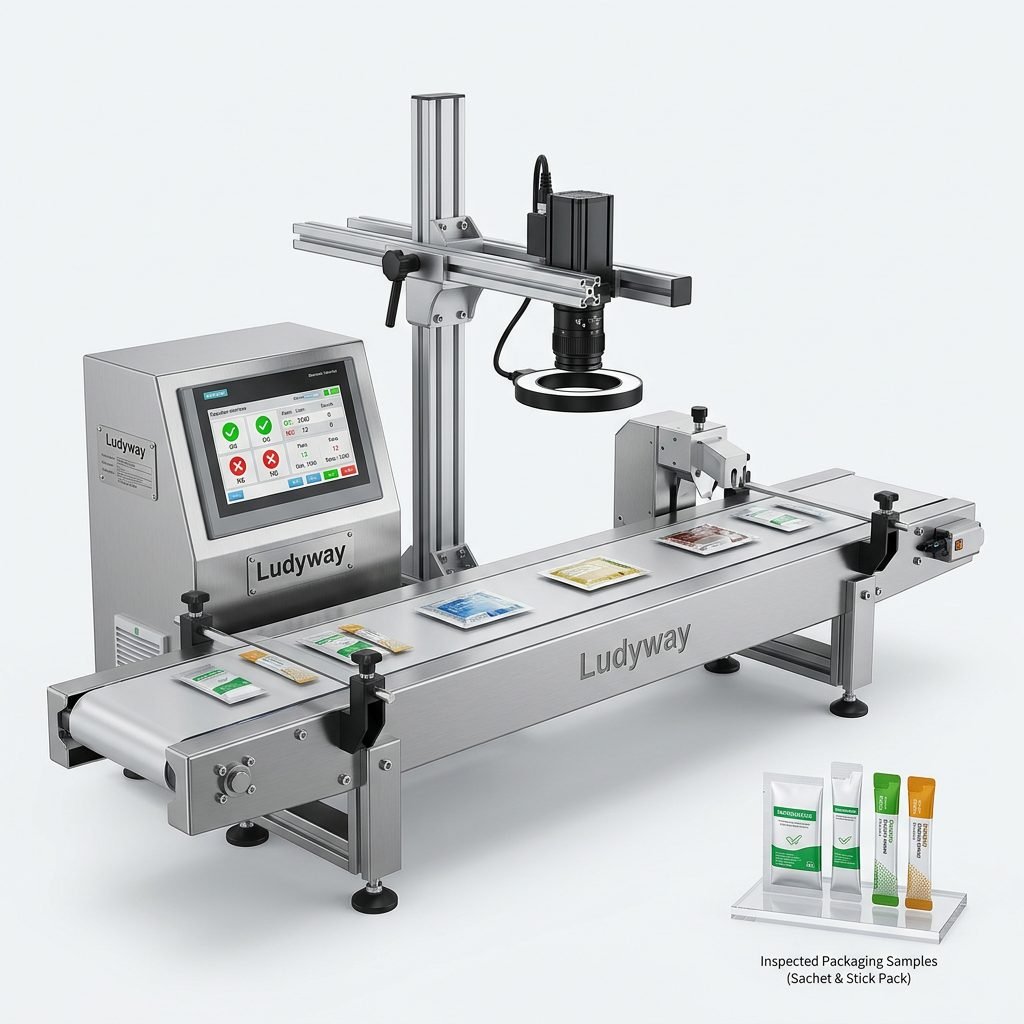
Modern packaging lines incorporate vision systems to verify seal integrity and label placement. Since candy bars are often sold in high-traffic retail spaces, a misaligned seal can lead to spoilage and brand damage. Integrating a metal detector is also standard for ISO packaging safety compliance.
Making the Final Selection
| Business Type | Recommended Machine Style | Key Reason |
|---|---|---|
| Start-up / Pilot Plant | Semi-Automatic Tabletop | Low capital outlay, flexible format. |
| Mid-Size Co-packer | High-Speed Flow Wrapper | Fast changeovers for multiple clients. |
| Multinational Brand | Full Turnkey Line | End-to-end automation with traceability. |
Selecting the right candy bar packaging machine requires a close look at film handling, sealing temperature accuracy, and integration potential. With the shift toward automated robotics and stringent food safety standards, partnering with an experienced machinery manufacturer ensures your product stays fresh, looks immaculate, and reaches the market at the lowest operational cost. Review your production targets carefully — the ideal machine isn’t just about wrapping a bar; it’s about securing your brand’s reputation in every pack.