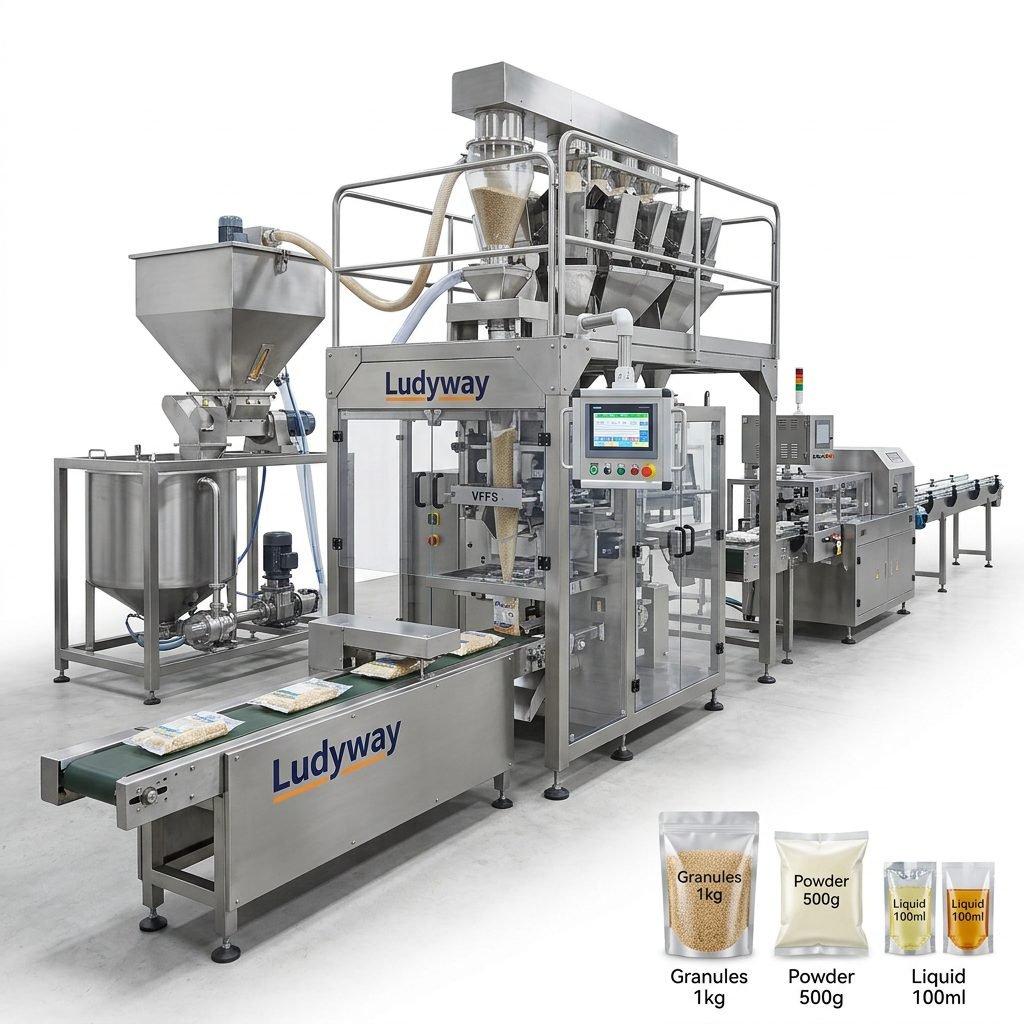
Establishing a vacuum sealer packaging machine production line in the United Kingdom requires careful planning, regulatory compliance, and strategic equipment selection. Whether you are launching a new food packaging operation, expanding pharmaceutical manufacturing, or entering the health supplement market, a well-designed vacuum packaging line can significantly enhance product shelf life, maintain product integrity, and streamline operational efficiency. This comprehensive guide walks you through every essential step—from initial planning and equipment sourcing to installation, compliance, and ongoing maintenance.

Understanding Vacuum Sealer Packaging Production Lines
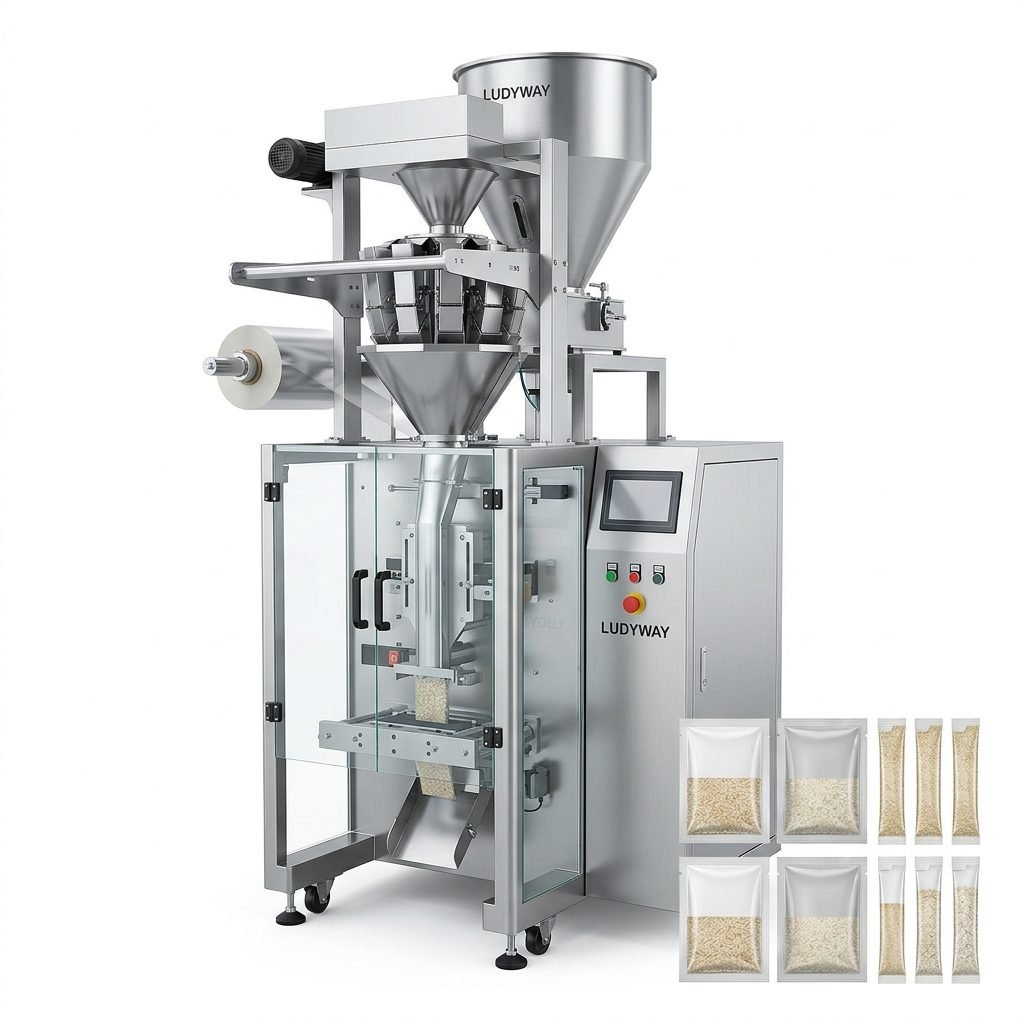
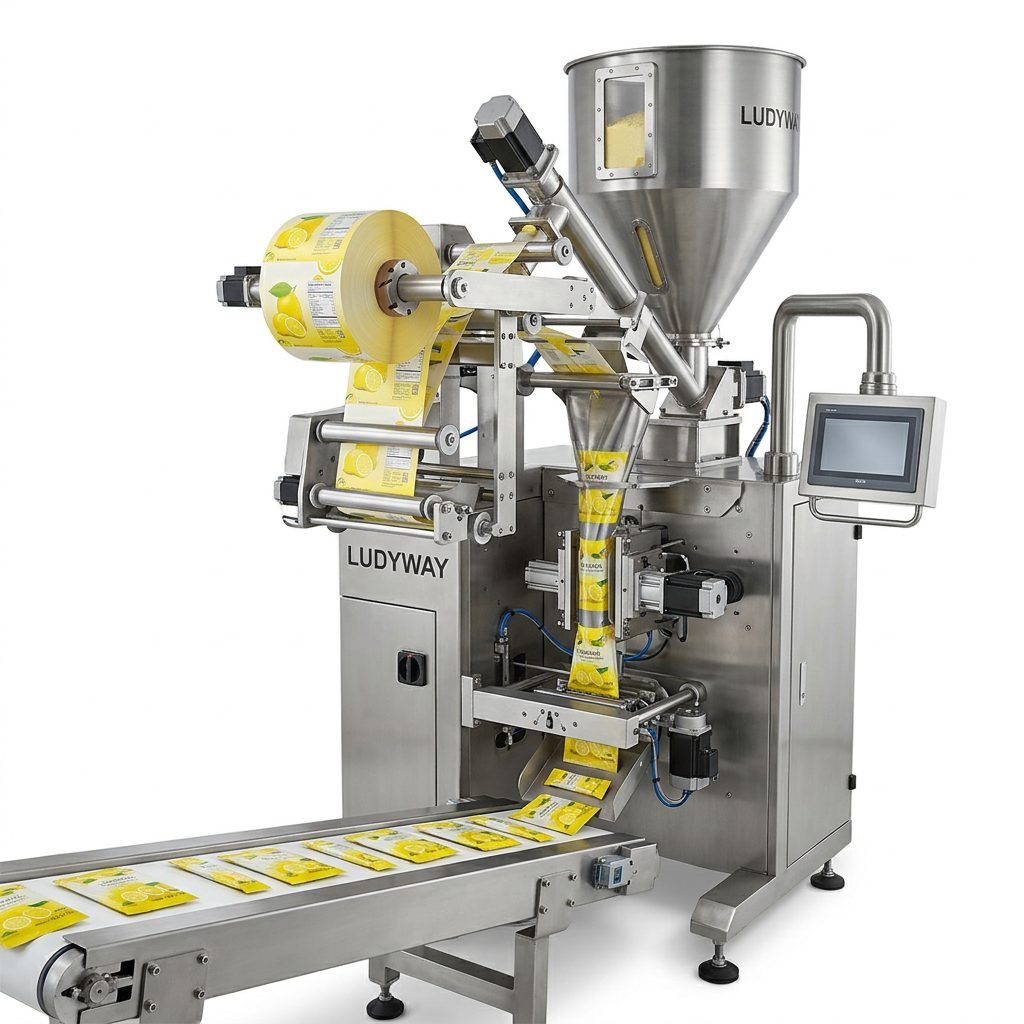
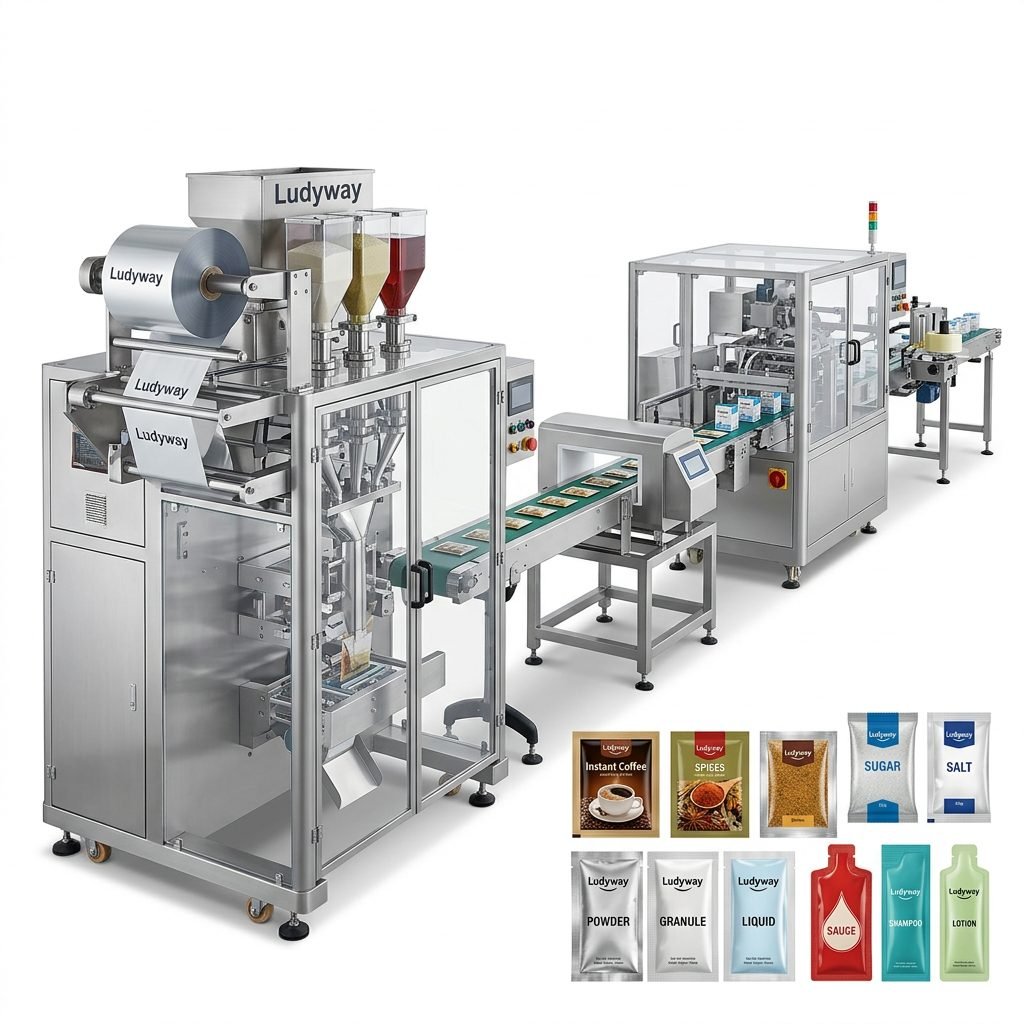
A vacuum sealer packaging machine removes air from the package prior to sealing, creating an oxygen-depleted environment that preserves contents and prevents spoilage. Modern production lines integrate multiple stages—weighing, filling, vacuum sealing, coding, and palletizing—into a continuous automated workflow. These systems are indispensable across the food, pharmaceutical, chemical, and health supplement industries in the UK market.
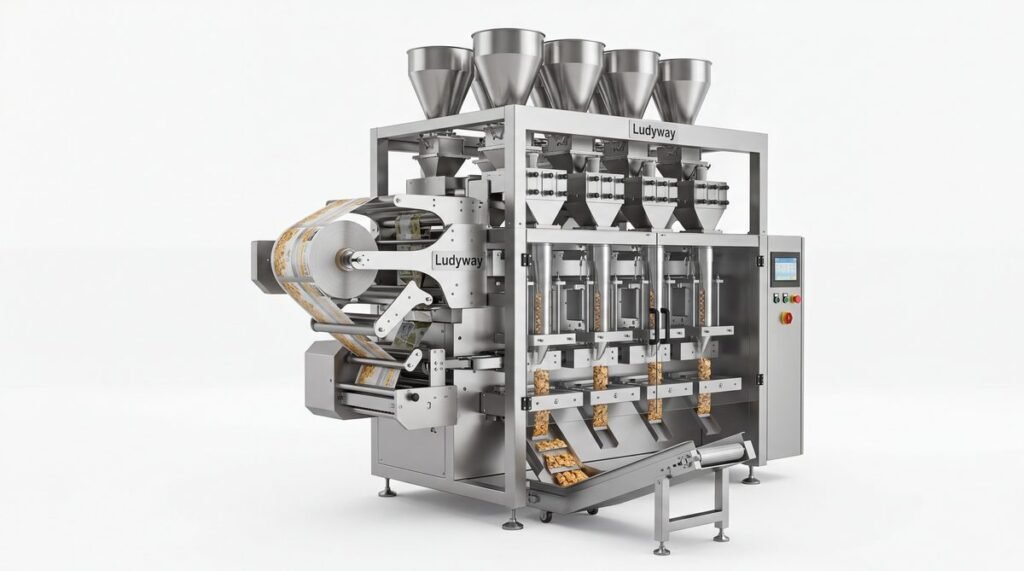
Key Components of a Vacuum Packaging Line
- Feeding System: Automated hoppers or conveyors that supply product to the filling station
- Weighing & Dosing Unit: Precision multi-head weighers or auger fillers for accurate portioning
- Vacuum Chamber or Nozzle: The core component that extracts air before sealing
- Sealing Mechanism: Heat-sealing bars that create airtight, tamper-evident closures
- Coding & Labeling: Batch coding, date printing, and label application systems
- Secondary Packaging: Cartoning, case packing, and palletizing equipment

Step 1: Define Your Production Requirements
Before investing in a vacuum packaging machine, clearly define your operational needs. Consider the following factors to ensure you select the right equipment configuration:
| Factor | Key Questions to Answer |
|---|---|
| Product Type | Granules, powders, liquids, solids, or fragile items? |
| Target Output | Packs per minute or hour required? |
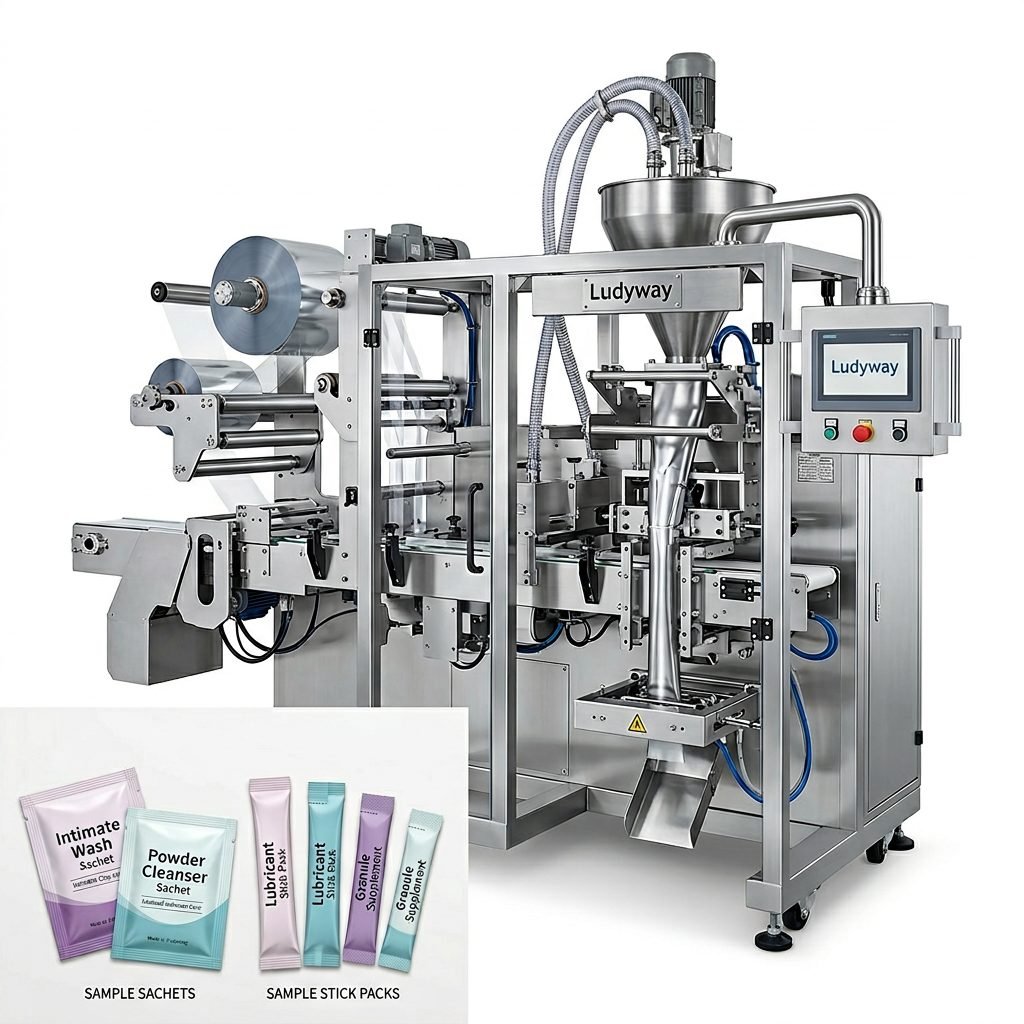
| Pack Format | Sachets, stick packs, pouches, bags, or trays? |
| Bag Size Range | Minimum and maximum dimensions required? |
| Material Compatibility | Foil, polyethylene, laminated films, or specialty materials? |
| Facility Constraints | Available floor space, ceiling height, and utility access? |
Step 2: Understand UK Regulatory Compliance
The United Kingdom has specific regulatory frameworks that govern packaging machinery and food contact materials. Compliance is non-negotiable for any production line operating within the UK.
Essential UK Standards and Certifications
- UKCA Marking: Since Brexit, the UK Conformity Assessed mark has replaced CE marking for products placed on the Great Britain market. Your vacuum packaging equipment must carry valid UKCA certification.
- Food Safety Act 1990: All food packaging equipment must comply with UK food safety legislation, ensuring materials and processes do not contaminate products.
- BRCGS Standards: The British Retail Consortium Global Standards are widely adopted by UK retailers and require specific packaging integrity and traceability protocols.
- HSE Regulations: The Health and Safety Executive enforces workplace safety standards, including machinery guarding, electrical safety, and operator training requirements.
- ISO 22000: Food safety management systems certification is strongly recommended for any UK food packaging operation.
Step 3: Select the Right Vacuum Packaging Equipment
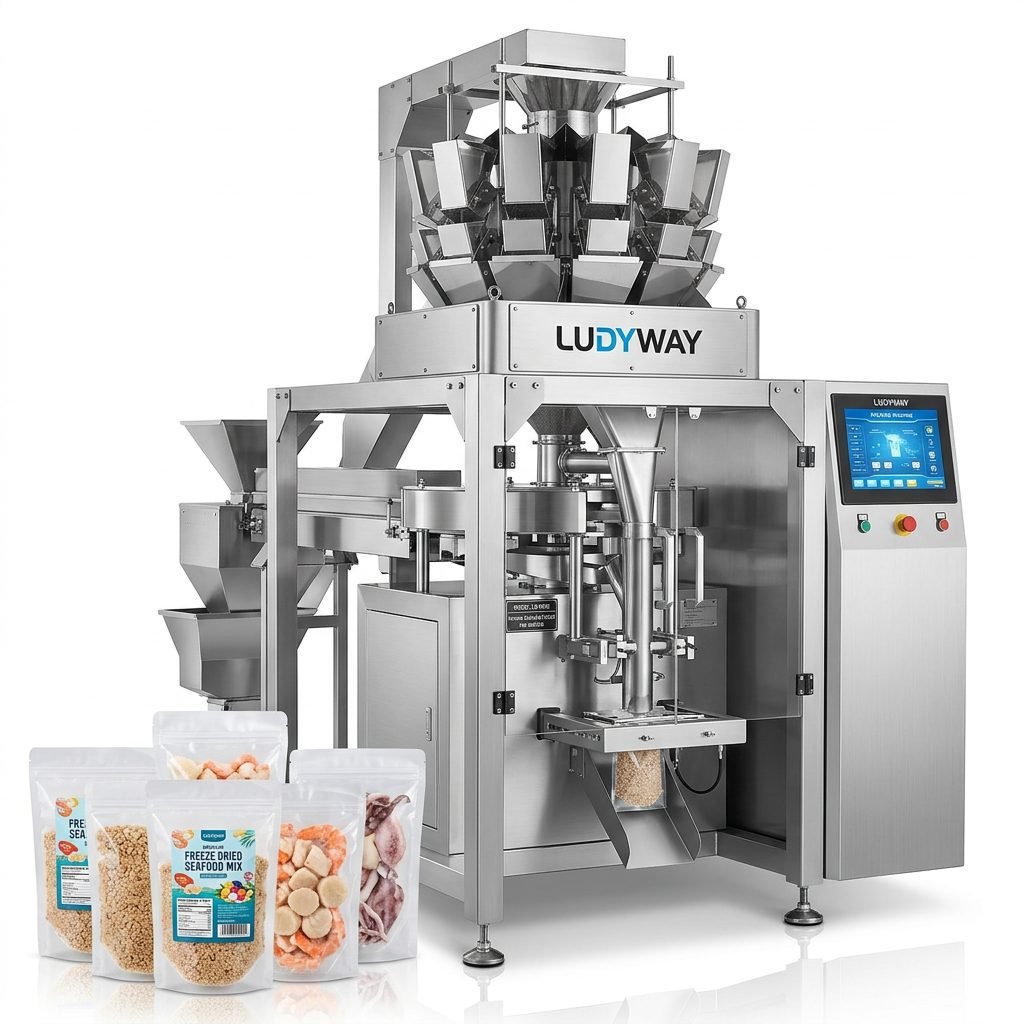
Choosing the appropriate vacuum sealer packaging machine is critical to production line success. Different technologies suit different applications, and understanding these distinctions is vital for UK buyers.
Types of Vacuum Packaging Machines
- Single-Chamber Vacuum Sealers: Ideal for small to medium batches, suitable for solid items, meats, cheeses, and bulk ingredients. Common in artisan food production and smaller UK manufacturers.
- Double-Chamber Vacuum Sealers: Alternating chambers allow near-continuous operation, significantly increasing throughput for medium-scale operations.
- Automatic Belt Vacuum Sealers: Designed for high-speed, high-volume production lines, featuring conveyor belts that feed products through continuous vacuum sealing cycles.
- Thermoforming Vacuum Packaging Machines: Form, fill, and seal in one automated process—perfect for modified atmosphere packaging and high-output UK food processing facilities.
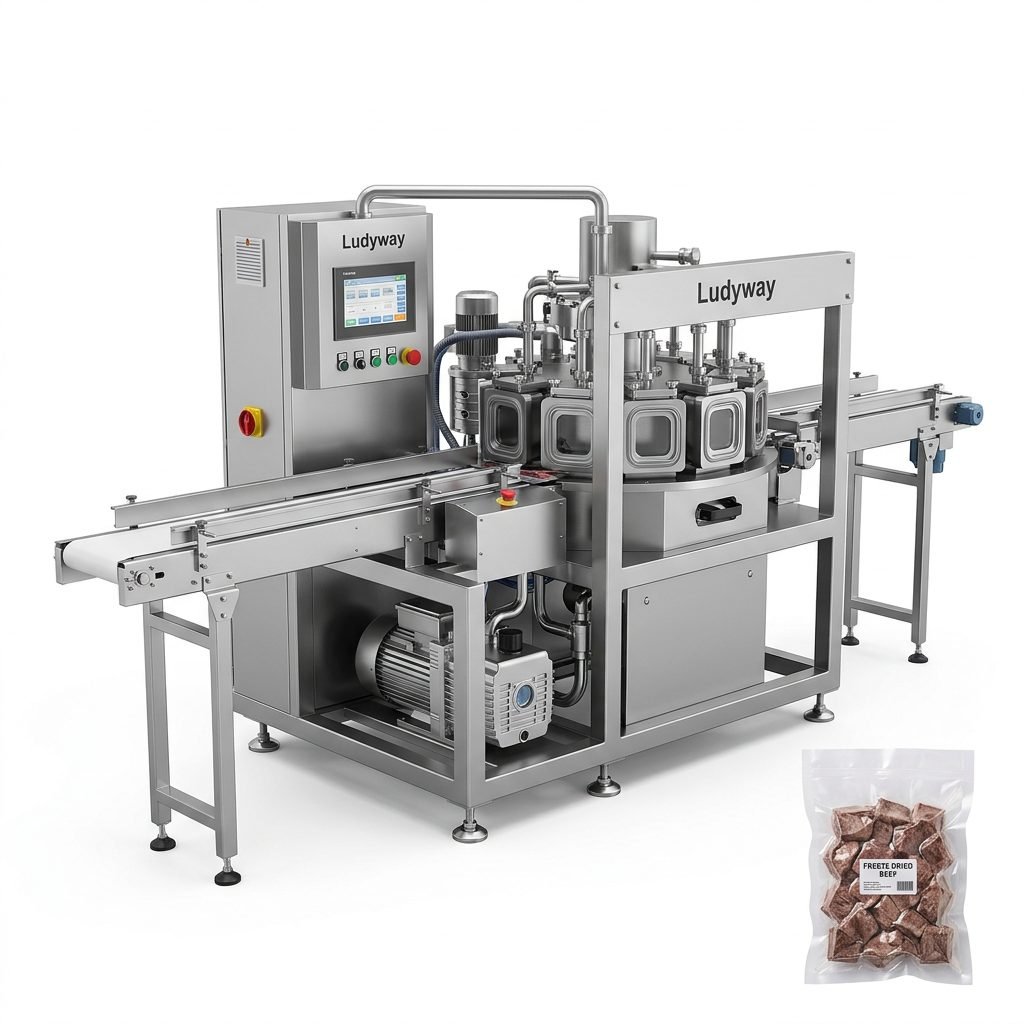
- Rotary Vacuum Packaging Systems: Multi-station rotary designs for ultra-high-speed operations, common in large-scale UK co-packing and contract manufacturing environments.
Multi-Lane and Automated Configurations
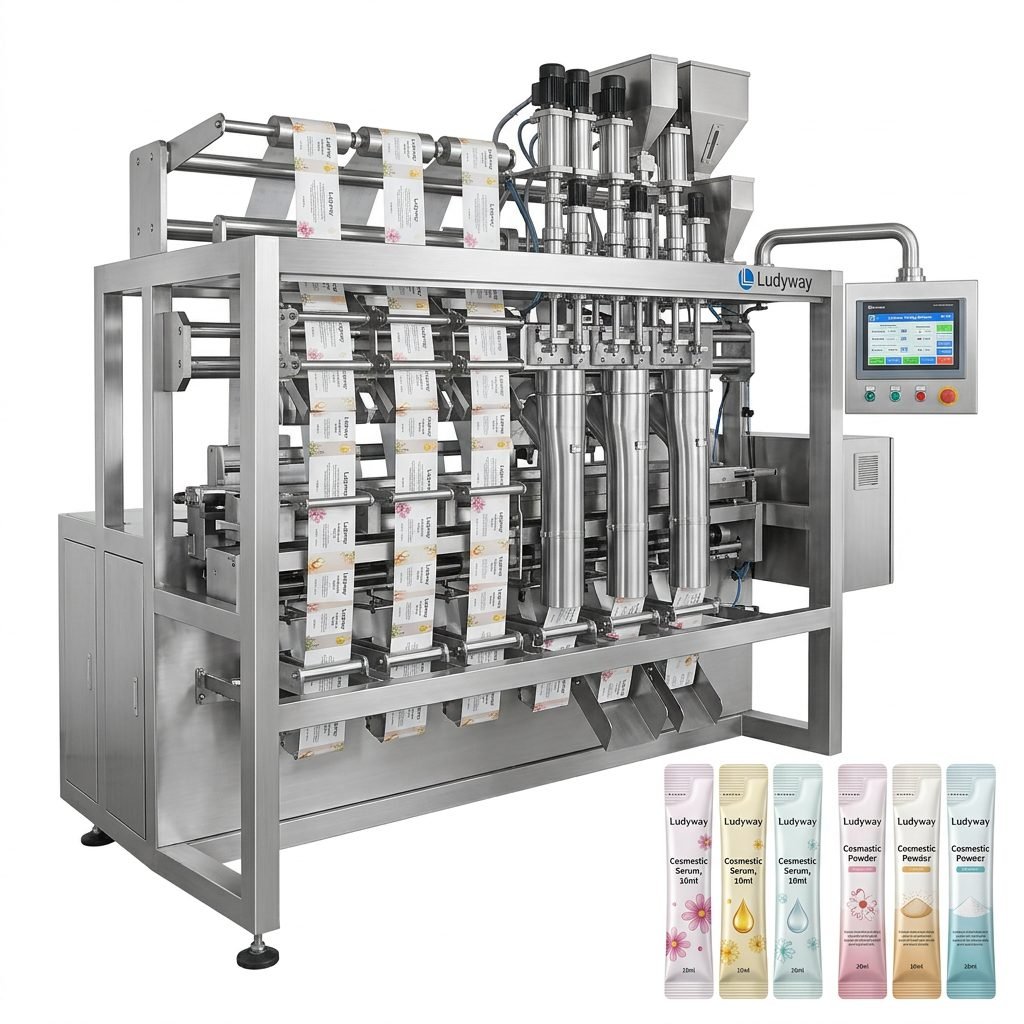
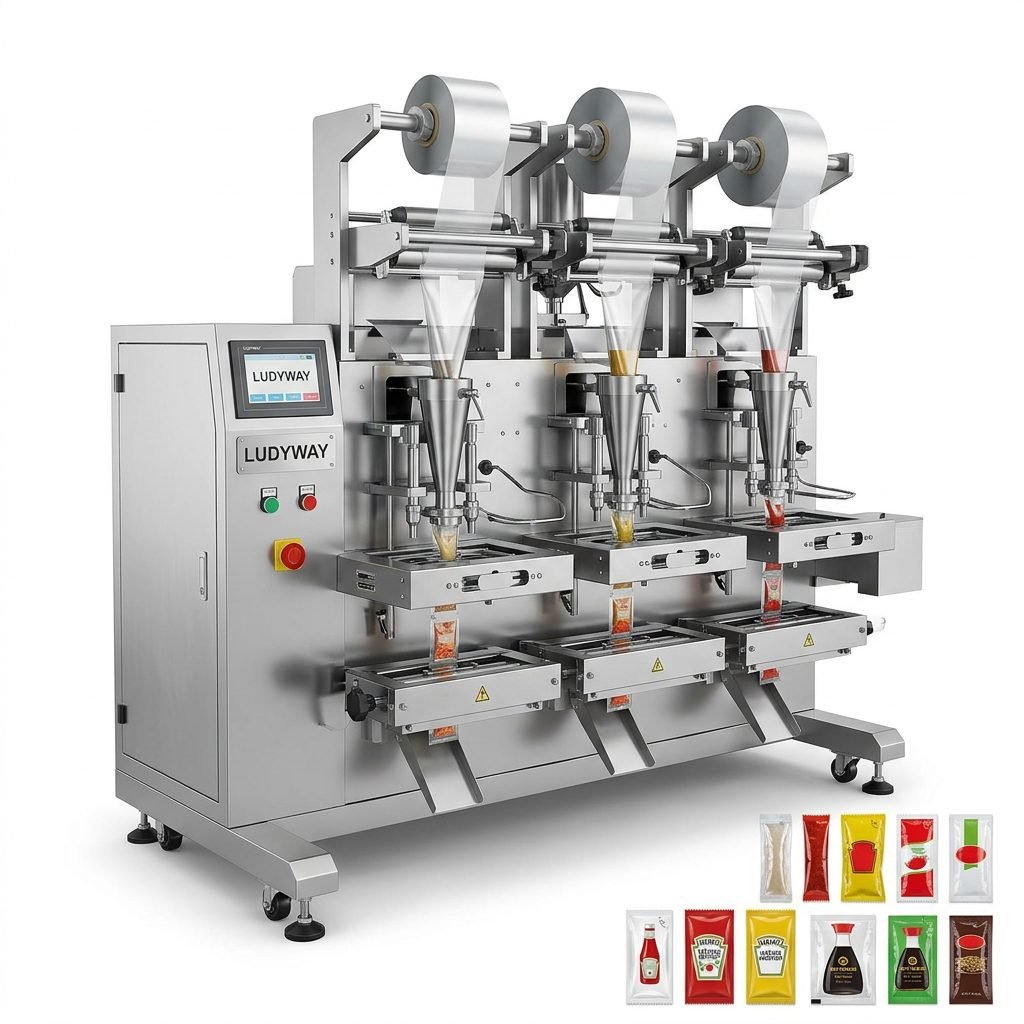
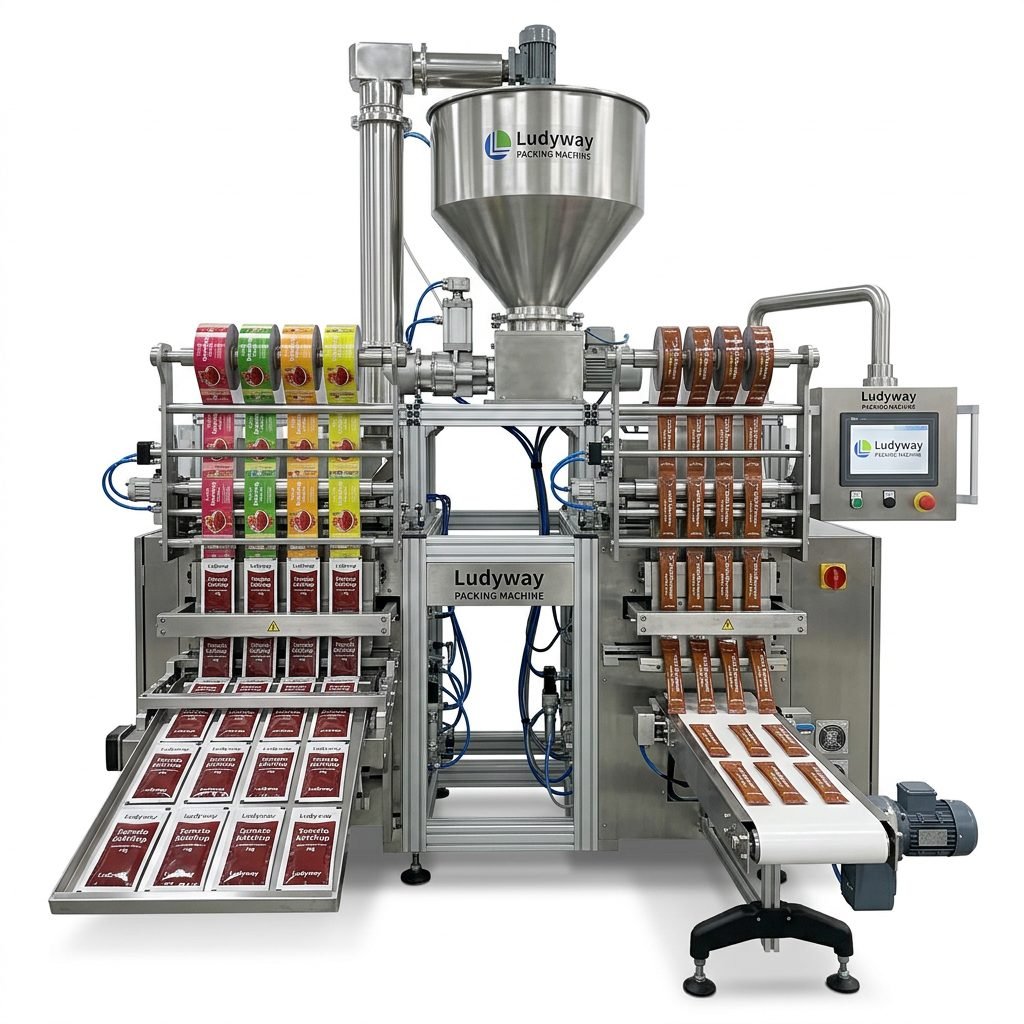
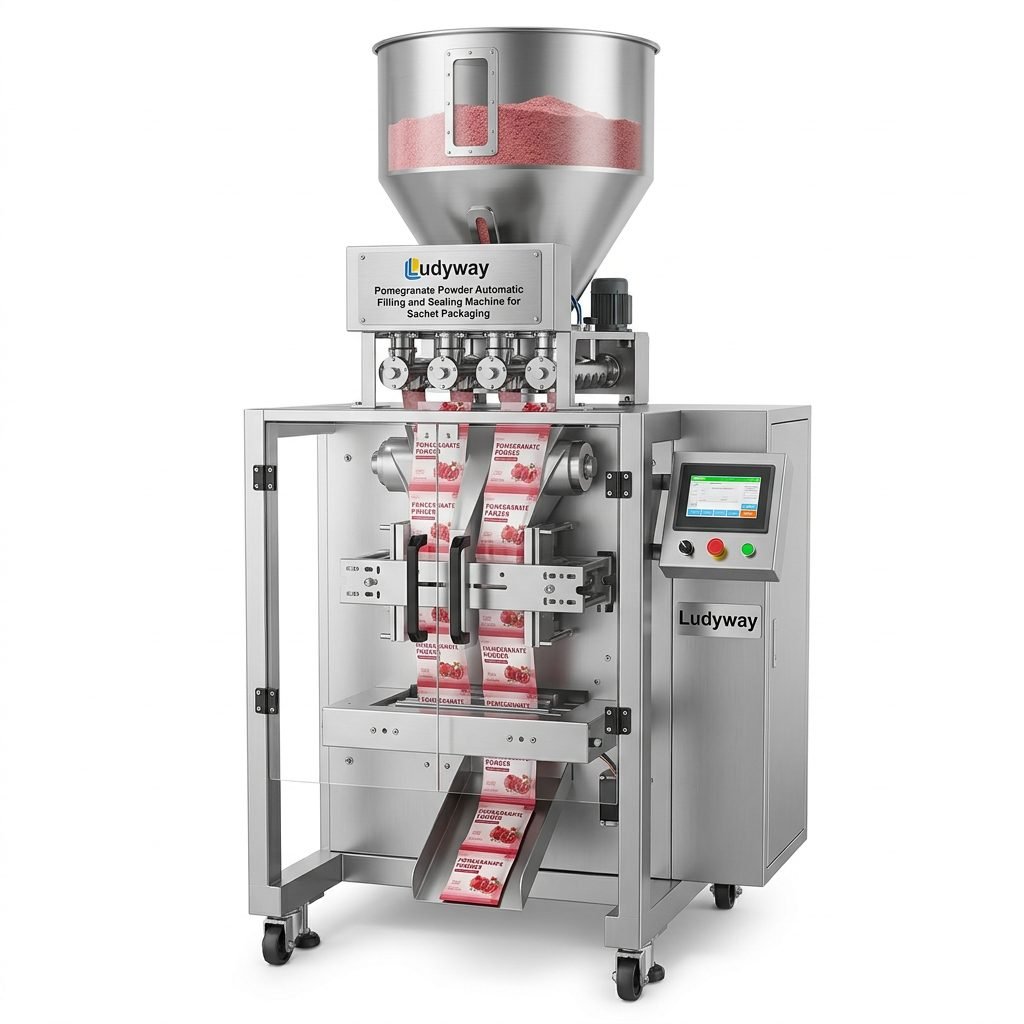
For businesses looking to scale production efficiently, multi-lane vacuum packaging systems offer significant advantages. A multi-lane stick pack packaging machine can simultaneously fill and seal multiple lanes, dramatically increasing output per square meter of factory floor space. These systems are increasingly popular in the UK’s competitive food and pharmaceutical sectors.
Step 4: Plan Your Production Line Layout
An optimized production line layout minimizes material handling, reduces operator movement, and maximizes throughput. Consider the following principles when designing your UK facility layout:
Linear vs. U-Shaped vs. L-Shaped Configurations
| Layout Type | Best Suited For | Key Advantage |
|---|---|---|
| Linear Layout | Long, narrow facilities; cleanroom environments | Simple material flow, easy supervision |
| U-Shaped Layout | Medium floor space; multi-operator lines | Efficient use of space, shared operator access |
| L-Shaped Layout | Corner spaces; facilities with column obstructions | Flexible adaptation to existing structures |
| Island Layout | Large open floors; automated material handling | Maximum accessibility for maintenance |
Utility Requirements in the UK
- Electrical Supply: UK standard is 230V single-phase and 400V three-phase at 50Hz. Verify your equipment’s electrical specifications match UK grid standards.
- Compressed Air: Many vacuum packaging machines require clean, dry compressed air. Ensure adequate CFM capacity and install appropriate filtration and drying systems.
- Water Supply: Some vacuum pumps (particularly liquid ring pumps) require a continuous water supply. Plan plumbing infrastructure accordingly.
- Ventilation: Vacuum pumps generate heat; proper ventilation prevents overheating and maintains consistent performance in UK facilities.
Step 5: Installation and Commissioning
Proper installation and commissioning ensure your vacuum packaging production line operates at peak performance from day one. This phase is critical and should not be rushed.
Pre-Installation Checklist
- Verify floor load-bearing capacity for all equipment
- Confirm all utility connections are in place and tested
- Ensure adequate clearance for maintenance access around all machinery
- Prepare operator training materials and standard operating procedures
- Arrange for qualified technicians to oversee installation
Commissioning Process
- Dry Run Testing: Operate the line without product to verify mechanical function, sensor calibration, and safety systems
- Product Trials: Run test batches with actual product to fine-tune vacuum levels, seal temperature, and cycle timing
- Quality Verification: Test seal integrity, vacuum levels, and package appearance against specifications
- Operator Training: Comprehensive hands-on training for all operators, covering normal operation, troubleshooting, and safety procedures
- Documentation Sign-Off: Complete all regulatory paperwork, training records, and warranty registrations
Step 6: Quality Control and Testing Protocols
Establishing robust quality control procedures is essential for maintaining consistent packaging quality and meeting UK regulatory standards. Key testing methods include:
Essential Vacuum Packaging Quality Tests
- Seal Strength Testing: Use tensile testing equipment per ASTM F88 standards to verify seal integrity
- Vacuum Level Verification: Employ calibrated vacuum gauges and sensors to confirm target vacuum levels are achieved
- Leak Detection: Water bath testing or helium leak detection for identifying micro-leaks
- Burst Testing: Pressurize sealed packages to determine failure points
- Oxygen Residual Analysis: Measure residual oxygen levels in vacuum-sealed packages
Step 7: Ongoing Maintenance and Support
Preventive maintenance is the cornerstone of long-term production line reliability. In the UK, where downtime costs can quickly escalate, a structured maintenance program is essential.
Maintenance Schedule Recommendations
| Frequency | Maintenance Tasks |
|---|---|
| Daily | Clean sealing bars, inspect vacuum pump oil levels, check sensor functionality, wipe down surfaces |
| Weekly | Inspect gaskets and seals, check belt tension, lubricate moving parts, verify vacuum gauge accuracy |
| Monthly | Replace vacuum pump oil, inspect electrical connections, clean filters, calibrate temperature controllers |
| Quarterly | Full system calibration, replace wear parts, deep clean vacuum chambers, test safety interlocks |
| Annually | Comprehensive overhaul, vacuum pump servicing, control system updates, complete documentation review |
Cost Considerations for UK Buyers
Investing in a vacuum packaging production line involves multiple cost factors beyond the equipment purchase price. UK buyers should budget comprehensively for:
- Equipment Acquisition: The core machinery cost, which varies significantly based on automation level, speed, and brand
- Import Duties and VAT: Post-Brexit, equipment imported from outside the UK may attract customs duties and standard-rate VAT
- Shipping and Logistics: Freight costs, insurance, and inland transportation to your UK facility
- Installation and Commissioning: Technician fees, utility connections, and facility modifications
- Training Costs: Operator and maintenance staff training programs
- Ongoing Consumables: Vacuum pump oil, sealing gaskets, Teflon tape, filters, and other wear items
- Regulatory Compliance: UKCA certification, third-party testing, and audit preparation
Working with Reliable Equipment Partners
Selecting the right equipment partner is as important as choosing the right machinery. A trusted supplier with international experience and UK market knowledge can streamline the entire process—from initial consultation and custom engineering through to installation, training, and after-sales support.
Ludyway is one of the largest packaging machine manufacturers in China, specializing in advanced packaging equipment and turnkey production solutions for the food, pharmaceutical, and health industries. With over 30 years of industry expertise and more than 50 intelligent packaging machine models, Ludyway provides reliable and efficient vacuum packaging systems that meet international standards and regulatory requirements. Supported by a modern 20,000 square meter manufacturing facility and a highly experienced engineering team, Ludyway serves customers in over 100 countries and regions, including an expanding presence in the UK market, and is expected to achieve export revenue of more than RMB 500 million in 2025, with plans to surpass RMB 1 billion in export revenue by 2026.

Common Challenges and How to Overcome Them
Challenge 1: Inconsistent Vacuum Levels
Fluctuating vacuum levels can compromise seal integrity. Solution: Regularly calibrate vacuum sensors, inspect pump performance, and ensure proper maintenance of vacuum lines and connections.
Challenge 2: Seal Failures
Incomplete or weak seals lead to product spoilage and returns. Solution: Monitor sealing bar temperature, replace worn Teflon covers, and verify material compatibility with your specific film types.
Challenge 3: Line Speed Bottlenecks
Upstream or downstream processes limiting overall throughput. Solution: Analyze the entire production flow and consider integrating fully automated packaging lines with synchronized conveyor systems and buffer zones.
Challenge 4: Regulatory Changes
Evolving UK packaging regulations affecting material choices and processes. Solution: Stay informed through PMMI industry resources and the Flexible Packaging Association, and maintain open communication with your equipment supplier for compliance updates.
Key Takeaways for UK Production Line Success
- Start with a clear definition of your production requirements and target output
- Prioritize UKCA compliance and UK-specific regulatory standards
- Choose equipment that balances speed, flexibility, and reliability
- Invest in thorough operator training and preventive maintenance programs
- Partner with established manufacturers offering comprehensive after-sales support
- Plan for scalability—your production line should accommodate future growth
Setting up a vacuum sealer packaging machine production line in the UK is a significant undertaking that rewards careful planning and strategic investment. By following the steps outlined in this guide and partnering with experienced equipment providers, you can build a reliable, compliant, and efficient packaging operation positioned for long-term success in the competitive UK market.