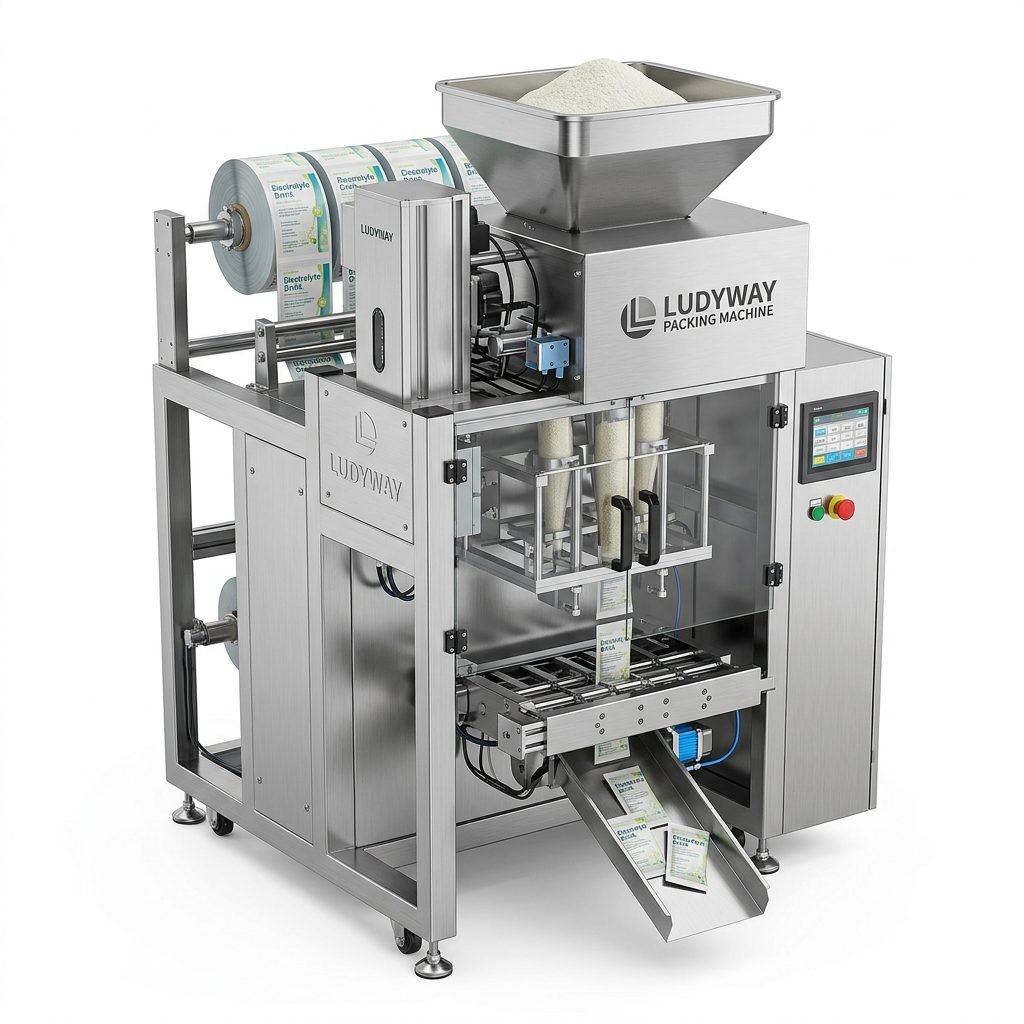
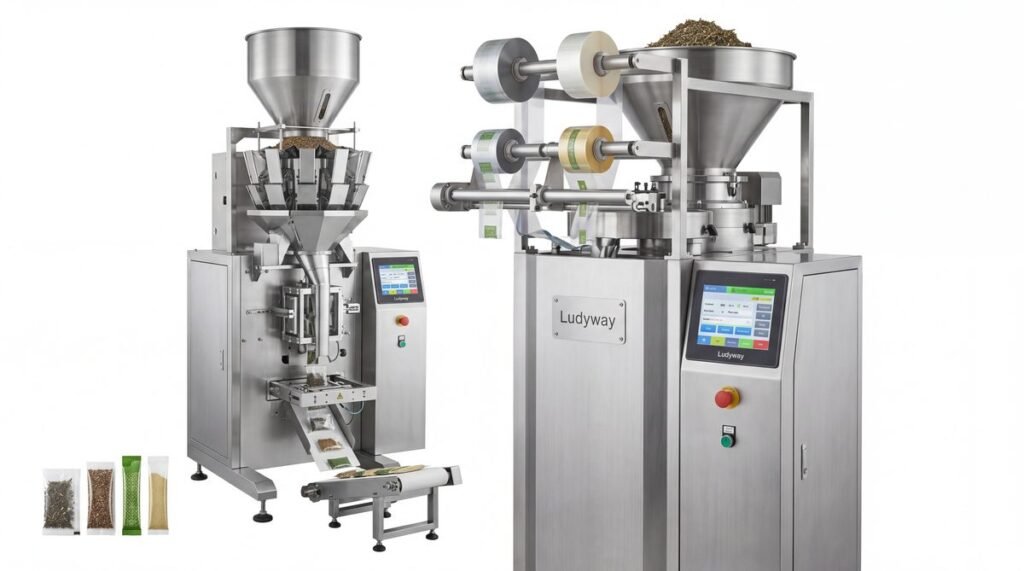
Investing in a tea automatic polythene packing machine is a critical decision for tea producers and packagers looking to scale operations. The cost of these machines varies significantly — typically ranging from $8,000 to over $150,000 — depending on automation level, speed, packaging format, and customization requirements. Understanding what drives these price differences helps buyers make informed purchasing decisions and avoid overpaying for unnecessary features.
For businesses seeking reliable tea packaging machines, it is essential to evaluate not only the upfront equipment cost but also long-term operational efficiency, maintenance expenses, and after-sales support. This comprehensive guide breaks down the cost structure, key pricing factors, and what to expect at different budget levels.
Key Factors That Influence the Cost
Several variables directly impact the final price of a tea automatic polythene packing machine. Recognizing these factors allows buyers to prioritize features that align with production goals while managing budget constraints effectively.
- Automation Level: Semi-automatic machines are more affordable, while fully automated systems with PLC control and servo-driven components command higher prices.
- Packaging Speed: High-speed multi-lane machines capable of producing 200–600 packs per minute cost significantly more than single-lane models.
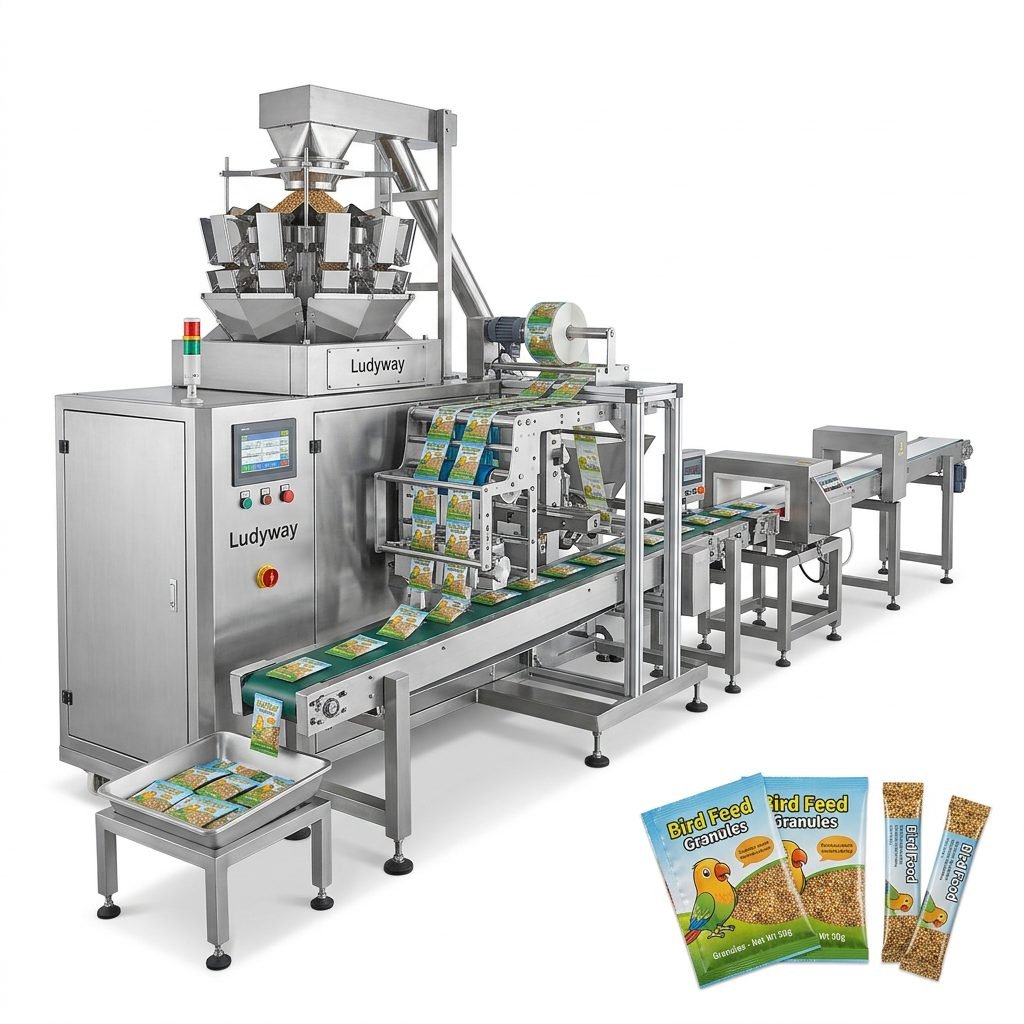
- Packaging Format: Stick pack, sachet, and pouch configurations each require different sealing and forming mechanisms, affecting overall equipment cost.
- Filling Mechanism: Auger fillers for powder tea, volumetric cup fillers for granule tea, and liquid pumps each have distinct price points.
- Material Compatibility: Machines designed to handle various polythene film types and thicknesses with precise temperature control are priced higher.
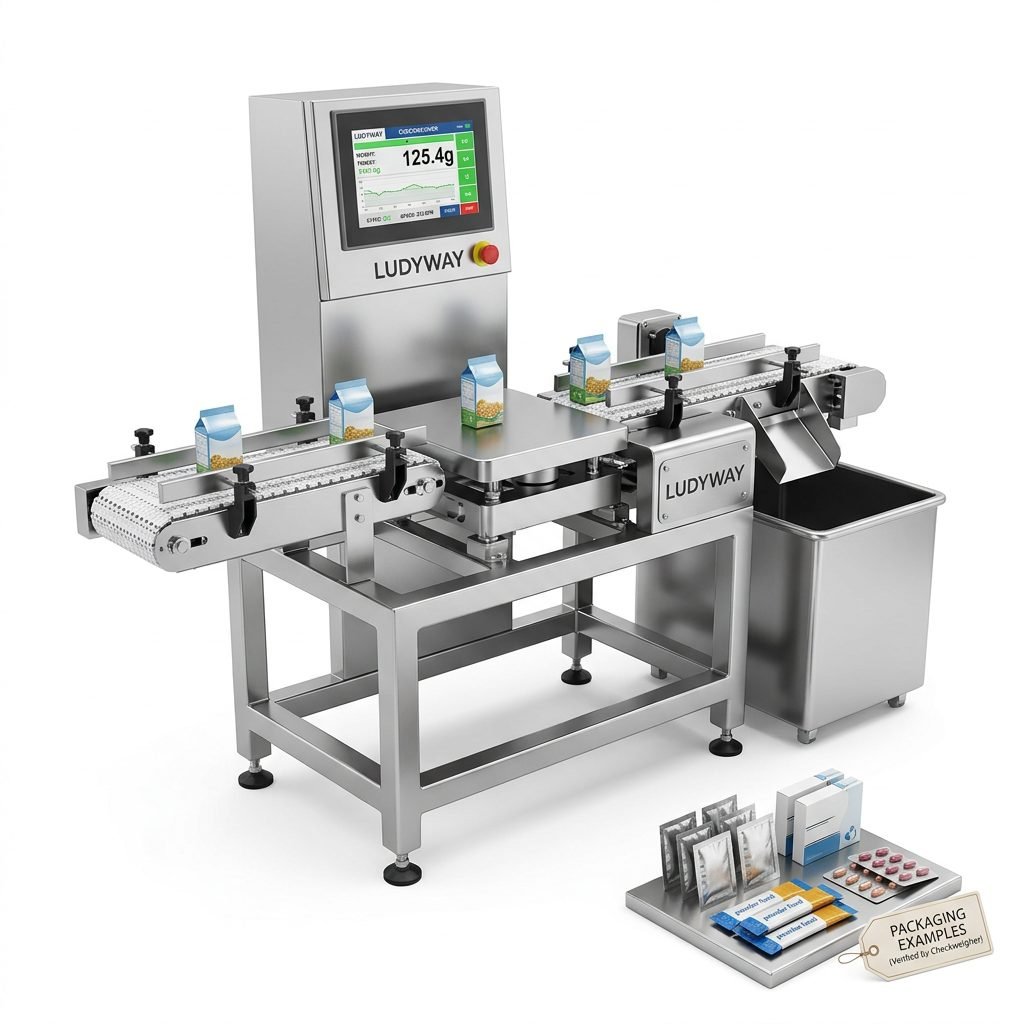
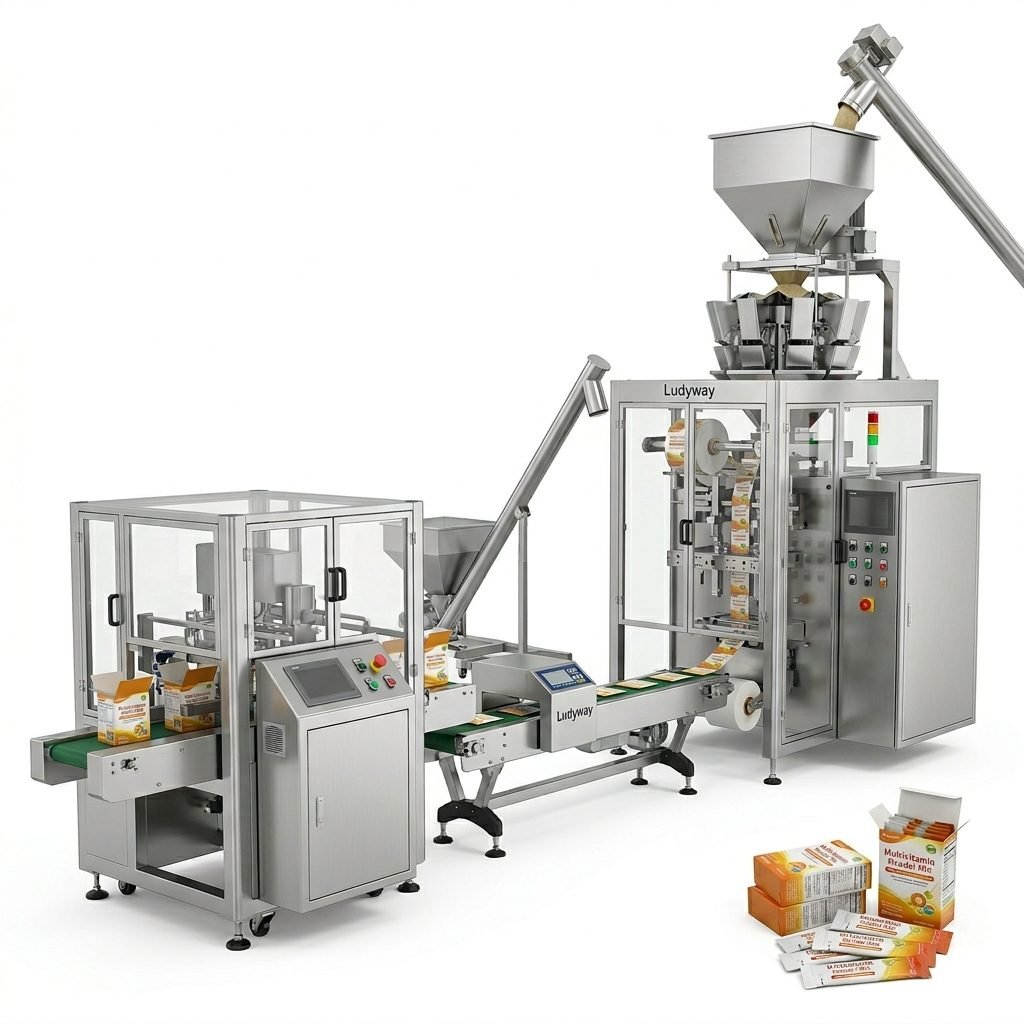
- Auxiliary Equipment: Integrated weighing systems, nitrogen flushing units, coding printers, and counting machines add to the total investment.
- Brand and Manufacturing Origin: Equipment from established manufacturers with proven engineering track records often carries a premium reflecting build quality and reliability.
Price Ranges by Machine Type
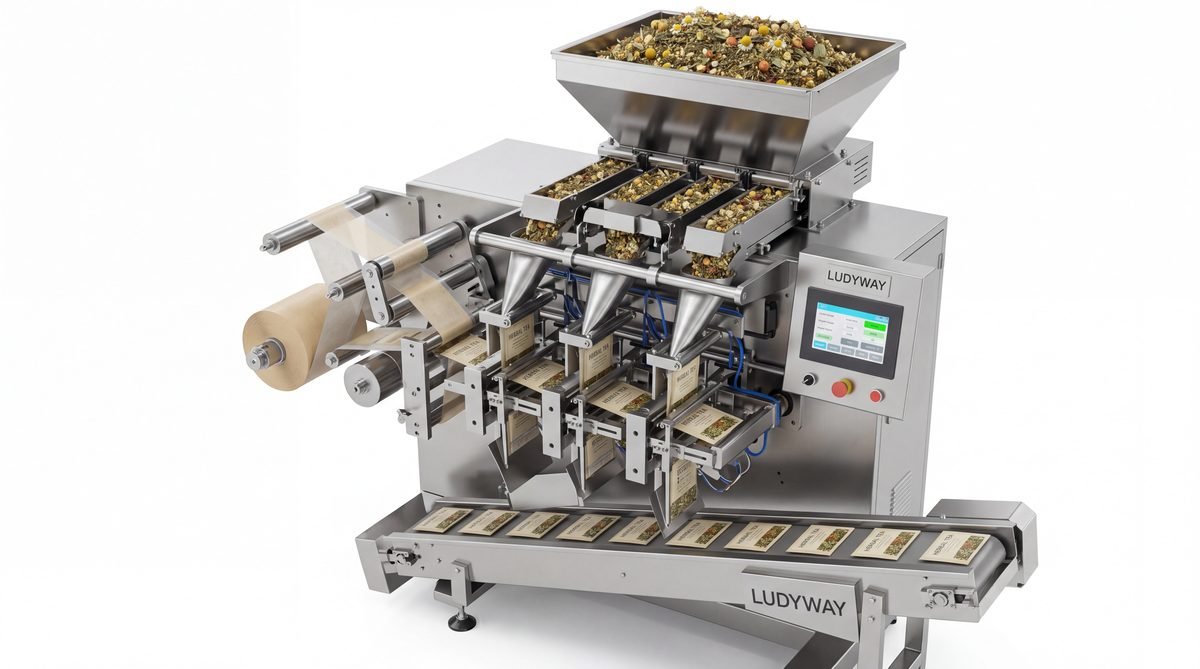
The following table provides a general overview of cost expectations based on different machine categories. Actual prices may vary depending on specific configurations, optional add-ons, and regional supplier differences.
| Machine Type | Speed Range | Estimated Cost (USD) | Best Suited For |
|---|---|---|---|
| Semi-Automatic Single-Lane | 30–60 packs/min | $8,000 – $18,000 | Small-scale producers, startups |
| Automatic Single-Lane Stick Pack | 60–120 packs/min | $15,000 – $35,000 | Medium-sized tea brands |
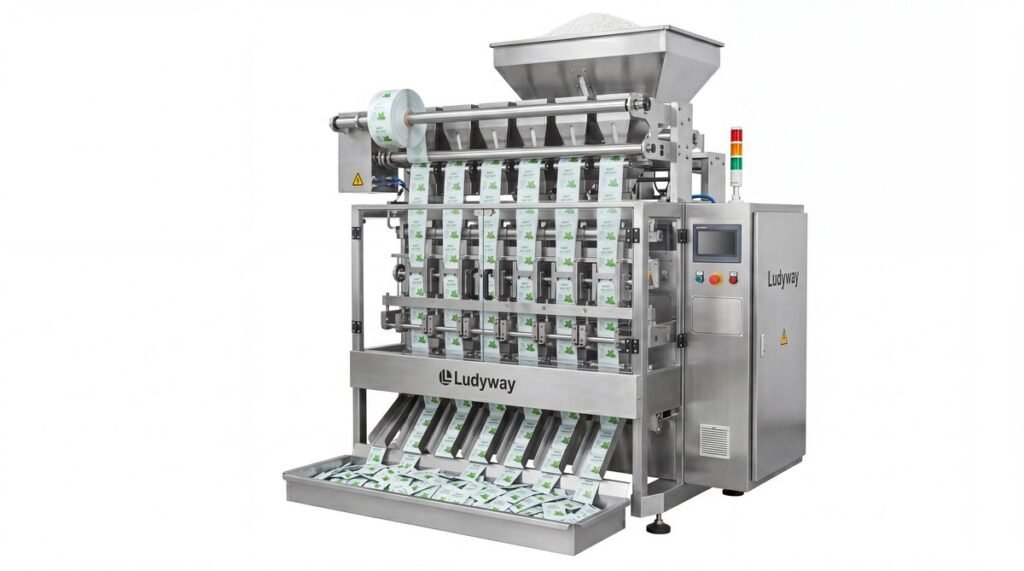
| Multi-Lane Sachet Machine (4–6 lanes) | 200–400 packs/min | $35,000 – $70,000 | Growing commercial operations |
| High-Speed Multi-Lane (8–12 lanes) | 400–800 packs/min | $70,000 – $120,000 | Large-scale tea manufacturers |
| Fully Integrated Turnkey Line | Custom specification | $100,000 – $200,000+ | Full-scale industrial production |
Understanding Additional Cost Components
Beyond the base machine price, several supplementary expenses should be factored into the total investment. These components ensure smooth operation and long-term reliability of the packaging line.
Installation and Commissioning
Professional installation by certified technicians typically costs between $1,500 and $5,000, depending on location and complexity. Proper commissioning and operator training are essential to maximize machine performance from day one.
Consumables and Spare Parts
Polythene film rolls, sealing components, and wear parts represent ongoing operational costs. Budgeting approximately 3–5% of the machine cost annually for spare parts inventory helps prevent costly downtime.
Shipping and Logistics
International freight for heavy packaging machinery can add $2,000 to $8,000 to the total acquisition cost, varying by destination port and shipping method.
After-Sales Support and Warranty
Extended warranty packages and service agreements provide peace of mind and should be evaluated against the manufacturer’s standard coverage terms. Reliable technical support often justifies a moderate premium in machine pricing.

How to Evaluate Cost vs. Value
Price alone should not dictate the purchasing decision. A lower upfront cost may translate to higher long-term expenses through frequent breakdowns, slower output, or inconsistent sealing quality. Consider the following evaluation criteria when comparing automatic polythene packing machine options:
- Build Quality: Stainless steel construction, precision-machined components, and reliable electrical systems indicate superior manufacturing standards.
- Energy Efficiency: Modern servo-driven machines consume less power, reducing operational costs over the equipment’s lifespan.
- Film Waste Rate: Accurate tension control and sealing parameters minimize polythene waste, directly impacting material costs.
- Changeover Speed: Quick-change tooling and recipe memory functions reduce downtime between production batches.
- Scalability: Modular designs allow future upgrades without replacing the entire system, protecting the initial investment.
Industry Insights and Market Trends
The global tea packaging machinery market continues to evolve, driven by increasing demand for convenient single-serve formats and sustainable packaging solutions. According to industry data from the PMMI Business Intelligence Library, packaging machinery investments have shown consistent growth across food and beverage sectors. Additionally, the Flexible Packaging Association provides valuable resources on film material advances that influence machine design and cost structures.
Companies like Ludyway, one of the largest packaging machine manufacturers in China with over 30 years of industry experience, offer a wide range of tea packaging solutions spanning entry-level to fully automated turnkey systems. Their modern 20,000㎡ manufacturing facility and extensive engineering expertise enable competitive pricing without compromising on quality or performance.
Return on Investment Considerations
Calculating ROI for a tea automatic polythene packing machine involves analyzing production throughput gains, labor cost reductions, and material savings. Key metrics to track include:
- Output Increase: Automated multi-lane machines can boost production by 300–500% compared to manual or semi-automatic processes.
- Labor Optimization: Reducing operator requirements from 4–6 workers to 1–2 per shift generates substantial annual savings.
- Waste Reduction: Precision filling accuracy within ±0.5g minimizes product giveaway and film wastage.
- Quality Consistency: Uniform sealing and attractive packaging enhance brand perception and reduce customer complaints.
Making the Final Decision
Selecting the right tea automatic polythene packing machine requires balancing current production needs with future growth plans. Engage with multiple suppliers, request detailed quotations with complete specifications, and whenever possible, conduct factory acceptance tests or review sample packaging results before committing. The most cost-effective solution is not always the cheapest — it is the one that delivers reliable performance, consistent output quality, and responsive technical support throughout the equipment’s service life.
For further guidance on packaging machinery standards and industry best practices, resources from organizations like the PMMI Packaging Industry Resources portal and regulatory references from the FDA Food Packaging and Food Contact Substances page offer valuable insights into compliance and operational excellence.