Choosing the right sealing style for sachet packaging is one of the most important decisions in any packaging project. It directly affects product freshness, leak prevention, shelf life, appearance, transportation safety, and consumer trust. Whether you pack powders, granules, liquids, gels, or pharmaceutical products, the seal must match both the product characteristics and the packaging environment.
In practical production, there is no single “best” sealing style for every sachet. The ideal option depends on factors such as barrier needs, filling temperature, material structure, pack shape, product sensitivity, and expected storage conditions. A poor seal can lead to oxygen ingress, moisture damage, contamination, bursting, or messy customer complaints.
Why Sealing Style Matters in Sachet Packaging
A sachet may look simple, but its sealing performance decides whether the package can truly protect the product. In many industries, the seal is the first and last line of defense.
- For food products, the seal helps block oxygen, moisture, odor transfer, and microbial contamination.
- For pharmaceutical and health products, the seal supports dosage safety, hygiene, and shelf-life compliance.
- For cosmetic and personal care sachets, it prevents leakage and preserves formula stability.
- For chemicals, it reduces the risk of spills, evaporation, and package failure during transport.
If the sealing style is not suitable, even premium packaging film may fail to deliver reliable protection.
Main Types of Sachet Sealing Styles
The most common sealing styles used in sachet packaging include:
| Sealing Style | Best For | Key Advantage |
|---|---|---|
| Three-side seal | Powders, granules, pharma, samples | Clean shape and strong sealing integrity |
| Four-side seal | Premium sachets, medical, high-barrier uses | Symmetrical appearance and high stability |
| Back seal / center seal | High-speed stick packs and sachets | Efficient material use and fast production |
| Fin seal | Flow-type packs, some powder or granule formats | Fast sealing and machine-friendly structure |
| Lap seal | Cost-sensitive projects | Lower material overlap and reduced film use |
| Hermetic seal | Sensitive food, pharma, moisture/oxygen-sensitive products | Maximum protection against outside environment |
1. Three-Side Seal
The three-side seal sachet is one of the most widely used formats. It is sealed on the left, right, and top or bottom, with the remaining side used for filling before final sealing.
Best for: powdered drink mixes, seasonings, oral rehydration salts, pharmaceutical powders, cosmetic samples, and small liquid doses.
Advantages:
- Strong seal structure
- Easy to display and stack
- Suitable for many barrier laminates
- Simple, familiar consumer format
This is often considered the most balanced solution when businesses need both protection and broad market compatibility.
2. Four-Side Seal
Four-side sealed sachets are sealed on all four edges. This design offers a premium appearance and very stable pack geometry.
Best for: pharmaceutical sachets, diagnostic products, premium nutrition products, and high-end personal care packaging.
Advantages:
- Excellent visual presentation
- High structural uniformity
- Good protection for low-volume precision filling
- Useful for products needing strong edge definition
The trade-off is that this style may require slightly more complex machine setup and can affect production speed depending on the application.
3. Back Seal or Center Seal
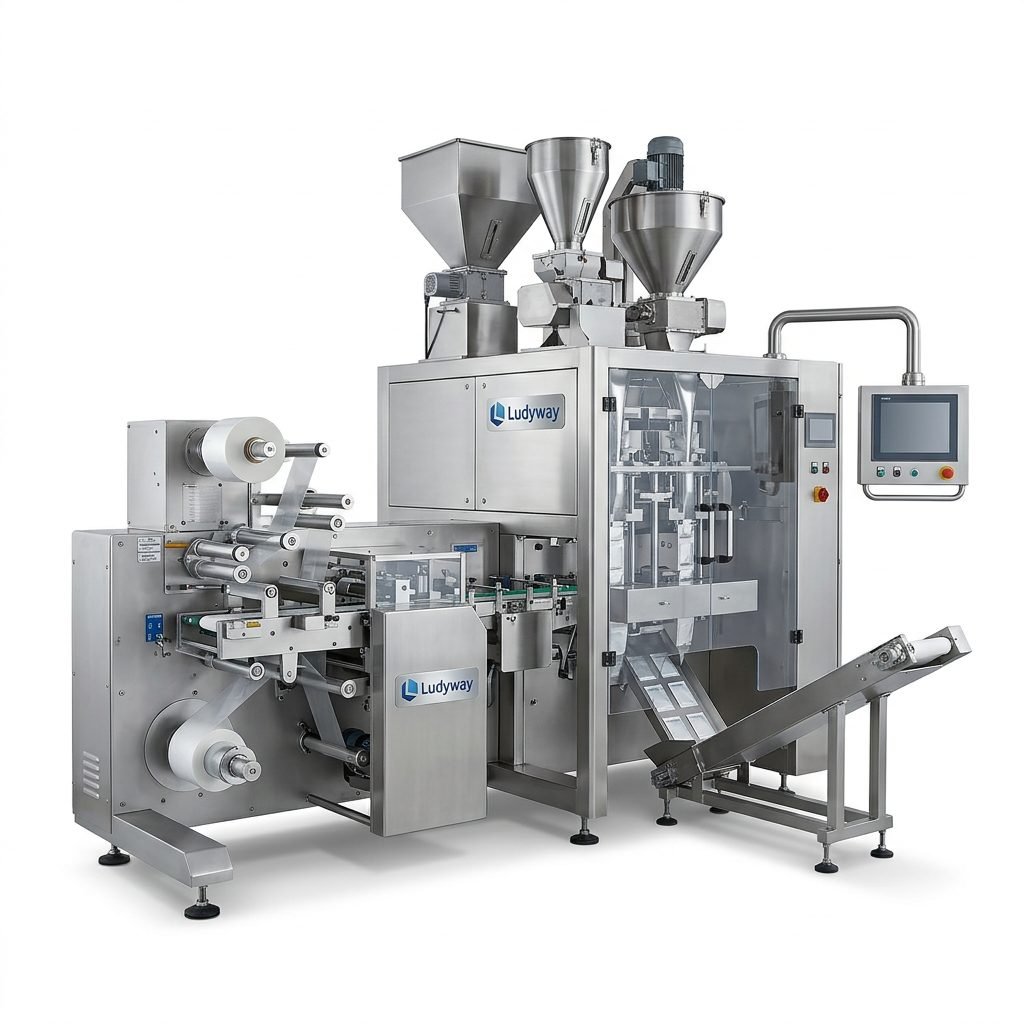
In a back-seal sachet, the vertical seal runs along the rear side of the package. This style is common in stick packs and high-speed sachet applications.
Best for: instant coffee, sugar, electrolyte powder, health supplement powders, and some liquid stick packs.
Advantages:
- Efficient for high-speed production
- Lower film waste in some projects
- Suitable for slim and portable packaging formats
- Strong performance when matched with the right film and sealing parameters
For brands prioritizing output, this can be one of the most efficient sealing styles.
4. Fin Seal
A fin seal creates a folded seam that stands out from the pouch body. It is common in flow wrapping and certain flexible packaging structures.
Best for: products where machine speed is a priority and the package design accepts an external seam.
Advantages:
- Fast sealing process
- Reliable on compatible films
- Easy to integrate into some automated lines
However, this style may be less ideal for ultra-compact sachets where a flatter profile is preferred.
5. Lap Seal
Lap sealing overlaps one film edge over another. It uses less overlap than fin sealing, which can reduce material consumption.
Best for: cost-driven projects with stable products and less aggressive barrier requirements.
Advantages:
- Material-saving design
- Smooth package surface
- Can support good branding presentation
Still, lap seals usually demand careful control of temperature, pressure, and dwell time to avoid weak seal lines.
6. Hermetic Seal
Hermetic sealing is not only a pouch shape choice but also a sealing performance target. It means the sachet is sealed in a way that minimizes gas and moisture exchange with the outside environment.
Best for: oxygen-sensitive powders, probiotics, pharmaceutical granules, moisture-sensitive formulations, and high-value functional ingredients.
Advantages:
- Superior product protection
- Better shelf-life preservation
- Reduced contamination risk
- Supports nitrogen flushing and modified atmosphere applications
When maximum protection is the goal, hermetic sealing is often the preferred standard.
Which Sealing Style Is Best for Product Protection?
If the question is purely about better product protection, the answer usually comes down to hermetic three-side or four-side sealing with the correct barrier film. These structures often provide the best combination of seal strength, environmental resistance, and package integrity.
That said, the best sealing style depends on the product category:
| Product Type | Recommended Sealing Style | Reason |
|---|---|---|
| Powders | Three-side seal or back seal | Good containment, efficient filling, strong edge sealing |
| Granules | Three-side seal or four-side seal | Reduces burst risk and supports stable pouch shape |
| Liquids | Three-side seal or four-side seal with reinforced sealing control | Better leak resistance |
| Pharmaceutical doses | Four-side or hermetic seal | High hygiene and barrier protection |
| Premium retail sachets | Four-side seal | Improved shelf appearance and pack stability |
| High-speed stick packs | Back seal | Fast output and narrow-format efficiency |
Key Factors to Consider Before Choosing a Sealing Style
Product Characteristics
Free-flowing powders behave differently from sticky pastes or volatile liquids. Fine powder may contaminate the seal area, while hot-fill liquids may require special thermal settings. Product behavior always influences seal reliability.
Barrier Requirements
If the product is sensitive to oxygen, light, or humidity, the sealing style must work together with the laminate structure. Even the strongest seal cannot compensate for the wrong film.
Seal Strength and Burst Resistance
Products that face rough handling, bulk shipping, or long-distance export need seals that resist pressure and impact. This is especially important for e-commerce, international transport, and hot climates.
Production Speed
Some sealing styles are better for high-output lines. If your goal is mass production, a back-seal or optimized three-side-seal format may offer better efficiency than a premium but slower design.
Consumer Experience
Easy tearing, clean opening, flat appearance, and reliable dosage delivery all matter. The best package is not only protective but also convenient to use.
Regulatory and Industry Standards
Food and pharmaceutical packaging often require stricter validation, seal consistency, and contamination control. In these sectors, seal quality testing is essential rather than optional.
How Seal Quality Is Improved in Real Production
Even the correct sealing style can fail if the packaging process is poorly controlled. High-performance sachet sealing usually depends on the following:
- Stable sealing temperature
- Accurate pressure control
- Proper dwell time
- Compatible film structure
- Clean sealing area with minimal product contamination
- Consistent filling volume
- Routine seal strength testing
For example, powder products often create dust near the sealing zone. If this dust enters the seal line, leakage risk increases sharply. In such cases, machine design, filling accuracy, and seal-jaw optimization become critical.
Best Sealing Style by Industry
Food Industry
For coffee, sugar, spices, sauces, protein powders, drink mixes, and instant foods, three-side seal and back-seal stick pack are usually the most practical choices. When added freshness is required, nitrogen flushing and hermetic sealing provide better protection.
Pharmaceutical Industry
For oral powders, granules, rehydration salts, and diagnostic packaging, four-side seal or high-integrity hermetic sealing is often preferred because these formats support cleaner presentation and stronger protective performance.
Cosmetics and Personal Care
For creams, serums, lotions, and sample packs, three-side and four-side seals both work well. The choice depends on whether the focus is cost efficiency or premium shelf appeal.
Chemical Products
For detergents, industrial powders, cleaners, and liquid chemical sachets, leak resistance and material compatibility are the top concerns. Three-side sealing with strong laminate support is often a reliable solution.
Common Mistakes When Selecting Sachet Seals
- Choosing based only on appearance
- Ignoring product-flow behavior during filling
- Using high speed as the only decision factor
- Matching a good sealing style with an unsuitable film
- Failing to test seal performance under transportation conditions
- Overlooking the effect of dust, oil, or moisture in the sealing zone
A strong package is never just a good-looking pouch. It is the result of correct format design, proper material structure, and stable machine performance.
How to Decide the Best Option for Your Sachet Project
If you are comparing sealing styles, use this simple decision path:
- If you need maximum protection, choose hermetic sealing with a high-barrier film.
- If you need balanced cost and performance, choose a three-side seal.
- If you need premium appearance, choose a four-side seal.
- If you need very high speed and narrow formats, choose back seal.
- If you need material savings, evaluate lap sealing carefully.
For many brands, the best long-term result comes from testing multiple seal styles on the actual product rather than selecting based on theory alone. Pilot trials can reveal leakage, dust contamination, burst resistance, and consumer usability issues before mass production starts.
Packaging Equipment Also Affects Sealing Results
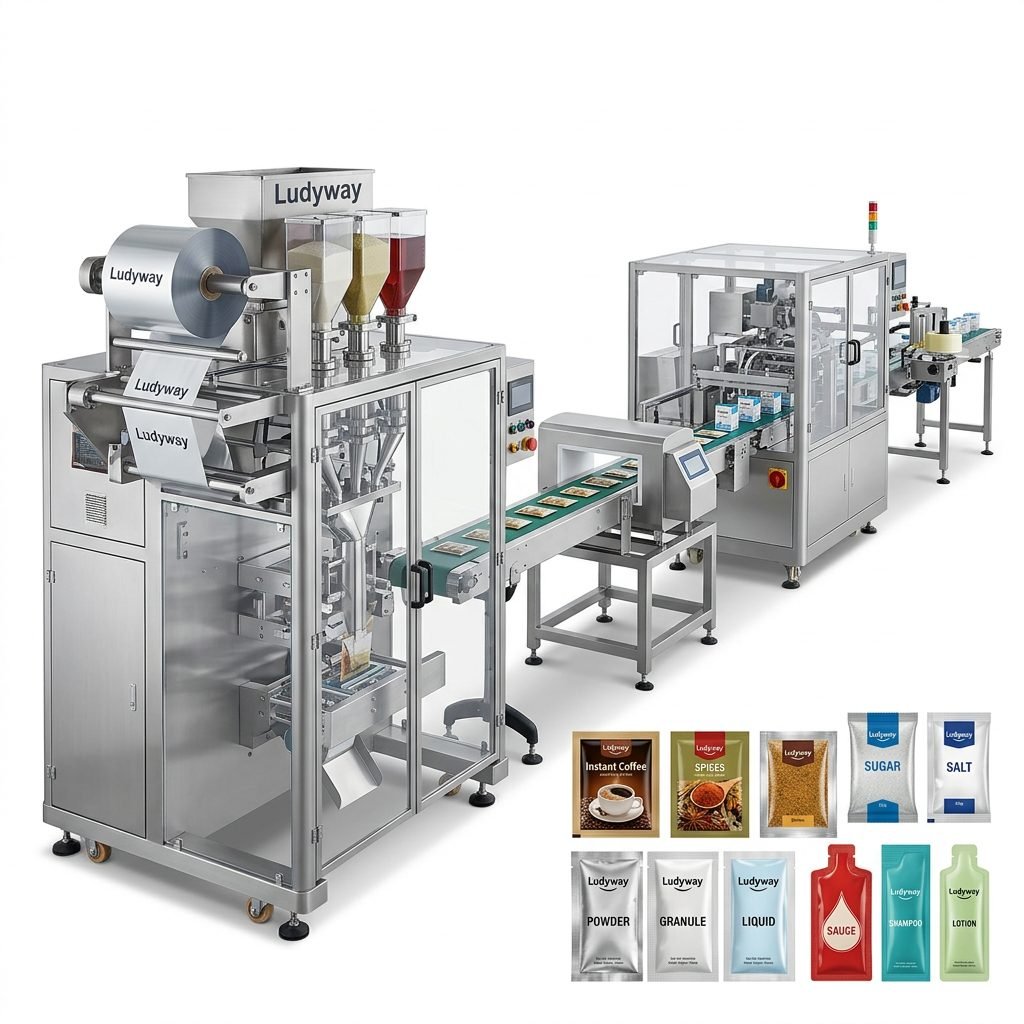
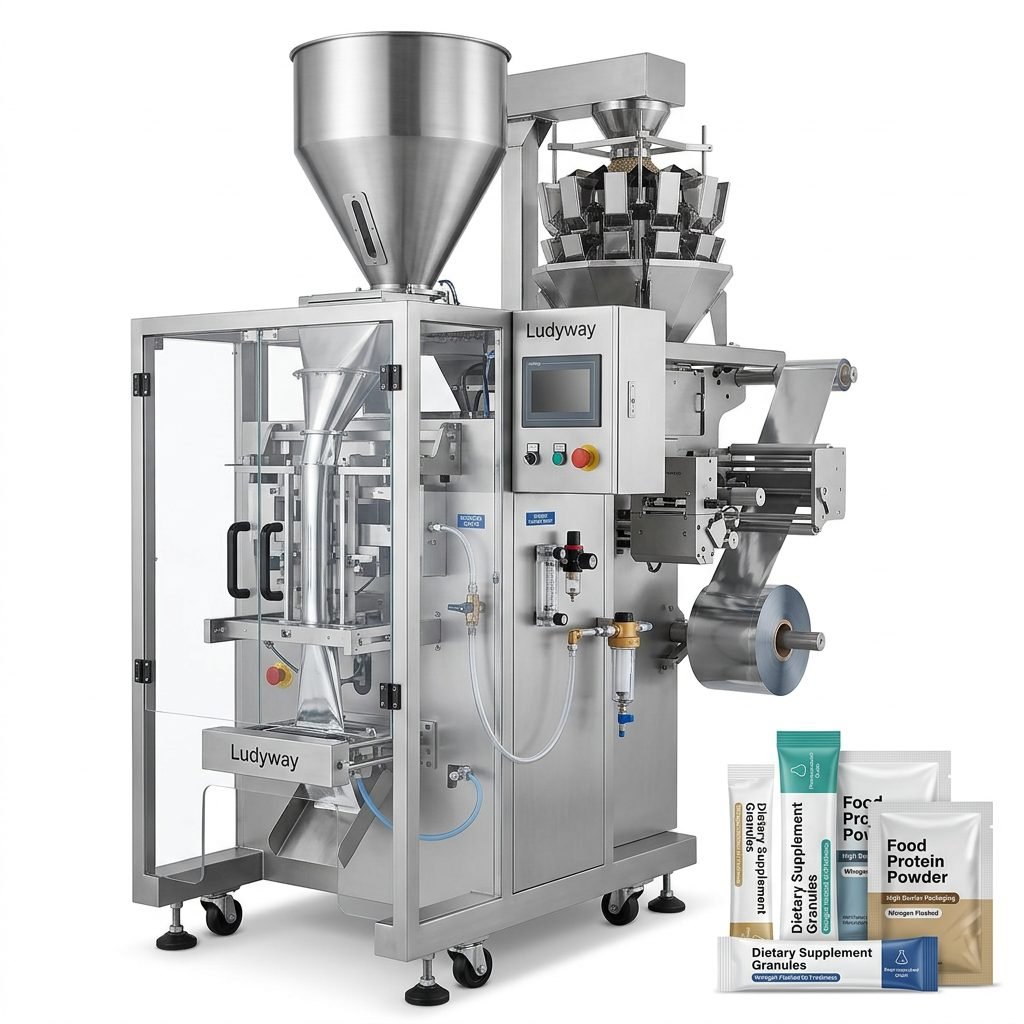
The sealing style you choose must be supported by the right machinery. Modern sachet packaging lines should offer stable temperature control, precise dosing, reliable film tracking, and consistent seal pressure across long production runs.
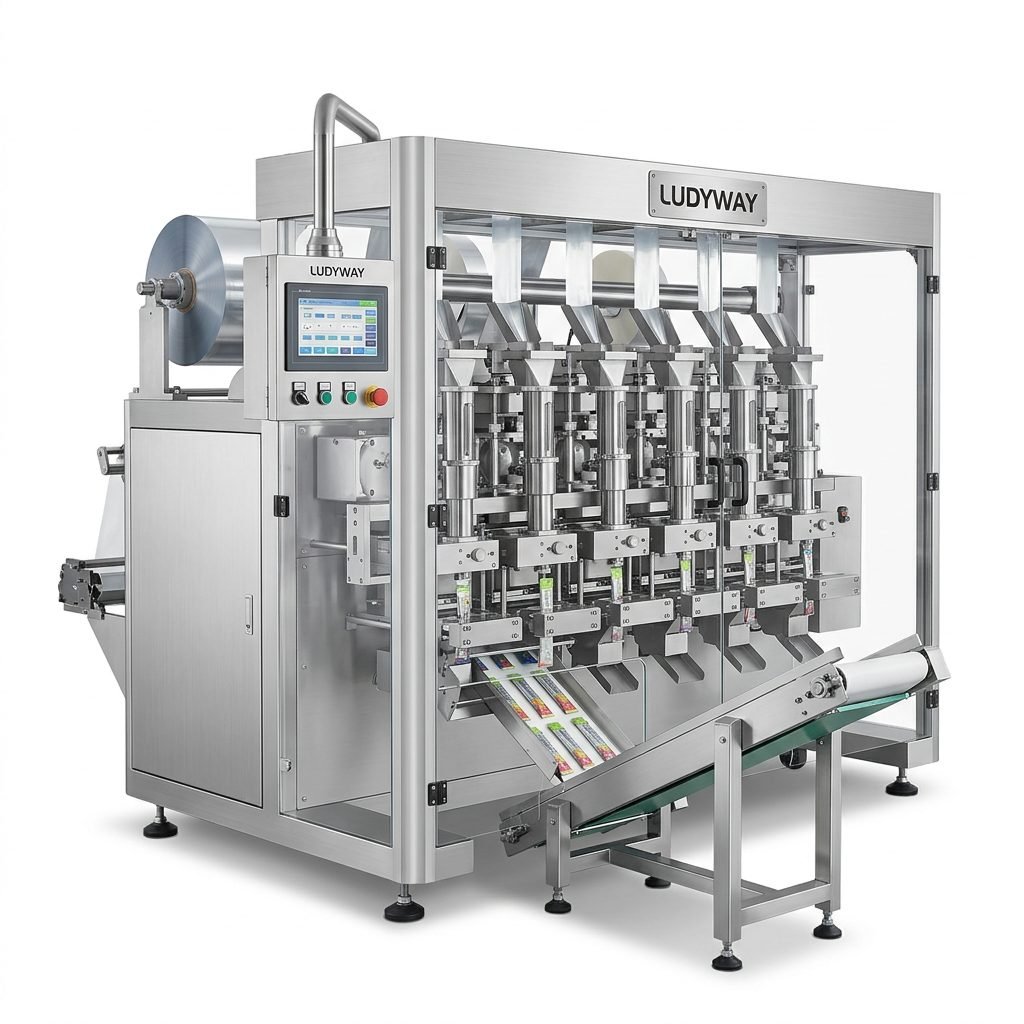
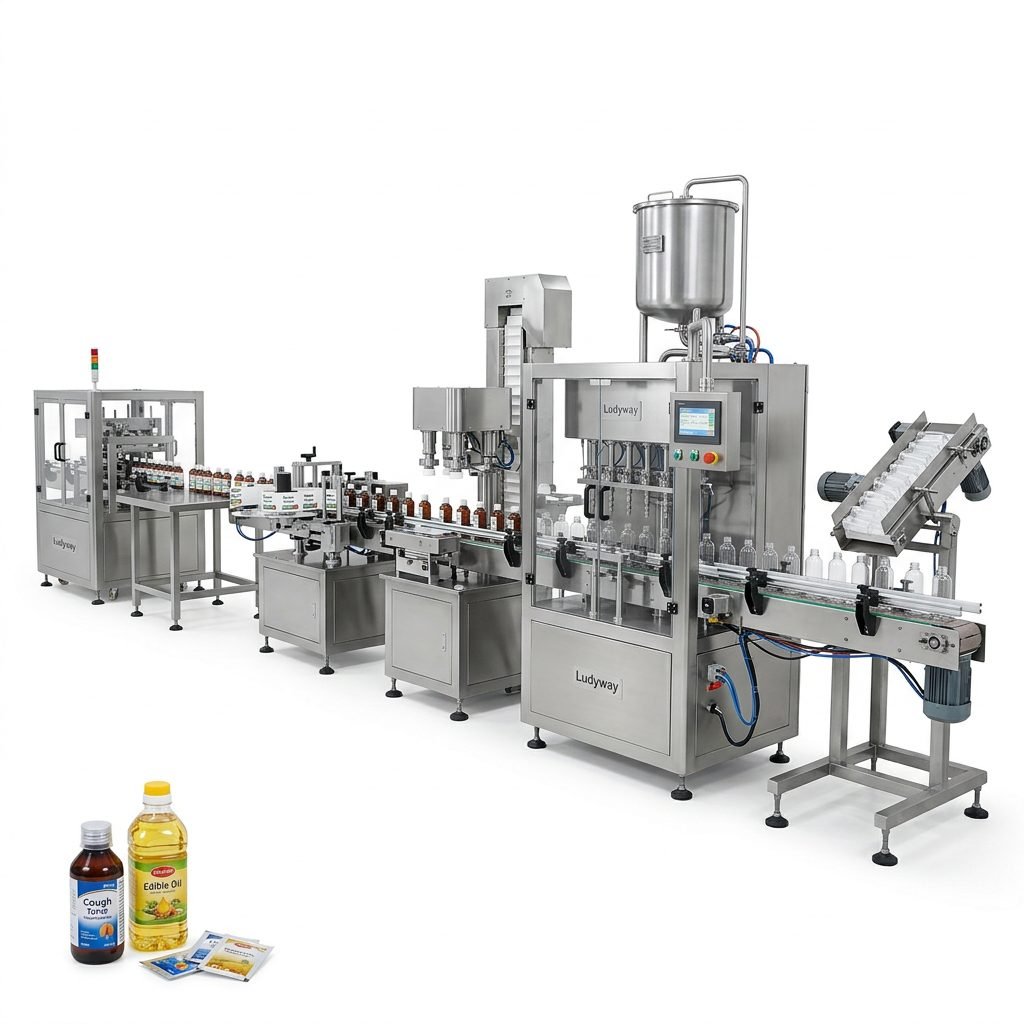
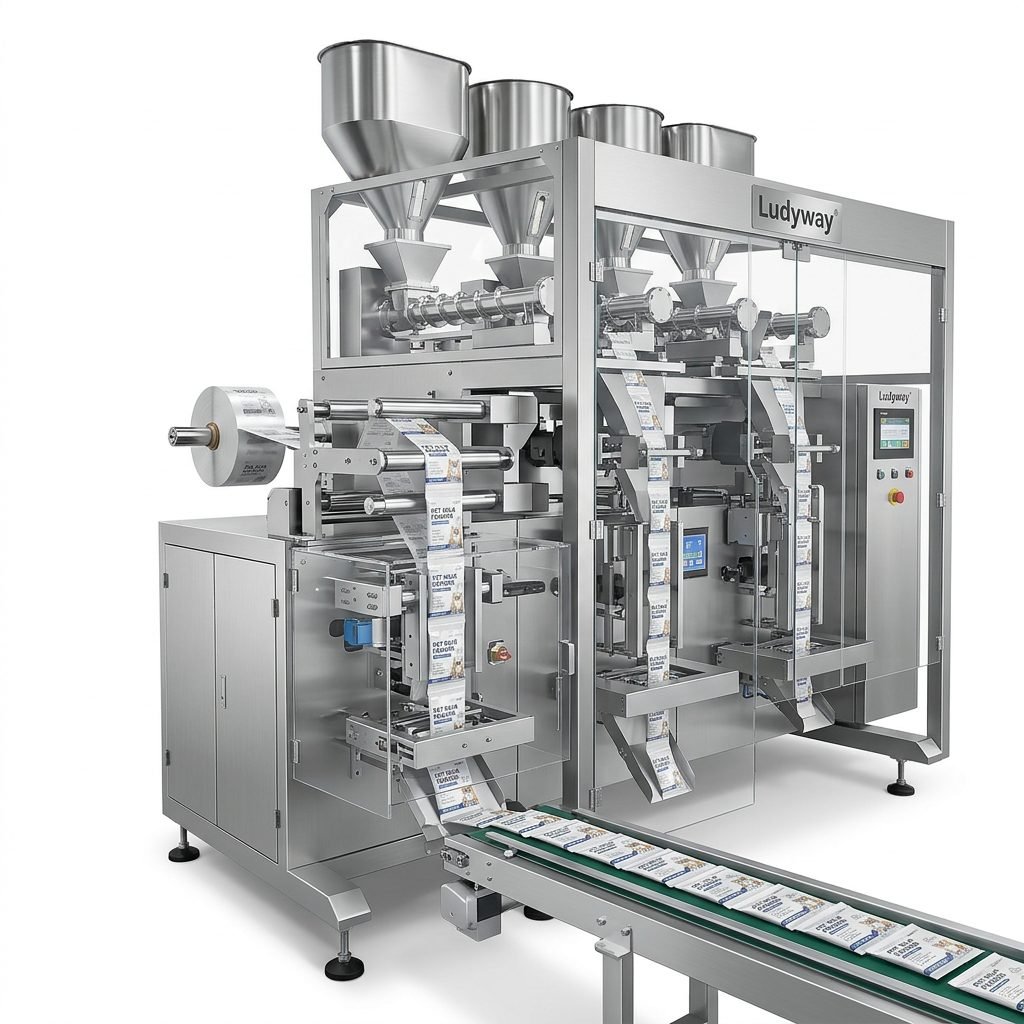
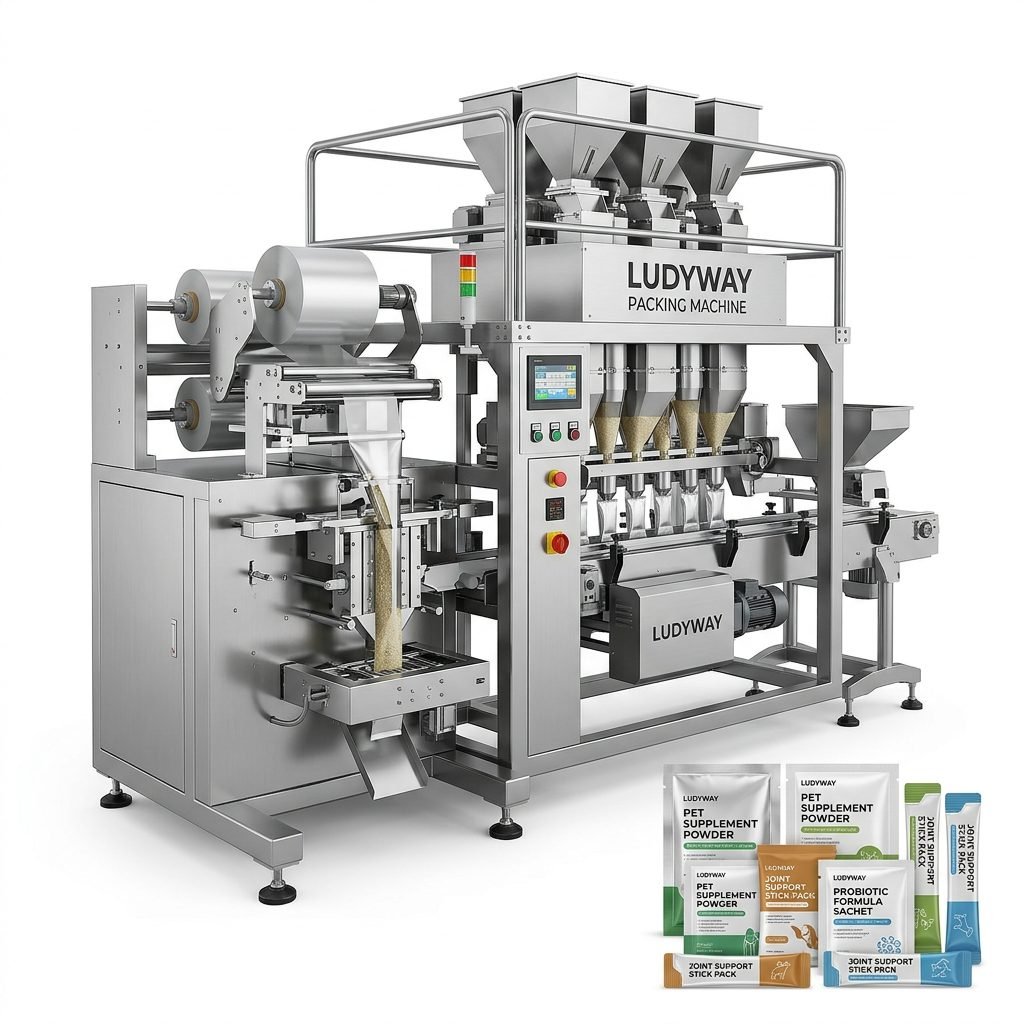
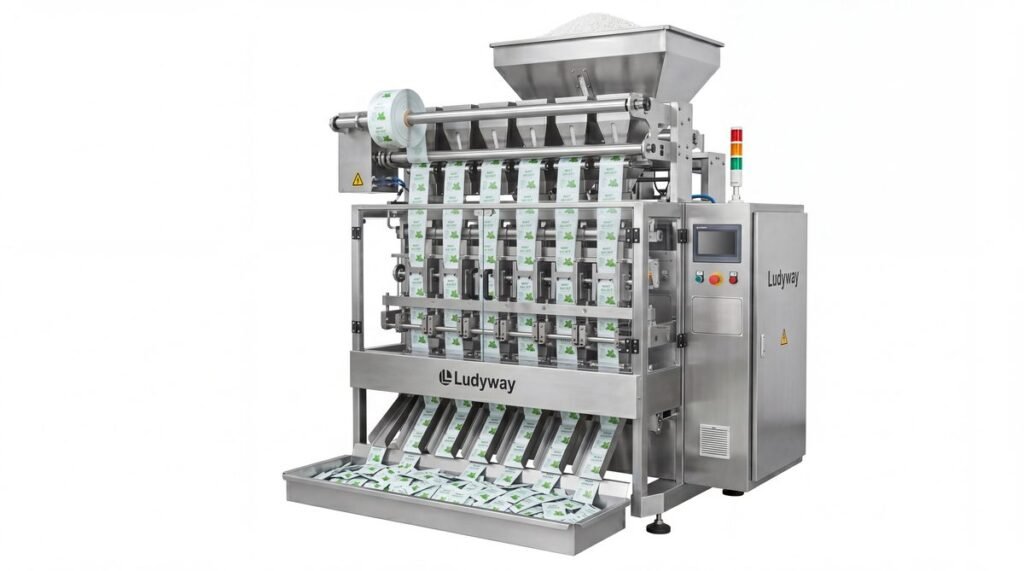
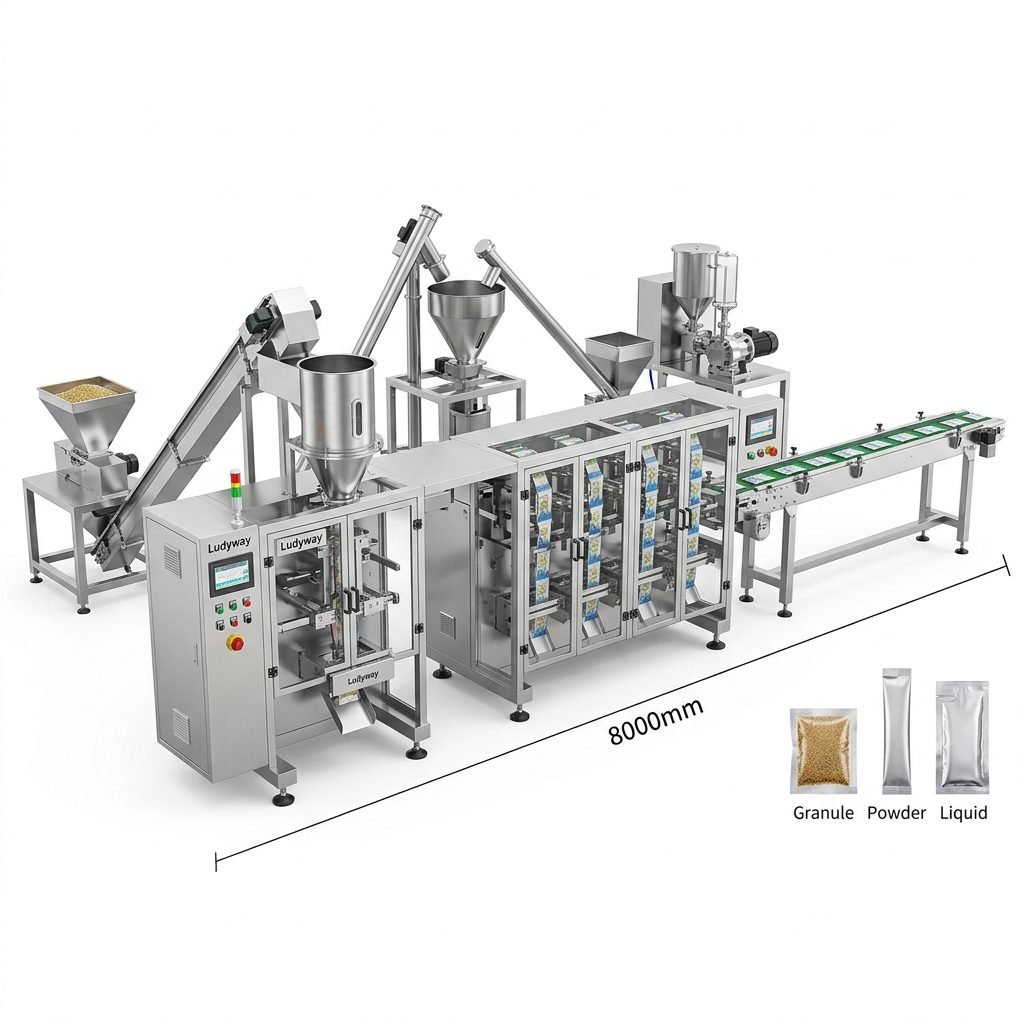
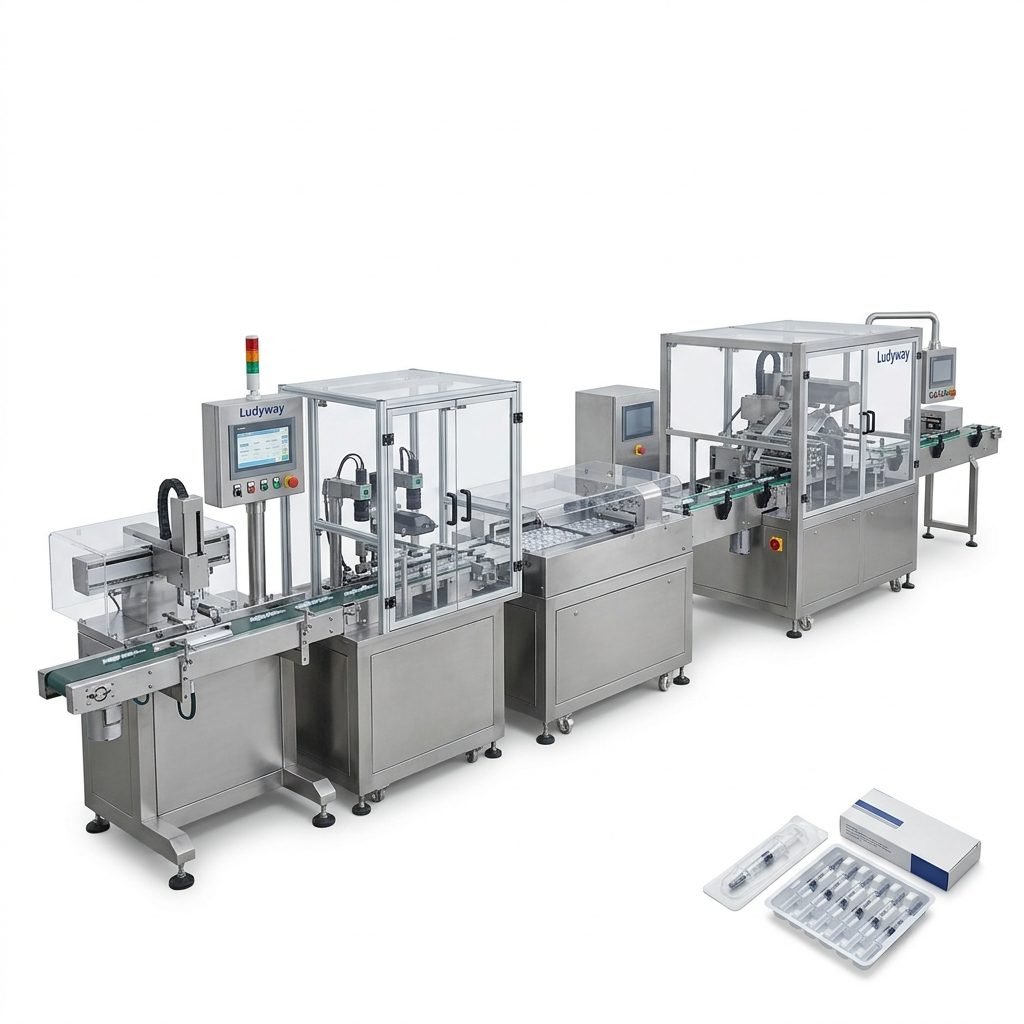
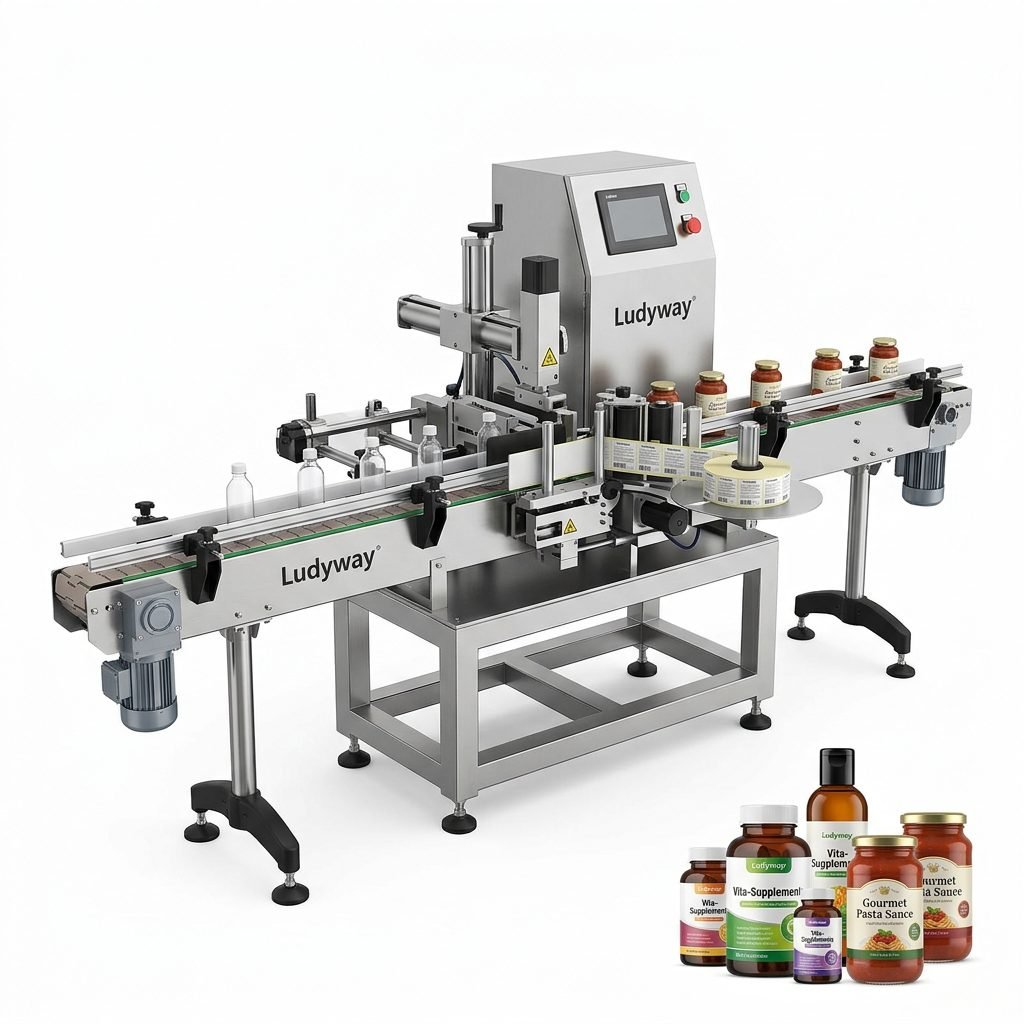
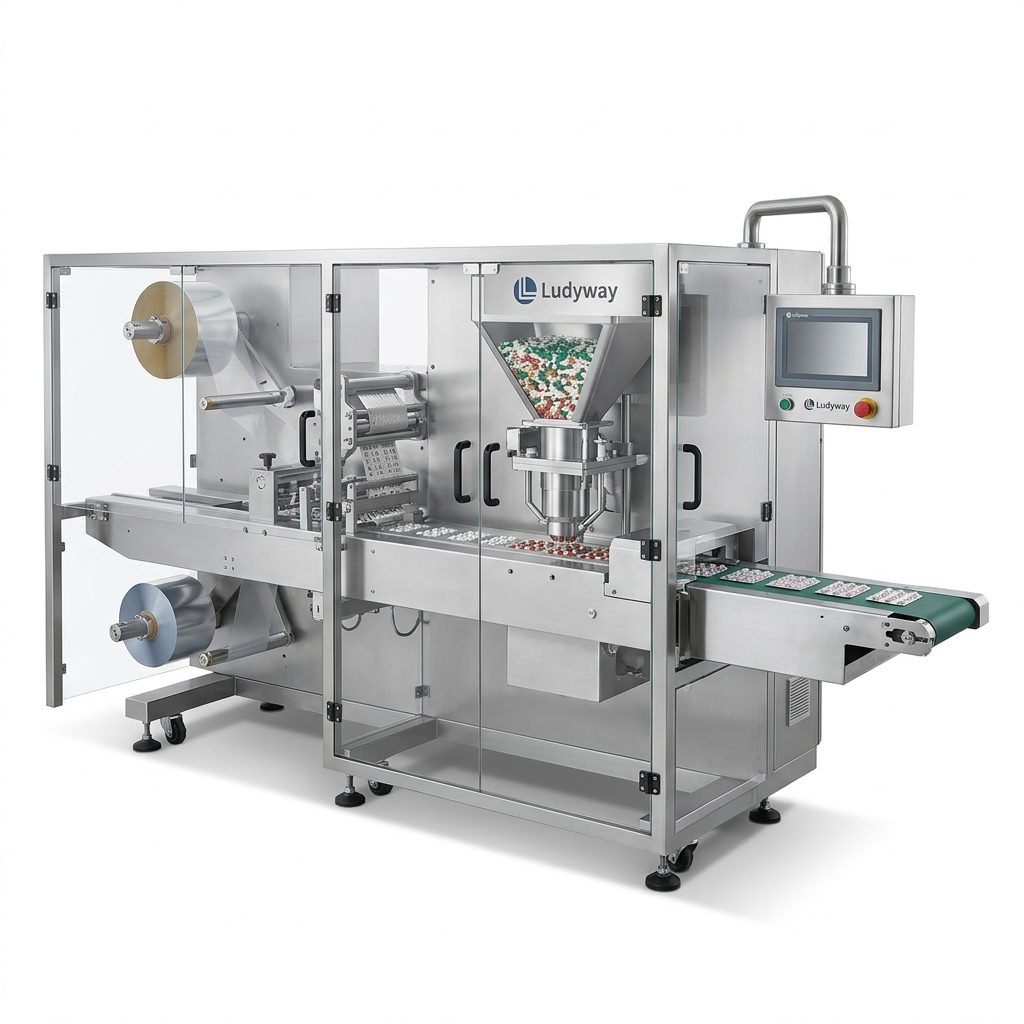
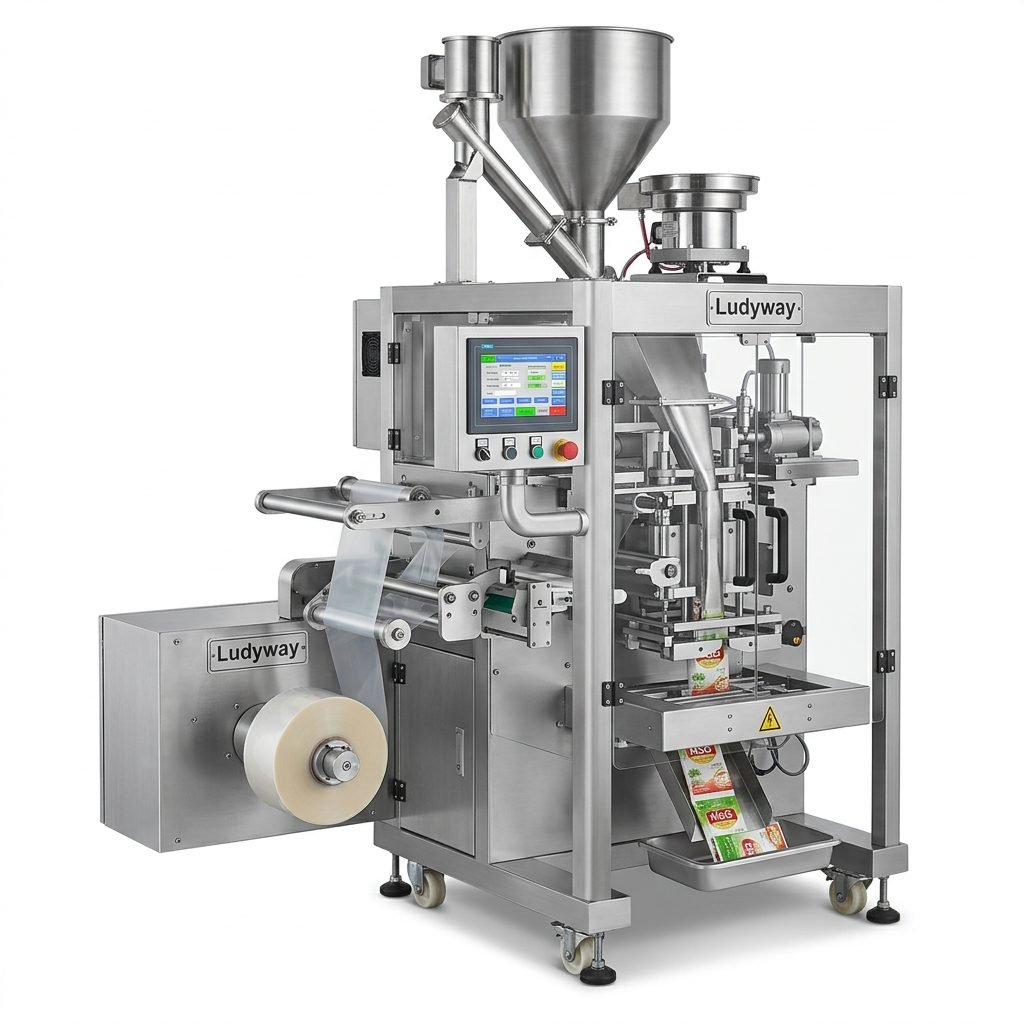
For businesses looking for packaging machinery and turnkey integration, Ludyway sachet packaging solutions are widely used for food, pharmaceutical, health supplement, cosmetic, and chemical applications, helping manufacturers improve sealing consistency, automation, and packaging efficiency.
Final Buying Insight
There is no universal answer for every product, but in most cases three-side seal offers the best all-around balance, while four-side seal is excellent for premium and medical-grade applications, and hermetic sealing delivers the highest level of product protection when combined with the right materials and process control.
When product safety, freshness, and customer satisfaction matter, the best sealing style is the one that matches your product properties, barrier needs, machine capability, and distribution conditions.