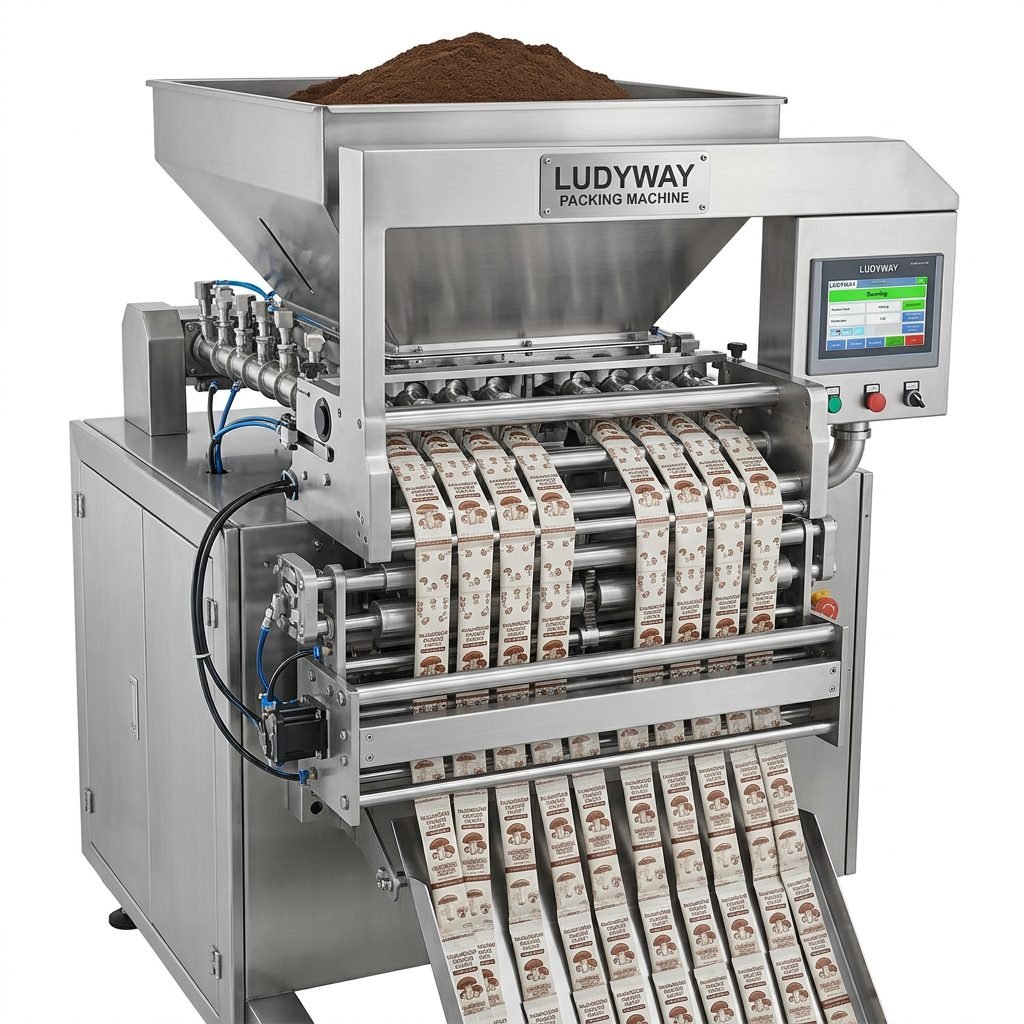
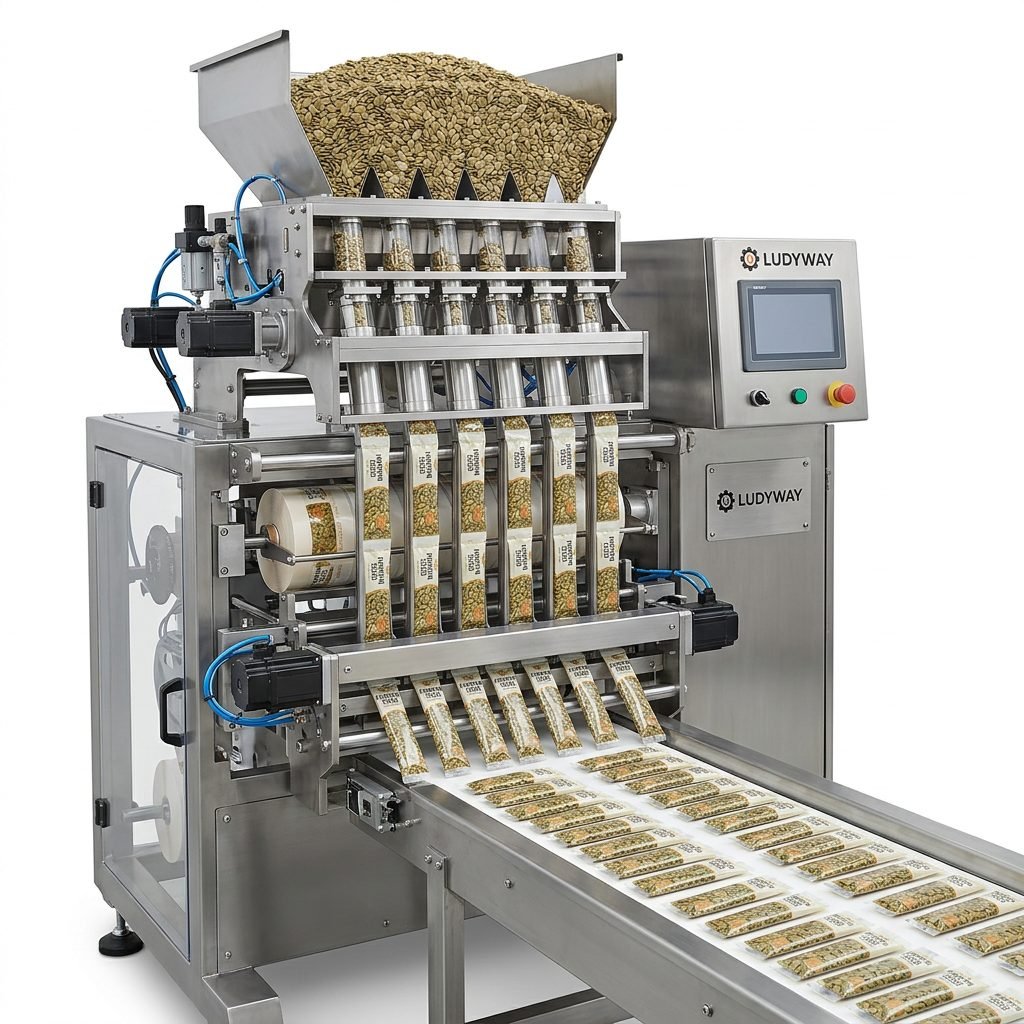
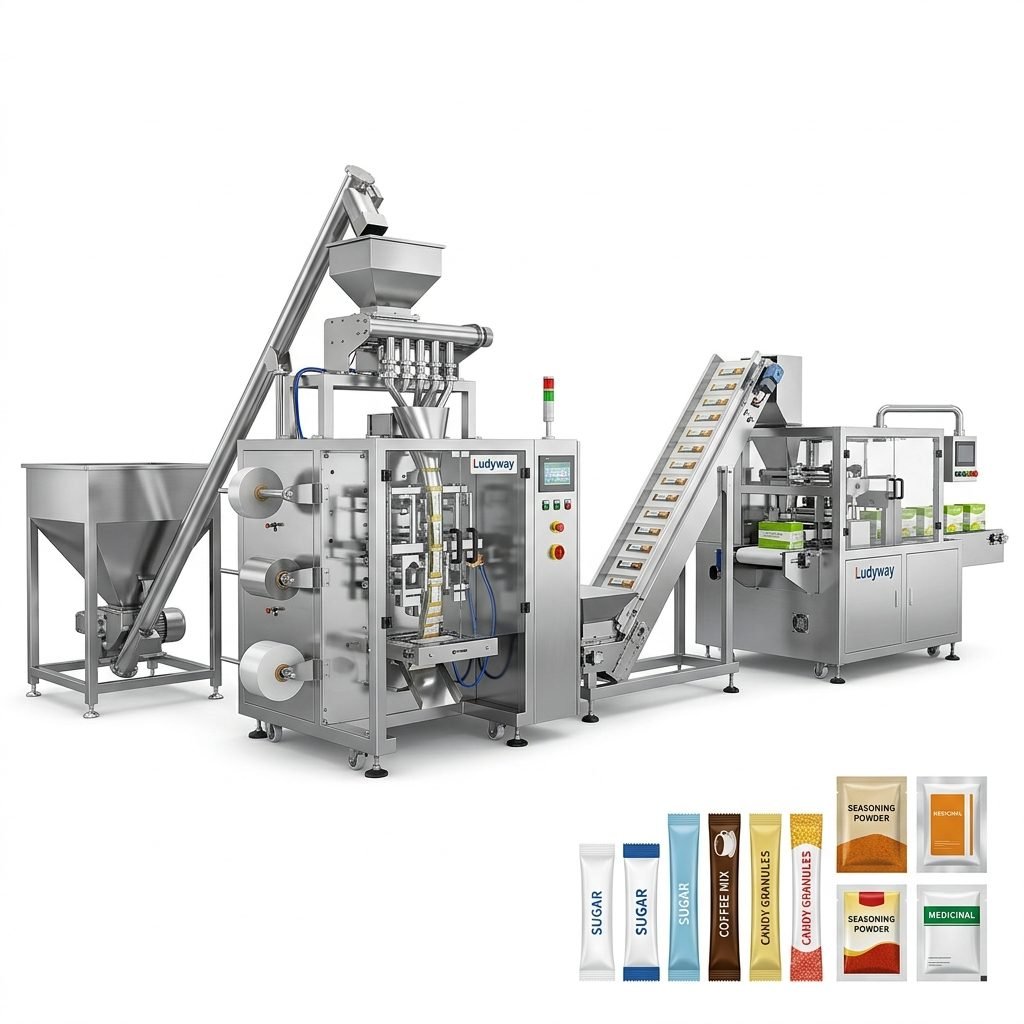
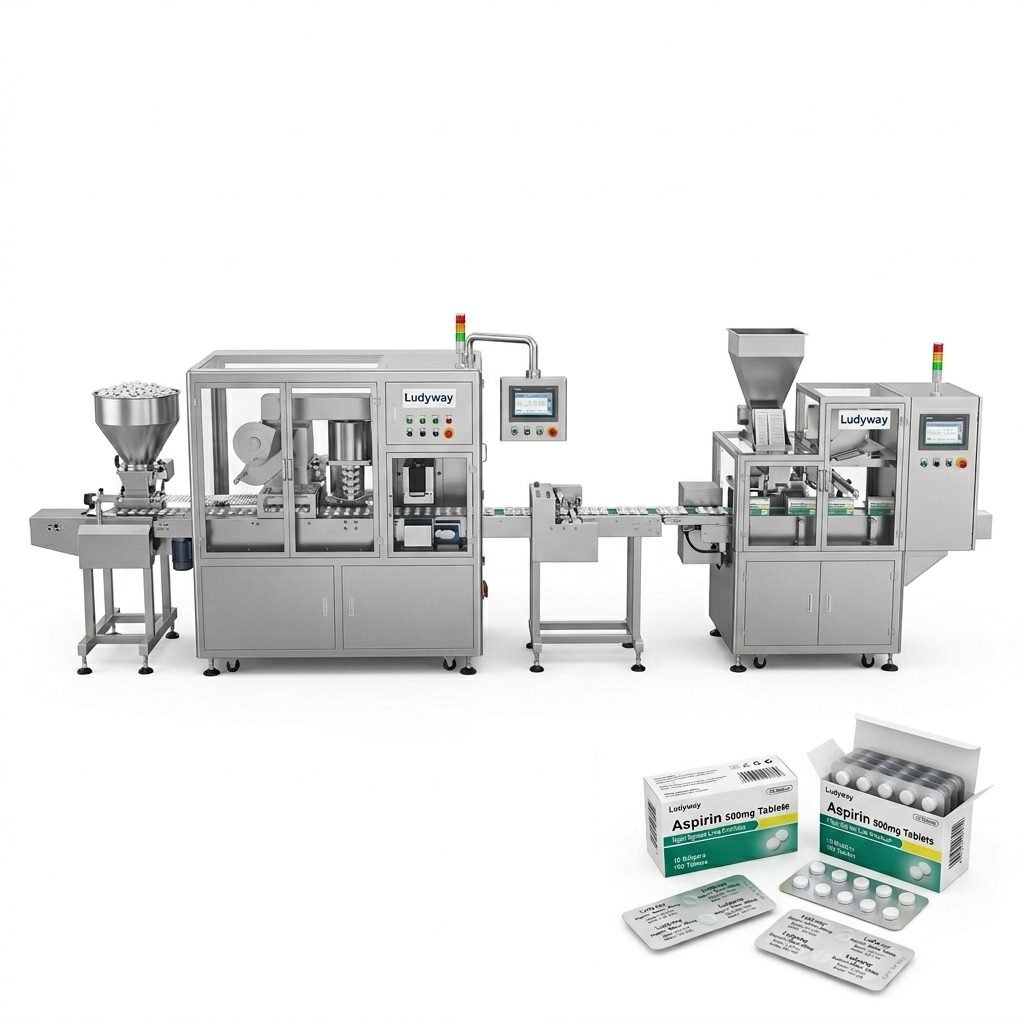
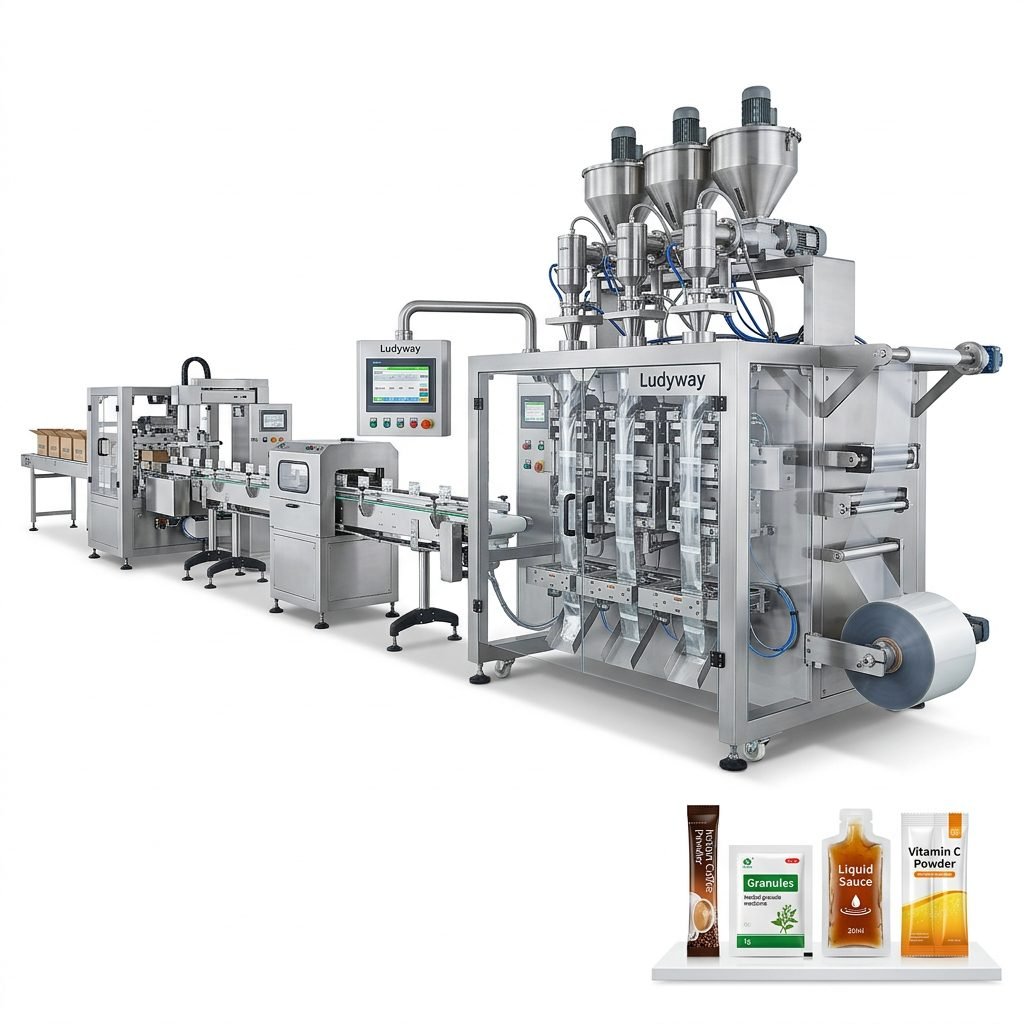
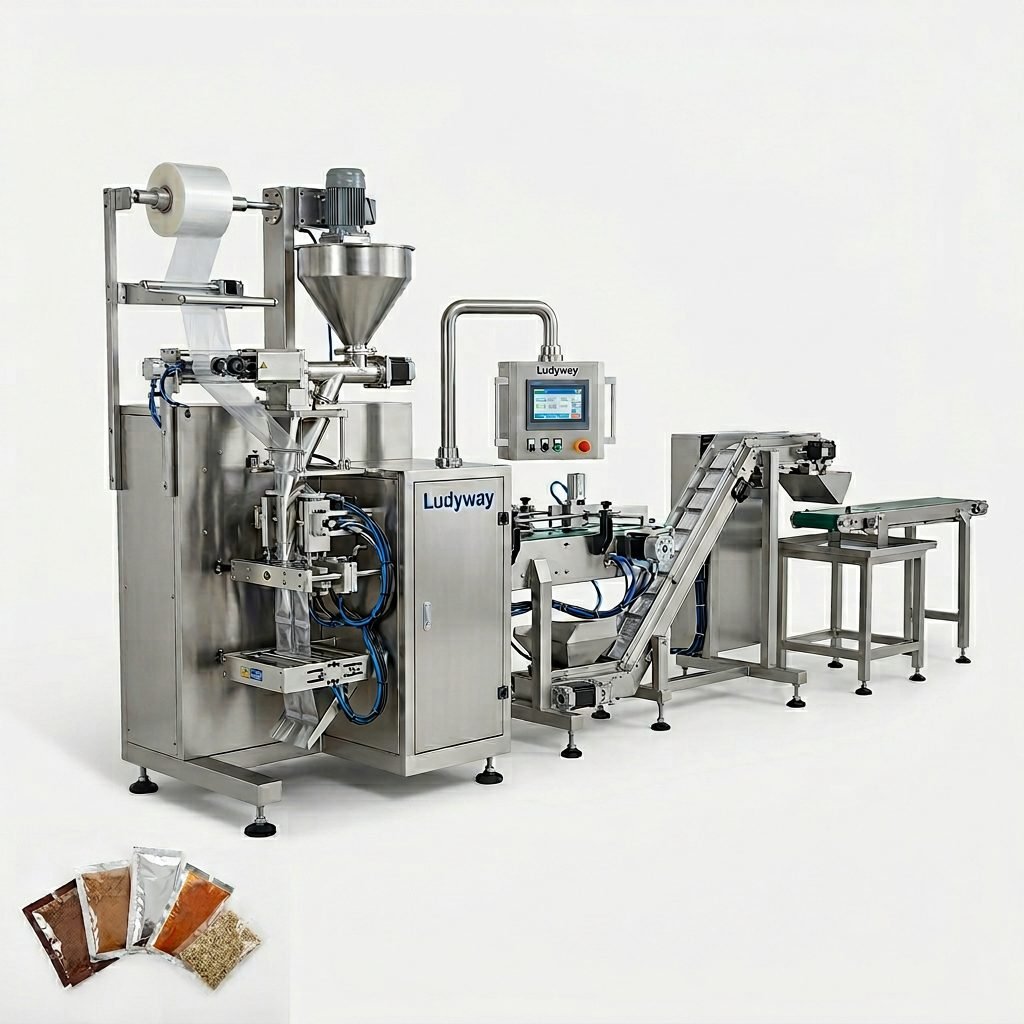
Choosing the right carton box packing machine is not only about automation. It is about matching your product type, output target, carton format, factory layout, labor cost, and future expansion plans with the right packaging system. A well-selected machine can improve packing consistency, reduce downtime, lower labor dependence, and support long-term business growth.
For manufacturers in food, pharmaceutical, cosmetics, daily chemical, and nicotine pouch industries, carton packing equipment often becomes a critical step between primary packaging and final case shipment. When this step is unstable, the whole line slows down. When it is optimized, the whole line becomes more competitive.
Why carton box packing machines matter in modern production
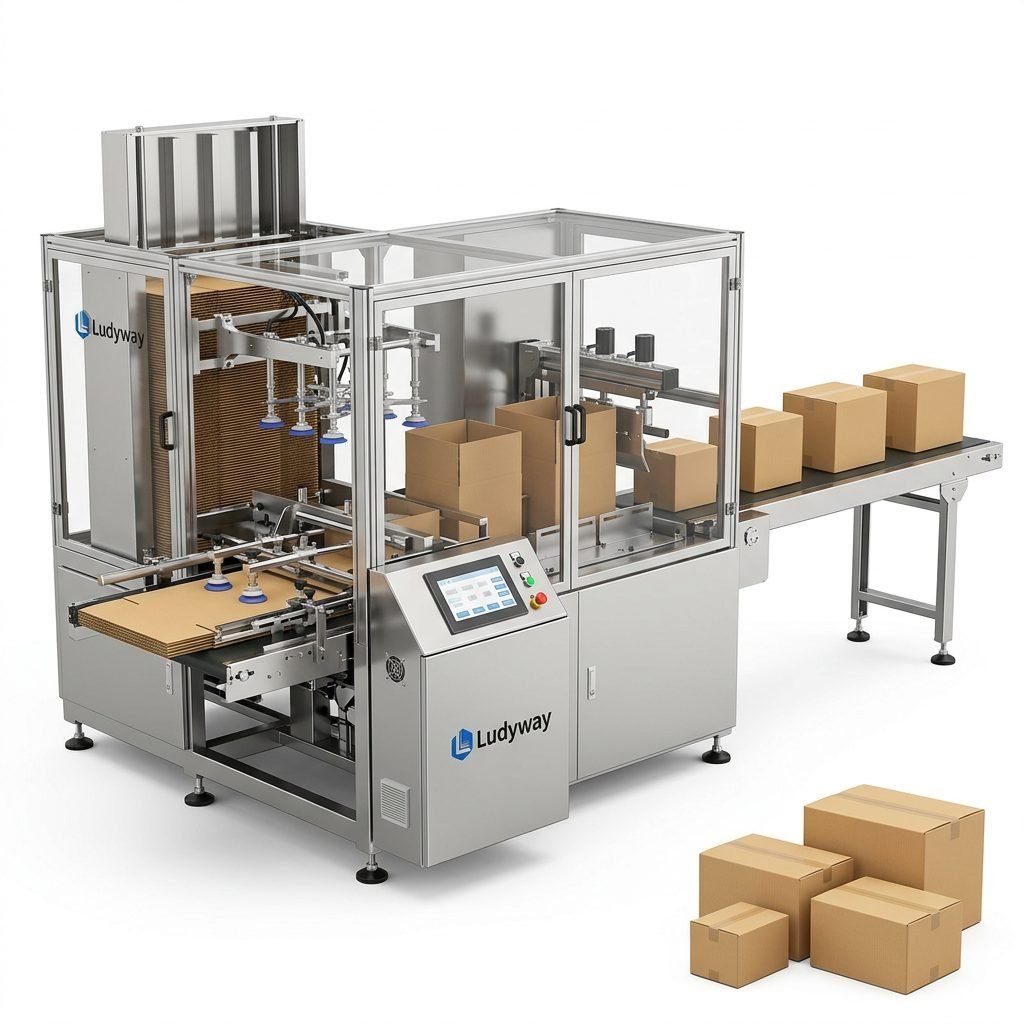
A carton box packing machine is used to form, load, close, and sometimes seal cartons automatically or semi-automatically. In many industries, cartons are more than just secondary packaging. They help protect products, improve shelf appearance, support branding, and simplify warehousing and logistics.
- Reduce manual handling and operator fatigue
- Improve packing speed and production rhythm
- Support more accurate carton forming and loading
- Enhance product protection during transport
- Deliver cleaner and more uniform retail presentation
- Lower total packaging cost over time
If your business handles pouches, sachets, stick packs, bottles, blisters, or small bagged products, adding an automated cartoning stage can significantly improve line efficiency.
Types of carton box packing machines
Not every machine serves the same role. Before comparing suppliers, first identify which machine category fits your application.
1. Carton erectors
These machines automatically open flat carton blanks and form them into usable boxes. They are ideal when your line needs steady carton feeding before filling or loading.
2. Automatic cartoning machines
These machines insert products into cartons and complete closing steps. They are common in pharmaceuticals, cosmetics, supplements, and food packaging.
3. Case packers
Case packers place already packaged products into larger shipping cartons. They are suitable for bulk transport and warehouse-ready packaging.
4. Carton sealers
These machines close cartons with tape or glue. They are often installed at the final stage of end-of-line packaging.
5. Integrated carton packing lines
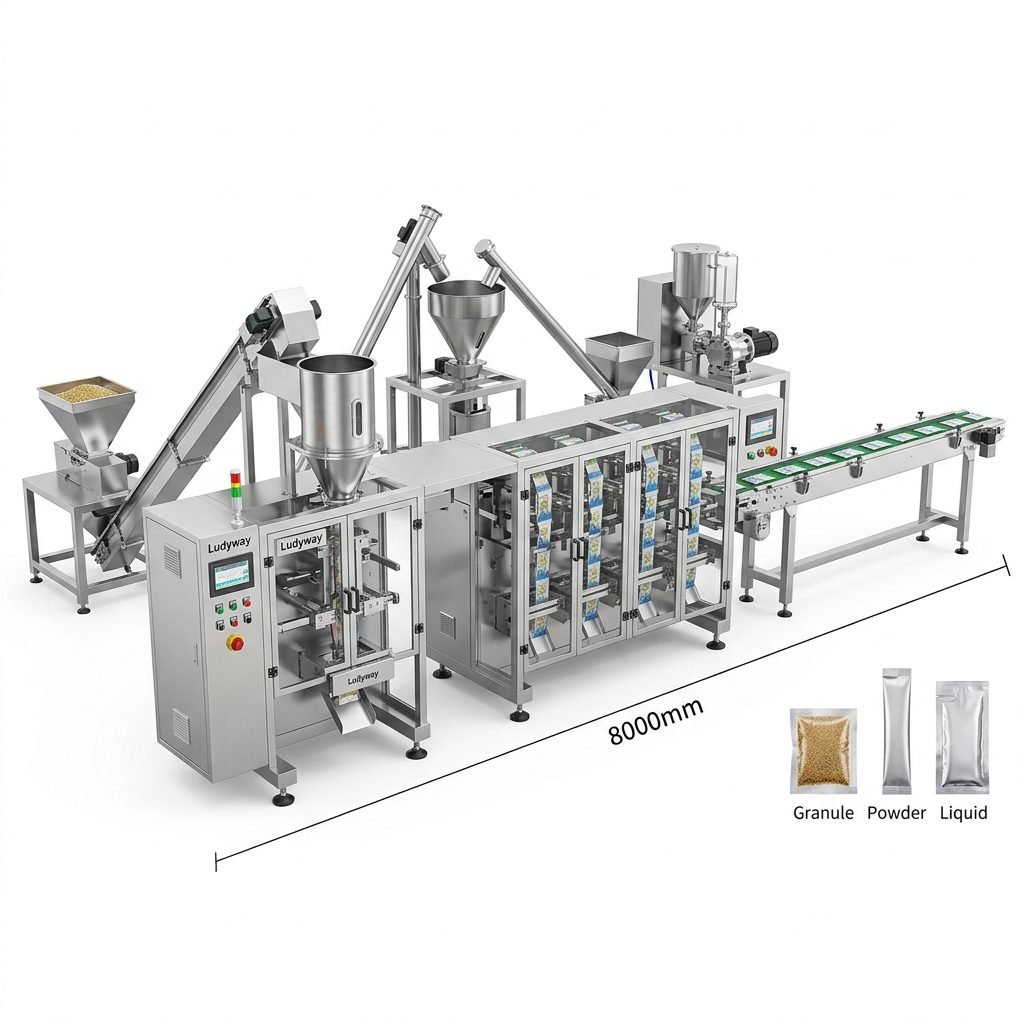
A complete line may combine conveying, counting, grouping, cartoning, sealing, labeling, coding, checkweighing, and palletizing. This is often the best choice for high-volume manufacturers aiming for stable automation.
How to choose the right machine for your business
Understand your product characteristics
The first step is to define what exactly will go into the carton. Product shape, fragility, stickiness, weight, flowability, and grouping requirements all affect machine selection.
Ask these questions:
- Is the product loose, bagged, pouched, bottled, or blister-packed?
- Does it require counting, stacking, or orientation before cartoning?
- Is the product sensitive to pressure, moisture, or contamination?
- Will one carton contain one unit or multiple units?
Match machine speed with real production demand
Many buyers make the mistake of choosing equipment only by maximum speed. Instead, select a machine based on stable operating speed, not peak speed in ideal conditions.
| Production Scenario | Recommended Direction |
|---|---|
| Low-volume startup or pilot line | Semi-automatic or compact automatic cartoner |
| Medium-volume factory with several SKUs | Flexible automatic machine with quick changeover |
| High-volume export-oriented production | High-speed integrated cartoning and case packing line |
Always leave room for growth. If your output is likely to increase within 1–3 years, it is often smarter to choose a scalable system now rather than replace the machine later.
Consider carton size range and changeover time
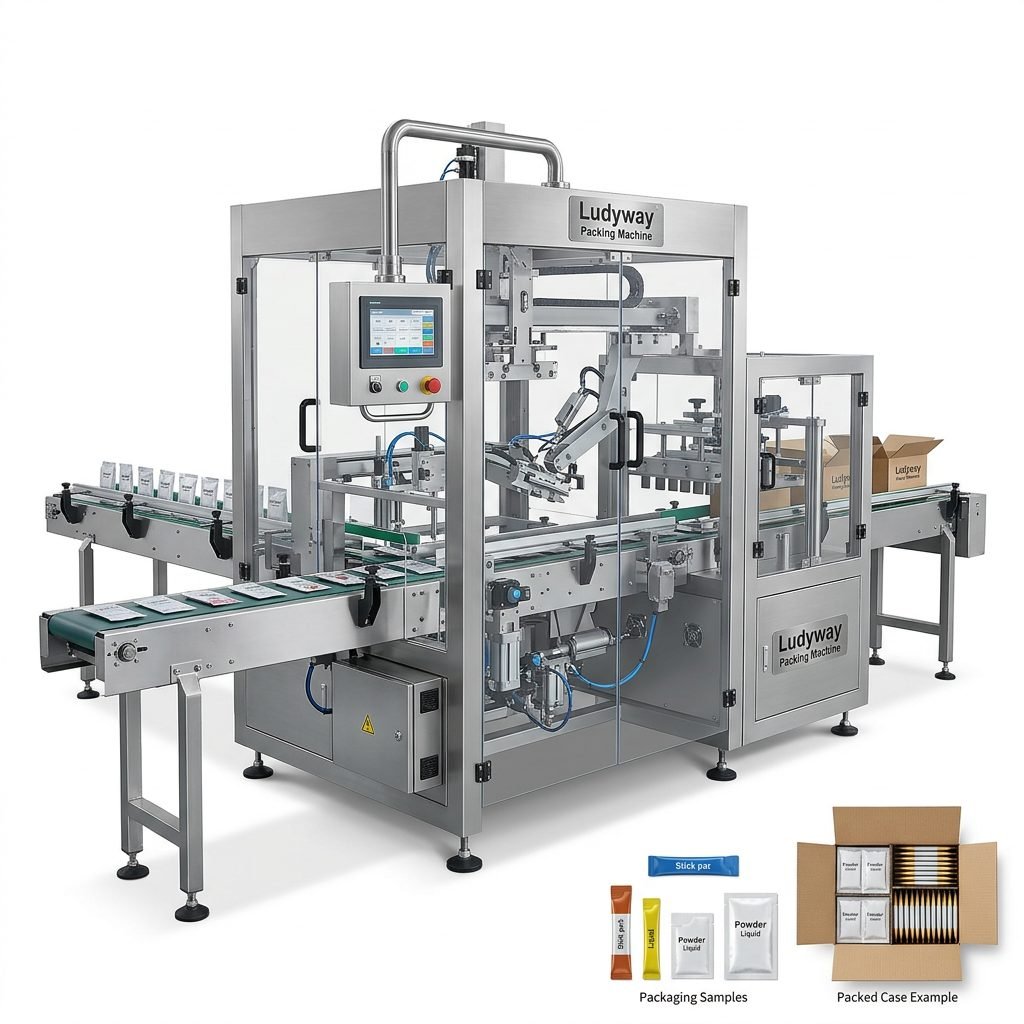
If your business packs different carton sizes, machine flexibility is essential. Frequent manual adjustments can reduce efficiency and increase the risk of operator error.
Look for machines with:
- Multi-size carton compatibility
- Tool-free or low-tool changeover
- Digital adjustment memory where available
- Clear format recipes for repeat production
Evaluate compatibility with your existing packaging line
A carton box packing machine should not be treated as an isolated purchase. It must connect smoothly with upstream and downstream equipment, such as filling machines, sachet packers, conveyors, checkweighers, coding systems, and palletizers.
Poor line integration can cause:
- Product jams and carton misfeeds
- Speed mismatch between machines
- Frequent product accumulation
- Higher labor intervention
- Lower total line efficiency
Check automation level and labor savings
Some businesses need a simple carton sealer, while others need a full robotic case packing system. The right level of automation depends on labor cost, skill availability, and the consistency you need.
| Automation Level | Best For | Main Benefit |
|---|---|---|
| Semi-automatic | Smaller factories, flexible batch packing | Lower initial investment |
| Fully automatic | Stable, continuous production lines | Higher speed and consistency |
| Turnkey integrated line | Large-scale manufacturing and export projects | Full-line efficiency and centralized control |
Focus on carton quality and sealing reliability
Even a fast machine can become a problem if carton forming is inconsistent. A quality machine should deliver reliable folding, accurate loading, and strong sealing.
Key performance points include:
- Precise carton opening and positioning
- Consistent flap folding
- Accurate product insertion without damage
- Stable hot melt or tape sealing
- Low reject rate
Review machine construction and hygiene requirements
For food, pharmaceutical, and health supplement production, material quality and machine hygiene are especially important. Cleanable surfaces, accessible maintenance zones, and suitable contact materials help support compliance and safe production.
In regulated sectors, ask whether the machine design supports:
- Easy cleaning and sanitation
- Dust control or enclosure options
- Validation support if needed
- Batch coding and traceability integration
Industry-specific selection tips
Food industry
Food producers often need fast, flexible packing for pouches, stick packs, sachets, trays, and retail bundles. Hygiene, throughput, and shelf-ready presentation are major priorities.
Pharmaceutical industry
Pharma applications usually require high precision, leaflet insertion, batch traceability, tamper-evident closure, and stable performance with strict quality standards.
Cosmetics and personal care
Cosmetic brands often care about carton appearance, product orientation, decorative packaging compatibility, and quick changeovers for different SKUs.
Chemical and household products
For detergents, cleaners, and industrial chemical products, machine durability, resistance to harsh environments, and leak-safe handling are especially important.
Questions to ask a packaging machine supplier before buying
- What product types and carton formats has the machine already handled?
- What is the stable output under actual factory conditions?
- How long does format changeover take?
- Can the system connect with our current filling or pouch packaging line?
- What spare parts and after-sales support are available?
- Is remote technical support available?
- Can the supplier provide layout planning and turnkey integration?
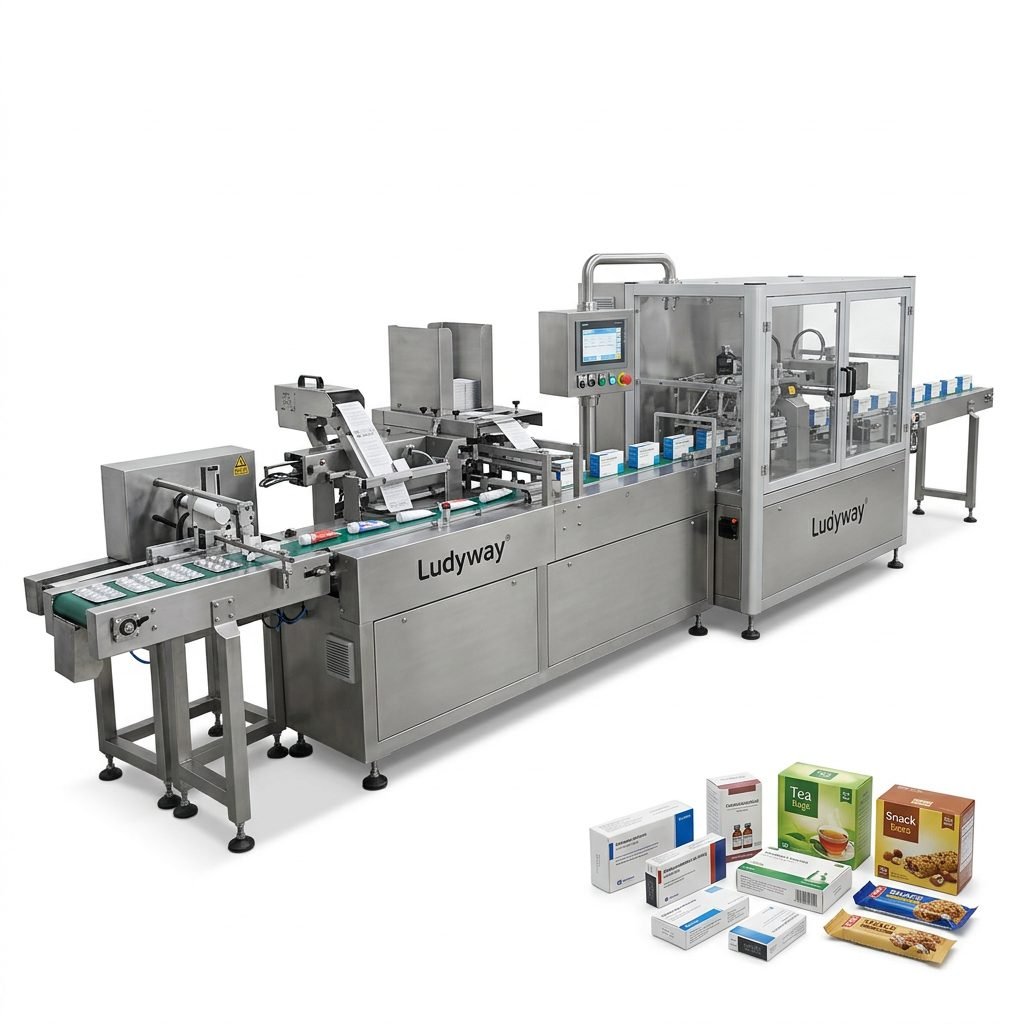
Common mistakes businesses make when choosing a carton packing solution
- Buying only on price: low-cost equipment can lead to higher downtime and maintenance expense.
- Ignoring future expansion: a machine that fits today may limit tomorrow’s growth.
- Overlooking changeover complexity: this becomes a major problem for multi-SKU production.
- Not testing real samples: product and carton trials are essential before final purchase.
- Choosing a standalone machine without line integration planning: this often causes bottlenecks later.
When a turnkey packaging line is the better choice
If your factory is planning a new project, scaling exports, or upgrading manual processes, a turnkey packaging solution may deliver better long-term value than buying separate machines from multiple vendors. A complete line simplifies design coordination, equipment communication, and service responsibility.
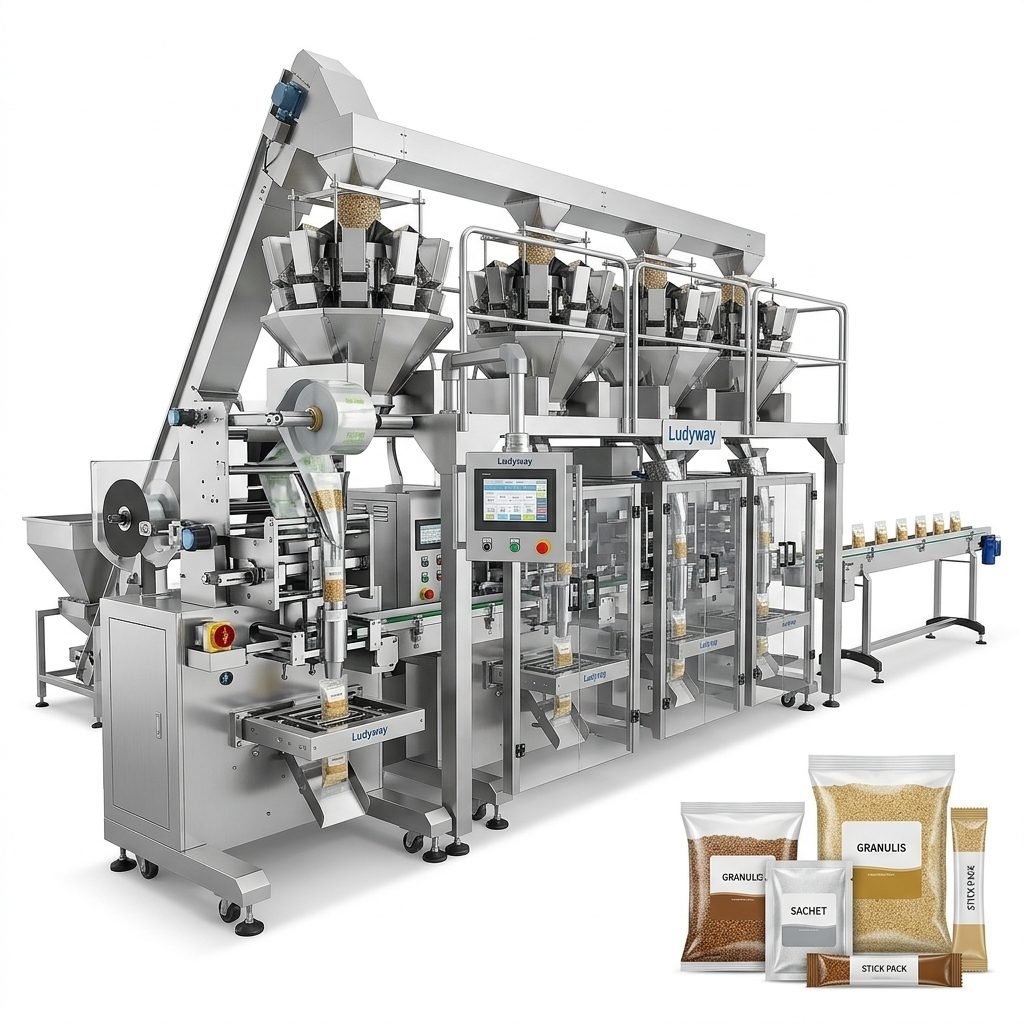
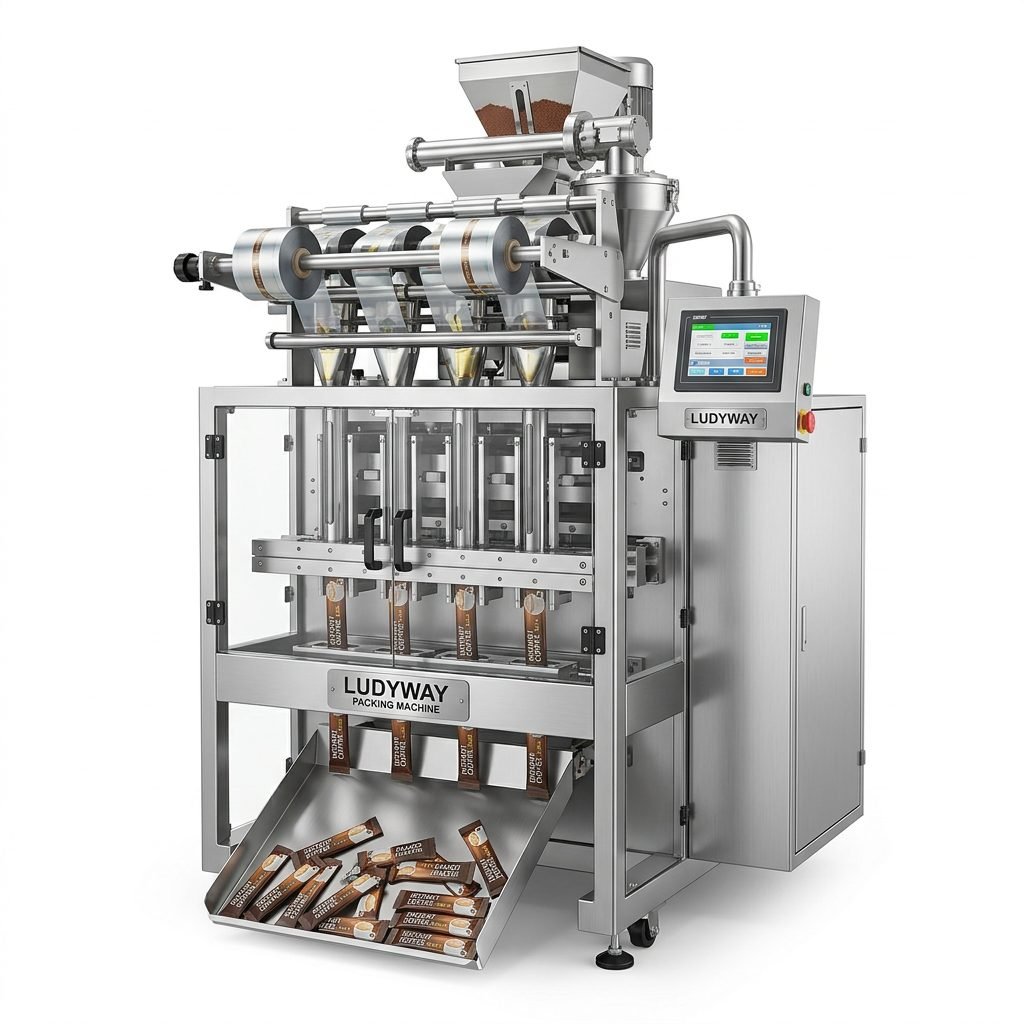
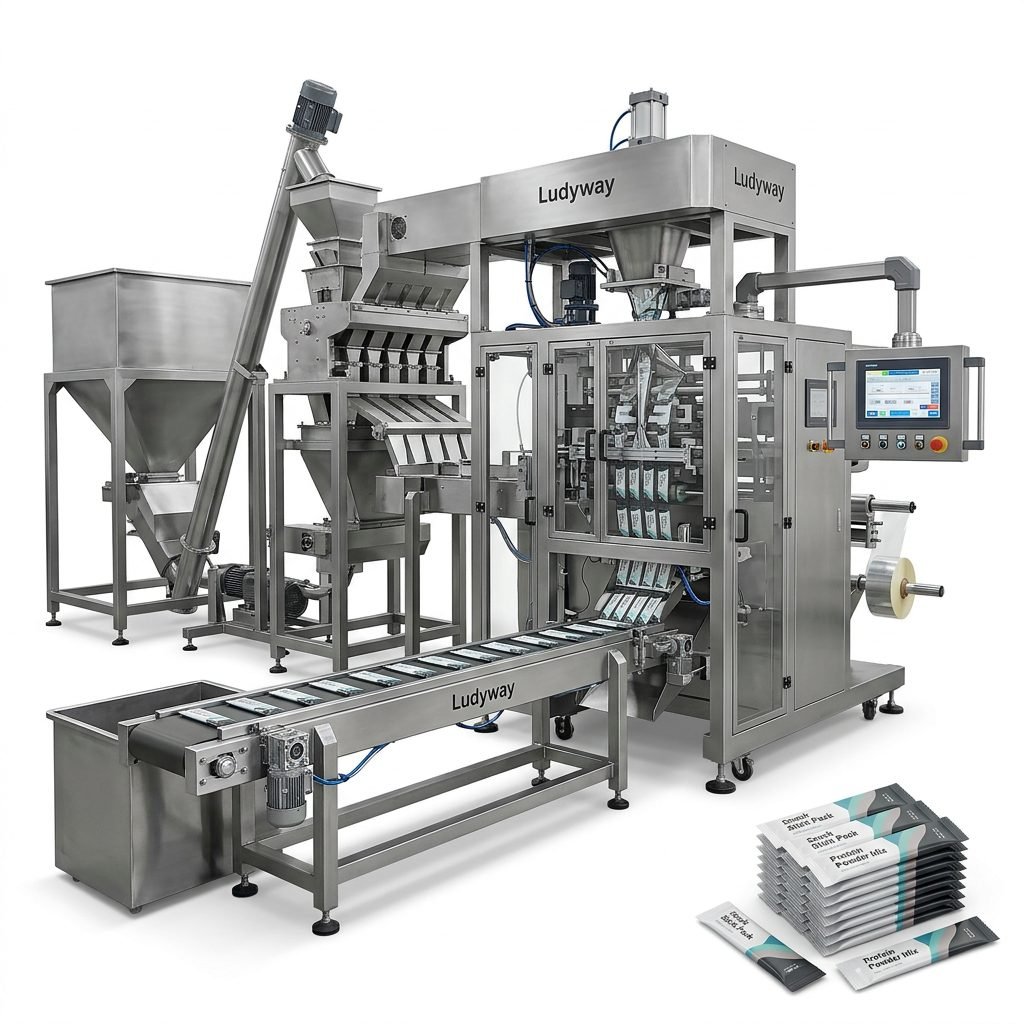
For businesses seeking integrated cartoning, case packing, and end-of-line automation, Ludyway carton box packing machine solutions can be considered as part of a broader packaging line strategy. With more than 30 years of industry experience, broad export coverage, and strong turnkey manufacturing capability, the company supports automated packaging projects across food, pharmaceutical, health supplement, and related sectors.
Checklist for choosing the right carton box packing machine
| Selection Factor | What to Confirm |
|---|---|
| Product type | Shape, count, fragility, orientation, packaging format |
| Speed | Stable production capacity, not just theoretical maximum |
| Carton sizes | Range, changeover ease, future SKU flexibility |
| Integration | Compatibility with upstream and downstream equipment |
| Quality control | Reject handling, coding, inspection, sealing consistency |
| Support | Installation, spare parts, training, service response |
Final decision: choose for performance, not just equipment
The best carton box packing machine is the one that fits your current production reality and future business plan. It should support smooth carton forming, reliable product loading, flexible size handling, stable sealing, and easy integration with the rest of your packaging line.
Before making a final decision, compare suppliers based on machine quality, industry experience, customization ability, service support, and complete line understanding. A good packaging solution should not only pack cartons faster, but also help your business operate smarter, scale easier, and deliver a more professional product to market.