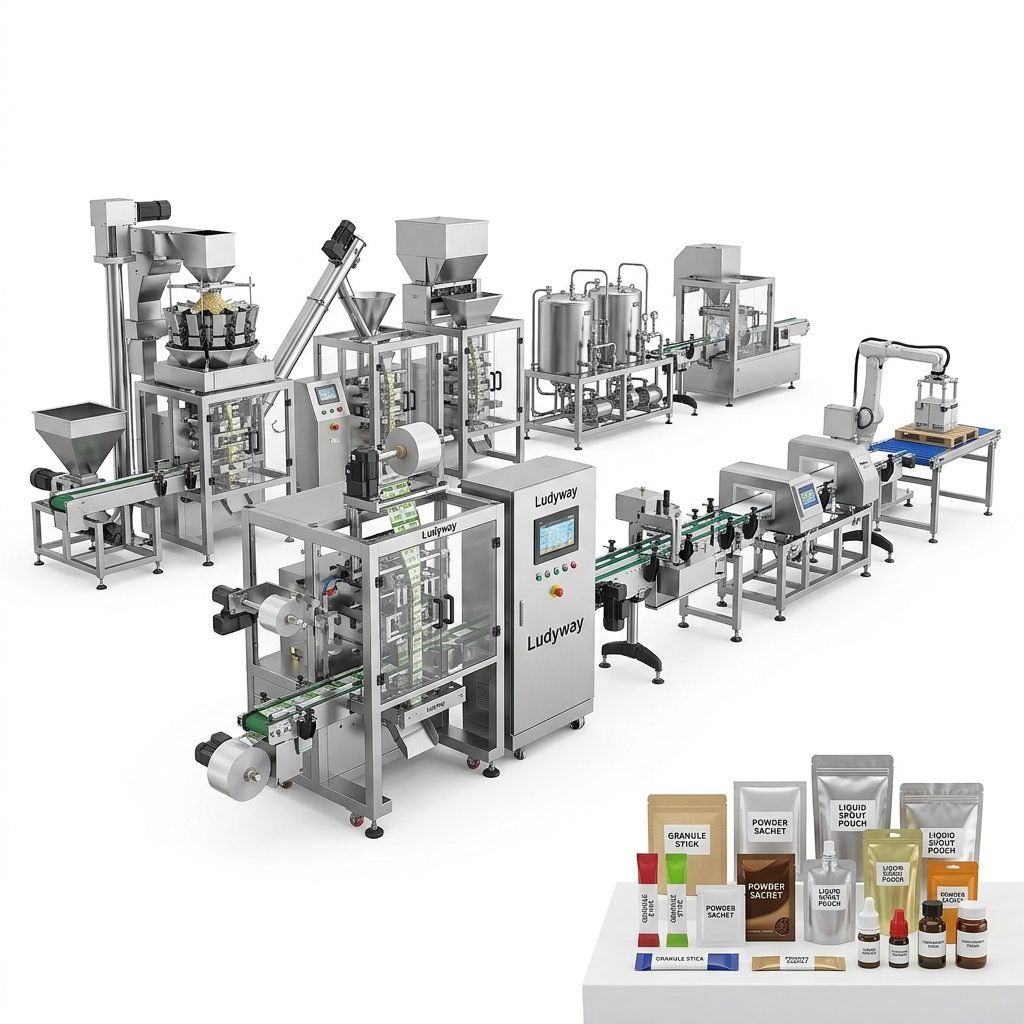
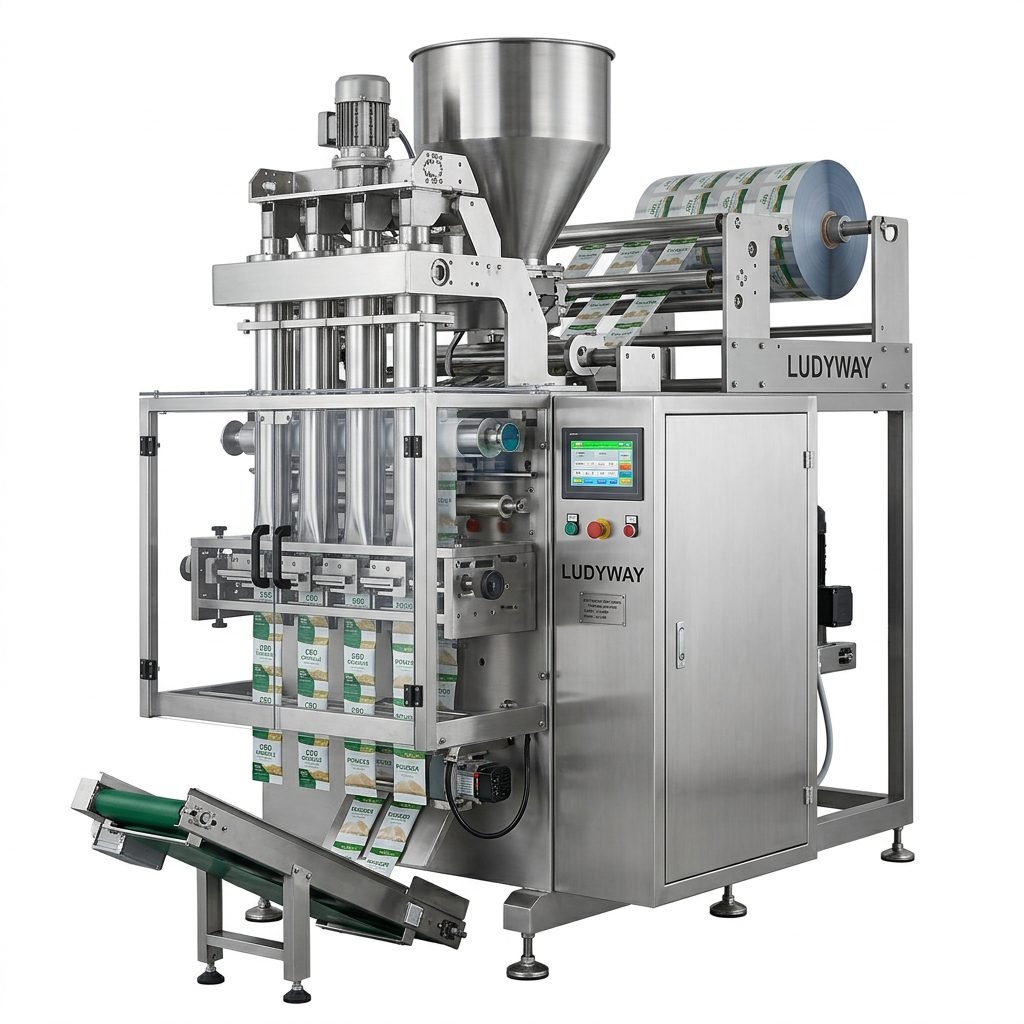
Inaccurate weighing in packaging systems can quickly lead to product giveaway, customer complaints, failed quality checks, and compliance risks. Whether you package powders, granules, liquids, tablets, or premade pouches, weighing errors usually come from a combination of mechanical, environmental, product, and control-system issues rather than a single fault.
For manufacturers running high-speed production, the key is not only to correct weighing deviations when they appear, but also to build a system that keeps accuracy stable over time. This article explains the most common causes of inaccurate weighing, practical fixes, and proven operating best practices.
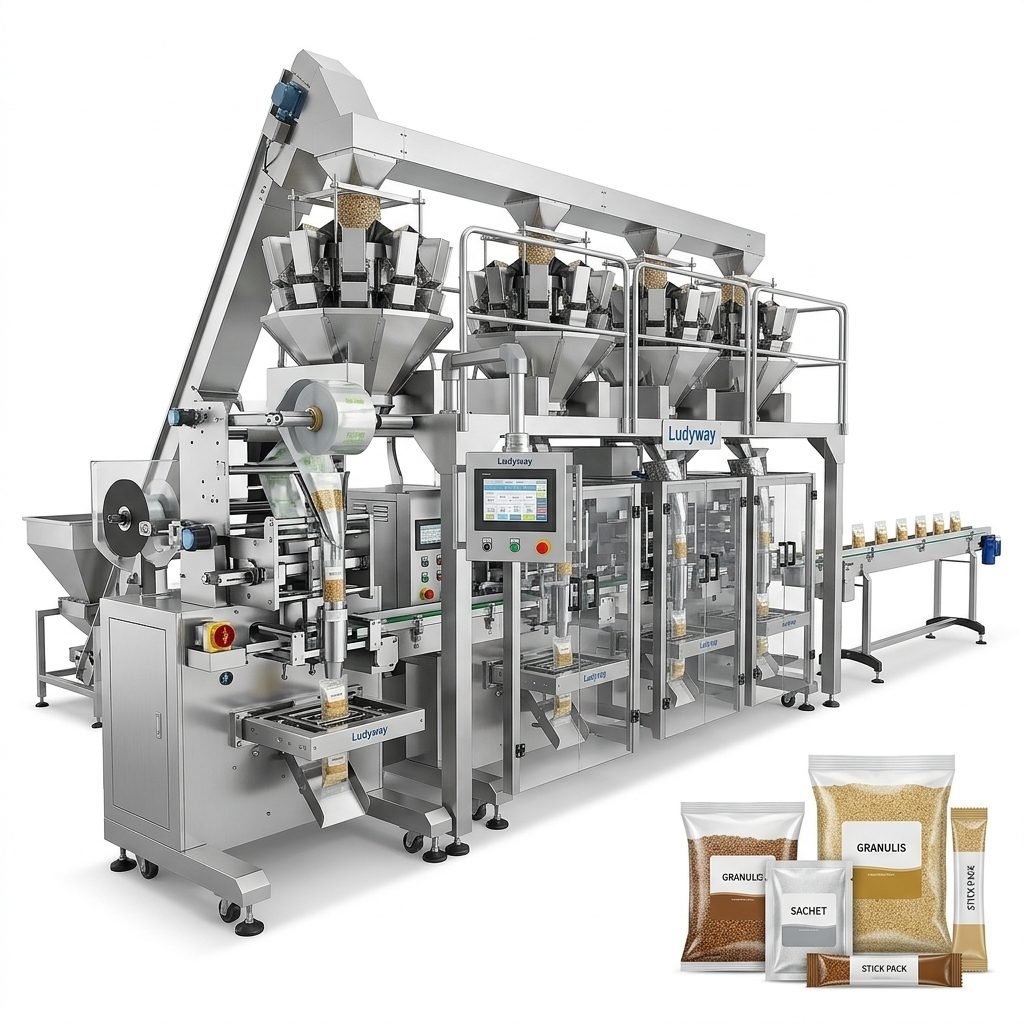
Why weighing accuracy matters in packaging operations
Weight consistency affects far more than fill quality. In most packaging environments, inaccurate weighing has direct consequences in several areas:
- Cost control: Overfilling increases raw material consumption and lowers margins.
- Compliance: Underweight packs may violate labeling or legal metrology requirements.
- Brand reputation: Weight inconsistency reduces consumer trust.
- Production efficiency: Frequent rework, stoppages, and reject handling slow output.
- Downstream performance: Incorrect fill levels can affect sealing, cartoning, and case packing.
Even a small average deviation can become expensive at scale. For high-volume lines, improving the fill result by a fraction of a gram may produce major annual savings.
Common signs of inaccurate weighing
Before identifying the root cause, operators should look for the pattern of the problem. Typical warning signs include:
- Weight readings drift during the shift
- Large variation between consecutive packs
- Frequent underweight or overweight rejects
- Different performance at low speed versus high speed
- Unstable readings after machine startup
- Accuracy problems only with certain products or SKUs
- Good static calibration but poor actual production results
Main causes of inaccurate weighing in packaging systems
1. Improper calibration
Calibration is one of the most overlooked causes of weighing error. A machine may appear operational while still delivering inaccurate results because the load cell, weighing module, or checkweigher has not been calibrated correctly.
Typical calibration-related issues:
- Using incorrect test weights
- Skipping zero calibration after cleaning or maintenance
- Calibrating under conditions different from actual production
- Not recalibrating after product changeover
- Ignoring long-term sensor drift
Fix: Use certified calibration weights, follow a scheduled calibration routine, and verify performance under real operating conditions rather than relying only on static tests.
2. Load cell problems
Load cells are the core sensing elements in many weighing systems. If they are damaged, overloaded, contaminated, or poorly installed, accuracy will suffer.
Possible load cell faults:
- Mechanical fatigue or overload damage
- Loose mounting points
- Cable wear or signal interference
- Moisture ingress
- Dust buildup affecting movement
- Uneven platform loading
Fix: Inspect mounting hardware, confirm proper alignment, protect cables, clean carefully around moving parts, and replace load cells that no longer return stable readings.
3. Vibration from nearby equipment
Packaging lines often include conveyors, augers, vibratory feeders, sealing jaws, compressors, and cartoning systems. Excessive vibration from these components can distort weight signals.
This is especially common in fast lines where the weighing station is mounted too close to heavy motion zones.
Fix: Isolate the weighing frame, reduce transmitted vibration, check machine feet and floor stability, and separate the weighing module from high-impact components where possible.
4. Airflow and environmental disturbances
Drafts from fans, air conditioners, dust extraction systems, or open doors can affect sensitive weighing applications. Fine powders and lightweight sachets are particularly vulnerable.
Fix: Shield the weighing area, control air turbulence, and place the system away from direct airflow. In precision applications, even minor drafts can create measurable deviations.
5. Product flow inconsistency
Not all weighing errors come from the scale itself. Sometimes the filling device feeds product irregularly. Powders may bridge, granules may bounce, sticky products may adhere, and liquids may foam or drip.
Examples:
- Poor-flowing powders feeding unevenly through augers
- Granules with variable density causing volume-to-weight changes
- Sticky materials remaining in hoppers or nozzles
- Liquid viscosity shifts changing filling behavior
Fix: Match the feeding method to the product, use agitation or anti-bridging devices when needed, optimize hopper design, and validate settings for each product recipe.
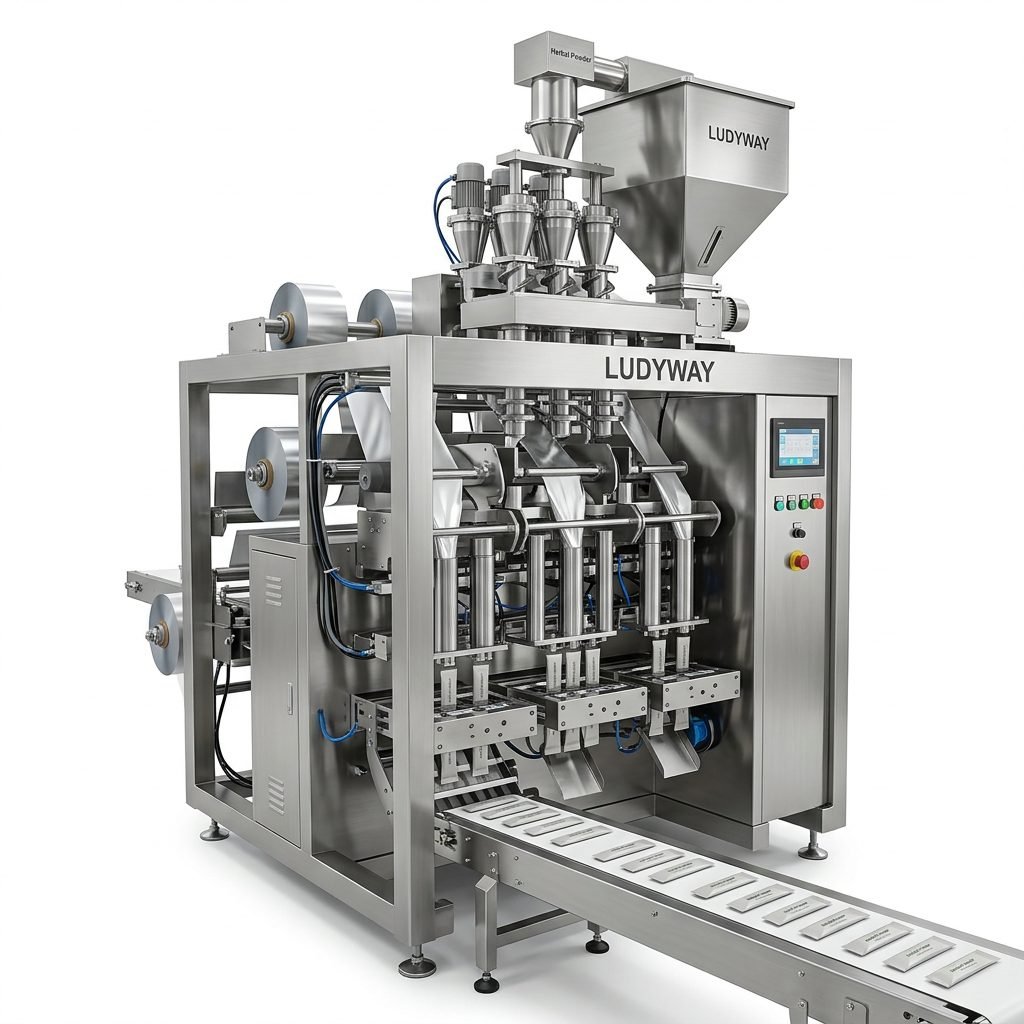
6. Incorrect machine speed settings
Higher speed is not always better. When a system is pushed beyond its optimal range, the weighing signal may not stabilize before the next cycle starts. As a result, pack-to-pack variation increases.
Fix: Confirm the correct balance between speed and accuracy. If the line only stays accurate at moderate speed, review feeder response, settling time, discharge timing, and product characteristics before increasing output.
7. Poor feeder or conveyor synchronization
In integrated packaging systems, weighing performance depends on timing. If conveyors, feeders, bag clamps, or sealing stations are out of sync, the fill cycle can become unstable.
Fix: Check PLC timing, servo coordination, infeed consistency, and signal communication between modules. A weighing station may be accurate on its own but unreliable when upstream and downstream actions are mistimed.
8. Product buildup and hygiene issues
Residue inside hoppers, feed screws, gates, or weigh buckets changes actual discharged weight over time. This is common in dairy powders, spices, health supplements, sauces, detergents, and sticky chemical products.
Fix: Clean contact parts regularly, inspect dead corners, and establish sanitation intervals based on product behavior rather than only shift changes.
9. Temperature and humidity changes
Environmental conditions can influence both the product and the weighing hardware. Powders may absorb moisture, flow differently, or clump. Electronic components may also drift with temperature changes.
Fix: Control the packaging room environment where possible and monitor whether the error pattern changes at specific times of day or seasons.
10. Wear of mechanical components
Over time, gates, screws, bearings, bushings, clamps, and transfer parts wear down. That wear can affect discharge accuracy, timing repeatability, and machine stability.
Fix: Add wear-part inspection to preventive maintenance schedules and replace components before they create major accuracy variation.
Quick troubleshooting table
| Problem Observed | Likely Cause | Recommended Action |
|---|---|---|
| Weight drifts gradually | Calibration drift, temperature change, buildup | Recalibrate, clean system, monitor environment |
| Large pack-to-pack variation | Inconsistent product flow, vibration, speed too high | Reduce speed, stabilize feed, isolate vibration |
| Good calibration but poor production results | Dynamic timing issue, real-process instability | Check PLC timing, feeder response, in-line testing |
| Only one product runs inaccurately | Product flow property mismatch | Adjust recipe, hopper design, dosing method |
| Unstable reading at startup | No warm-up, poor zeroing, mechanical tension | Warm up machine, re-zero, inspect installation |
How to fix inaccurate weighing step by step
Start with data, not assumptions
Record actual weights over time and look for patterns by SKU, shift, speed, operator, and ambient conditions. A structured data review usually reveals whether the issue is random or repeatable.
Check the weighing hardware first
- Verify load cell condition
- Confirm proper mounting and no mechanical binding
- Inspect cables and connectors
- Test zero stability and repeatability
Validate the product feeding method
The most accurate scale cannot compensate for poor feeding consistency. Evaluate whether the current feeder type is suitable for the material:
- Auger filling for fine powders
- Multihead weighing for free-flowing granules
- Piston or pump systems for liquids and pastes
- Counting systems for tablets, capsules, and hardware parts
Review machine timing and settling time
In dynamic packaging systems, weighing accuracy often improves when the control logic allows enough time for the signal to stabilize before discharge or confirmation.
Control the surrounding environment
Eliminate drafts, floor instability, loose guards, and unnecessary vibration sources. In sensitive applications, environmental control can be just as important as mechanical adjustment.
Train operators on product-specific settings
Different products require different parameters. A setup that works for coffee powder may not work for protein powder, sugar, seeds, or detergent granules. Clear SOPs reduce adjustment mistakes during changeovers.
Best practices to improve long-term weighing accuracy
Use preventive maintenance instead of reactive repair
Waiting until rejects increase usually means the problem has already been affecting production. Build inspection intervals for sensors, feeders, gates, conveyors, and calibration points.
Create a recipe library by product
Store proven settings for target weight, feeder speed, coarse/fine feed ratio, discharge timing, and acceptable tolerance. This shortens setup time and reduces operator dependency.
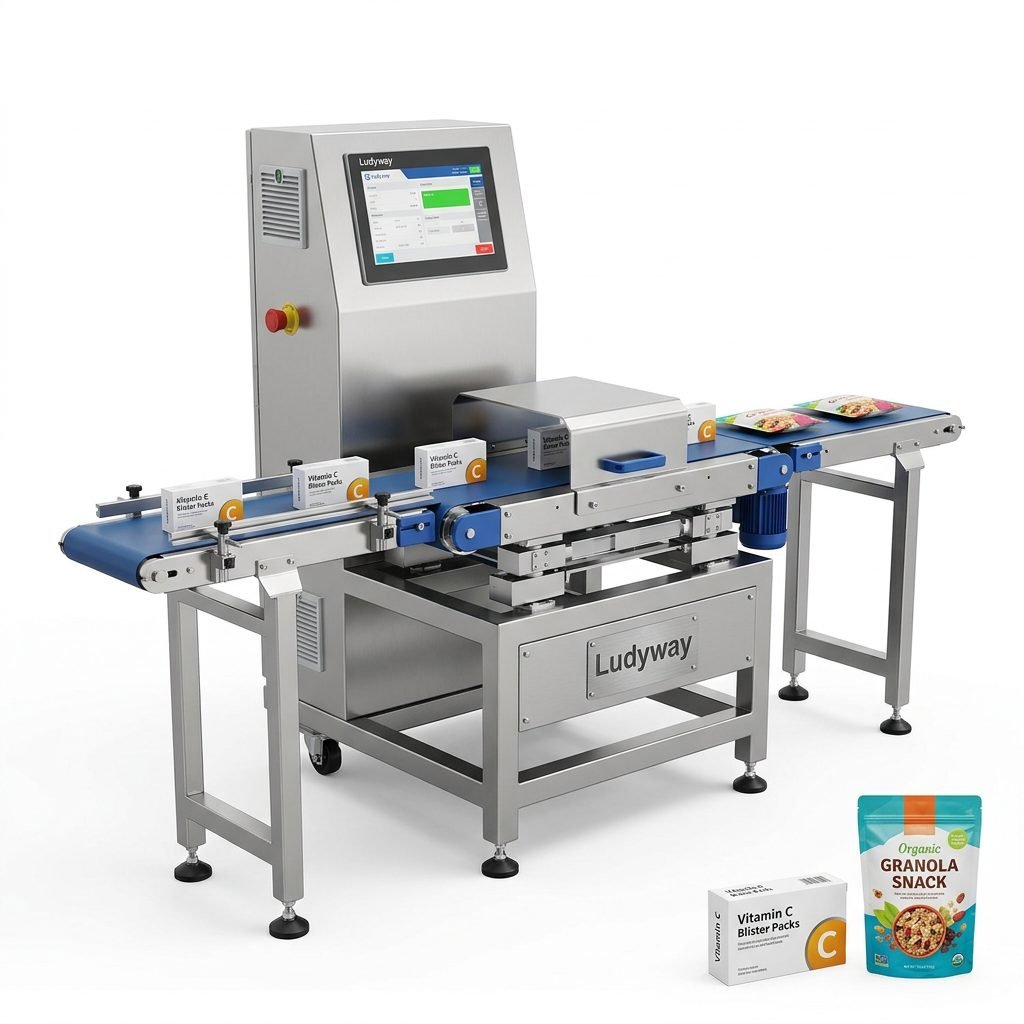
Combine gross weighing with in-line verification
Many manufacturers improve process security by using both a filling/weighing system and a checkweigher. This combination helps catch drift early and reduce nonconforming output.
Monitor giveaway as a KPI
Do not focus only on underweight rejects. Consistent overfilling is also a hidden loss. Tracking average fill weight against target helps reveal whether the line is “safe but expensive.”
Standardize startup and changeover procedures
- Warm up the machine if required
- Check zero balance
- Verify feeder cleanliness
- Run sample packs before full production
- Confirm actual results with test weighing
Which packaging systems are most sensitive to weighing errors?
Although any packaging equipment can experience weighing deviation, some applications require extra attention:
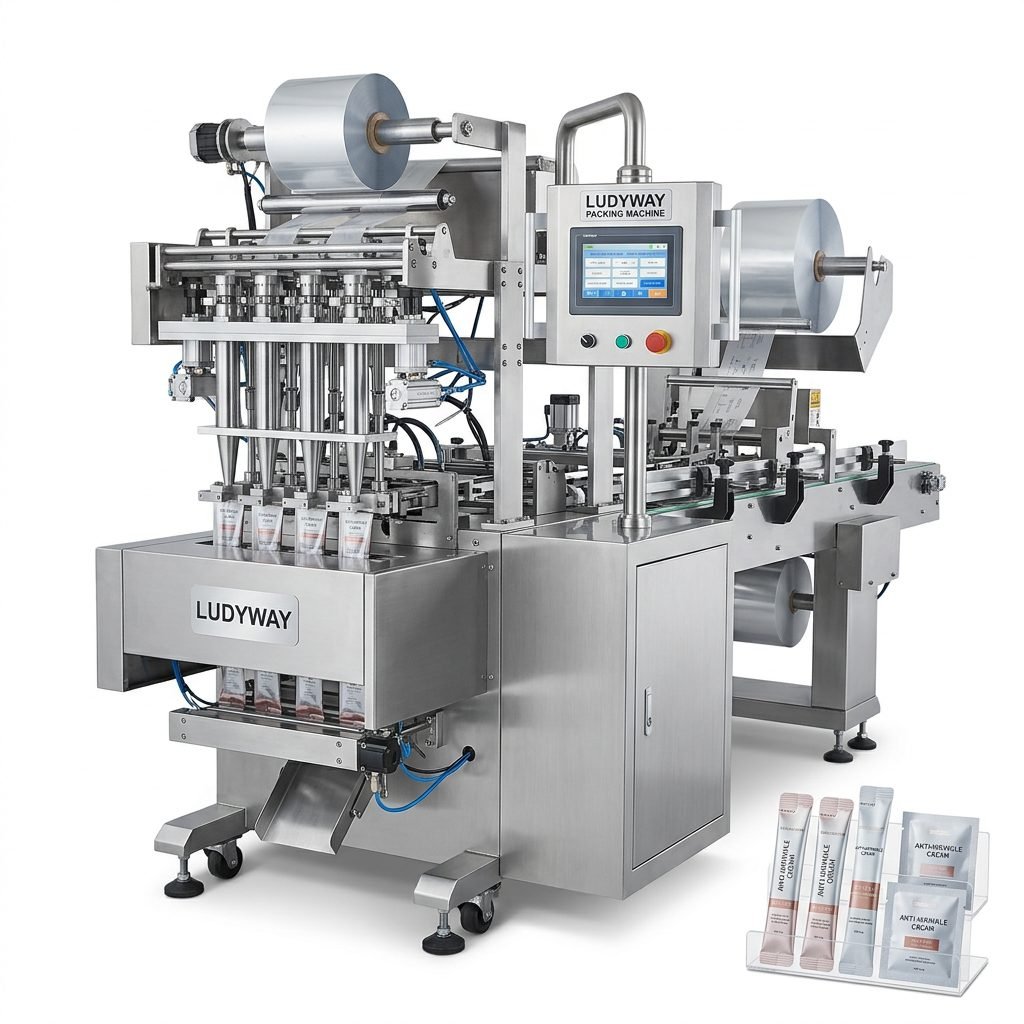
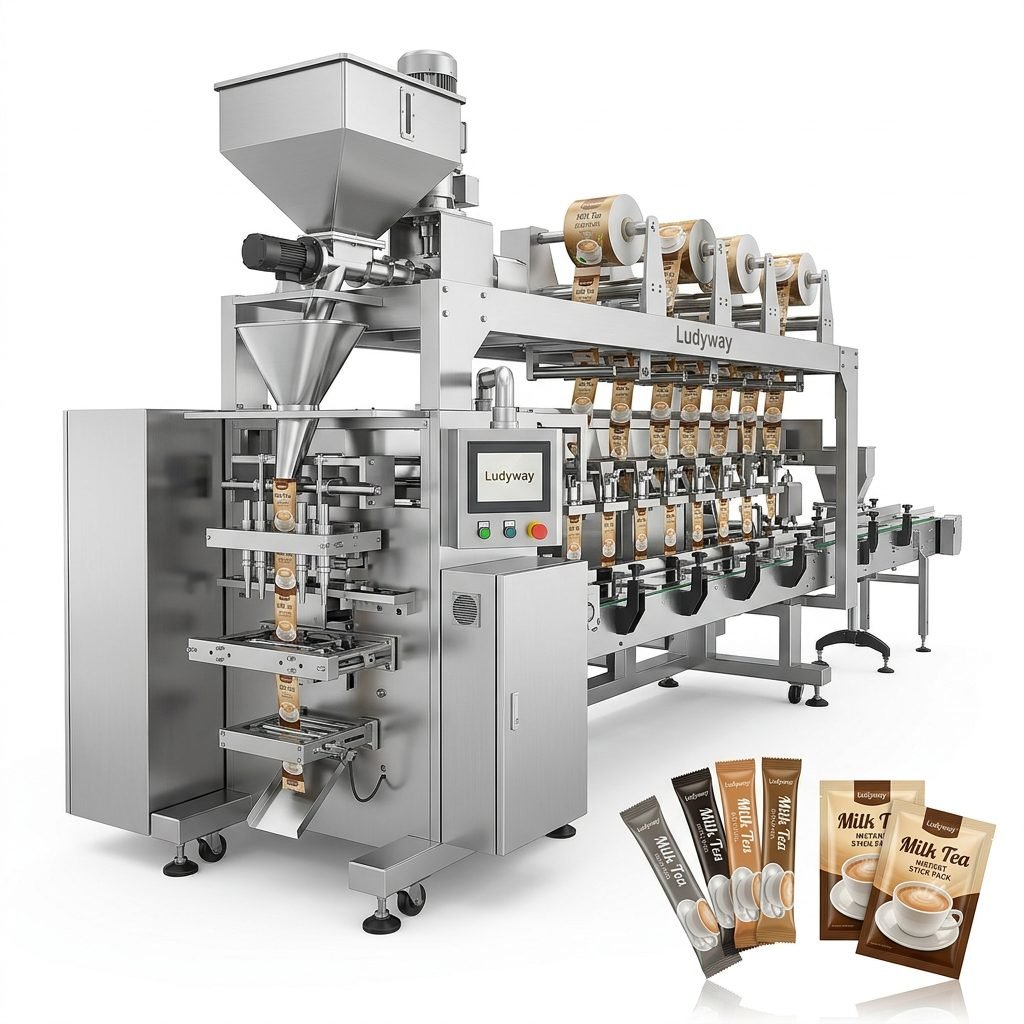
- Powder sachet and stick pack machines: sensitive to flowability, dust, and environmental conditions
- Granule multi-lane systems: sensitive to vibration and timing synchronization
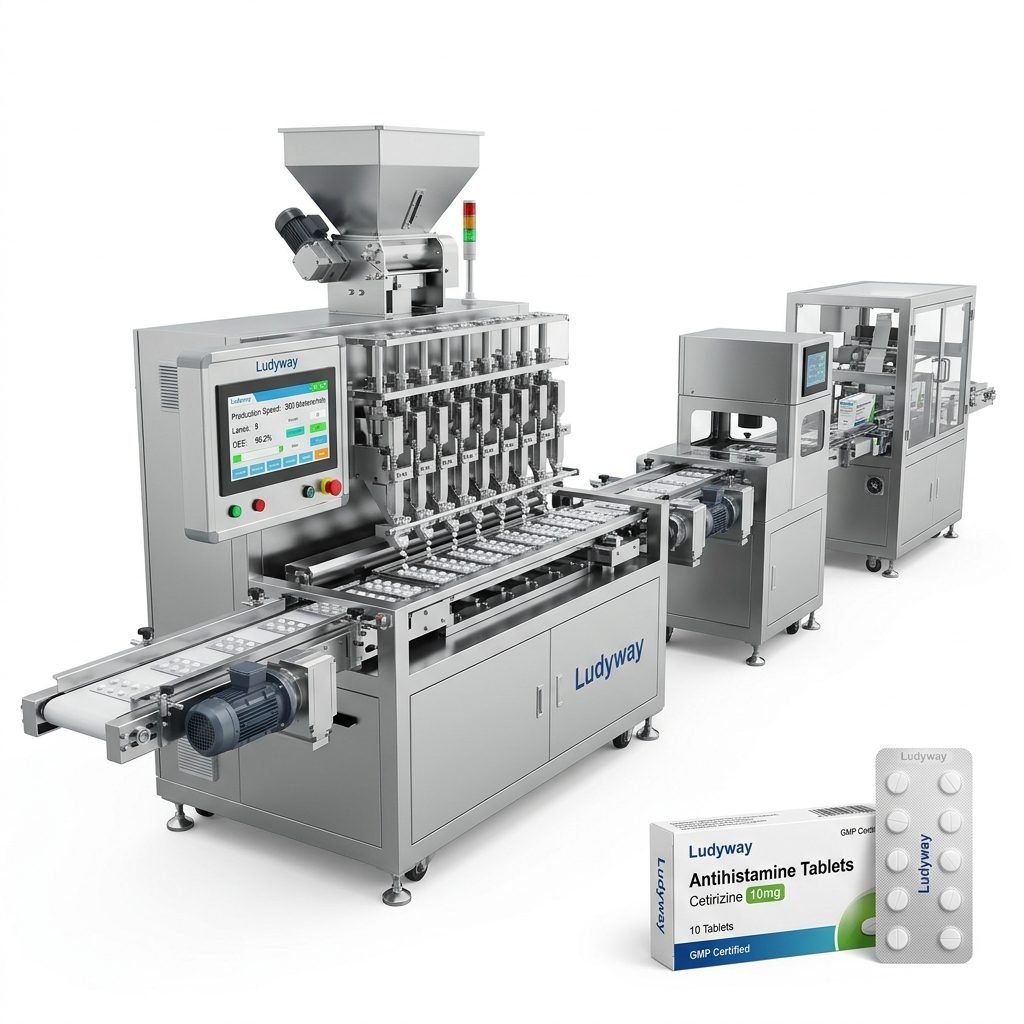
- Pharmaceutical packaging lines: strict tolerance and compliance demands
- High-speed snack and food lines: giveaway cost becomes significant at scale
- Chemical and detergent systems: material residue and corrosive conditions can affect components
When to upgrade instead of repair
Sometimes repeated troubleshooting does not solve the real issue because the machine itself is no longer suited to the product or production target. Consider an upgrade if:
- The line cannot maintain tolerance at required speed
- Product variety has expanded beyond the machine’s design range
- Spare part replacement is becoming frequent
- Control systems lack modern recipe, feedback, or data functions
- Cleaning difficulty repeatedly affects weighing consistency
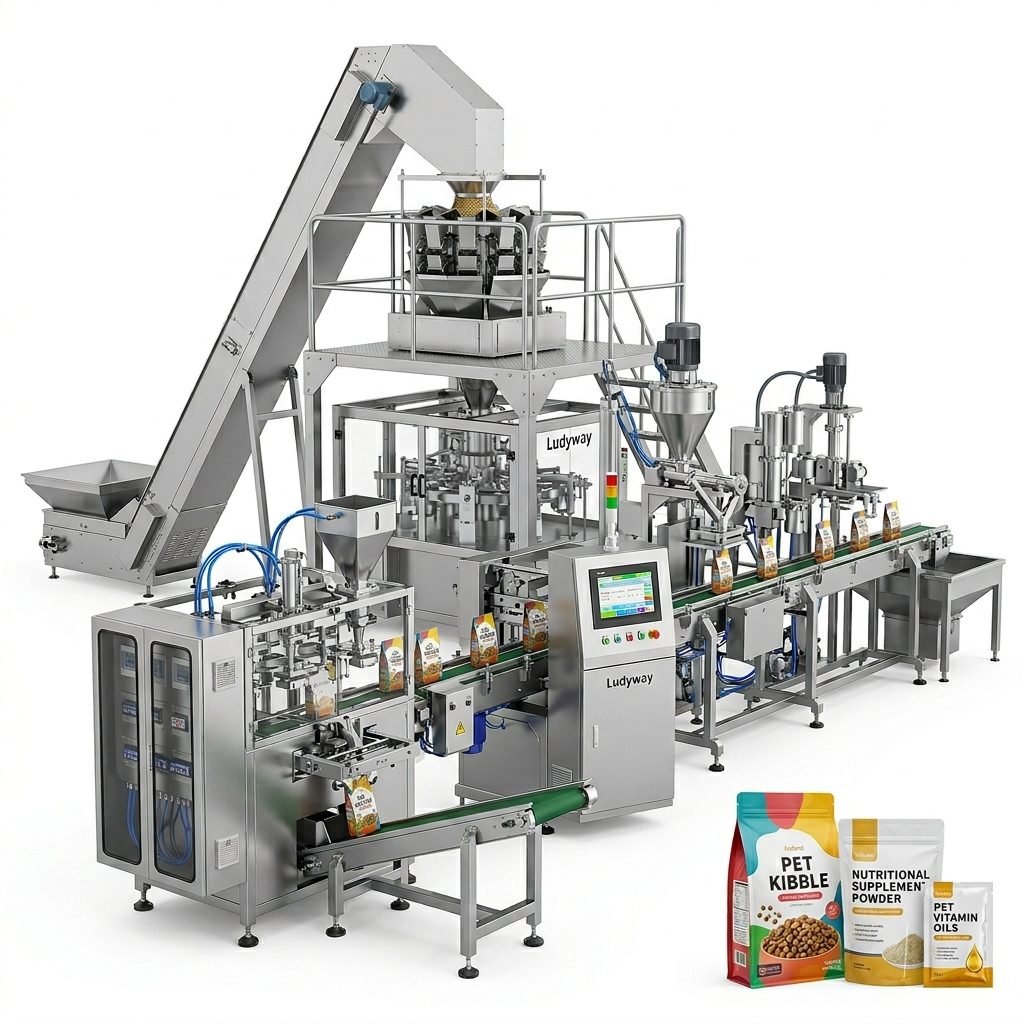
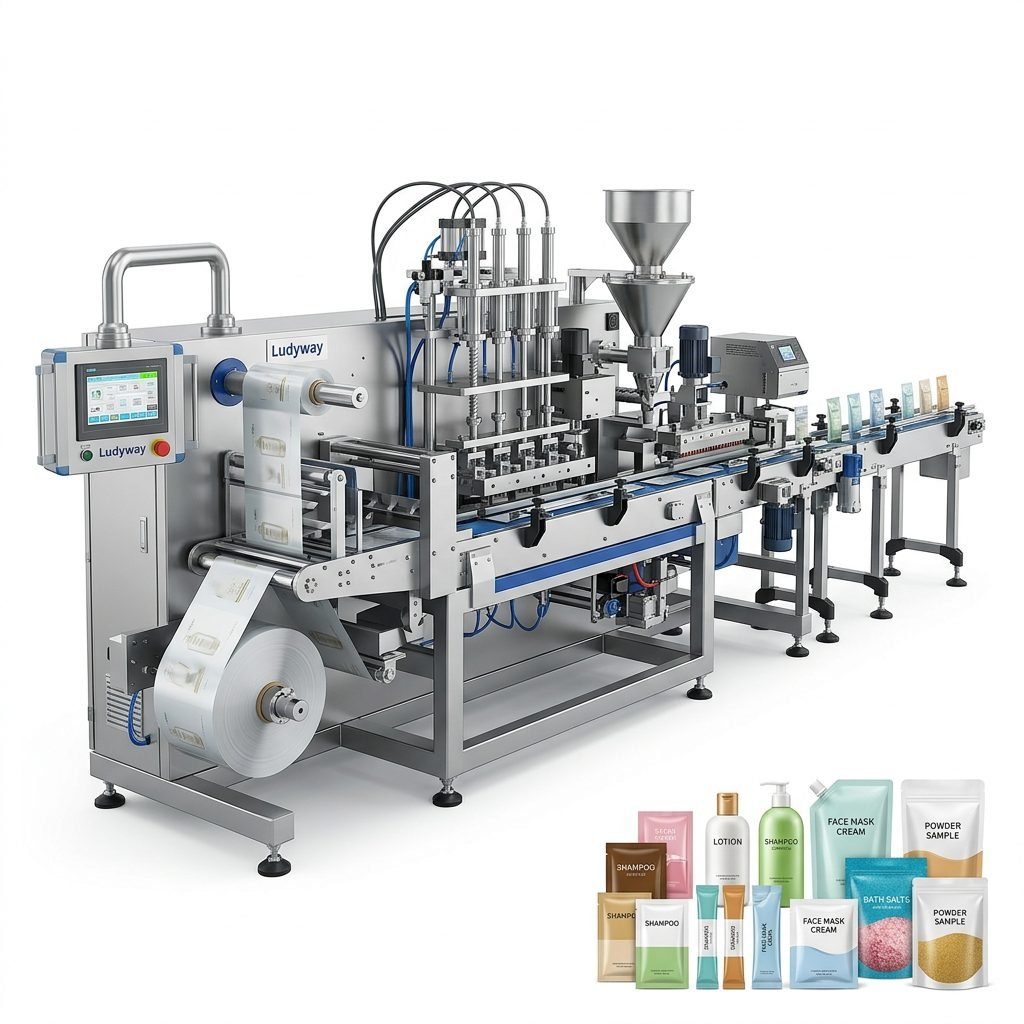
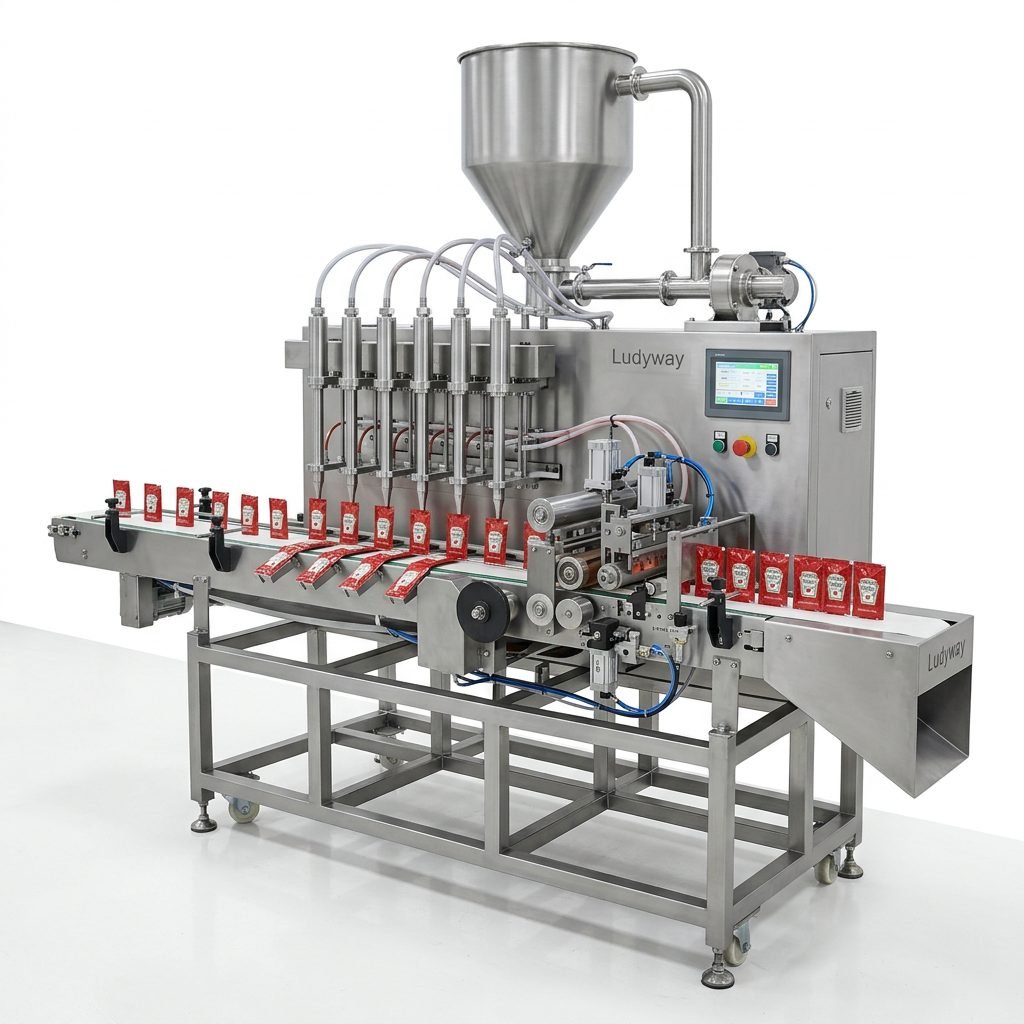
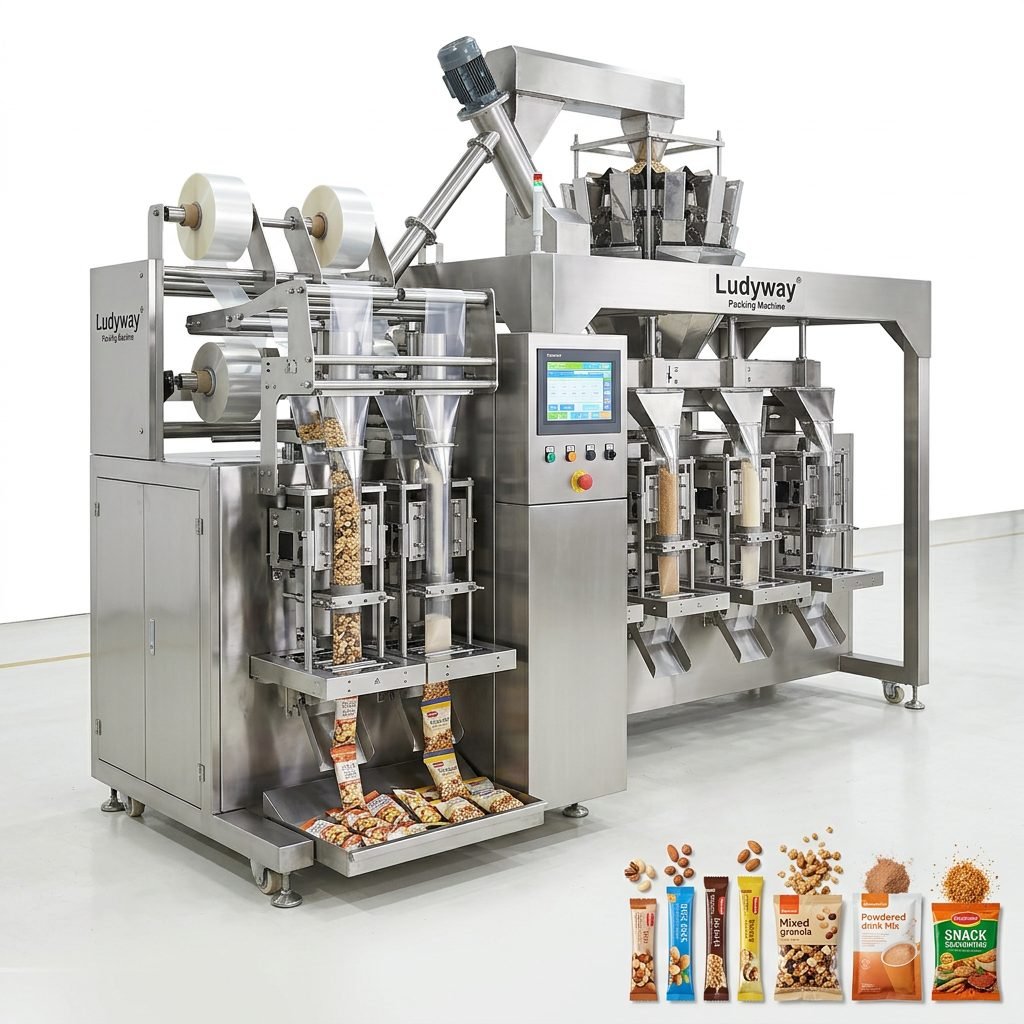
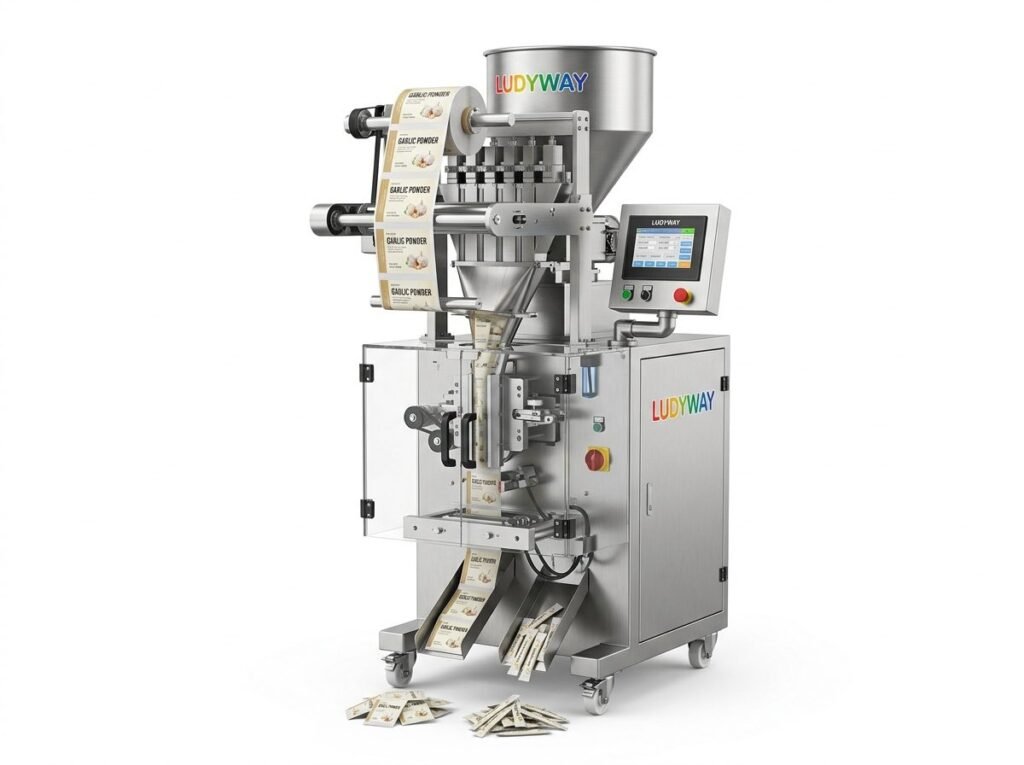
For manufacturers evaluating new solutions, working with an experienced supplier of packaging machinery and integrated lines can reduce trial-and-error. Ludyway packaging machine solutions are widely used for granule, powder, liquid, and pouch packaging applications where weighing consistency, automation, and line integration are critical.
Practical checklist for operators and maintenance teams
| Check Item | Frequency | Purpose |
|---|---|---|
| Zero point verification | Daily | Detect drift before production loss |
| Calibration with certified weights | Scheduled / after maintenance | Confirm sensor accuracy |
| Feeder and hopper cleaning | Per shift or by product need | Prevent buildup and inconsistent flow |
| Vibration and mounting inspection | Weekly | Keep weighing signal stable |
| Recipe parameter review | At every changeover | Match settings to product behavior |
| Sample pack verification | Startup and periodic in-run | Catch deviation early |
Final operational focus
Inaccurate weighing in packaging systems is usually the result of unstable product flow, weak calibration control, environmental interference, mechanical wear, or poor system synchronization. The most effective solution is a structured approach that combines hardware inspection, product-specific setup, data monitoring, and disciplined maintenance.
If you want better weighing performance, do not treat the scale as an isolated component. Treat the entire packaging line—feeding, weighing, filling, sealing, conveying, and operator setup—as one connected system. That is how consistent accuracy is achieved in real production.