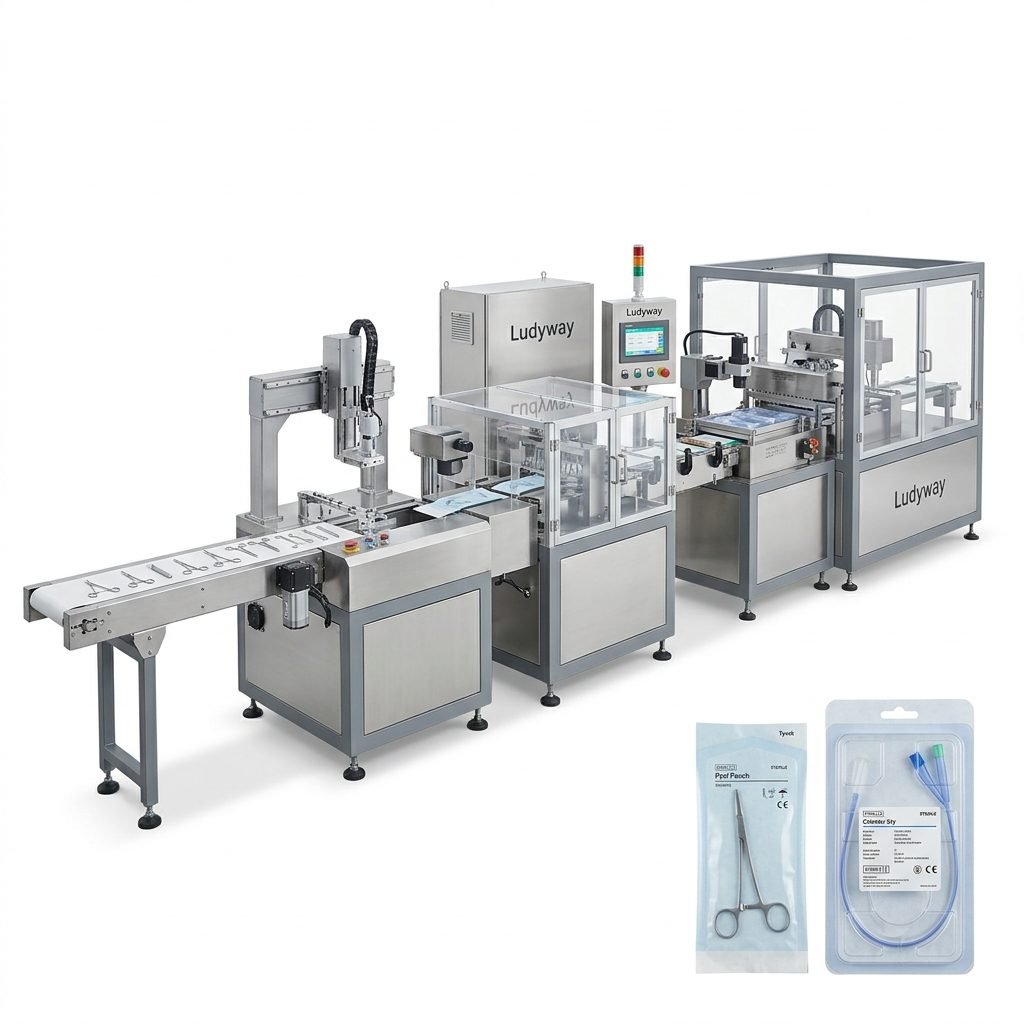
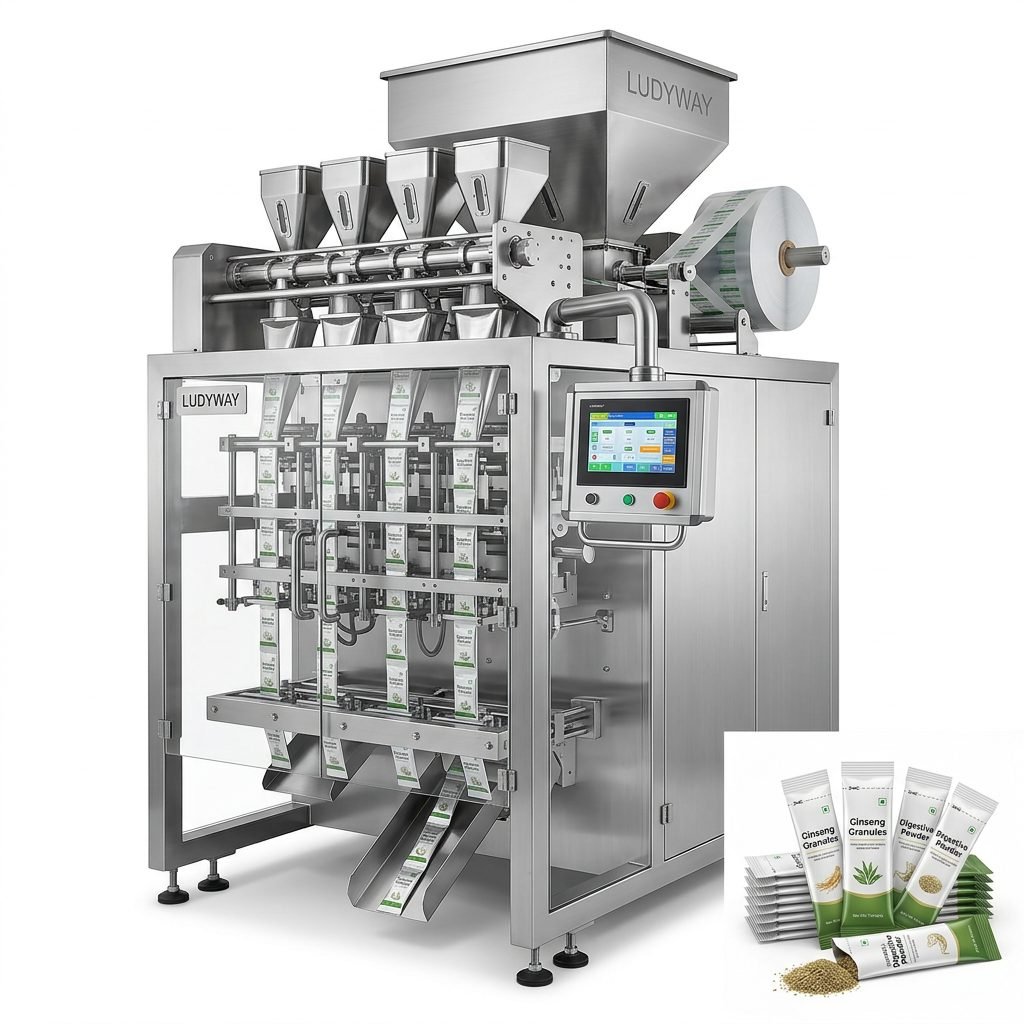
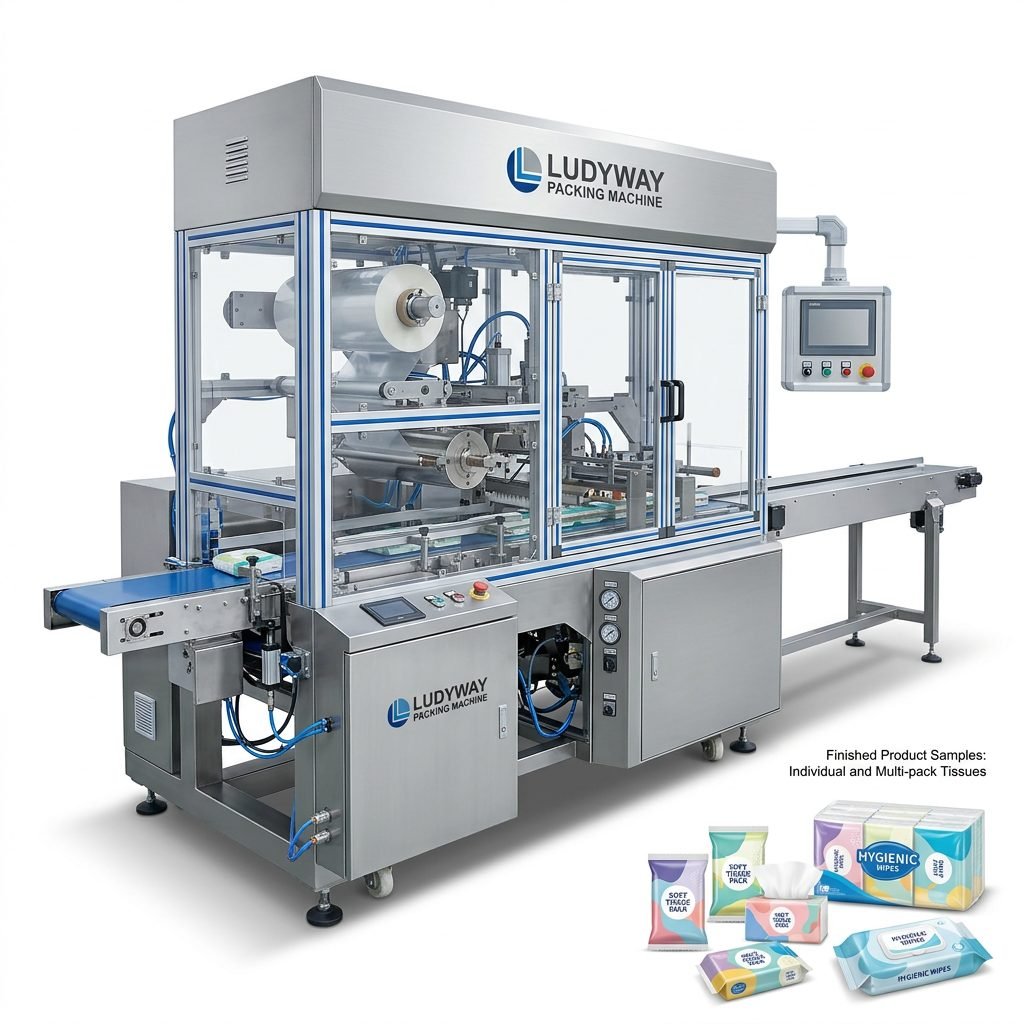
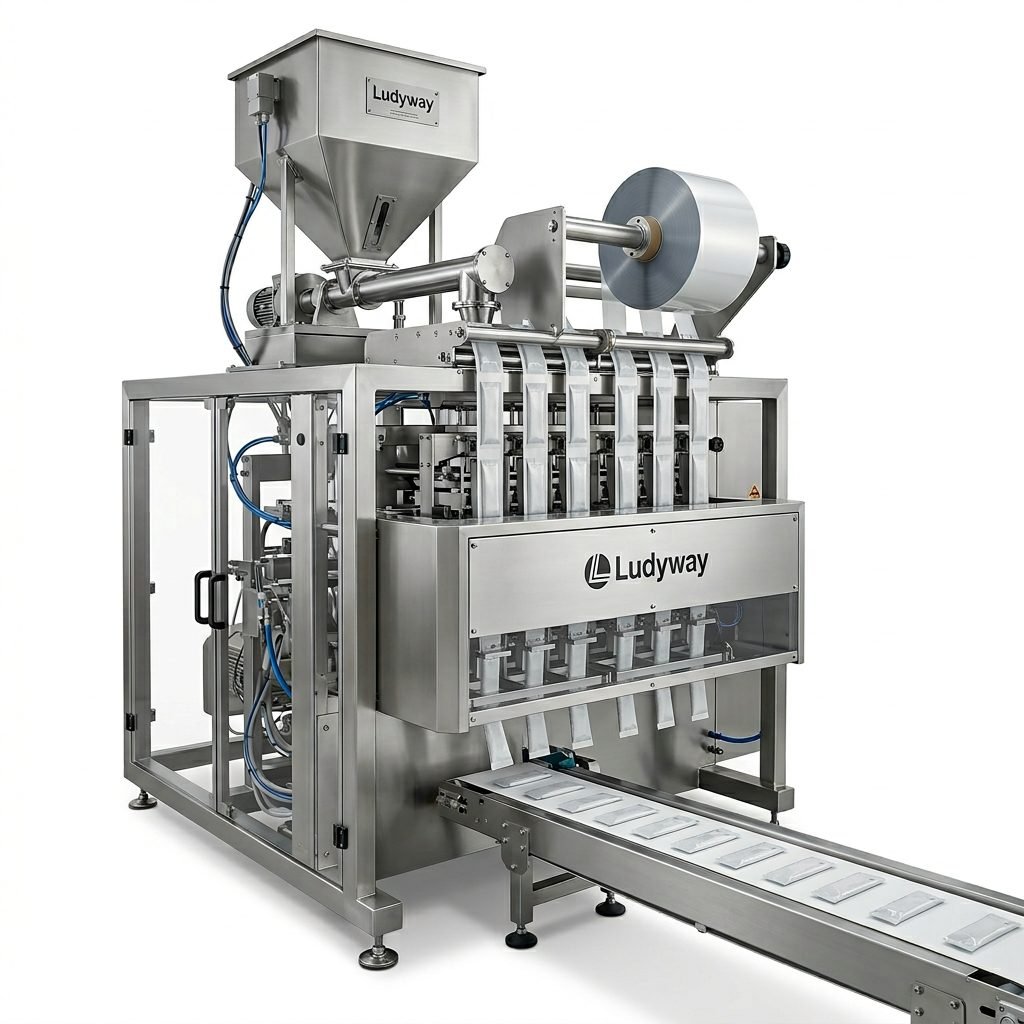
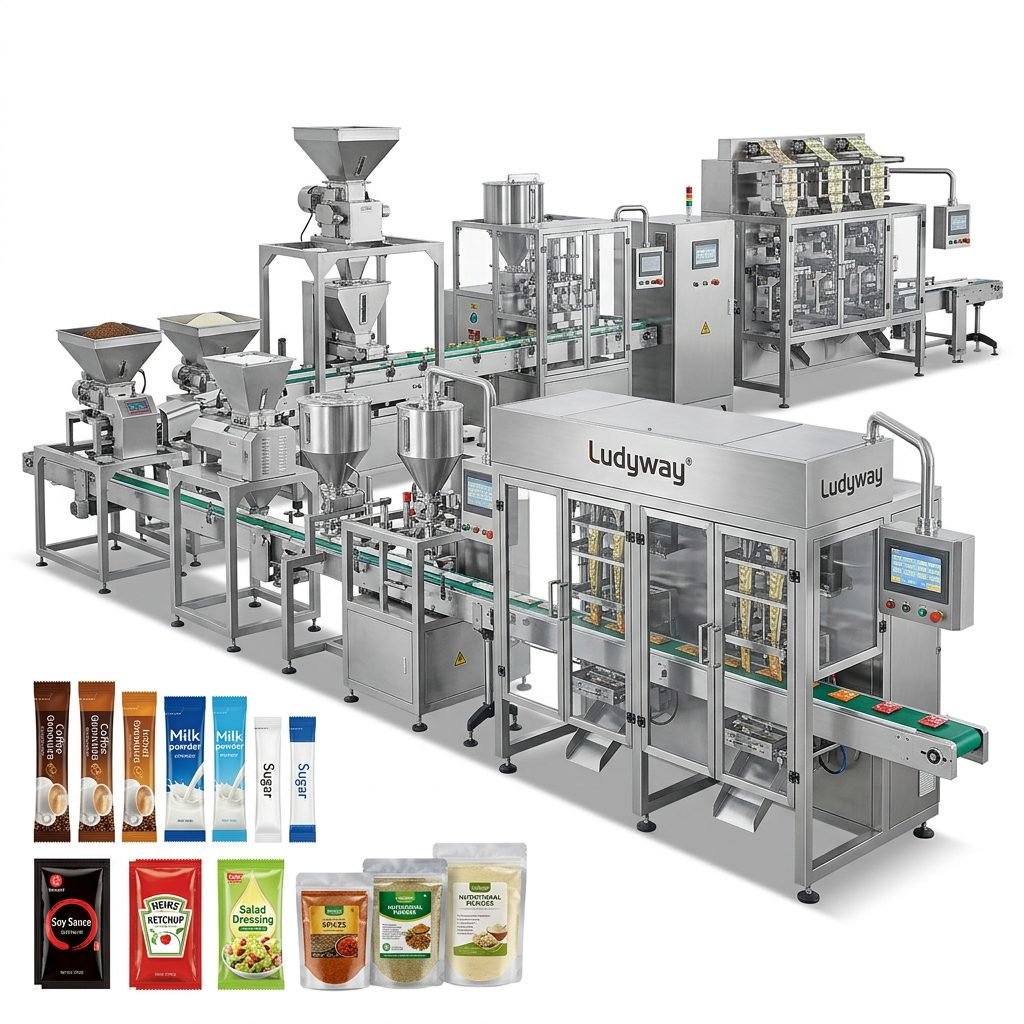
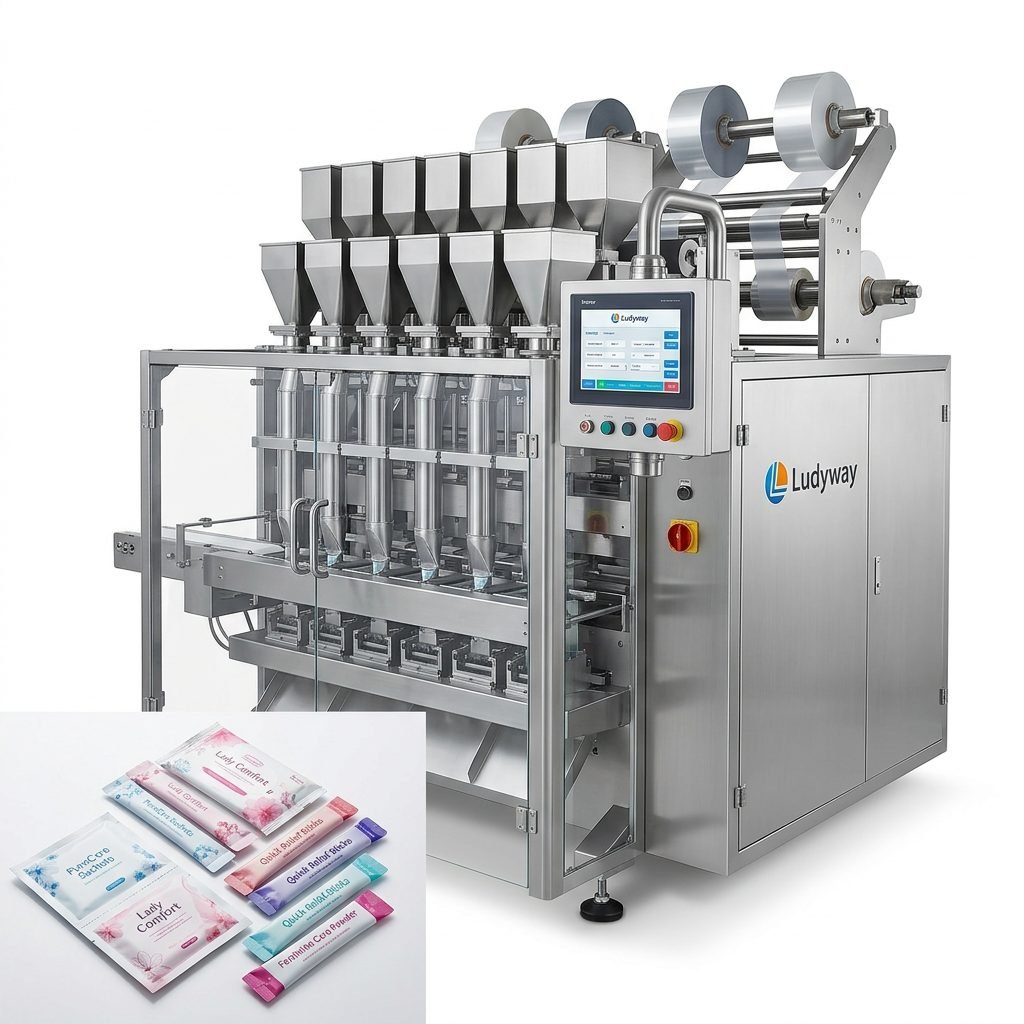
When evaluating a carton packing machine price, the smartest approach is not to start with the lowest quote. It is to begin with your product type, packaging speed, labor goals, carton format, and future production plan. A cheaper machine can become expensive if it causes downtime, inconsistent packing, difficult changeovers, or limited line expansion.
In modern packaging operations, carton packing machines are often the final link between primary packaging and shipment. If this step is unstable, the whole line slows down. That is why buyers should compare not only the machine cost, but also output, reliability, compatibility, maintenance, and service support.
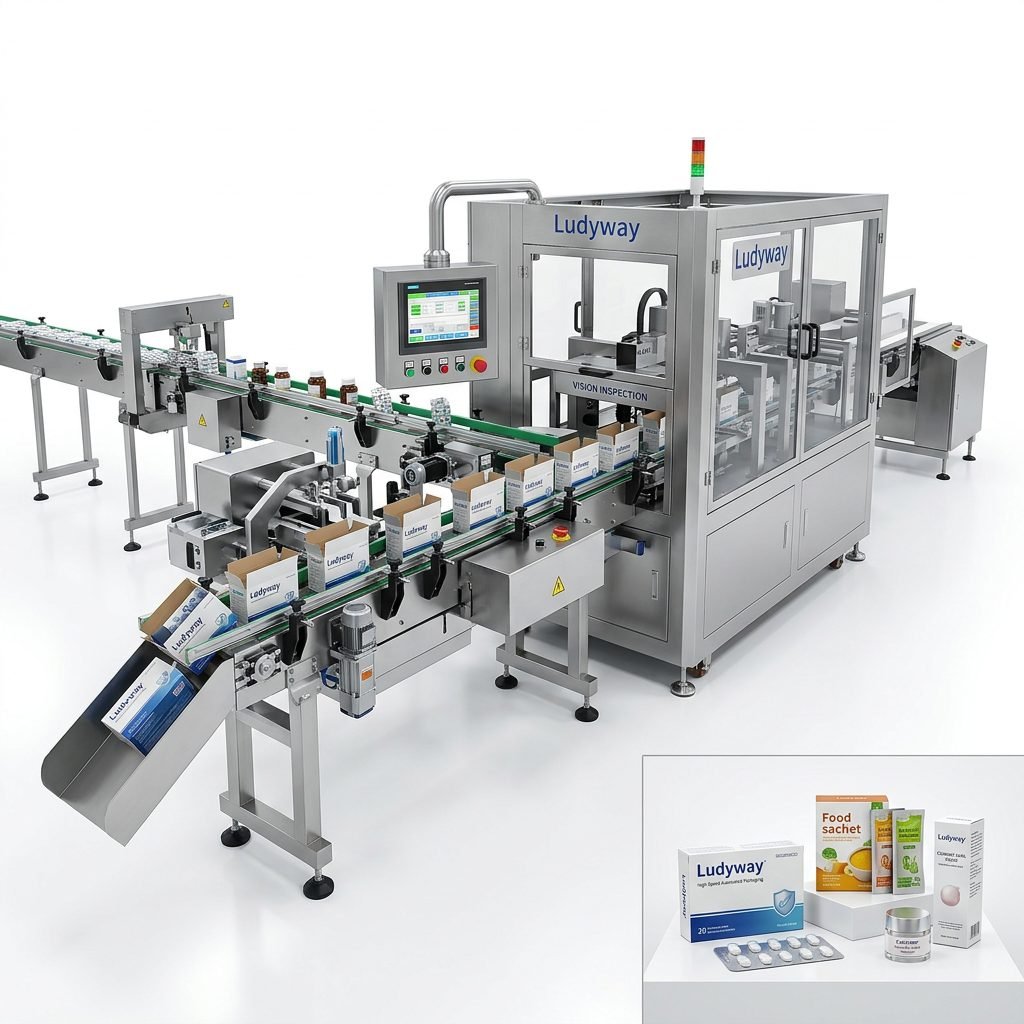
What affects carton packing machine price?
Carton packing machine pricing varies widely because the equipment can be configured for very different tasks. A semi-automatic machine for simple cartons costs far less than a fully integrated automatic cartoning system connected to feeding, coding, inspection, case packing, and palletizing.
- Automation level: semi-automatic, automatic, or full packaging line integration
- Packaging speed: cartons per minute and continuous production requirements
- Product type: sachets, stick packs, pouches, blisters, bottles, tubes, or multipacks
- Carton style: tuck-in, glue-sealed, display cartons, or custom retail boxes
- Feeding system: manual loading, robotic pick-and-place, counting, or automatic collating
- Material quality: frame structure, control system, servo motors, sensors, and safety features
- Customization: special sizes, product orientation, coding, leaflet insertion, and rejection systems
- Compliance needs: food-grade design, pharmaceutical validation, CE-related requirements, and traceability
| Price Driver | How It Impacts Cost | Why It Matters |
|---|---|---|
| Machine speed | Higher speed usually means higher investment | Supports large-volume production and lower unit cost |
| Carton complexity | Irregular or multiple-size cartons increase design complexity | Affects changeover time and feeding stability |
| Product loading system | Automatic grouping and insertion raise machine price | Reduces labor and improves consistency |
| Integration scope | Standalone units cost less than turnkey systems | Improves line efficiency and centralized control |
| Brand and service | Better support may come with a higher initial quote | Helps reduce downtime and long-term ownership risk |
How to choose the right machine for your packaging needs
The right machine is the one that fits your actual packaging workflow. Not every production line needs the fastest or most expensive option. The ideal choice should match both your current production goals and your expected growth over the next 3 to 5 years.
1. Define your product and packaging format clearly
Before comparing suppliers, identify what the carton machine will handle:
- Sachets or stick packs packed into retail cartons
- Pouches bundled into outer cartons
- Bottles or jars inserted into boxes
- Blister packs for pharmaceutical applications
- Tubes, vials, medical devices, or promotional kits
Product shape, rigidity, filling quantity, and grouping method will directly affect the feeding design. For example, loose sachets often require counting and collating before cartoning, while bottles may need lane alignment and buffer systems.
2. Match machine speed with real production demand
A common buying mistake is selecting a machine based only on maximum speed. In practice, you should choose according to stable working speed, not theoretical peak speed.
Ask these questions:
- How many cartons per minute do you need during normal operation?
- Will the carton machine connect with existing upstream packaging equipment?
- Can the whole line maintain balance without bottlenecks?
- Do you expect seasonal peak demand?
If your sachet packaging line produces 250 packs per minute, but your cartoner handles only 120 cartons per minute under real conditions, the mismatch will quickly affect line efficiency.
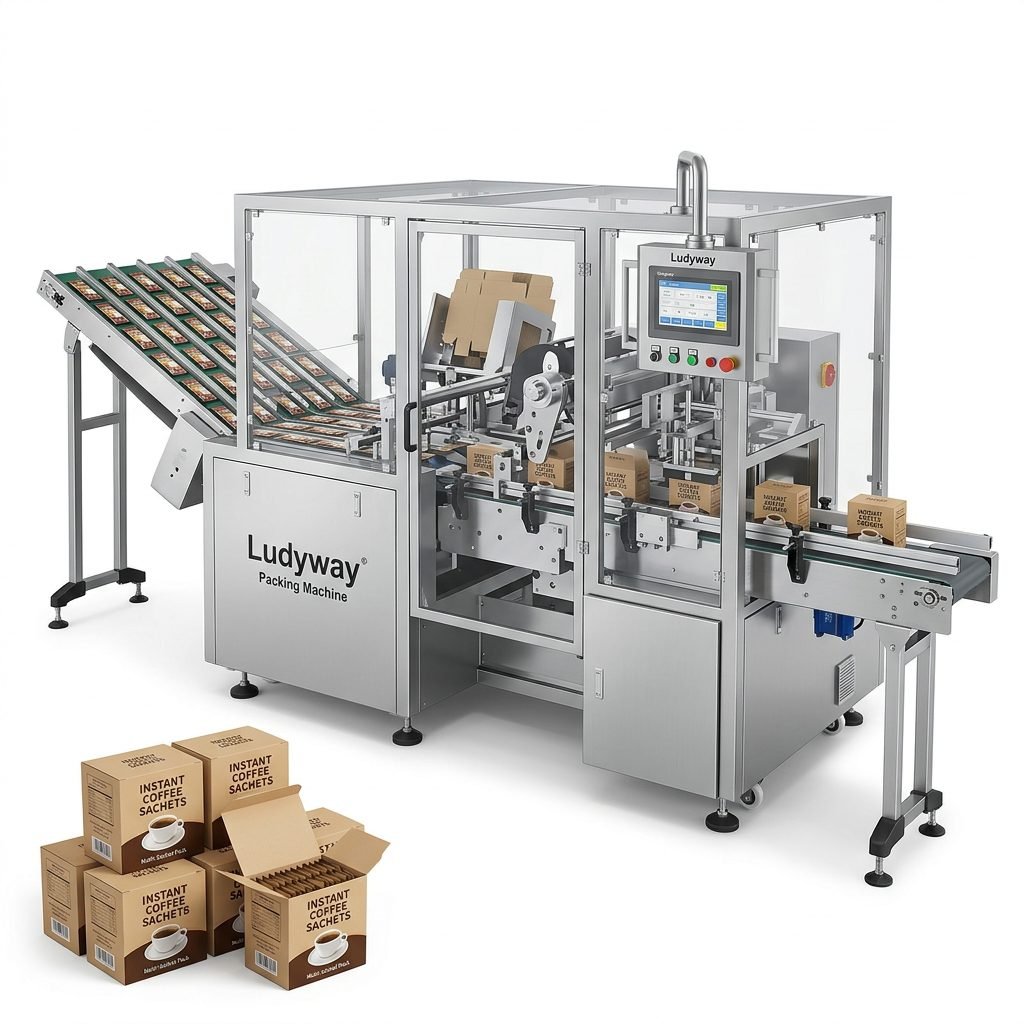
3. Consider carton size range and changeover requirements
If you pack multiple SKUs, carton size flexibility becomes extremely important. A machine with quick changeover can save substantial labor time and avoid production losses.
Look for:
- Tool-free or simplified changeover
- Servo-driven adjustment
- Recipe memory in the HMI
- Easy access to forming and loading areas
- Clear size range specifications
If you run only one carton size at high volume, a more dedicated machine may offer better cost-performance. If you run frequent product changes, flexibility may be worth paying more for.
4. Evaluate labor savings and total cost of ownership
The purchase price is only one part of the investment. You should also estimate the total cost of ownership, including:
- Labor required per shift
- Maintenance costs
- Spare parts availability
- Power consumption
- Downtime risk
- Training and setup time
In many cases, a higher-priced automatic carton packing machine can pay back faster because it reduces manual packing, lowers error rates, and improves output consistency.
| Evaluation Factor | Low Initial Price | Better Long-Term Value |
|---|---|---|
| Upfront investment | Lower | Moderate to higher |
| Manual labor dependence | Higher | Lower |
| Output stability | May vary more | Usually better |
| Expansion potential | Limited | Stronger |
| Operational efficiency | Basic | Higher overall |
5. Make sure the machine fits your industry standards
Different industries have very different packaging requirements.
Food industry
Food manufacturers often focus on hygienic design, packaging speed, seal integrity, and smooth material flow. If products are individually packed into sachets or stick packs first, the cartoning unit should handle counting and insertion efficiently.
Pharmaceutical industry
Pharmaceutical cartoning lines usually require batch coding, leaflet insertion, rejection systems, vision inspection, and accurate traceability. In this sector, choosing by price alone can create compliance risks.
Cosmetic and personal care industry
Packaging appearance matters strongly in this market. Machines should protect carton quality, avoid scratches, and maintain neat product orientation for retail presentation.
Chemical and household product industry
Buyers often need durable construction, dust control, corrosion-resistant contact parts where necessary, and stable operation for powder, liquid, or multi-format products.
Common types of carton packing machines
Understanding machine categories can help you compare prices more accurately.
- Semi-automatic cartoning machines: suitable for smaller production volumes or budget-sensitive operations
- Horizontal cartoning machines: common for sachets, blisters, pouches, bottles, and grouped products
- Vertical cartoning machines: often used where products can be loaded from the top
- Wrap-around carton packing systems: useful for certain bundle and case formats
- Integrated cartoning lines: connected with feeders, coding, checkweighing, case packing, and palletizing
Questions to ask before requesting a quote
To get an accurate carton packing machine price, prepare detailed project information. This helps suppliers recommend the correct model and avoids under- or over-specifying the machine.
- What product will be packed into the carton?
- What are the product dimensions and weight?
- How many units go into each carton?
- What are the carton dimensions and material type?
- What production speed do you require?
- Do you need leaflet insertion, printing, coding, or inspection?
- Will the machine connect to an existing packaging line?
- How many carton sizes will you run?
- Do you need automatic feeding, counting, or collating?
- What industry regulations or certifications must be considered?
Red flags when comparing carton packing machine prices
Extremely low quotations may look attractive, but they can hide important risks. If one offer is far below the market average, check the details carefully.
- Unclear machine speed under real operating conditions
- No mention of control brand, motor brand, or electrical configuration
- Limited after-sales support
- No FAT or testing process before shipment
- Poor documentation or weak English communication
- No spare parts planning
- Little room for future line integration
A professional supplier should explain what is included in the quotation, what is optional, and how the machine performs with your specific product.
Choosing a supplier, not just a machine
A good carton packing machine supplier should understand more than mechanical assembly. They should understand packaging process logic, product handling, line balancing, and future upgrade possibilities.
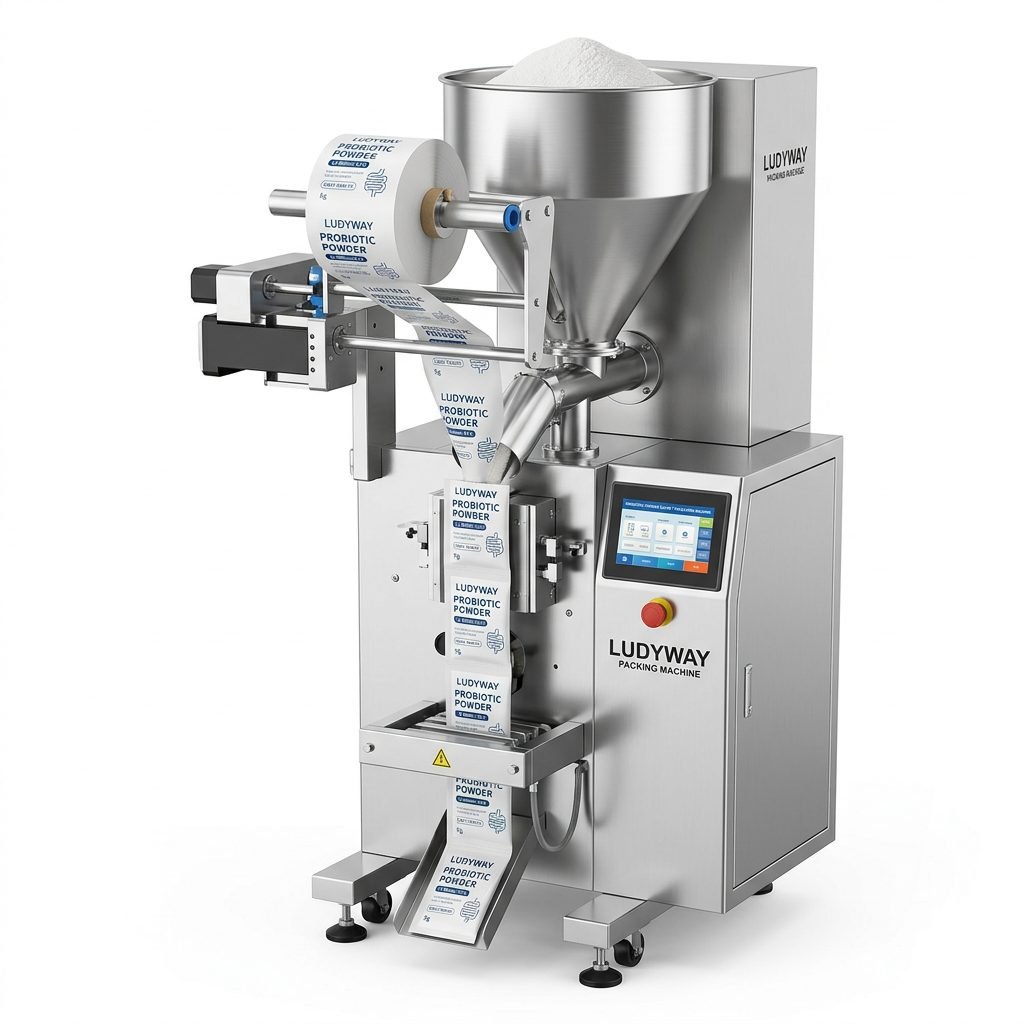
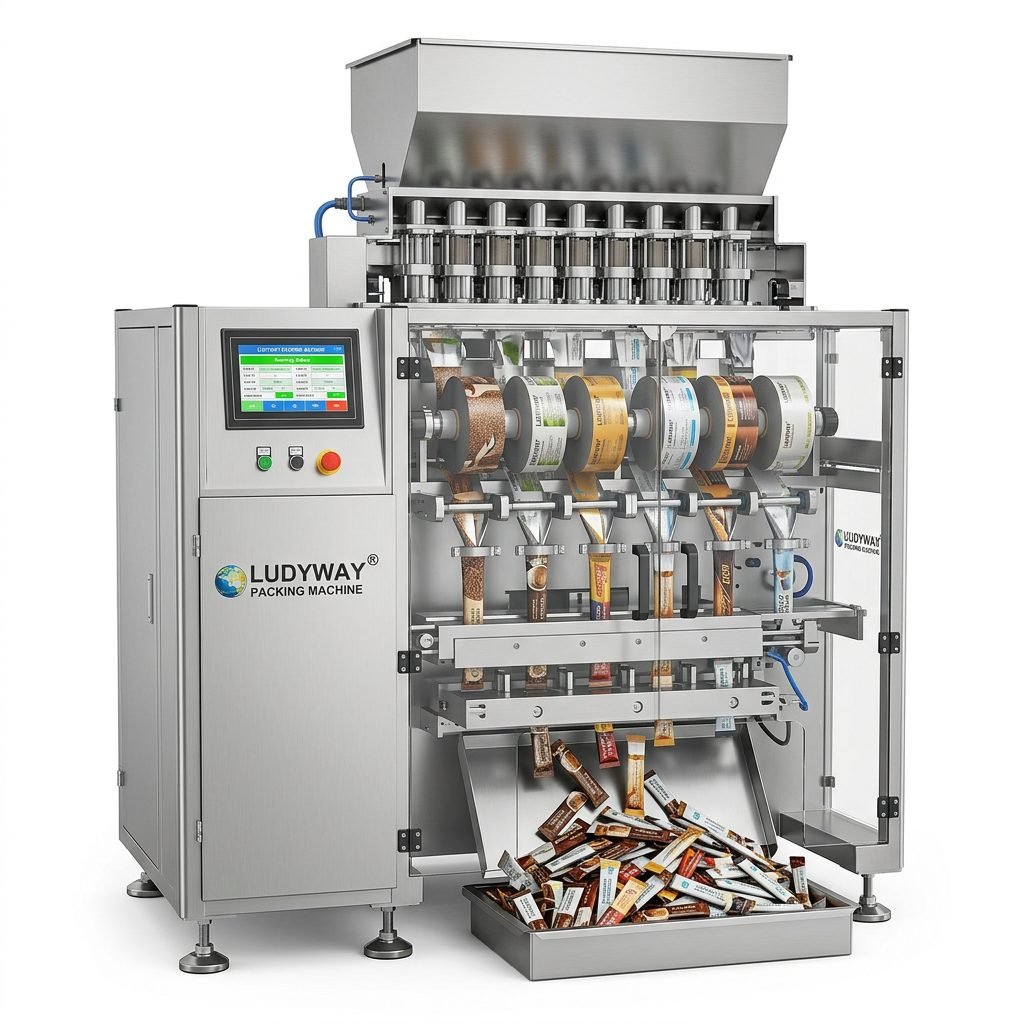
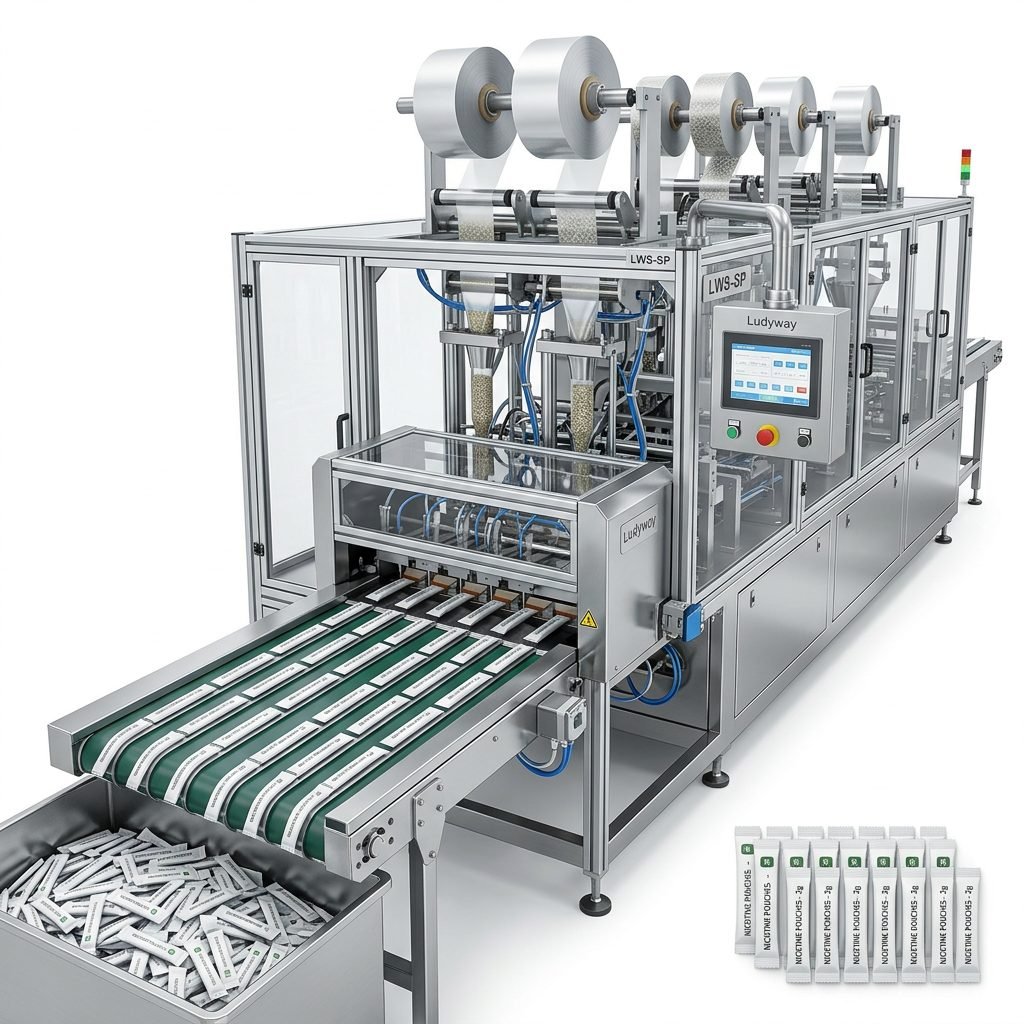
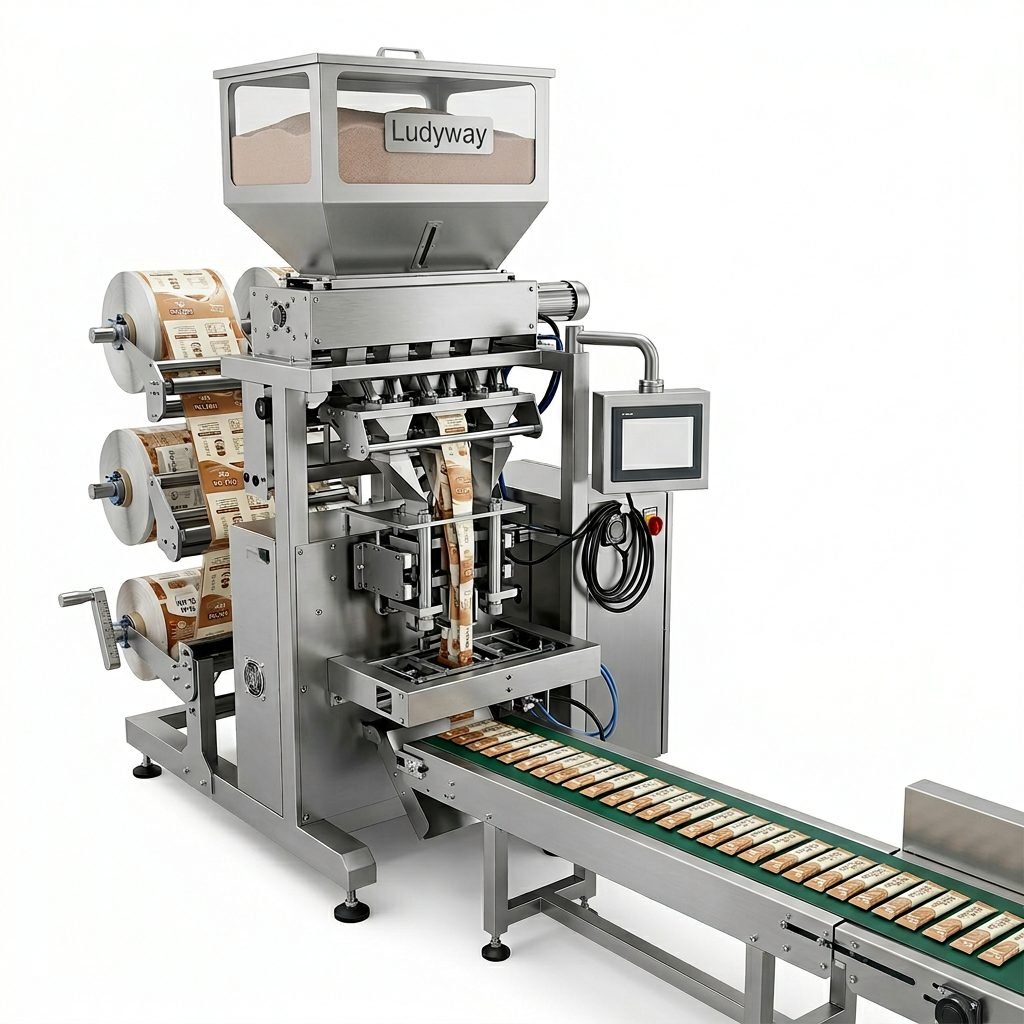
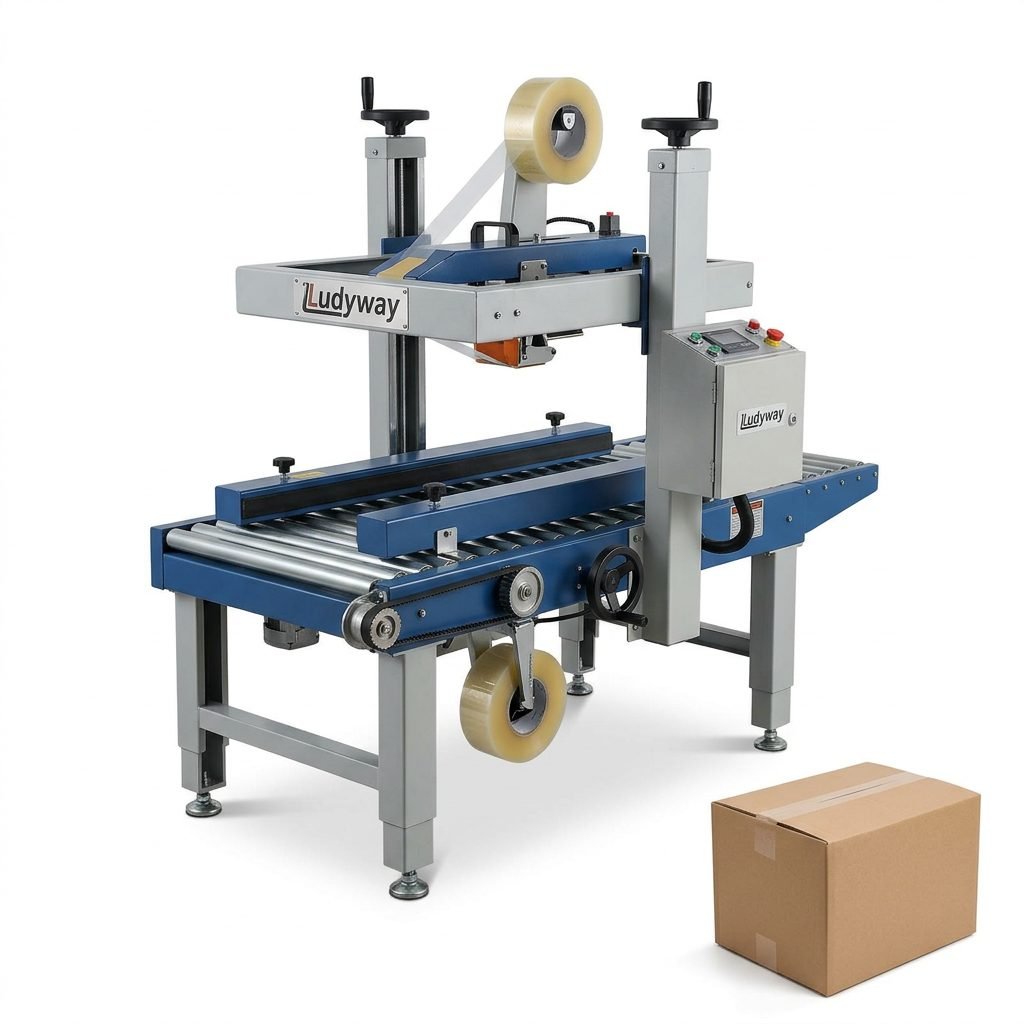
If your project involves sachets, stick packs, powders, liquids, pharmaceuticals, or integrated packaging lines, it is useful to work with an experienced manufacturer such as Ludyway carton packing machine solutions, especially when you need both standalone machines and turnkey automation support.
Experienced manufacturers can usually help with:
- Machine selection based on product application
- Carton loading method design
- Upstream and downstream line integration
- Custom engineering for special packaging formats
- Installation guidance and technical support
Best buying strategy for carton packing equipment
The best buying strategy is to compare suppliers on technical fit, long-term value, and service capability, not only on price. A suitable machine should improve efficiency, protect product quality, reduce labor, and support future growth.
| Buying Priority | What to Focus On |
|---|---|
| Production compatibility | Match speed, product type, and carton format |
| Operational stability | Ask for testing videos, references, or trial validation |
| Flexibility | Review size range and changeover process |
| Service support | Confirm training, spare parts, and response time |
| Investment return | Calculate labor savings and throughput gains |
Final decision checklist
- Does the machine suit your product and carton style?
- Can it run at your required stable speed?
- Is changeover simple enough for your SKU mix?
- Does it integrate with your current or future line?
- Are the electrical and mechanical components reliable?
- Is supplier support strong after delivery?
- Does the quote clearly show what is included?
In short, the right carton packing machine price is the one that delivers the best balance of performance, flexibility, reliability, and return on investment. If you evaluate the machine from a full production perspective rather than a purchase-only perspective, you will make a much stronger packaging decision.