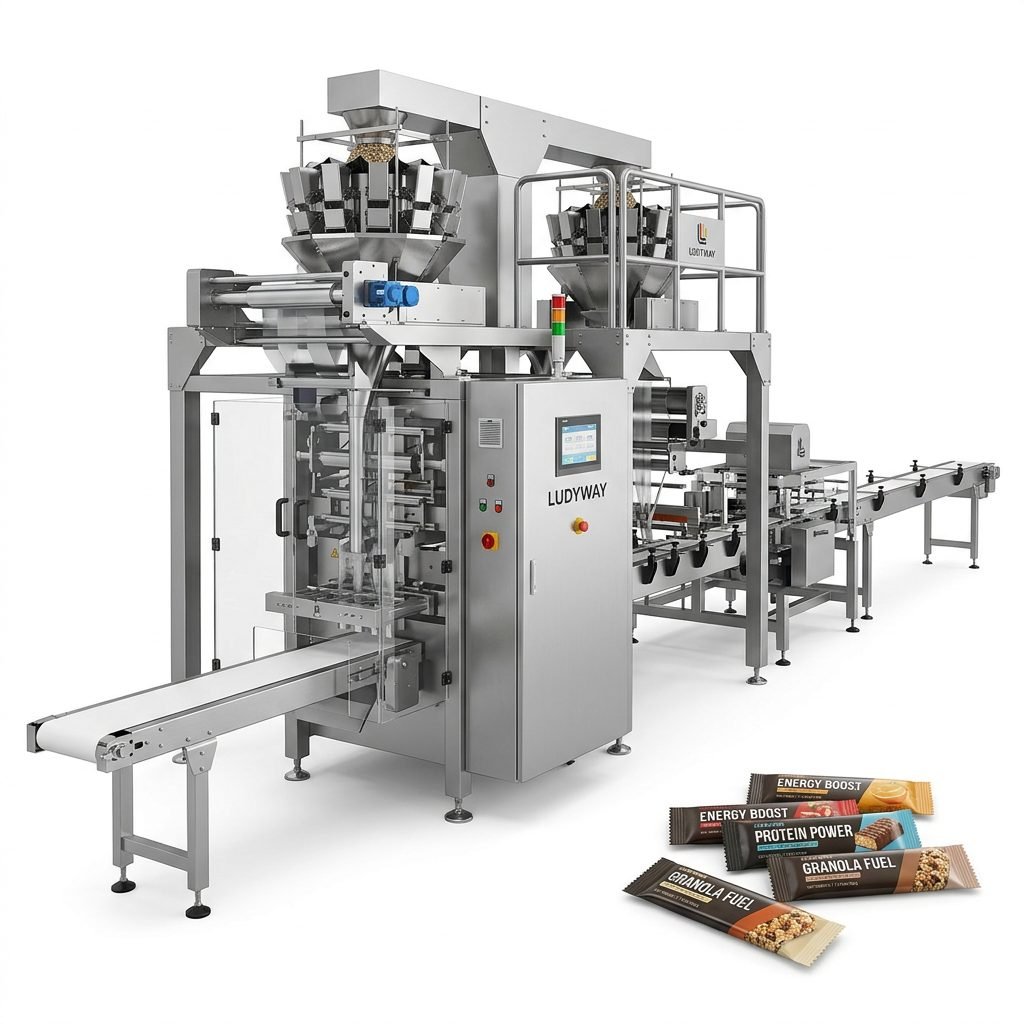
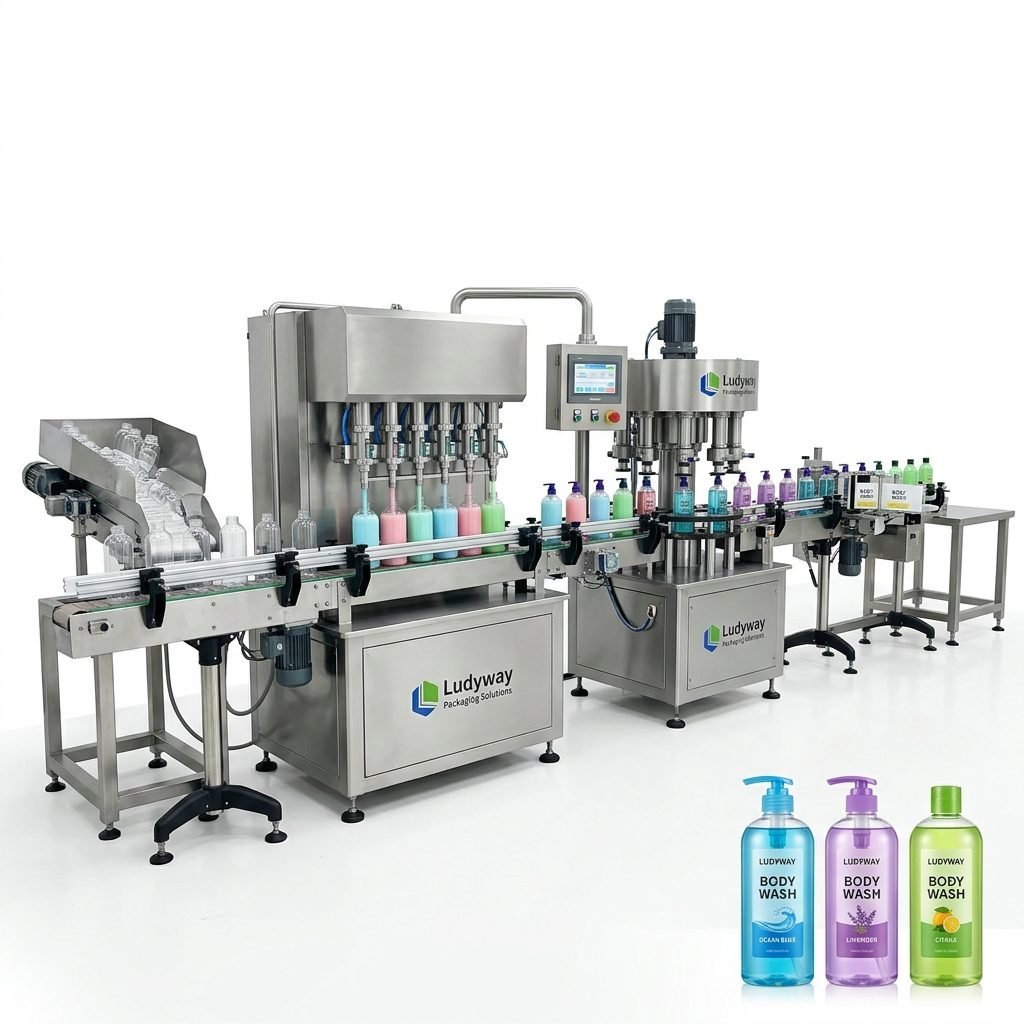
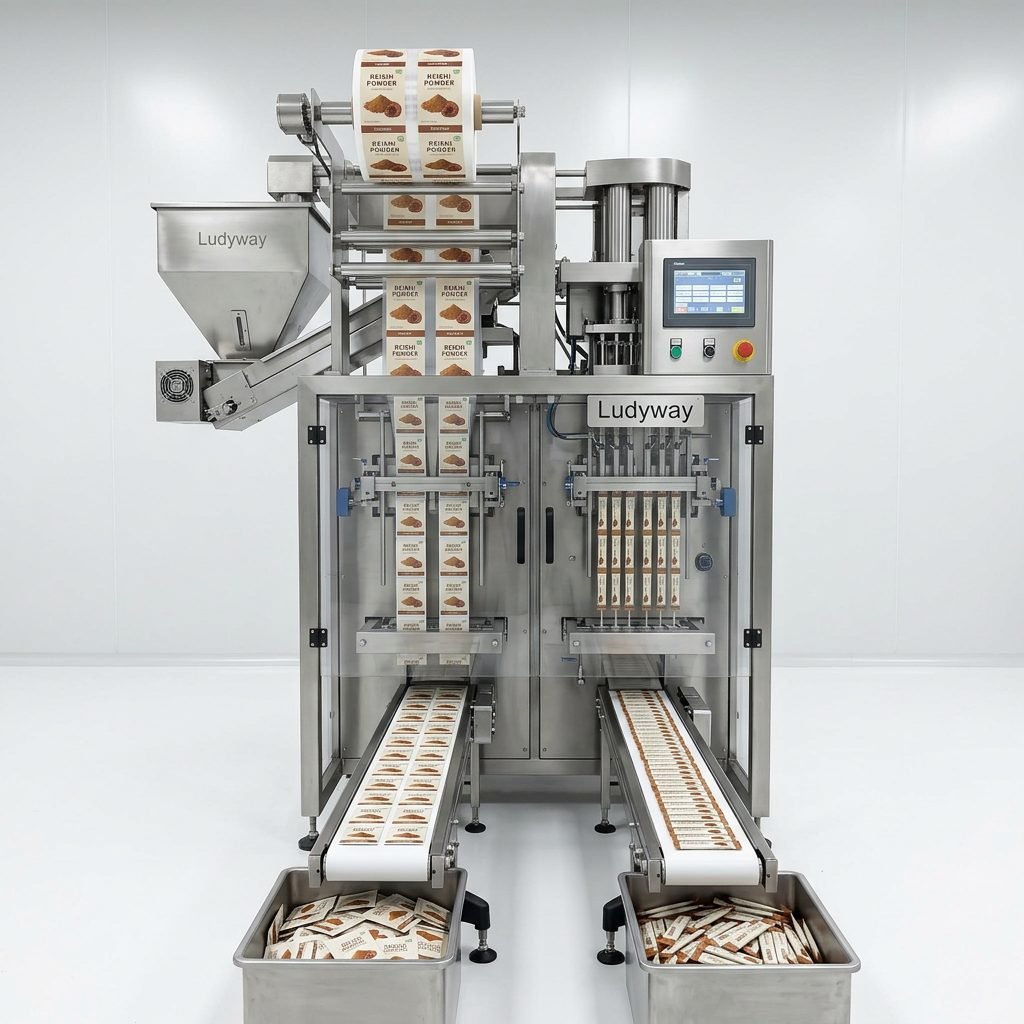
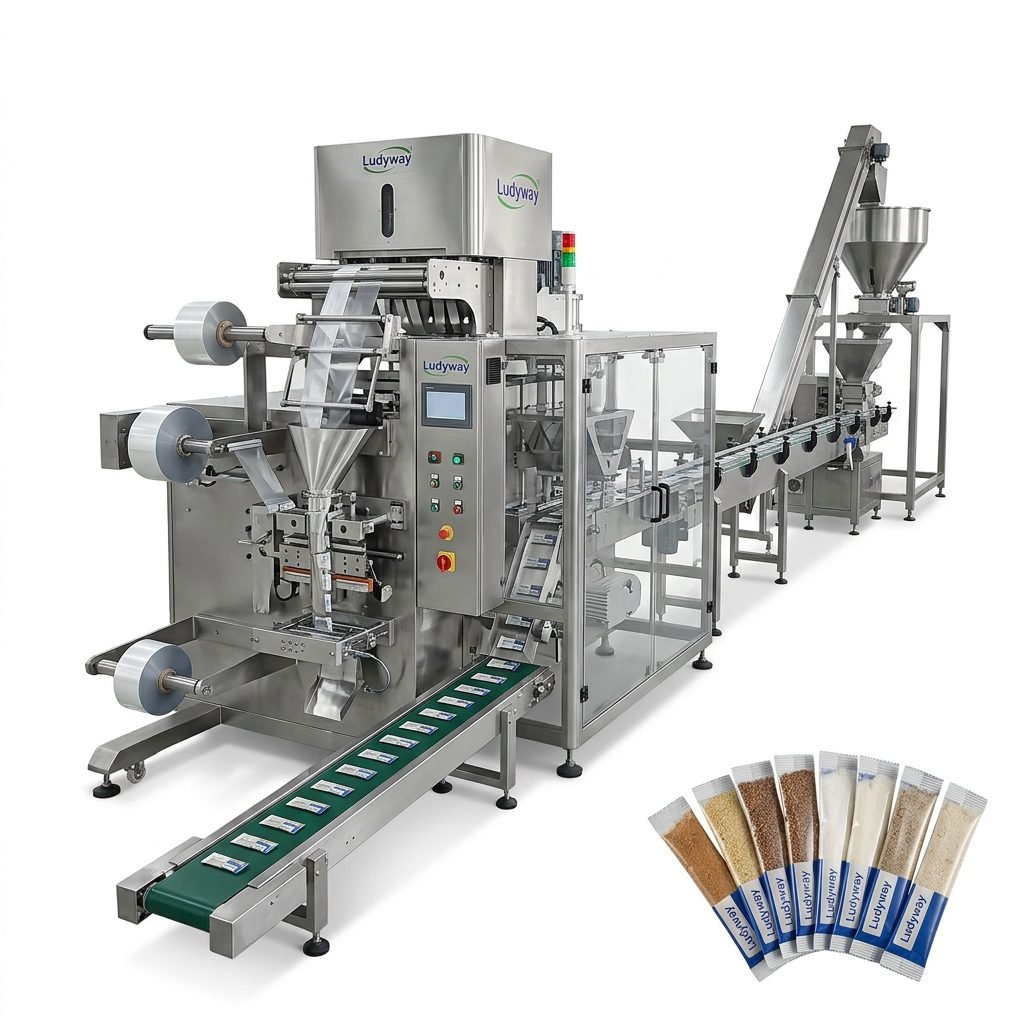
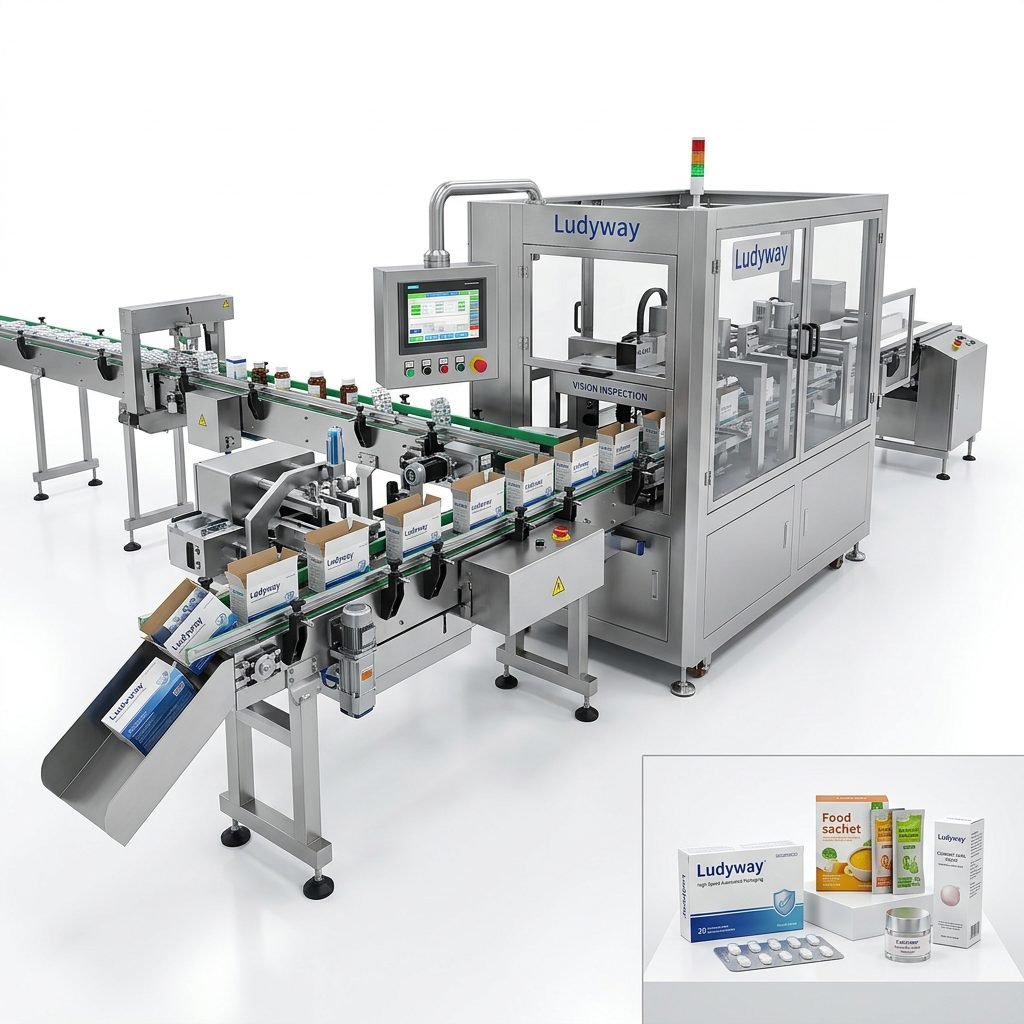
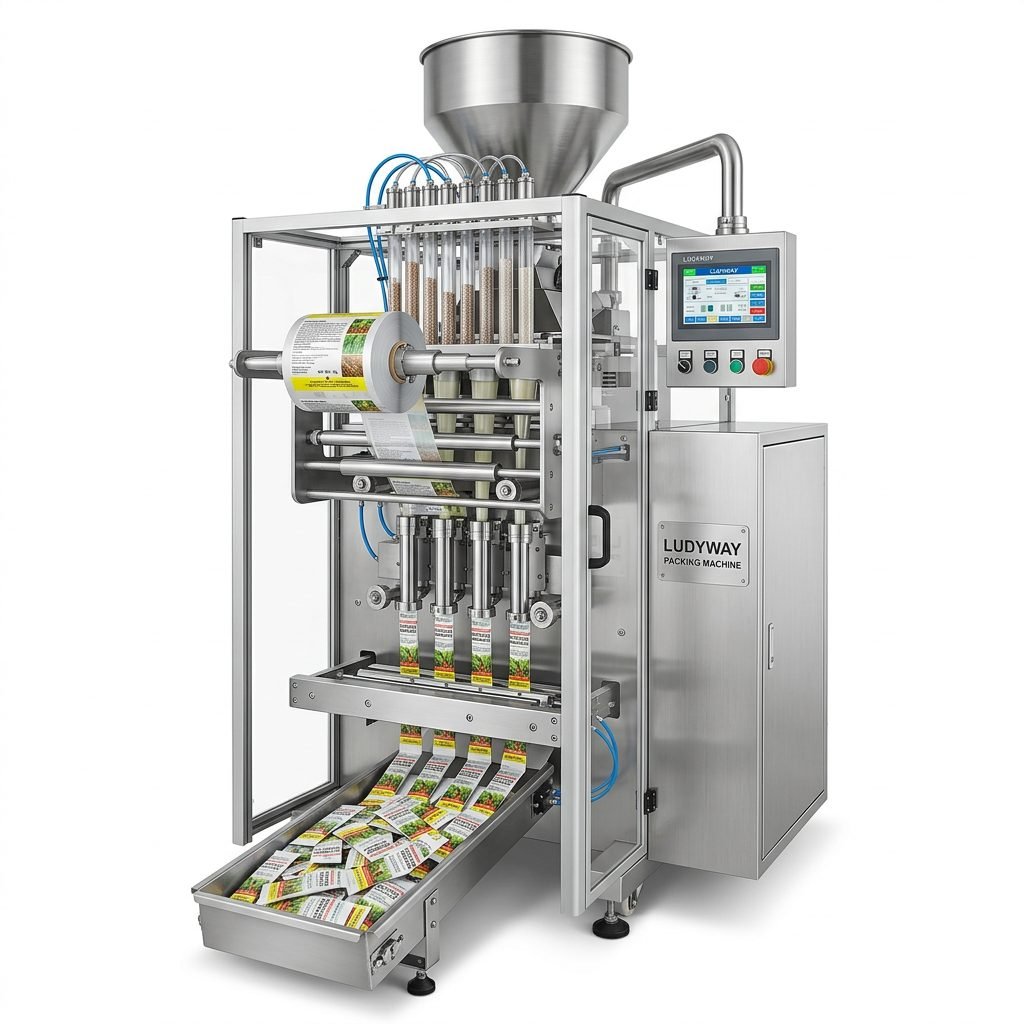
Investing in a cereal bar packaging machine is a strategic decision for any food manufacturer in North America. The right equipment not only protects product freshness but also enhances shelf appeal and maximizes production line efficiency. With the snack bar market projected to grow steadily, understanding the nuances of automated wrapping, flow-wrapping, and cartoning systems is critical for staying competitive.
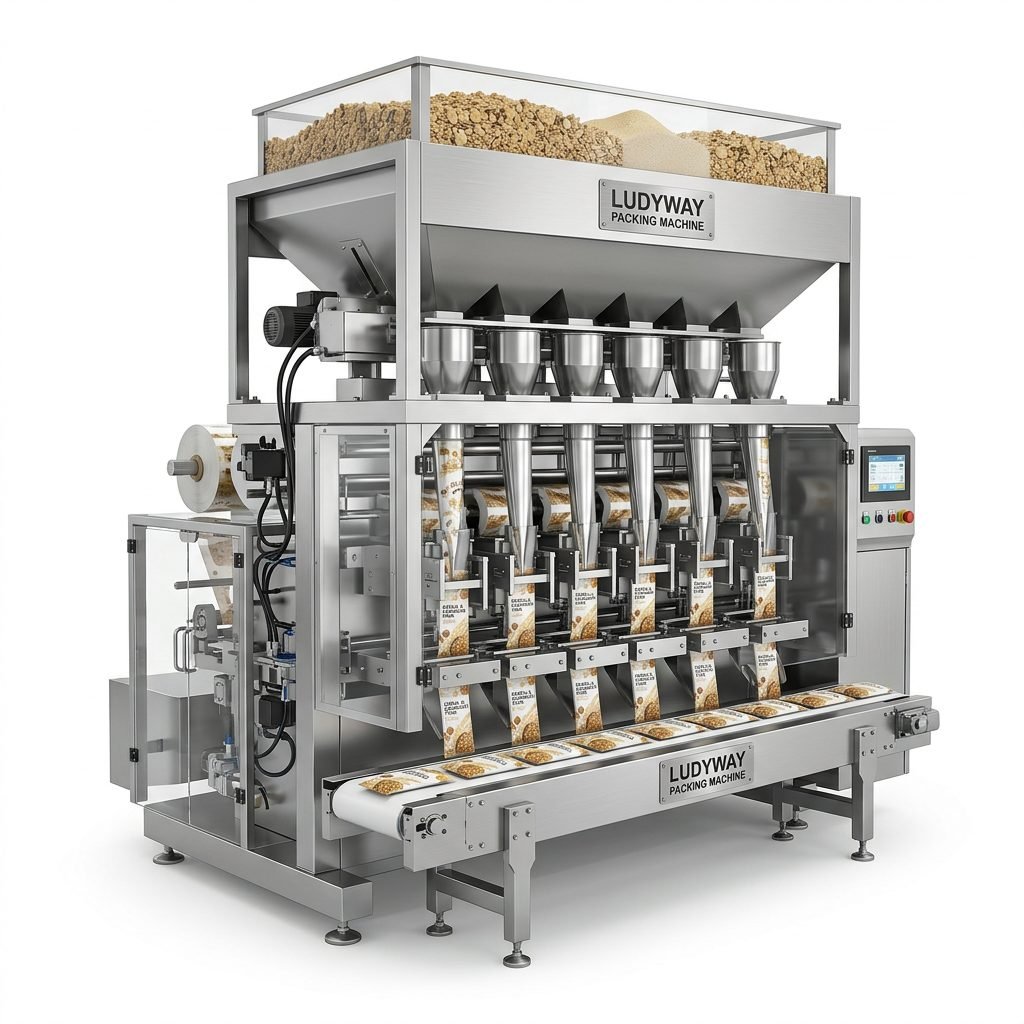
Key Considerations Before Buying a Cereal Bar Packaging Machine
Selecting the optimal machinery involves more than just speed ratings. North American manufacturers must evaluate product fragility, packaging material compatibility, and changeover flexibility. Whether you are producing granola bars, protein bars, or fruit-filled snacks, the machine must handle varying textures without crushing the product.
- Product Dimensions & Shape: Standard rectangular bars vs. irregular clusters require different infeed systems.
- Film Material: Cold seal vs. heat seal capabilities for polypropylene, paper-based, or compostable films.
- Throughput Speed: Entry-level models might run 40-80 packs per minute, while high-speed servo-driven lines reach 150+ ppm.
- Gas Flushing: Modified Atmosphere Packaging (MAP) for extended shelf life without preservatives.
Horizontal Flow Wrapping Technology
Horizontal form-fill-seal (HFFS) machines are the industry standard for cereal bar packaging machinery. These systems feed bars continuously into a tube of film, creating a tight seal around the product. Look for models featuring rotary heat sealers and precision film tension control to minimize waste.

Understanding North American Compliance and Standards
Equipment installed in the U.S. and Canada must comply with strict food safety regulations. This includes adherence to FDA guidelines for food contact surfaces and often GFSI (Global Food Safety Initiative) benchmarks. Ensuring your cereal bar wrapping machine features washdown-ready stainless steel construction and minimal dust traps is non-negotiable.
| Machine Type | Best For | Speed Range (ppm) |
|---|---|---|
| Basic Flow Wrapper | Startups, single SKU | 30 – 80 |
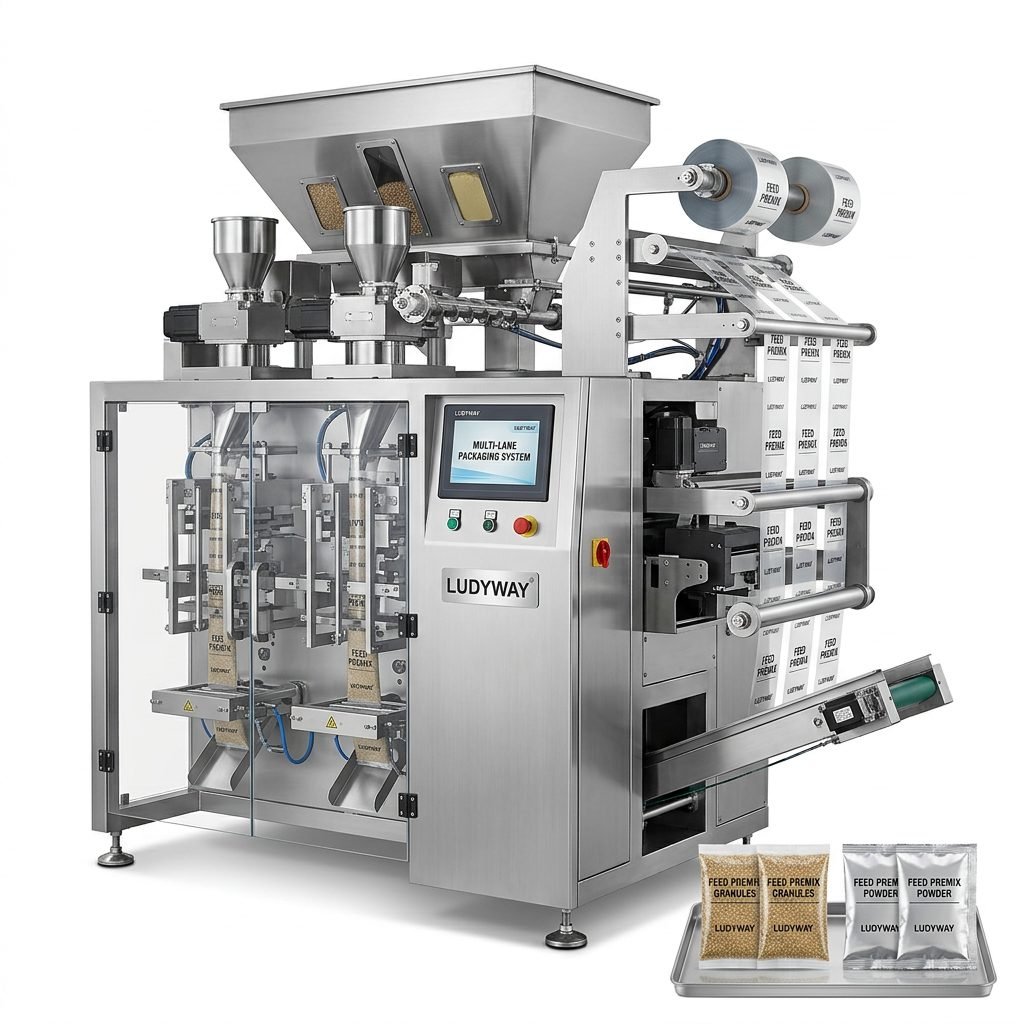
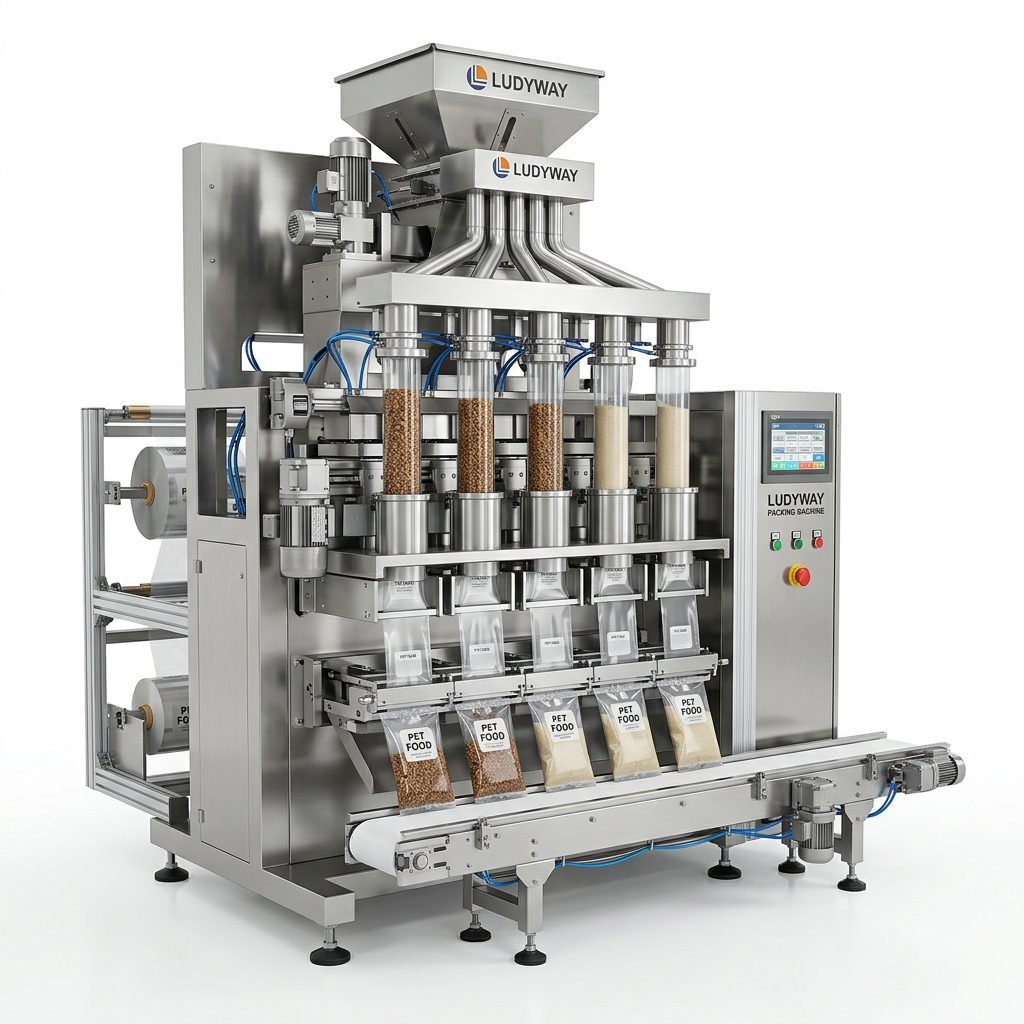
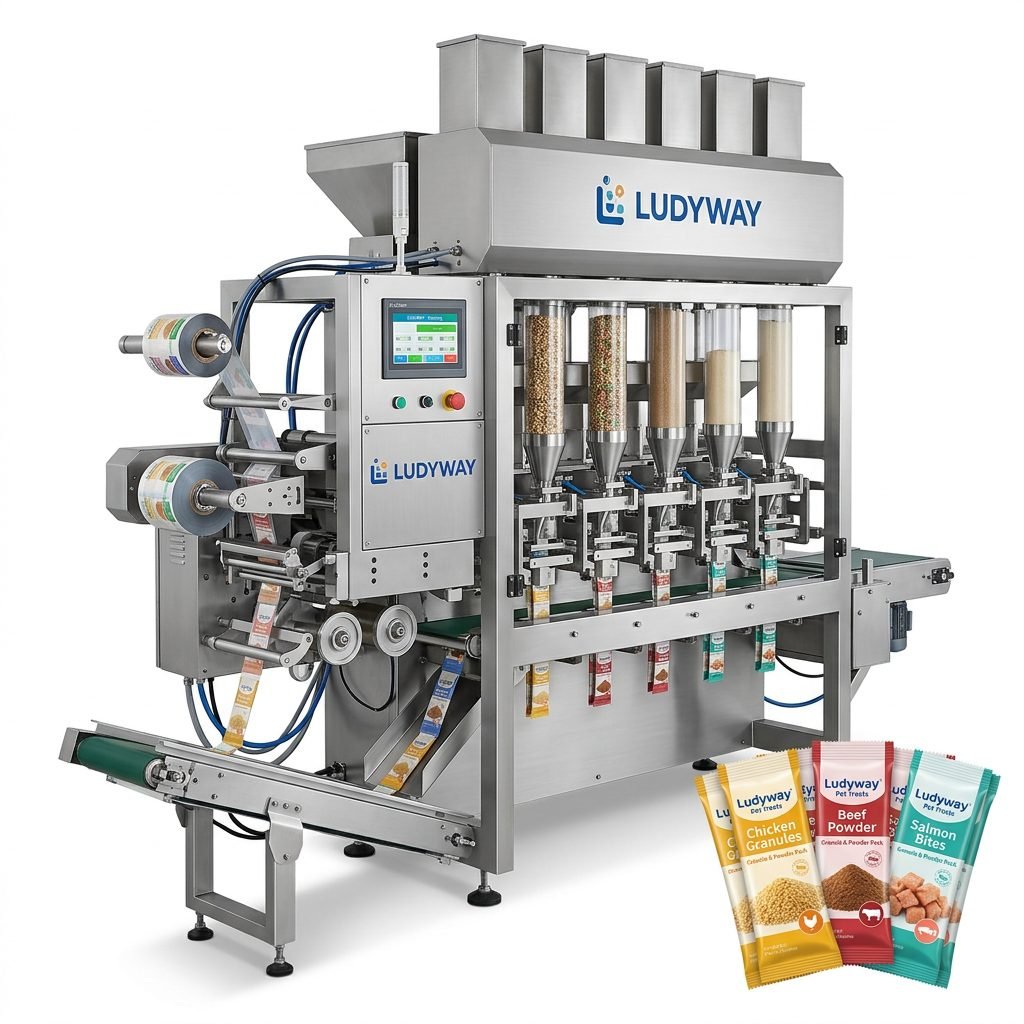
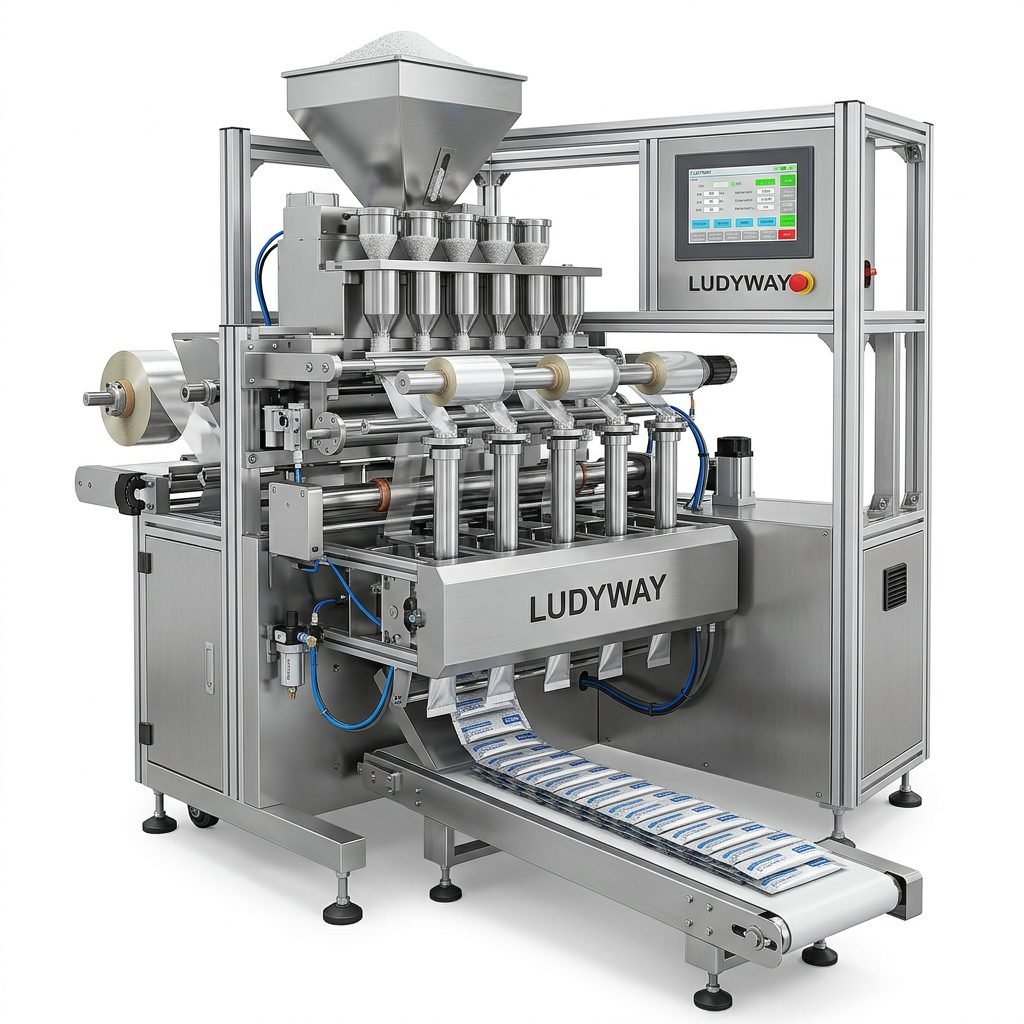
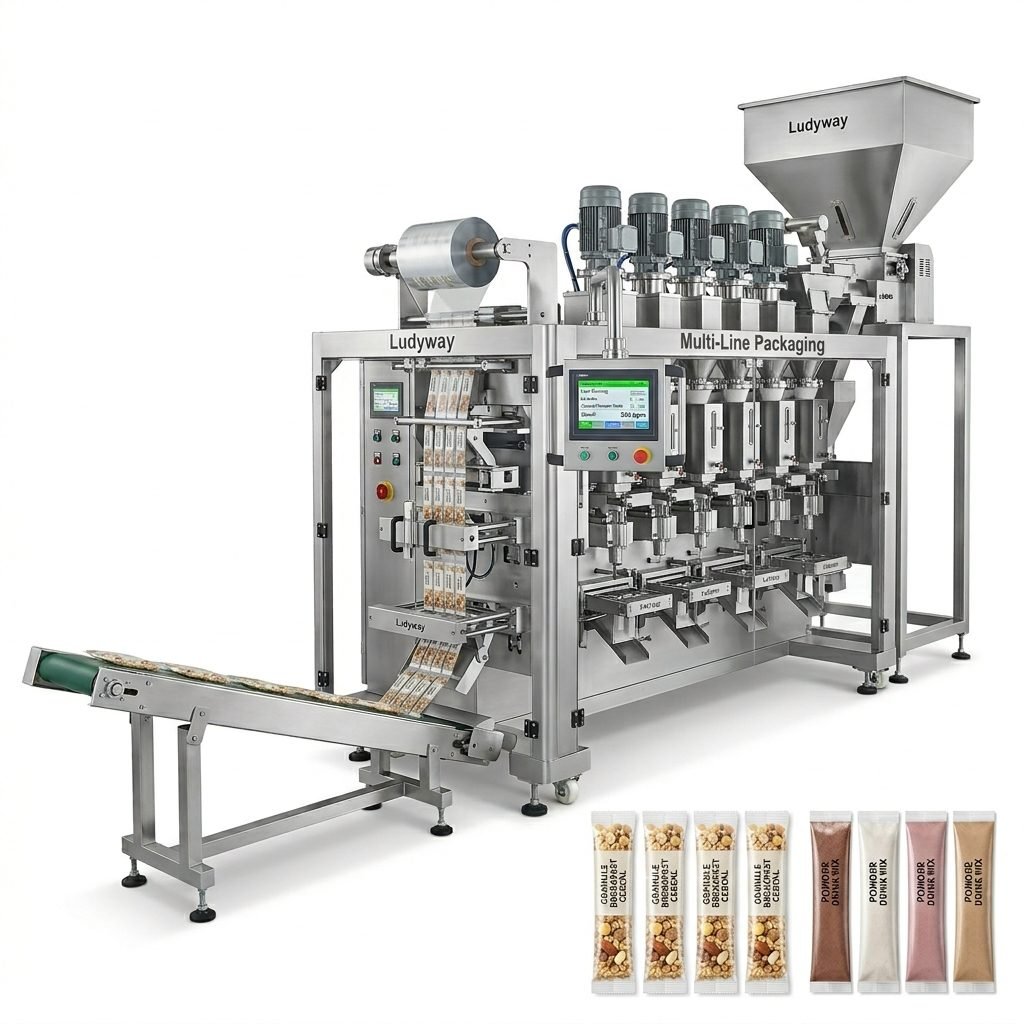
| Multi-Lane Stick Pack | Mini bars, bite-size | 200 – 500 |
| Automated Cartoning | Retail-ready display boxes | 60 – 120 |
| Turnkey Line | High-volume co-packers | 150+ |
Evaluating Integrated Automation Features
Modern cereal bar packing systems integrate seamlessly with upstream and downstream equipment. Rather than relying on manual labor, look for automatic slug feeders, reject stations, and integrated checkweighers. These components ensure weight accuracy for both FDA net content regulations and retailer demands.
Key Automation Components
- Servo-driven jaw motion for precise cut-off lengths.
- Vision inspection systems for print registration and seal integrity.
- Automatic splicing units for non-stop roll changes.
- Open-architecture controls compatible with North American PLC standards (Allen-Bradley, Siemens).
Supplier Evaluation and After-Sales Support in North America
When sourcing a cereal bar packaging machine supplier, proximity to technical support is invaluable. Verify that the manufacturer offers remote diagnostics, local spare parts inventory, and certified installation teams. Factoring in the total cost of ownership (TCO) is vital; a machine with a slightly higher upfront cost but significantly lower maintenance and film waste will yield better ROI over 5 years.
Ludyway is one of the largest packaging machine manufacturers, specializing in advanced equipment and turnkey solutions. With over 50 intelligent models and a 20,000㎡ facility, they serve customers in over 100 countries, providing reliable and efficient packaging solutions backed by three decades of industry expertise.
Questions to Ask Potential Vendors
- Can you provide a factory acceptance test (FAT) video or live demo?
- What is the standard lead time for critical wear parts in the US?
- Does your system include IoT capabilities for predictive maintenance?
- Can the machine handle sustainable films without resealing issues?
Budgeting for Your Cereal Bar Packaging Line
Investment in an automatic cereal bar wrapper varies widely based on speed and customization. Entry-level compact flow wrappers might start in the mid-$30,000 range, while fully integrated, high-speed multi-lane lines can exceed $250,000. Remember to allocate budget for auxiliary equipment like conveyors, coders, and nitrogen generators if MAP is required.
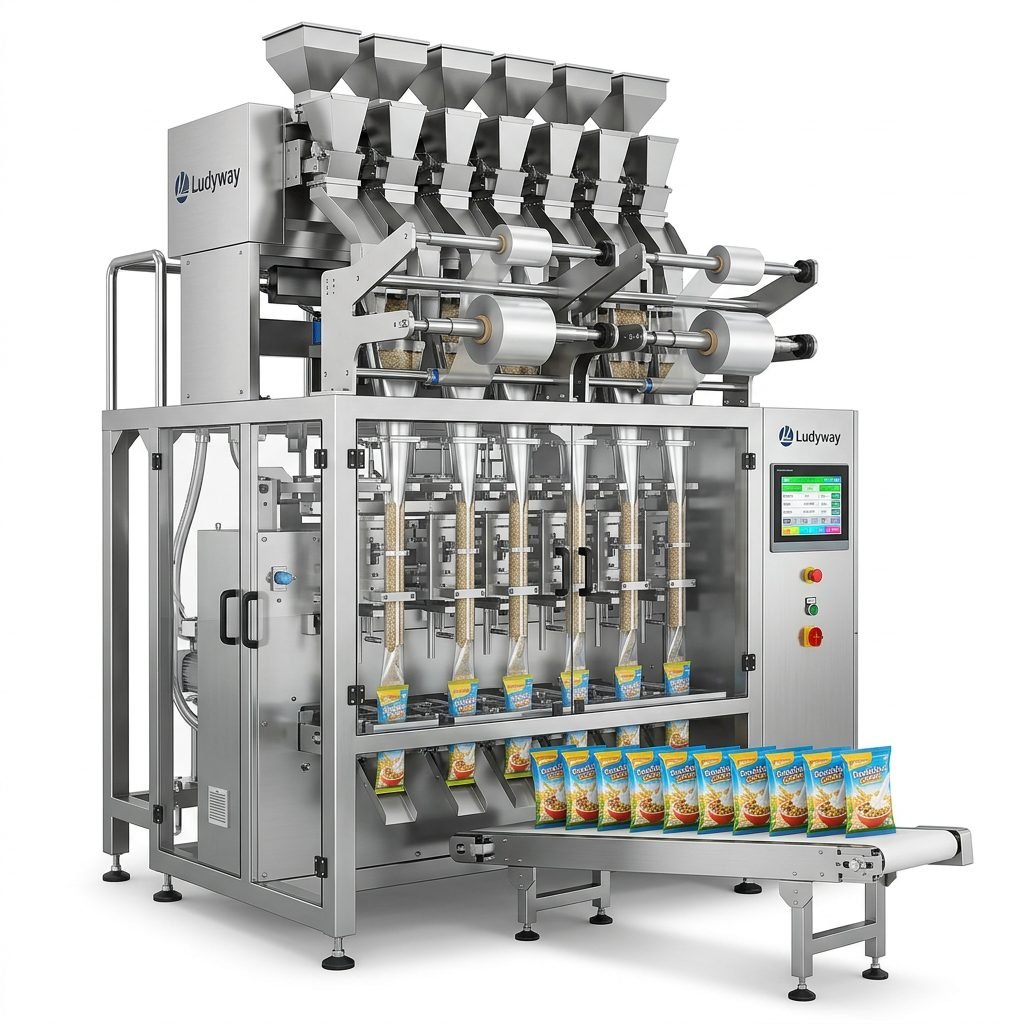
By focusing on film savings, quick changeover designs, and robust sanitary construction, North American operations can rapidly scale their production. Selecting the right machinery is the cornerstone of building a premium brand presence in the competitive cereal bar market.