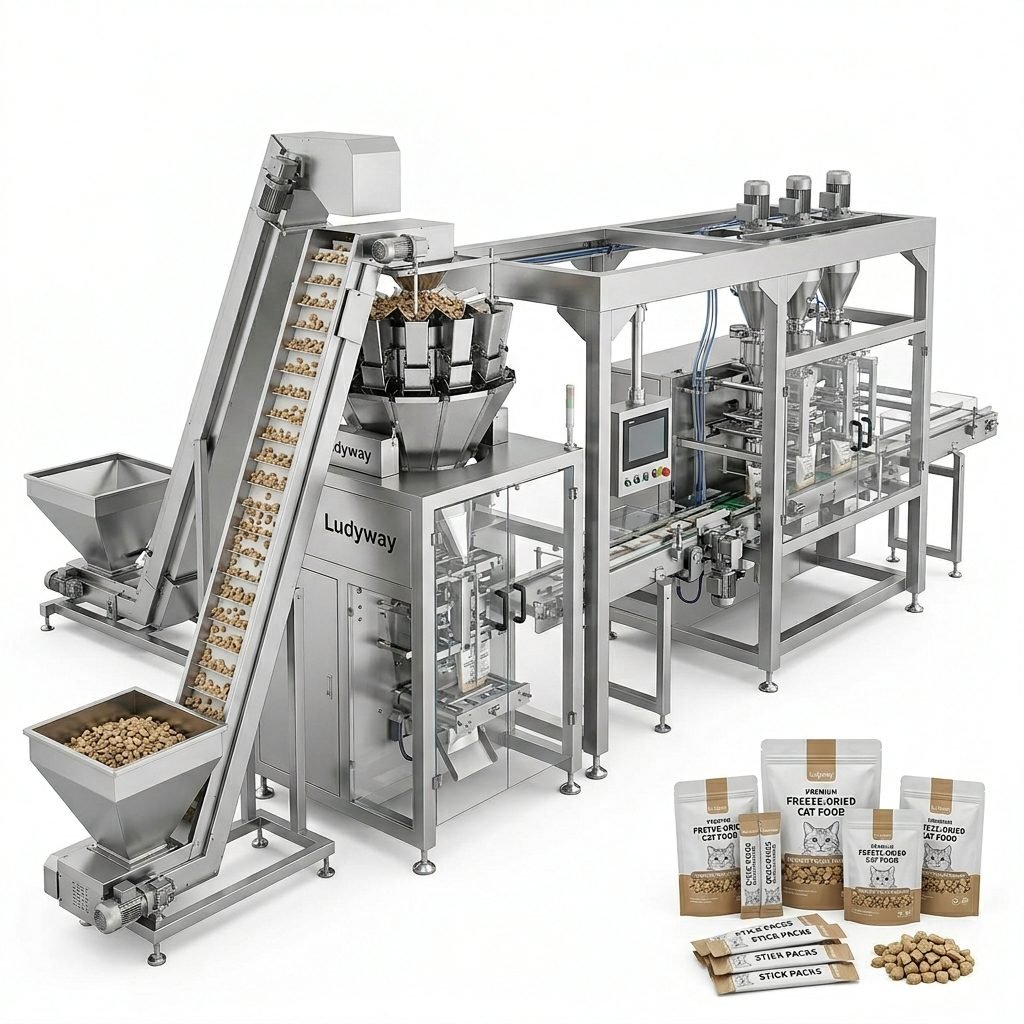
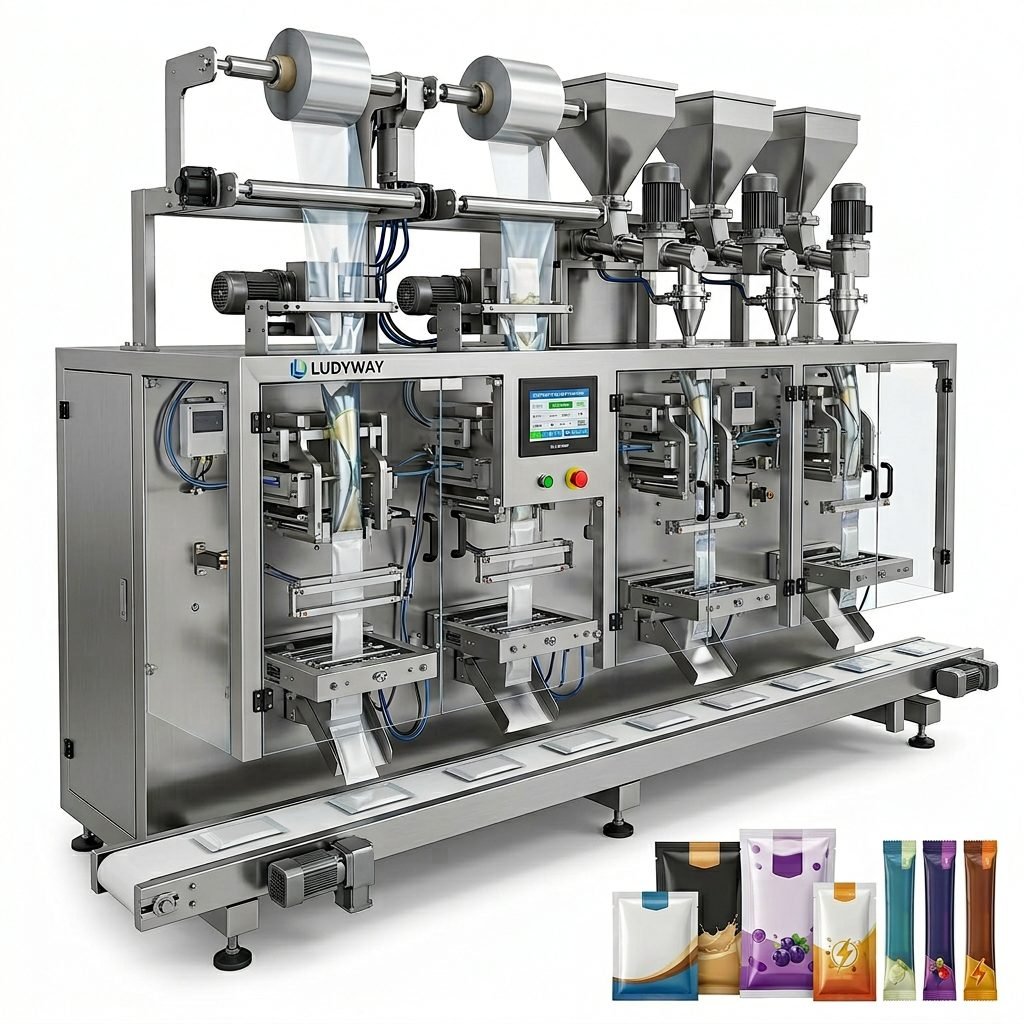
The UK packaged ice market has experienced steady growth, driven by demand from the hospitality sector, retail channels, and events. Setting up a dedicated ice packaging machine production line requires careful planning around equipment selection, food safety compliance, and operational efficiency. This guide walks through every critical step to help you establish a successful production line in the United Kingdom.
Understanding the UK Packaged Ice Market
Before investing in machinery, it is essential to assess market dynamics. The UK ice market is seasonal, peaking between May and September, but year-round demand from food processing, healthcare, and industrial applications sustains production. Retail packaged ice is typically sold in 1kg to 5kg bags, while bulk ice is distributed to restaurants and bars in larger volumes. Understanding your target customer base will directly influence your packaging line configuration, including bag sizes, throughput requirements, and automation levels.
Key Equipment for an Ice Packaging Production Line
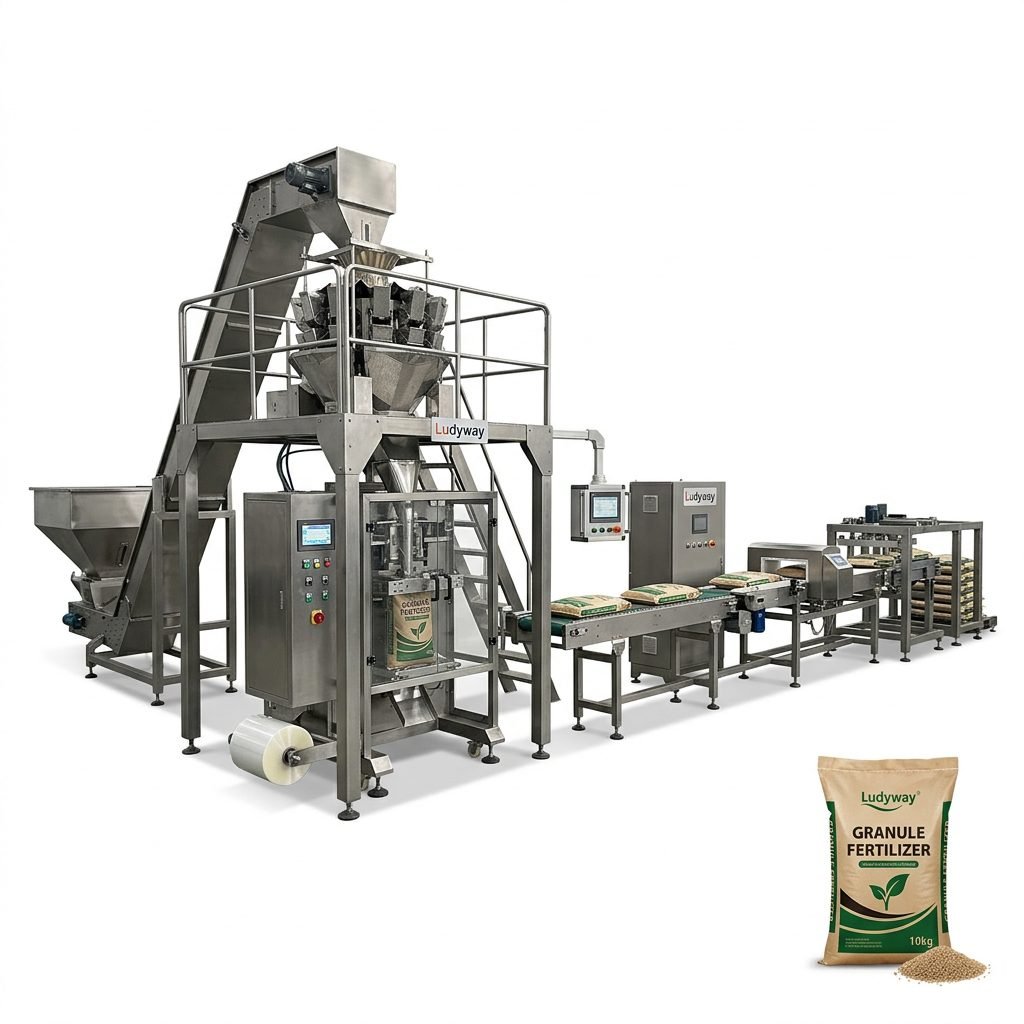
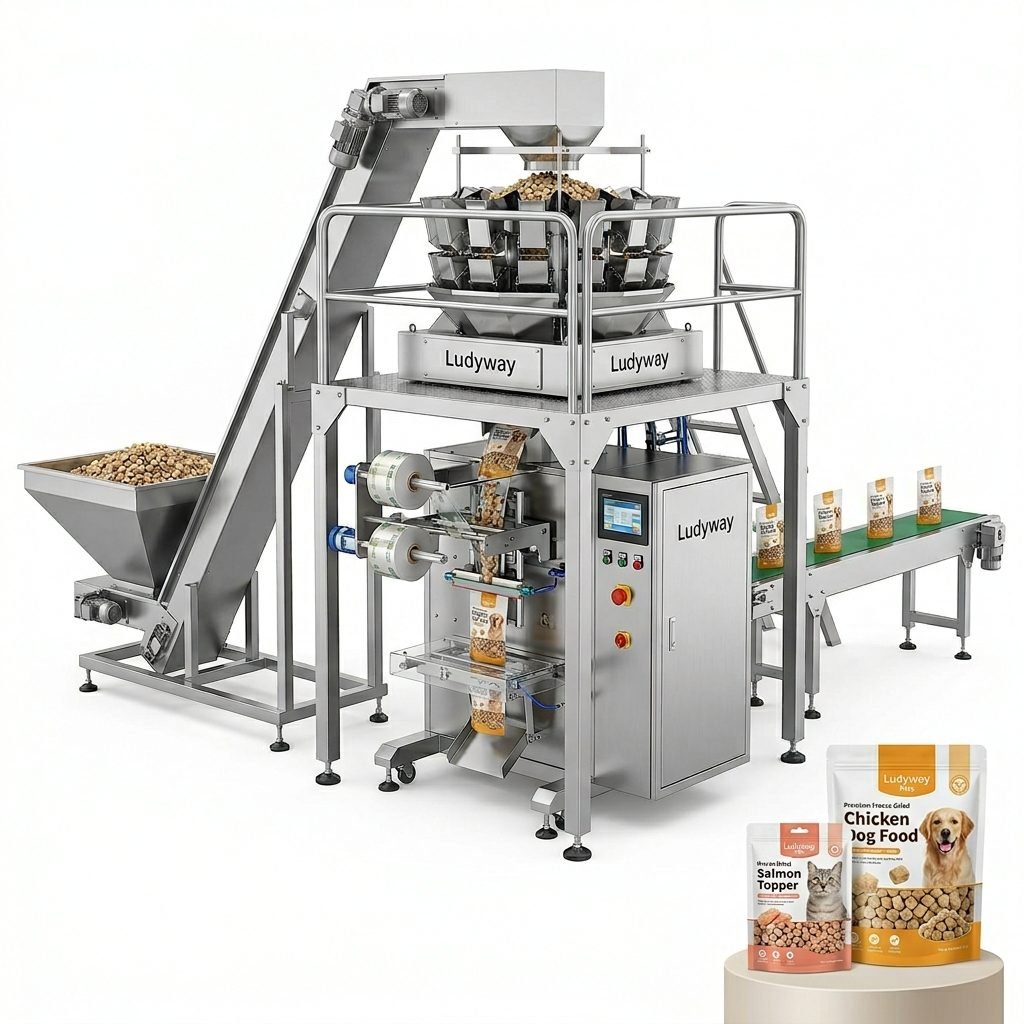
A complete ice packaging line integrates multiple machines working in sequence. Below is a breakdown of the core equipment required:
| Equipment | Function | Key Considerations |
|---|---|---|
| Ice Maker / Freezer System | Produces ice cubes, flakes, or tube ice | Production capacity (tons/day), ice type, energy efficiency |
| Weighing & Dosing System | Accurately portions ice into bags | Multi-head weigher or linear weigher; target weight accuracy |
| Bagging / Form-Fill-Seal Machine | Forms, fills, and seals ice bags automatically | Bag material compatibility, speed (bags per minute), seal integrity |
| Conveyor System | Transports ice between stations | Stainless steel construction, cold-environment rated |
| Cartoning / Case Packing | Packs filled bags into cartons or boxes | Automation level, box size flexibility |
| Palletizing System | Stacks cartons onto pallets for distribution | Robotic vs. conventional palletizer, throughput |
UK Regulatory Compliance and Food Safety Standards
Ice is classified as food under UK law. This means your production line must comply with stringent food safety regulations. The Food Standards Agency (FSA) oversees hygiene requirements, and your facility must follow HACCP principles. Equipment that comes into contact with ice must be manufactured from food-grade stainless steel (typically 304 or 316 grade) and designed for easy cleaning. For detailed guidance on food contact materials, refer to the FDA Food Packaging and Food Contact Substances resource, which aligns closely with UK standards.
- UKCA / CE Marking: All machinery installed in Great Britain must carry UKCA marking (or CE marking where still accepted)
- HACCP Compliance: Implement hazard analysis at every production stage
- Food-Grade Materials: Stainless steel contact surfaces, food-safe lubricants
- Traceability Systems: Batch coding and date marking for every package
- Environmental Health: Registration with your local authority’s environmental health department
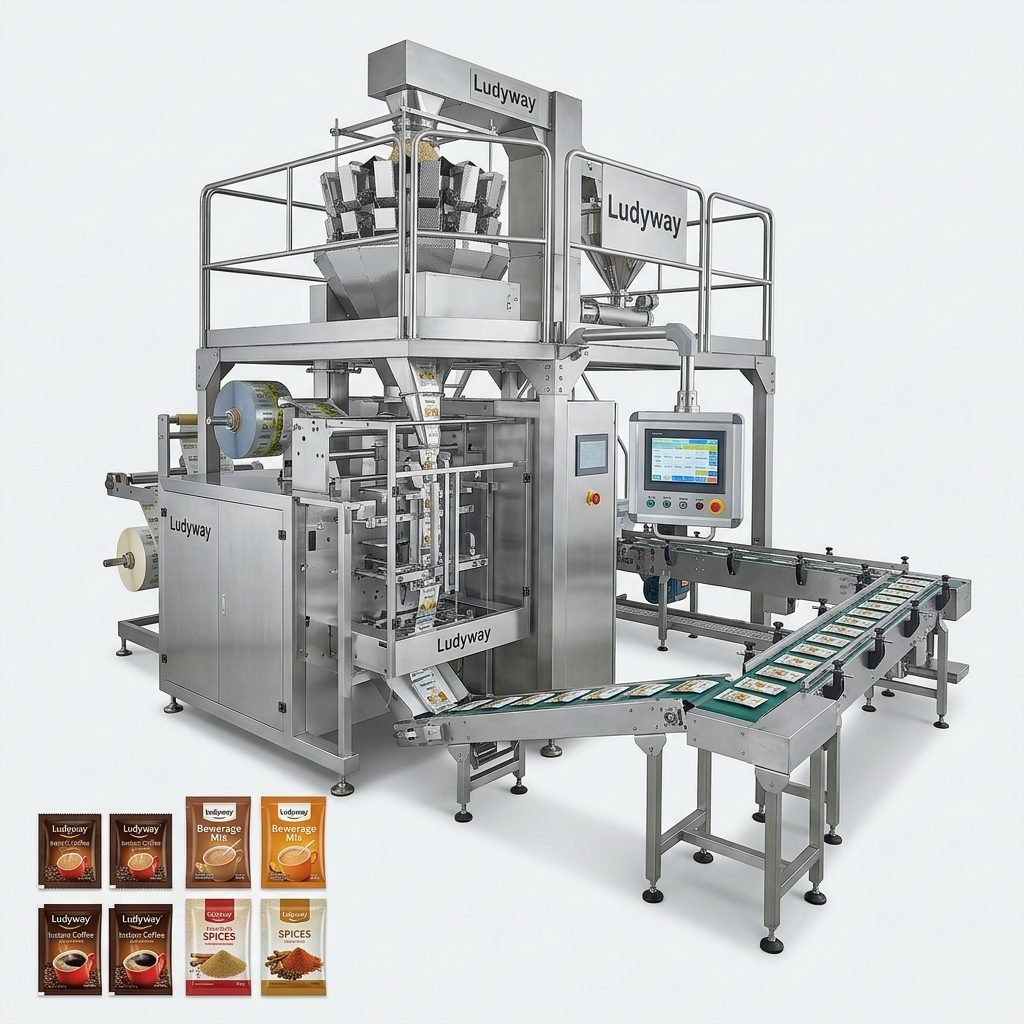
Packaging and Packaging Waste Regulations
Under the European Commission Packaging and Packaging Waste Regulation, producers must consider the recyclability of packaging materials. In the UK, the Extended Producer Responsibility (EPR) scheme applies to packaging waste. Selecting recyclable or biodegradable bag materials for your ice packaging can improve your environmental profile and meet retailer expectations.
Production Line Layout and Facility Planning
Designing an efficient layout is critical for ice packaging operations. Cold environments present unique challenges, including condensation, worker comfort, and equipment performance. Key layout considerations include:
- Cold Chain Integrity: Minimize ice exposure to ambient temperatures between freezing and packaging
- Workflow Design: Linear flow from ice production to bagging, cartoning, and cold storage
- Drainage and Cleaning: Adequate floor drainage for melting ice and wash-down procedures
- Maintenance Access: Sufficient clearance around equipment for servicing and repairs
- Staff Facilities: Warm break areas for personnel working in cold conditions
Automation Levels and Throughput Planning
Choosing the right automation level depends on your production targets. A fully automated line can achieve higher throughput with fewer operators, while semi-automated systems offer lower initial investment. For businesses producing over 5,000 bags per day, a fully automated packaging system is recommended to maintain consistency and reduce labor costs. The following factors influence automation decisions:
- Target output volume (bags per hour or day)
- Available labor and labor costs in your region
- Bag size range and product variety
- Budget for capital equipment investment
- Future expansion plans

Maintenance and Operational Considerations
Ice packaging equipment operates in harsh conditions with low temperatures and high humidity. Preventive maintenance is essential to avoid downtime during peak season. Establish a maintenance schedule that includes:
- Daily cleaning of food-contact surfaces and conveyor belts
- Weekly inspection of seals, gaskets, and pneumatic components
- Monthly calibration of weighing systems and temperature sensors
- Quarterly review of electrical connections and control systems
- Annual professional servicing of compressors and refrigeration units
Spare Parts Management
Maintaining an inventory of critical spare parts is vital. Items such as sealing bands, heating elements, belts, and sensors should be kept in stock to minimize production interruptions. Work with your equipment supplier to identify recommended spare parts lists. For industry standards on packaging machinery performance, consult ISO Packaging Standards.
Selecting the Right Equipment Supplier
Choosing a reliable packaging machinery manufacturer is one of the most important decisions you will make. Look for suppliers with proven experience in food packaging, particularly in cold-environment applications. Evaluate potential suppliers based on:
- Industry experience and client references
- After-sales support availability in the UK
- Compliance with UKCA and food safety standards
- Customization capabilities for your specific ice packaging needs
- Warranty terms and service level agreements
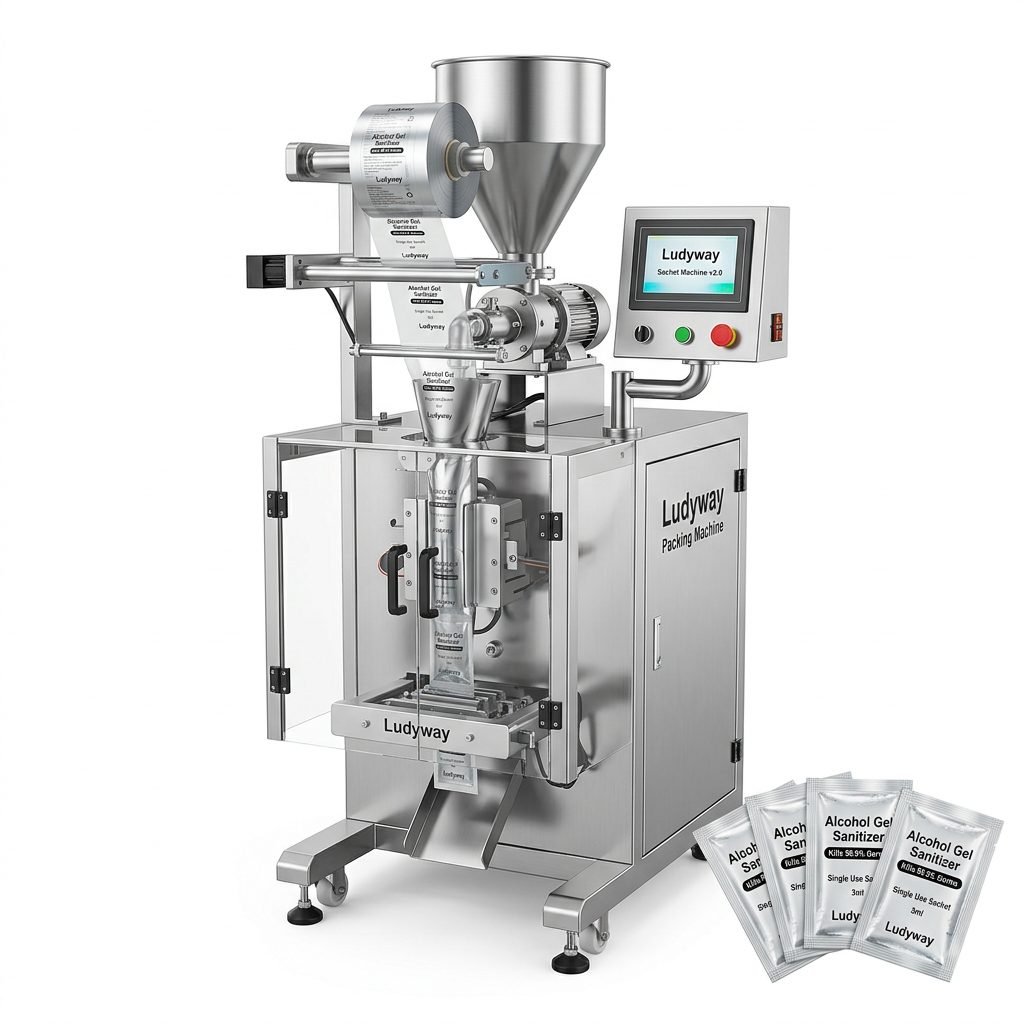
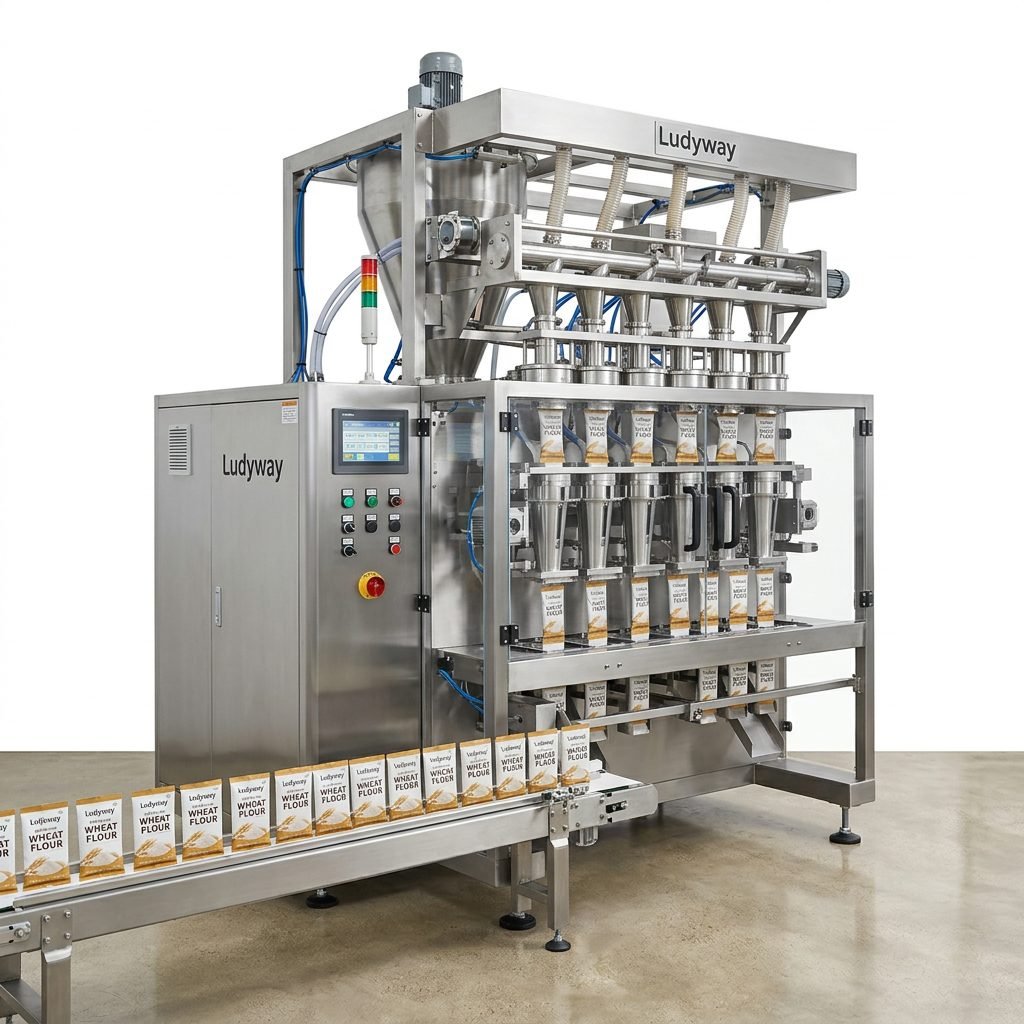
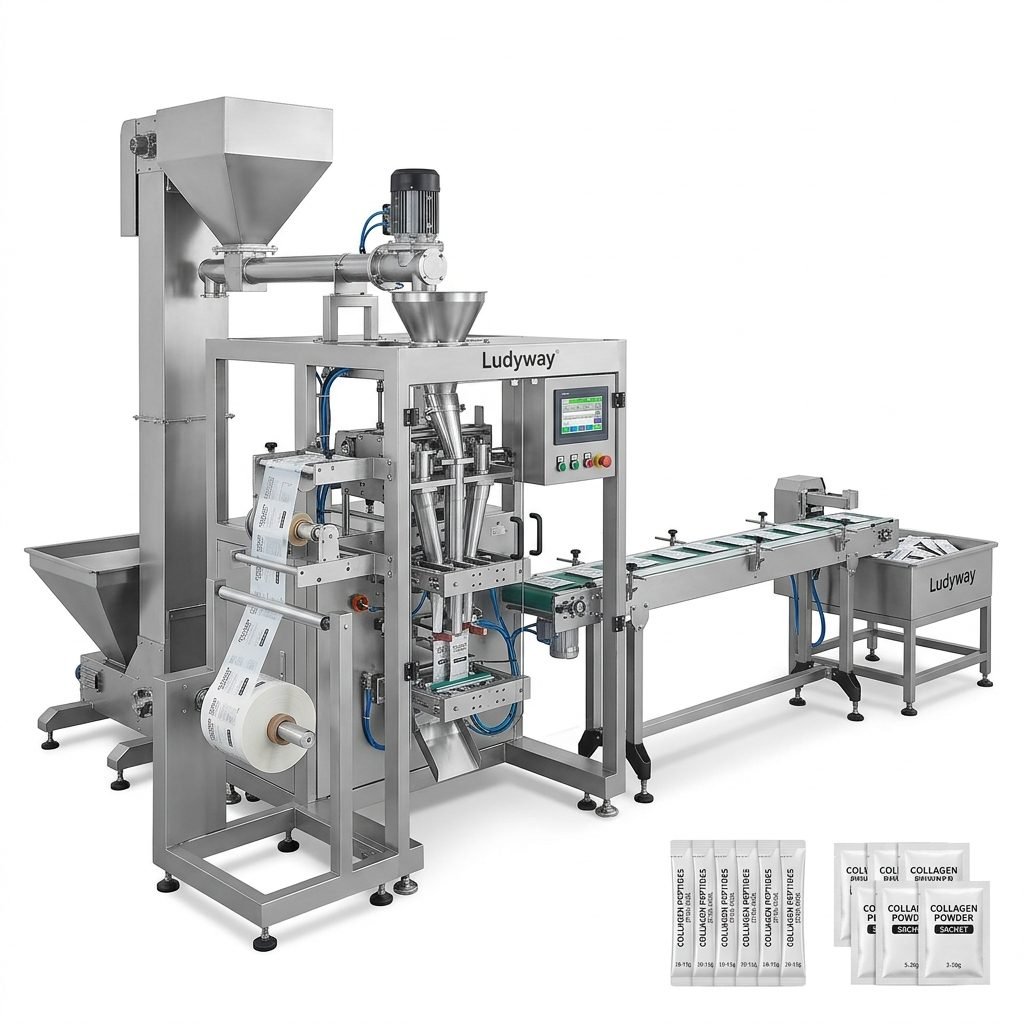
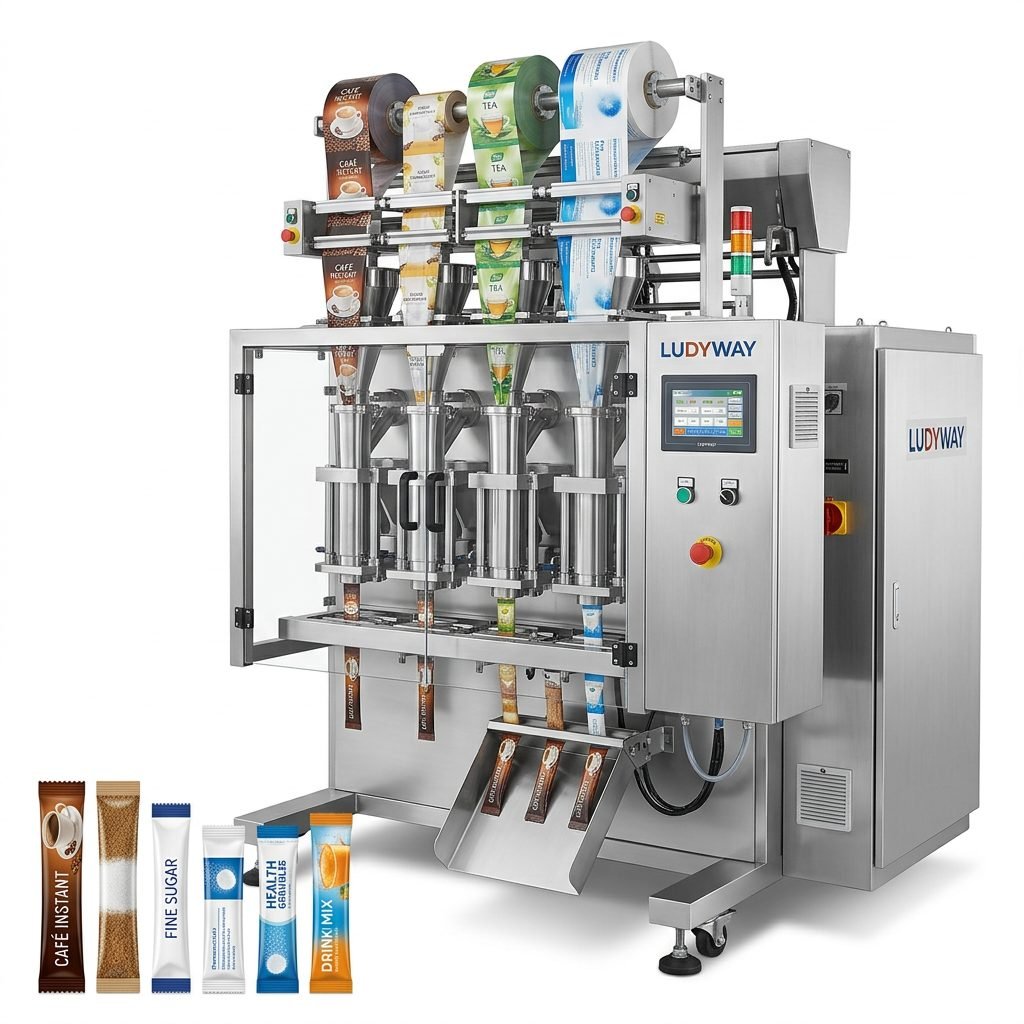
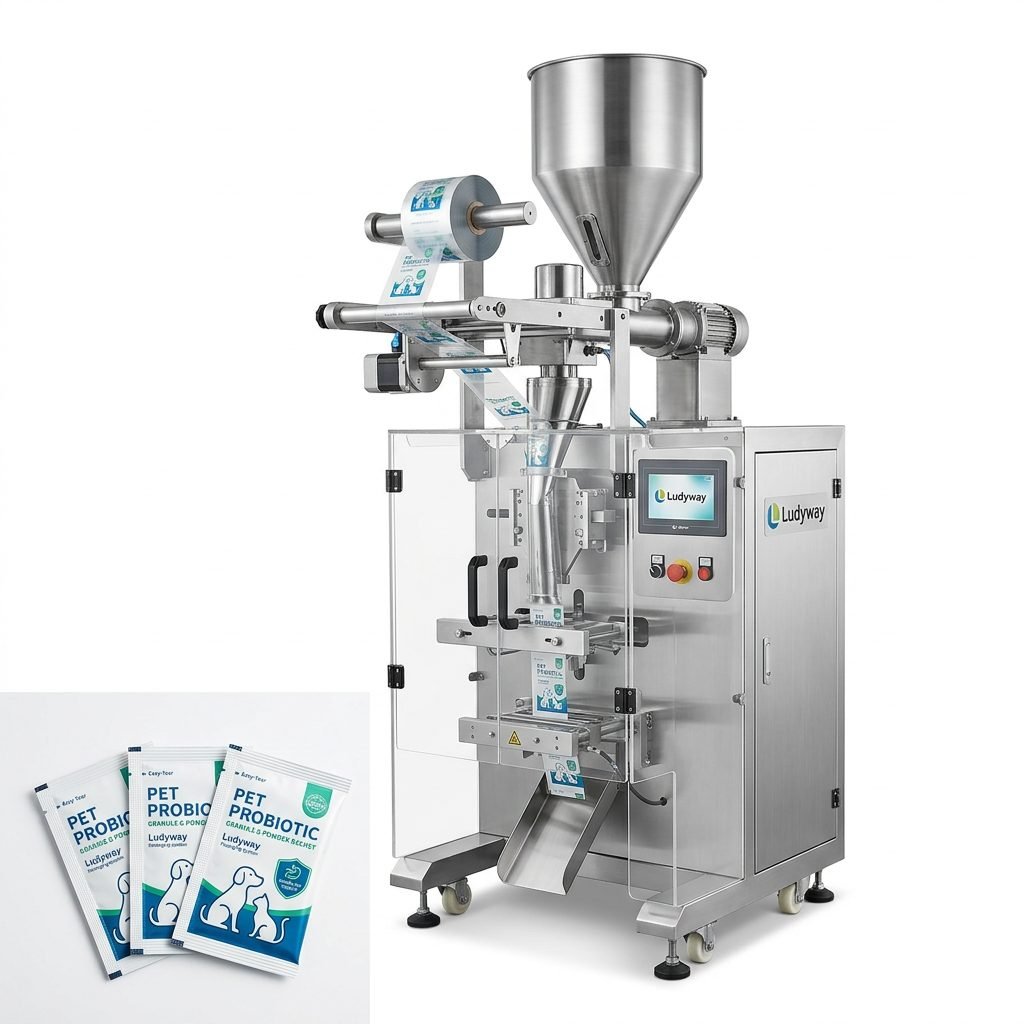
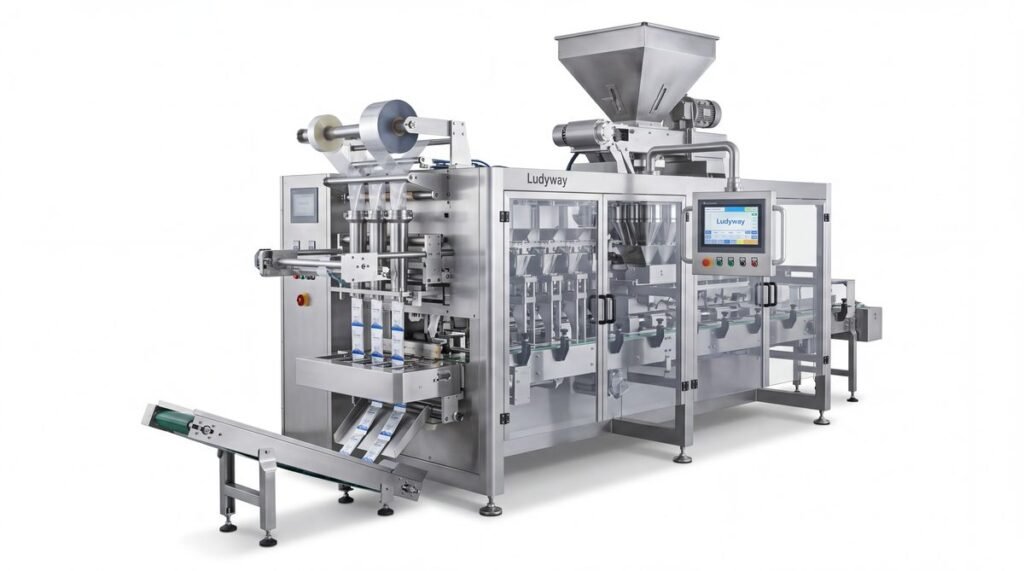
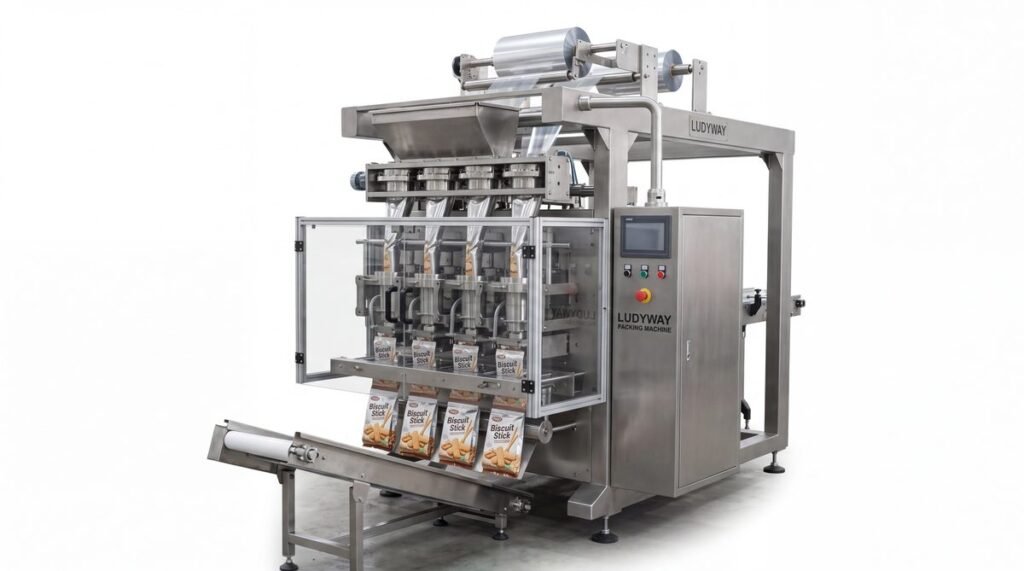
Ludyway is one of the largest packaging machine manufacturers in China, specializing in advanced packaging equipment and turnkey production solutions. With over 30 years of industry expertise and a modern 20,000㎡ manufacturing facility, they offer more than 50 intelligent packaging machine models for granule, powder, liquid, and pouch packaging applications. Their equipment is exported to over 100 countries, and they provide comprehensive technical support for international clients setting up production lines.

Installation, Commissioning, and Training
Once you have selected your equipment, proper installation and commissioning are crucial for long-term success. The process typically involves:
- Site Preparation: Ensure utilities (electricity, water, compressed air, drainage) are in place
- Equipment Delivery: Coordinate logistics and verify all components upon arrival
- Mechanical Installation: Position and secure all machines according to layout plans
- Electrical and Pneumatic Connections: Complete all connections following manufacturer specifications
- System Integration Testing: Run the complete line to verify synchronization and performance
- Operator Training: Comprehensive training for your production and maintenance teams
- Validation and Documentation: Complete all necessary documentation for regulatory compliance
Training Requirements
Well-trained operators are essential for efficient production and minimizing downtime. Your equipment supplier should provide thorough training covering machine operation, cleaning procedures, basic troubleshooting, and safety protocols. For reference on packaging machinery safety standards, visit the PMMI Packaging Industry Resources page.
Cost Considerations and ROI Analysis
Investing in an ice packaging production line involves several cost components. Understanding these helps in calculating your return on investment:
| Cost Category | Estimated Range (GBP) | Notes |
|---|---|---|
| Ice Making Equipment | £15,000 – £80,000+ | Depends on capacity and ice type |
| Packaging Machinery | £25,000 – £150,000+ | Varies by automation level |
| Conveyor & Handling | £5,000 – £30,000 | Layout complexity dependent |
| Installation & Commissioning | £5,000 – £20,000 | Including site preparation |
| Cold Storage Facility | £20,000 – £100,000+ | New build or retrofit |
| Annual Maintenance | £3,000 – £10,000 | Preventive and spare parts |
Future-Proofing Your Ice Packaging Line
As the UK market evolves, your production line should be adaptable. Consider these future-proofing strategies:
- Modular Equipment Design: Choose machines that can be upgraded or reconfigured
- Sustainable Packaging Options: Invest in equipment compatible with recyclable or compostable films
- Data Integration: Implement systems that support Industry 4.0 and production analytics
- Energy Efficiency: Select energy-efficient ice makers and packaging machines to reduce operational costs
- Scalability: Plan your facility layout to accommodate additional production lines in the future
For the latest industry data and packaging machinery market research, the PMMI State of the Industry Reports provide valuable insights into packaging trends and technology developments relevant to the UK and global markets.
Conclusion
Setting up an ice packaging machine production line in the UK is a significant undertaking that requires thorough planning, regulatory awareness, and the right equipment partnerships. By focusing on food safety compliance, efficient layout design, appropriate automation levels, and robust maintenance protocols, you can build a production line that delivers consistent quality and profitable operations. Whether you are launching a new ice business or upgrading an existing facility, investing time in the planning phase will pay dividends in long-term reliability and growth.