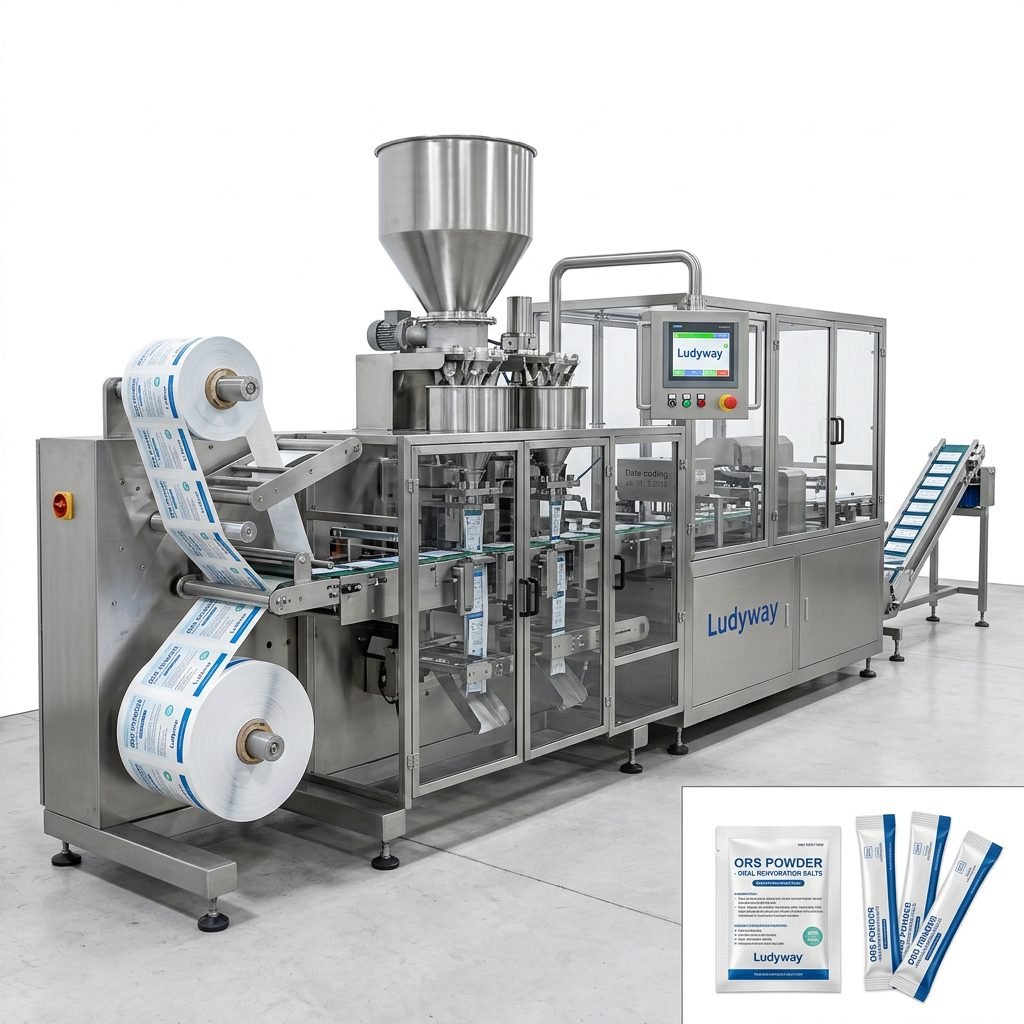
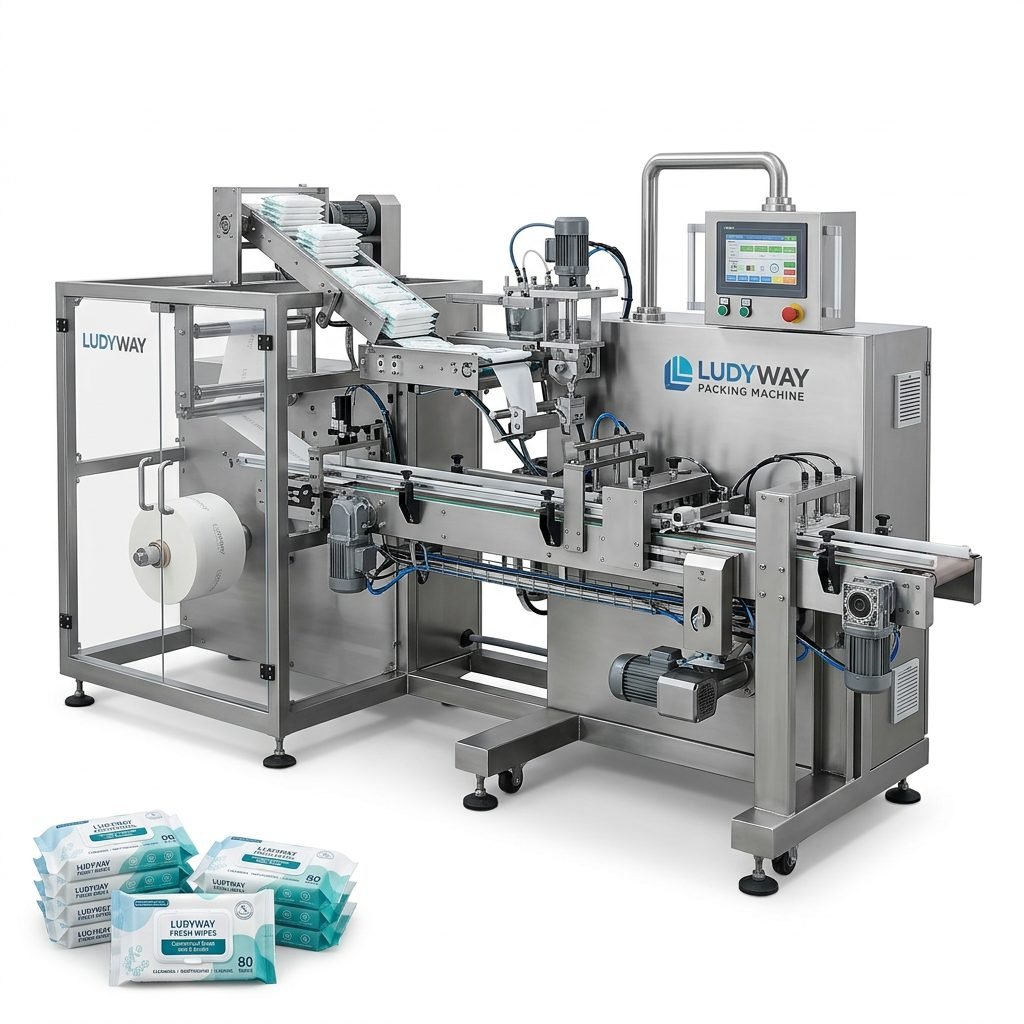
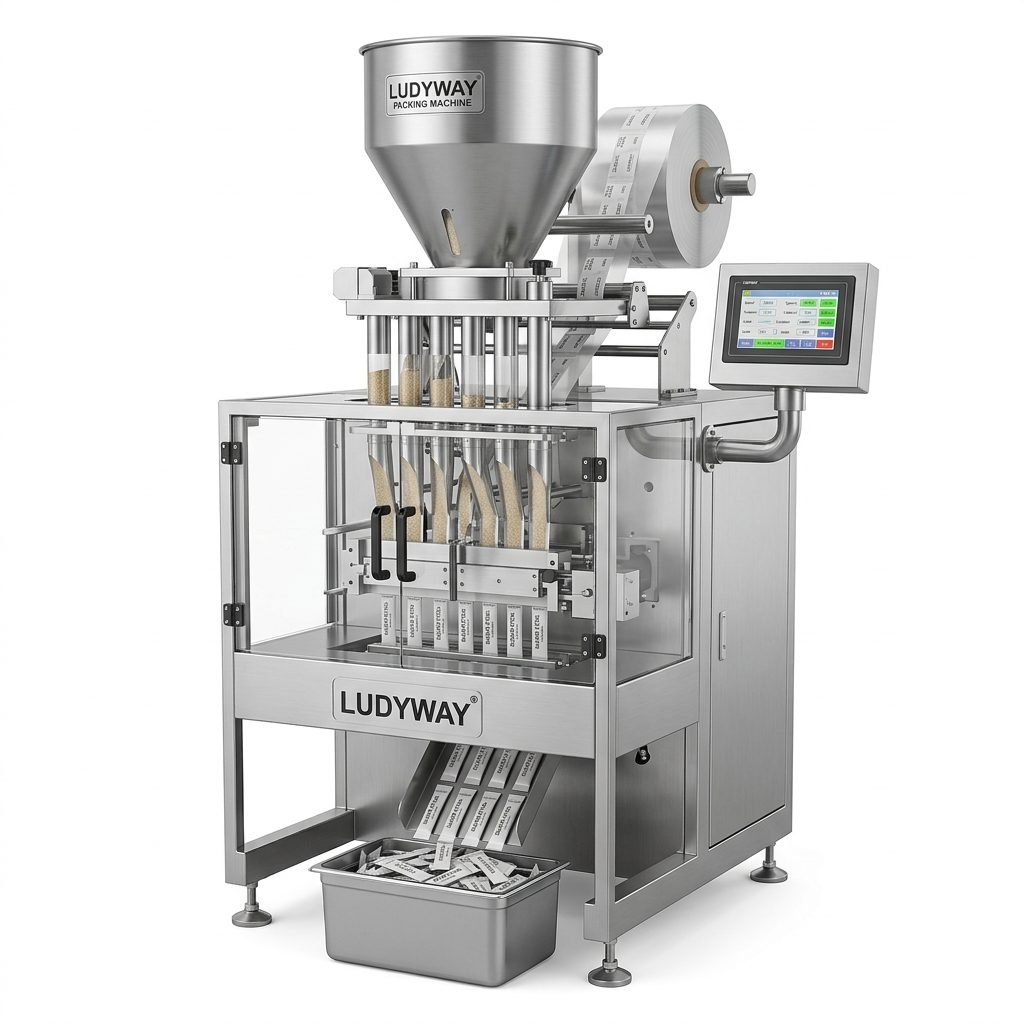
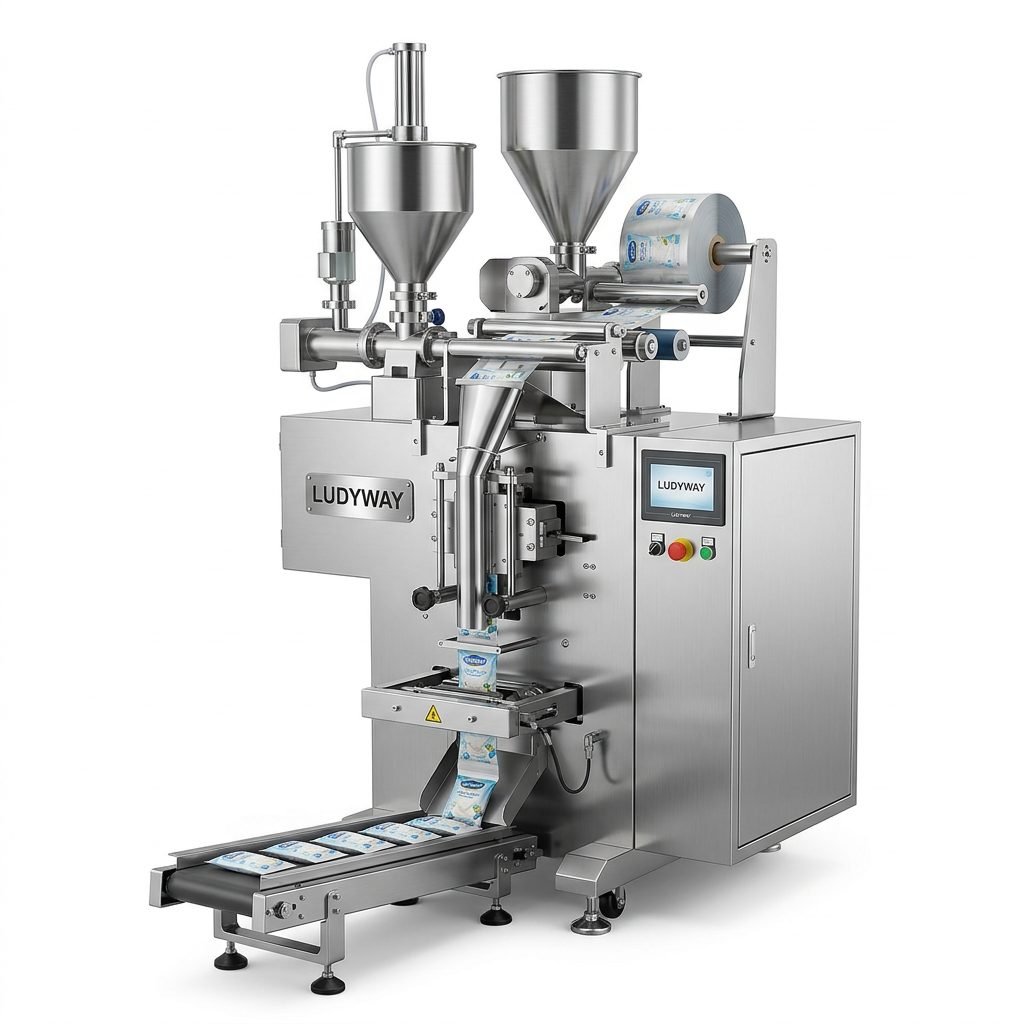
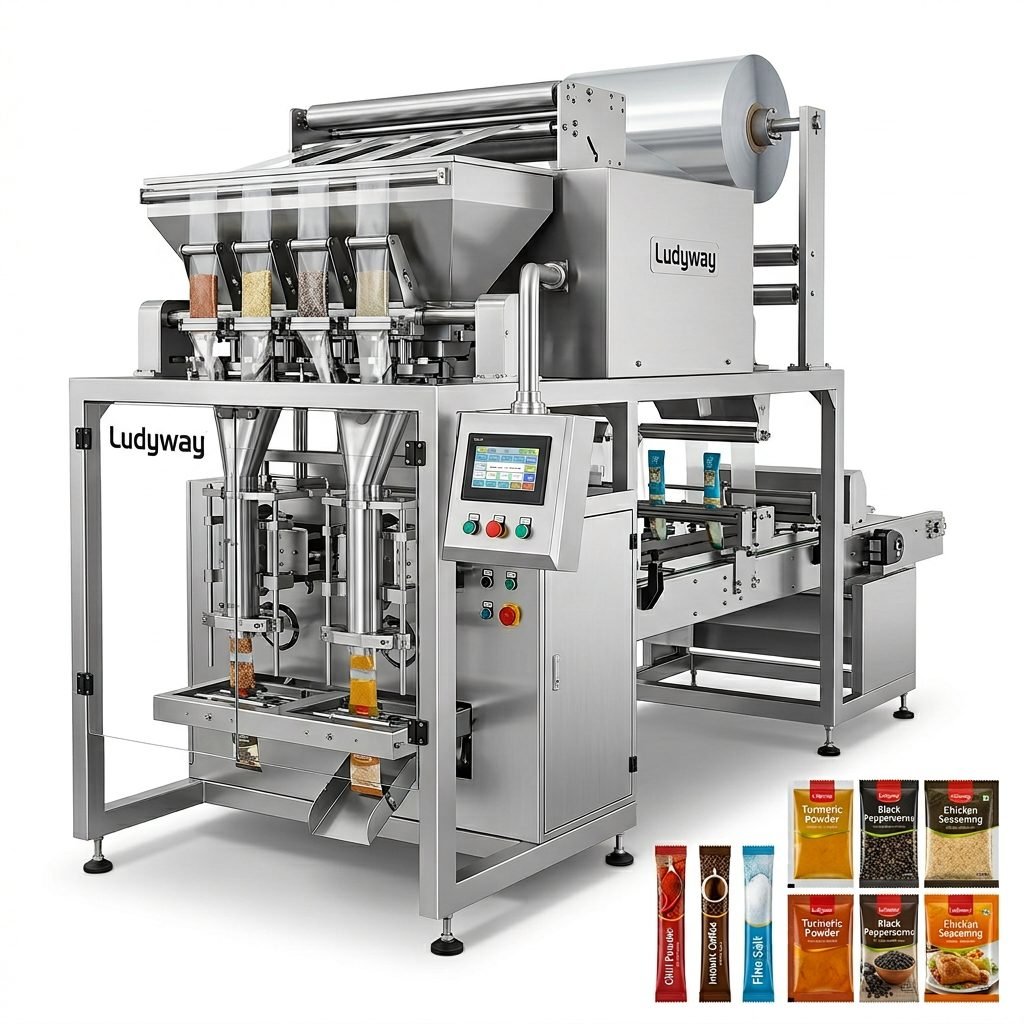
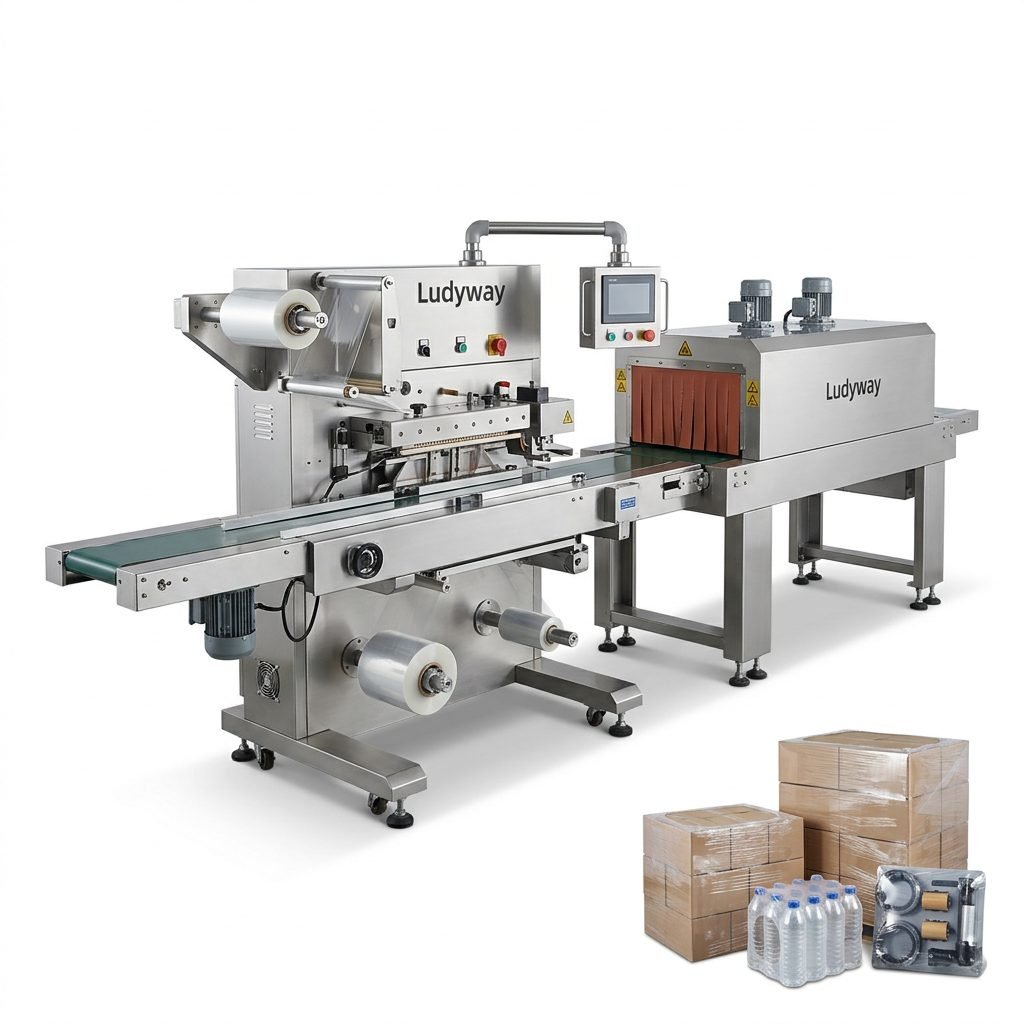
Investing in a candy bar packaging machine is a critical decision for confectionery manufacturers across Europe. Whether you are scaling up production or entering new markets, the right equipment ensures product freshness, extends shelf life, and meets strict EU regulatory standards. This guide breaks down the essential features, detailed cost considerations, and reliable supplier options available in the European market.
Understanding the European Candy Packaging Landscape
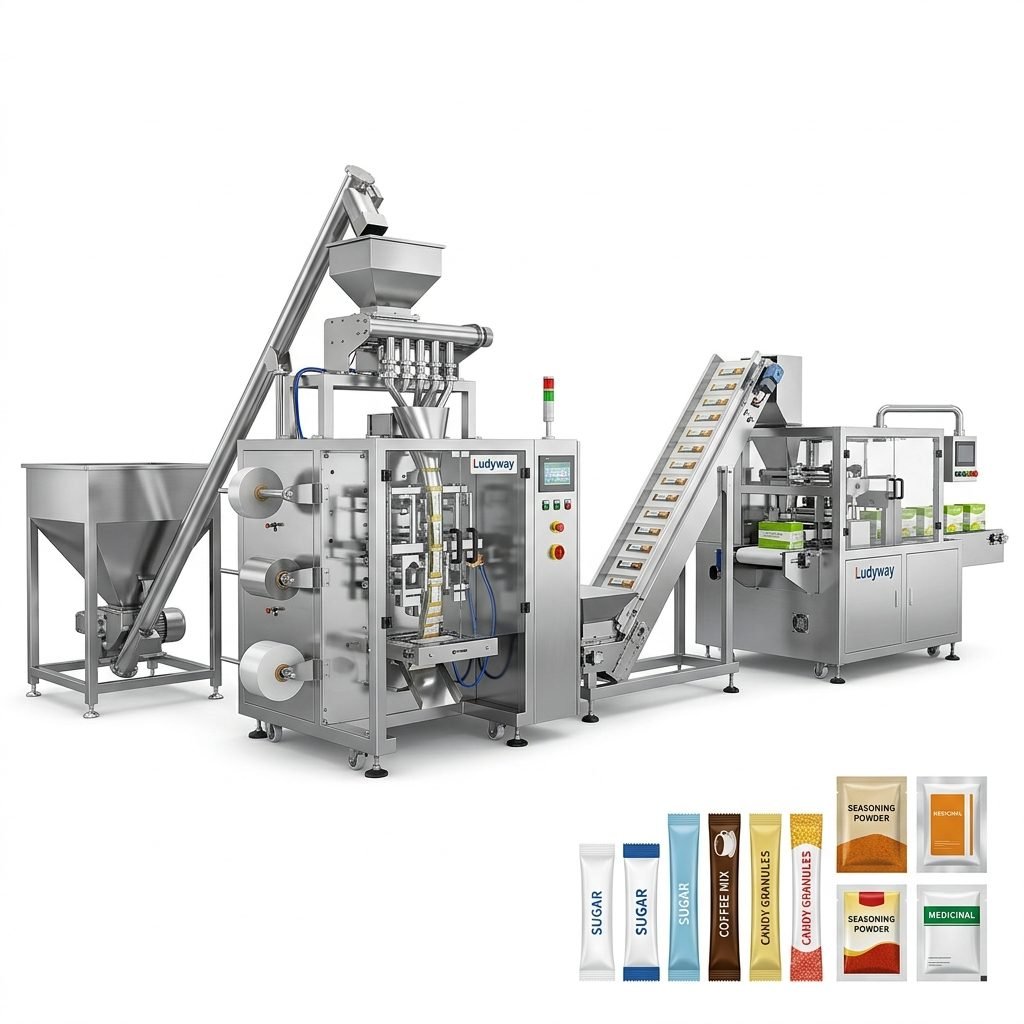
The demand for automated candy bar packaging solutions in Europe is driven by labor shortages, high-speed production requirements, and the shift toward sustainable materials. Modern machines must handle various formats, including flow wrap, stick packs, and sachets, while complying with EU Packaging and Packaging Waste Regulations. Flexibility is key; a single system often needs to switch between single-serve bars and multipacks without extensive downtime.
Key Automation Features
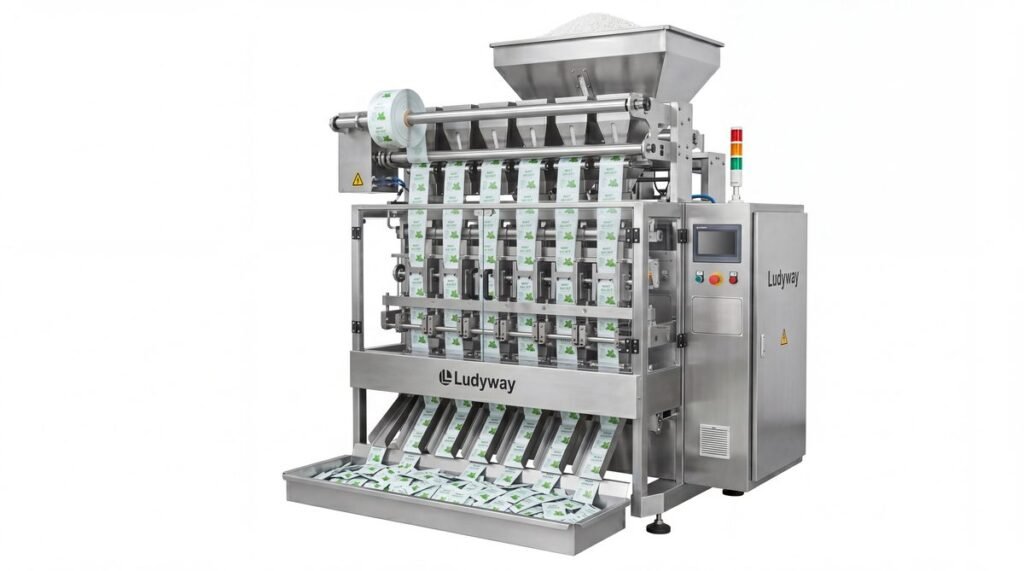
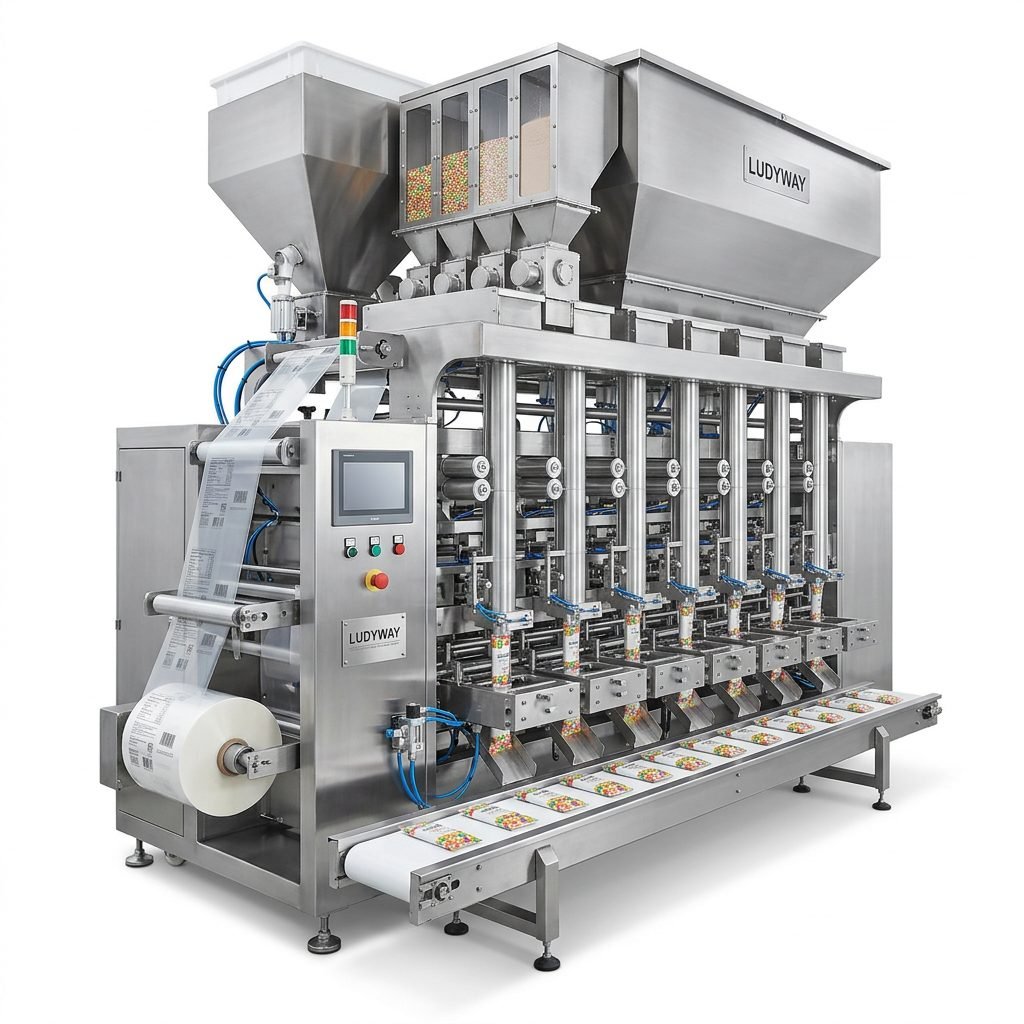
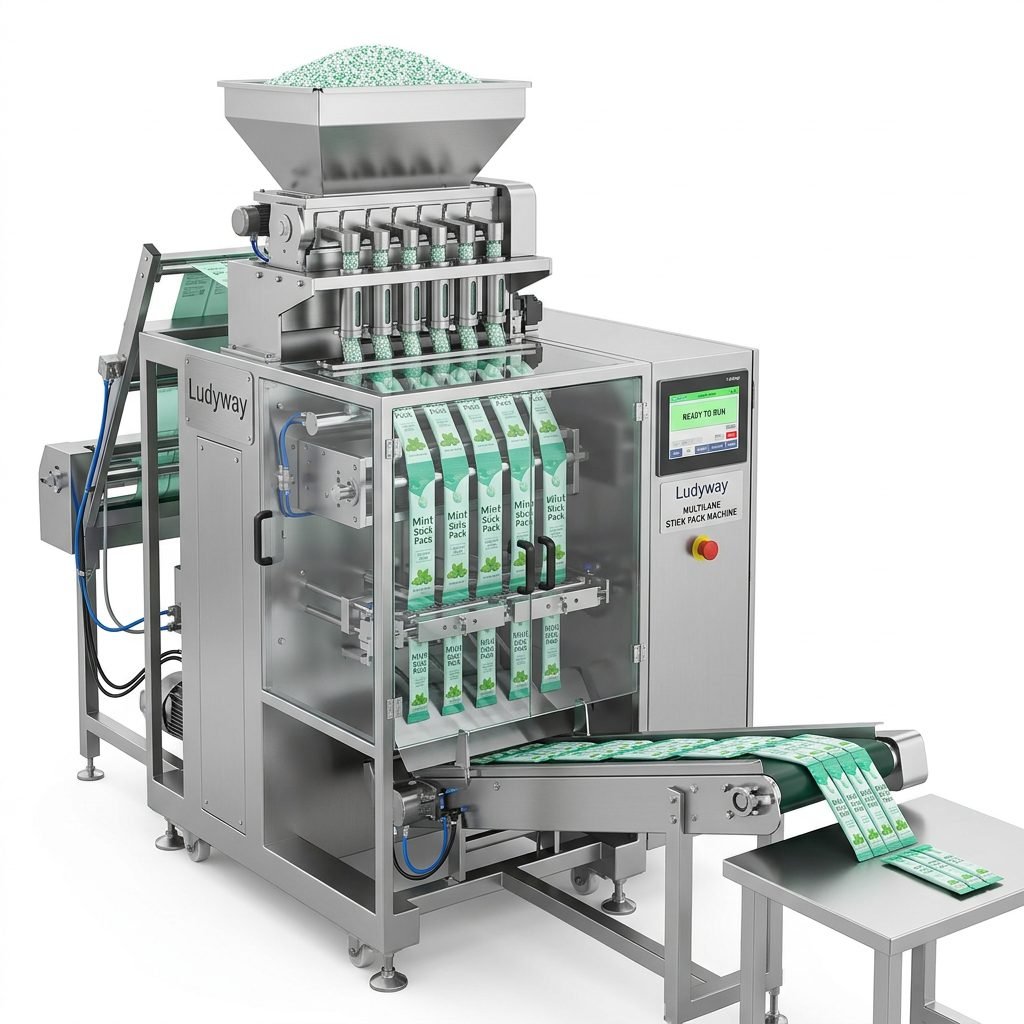
- Multi-Lane Compatibility: High-speed lines with 4 to 12 lanes for stick packs.
- Precision Weighing: Multi-head weighers ensure accurate portion control for irregular shapes.
- Modified Atmosphere Packaging (MAP): Gas flushing systems to extend shelf life without preservatives.
- Quick Changeover: Tool-less adjustments for different film sizes and product dimensions.
Essential Machine Configurations for Candy Bars
Selecting the correct configuration directly impacts your operational efficiency. The primary types available from packaging machinery manufacturers include flow wrapping systems and vertical form fill seal (VFFS) machines adapted for solid bars. For chocolate-coated products, gentle handling and cooling tunnels are often integrated to prevent melting or blooming during the packaging process.
Flow Wrap vs. Stick Pack Systems
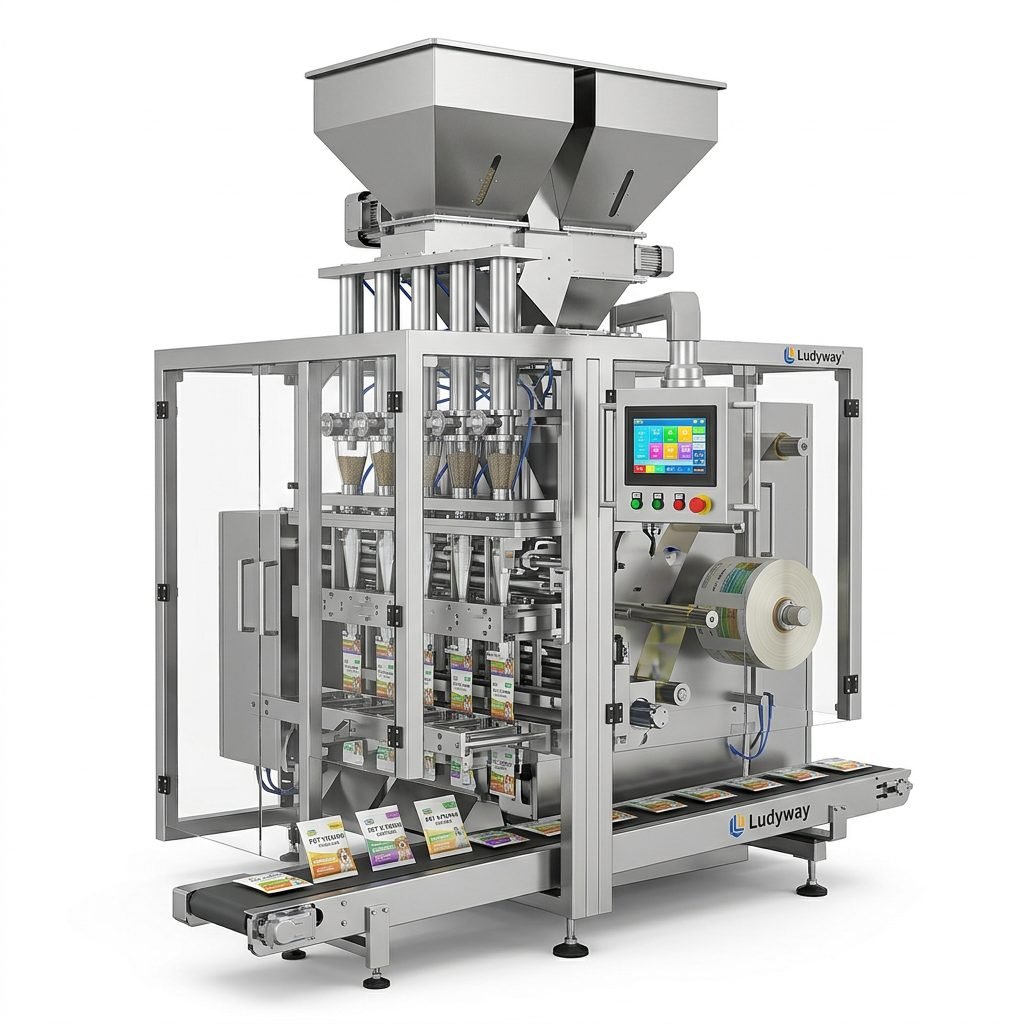
Flow wrapping remains the industry standard for standard-sized candy bars, offering high speeds up to 800 packs per minute. For mini-bars or bite-sized pieces, multi-lane stick pack machines provide superior efficiency. These systems are designed to handle heat-sealable films and cold-seal materials, critical for heat-sensitive chocolates. When evaluating equipment, check the ISO packaging standards compliance to guarantee interoperability in your facility.
Cost Analysis: Budgeting for Your Investment
The cost of a candy bar packaging machine varies significantly based on speed, automation level, and build quality. A basic semi-automatic tabletop sealer might start at €5,000, while a fully integrated, high-speed multi-lane line can exceed €300,000. Beyond the initial purchase, you must factor in installation, training, and the total cost of ownership (TCO) over a decade.
Price Breakdown by Machine Type
| Machine Type | Speed (Packs/Min) | Estimated Price (EUR) |
|---|---|---|
| Semi-Automatic Heat Sealer | 10 – 20 | 5,000 – 15,000 |
| Single Lane Flow Wrapper | 150 – 250 | 30,000 – 70,000 |
| High-Speed 8-Lane Stick Pack | 400 – 800 | 120,000 – 250,000 |
| Complete Turnkey Line | 600 – 1,200 | 250,000 – 500,000+ |
Hidden Costs to Consider
- Film Waste: Poor tension control can increase film waste by 5%.
- Energy Consumption: Older models may draw excessive power, impacting operational budgets.
- Spare Parts: Ensure the packaging machinery market availability of critical components locally.
Compliance with European Safety and Hygiene Standards
Food safety is non-negotiable. Machinery installed in the EU must adhere to CE Marking requirements, specifically the Machinery Directive 2006/42/EC. For confectionery, materials in contact with food must comply with FDA food packaging regulations or EU-wide frameworks like Regulation (EC) No 1935/2004. Look for stainless steel construction, IP65 washdown capability, and validation protocols for cleaning processes.
Material Compatibility
The push for sustainable packaging influences machine choice. Modern candy bar wrappers must run recyclable mono-materials or paper-based films, which have different sealing windows than traditional plastics. Suppliers must demonstrate successful runs using bio-based or recyclable films, a trend heavily reported in flexible packaging industry reports.
Selecting Reliable Suppliers in Europe
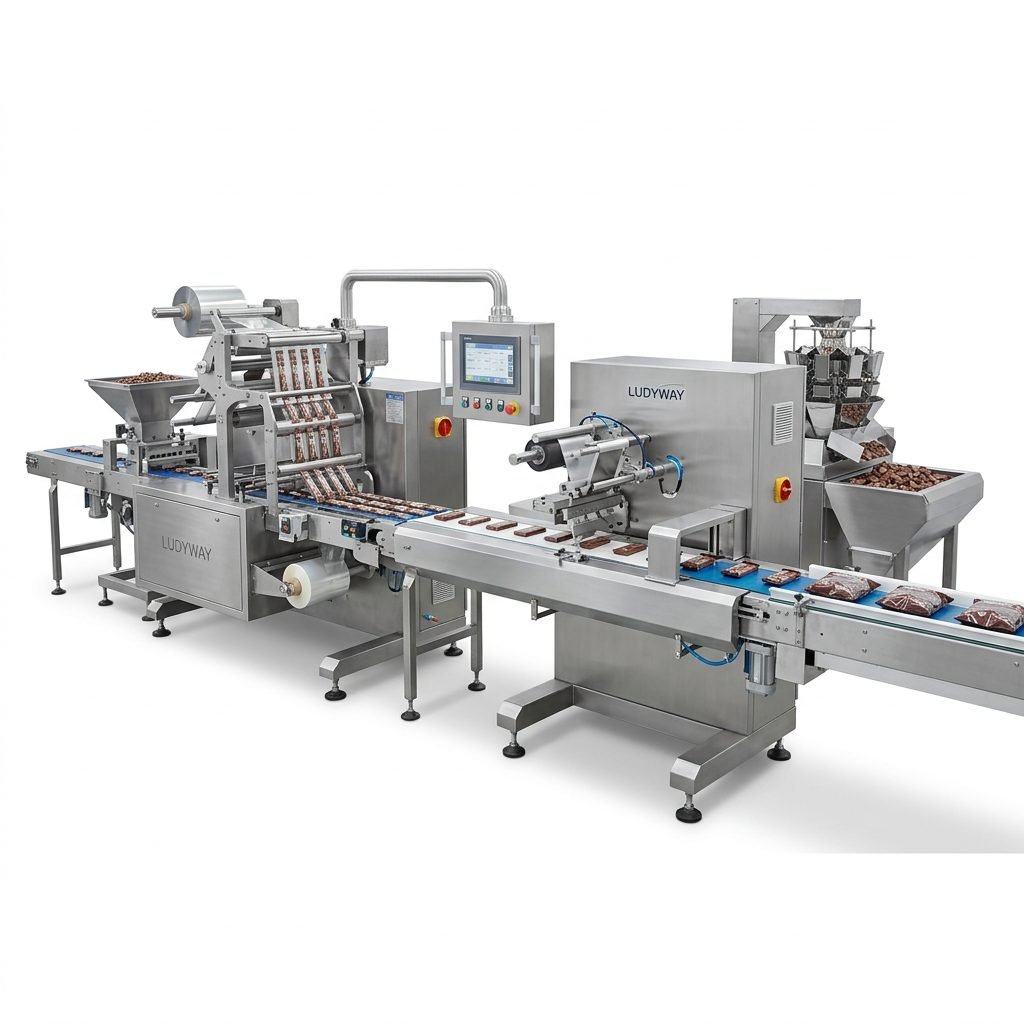
While Europe hosts legacy manufacturers, a significant portion of equipment now comes from specialized global producers. When vetting a supplier, prioritize those with a robust European service network. Ludyway, as a leading global packaging machinery manufacturer with a 20,000㎡ modern production facility and over 30 years of industry experience, offers turnkey solutions that meet rigorous export standards required by European clients. Their expertise spans multi-lane stick pack and flow wrap systems designed for high-speed candy applications.
What to Look for in a Supplier
- Local Technical Support: Engineers based in Europe who can respond within 24 hours.
- Factory Acceptance Testing (FAT): The ability to test your specific product before shipment.
- Documentation: Complete IQ/OQ/PQ validation packs for pharmaceutical-grade confectionery.
- Global Reach: Proven installations in over 100 countries, demonstrating adherence to varied safety norms.
The Advantage of Turnkey Lines
Integrating a feeding system, multi-lane wrapper, and cartoning machine from a single source simplifies project management. A turnkey candy packaging line ensures seamless communication between conveyors and sealers. This reduces the “finger-pointing” between separate vendors if the line stalls. The leading suppliers in this sector often exhibit at major trade events. You can explore the latest innovations at the PACK EXPO International to compare live machinery.
Future-Proofing Your Packaging Line
Industry 4.0 is transforming confectionery packaging. Smart packaging machines now feature IoT connectivity for predictive maintenance, reducing unplanned downtime. Look for systems with OPC-UA communication protocols, allowing integration into plant-wide manufacturing execution systems (MES). Furthermore, the ability to handle future packaging substrates, such as compostable films, ensures your investment is protected as the European Commission packaging regulations evolve.
Key Performance Indicators (KPIs)
To justify the capital expenditure, track Overall Equipment Effectiveness (OEE). The target for a high-quality candy bar packaging line should be an OEE of 85% or higher. This metric combines availability, performance, and quality. A strong supplier will guarantee these numbers during the commissioning phase.
For a deeper dive into specific growth trends and manufacturing data, you can reference the Ludyway Packaging Machinery Global Growth Trend report which analyzes the booming export demand. As you prepare your requirements, remember that the lowest price rarely equals the lowest cost. Prioritizing build quality, hygienic design, and after-sales service will deliver the best return on investment for your European candy bar production.