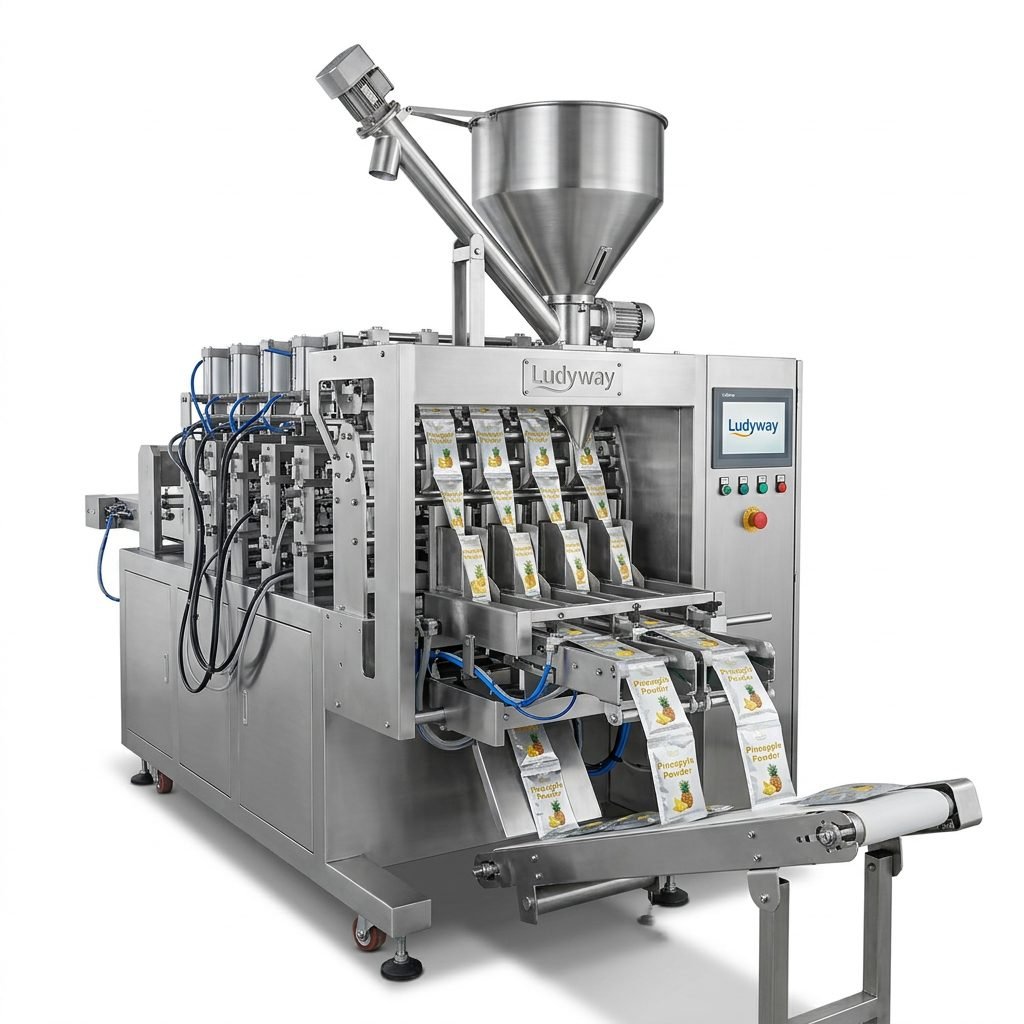
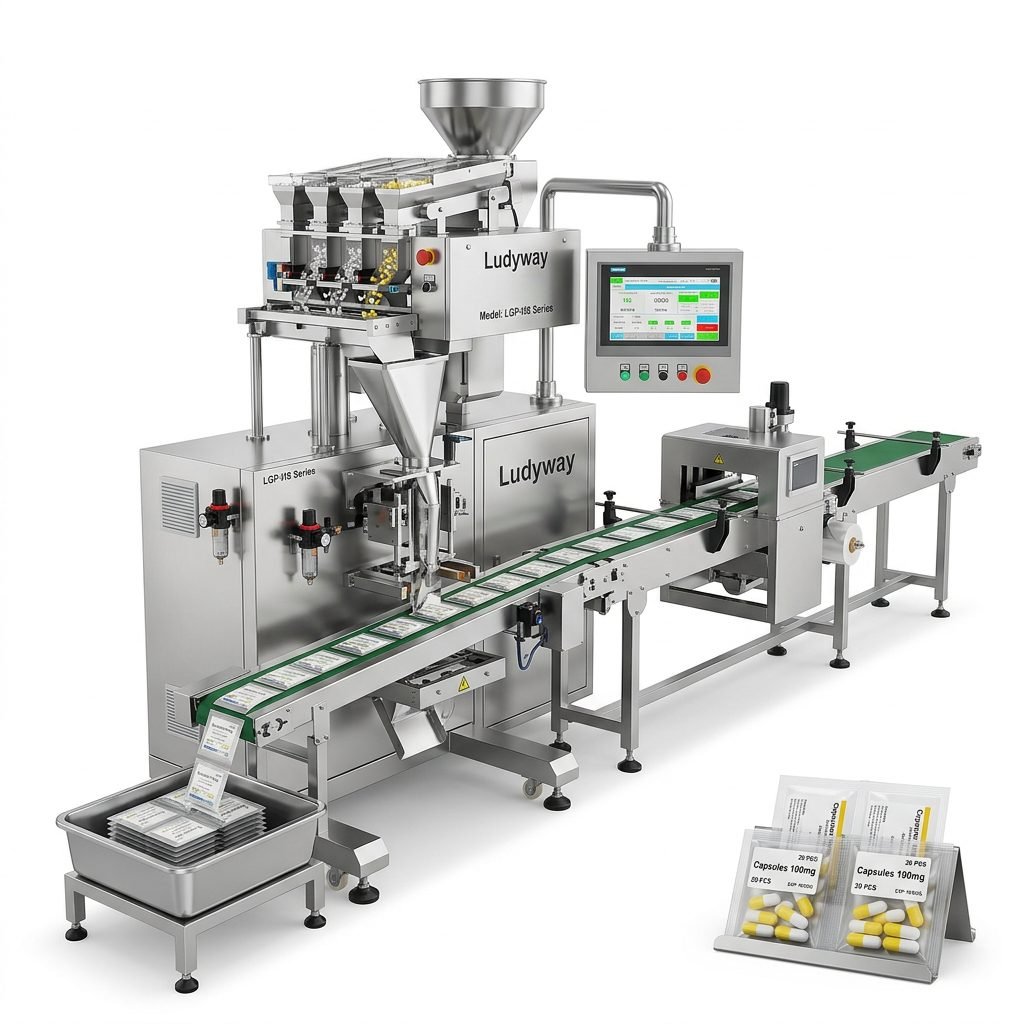
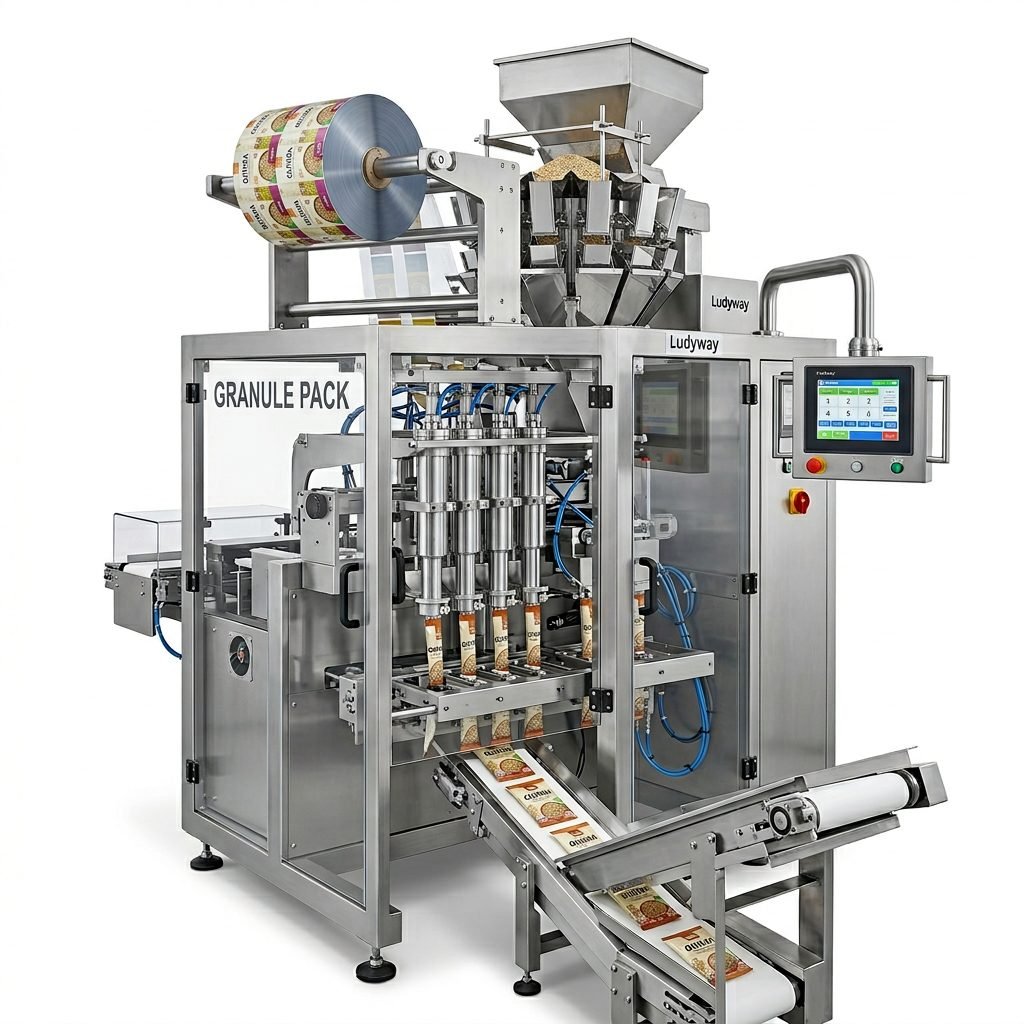
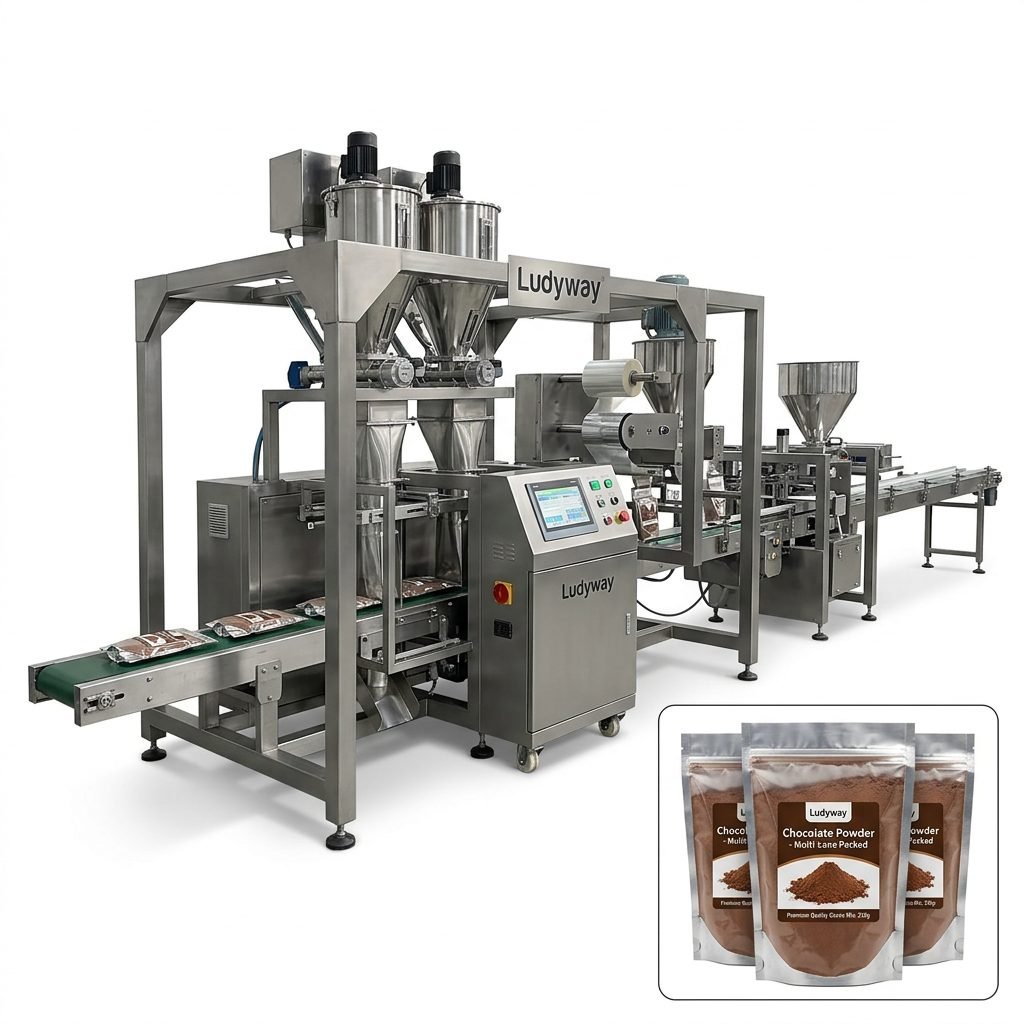
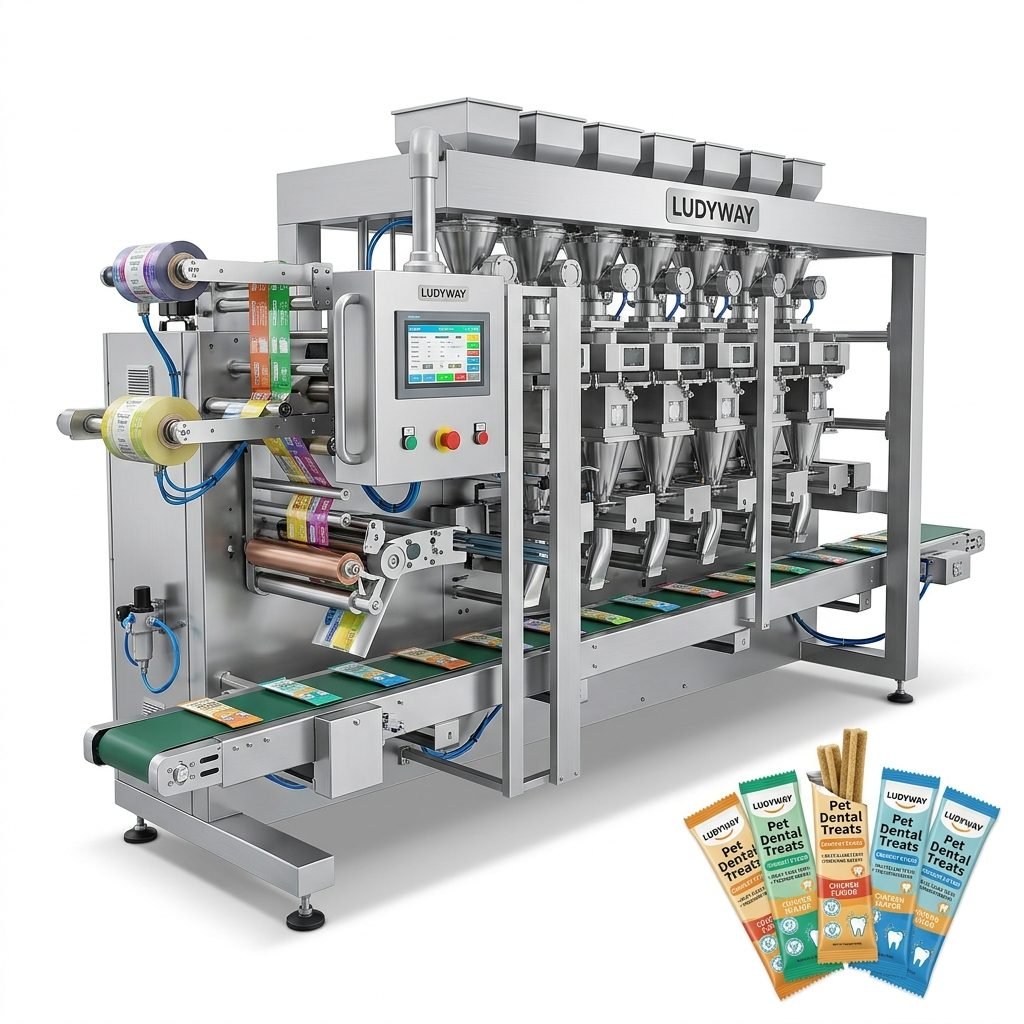
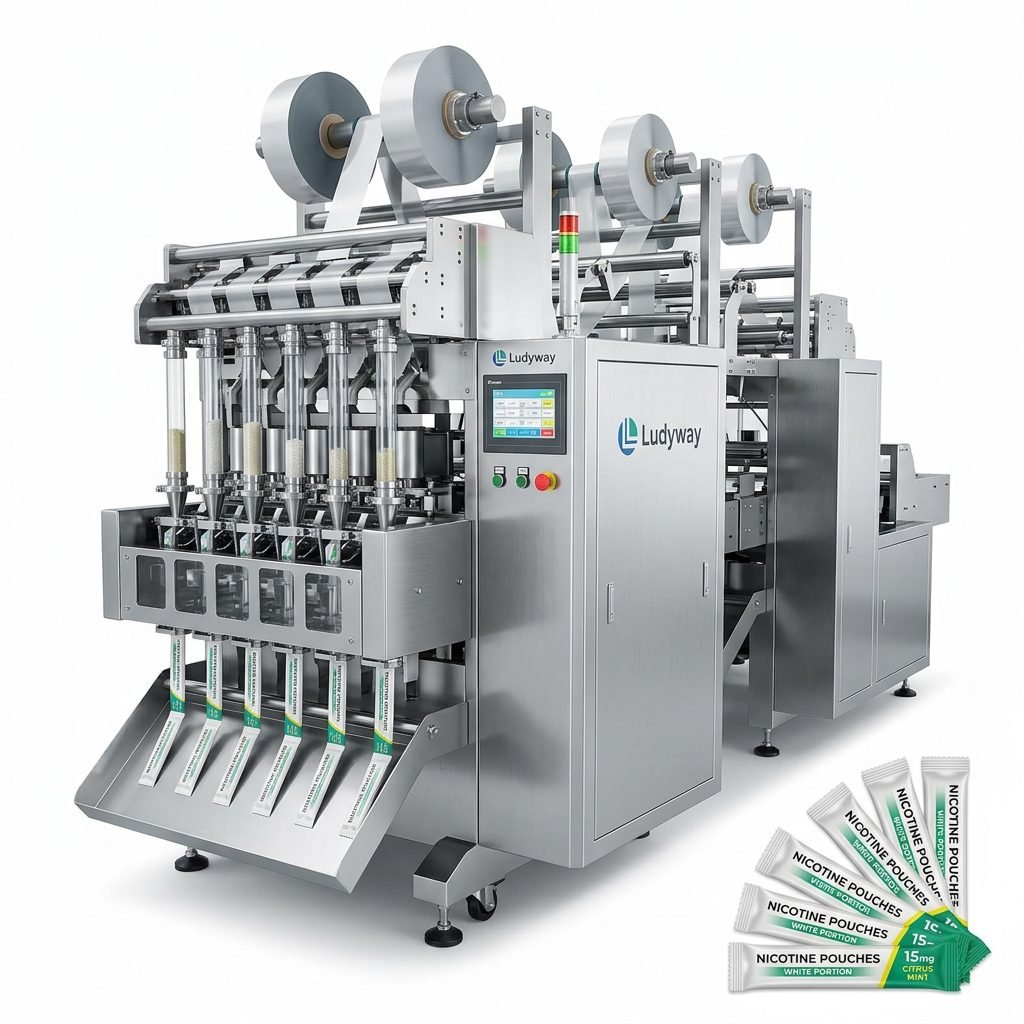
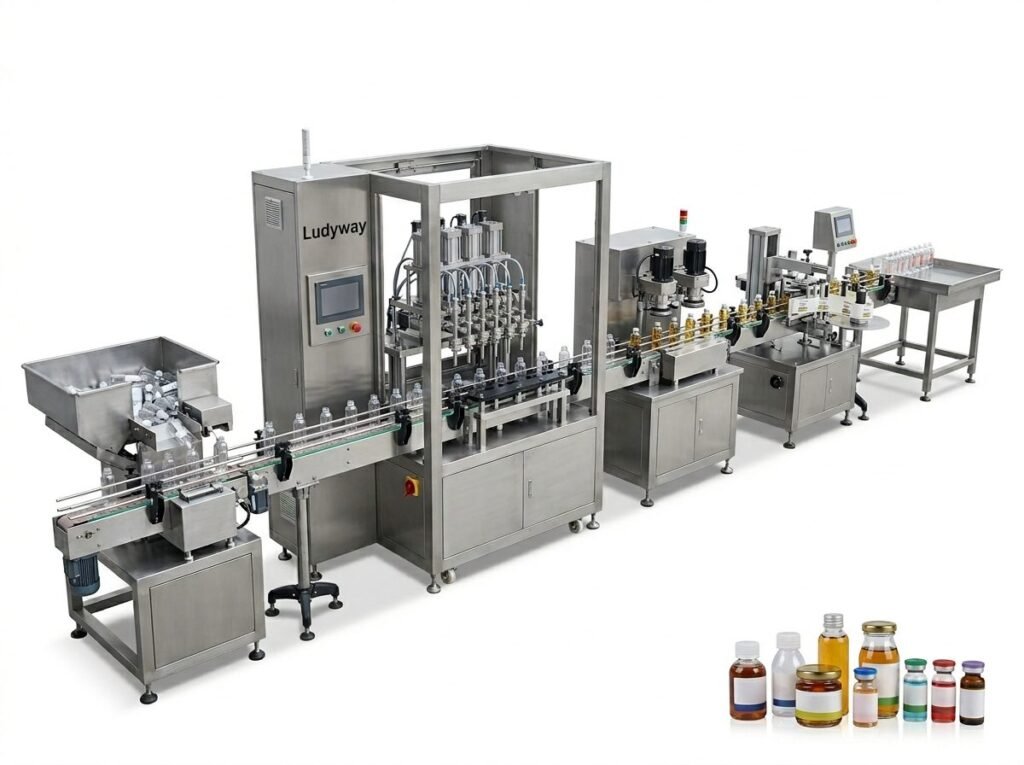
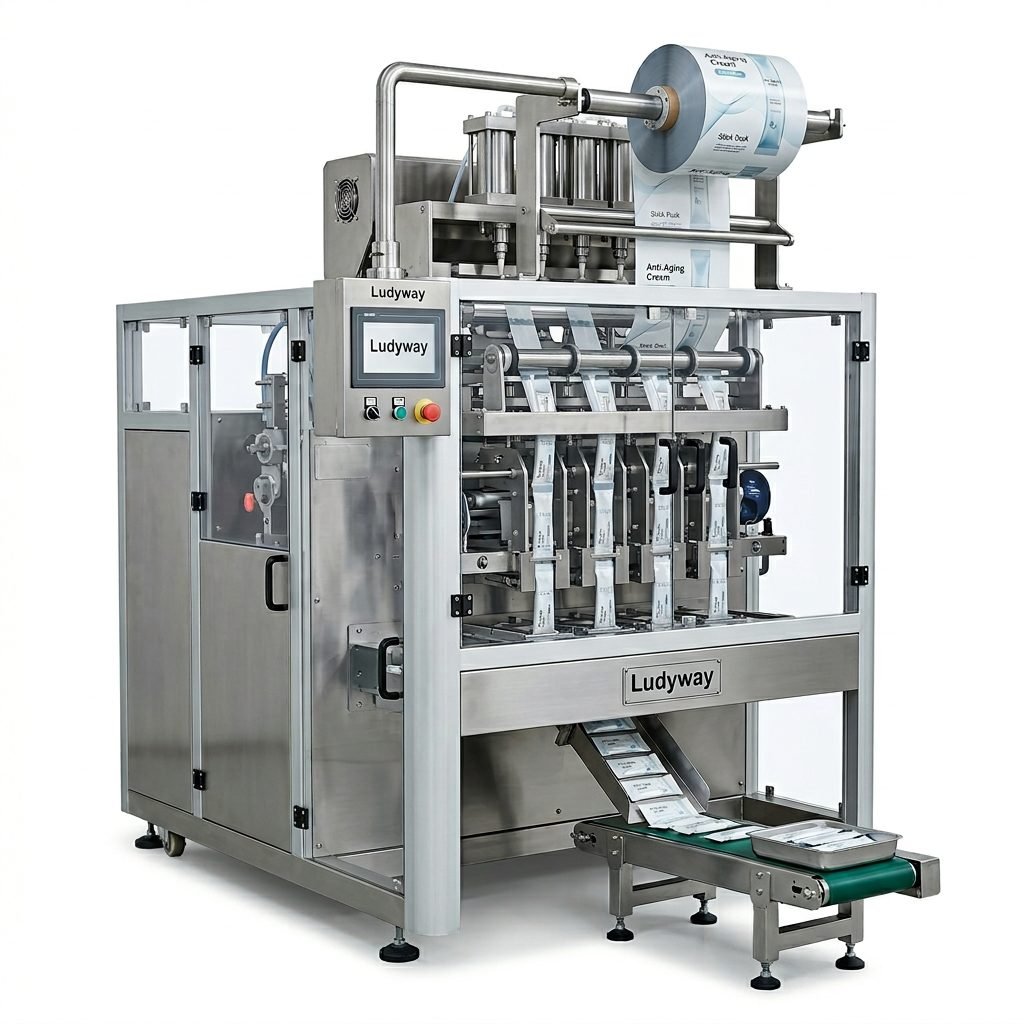
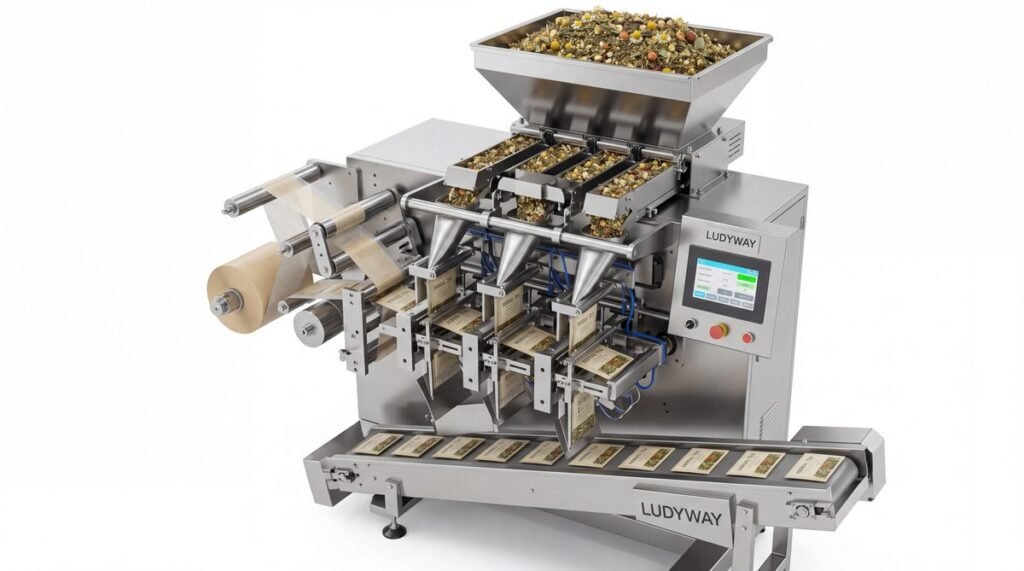
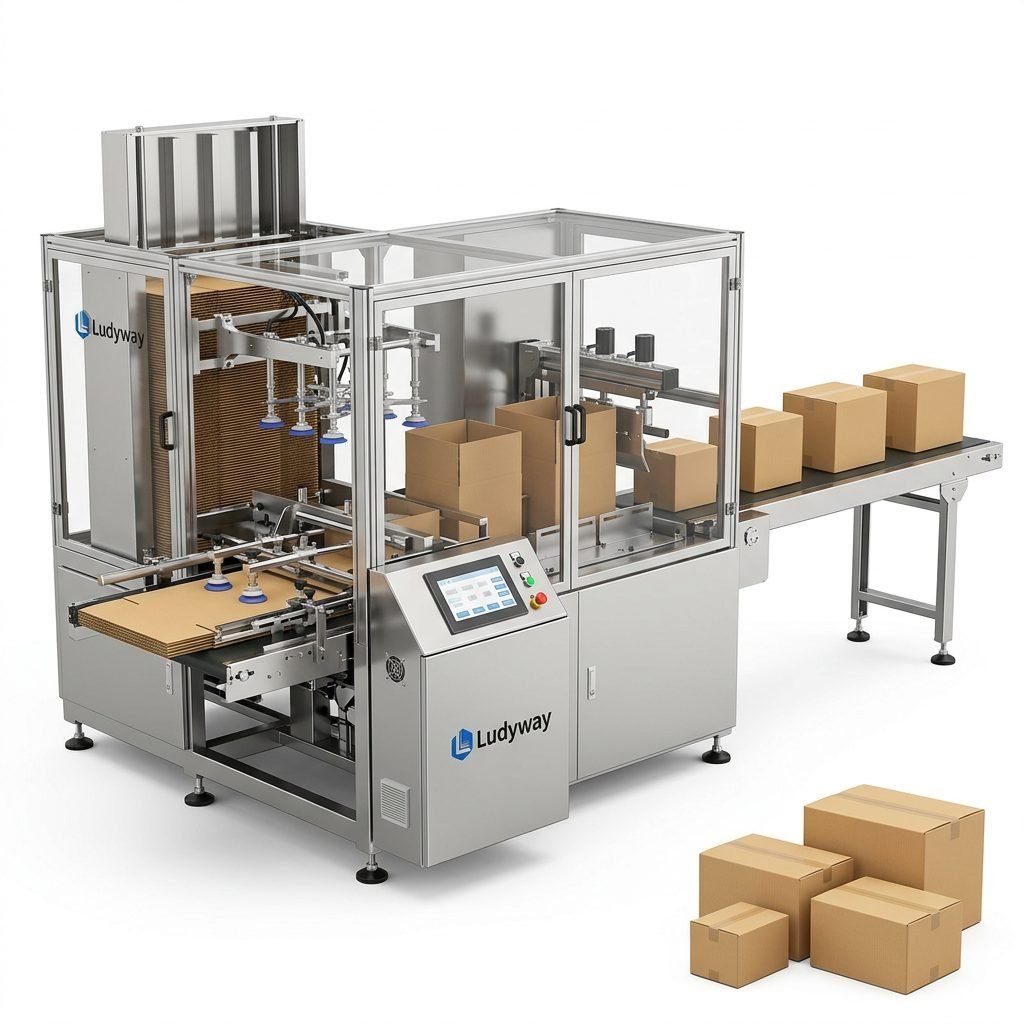
In today’s competitive manufacturing landscape, efficiency and cost control are paramount. For businesses handling high-volume production of items like food supplements, pharmaceuticals, spices, or instant beverages, a bulk packaging machine is no longer a luxury—it’s a necessity. Choosing the right automatic solution is a critical decision that directly impacts your bottom line, production speed, and product quality. This guide will walk you through the essential factors to consider when selecting an automated bulk packaging system to truly improve efficiency and reduce operational costs.
Understanding Bulk Packaging Automation
Bulk packaging machines automate the process of measuring, filling, and sealing products into larger containers, bags, or pouches. Unlike single-serve sachet machines, these systems are designed for high-speed, continuous output, handling kilograms or liters of product per cycle. The core goal is to minimize manual labor, reduce material waste, and ensure consistent, hygienic packaging at scale.
Key Benefits of Automated Bulk Packaging
Transitioning to automation offers tangible advantages:
➤ Dramatically Increased Output: Automatic machines can operate 24/7, far surpassing manual packing speeds and eliminating bottlenecks.
➤ Significant Cost Reduction: Savings are realized through lower labor costs, precise material usage (reducing giveaway), and decreased product loss from spills or contamination.
➤ Unmatched Consistency & Quality: Every package receives the exact same weight or volume, enhancing brand reputation and compliance with regulatory standards.
➤ Enhanced Flexibility: Modern machines can be quickly adjusted for different bag sizes, weights, and even product types, supporting diverse production runs.
How to Choose the Right Machine: A Step-by-Step Guide
Selecting the ideal system requires a careful analysis of your specific needs. Rushing this process can lead to underperformance or unnecessary expense.
1. Analyze Your Product Characteristics
The nature of your product dictates the machine type. This is the most crucial starting point.
For Granules & Powders (e.g., coffee, protein powder, spices): You need a machine with a highly accurate auger filler or cup filler. Consider factors like product flowability, dust generation, and potential for compaction. Granule packaging systems often feature vibration trays and dust extraction ports.
For Liquids & Viscous Products (e.g., sauces, oils, shampoos): A liquid filler with piston or pump technology is essential. Key considerations include viscosity, foaming tendency, and required sanitation levels (e.g., CIP – Clean-in-Place systems).
2. Define Your Production Requirements
Be realistic about your current and future needs.
- Speed (Bags/Hour): Calculate your required output based on demand forecasts. Don’t overpay for speed you won’t use for years.
- Bag Size & Type: Determine the range of bag weights/sizes you need. Can the machine handle premade bags or form-fill-seal (FFS) rolls? FFS machines, like many sachet packaging machines, offer greater material cost savings.
- Floor Space & Layout: Measure your available space. Some systems are vertical, others horizontal. Consider upstream (feeder) and downstream (case packer) integration.
3. Evaluate Machine Features & Technology
Look beyond the basic specs to the features that ensure long-term reliability and ease of use.
Control System: A user-friendly HMI (Human-Machine Interface) with recipe storage allows for quick changeovers. PLC-controlled systems offer greater reliability than mechanical ones.
Accuracy & Weighing: For high-value products, a checkweigher feedback system is vital. It automatically adjusts the filler to correct minor deviations, ensuring compliance and saving money.
Construction & Hygiene: Stainless steel (especially food-grade 304 or 316) contact parts are essential for food and pharma. Look for easy-access panels for cleaning and maintenance.
4. Consider the Total Cost of Ownership (TCO)
The purchase price is just one part of the equation. Smart buyers evaluate TCO.
- Energy Consumption: Efficient motors and drives lower ongoing utility costs.
- Maintenance & Spare Parts: What is the expected maintenance schedule? Is the supplier’s technical support readily available? Are common spare parts affordable and in stock?
- Warranty & Service Support: A strong warranty and accessible service network minimize downtime risk.
5. Partner with the Right Supplier
Your machinery provider should be a long-term partner. A supplier with deep industry experience, like Ludyway Machinery, brings invaluable expertise. They don’t just sell a machine; they provide a solution. Look for a provider that offers:
- Application Testing: The ability to run your actual product on their equipment before purchase.
- Customization: Willingness to modify standard models to fit your unique line layout or product handling needs.
- Training & Documentation: Comprehensive training for your operators and maintenance staff.
- Proven Global Experience: A track record of supplying reliable stick pack machines and bulk systems to international markets ensures they understand diverse regulatory and operational environments.
Implementing Your New System for Maximum ROI
Successful implementation is key to realizing the promised benefits.
Phased Integration: If possible, run the new automated line parallel to your old process initially. This allows for debugging and operator training without stopping all production.
Data Tracking: From day one, track key metrics: output speed, material waste percentage, and downtime causes. This data proves ROI and identifies areas for further optimization.
Operator Buy-in: Involve your team early. Show them how the machine makes their jobs easier and safer, turning them into advocates for the new technology.
Common Questions (FAQs)
What is the typical payback period for a bulk packaging machine?
Payback can vary widely from 12 to 36 months, depending on labor costs saved, material waste reduction, and production volume increase. A detailed ROI analysis with your supplier is essential.
Can one machine handle both powders and granules?
Many machines are versatile, but critical components like the filler type may need adjustment or changeover. Discuss your specific product range with the supplier to ensure one machine can handle both efficiently, or if a modular design is better.
How difficult is it to change bag sizes on an automatic machine?
Modern machines with digital HMIs allow for relatively quick changeovers (often under 30 minutes). Changeover complexity depends on the machine design; form-fill-seal machines typically only require changing the film roll and adjusting sealing parameters digitally.
What level of maintenance do these machines require?
Daily cleaning and lubrication are standard. Scheduled maintenance (weekly, monthly) includes checking seals, sensors, and mechanical wear parts. A reliable supplier will provide a clear maintenance schedule and training.
Is technical support available globally?
Reputable suppliers like Ludyway offer remote support via phone/video and have partnerships or service networks in key regions to provide on-site assistance when needed, ensuring minimal disruption to your operations worldwide.