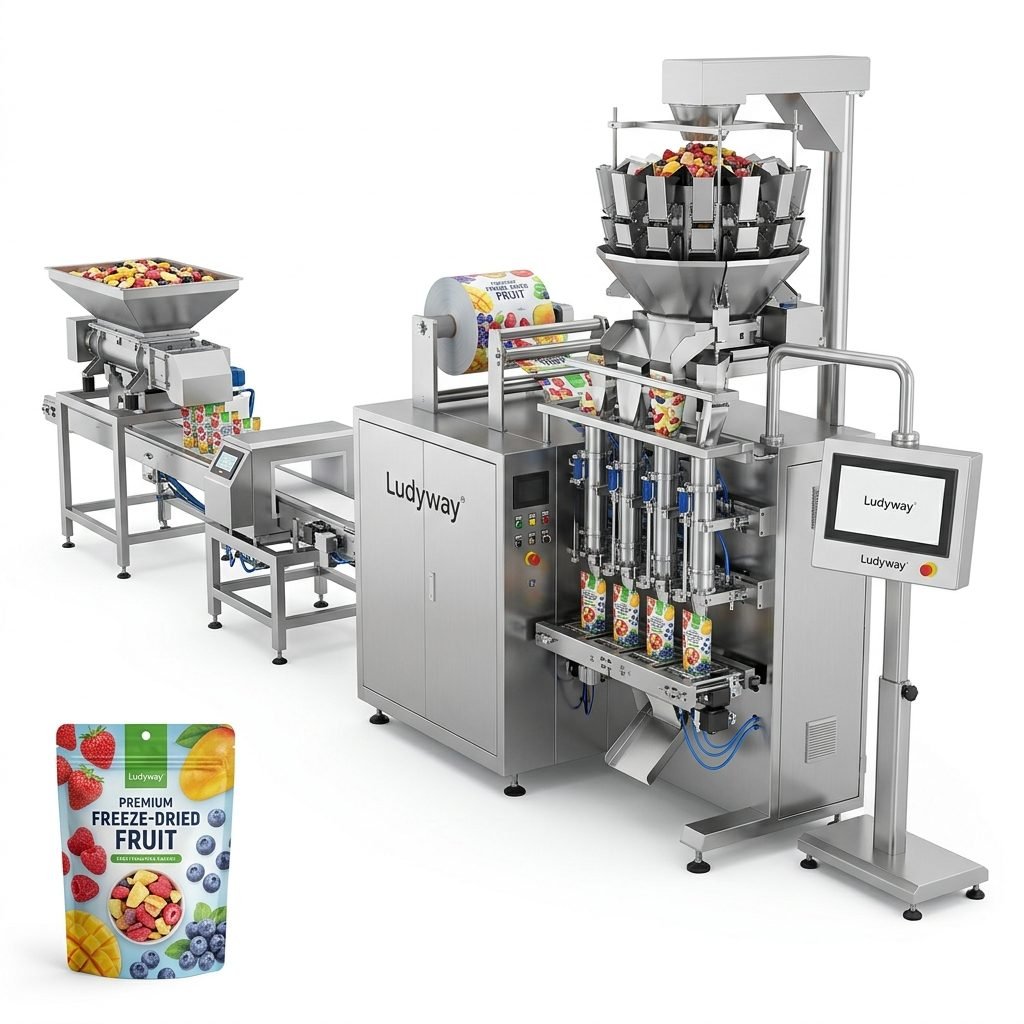
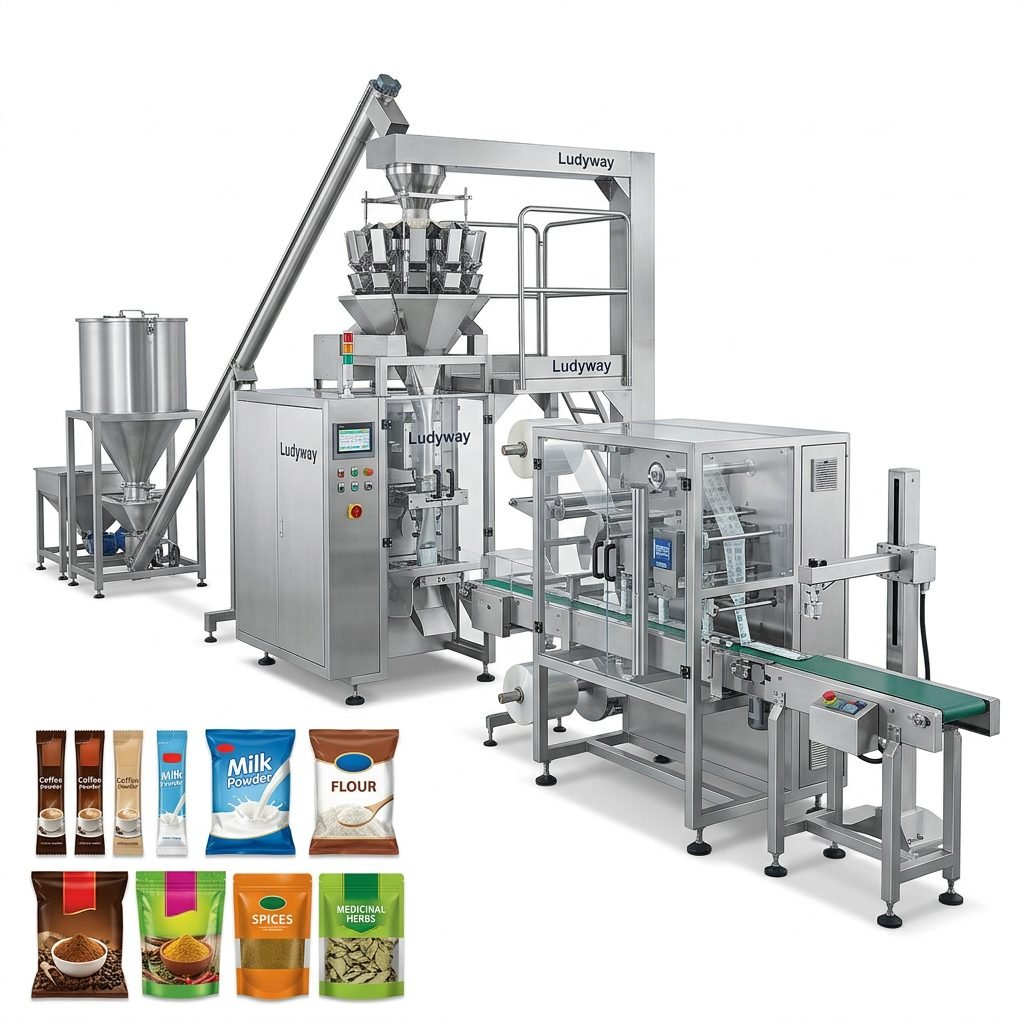
Choosing the right chamber vacuum packaging machine is one of the most practical ways to improve food shelf life, reduce oxidation, protect flavor, and create a cleaner retail presentation. For food processors, restaurants, central kitchens, frozen food brands, and agricultural businesses, the best machine is not simply the fastest or the cheapest—it is the one that matches your product type, production volume, packaging material, hygiene requirements, and long-term operating goals.
A well-matched machine can help preserve fresh meat, seafood, cheese, prepared meals, sauces, dry ingredients, and freeze-dried products more effectively. A poorly matched machine may lead to unstable seals, crushed products, inconsistent vacuum levels, slow output, or unnecessary maintenance costs.
What Is a Chamber Vacuum Packaging Machine?
A chamber vacuum packaging machine removes air from inside a sealed chamber rather than vacuuming only from the bag opening. This design makes it especially suitable for a wide range of food applications, including both solid and liquid or semi-liquid products. Because the pressure inside and outside the bag changes at the same time, chamber machines typically offer more stable sealing and more consistent vacuum performance than many external suction models.
- Better vacuum consistency for commercial food packaging
- Suitable for liquids and marinades when configured correctly
- Stronger sealing quality for shelf-life extension
- Cleaner package appearance for retail and export markets
- Lower oxygen exposure to help reduce spoilage and freezer burn

Why Chamber Vacuum Packaging Matters for Food Preservation
Air is one of the biggest enemies of food quality. Oxygen accelerates rancidity, discoloration, moisture changes, and flavor loss. Vacuum packaging reduces this exposure and supports a more controlled storage environment. In many food categories, it also improves transport protection and product presentation.
Common food preservation benefits include:
- Extended refrigerated shelf life
- Reduced freezer burn in frozen foods
- Better aroma retention for coffee, spices, and dry goods
- Improved freshness for meat, seafood, and cheese
- Cleaner storage and easier batch handling
- Better product consistency across retail and foodservice channels
Who Should Invest in a Chamber Vacuum Packaging Machine?
This type of machine is especially useful for businesses that need reliable sealing performance and repeatable product quality.
| Business Type | Typical Products | Why It Fits |
|---|---|---|
| Meat processors | Fresh beef, pork, poultry, marinated cuts | Reduces oxidation and improves cold-chain storage |
| Seafood companies | Fish fillets, shrimp, shellfish, freeze-dried seafood | Helps maintain freshness and limits freezer damage |
| Prepared food manufacturers | Ready meals, sauces, cooked foods | Supports hygienic and stable packaging |
| Retail food brands | Cheese, snacks, deli products | Improves appearance and shelf stability |
| Restaurants and central kitchens | Portion packs, sous vide foods, bulk ingredients | Enables storage efficiency and portion control |
How to Choose the Best Chamber Vacuum Packaging Machine
1. Start With Your Product Type
The first decision should always be based on the food you pack. Different products behave differently under vacuum.
- Fresh meat and seafood: require stable vacuum, strong seals, and easy washdown cleaning
- Liquid or sauce products: need chamber design compatibility and seal control
- Soft or fragile foods: may need adjustable vacuum time to avoid crushing
- Freeze-dried foods: benefit from controlled vacuum and moisture protection
- Powders or fine dry ingredients: need careful bag positioning and seal cleanliness
If your product releases liquid during vacuuming, confirm that the machine can handle wet packaging conditions without affecting seal quality.
2. Match the Chamber Size to the Bag and Product Dimensions
Many buyers focus on pump power first, but chamber size is equally important. If the chamber is too small, the machine will limit bag size, reduce flexibility, and slow down operations. If it is too large, you may waste cycle time and energy.
Check these dimensions carefully:
- Maximum bag width
- Maximum bag length
- Product height inside the chamber
- Seal bar length
- Available chamber depth for thicker items
3. Evaluate Vacuum Pump Capacity
The pump determines how quickly and effectively air is removed from the chamber. Higher pump capacity generally supports faster cycle times, but the “best” option depends on throughput needs.
| Production Need | Recommended Focus | Why It Matters |
|---|---|---|
| Low-volume shop or kitchen | Moderate pump capacity | Balances cost and performance |
| Medium-volume food factory | Faster vacuum cycle | Improves daily output efficiency |
| High-volume industrial line | High pump capacity and durable motor | Supports continuous operation |
Ask suppliers for the actual cycle time per pack or per chamber load, not just motor specifications.
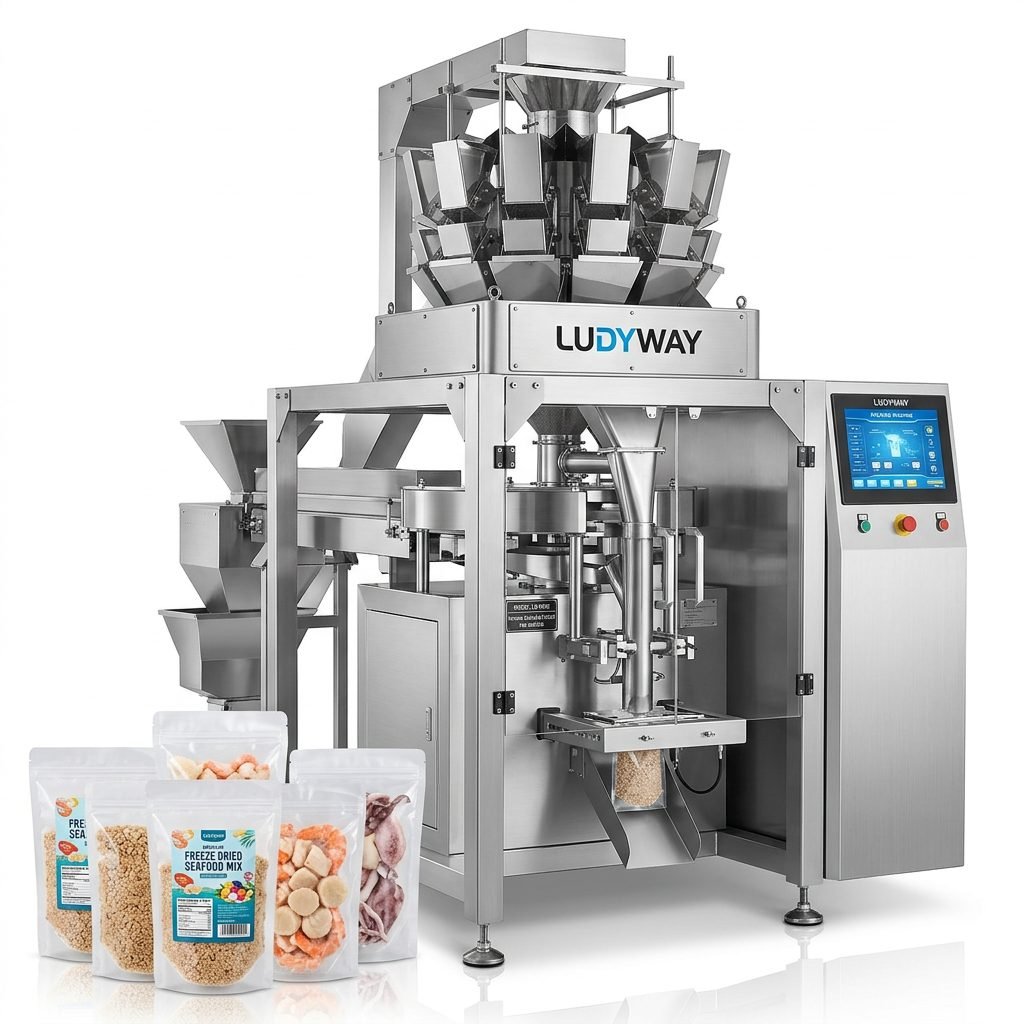
4. Consider Single Chamber vs. Double Chamber
One of the most important buying choices is the machine structure.
Single Chamber Machines
- Usually more compact
- Suitable for smaller businesses or lower output
- Easier to place in kitchens, stores, or limited factory spaces
- Often lower initial investment
Double Chamber Machines
- Higher efficiency for continuous production
- One chamber can be loaded while the other runs
- Better for factories with larger daily packaging volumes
- Useful when labor efficiency is a key concern
If your production team packages all day, a double chamber model often delivers stronger long-term value than a basic single chamber machine.
5. Check Seal Quality and Seal Width
A vacuum package is only as good as its seal. Weak, narrow, or inconsistent sealing can lead to leaks, contamination risk, and product returns. For food preservation, strong sealing is critical.
Important points to review:
- Seal bar length and quantity
- Single or double seal configuration
- Seal width for wet or oily products
- Heating consistency during long production runs
- Ease of replacing sealing wire and consumables
For meat, seafood, and sauces, a more robust seal design is often worth the added cost.
6. Make Sure the Machine Fits Food Hygiene Standards
Food packaging equipment should be easy to clean and designed for hygienic production. Stainless steel construction is usually preferred for wet or demanding food environments.
Look for:
- Food-grade stainless steel body
- Smooth surfaces and easy-clean chamber design
- Reliable lid sealing structure
- Resistance to corrosion, salt, moisture, and oil
- Simple access for routine sanitation and maintenance
7. Think About the Packaging Material You Use
Chamber vacuum packaging machines are generally compatible with a wide range of vacuum pouches, but material selection still affects results. Different food products may require different bag thickness, barrier levels, and puncture resistance.
- High-barrier bags for oxygen-sensitive foods
- Thicker pouches for bone-in meat or sharp-edged products
- Transparent retail-ready pouches for visual merchandising
- Boilable or sous-vide bags for heat-treated foods
Always confirm that your preferred bag material works with the machine’s sealing system and chamber dimensions.
8. Assess Output Requirements Honestly
Do not choose based only on today’s order volume. Think about your output over the next 2 to 5 years. If you plan to expand into new SKUs, export channels, frozen storage programs, or contract packaging, buying slightly ahead of current demand may save money later.
Ask these questions:
- How many packs do you need per hour?
- How many shifts will the machine run each day?
- Will product sizes change often?
- Do you need one operator or multiple operators?
- Are seasonal peaks significantly higher than average demand?
9. Review Control System and Ease of Use
A user-friendly machine reduces operator errors and training time. Clear controls are especially useful when multiple staff members operate the equipment.
Features worth considering include:
- Digital control panel
- Programmable vacuum and sealing time
- Memory settings for different products
- Alarm or diagnostic display
- Simple language interface for international teams
10. Look Beyond Purchase Price
The lowest upfront quote does not always mean the lowest total cost. A better machine may offer stronger uptime, lower bag waste, faster production, and longer component life.
| Cost Factor | Why It Should Be Evaluated |
|---|---|
| Initial machine price | Important, but only one part of total investment |
| Maintenance costs | Affects long-term operating expense |
| Energy consumption | Impacts factory utility budget |
| Seal failure and rework | Creates hidden labor and material loss |
| Downtime risk | May disrupt delivery schedules and customer trust |
Best Applications for Chamber Vacuum Packaging in Food
Chamber vacuum machines are highly versatile across many food sectors. Typical applications include:
- Fresh beef, lamb, pork, and poultry
- Frozen seafood and shellfish
- Cheese blocks and sliced dairy products
- Cooked meals and ready-to-eat foods
- Marinated products and sauces
- Dry fruits, nuts, and specialty ingredients
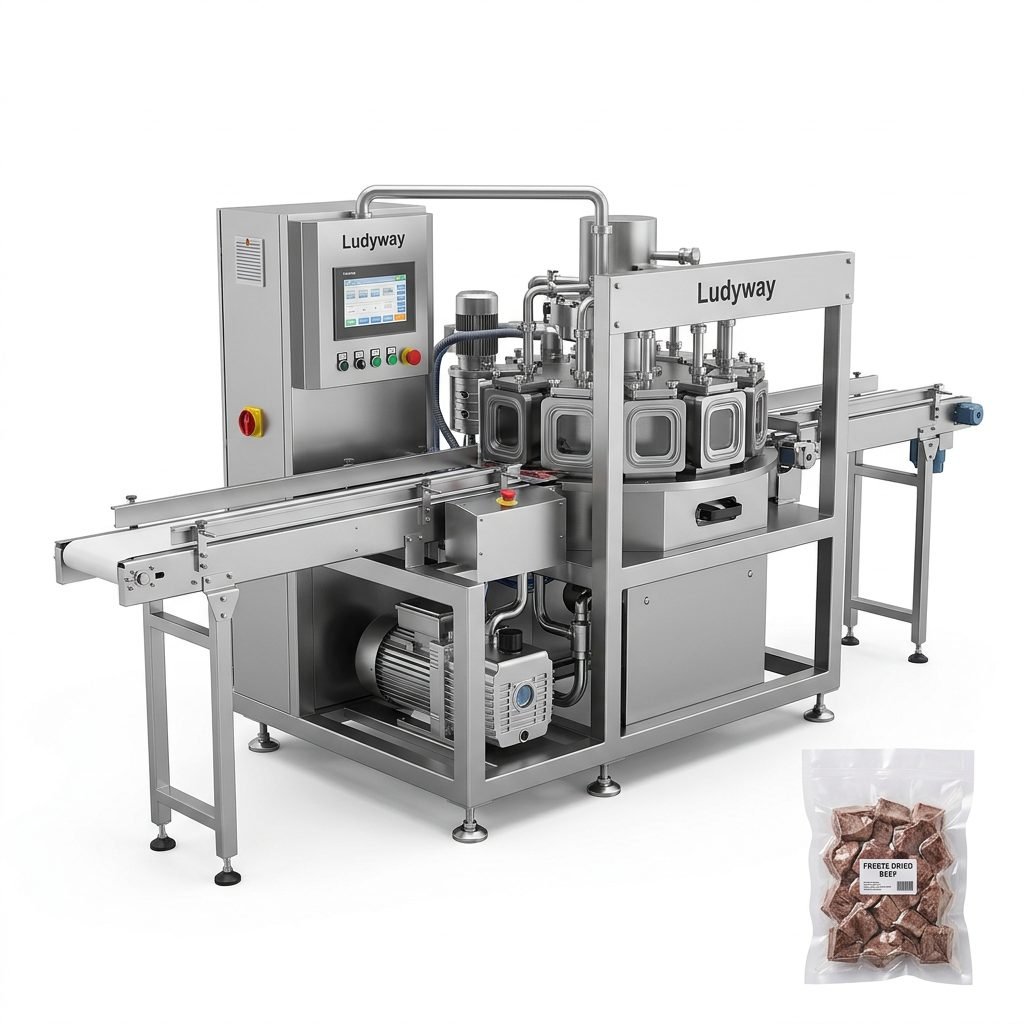
- Freeze-dried foods for retail or export
Common Mistakes Buyers Should Avoid
- Choosing a machine based only on price
- Ignoring actual bag dimensions and chamber height
- Underestimating future production growth
- Using packaging materials that do not match seal settings
- Buying industrial capacity for a very low-volume need
- Failing to confirm service, spare parts, and technical support
Questions to Ask a Supplier Before Buying
- What foods has this model successfully packed before?
- What is the actual packaging speed under normal operation?
- Can it handle liquids, wet products, or oily foods?
- What pouch materials and thicknesses are recommended?
- How often does the vacuum pump require maintenance?
- What spare parts should be kept in stock?
- Can the machine be customized for my product size or workflow?
- What after-sales support is available for export markets?
How the Right Supplier Improves Your Buying Decision
A reliable supplier should do more than provide a quotation. The best partners help evaluate product characteristics, packaging goals, factory layout, hygiene standards, and future automation needs. If your business may later expand into complete packaging integration, it helps to work with a manufacturer that can support both standalone machines and larger line solutions.
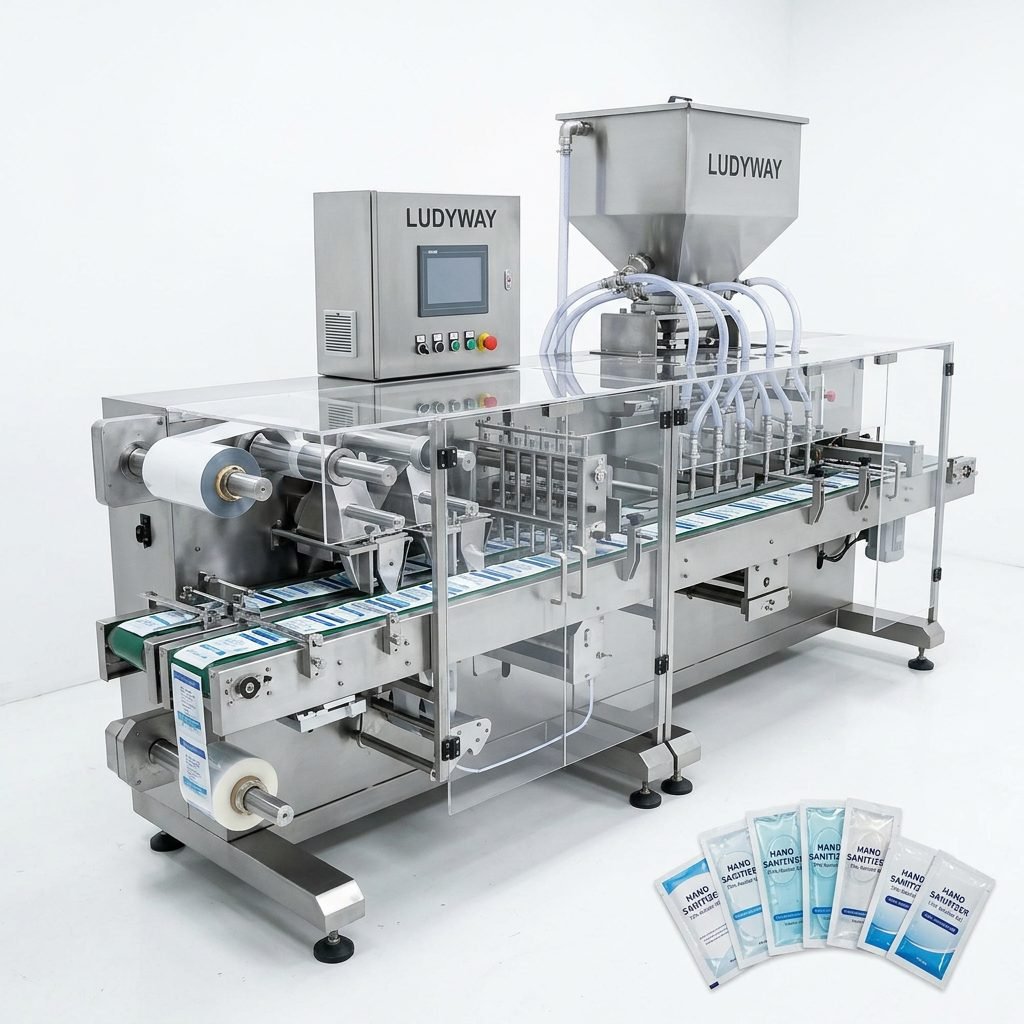
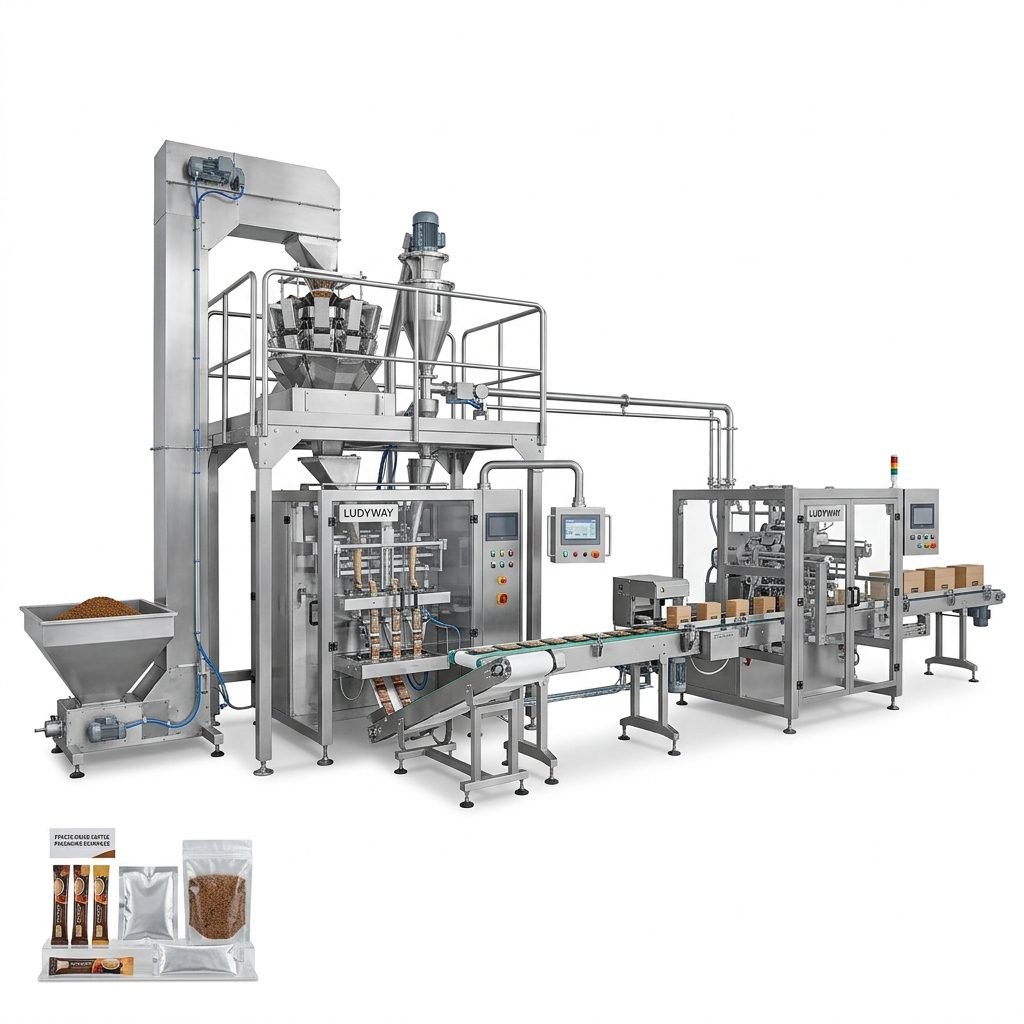
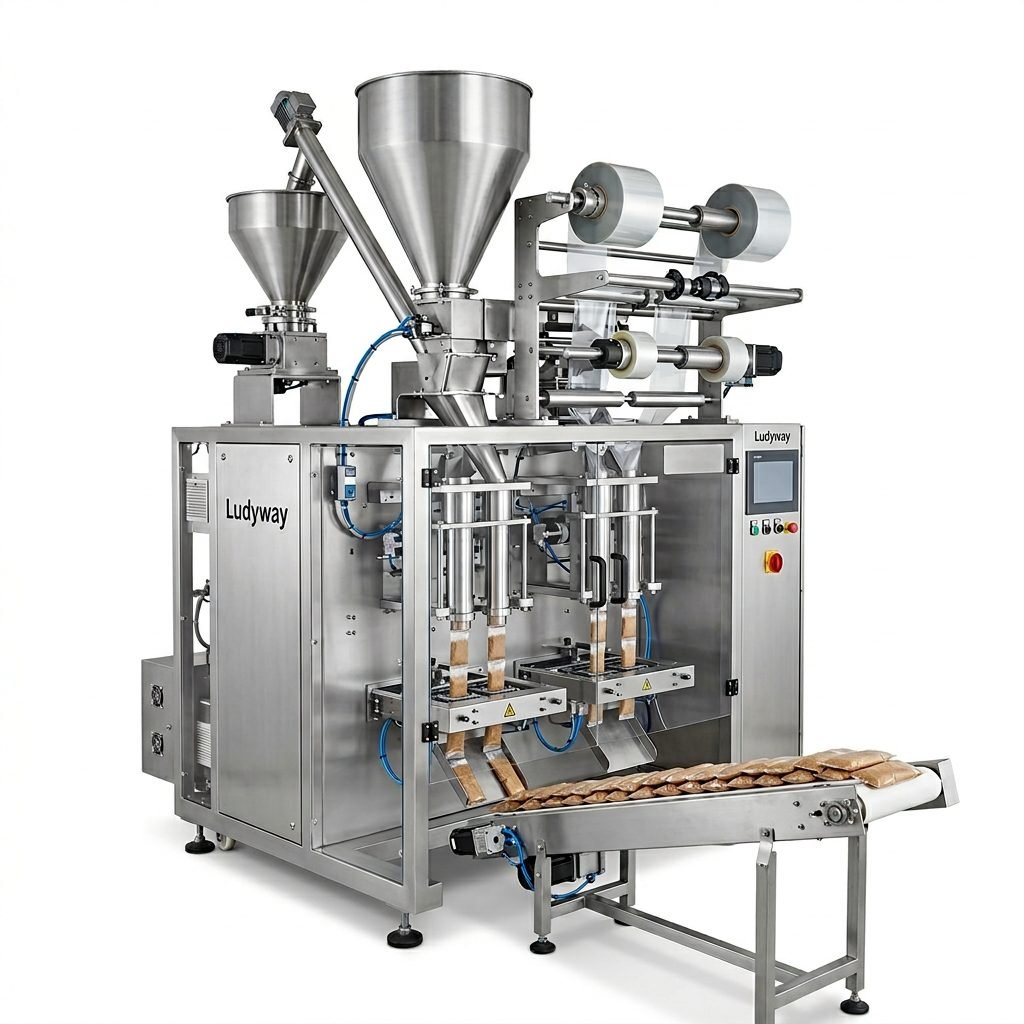
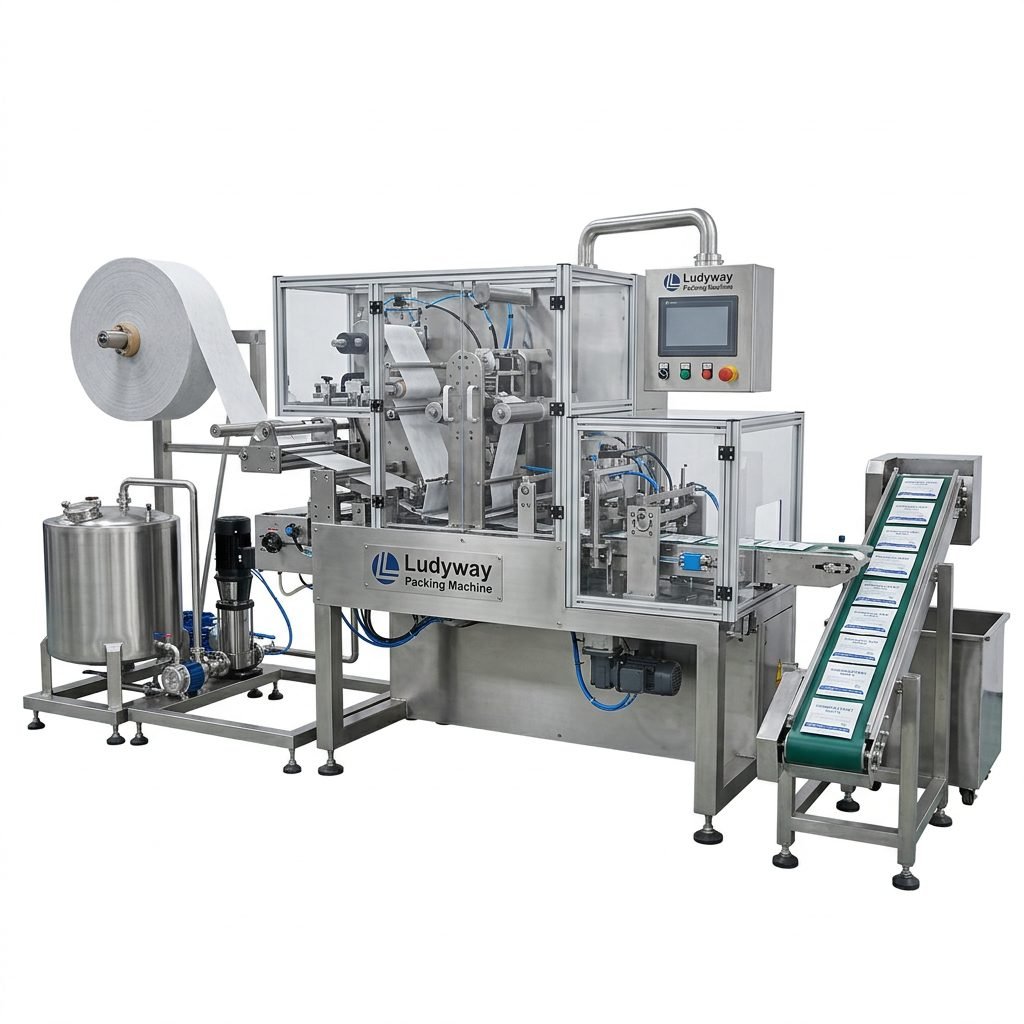
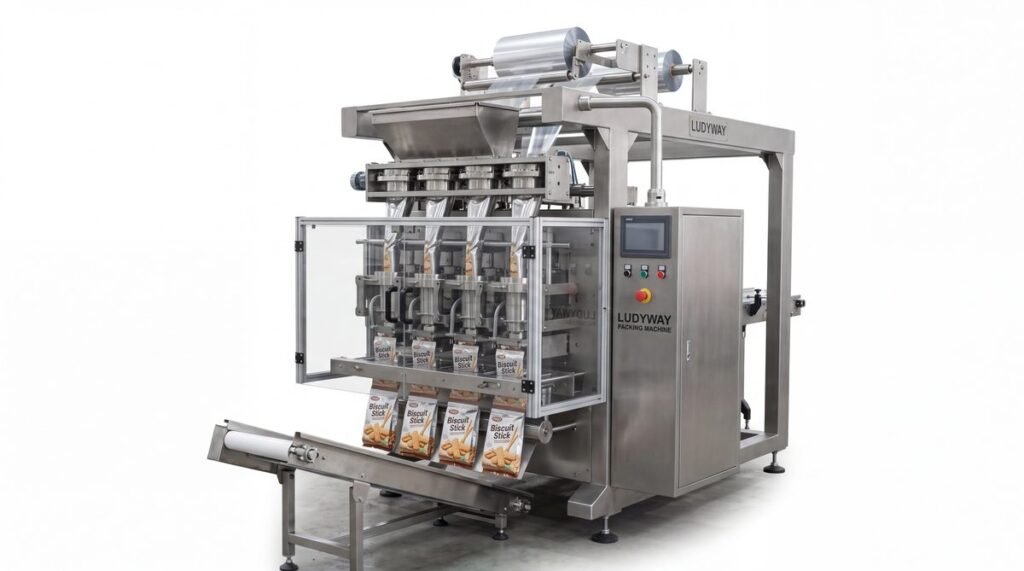
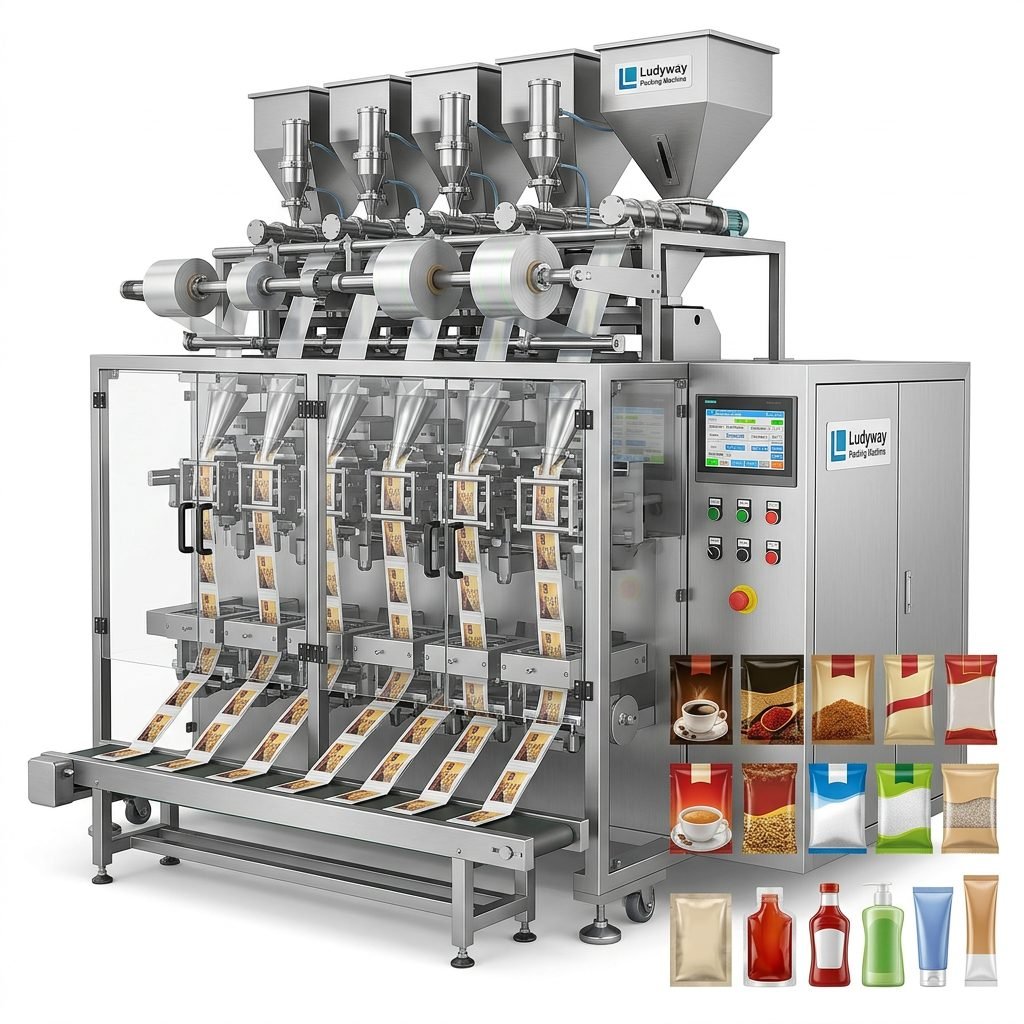
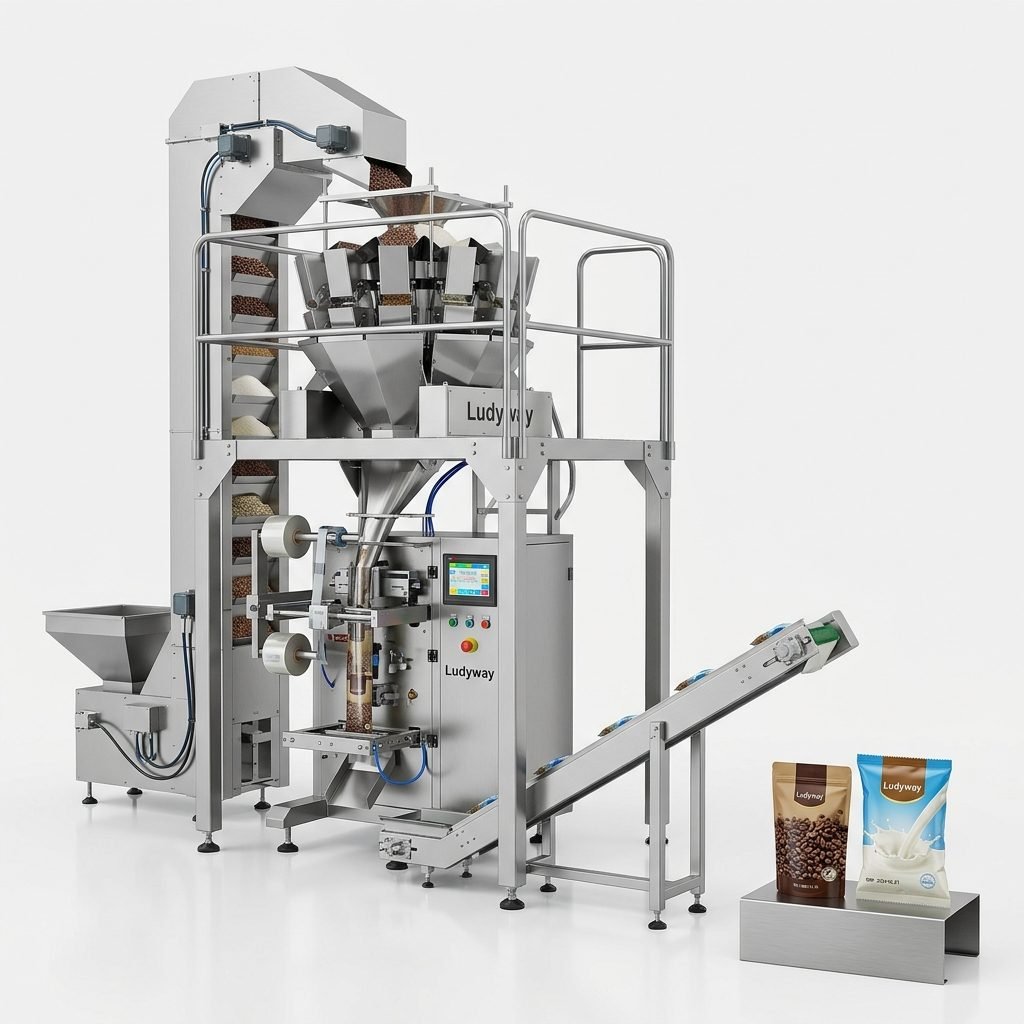
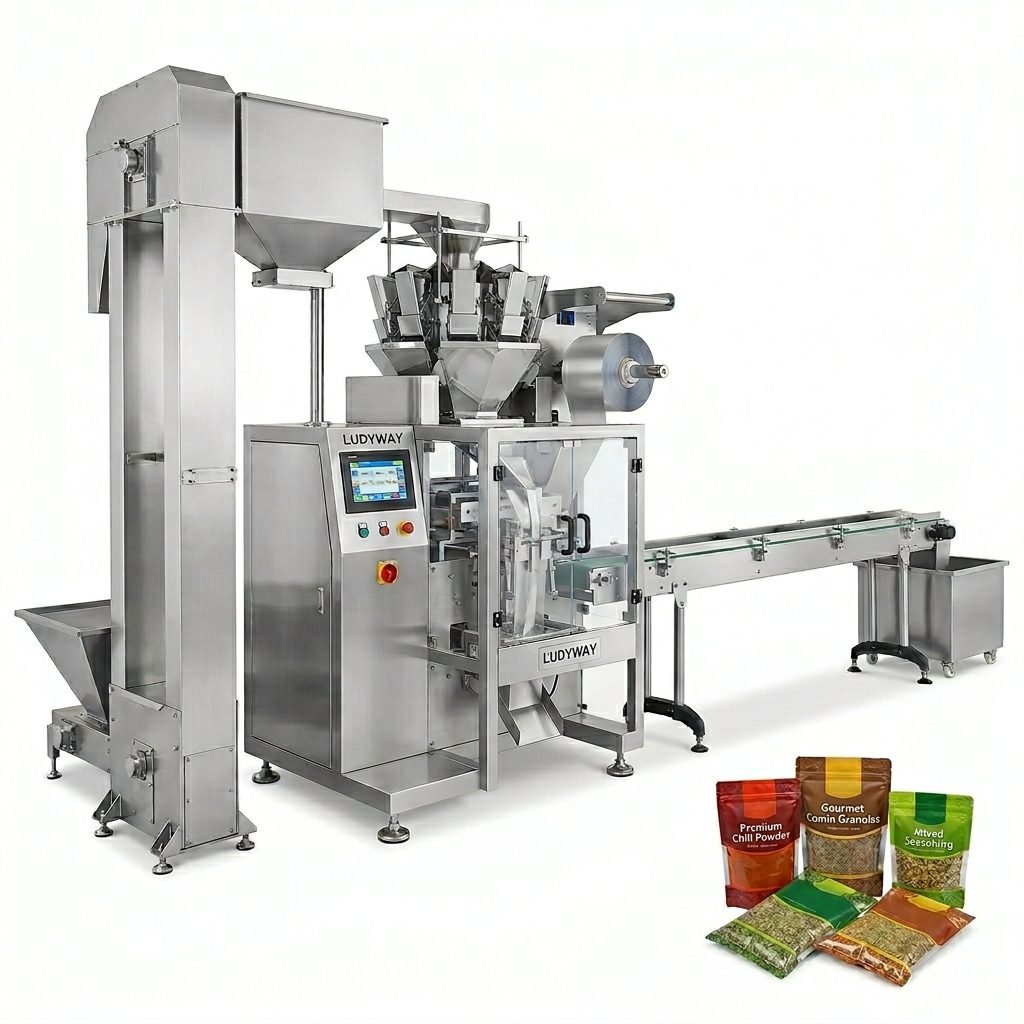
For businesses looking for broader packaging expertise, Ludyway chamber vacuum packaging machine and packaging line solutions come from one of China’s leading packaging machine and turnkey packaging line manufacturers, with more than 30 years of industry experience and service coverage across over 100 countries and regions.
Final Buying Checklist
Before placing an order, confirm that your selected machine matches the following points:
- Suitable for your food type
- Correct chamber and seal bar dimensions
- Enough vacuum pump capacity for your output
- Reliable seal quality for long shelf life
- Easy cleaning and hygienic machine body
- Compatible with your preferred pouches
- Operator-friendly controls
- Available technical support and spare parts
- Capacity for future production growth
Conclusion
The best chamber vacuum packaging machine for food preservation is the one that delivers stable vacuum performance, dependable sealing, hygienic operation, and the right production capacity for your business. By evaluating product type, chamber size, pump strength, sealing structure, hygiene design, and supplier support, you can choose a machine that protects food quality while supporting efficient long-term operations.
Whether you package fresh meat, seafood, prepared meals, dry ingredients, or freeze-dried foods, a carefully selected chamber vacuum machine can become a key part of your preservation strategy and your brand’s product quality promise.