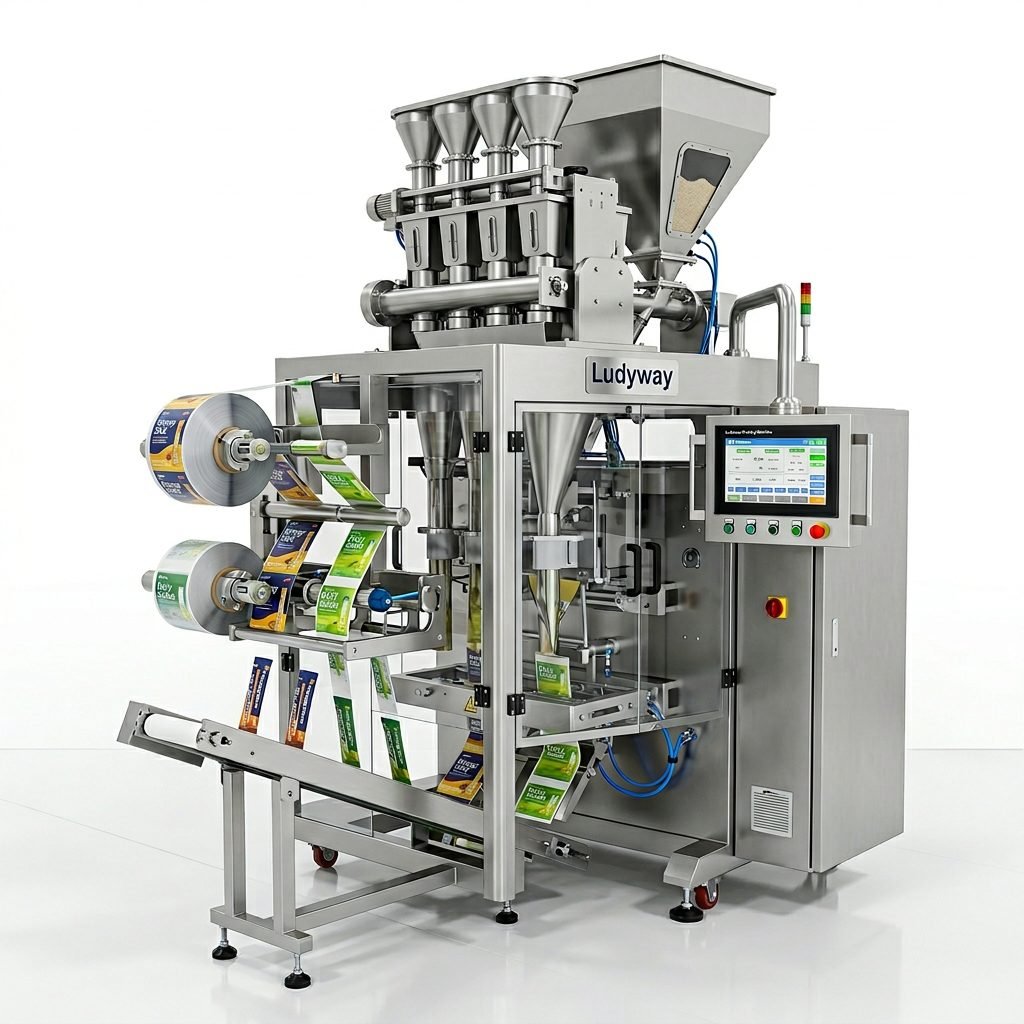
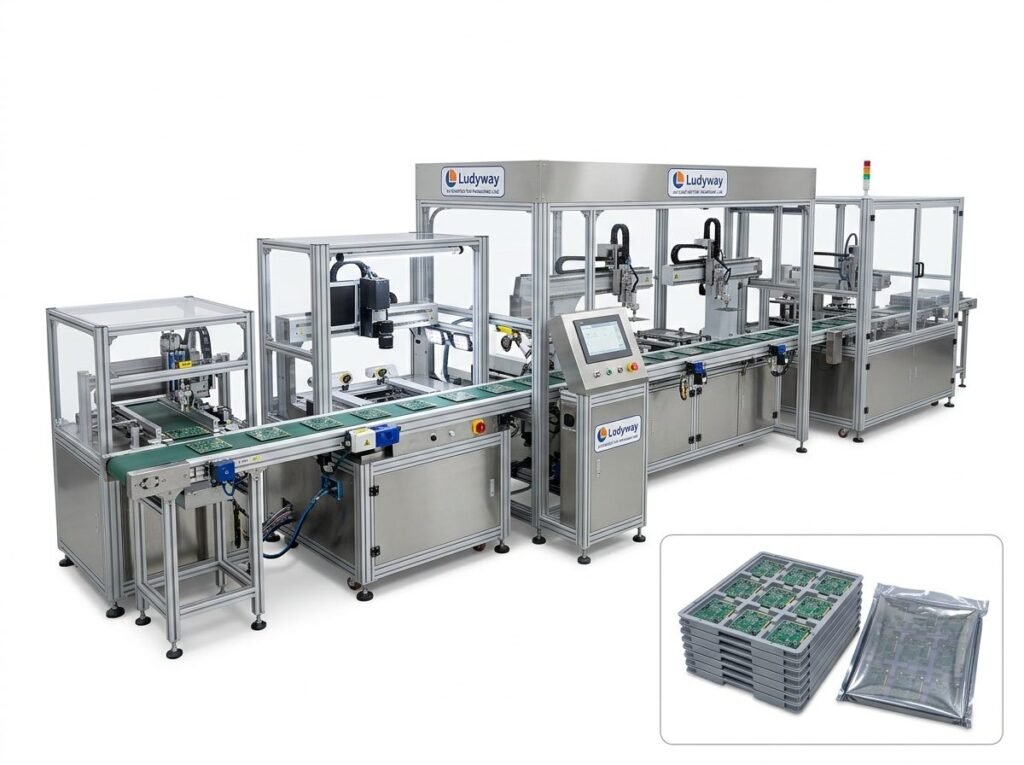
Regular maintenance is the foundation of reliable, long-term operation for any small-scale packaging machine. By adopting a consistent upkeep routine, businesses can minimize costly downtime, extend equipment lifespan, and ensure consistent product quality. This guide provides a practical, step-by-step framework for maintaining your machine to achieve peak performance.
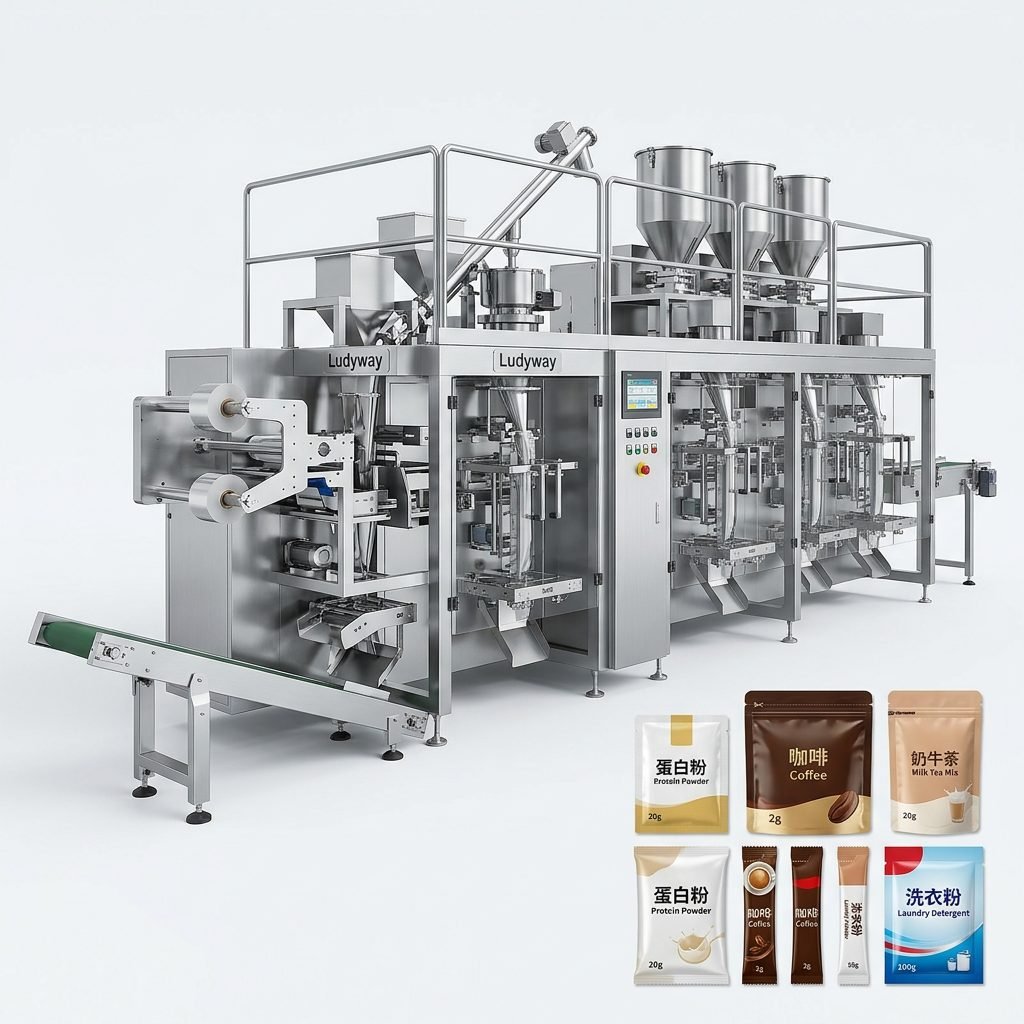
1. Daily Cleaning: The First Line of Defense
Product residue, dust, and debris are the primary enemies of precision packaging equipment. At the end of each shift, operators should perform a thorough cleaning. This prevents cross-contamination and protects sensitive sealing components from abrasive particles. Never use water or harsh chemicals on electrical panels. Instead, use compressed air to blow dust from sensors and moving parts, and wipe down surfaces with food-grade approved cleaners if applicable. A clean machine is the simplest way to prevent wear and ensure consistent seal quality.
2. Lubrication: Reducing Friction and Wear
Moving parts such as chains, gears, and cam drives require regular lubrication to operate smoothly. Consult your machine’s manual for a specific lubrication schedule and the recommended grease or oil type. Common lubrication points include the sealing jaw slides, film tension rollers, and cutting blade mechanisms. Over-lubrication can attract dust and cause build-up, so apply lubricant sparingly and according to the manufacturer’s instructions. A properly lubricated machine runs quieter, uses less energy, and has a significantly lower risk of mechanical breakdown.
| Maintenance Task | Frequency | Key Components |
|---|---|---|
| Surface Cleaning | Daily | Filling nozzles, sealing jaws, conveyor belts |
| Lubrication | Weekly | Bearings, chains, slide rails, cam followers |
| Sensor Inspection | Weekly | Photo-eyes, proximity sensors, temperature probes |
| Belt Tension Check | Monthly | Timing belts, drive belts, conveyor bands |
| Electrical System Check | Quarterly | Connections, terminals, grounding, safety circuits |
3. Inspecting Wear Parts and Consumables
Components like sealing bands, Teflon tape, cutting blades, and rubber rollers are designed to wear over time. Proactively replacing these parts before they fail is crucial. During weekly inspections, check the sealing band for tears or carbon buildup, examine Teflon covers for nicks, and verify that blades are sharp and free of adhesive residue. Dull or damaged tooling creates inconsistent packages and can damage the film, leading to increased waste. Keeping a stock of essential packaging machine spare parts on hand significantly reduces downtime.
4. Calibrating Temperature Controllers and Sensors
Inaccurate temperature control is a common cause of poor seal integrity or film burn-through. Use a calibrated thermocouple tester to verify that the sealing jaw temperature matches the controller’s setpoint. Similarly, regularly test and clean temperature-and-tape eye-mark sensors to ensure accurate film registration. Any deviation can cause cumulative misalignment, resulting in a costly film splice or product giveaway. Precise calibration ensures every pouch or sachet meets your quality standards.
5. Electrical and Wiring Integrity
Vibration from operation can loosen terminal screws and wear down cable insulation over time. A quarterly inspection of the electrical cabinet is recommended. Always disconnect main power before opening any electrical panel. Check for loose wires, signs of overheating (discoloration), and ensure all cable glands are secure. A buildup of dust inside cabinets can also cause short circuits. This practice enhances operator safety and prevents ghost faults that are difficult to troubleshoot.
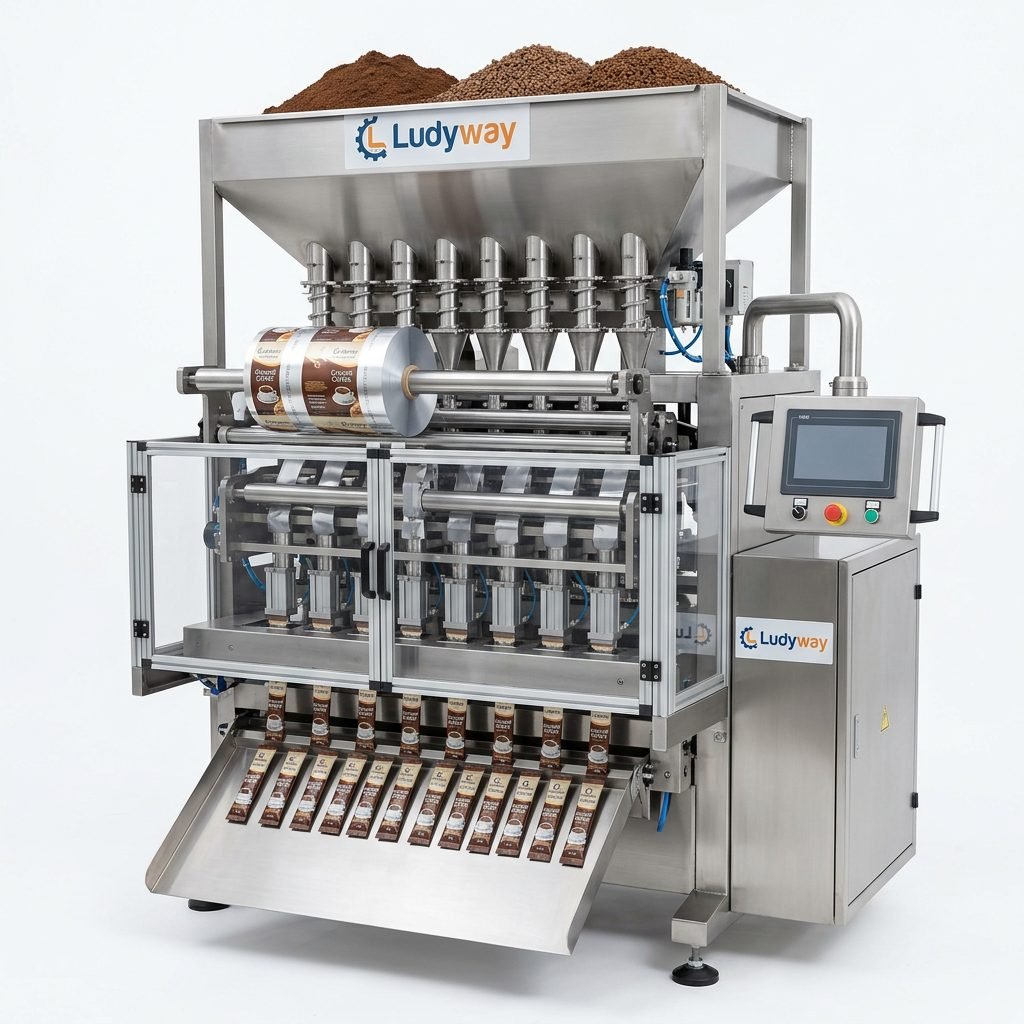
6. Operator Training and Daily Checklists
The operator is the first point of contact for machine health. A well-trained operator can identify subtle changes in sound, vibration, or product output that signal a developing issue. Implement a standardized daily checklist that includes:
- Visual inspection for loose fasteners or guards.
- Verification of emergency stop functionality.
- Checking air pressure (if applicable) and verifying it meets specifications.
- Recording initial start-up temperature readings.
This systematic approach prevents minor issues from escalating into major repairs. Resources from organizations like the PMMI – The Association for Packaging and Processing Technologies provide excellent training frameworks for packaging operations.
7. Scheduled Professional Servicing
While daily and weekly tasks can be managed in-house, an annual service by a qualified technician is vital. A professional service visit typically includes a deep inspection of internal mechanical parts, checking the parallelism and alignment of rollers, replacing timing belts, and evaluating the overall performance of the PLC and drive systems. This thorough intervention can prevent catastrophic failure and uncover hidden issues like worn bearings or internal leaks in pneumatic cylinders that are not visible during routine checks.
8. Maintaining a Clean Compressed Air Supply
For machines utilizing pneumatic cylinders for cutting or sealing, the quality of compressed air is non-negotiable. Moisture or oil carryover in the air supply will degrade seals, corrode internal valve components, and contaminate products. Drain the air filter/regulator bowl daily and verify the lubricator level (if your machine uses oil-lubricated pneumatics). Installing a high-quality air dryer and filtration system upstream protects sensitive pneumatic components and extends their service life dramatically.
9. Software and Control System Updates
Modern small-scale machinery often relies on Programmable Logic Controllers (PLCs) and Human-Machine Interfaces (HMIs). Over time, manufacturers may release firmware updates that improve performance or fix bugs. As part of your scheduled maintenance, check with the equipment supplier for any available updates. Always back up your machine’s current parameters to an external memory device before initiating any update. The ISO Packaging Standards emphasize the importance of documentation and control, a principle that applies directly to software version management.
10. Troubleshooting Common Issues Proactively
Being able to diagnose common problems quickly is key to maintaining uptime. Small-scale packaging machines often exhibit three classic signs of trouble:
- Film pulling or wrinkling: Usually indicates a web tension issue, misaligned rollers, or a dirty film path. Check the unwind brake and clean all idler rollers.
- Inconsistent seal width: Can be caused by a worn sealing band, fluctuating air pressure, or incorrect temperature. Inspect the Teflon cover and verify pressure settings.
- Product leaking from seals: Points to insufficient seal dwell time, low temperature, or product contamination on the film surface. Check the product filling nozzle for drips and adjust the vertical sealing time.
Addressing these symptomatically versus reactively ensures the packaging process remains stable.
11. Documentation and Maintenance Logs
A detailed maintenance log is an invaluable tool. Record every intervention—whether it’s a simple cleaning, a part replacement, or a calibration adjustment. This historical data reveals recurring patterns and helps predict component failure. For food and pharmaceutical applications, this documentation is also critical for audit compliance with regulations from bodies like the FDA – Food Packaging and Food Contact Substances. A digital logbook or CMMS (Computerized Maintenance Management System) is highly recommended even for smaller facilities.
12. Securing Long-Term Support from a Reliable Manufacturer
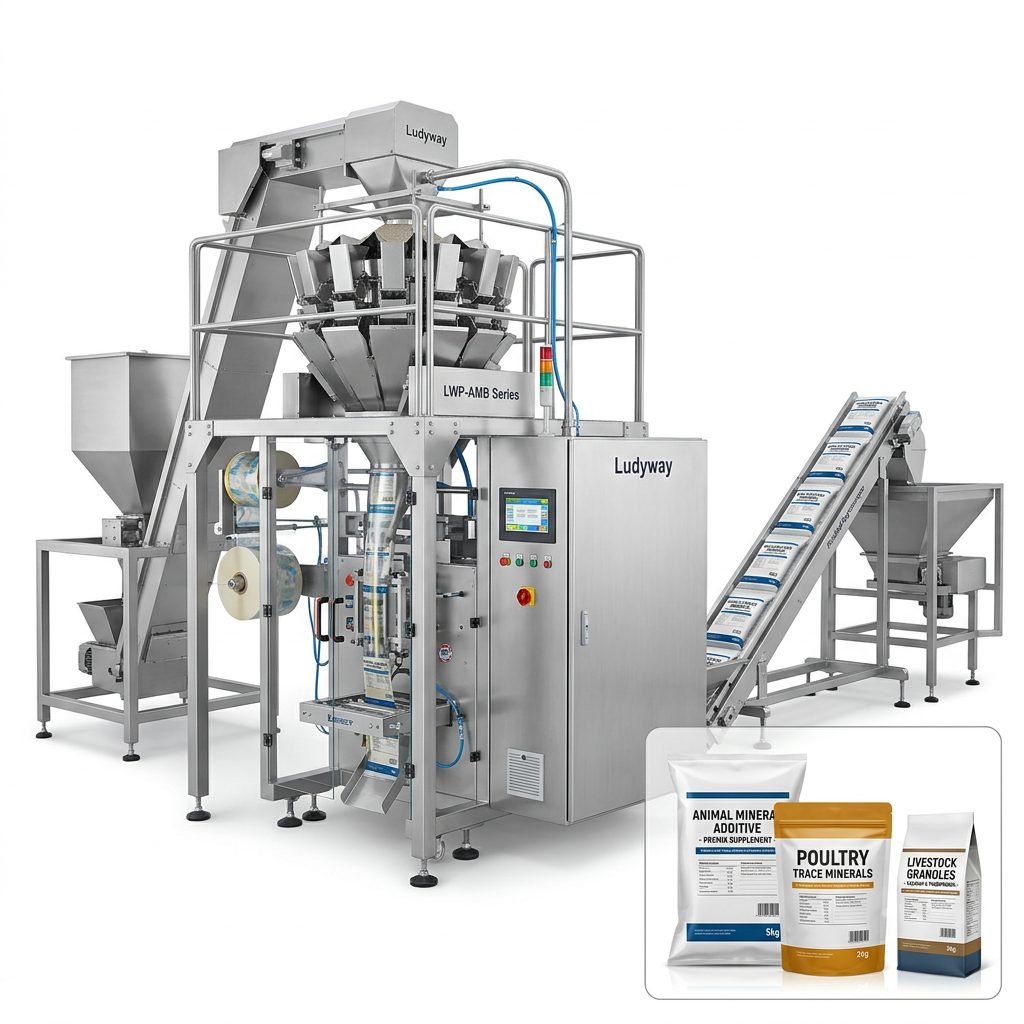
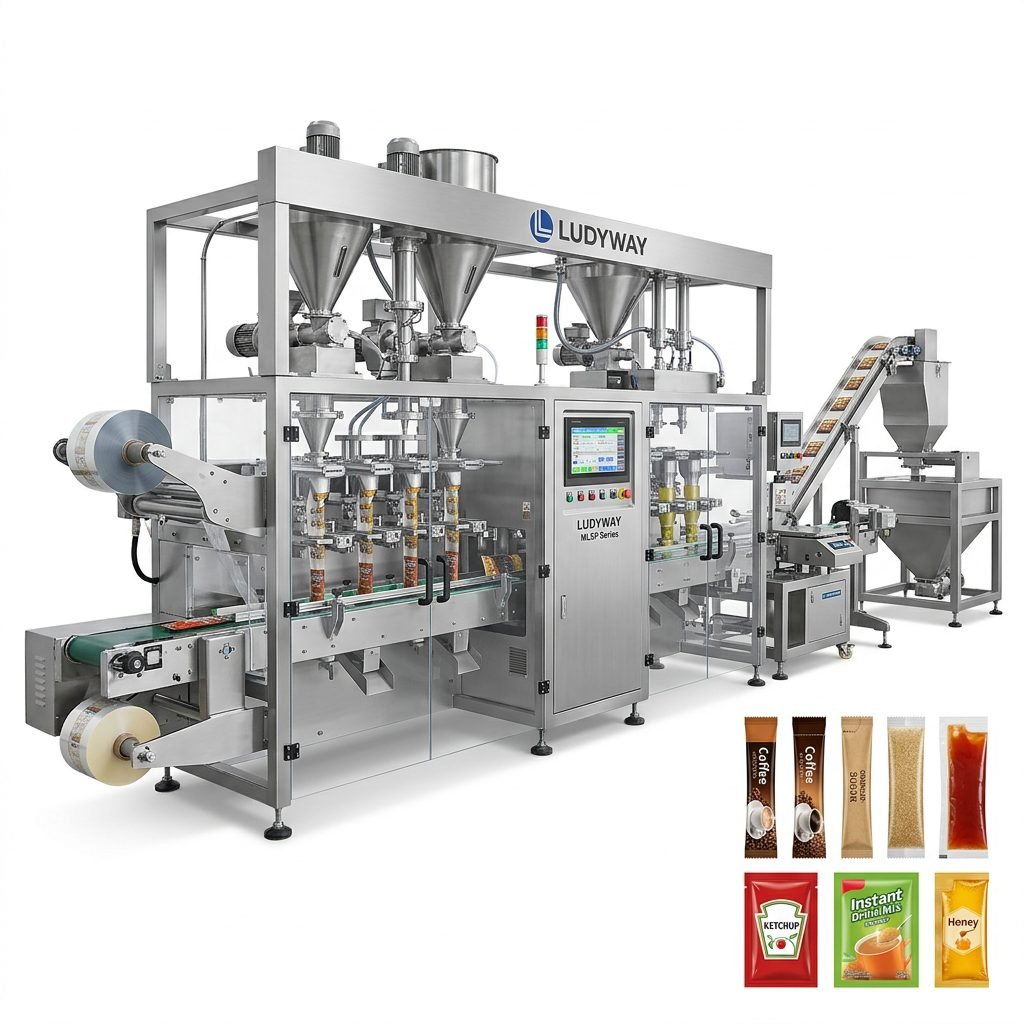
Ultimately, the longevity of your equipment is strongly influenced by the quality of its original build and the availability of after-sales support. Ludyway is one of the largest packaging machine manufacturers in China, specializing in advanced equipment and offering deep technical support that helps clients maintain peak machine performance over decades of operation. Access to genuine parts, remote technical consultation, and professional service teams is a critical extension of your own maintenance efforts. Guidelines from authorities like the European Commission – Packaging and Packaging Waste Regulation may also influence future packaging design and maintenance protocols, and a knowledgeable partner helps you stay compliant.
13. Storing the Machine Correctly
If a machine needs to be temporarily decommissioned or stored, proper preservation is critical to prevent deterioration. Clean the machine thoroughly, apply a protective coating of oil to exposed metal parts, release tension from all belts and springs, and cover the machine to protect it from dust. Disconnect power and air supplies and place a desiccant bag inside the electrical cabinet to absorb moisture. Proper storage prevents seized bearings and corroded connections, ensuring a quick restart when required.
A disciplined maintenance routine is the most cost-effective investment you can make in your small-scale packaging machine. It safeguards your production output, product integrity, and long-term profitability.