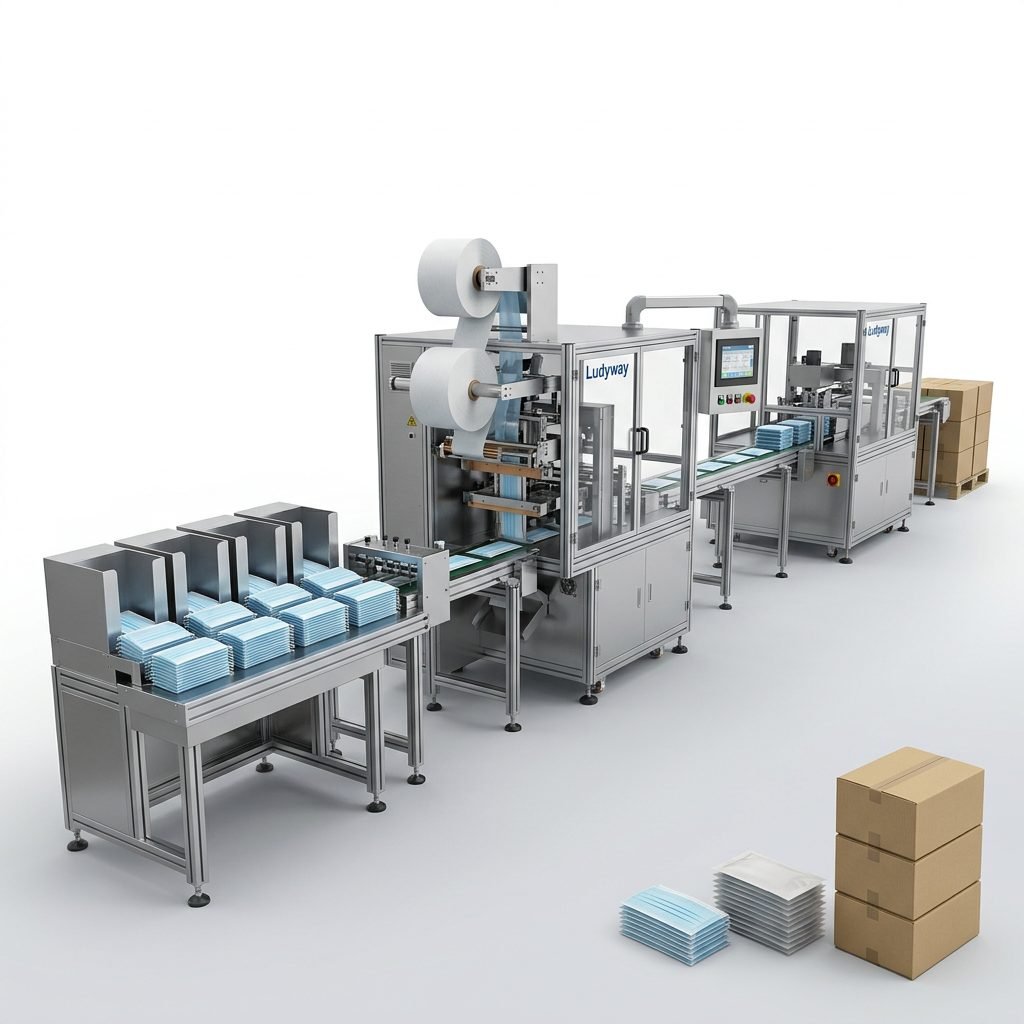
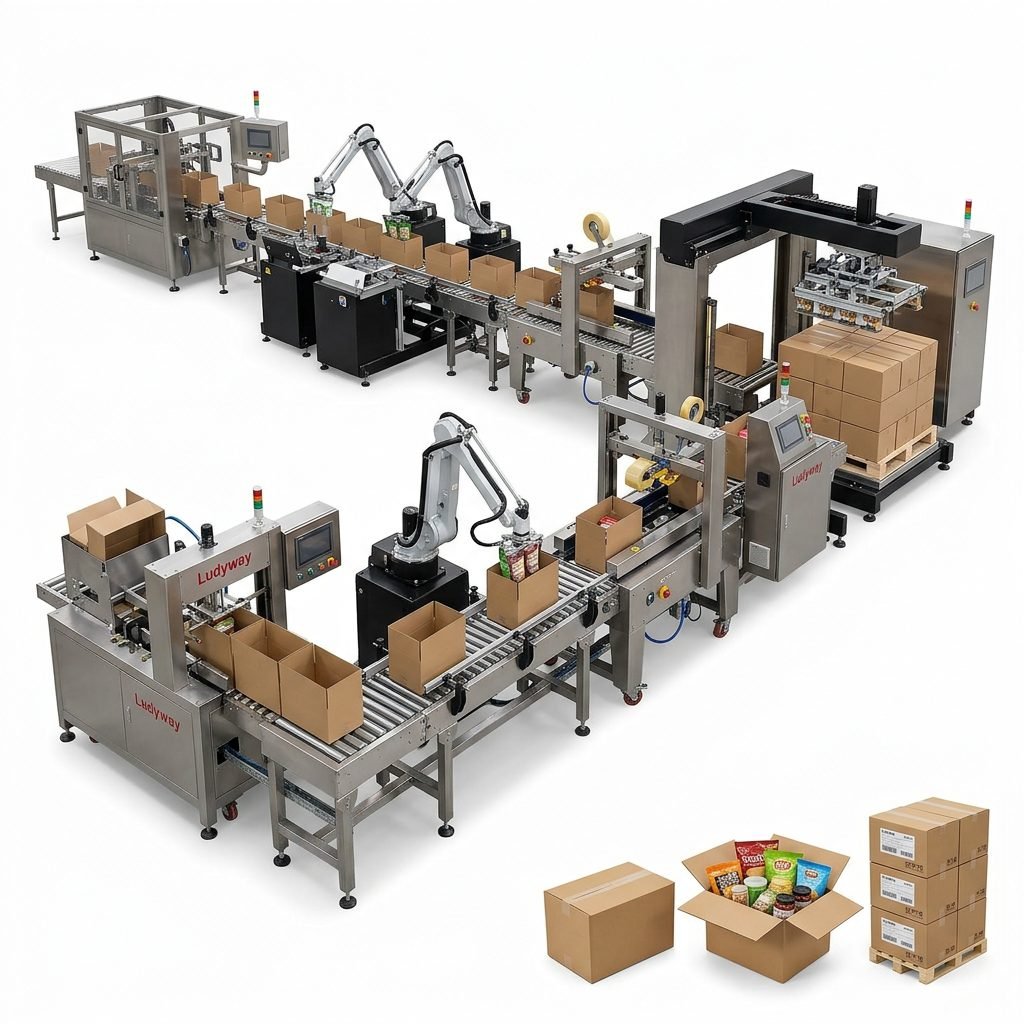
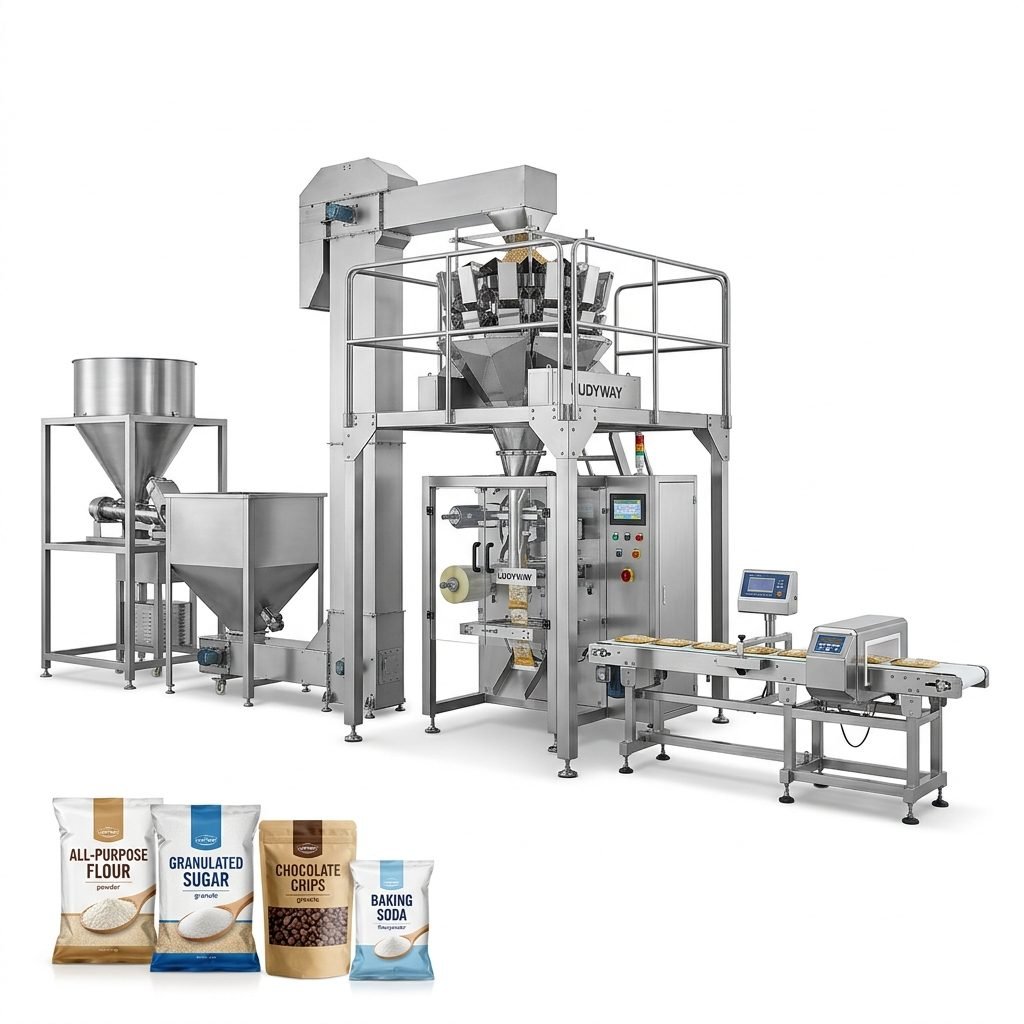
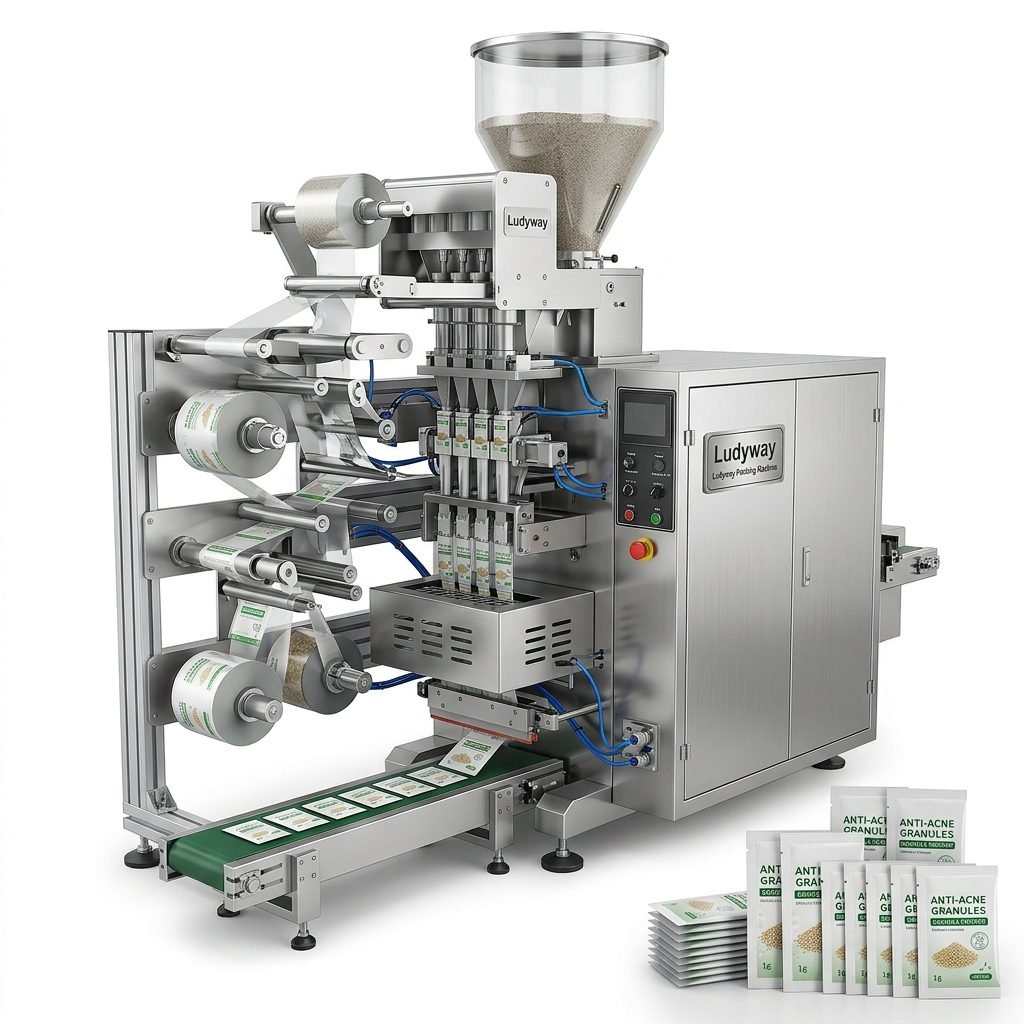
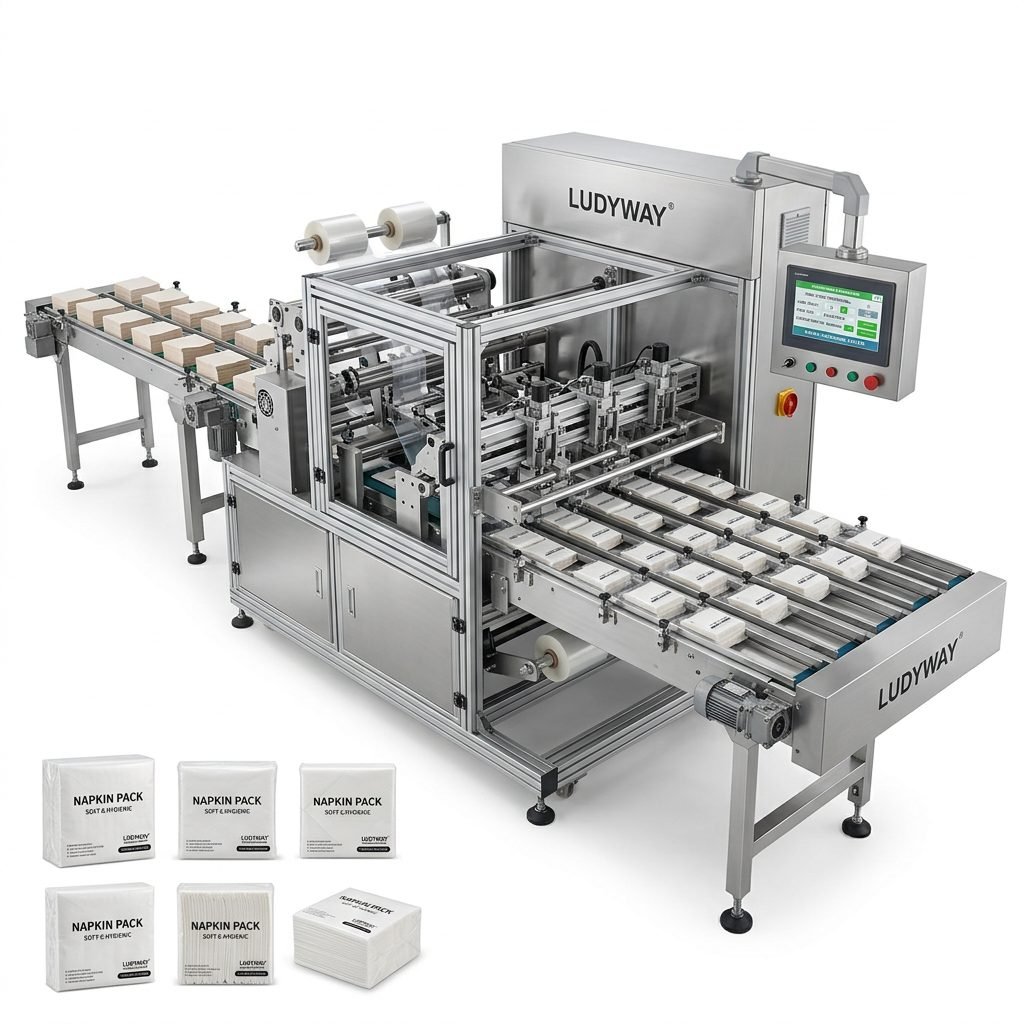
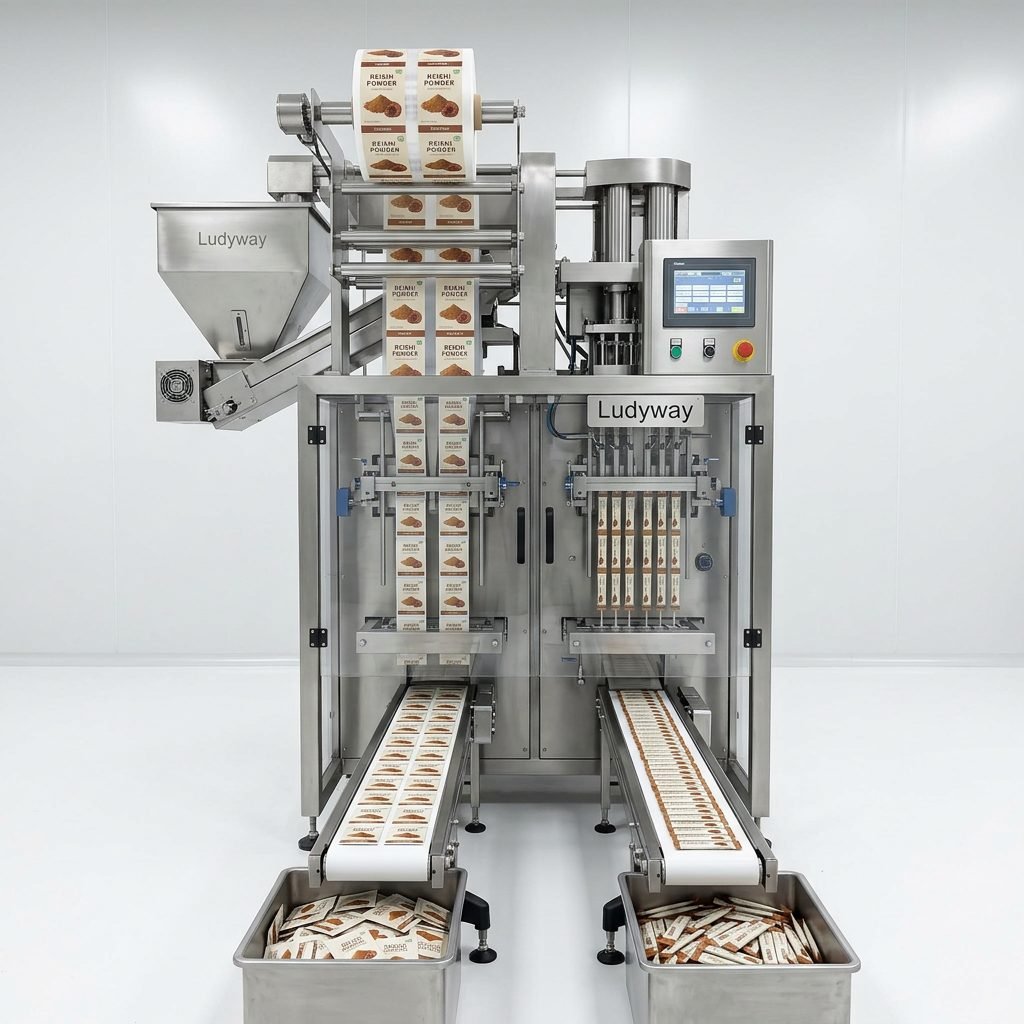
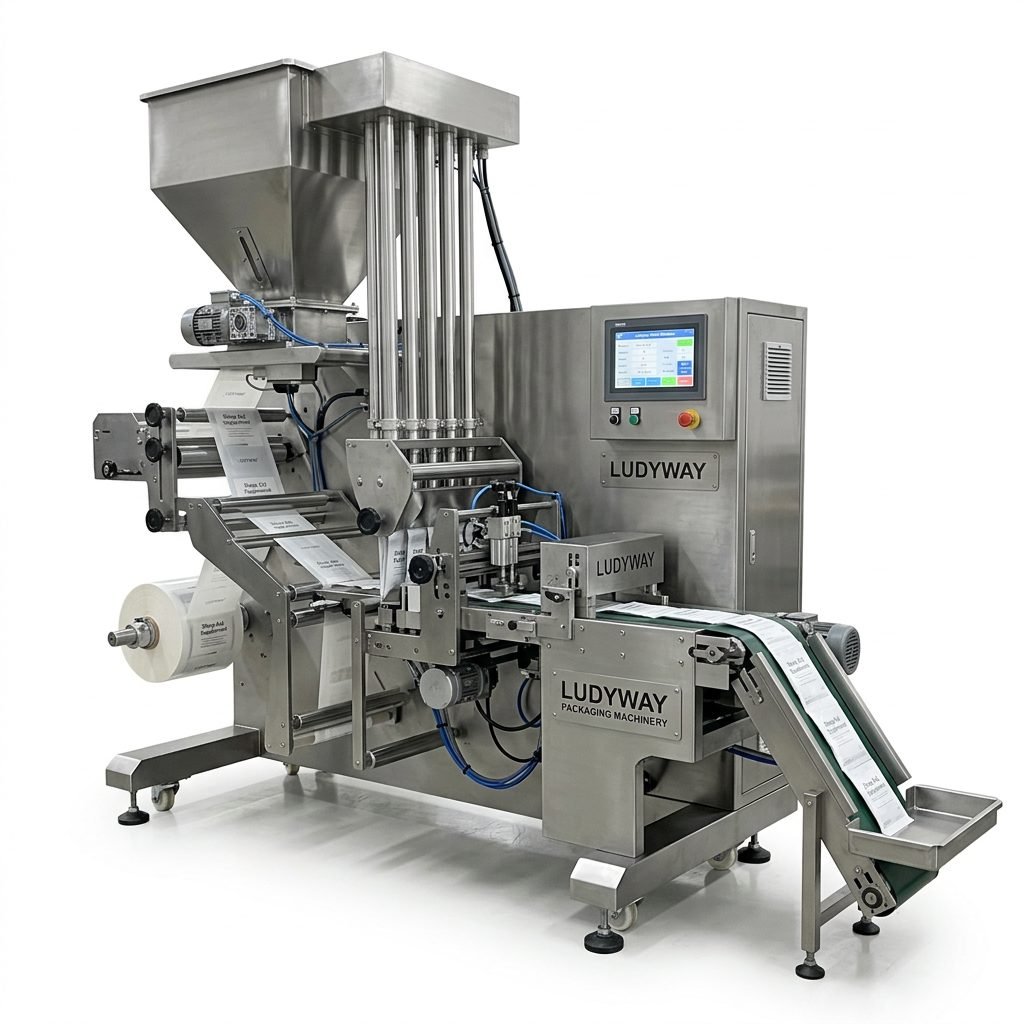
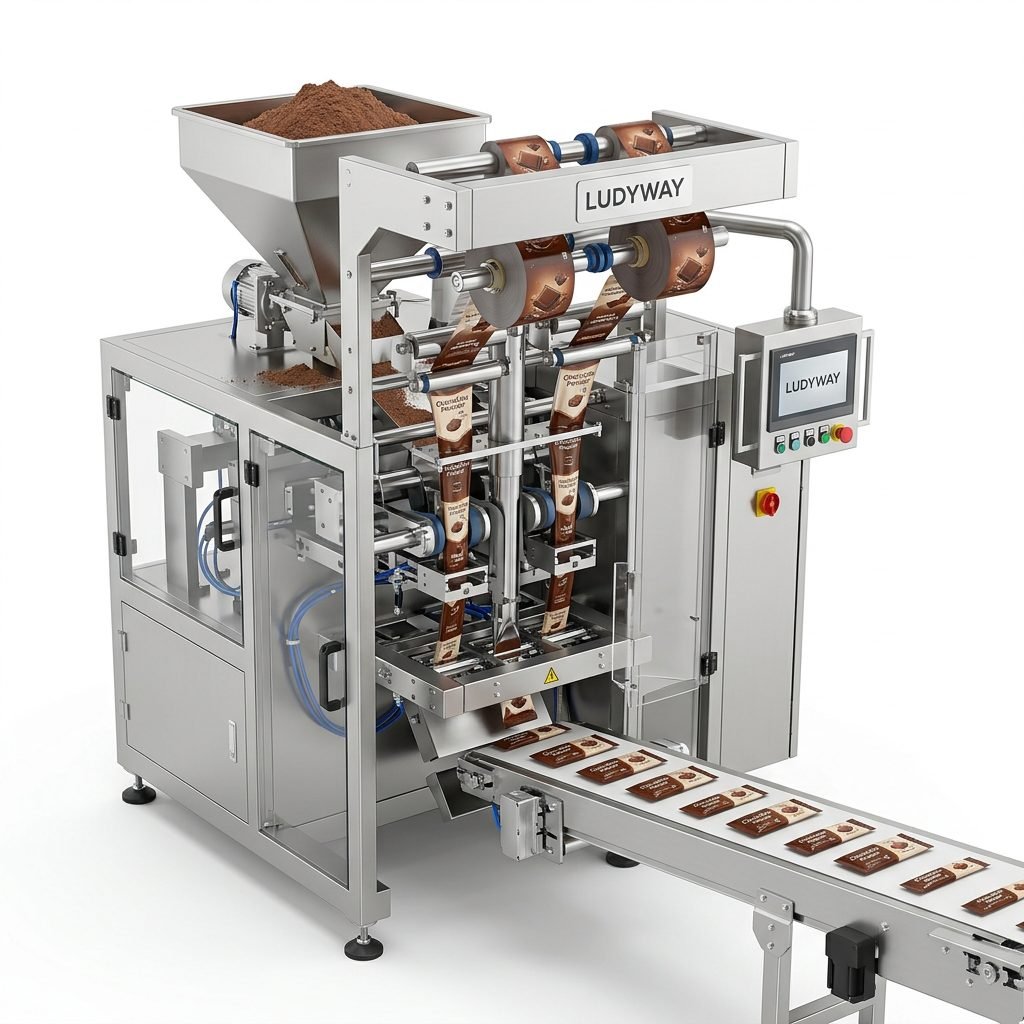
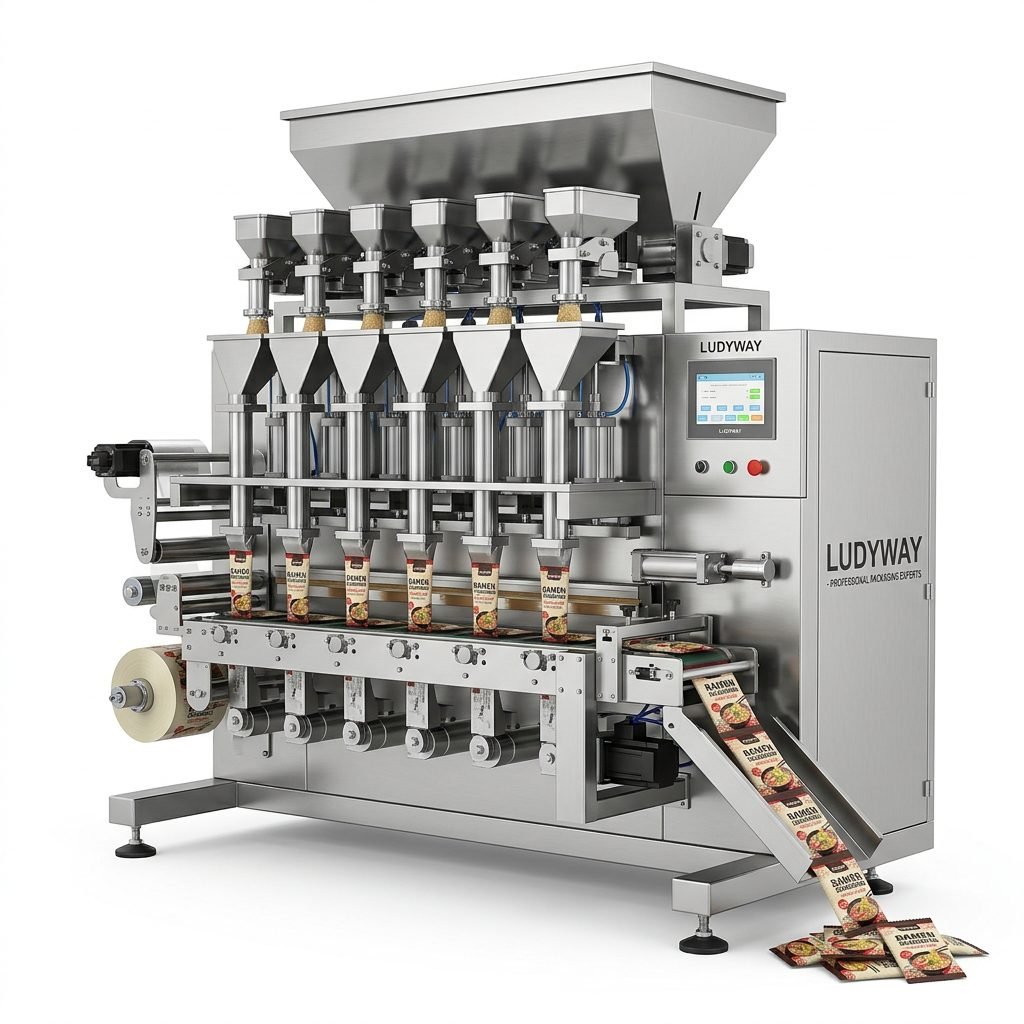
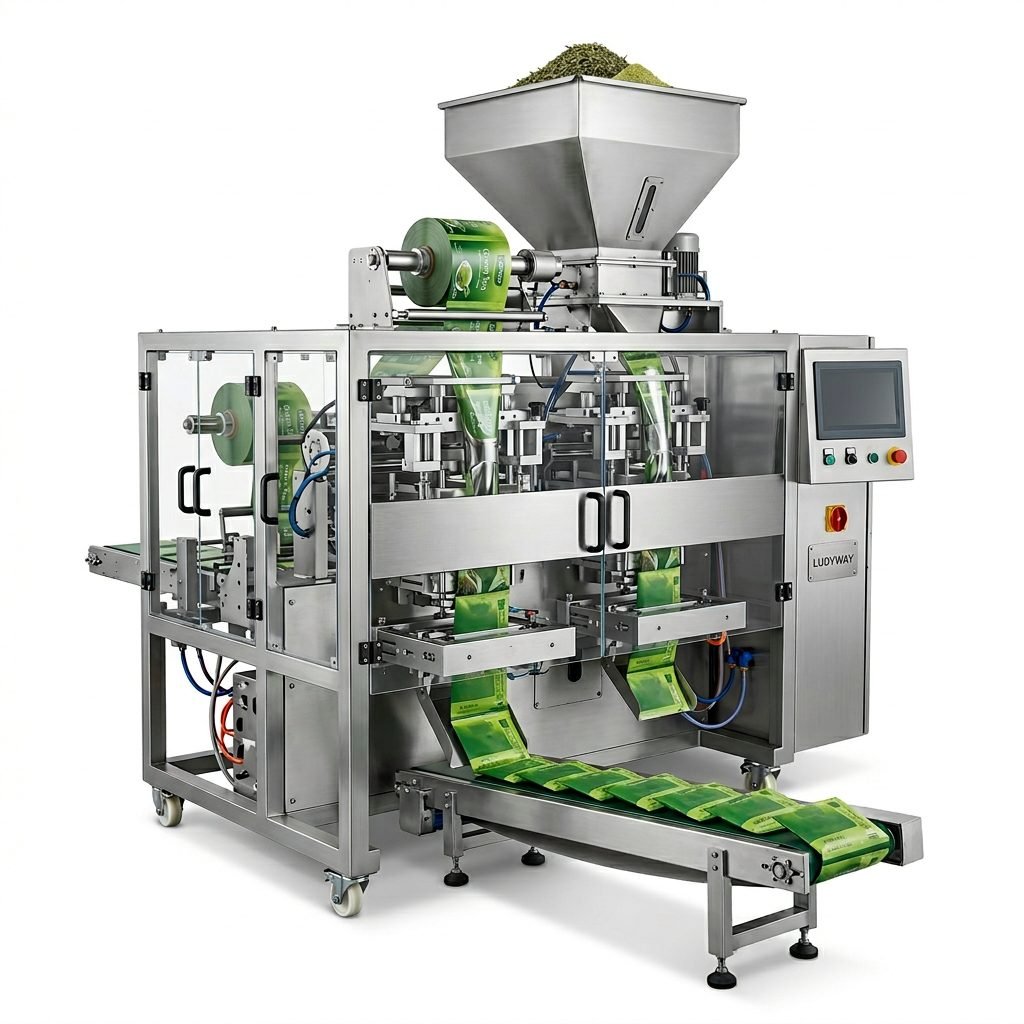
In today’s fast-paced food manufacturing landscape, efficiency and cost control are paramount. An automated food packaging machine is no longer a luxury but a necessity for businesses aiming to scale, maintain quality, and stay competitive. However, with a vast array of systems available—from multi-lane stick pack machines to sophisticated liquid filling lines—selecting the right one can be a daunting task. This guide will walk you through the critical factors to consider, ensuring your investment boosts productivity and slashes operational costs.
Understanding Your Packaging Needs: The First Step
Before diving into specifications, a thorough analysis of your own operation is essential. This foundational step prevents costly mismatches between machine capabilities and your actual requirements.
Key Questions to Ask:
→ Product Type: Are you packaging granules (like coffee, sugar), powders (spices, protein), liquids (sauces, oils), or viscous pastes? Each requires different dosing and sealing technologies.
→ Production Volume & Speed: What are your current and projected output needs (packs per minute)? A multi-lane system might be necessary for high-volume items like instant drink sticks.
→ Packaging Format: Do you need stick packs, sachets, pouches, or bags? Consider consumer convenience and shelf appeal.
→ Film Material: What barrier properties (moisture, oxygen) are needed? The machine must be compatible with your chosen laminate or mono-film.
Core Machine Features That Drive Efficiency
Once your needs are clear, evaluate these core technological aspects that directly impact uptime, speed, and waste reduction.
1. Dosing System Accuracy
Precision is non-negotiable. Inaccurate filling leads to product giveaways, regulatory non-compliance, and customer dissatisfaction. Look for machines with advanced servo-driven auger, volumetric cup, or liquid piston fillers. High-accuracy systems ensure consistent weight control, directly protecting your profit margins.
2. Sealing Reliability & Integrity
A weak seal results in spoilage, leaks, and returns. The best systems offer precise temperature control, consistent pressure, and sometimes dual sealing jaws for extra security. For challenging environments, consider machines capable of handling a wide range of packaging materials without compromising seal strength.
3. Changeover Flexibility
If you run multiple products or package sizes, quick changeover is a massive efficiency booster. Machines with tool-less adjustments, digital parameter recall, and modular components can reduce downtime from hours to minutes, enabling agile, small-batch production.
4. Integration & Automation Level
True efficiency comes from a connected line. Can the packaging machine integrate with upstream feeders, downstream cartoners, or robotic palletizers? Systems with PLC controls and IoT-ready interfaces allow for centralized monitoring, predictive maintenance, and seamless data collection for continuous improvement.
Calculating True Cost: Beyond the Purchase Price
The initial investment is just one part of the total cost of ownership. A cheaper machine that is slow, breaks down often, and wastes material can be far more expensive in the long run.
Total Cost of Ownership (TCO) Checklist:
• Operational Costs: Energy consumption, compressed air usage, and required operator skill level.
• Maintenance & Downtime: Availability of spare parts, ease of service, and expected mean time between failures (MTBF). A reliable partner like Ludyway Packing Machine, with over 30 years of industry experience, ensures support longevity.
• Material Waste: Scrap rate during start-up, sealing, and product changeover. Efficient machines minimize trim waste and product loss.
• Scalability: Can the system be upgraded or reconfigured to meet future needs, protecting your initial investment?
Choosing the Right Partner for Your System
The manufacturer or supplier is as critical as the machine itself. Their expertise and support will determine your long-term success.
Look for a partner with a proven track record in your specific industry (food, pharmaceutical, etc.). They should offer comprehensive services from initial consultation and factory acceptance testing (FAT) to installation, training, and after-sales support. A partner with strong engineering capabilities can provide customized solutions rather than just off-the-shelf models, ensuring the system fits your unique production line perfectly.
For instance, a supplier offering turnkey production solutions can manage the entire project, integrating various equipment into a cohesive, high-efficiency line, saving you significant time and integration headaches.
Implementation & Maximizing Your ROI
Successful implementation requires planning. Ensure your facility has the correct utilities (power, air, space) and that your staff is thoroughly trained. Start with a pilot phase to fine-tune parameters. Continuously monitor key performance indicators (KPIs) like Overall Equipment Effectiveness (OEE), waste percentage, and throughput to quantify your efficiency gains and cost savings, justifying the investment.
Final Summary: A Strategic Investment
Selecting the right automated food packaging machine is a strategic decision. By meticulously assessing your needs, prioritizing core features that enhance reliability and flexibility, understanding the total cost of ownership, and partnering with an experienced and supportive provider, you can implement a system that becomes a cornerstone of your operational efficiency. The right machine doesn’t just package products—it boosts your bottom line, ensures quality, and provides the agility to grow in a competitive market.
Frequently Asked Questions (FAQs)
1. What is the typical payback period for an automated packaging machine?
Payback periods vary based on volume, labor savings, and waste reduction. For high-volume operations replacing manual lines, it can often be between 12 to 24 months. A detailed ROI analysis with your supplier is crucial.
2. Can one machine handle different types of products, like powders and granules?
Some versatile machines are designed with interchangeable dosing systems (e.g., swapping an auger for volumetric cups). However, for optimal performance and hygiene, dedicated lines are often recommended for vastly different product formats.
3. How important is after-sales service and technical support?
It is critical. Even the best machines require maintenance. Choose a supplier known for responsive support, readily available spare parts, and comprehensive training to minimize costly downtime.
4. What are the key hygiene considerations for food packaging machinery?
Look for designs with easy-clean access, stainless steel contact parts, and minimal crevices. Systems compliant with industry standards (like EHEDG, USDA) are essential for food safety and ease of sanitation.
5. How do I future-proof my packaging investment?
Opt for modular machines from a forward-thinking partner. Ensure the control system can integrate with factory networks and that the supplier has a roadmap for upgrades, helping your line adapt to new materials, formats, or Industry 4.0 requirements.