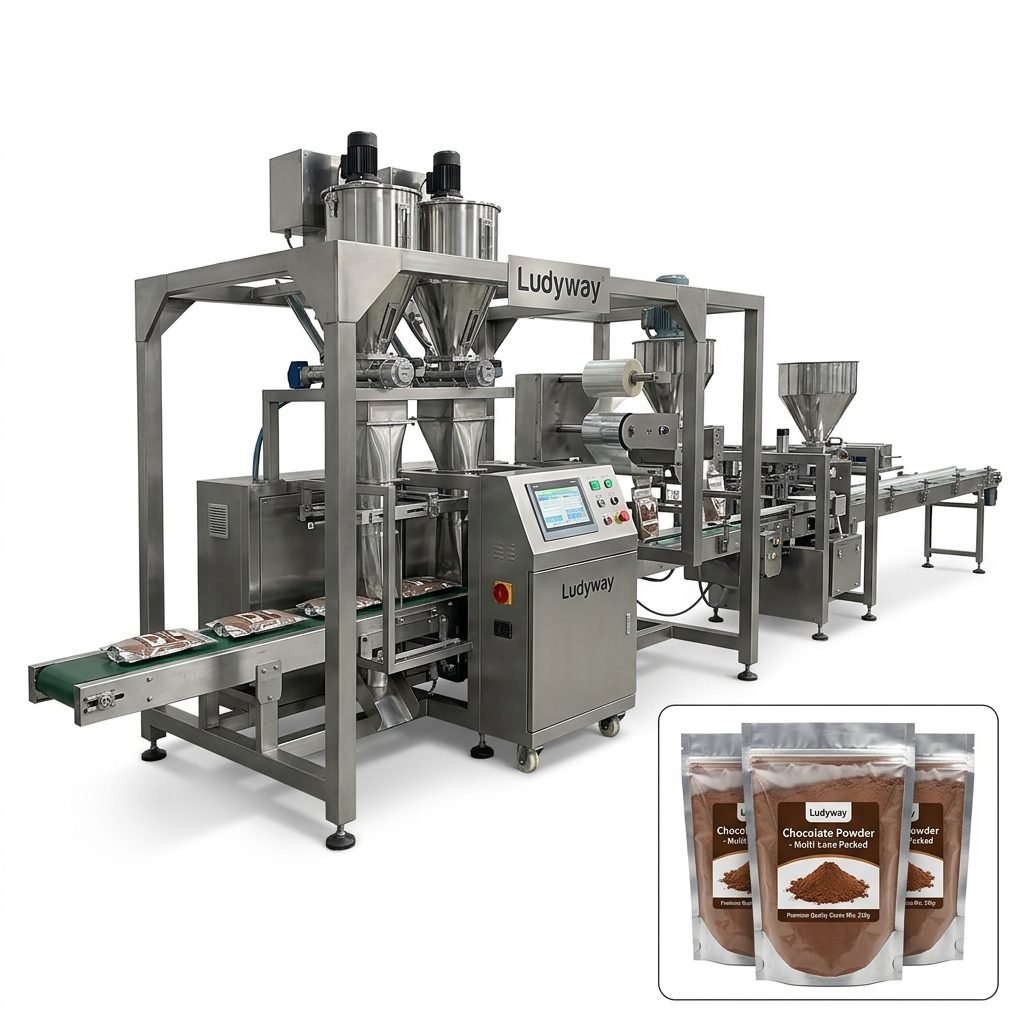
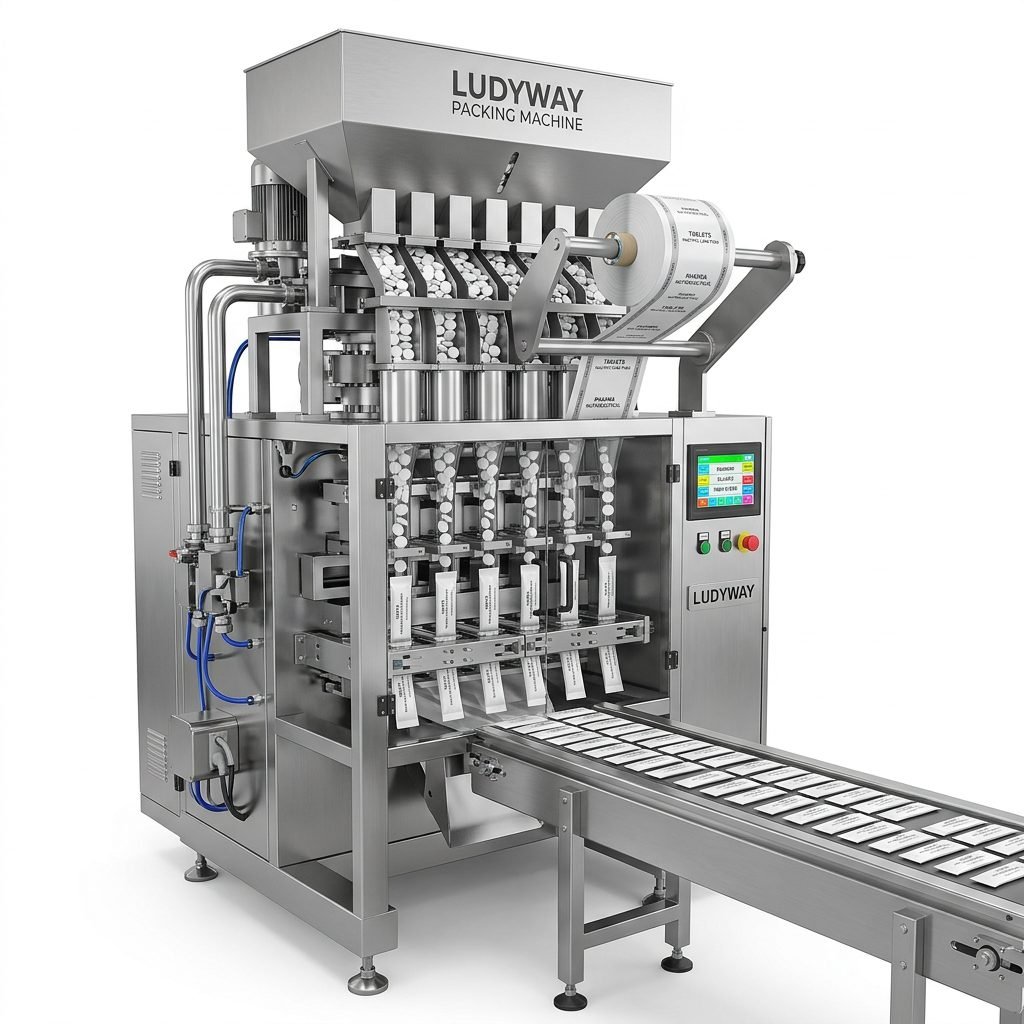
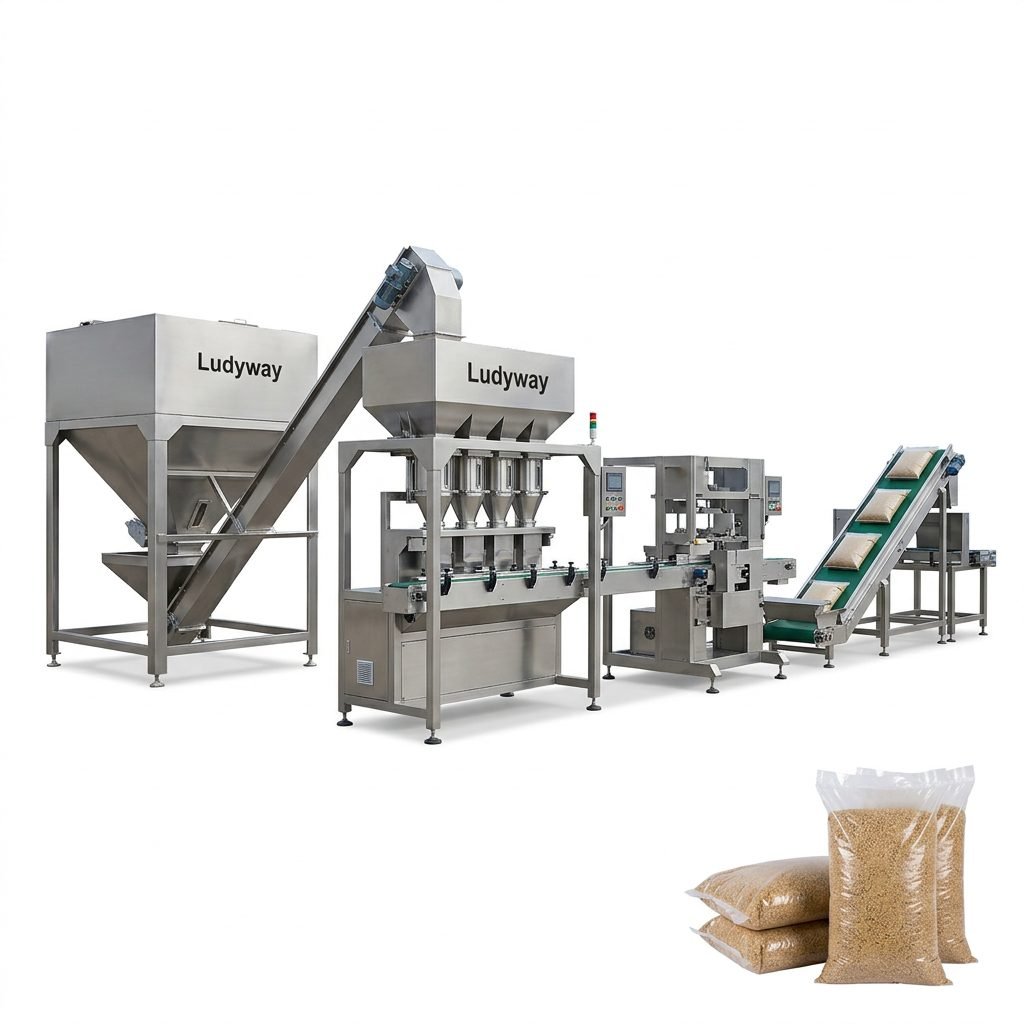
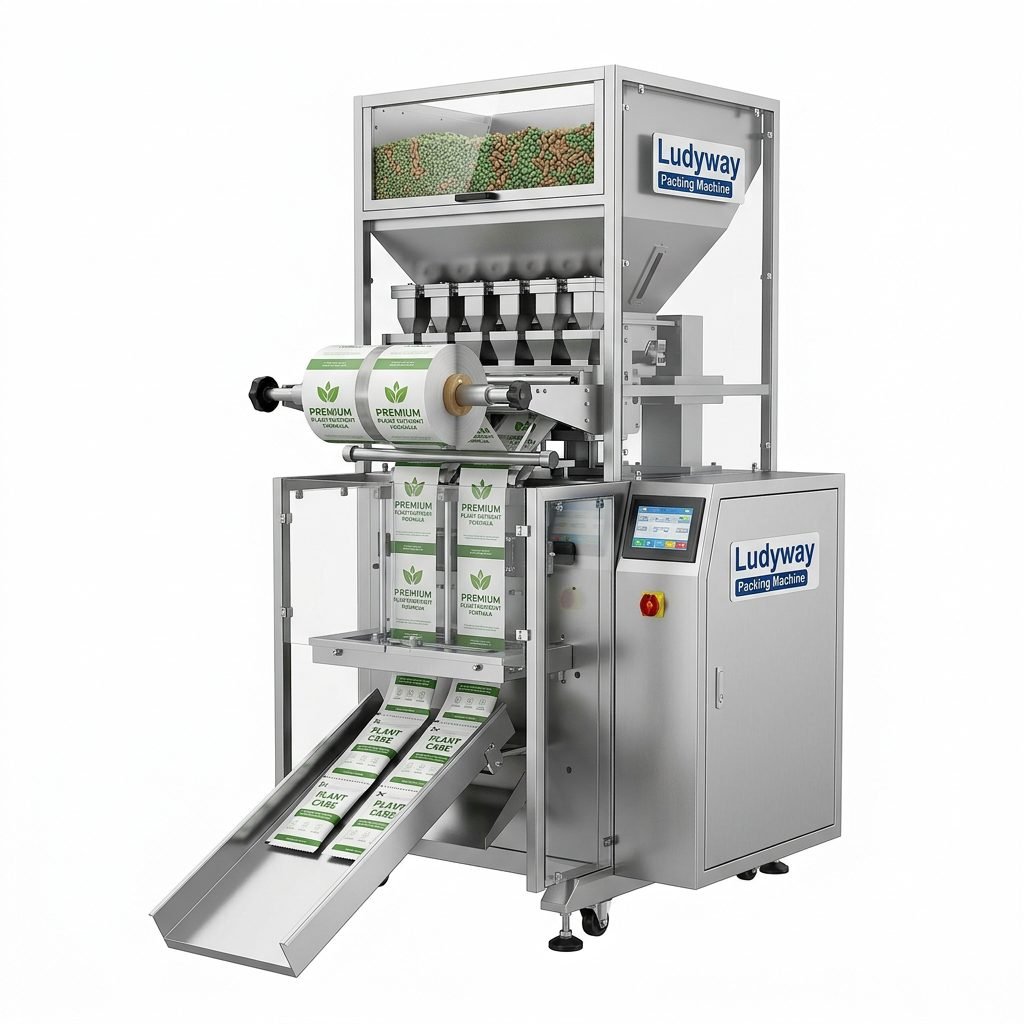
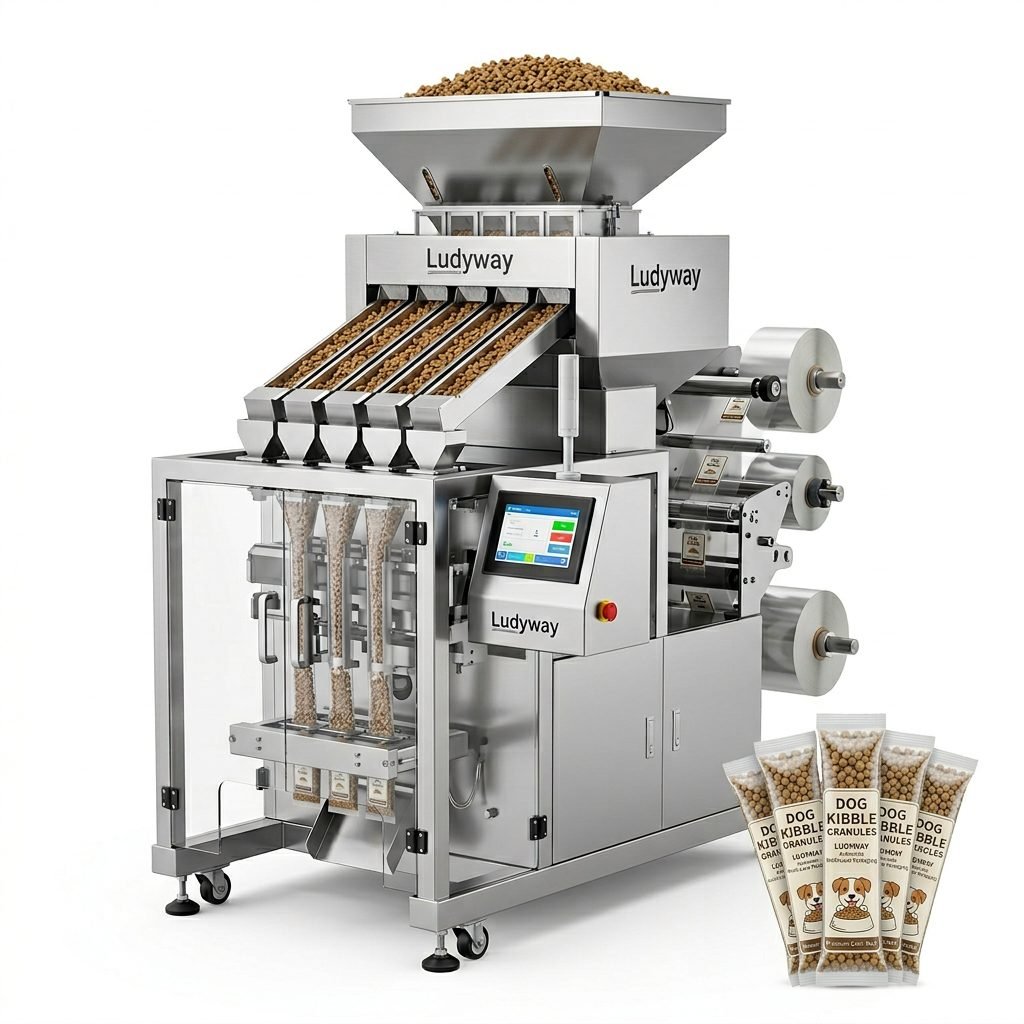
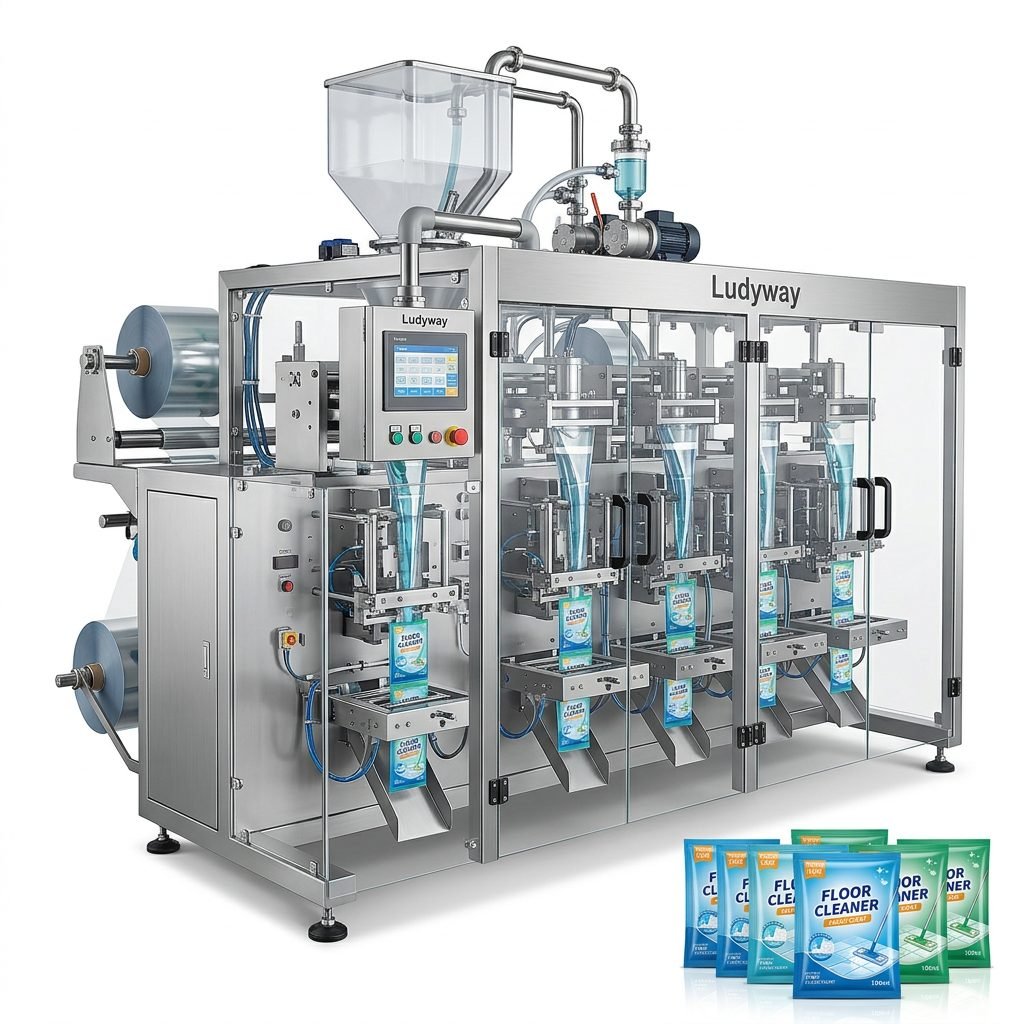
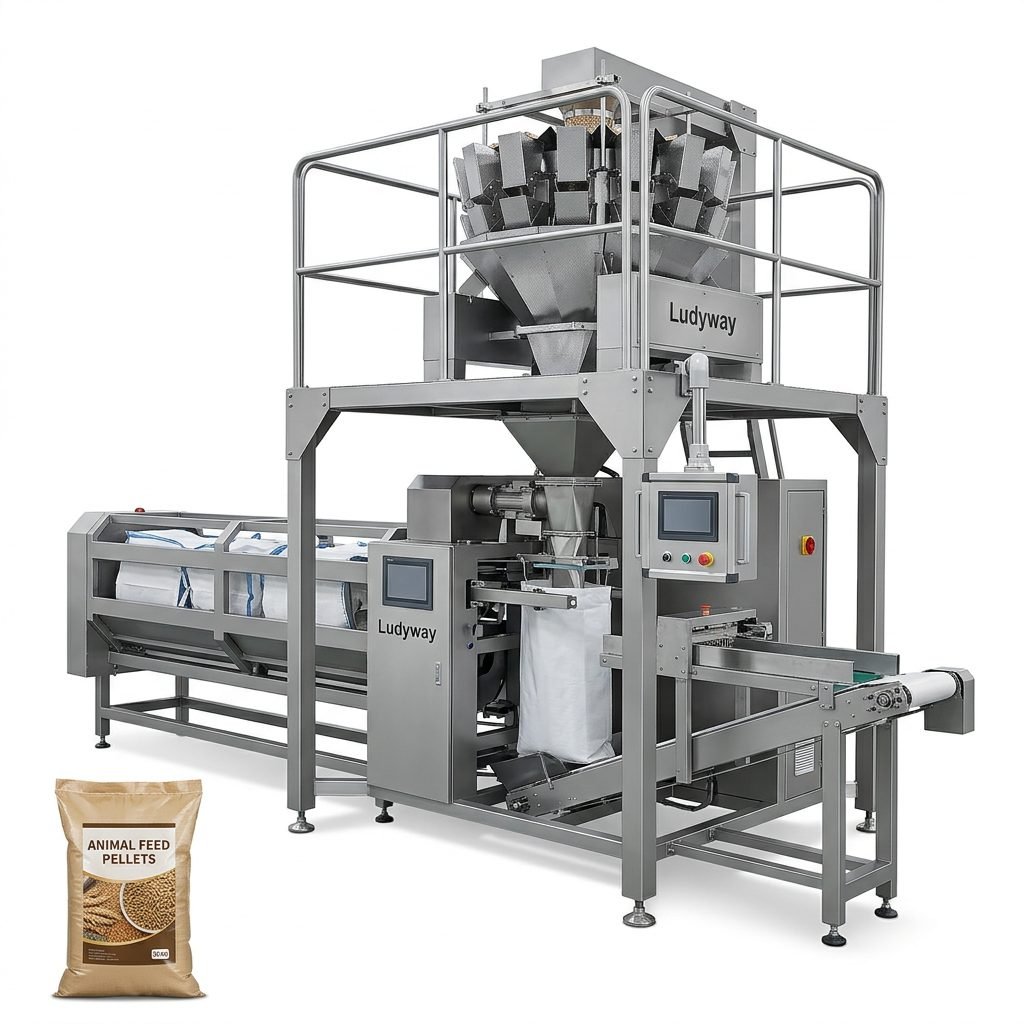
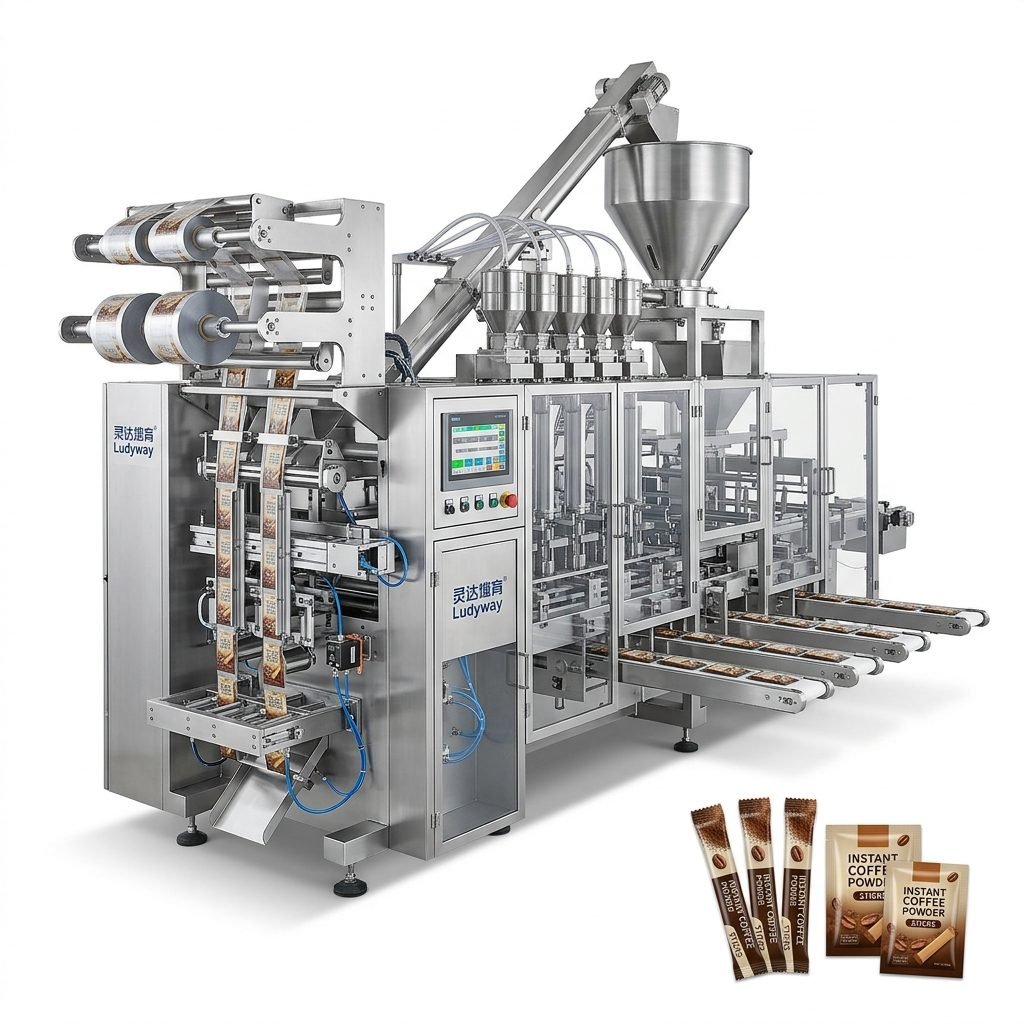
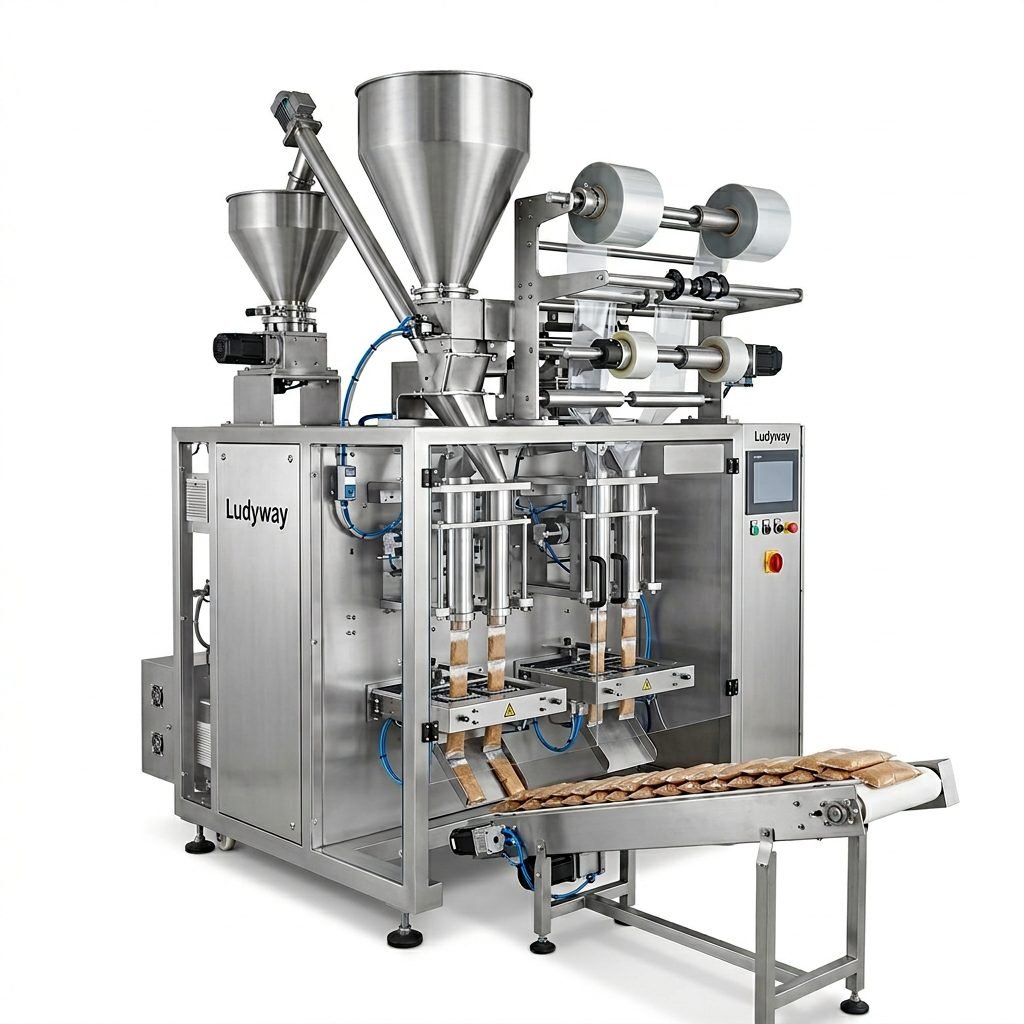
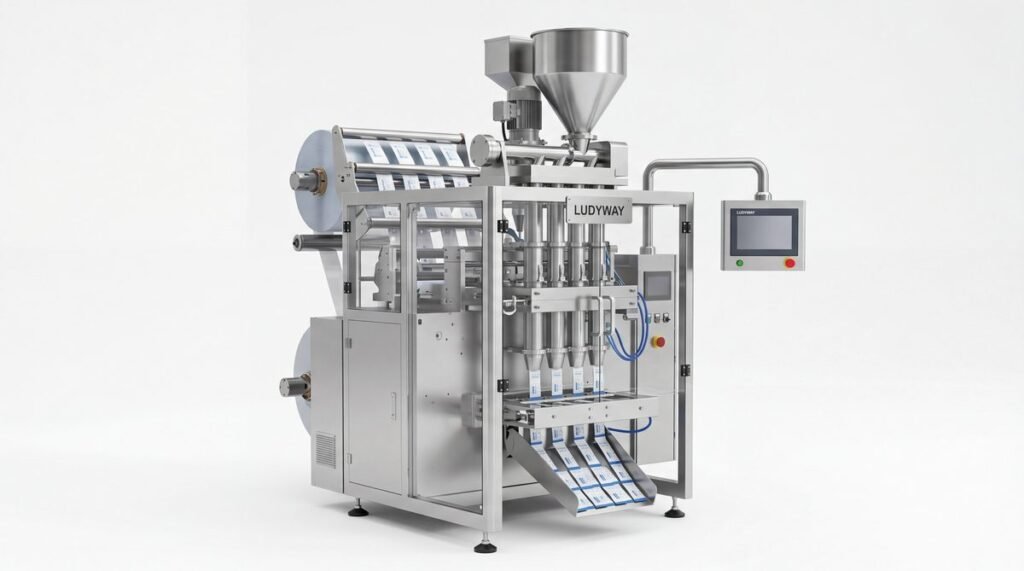
Investing in a chewing gum packaging machine for the European market requires a clear understanding of automation trends, regulatory demands, and production scalability. Whether you are producing stick packs, sachets, or pillow-style gum formats, the right equipment directly impacts line efficiency, shelf appeal, and compliance with EU packaging directives. This guide breaks down essential features, real-world cost benchmarks, and how to evaluate suppliers for long-term success.
Why European Gum Producers Are Upgrading Packaging Lines
The European chewing gum sector is projected to grow steadily, driven by sugar-free innovations and functional gum formats. With packaging machinery market research indicating rising demand for flexible, multi-format lines, manufacturers are moving away from single-purpose machines toward multi-lane stick pack and sachet systems that can handle various gum shapes and wrapper materials. Key drivers include:
- Stricter hygiene standards under EU food contact material regulations
- Retailer demand for compact, shelf-ready stick pack formats
- Labor cost reduction through fully automated feeding, wrapping, and cartoning
- Sustainability targets pushing mono-material and recyclable film compatibility
Essential Features to Look for in a Chewing Gum Packaging Machine
Not all packaging machines are built for the unique challenges of chewing gum — stickiness, irregular shapes, and high-speed throughput. When evaluating equipment, prioritize these specifications:
Multi-Lane Flexibility and Format Adaptability
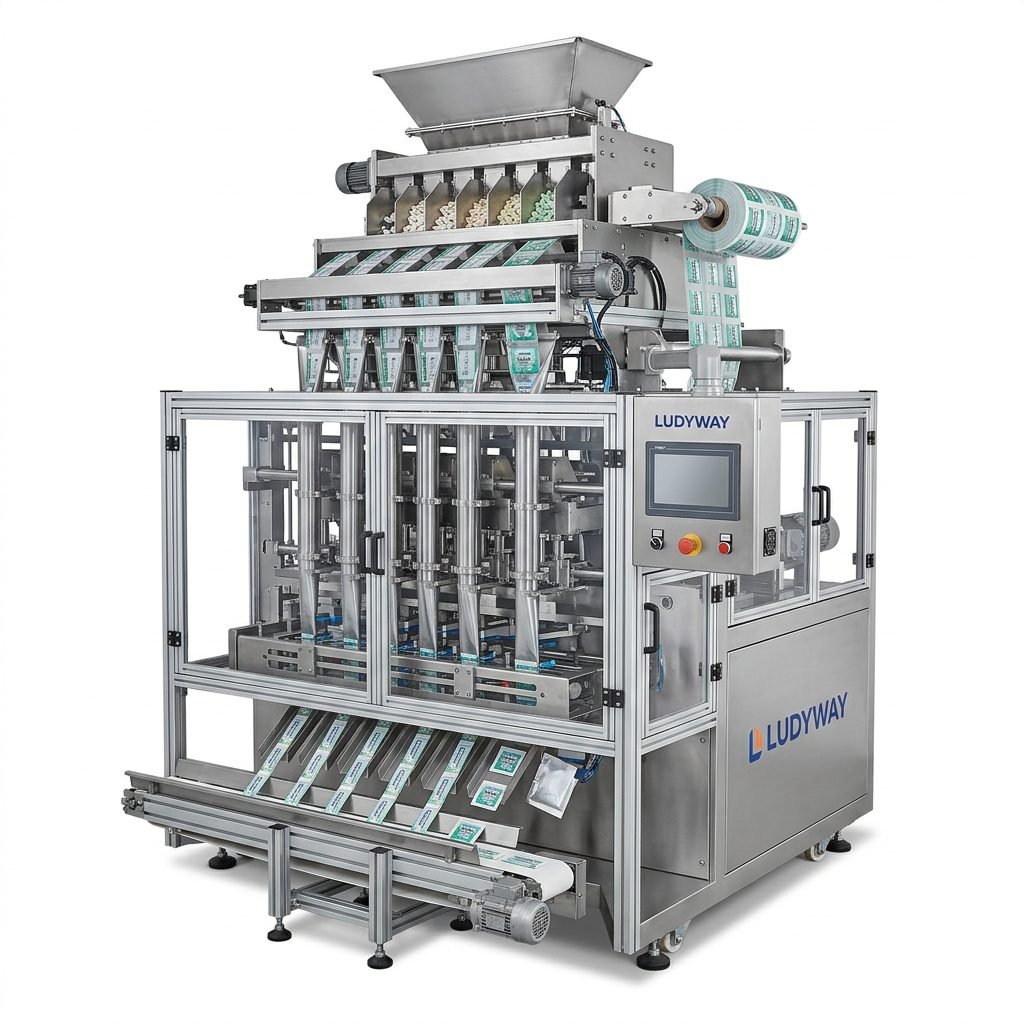
A multi-lane stick pack machine capable of running 4 to 12 lanes simultaneously dramatically increases output. Look for models that support quick changeovers between stick packs, sachets, and pillow packs without extensive retooling. This flexibility future-proofs your line as consumer preferences shift toward on-the-go single-serve formats.
Precision Feeding and Anti-Stick Mechanisms
Chewing gum’s adhesive nature demands specialized feeding systems. Vibratory or belt feeders with non-stick coatings, combined with temperature-controlled sealing jaws, prevent product buildup and ensure consistent seal integrity. Machines equipped with automated rejection systems for misaligned or underweight packs further reduce waste.

Sealing Technology and Film Compatibility
European brands increasingly adopt recyclable mono-material films and compostable laminates. The packaging machine must deliver hermetic seals across diverse material thicknesses. Servo-driven sealing jaws with independent temperature zones per lane offer the precision needed for these challenging substrates, aligning with flexible packaging industry data on material innovation trends.
Cost Breakdown: What to Expect When Budgeting
Pricing for a chewing gum packaging machine varies significantly based on automation level, lane count, and auxiliary equipment. Below is a reference table outlining typical cost ranges for the European market:
| Machine Configuration | Lane Count | Estimated Price Range (EUR) | Best Suited For |
|---|---|---|---|
| Entry-Level Single-Lane Stick Pack | 1 – 2 | €28,000 – €55,000 | Small-batch artisanal gum producers |
| Mid-Range Multi-Lane (4–6 lanes) | 4 – 6 | €70,000 – €140,000 | Mid-volume contract packagers |
| High-Speed Multi-Lane (8–12 lanes) | 8 – 12 | €160,000 – €350,000 | Large-scale gum manufacturers |
| Fully Integrated Line (with cartoning) | 6 – 12 | €280,000 – €550,000+ | End-to-end automated production |
Beyond the machine itself, factor in installation, operator training, CE certification documentation, and annual maintenance contracts — typically adding 12–18% to the upfront investment. Financing options and leasing arrangements are increasingly available through established European equipment distributors.

Regulatory Compliance for the European Market
Any chewing gum packaging machine operating in the EU must meet CE marking requirements under the Machinery Directive 2006/42/EC. Additionally, food contact parts must comply with food packaging safety frameworks and EU Regulation (EC) No 1935/2004. Key compliance areas include:
- Hygienic design with easy-clean surfaces and minimal crevices
- Validation documentation for sealing temperatures and gas flushing (MAP)
- Electrical safety per EN 60204-1 standards
- Noise level compliance for operator safety
- Traceability integration for batch coding and serialization
Refer to ISO packaging standards for internationally recognized guidelines on machine performance and safety validation.
How to Evaluate and Select a Reliable Supplier
Choosing the right supplier is as critical as selecting the machine itself. European buyers should prioritize manufacturers with demonstrable export experience, responsive after-sales support, and documented compliance history. Consider these evaluation criteria:
Track Record in the European Market
Request case studies or references from existing European clients. A supplier familiar with EU documentation requirements, voltage standards (380–400V/50Hz), and local service logistics will significantly reduce commissioning delays.
After-Sales Infrastructure
Remote diagnostics capability, readily available spare parts in European warehouses, and multilingual technical support are non-negotiable for minimizing downtime. Clarify warranty terms and response-time guarantees before signing.
Customization and Turnkey Capability
Leading suppliers offer integrated turnkey solutions — from feeding and primary packaging to secondary cartoning and palletizing. Manufacturers with in-house engineering teams, such as Ludyway, a packaging machine manufacturer with over 30 years of industry expertise and a modern 20,000㎡ production facility, can tailor complete lines for chewing gum stick packs, sachets, and multi-format requirements while delivering cost-effective, high-performance equipment to businesses across more than 100 countries.
Key Technical Specifications Comparison
| Specification | Entry-Level | Mid-Range | High-End |
|---|---|---|---|
| Max Speed (packs/min/lane) | 40 – 60 | 60 – 100 | 100 – 180 |
| Film Width Range | 60 – 160 mm | 50 – 200 mm | 40 – 260 mm |
| Changeover Time | 30 – 45 min | 15 – 25 min | 5 – 12 min (servo-driven) |
| Automation Features | Basic PLC control | HMI touchscreen, auto-rejection | IoT-ready, remote monitoring, AI vision |
| CE Certification | Available | Standard | Full documentation package |

Common Mistakes to Avoid When Buying
- Overlooking film compatibility testing — always run trials with your actual packaging material before purchase
- Underestimating auxiliary equipment needs — compressed air, cooling systems, and dust extraction may require separate investment
- Ignoring total cost of ownership (TCO) — energy consumption, spare parts availability, and operator training impact long-term ROI
- Skipping factory acceptance testing (FAT) — a thorough FAT at the manufacturer’s facility prevents costly surprises during installation
- Neglecting scalability — select a platform that supports adding lanes or integrating cartoning modules as production grows
Emerging Trends Shaping the Chewing Gum Packaging Sector
Several developments are influencing equipment design and purchasing decisions across Europe. Smart factory integration with OPC-UA protocols enables real-time production monitoring and predictive maintenance. Meanwhile, the shift toward paper-based and biodegradable wrappers challenges machine builders to innovate on sealing and forming technologies. Stay informed through resources like the PMMI State of the Industry report and Flexible Packaging Association updates to anticipate regulatory and material shifts.
Final Recommendations
Selecting a chewing gum packaging machine for the European market demands a balanced assessment of speed, format flexibility, regulatory readiness, and supplier reliability. Invest in equipment that not only meets today’s production targets but also adapts to evolving packaging sustainability mandates. By prioritizing multi-lane technology with robust after-sales support and verified CE compliance, you position your operation for efficient, scalable, and compliant growth in the competitive European confectionery landscape.
For further guidance, explore authoritative industry resources including the PMMI packaging industry resource library and the European Commission packaging waste regulation portal.