Understanding the German Market and Regulatory Framework
Setting up a vacuum sealing packaging machine production line in Germany requires a deep understanding of the local industrial landscape. Germany is renowned for its engineering precision, strict quality controls, and robust safety standards. Before importing or installing any packaging machinery, you must ensure full compliance with European Union (EU) directives and German-specific regulations, particularly the CE marking requirements and the German Packaging Act (VerpackG).
Key regulatory bodies and standards include:
- EU Machinery Directive 2006/42/EC: Essential for any automated packaging equipment.
- FDA and EC 1935/2004 Standards: Critical for food and pharmaceutical packaging material safety.
- TÜV Certification: The gold standard for safety and reliability in the German market.
- ISO 11607: Particularly relevant for sterile medical device packaging and validation.
Planning Your Production Line Layout
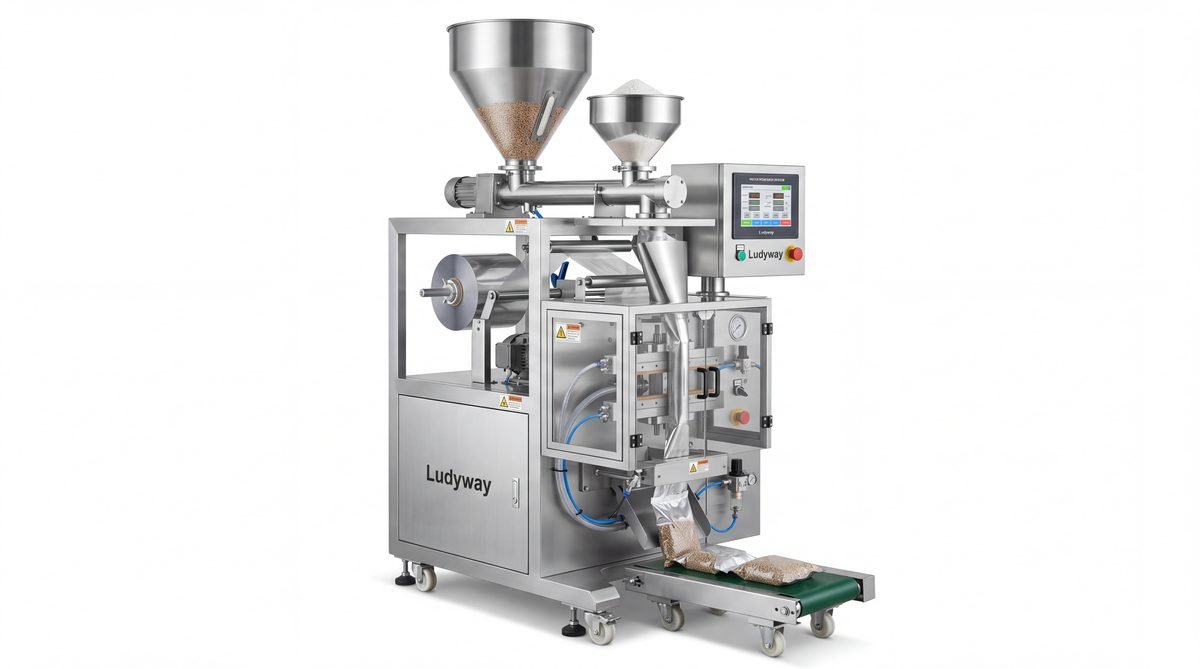
Efficiency in Germany is rarely accidental; it is engineered. Your vacuum sealing production line must be designed with lean manufacturing principles. A well-planned layout minimizes cross-contamination, reduces manual handling, and optimizes material flow. Consider a linear or U-shaped design that integrates seamlessly with your existing warehouses.
Critical Zones in a Vacuum Packaging Line
- Pre-processing/Feeding Zone: Automated feeding systems for granules, powders, or liquids.
- Primary Packaging Zone: The core vacuum packaging machine (chamber, nozzle, or thermoforming).
- Quality Control Zone: Integration of high-precision checkweighers and metal detectors.
- Secondary Packaging Zone: Automated cartoning, palletizing, and stretch wrapping.
Selecting the Right Vacuum Sealing Technology
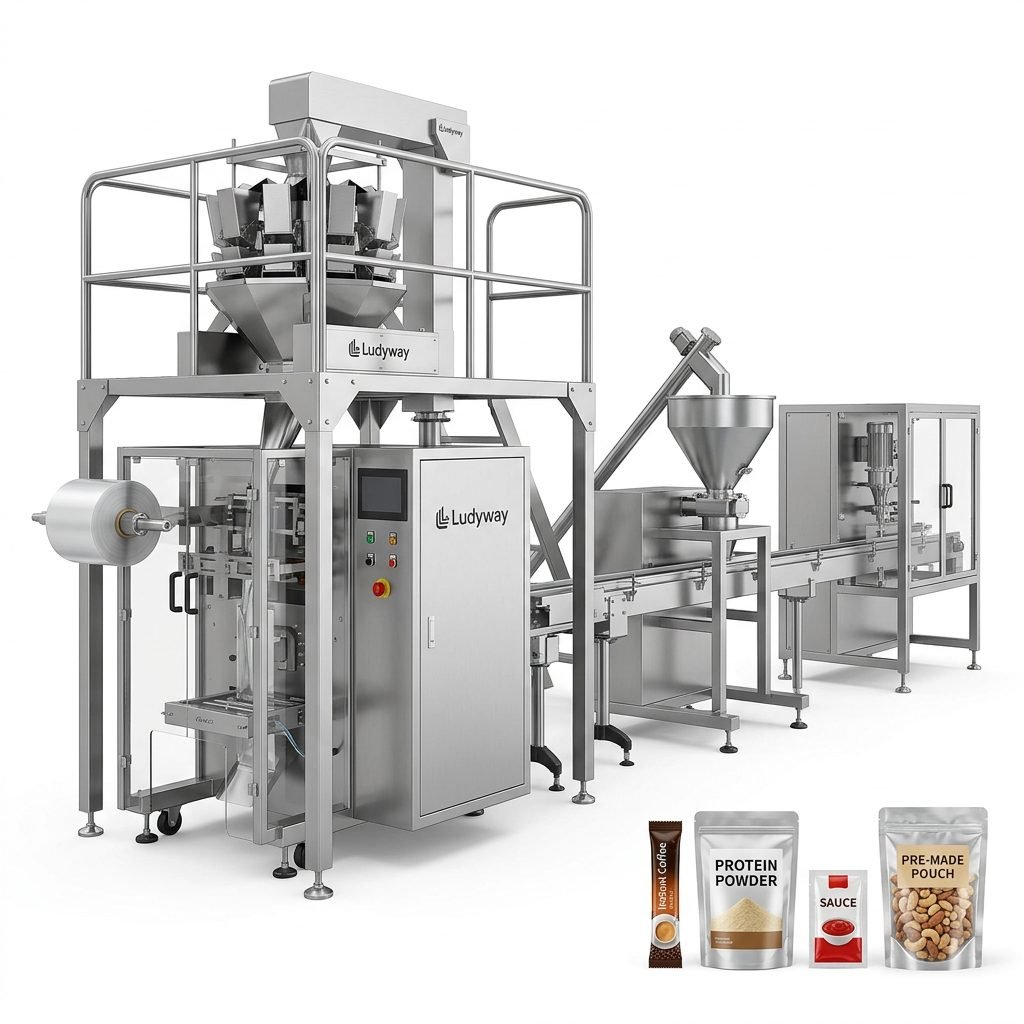
Choosing the appropriate vacuum packaging technology depends heavily on your product characteristics and production speed goals. The German market often demands high-speed, hermetic seals for products ranging from coffee powders to medical instruments.
| Technology Type | Best Application | Seal Quality & Speed |
|---|---|---|
| Chamber Vacuum Machines | Solid products, medical devices, bulk powders | High-quality seal; Moderate speed (Standard Packaging) |
| Nozzle/External Vacuum | Liquids, oils, and pastes | Good seal integrity; High speed (Ideal for sachets) |
| Thermoforming (Rollstock) | Ready meals, large volume production | Very high speed; Excellent seal consistency (CE certified) |
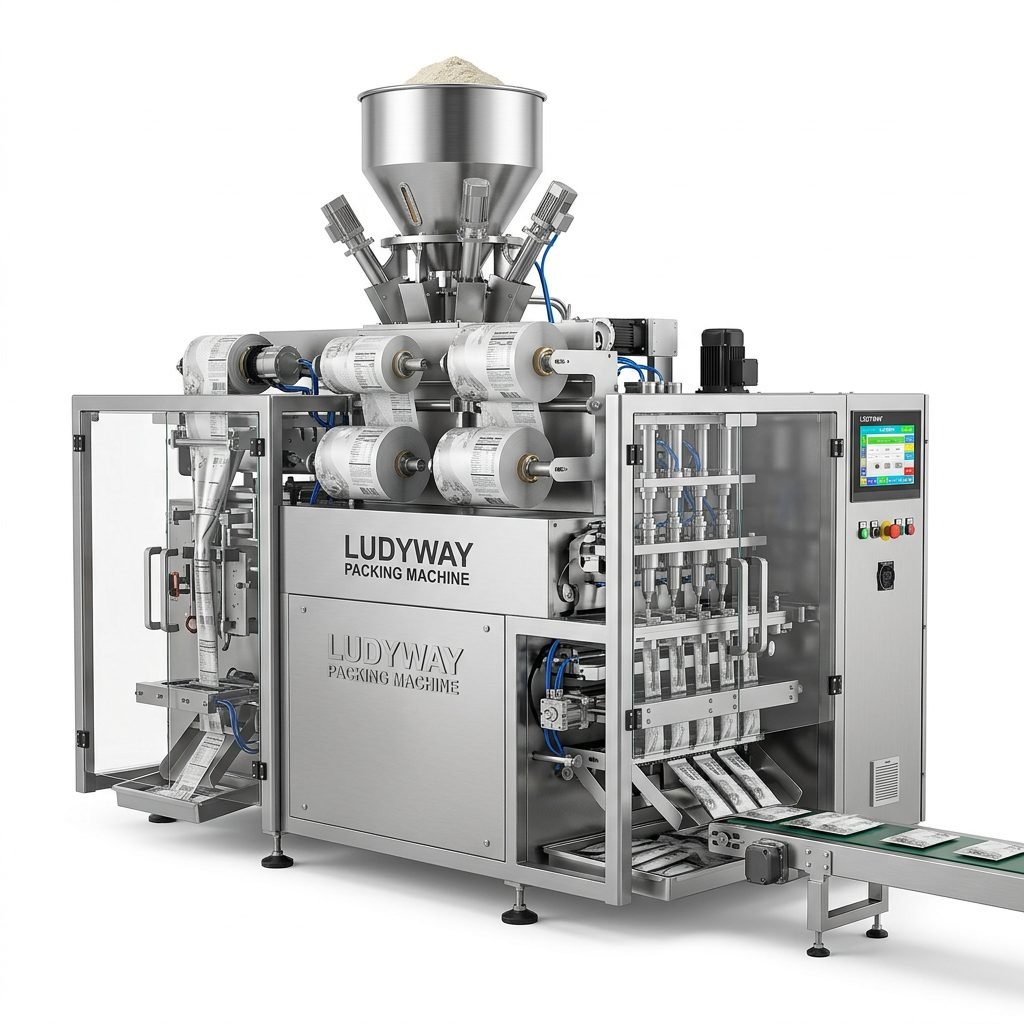
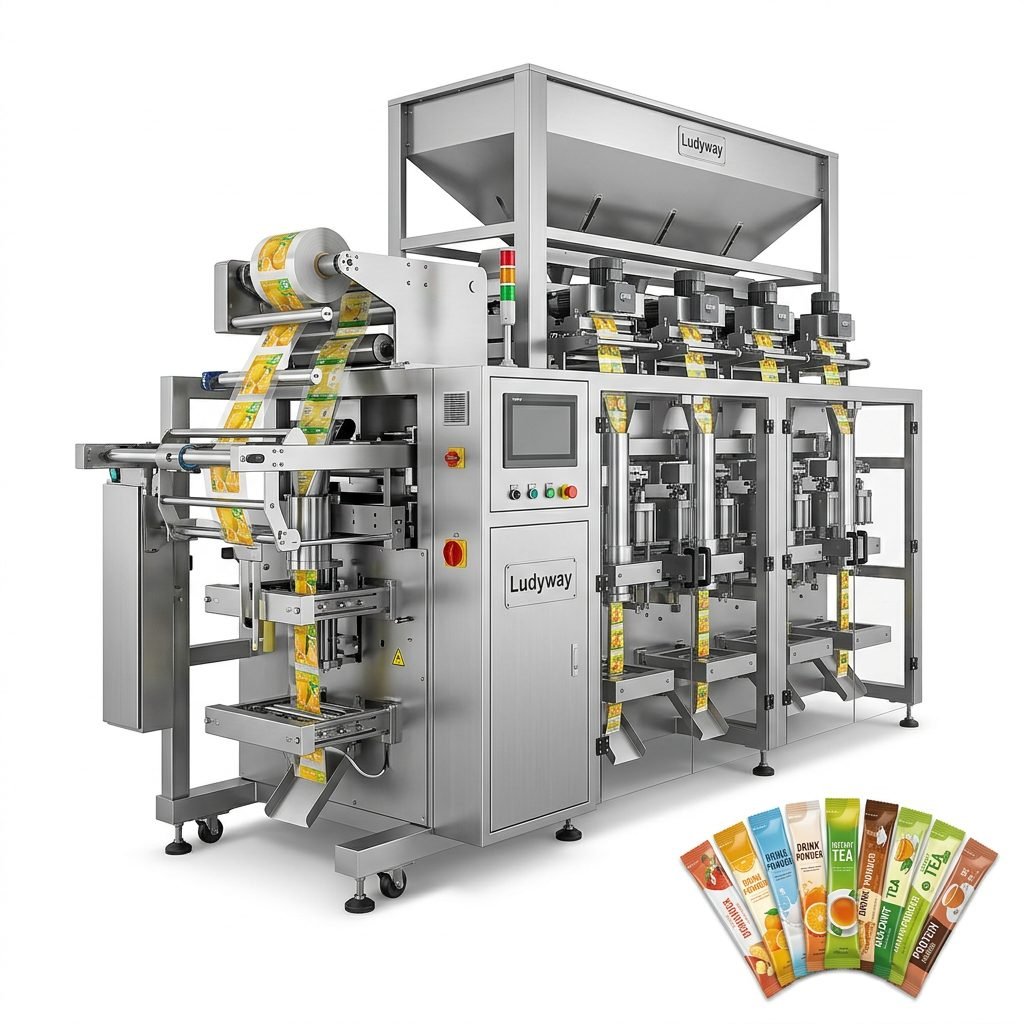
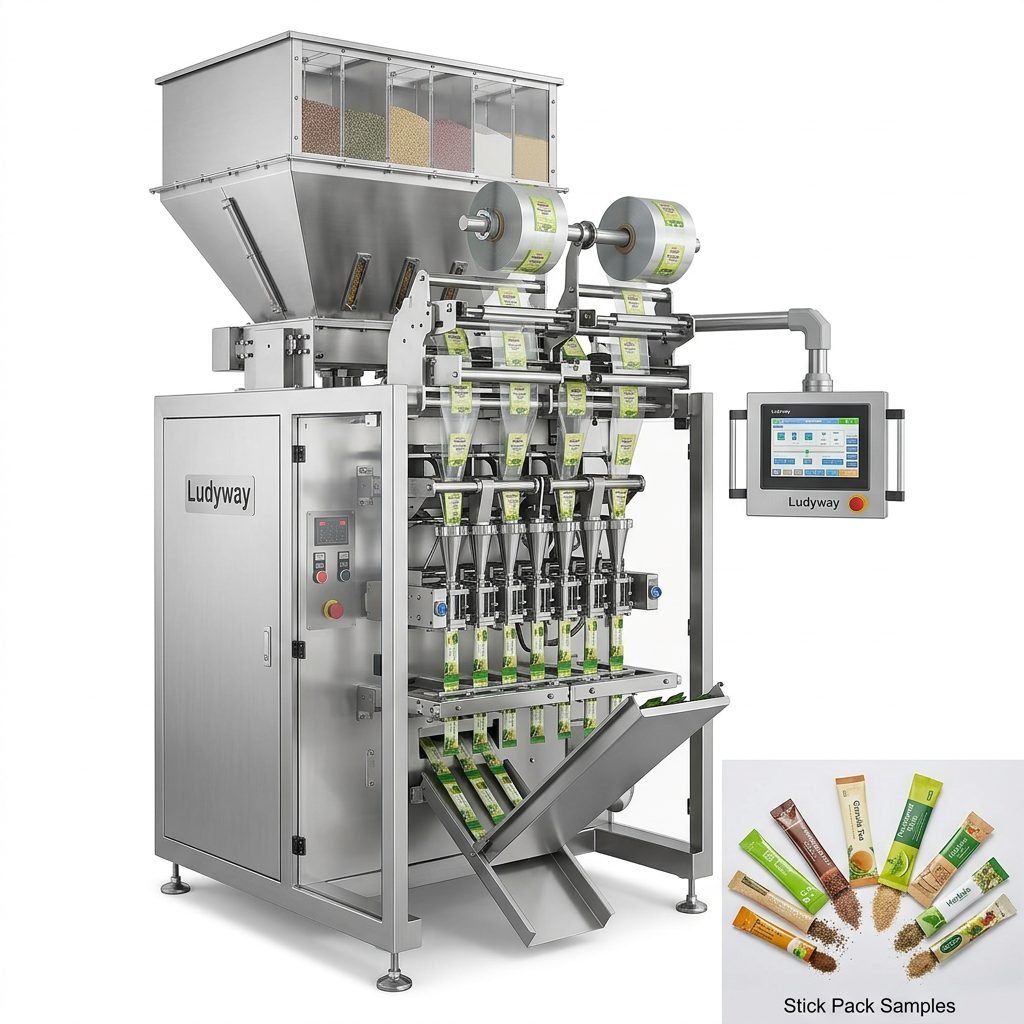
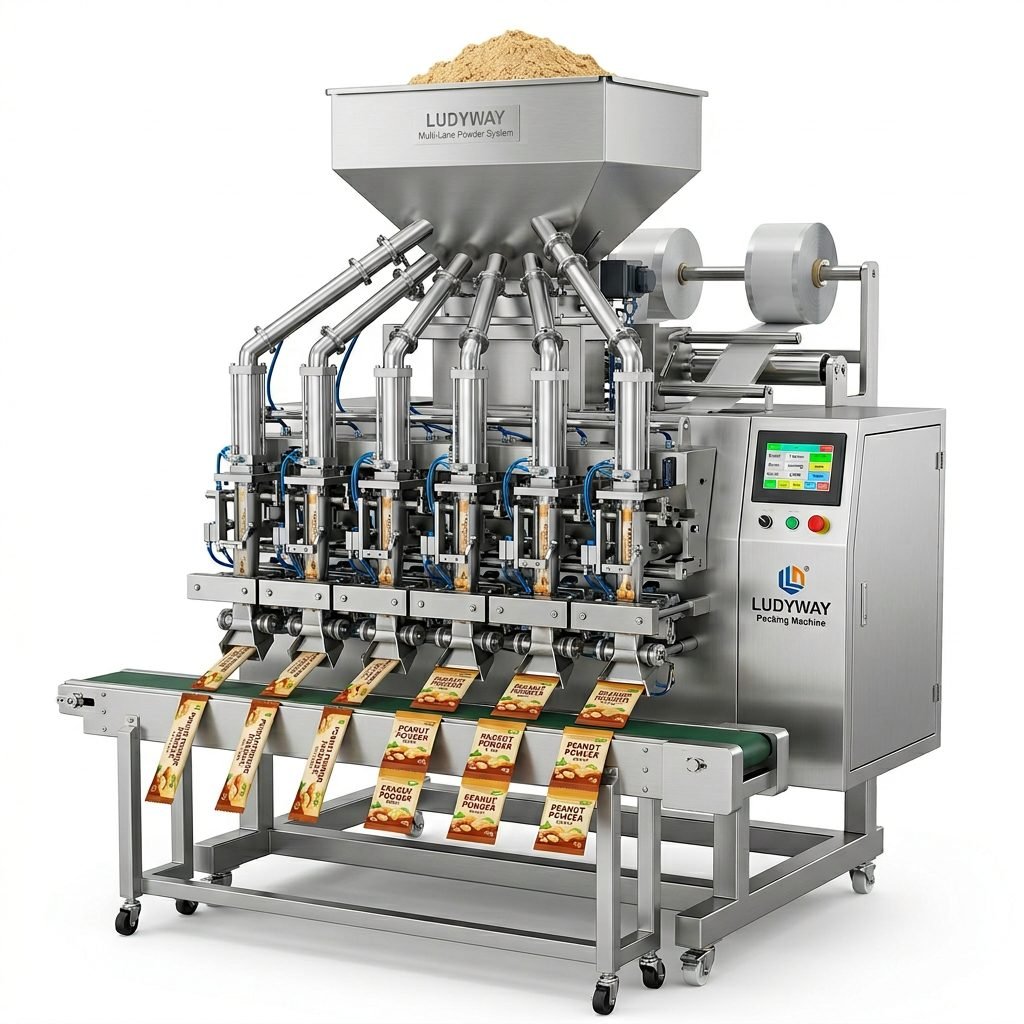
| Multi-Lane Stick Pack | Granules and powders (e.g., coffee, spices) | High precision dosing; Ultra-high speed |
Integration of Automated Material Handling
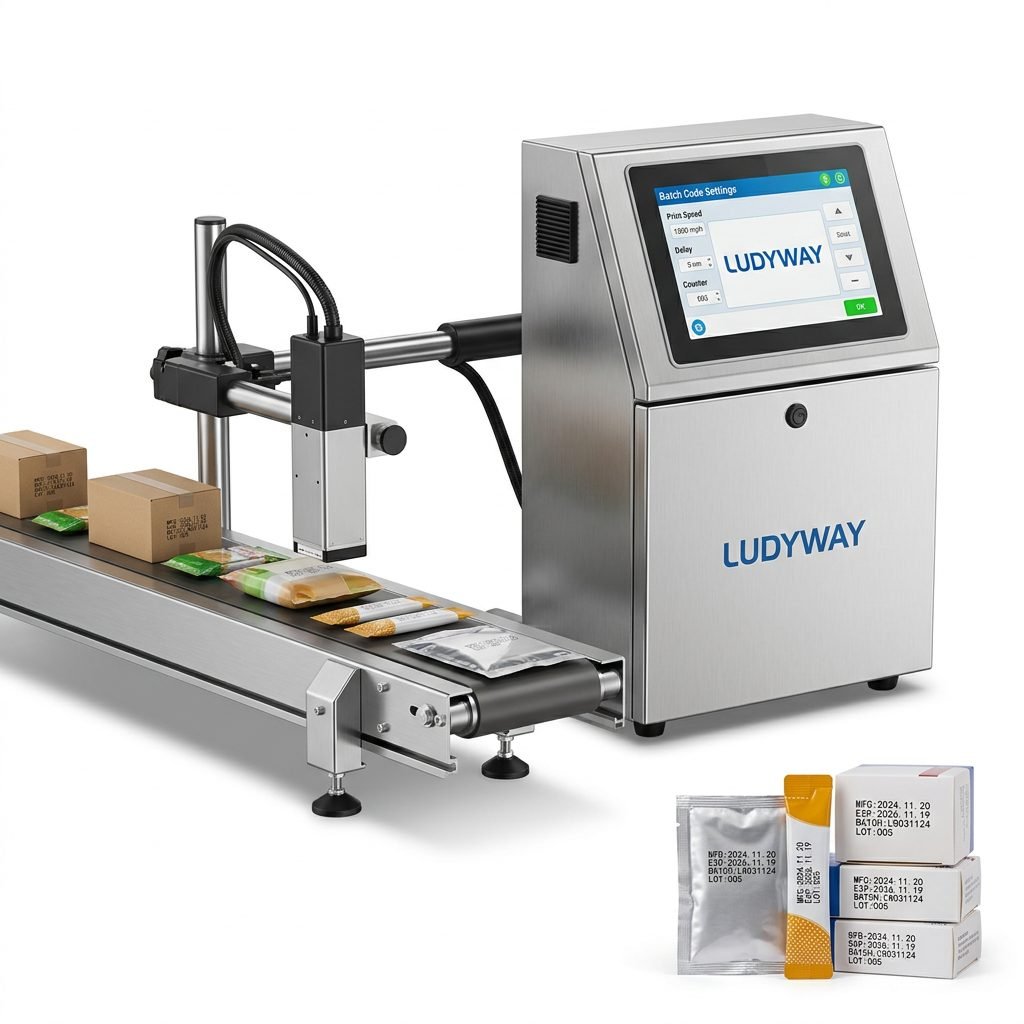
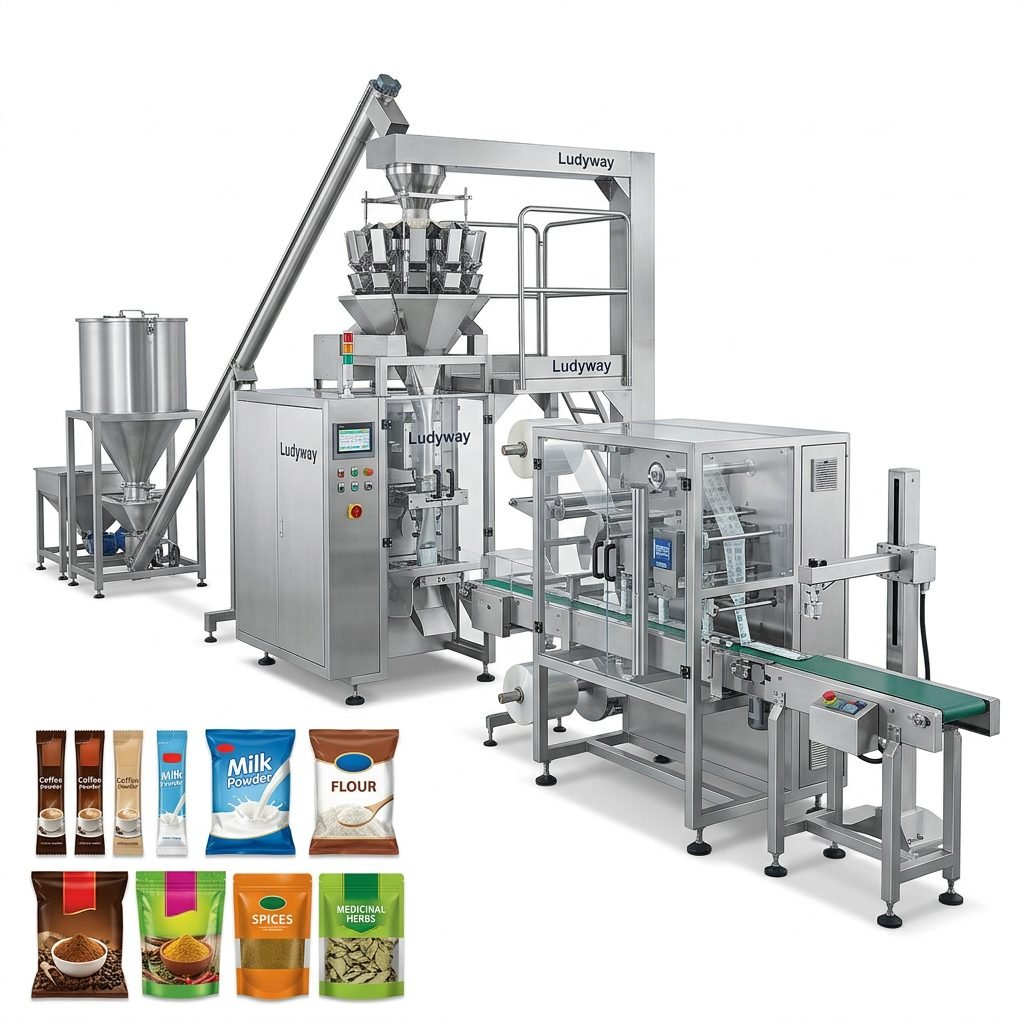
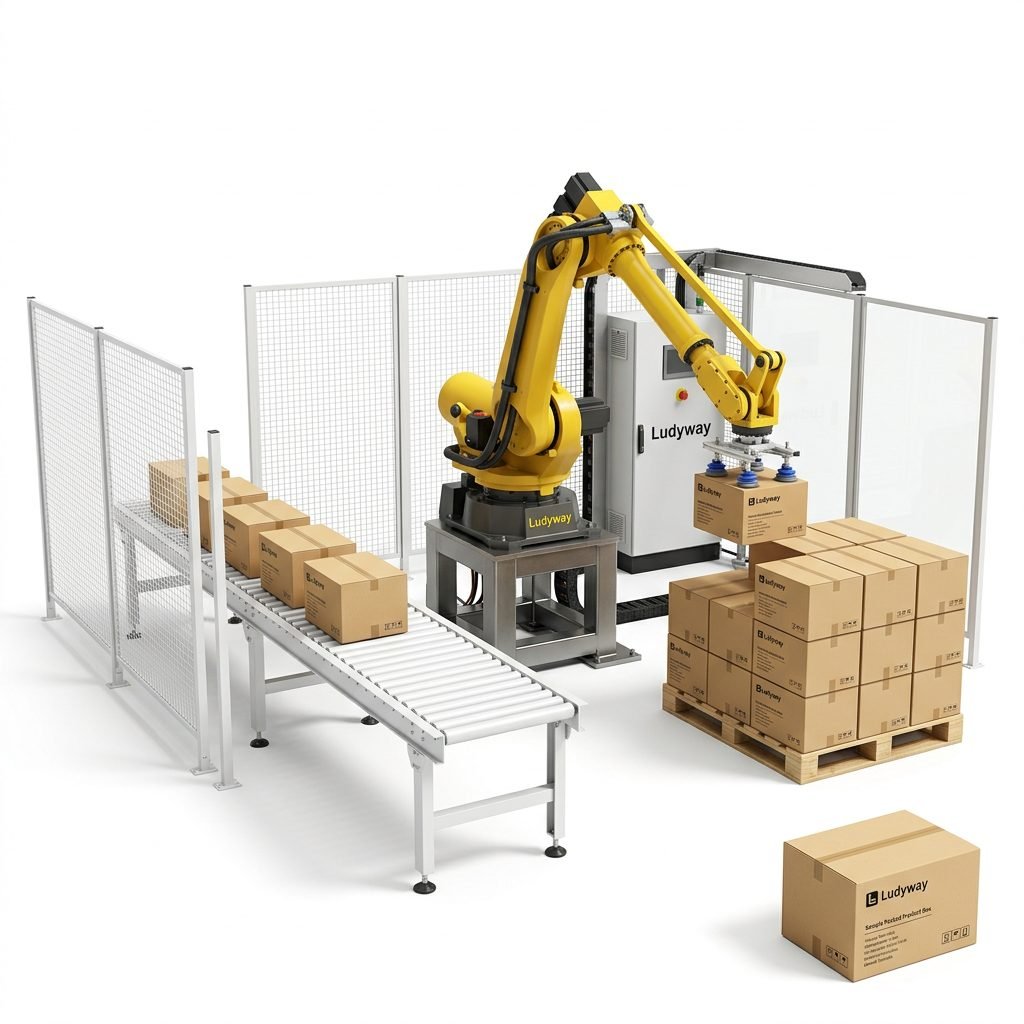
Fourth-generation Industry 4.0 standards in Germany mandate seamless automation. Your vacuum sealing setup must communicate with upstream and downstream equipment. Flexible packaging lines thrive when intelligent robotic pick-and-place systems and SCADA control panels are implemented. This not only reduces labor costs but also ensures precise batch tracking and traceability.
Key automated components include:
- Infeed and outfeed belt conveyors with custom speed control.
- Automatic counting and reject systems for quality assurance.
- End-of-line robotic palletizing systems.
Navigating German Environmental and Waste Regulations
Sustainability is non-negotiable in the EU. Your vacuum packaging production line must comply with the latest EU Packaging and Packaging Waste Regulations. This involves using recyclable or biodegradable films and minimizing material usage without compromising barrier properties. German consumers are highly eco-conscious, making “green packaging” a significant market advantage.
Essential Waste Compliance Steps
- EPR Registration: Register with the Zentrale Stelle Verpackungsregister (ZSVR).
- Material Reduction: Invest in machines that support thinner, high-barrier films.
- Recycling Codes: Ensure accurate labeling for proper waste disposal.
Supplier Selection: Partnering with Industry Experts
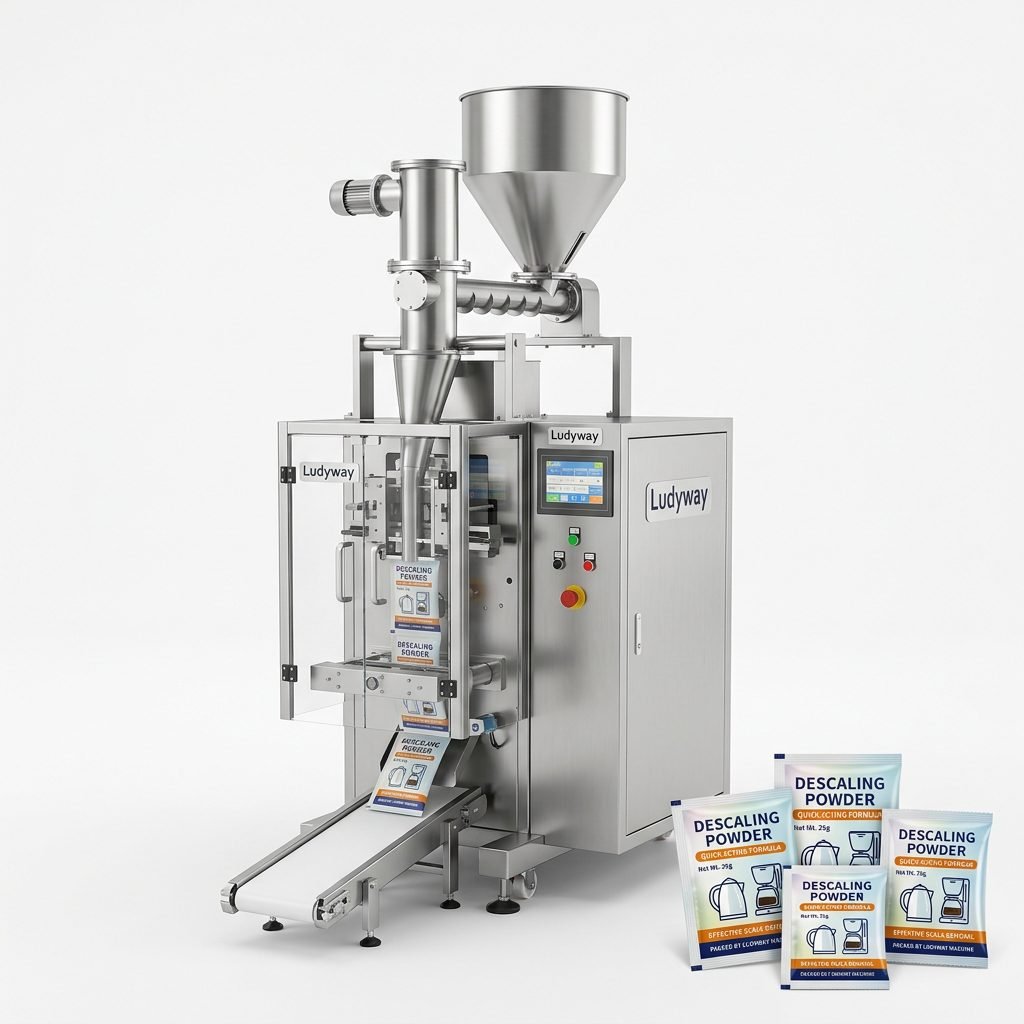
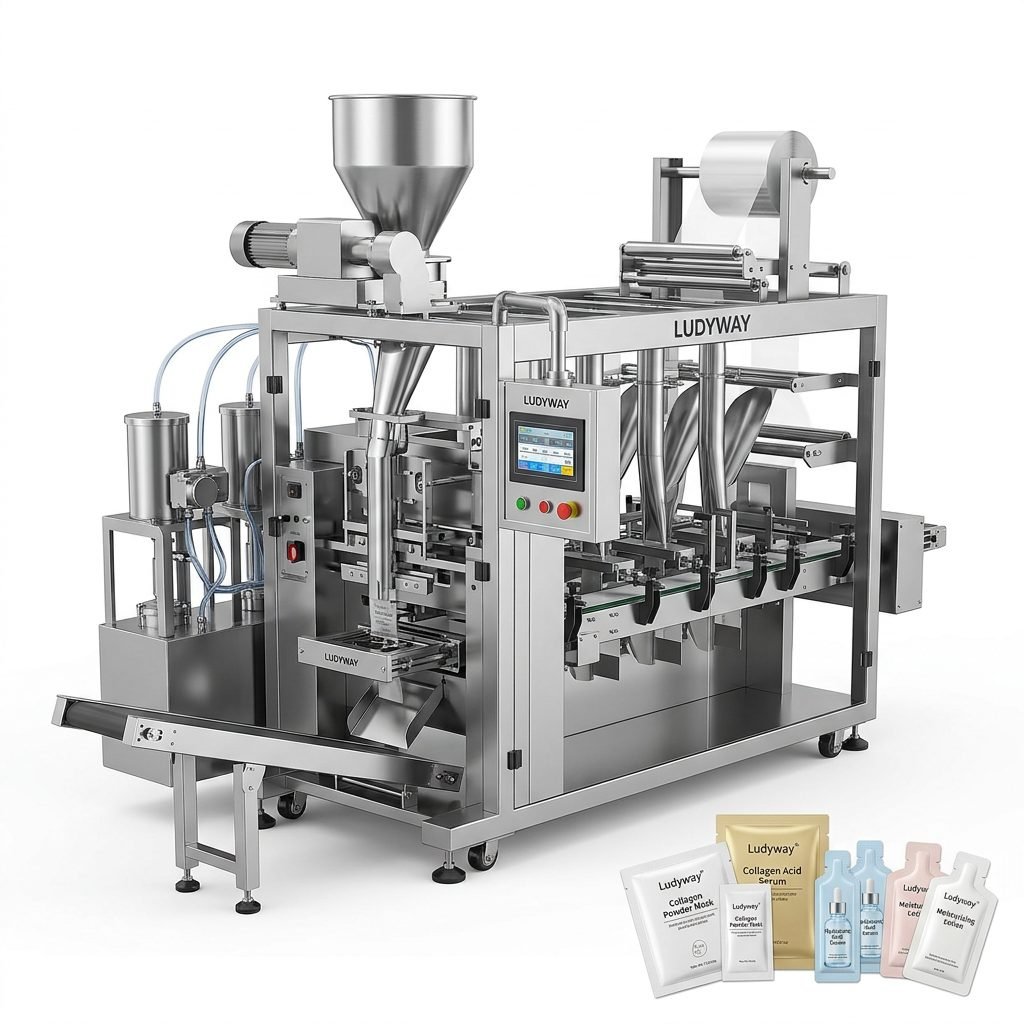
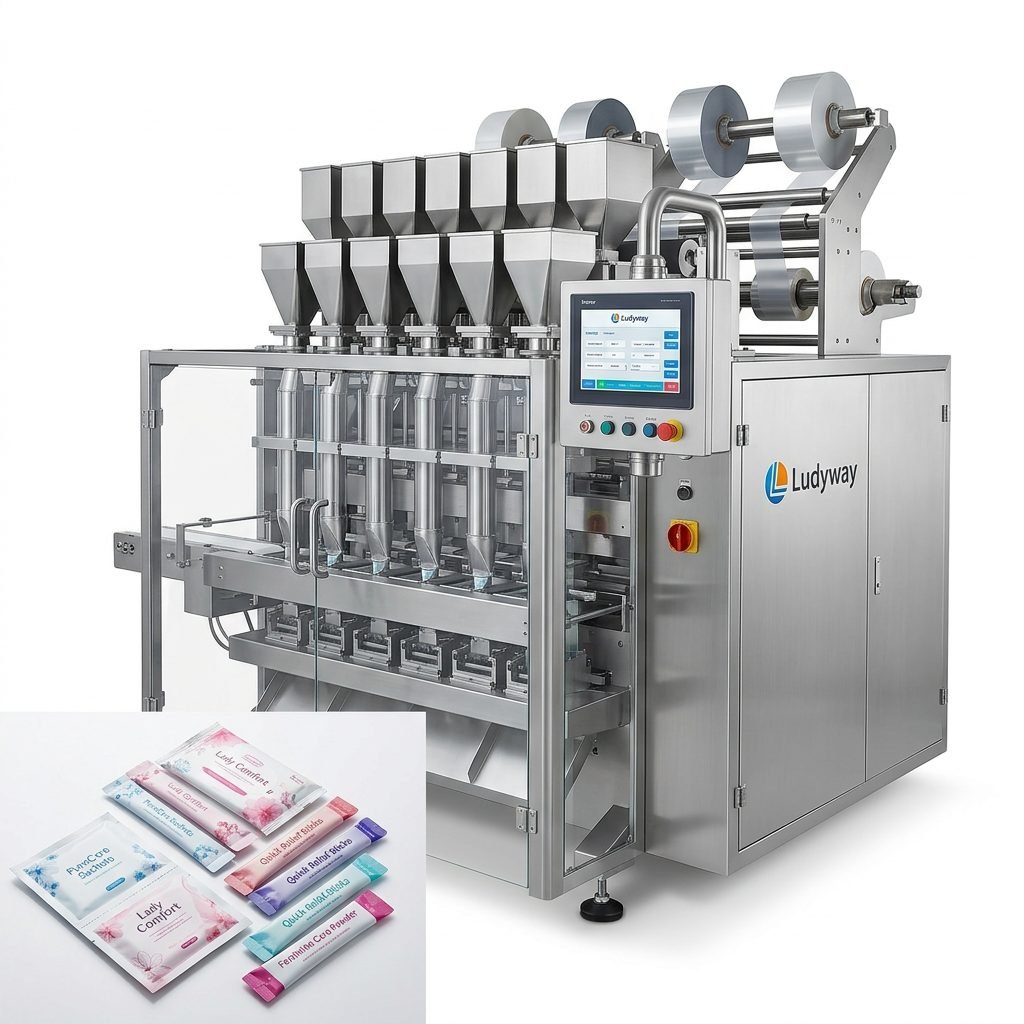
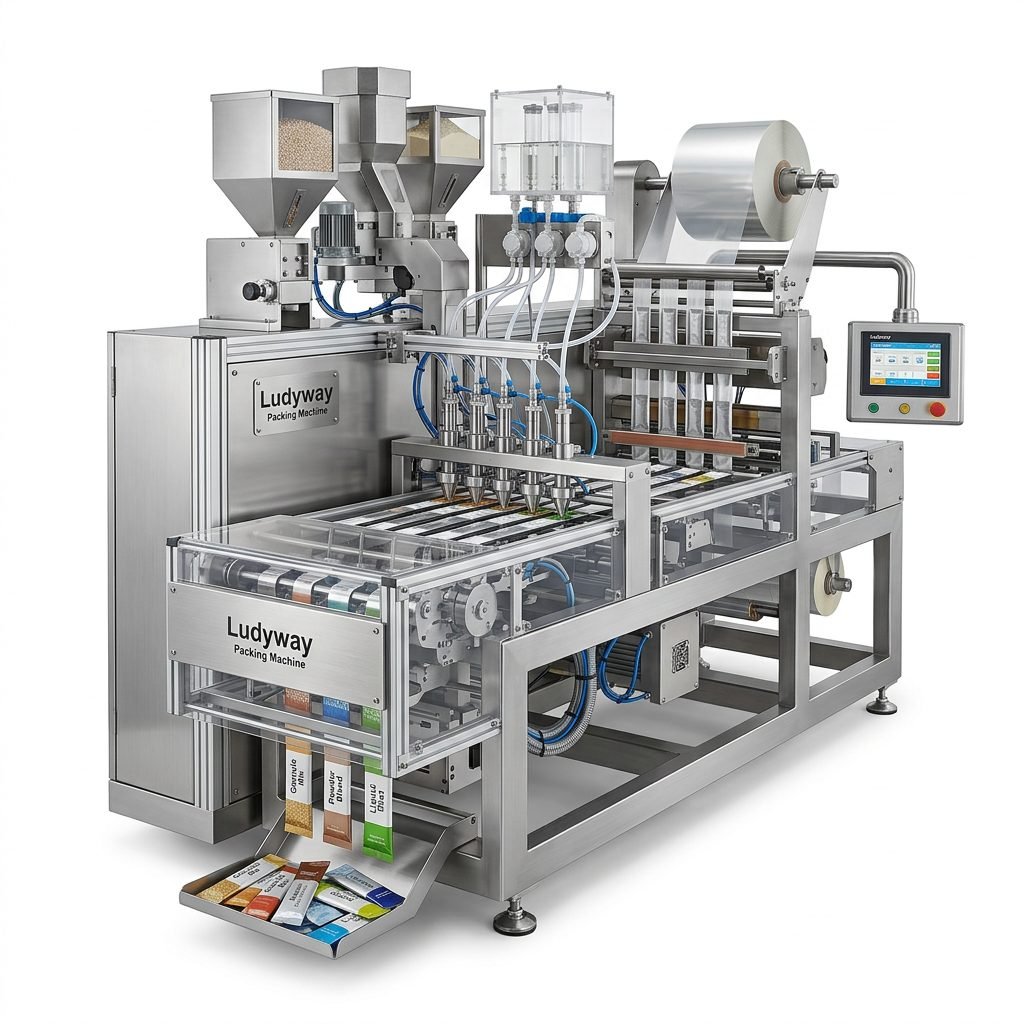
When setting up a high-stakes production line in Germany, partnering with a trusted packaging machinery OEM is critical. A reliable supplier should offer turnkey solutions, from factory design to installation and CE certification guidance. For instance, Ludyway is one of the largest packaging machine manufacturers, specializing in advanced vacuum sealing and multi-lane sachet machines for granules, powders, and liquids. With modern 20,000㎡ manufacturing facilities and a team of 130+ packaging experts, they provide comprehensive support that aligns with German industrial standards and helps streamline your production efficiency.
Installation, Calibration, and Employee Training
Once the machinery arrives, the installation phase must be meticulously executed. In Germany, VDMA standards often guide the setup process. It is vital that your engineering team or the OEM’s service technicians perform rigorous calibration. Furthermore, thorough employee training reduces downtime. Operators must be certified to handle the human-machine interfaces (HMIs) and safety lockout mechanisms specific to high-speed vacuum sealing technology.
Predictive Maintenance and After-Sales Support
The true test of a production line lies in its long-term operational stability. Implementing predictive maintenance using IoT sensors prevents costly unplanned stoppages. Look for suppliers offering remote diagnostics and readily available spare parts. Given the complex nature of German supply chains, having a local service partner or a responsive international support team ensures that your vacuum packaging line maintains an optimal overall equipment effectiveness (OEE) of over 95%.
For more information on specific machine models and configurations that meet German safety and hygiene standards, consult the latest PMMI state of the industry reports.