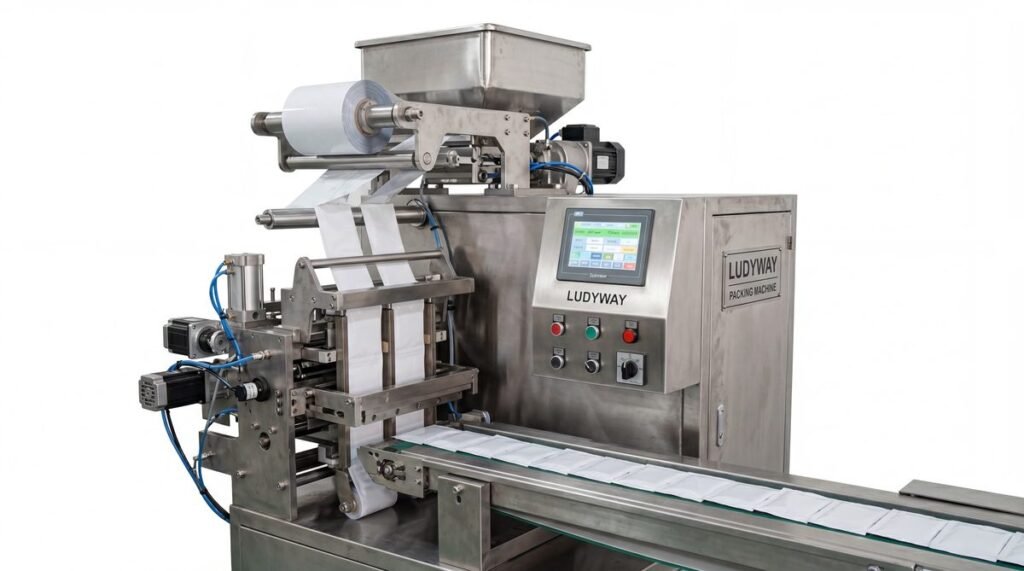
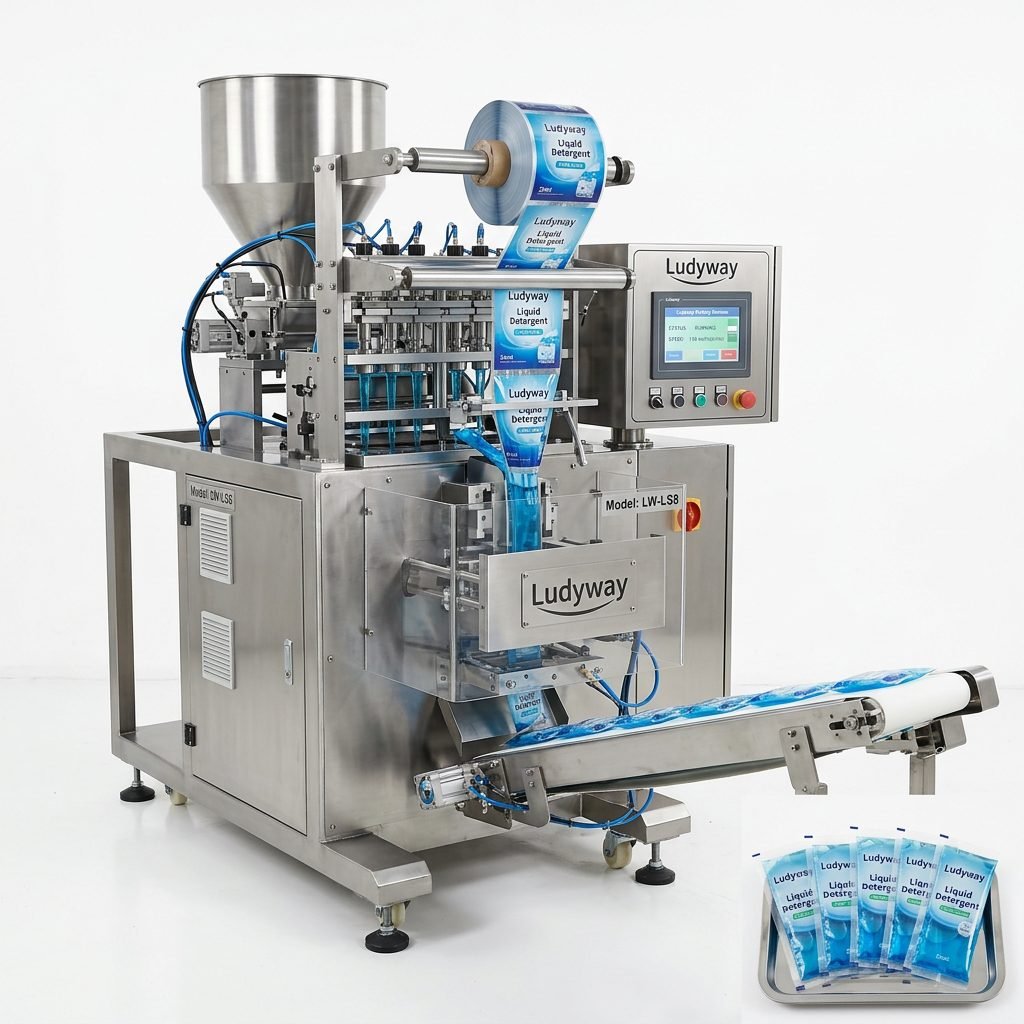
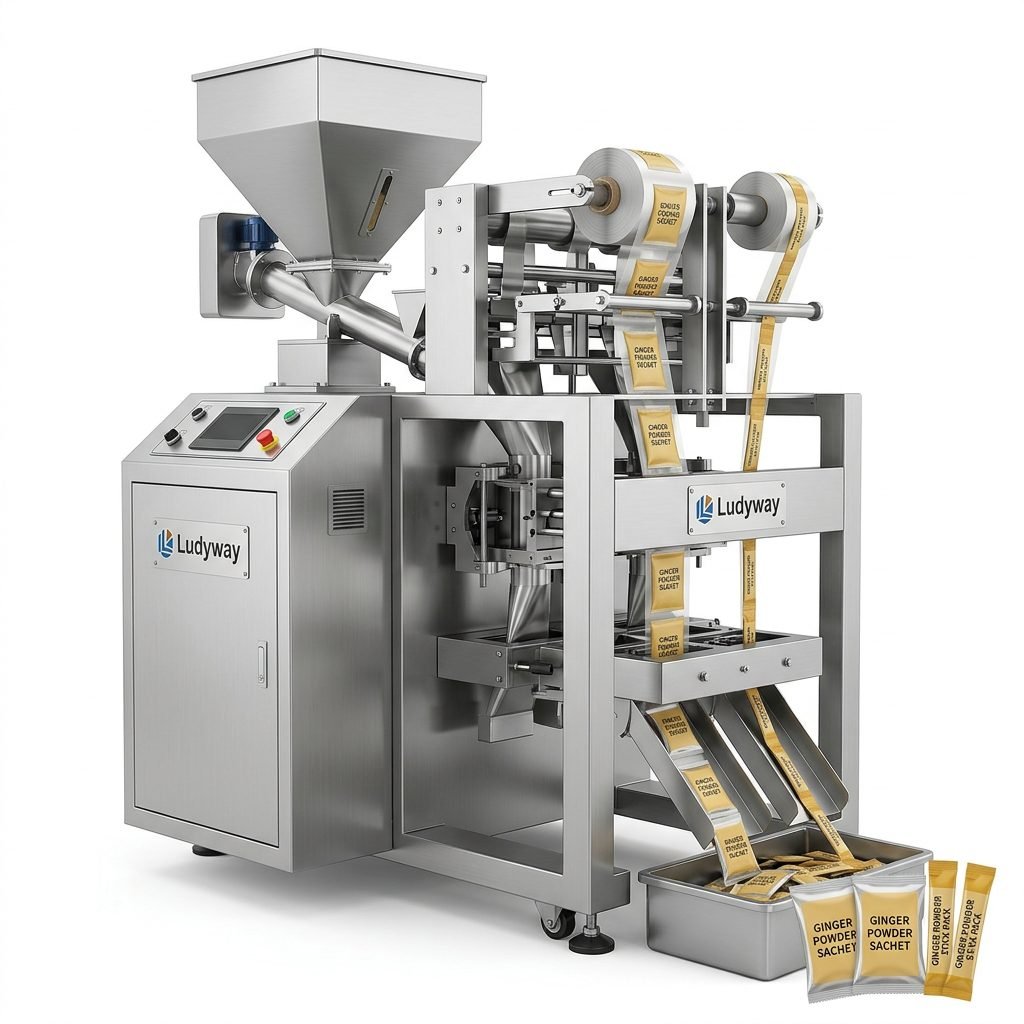
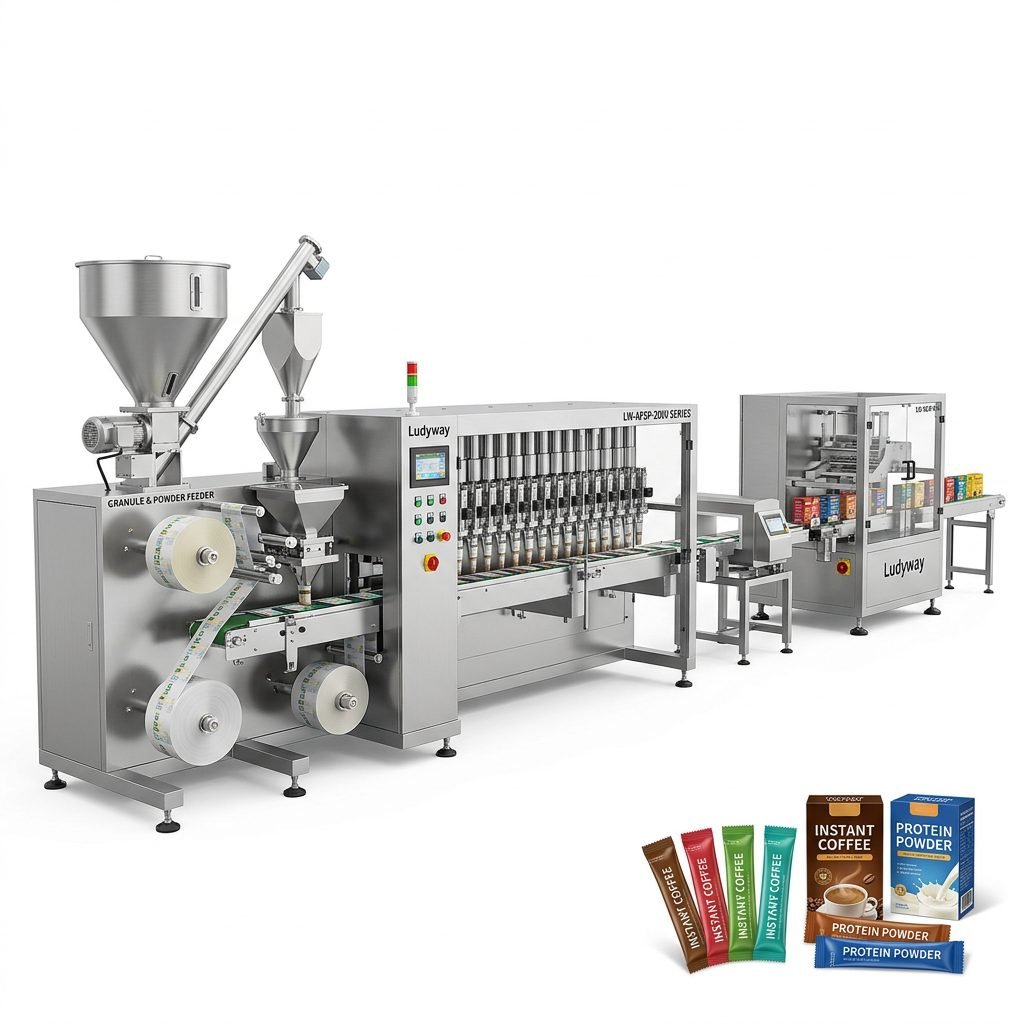
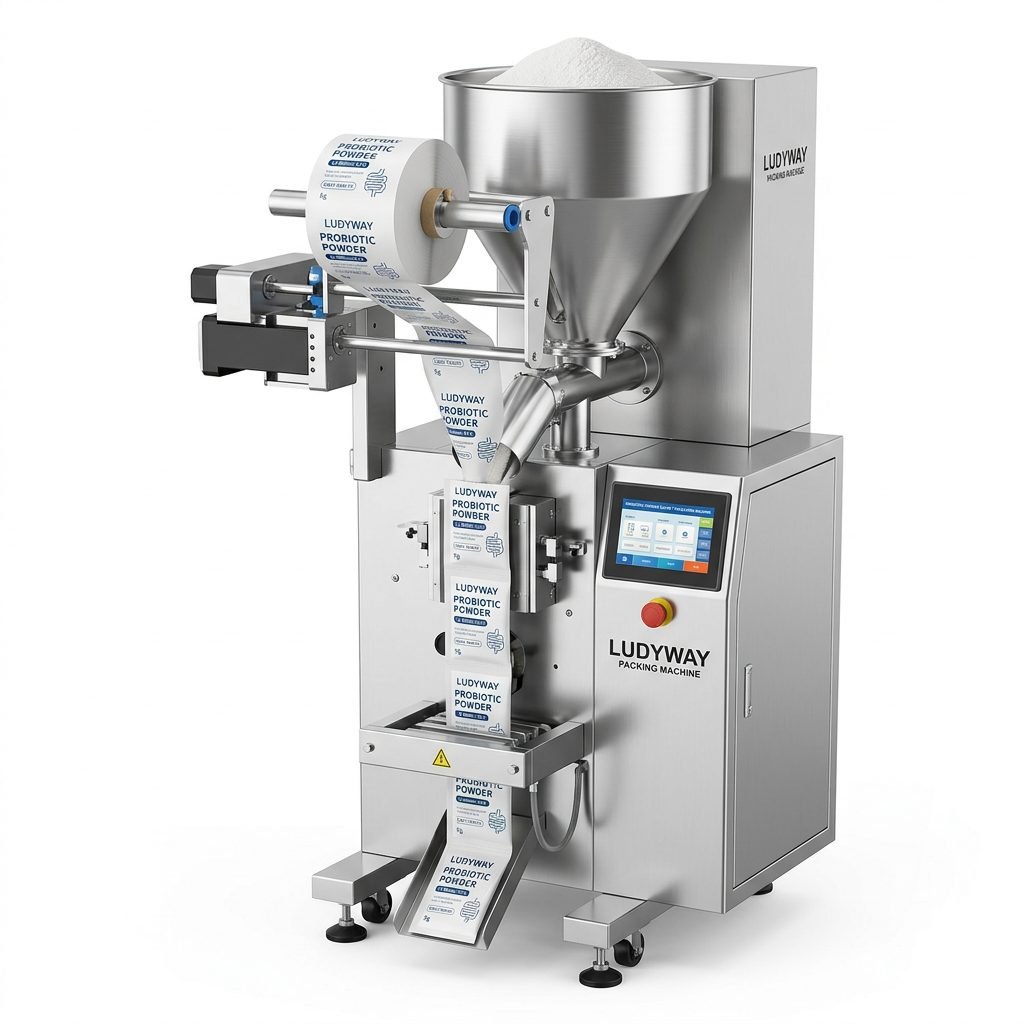
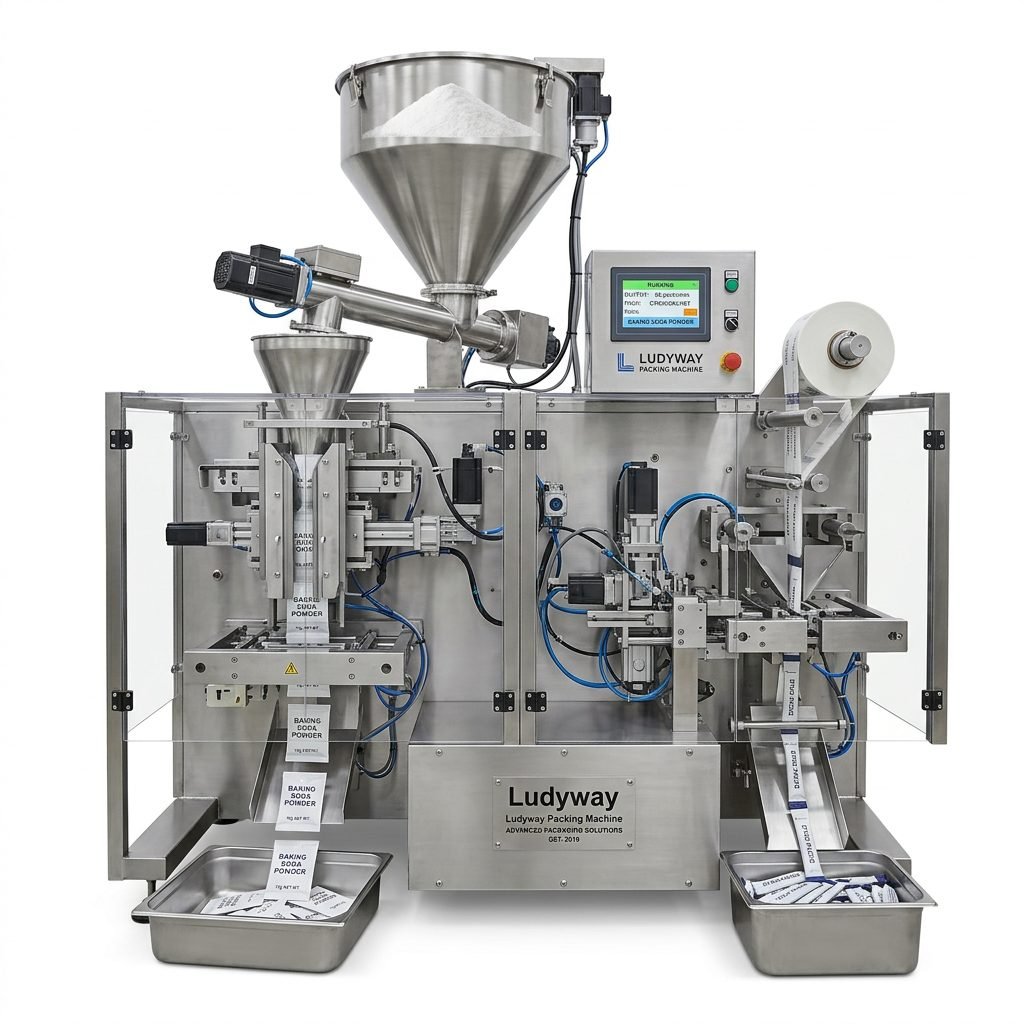
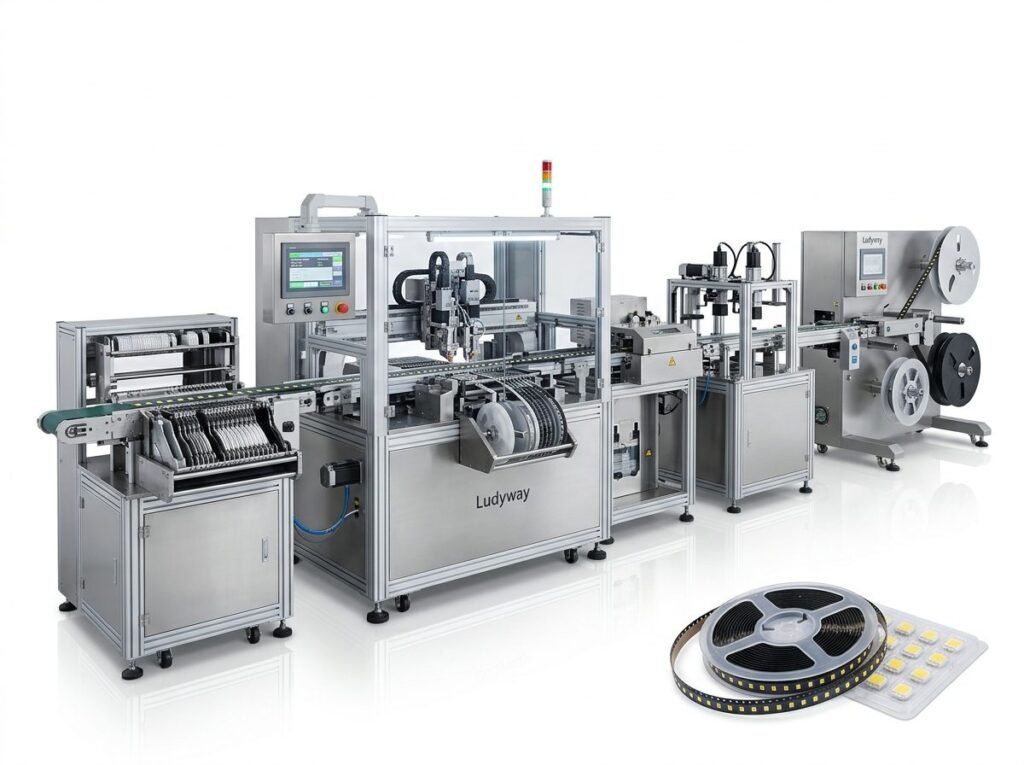
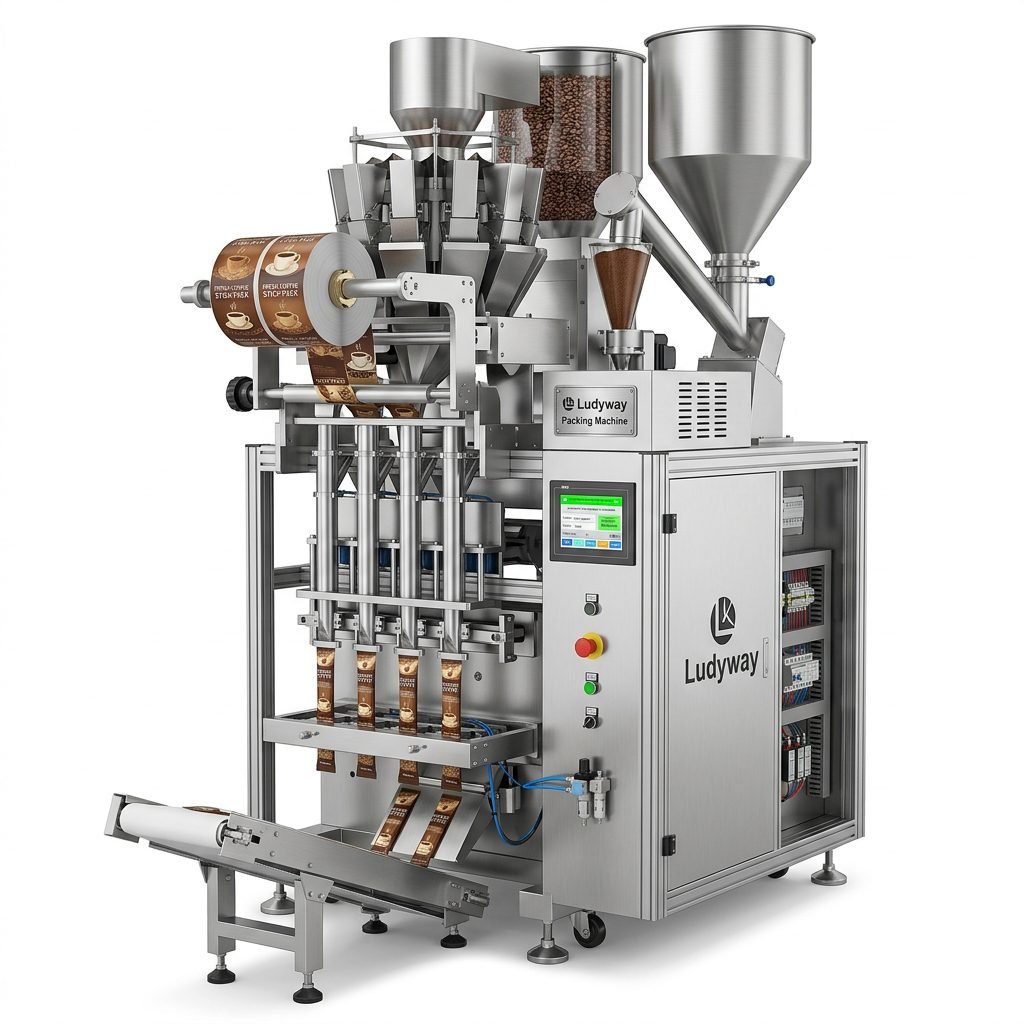
For businesses looking to expand or upgrade their packaging operations, purchasing used packaging equipment at auction can be a highly strategic and cost-effective approach. The secondary market for industrial machinery offers significant savings, often allowing companies to acquire high-quality machines at a fraction of their original cost. However, navigating packaging equipment auctions requires knowledge, preparation, and a keen eye for value to avoid costly mistakes.
Understanding the Auction Landscape for Packaging Machinery
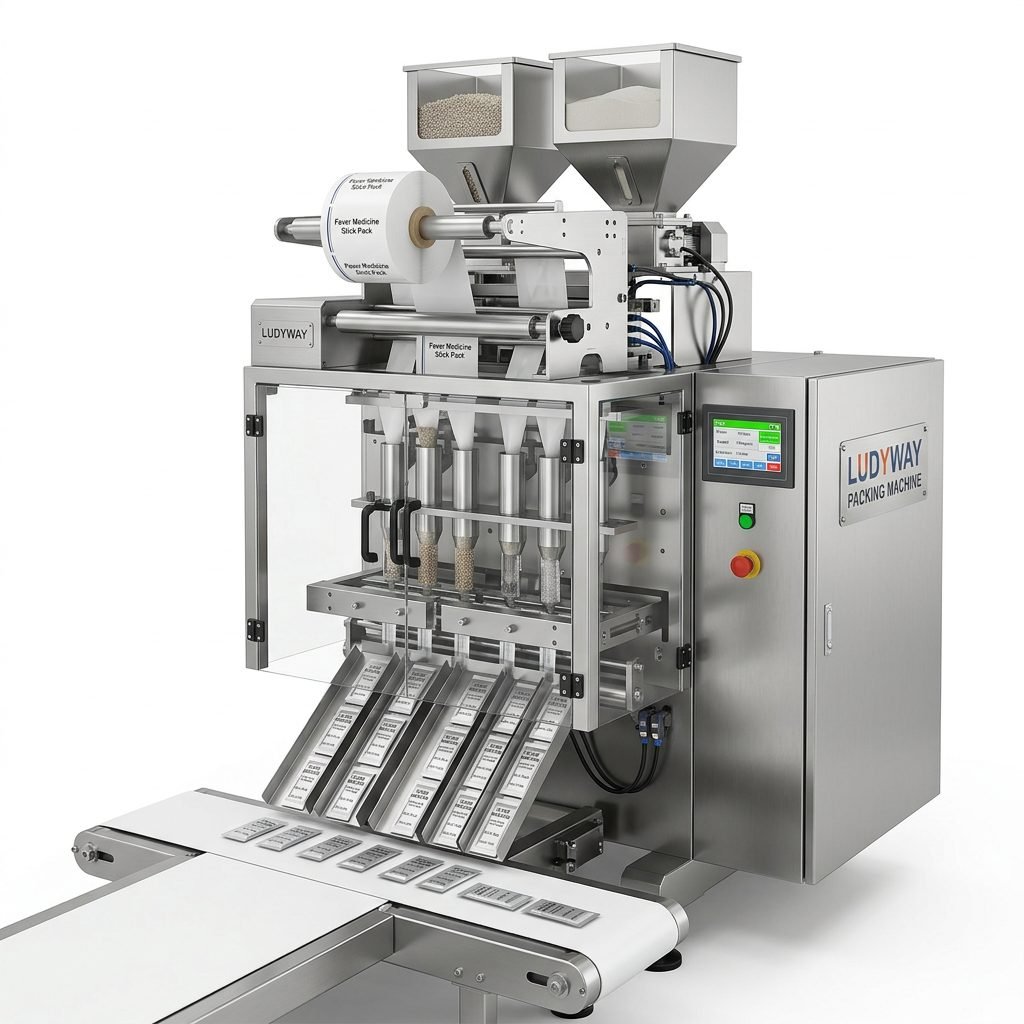
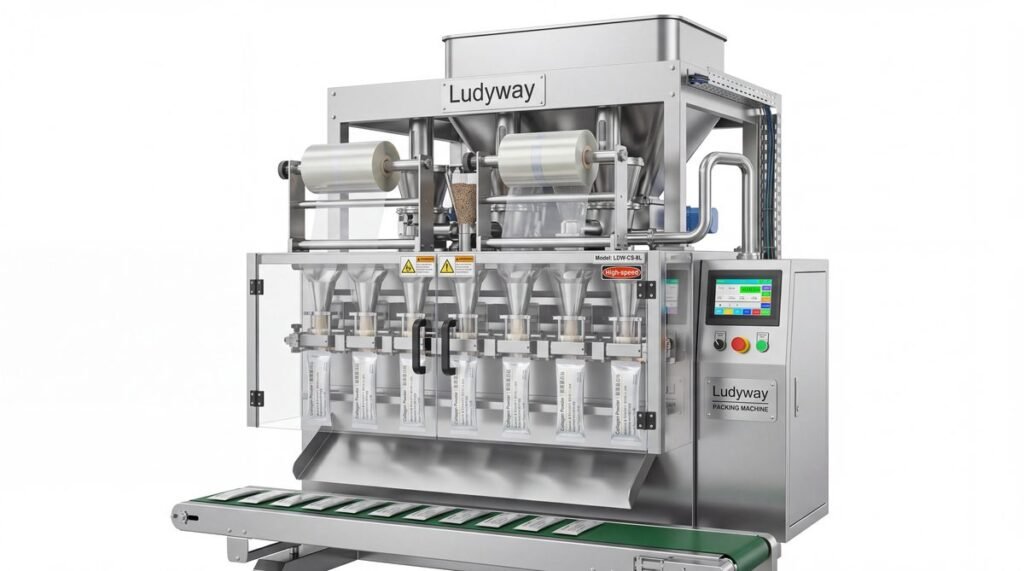
The market for used packaging equipment is vibrant, with auctions taking place both online and in physical locations worldwide. These events can feature machinery from companies that are upgrading, downsizing, or closing facilities. The inventory is diverse, ranging from vintage filler and capper units to relatively modern multi-lane stick pack machines and fully automated sachet lines. Understanding where and how these auctions are conducted is the first step toward a successful purchase.
Types of Auctions You’ll Encounter
Online Industrial Auction Platforms: These are the most common and accessible. They provide detailed listings, photos, and sometimes inspection reports. Bidding happens over a set period, allowing for thorough research.
Liquidation & Bankruptcy Auctions: These occur when a manufacturing plant is being sold off. They can offer entire production lines at once, presenting an opportunity for a complete setup.
Live On-Site Auctions: These allow for physical inspection and immediate removal. The competitive atmosphere can drive prices up, but the ability to see the machine running is invaluable.
A Strategic Guide to Buying at Auction
Success in auctions isn’t luck; it’s a process. Follow this strategic guide to maximize your chances of securing a great deal on reliable equipment.
Phase 1: Pre-Auction Research & Preparation
Define Your Needs Precisely: Know the exact type of machine (e.g., vertical form-fill-seal, liquid filler, cartoner), required speed (packages per minute), and packaging format (sachet size, stick pack dimensions). This prevents you from bidding on unsuitable equipment.
Research Market Values: Investigate the typical price range for the specific make, model, and age of the machine you’re targeting. Check other auction results, dealer listings, and industry publications to establish a realistic maximum bid.
Review Auction Terms Thoroughly: Understand the buyer’s premium (an additional fee on the hammer price), payment deadlines, removal conditions, and any “as-is, where-is” clauses. Factor all these costs into your budget.
Phase 2: The Inspection Process
This is the most critical step. Never buy a machine sight unseen.
- Physical Condition: Look for signs of wear, rust, cracks, or repairs. Check critical components like sealing jaws, pumps, and servo motors.
- Operational History: If possible, request maintenance logs or service records. A well-documented history is a strong positive indicator.
- Request a Test Run: For online auctions, ask the auctioneer if a video of the machine running under power is available. For on-site auctions, attend the preview day to see it operate.
- Spare Parts & Tooling: Check if any essential spare parts, change parts for different package sizes, or specialized tooling are included in the lot.
Phase 3: Bidding & Acquisition
Set your maximum bid based on your research and stick to it. Auction fever can lead to overpaying. Remember, the total cost is the hammer price plus buyer’s premium, taxes, and rigging/transportation. Have your financing and logistics plan ready before you bid. For a deeper dive into evaluating machinery quality, consider reading about key factors in packaging machinery longevity.
Maximizing Value and Minimizing Risk
Buying used is about managing risk. Here’s how to tilt the odds in your favor.
Focus on Reputable Brands and Common Models
Machines from established manufacturers like those behind the Ludyway brand are often designed for durability. Furthermore, choosing a common model means spare parts, technical documentation, and service expertise are more readily available in the market, reducing long-term downtime risks.
Plan for Reconditioning and Integration
Budget for post-purchase costs. Even a good machine may need new seals, belts, or a thorough cleaning and lubrication. You may also need to hire a technician to install it, calibrate it for your specific product, and integrate it with your existing line. Consulting with a packaging systems integrator before purchase can provide crucial insights.
Consider the Total Cost of Ownership (TCO)
The auction price is just the beginning. A holistic TCO analysis includes:
- Purchase Price: Hammer price, fees, and taxes.
- Transport & Rigging: Cost to move and install the machine.
- Reconditioning: Essential repairs, parts, and labor.
- Operational Costs: Expected energy use, maintenance, and potential downtime.
Comparing this TCO against the price of a new machine will reveal the true value of the auction purchase.
Common Questions About Packaging Equipment Auctions
1. What is the biggest risk when buying packaging machinery at auction?
The primary risk is the “as-is” condition. Machines are typically sold without any warranty or guarantee. A hidden mechanical or electrical fault could lead to significant, unexpected repair costs after purchase. This makes a thorough pre-bid inspection absolutely non-negotiable.
2. How can I verify the operational speed and capacity of a used machine?
First, review the original manufacturer’s specifications for the model. Then, during inspection, look for a production counter or ask for historical output data. If a test run is possible, observe its cycle time. Be realistic—a 10-year-old machine may not run at its original top speed sustainably.
3. Are spare parts available for older or discontinued models?
This varies. For widely-used models from major manufacturers, generic spare parts (seals, bearings) are often available. For proprietary or obsolete components, you may need to source from specialized dismantlers or have parts custom-machined. Researching part availability before bidding is crucial. Resources like industry forums and parts suppliers can help.
4. What are the hidden costs beyond the winning bid?
Beyond the hammer price, buyers must budget for: a Buyer’s Premium (10%-20%+), Sales Tax, Professional Rigging & Loading, Transportation/Freight, Reinstallation & Recommissioning at your facility, and initial Preventive Maintenance and Parts.
5. Is buying a complete used packaging line at auction advisable?
It can be a tremendous opportunity or a complex project. The advantage is getting a synchronized system. The challenge is that it requires extensive validation of each machine and their interoperability. It’s best suited for experienced engineers or companies working with a knowledgeable integration partner who can assess the entire line’s viability before the auction closes.