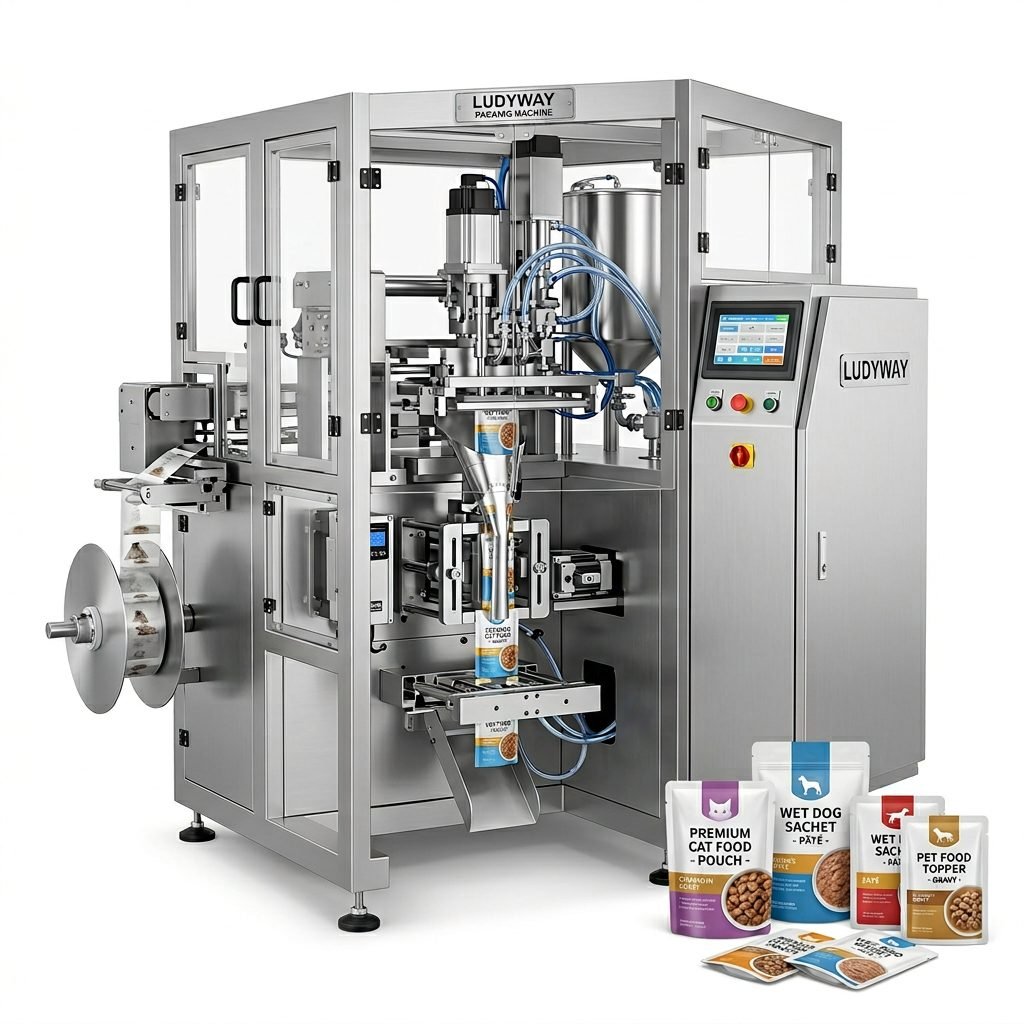
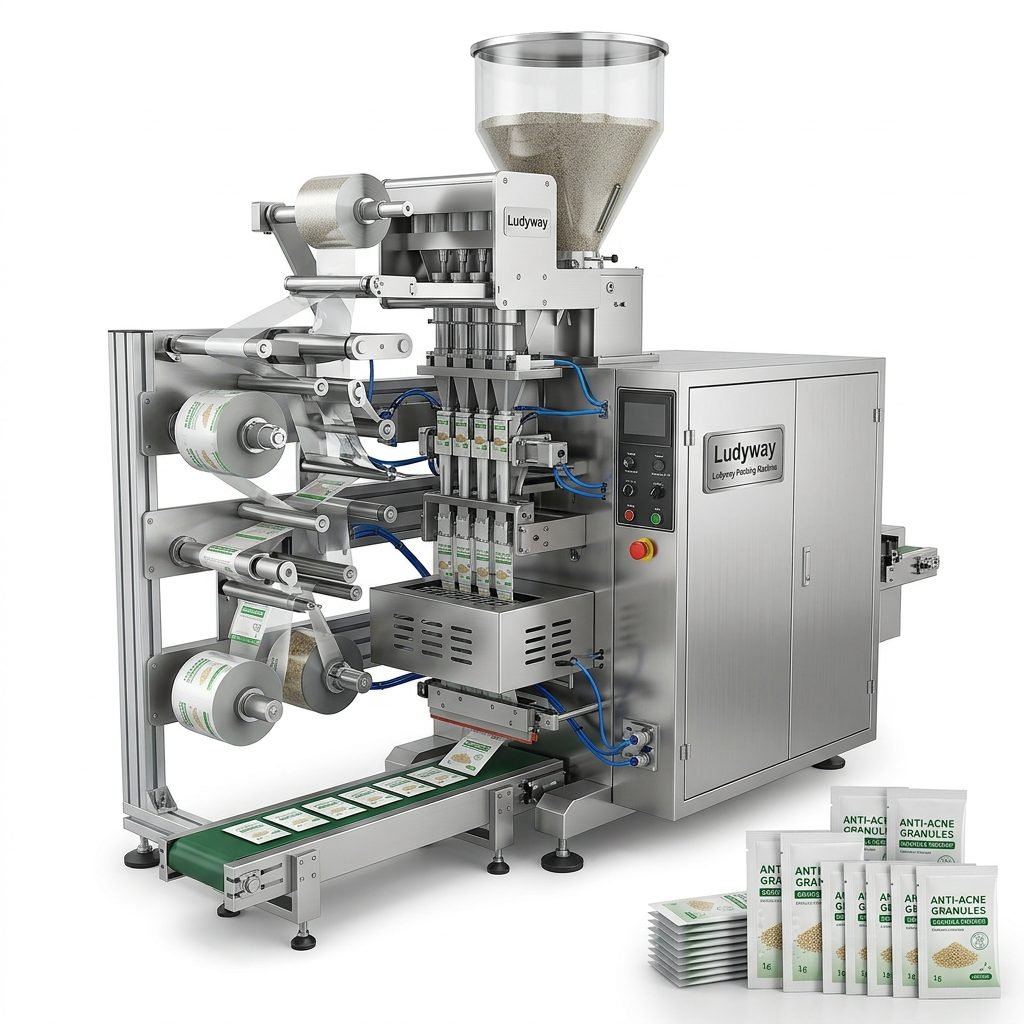
The French chewing gum market continues to expand, driven by growing demand for convenient, on-the-go confectionery products and innovative flavor profiles. For manufacturers looking to enter or scale within this competitive landscape, selecting the right chewing gum packaging machine is a critical investment decision. This guide covers everything you need to know about purchasing packaging equipment for the French market — from machine types and technical specifications to regulatory compliance and supplier evaluation.
Types of Chewing Gum Packaging Machines Available
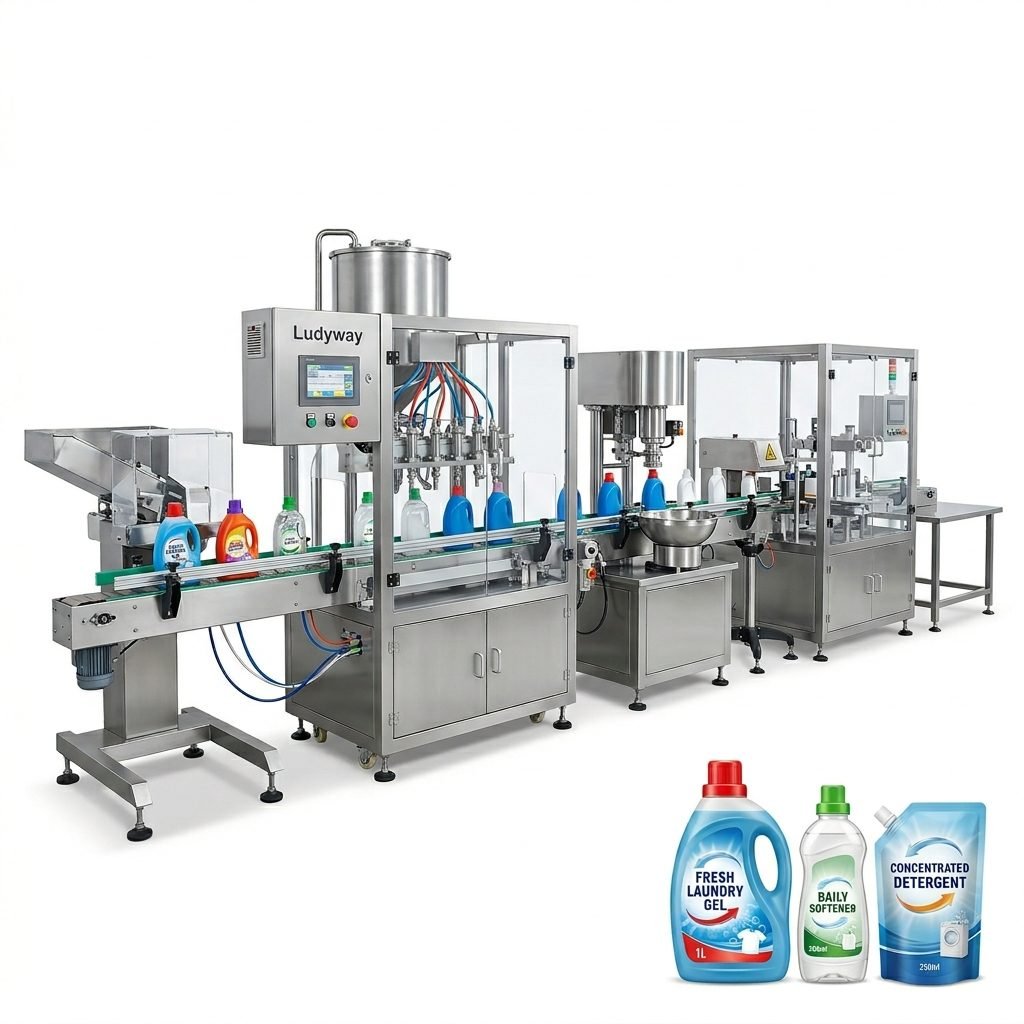
Chewing gum products come in various formats, each requiring specific packaging technology. Understanding the different machine types helps narrow your selection:
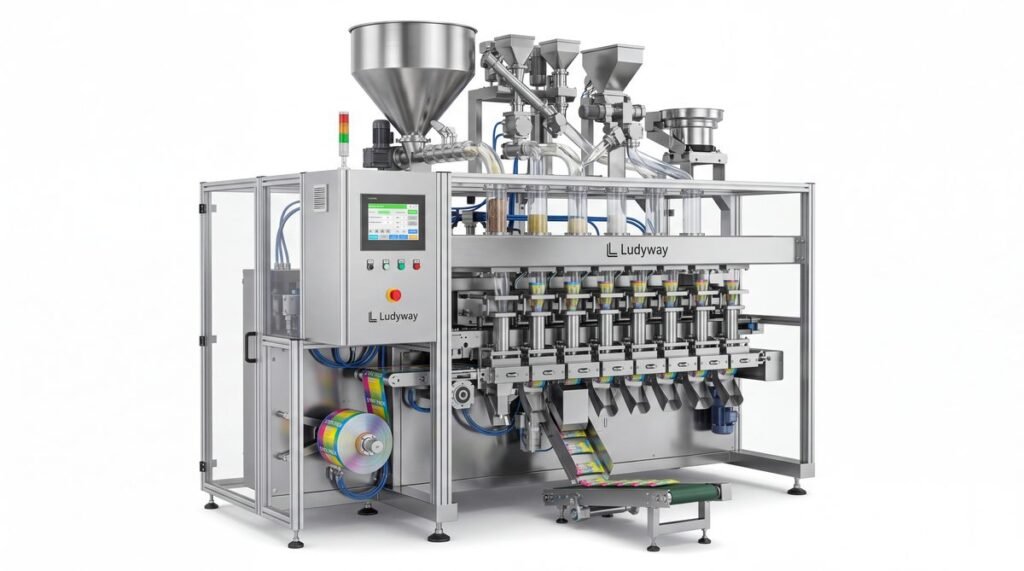
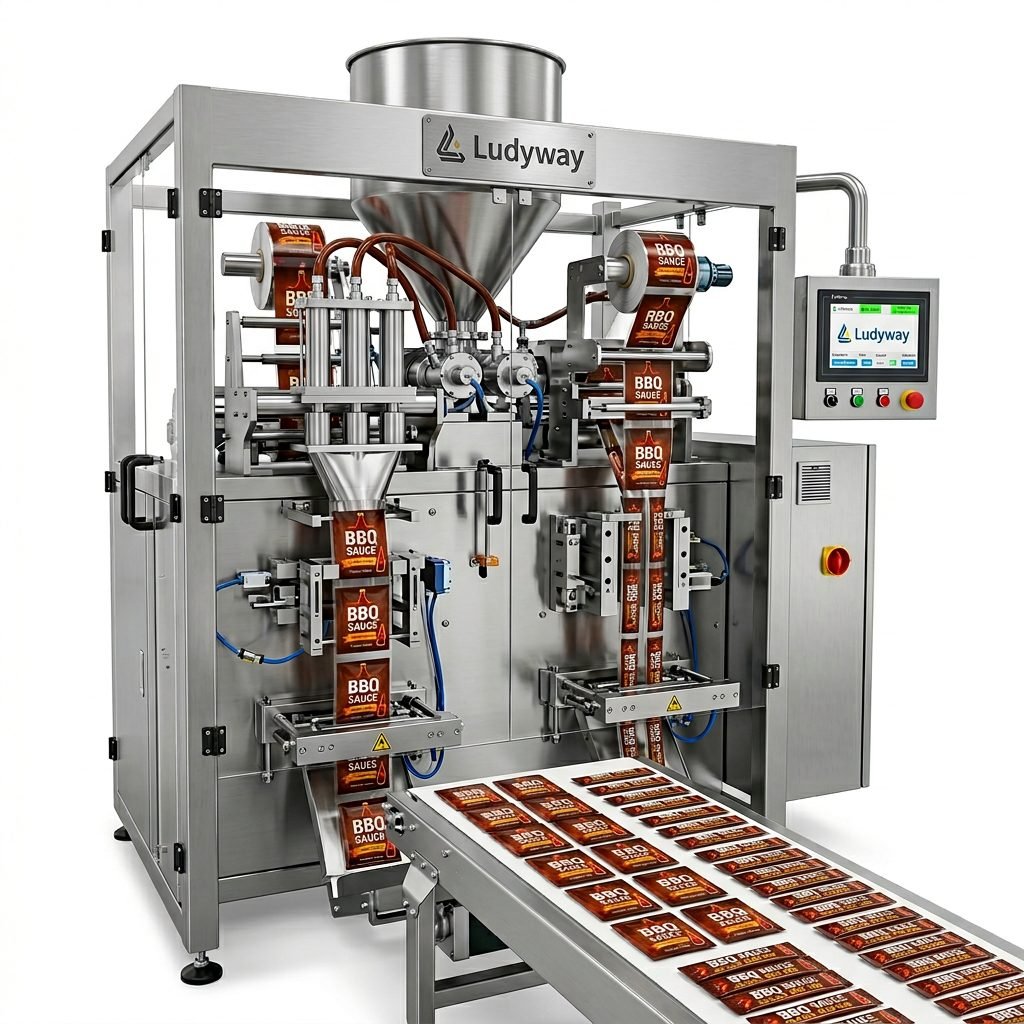
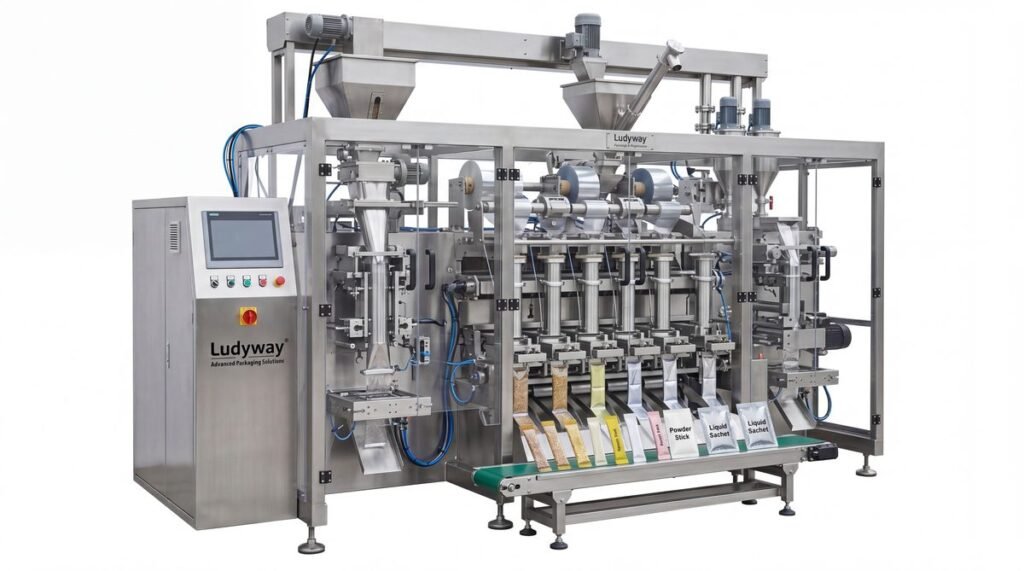
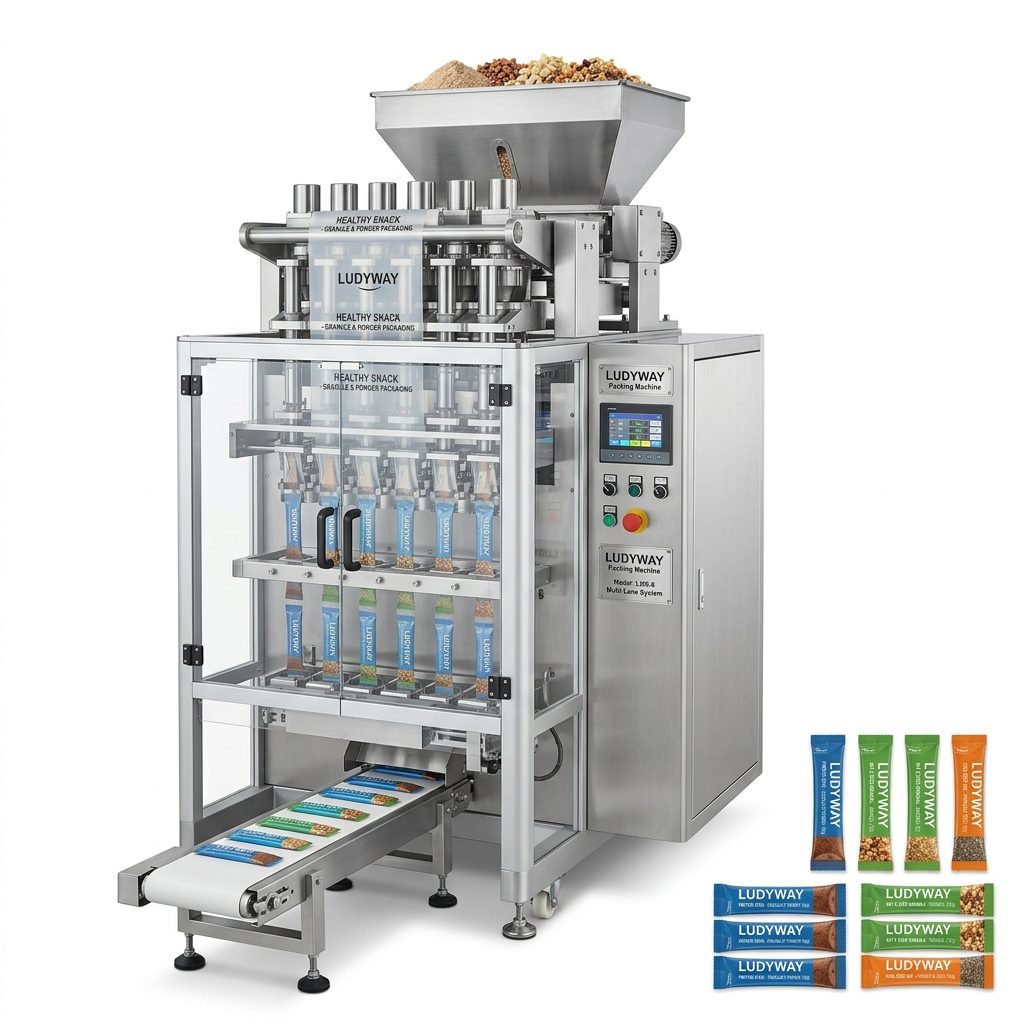
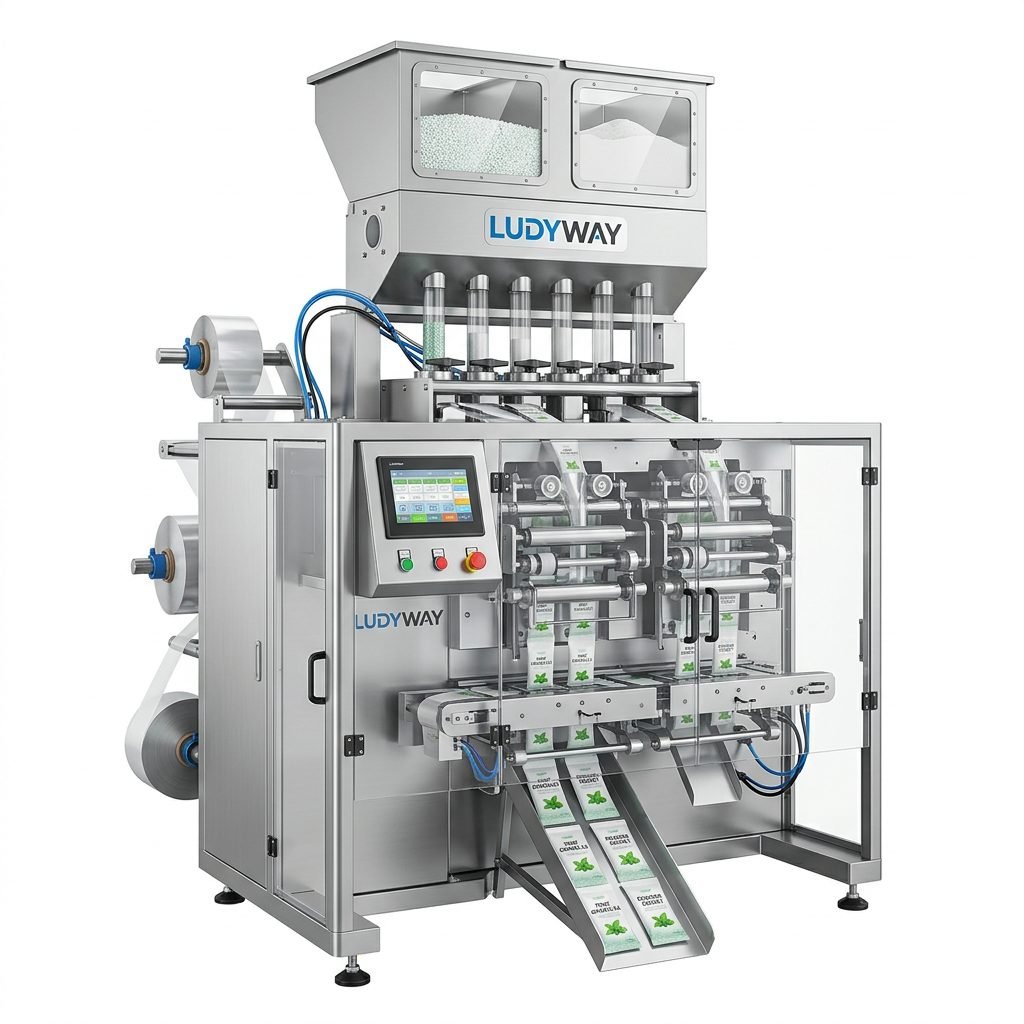
- Stick Pack Machines: Ideal for individually wrapped gum sticks, offering high-speed multi-lane configurations for maximum output.
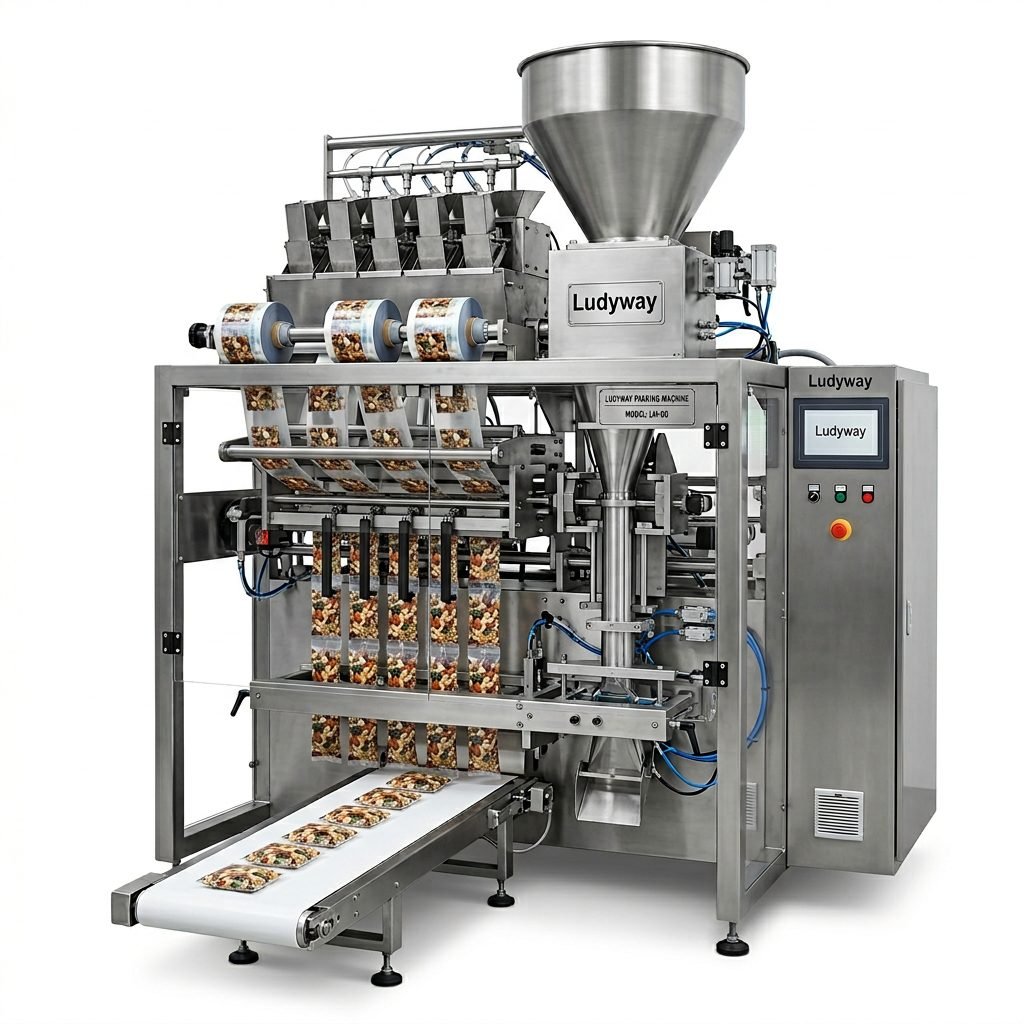
- Sachet Packaging Machines: Suitable for pillow-shaped gum pieces and coated gum tablets, providing hermetic sealing for freshness.
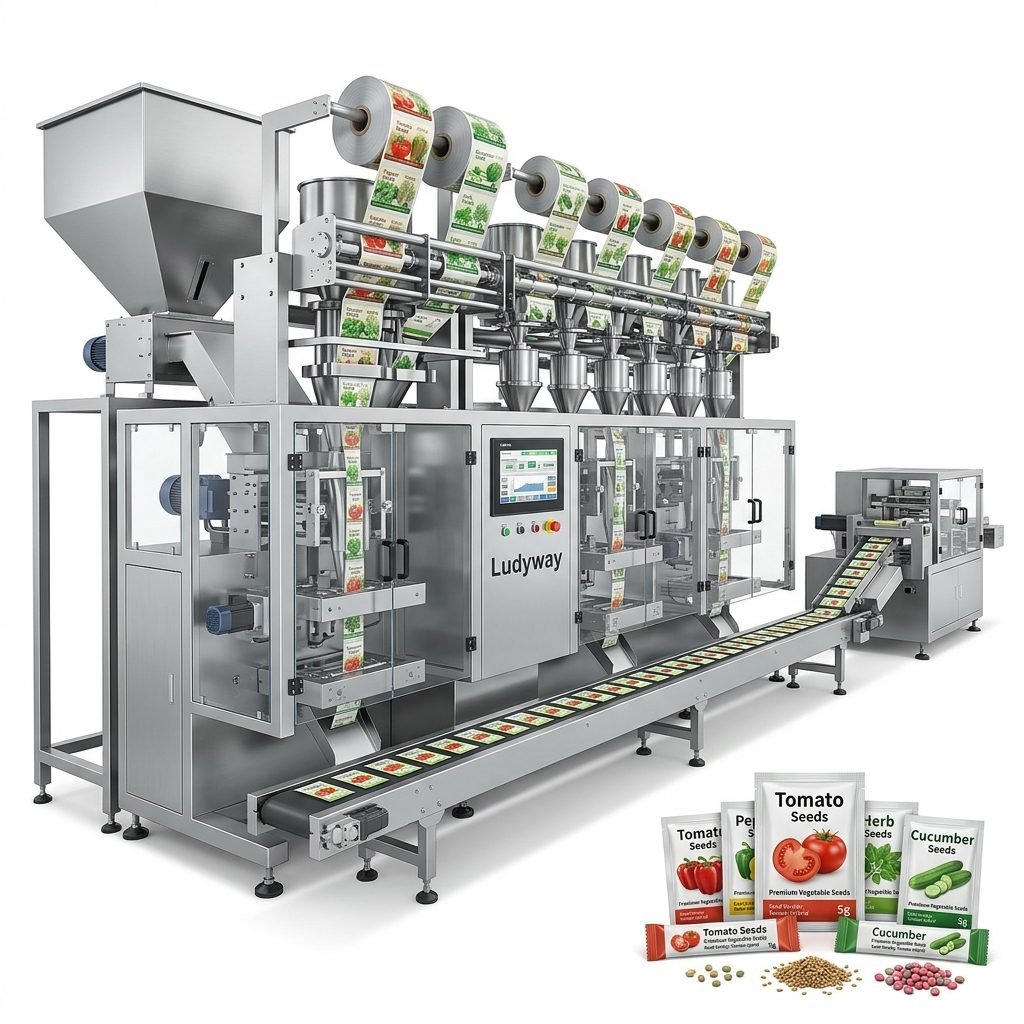
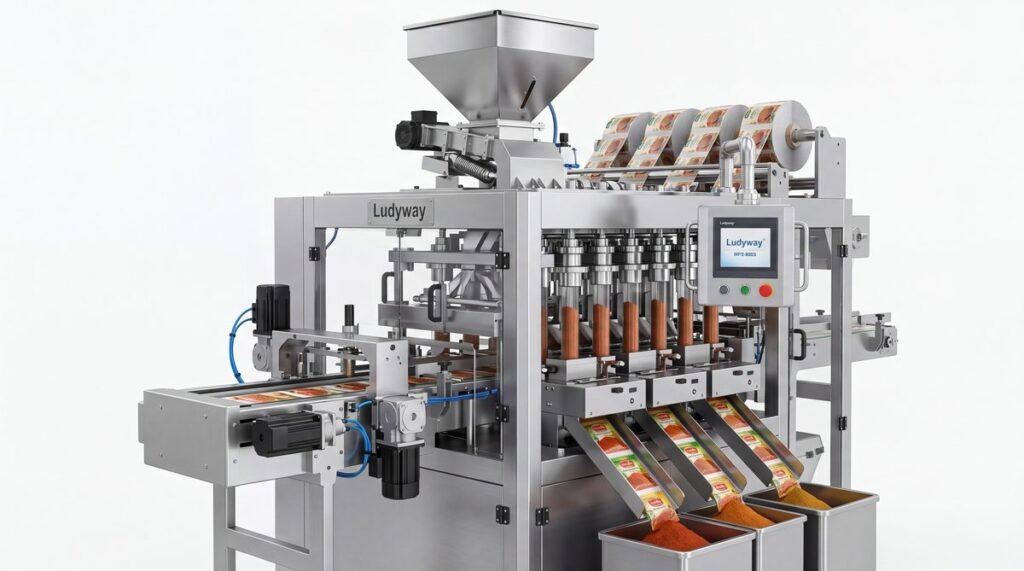
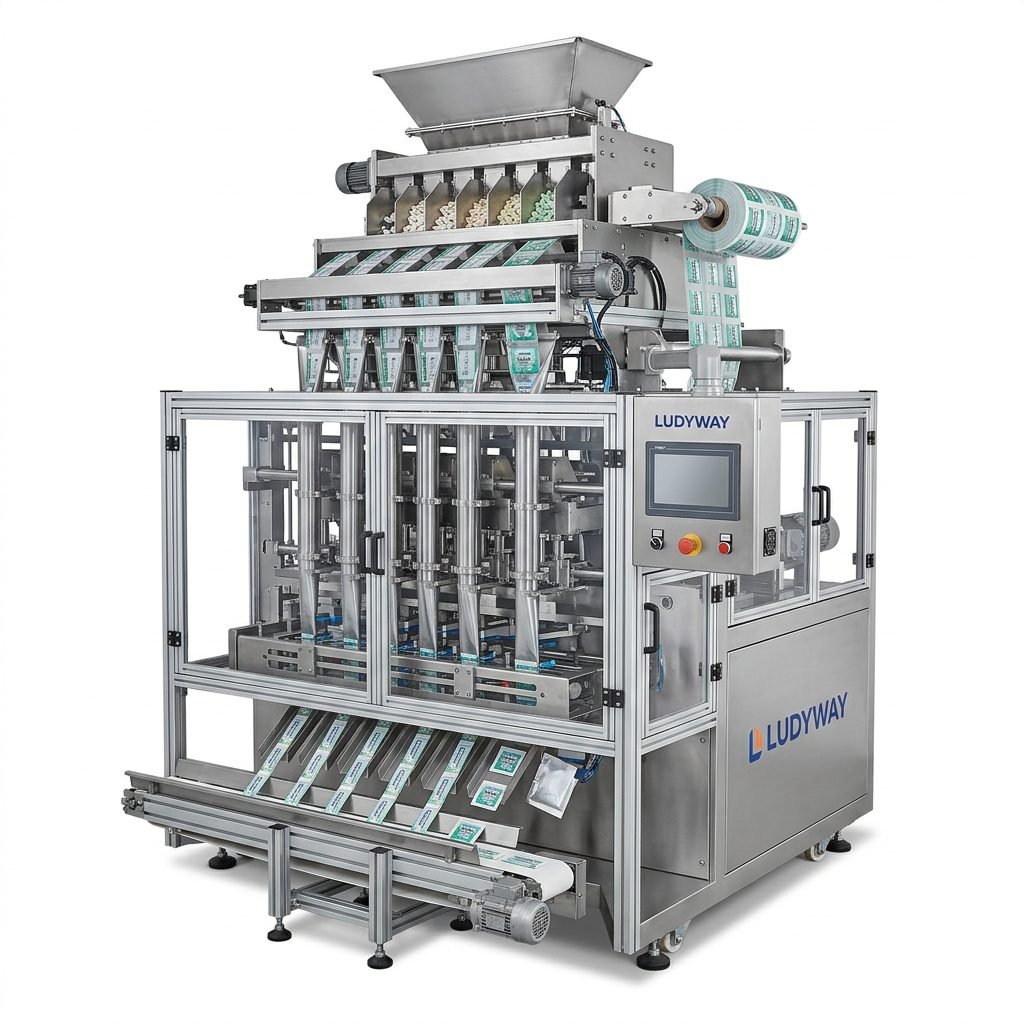
- Multi-Lane Packaging Systems: Designed for high-volume production, capable of running 4 to 12 lanes simultaneously for increased throughput.
- Flow Wrapping Machines: Commonly used for gum packs with outer film wrapping, offering tight seals and high-speed operation.
- Cartoning and Boxing Systems: End-of-line solutions that automatically count, collate, and pack finished gum products into cartons.
Key Factors to Consider When Buying a Chewing Gum Packaging Machine
Before making a purchase, evaluate these essential criteria to ensure your equipment meets French market demands and production goals:
Production Capacity and Speed Requirements
Determine your target output in packs per minute (ppm). Entry-level machines typically handle 60–120 ppm, while high-speed multi-lane systems can achieve 400–800 ppm or more. Match capacity to current demand while allowing room for growth. French manufacturers serving major retail chains often require higher throughput to meet tight delivery schedules.
Packaging Material Compatibility
Your machine must handle the specific films and laminates used for chewing gum packaging. Common materials include BOPP, metallized films, paper laminates, and biodegradable options. Verify that the machine supports the exact material thickness, sealability, and barrier properties required. With France’s growing emphasis on sustainable packaging, consider equipment compatible with recyclable and compostable films. For detailed material standards, refer to flexible packaging industry data from the Flexible Packaging Association.
Regulatory Compliance in France and the European Union
All packaging machinery sold and operated in France must comply with EU directives and regulations. Key requirements include:
- CE Marking: Mandatory certification indicating conformity with EU health, safety, and environmental standards.
- EU Machinery Directive 2006/42/EC: Ensures machine safety through risk assessment and protective measures.
- Food Contact Materials Regulation (EC) No 1935/2004: Governs materials that come into contact with food products, including packaging films and machine contact surfaces.
- EU Packaging and Packaging Waste Regulation: Addresses sustainability requirements. Review the latest European Commission packaging and packaging waste guidelines for compliance.
Automation Level and Integration Capabilities
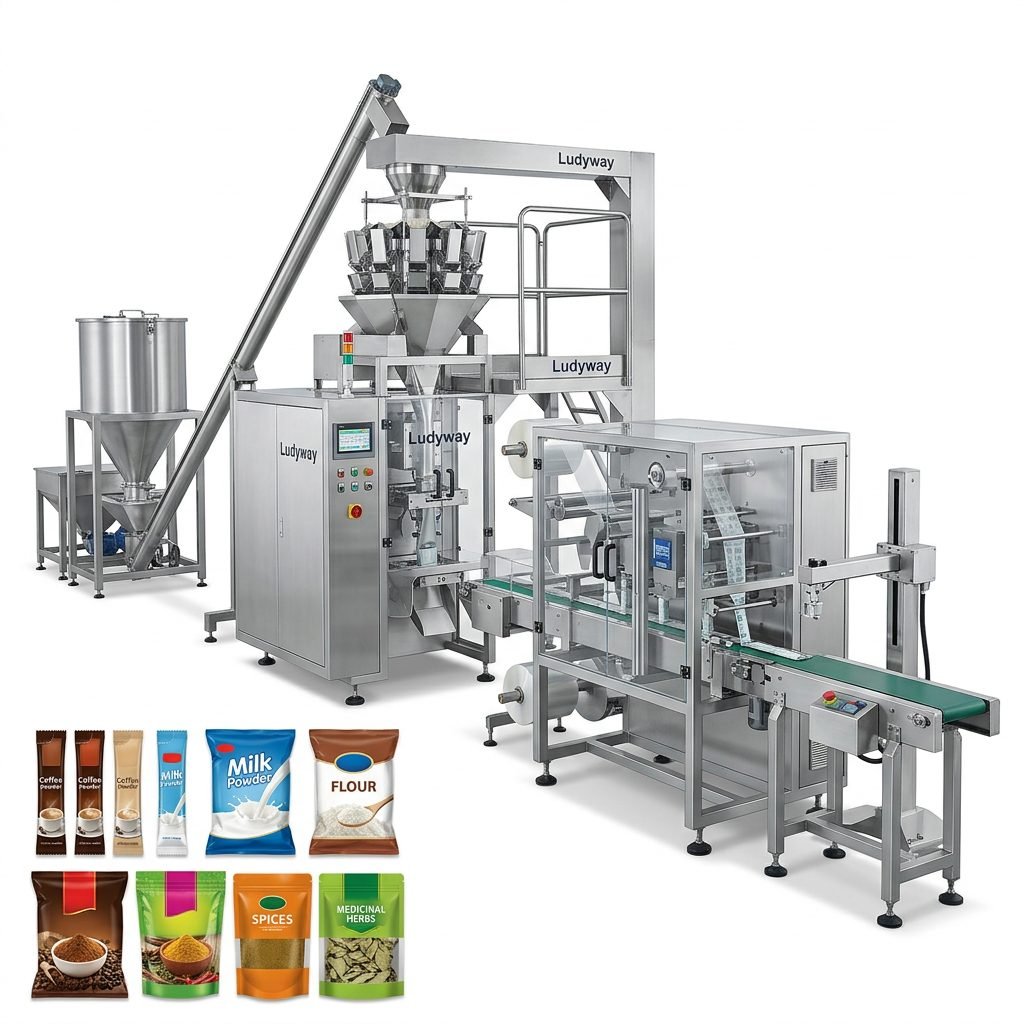
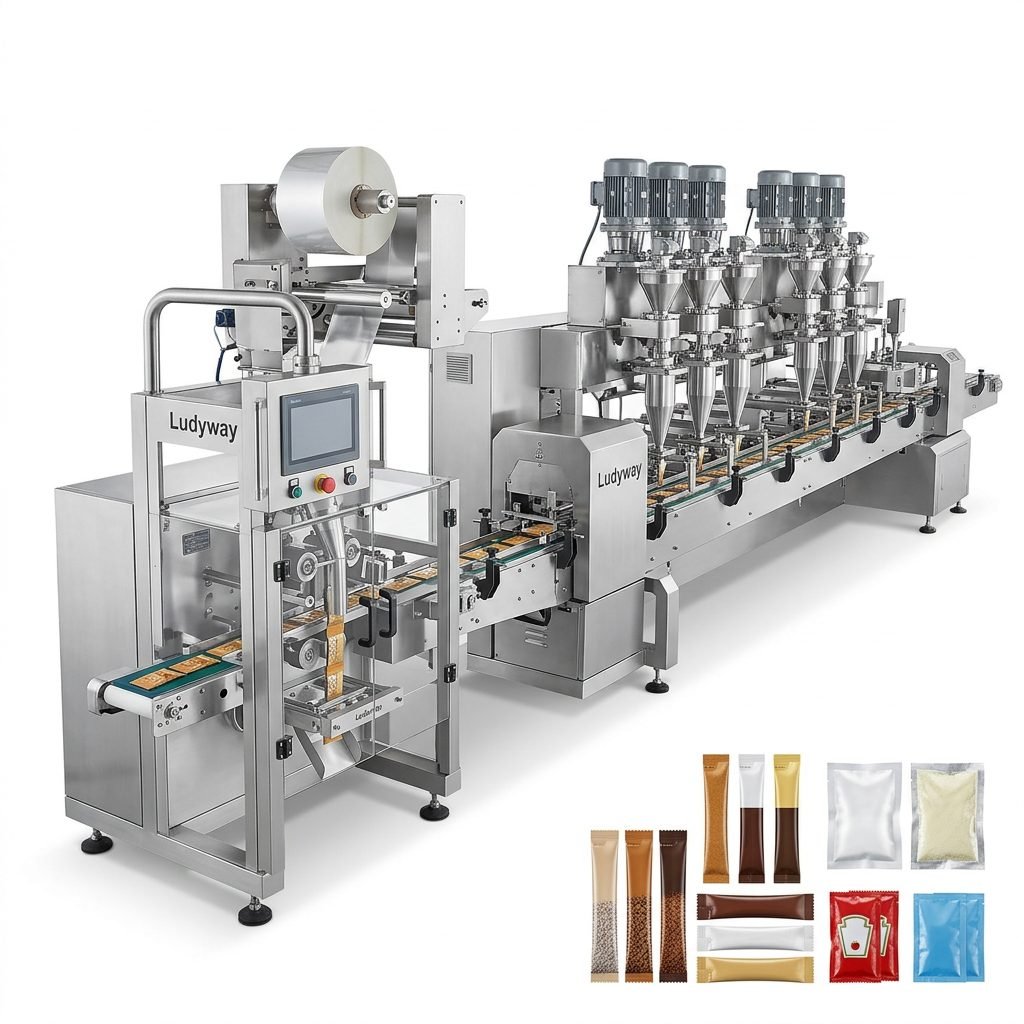
Modern chewing gum packaging lines range from semi-automatic to fully automated turnkey systems. Consider how the machine integrates with upstream feeding equipment and downstream cartoning solutions. Automated systems reduce labor costs, minimize human error, and maintain consistent quality — a crucial advantage for French manufacturers facing rising operational expenses. Industry standards from PMMI – The Association for Packaging and Processing Technologies provide valuable benchmarks for automation best practices.

Technical Specifications Comparison
Below is a comparative overview of common chewing gum packaging machine configurations available for the French market:
| Feature | Entry-Level Single Lane | Mid-Range Multi-Lane (4-6) | High-Speed Multi-Lane (8-12) |
|---|---|---|---|
| Speed Range | 60–120 ppm | 200–400 ppm | 400–800+ ppm |
| Pack Formats | Stick pack, small sachet | Stick pack, sachet, pillow | All formats including shaped packs |
| Film Types | BOPP, basic laminates | Metallized, paper, laminates | All films including eco-materials |
| Automation Level | Semi-automatic | Fully automatic with PLC | Full turnkey with smart controls |
| Footprint | Compact (2–3 m²) | Moderate (4–8 m²) | Large (10–20+ m²) |
| Approximate Investment | €25,000–€60,000 | €80,000–€180,000 | €200,000–€500,000+ |
Supplier Selection and After-Sales Support
Choosing the right supplier is as important as selecting the right machine. Evaluate potential partners based on their experience in the French and European market, technical support capabilities, and spare parts availability. Key considerations include:
- Local service presence: Does the supplier have technicians or partners in France for installation and maintenance?
- Spare parts inventory: Are critical components readily available within the EU to minimize downtime?
- Training programs: Comprehensive operator and maintenance training ensures smooth operation.
- Warranty terms: Standard warranties range from 12 to 24 months on major components.
- Documentation and language support: Manuals and interfaces should be available in French or English.
Leading global manufacturers such as Ludyway offer advanced chewing gum packaging solutions with extensive experience serving customers across Europe and beyond, providing reliable equipment backed by comprehensive after-sales service.
Maintenance Requirements and Total Cost of Ownership
Beyond the initial purchase price, factor in long-term operational costs. A total cost of ownership (TCO) analysis should account for:
- Preventive maintenance schedules and associated downtime
- Average lifespan of wear parts (sealing jaws, cutting blades, belts)
- Energy consumption per production shift
- Operator training and labor requirements
- Film waste rates and material efficiency
Cost Considerations for the French Market
Budgeting for a chewing gum packaging machine involves several cost components. The table below outlines typical investment ranges and associated considerations:
| Cost Category | Typical Range (EUR) | Key Factors |
|---|---|---|
| Machine Purchase | €25,000–€500,000+ | Speed, lanes, automation level |
| Installation & Commissioning | €3,000–€15,000 | Site preparation, technician travel |
| Operator Training | €1,500–€5,000 | On-site or remote, duration |
| Annual Maintenance | €2,000–€10,000 | Parts replacement, service contracts |
| Shipping & Logistics | €2,000–€12,000 | Distance, customs, insurance |
Future-Proofing Your Investment
With France’s evolving regulatory landscape and consumer preferences shifting toward sustainable packaging solutions, selecting adaptable equipment is essential. Look for machines that support:
- Multiple film types including emerging bio-based and recyclable materials
- Modular design allowing future upgrades and lane expansions
- Industry 4.0 capabilities with remote monitoring and data analytics
- Quick changeover features for different pack sizes and formats
For comprehensive market intelligence on packaging machinery trends, consult resources from PMMI’s business intelligence library.
Final Recommendations
Investing in a chewing gum packaging machine for the French market requires careful planning, thorough research, and strategic supplier selection. Prioritize equipment that meets EU regulatory standards, supports your target production volume, and offers flexibility for future growth. By evaluating the technical specifications, compliance requirements, and total cost of ownership outlined in this guide, French manufacturers can make informed purchasing decisions that drive long-term operational success in the competitive confectionery sector.