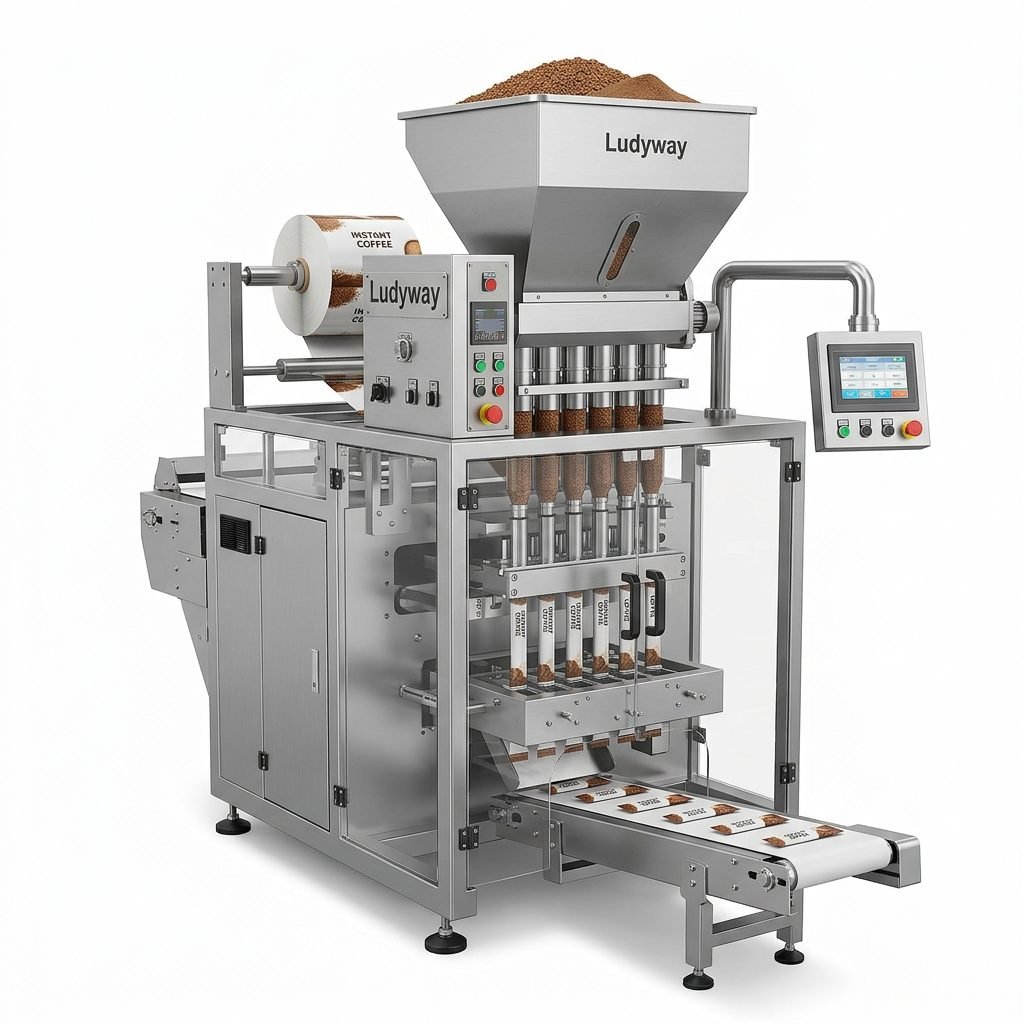
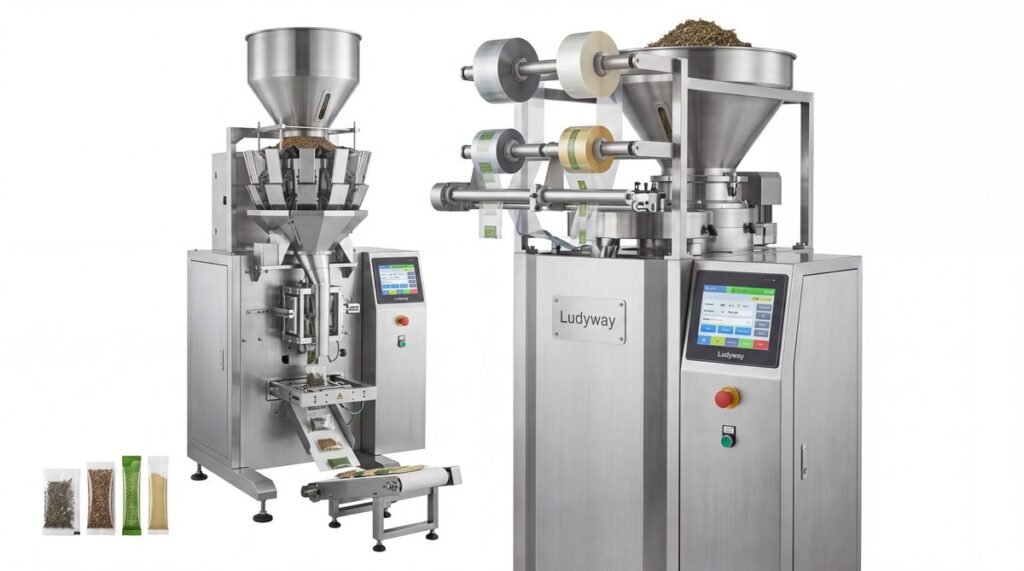
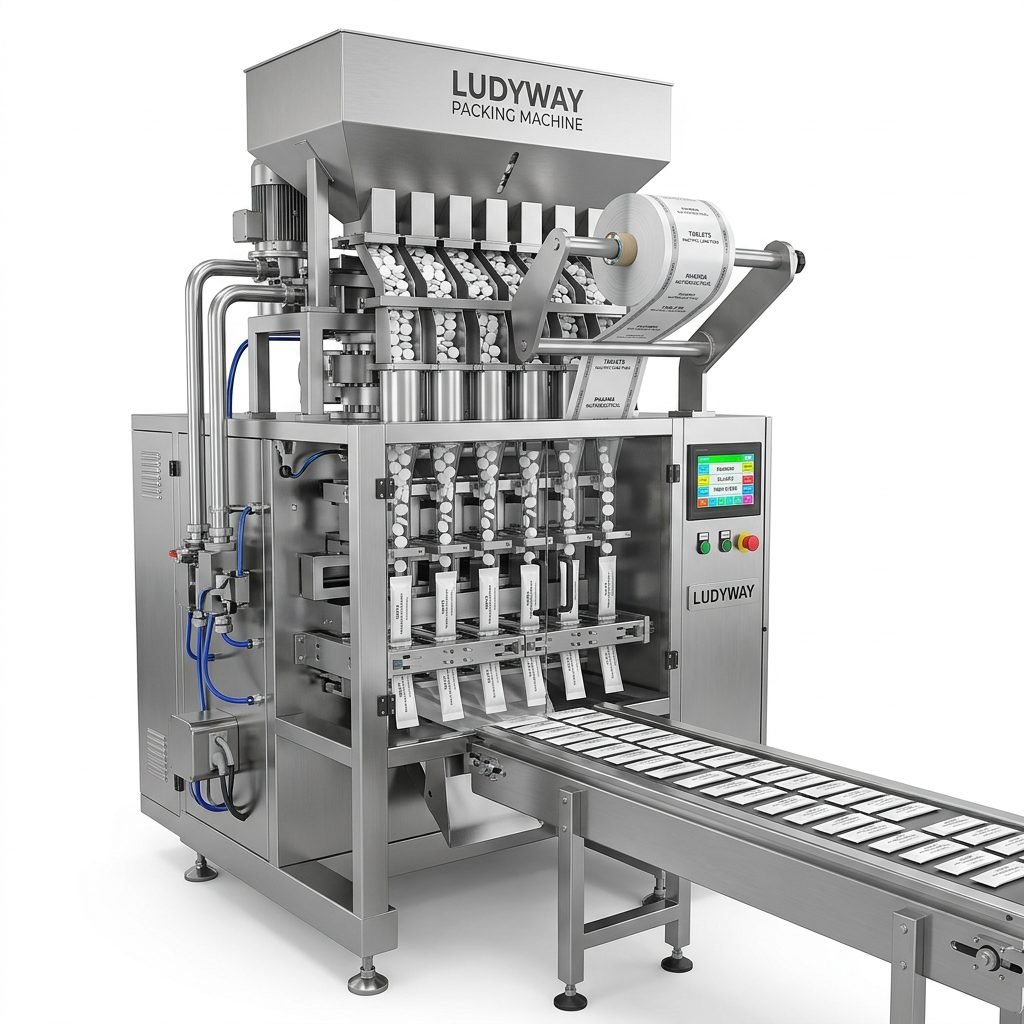
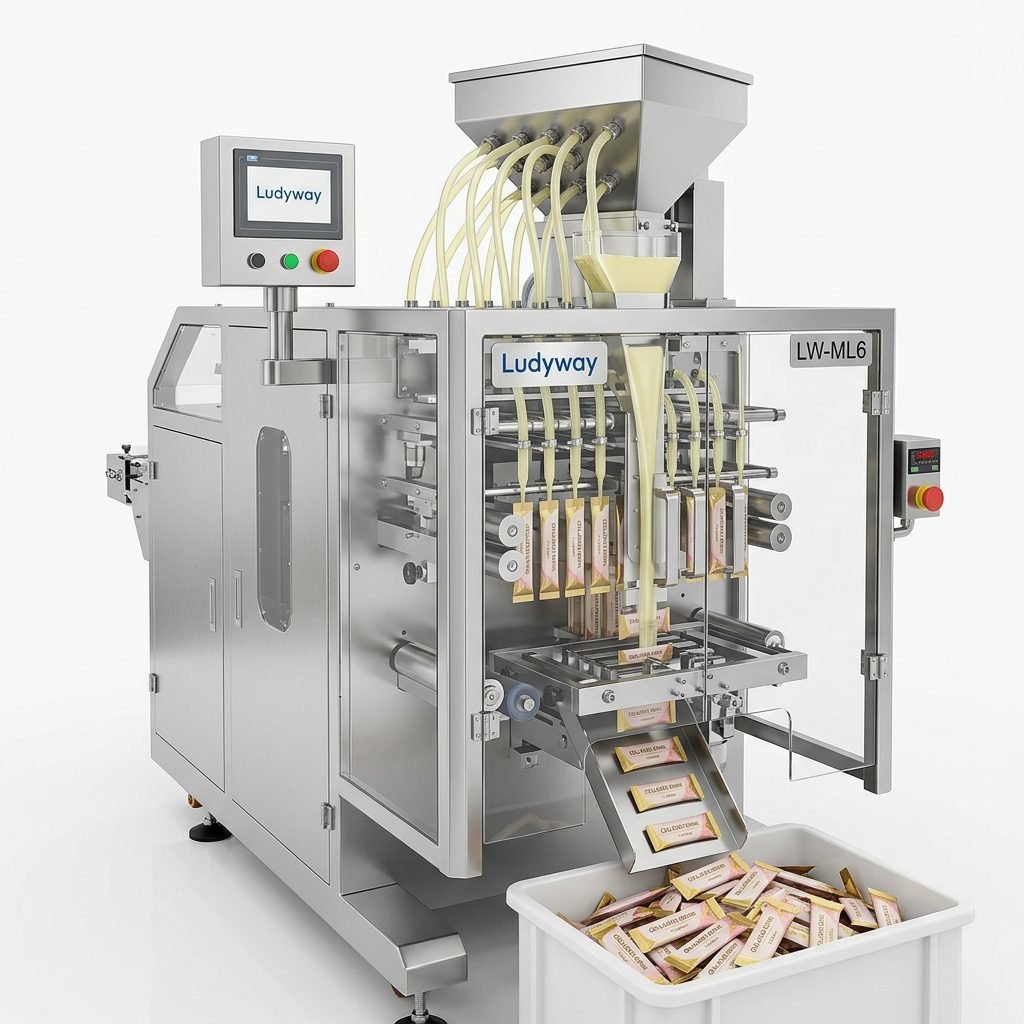
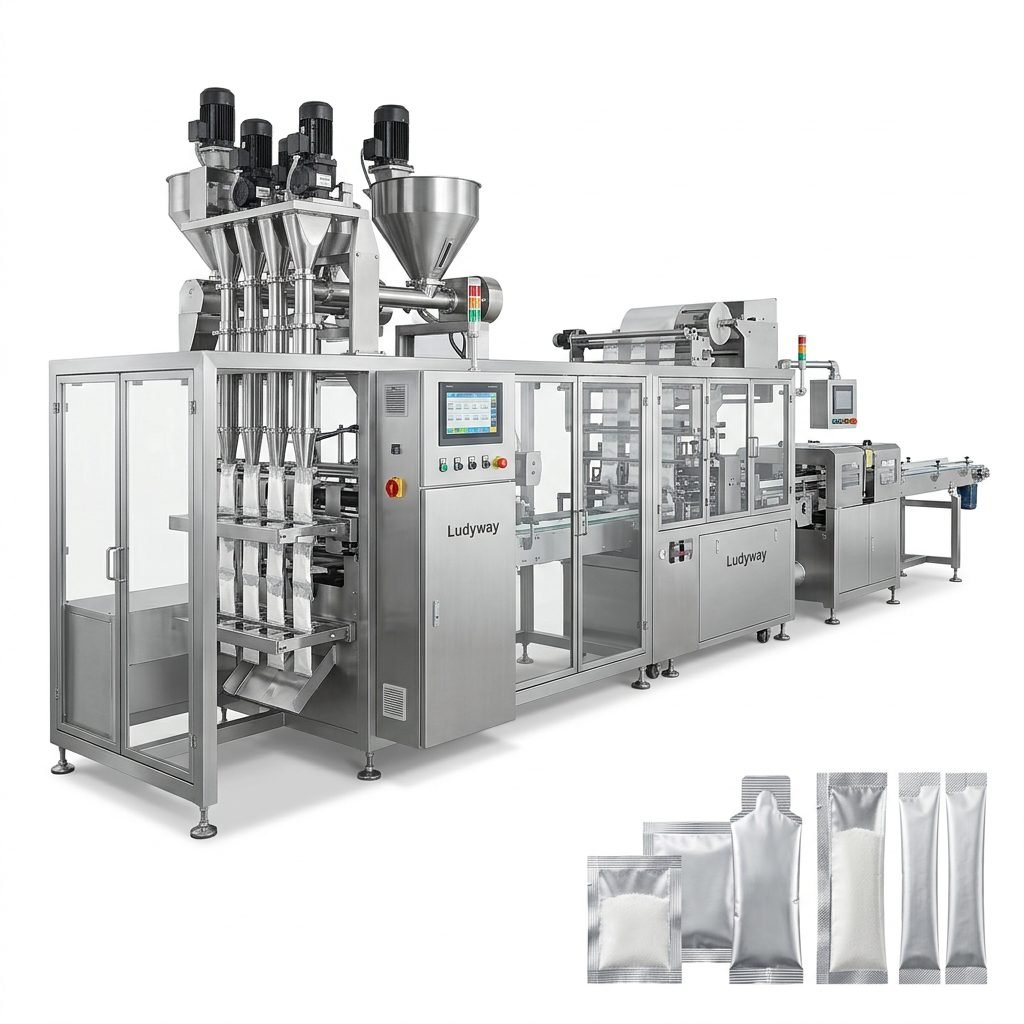
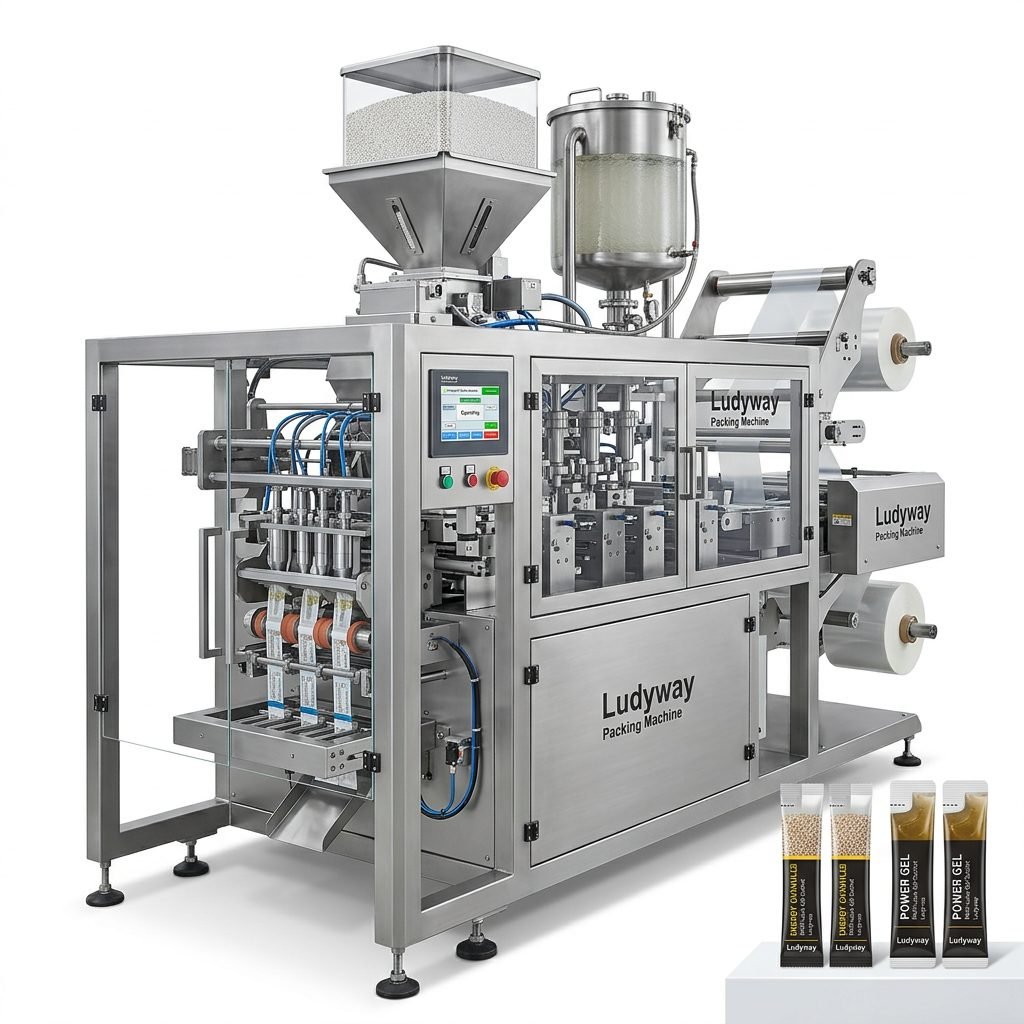
In today’s fast-paced manufacturing environment, packaging machinery is at the heart of production lines across the food, pharmaceutical, and health industries. While investing in advanced equipment is crucial, the true potential of these sophisticated systems is only unlocked through a skilled and knowledgeable workforce. This is where comprehensive Packaging Machinery Workplace Training Services become indispensable. Effective training programs are not an optional extra; they are a strategic investment that directly enhances safety protocols, operational efficiency, and the overall skill set of your staff, ensuring your machinery delivers maximum return on investment.
The Critical Role of Training in Modern Packaging Operations
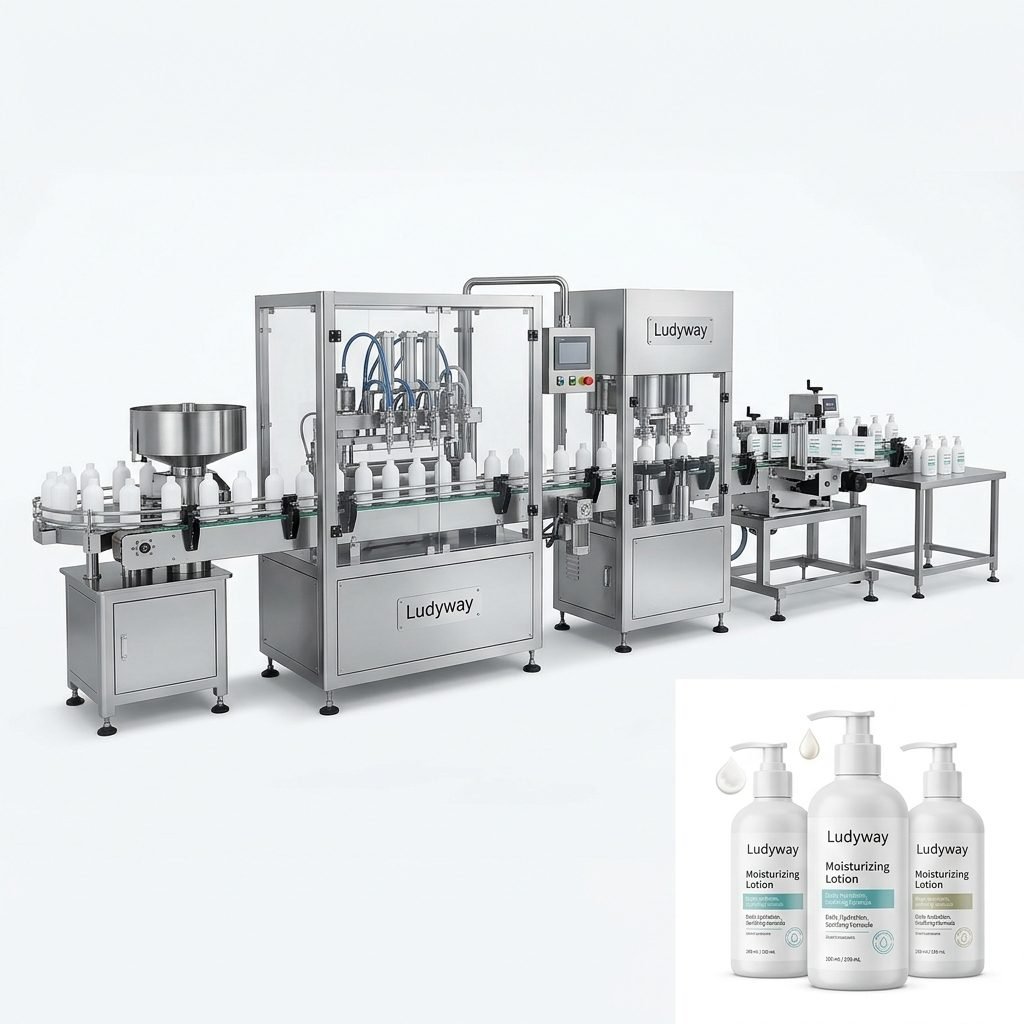
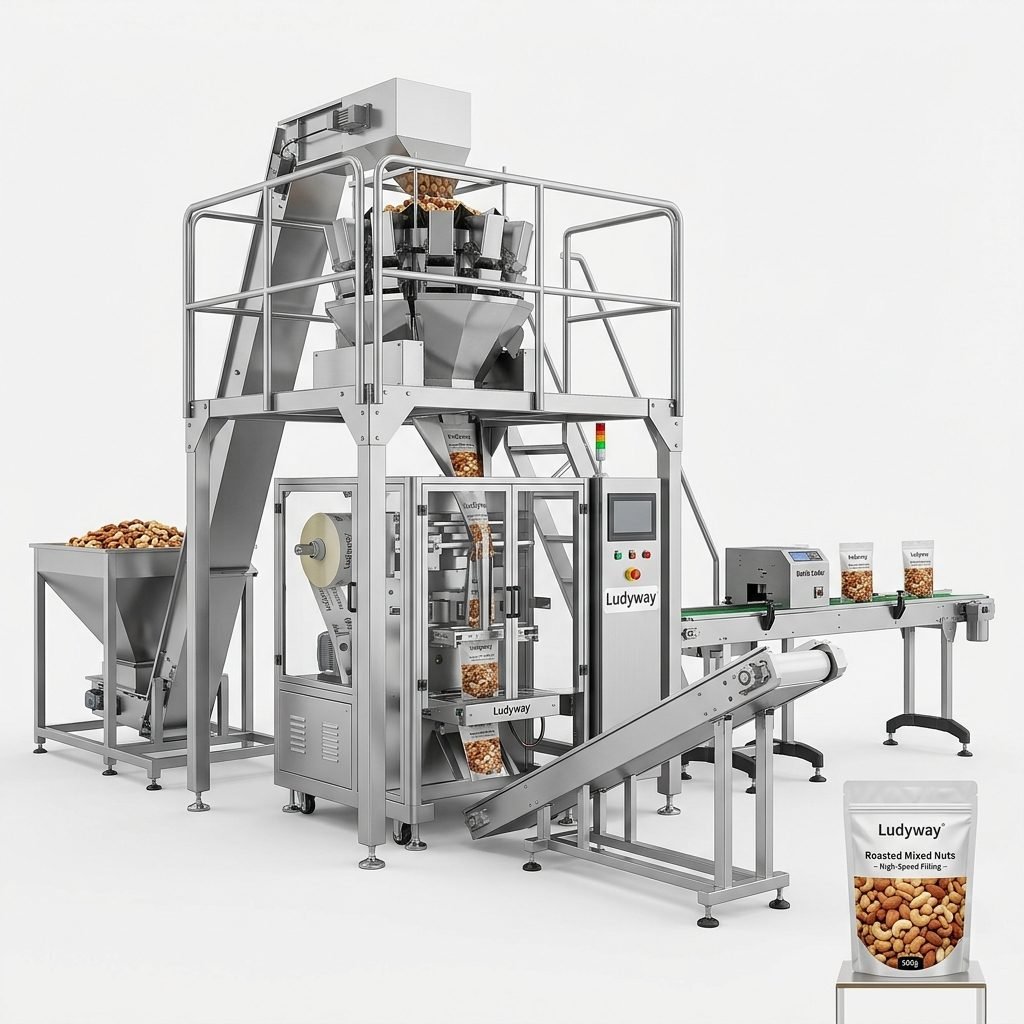
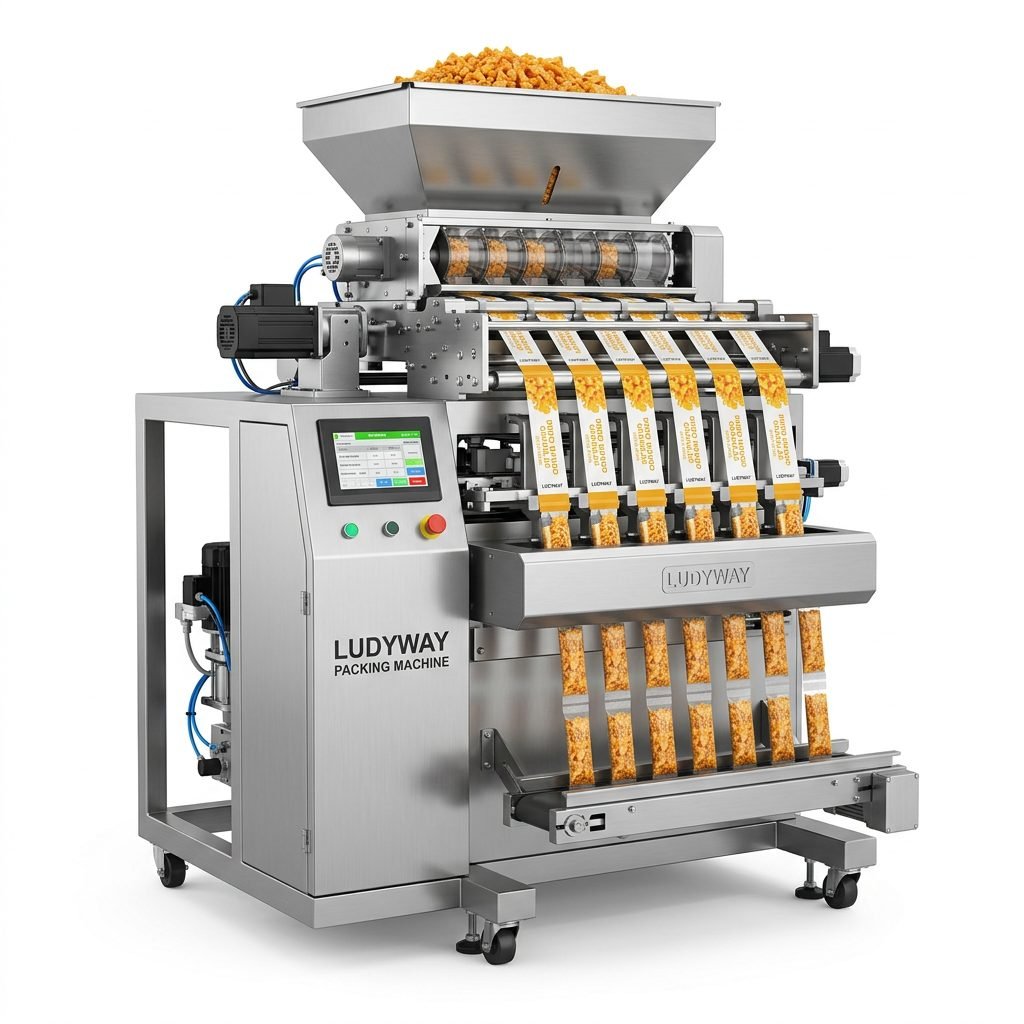
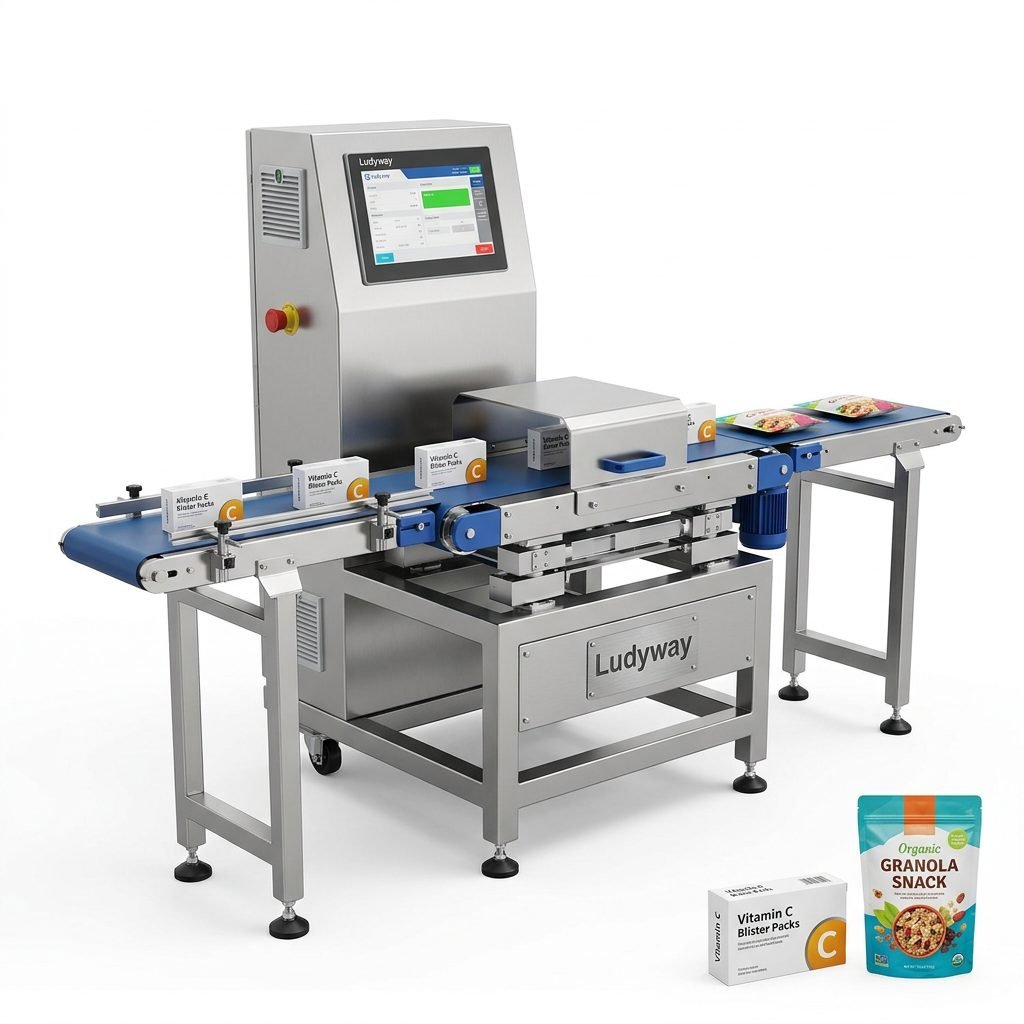
The complexity of modern packaging systems, from multi-lane stick pack machines to fully automated sachet lines, demands more than just basic operational knowledge. A well-structured training program bridges the gap between machine capability and human expertise. It transforms operators from mere button-pressers into proficient technicians who understand the mechanics, electronics, and software governing their equipment. This deep understanding is the first line of defense against accidents, malfunctions, and costly production halts. Without it, even the most advanced machinery can become a source of risk and inefficiency.
Key Training Objectives:
Safety Mastery: Ensuring every team member can identify hazards, follow lockout-tagout procedures, and respond to emergencies.
Efficiency Optimization: Teaching techniques to minimize changeover times, reduce material waste, and maintain optimal machine speed.
Troubleshooting Skills: Empowering staff to diagnose common issues and perform minor adjustments, reducing dependency on external service.
Preventive Maintenance: Instilling a culture of routine care to extend equipment lifespan and prevent unexpected breakdowns.
Enhancing Workplace Safety Through Targeted Training
Safety is the non-negotiable foundation of any industrial operation. Packaging machinery involves high-speed moving parts, electrical systems, and, in some cases, heat-sealing elements. A robust training service systematically addresses these risks. It goes beyond handing out a manual, involving hands-on, scenario-based learning that ingrains safe practices. Trainees learn proper machine guarding protocols, correct personal protective equipment (PPE) usage, and emergency stop procedures. More importantly, they develop a safety-first mindset, understanding the “why” behind every rule. This cultural shift leads to a significant reduction in workplace incidents, protecting your most valuable asset—your people—and safeguarding your company from liability and downtime.
Core Safety Modules in a Comprehensive Program:
Risk Assessment & Hazard Identification
Safe Machine Setup & Cleaning Procedures
Emergency Response & First-Aid Basics
Material Handling & Ergonomics
Boosting Production Efficiency and Output Quality
Efficiency gains from training are measurable and impactful. When operators are expertly trained, they achieve faster production cycles, smoother changeovers between product runs, and a drastic reduction in material waste due to errors. Training covers optimal machine settings for different packaging materials, precise adjustment techniques, and data interpretation from machine interfaces for real-time process control. This leads to a more consistent, high-quality output with fewer rejects. Furthermore, a trained team can better utilize advanced features of intelligent packaging systems, such as those offered by experienced providers like Ludyway Machinery, pushing your Overall Equipment Effectiveness (OEE) to new heights.
Developing and Retaining a Skilled Workforce
Investing in employee development is a powerful tool for retention and morale. Comprehensive training signals that the company values its staff and is committed to their professional growth. As employees master new skills—from basic operation to advanced troubleshooting and preventive maintenance—they become more engaged, confident, and productive. This creates a positive cycle: skilled employees produce better results, feel more satisfied, and are less likely to leave. Building this internal expertise also reduces long-term reliance on expensive external technicians, creating a more resilient and self-sufficient operational team.
📈 The Tangible Benefits of a Trained Team:
Reduced Downtime: Faster diagnosis and resolution of minor issues keep lines running.
Lower Operational Costs: Decreased waste, lower repair costs, and optimized energy use.
Improved Flexibility: Staff can confidently handle a wider variety of packaging formats and machine types.
Enhanced Compliance: Proper training ensures adherence to industry standards and regulatory requirements, which is critical in sectors like pharmaceuticals.
Implementing an Effective Training Program: Best Practices
A one-size-fits-all approach rarely works. The most effective training is tailored to your specific machinery, products, and operational goals. It should combine multiple formats:
- On-site, Hands-on Sessions: Practical training on your actual production line is irreplaceable.
- Interactive Digital Modules: For theory, safety protocols, and foundational knowledge that staff can revisit.
- Comprehensive Documentation: Clear, machine-specific manuals and quick-reference guides accessible on the shop floor.
- Continuous Learning: Refresher courses and advanced modules as new equipment or features are introduced.
Partnering with your machinery supplier for training ensures authenticity and depth. For instance, leveraging the 30+ years of industry experience behind a brand like Ludyway means training is informed by real-world application and deep technical knowledge, not just generic theory. This partnership approach ensures your team gains insights directly relevant to maximizing the performance of your specific packaging systems.
Conclusion: Training as a Strategic Investment
Viewing packaging machinery training as a mere cost is a strategic misstep. It is, in fact, a powerful catalyst for operational excellence. By prioritizing safety, efficiency, and skill development, companies not only protect their personnel and assets but also unlock significant competitive advantages through higher productivity, superior product quality, and a more adaptable, loyal workforce. In an era defined by automation and precision, the human element, expertly honed through quality training, remains the ultimate driver of success on the packaging floor.
Frequently Asked Questions (FAQs)
Who should receive packaging machinery training?
Training should be provided to all personnel who interact with the equipment, including primary operators, line supervisors, maintenance technicians, and even quality control staff. This ensures a unified understanding of safe and efficient operations across the team.
How often should training be refreshed or updated?
Refresher training is recommended annually or biannually to reinforce key concepts. Updates are mandatory whenever new machinery is installed, significant modifications are made to existing equipment, or after a safety incident to address lessons learned.
Can training be customized for our specific products and packaging materials?
Absolutely. The most effective training programs are highly customized. A quality training provider will tailor the content to your specific machine models, the types of products you package (e.g., granules, powders, liquids), and the unique materials you use.
What is the typical format and duration of on-site training?
On-site training typically involves 1-5 days of intensive, hands-on instruction, depending on the complexity of the machinery. It combines theoretical classroom sessions with practical demonstrations and supervised practice on your production line.
How does training impact machine warranty and service agreements?
Proper operator training is often a requirement to maintain full equipment warranty coverage. It demonstrates due diligence in machine care. Furthermore, a well-trained team can handle basic maintenance and troubleshooting, potentially reducing the frequency and cost of external service calls.