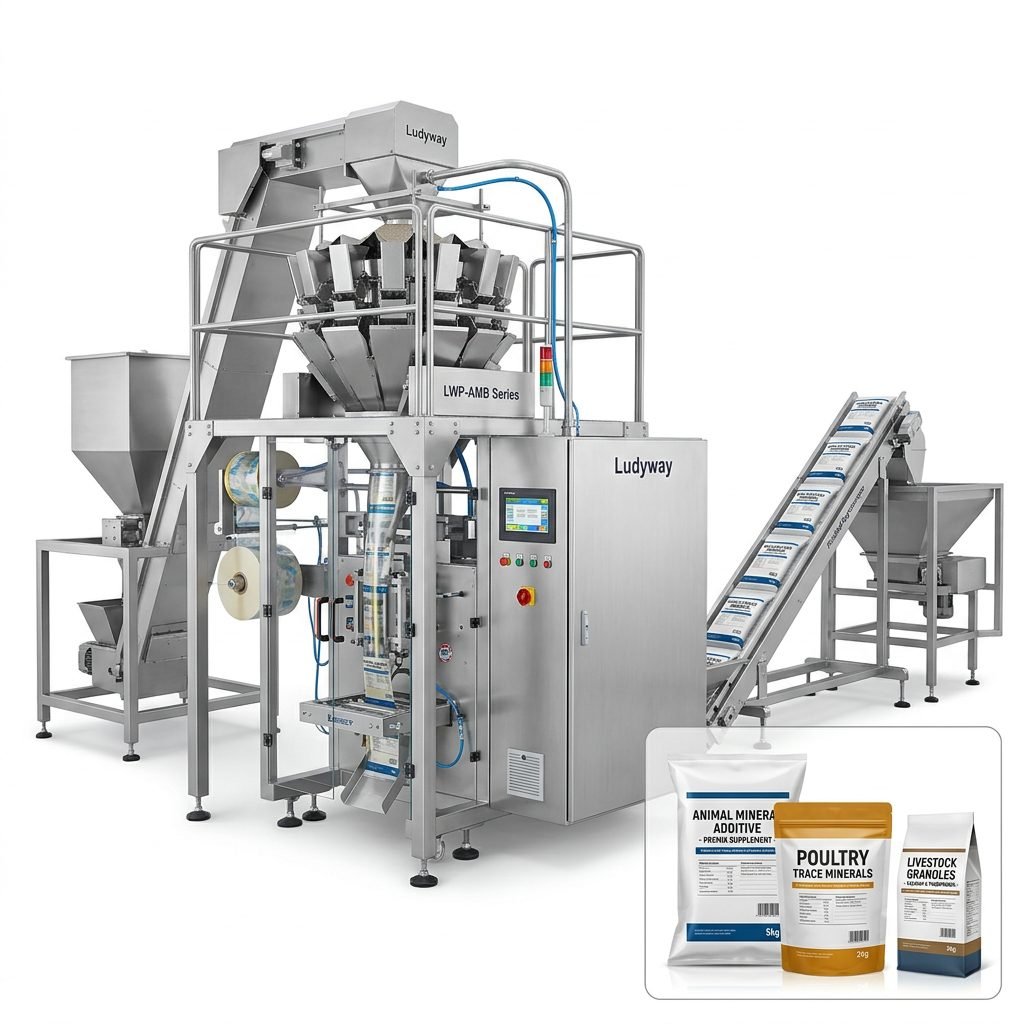
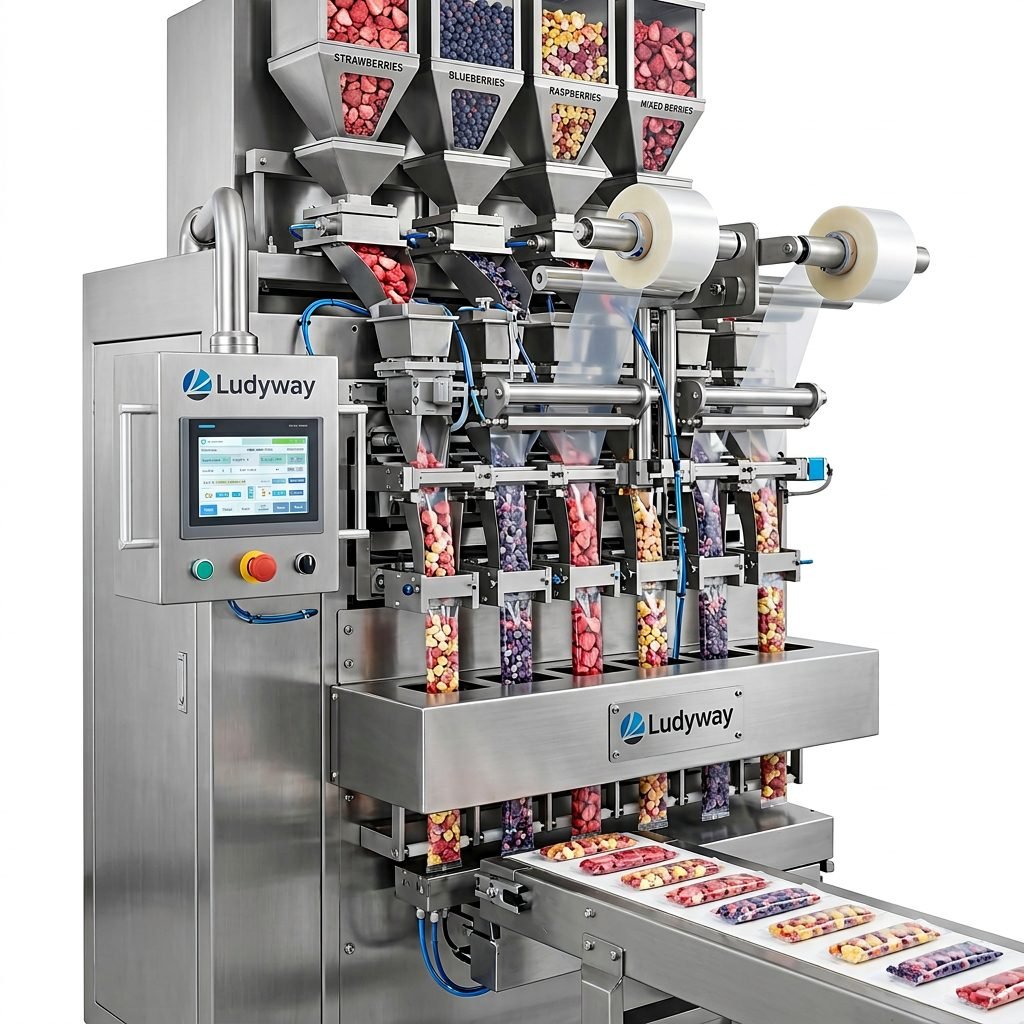
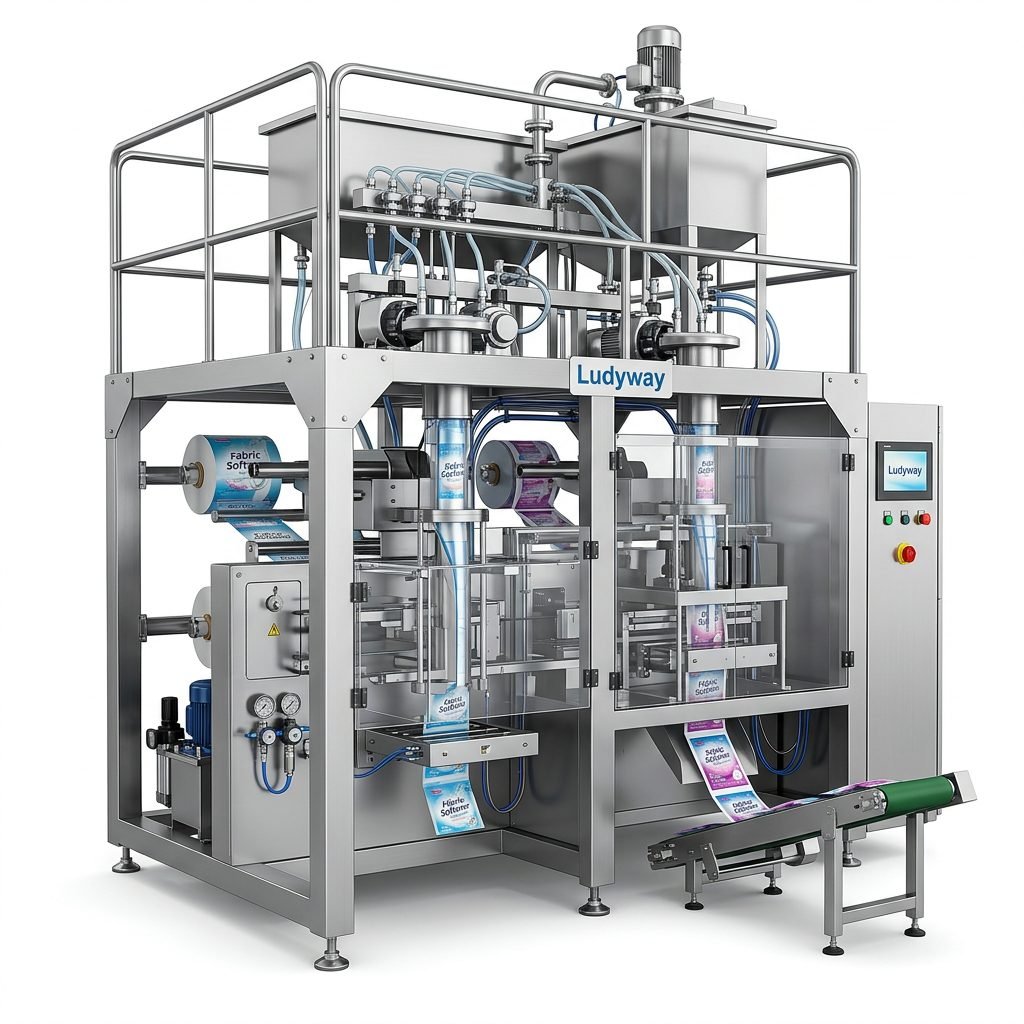
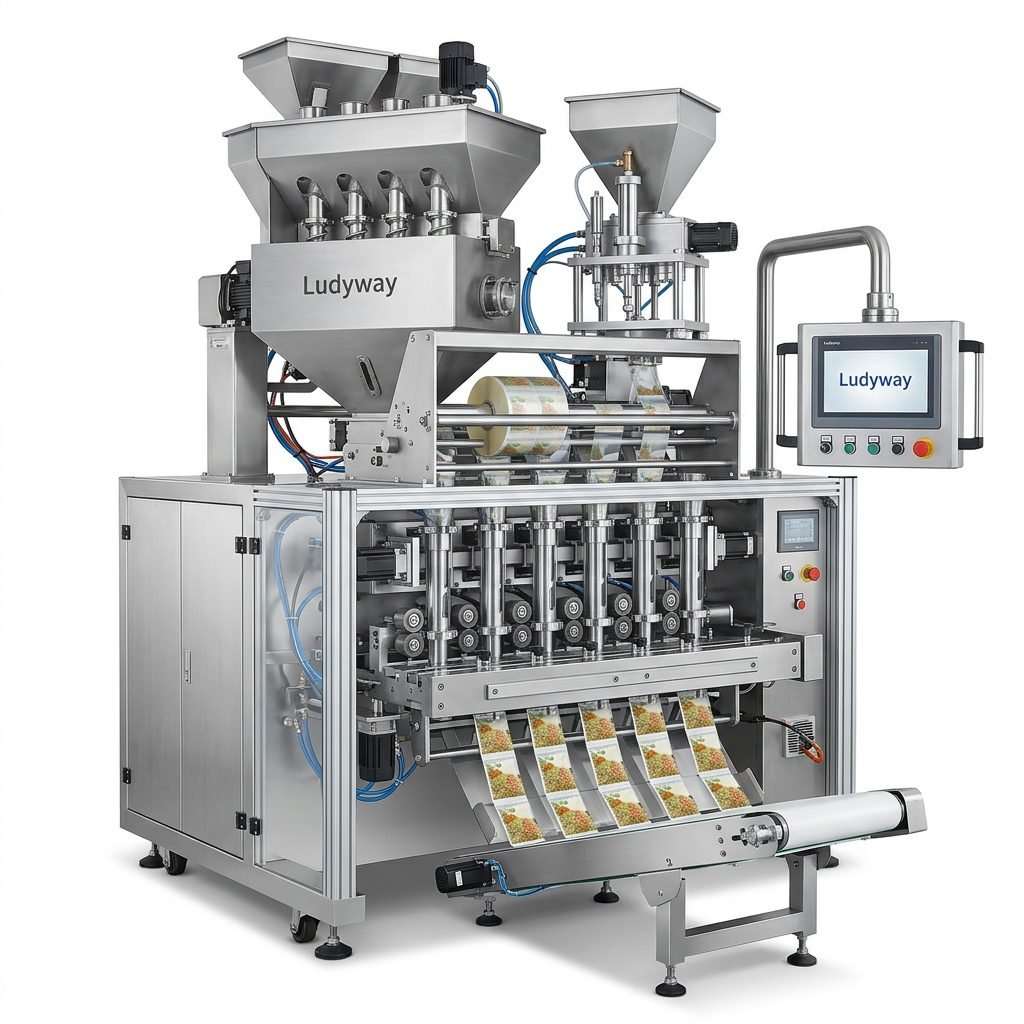
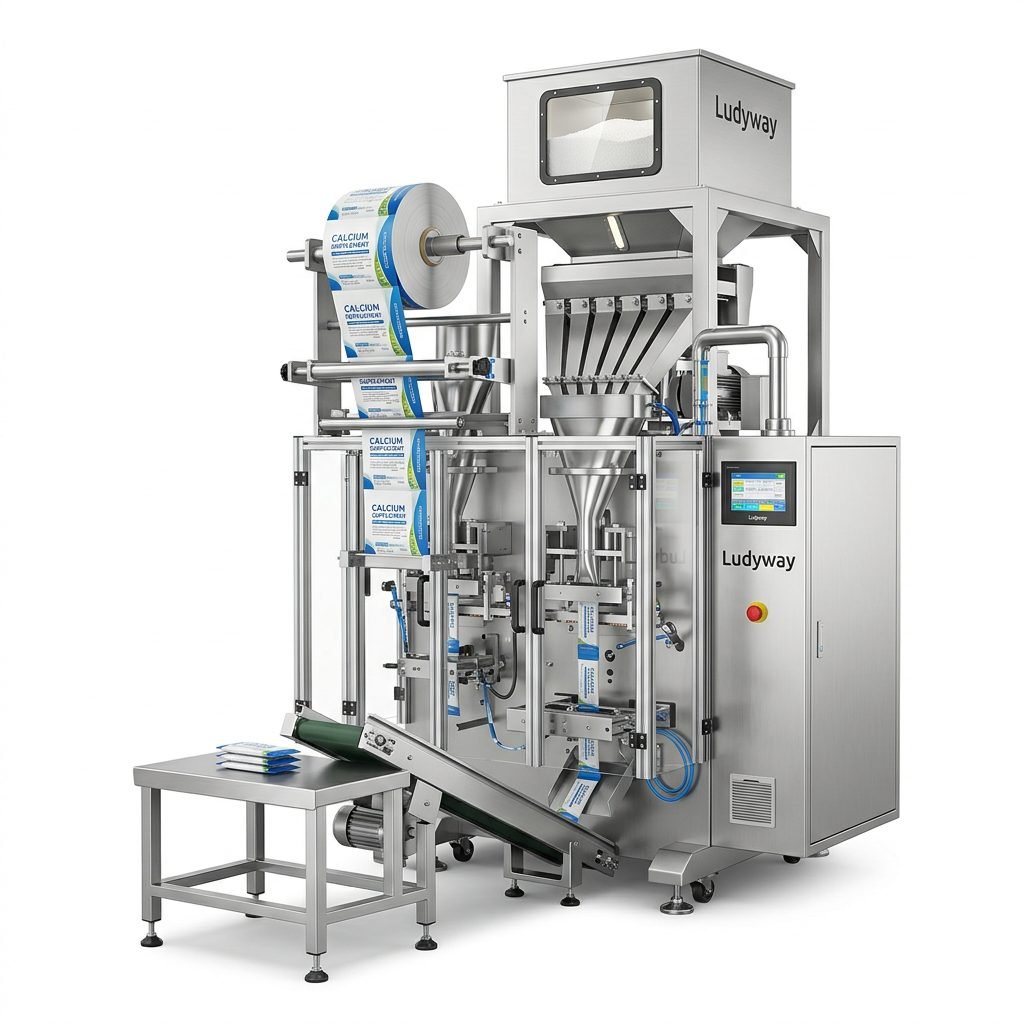
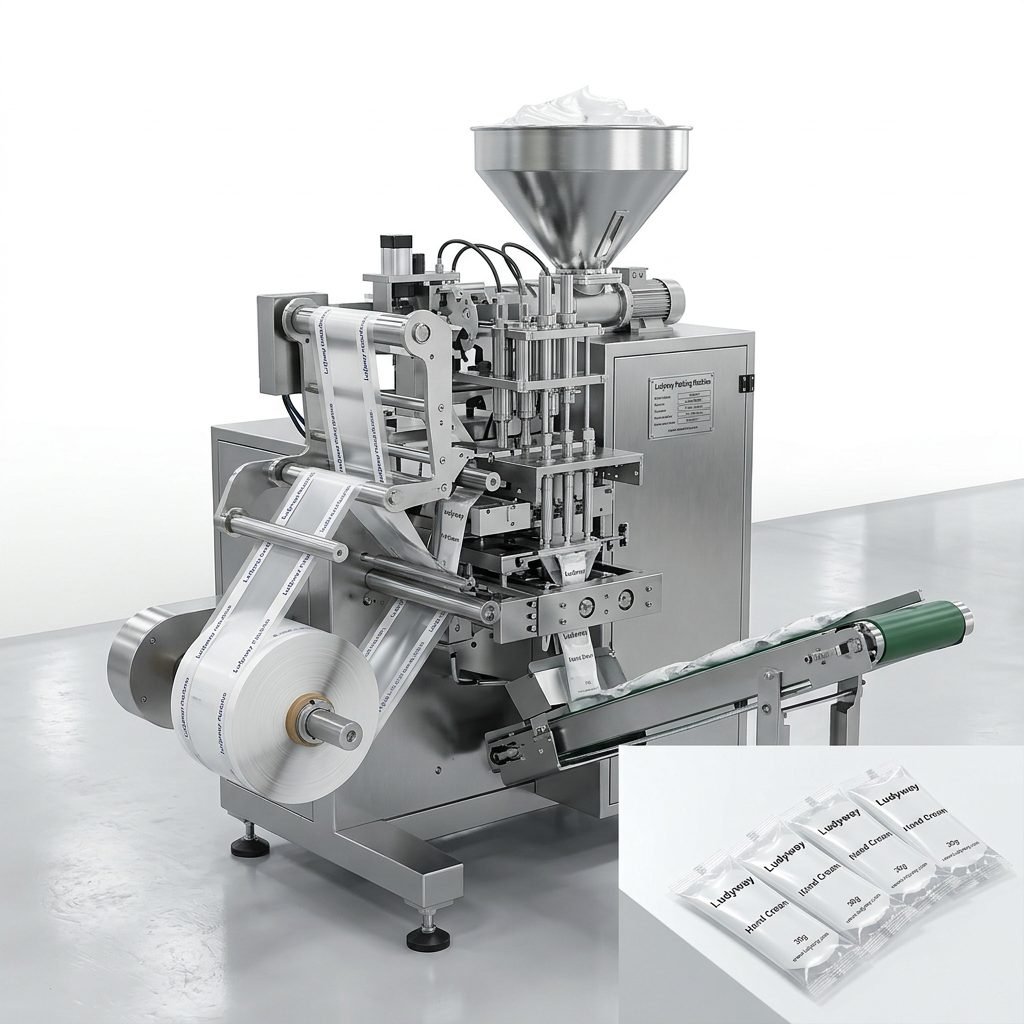
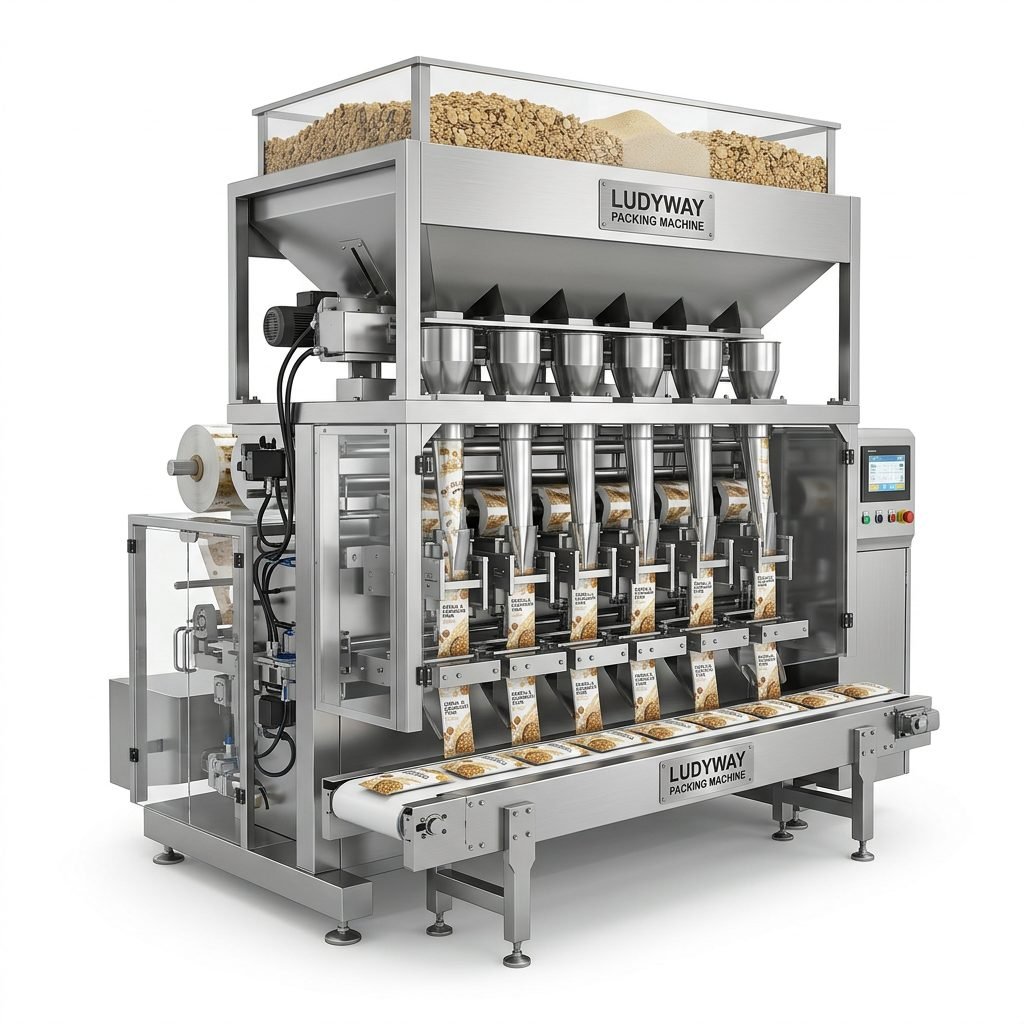
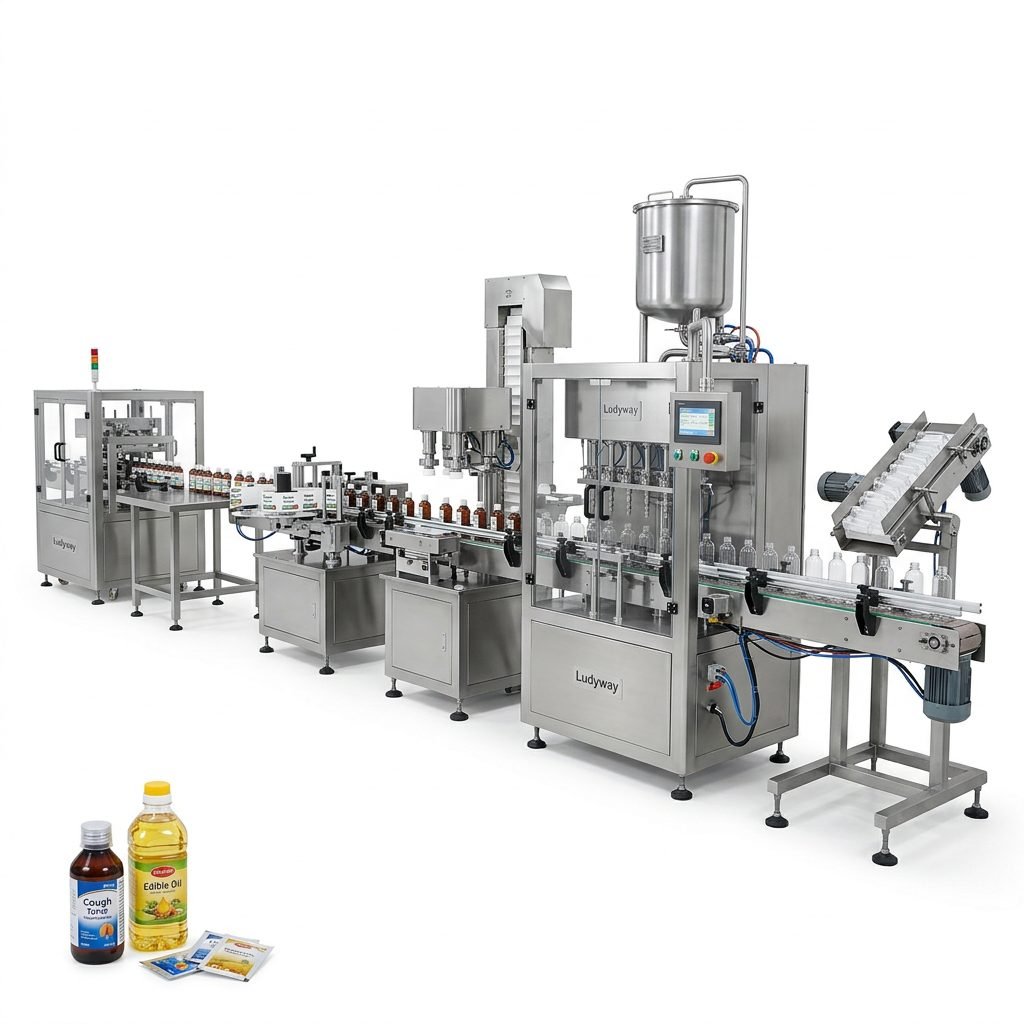
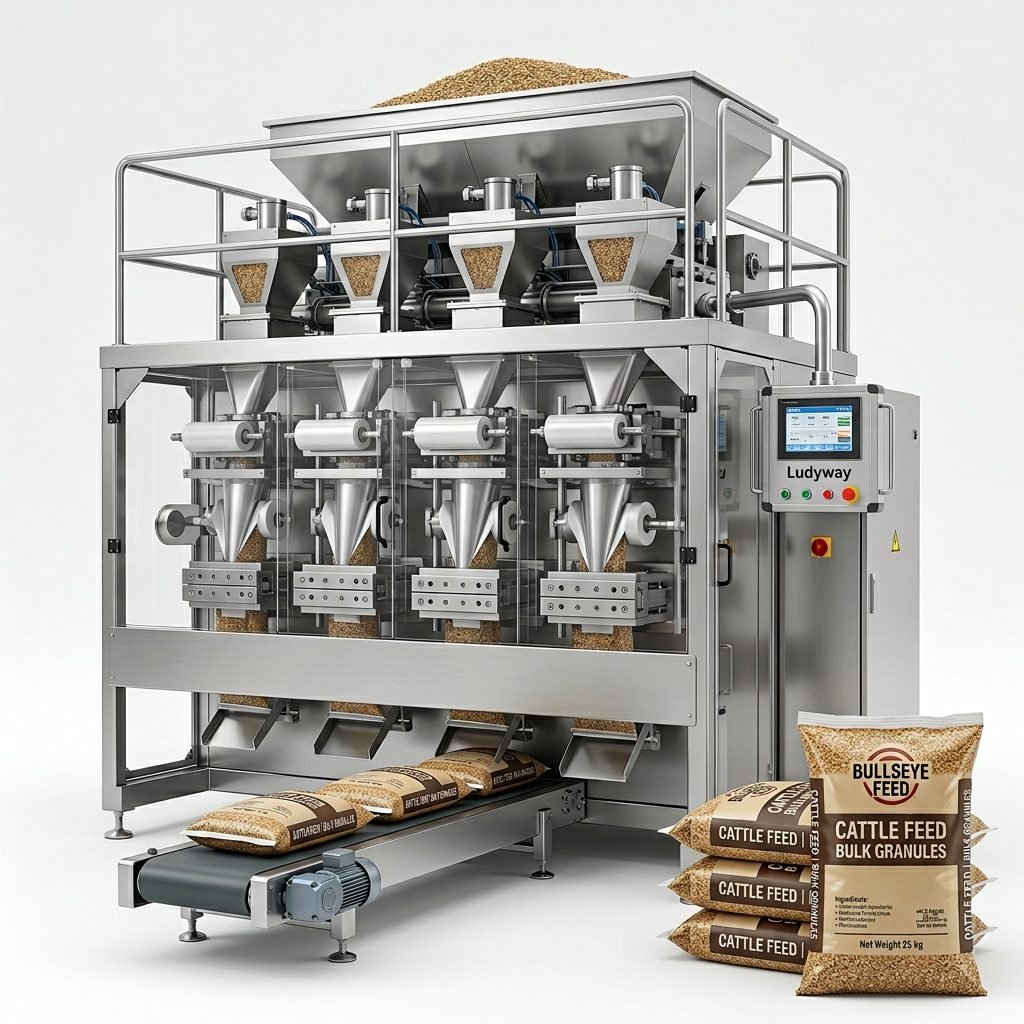
Modern poultry processing demands packaging systems that are fast, hygienic, accurate, and flexible. A chicken packaging machine helps processors package fresh chicken, frozen chicken, marinated cuts, chicken snacks, freeze-dried products, and poultry feed-related products with greater consistency and less manual labor. For factories aiming to improve output while maintaining food safety, automated packaging is no longer optional—it is a competitive advantage.
From small processing businesses to large-scale poultry plants, the right packaging equipment can reduce product loss, improve seal quality, support traceability, and keep production moving smoothly. Whether you need pouch packing, vacuum sealing, weighing, filling, cartoning, coding, or a complete turnkey line, choosing the right machine configuration makes a major difference in long-term profitability.
What Is a Chicken Packaging Machine?
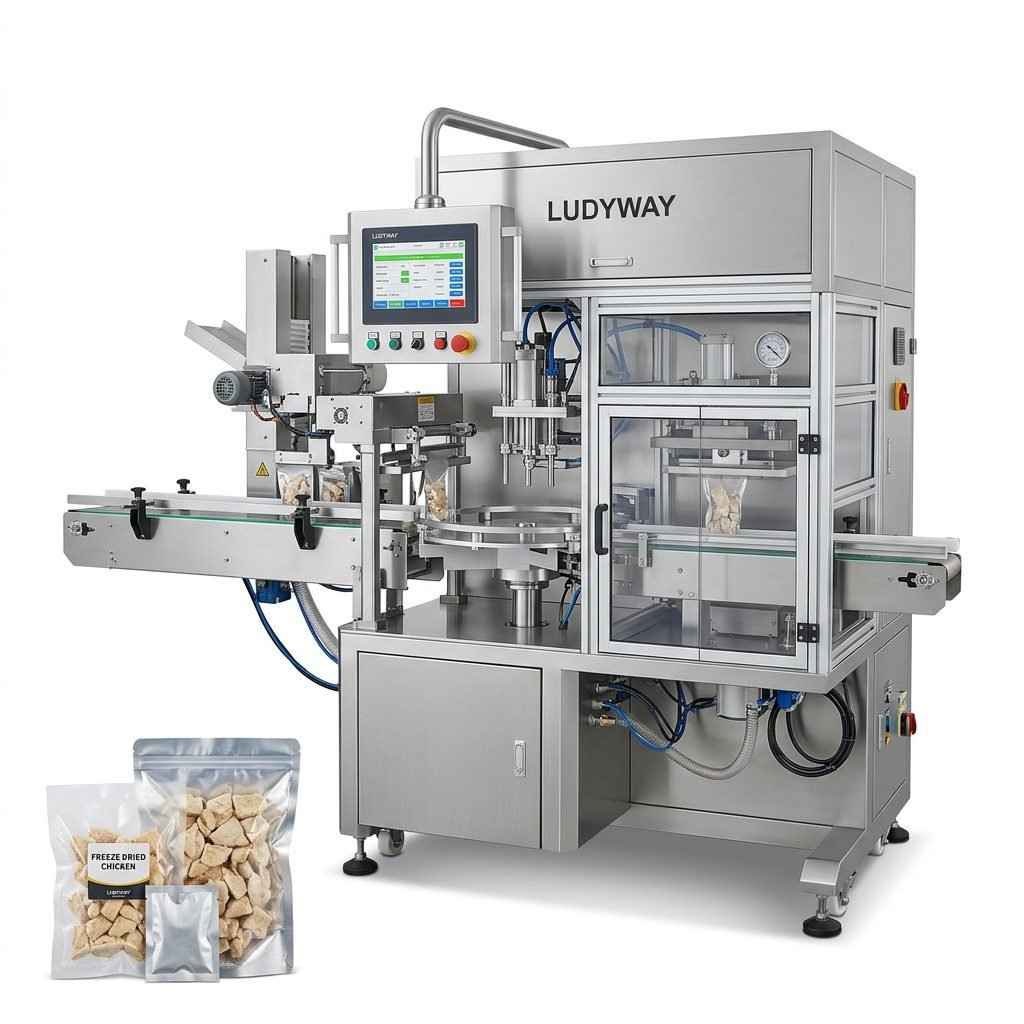
A chicken packaging machine is automated equipment designed to pack poultry products into selected packaging formats with controlled weighing, filling, sealing, labeling, and sometimes secondary packing. Depending on the product type, the machine may handle:
- Fresh chicken pieces
- Frozen chicken portions
- Seasoned or marinated chicken products
- Chicken nuggets, strips, or ready-to-cook items
- Freeze-dried chicken snacks
- Retail pouches, bulk bags, trays, or vacuum packs
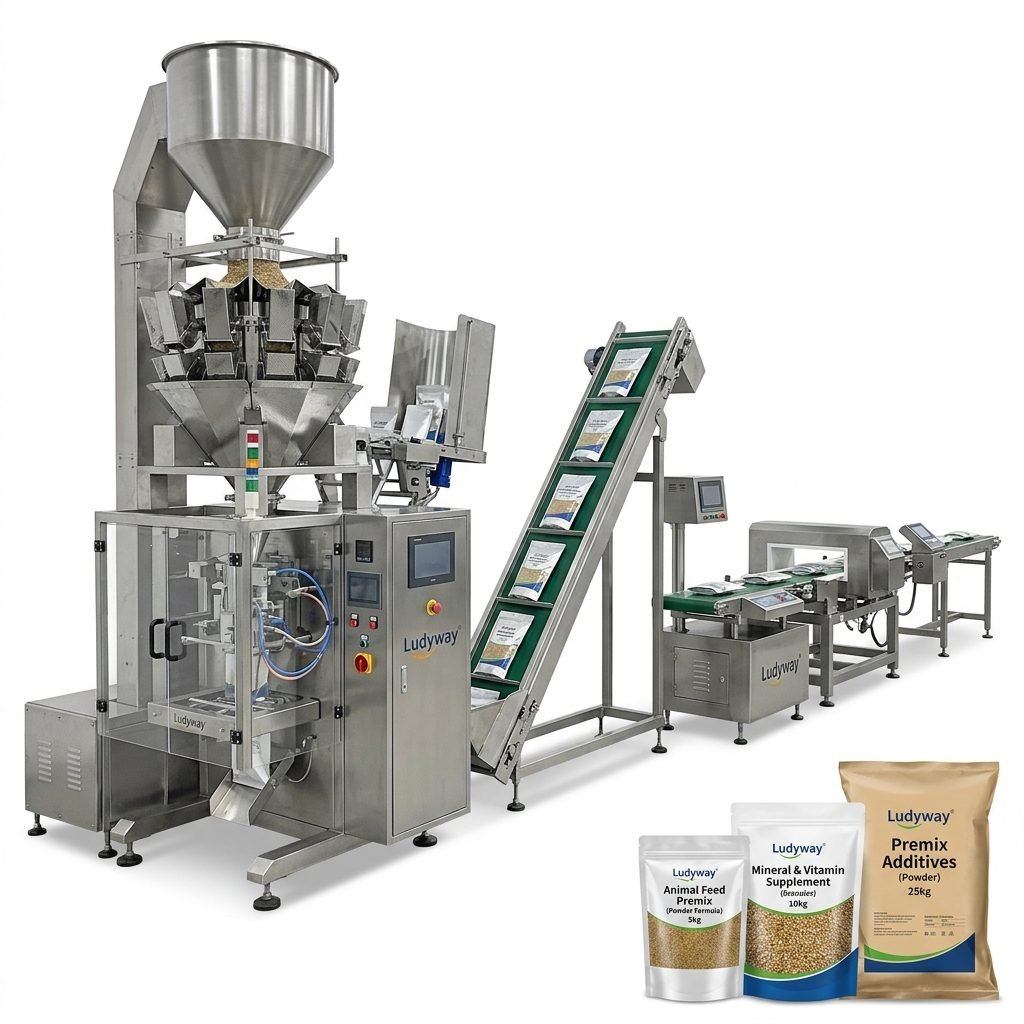
These systems are often integrated with conveyors, multihead weighers, metal detectors, checkweighers, printers, labeling units, case packers, and palletizing equipment to create a highly efficient packaging workflow.
Why Automation Matters in Poultry Packaging
Chicken is a high-demand protein product, but it is also highly sensitive to contamination, temperature variation, and packaging defects. Automated machinery helps processors meet market expectations for speed, hygiene, shelf life, and consistent presentation.
| Packaging Challenge | How Automation Helps |
|---|---|
| Inconsistent pack weight | Improves dosing and weighing accuracy |
| Seal leakage | Provides stable sealing temperature and pressure control |
| High labor costs | Reduces manual handling and repetitive tasks |
| Food safety risk | Supports sanitary design and cleaner production environments |
| Low throughput | Enables continuous, high-speed packaging output |
| Product waste | Minimizes overfill, spillage, and damaged packaging |
Common Chicken Packaging Formats
The best machine depends on the final package style and the characteristics of the chicken product. Different poultry businesses require different packaging solutions.
1. Vacuum Packaging
Ideal for extending shelf life and reducing oxygen exposure. Commonly used for raw chicken breasts, thighs, drumsticks, and freeze-dried chicken products.
2. Premade Pouch Packaging
Suitable for marinated chicken, seasoned poultry portions, and premium retail products. It offers strong shelf appeal and can support zipper or stand-up pouch styles.
3. Tray Sealing
Widely used in supermarkets for fresh poultry presentation. Tray sealing can be combined with modified atmosphere packaging for better freshness retention.
4. Vertical Bagging for Frozen or Processed Chicken
Useful for nuggets, popcorn chicken, diced chicken, and frozen pieces. Vertical packaging systems can achieve high speed and efficient bag formation.
5. Bulk Bag Packaging
Designed for food service, wholesale, or industrial buyers who require larger pack sizes with reliable weighing and durable seals.
Key Features to Look for in a Chicken Packaging Machine
Not every packaging machine is suitable for poultry. A well-designed system should meet both production and sanitation requirements.
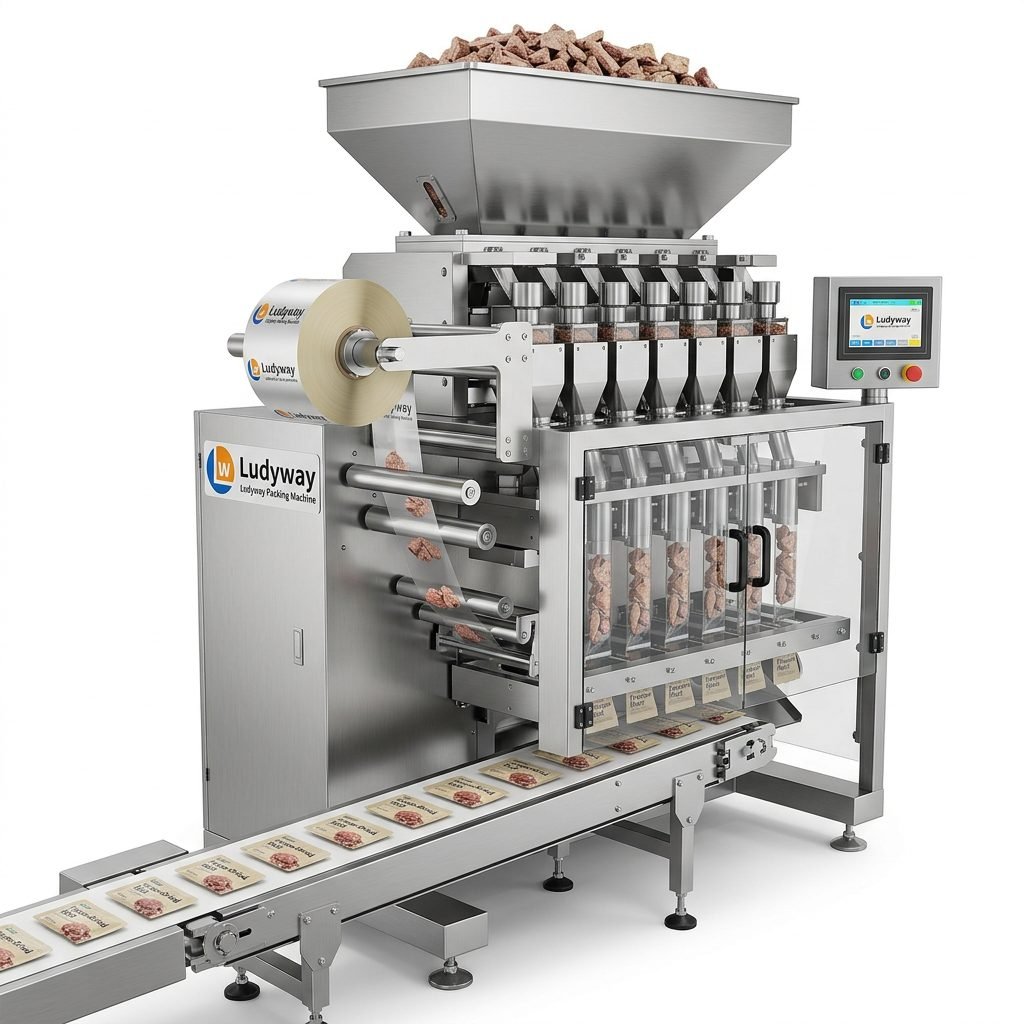
- Food-grade contact parts for hygienic processing
- Washdown-friendly structure for easier cleaning
- Accurate weighing and portion control
- Stable sealing performance for moisture-sensitive products
- Compatibility with vacuum, pouch, tray, or bag formats
- Temperature and humidity resistance in poultry environments
- Integration with printers, detectors, and conveyors
- User-friendly touchscreen controls
- Quick format change for different pack sizes
- Reliable long-run operation for high-volume production
Benefits of Automated Chicken Packaging Equipment
Higher Production Efficiency
Automated systems can operate continuously with far fewer stoppages than manual packaging lines. This is especially important during peak supply periods when poultry processors need dependable output.
Better Product Consistency
Uniform weight, clean seals, and consistent pack appearance help strengthen your brand image and reduce customer complaints.
Improved Food Safety
Reduced human contact lowers contamination risk. Machines can also be integrated with metal detectors and inspection systems to strengthen quality control.
Lower Operating Costs
While the initial investment is higher than manual packing, the long-term savings in labor, rework, and waste are often significant.
Scalable Growth
A modular chicken packaging line allows processors to expand capacity as order volume increases, without rebuilding the entire production setup.
Applications Across the Poultry Industry
Chicken packaging machines are used in multiple poultry-related sectors:
| Application | Typical Packaging Type | Machine Requirement |
|---|---|---|
| Fresh poultry retail | Tray, film, vacuum pack | Sealing precision, hygiene, labeling |
| Frozen chicken processing | Pillow bag, pouch, bulk bag | Durability, fast feeding, accurate weighing |
| Marinated chicken products | Premade pouch, vacuum pouch | Liquid handling, leakproof sealing |
| Ready-to-cook poultry foods | Retail bag or pouch | Brand presentation, coding, automation |
| Freeze-dried chicken snacks | Vacuum pouch, sachet, pouch | Moisture protection, sealing stability |
How to Choose the Right Chicken Packaging Solution
Before investing in a machine, poultry producers should evaluate more than just speed. The ideal solution should match the product, packaging format, and future expansion plan.
Consider Product Characteristics
Is the chicken fresh, frozen, coated, marinated, or freeze-dried? Product texture, temperature, and moisture level will affect the feeding method, sealing technology, and material selection.
Define Pack Size and Output
Retail packs, foodservice packs, and bulk industrial packs all require different machine structures. Be clear about target speed per minute and daily production volume.
Check Sanitary Design
Poultry plants require easy-clean surfaces, corrosion-resistant contact parts, and a machine layout that reduces dead corners where residues may accumulate.
Think About Integration
A standalone machine can help, but a full line with weighing, feeding, coding, detection, cartoning, and palletizing will often deliver greater value.
Evaluate Technical Support
Installation, training, spare parts, and after-sales response are critical. Packaging machinery should support stable long-term operation, not just short-term production goals.
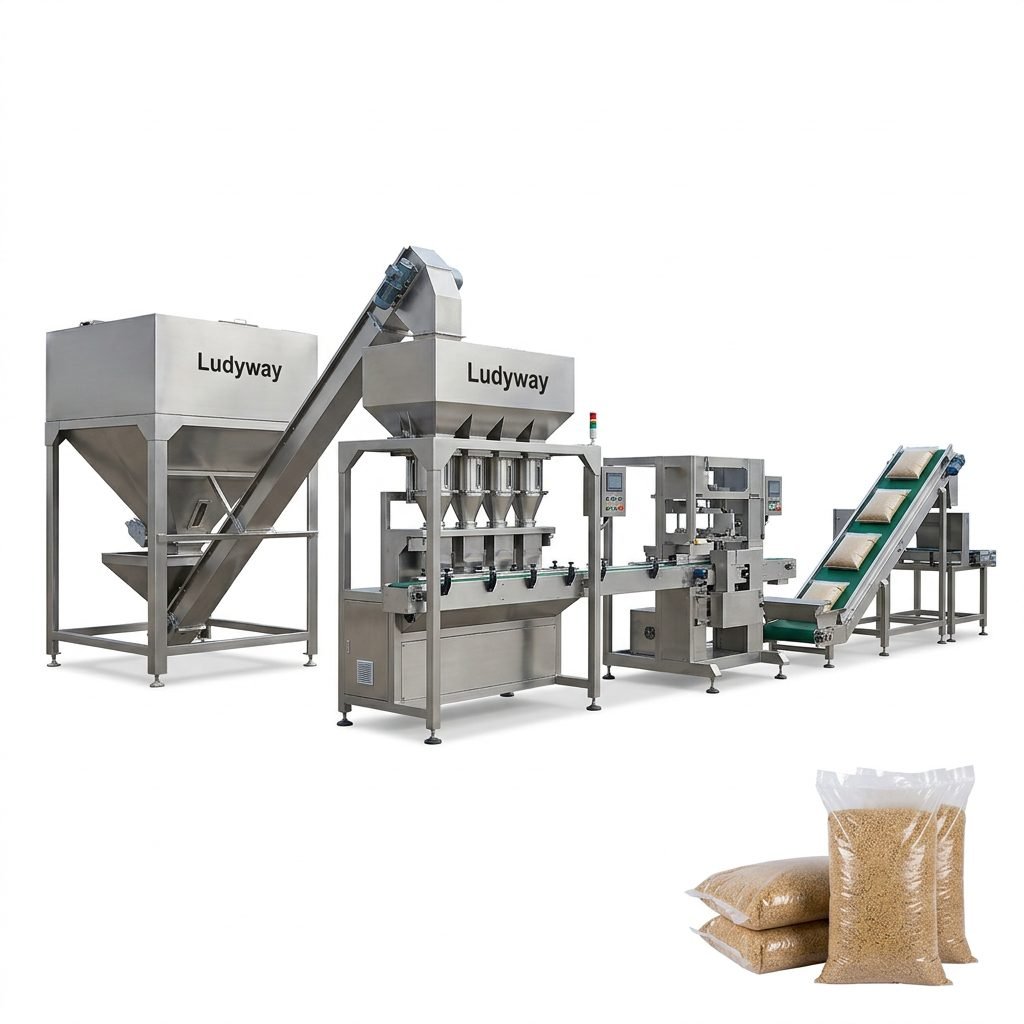
Turnkey Automation for Poultry Packaging
Many processors today prefer turnkey packaging systems because they simplify line planning and improve compatibility between each unit. A complete poultry packaging line may include:
- Product feeding and conveying systems
- Automatic weighing or dosing equipment
- Bagging, pouch filling, tray sealing, or vacuum packaging machines
- Date coding and label printing systems
- Metal detection and checkweighing equipment
- Cartoning, case packing, and palletizing modules
Working with an experienced manufacturer can reduce integration risks and shorten commissioning time. Buyers looking for a scalable supplier often consider chicken packaging machine solutions from Ludyway, a packaging equipment manufacturer with more than 30 years of industry experience and turnkey line capabilities for global markets.
Maintenance Tips for Long-Term Performance
To keep a chicken packaging machine operating reliably, routine maintenance should be part of daily production management.
- Clean product-contact components thoroughly after each shift.
- Inspect seals, cutters, and wear parts regularly.
- Calibrate weighing systems to maintain portion accuracy.
- Check air pressure, temperature control, and sensor status.
- Use suitable packaging films or pouches matched to the machine.
- Train operators on startup, shutdown, sanitation, and troubleshooting.
Future Trends in Chicken Packaging Machinery
The poultry industry is moving toward smarter and more data-driven packaging systems. New developments include:
- Smart HMI controls with recipe storage
- Remote diagnostics and maintenance support
- Higher-speed servo-driven motion control
- Vision inspection for seal and code verification
- More sustainable packaging compatibility
- Integrated line monitoring for production analysis
As labor pressure and food safety expectations continue to rise, intelligent automation will play a larger role in poultry packaging efficiency.
Final Buying Insight
A high-performance chicken packaging machine should do more than pack products quickly. It should help your business achieve stable output, reliable seal quality, lower labor dependence, better food safety, and long-term operational efficiency. Whether you process fresh chicken, frozen poultry, or value-added chicken products, investing in the right automated system can strengthen both production capacity and market competitiveness.
For growing poultry businesses, the smartest choice is often a packaging solution that can be customized today and expanded tomorrow.