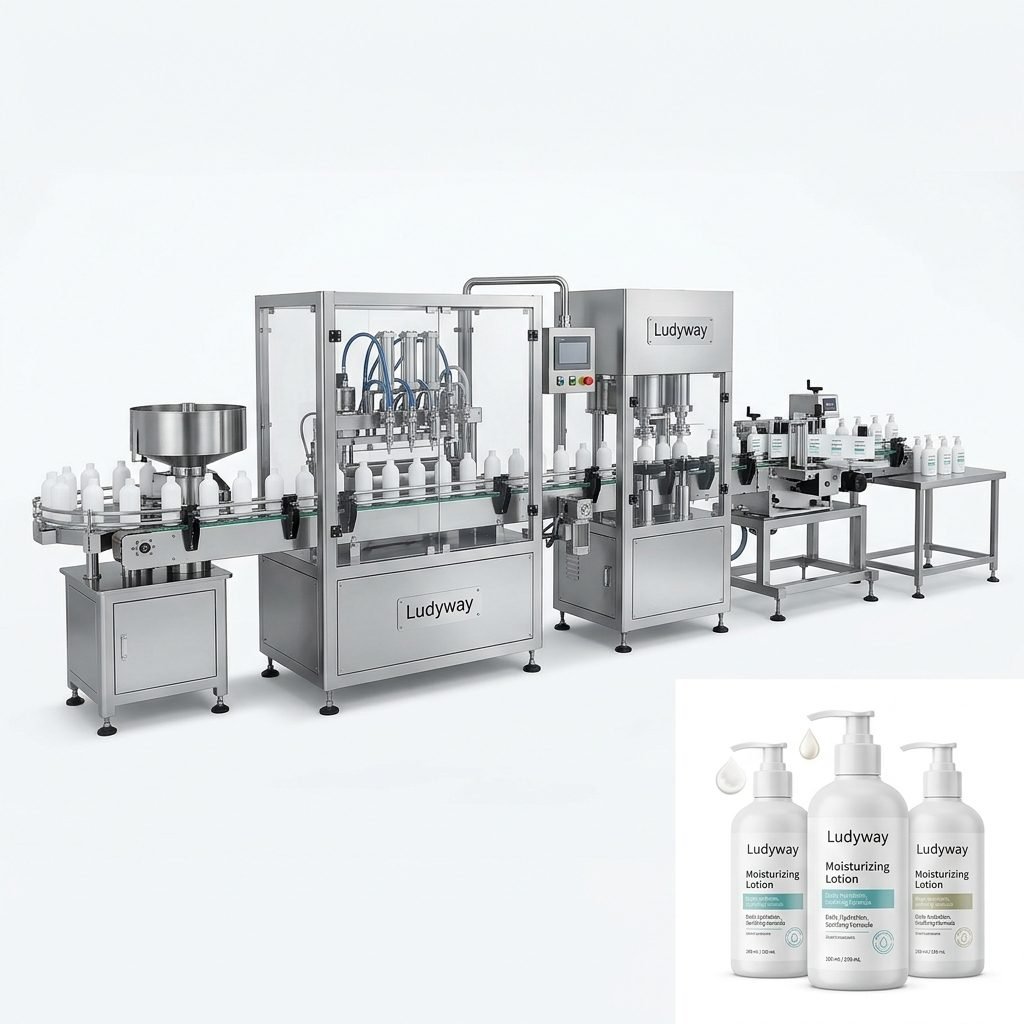
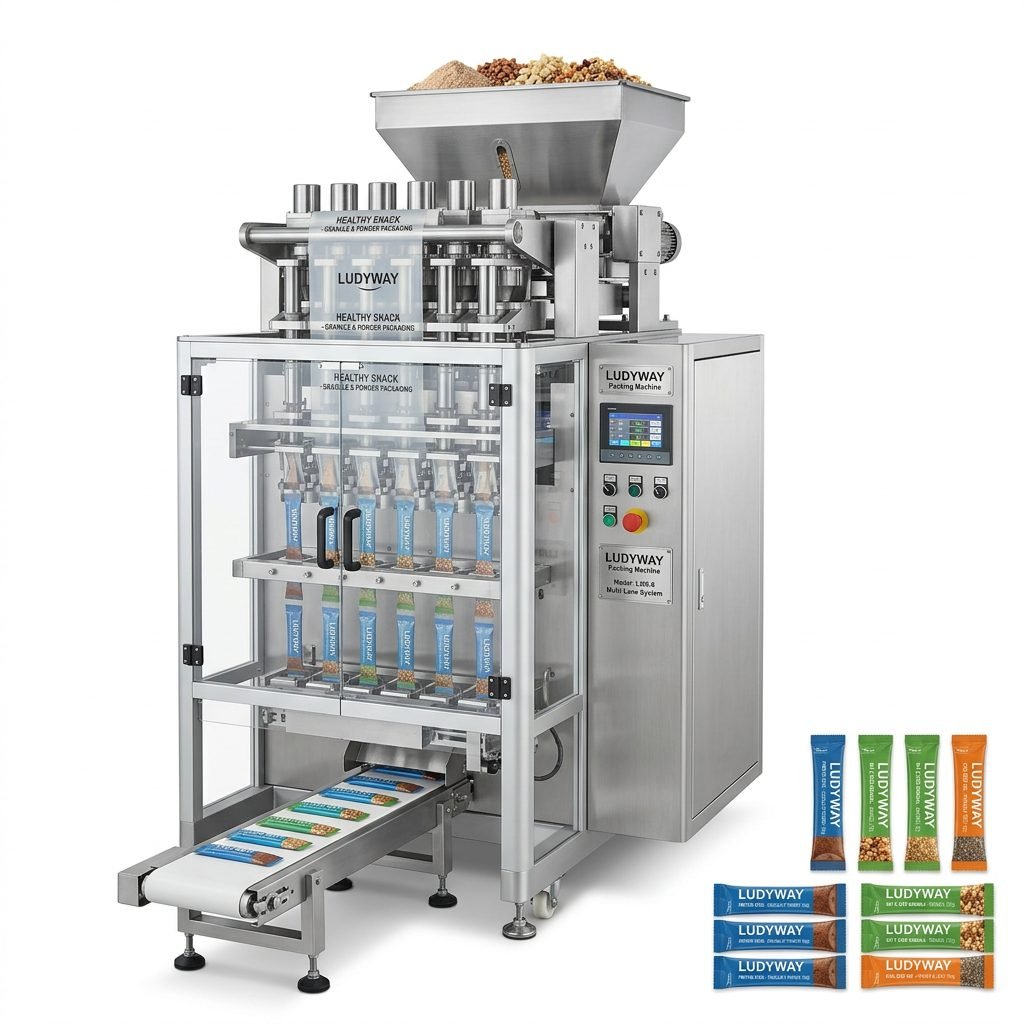
Packaging machine operators are essential professionals in modern manufacturing, responsible for setting up, operating, and maintaining the equipment that packages everything from food and pharmaceuticals to consumer goods. This comprehensive guide details the job description, required skills, salary expectations, and career path for this vital role.
What is a Packaging Machine Operator?
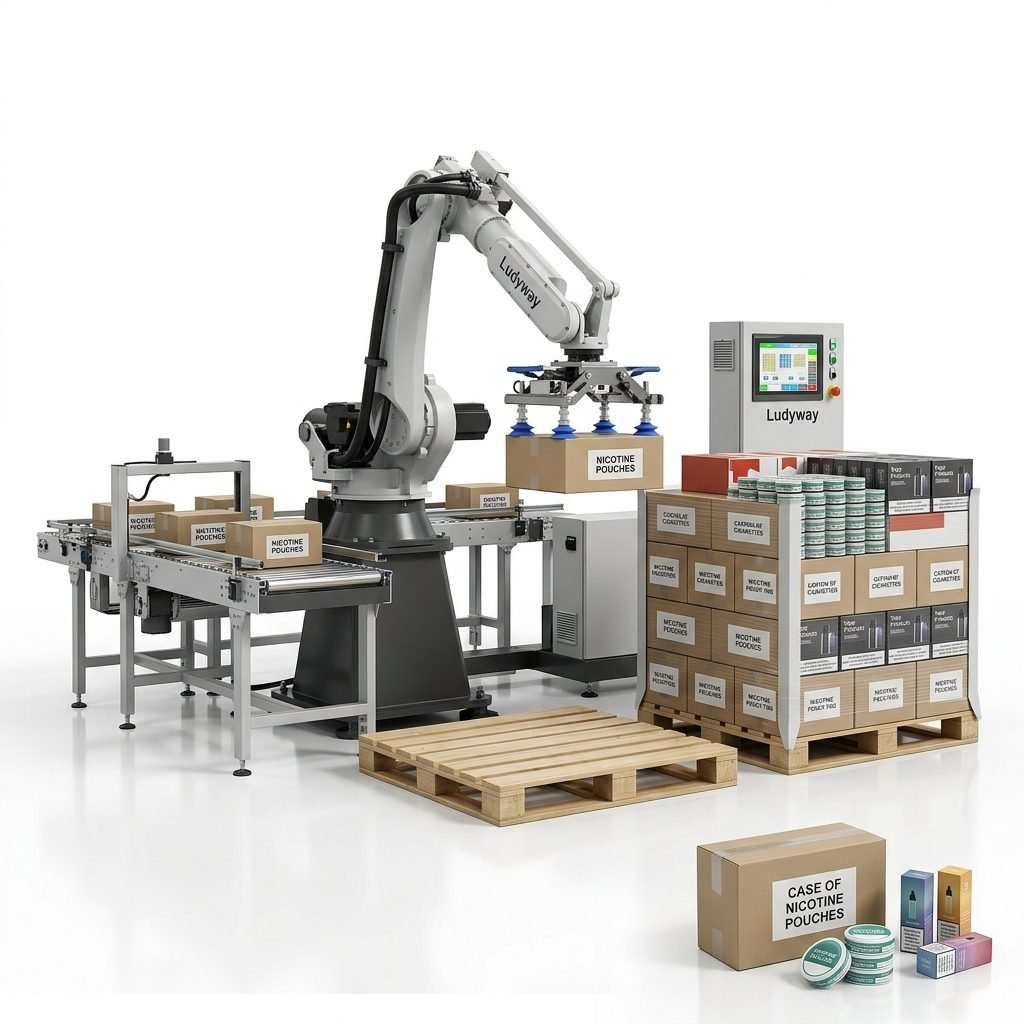
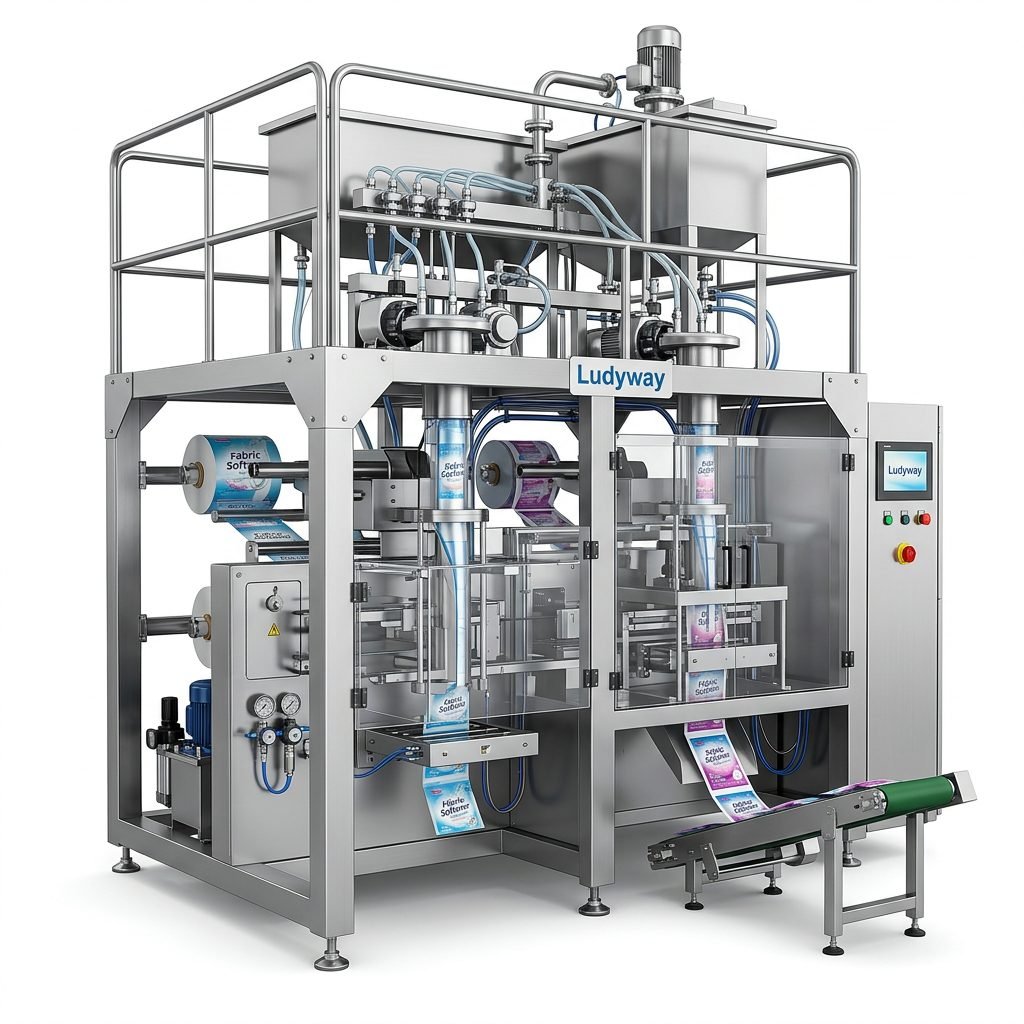
A packaging machine operator oversees the machinery that fills, seals, labels, and prepares products for shipment. They work in various industries, including food processing, pharmaceuticals, cosmetics, and manufacturing. Their primary goal is to ensure that packaging lines run efficiently, meet production targets, and maintain strict quality and safety standards.
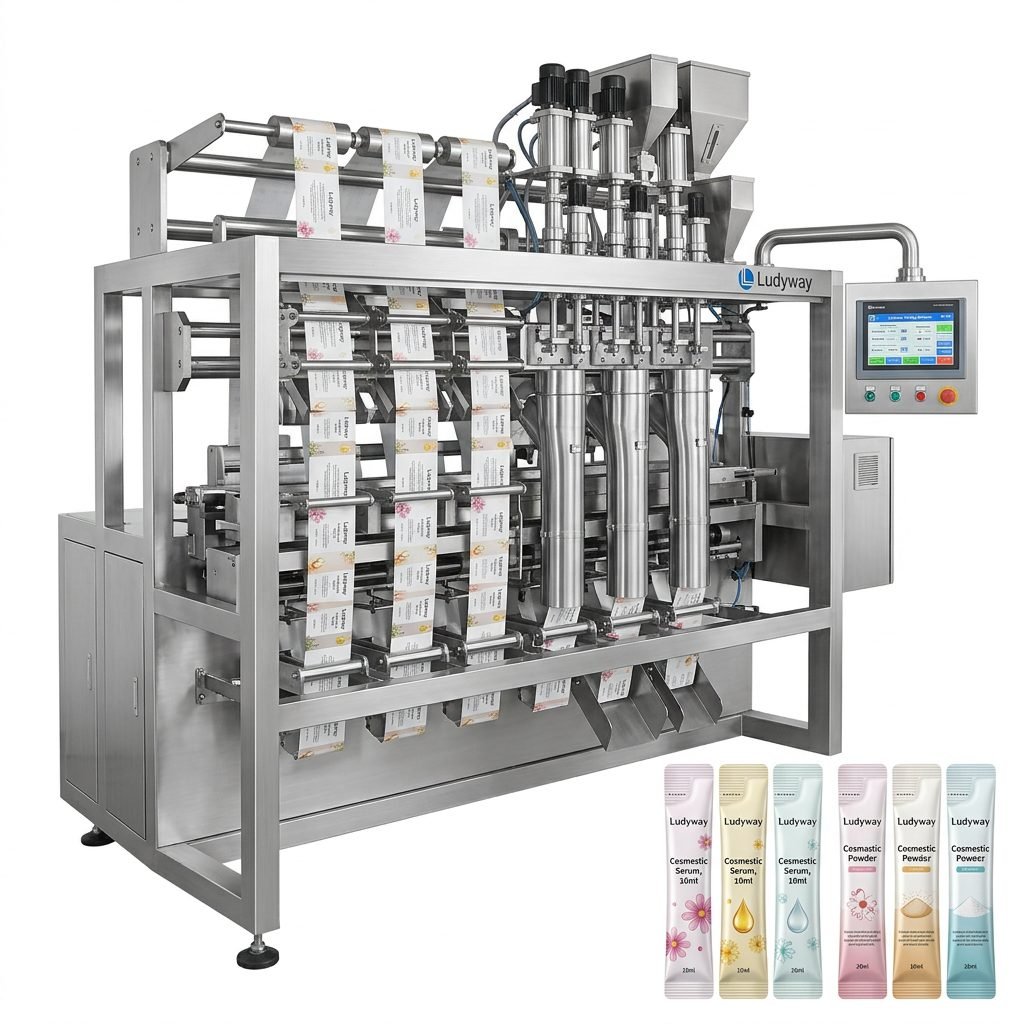
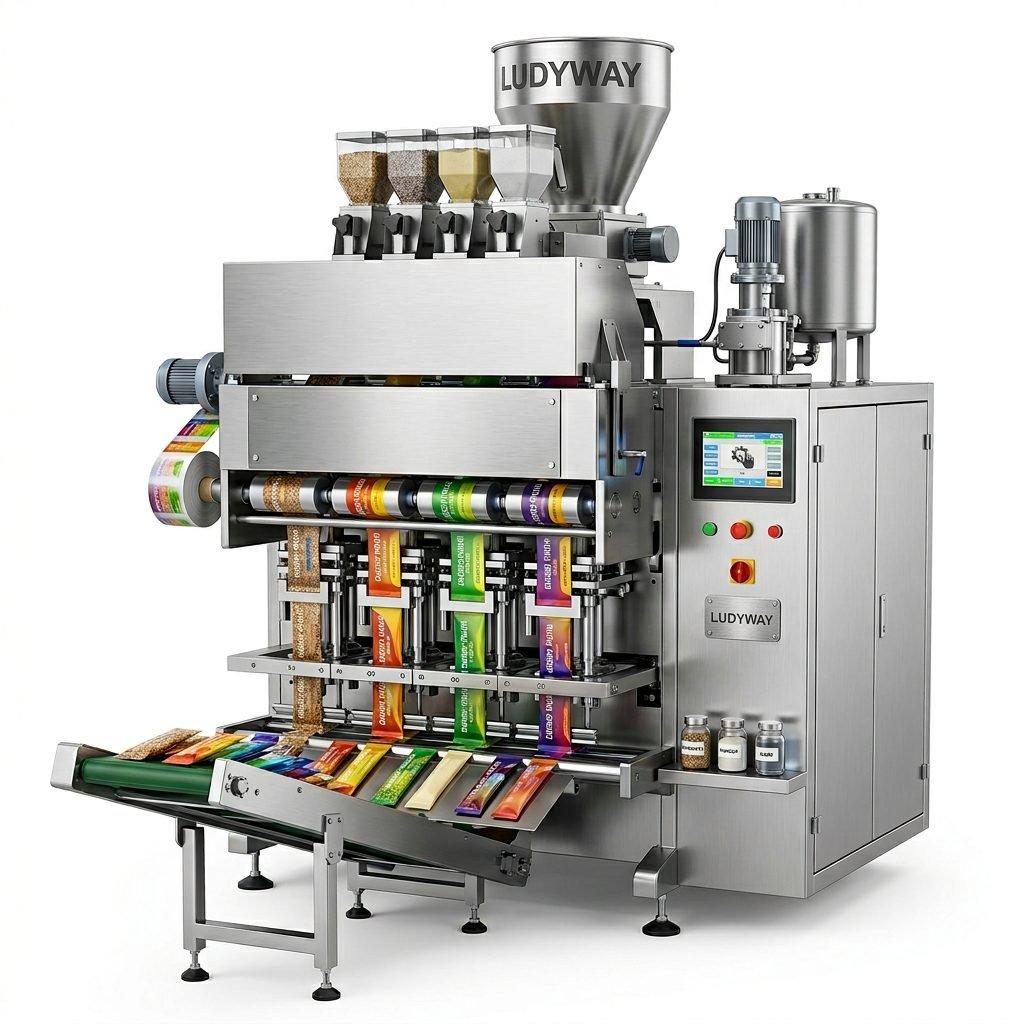
Operators are typically involved in the entire packaging process, from loading raw materials and configuring machine settings to performing routine maintenance and troubleshooting mechanical issues. They must understand the technical aspects of their equipment, whether it’s a simple filler or a complex multi-lane stick pack system like those offered by industry leaders.
Core Responsibilities
The day-to-day duties of a packaging machine operator are diverse and critical to production flow:
- Machine Setup & Operation: Preparing machinery for production runs, calibrating settings for speed, weight, and fill volume, and initiating automated cycles.
- Quality Control: Continuously monitoring output for defects, ensuring proper sealing, accurate labeling, and correct product count. They must adhere to Good Manufacturing Practices (GMP), especially in regulated industries like pharmaceuticals.
- Maintenance & Troubleshooting: Performing basic cleaning, lubrication, and part replacements. Diagnosing and resolving common mechanical or electrical faults to minimize downtime.
- Safety & Compliance: Following all workplace safety protocols, lock-out/tag-out procedures, and ensuring the packaging area meets hygiene and regulatory standards.
- Record Keeping: Documenting production data, machine performance, maintenance activities, and any quality issues for batch tracking and process improvement.
Essential Skills for Success
Excelling as a packaging machine operator requires a blend of technical know-how and soft skills.
Technical & Mechanical Skills
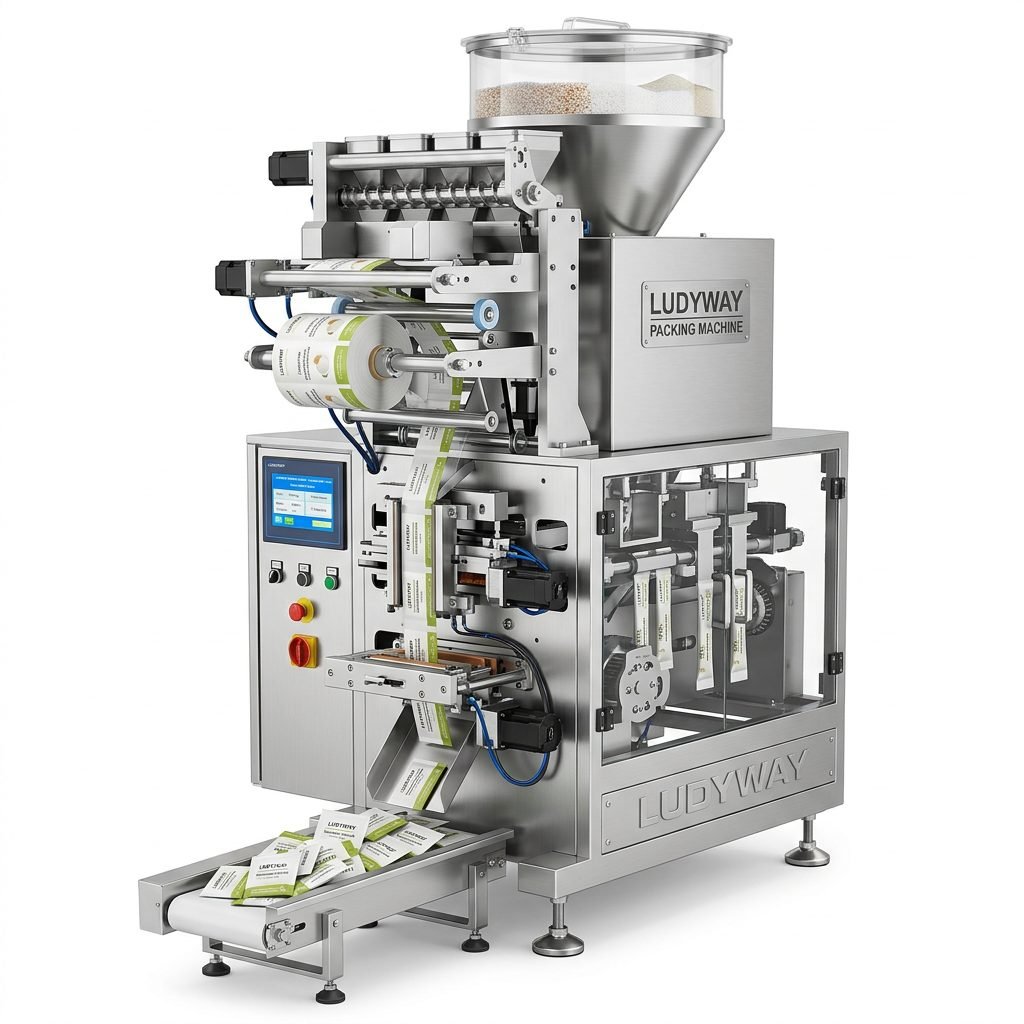
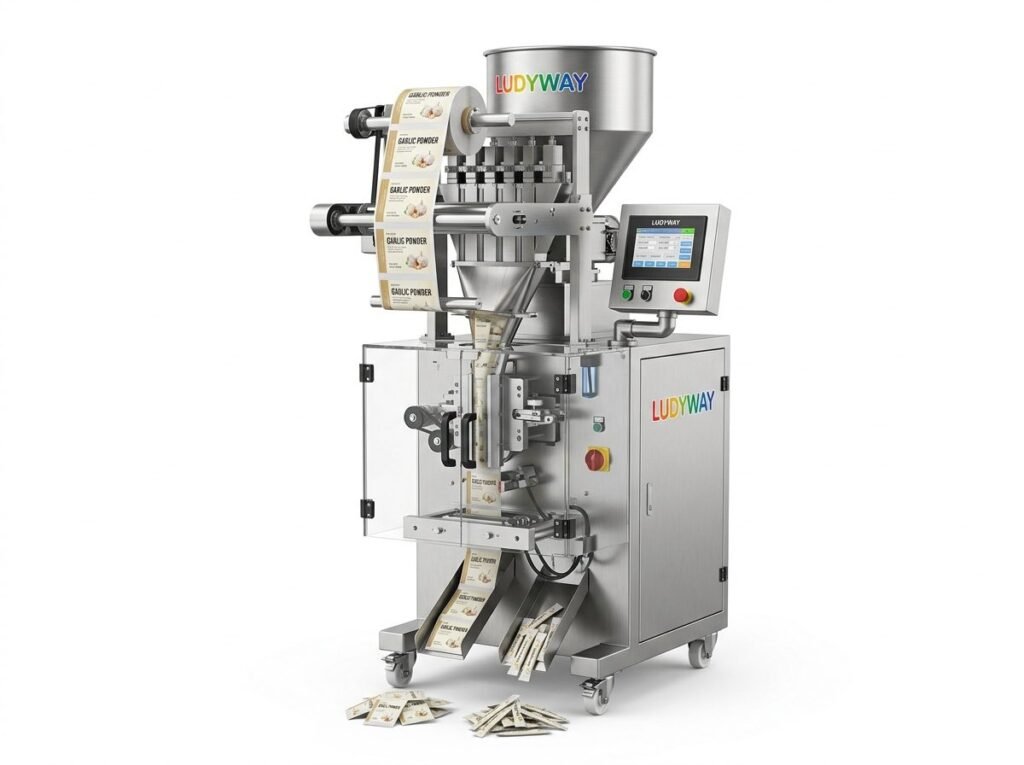
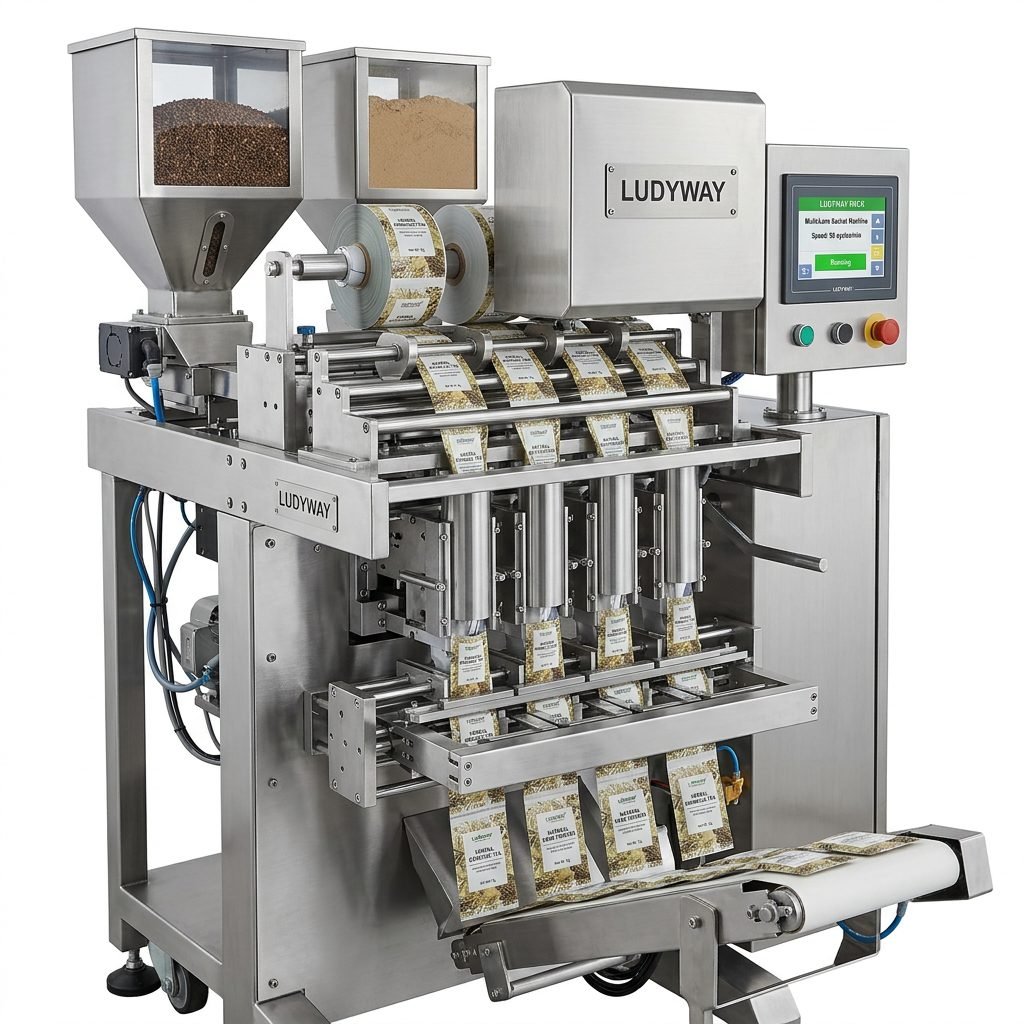
Operators must have a solid understanding of mechanics and electronics. Proficiency in reading equipment manuals, understanding schematics, and using basic hand tools is fundamental. Familiarity with programmable logic controllers (PLCs) and touch-screen interfaces is increasingly important as machinery becomes more automated. Experience with specific machine types, such as sachet packaging machines or granule filling systems, is a significant advantage.
Attention to Detail & Problem-Solving
Keen observation skills are necessary to spot packaging flaws—a misaligned label, an imperfect seal, or an underfilled sachet. When a machine jams or malfunctions, operators must quickly identify the root cause, whether it’s a sensor error, a mechanical jam, or a software glitch, and apply a logical solution.
🛠️ Key Soft Skills
Reliability: Production schedules depend on consistent operator performance.
Teamwork: Collaborating with line supervisors, quality inspectors, and maintenance technicians.
Adaptability: Quickly learning new procedures or adapting to different packaging formats and machine models.
Communication: Clearly reporting issues, shifts in product quality, or maintenance needs to supervisors.
Salary and Compensation Outlook
Salaries for packaging machine operators vary based on experience, industry, geographic location, and the complexity of the machinery operated.
- Entry-Level: Operators just starting their careers can expect an annual salary in the range of $30,000 – $38,000. On-the-job training is common at this stage.
- Experienced Operators: With 3-5 years of experience, especially with advanced or high-speed equipment, salaries typically range from $40,000 to $55,000 per year.
- Senior/Lead Operators: Those who take on supervisory duties, train new staff, or specialize in maintaining complex turnkey production lines can earn $55,000 to $70,000 or more.
Compensation often includes benefits such as health insurance, retirement plans, and overtime pay. Industries with higher regulatory burdens, like pharmaceuticals or medical devices, tend to offer higher wages.
Career Path and Advancement Guide
A position as a packaging machine operator is often a gateway to a stable and growing career in manufacturing and industrial automation.
Typical Career Progression
- Packaging Helper/Assistant: Entry point, assisting with material handling and basic line tasks.
- Packaging Machine Operator: The core role, responsible for independent machine operation and minor troubleshooting.
- Senior Packaging Technician: Handles the most complex equipment, leads changeovers, and performs advanced diagnostics.
- Packaging Line Supervisor/Team Lead: Manages a team of operators, oversees production schedules, and ensures quality and safety compliance.
- Maintenance Technician or Engineer: A lateral move into dedicated machinery maintenance, repair, and installation.
Boosting Your Career
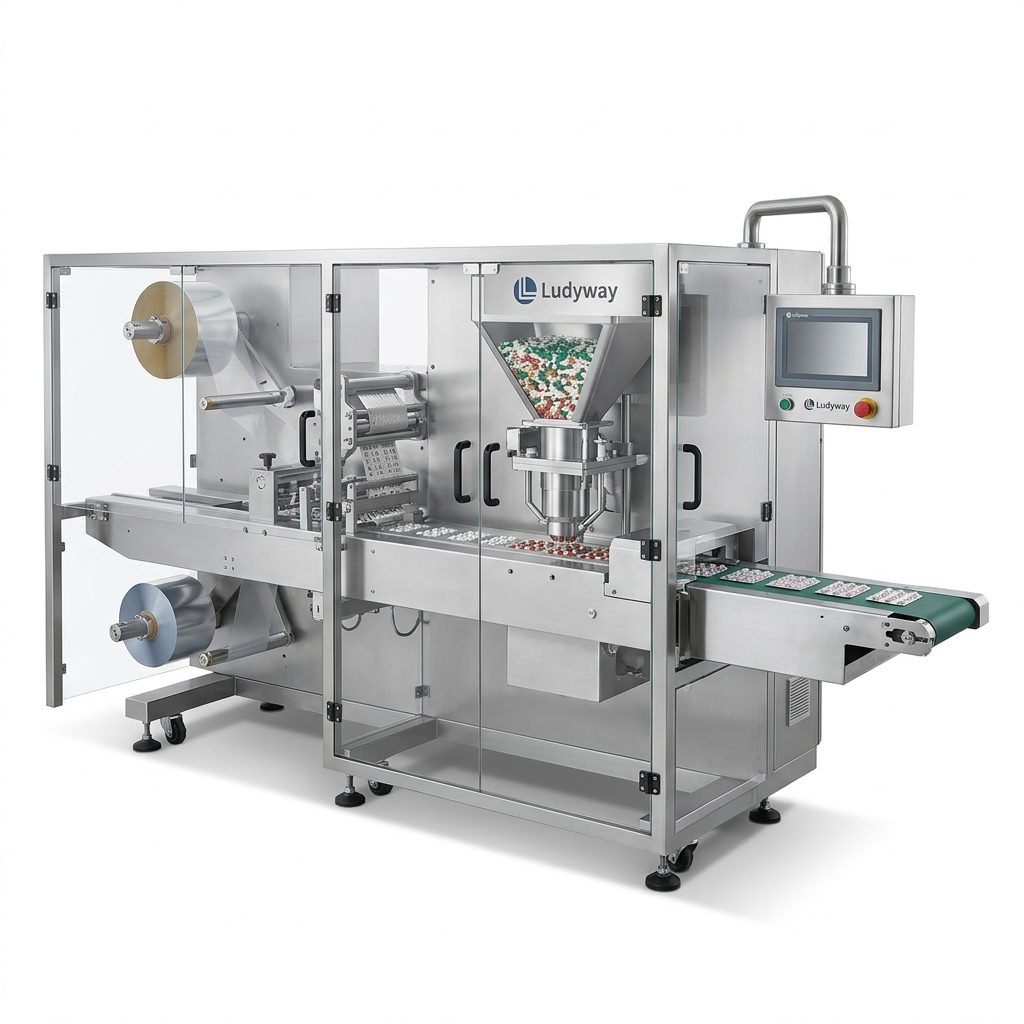
To advance, consider obtaining certifications in industrial maintenance, mechatronics, or PLC programming. Specializing in high-demand areas, such as operating and maintaining intelligent packaging machine models for food or pharmaceutical applications, can make you invaluable. Staying updated on packaging technology trends from reliable suppliers is also crucial for long-term growth.
Frequently Asked Questions (FAQs)
What qualifications do I need to become a packaging machine operator?
While a high school diploma or GED is often the minimum requirement, employers highly value vocational training in industrial mechanics, mechatronics, or manufacturing technology. Most importantly, they seek candidates with strong mechanical aptitude, attention to detail, and a willingness to learn through on-the-job training.
Is this a physically demanding job?
It can be. Operators may be on their feet for most of a shift, perform light lifting (up to 25-50 lbs), and may need to work in environments that are noisy or involve seasonal temperature variations. However, modern facilities are increasingly ergonomic and automated, reducing physical strain.
What is the biggest challenge in this role?
Minimizing downtime is a constant challenge. When a high-speed packaging line stops, it costs the company money. The ability to quickly and accurately troubleshoot a problem—distinguishing between a mechanical failure, a material feeding issue, or a software error—is the most valuable skill an operator can develop.
How is the job market for packaging machine operators?
The demand remains steady. As manufacturing processes continue to automate, the need for skilled operators who can work alongside and maintain sophisticated machinery is growing. The role is less likely to be fully automated because it requires human judgment for quality control and adaptive problem-solving.
Can this role lead to careers in engineering or management?
Absolutely. Many plant managers, production engineers, and operations directors began their careers on the production floor. The hands-on experience gained as an operator provides an invaluable understanding of the real-world constraints and opportunities in manufacturing, forming a solid foundation for leadership roles.