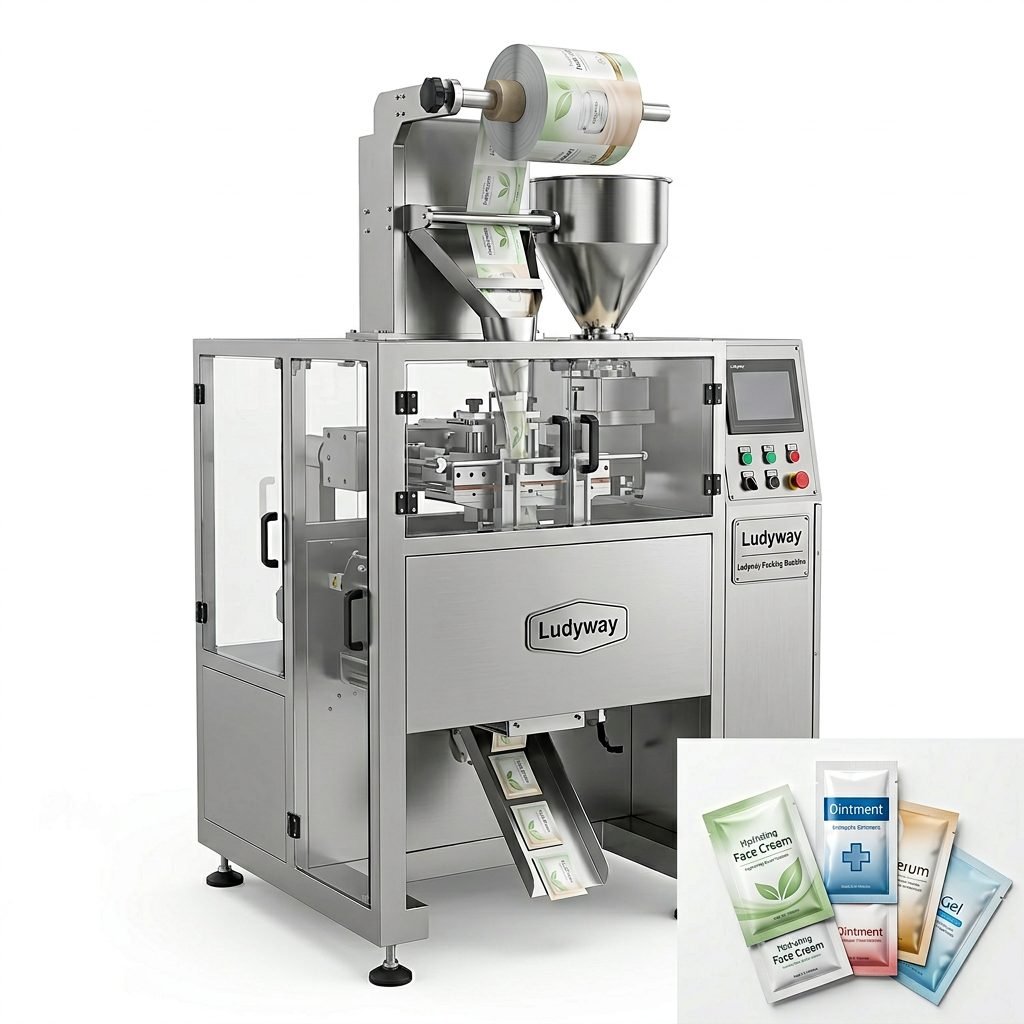
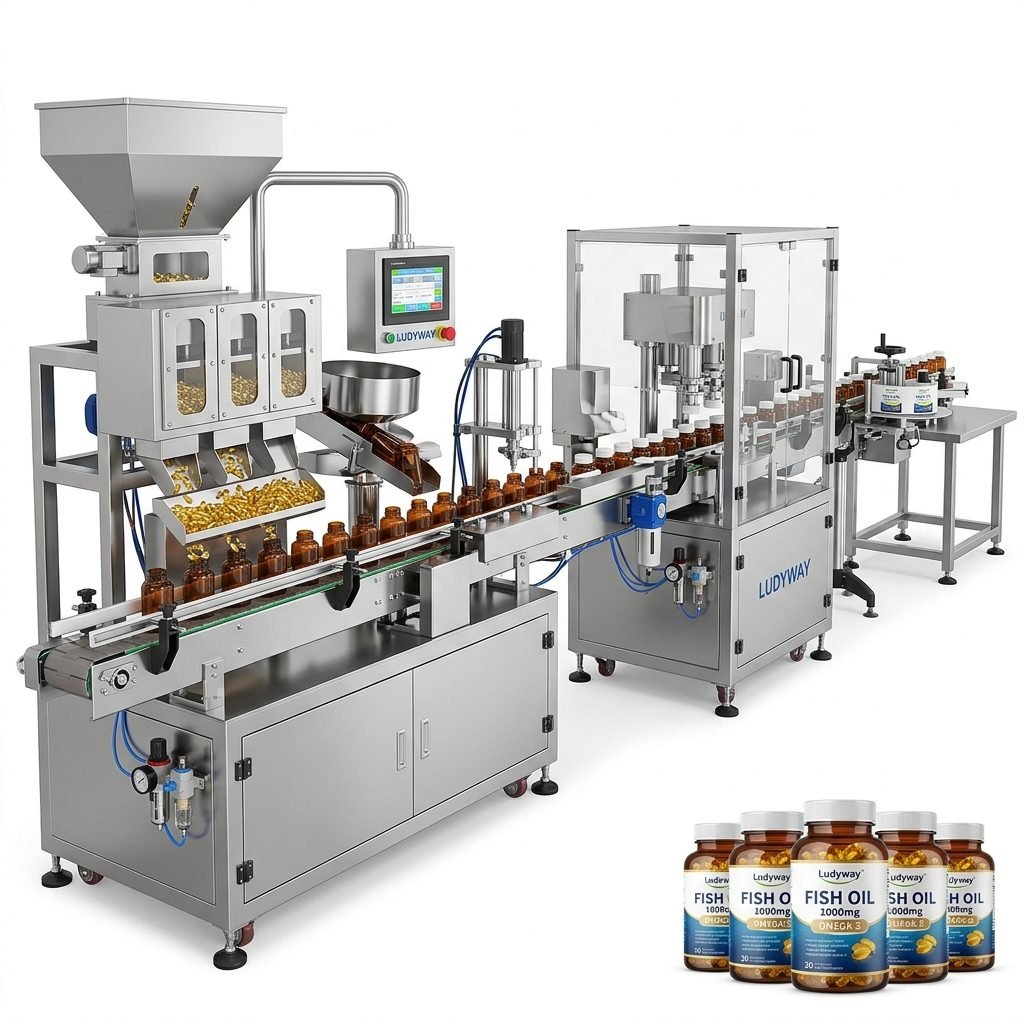
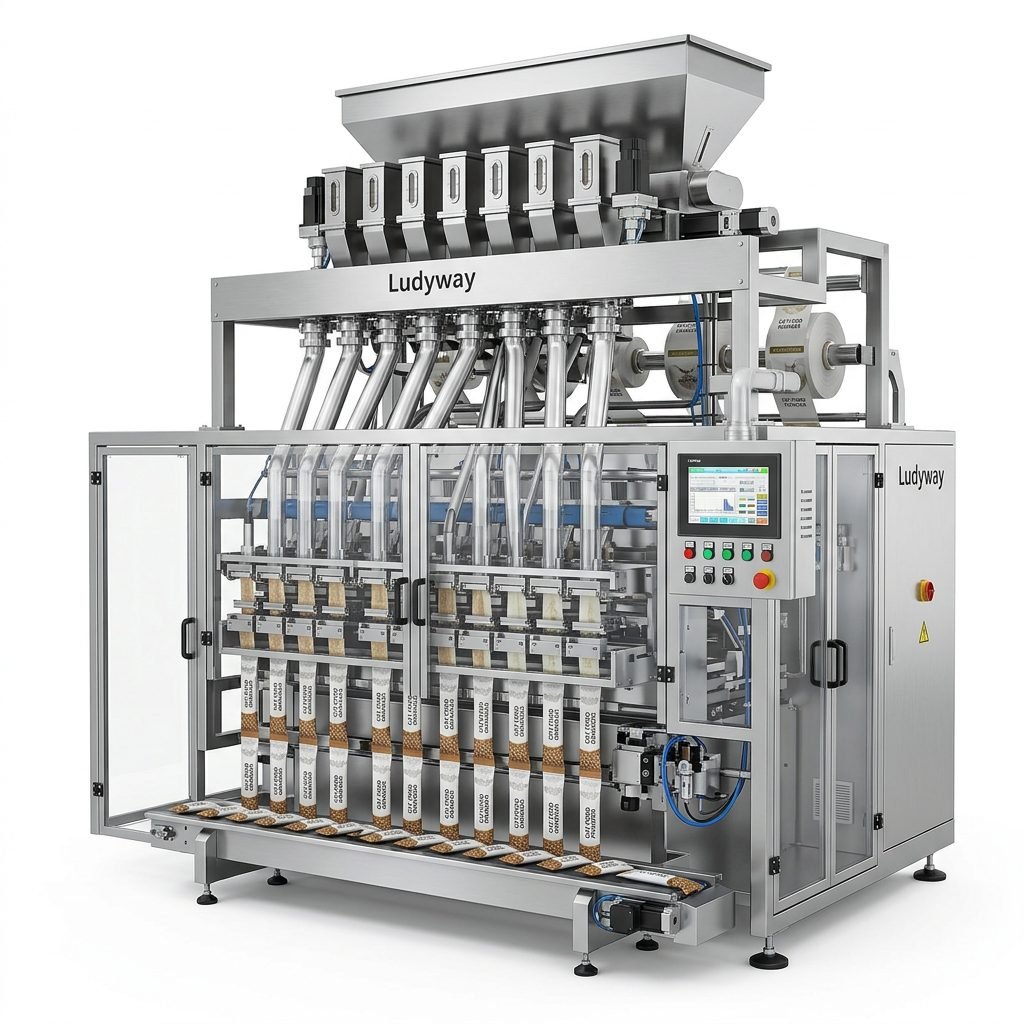
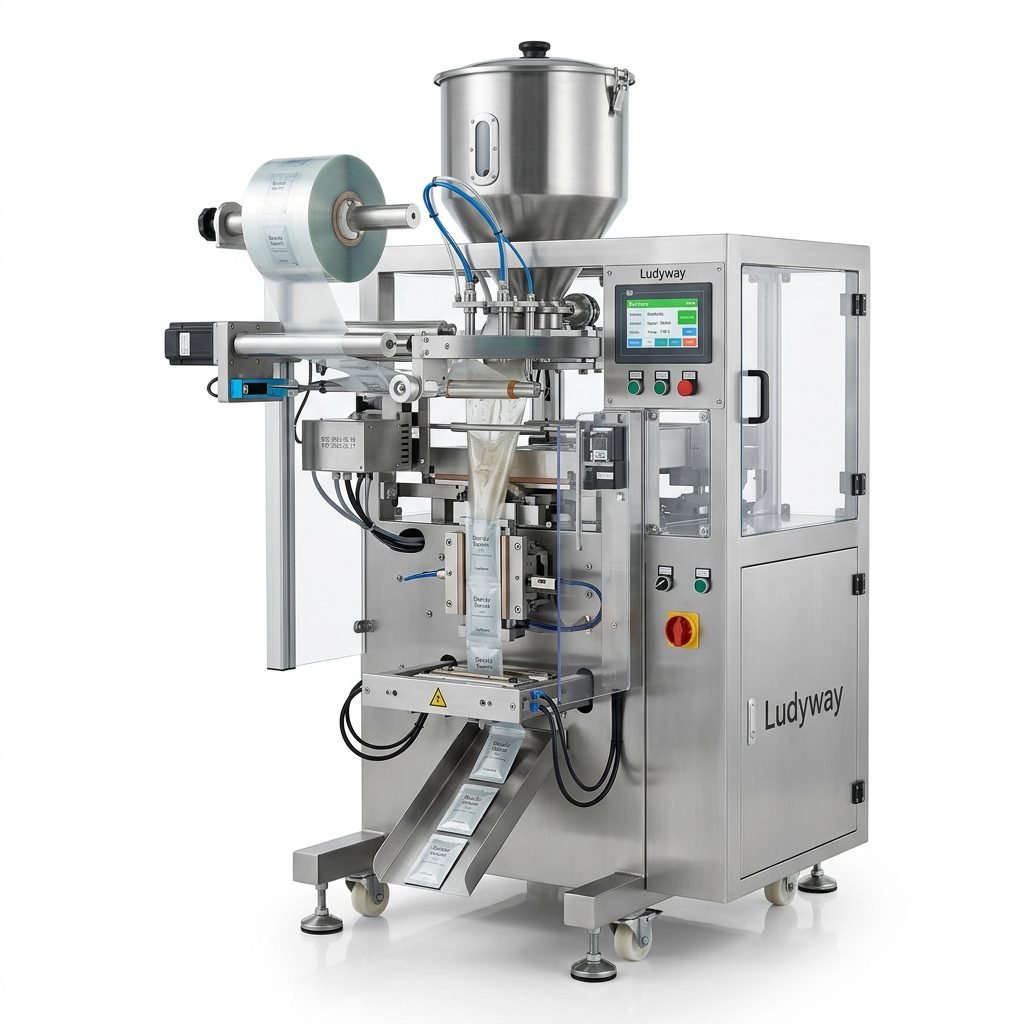
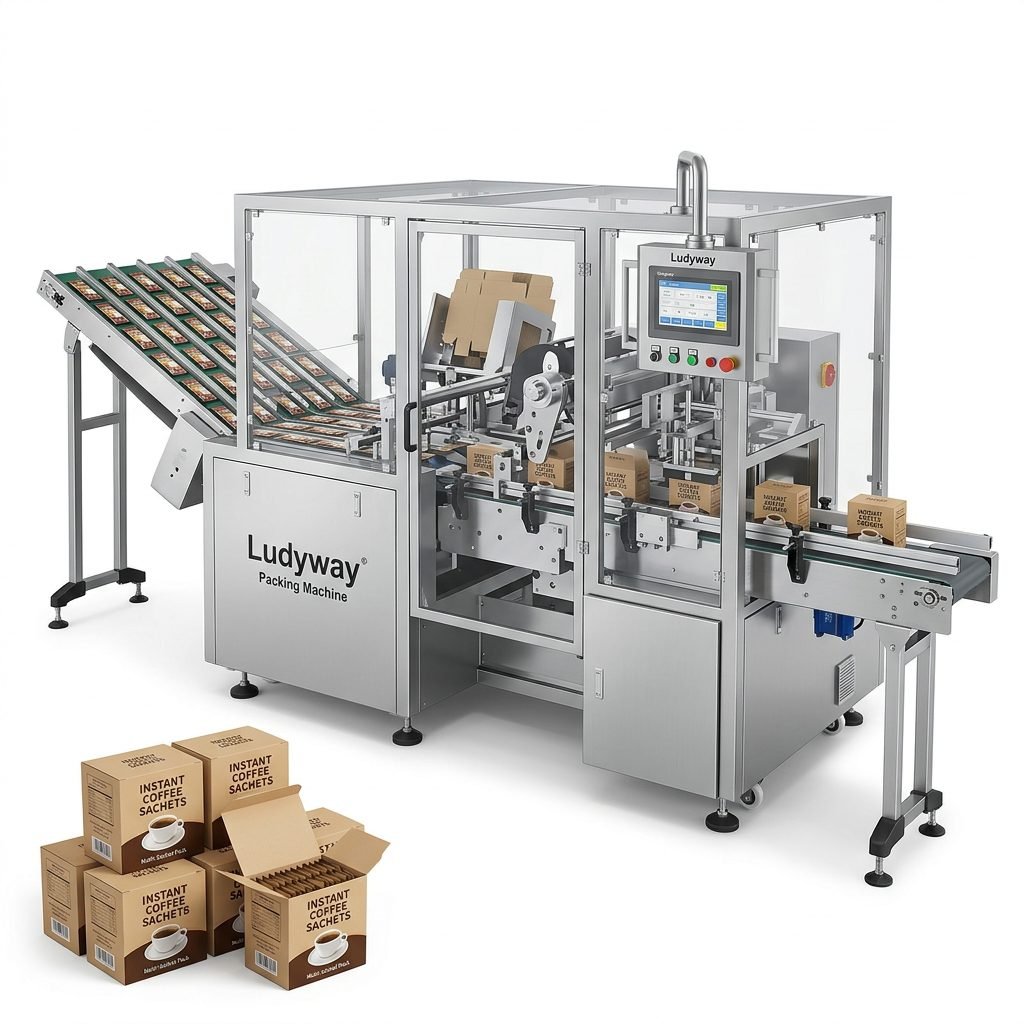
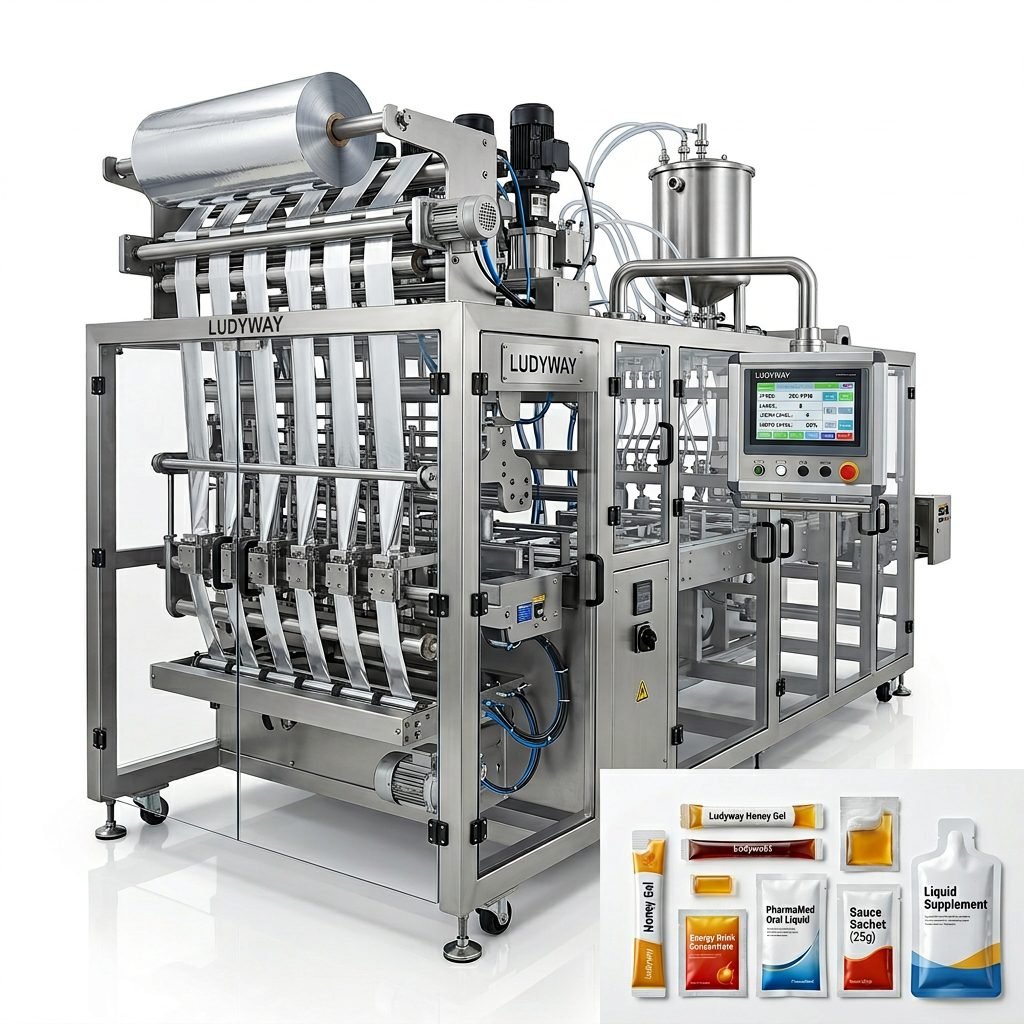
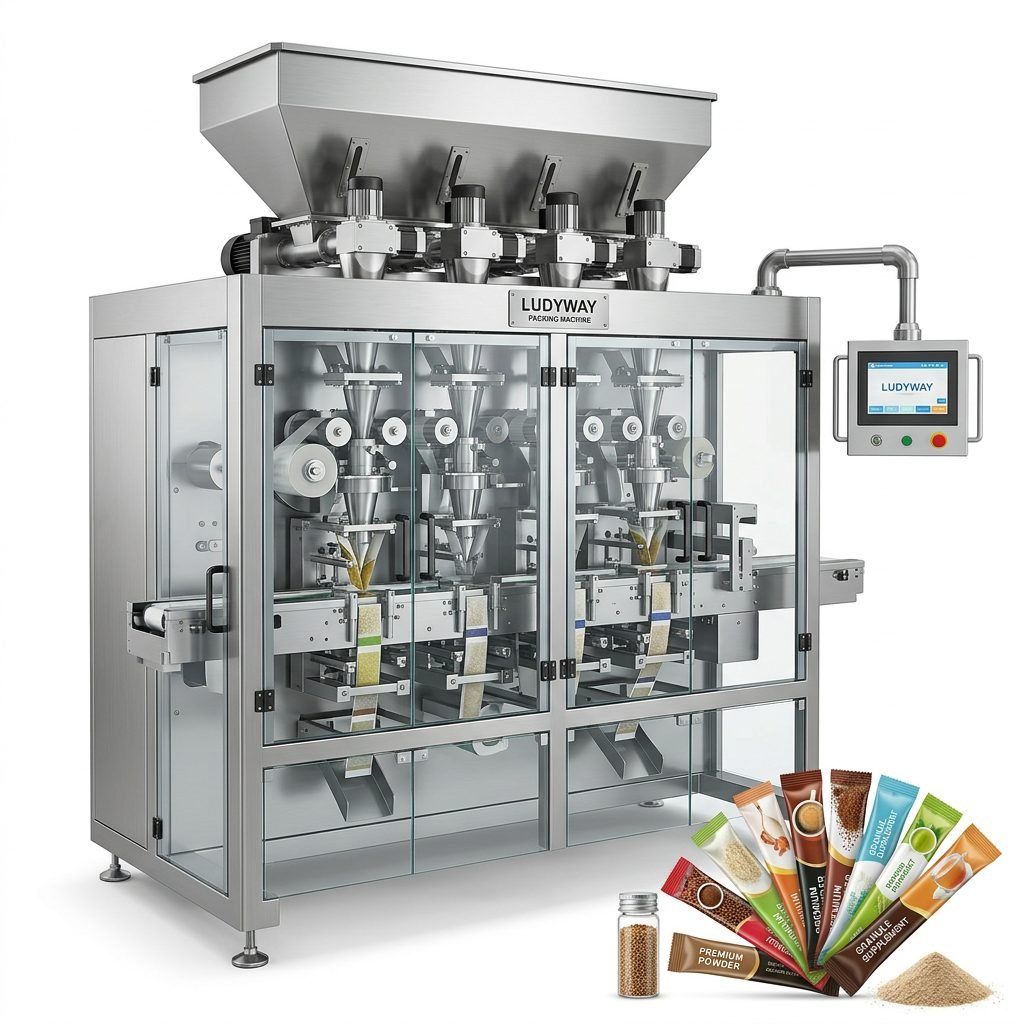
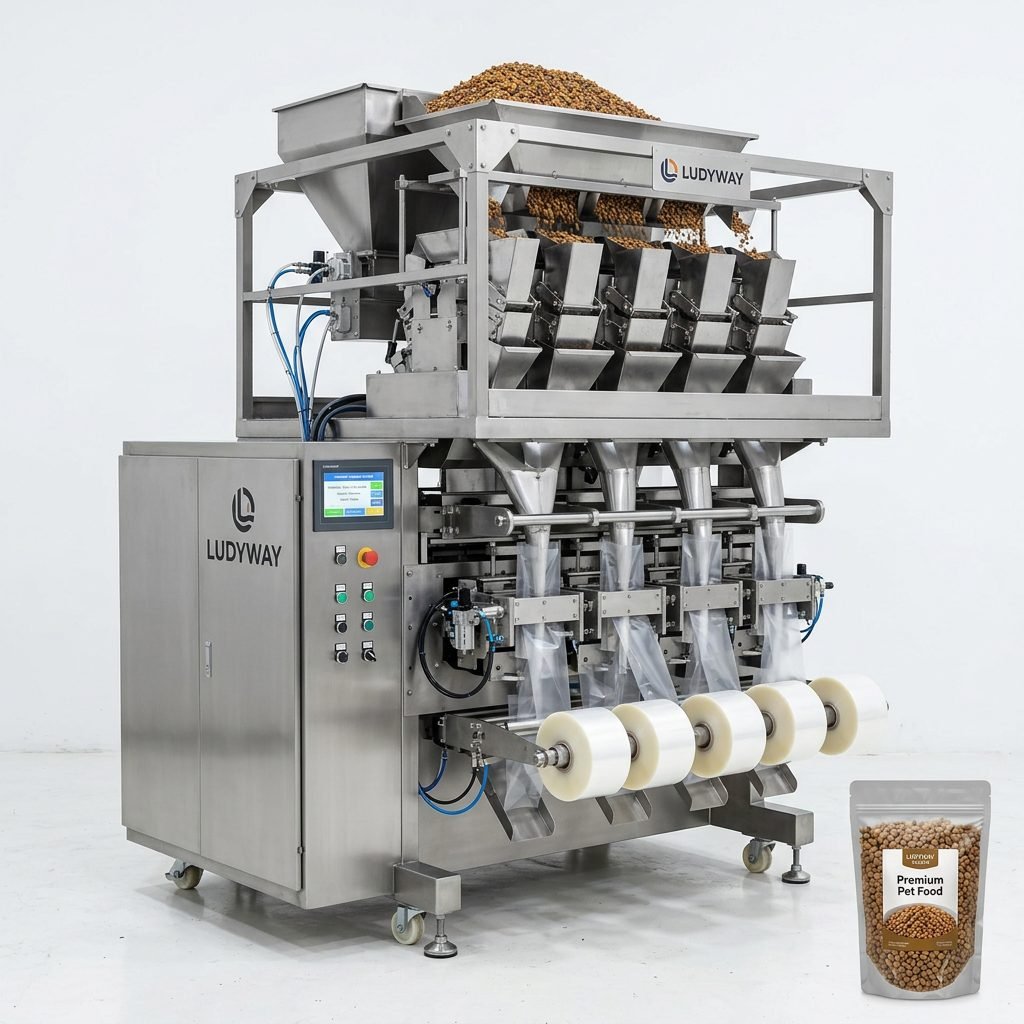
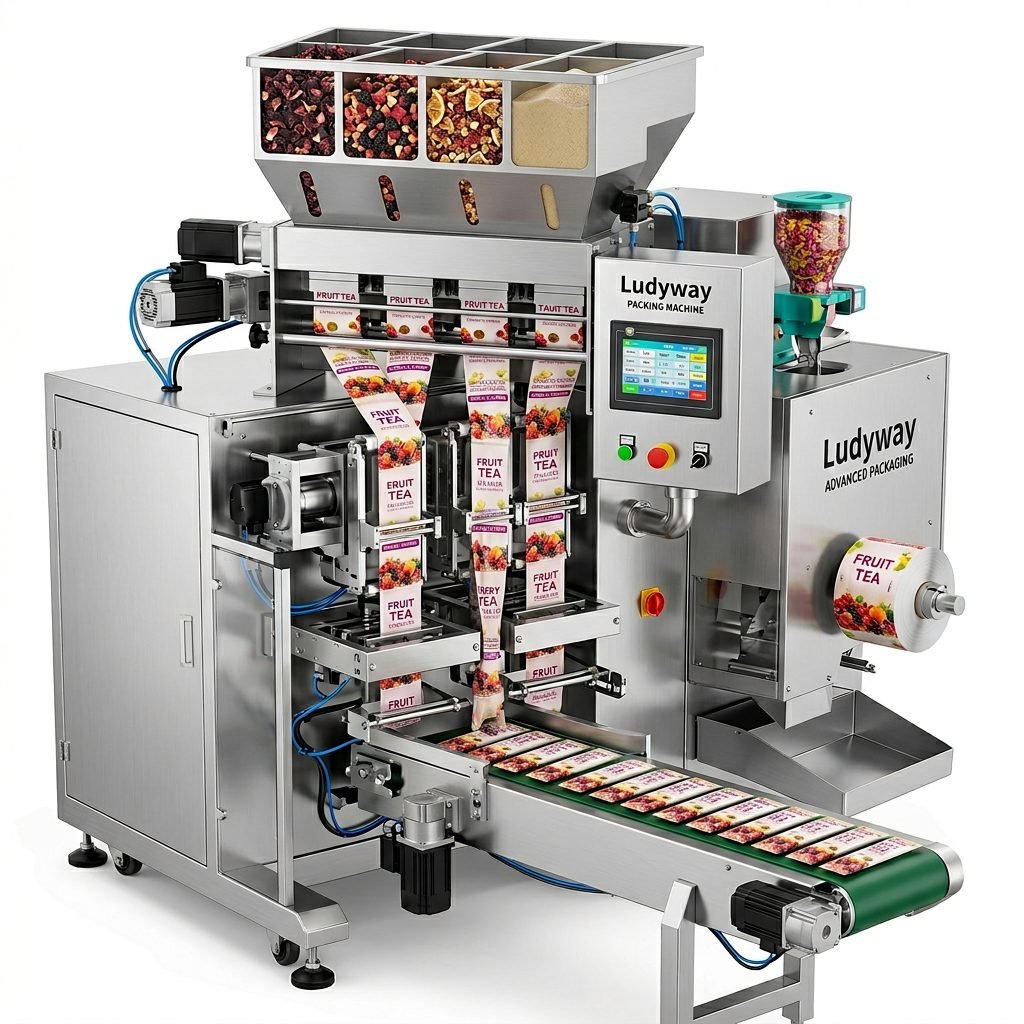
Selecting the right collection packaging machine is a critical decision for any manufacturer in the food, pharmaceutical, or health industries. The right system can dramatically streamline your production line, enhance product consistency, and significantly impact your bottom line. This guide will walk you through the key considerations to ensure you choose a system that not only meets your current needs but also scales with your future growth.
Understanding Collection Packaging Machines
Collection packaging, often a final step in automated lines, involves collating individual packaged units (like sachets or stick packs) into a larger, salable unit such as a box, carton, or display tray. The machine that performs this task is the linchpin for achieving high-speed, efficient, and cost-effective bulk packaging operations.
An optimized collection system eliminates bottlenecks, reduces labor costs associated with manual collation, and minimizes product handling, which in turn reduces the risk of damage or contamination. For businesses looking to improve efficiency and reduce costs, investing in the right technology here is non-negotiable.
Key Factors in Machine Selection
The journey to the perfect system begins with a thorough analysis of your specific requirements. Rushing this process can lead to costly mismatches between machine capability and production reality.
1. Production Speed and Output Requirements
This is the starting point. Calculate your required output in packs per minute (PPM) or units per hour. The collection machine’s speed must synchronize seamlessly with your upstream packaging machines (like multi-lane stick pack machines) to avoid creating a backlog or leaving the collector idle. Consider both your current peak demand and projected growth.
Pro Tip: Always choose a system with a 15-20% speed buffer above your maximum calculated need. This accounts for future expansion and ensures the system isn’t running at 100% capacity constantly, which reduces wear and tear.
2. Product and Package Characteristics
The physical attributes of your primary packages dictate the machine’s design. Critical factors include:
→ Size & Shape: Dimensions and rigidity of sachets, sticks, or pouches.
→ Material: Type of film (laminate, foil) and its surface friction.
→ Collection Pattern: How many units go into each box? (e.g., 10×1, 5×2, 3×3). The machine must be configurable for your specific count and arrangement.
3. Integration and Automation Level
How will the collector integrate with your existing line? The best systems offer plug-and-play compatibility with upstream and downstream equipment. Consider:
Upstream: Direct connection to primary packaging machines via conveyor.
Downstream: Automatic transfer of collected batches to cartoning, case packing, or sealing machines.
Higher automation, including robotic pick-and-place or vision-guided systems, reduces labor dependency and increases consistency, offering a faster return on investment for high-volume producers.
4. Flexibility and Changeover Time
Market demands change. A machine that can handle multiple product sizes and collection patterns with quick changeovers (under 15-20 minutes) is invaluable. Look for systems with tool-less adjustments, digital settings memory, and easy-access components. This flexibility protects your investment against future product line changes.
The Direct Impact on Efficiency and Costs
Choosing correctly directly fuels your operational goals. Here’s how:
Labor Cost Reduction: A single automated collection machine can replace several manual stations, reallocating staff to more value-added tasks and slashing long-term payroll expenses.
Increased Line Uptime: Reliable, high-speed collection prevents downstream stalls, maximizing the output of your entire packaging line. More uptime means more product shipped.
Reduced Product Waste: Gentle, precise handling minimizes torn packs or misaligned collections, directly saving product and packaging material.
Optimized Floor Space: A compact, well-integrated system improves workflow and saves valuable factory space compared to sprawling manual stations.
Partnering with an experienced provider like Ludyway Machinery ensures you get a solution tailored for these outcomes, leveraging their deep industry expertise.
Beyond the Machine: The Value of Supplier Partnership
The machine itself is only part of the equation. The supplier’s support determines your long-term success.
Technical Expertise & Customization: Can they engineer a solution for your unique challenge? Look for a partner with a proven track record in your specific sector, whether it’s food, pharmaceuticals, or health products.
After-Sales Service: Ensure access to prompt spare parts delivery, remote diagnostics, and on-site technical support. Downtime is your biggest cost.
Training and Documentation: Comprehensive training for your operators and maintenance team is crucial for smooth operation and longevity of the equipment. Explore their range of packaging solutions to understand their capability depth.
Common Questions (FAQs)
Q1: What is the typical payback period for an automated collection packaging system?
The payback period varies based on volume, labor costs, and the specific system. For many mid-to-high-volume producers, replacing manual collation can lead to a payback period of 12 to 24 months through direct labor savings and increased output.
Q2: Can one machine handle different package sizes?
Yes, many modern collection machines are designed for flexibility. The key is the changeover time and process. Look for machines with quick-change guides, adjustable pushers, and digital parameter storage to minimize downtime during product switches.
Q3: How important is integration with my existing primary packaging machines?
It is critical. Seamless integration via standardized conveyors and communication protocols ensures smooth product flow, prevents jams, and allows for centralized control. Always discuss integration requirements in detail with your supplier during the planning phase.
Q4: What maintenance does a collection packaging machine require?
Regular preventive maintenance is essential. This typically includes daily cleaning, lubrication of moving parts as per the manual, and periodic inspection of wear components like belts, guides, and sensors. A reliable supplier will provide a clear maintenance schedule and training.
Q5: Where can I see these machines in operation or get a custom evaluation?
Reputable suppliers offer video demonstrations, virtual tours, and often the opportunity for a live test with your own products at their facility. Requesting a line audit or consultation is the best first step to get a tailored proposal and see the technology in action.