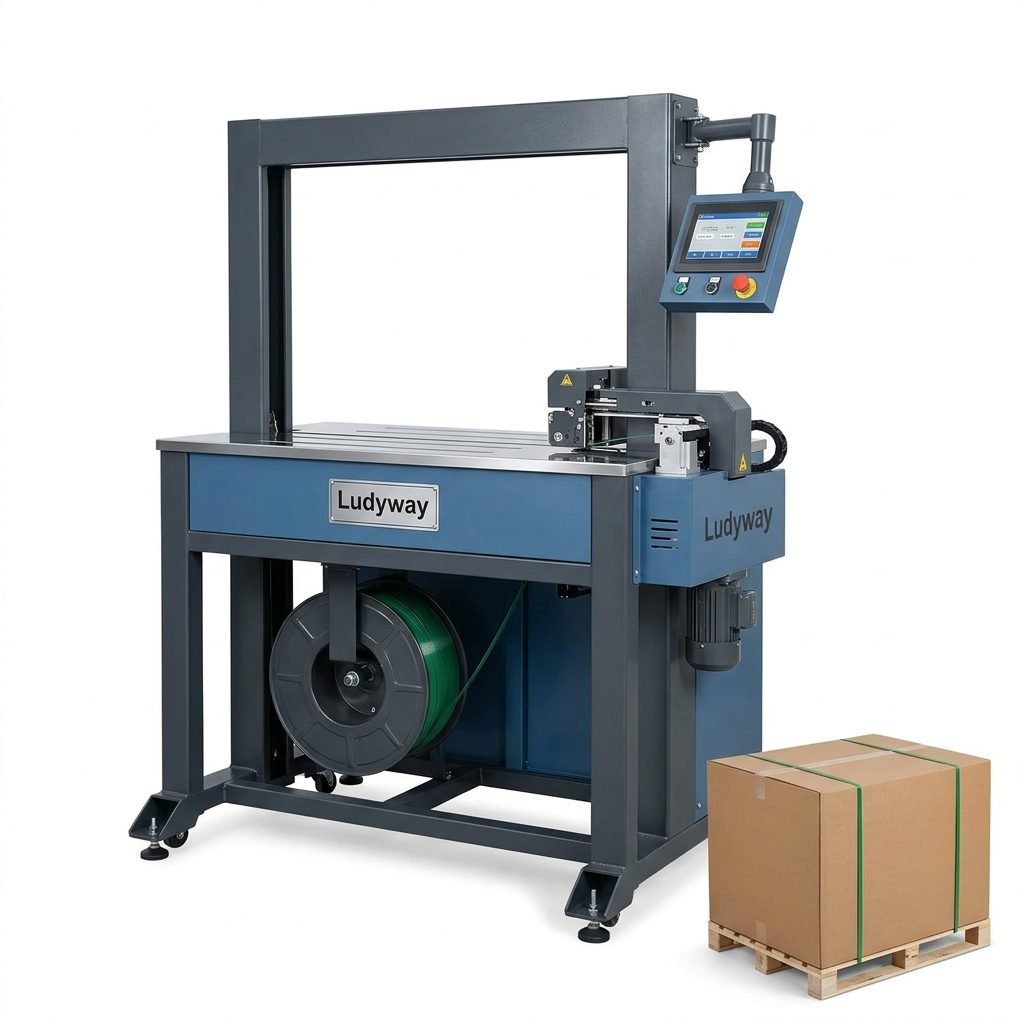
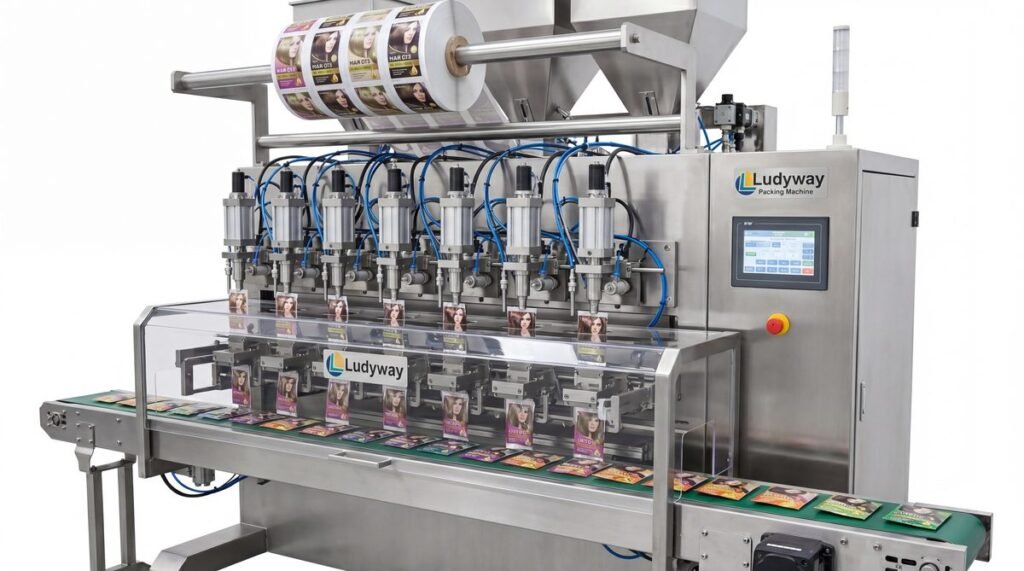
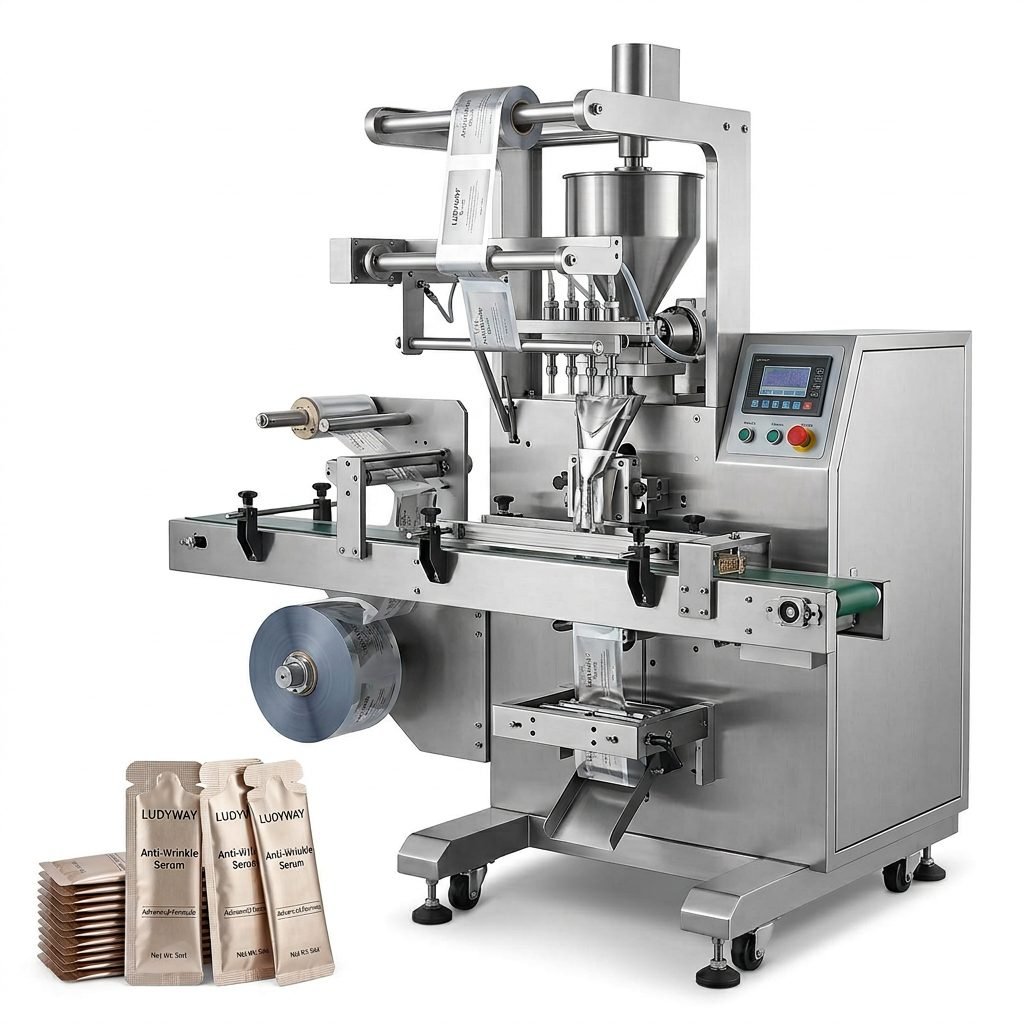
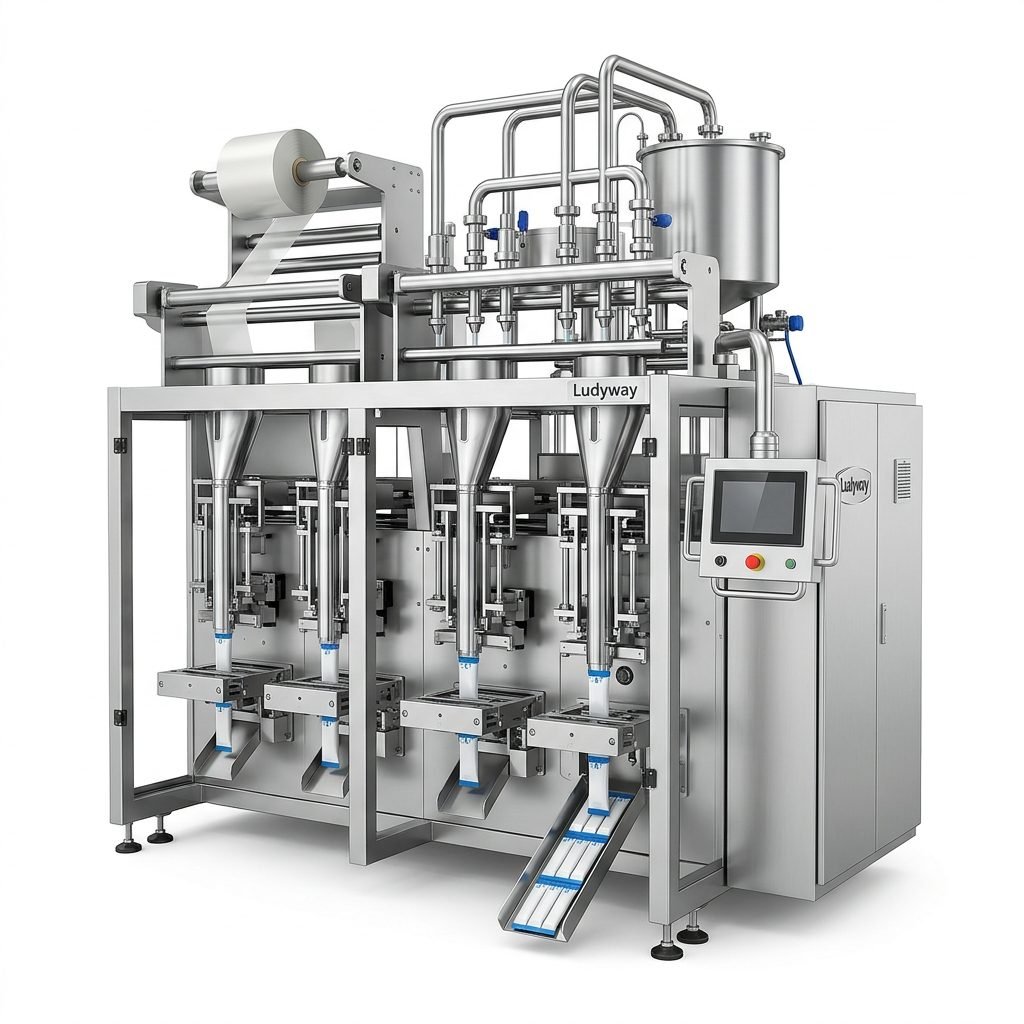
Investing in the right coffee bean packaging machine is one of the most critical decisions for any coffee producer, roaster, or co-packer. The equipment you choose directly impacts product freshness, shelf life, production efficiency, and ultimately your brand reputation. With a wide range of technologies available—from vertical form fill seal (VFFS) systems to multi-head weigher combinations and rotary premade pouch machines—understanding your specific requirements before making a purchase is essential. This guide breaks down everything you need to know to select the optimal coffee bean packaging solution for your operation.
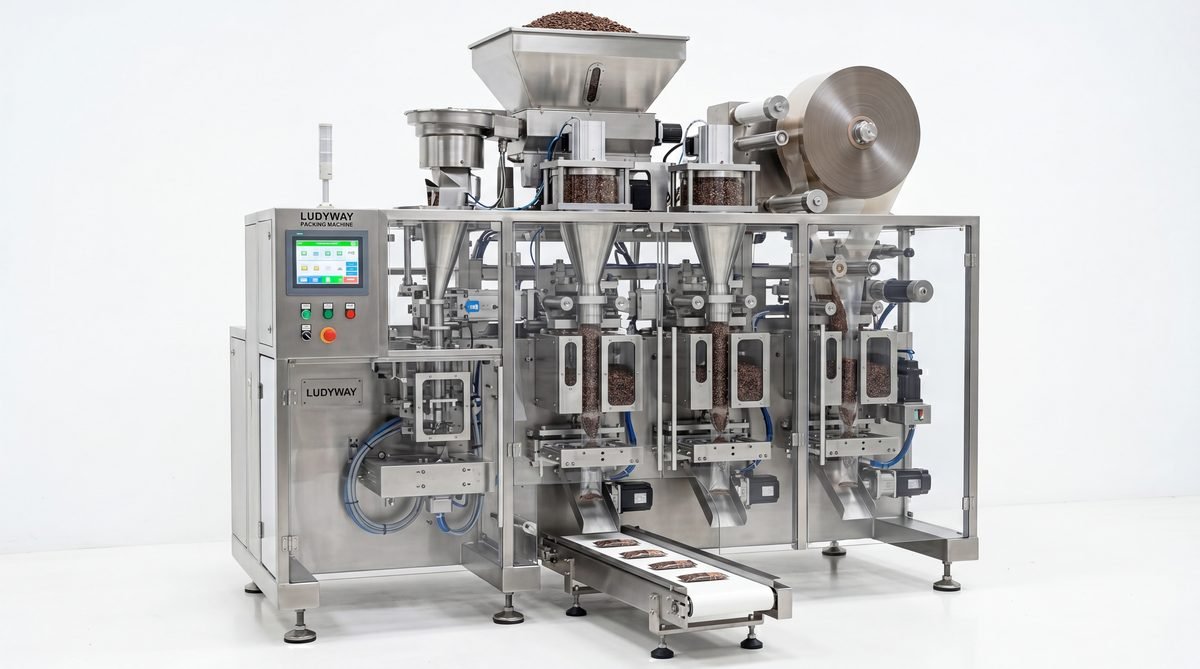
Types of Coffee Bean Packaging Machines
Different packaging machines suit different production scales and packaging formats. Understanding the main categories helps narrow down your options. The table below summarizes the most common equipment types used in the coffee industry today.
| Machine Type | Best For | Key Advantages | Typical Output |
|---|---|---|---|
| Vertical Form Fill Seal (VFFS) | Whole bean & ground coffee in pillow bags, gusseted bags | Cost-effective, compact footprint, high-speed capability | 30-120 bags/min |
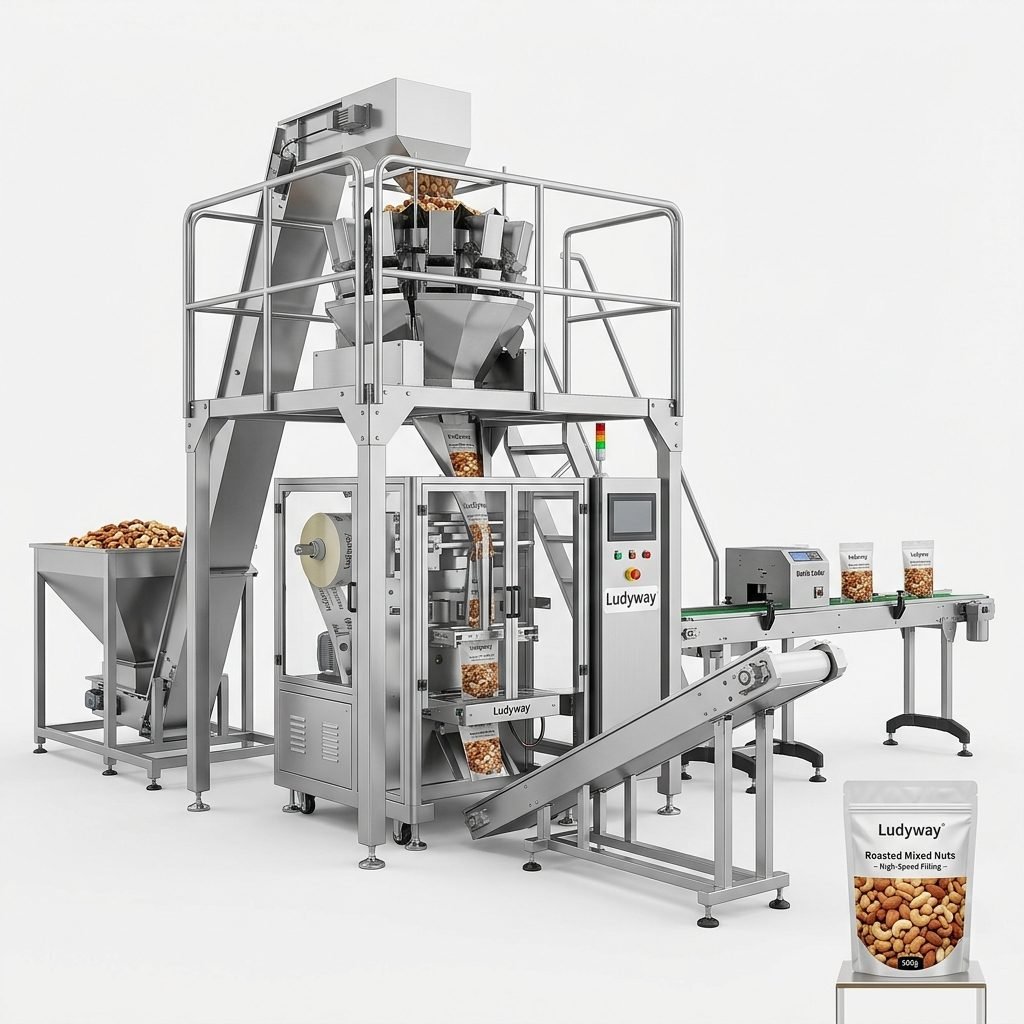
| Multi-Head Weigher + VFFS Combo | Precision weighing for whole beans, large bag formats | Superior accuracy (±0.5-1g), reduced product giveaway | 25-80 bags/min |
| Rotary Premade Pouch Machine | Stand-up pouches, zipper bags, flat bottom bags | Premium packaging appearance, flexible bag styles | 40-60 pouches/min |
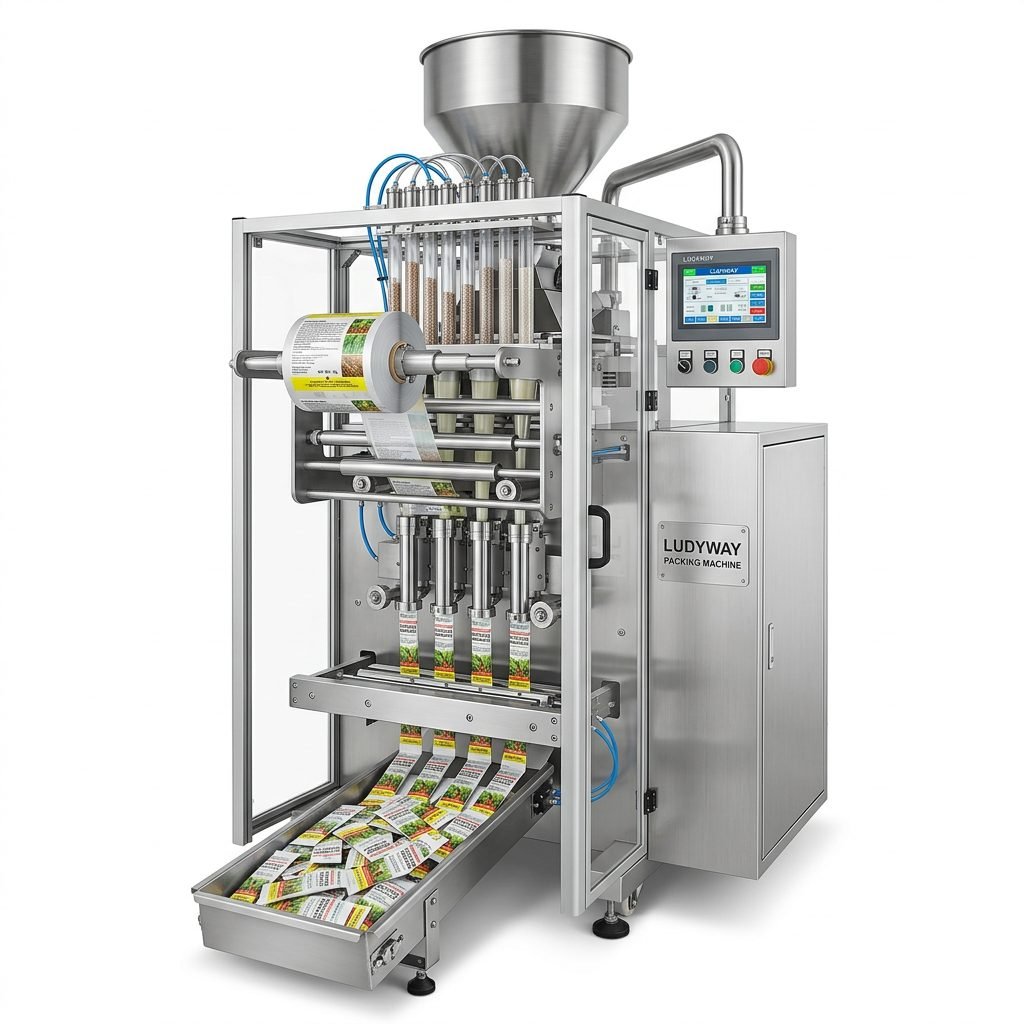
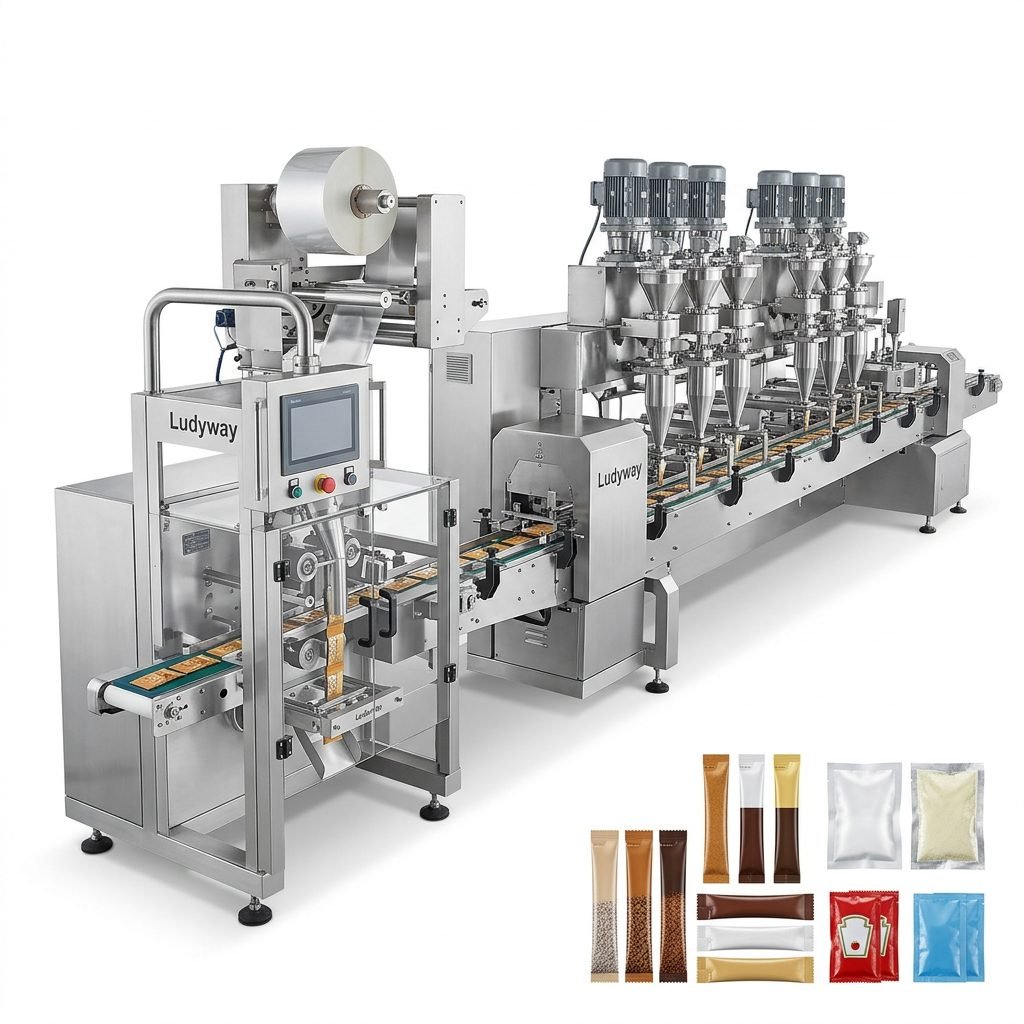
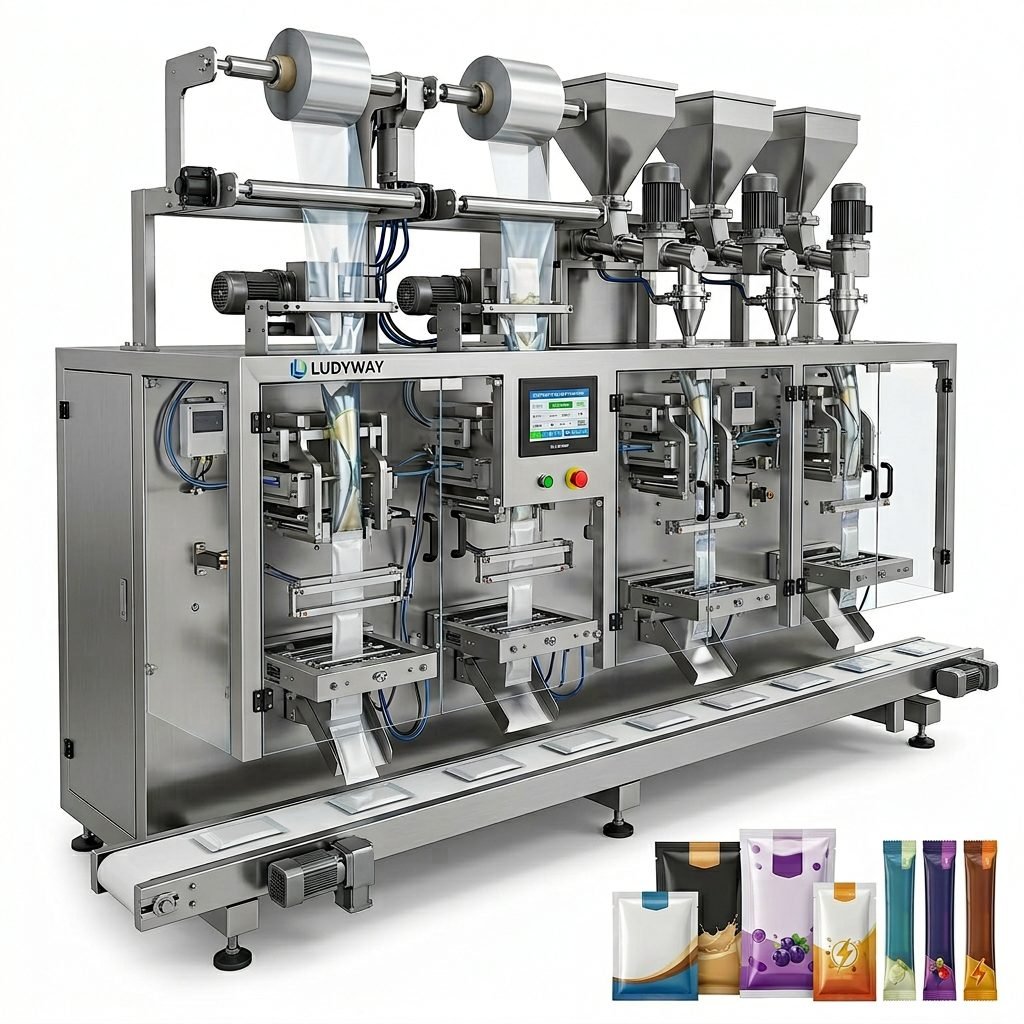
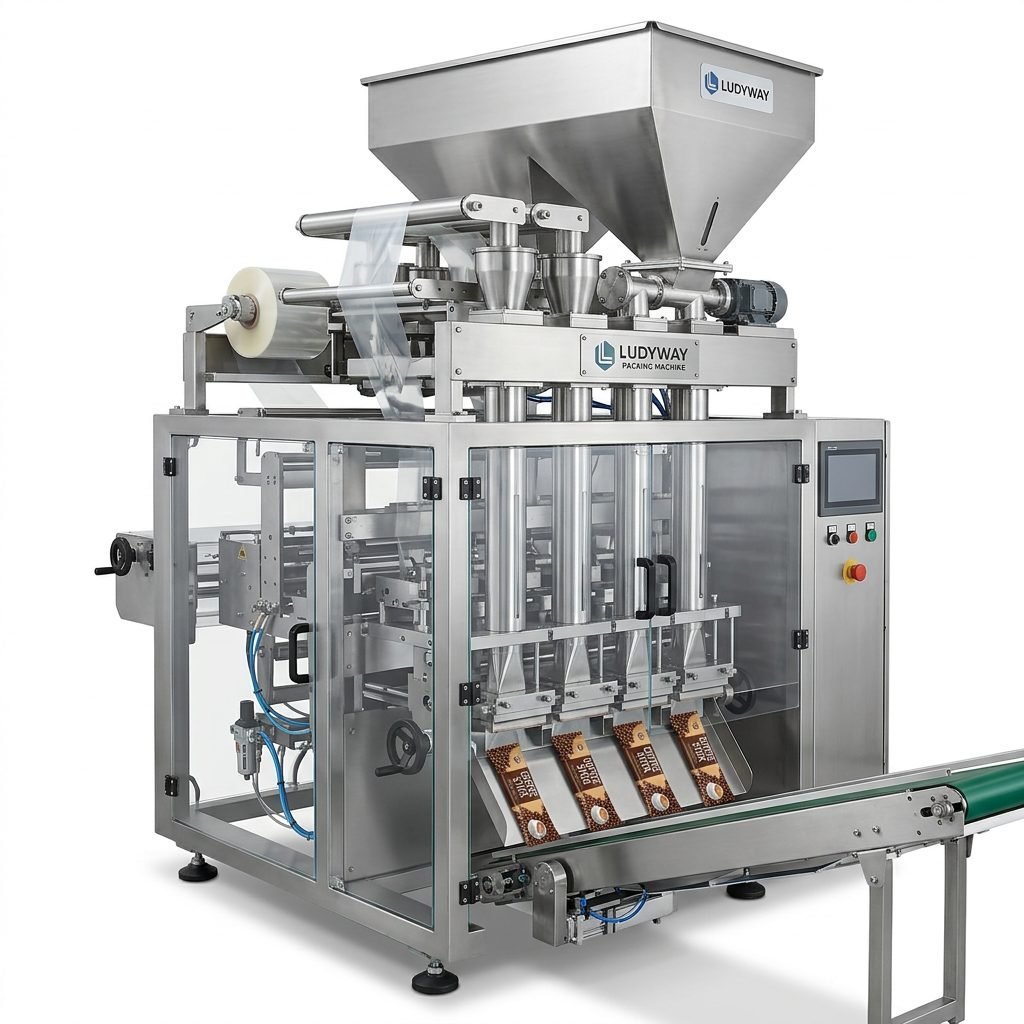
| Stick Pack / Sachet Machine | Single-serve coffee, 3-in-1 instant coffee mixes | Compact single-dose format, extended shelf life | 200-600 packs/min (multi-lane) |
| Valve Bag Packaging System | Bulk whole bean coffee, degassing valve applications | One-way degassing valve compatible, heavy-duty build | 10-25 bags/min |
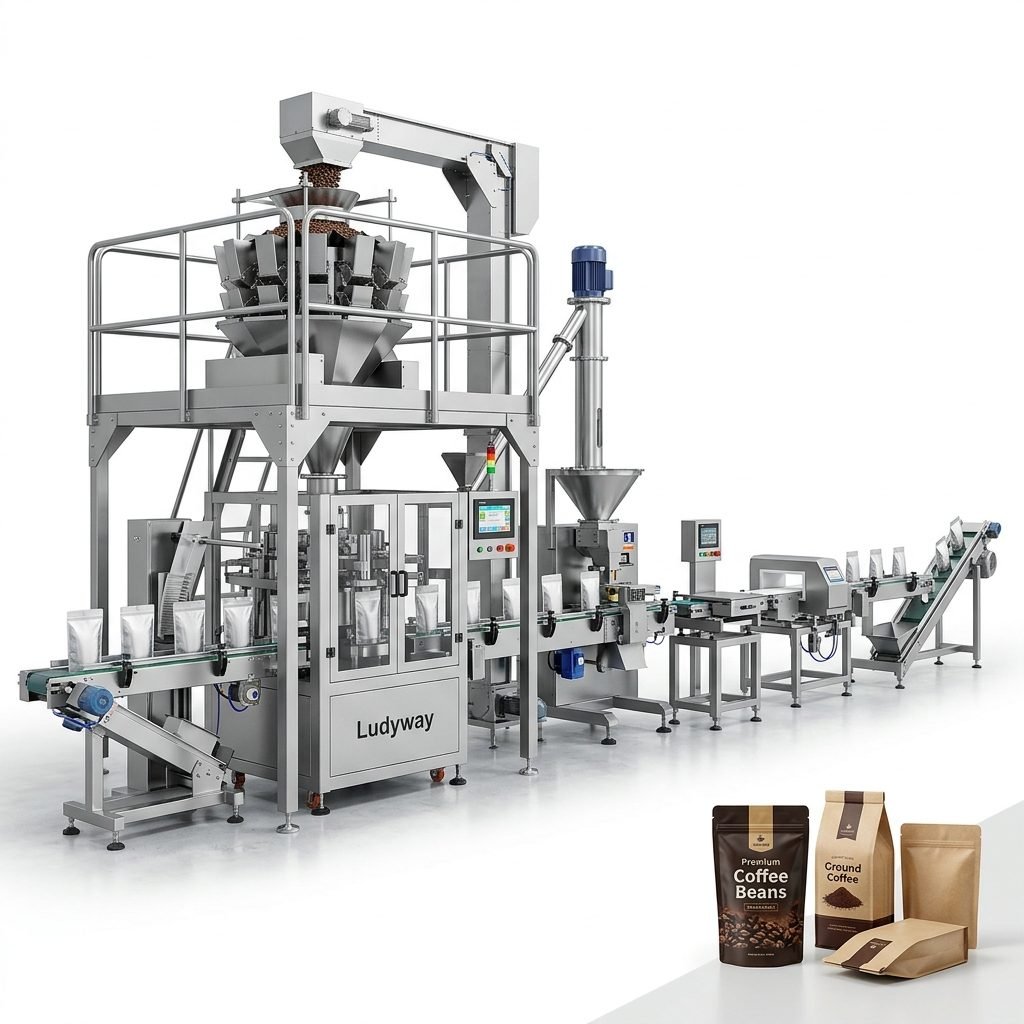
Key Factors to Consider When Choosing a Coffee Bean Packaging Machine
Selecting equipment requires evaluating several interconnected factors. Each directly affects your production output, product quality, and operational costs. Below are the most important considerations for coffee bean packaging.
Production Capacity and Speed Requirements
Your current and projected production volume should drive equipment selection. A small-batch specialty roaster may need only 15-30 bags per minute, while a large-scale commercial operation could require 80-120 bags per minute or more. Consider the following when assessing capacity:
- Current daily or monthly production volume in kilograms or pounds
- Peak season demand fluctuations (holiday surges are common in coffee)
- Expected business growth over the next 3-5 years
- Shift patterns—single shift vs. 24/7 operation
- Available floor space and facility layout constraints
Oversizing equipment leads to unnecessary capital expenditure, while undersized machines create bottlenecks that limit revenue potential. Many operators find that a modular approach, starting with a mid-range machine and adding capacity later, offers the best return on investment.
Packaging Format and Bag Style
Coffee packaging formats vary widely based on brand positioning and target market. Common options include:
- Pillow bags – Economical, high-speed production, ideal for commodity coffee
- Gusseted bags – Better shelf presentation, stable standing capability
- Stand-up pouches with zipper – Premium look, resealable convenience for consumers
- Flat bottom bags – Excellent shelf presence, growing in popularity for specialty coffee
- Quad seal bags – Superior barrier protection, suitable for extended shelf life
- Stick packs and sachets – Single-serve formats, ideal for instant and 3-in-1 coffee
Ensure the machine you select can handle your desired bag dimensions, film thickness, and closure types. Some machines offer quick-change features for switching between formats, which adds flexibility for co-packers serving multiple clients.
Weighing Accuracy and Filling Technology
Accurate filling is critical for regulatory compliance and cost control. For coffee beans, multi-head weighers are the industry standard due to their speed and precision. Key specifications to evaluate include:
- Weighing accuracy tolerance (typically ±0.5g to ±2g depending on target weight)
- Number of weigh heads (10-head, 14-head, or 20-head configurations)
- Weighing speed and combination calculation efficiency
- Product contact surface material (304 or 316 stainless steel preferred)
Every gram of overfill translates to lost profit. Over a year of high-volume production, even ±1g of inaccuracy can result in thousands of dollars in product giveaway. Investing in precision weighing technology pays for itself through reduced product loss and consistent portion control.
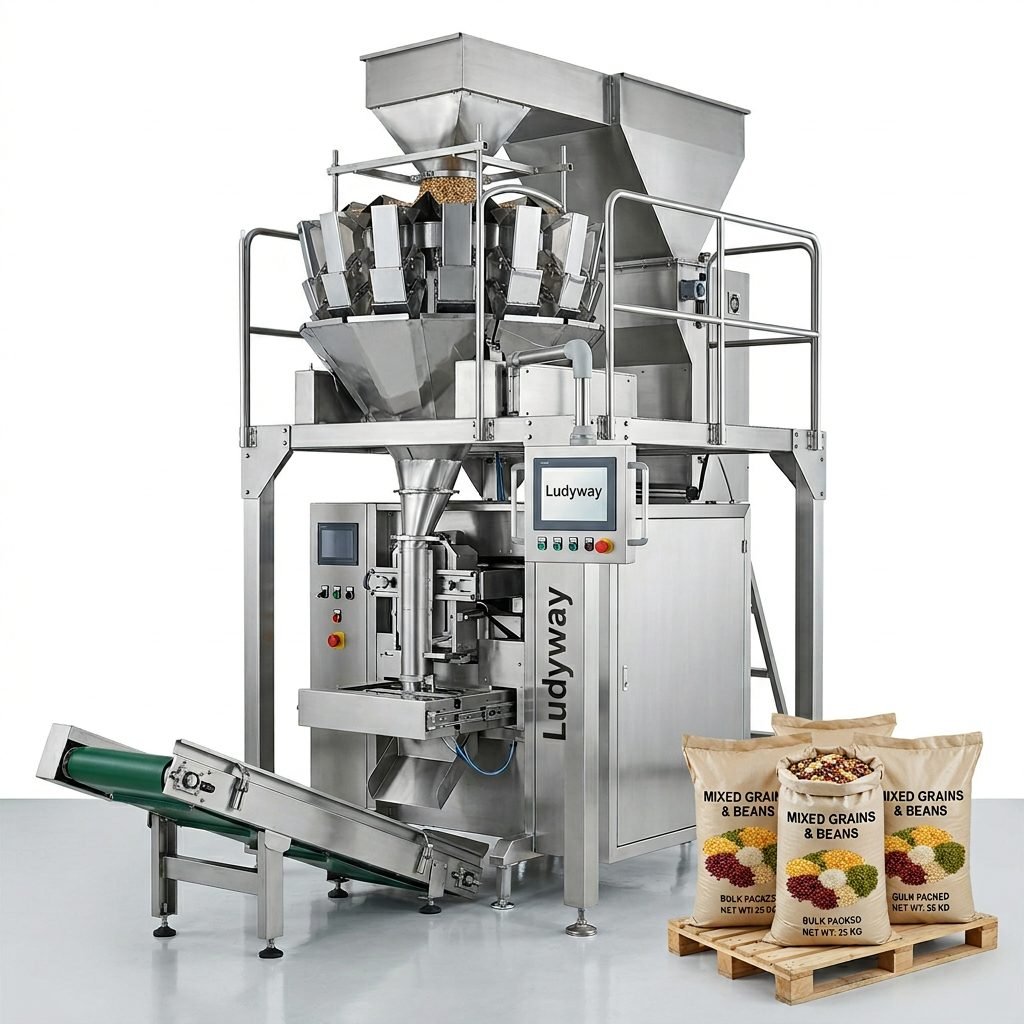
Material Compatibility and Build Quality
Coffee beans are hygroscopic—they absorb moisture and odors from the environment. Your packaging machine must be compatible with high-barrier films such as metallized PET, aluminum foil laminates, and EVOH co-extruded films that protect product freshness. Additionally, the machine’s construction quality matters:
- Stainless steel food-contact surfaces (304 grade minimum, 316 for enhanced corrosion resistance)
- Sealing jaw quality and temperature control precision
- Dust-resistant design for areas where coffee chaff and fines accumulate
- Compliance with FDA food packaging regulations and GMP standards
Technical Specifications That Matter
Beyond basic machine type, several technical features significantly impact performance, reliability, and total cost of ownership. When comparing machines, pay close attention to these specifications:
Sealing System and Gas Flushing
For whole bean coffee, especially freshly roasted, nitrogen gas flushing is often essential to displace oxygen and extend shelf life. The machine should offer precise gas flush control with residual oxygen levels below 2-3% for optimal freshness preservation. Additionally, check the sealing temperature range, dwell time adjustability, and jaw pressure consistency—all critical for hermetic seal integrity across varying film types.
Automation and Control Systems
Modern coffee packaging machines increasingly feature PLC-based controls with touchscreen HMI interfaces. Look for systems that offer:
- Recipe storage for quick product changeovers
- Real-time production data monitoring and reporting
- Integration capability with upstream and downstream equipment
- Remote diagnostics and troubleshooting support
- Compliance with ISO packaging standards
Maintenance and Serviceability
Downtime costs money. Evaluate the machine’s ease of cleaning, accessibility of wear parts, and availability of spare components. Features like tool-less changeover, centralized lubrication points, and modular design significantly reduce maintenance time. Confirm the supplier’s spare parts inventory and typical lead times for critical components before purchasing.
Budget Considerations and ROI Analysis
The purchase price of a coffee bean packaging machine is just one part of the total cost equation. A comprehensive budget should account for:
- Equipment cost – Including necessary auxiliary equipment (weighers, conveyors, coders)
- Installation and commissioning – Electrical, compressed air, and facility modifications
- Operator training – Initial and ongoing training requirements
- Consumables – Packaging film, spare parts, lubricants
- Maintenance contracts – Preventive maintenance and emergency support
- Energy consumption – Electricity and compressed air usage
Calculate ROI based on labor savings, reduced product giveaway, increased throughput, and decreased downtime. Many operations report full payback within 12-24 months when upgrading from semi-automatic to fully automatic packaging systems. Industry data from the PMMI Business Intelligence consistently shows that automation in packaging yields significant long-term cost advantages.
Supplier Evaluation and After-Sales Support
Choosing the right equipment supplier is as important as choosing the right machine. A reliable manufacturer provides not just hardware but comprehensive support throughout the equipment lifecycle. Key evaluation criteria include:
- Industry experience – Years in business and specialization in coffee packaging
- Installation base – Number of machines operating in your region or market
- Technical support availability – Response times, remote support capabilities, on-site service
- Spare parts network – Local inventory, shipping speed, component availability
- Warranty terms – Coverage period, included services, and extension options
- Training programs – Operator training, maintenance training, documentation quality
Visit the manufacturer’s facility if possible, or request video demonstrations and customer references. Speaking with current users provides invaluable insights into real-world performance and support quality. Leading manufacturers with extensive global experience—such as Ludyway, one of China’s largest packaging machine manufacturers with over 30 years of industry expertise and a presence in more than 100 countries—offer proven reliability and comprehensive after-sales service networks.
Emerging Trends in Coffee Packaging Technology
The coffee packaging industry continues to evolve, driven by sustainability demands, smart manufacturing, and changing consumer preferences. When investing in new equipment, consider how emerging trends may affect your long-term needs:
- Sustainable packaging materials – Machines compatible with recyclable mono-material films, compostable laminates, and reduced-thickness structures
- Smart factory integration – IoT-enabled machines with OEE tracking, predictive maintenance alerts, and ERP system connectivity
- Flexible format capabilities – Quick-change systems enabling multiple bag styles on a single machine
- E-commerce optimized packaging – Right-sized bags with enhanced durability for direct-to-consumer shipping
According to the Flexible Packaging Association, sustainability and functionality continue to drive innovation across the packaging sector, making equipment flexibility a key consideration for future-proofing your investment.
Conclusion: Making the Right Choice
Selecting a coffee bean packaging machine is a strategic decision that affects your product quality, operational efficiency, and brand image for years to come. Start by clearly defining your production volume, packaging format, and budget parameters. Then evaluate machines based on weighing accuracy, build quality, automation features, and supplier support capabilities. Take time to compare multiple options, request sample runs with your actual product and packaging materials, and verify references from existing customers in the coffee industry. A well-chosen machine becomes a competitive advantage, enabling consistent quality, reduced costs, and the agility to respond to market opportunities. For further guidance on packaging machinery selection and industry best practices, consulting with experienced manufacturers and industry associations provides valuable perspective before making your final decision.