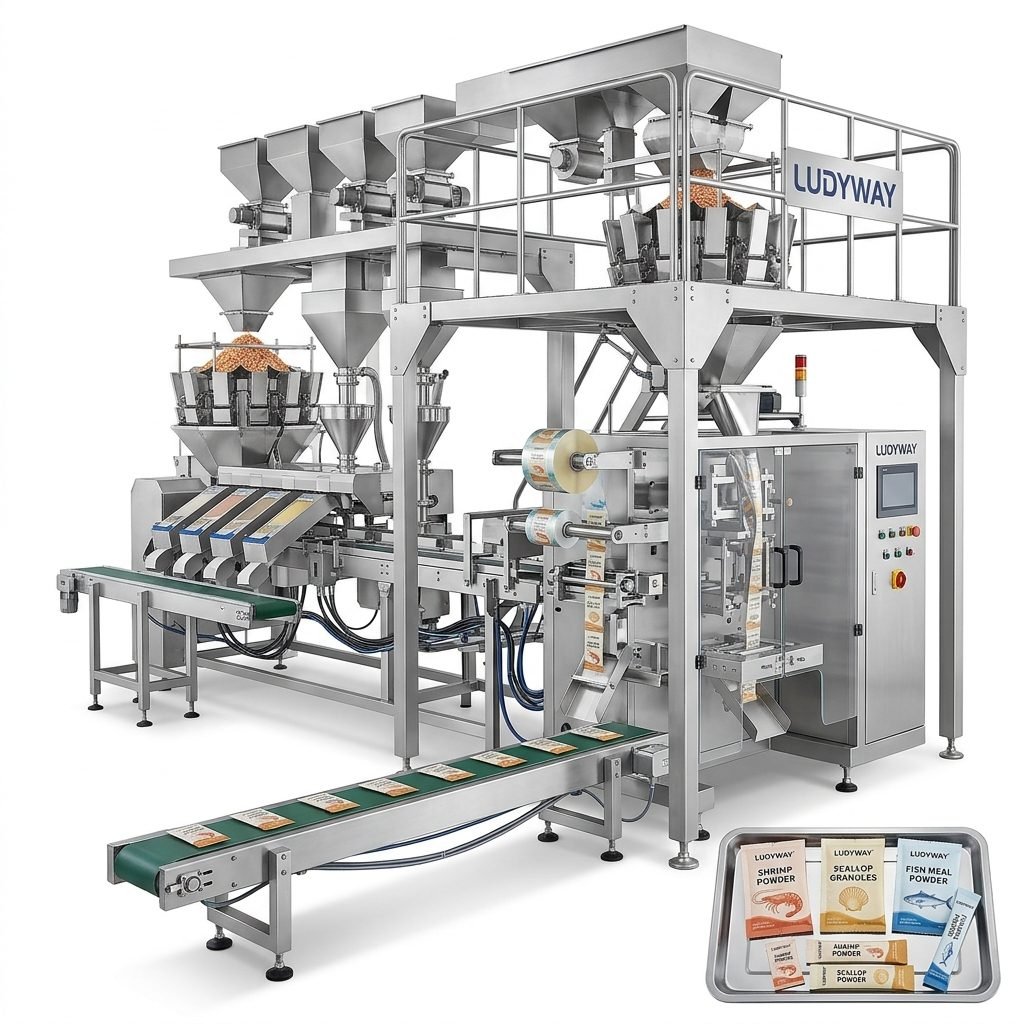
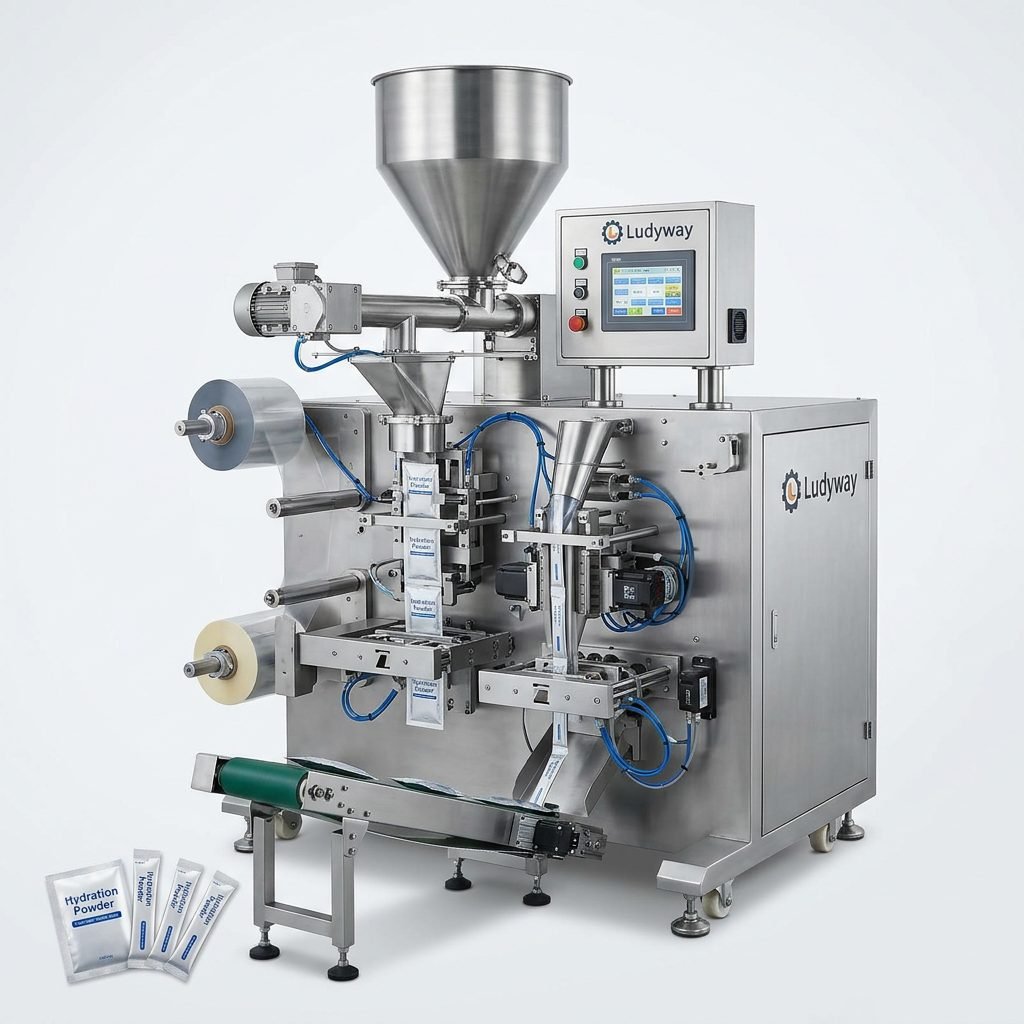
The Southeast Asian pet food market is experiencing unprecedented growth. According to recent industry reports, dog ownership rates across countries like Thailand, Vietnam, Indonesia, and the Philippines have surged by over 40% in the past five years. This boom presents a massive opportunity for manufacturers looking to establish or upgrade a dog food packaging machine production line in the region. However, setting up such a facility requires careful planning, an understanding of local regulations, equipment selection, and operational workflow design. This guide covers everything you need to know.
Why Southeast Asia Is the Next Big Hub for Dog Food Production
Southeast Asia’s strategic position in global supply chains, combined with rising disposable incomes and pet humanization trends, has made it a focal point for pet food manufacturing. Countries like Thailand are already recognized as major pet food exporters, while Vietnam and Indonesia are rapidly scaling their domestic production capacities. The ASEAN Free Trade Area also facilitates smoother equipment imports and cross-border product distribution. Before investing in a packaging line, understanding the regional market dynamics is essential. The PMMI packaging industry resources provide valuable benchmarks for machinery investments and market sizing that can inform your decision-making process.
Understanding Local Regulations and Compliance
Every country in Southeast Asia has its own regulatory framework for pet food manufacturing and packaging. Thailand’s Department of Livestock Development oversees pet food safety, while Indonesia requires Halal certification for a significant portion of consumer products. Vietnam’s Ministry of Agriculture and Rural Development enforces specific labeling and packaging standards. Before installing any equipment, consult the FDA food packaging and food contact substances guidelines, which often serve as reference standards across the region. Key compliance areas include:
- Food-grade packaging materials that meet migration limits for fats and oils commonly found in dog food
- Labeling requirements including ingredient lists, nutritional information, and country of origin in local languages
- Halal certification processes for markets like Malaysia and Indonesia
- Environmental regulations regarding packaging waste and recyclability
- Import duties on packaging machinery and spare parts
Types of Dog Food Packaging Machines You Need to Know
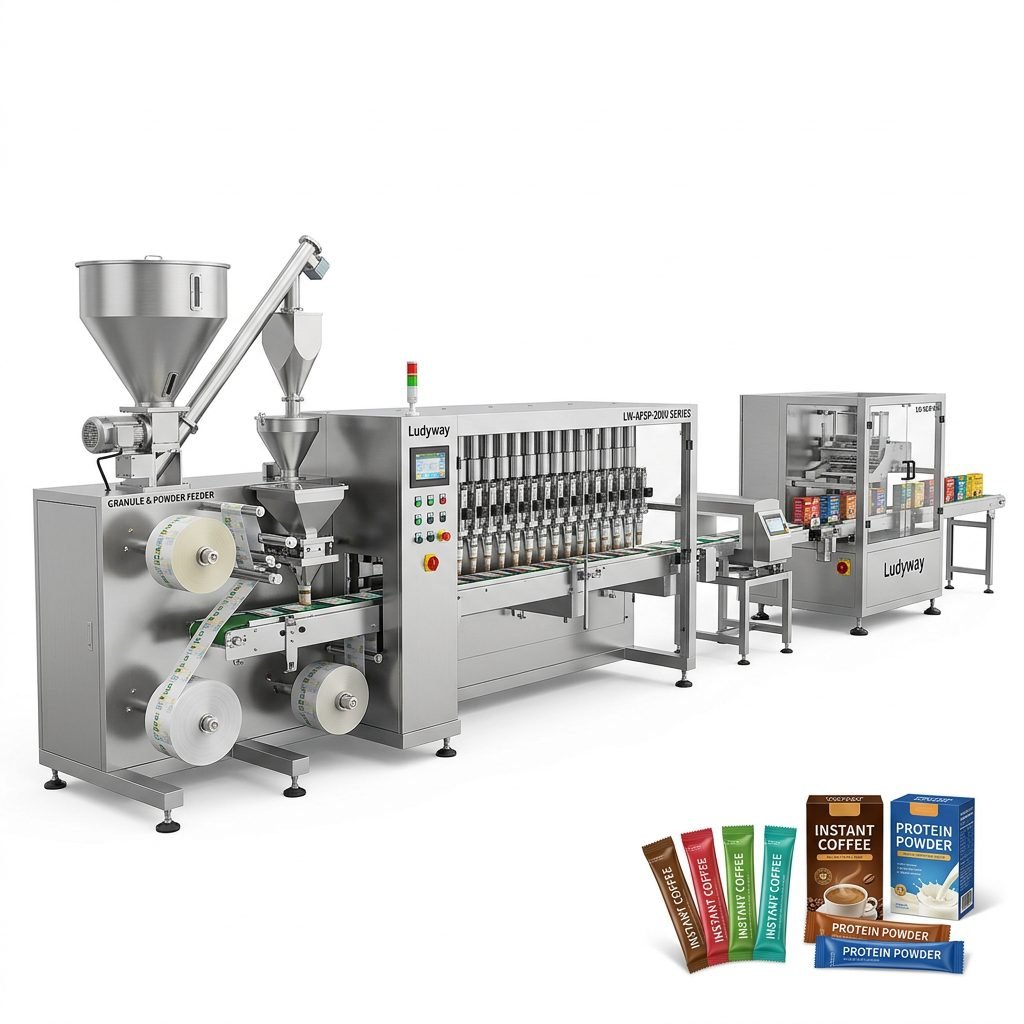
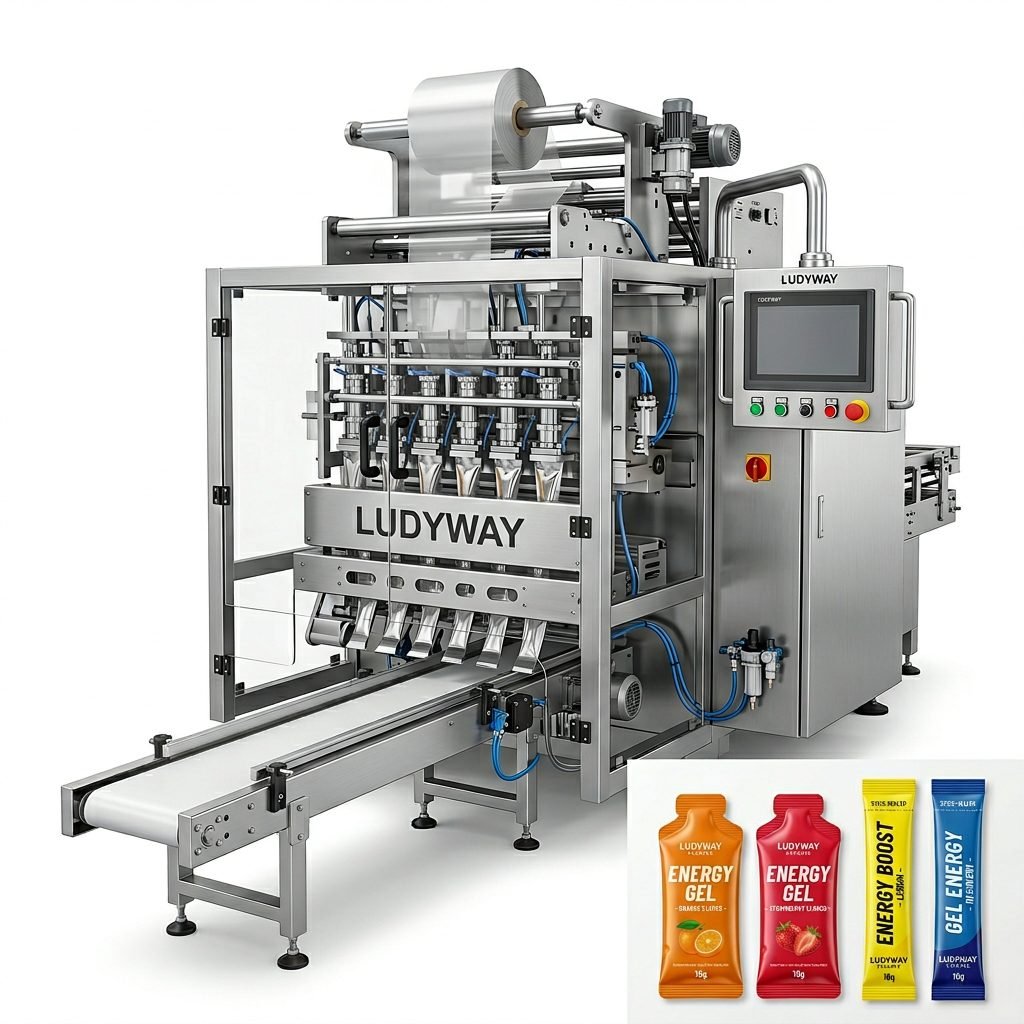
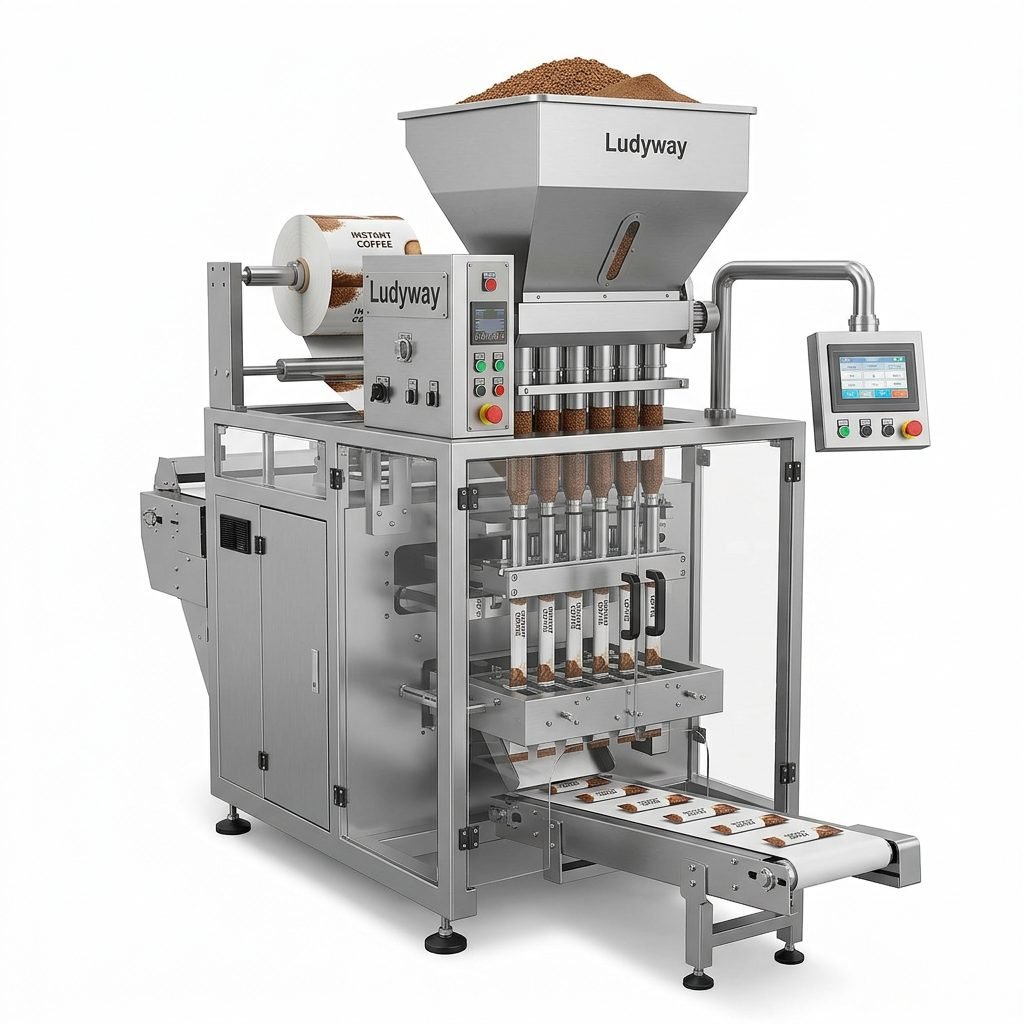
Dog food comes in various forms—dry kibble, wet food, semi-moist treats, freeze-dried snacks, and powder supplements. Each format requires specific packaging machinery configurations. The following table outlines the primary machine types and their applications:
| Machine Type | Best For | Typical Output | Common Packaging Format |
|---|---|---|---|
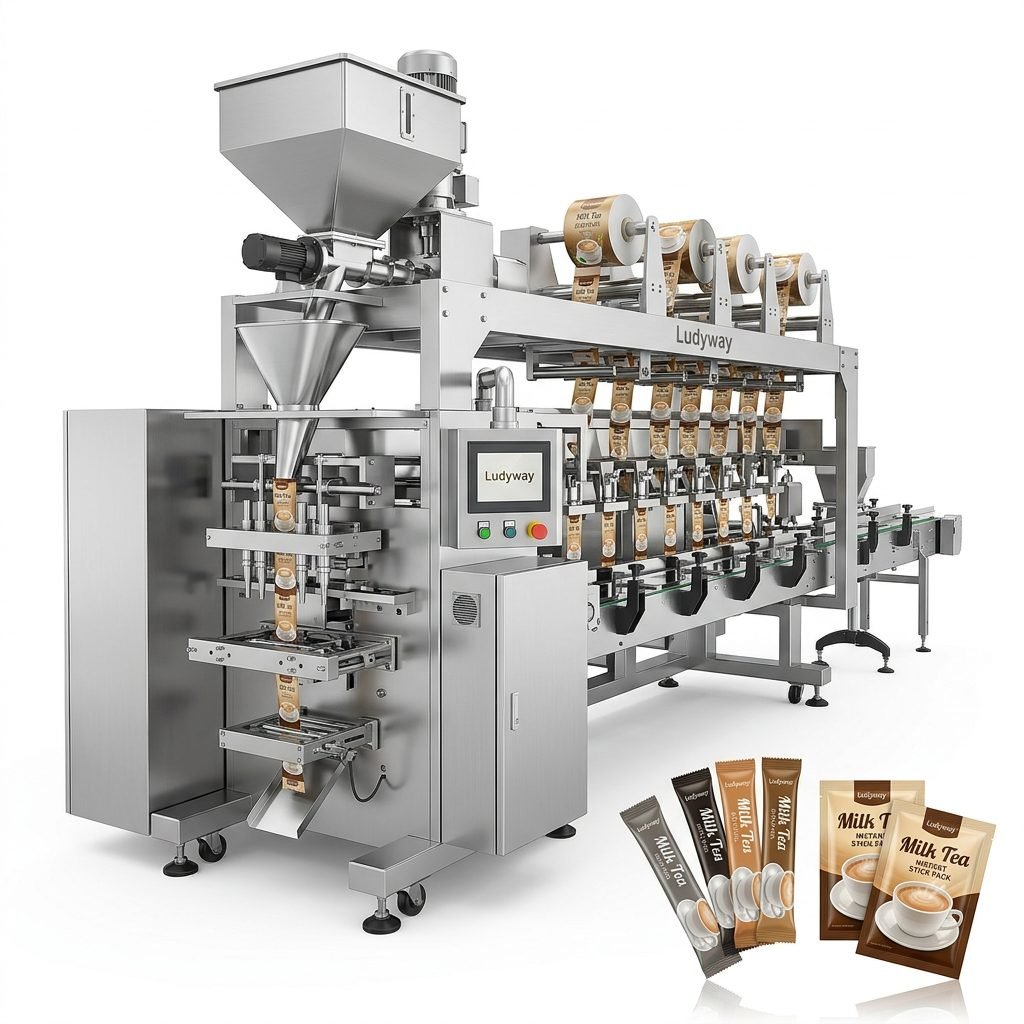
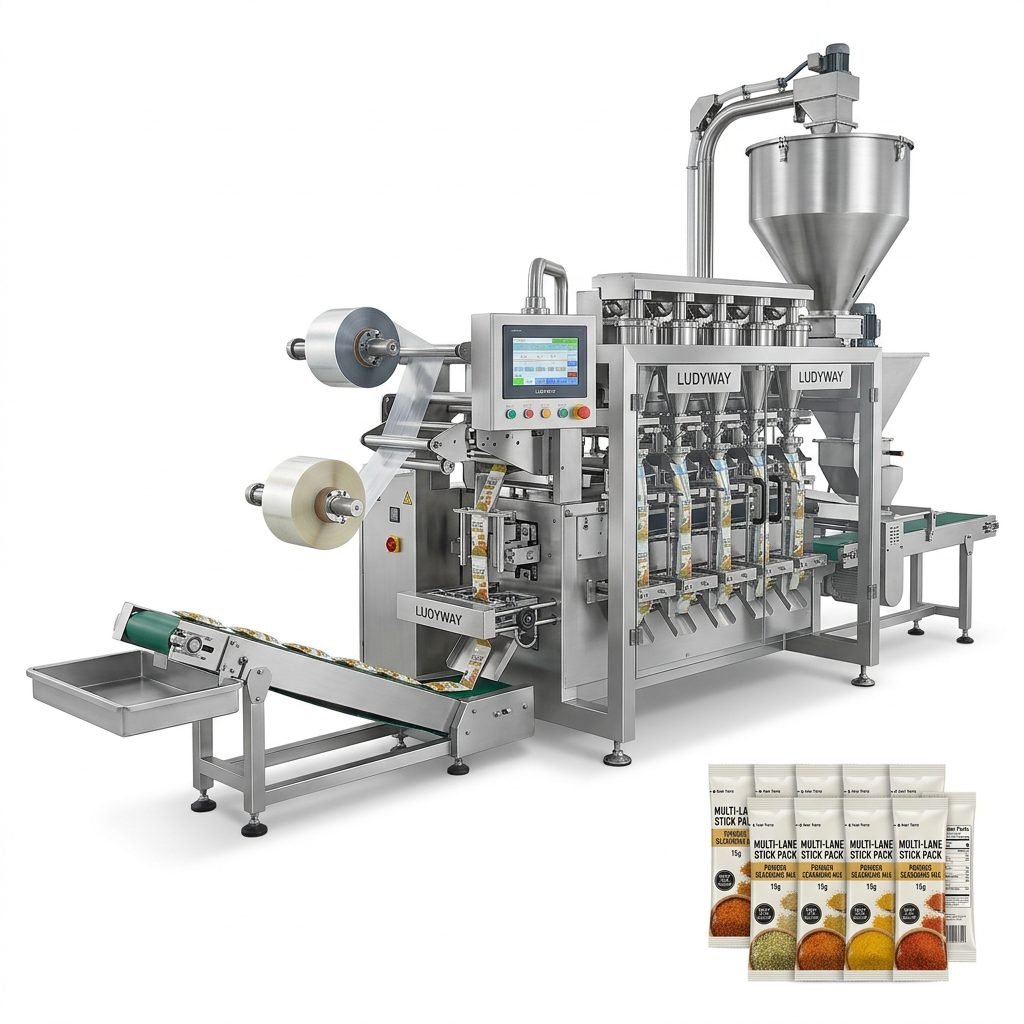
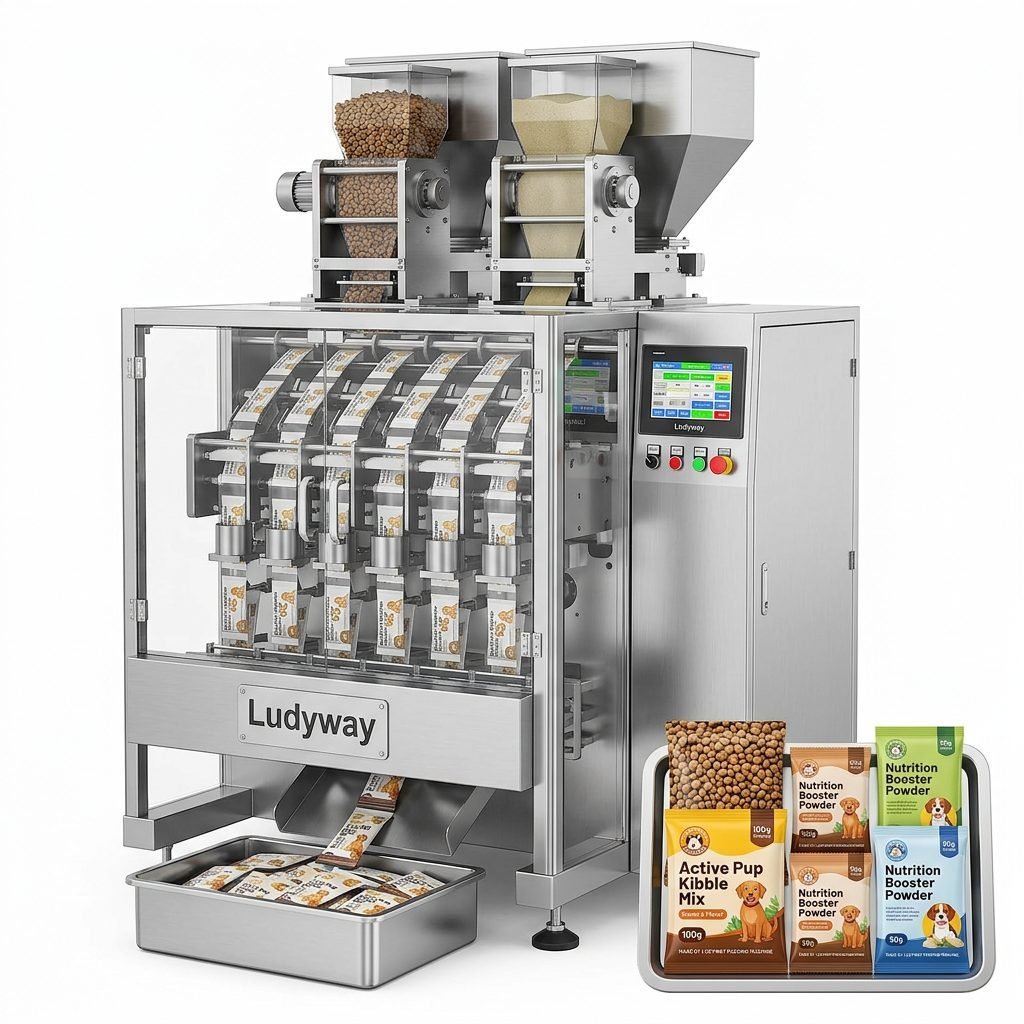
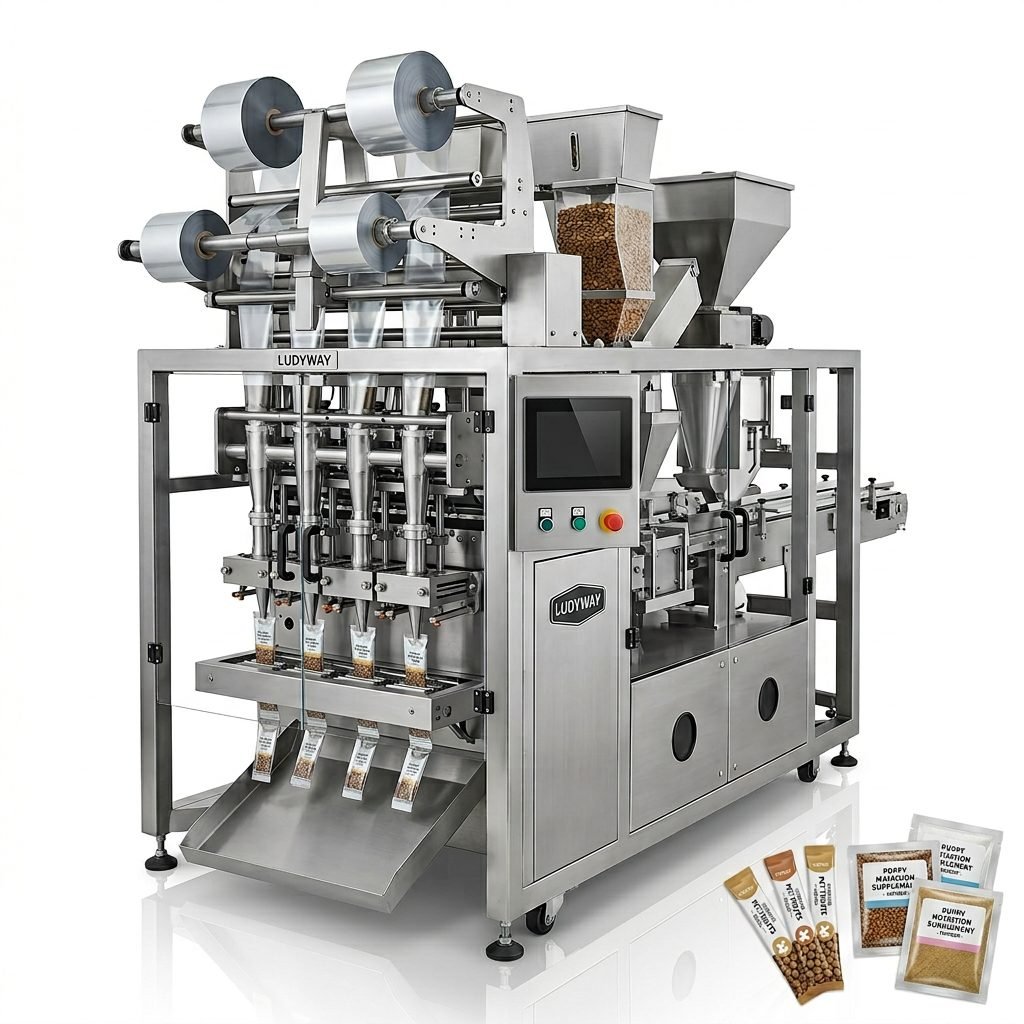
| Multi-Lane Stick Pack Machine | Powders, granules, supplements | 200-600 packs/min | Single-serve stick packs |
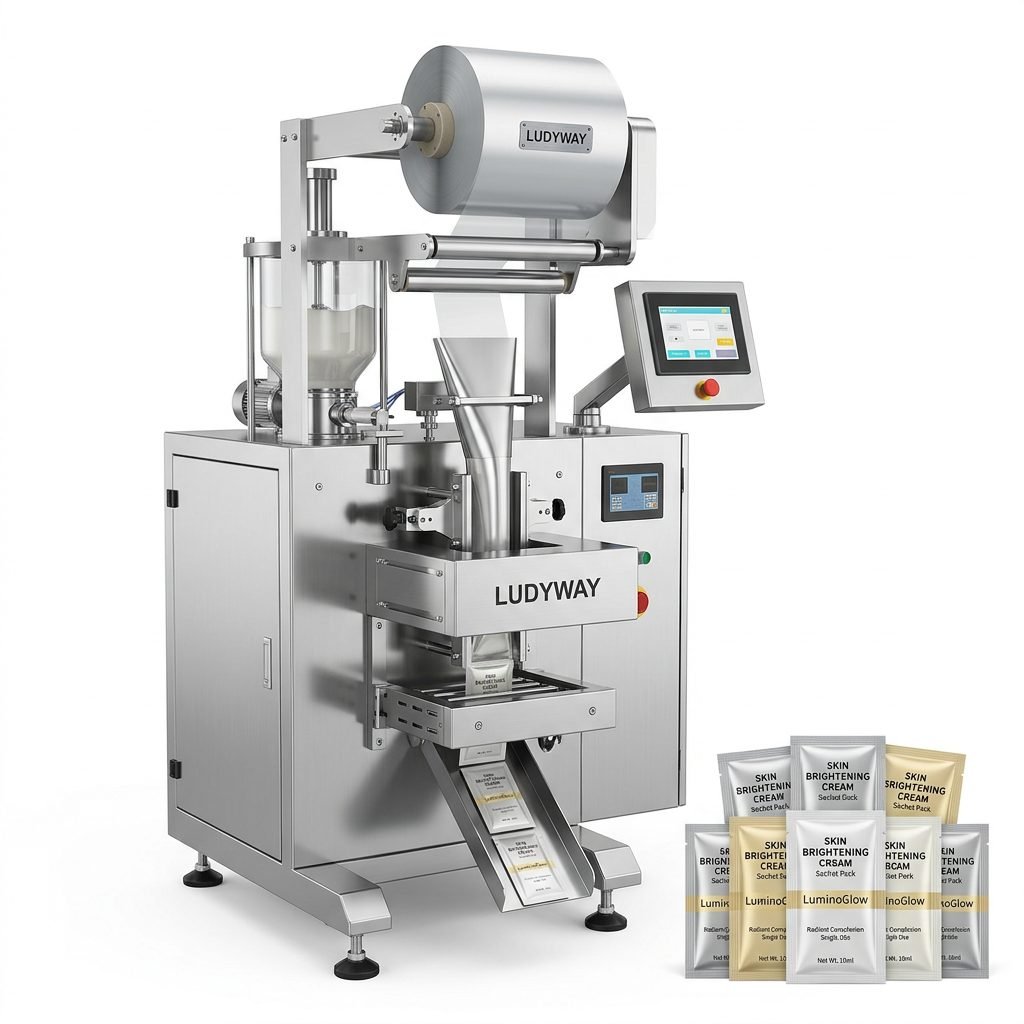
| Multi-Lane Sachet Machine | Wet food, treats, gravy packs | 150-400 packs/min | Flat sachets, pillow pouches |
| Vertical Form Fill Seal (VFFS) | Dry kibble, bulk granules | 30-120 bags/min | Pillow bags, gusseted pouches |
| Premade Pouch Filling Line | Premium wet food, stand-up pouches | 40-80 pouches/min | Zipper pouches, spouted pouches |
| Big Bag / Bulk Filling System | Large-scale kibble packaging | 5-20 bags/min | 10kg-50kg bags |
Essential Components of a Complete Dog Food Packaging Line
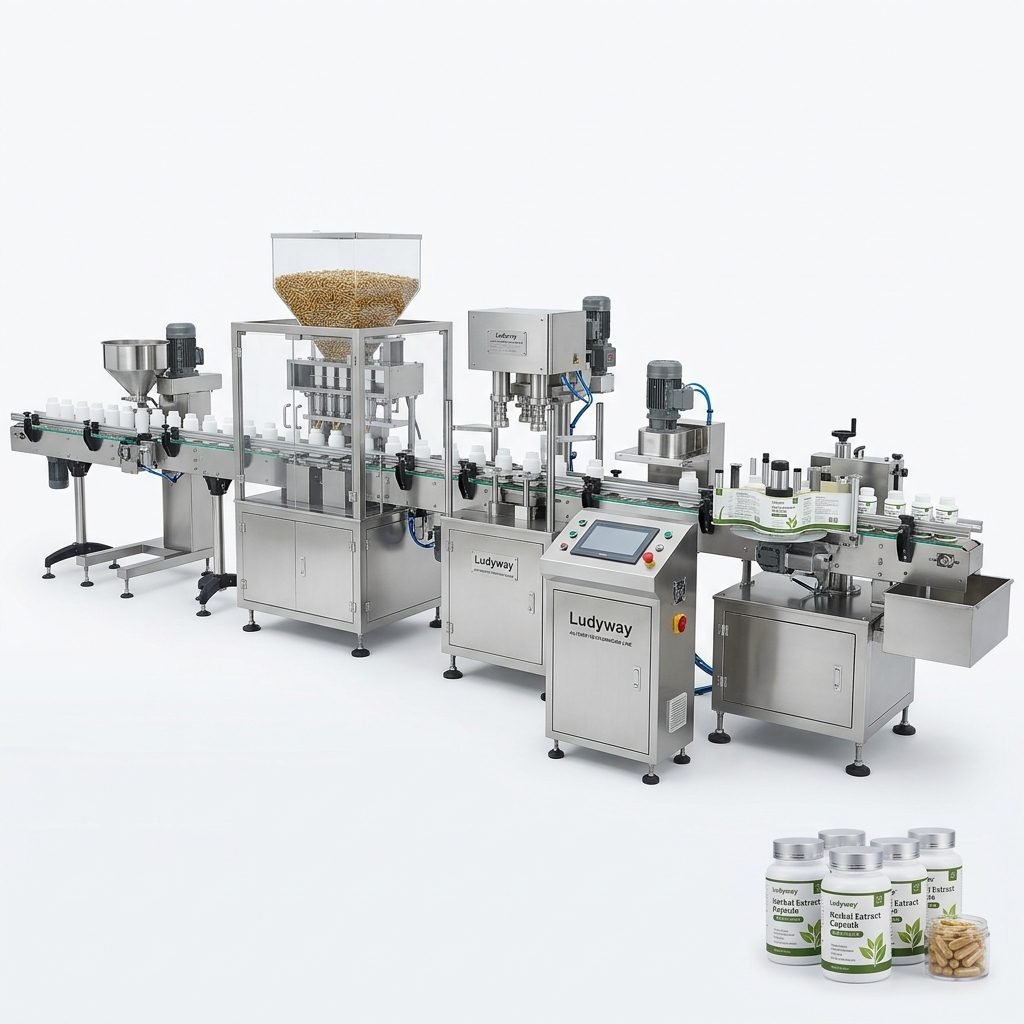
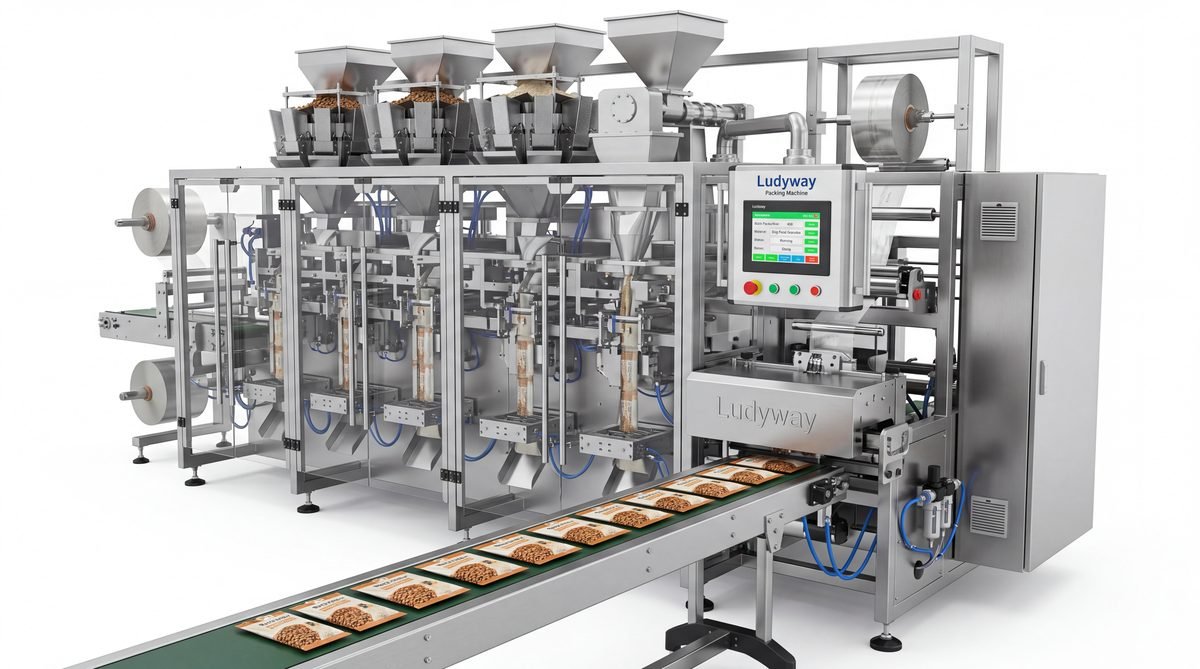
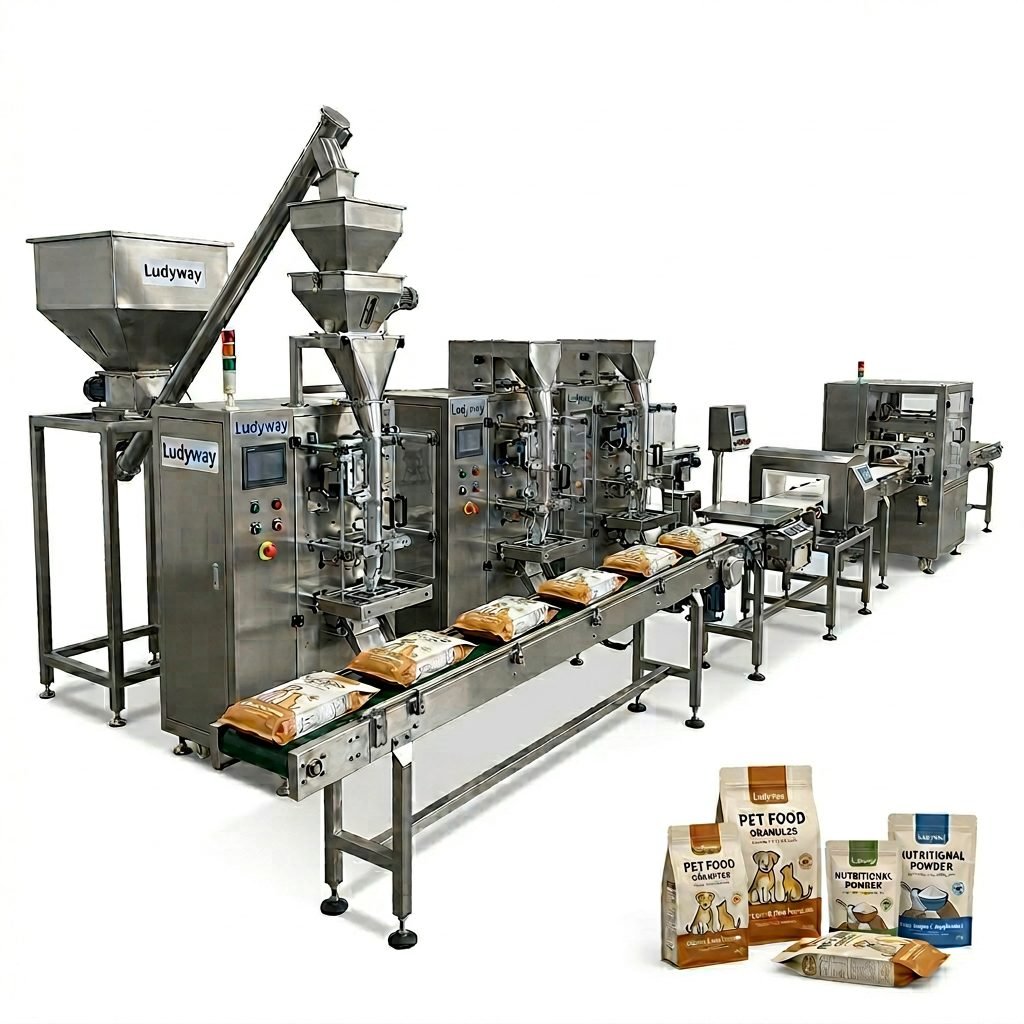
A well-designed dog food packaging production line integrates multiple subsystems that work in harmony. Understanding each component helps you make informed procurement decisions and avoid bottlenecks. The flexible packaging industry data from FPA highlights the importance of selecting compatible materials and machinery for optimal performance. Here are the core components:
Feeding and Conveying Systems
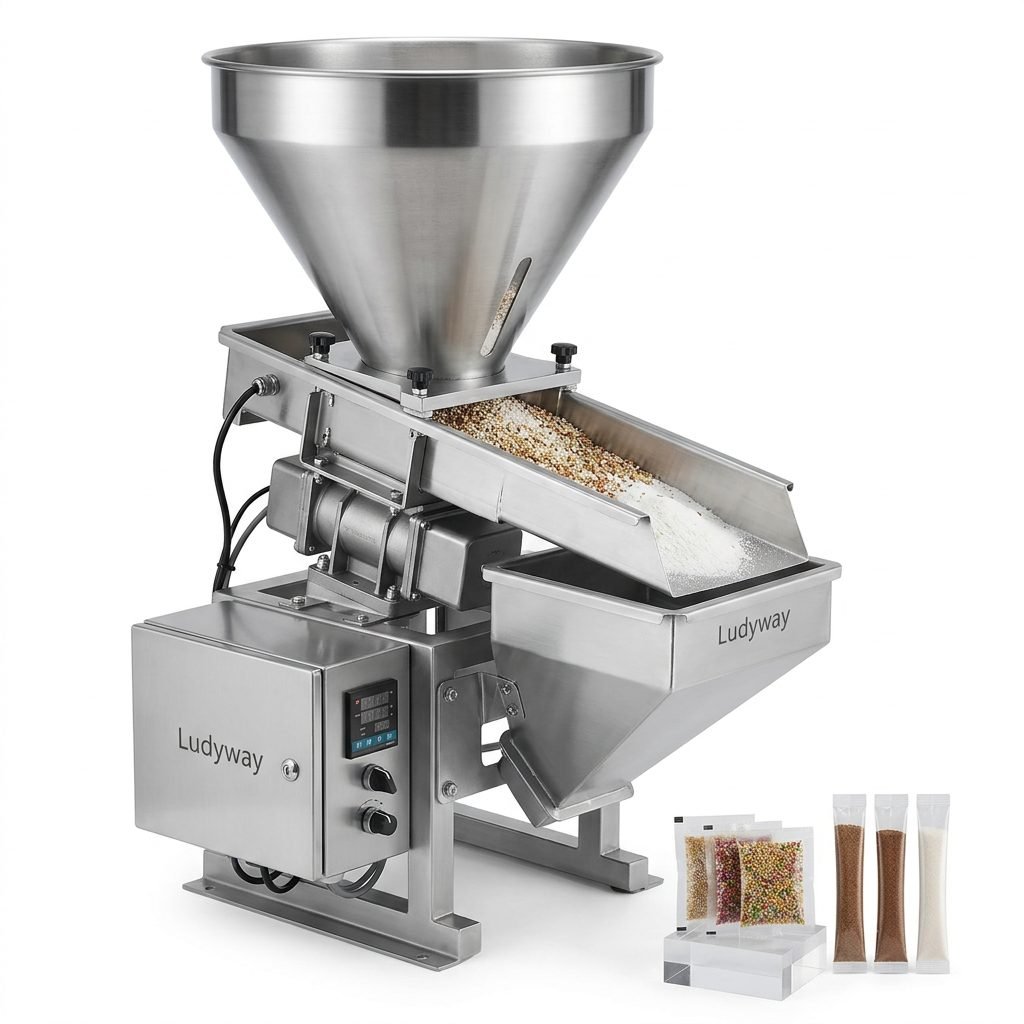
Automated feeding systems—including bucket elevators, screw conveyors, and vibratory feeders—transport raw dog food materials from storage to the packaging machine. For dry kibble, inclined belt conveyors with food-grade belts are standard. For powders like dog food supplements, vacuum feeders or enclosed screw conveyors prevent dust escape and contamination. The feeding system must match the throughput of your primary packaging machine to ensure uninterrupted operation.
Weighing and Dosing Units
Accurate portioning is critical for both product consistency and regulatory compliance. Multi-head weighers are the industry standard for granules and kibble, offering precision down to ±0.5 grams. For powder-based dog food products, auger fillers with servo-driven controls deliver consistent doses at high speeds. Liquid dosing pumps handle wet food and gravy applications with volumetric or flow-meter-based measurement systems.
Primary Packaging Machine
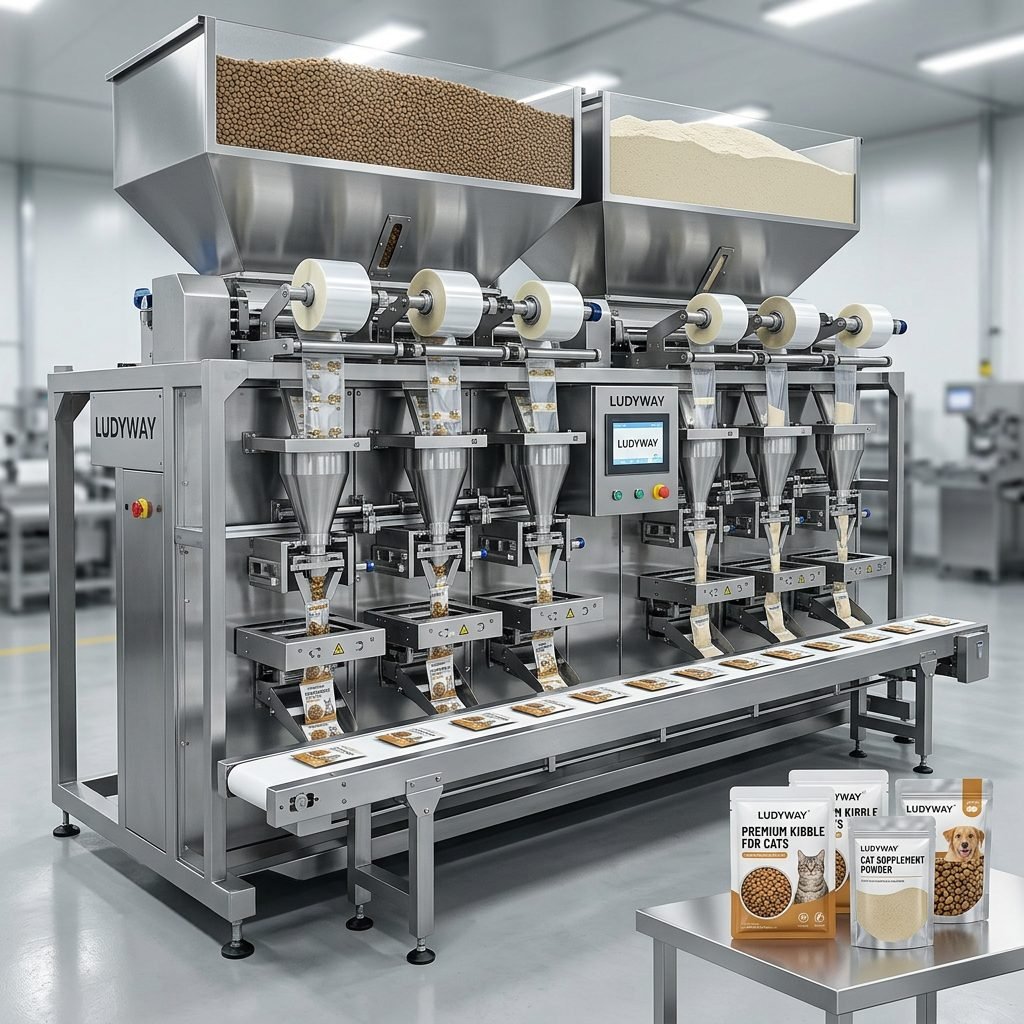
This is the heart of your production line. The choice between stick pack, sachet, VFFS, or premade pouch systems depends on your product type and target market preferences. Multi-lane machines significantly increase throughput while reducing per-unit packaging costs. Look for machines with quick-changeover features if you plan to package multiple product variants or sizes on the same line.
Inspection and Quality Control
Metal detectors and checkweighers are non-negotiable for dog food packaging lines. They ensure that no contaminants reach consumers and that every package contains the declared net weight. X-ray inspection systems offer additional protection by detecting non-metallic foreign bodies such as bone fragments, dense plastics, or glass. Integrating these systems with automatic reject mechanisms protects your brand reputation and ensures compliance with international ISO packaging standards.
Secondary Packaging and End-of-Line Equipment
After primary packaging, products typically flow into cartoning machines, case packers, and palletizing systems. Automated carton erectors and sealers reduce manual labor and increase throughput. Shrink-wrapping tunnels and stretch-wrapping machines prepare pallets for warehouse storage and shipping. For Southeast Asian markets with high humidity, consider adding desiccant insertion or nitrogen flushing to extend shelf life.
Step-by-Step: Setting Up Your Dog Food Packaging Production Line
Setting up a packaging line in Southeast Asia involves more than just purchasing equipment. The following steps outline the complete process from initial planning to full-scale production:
- Conduct a feasibility study — Assess local market demand, raw material availability, and distribution infrastructure. Determine your target production volume and packaging format preferences.
- Select a suitable factory location — Industrial zones in Thailand’s Eastern Economic Corridor, Vietnam’s Binh Duong province, or Indonesia’s Bekasi region offer developed infrastructure and logistics advantages.
- Design the production floor layout — Plan material flow from raw material receipt to finished goods dispatch. Ensure compliance with GMP and food safety standards for zoning and hygiene.
- Choose and procure packaging machinery — Select equipment that matches your product specifications, desired output, and budget. Consider future scalability when making decisions.
- Install utilities and supporting infrastructure — Ensure adequate electrical supply, compressed air systems, and climate control. Southeast Asian factories often require dehumidification systems for powder products.
- Install and commission equipment — Work with experienced technicians for proper installation, calibration, and testing of all machinery components.
- Train operators and establish SOPs — Develop standard operating procedures and provide comprehensive training to your production team.
- Run validation batches and quality testing — Conduct seal integrity tests, weight verification, and packaging material compatibility trials before commercial production.
Cost Considerations for Your Investment
Budgeting accurately for a dog food packaging line requires understanding both capital expenditures (CAPEX) and operational expenditures (OPEX). Equipment costs vary significantly based on automation level, production capacity, and brand origin. A basic semi-automatic line might start around $50,000, while a fully automated multi-lane system with secondary packaging can exceed $500,000. Consider these cost categories:
- Primary packaging machinery — 40-50% of total equipment investment
- Conveying and feeding systems — 10-15% of equipment cost
- Inspection and quality control equipment — 5-10% of budget
- Secondary packaging and end-of-line — 15-20% of investment
- Installation and commissioning — 5-10% of total project cost
- Training and documentation — 2-5% of budget allocation
- Spare parts inventory — Initial stock of critical components
- Facility modifications — Electrical, compressed air, and structural changes
Ongoing operational costs include packaging film and materials, labor, electricity, maintenance, and quality control testing. In Southeast Asia, labor costs are generally lower than in Western countries, but investing in automation still pays off through increased consistency and reduced human error. Experienced packaging machine manufacturers like Ludyway provide turnkey solutions that include equipment, installation support, and technical training to help streamline your investment.
Maintenance and Operational Best Practices
Preventive maintenance is crucial in Southeast Asia’s tropical climate, where high humidity and temperatures can accelerate wear on machinery components. Establish a comprehensive maintenance schedule that includes:
- Daily cleaning of product contact surfaces and sealing areas to prevent residue buildup
- Weekly inspection of belts, chains, and bearings for signs of wear or misalignment
- Monthly calibration of weighing systems, temperature controllers, and sealing parameters
- Quarterly deep maintenance including lubrication, electrical connection checks, and safety system verification
- Annual overhaul with replacement of wear parts and comprehensive performance testing
Stock critical spare parts locally to minimize downtime. Items such as sealing jaws, forming tubes, cutting blades, sensors, and drive belts should be readily available. Building a relationship with a reliable packaging machinery supplier who can provide responsive after-sales support in Southeast Asia is essential for long-term operational success.
Navigating Import Procedures for Packaging Machinery in Southeast Asia
Importing packaging equipment into Southeast Asian countries involves navigating customs procedures, duties, and documentation requirements. Each country has its own tariff classification for packaging machinery. Generally, equipment classified under HS Code 8422 (packaging machinery) benefits from preferential tariffs under ASEAN trade agreements when sourced within the region. For machinery imported from China, Europe, or North America, duties typically range from 0-15% depending on the specific country and any applicable free trade agreements. Working with an experienced freight forwarder and ensuring all documentation—including certificates of origin, commercial invoices, and packing lists—is properly prepared will streamline the import process.
Future-Proofing Your Packaging Line
The dog food market continues to evolve toward premiumization, functional nutrition, and sustainable packaging. When designing your production line, consider future trends that may impact your packaging requirements:
- Recyclable and mono-material packaging films that meet emerging environmental regulations
- Smart packaging features such as QR codes for traceability and consumer engagement
- Smaller portion sizes driven by the growth of single-person households and trial packs
- High-barrier materials for products with longer shelf-life requirements
- Flexible manufacturing capabilities to handle multiple product types on a single line
Investing in modular equipment with easy changeover capabilities and upgrade paths ensures your dog food packaging production line remains competitive as market preferences shift. The initial capital outlay may be higher for flexible automation, but the long-term return on investment through adaptability and reduced retooling costs is substantial.
Choosing the Right Technology Partner
Selecting a packaging machinery partner is one of the most consequential decisions in setting up your production line. Beyond the equipment itself, evaluate potential suppliers based on their experience with dog food applications, presence in Southeast Asia, availability of local service support, and willingness to provide references from similar projects. A partner with deep knowledge of both the technical requirements and regional market conditions can help you avoid costly mistakes and accelerate your time to market. The PMMI business intelligence library offers additional resources for evaluating packaging machinery suppliers and understanding industry benchmarks that can guide your selection process.
Key Takeaways for Success
Setting up a dog food packaging machine production line in Southeast Asia is a significant undertaking that requires careful planning, regulatory awareness, and strategic equipment selection. By understanding local market dynamics, choosing the right packaging formats, integrating quality control systems, and planning for maintenance and future scalability, you can build a production line that delivers consistent quality and competitive advantage. The opportunities in the Southeast Asian pet food market are substantial, and with the right preparation and partnerships, your packaging operation can become a cornerstone of a successful manufacturing business in this rapidly growing region.