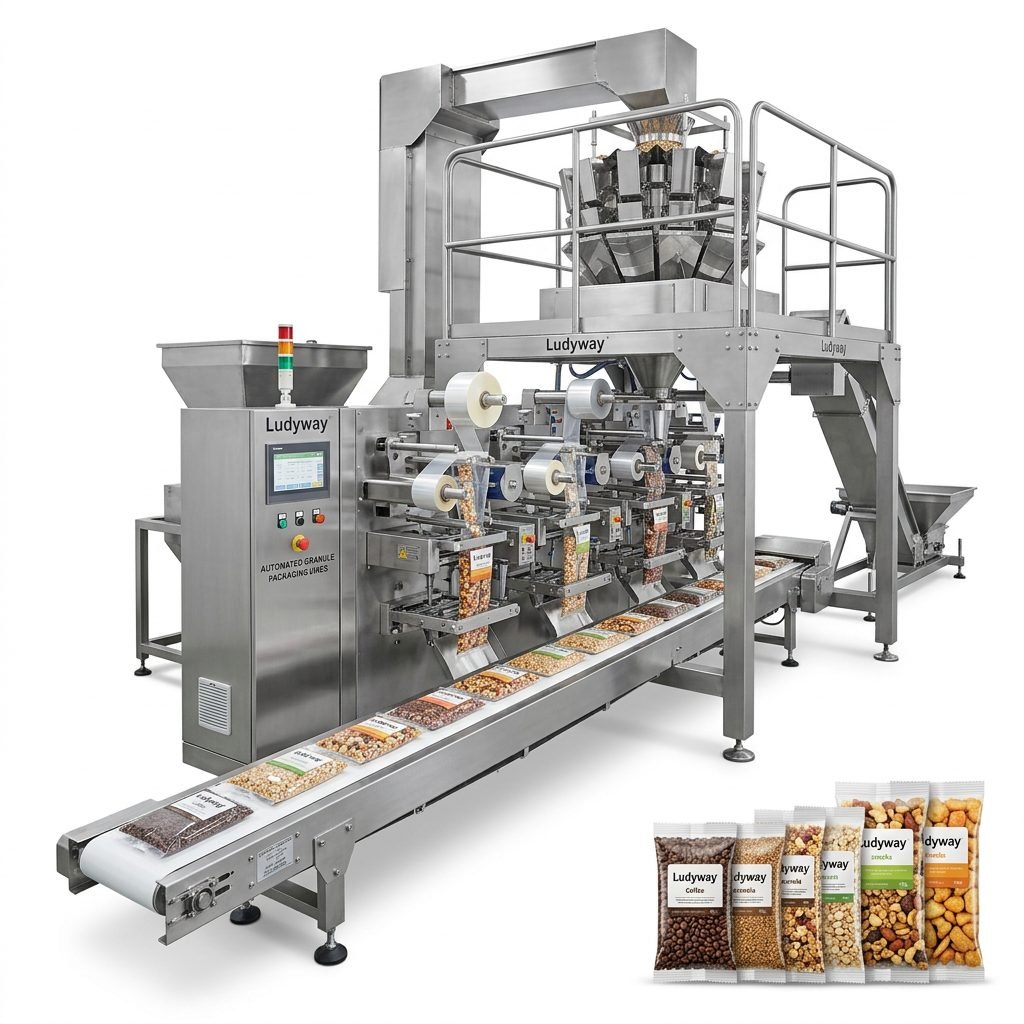
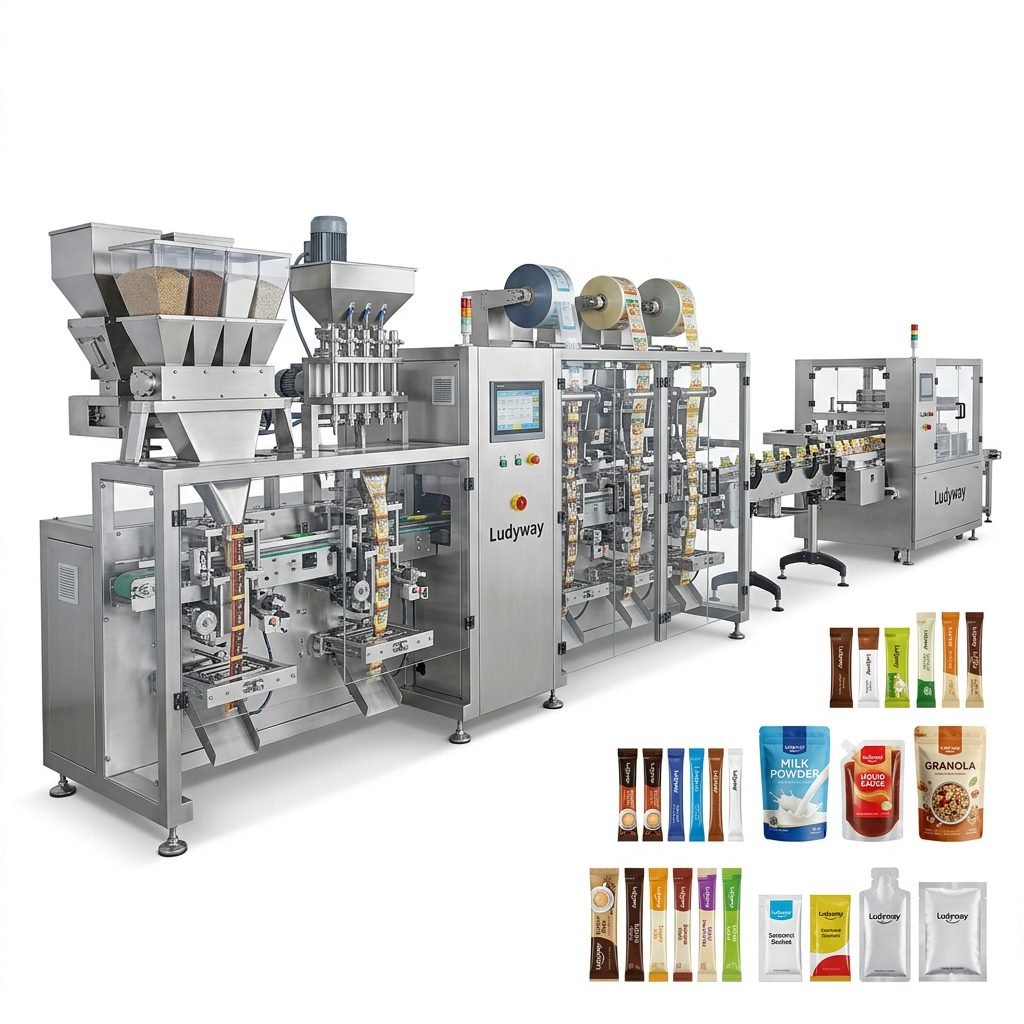
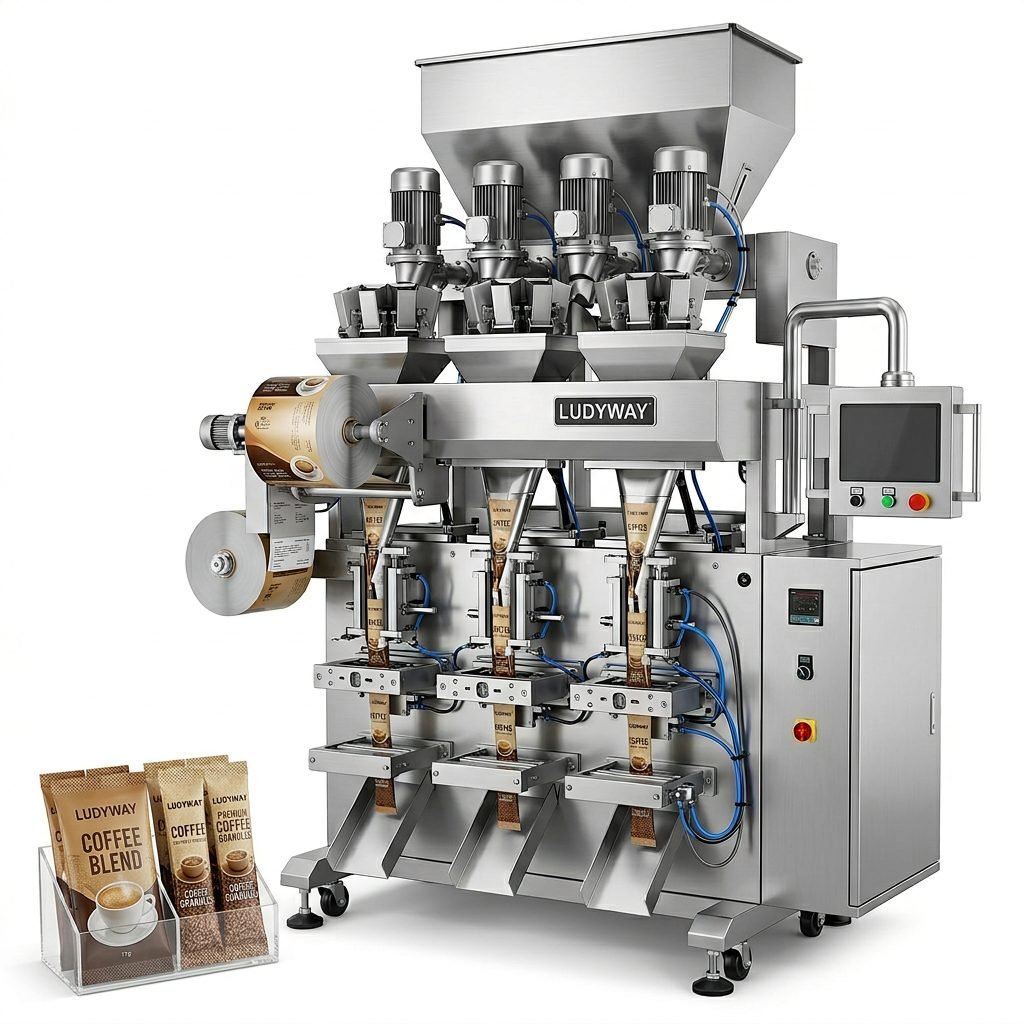
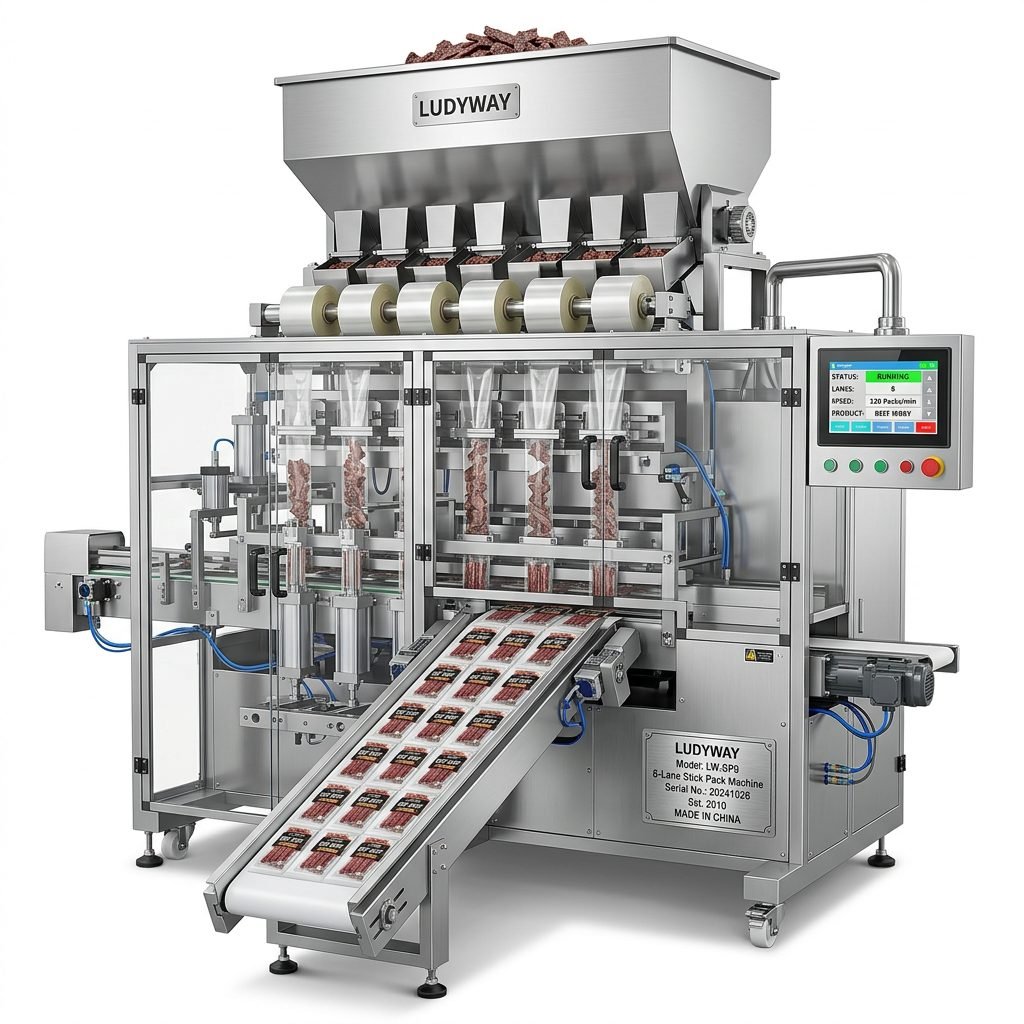
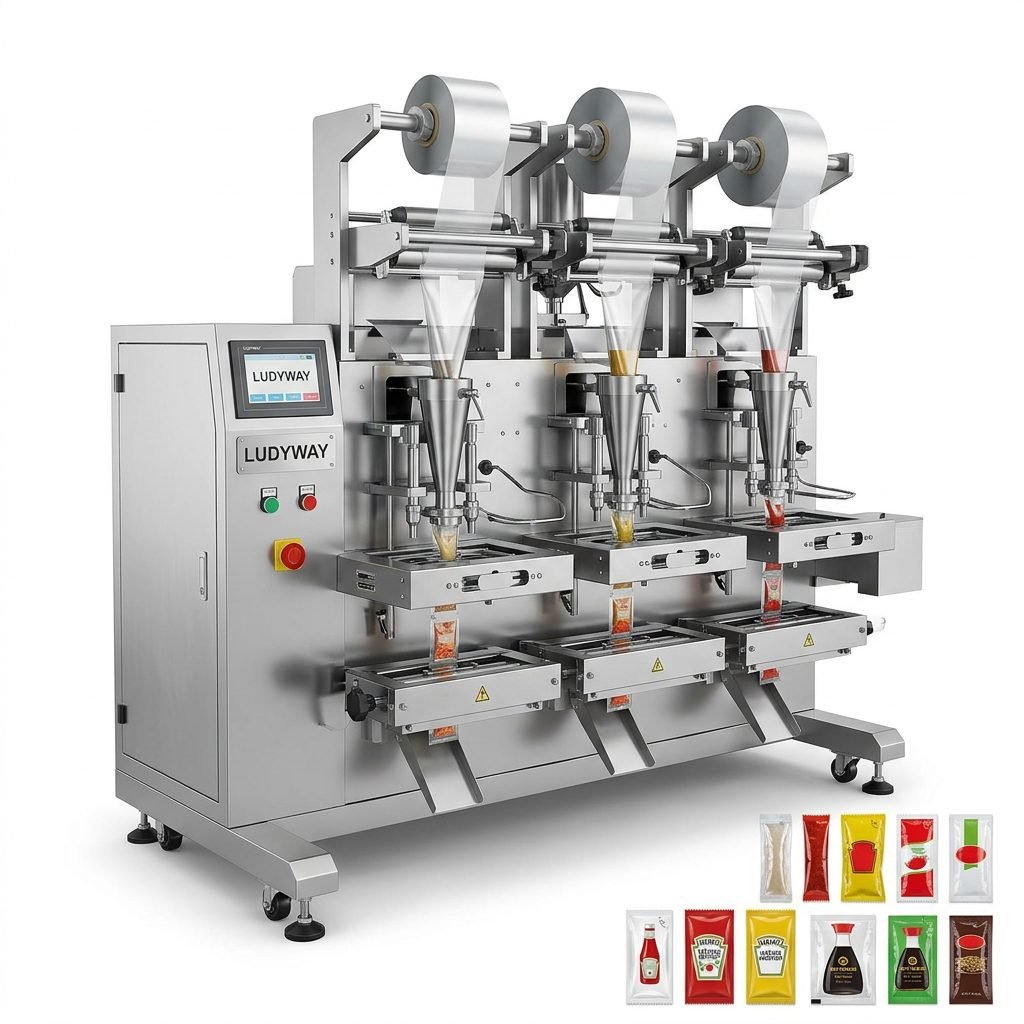
Investing in a poultry packaging machine is a critical decision that directly impacts your production efficiency, product shelf life, and overall profitability. Whether you are packaging whole birds, cut-up parts, ground poultry, or processed products like nuggets and sausages, selecting the right equipment requires a thorough evaluation of your operational needs, product characteristics, and long-term business goals. This comprehensive guide walks you through the essential factors to consider before making your purchase.
Understanding Your Poultry Packaging Requirements
Before exploring specific machine models, you must clearly define your packaging requirements. Poultry products vary significantly in shape, size, moisture content, and shelf-life requirements. Fresh chicken breasts require different packaging approaches compared to frozen turkey parts or processed chicken sausages. Start by answering these fundamental questions:
- What poultry products are you packaging — whole birds, bone-in cuts, boneless portions, ground meat, or value-added processed items?
- What is your target production volume — how many packages per minute, hour, or shift do you need to produce?
- What packaging format do you require — flexible packaging such as flow-wrap, vacuum pouches, thermoformed trays, or rigid containers?
- What is your cold chain strategy — fresh refrigerated, modified atmosphere packaging (MAP), or frozen distribution?
- What are your shelf-life targets and do you require specialized barrier films or gas flushing capabilities?
Types of Poultry Packaging Machines
The poultry industry utilizes several distinct types of packaging machinery, each designed for specific product formats and production environments. Understanding the differences helps narrow down your options significantly.
| Machine Type | Best For | Key Features |
|---|---|---|
| Flow Wrapping Machines | Individual portions, trayed products | High speed, horizontal form-fill-seal, compatible with pillow packs |
| Vacuum Packaging Machines | Whole birds, primal cuts, bulk packs | Extended shelf life, oxygen removal, chamber or nozzle systems |
| Thermoform-Fill-Seal (TFS) | Retail-ready trays, MAP packaging | Forms tray from film, fills product, seals with top film, gas flushing |
| Tray Sealing Machines | Pre-formed trays, case-ready products | Seals pre-filled trays, MAP capable, flexible formats |
| Vertical Form-Fill-Seal (VFFS) | Ground poultry, marinated pieces, bulk frozen | Versatile bag styles, pillow or gusseted bags, high throughput |
Key Factors to Evaluate When Choosing a Machine
Production Speed and Capacity
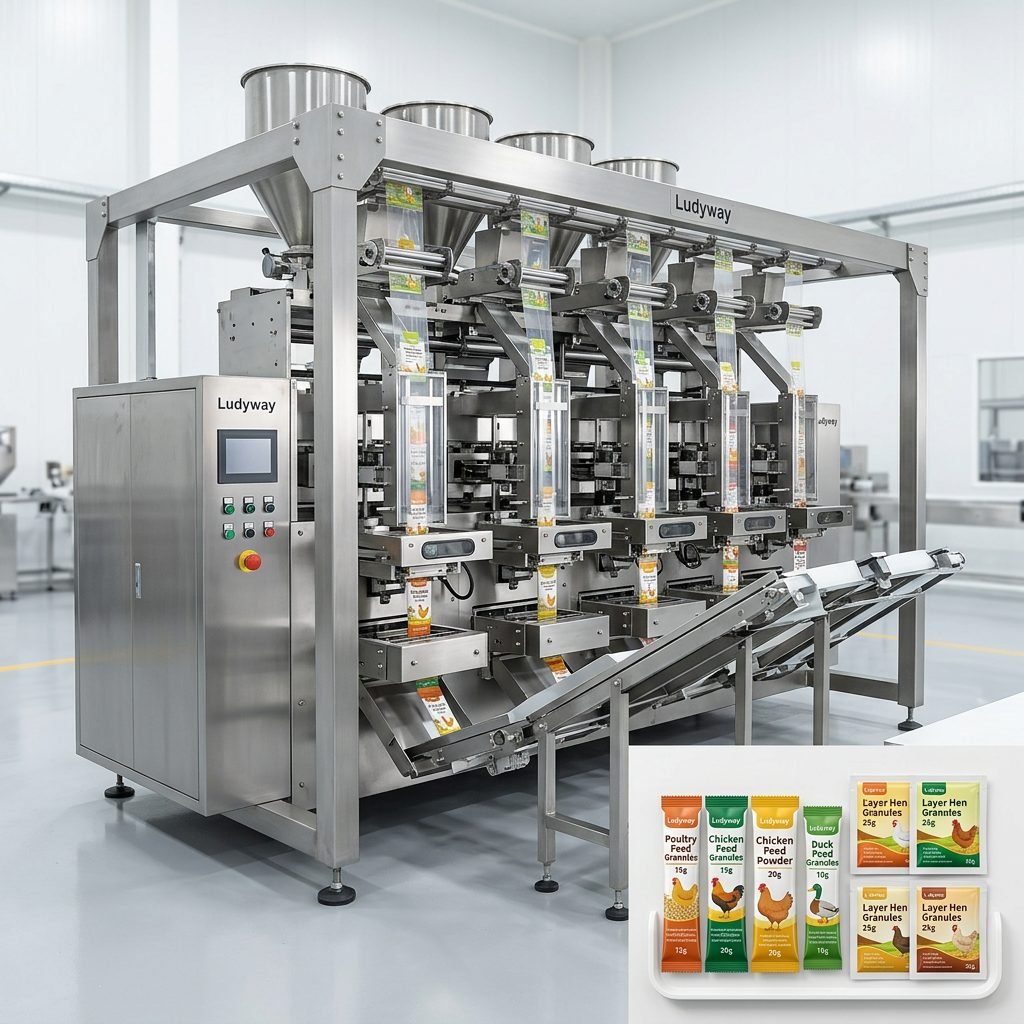
Your production speed requirements should be matched to the machine’s rated output. Consider not only your current throughput needs but also projected growth over the next three to five years. A machine operating at 80% of its maximum capacity typically delivers the best balance of efficiency and reliability. Over-specifying can lead to unnecessary capital expenditure, while under-specifying creates bottlenecks. Evaluate packaging machinery market research data to benchmark your capacity planning against industry standards.
Packaging Material Compatibility
Not all machines handle every film type equally well. Your packaging material choice — whether standard polyethylene, high-barrier laminates, compostable films, or recyclable mono-materials — must be compatible with the machine’s sealing system, forming capabilities, and temperature controls. With growing sustainability demands, many processors are transitioning to eco-friendly packaging materials. Ensure your selected machine can accommodate both current and future material specifications, particularly as flexible packaging industry data shows increasing adoption of sustainable substrates.
Automation Level and Integration
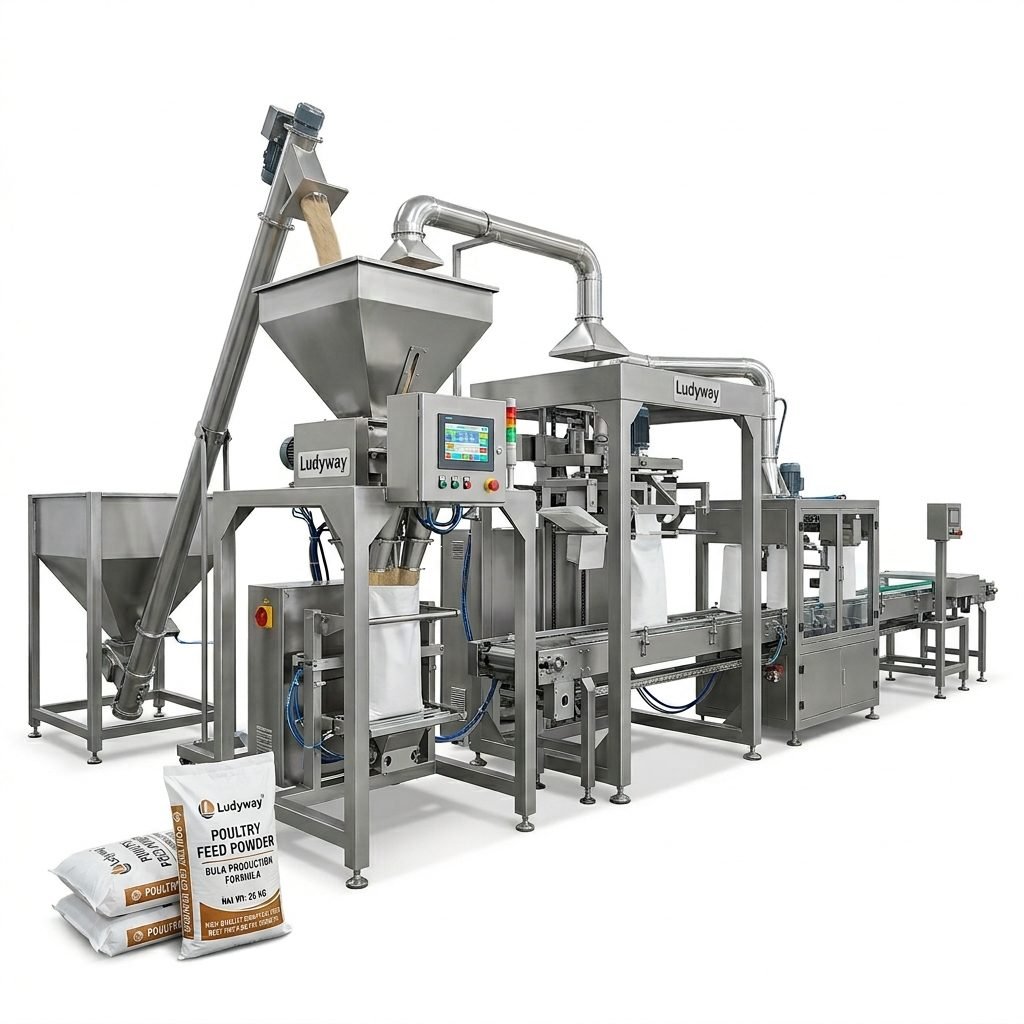
Modern poultry packaging lines integrate multiple functions — weighing, filling, sealing, labeling, coding, inspection, and case packing. Determine whether you need a standalone machine or a fully integrated turnkey packaging line. Automated systems reduce labor dependency and improve consistency, but require higher initial investment. Semi-automatic machines may suit smaller operations with more variable product mixes. Assess the machine’s compatibility with upstream and downstream equipment including conveyors, checkweighers, metal detectors, and palletizers.
Hygiene, Cleanability, and Sanitary Design
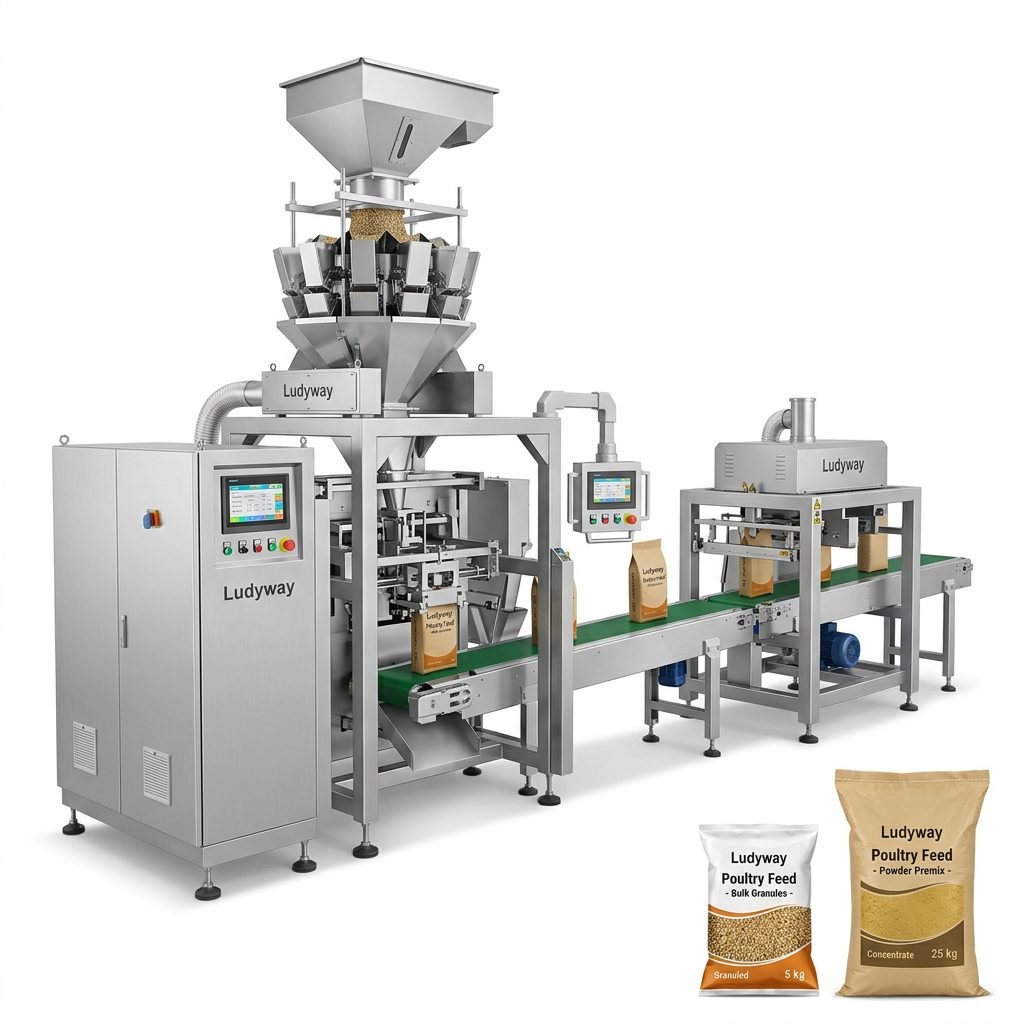
Poultry processing demands stringent hygiene standards. Equipment must withstand frequent washdowns with harsh cleaning chemicals and high-pressure water. Look for machines constructed with stainless steel frames, sloped surfaces to prevent water pooling, sealed bearings, and minimal crevices where bacteria can harbor. Machines designed to FDA food packaging and food contact substances guidelines or equivalent international standards provide an important baseline for food safety compliance. IP65 or higher-rated electrical enclosures are strongly recommended for washdown environments.
Budget Considerations and ROI Analysis
The purchase price of a poultry packaging machine represents only part of the total cost of ownership. A thorough financial analysis should account for:
- Initial capital expenditure — machine cost, installation, and facility modifications
- Operational costs — labor, utilities, consumables including packaging film and spare parts
- Maintenance expenses — preventive maintenance schedules, wear component replacement, and technical support
- Downtime risk — production losses during maintenance or unexpected breakdowns
- Packaging material waste — machine efficiency in minimizing film scrap and rejected packages
Calculate your expected return on investment (ROI) based on labor savings, throughput improvements, reduced product giveaways, and decreased packaging material waste. A higher-quality machine with a slightly higher upfront cost often delivers superior long-term economics through better reliability and efficiency.
Supplier Evaluation and After-Sales Support
Your relationship with the equipment supplier extends well beyond the initial purchase. Evaluate potential suppliers on multiple dimensions:
- Industry experience — how many years has the manufacturer been supplying packaging machinery specifically for protein or poultry applications?
- Technical support capabilities — do they offer remote diagnostics, on-site service, and readily available spare parts in your region?
- Installation and commissioning — does the supplier provide comprehensive setup, operator training, and production ramp-up support?
- Customization capabilities — can they adapt machine configurations to your specific product dimensions, packaging formats, and factory layout?
- References and track record — can they provide case studies or customer references from similar poultry operations?
Manufacturers with integrated engineering and manufacturing capabilities can often deliver more cohesive solutions. For instance, Ludyway Machinery provides customized packaging machinery and engineering solutions developed through decades of experience across multiple industries, including food and protein sectors, with support spanning equipment selection, system integration, installation, and after-sales service in over 100 countries.
Compliance with Industry Standards and Regulations
Poultry packaging equipment must comply with relevant food safety regulations and packaging machinery standards in your target markets. Key considerations include:
- Food contact material compliance — all product-contact surfaces must meet applicable FDA, EU, or other regional food safety requirements
- Machine safety standards — guarding, emergency stops, and safety interlocks should conform to ISO, ANSI, or equivalent standards
- Traceability and coding — integration with date coding, batch numbering, and serialization systems for supply chain traceability
- Validation documentation — for certain markets, Installation Qualification (IQ), Operational Qualification (OQ), and Performance Qualification (PQ) documentation may be required
Review the ISO packaging standards relevant to your product category and confirm that your selected equipment can be configured to meet those requirements.
Making the Final Decision
Selecting the right poultry packaging machine requires balancing technical specifications, operational requirements, and financial considerations. Start by clearly documenting your product specifications and production targets. Request detailed proposals from multiple qualified suppliers and conduct thorough technical evaluations. Where possible, arrange for product trials using your actual poultry products and preferred packaging materials to validate machine performance before committing.
Remember that the lowest purchase price does not always equate to the best value. Factor in reliability, after-sales support, packaging material efficiency, and the supplier’s long-term commitment to your market. A well-chosen packaging machine becomes a productive asset that supports your business growth for many years, while a poorly selected one creates ongoing operational challenges.
For additional guidance, consult PMMI’s State of the Industry reports and the Flexible Packaging Association for current trends, technology developments, and best practices in protein packaging.