In modern food manufacturing, packaging is no longer just the final step of production. It is a critical driver of output, product safety, shelf appeal, labor efficiency, and cost control. For food brands, processors, and contract packers aiming to scale, the right packaging machine solution can turn a slow and fragmented line into a streamlined high-speed production system.
From powders and granules to sauces, snacks, coffee, dairy, condiments, and ready-to-eat products, food packaging equipment must meet demanding requirements for speed, accuracy, hygiene, flexibility, and reliability. Businesses that invest in well-matched automated systems often gain stronger consistency, lower waste, and faster order fulfillment.
Why Efficient Food Packing Matters More Than Ever
Food manufacturers face increasing pressure from retailers, distributors, and end consumers. They need shorter lead times, stable packaging quality, better traceability, and packaging formats that support convenience and branding. At the same time, labor costs and hygiene standards continue to rise.
- Increase production throughput without sacrificing filling accuracy
- Reduce manual handling and labor dependency
- Protect food quality, freshness, and shelf life
- Minimize material waste and packaging defects
- Support multiple SKUs and flexible package formats
- Improve compliance with food safety standards
When packaging becomes a bottleneck, the entire factory suffers. That is why high-speed packaging machine solutions are essential for brands seeking scalable and sustainable growth.
Core Packaging Machine Solutions for Food Production
Food packing applications vary widely, so the best solution depends on product characteristics, target output, package style, and downstream handling requirements. A complete setup may include feeding, dosing, filling, sealing, coding, inspection, cartoning, case packing, and palletizing.
| Machine Type | Typical Food Applications | Key Benefits |
|---|---|---|
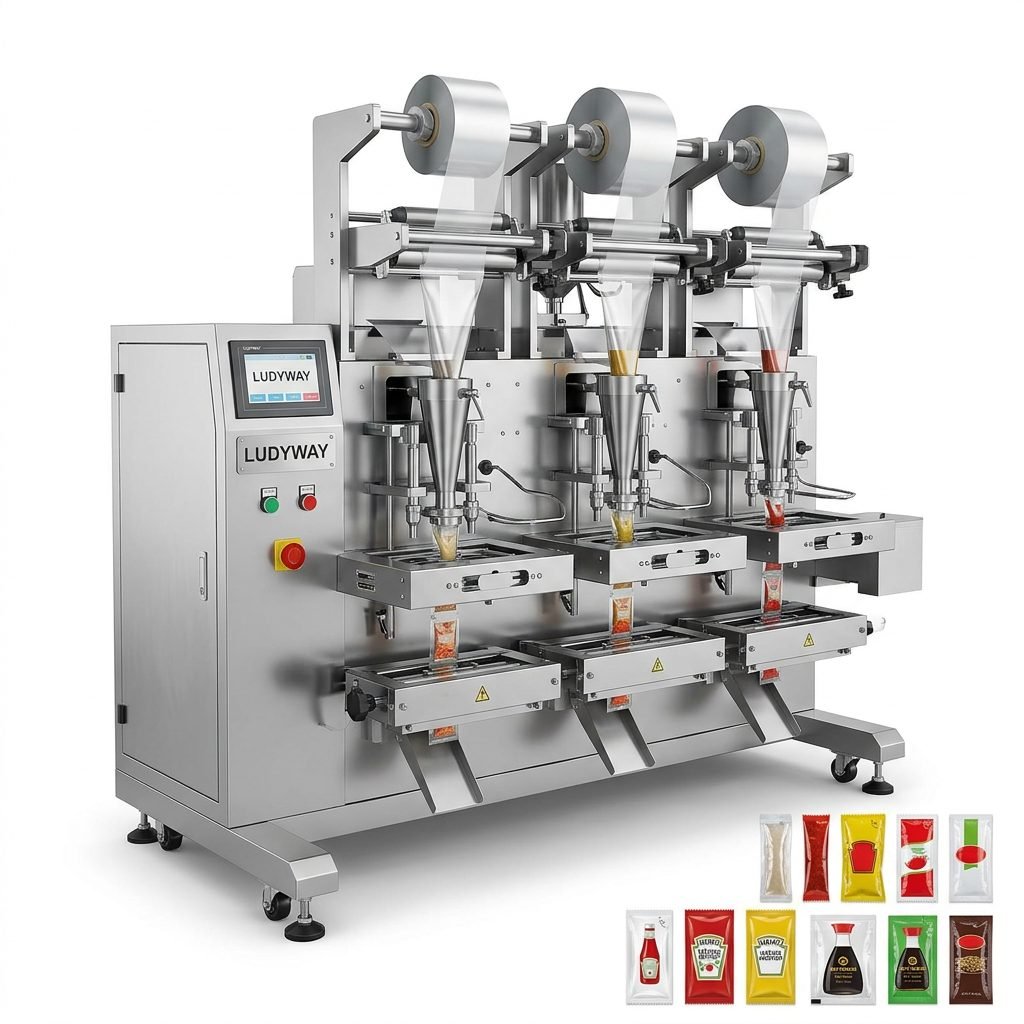
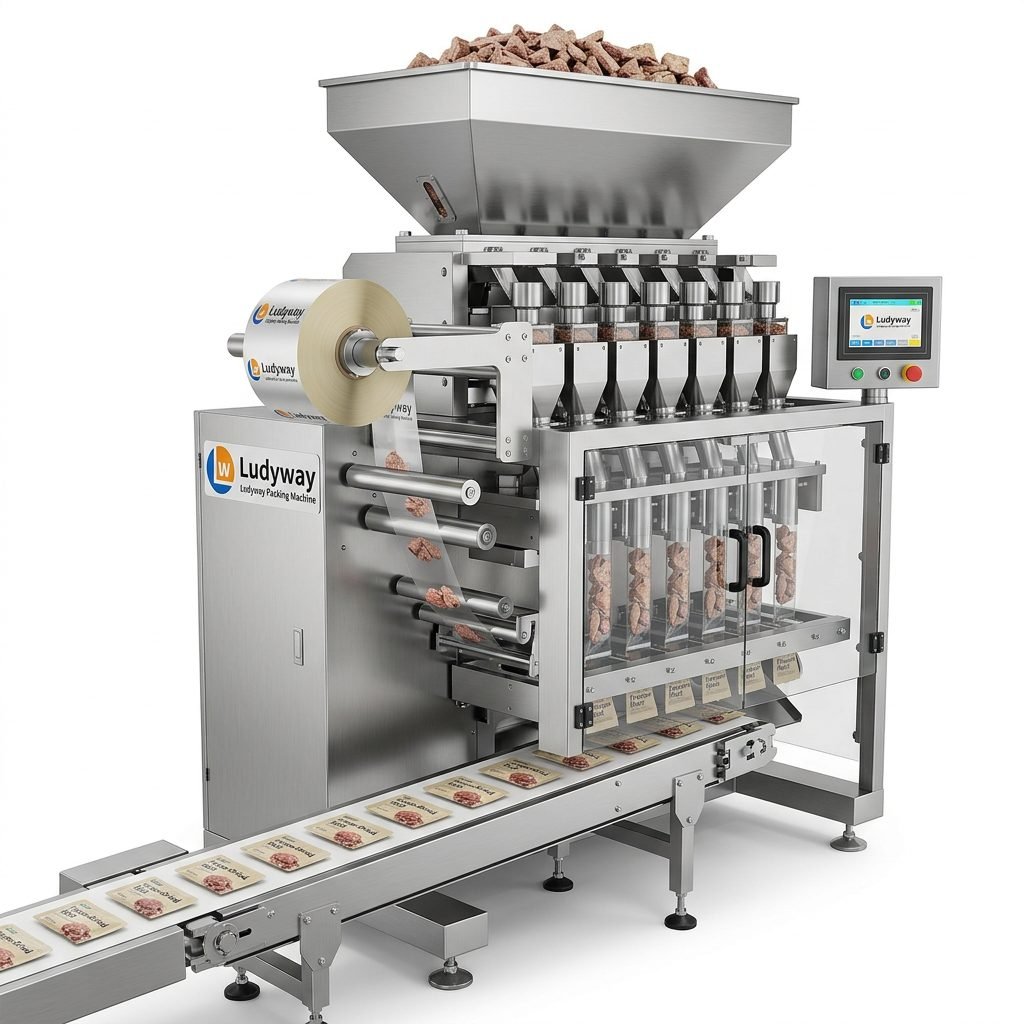
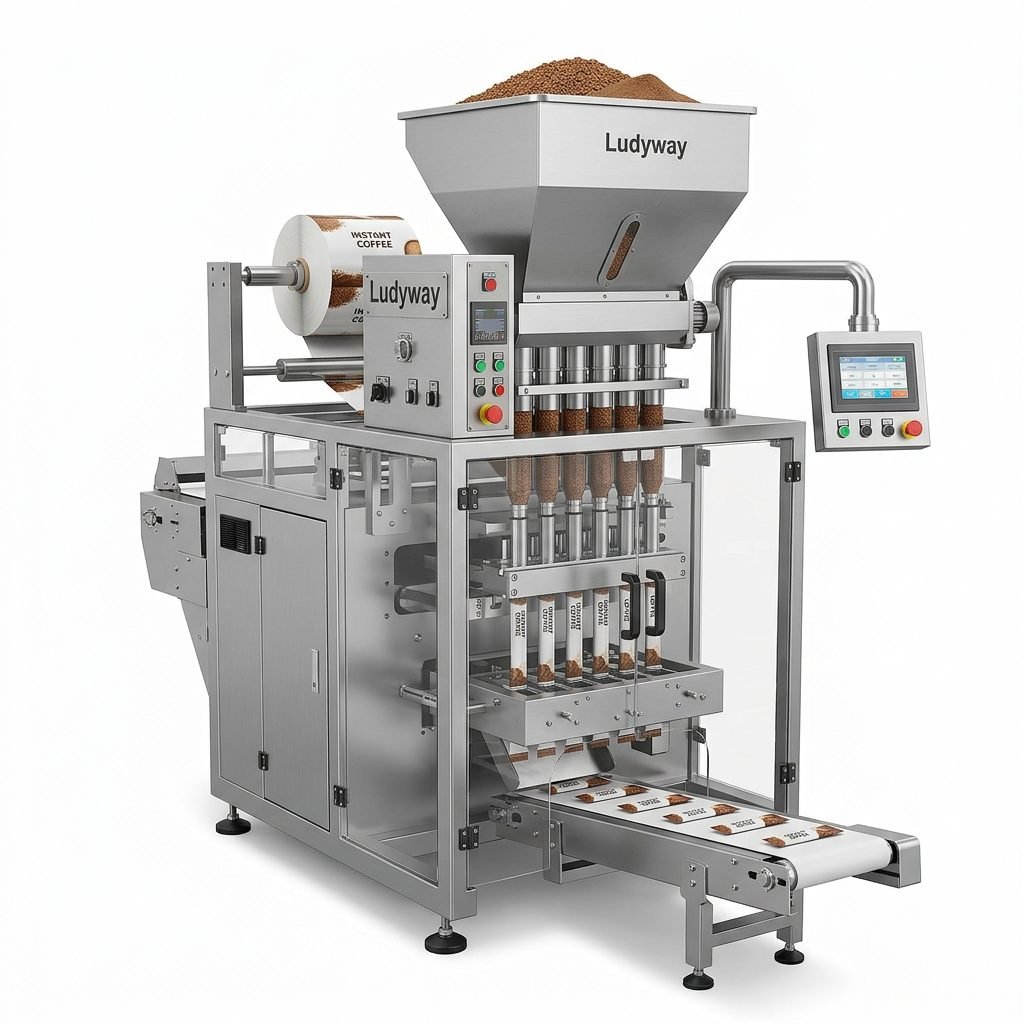
| Multi-lane stick pack machines | Coffee, sugar, protein powder, drink mix, seasoning | High output, compact format, precise dosing |
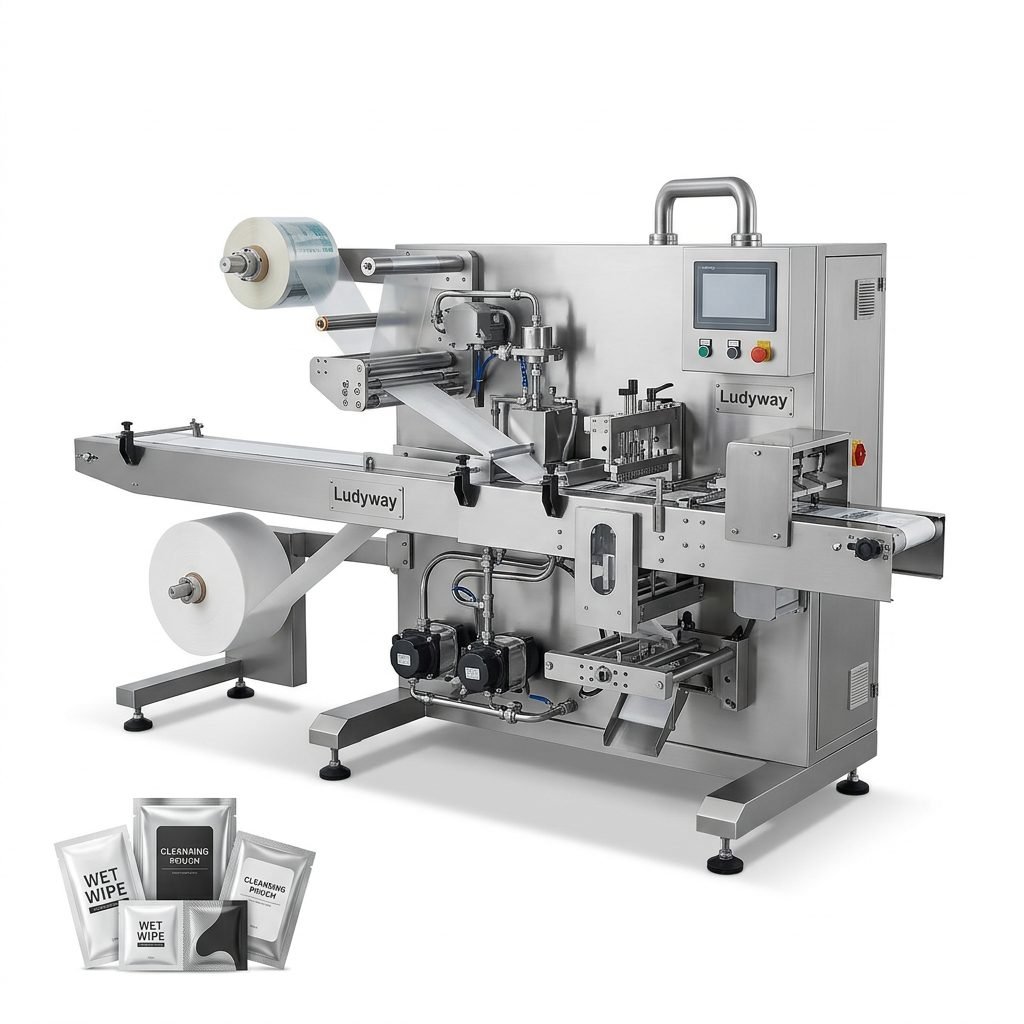
| Sachet packing machines | Sauces, powders, condiments, instant beverages | Flexible pack style, fast changeover, sealed freshness |
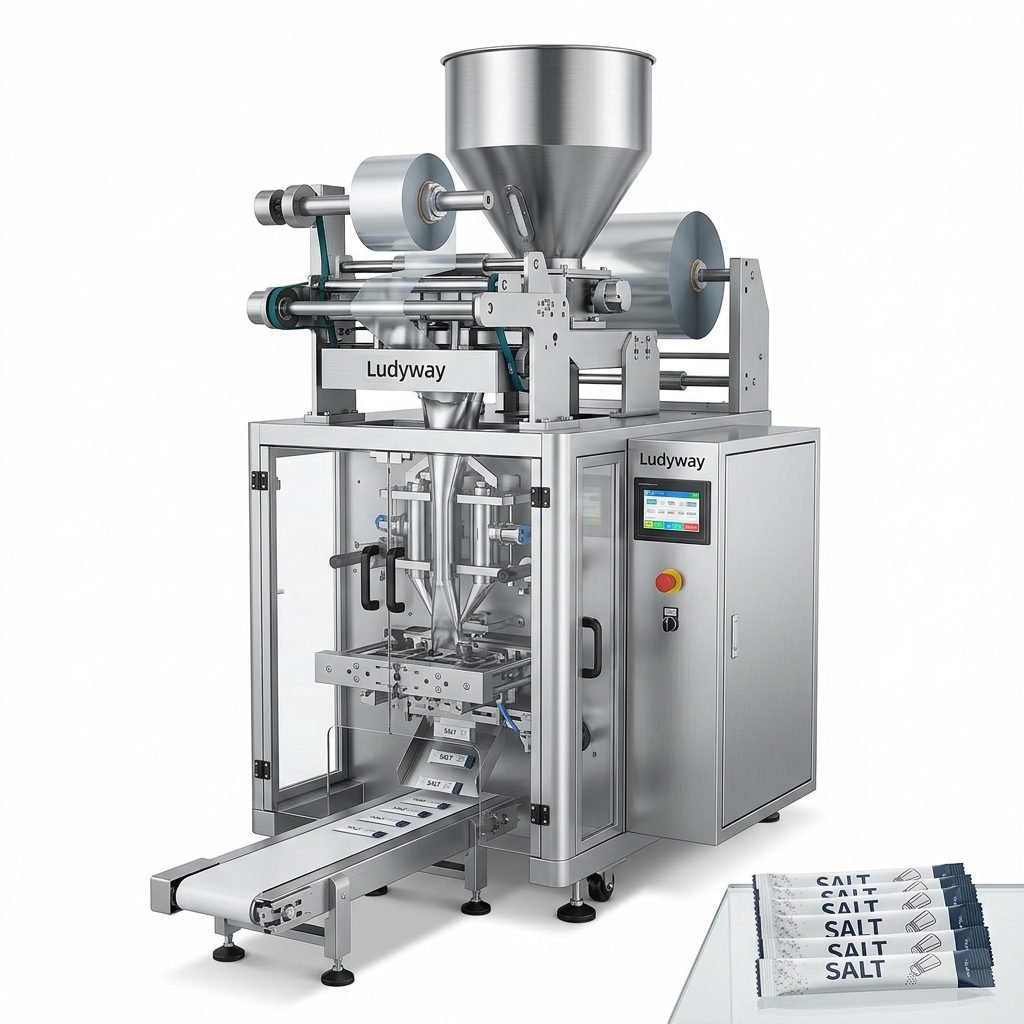
| Vertical form fill seal systems | Snacks, grains, frozen food, nuts, pet food | Efficient bag making, versatile bag sizes |
| Liquid and paste filling machines | Honey, ketchup, sauces, oils, dairy liquids | Clean filling, reduced leakage, stable sealing |
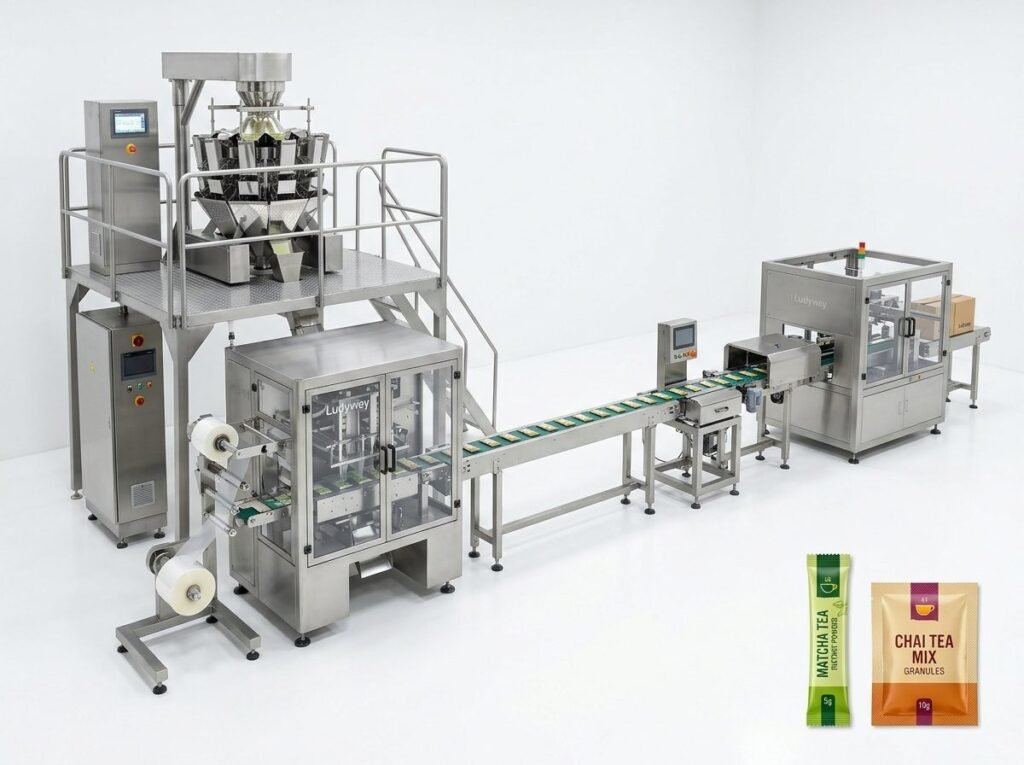
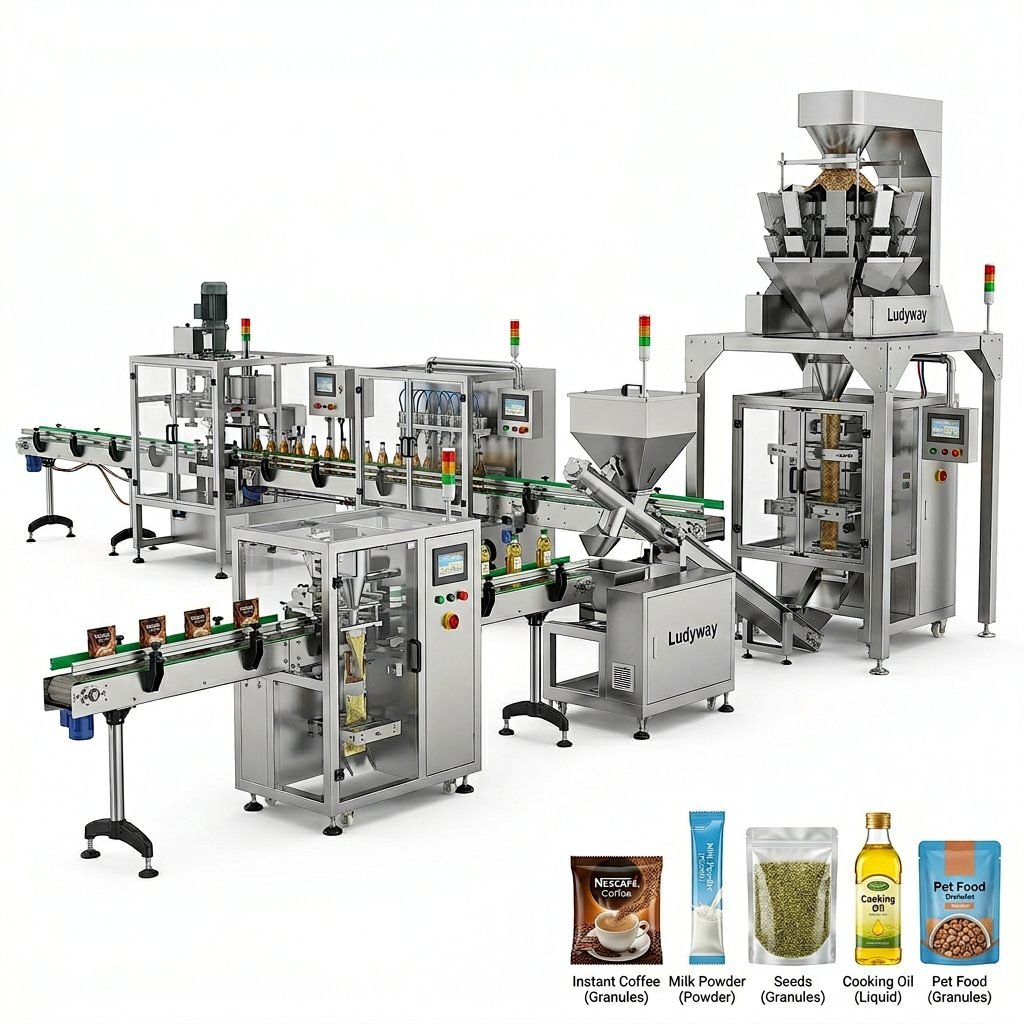
| Turnkey packaging lines | Integrated food production and final packing | End-to-end automation, reduced downtime, easier management |
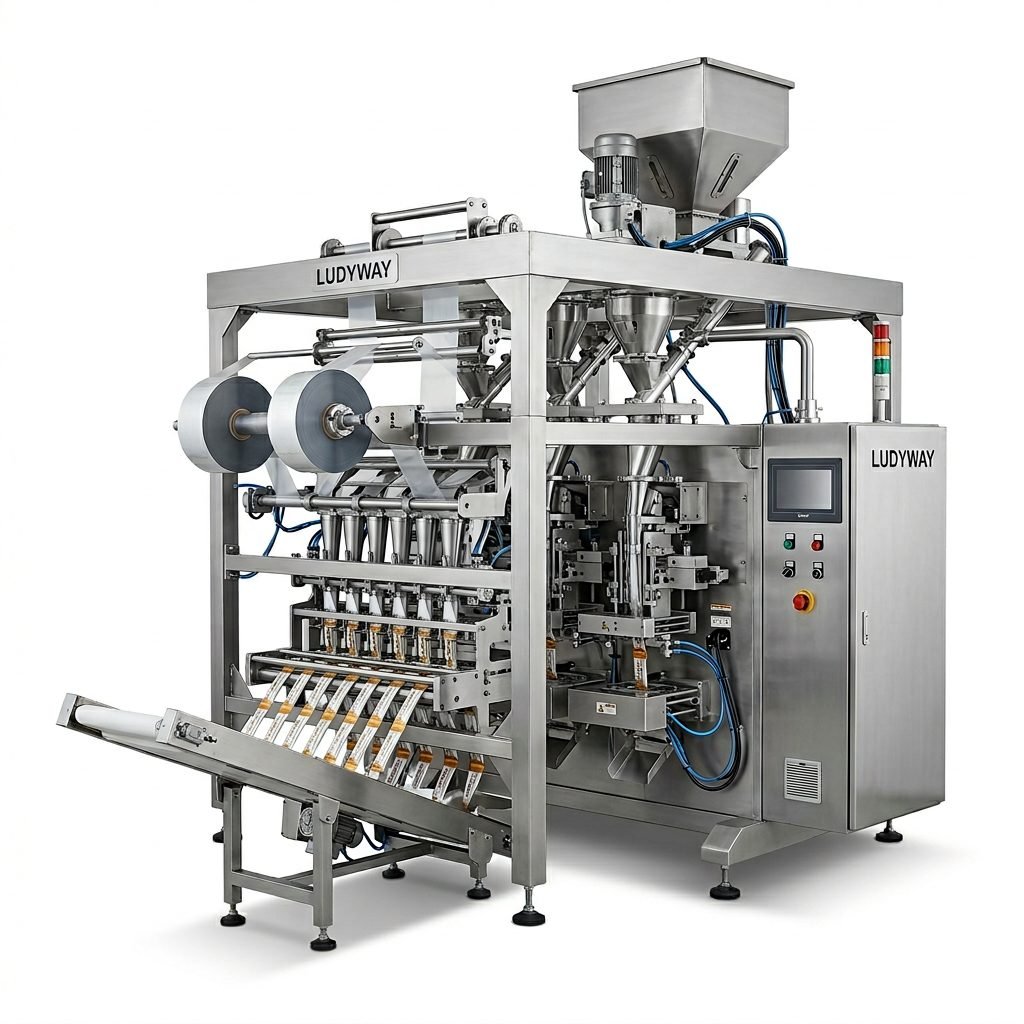
1. Multi-Lane Stick Pack Machines
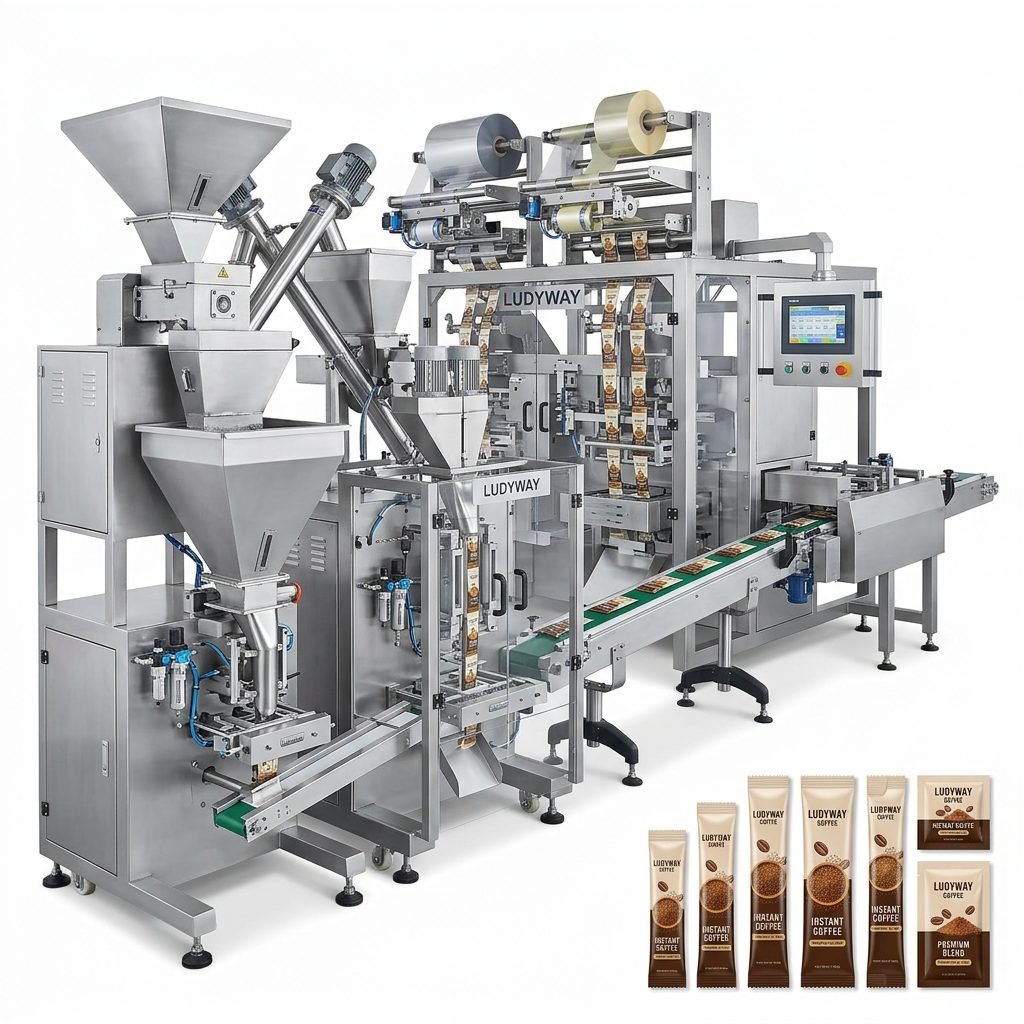
For food producers requiring high-volume single-dose packaging, multi-lane stick pack systems are one of the most efficient options. These machines allow several lanes to run simultaneously, dramatically increasing output while maintaining consistent fill weight.
They are especially suitable for:
- Instant coffee and tea powder
- Electrolyte drink mix
- Sugar and sweetener
- Protein powder and nutritional supplements
- Soup mix and seasoning powder
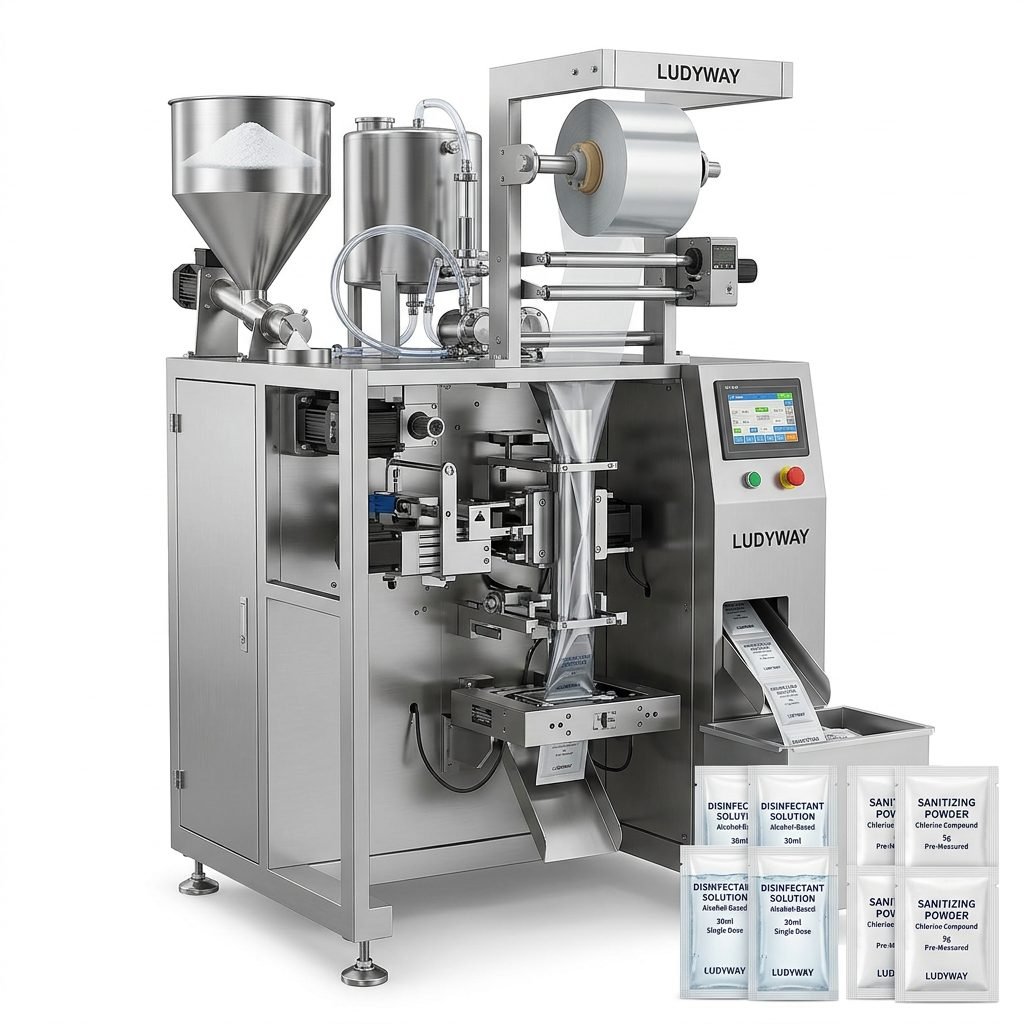
2. Sachet Packing Machines for Flexible Food Formats
Sachet packaging remains highly popular for retail, travel-size, and promotional food products. It provides strong convenience for consumers and supports portion control for foodservice or e-commerce sales.
Sachet systems can handle:
- Powders and granules
- Liquids and sauces
- Pastes and semi-viscous products
- Small trial packs and premium sample formats
3. Vertical Packaging Systems for Bulk and Retail Food Bags
Vertical packaging machines are commonly used for food items such as rice, beans, cereal, chips, nuts, frozen ingredients, and snack products. Combined with accurate weighing systems, they deliver strong performance for both small retail bags and larger bulk packs.
Important advantages include:
- Fast bag forming and sealing
- Compatibility with pillow bags, gusset bags, and more
- Efficient footprint for factory layouts
- Compatibility with nitrogen flushing and date coding
4. Liquid and Paste Filling for High-Speed Food Lines
Products such as ketchup, mayonnaise, syrup, edible oils, honey, sauces, and beverage concentrates demand specialized liquid packaging solutions. The machine must fill accurately while preventing dripping, contamination, and seal failure.
A well-designed liquid food packaging system typically includes:
- Sanitary product tank and transfer system
- Temperature or viscosity control when needed
- Precise volumetric or piston filling
- Reliable sealing and leak prevention
- Batch coding and final inspection
Features That Define a High-Speed Food Packaging Line
Not every fast machine creates a truly efficient production line. Speed alone is not enough. The best food packaging solutions combine performance with process stability.
| Feature | Why It Matters |
|---|---|
| Accurate dosing | Reduces giveaway, improves consistency, protects margins |
| Stable sealing | Prevents leakage, spoilage, and product returns |
| Quick changeover | Supports multiple SKUs and shorter production runs |
| Hygienic design | Improves food safety and cleaning efficiency |
| Automation integration | Links filling, inspection, cartoning, and palletizing |
| Reliable controls | Minimizes downtime and simplifies operation |
How to Choose the Right Food Packaging Machine
The ideal machine depends on your production goals and product behavior. Before investing, food manufacturers should assess both current and future needs.
Key questions to ask:
- What is the product type: powder, granule, liquid, paste, or mixed?
- What package format is required: sachet, stick pack, pouch, bottle, or bag?
- What is the target output per minute or per shift?
- What level of automation is needed?
- How often will size or SKU changes occur?
- Are there special hygiene or shelf-life requirements?
- Will the machine need to connect with upstream and downstream equipment?
A proper machine selection process helps avoid under-capacity, over-complexity, and costly retrofits later.
Benefits of Turnkey Packaging Line Integration
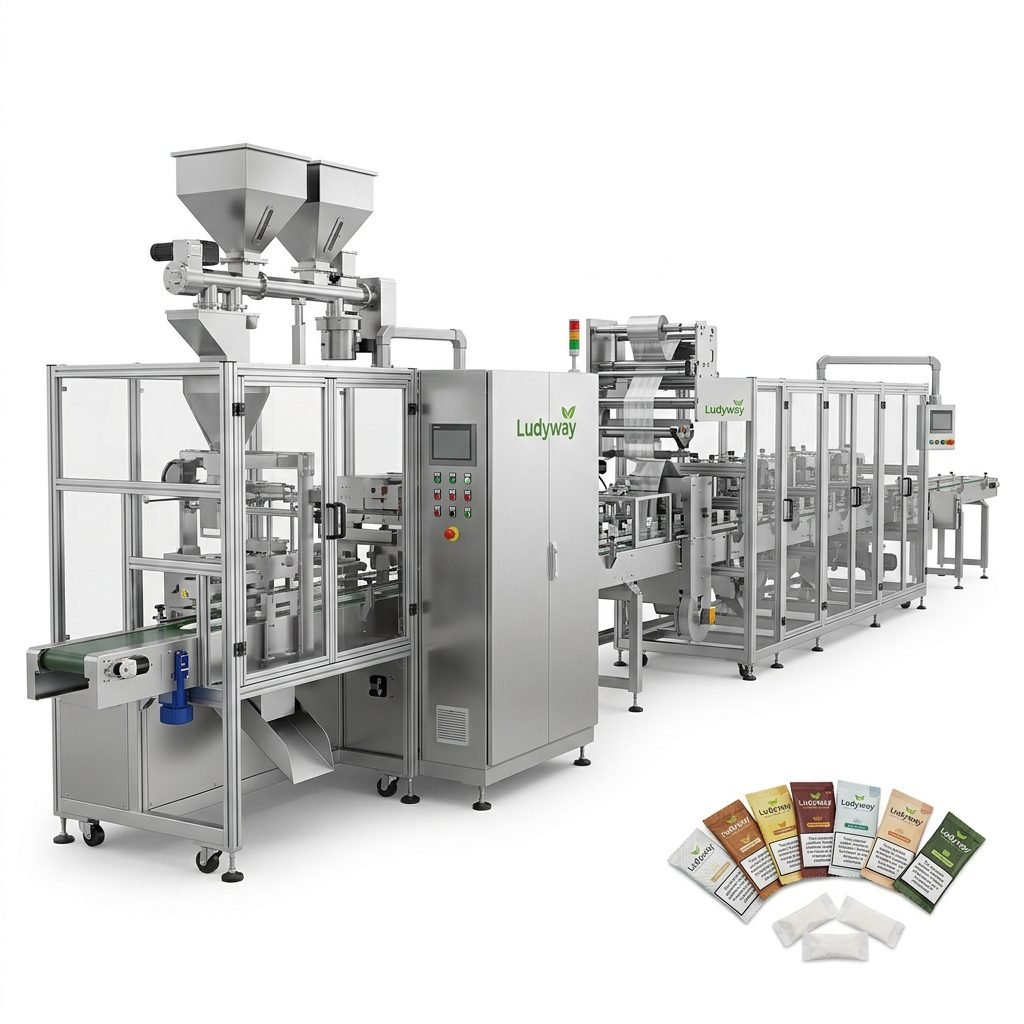
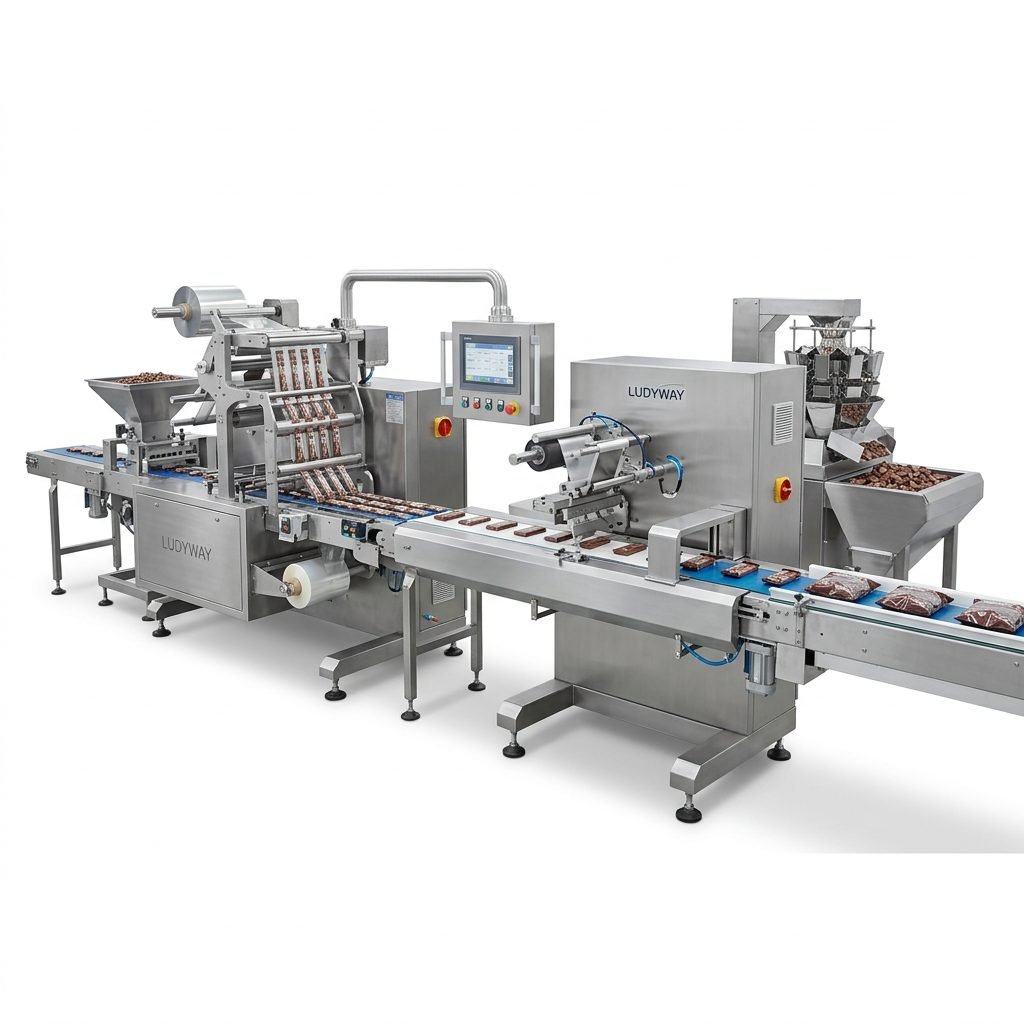
Many growing food manufacturers move beyond standalone machines and adopt turnkey packaging lines. This approach connects all stages into one coordinated system, improving both speed and management efficiency.
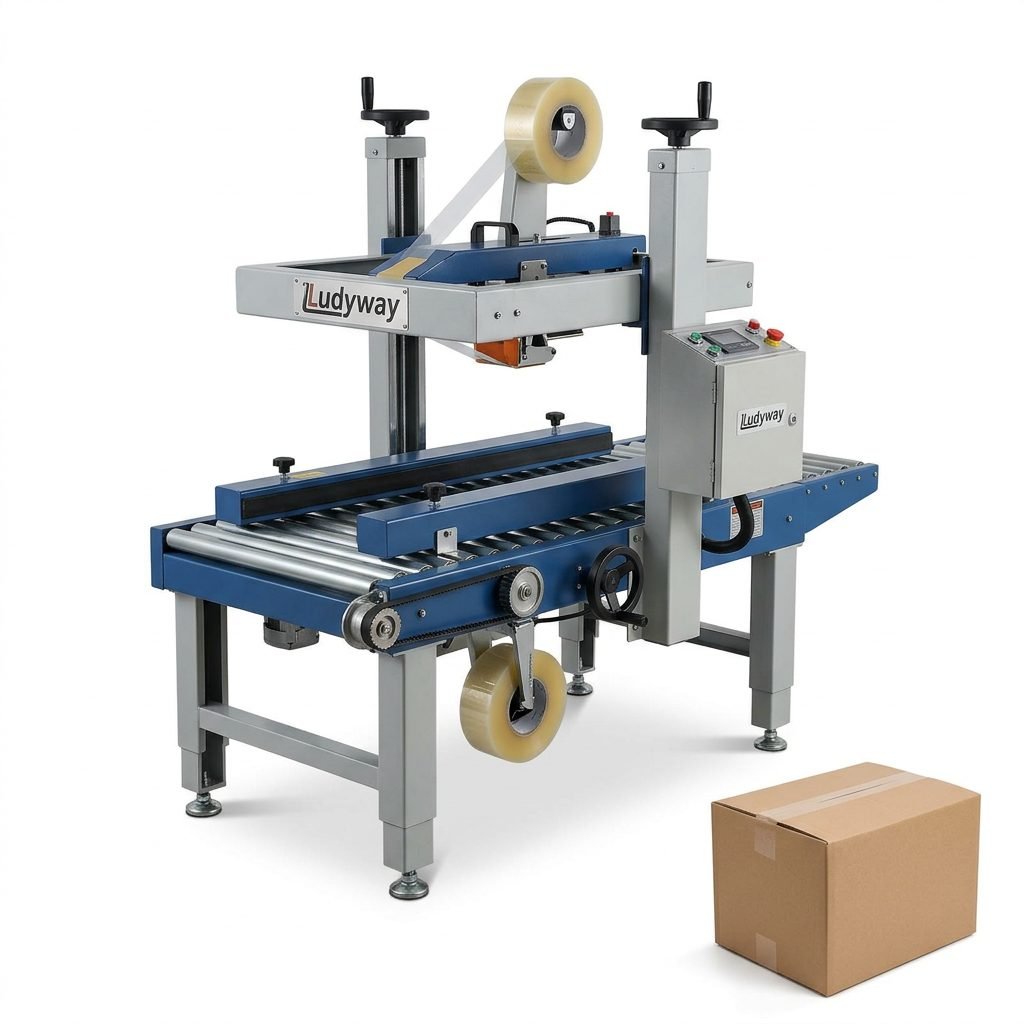
A turnkey line can include feeding, conveying, filling, sealing, coding, checkweighing, metal detection, cartoning, case packing, and palletizing.
- Less manual transfer between stages
- More consistent production rhythm
- Lower error rate and reduced contamination risk
- Better use of floor space
- Centralized control and easier maintenance planning
For food companies with rising volumes, integrated lines support long-term scalability better than disconnected equipment.
Applications Across the Food Industry
Efficient packaging machine solutions serve a broad range of food categories. This flexibility is especially valuable for co-packers and diversified manufacturers.
Common applications include:
- Instant coffee, milk tea, cocoa, and tea powders
- Sugar, salt, sweetener, and seasoning sachets
- Protein powder, collagen powder, and nutrition blends
- Sauces, ketchup, mayonnaise, and honey
- Snack foods, nuts, cereals, and dried fruit
- Frozen foods and ready-to-cook ingredients
- Pet food and functional food products
What Buyers Should Look for in a Packaging Machine Manufacturer
Machine quality is important, but so is engineering capability. Food businesses should evaluate suppliers based on experience, customization ability, service response, and complete line integration knowledge.
A strong manufacturing partner should offer:
- Deep application knowledge across food product types
- Customization for pack format, speed, and factory layout
- Stable quality control and structured assembly processes
- Export experience and global support capability
- Solutions for both standalone equipment and complete lines
For businesses looking for scalable automation, Ludyway packaging machine solutions are backed by more than 30 years of manufacturing experience, a modern factory of over 20,000 square meters, and broad expertise in food, pharmaceutical, and health-related packaging applications.
Conclusion: Build Faster, Smarter, and More Reliable Food Packing Operations
Efficient food packing is a direct contributor to higher productivity, stronger product consistency, and better profitability. Whether you need a single high-speed sachet machine or a fully integrated turnkey packaging line, the right solution should match your product, package format, and growth strategy.
By choosing advanced, hygienic, and automation-ready equipment, food manufacturers can improve line speed, reduce downtime, and stay competitive in demanding markets. In high-volume food production, smart packaging investment is not just an operational upgrade—it is a strategic advantage.