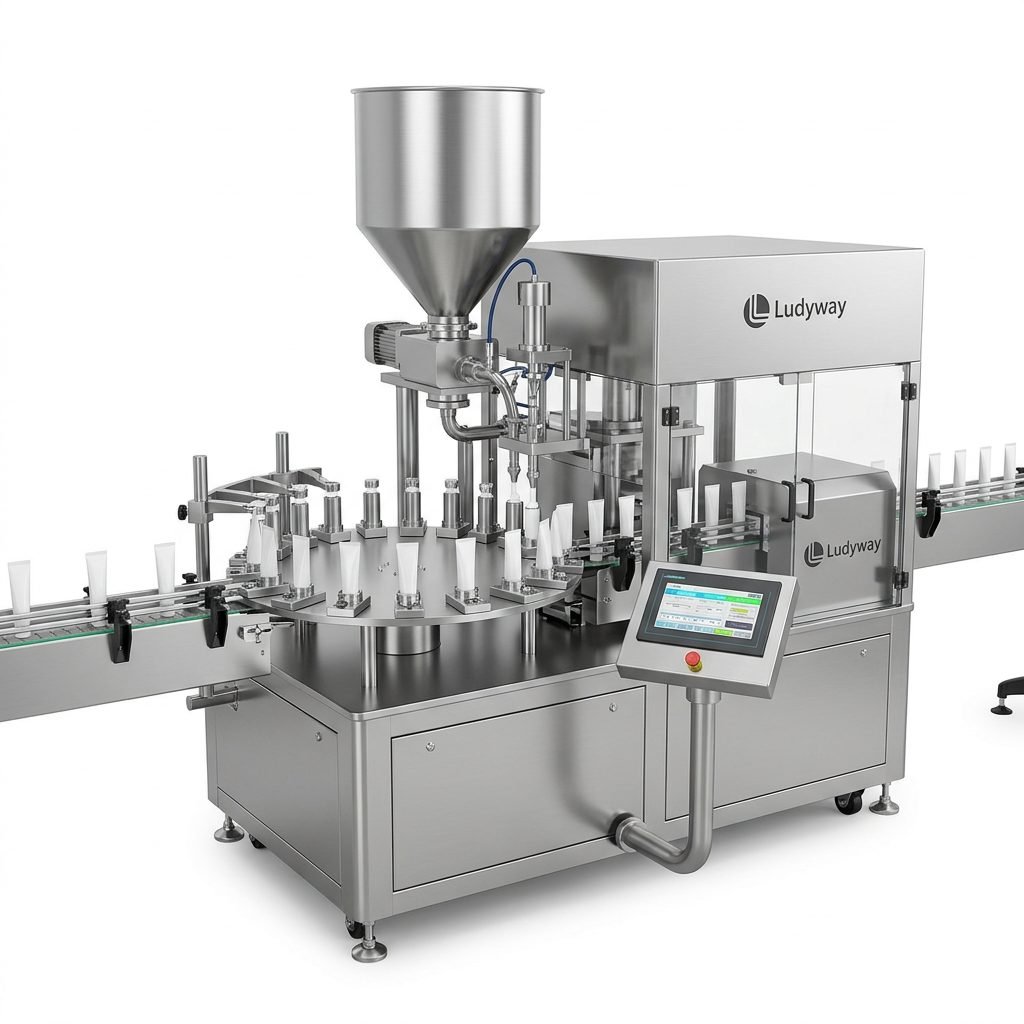
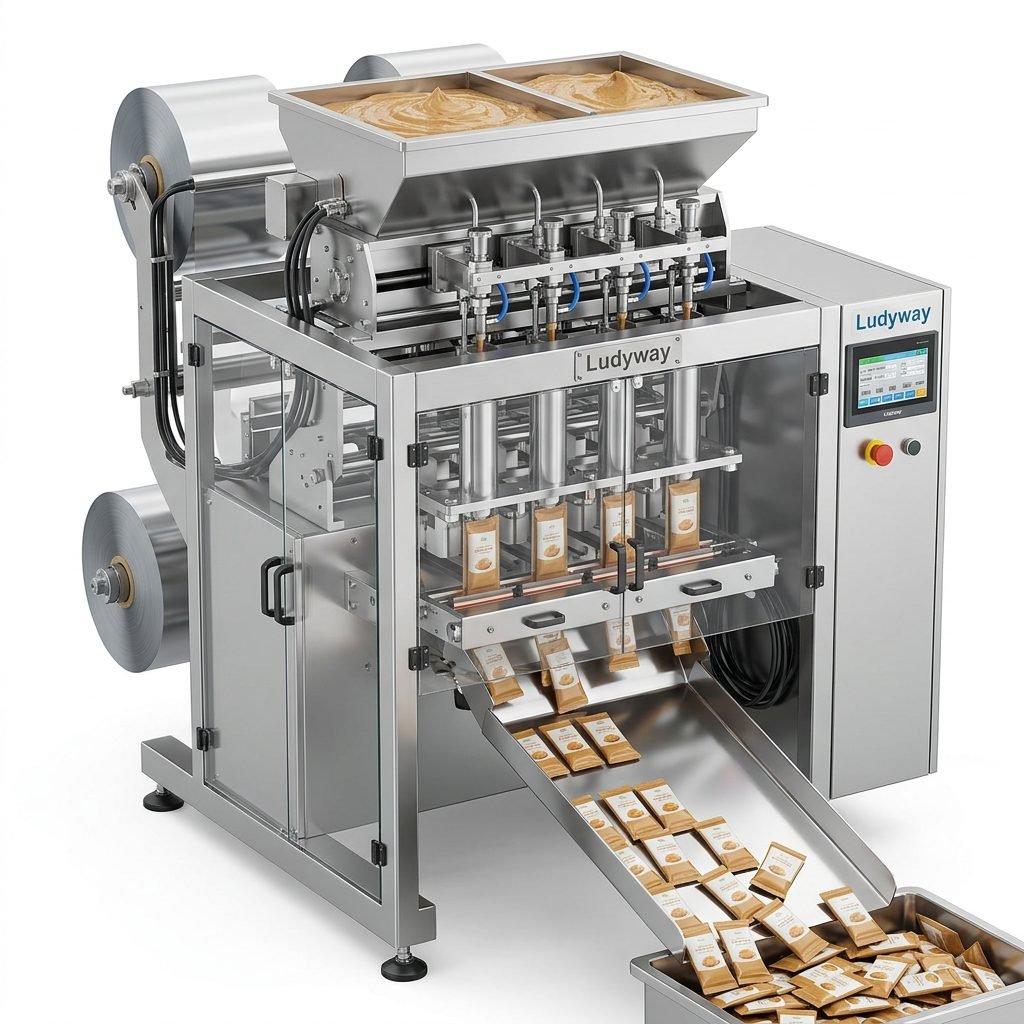
The Southeast Asian confectionery market is experiencing explosive growth. With rising disposable incomes and a youthful demographic driving demand for branded snacks, manufacturers are racing to upgrade their production capabilities. Central to this expansion is the chocolate bar packaging machine, a critical piece of equipment that dictates throughput, product shelf life, and visual appeal on crowded retail shelves.
Selecting the right automated packaging system is not merely a technical decision; it is a strategic business move. Whether you are producing tablet bars, filled chocolates, or wafer-based snacks, the flexibility and hygiene standards of your packaging line will define your market competitiveness in countries like Indonesia, Thailand, Vietnam, and the Philippines.
Understanding the Chocolate Packaging Landscape in Southeast Asia
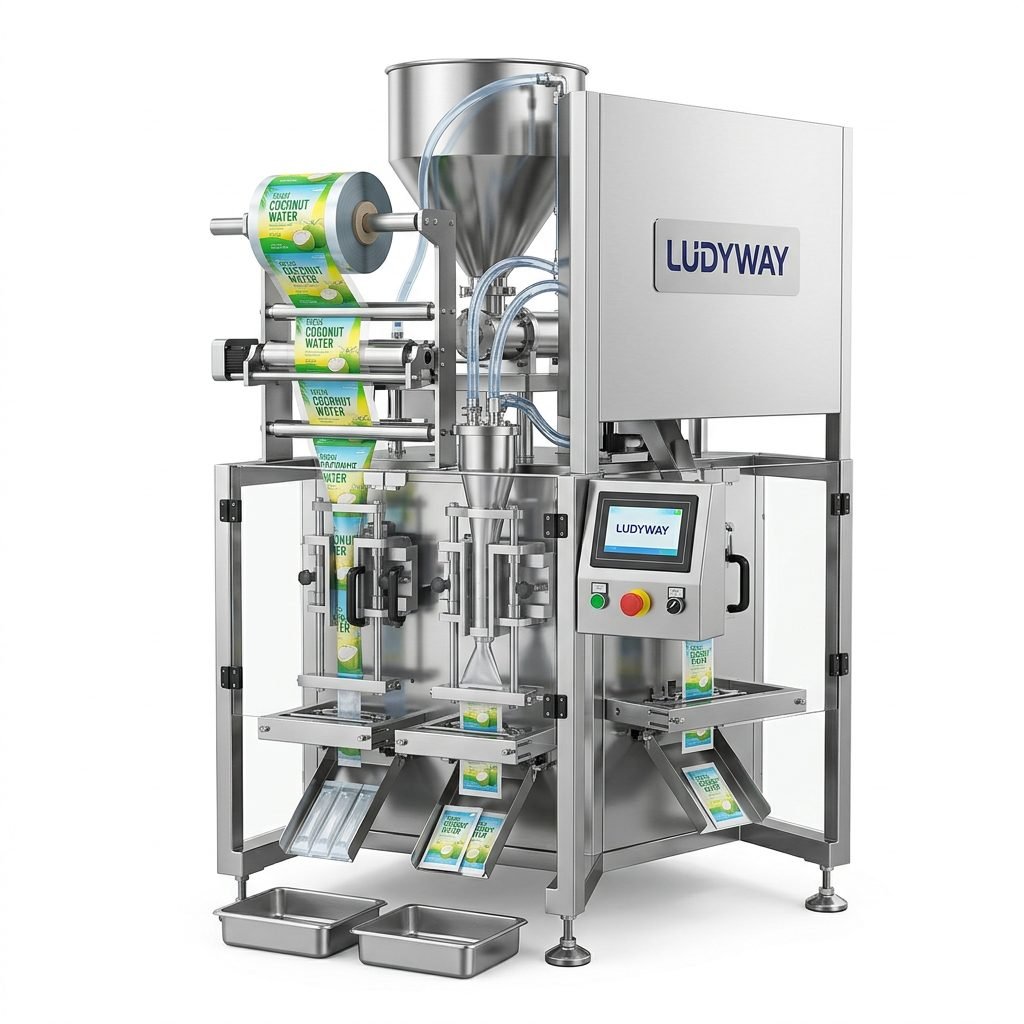
The tropical climate of Southeast Asia presents unique challenges. Humidity and high temperatures are the enemies of chocolate, causing fat bloom and texture degradation. Consequently, a modern chocolate bar packaging machine must go beyond simple wrapping; it must provide a hermetic seal. Manufacturers are increasingly turning to vertical form fill seal (VFFS) and flow wrapping technologies that integrate inert gas flushing to displace oxygen, drastically extending shelf life without cold chain logistics.
Furthermore, the region’s diverse snacking habits mean machinery must handle frequent format changes. A single line might need to switch between 50g impulse-buy bars and 150g family-size tablets within hours. This demands servo-driven automation with minimal changeover times.
Key Types of Chocolate Bar Packaging Machinery
Depending on your product consistency and desired output, several machine configurations dominate the industry. The choice between these systems impacts your operational efficiency and packaging aesthetics.
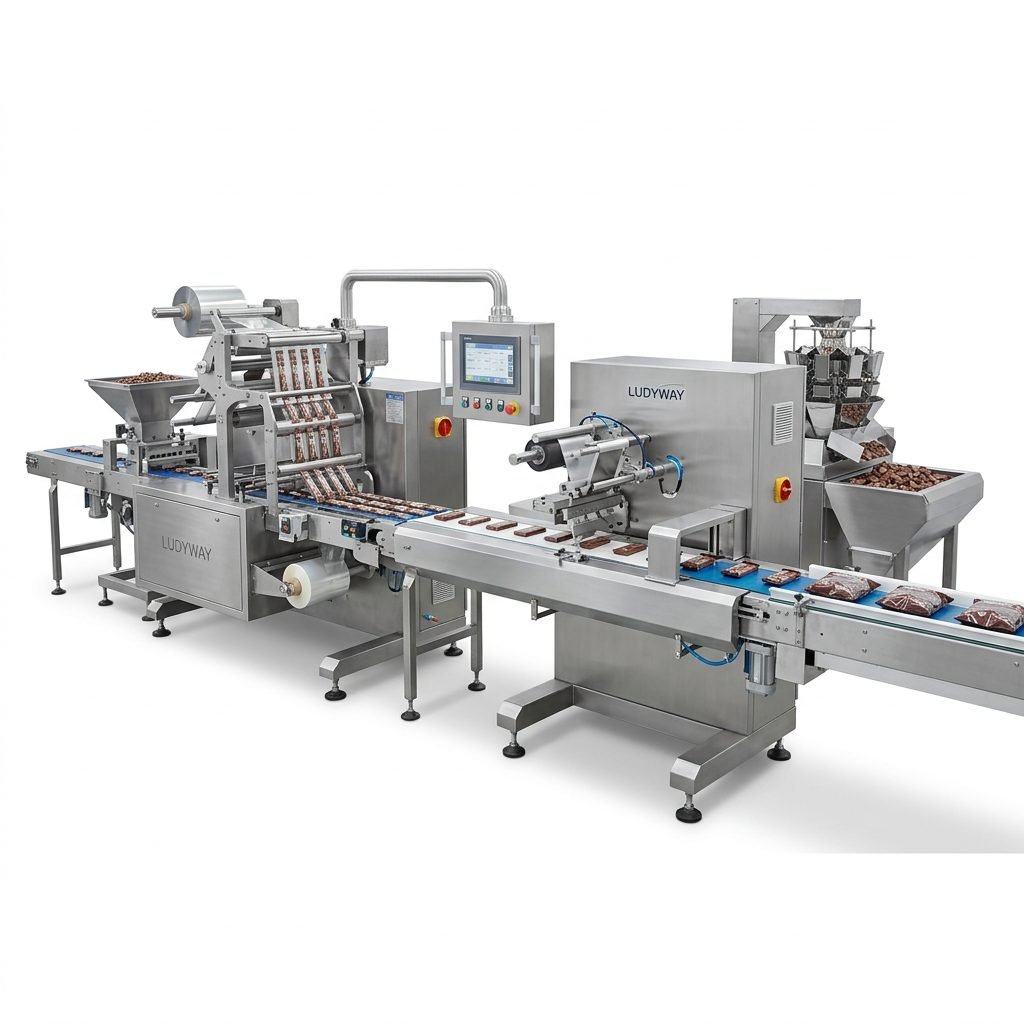
- High-Speed Flow Wrappers: Ideal for solid molded bars. These machines create a tight, sealed film envelope around the product, often using cold-seal or heat-seal materials to protect delicate chocolate surfaces.
- Pillow Pack Machines: A popular and cost-effective solution for standard tablet bars. They provide excellent end-seal integrity and are compatible with metallized films that offer superior light and moisture barriers.
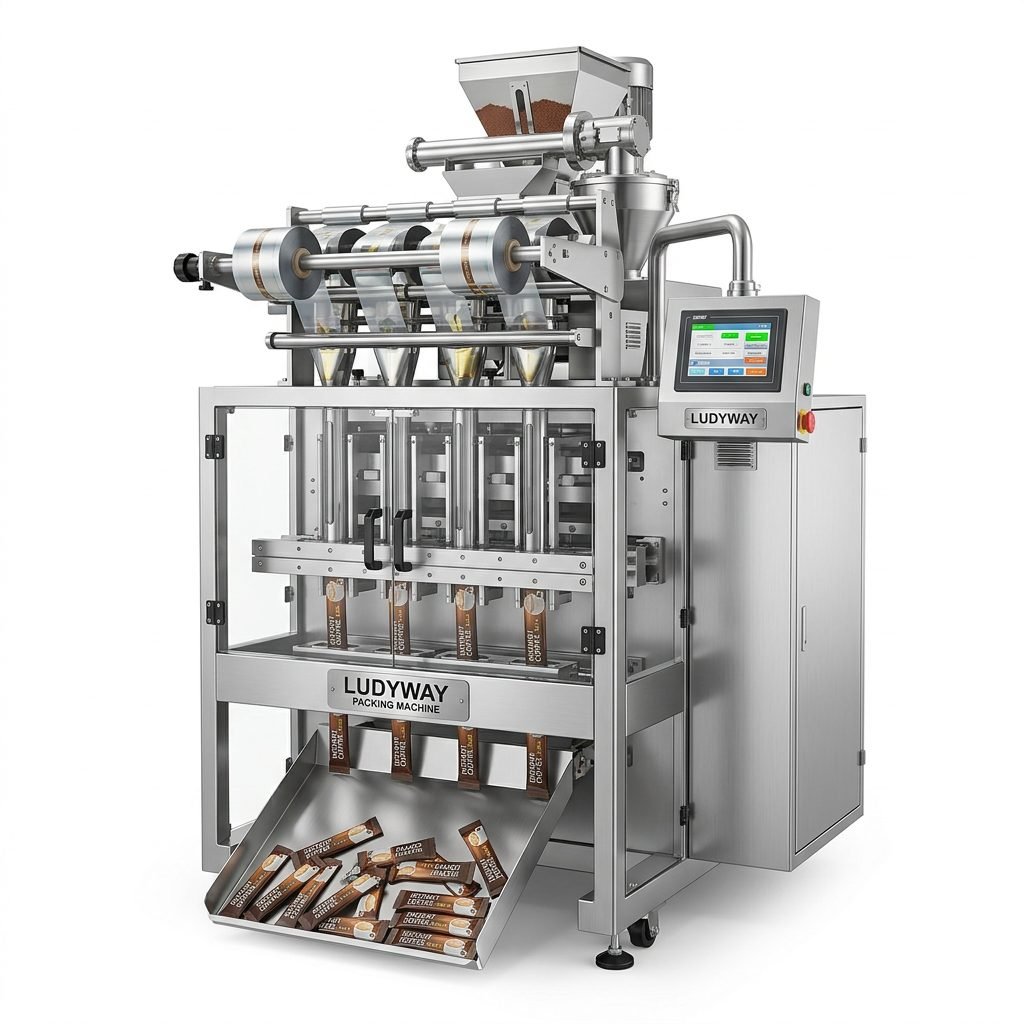
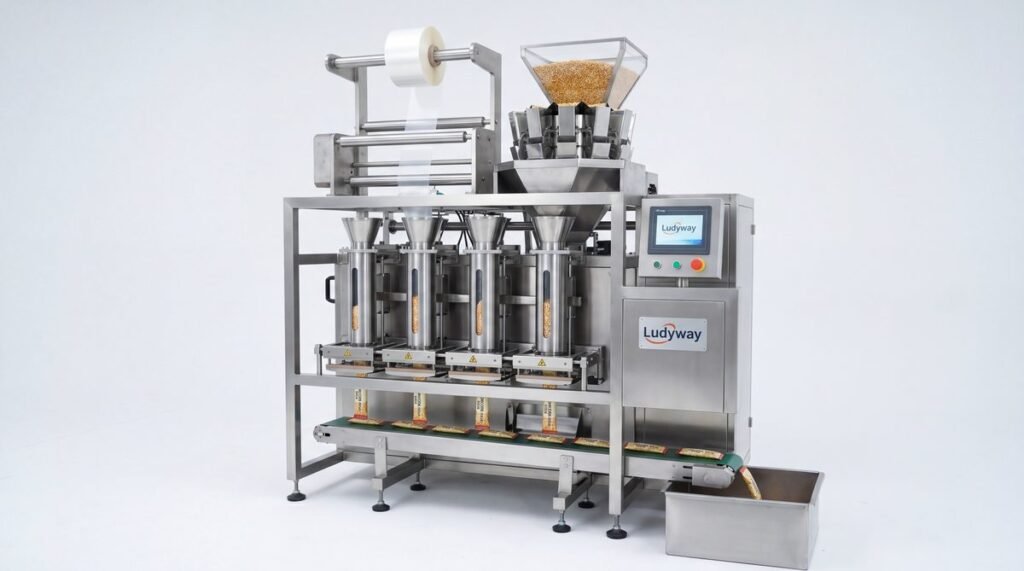
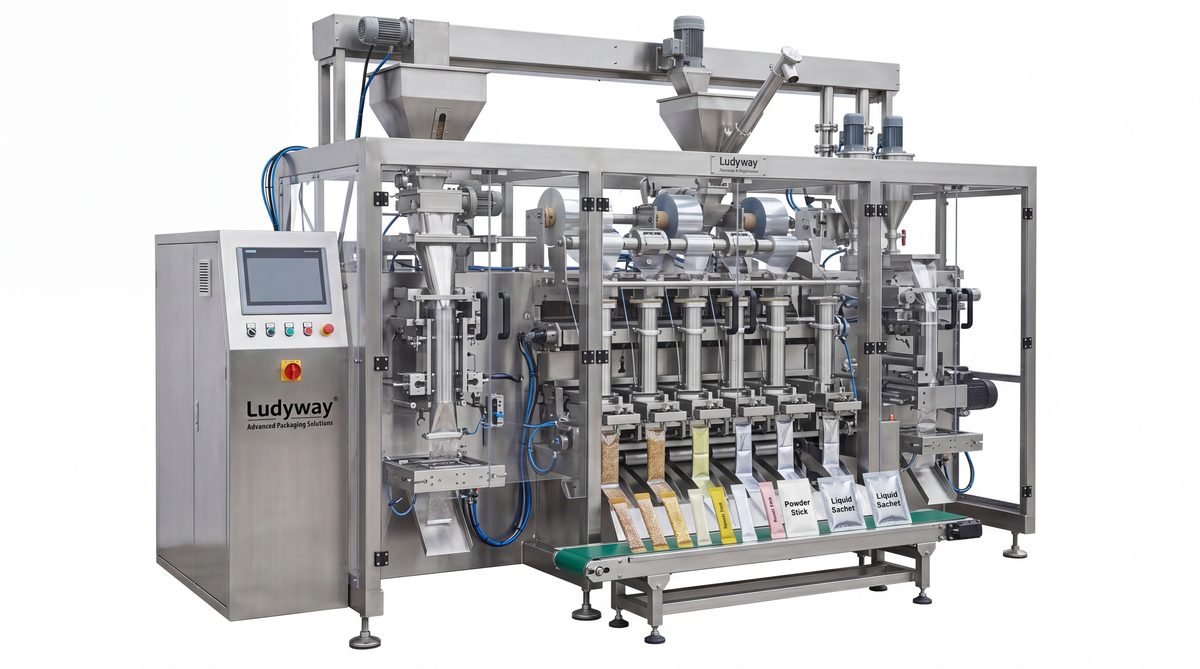
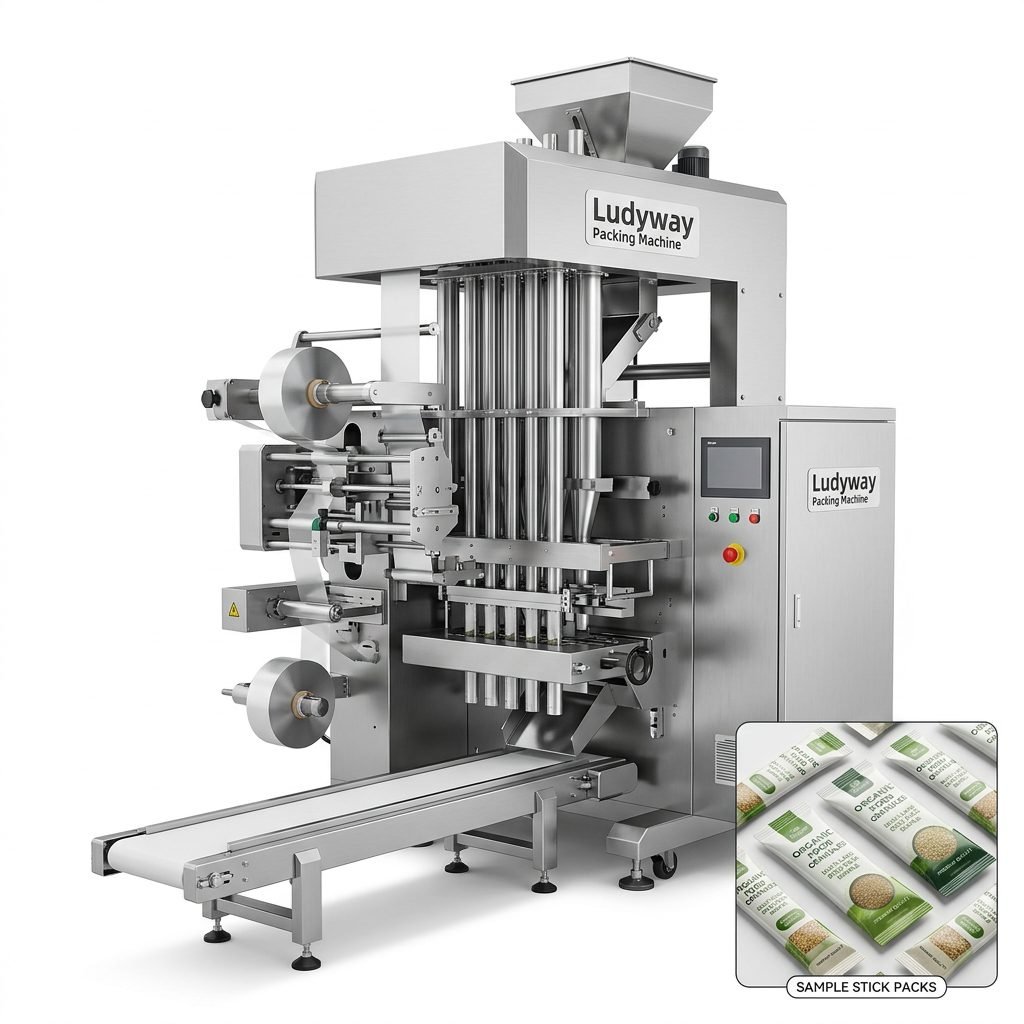
- Multi-Lane Stick Pack Machines: Perfect for bite-sized chocolate pieces, mini bars, or chocolate-covered nuts. These systems offer massive throughput, with some lines running 12+ lanes simultaneously.
- Fold Wrap and Envelope Systems: Often utilized for premium or luxury chocolate segments, these machines replicate a hand-finished look using aluminum foil and paper outer wraps.
Critical Features to Evaluate Before Buying
Investing in packaging machinery for the ASEAN market requires a focus on durability and precision. Here are the non-negotiable specifications to evaluate:
| Feature | Why It Matters in Southeast Asia |
|---|---|
| Gas Flushing (MAP) | Essential to prevent oxidation in high-heat, high-moisture environments without expensive refrigerated storage. |
| Servo-Driven Motors | Enables precise film tension control and quick recipe changes for different bar sizes, reducing film waste. |
| SS 304 Construction | Corrosion-resistant stainless steel is mandatory for hygiene and longevity, resisting the acidic nature of some chocolate ingredients. |
| Automatic Feeders | Integrates slug feeders or robotic pick-and-place to align irregularly shaped bars perfectly without manual labor. |
Integrating Ancillary Equipment
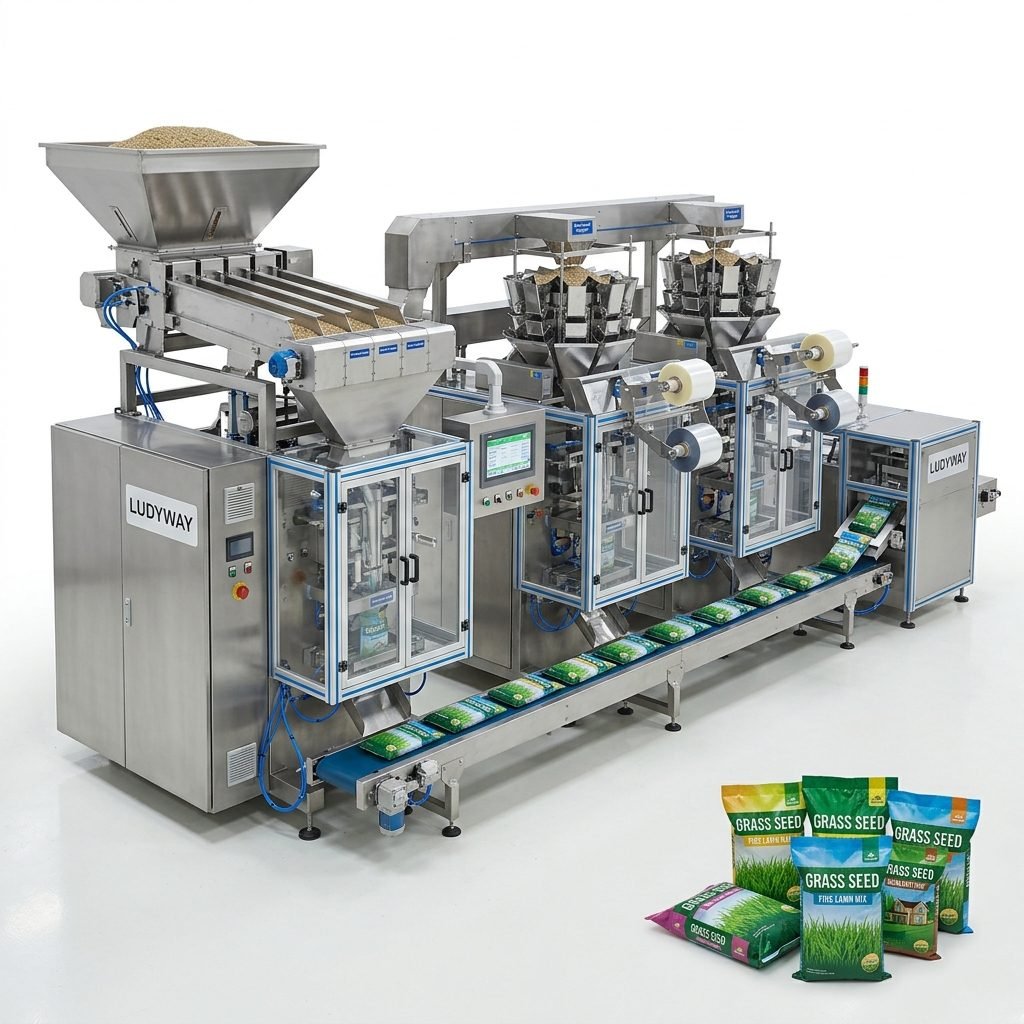
A stand-alone wrapper is rarely sufficient. To build a complete turnkey production line, you must consider upstream and downstream equipment. Automated feeding systems ensure a uniform product flow, while checkweighers guarantee that every bar hitting the shelf meets local regulatory weight standards. Metal detectors are also critical to safeguard brand reputation and consumer safety.
Navigating Import Regulations and Local Support
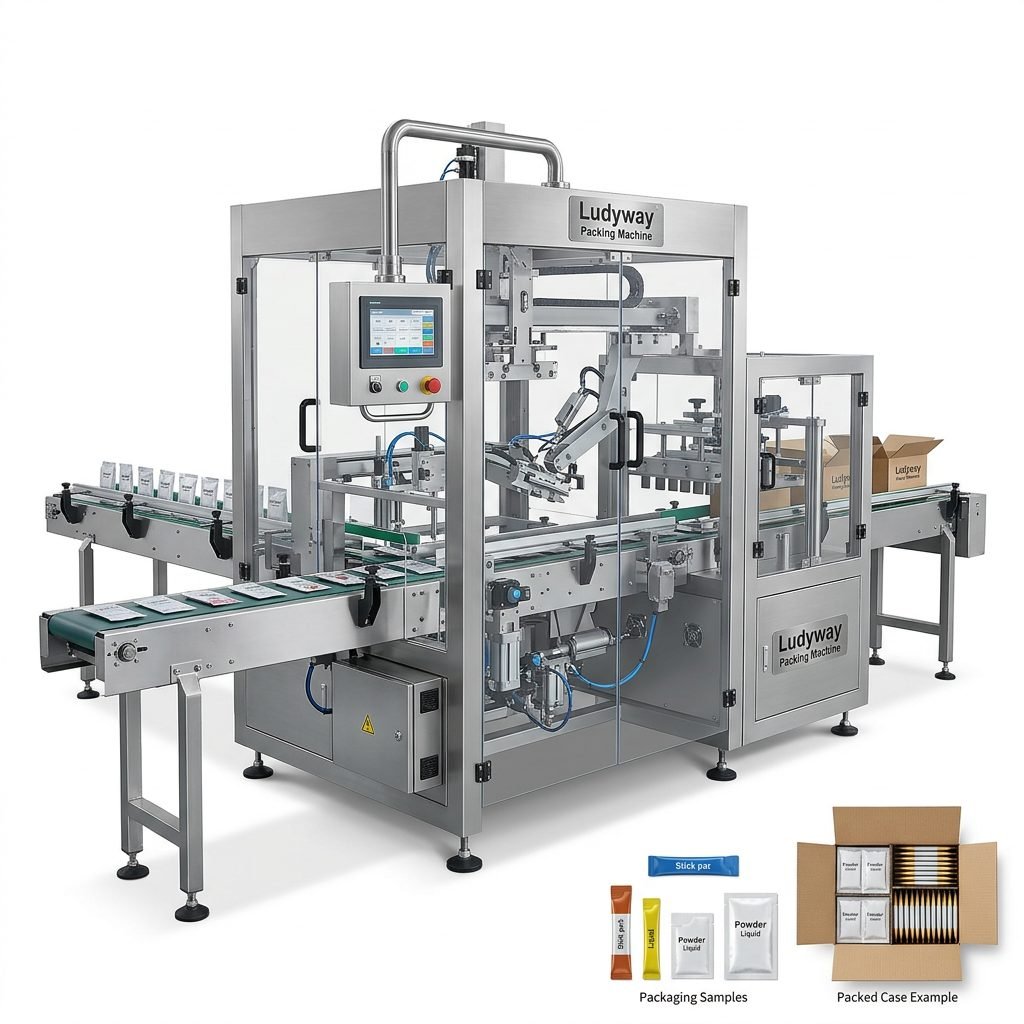
For Southeast Asian buyers importing from global manufacturers, particularly from China’s leading industrial hubs, due diligence is vital. Look for a partner who offers not just hardware, but also localized technical support. Equipment like automatic cartoning machines and case packers must be calibrated to work with locally sourced cardboard and adhesives, which often differ from European or American standards.
Additionally, consider the language barrier. A control interface (HMI) that supports multilingual operation—including Bahasa, Thai, or Vietnamese—significantly reduces operator errors and training time.
Cost Analysis: Beyond the Initial Price Tag
Budgeting for a chocolate bar packaging machine in Southeast Asia involves understanding the total cost of ownership (TCO). While a basic flow wrapper might seem economical, the hidden costs of film waste, downtime, and rejects quickly erode margins.
Key metrics to calculate include:
- Film Waste Percentage: Aim for machines that keep waste below 1.5% during splices and startups.
- Overall Equipment Effectiveness (OEE): World-class lines operate at 85% OEE or higher.
- Changeover Downtime: A modern servo-driven machine should switch between product sizes in under 15 minutes without tools.
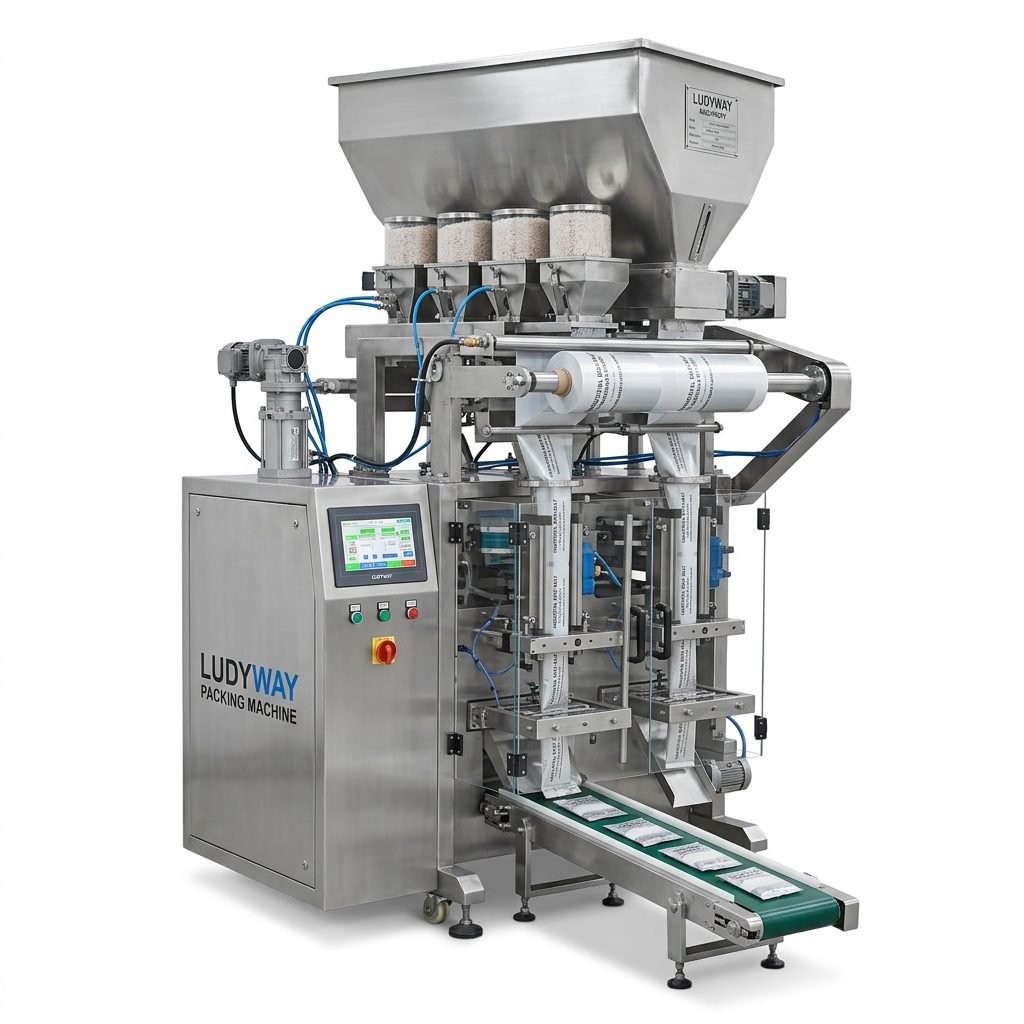
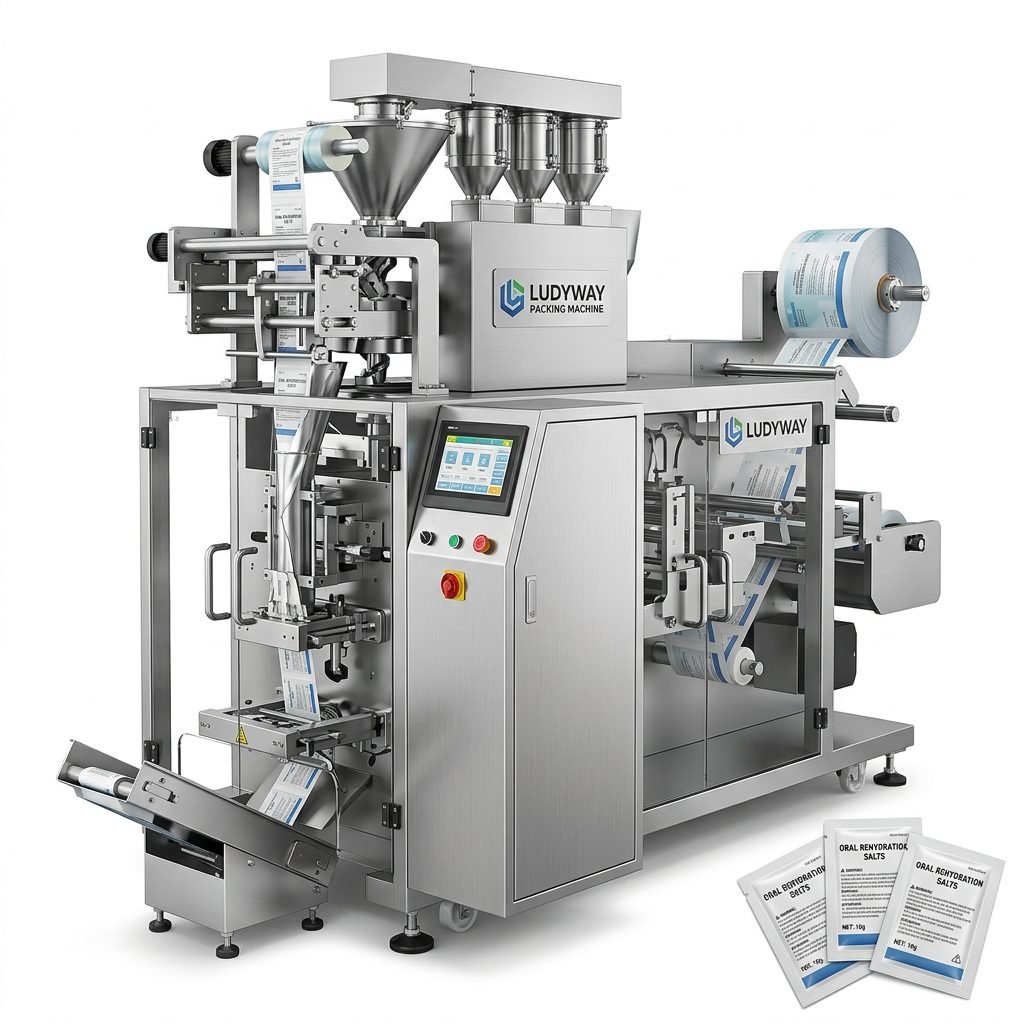
For startups and growing SMEs, exploring versatile models that can package multiple products—such as automatic multi-lane packaging machines for both bars and small sachets—maximizes ROI.
Supplier Selection: Why Expertise Matters
China has emerged as a powerhouse in packaging machinery manufacturing, blending aggressive innovation with cost efficiency. When navigating the procurement landscape, it is beneficial to partner with established firms with a deep engineering pedigree. One such notable manufacturer is Ludyway, one of the largest packaging machine manufacturers in China with over 30 years of industry expertise. With a modern 20,000㎡ manufacturing facility, they offer extensive lines suitable for chocolate and confectionery, backed by global support that bridges the gap between Asian manufacturing and ASEAN operational needs.
Future-Proofing Your Production Line
The Southeast Asian consumer is digitally native. They judge products by their shelf appeal and unboxing experience. Consequently, your machinery should support advanced film materials like matte-metallized BOPP, compostable bio-films, and easy-tear PET structures. Ensure your prospective machine is compatible with these sustainable substrates, as environmental legislation in the region is tightening, mirroring global trends.
Implementing IoT capabilities is another growing requirement. Machines that log data on seal temperature, speed, and reject rates allow factory managers to optimize performance from their smartphones—a crucial feature for conglomerates managing plants across the archipelago.
Key Takeaways for ASEAN Buyers
Selecting the right packaging technology is the cornerstone of conquering the Southeast Asian chocolate market. Focus on barrier protection against humidity, flexible format handling, and low operational waste. By prioritizing durable, servo-driven machinery and a supplier with proven international after-sales service, you secure not just a machine, but a long-term competitive advantage in a dynamic market.
- Action Step: Prioritize factory acceptance testing (FAT) to see machinery run your specific films and products.
- Action Step: Negotiate comprehensive SD and maintenance training for your local engineering team.
- Action Step: Validate compatibility with integrated conveyor and weighing systems to create a seamless line.