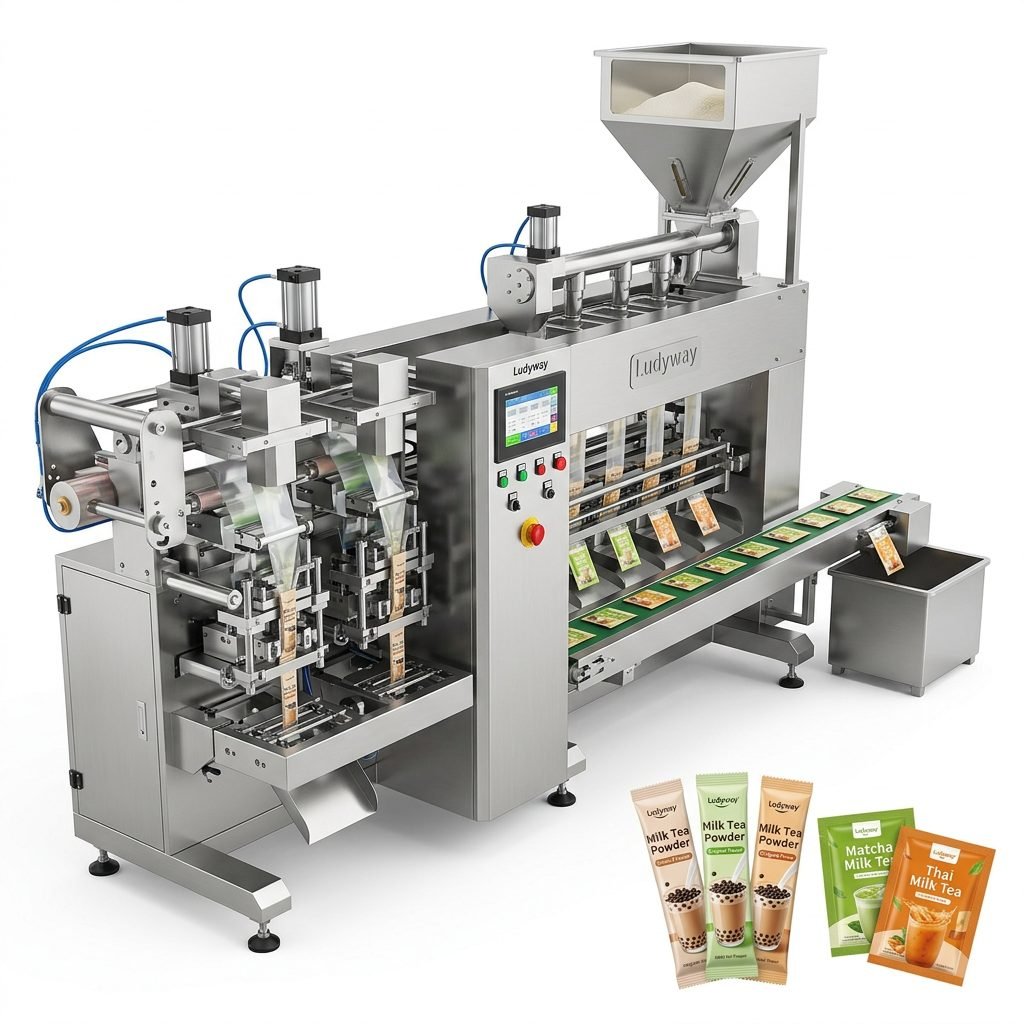
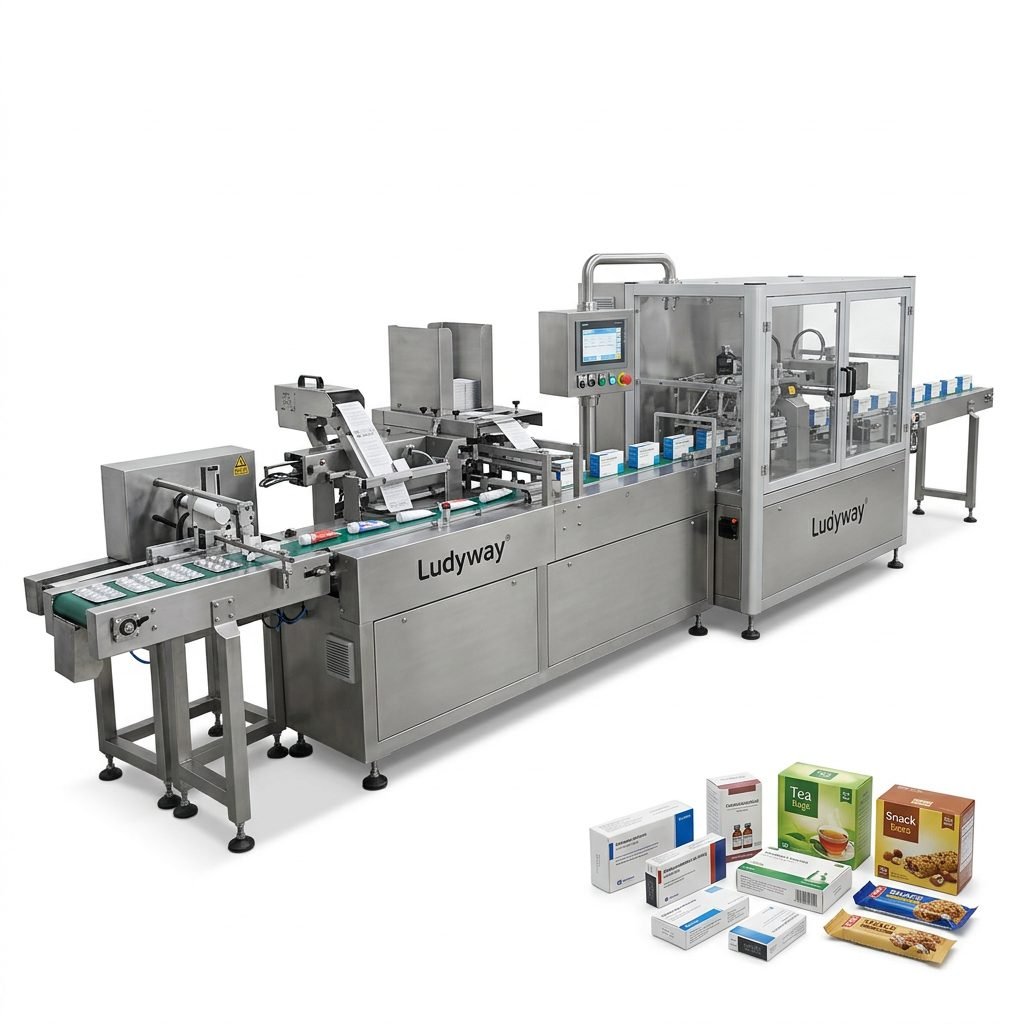
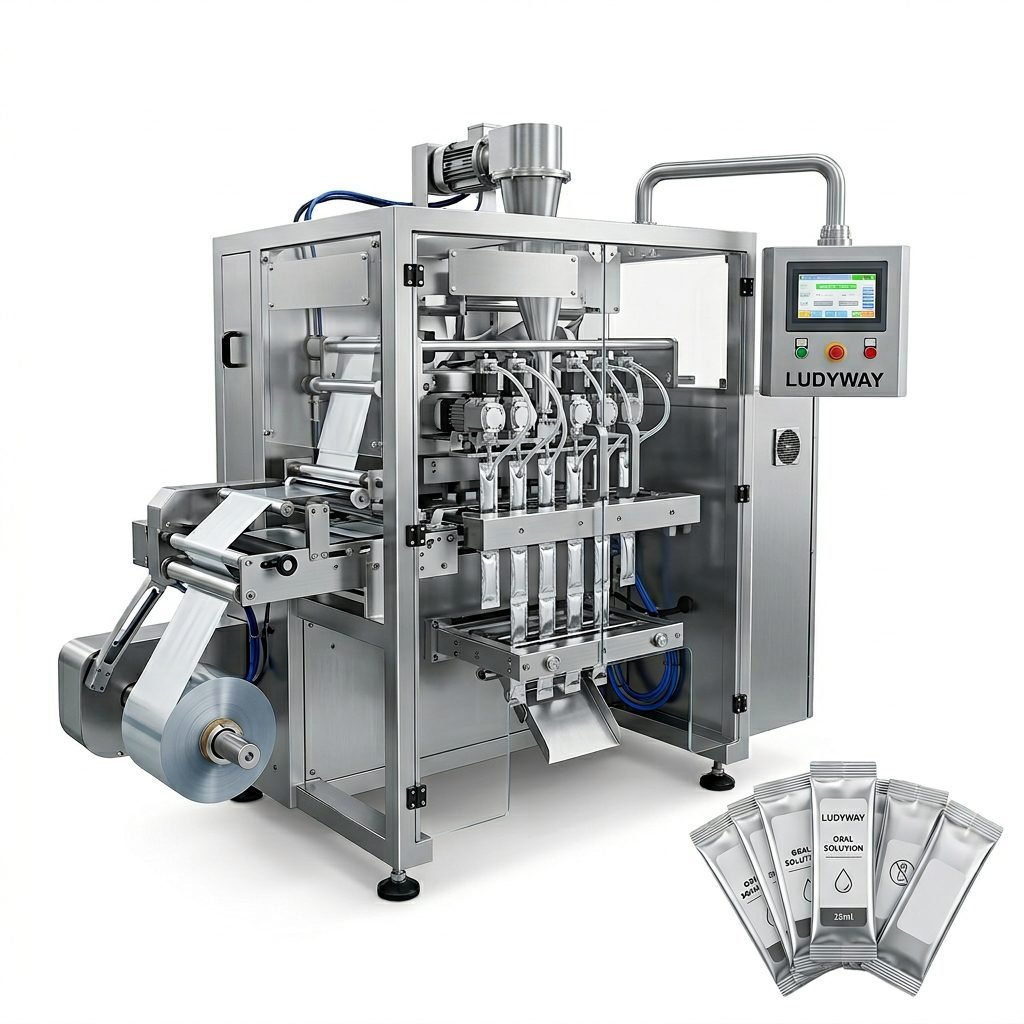
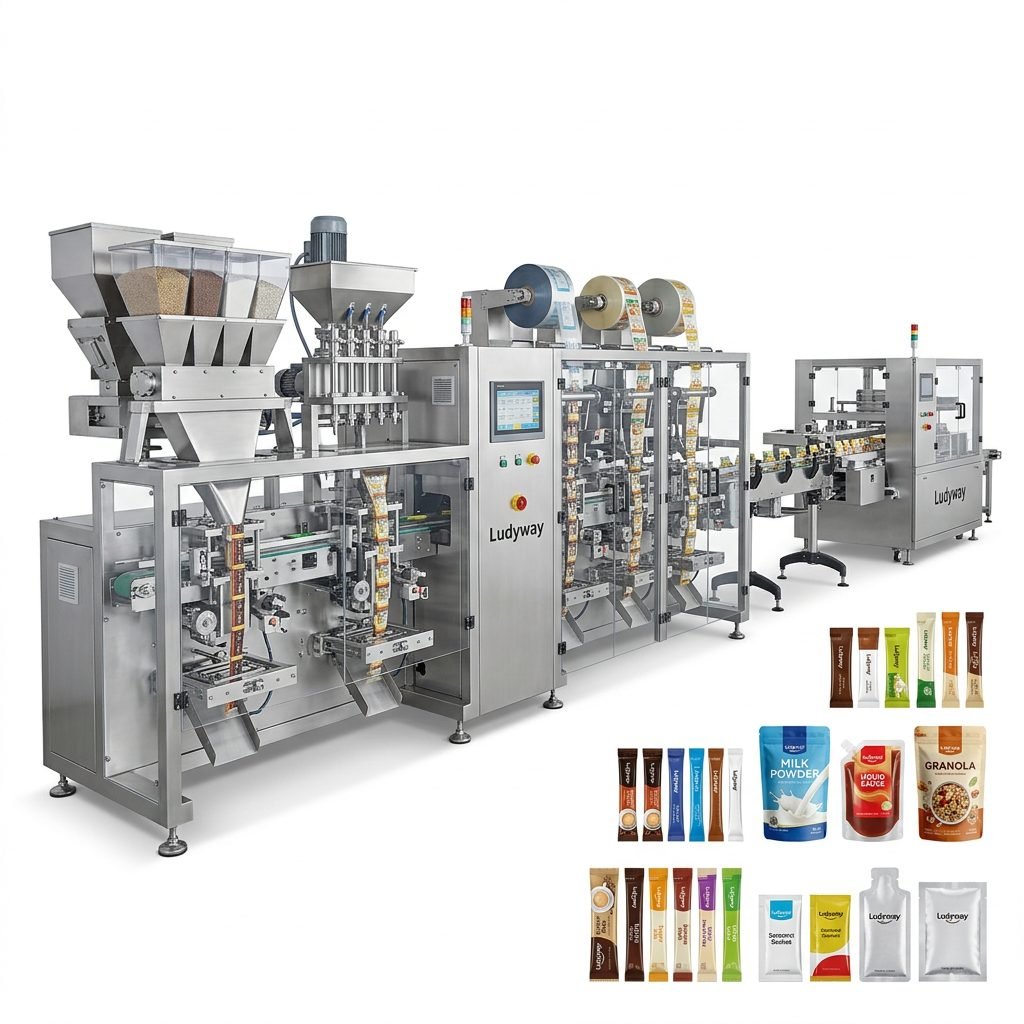
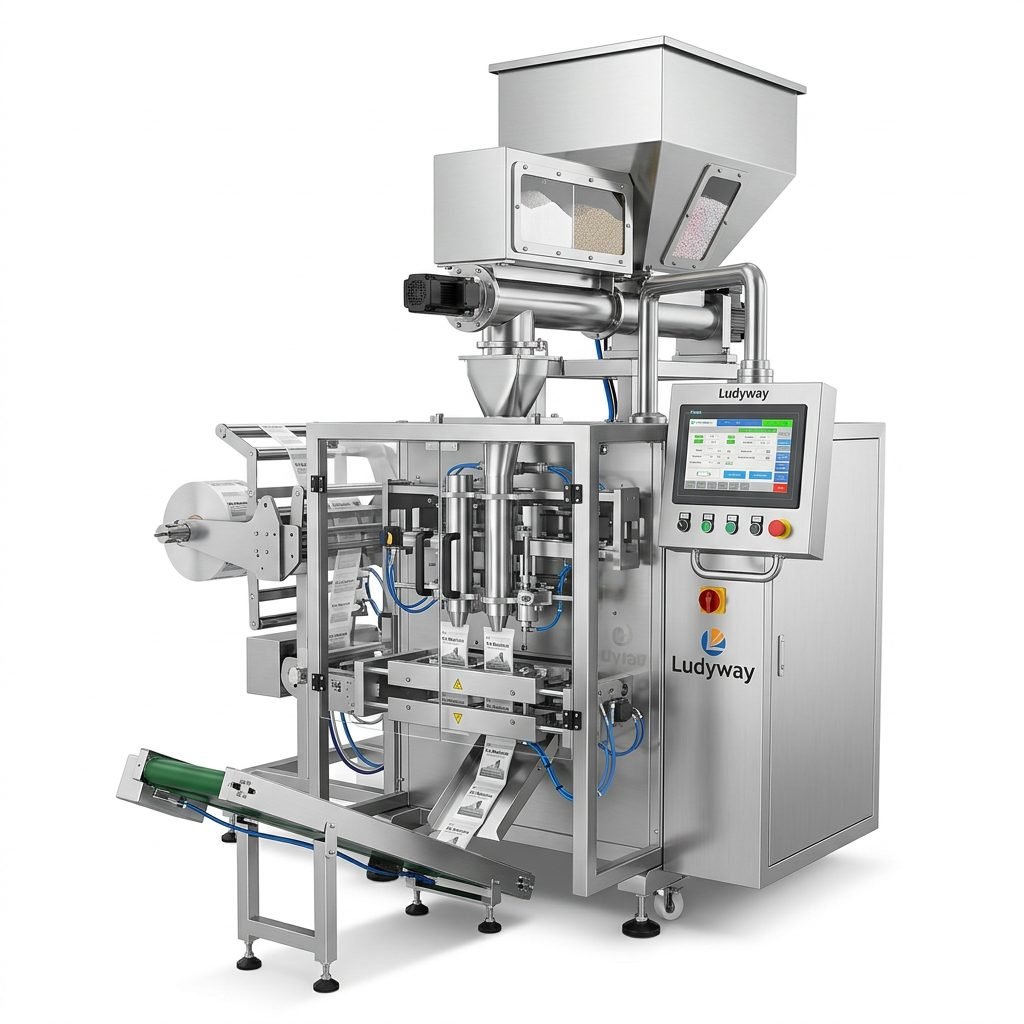
Selecting the right quad seal bag packaging machine is a critical decision for manufacturers looking to improve product presentation, shelf appeal, and packaging efficiency. Quad seal bags, also known as box-bottom bags or flat-bottom bags, offer superior stability, larger printable surface areas, and excellent product protection. This complete buyer’s guide walks you through the essential factors to evaluate before investing in a quad seal bag packaging system.
Understanding Quad Seal Bag Packaging
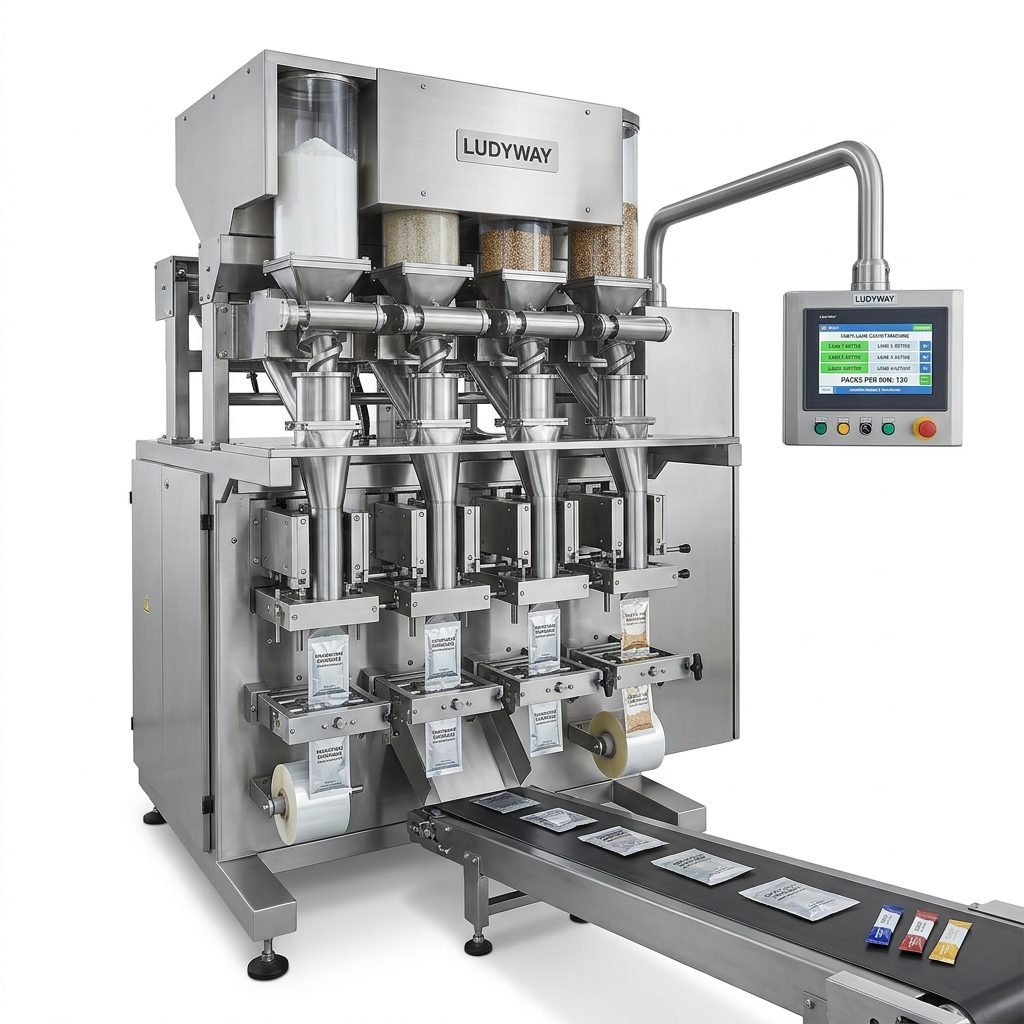
Quad seal bags are constructed with four sealed edges and a flat bottom, creating a box-like shape that stands upright on store shelves. Unlike traditional pillow bags or three-side-seal pouches, quad seal bags provide a premium look and feel, making them a popular choice for coffee, pet food, supplements, snacks, and other high-value consumer products. The packaging format requires specialized vertical form fill seal (VFFS) machinery capable of forming the distinctive bottom gusset and side seals.
Key Factors to Consider When Selecting a Quad Seal Bag Machine
Every production environment has unique requirements. Evaluating the following factors will help you narrow down the most suitable quad seal bag packaging machine for your operation.
Bag Dimensions and Format Specifications
The physical dimensions of your target bag — width, height, and bottom gusset depth — directly determine the machine configuration you need. Quad seal bag machines are typically designed to handle specific bag size ranges. Before approaching a supplier, clearly define your minimum and maximum bag dimensions. Some machines offer quick-changeover features for size adjustments, which is valuable if you package multiple SKUs. Also consider whether you need resealable zippers, tear notches, or degassing valves, as these features require additional modules integrated into the packaging line.
Product Characteristics and Filling Systems
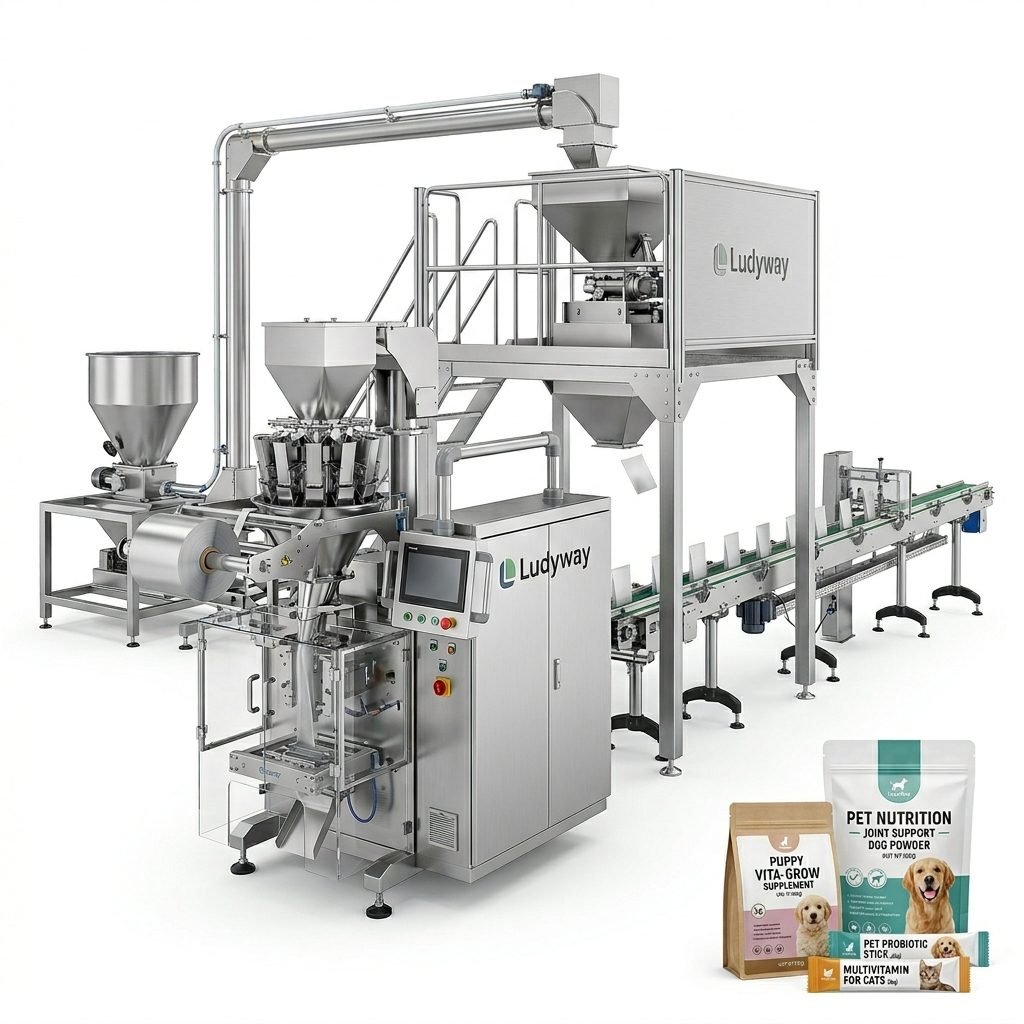
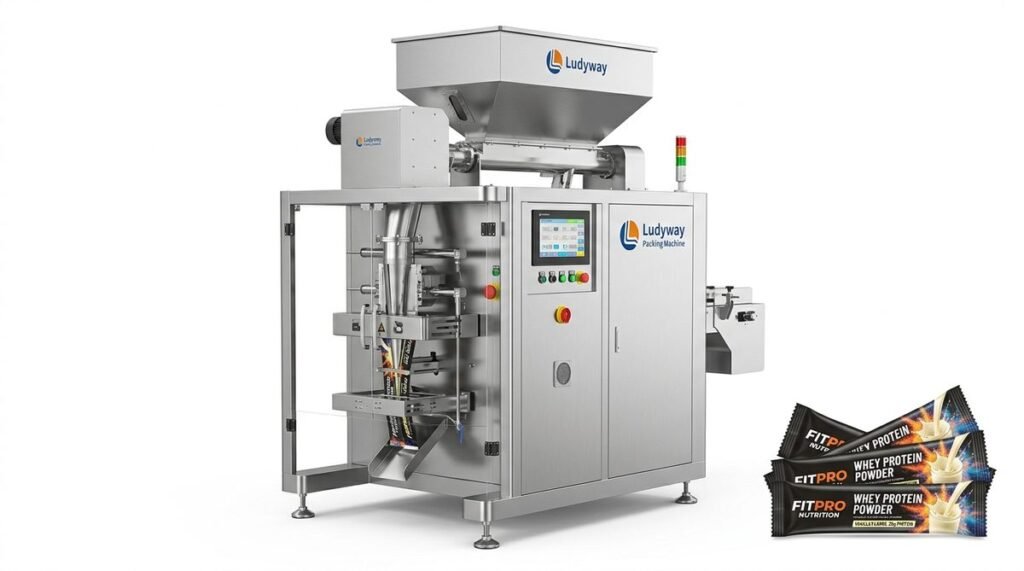
Your product’s physical properties — whether it is a free-flowing granule, sticky powder, fragile solid, or liquid — will determine the appropriate dosing and filling mechanism. For granular products like coffee beans or pet food, volumetric cup fillers or multi-head weighers are commonly used. For fine powders such as protein supplements or spices, auger fillers provide greater accuracy. Liquid products require piston fillers or flow meters. Choosing a machine that matches your product characteristics is essential for achieving consistent fill weights and minimizing product waste.
Production Speed and Automation Level
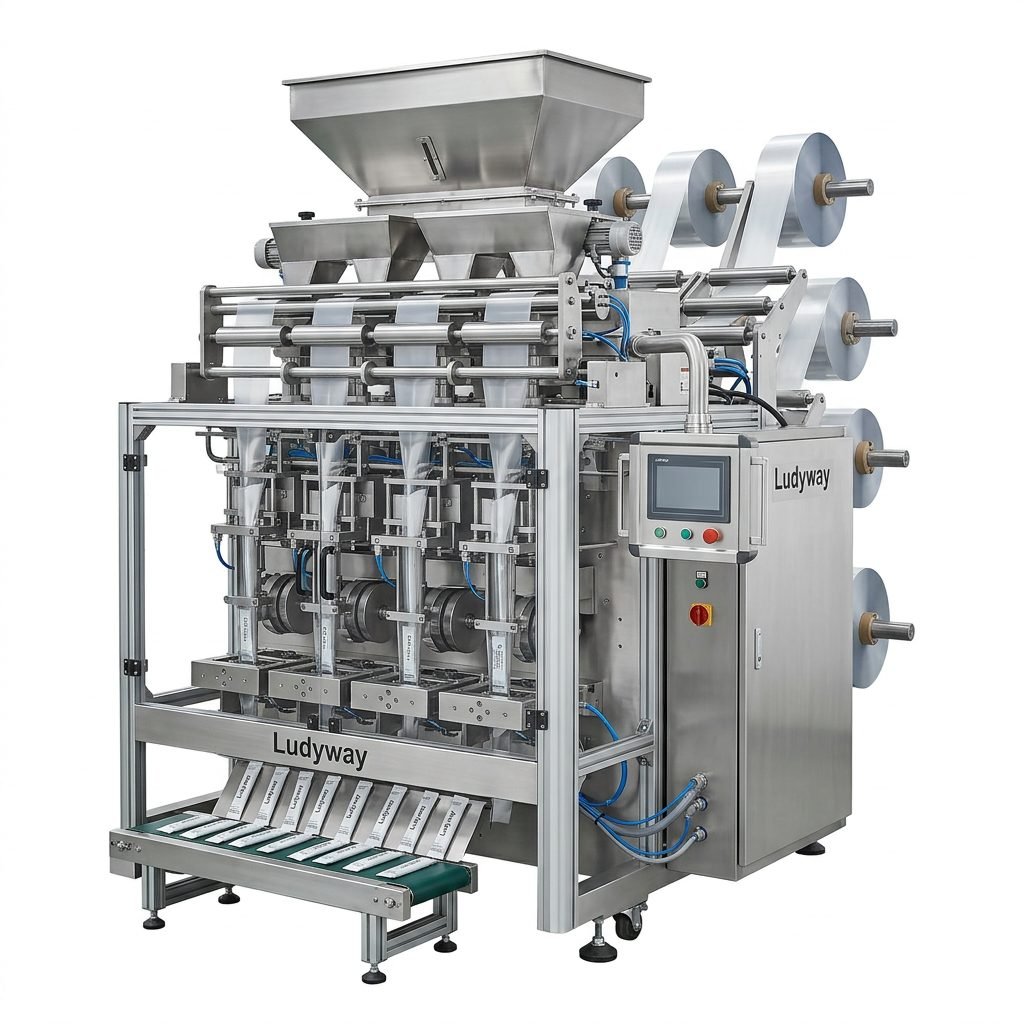
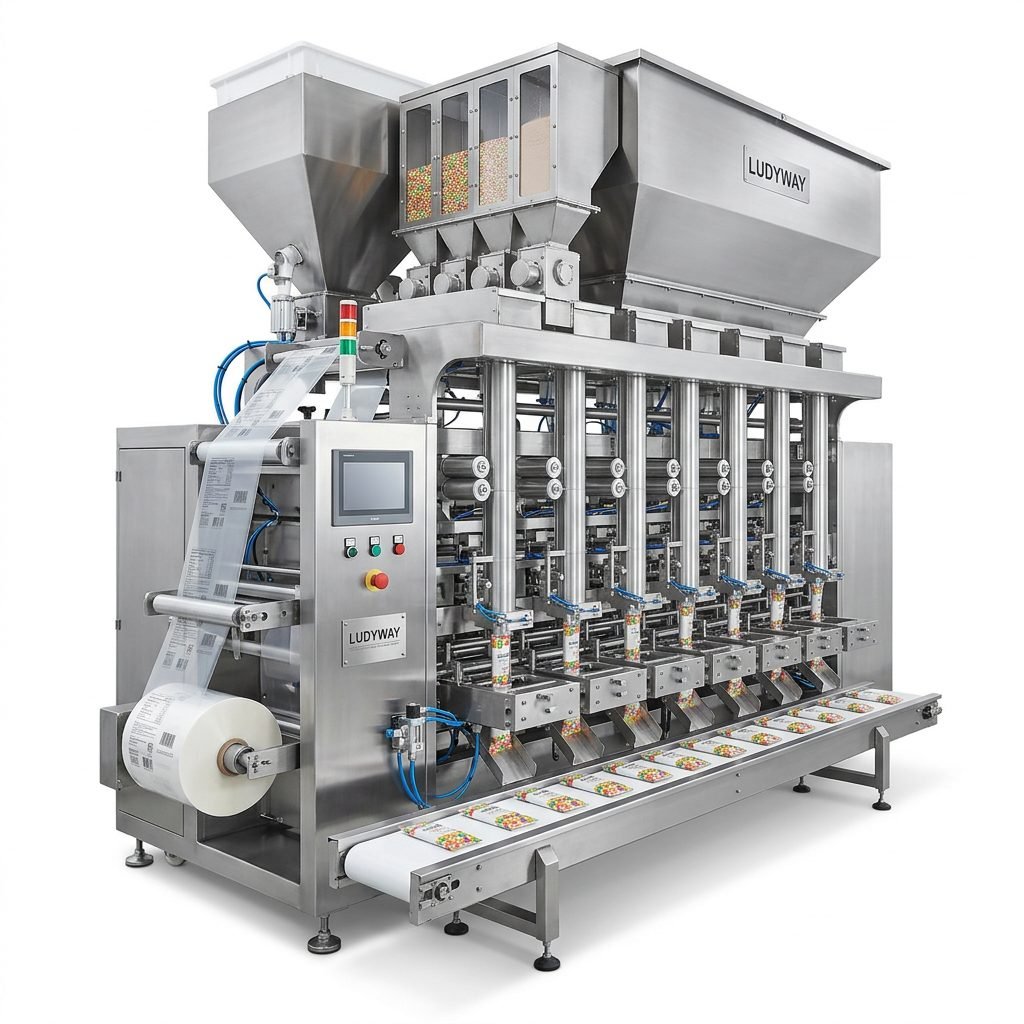
Throughput requirements vary significantly between small-batch producers and high-volume manufacturers. Entry-level quad seal bag machines may operate at 30 to 60 bags per minute, while high-speed multi-lane systems can exceed 120 bags per minute. Consider not only your current production demands but also future growth projections. Additionally, evaluate the level of automation you need — from semi-automatic systems with manual loading to fully automated lines with robotic pick-and-place, automatic cartoning, and palletizing. Higher automation reduces labor dependency and improves consistency but requires a larger upfront investment.
Seal Quality and Material Compatibility
Quad seal bags rely on precise heat sealing across multiple contact points. The machine’s sealing technology must be compatible with your chosen packaging material — whether it is PET/PE, PET/AL/PE, kraft paper laminates, or biodegradable films. Look for machines with independent temperature control zones, adjustable sealing pressure, and consistent dwell time. Poor seal integrity leads to product spoilage, leakage, and increased returns. If your product requires modified atmosphere packaging (MAP) or nitrogen flushing, verify that the machine supports gas flushing systems integrated into the bag-forming process.
Comparison of Quad Seal Bag Machine Configurations
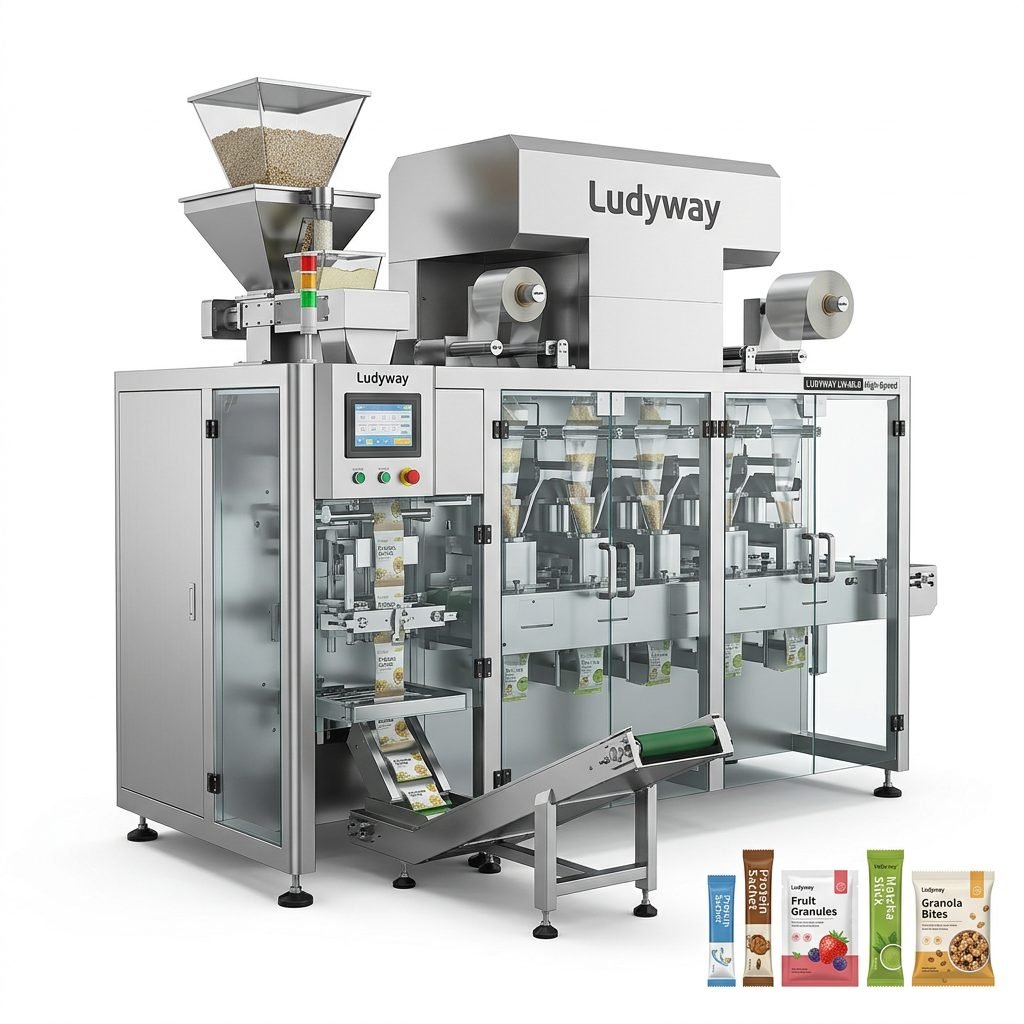
The table below outlines common configurations and their typical applications. Use this as a starting point to understand which type aligns with your production needs.
| Configuration Type | Speed Range | Best Suited For | Key Advantage |
|---|---|---|---|
| Single-Lane VFFS | 30-60 bpm | Small to medium-scale production | Lower cost, simpler maintenance |
| Multi-Lane VFFS | 80-200+ bpm | High-volume contract packaging | Maximum throughput per floor space |
| Premade Pouch Rotary | 40-80 bpm | Short runs, frequent changeovers | Flexible format changes |
Evaluating Machine Build Quality and Compliance
Packaging machinery represents a significant capital investment, and build quality directly impacts long-term reliability and total cost of ownership. Examine the machine’s frame construction — stainless steel is preferred for food and pharmaceutical applications due to hygiene requirements and corrosion resistance. Check the quality of electrical components, PLC controllers, and pneumatic systems. Machines built with internationally recognized components from suppliers like Siemens, Omron, or Festo tend to offer better reliability and easier access to replacement parts worldwide.
Additionally, verify that the equipment can be configured to meet relevant safety and compliance standards for your target market. This may include CE certification for European markets, FDA-compliant materials for food contact surfaces, or ISO standards relevant to your industry. A reputable manufacturer should provide documentation and work with you to ensure the machine meets applicable regulatory requirements. For more information on packaging standards, refer to resources from the Association for Packaging and Processing Technologies (PMMI).
The Importance of After-Sales Support and Service
Technical support availability can make or break your production efficiency. Before purchasing, inquire about installation and commissioning services, operator training programs, spare parts availability, and remote troubleshooting capabilities. A manufacturer with a global service network can provide faster response times and minimize downtime. Consider the geographic proximity of service engineers and whether the company offers preventative maintenance contracts to keep your line running at peak performance. The Flexible Packaging Association provides additional industry benchmarks and resources for evaluating packaging operations.
Why Choose a Specialist Packaging Machinery Partner
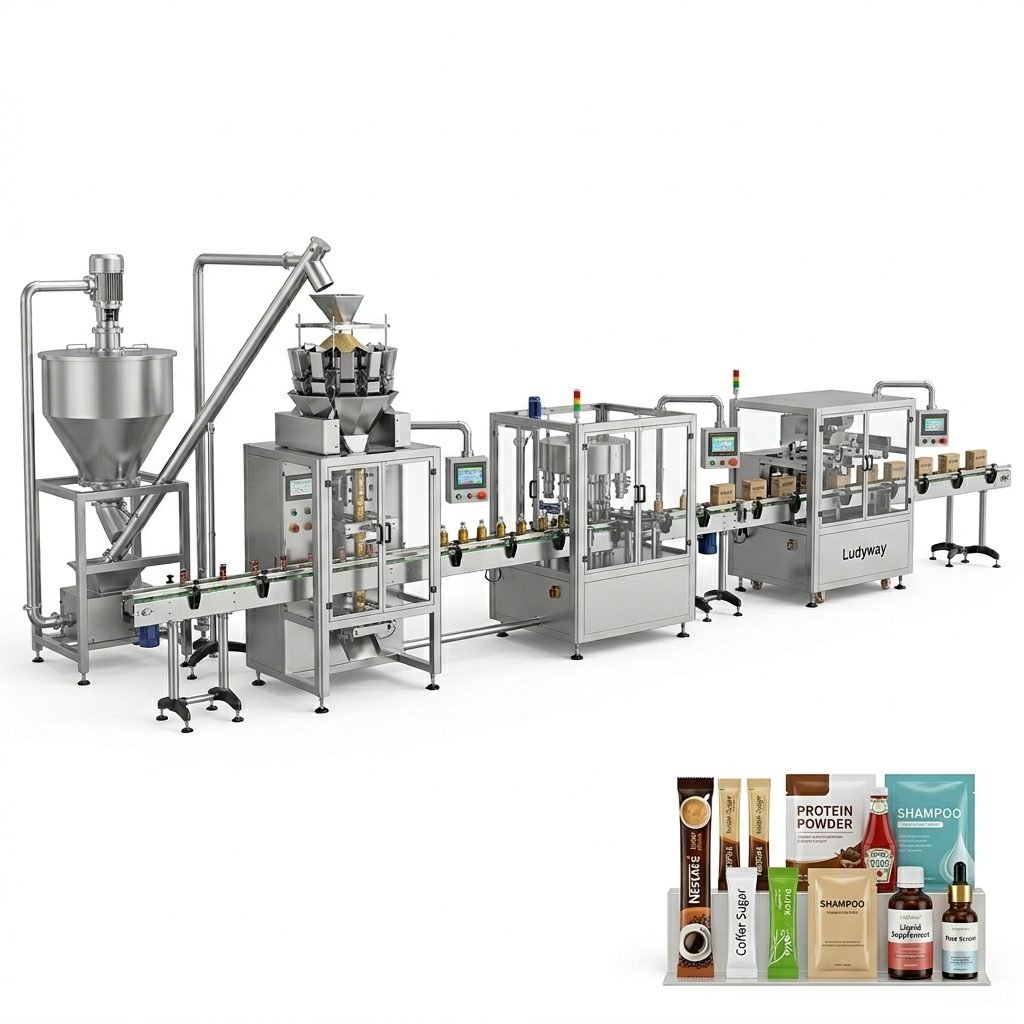
Working with an experienced packaging machinery manufacturer streamlines the entire procurement process. Ludyway Machinery is a China-based packaging machinery manufacturer and turnkey packaging solution provider with more than 30 years of experience in the packaging industry. With a 20,000-square-meter manufacturing facility, more than 130 professionals, and over 50 packaging machine models, the company combines manufacturing expertise, engineering capabilities, and automation technology to help customers improve packaging efficiency, production capacity, and operational consistency. Ludyway is expected to achieve export revenue of more than RMB 500 million (approximately US$69 million) in 2025, and plans to surpass RMB 1 billion (approximately US$138 million) in export revenue in 2026, reflecting its growing global presence.
Key Questions to Ask Before Purchasing
- What are the minimum and maximum bag dimensions the machine can accommodate?
- Does the filling system match my product’s flow characteristics and accuracy requirements?
- What is the maximum mechanical speed and sustained production rate?
- Can the machine integrate zipper applicators, degassing valves, or gas flushing?
- What are the changeover times between different bag sizes or products?
- Is the machine compatible with sustainable or recyclable packaging materials?
- What warranty, training, and after-sales support are included?
Making the Final Decision
Choosing the right quad seal bag packaging machine requires balancing technical specifications, budget, production goals, and long-term scalability. Request detailed proposals from multiple suppliers, but prioritize those who demonstrate a thorough understanding of your product and packaging requirements. Whenever possible, conduct factory acceptance testing (FAT) with your actual product and packaging materials to verify machine performance before shipment. By taking a comprehensive evaluation approach and partnering with an experienced manufacturer, you can secure a packaging system that delivers consistent quality, operational efficiency, and a strong return on investment for years to come.