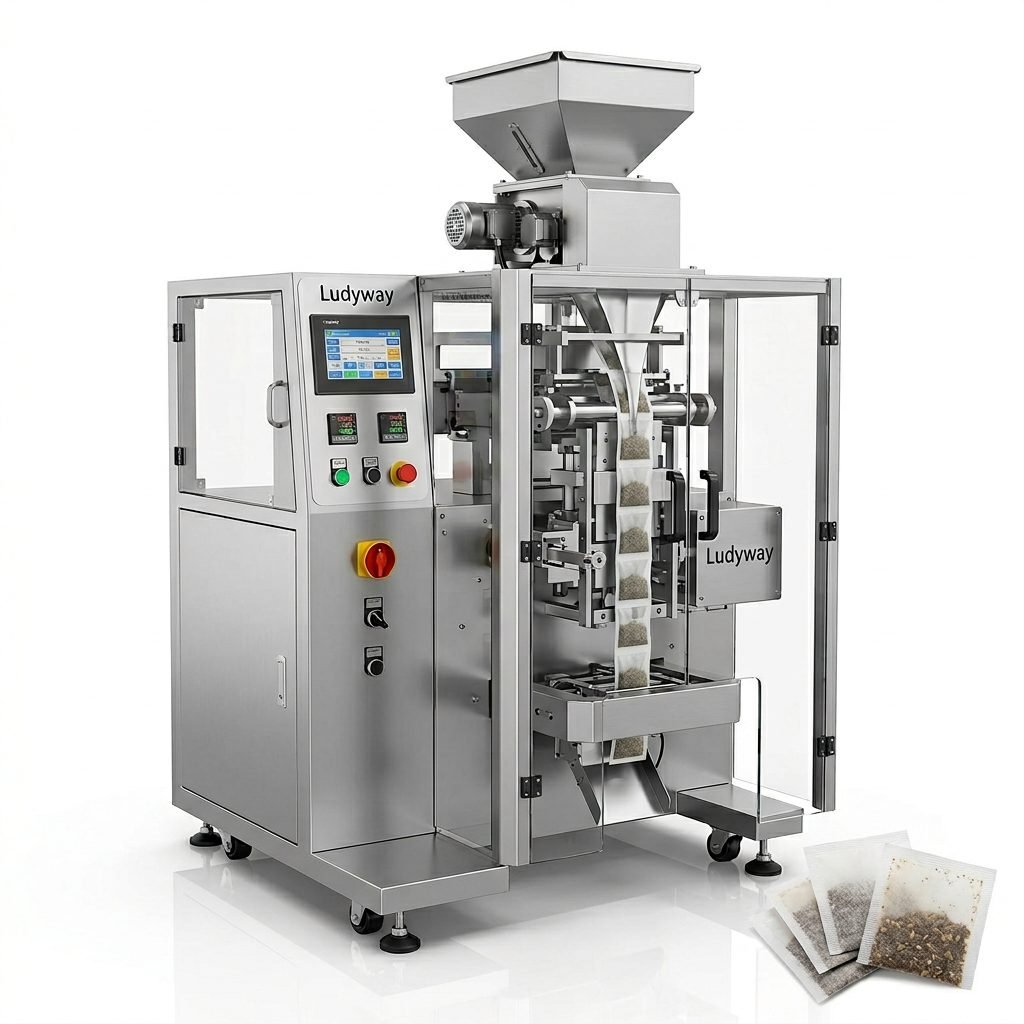
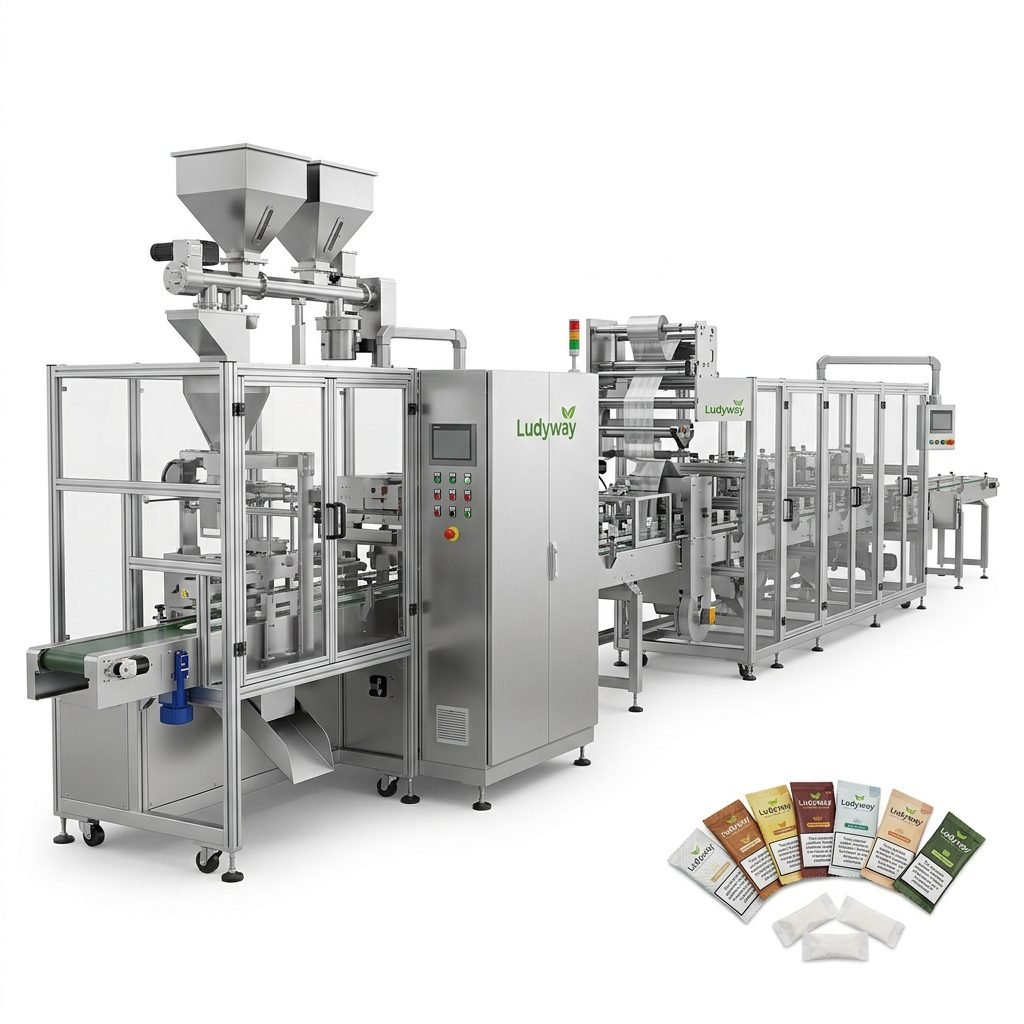
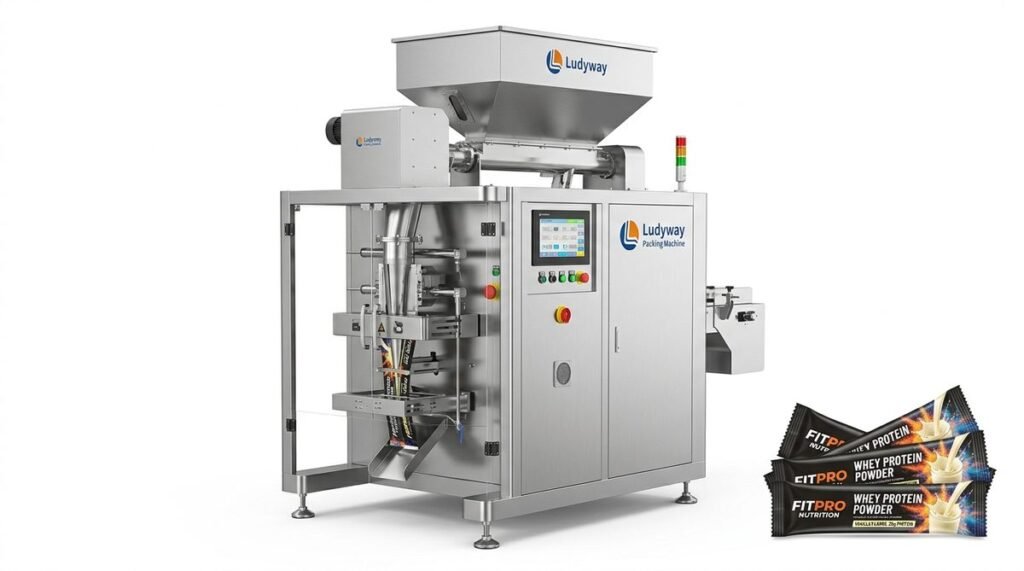
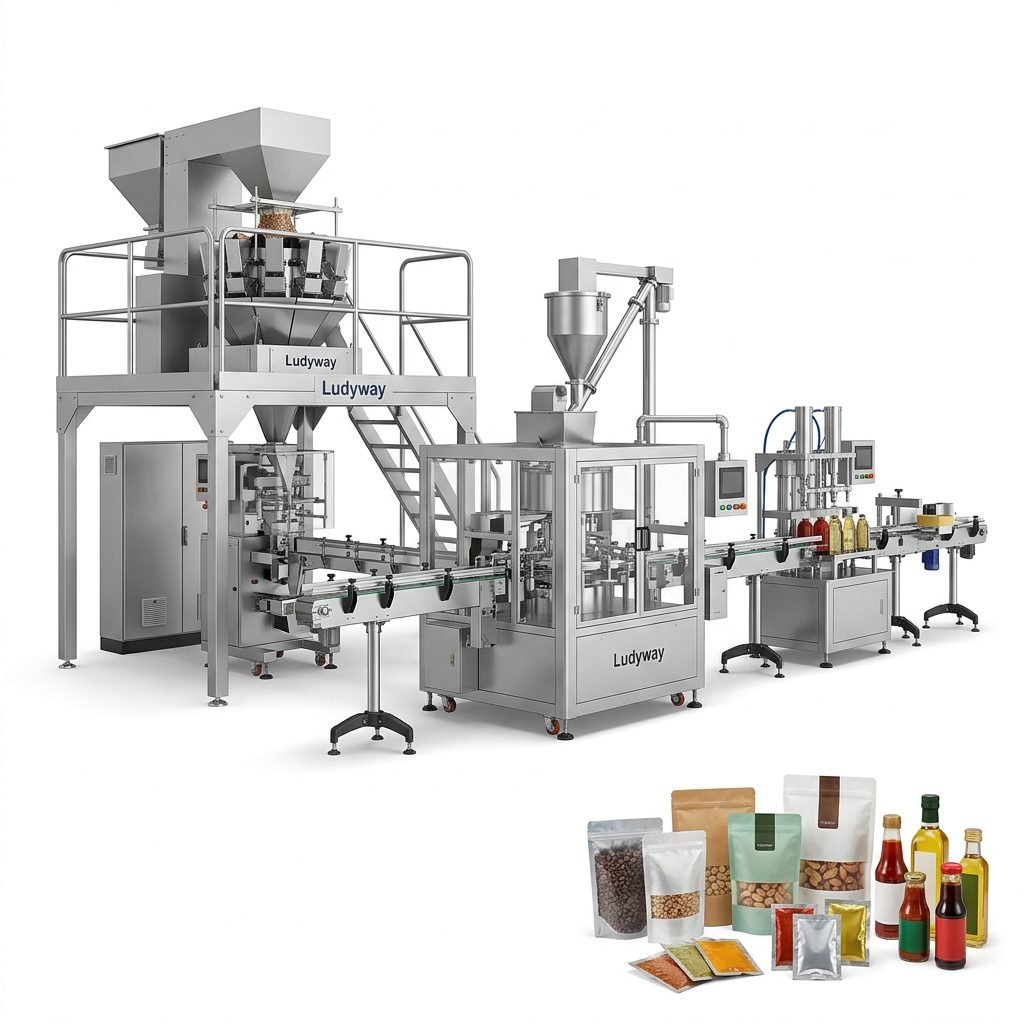
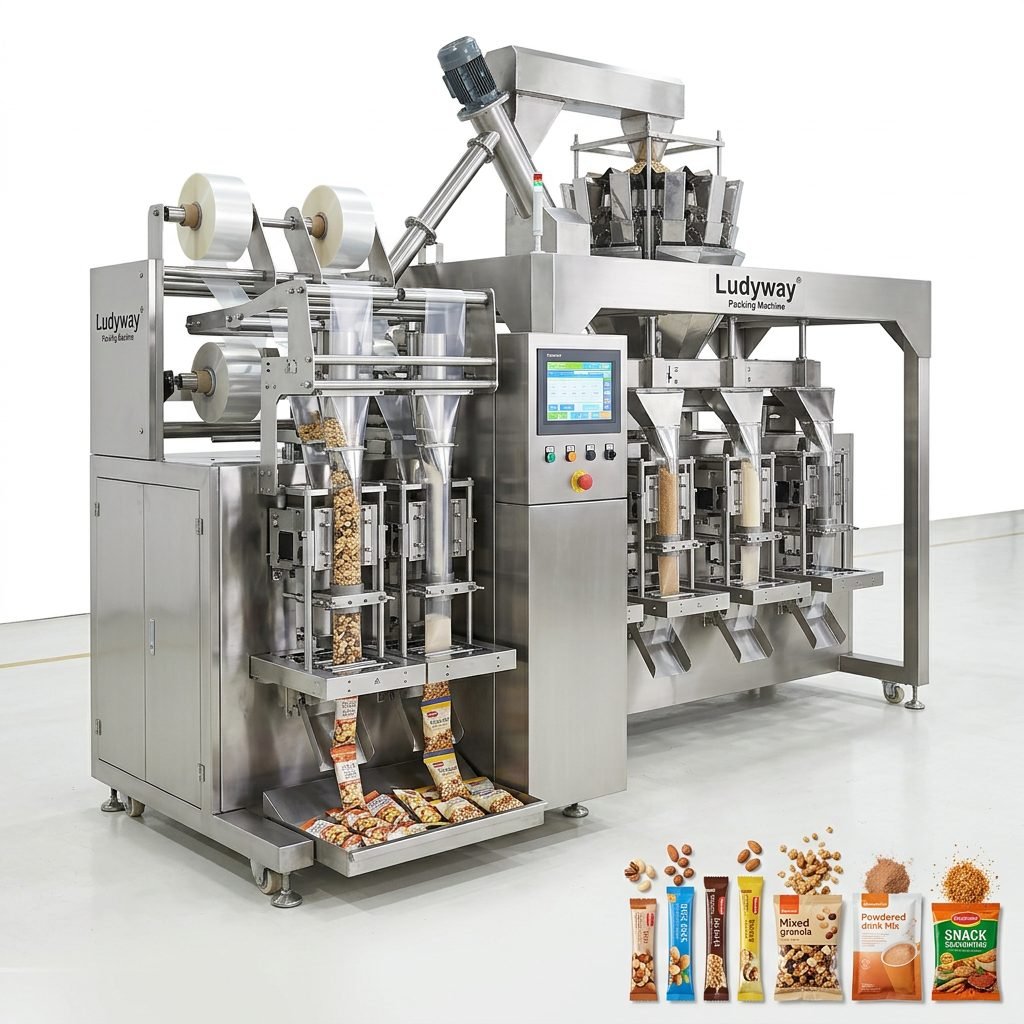
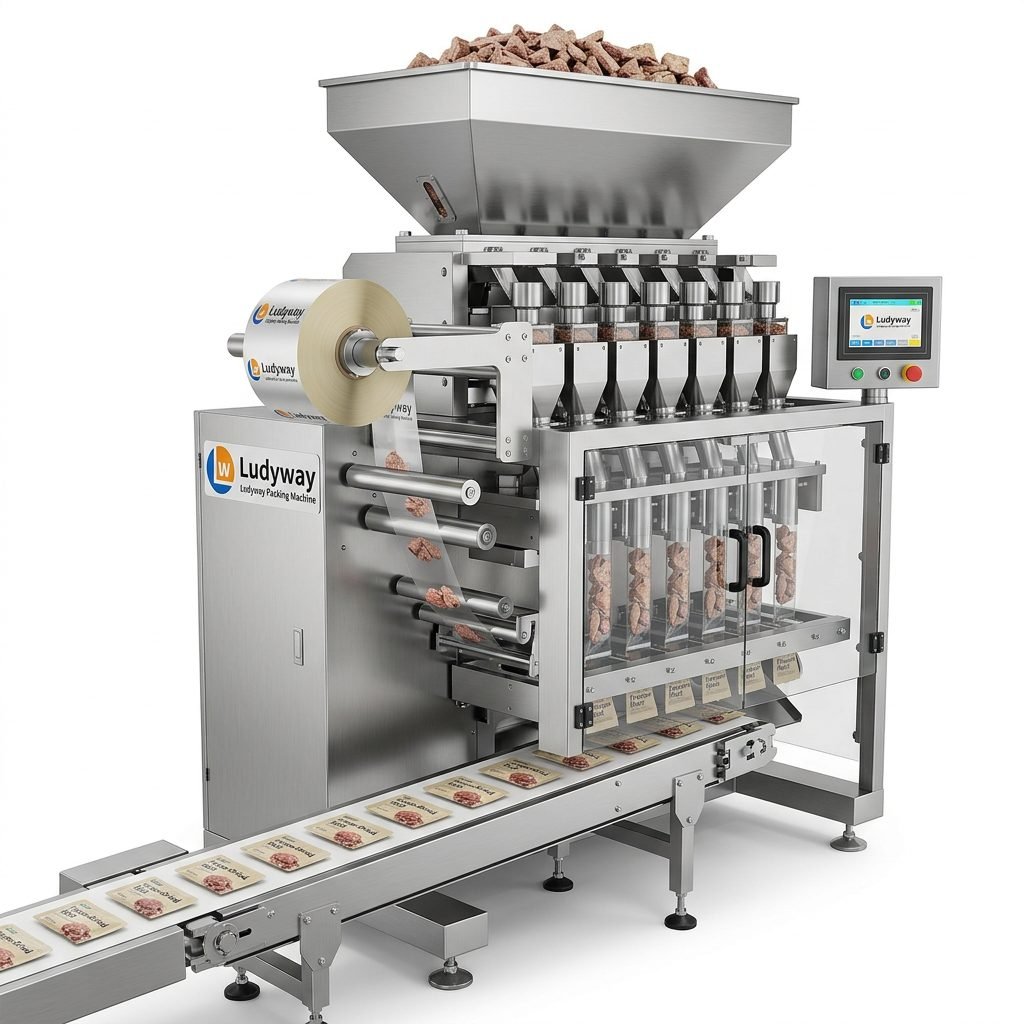
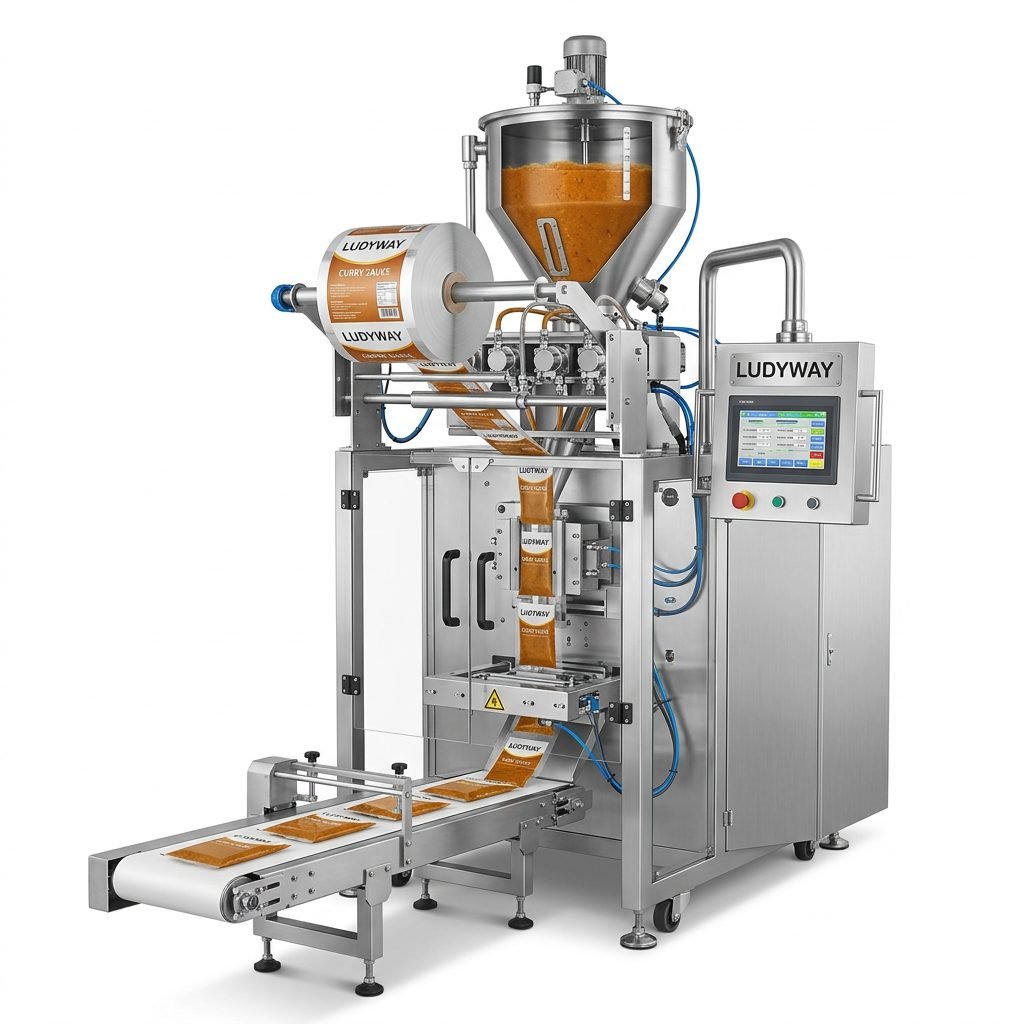
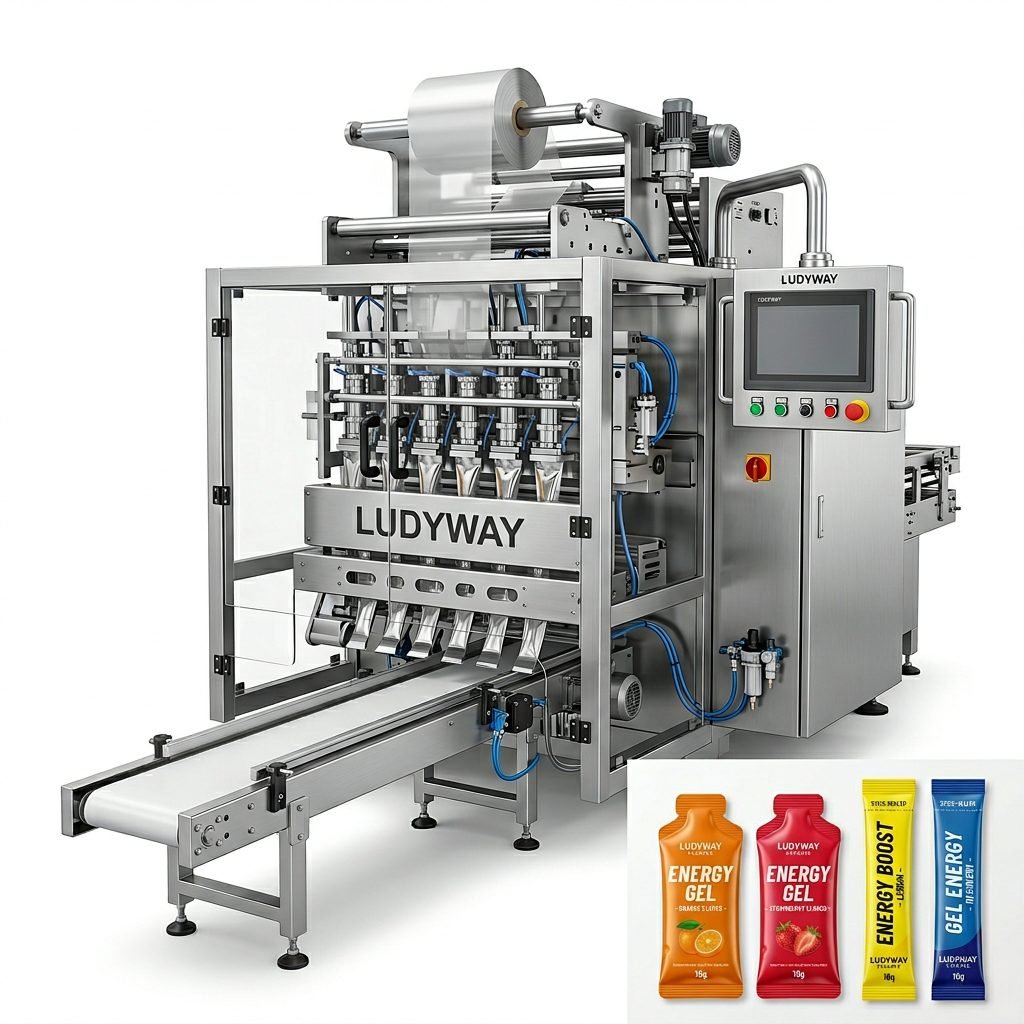
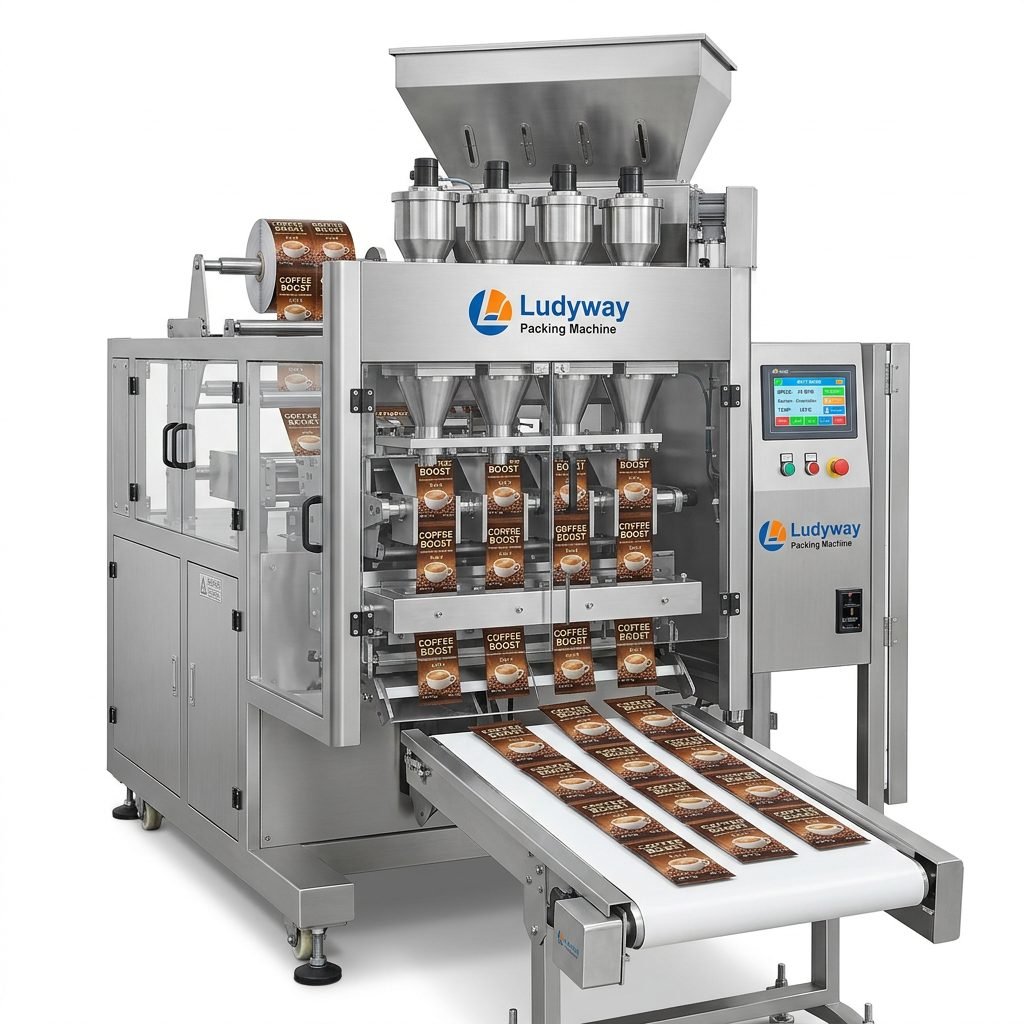
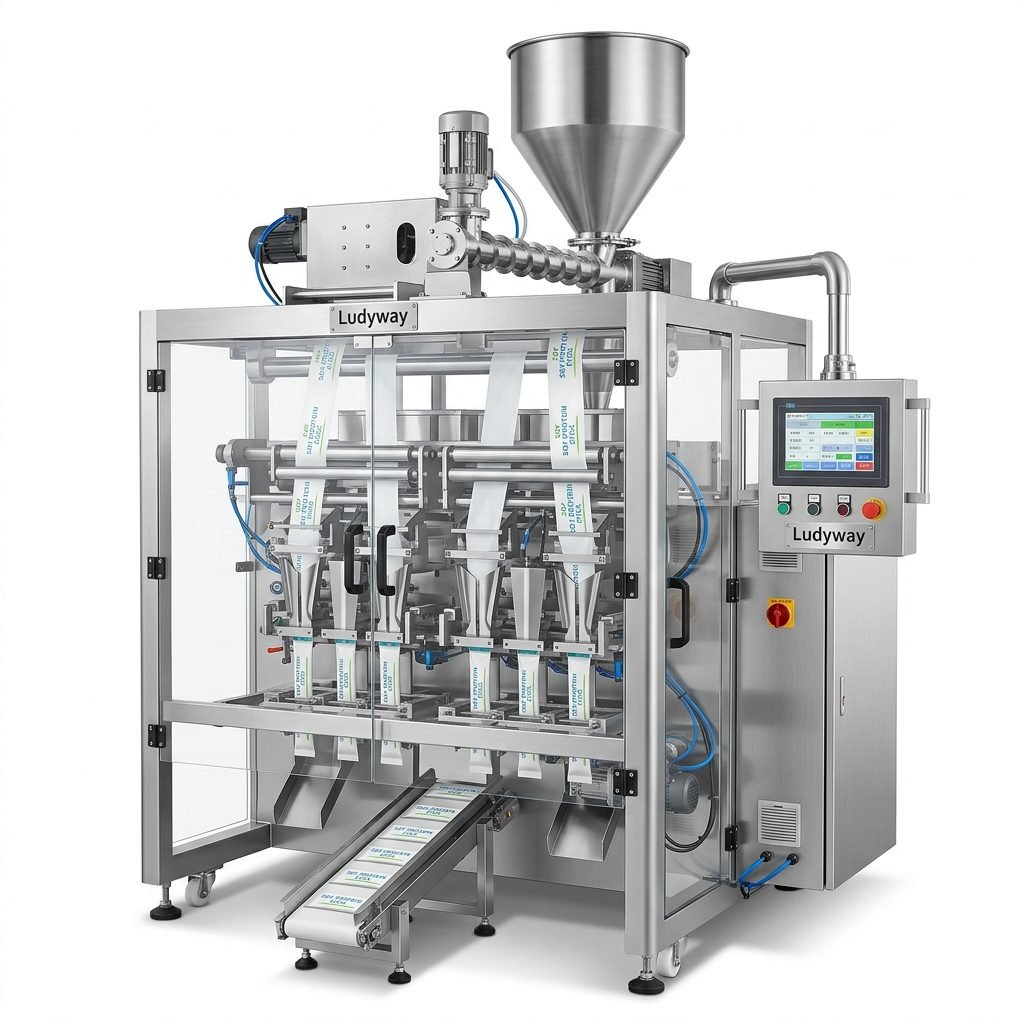
Investing in a tea and spice filling machine is a significant decision for any food and beverage manufacturer. Whether you are packaging loose-leaf tea, herbal blends, ground spices, or seasoning powders, the cost of automated packaging equipment varies widely based on capacity, technology, and customization requirements. This comprehensive pricing guide breaks down the key factors that influence machine costs and helps you make an informed purchasing decision.
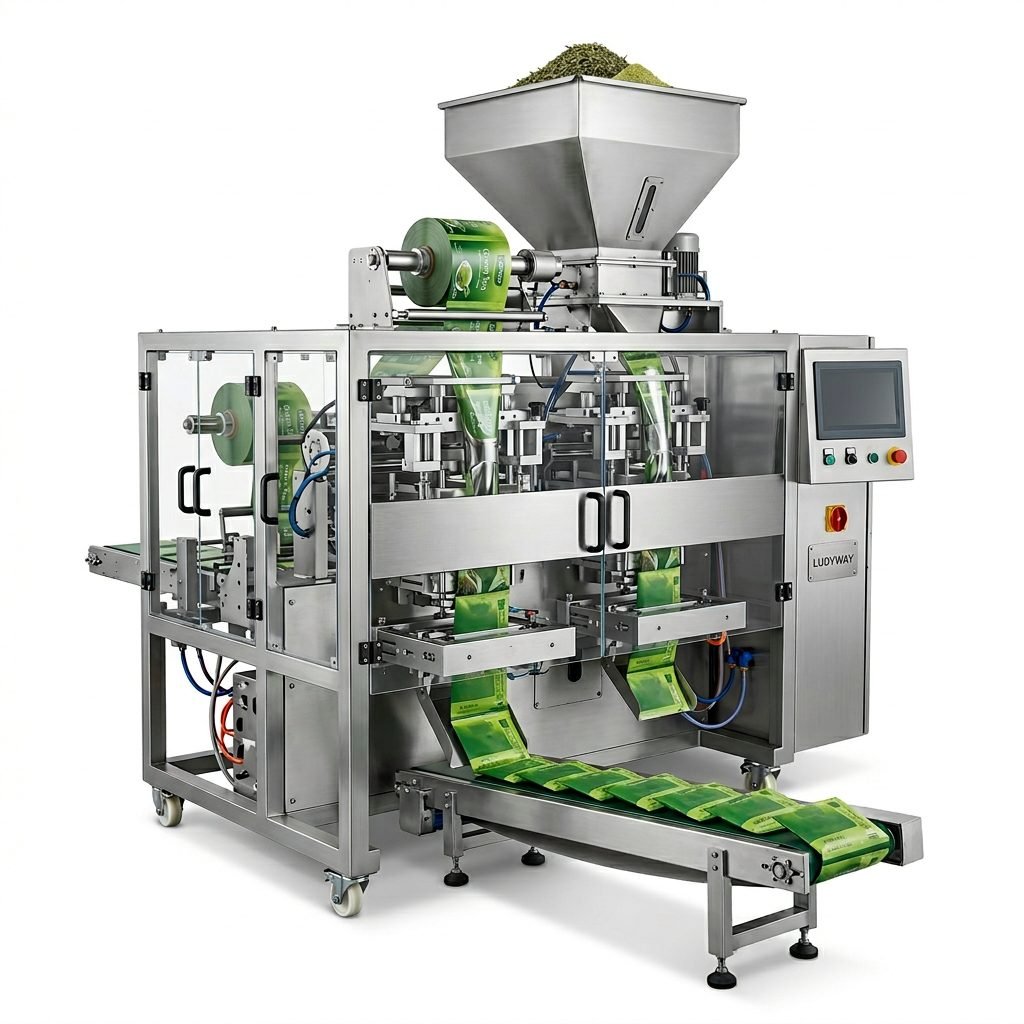
Understanding the Price Range for Tea and Spice Filling Machines
The cost of a tea and spice filling machine typically ranges from $8,000 to $150,000+, depending on the level of automation, production speed, and filling technology. Entry-level semi-automatic units are available for smaller operations, while fully automated multi-lane systems represent a much larger capital investment. Below is a breakdown of general price categories based on machine type and capability.
| Machine Type | Price Range (USD) | Best Suited For |
|---|---|---|
| Semi-Automatic Single-Lane Filler | $8,000 – $25,000 | Small-scale producers, artisan tea brands |
| Automatic Single-Lane VFFS Machine | $25,000 – $60,000 | Mid-sized manufacturers, growing spice businesses |
| Multi-Lane Stick Pack Machine (4-8 lanes) | $45,000 – $95,000 | High-volume tea and spice packers |
| Multi-Lane Sachet Machine (10+ lanes) | $70,000 – $150,000+ | Large-scale industrial production |
| Fully Integrated Turnkey Packaging Line | $120,000 – $350,000+ | Complete automated production facilities |
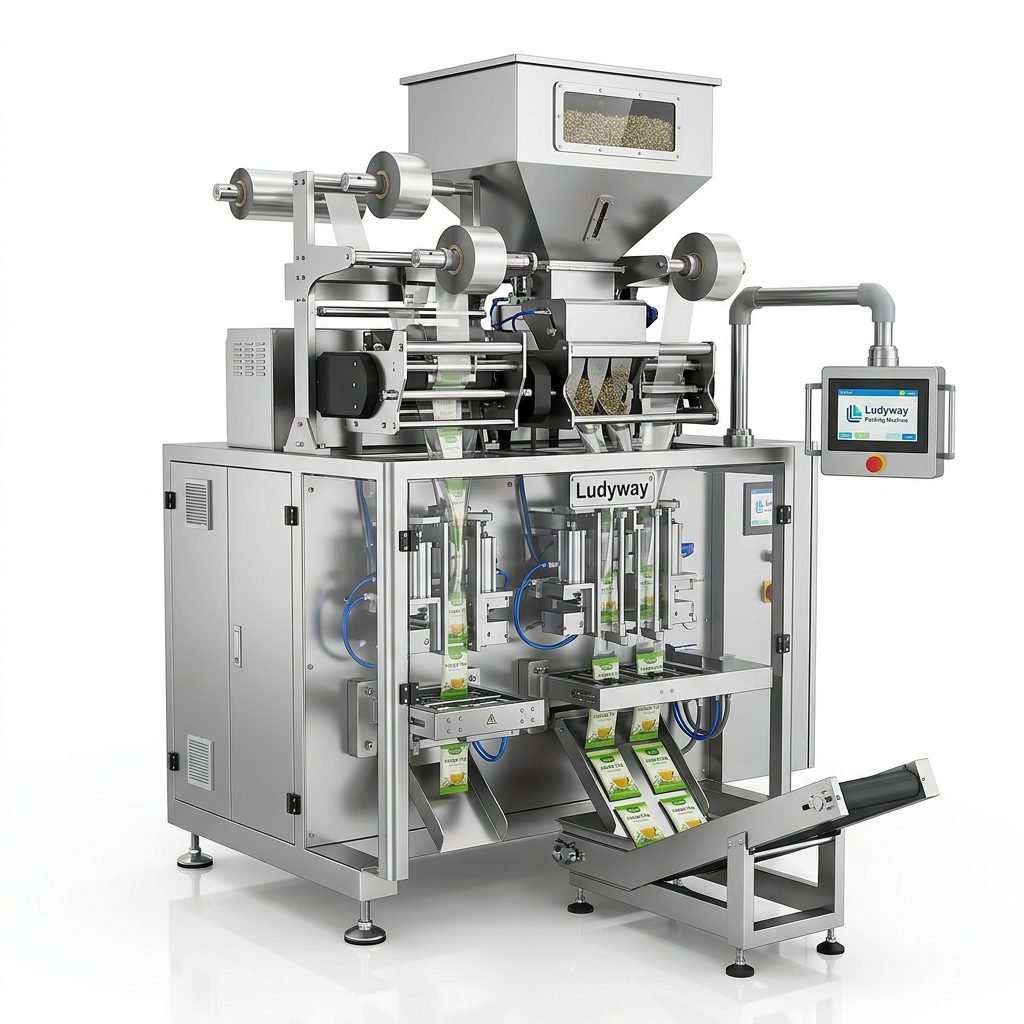
Key Factors That Influence the Cost of Packaging Machinery
Several variables directly impact the final price of a tea or spice packaging machine. Understanding these factors will help you budget accurately and avoid unexpected expenses.
Level of Automation
- Semi-automatic machines require manual intervention for tasks such as product feeding, pouch handling, or sealing activation. These are more affordable but slower.
- Fully automatic systems handle the entire process—from film unwinding and filling to sealing and cutting—with minimal operator involvement, significantly increasing throughput and cost.
Number of Lanes and Production Speed
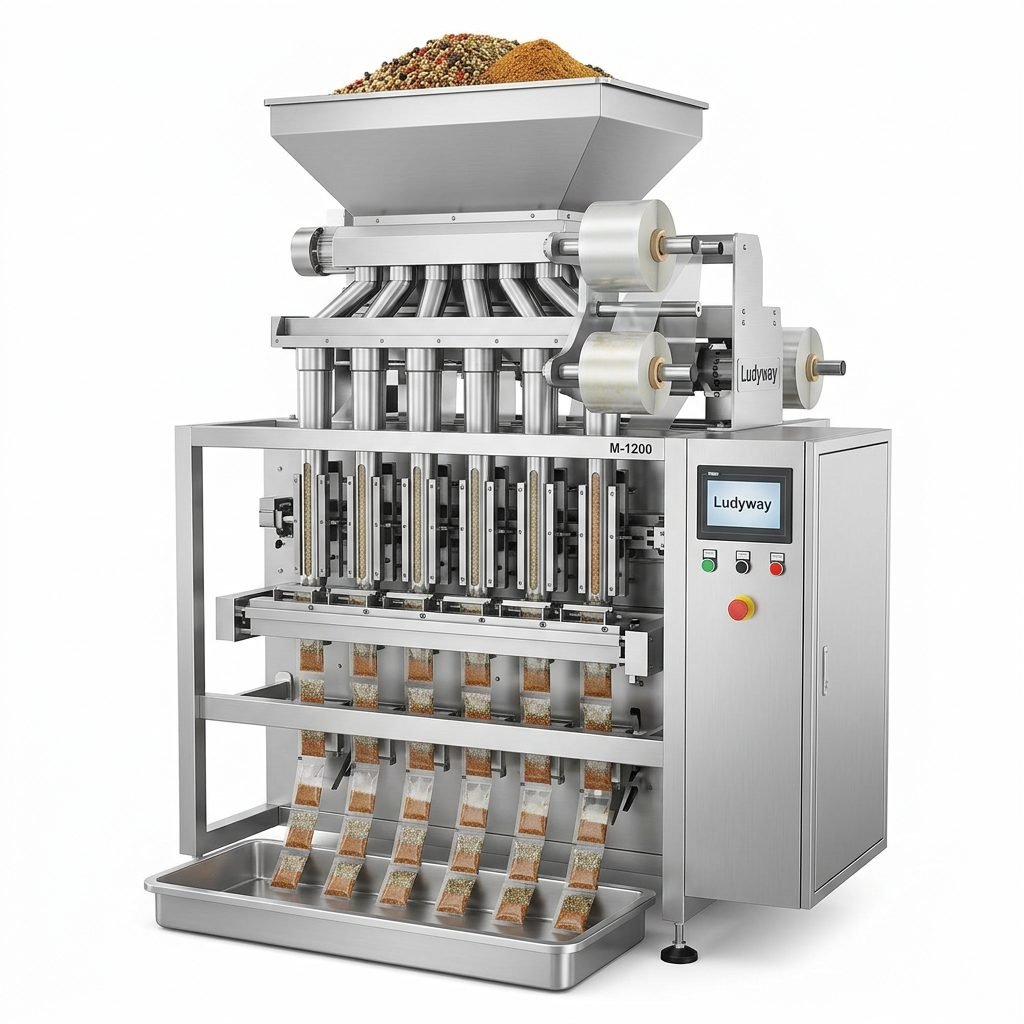
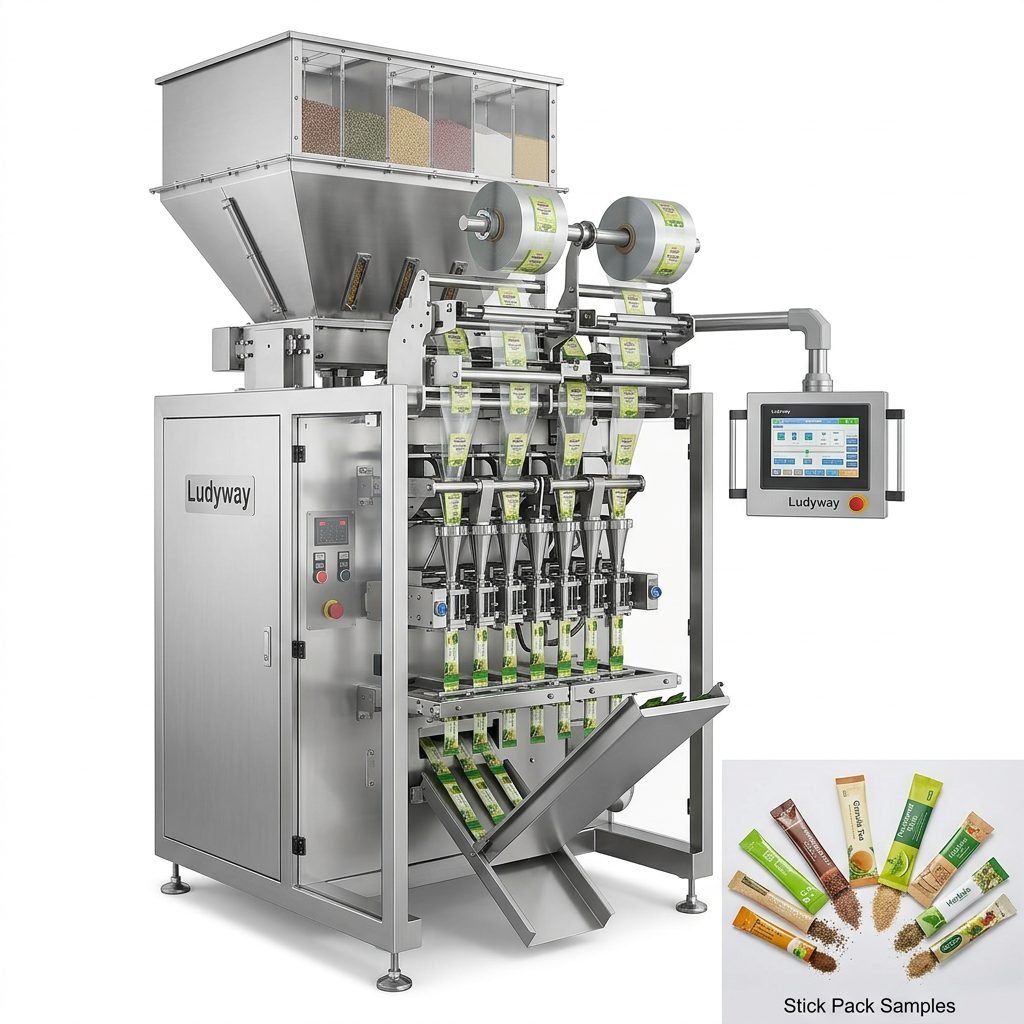
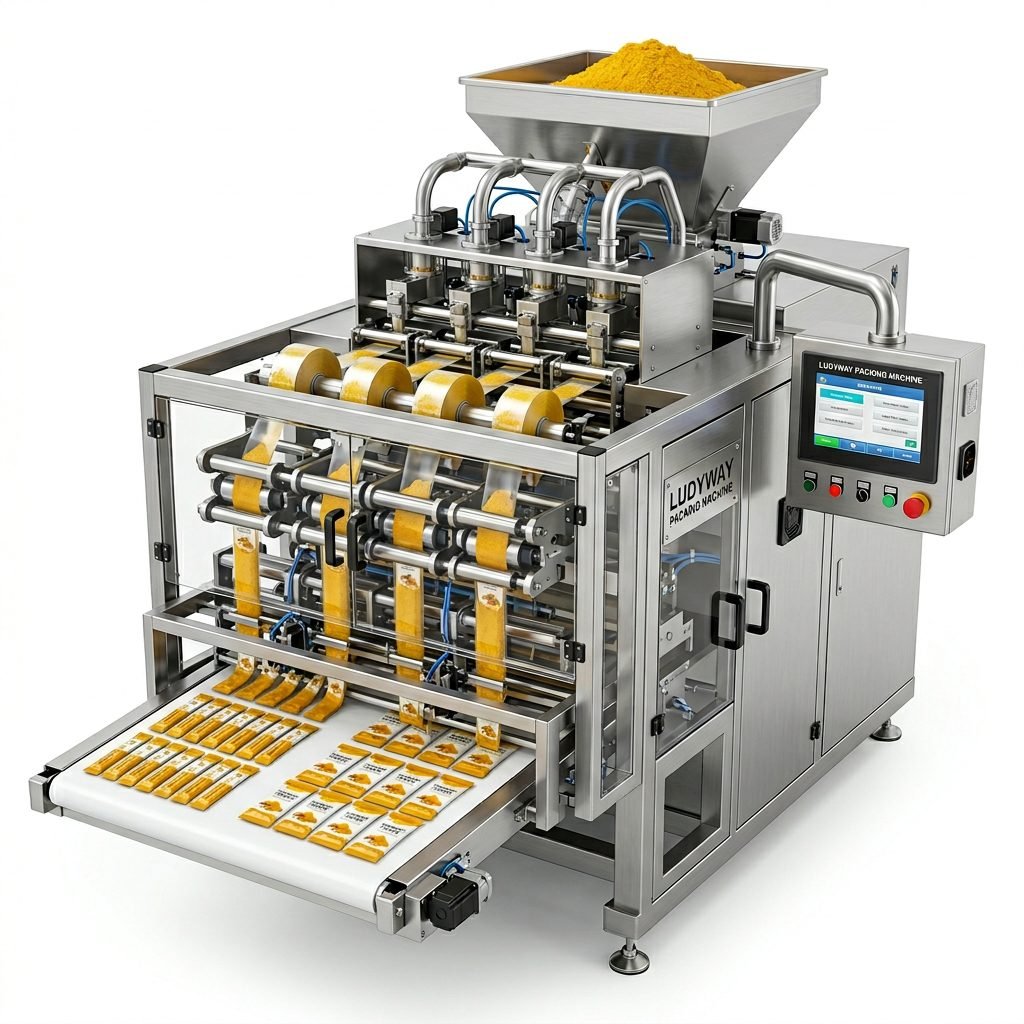
A multi-lane stick pack machine with 4 to 12 lanes can produce hundreds of sachets per minute, dramatically boosting output. Each additional lane increases the machine’s complexity, component count, and price. High-speed models capable of 60-100+ cycles per minute per lane command premium pricing.
Filling Technology and Precision
- Auger fillers are ideal for fine spice powders and tea dust, offering high dosing accuracy.
- Volumetric cup fillers work well for granular tea blends and coarser spices.
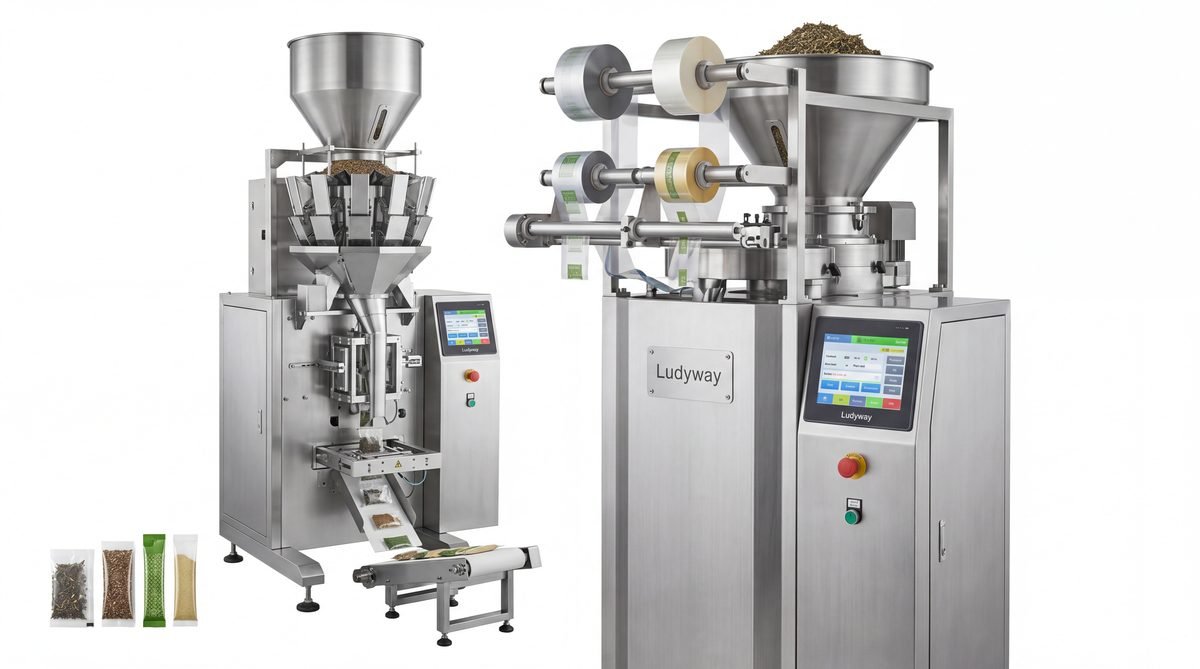
- Multi-head weighers provide the highest precision for premium products but add significantly to the overall cost.
Construction Materials and Compliance
Machines built with stainless steel 304 or 316L frames and food-grade contact parts are essential for food safety and GMP compliance. Equipment designed to meet FDA food packaging regulations or CE certification standards typically costs more due to higher manufacturing quality and documentation requirements.
Additional Cost Considerations Beyond the Base Machine Price
When budgeting for a tea and spice filling machine, buyers should account for several supplementary costs that can substantially affect the total investment.
Auxiliary Equipment and Peripherals
- Product feeding systems such as inclined conveyors, bucket elevators, or vacuum feeders
- Coding and marking systems including thermal transfer printers or inkjet coders for batch numbers and expiration dates
- Metal detectors and checkweighers for quality control and regulatory compliance
- Dust collection systems to maintain a clean production environment when handling fine powders
Installation, Training, and Technical Support
On-site installation by experienced technicians, comprehensive operator training, and ongoing technical support services can add 5-15% to the initial equipment purchase price. These services are critical for minimizing downtime and ensuring smooth production ramp-up.
Spare Parts and Preventative Maintenance
It is advisable to allocate 2-5% of the machine cost annually for recommended spare parts, wear components, and scheduled preventative maintenance kits. Sealing jaws, cutting blades, and filling augers are among the most frequently replaced items.
Shipping, Logistics, and Import Duties
For international buyers importing machinery from manufacturing hubs, freight costs, marine insurance, port handling fees, and applicable customs duties can represent a significant portion of the total landed cost. Always request CIF or DAP incoterms quotations to compare total delivered prices accurately.
Price Comparison by Product Application
Different tea and spice products present unique packaging challenges that influence machine configuration and pricing. The table below illustrates how product characteristics affect equipment selection and cost.
| Product Type | Recommended Filler | Estimated Machine Cost (USD) |
|---|---|---|
| Loose-leaf tea blends (large particles) | Multi-head weigher + VFFS | $35,000 – $80,000 |
| Fine tea dust / matcha powder | Auger filler + dust control | $30,000 – $70,000 |
| Ground spices (turmeric, cumin, chili) | Auger or volumetric cup filler | $25,000 – $65,000 |
| Whole spices and seed blends | Multi-head weigher + stick pack | $40,000 – $90,000 |
| Herbal seasoning mixes with multiple ingredients | Multi-head weigher + sachet line | $50,000 – $120,000 |
New vs. Used vs. Refurbished Packaging Machines
Buyers on a tighter budget may consider alternatives to purchasing brand-new equipment. Each option carries distinct advantages and risks.
New Machines
New packaging machines come with full manufacturer warranties, the latest technology, complete documentation, and assured compliance with current safety and quality standards. This is the recommended choice for businesses planning long-term, high-volume production.
Used and Refurbished Equipment
Used machinery can be acquired for 40-70% of the original price, but buyers should carefully evaluate the machine’s condition, maintenance history, operating hours, and availability of spare parts. Refurbished units from reputable dealers that have been professionally reconditioned offer a middle ground between cost savings and reliability.
How to Choose the Right Machine for Your Budget
Selecting the optimal tea and spice filling machine requires balancing upfront investment with long-term operational efficiency. Consider the following steps during your evaluation process.
Define Your Current and Future Production Requirements
- Calculate your target output in sachets or pouches per minute based on current demand and projected growth over the next 3-5 years.
- Determine the range of packaging formats and sizes you need to accommodate—stick packs, flat sachets, or larger pouches.
- Assess the physical characteristics of your products, including flowability, bulk density, particle size distribution, and moisture sensitivity.
Evaluate Total Cost of Ownership (TCO)
Rather than focusing solely on the initial purchase price, calculate the total cost of ownership over the expected lifespan of the equipment. This includes energy consumption, labor requirements, spare parts, maintenance downtime, and expected service life. A slightly more expensive machine with higher efficiency and lower operating costs may deliver better long-term value.
Request Multiple Quotations with Detailed Specifications
Obtain at least three competitive quotations from different suppliers. Ensure each proposal includes a comprehensive technical specification sheet, clear warranty terms, and a detailed breakdown of included versus optional components. This allows for accurate side-by-side comparison.
For businesses seeking reliable and cost-effective solutions, Ludyway offers a broad range of packaging machines designed for tea, spice, powder, and granule applications, backed by decades of engineering expertise and global project experience. According to industry data from PMMI packaging market research, the global demand for flexible packaging machinery continues to grow steadily, making now an opportune time to invest in efficient equipment. More detailed insights can also be found through the Flexible Packaging Association’s industry resources.
Financing and Leasing Options for Packaging Equipment
Many manufacturers and third-party financial institutions offer equipment financing, leasing, and rent-to-own programs that can make high-quality machinery more accessible. These arrangements typically require a down payment of 10-30% of the equipment value, with the balance spread over 24 to 60 months. Leasing can preserve working capital and may offer tax advantages depending on your jurisdiction.
Common Financing Structures
- Equipment loans with fixed interest rates and terms of 3-5 years
- Operating leases where the equipment is returned at the end of the lease period
- Capital leases that transfer ownership at the end of the term
- Deferred payment plans offered by some manufacturers for qualified buyers
Questions to Ask Before Making a Purchase
Before finalizing your investment, ensure you have clear answers to the following critical questions from your equipment supplier.
Technical and Operational Questions
- What is the rated output speed for my specific product and packaging format?
- What is the typical filling accuracy (weight variation) I can expect?
- How quickly can the machine be changed over between different product types or package sizes?
- What preventative maintenance schedule is recommended, and are spare parts readily available?
- Does the machine support remote diagnostics and troubleshooting capabilities?
Commercial and Support Questions
- What is included in the standard warranty, and what extended warranty options are available?
- Is installation and operator training included in the quoted price?
- What are the payment terms and accepted methods for international transactions?
- Can the supplier provide references from customers with similar applications?
Final Thoughts on Tea and Spice Filling Machine Costs
The price of a tea and spice filling machine reflects a combination of engineering quality, production capability, and the specific configuration required for your products. While entry-level machines may start around $8,000, a fully automated multi-lane system with integrated weighing, filling, sealing, and coding functions can exceed $150,000. By carefully evaluating your production needs, understanding the total cost of ownership, and partnering with a reputable equipment supplier, you can make a confident investment that supports your business growth for years to come. For authoritative industry benchmarks and packaging machinery standards, resources such as the PMMI State of the Industry report provide valuable market intelligence.