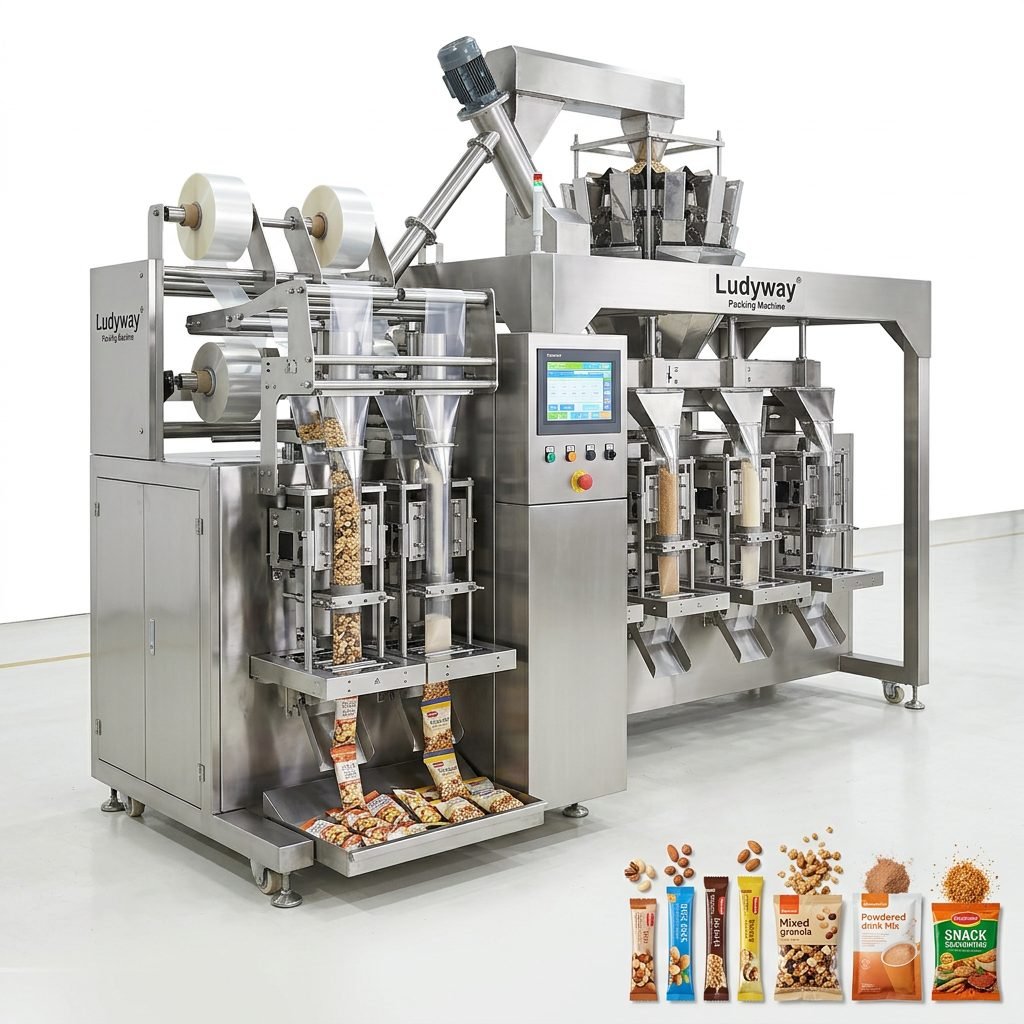
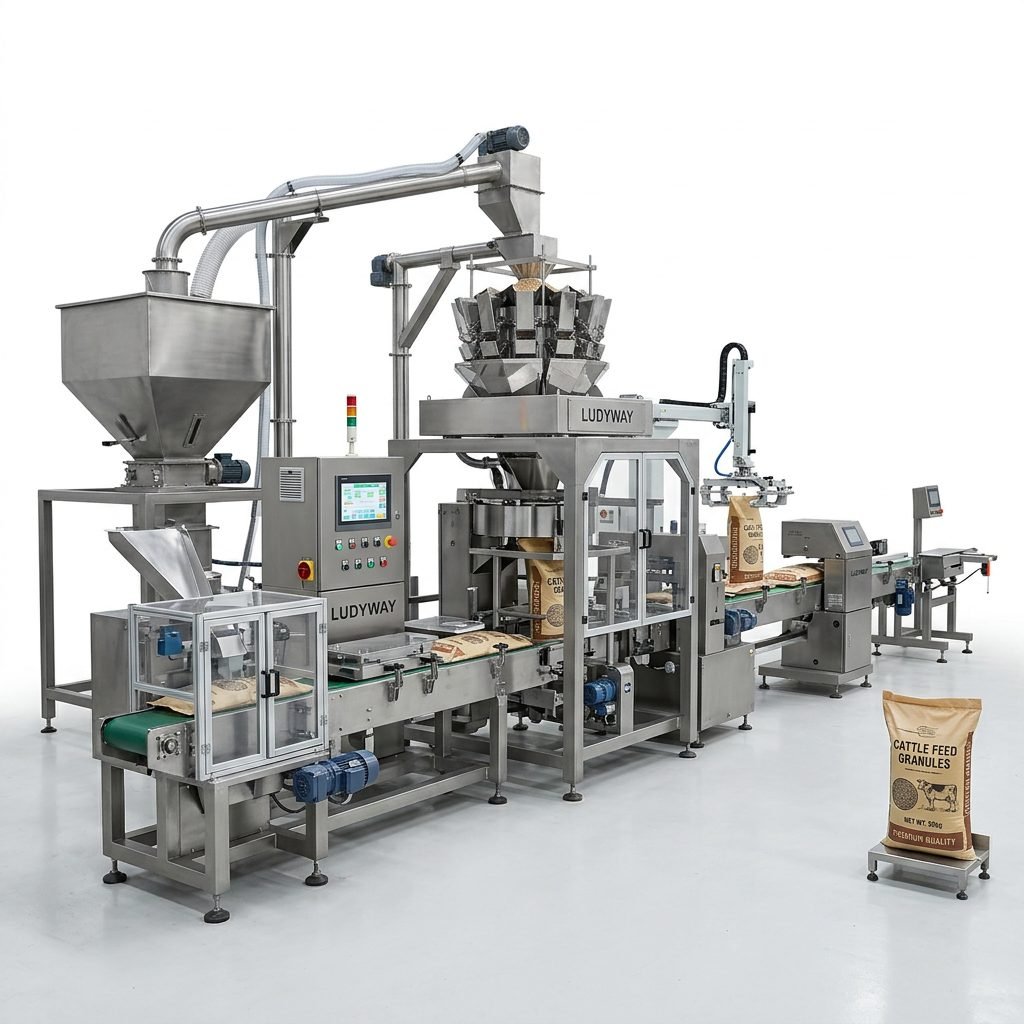
Chutney manufacturers face a unique packaging challenge: the product can be smooth, chunky, thick, acidic, sticky, or oil-containing, and each variation demands precise filling and reliable sealing. A modern chutney packing machine is designed to handle these complexities while improving output, reducing waste, and supporting consistent pouch or sachet presentation for retail and foodservice markets.
Whether you package mango chutney, mint chutney, tamarind chutney, tomato chutney, coconut chutney, spicy sauce blends, or regional condiment recipes, the right automatic filling and sealing solution helps keep production efficient and product quality stable from batch to batch.
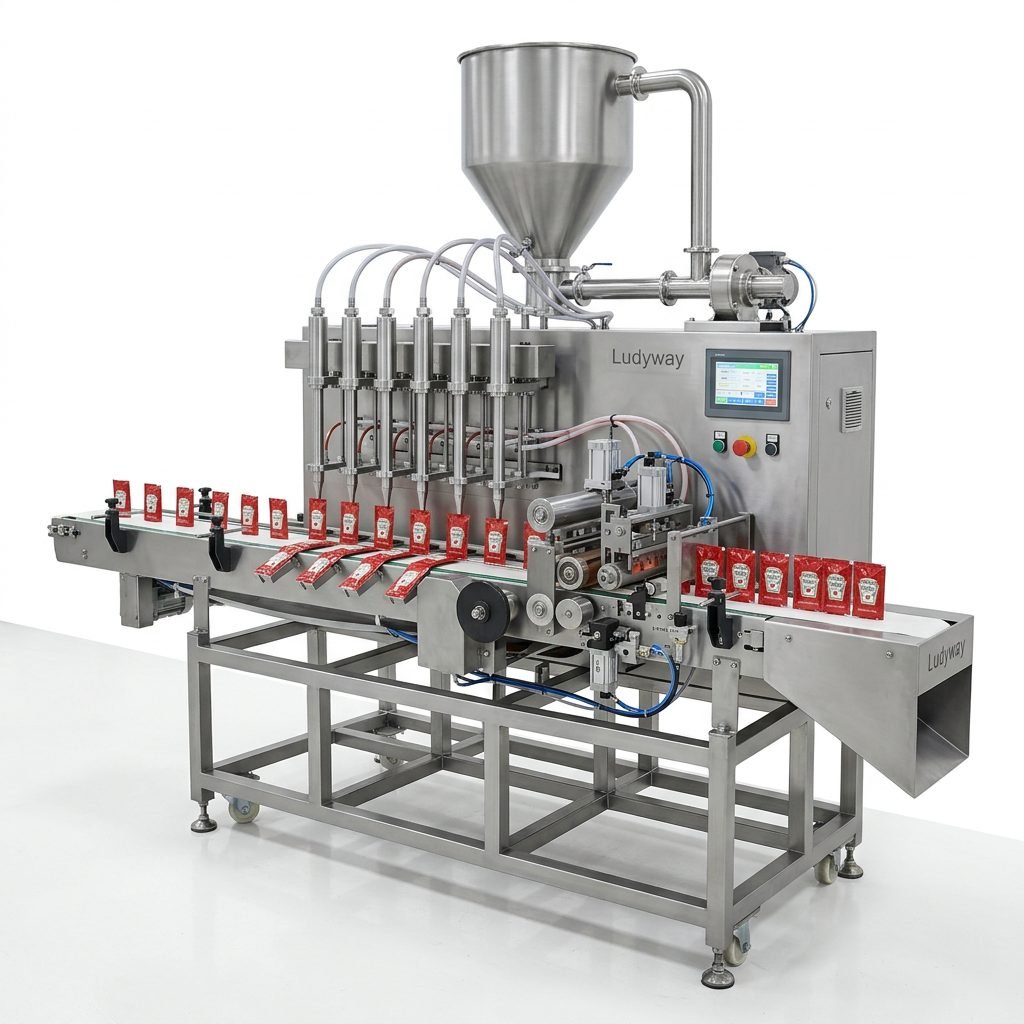
Why Chutney Packaging Requires Specialized Equipment
Chutney is not a simple free-flowing liquid. Many formulas include fruit pulp, herbs, seeds, spices, or vegetable particles. Some are hot-filled, while others are filled at ambient temperature. Because of this, manufacturers need machines that can maintain accuracy without damaging product texture or causing leaks.
- Variable viscosity: chutney may range from semi-liquid to dense paste.
- Particulate content: diced ingredients require smooth product transfer.
- Seal integrity demands: sauce contamination near sealing zones can reduce package quality.
- Food safety needs: hygienic contact parts and easy cleaning are essential.
- Production flexibility: different sachet, stick pack, pouch, or bottle formats may be required.
How an Automatic Chutney Packing Machine Works
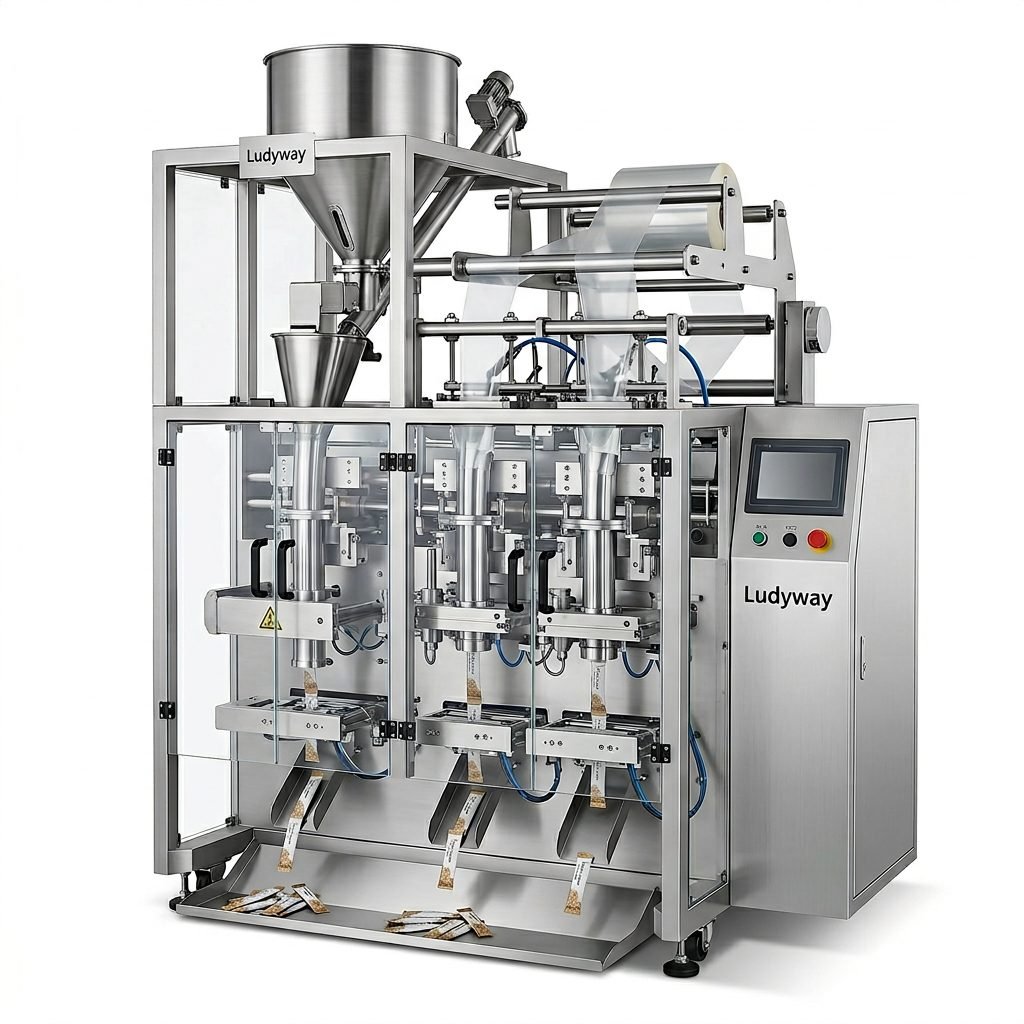
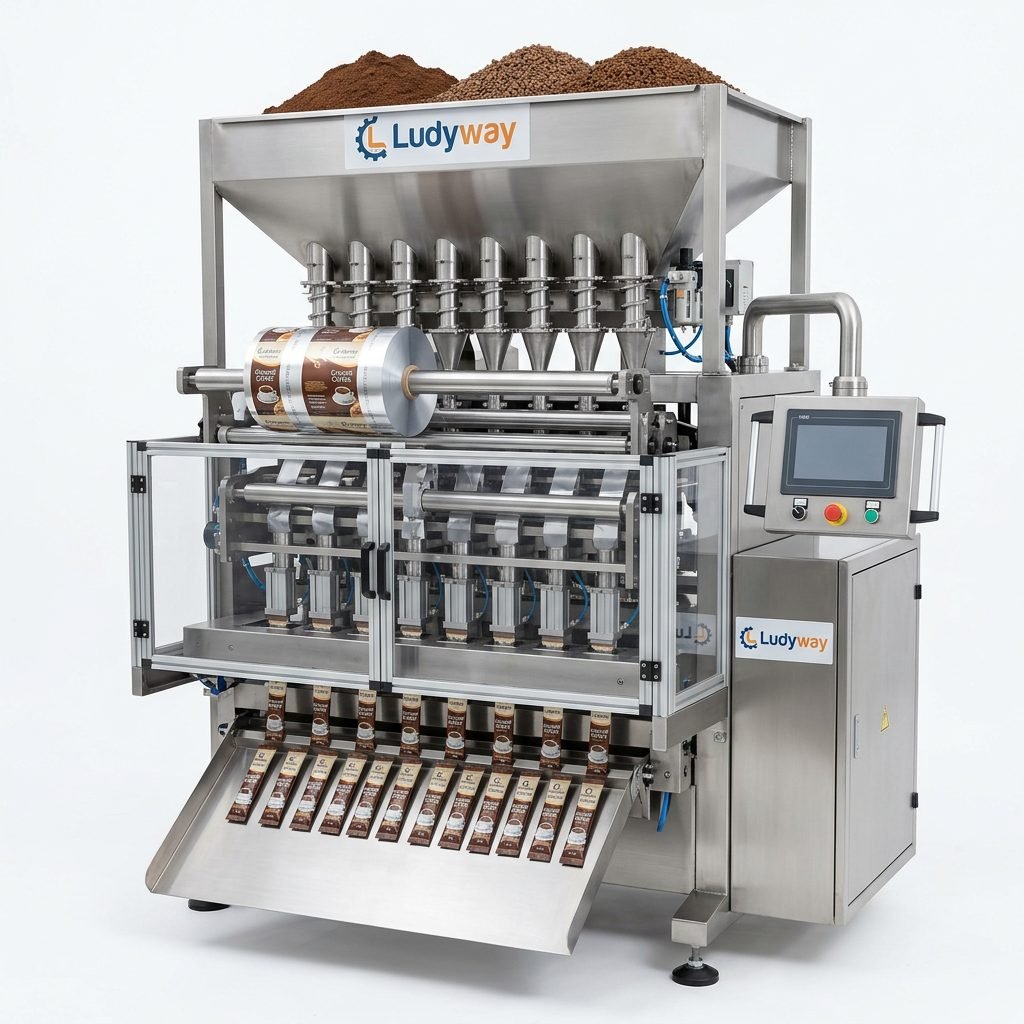
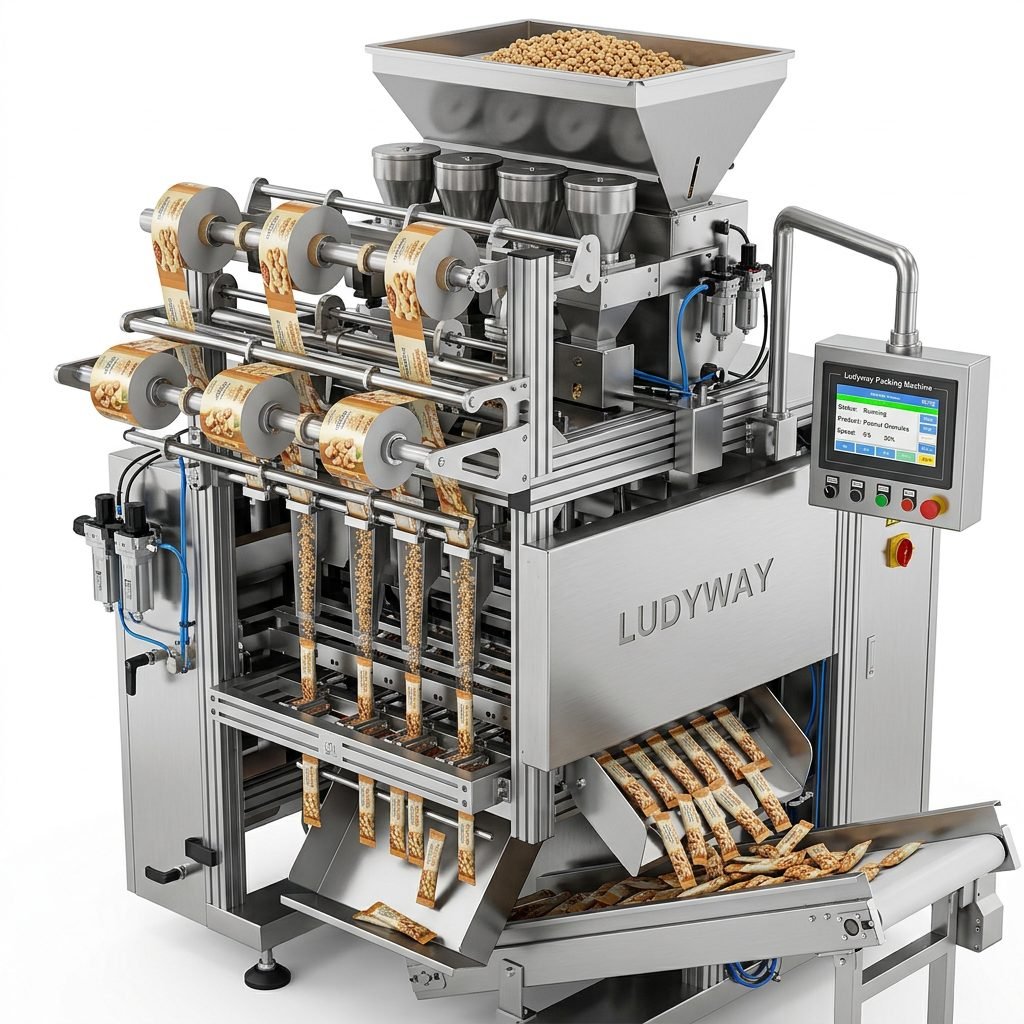
A typical automatic chutney packaging system integrates several steps into one continuous process. The machine first feeds packaging film or positions premade pouches, then doses the chutney with a controlled filling system, seals the package, and discharges the finished product for coding, inspection, and cartoning.
- Product is held in a hopper or feeding tank.
- A piston pump, servo pump, or customized filling unit meters the chutney.
- The packaging material is formed or indexed into position.
- Chutney is filled into the sachet, pouch, cup, or bottle.
- The package is sealed under controlled temperature and pressure.
- Optional systems perform coding, weighing, inspection, sorting, or secondary packing.
Best Packaging Formats for Chutney Products
Choosing the correct pack style depends on your target market, shelf strategy, and filling characteristics. Single-serve condiment packs are ideal for airlines, takeaway, and quick-service restaurants, while larger pouches and jars suit retail and wholesale channels.
| Packaging Format | Suitable Chutney Type | Typical Application |
|---|---|---|
| Sachets | Smooth or semi-thick chutney | Takeaway, meal kits, catering |
| Stick packs | Flowable sauce-style chutney | Single-portion convenience packs |
| Premade pouches | Chunky, premium, or family-size chutney | Retail shelves and export markets |
| Spouted pouches | Pourable or squeezable chutney | Convenient home use |
| Jars or bottles | Premium or traditional chutney recipes | Retail, gourmet, foodservice |
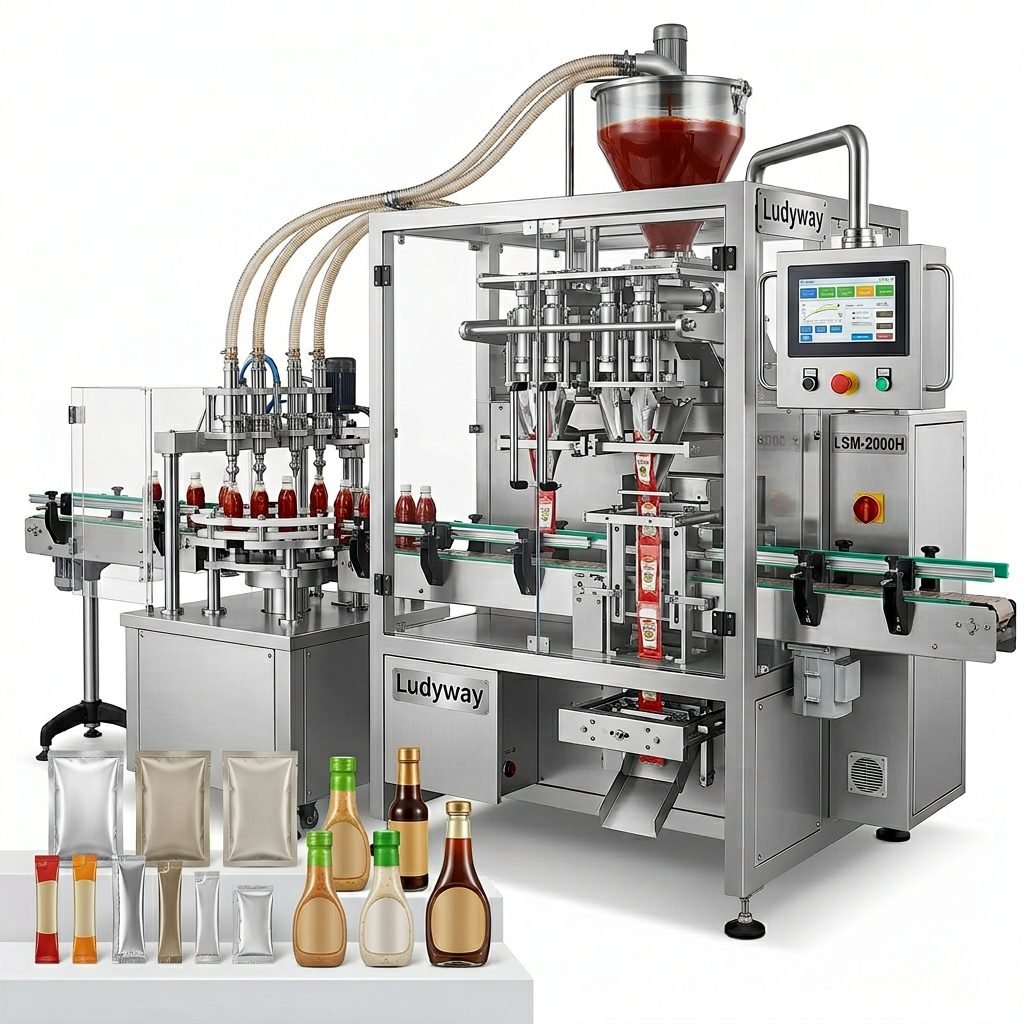
Key Features to Look for in a Chutney Filling and Sealing Machine
Not every sauce packaging system is suitable for chutney. Buyers should focus on machine features that support product consistency, sanitation, and long production runs.
1. Accurate Filling for Thick and Chunky Products
Servo-driven piston fillers and positive displacement pumps are often preferred for chutney because they can handle heavier textures with better control. For recipes with particulates, the product path should be designed to reduce blockage and preserve ingredient integrity.
2. Reliable Sealing Performance
Strong sealing is critical for preventing leakage during transport and storage. Advanced machines use controlled sealing temperature, dwell time, and pressure to ensure consistent seal quality even when packaging sticky products.
3. Hygienic Food-Grade Construction
Food-contact components should typically be made from stainless steel and designed for easy washdown. Smooth surfaces, sanitary piping, and quick disassembly help reduce downtime between flavor changes.
4. Flexible Package Size Adjustment
Manufacturers often run multiple SKUs, from trial-size sachets to larger pouches. A versatile machine allows changeover with minimal tool replacement and faster setup.
5. Integration with Upstream and Downstream Equipment
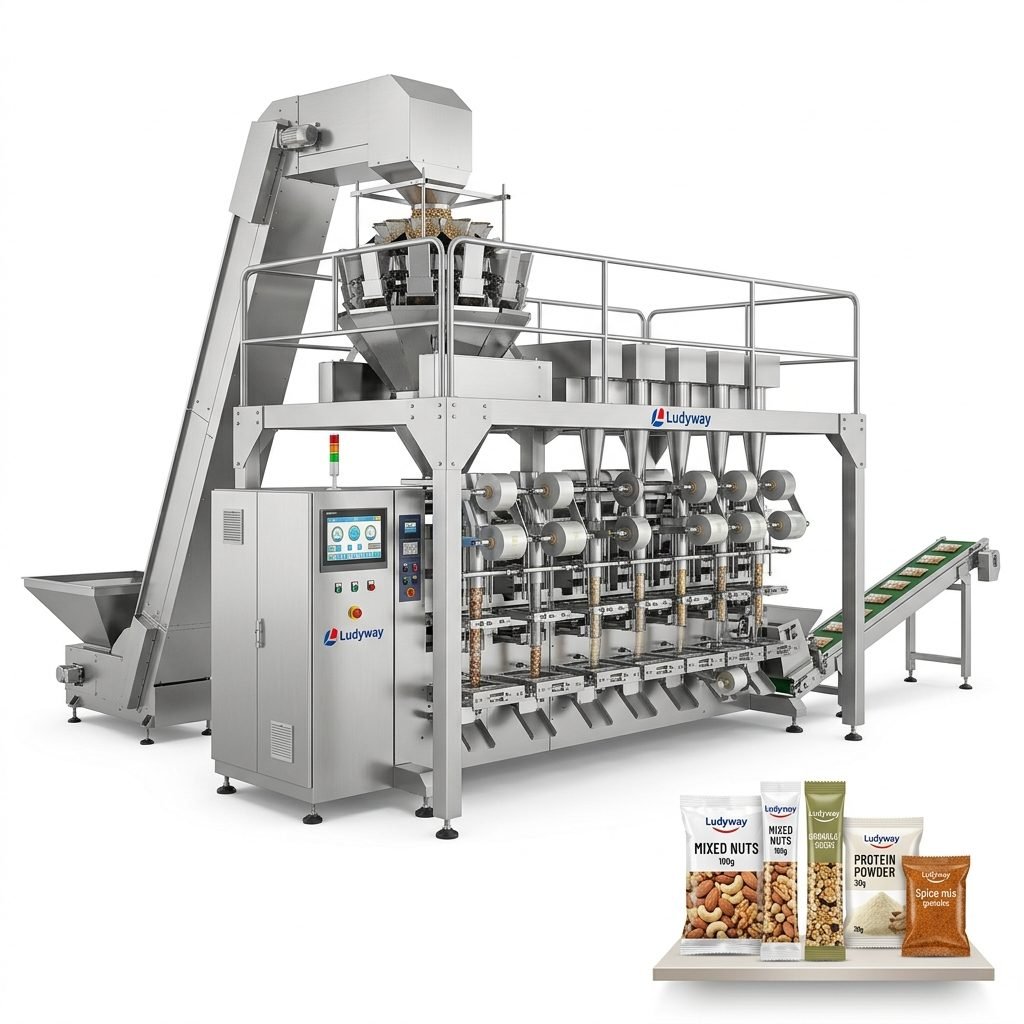
For larger facilities, the best solution is often a complete line that includes mixing tanks, buffer hoppers, pumps, conveyors, coding systems, checkweighers, metal detection, cartoning, and palletizing.
Benefits of Using Automatic Chutney Packing Machines
- Higher production efficiency through continuous automated operation
- Better filling consistency for weight and appearance control
- Reduced labor dependency in repetitive filling and sealing tasks
- Lower product waste from improved dosing precision
- Improved package hygiene and reduced manual handling
- Scalable output for growing food brands and contract packers
Common Industries and Sales Channels That Use Chutney Packaging Equipment
Automatic chutney filling and sealing systems are used by a wide range of food businesses:
| Business Type | Packaging Need | Recommended Machine Direction |
|---|---|---|
| Food brands | Retail-ready pouches or bottles | Automatic pouch or bottle filling lines |
| Catering suppliers | Single-serve sachets | High-speed sachet packing machines |
| Private label manufacturers | Frequent SKU changes | Flexible multi-format lines |
| Export-oriented factories | Stable, compliant packaging output | Turnkey automated packaging systems |
How to Choose the Right Chutney Packing Machine
Before investing, it is important to evaluate both your current production needs and future expansion plans. The best equipment choice is based on product characteristics, packaging goals, and factory workflow.
Questions to Ask Before Buying
- Is the chutney smooth, thick, or particulate-heavy?
- What filling volume range do you need?
- Do you use sachets, pouches, bottles, or multiple formats?
- What hourly output is required?
- Do you need hot filling capability?
- Will the machine integrate with coding, inspection, and case packing systems?
- How often will you switch between recipes or sizes?
Turnkey Packaging Lines for Chutney Production
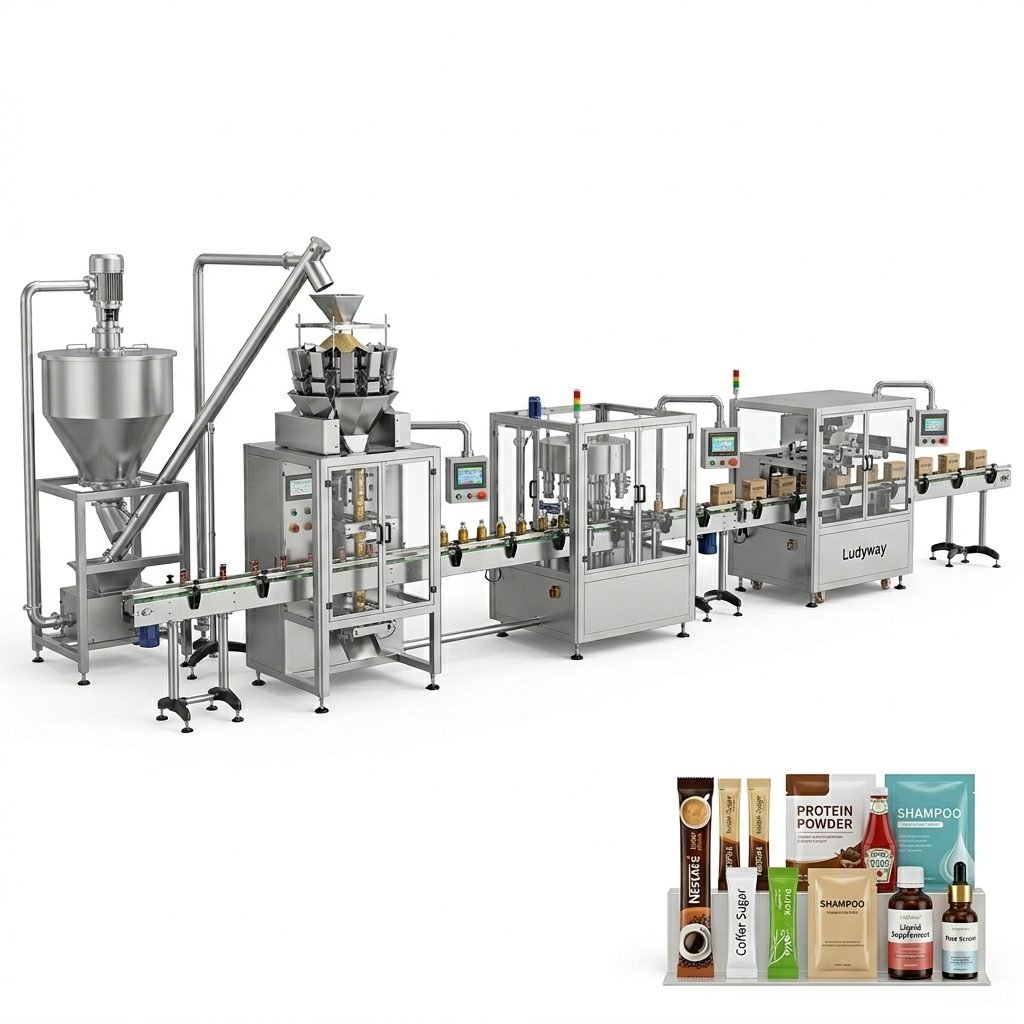
For medium and large manufacturers, a standalone filler may not be enough. A turnkey packaging line can streamline the entire process from product feeding to final secondary packaging. This is especially useful when handling multiple flavors, larger production targets, or export requirements.
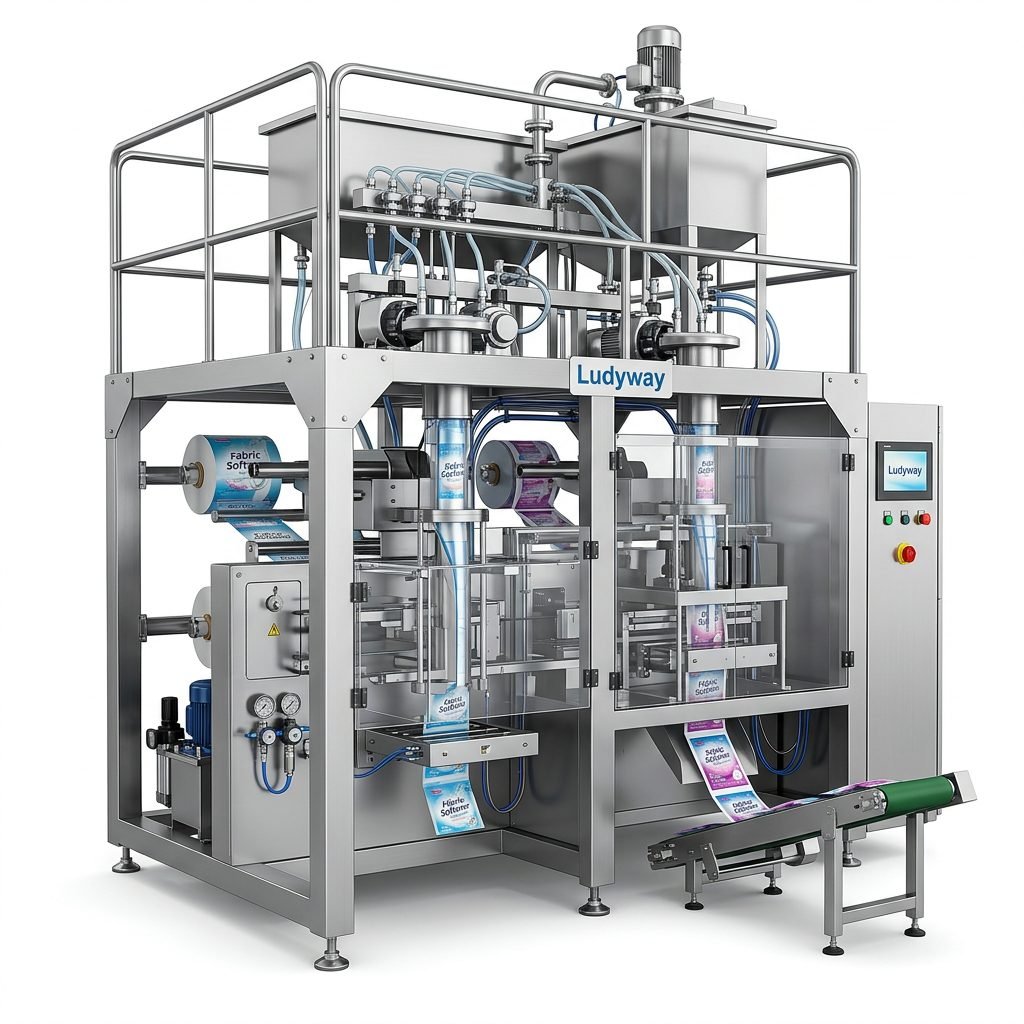
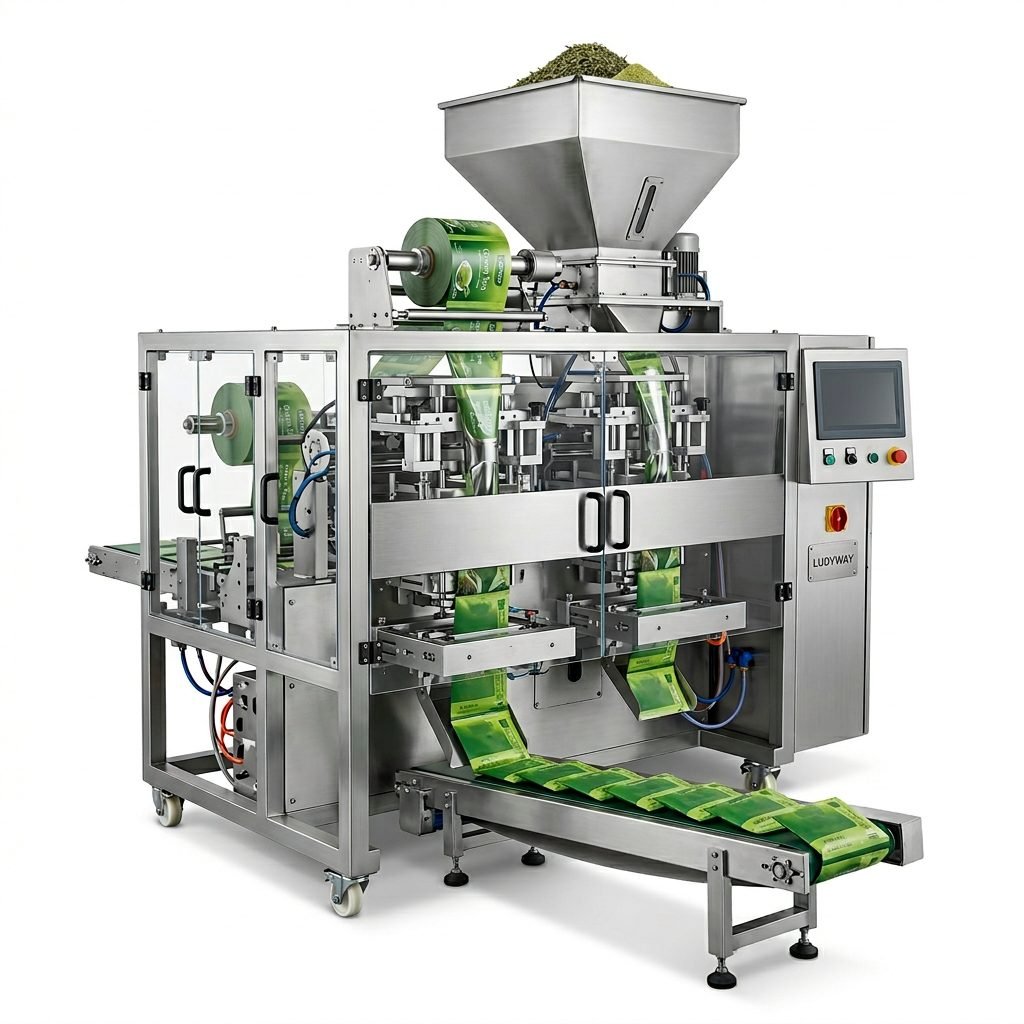
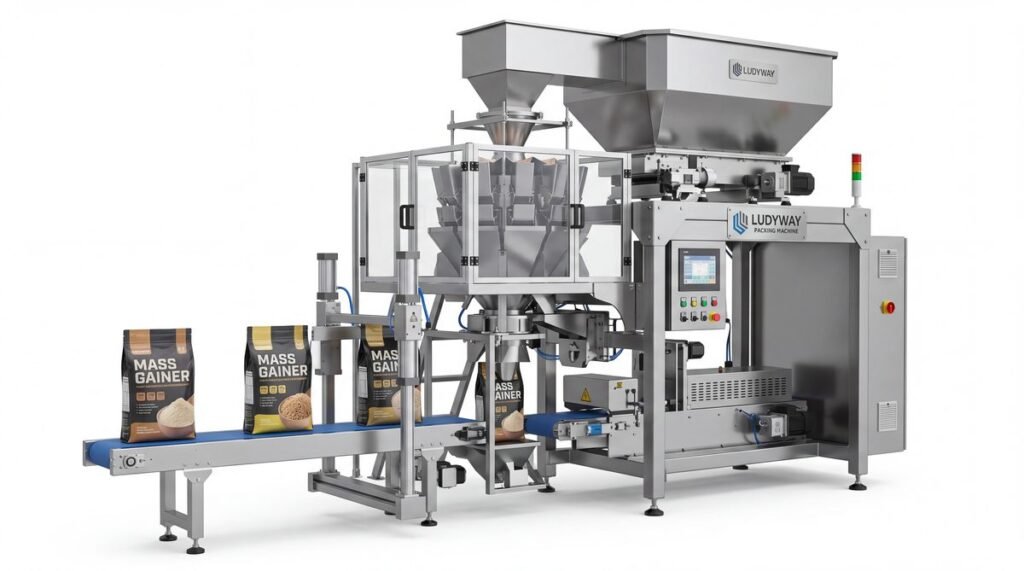
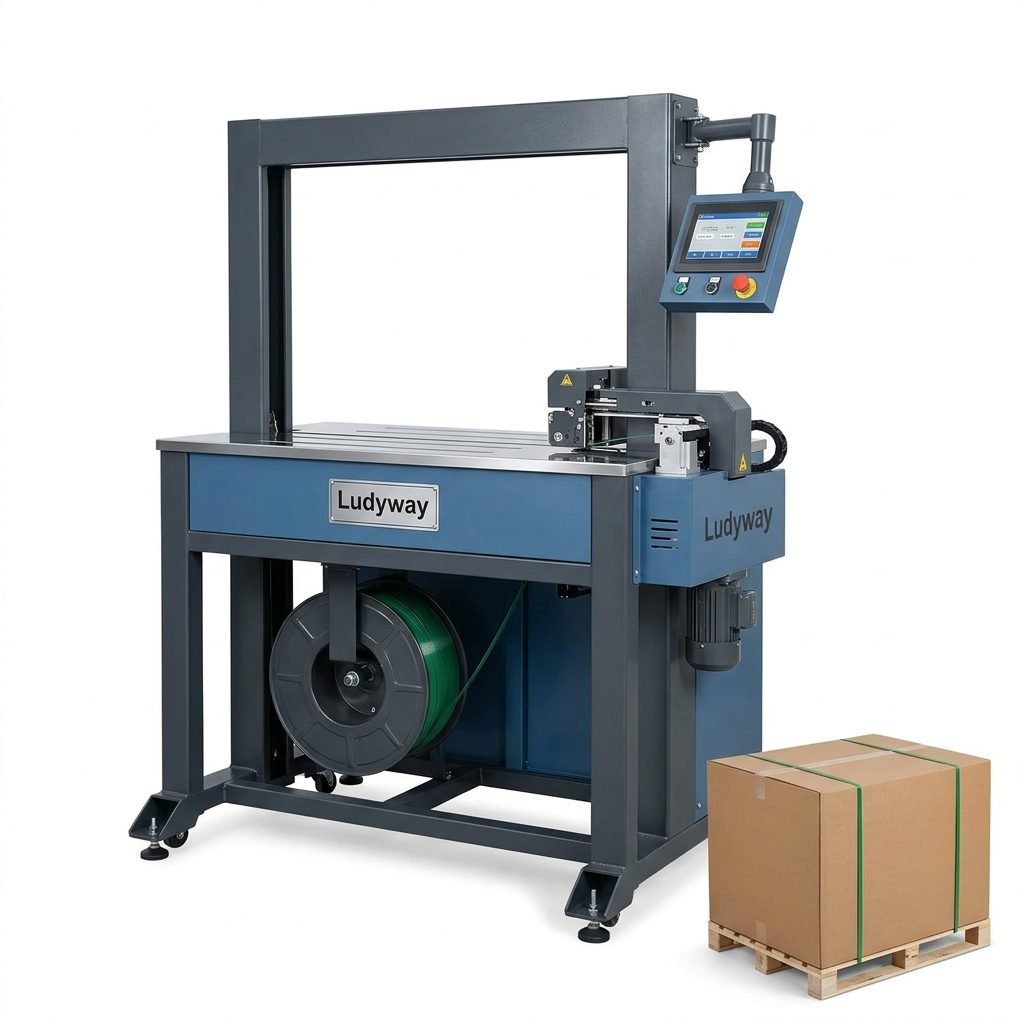
As one of China’s leading packaging machine and turnkey packaging line manufacturers, Ludyway chutney packing machine solutions can be adapted for liquid, paste, and sauce-style applications, helping food businesses improve automation, consistency, and line integration.
Important Technical Considerations for Chutney Applications
Viscosity Matching
The filler must be matched to the actual flow behavior of the chutney. A system built for thin liquids may struggle with high-viscosity fruit or spice blends.
Particle Size Compatibility
If the chutney includes diced fruit, onion, garlic, or herbs, the product path, valve design, and nozzle diameter should support clean passage without crushing or clogging.
Seal Area Cleanliness
Machines with anti-drip nozzles, controlled cut-off action, and clean filling motion help keep the seal area free from contamination, which is essential for pouch integrity.
Cleaning and Maintenance
Fast cleaning matters in food operations, especially when changing flavors or allergen profiles. Equipment with accessible components and simplified sanitation design can reduce downtime significantly.
SEO-Relevant Applications of Chutney Packing Machines
These machines are commonly searched for and used in applications such as:
- Mango chutney packing machine
- Mint chutney sachet packing machine
- Tamarind sauce filling machine
- Tomato chutney pouch packing machine
- Paste filling and sealing machine for condiments
- Automatic sauce sachet packing machine
- Food paste packaging line for export factories
Final Buying Insight for Food Manufacturers
A high-performance chutney packing machine is more than a filler. It is a production asset that affects product appearance, shelf reliability, labor efficiency, and long-term manufacturing cost. By choosing an automatic system built for thick and particulate food products, manufacturers can achieve faster packing speed, dependable sealing, and more professional retail presentation.
If your business is scaling chutney production, launching new condiment SKUs, or upgrading from manual packaging, investing in the right automatic filling and sealing solution can deliver measurable gains in both productivity and product quality.