The pharmaceutical packaging machinery market is a critical component of the global healthcare supply chain, ensuring that medicines, vaccines, and medical devices are safely contained, protected, and delivered. Selecting the right manufacturer for your packaging line is not just a procurement decision; it’s a strategic investment in product integrity, regulatory compliance, and operational efficiency. This guide explores the landscape of top-tier pharma packaging machinery manufacturers and provides a detailed framework for choosing the ideal supplier for your specific needs.
The Pillars of Pharmaceutical Packaging Machinery
Pharma packaging goes far beyond simple containment. It involves a sophisticated interplay of engineering, material science, and regulatory adherence. Machinery in this sector must meet exceptionally high standards for accuracy, cleanliness (often requiring cleanroom compatibility), traceability, and validation. Primary functions include:
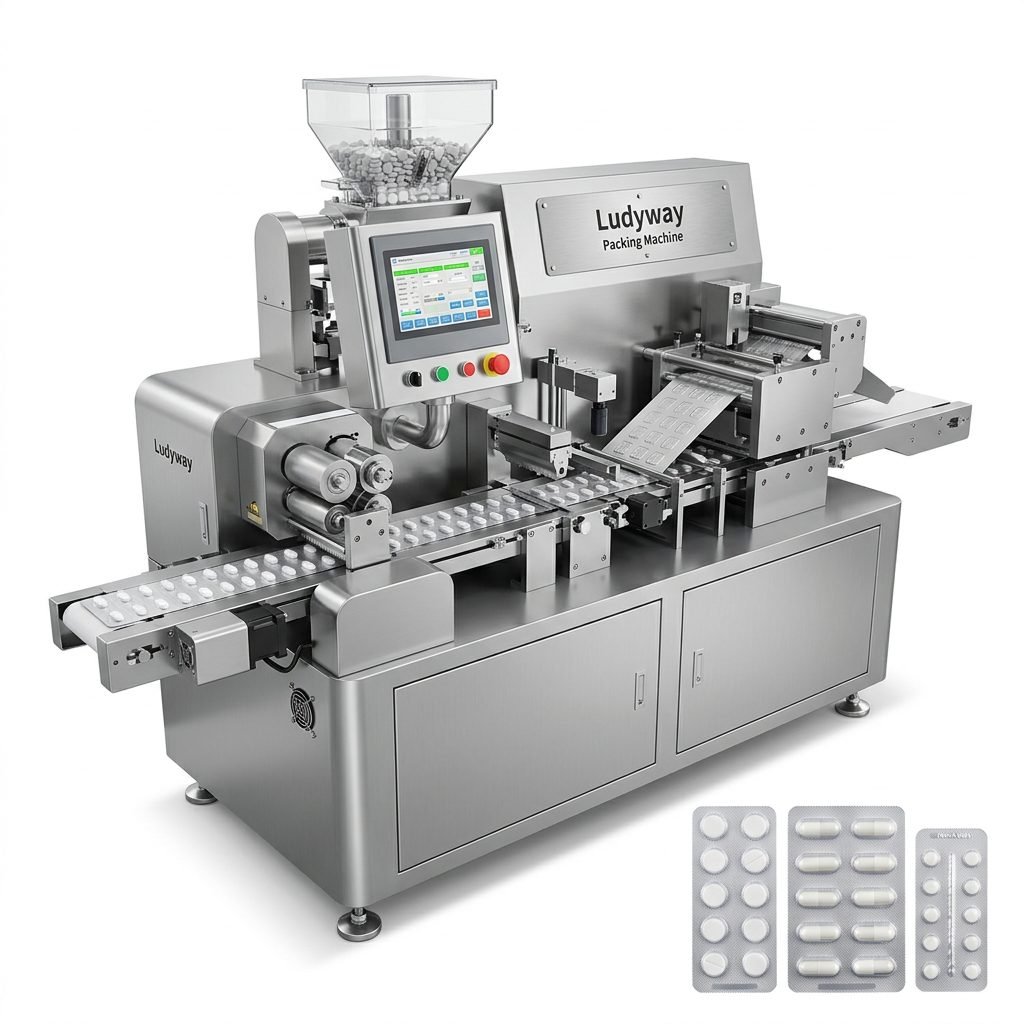
- Blister Packaging: For unit-dose solid forms like tablets and capsules, providing excellent barrier protection and patient convenience.
- Bottle Filling & Capping: For liquids, powders, and tablets in various container sizes, often integrated with labeling and cartoning.
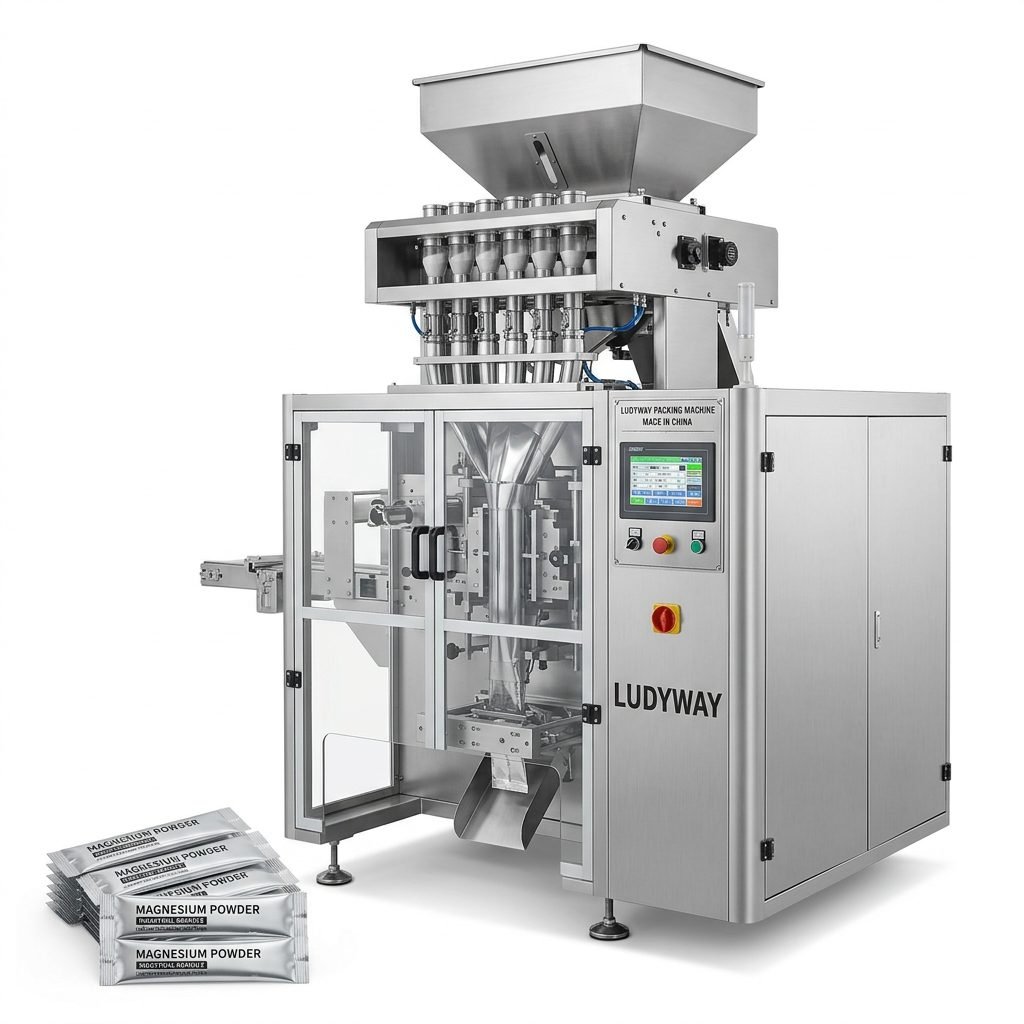
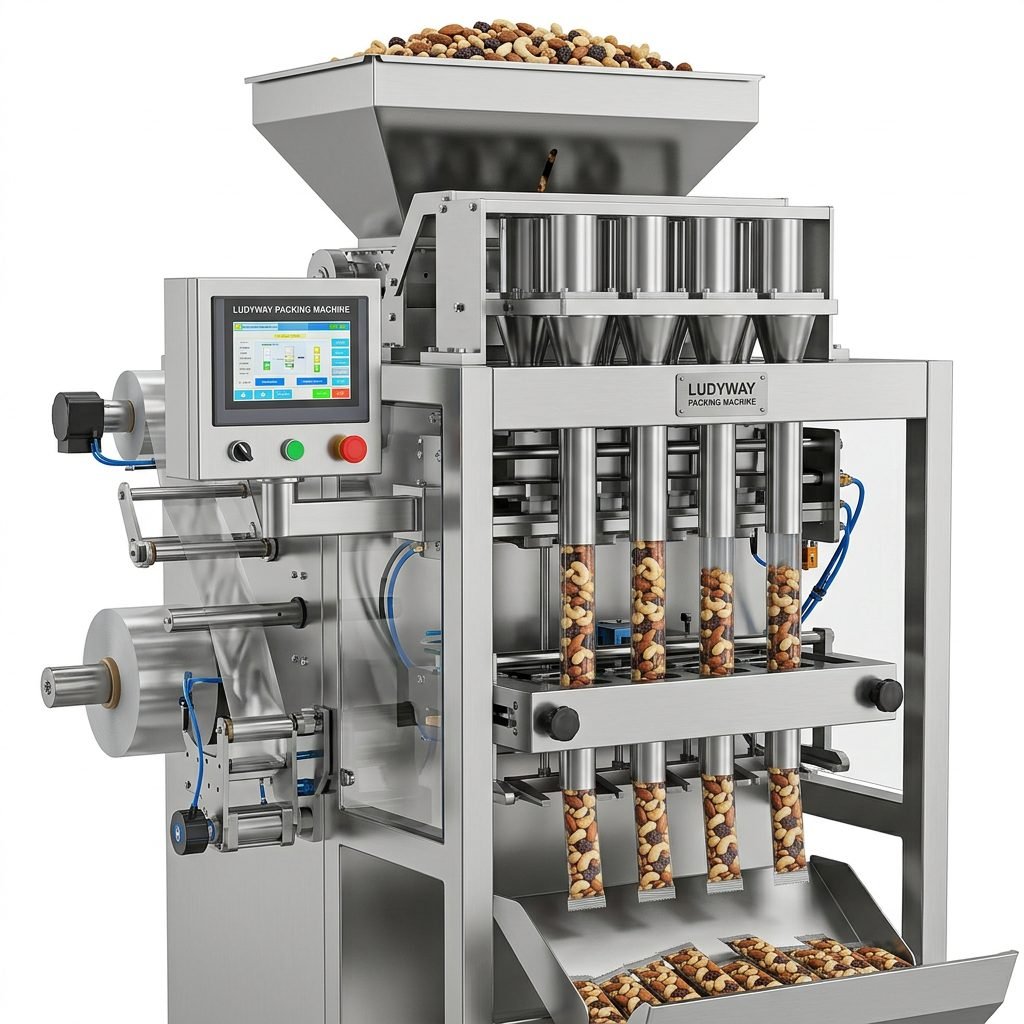
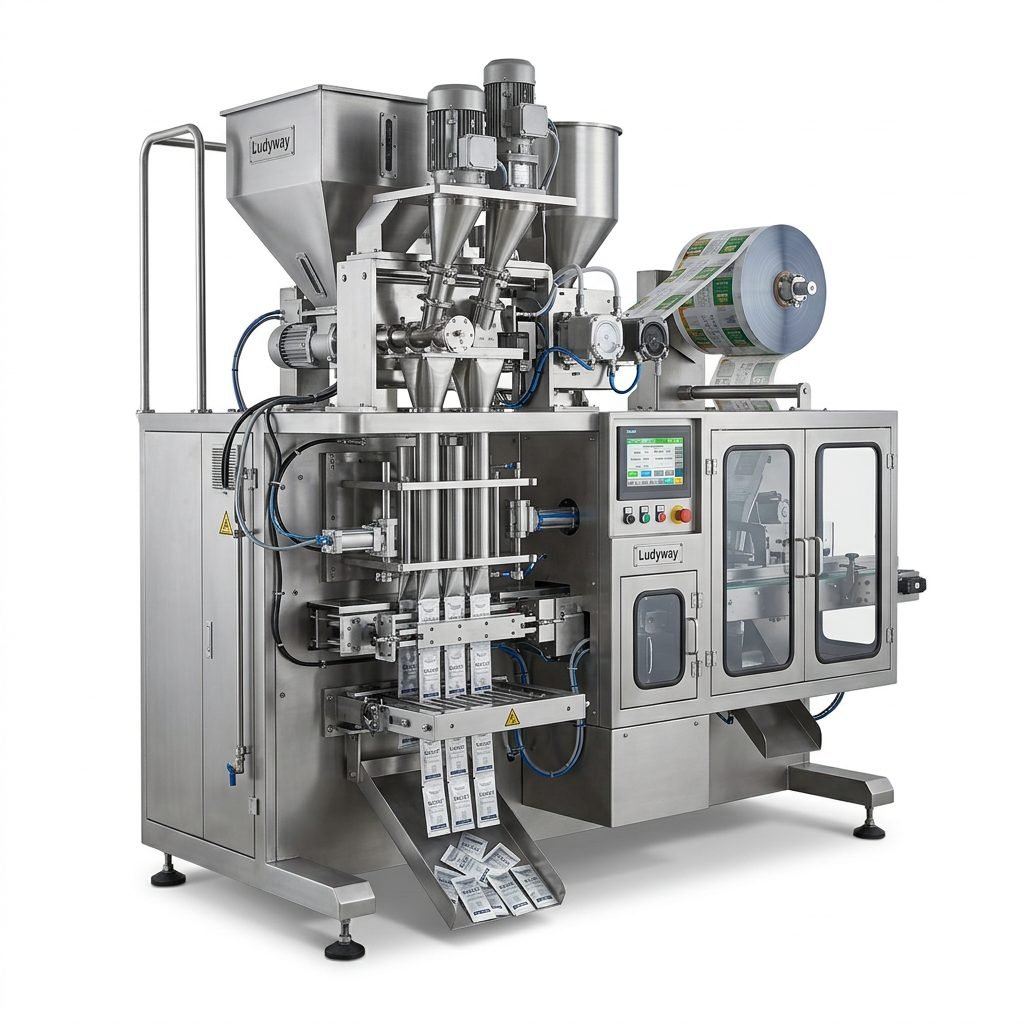
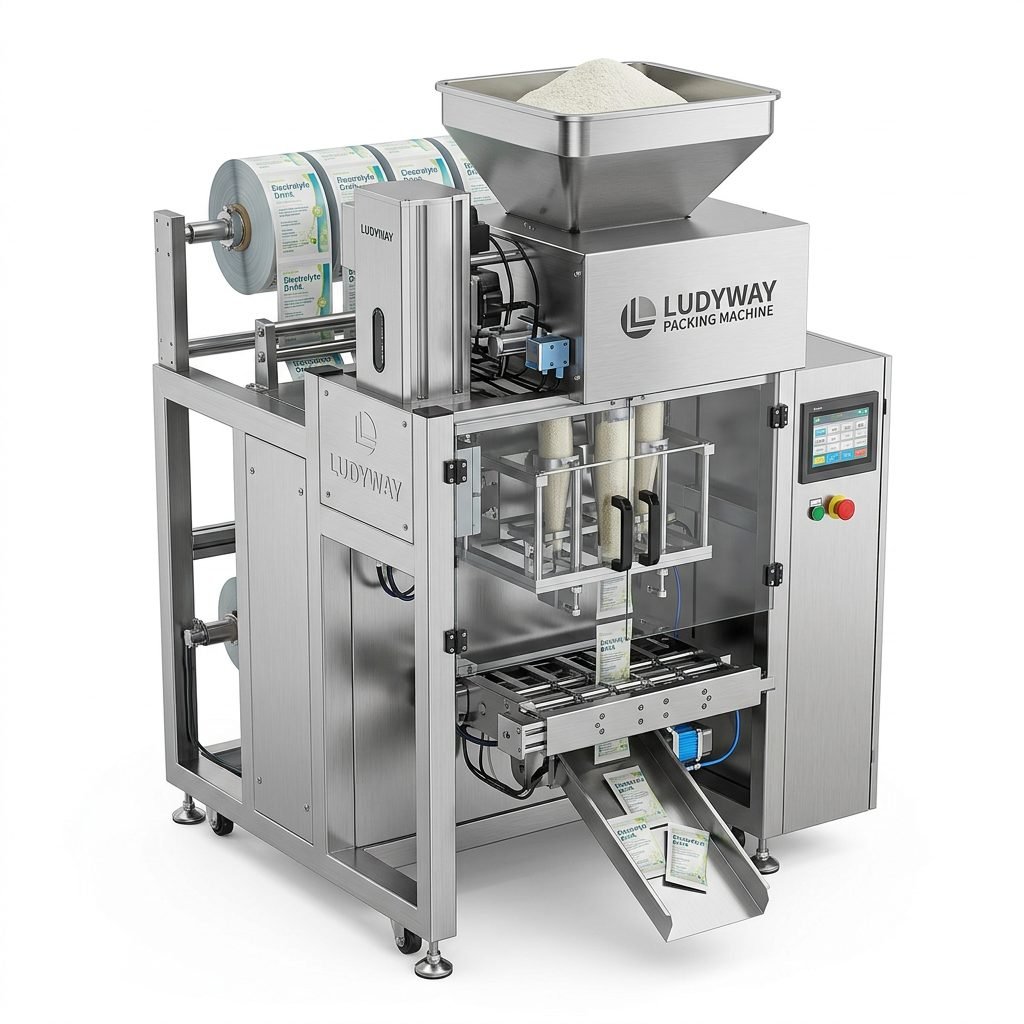
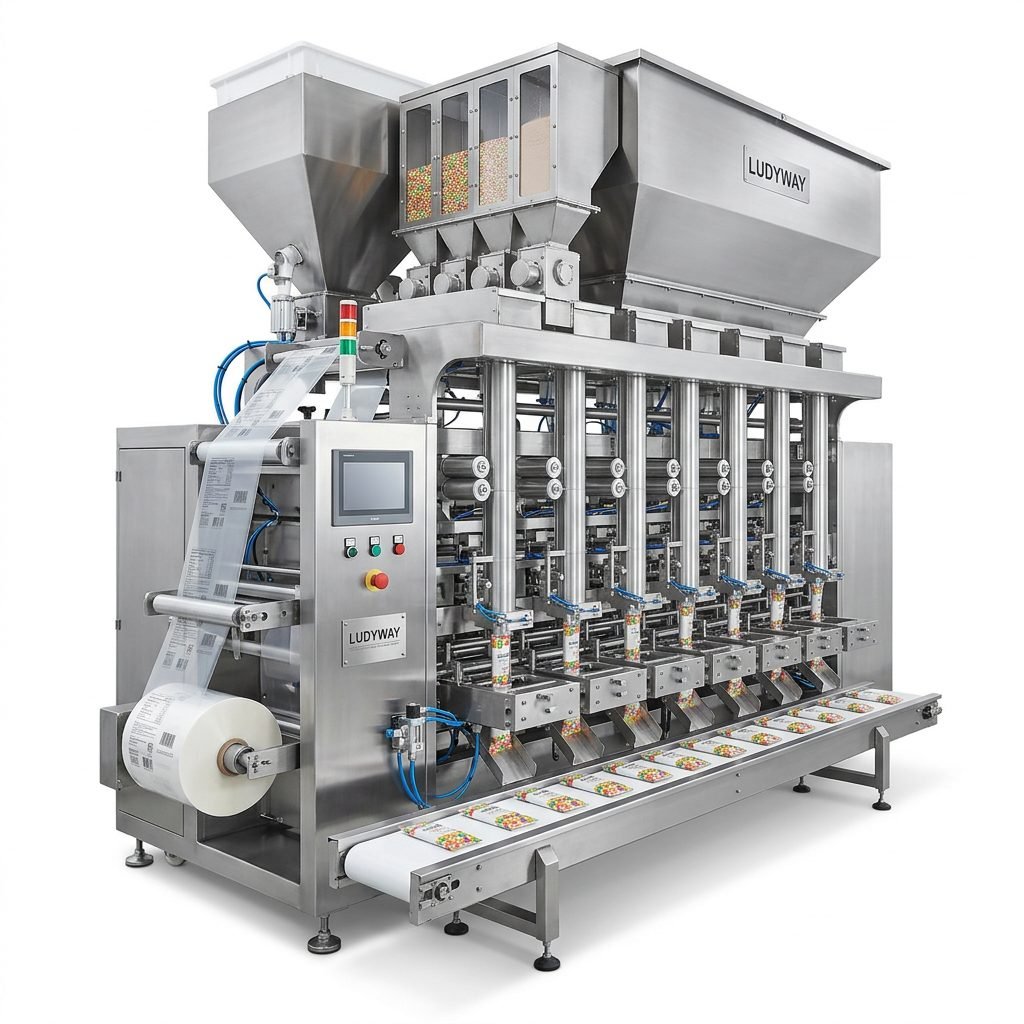
- Sachet & Stick Pack Packaging: Ideal for single-dose powders, granules, or liquids, increasingly popular for nutraceuticals and OTC products.
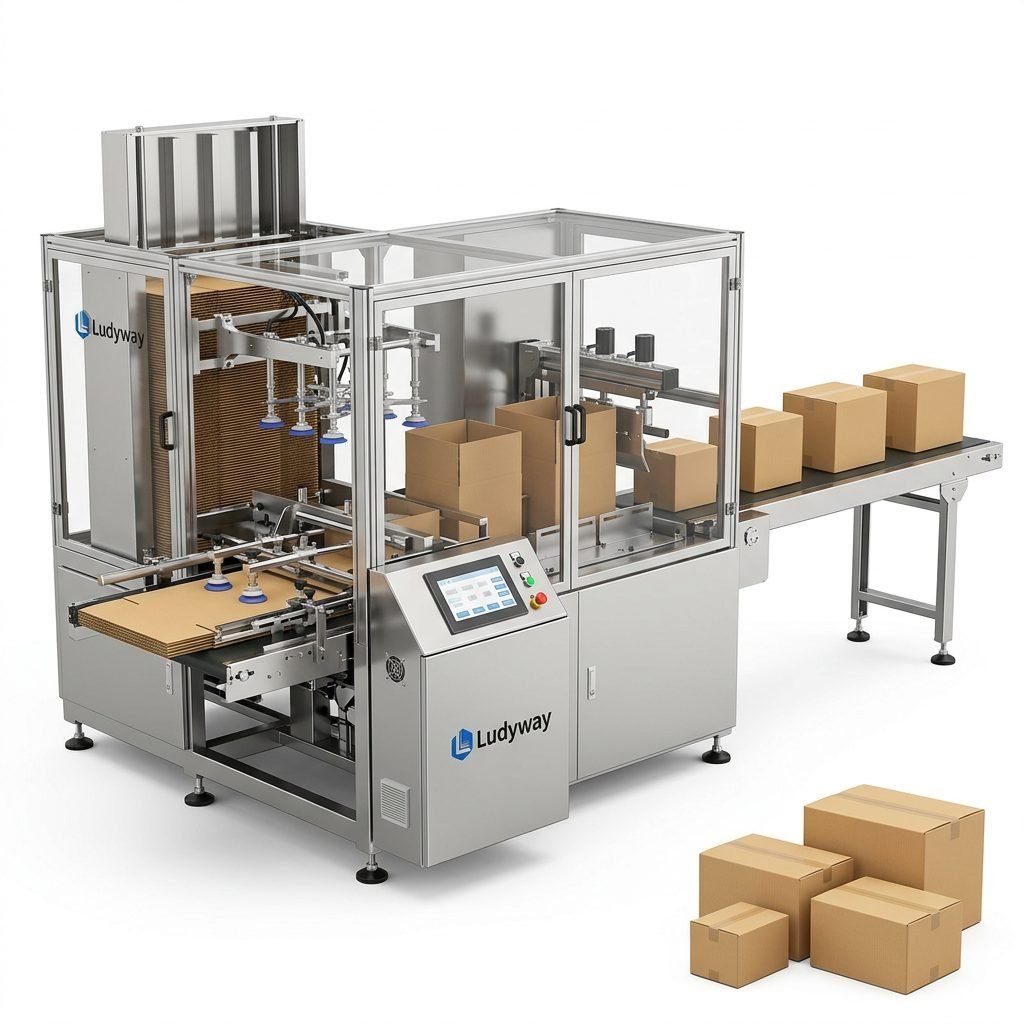
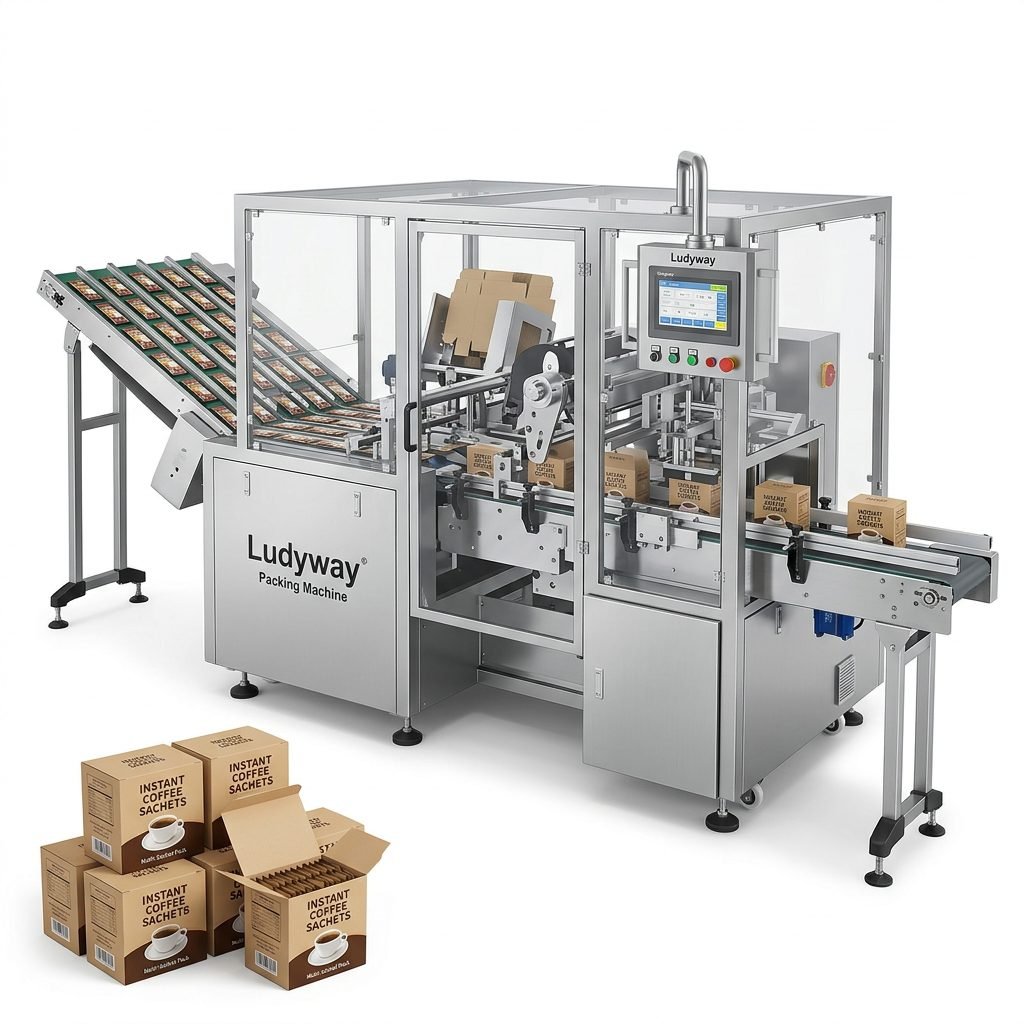
- Cartoning & Case Packing: The secondary and tertiary packaging stages that prepare products for distribution.
- Serialization & Aggregation: Mandatory in many regions (like the EU and USA) for track-and-trace compliance, involving printing and verifying unique codes on packs and cases.
Key Consideration: Regulatory Landscape
Any reputable manufacturer must design machinery that facilitates compliance with stringent regulations such as FDA 21 CFR Part 11 (electronic records), EU GMP Annex 11, and global serialization mandates. Look for suppliers with deep expertise in validation support and documentation (IQ/OQ/PQ protocols).
Evaluating Top Pharma Packaging Machinery Manufacturers
While numerous companies operate in this space, leading manufacturers distinguish themselves through innovation, reliability, and comprehensive service. When evaluating potential partners, consider these core attributes:
1. Engineering Expertise & Innovation
Top manufacturers invest heavily in R&D to develop machines that are faster, more flexible, and smarter. This includes advancements in servo-driven technology for precision, changeover systems that minimize downtime, and integration with Industry 4.0 and IoT platforms for real-time monitoring and predictive maintenance.
2. Quality & Compliance Focus
The build quality must be exceptional. Look for robust construction using pharmaceutical-grade materials (e.g., stainless steel 316L), designs that prevent contamination, and software that ensures data integrity. Certifications like CE and adherence to cGMP principles are non-negotiable.
3. Global Support & Service Network
Pharma production cannot afford extended downtime. A supplier’s global footprint, availability of spare parts, and responsive technical support team are crucial. Ask about their service level agreements (SLAs), remote diagnostics capabilities, and training programs for your operators and maintenance staff.
4. Project Management & Customization
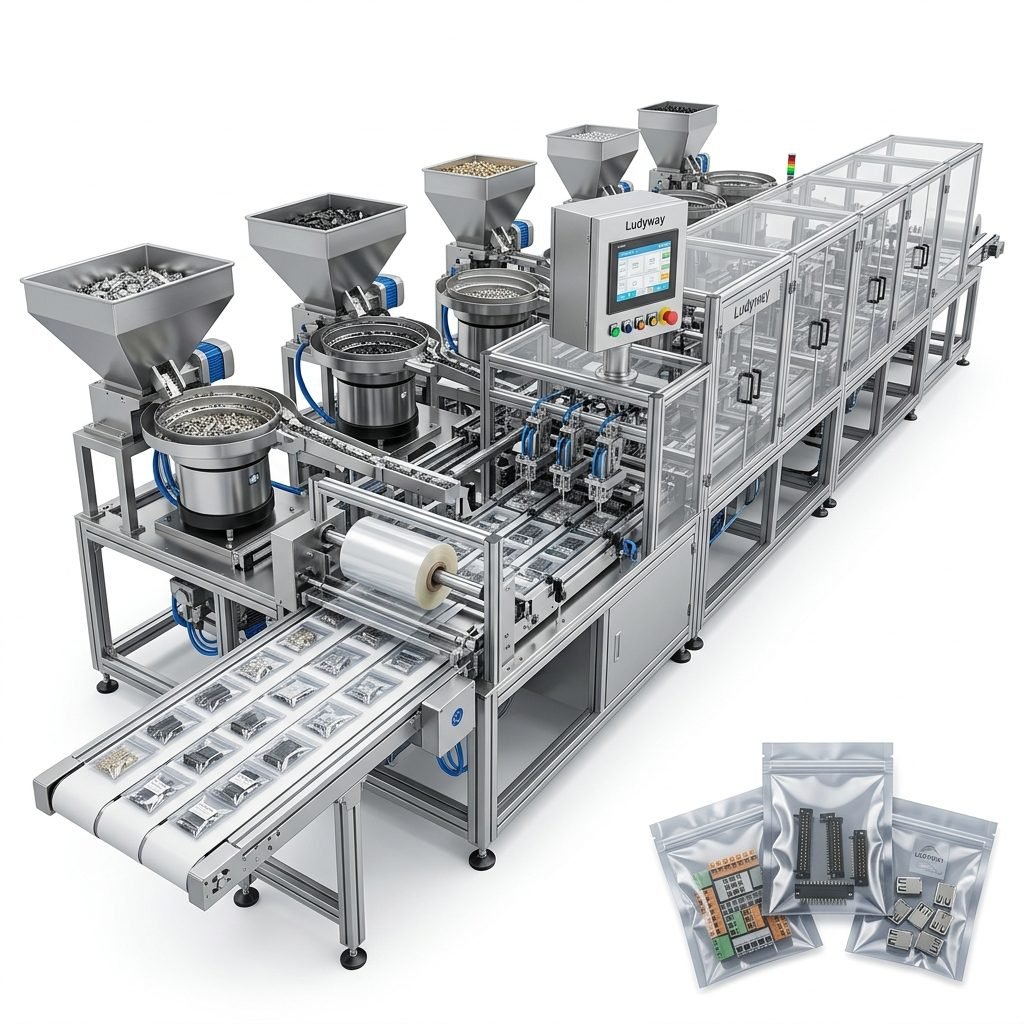
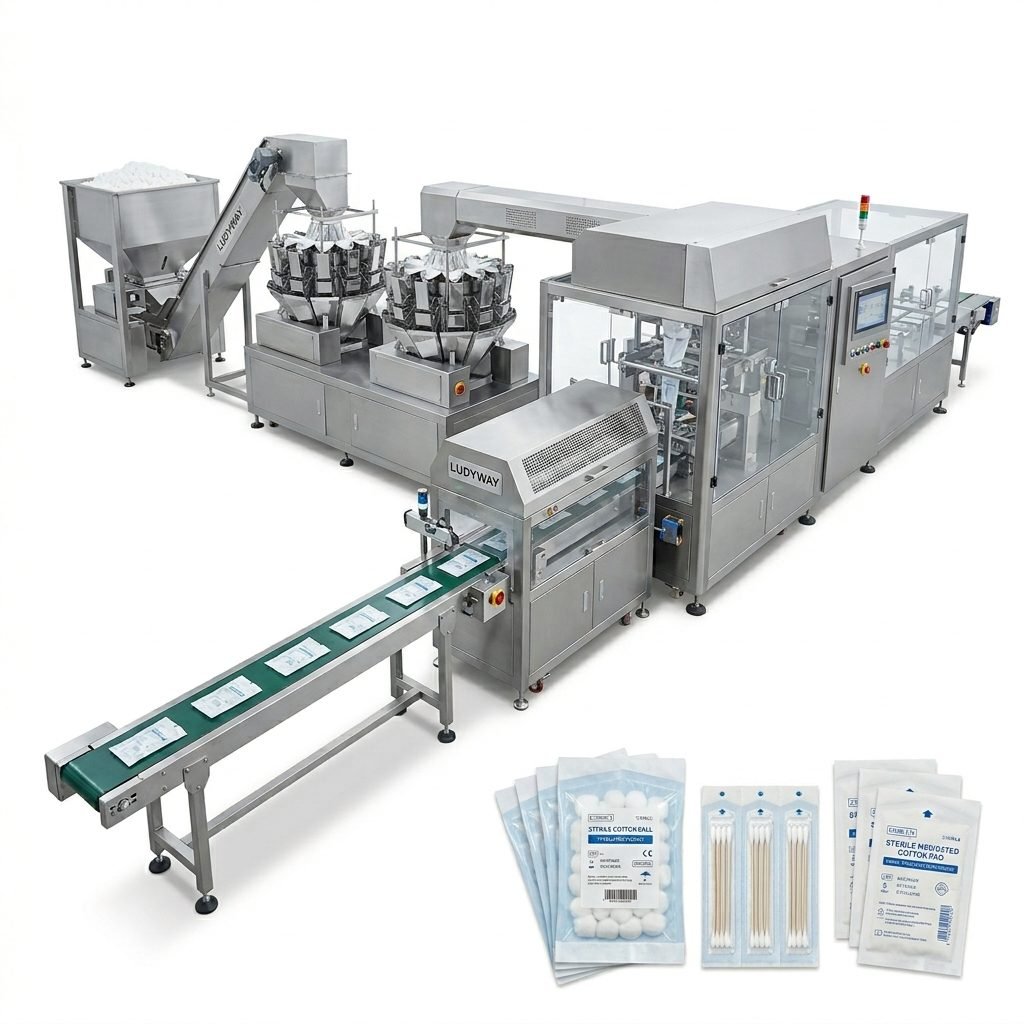
Every pharma line has unique requirements. Leading suppliers act as partners, offering customized solutions and managing projects from concept and factory acceptance testing (FAT) to site installation, site acceptance testing (SAT), and commissioning. For example, a company like Ludyway Machinery, with over a decade of experience, exemplifies this by providing turnkey solutions tailored to specific granule, powder, and liquid packaging applications in the pharma and health industries.
➤ Spotlight on Specialization: Sachet & Stick Pack Machines
For single-dose pharmaceuticals, nutraceuticals, or powder samples, sachet and stick pack machines are vital. Top manufacturers in this niche offer high-speed, multi-lane systems with precision dosing. They understand the need for maintaining product stability and preventing cross-contamination in these formats. Evaluating a supplier’s expertise in this specific area, like the intelligent multi-lane systems developed for global markets, can be a key differentiator if your product portfolio demands it.
A Step-by-Step Guide to Choosing the Right Supplier
Making the final selection requires a methodical approach. Follow this checklist to mitigate risk and ensure a successful partnership.
Step 1: Define Your Requirements Precisely
Create a detailed User Requirements Specification (URS). Document your product types, required output speeds, packaging materials, necessary validations, facility space constraints, and future scalability needs. A clear URS allows suppliers to provide accurate and comparable quotations.
Step 2: Conduct Thorough Supplier Due Diligence
- Visit Their Facility: A physical or virtual factory tour is invaluable. Assess their manufacturing processes, quality control, and cleanliness standards.
- Check References: Speak to existing clients, especially those with similar products or in your region.
- Review Financial Stability: A financially sound partner is more likely to be there for long-term support.
Step 3: Scrutinize the Technical Proposal & Commercial Terms
Beyond price, compare the technical merits of each proposal. Evaluate the machine’s Overall Equipment Effectiveness (OEE) projections, utility consumption, and offered warranties. Understand the total cost of ownership, including installation, training, and expected spare parts costs.
Step 4: Prioritize After-Sales Support & Partnership
The relationship begins after the sale. Clarify:
✅ Availability of multilingual manuals and training.
✅ Structure of the technical support hotline (24/7?).
✅ Spare parts inventory and delivery guarantees.
✅ Willingness to collaborate on future upgrades or line expansions.
Companies that build their reputation on long-term cooperation and innovation, backed by strong engineering and service commitments, often prove to be the most valuable partners.
Conclusion: Building a Foundation for Success
Choosing a pharmaceutical packaging machinery manufacturer is a decision that will impact your production for years. By focusing on a combination of technical excellence, uncompromising quality, proven regulatory expertise, and a true partnership ethos, you can select a supplier that not only provides a machine but becomes a cornerstone of your operational reliability and compliance. Investing time in the selection process upfront paves the way for a seamless integration, minimized lifecycle costs, and a packaging line that protects your most important asset—your product and the patients who depend on it.
Frequently Asked Questions (FAQs)
1. What are the most critical certifications to look for in a pharma packaging machine supplier?
The machine should carry the CE marking, indicating conformity with EU health and safety standards. More importantly, the supplier must demonstrate deep understanding and provide support for compliance with FDA regulations (particularly 21 CFR Part 11 for electronic records) and EU GMP guidelines. Their quality management system should ideally be ISO 9001 certified.
2. How important is machine flexibility for future product changes?
Extremely important. Modular design and quick-changeover features are key investments. They allow you to adapt to new package sizes, formats, or products without purchasing entirely new equipment, protecting your capital investment and speeding up time-to-market for new SKUs.
3. What is the difference between a standard machine and a “turnkey” solution?
A standard machine is the core equipment. A turnkey solution encompasses the complete line integration—from upstream feeding systems to downstream cartoning, along with all electrical controls, software integration, factory testing, installation, commissioning, and validation support. It provides a single-point responsibility, which significantly reduces project complexity and risk for the buyer.
4. Can packaging machinery handle the serialization requirements for different countries?
Yes, but you must specify this need upfront. Leading manufacturers offer integrated or ready-to-integrate serialization modules (printers, verifiers, cameras) with software that can be configured to meet the specific coding, data matrix, and aggregation rules of markets like the USA (DSCSA), EU (FMD), China, and others.
5. What should I expect during the Factory Acceptance Test (FAT)?
The FAT is a critical milestone where you witness the machine running with your specified materials (or equivalents) at the supplier’s site. You should verify performance against the agreed URS, test safety functions, review software, and inspect documentation. A successful FAT ensures any issues are resolved before the equipment is shipped to your facility.