In today’s fast-paced production environments, shrink film packaging machines have become indispensable for securing products, enhancing presentation, and streamlining logistics. Whether you are packaging consumer goods, pharmaceuticals, or industrial components, selecting and optimizing the right shrink film system can significantly impact your operational efficiency, cost structure, and product integrity. This guide delves into the critical aspects of choosing, effectively using, and fine-tuning these machines for faster, more cost-effective packing operations.
Understanding Shrink Film Packaging Technology
Shrink film packaging involves wrapping a product or a group of products with a plastic film that contracts when heat is applied, forming a tight, protective seal. The process typically utilizes a shrink film packaging machine which automates the sealing and shrinking stages. Common films include Polyethylene (PE), Polyvinyl Chloride (PVC), and Polyolefin, each offering different clarity, strength, and shrinkage properties.
Key Components of a Shrink Film System
A typical automated system consists of:
▶ Film Dispensing & Wrapping Unit: Automatically cuts and wraps the film around the product or tray.
▶ Sealing Mechanism: Creates a sealed sleeve or bag, often using a heat seal bar or impulse sealer.
▶ Shrink Tunnel or Heat Chamber: Applies controlled heat (via hot air or infrared) to activate film shrinkage.
▶ Conveyor System: Transports products seamlessly through the wrapping, sealing, and shrinking phases.
How to Choose the Right Shrink Film Packaging Machine
Selecting an appropriate machine requires a careful analysis of your specific needs. Consider the following factors:
1. Assess Your Product Profile
The size, shape, fragility, and heat sensitivity of your products are primary determinants. For irregular shapes or delicate items, a machine with adjustable wrapping and gentle heat settings is crucial. High-volume, uniform products might benefit from a high-speed, automated inline system.
2. Determine Production Volume & Speed Requirements
Match the machine’s output capacity (packages per hour) to your production demands. Semi-automatic machines suit lower volumes, while fully automatic continuous motion shrink wrappers are designed for high-speed lines. Consider future growth to avoid under-capacity.
3. Evaluate Film Compatibility & Cost
The machine must be compatible with the type and thickness of shrink film you plan to use. Polyolefin films, for example, often require lower shrinkage temperatures than PVC. Analyze the ongoing film cost per package as it significantly affects total packing costs.
4. Consider Integration with Existing Lines
Will the machine integrate into an existing conveyor line? Check dimensions, inlet/outlet heights, and control system compatibility (e.g., PLC interfaces). Look for machines offering modular design for easier integration and future upgrades.
5. Prioritize Energy Efficiency & Operational Costs
Modern machines with efficient heating elements (like infrared) and optimized airflow can reduce energy consumption by 20-30%. Also, factor in maintenance needs, ease of cleaning, and part durability to estimate long-term operational expenses.
Effective Use and Operation Best Practices
Proper operation extends machine life, ensures consistent quality, and minimizes waste.
Optimizing Machine Setup
Film Alignment & Tension: Correctly align the film web and set appropriate tension to avoid wrinkles or mis-wraps.
Temperature Calibration: Calibrate the shrink tunnel temperature precisely for your film type. Too high can cause burns or bubbles; too low results in loose packaging.
Conveyor Speed Synchronization: Synchronize the conveyor speed through all stages to prevent product jamming or incomplete sealing.
Regular Maintenance Schedule
Implement a preventive maintenance routine:
• Daily: Clean sealing bars, check film roll alignment, remove dust from heat chambers.
• Weekly: Inspect conveyor belts and bearings, verify temperature sensor accuracy.
• Monthly: Lubricate moving parts as recommended, inspect electrical connections.
Optimizing for Faster and More Cost-Efficient Packing
Beyond correct operation, strategic optimizations can unlock higher speed and lower costs.
Streamline the Packaging Process Flow
Analyze the entire pack-off line. Eliminate bottlenecks before or after the shrink wrapper. Consider automatic product feeding and collating to maintain steady machine input. Synchronized downstream labeling or cartoning can further accelerate the total process.
Reduce Film Waste
Film waste directly impacts cost. Use machines with precise film cutting and advanced wrapping algorithms to minimize overhang. Optimize package orientation to use the minimal possible film area. Consider switching to a thinner, but equally strong, film grade if compatible.
Implement Smart Automation Features
Utilize machines equipped with sensors and adaptive controls. Features like auto film tension adjustment, product size detection for variable wrapping, and energy-saving modes (tunnel heat reduces during idle periods) contribute to both speed and cost efficiency.
Train Operators for Proficiency
Well-trained operators can identify minor issues before they cause downtime or quality defects. Training should cover machine setup, routine adjustments, basic troubleshooting, and film change procedures to maintain optimal performance.
Conclusion
A shrink film packaging machine is a powerful tool for enhancing product protection, presentation, and logistics readiness. The key to achieving faster and more cost-effective packing lies in a deliberate selection process tailored to your product and output needs, followed by disciplined operation and continuous optimization of the process. By focusing on integration, energy and material efficiency, and operator skill, businesses can maximize the return on their packaging equipment investment.
Frequently Asked Questions (FAQs)
1. What is the main difference between a shrink wrapper and a stretch wrapper?
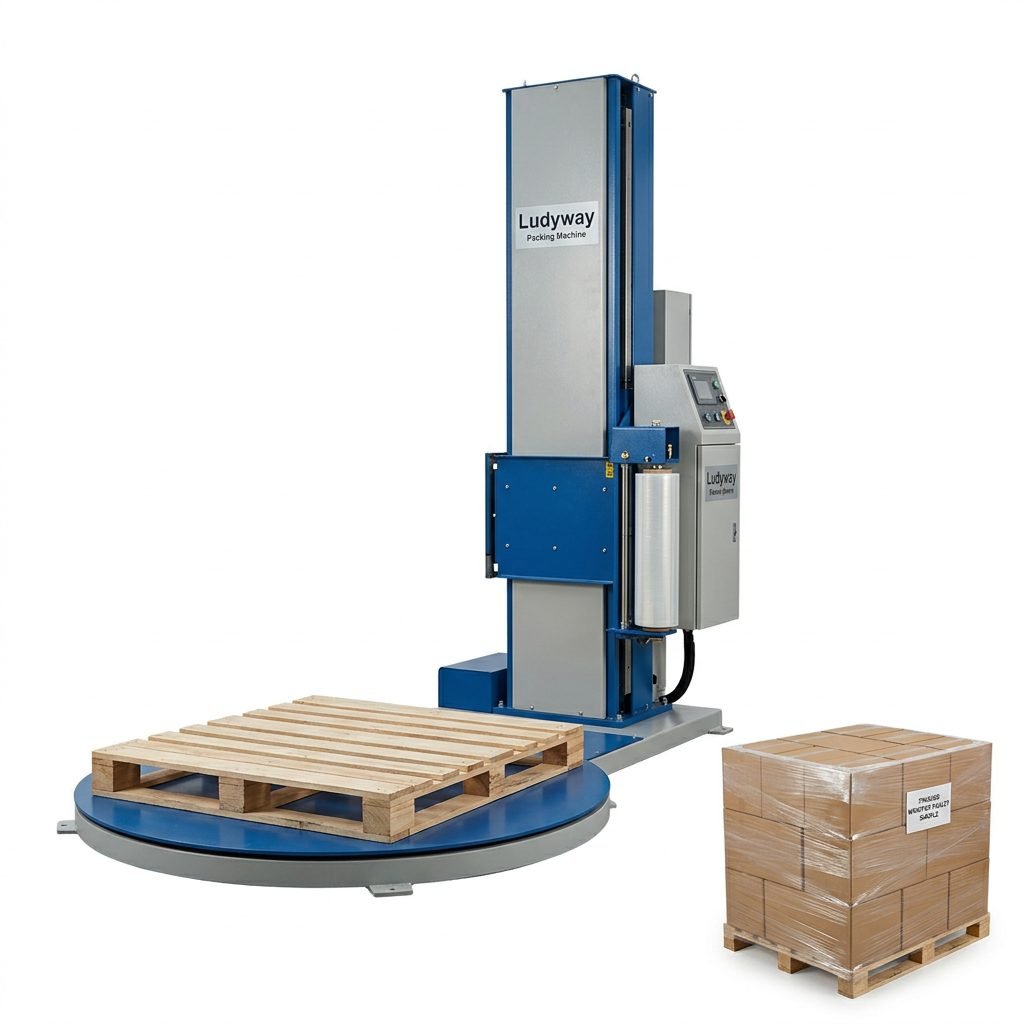
Shrink wrappers use heat to tighten a pre-cut film sleeve around the product. Stretch wrappers mechanically stretch the film around the product without heat. Shrink film offers a tighter, tamper-evident seal, while stretch wrapping is often used for pallet unitization.
2. Can the same machine handle different film types?
Many modern machines are multi-film compatible, but settings (especially temperature) must be adjusted for each type. It’s vital to consult the machine manual and possibly recalibrate when switching film materials.
3. How can I reduce energy consumption of the shrink tunnel?
Use an energy-efficient tunnel design (e.g., infrared), ensure proper insulation, implement an automatic standby or reduced-heat mode during line pauses, and regularly clean heating elements and air ducts for optimal heat transfer.
4. What common issues cause poor shrink film results?
Common issues include incorrect temperature (loose or burnt film), improper film tension (wrinkles), misaligned film web, wrong film type for the product, and conveyor speed mismatch causing incomplete sealing.
5. Is automatic feeding necessary for high-speed operation?
For consistent high-speed output (e.g., over 30 packs per minute), automatic product feeding or collating is highly recommended to maintain a steady, uninterrupted flow into the wrapper, maximizing its designed capacity.